Франция
Кодбек-ан-Ко
Caudebec-en-Caux
683 voyages
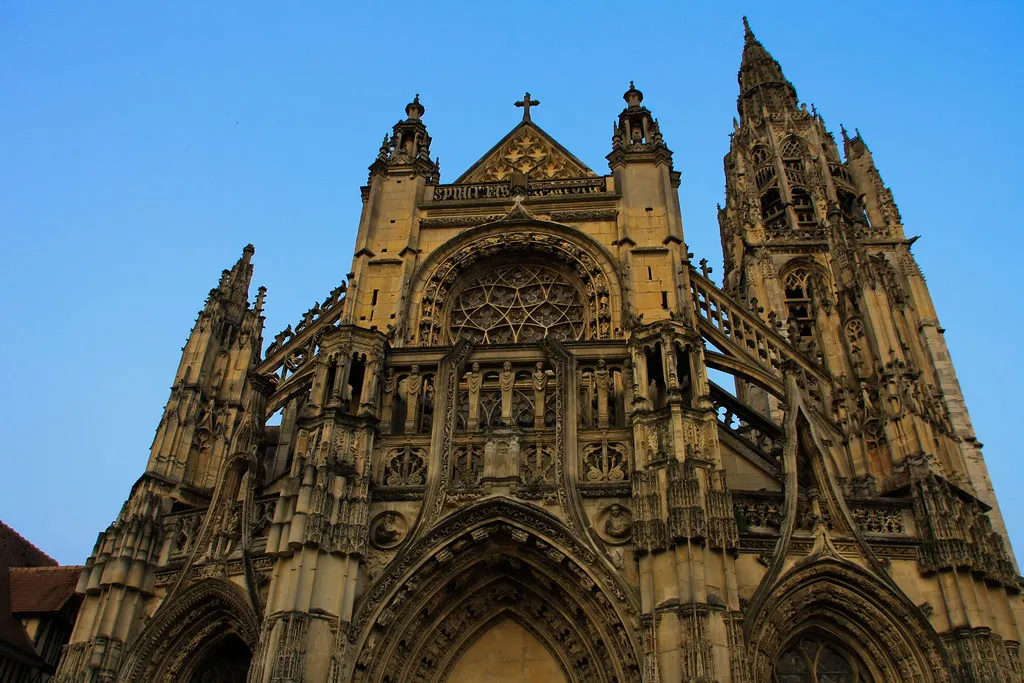
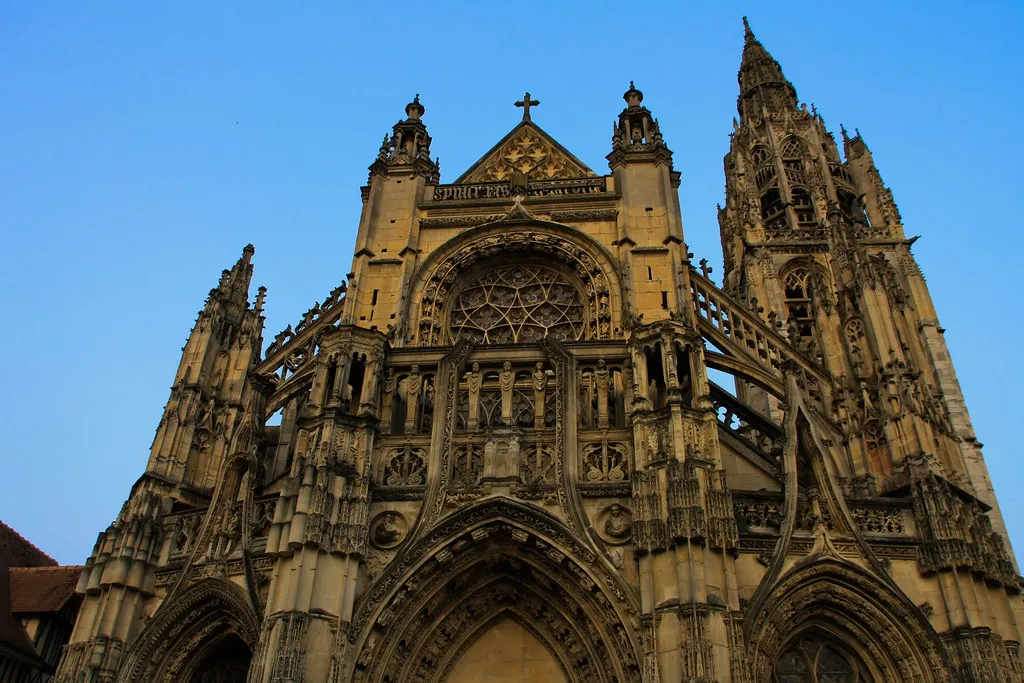
Уютно расположенный в изгибе Сены между Руаном и морем, Кодебек-ан-Ко был когда-то знаменит — и внушал страх — своим маскаретом, приливной волной, которая с такой силой устремлялась вверх по реке, что уносила жизни и переворачивала лодки вплоть до двадцатого века. Строительство моста Танкервиль и набережных Сены в конечном итоге укротило это природное явление, но город по-прежнему сохраняет свою близкую связь с рекой. Фламандская готическая церковь Нотр-Дам, построенная между 1426 и 1539 годами, произвела такое впечатление на Генриха IV, что он, как сообщается, назвал ее "самой красивой капеллой в моем королевстве" — высокая похвала в стране соборов.
Кодебек-ан-Ко служит идеальной базой для изучения более спокойных удовольствий долины Сены. Сам город компактный и удобный для пеших прогулок, его фахверковые дома сгруппированы вокруг церкви и набережной. Музей морского дела Сены (Musée de la Marine de Seine) документирует многовековую роль реки как коммерческой артерии, от викингских длинных кораблей до современных барж. На противоположном берегу реки раскинулся лес Бротонн, простирающийся по холмистой местности и предлагающий пешеходные тропы через древние буковые и дубовые леса. Неподалеку находится Региональный природный парк Букль де ла Сена Норманд (Parc Naturel Régional des Boucles de la Seine Normande), который защищает ландшафт известняковых утесов, болот и традиционных ферм с соломенными крышами.
Нормандская кухня щедра, насыщенна маслом и приносит глубокое удовлетворение. Близость Кодебека к побережью и сельской местности означает, что в меню представлены как морепродукты, так и деревенские блюда. Утиные риллеты, pâté de campagne и толстые ломтики террина, подаваемые с хрустящим хлебом и корнишонами, составляют идеальный обед у реки. Poulet Vallée d'Auge — курица, тушеная в сидре, кальвадосе и сливках — это классика Нормандии, как и tarte Normande, яблочный пирог, обогащенный сливками и каплей знаменитого яблочного бренди региона. Сады долины Сены производят некоторые из лучших сидров и кальвадоса во Франции; посещение местного производителя для дегустации — это квинтэссенция нормандского опыта. Для сыра ищите Pont-l'Évêque, Livarot или короля всех сыров, Camembert — каждый из них назван в честь близлежащей деревни.
Экскурсии из Кодебека открывают многослойную историю Нормандии. Средневековый город Руэн, где Жанна д'Арк была сожжена на костре в 1431 году, находится в тридцати минутах вверх по течению, а его готический собор увековечен в знаменитой серии картин Моне. Пляжи высадки в день Д — Омаха, Юта, Голд, Джуно и Сворд — тянутся вдоль побережья на час к северо-западу, являясь местом паломничества с глубоким эмоциональным воздействием. Меловые скалы Этрета, их природные арки, вырезанные морем, вдохновили импрессионистов и остаются одним из самых драматичных прибрежных видов Нормандии. Аббатство Жюмиеж, безкровная романская руина, расположенная в ухоженном парке, является одним из самых выразительных монашеских мест Франции, всего в пятнадцати минутах вниз по течению.
Кодебек-ан-Ко — это знаковая остановка на круизах по реке Сена, обслуживаемая такими компаниями, как A-ROSA, AmaWaterways, Avalon Waterways, Riviera Travel, Scenic River Cruises, Tauck, Uniworld River Cruises и VIVA Cruises. Вблизи находятся речные порты Руан, Вернон и Париж (где начинаются или заканчиваются многие маршруты). Сезон круизов по Сене длится с марта по ноябрь, при этом май и сентябрь предлагают мягкую погоду, длинные светлые дни и нормандскую сельскую местность в её самом зелёном или золотом великолепии.
Gallery