ஐஸ்லாந்து
ஹூசாவிக்
Husavik
41 voyages
இஸ்லாந்தின் வடக்கு பகுதியில் உள்ள ஸ்க்யால்ஃபாண்டி வளைகுடாவில், அர்க்டிக் வட்டம் கண்ணுக்கு தெரியாத எல்லைக்கு அப்பால் மிதந்து கொண்டிருக்கும் இடத்தில், மத்திய இரவின் சூரியன் கோடைகாலத்தின் பிரகாசமான வாரங்களில் மறுக்கின்றது. ஹூசவிக், அதன் நீர்களில் அடிக்கடி காணப்படும் பெரிய கடல் உயிரினங்களுடன் உள்ள ஆன்மீகமான உறவின் மூலம், பல ஆண்டுகளாக கவனிப்பு மற்றும் ஆராய்ச்சியின் மூலம் ஐரோப்பாவின் திமிங்கிலங்களைப் பார்க்கும் தலைநகராக தனது புகழை பெற்றுள்ளது. மூன்று ஆயிரத்திற்கும் குறைவான மக்களைக் கொண்ட இந்த சிறிய மீன்பிடி நகரம், கடல் சந்திப்புகளில் மட்டுமல்லாமல், உலகின் சிறந்த திமிங்கில அருங்காட்சியகங்களில் ஒன்றை உள்ளடக்கிய கலாச்சார மையமாகவும், வில்ல் பெர்ரெல் நடித்த யூரோவிசன் திரைப்படத்தின் காட்சியிடமாகவும், தனது எடைக்கு மிஞ்சிய அளவுக்கு தாக்கத்தை ஏற்படுத்துகிறது.
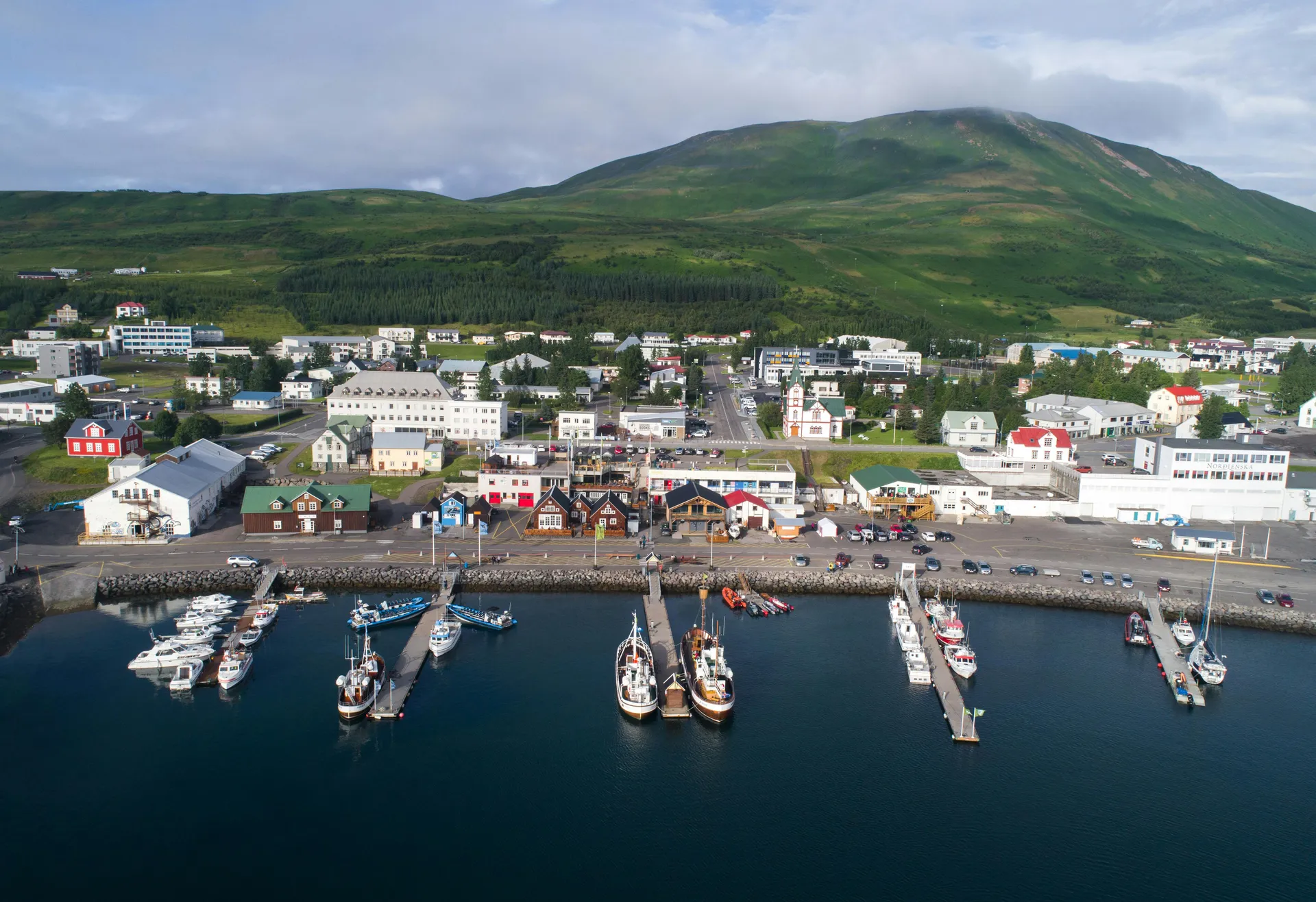
ஹூசவிக் நகரத்தின் குணம் ஐஸ்லாந்தின் அடிப்படையானது—வண்ணமயமான அலுமினிய வீடுகள் ஒரு துறைமுகத்தைச் சுற்றி கூடியுள்ளன, ஒரு மண் தேவாலயம் ஒரு மலை மீது அமைந்துள்ளது, மற்றும் காலநிலைக்கு எதிரான அவர்களின் நிலைத்தன்மை நூற்றாண்டுகளாக மண் வெடிப்புகள், ஆற்கடல் புயல்கள் மற்றும் மீன் பொருளாதாரத்தின் வளர்ச்சி மற்றும் வீழ்ச்சி சுழற்சிகளால் சோதிக்கப்பட்ட ஒரு சமுதாயம்.
முதலில் மீன்பிடி மற்றும் வர்த்தகத்திற்கு முழுமையாக அர்ப்பணிக்கப்பட்ட துறைமுகம், இப்போது பாரம்பரிய படகுகளை விலங்கு பார்வையிடும் படகுகளுடன் சமநிலைப்படுத்துகிறது, அவற்றின் ஓக் கப்பல்கள்—சில மீன்பிடி படகுகளில் இருந்து மாற்றப்பட்டவை—ஐஸ்லாந்தின் மற்ற பகுதிகளில் உள்ள பெரிய நடவடிக்கைகளுக்கு மாறாக, மேலும் உண்மையான அனுபவத்தை வழங்குகின்றன.
மீன் அருங்காட்சியகம், முந்தைய கொல்லும் நிலையத்தில் அமைந்துள்ளது, விலங்குகளின் உயிரியல், பாதுகாப்பு மற்றும் கலாச்சார முக்கியத்துவத்தை புத்திசாலித்தனமாகவும் உணர்வோடு விவரிக்கிறது.
வடக்கு ஐஸ்லாந்து சமையல், கடல் மற்றும் இந்த அகலத்தில் கூட வெப்பத்தை வழங்கும் பூமிக்குட்பட்ட ஆற்றலிலிருந்து ஊட்டம் பெறுகிறது. அருகிலுள்ள ஆறுகள் மற்றும் ஏரிகளிலிருந்து பிடிக்கப்பட்ட ஆர்க்டிக் சாரை, புகையூட்டப்பட்ட, கிராவ்லாக்ஸ்-பாணியில் அல்லது பானில் வதக்கி, அதன் வசிக்கும் தூய்மையான நீரின் பிரதிபலிப்பாகக் கொண்டு வழங்கப்படுகிறது. மலைப் பசுமைகளில் வளர்க்கப்படும் ஆடு, மென்மையான ரேக்குகளாக, மெதுவாக சமைக்கப்பட்ட குழம்புகளாக, மற்றும் பாரம்பரிய ஹாங்கிக்ஜோட்—புகையூட்டப்பட்ட ஆடு, இது ஐஸ்லாந்தின் இத்தாலிய பிரெசோலாவுக்கு பதிலாகக் காட்சியளிக்கிறது. நகரத்தின் உணவகங்கள் உள்ளூர் உணவுக்கலைக்கு ஆர்வத்துடன் அணுகியுள்ளன: பூமிக்குட்பட்ட முறையில் வளர்க்கப்பட்ட தக்காளிகள், ஸ்க்யால்பாண்டி வளைகுடா லாங்குஸ்டின்கள், மற்றும் வெப்ப நீர்வீழ்ச்சிகளில் மெதுவாக சமைக்கப்பட்ட புதிய ரயி ரொட்டி, சுற்றுலா கிளிஷேவின் உலர்ந்த மீன்கள் மற்றும் புழுங்கிய சுறா உணவுகளைத் தாண்டிய ஐஸ்லாந்து சமையலின் அழகை வெளிப்படுத்துகிறது.
ஸ்க்யால்பாண்டி வளைகுடா, குதிரை முதுகு, நீல வால்கள், மின்க் வால்கள் மற்றும் வெள்ளை நாக்கு டோல்பின்கள் ஆகியவற்றின் விலங்கினங்களை உள்ளடக்கியது, கோடை மாதங்களில் கண்டு பிடிக்கும் வீதங்கள் தொன்னூற்று விழுக்காடு முந்தையமாக உள்ளன. வளைகுடாவின் ஊட்டச்சத்து நிறைந்த நீர், குளிர்ந்த ஆர்க்டிக் ஓடுகளால் ஊட்டப்படுகிறது, இது ஒரு சிறந்த உற்பத்தி கொண்ட கடல் சூழலை உருவாக்குகிறது. வால்களைப் பார்க்கும் அனுபவத்திற்கு அப்பால், ஹூசவிக் ஐஸ்லாந்தின் மிகச் சிறந்த இயற்கை காட்சிகளுக்கான வாசலாக செயல்படுகிறது: roaring டெட்டிஃபாஸ் நீர்வீழ்ச்சி, ஐரோப்பாவின் மிக சக்திவாய்ந்தது; நார்ஸு புராணங்களில் எட்டு கால்கள் கொண்ட குதிரைக்கு சொந்தமான ஆஸ்பிர்கி குதிரை வளைவு; மற்றும் மைவாட்ன் வெப்பமண்டலப் பகுதி, அங்கு குமிழும் மண் கிணறுகள், தீவிரமான குகைகள் மற்றும் மைவாட்ன் இயற்கை நீர்குளங்கள், புளு லாகூனுக்கு ஒரு குறைவான கூட்டம் கொண்ட மாற்று வழங்குகின்றன.
HX Expeditions, Lindblad Expeditions மற்றும் Seabourn ஆகியவை Húsavík இல் தங்கள் ஆராய்ச்சி-minded கப்பல்களை கொண்டு வருகின்றன, இங்கு சிறிய கப்பல்களின் அணுகுமுறை அளவுக்கு மாறாக நெருக்கத்தை பரிசளிக்கிறது. இந்த துறைமுகம் சிறிய கப்பல்களை அல்லது டெண்டர்களை ஏற்றுக்கொள்ளக்கூடியது, நகர மையம் நீர்மட்டத்தின் வழியாக உடனடியாக அணுகக்கூடியது. உலகின் மிக முக்கியமான விலங்கியல் சந்திப்புகள் பொறுமை, மரியாதை மற்றும் அளவால் அடிமையாக இருக்க தயாராக இருப்பதைப் புரிந்த பயணிகளுக்காக—அர்க்டிக் நீர்களில் ஒரு நீல வால்வை மேற்பரப்பில் காண்பது சுமார் மிகுந்த அளவின் அனுபவமாகும்—Húsavík அமைதியான, ஐஸ்லாந்திய அதிகாரத்துடன் அந்த சந்திப்பை வழங்குகிறது.
Gallery