ஓமன்
சூர்
Sur
120 voyages
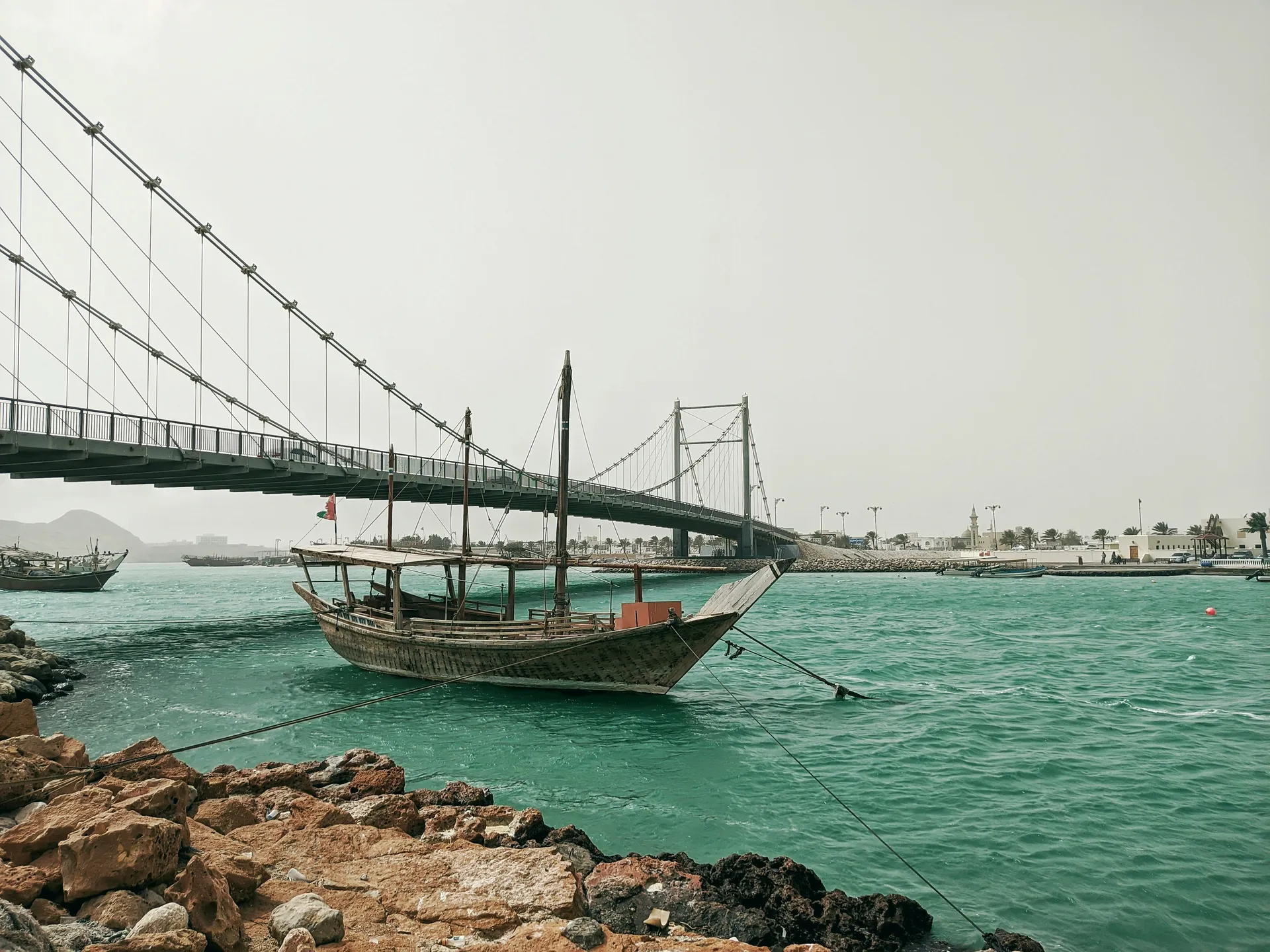
ஓமான் கிழக்கு கடற்கரை அரபுக் கடலுக்கு திரும்பும் இடத்தில், சூரின் பண்டைய கடல் நகரம் ஆயிரக்கணக்கான ஆண்டுகளாக வளைகுடா வர்த்தக பாதைகளை கவனித்துக் கொண்டிருக்கிறது. ஓமான் கடல் பயணத்தின் முத்து என அழைக்கப்பட்ட இந்த துறைமுக நகரம், கிழக்கு ஆப்பிரிக்காவிலிருந்து மலபார் கடற்கரையுவரை பரவிய ஒரு விரிவான தோவ் கட்டுமான பேரரசை ஆட்சி செய்தது, அதன் மரக் கப்பல்கள் குங்குமப்பூ, தேன் பழங்கள் மற்றும் துணிகளை கடந்து, முன்னாள் நாகரிகங்கள் பயந்த கடல்களை கடந்தன. பத்தொன்பதாம் நூற்றாண்டுக்குள், சூர் இந்தியப் பெருங்கடலில் மிக சக்திவாய்ந்த கடல் மையங்களில் ஒன்றாக மாறி, அந்தப் பகுதியின் விதியை உருவாக்கிய லாபகரமான வர்த்தக வலையமைப்புகளில் சான்சிபார் நகருடன் போட்டியிடியது.
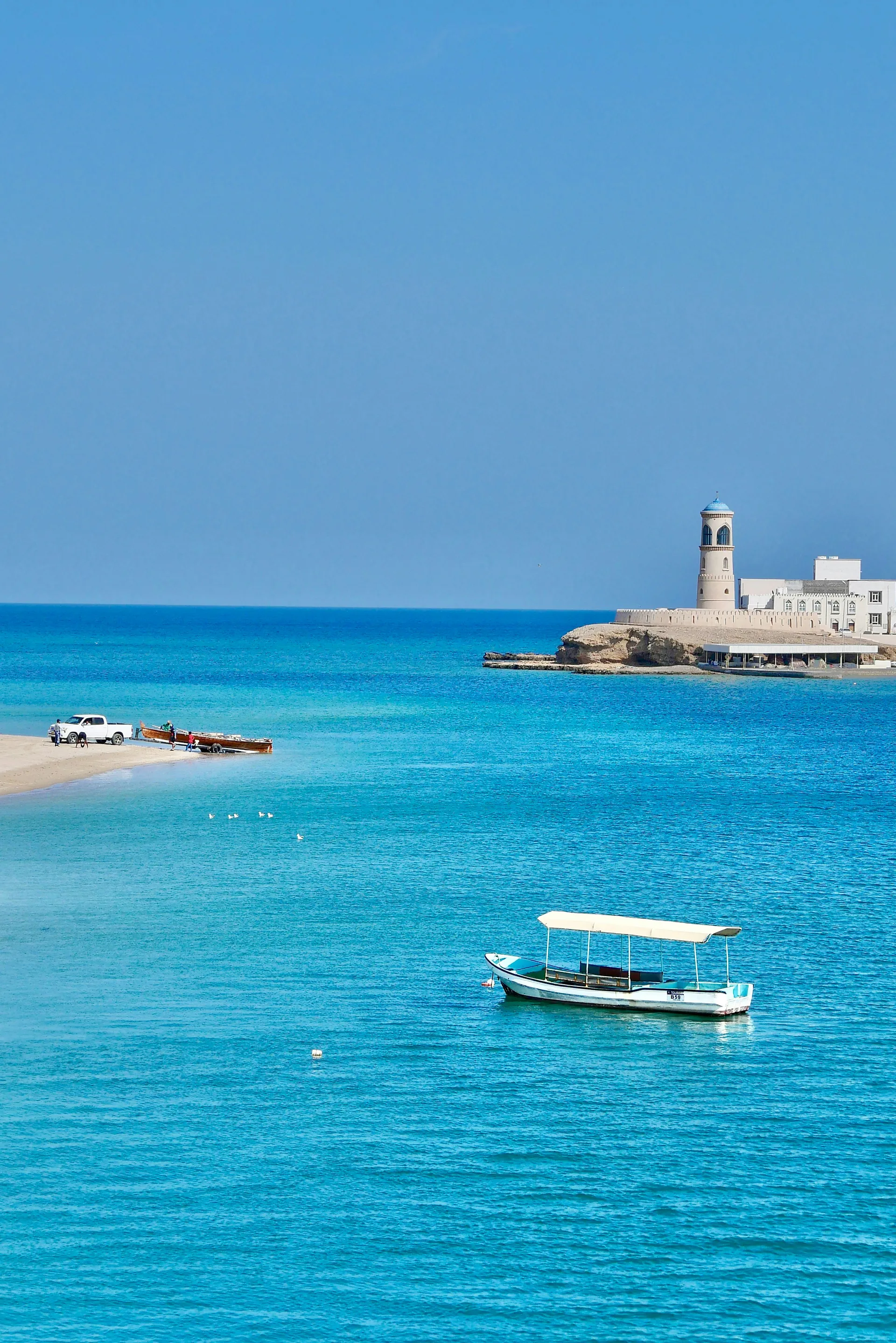
இன்று, சூர் அதன் பாரம்பரியத்தை மெல்லிய மரியாதையுடன் அணிகிறது, நாடகமயமான அலங்காரமின்றி. அல்காஞ்ஜாவில் உள்ள நகரத்தின் தௌக் கட்டும் தளம், உலகில் இன்னும் சில இடங்களில் ஒன்றாகவே உள்ளது, அங்கு நிபுணர் கைவினைஞர்கள் பாரம்பரிய படகுகளை கைமுறையாக கட்டுகின்றனர், அவர்களின் கருவிகள் மற்றும் தொழில்நுட்பங்கள் தலைமுறைகளுக்கு வழியாக almost புனிதமான மரியாதையுடன் பரிமாறப்பட்டுள்ளன. வெள்ளைமயமான காவல் கோபுரங்கள் கடற்கரை வரிசையில் இடம் பிடித்து, அவற்றின் உருவங்கள் விடியற்காலையில் மஞ்சள் மங்கலிலிருந்து மாலை நேரத்தில் ஆழ்ந்த நீல வானத்திற்கு எதிராக கூர்மையாக தோன்றுகின்றன. மீன்பிடி படகுகள் பல்வேறு கட்டமைப்புகளின் நிலையில் ஓய்வெடுக்கின்றன, மரக்கடல்கள் அருகில் அமைந்துள்ள இந்த துறைமுகம், அதில் ஒரு தியானமான அமைதியைக் கொண்டுள்ளது, இது அதிகமாக சுற்றுலா செல்லும் இடங்களின் தேர்ந்தெடுக்கப்பட்ட சிறப்புக்கு எதிரான ஒரு மாறுபாடு ஆகும், மேலும் அதுவே செல்வாக்கான பயணிகளால் அதிகமாக தேடப்படும் இடமாக மாறியுள்ளது.
சூர் நகரின் சமையல் கலைகள் கடலும் பாலைவனமும் ஒன்றிணைந்த அற்புத நுணுக்கத்துடன் வெளிப்படுகின்றன. ஷுவா — முழு எருமையை நாற்பத்தி எட்டு மணி நேரம் நிலத்தடி மணல் ஓவனில் மெதுவாக வதக்கி, ஜீரகம், கொத்தமல்லி, ஏலக்காய் மற்றும் உலர்ந்த எலுமிச்சை ஆகியவற்றின் சிக்கலான பேஸ்டில் ஊறவைத்து தயாரிக்கப்படும் — ஓமான் சமூக உணவுக் கலாச்சாரத்தின் மிகச் சிறந்த வெளிப்பாடாகும்; இது பாரம்பரியமாக ஈத் கொண்டாட்டங்களுக்கு தயாரிக்கப்படுவதோடு, அதிகமாக கவனமுள்ள பயணிகளுக்கான நெருக்கமான சந்திப்புகளிலும் வழங்கப்படுகிறது. கடற்கரையோரத்தில், அன்றைய பிடிப்பு கிங் ஃபிஷ் மற்றும் ஹம்மூர் மீன்களின் அற்புதமான சமையல் வகைகளை வழங்குகிறது, பெரும்பாலும் மஷுவாய் எனப்படும் முழு கம்பியில் வதக்கப்பட்ட மீன் மற்றும் சோம்பல் மற்றும் ரோஜா நீரின் வாசனைகளை கொண்ட வாசனைமிக்க எலுமிச்சை அரிசியுடன் பரிமாறப்படுகிறது. ஓமான் புகழ்பெற்ற தேன்கரண்டி, ஏலக்காய் மற்றும் பருப்புகளை கொண்ட ஹல்வாவை சுவைக்காமல் செல்ல வேண்டாம்; இது ஒரு சீரிய விழாவாக தயாரிக்கப்படுவதால், எளிய இனிப்பை ஒரு ஆன்மீக நிகழ்வாக உயர்த்துகிறது, பாரம்பரிய டல்லா மூலம் ஊற்றப்படும் கசப்பான ஓமான் கஹ்வாவுடன் சிறந்த அனுபவமாகும்.
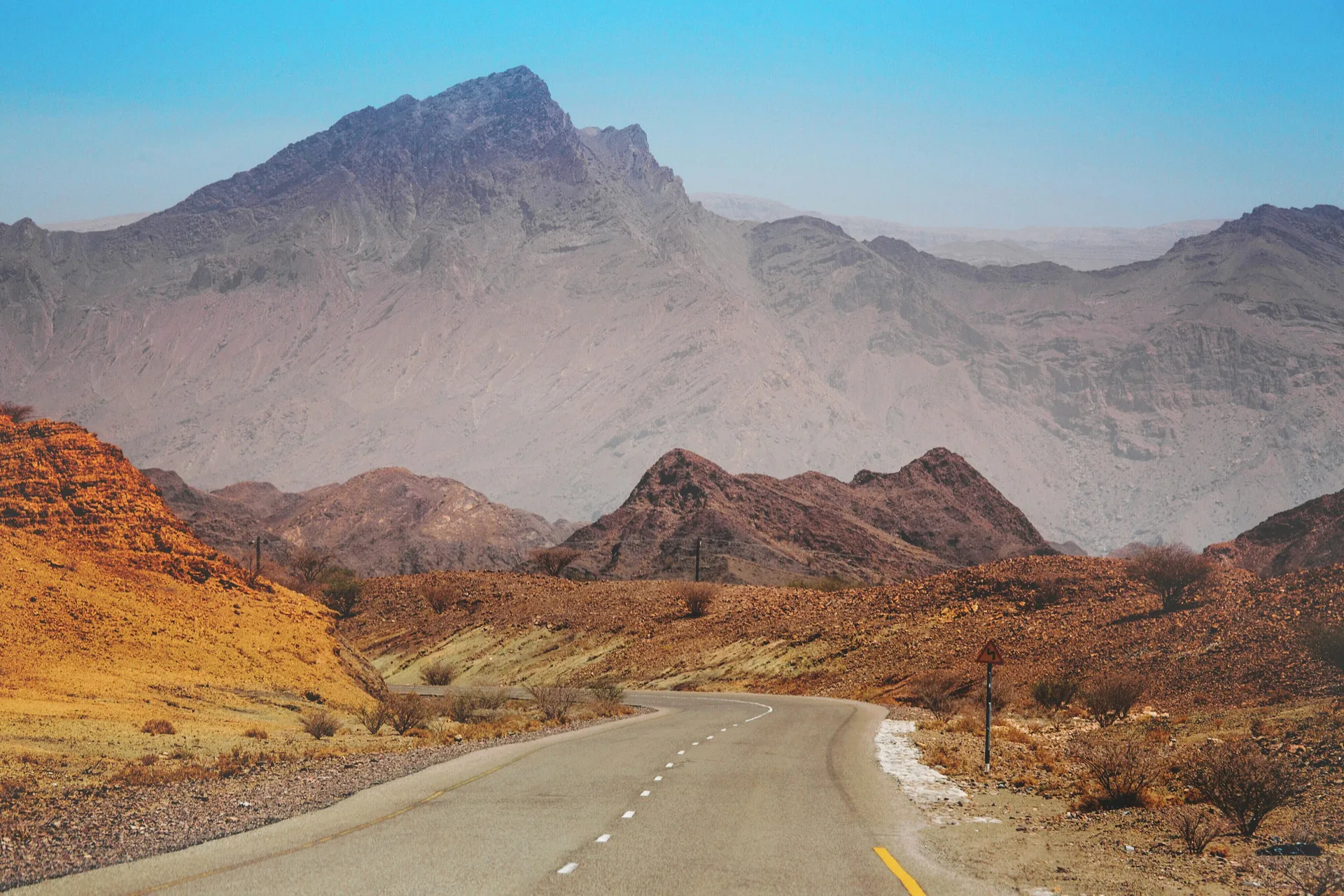
சுரின் நிலை, அரேபியன் தீபகற்பத்தின் சில அதிசயமான இயற்கை காட்சிகளுக்கு இயற்கையான வாயிலாக அமைந்துள்ளது. கிழக்குத் தெற்கே ஒரு மணி நேரம் மட்டுமே பயணம் செய்யும் ராஸ் அல் ஜின்ஸ் ஆமை பாதுகாப்பு மண்டலம், endangered பச்சை ஆமைகள் நட்சத்திர ஒளியில் சுத்தமான கடற்கரைகளுக்கு ஏறி முட்டைகள் வைக்கும் அதிசயமான நிகழ்வை காணும் ஆழ்ந்த உணர்வான அனுபவத்தை வழங்குகிறது — இயற்கையின் மிகவும் பழமையான மற்றும் மரியாதை அளிக்கும் நிகழ்ச்சிகளில் ஒன்றாகும். வடமேற்கு நோக்கி, முஸ்கத்தின் நவீன நுட்பம் அழைக்கிறது, அங்கு சுல்தான் கபூஸ் கிராண்ட் மசூதி மற்றும் ராயல் ஓபரா ஹவுஸ் ஓமான் கலாச்சார மகத்துவத்திற்கு அர்ப்பணிப்பை வெளிப்படுத்துகின்றன, மேலும் போர்ட் சுல்தான் கபூஸ் மற்றும் போர்ட் கபூஸ் சுற்றியுள்ள வரலாற்று துறைமுக பகுதி போர்ச்சுகீசிய, பாரசீக மற்றும் அரபு தாக்கங்களை அதன் பழமையான கோட்டைகளில் வெளிப்படுத்துகிறது. நேரம் உள்ளவர்களுக்கு, தெற்கே செல்லும் பயணம் சலாலா நோக்கி ஒரு மாயமான அழகான நிலத்தைக் கடக்கிறது — பரந்த வெறுமையான பாலைவனங்கள், ஒவ்வொரு கோடையும் தஃபார் கடற்கரை பகுதியை ஒரு சாத்தியமற்ற трோப்பிக்கல் சொர்க்கமாக மாற்றும் கறீப் பருவத்தின் பசுமைமிகு காடுகளுக்கு வழிவகுக்கின்றன.
Uniworld நதியோரக் கப்பல்கள் தங்கள் தனித்துவமான புட்டிக் உணர்வை இந்த நீர்நிலைகளுக்கு கொண்டு வருகிறது, சூர் நகரத்தை ஒரு சாதாரண துறைமுகமாக அல்லாமல், மெதுவாக ஆராய வேண்டிய ஒரு இலக்காகக் கருதும் நெருக்கமான பயணத் திட்டங்களை வழங்குகிறது. அவர்களின் சிறிய கப்பல்கள், ஓமனியர்கள் புகழ்பெற்றுள்ள அற்புதமான வரவேற்பை பிரதிபலிக்கும் தனிப்பட்ட கவனத்தை உறுதி செய்கின்றன — அங்கு விருந்தினர்கள் ஒரு பரிசாகக் கருதப்படுகிறார்கள், ஒரு பரிவர்த்தனையாக அல்ல. கடற்கரை சுற்றுலாக்கள் பொதுவாக தௌ படகுகளின் பணியிடங்களையும் ஆமை பாதுகாப்பு மண்டலத்தையும் உள்ளடக்கியவை, சூரின் கடல் வரலாற்றையும், பரிசீலனையுடன் கூடிய உயர்ந்த தரம் கொண்ட பயணத்தை வரையறுக்கும் சுற்றுச்சூழல் விழிப்புணர்வையும் இணைக்கின்றன.
சூர் தனது வருகையாளர்களிடமிருந்து ஒன்றையே கோருகிறது: அங்கு இருப்பதை மட்டுமே. பல இடங்கள் ஒவ்வொரு நாளும் அதிகமான காட்சிகளுடன் கவனத்தை ஈர்க்க முயல்கிற காலத்தில், இந்த ஓமான் துறைமுக நகரம் ஒரு அரிய மற்றும் மதிப்புமிக்க அனுபவத்தை வழங்குகிறது: அது அருங்காட்சியகப் பொருட்களாக பாதுகாக்கப்படாமல், ஆனால் அதை நடைமுறைப்படுத்தும் மக்களுக்கு இன்னும் பொருள் கொண்டிருப்பதால் நீடித்த பாரம்பரியங்களை காணும் வாய்ப்பு. டோவ் கப்பல் கட்டுபவர்கள் சுற்றுலாப் பயணிகளுக்காக காட்சியளிக்கவில்லை; அவர்கள் கட்டுவது அவர்கள் எப்போதும் செய்துவரும் செயல் என்பதாலேயே. அந்த உண்மைத்தன்மையில், எந்த அளவிற்கு மார்பிள் லாபிகள் அல்லது பொற்கொடியான அலங்காரங்கள் நகலெடுக்க முடியாத ஒரு வகையான அதிசயமான செல்வம் உள்ளது.
Gallery