สหรัฐอเมริกา
นอร์ฟอล์ก, สหรัฐอเมริกา
Norfolk, USA
194 voyages
นอร์ฟอล์ค รัฐเวอร์จิเนีย: มรดกทางทะเลสี่ศตวรรษบนเชสพีก
นอร์ฟอล์คเป็นเมืองชายทะเลตั้งแต่ก่อตั้งในปี 1682 เมื่ออาณานิคมอังกฤษที่ตั้งรกรากอยู่ริมฝั่งแม่น้ำเอลิซาเบธได้ตระหนักว่าการบรรจบกันของอ่าวเชสพีก แม่น้ำเจมส์ และมหาสมุทรแอตแลนติกสร้างท่าเรือธรรมชาติที่ดีที่สุดแห่งหนึ่งบนชายฝั่งอเมริกา โชคชะตาของเมืองนี้ไม่สามารถแยกออกจากกองทัพเรือสหรัฐฯ ตั้งแต่ที่อู่ต่อเรือกอสพอร์ต — ปัจจุบันคืออู่ต่อเรือทหารเรือนอร์ฟอล์ค — เริ่มสร้างเรือรบในปี 1767 วันนี้ ฐานทัพเรือนอร์ฟอล์คเป็นฐานทัพเรือที่ใหญ่ที่สุดในโลก เป็นท่าเรือหลักของเรือบรรทุกเครื่องบิน เรือทำลายล้าง และเรือดำน้ำที่แสดงถึงอำนาจของอเมริกาทั่วโลก แต่เมืองนอร์ฟอล์คมีมากกว่าความเป็นเมืองทหาร: เมืองนี้ได้ผ่านการฟื้นฟูทางวัฒนธรรมอย่างน่าทึ่งในช่วงสองทศวรรษที่ผ่านมา เปลี่ยนแปลงริมฝั่งน้ำของเมือง สนับสนุนฉากศิลปะที่มีชีวิตชีวา และพัฒนาวัฒนธรรมอาหารที่ดึงเอาประเพณีจากอ่าวเชสพีกมาเป็นเวลาเกือบสี่ศตวรรษ.
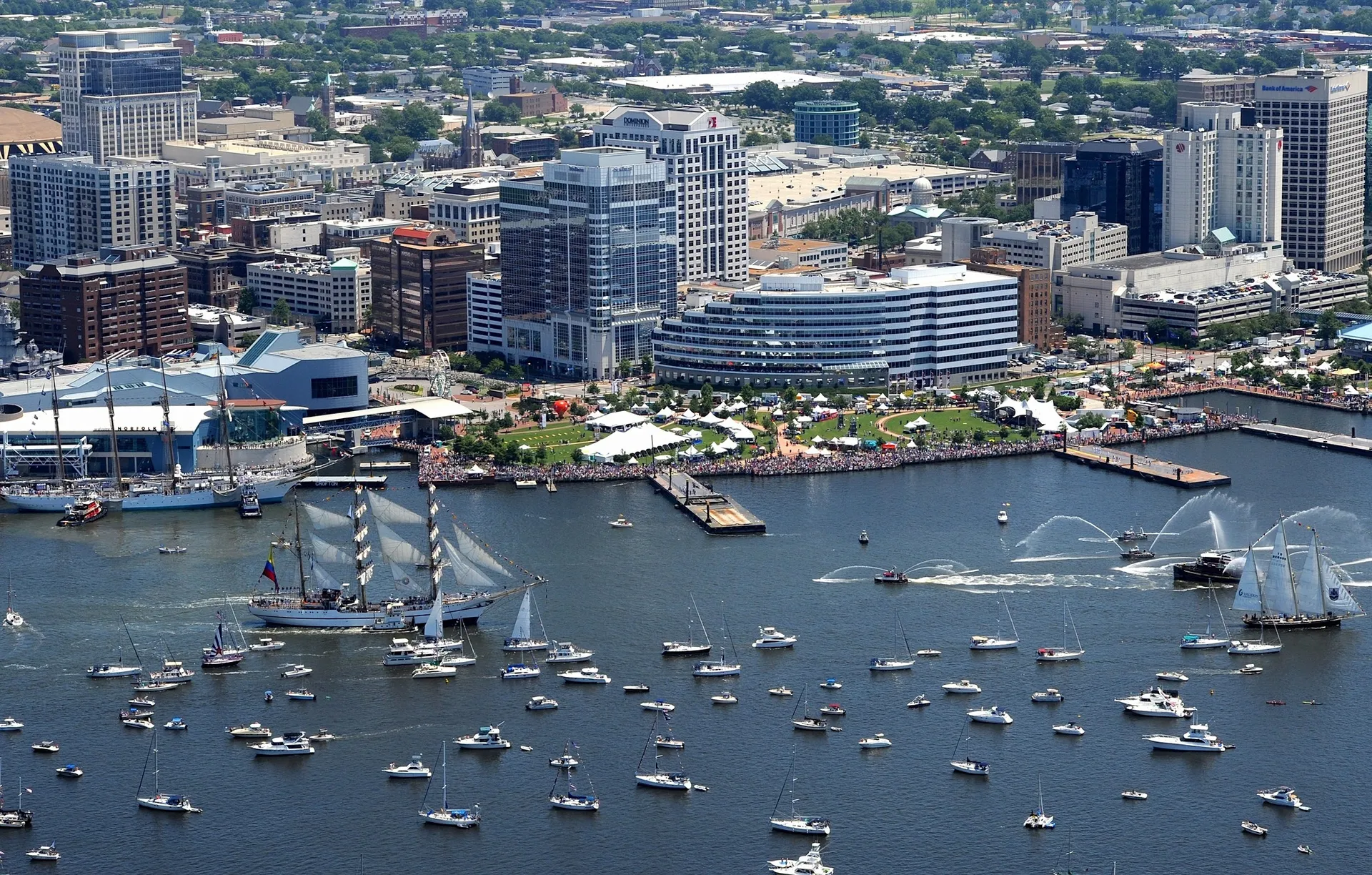
ลักษณะของนอร์ฟอล์คกำลังถูกกำหนดใหม่โดยย่านใจกลางเมืองที่ฟื้นฟูและย่านวอเตอร์ไซด์ตามแนวแม่น้ำเอลิซาเบธ พิพิธภัณฑ์ศิลปะไครส์เลอร์ — ซึ่งเข้าชมฟรีและมีคอลเลกชันศิลปะกระจกที่ดีที่สุดในโลก รวมถึงผลงานของเรอนัวร์ โพลล็อก และคอลเลกชันภาพถ่ายที่โดดเด่น — เป็นศูนย์กลางของย่านวัฒนธรรม ย่านนีออน ซึ่งเป็นย่านศิลปะที่ได้รับการกำหนดให้กับนอร์ฟอล์ค เต็มไปด้วยภาพจิตรกรรมฝาผนัง ร้านแกลเลอรี และร้านกาแฟอิสระในโกดังที่ปรับปรุงใหม่ นอติคัส ศูนย์วิทยาศาสตร์ทางทะเลที่ตั้งอยู่ริมชายฝั่ง มีนิทรรศการเชิงโต้ตอบเกี่ยวกับวิทยาศาสตร์มหาสมุทรและมีเรือรบวิสคอนซิน — ยักษ์ใหญ่ระดับไอโอวาที่ผู้เข้าชมสามารถสำรวจได้ตั้งแต่สะพานไปจนถึงห้องเครื่อง เทอร์มินัลครูซฮาล์ฟมูนที่อยู่ติดกัน ซึ่งตั้งชื่อตามหนึ่งในเรือที่นำผู้ตั้งถิ่นฐานจาเมาทาวน์ดั้งเดิมมา เป็นท่าเรือสำราญของเมืองที่มีการเข้าถึงชายฝั่งโดยตรง.
วัฒนธรรมอาหารของนอร์ฟอล์คมีรากฐานลึกซึ้งจากเชสพีก เบลูแคร็บถือเป็นสิ่งศักดิ์สิทธิ์ที่นี่ — นึ่งด้วยเครื่องเทศโอลด์เบย์ รับประทานที่โต๊ะที่ปูด้วยหนังสือพิมพ์ และเสิร์ฟในรูปแบบของคราบเค้กที่มีตั้งแต่แบบหรูหราจนถึงแบบฟุ่มเฟือยอย่างยิ่ง ดัมมาร์ส ร้านอาหารที่มีชื่อเสียงบนถนนมอนติเซลโล อ้างว่าประดิษฐ์โคนไอศกรีมขึ้นที่งานแสดงสินค้านานาชาติที่เซนต์หลุยส์ในปี 1904 และยังคงทำโคนไอศกรีมด้วยเครื่องทำวาฟเฟิลดั้งเดิม — เสิร์ฟคู่กับแซนด์วิชบาร์บีคิวและลายริคกี้ในบรรยากาศที่ไม่เปลี่ยนแปลงตั้งแต่ทศวรรษ 1930 ย่านกรานบีสตรีทในตัวเมืองกลายเป็นแถวร้านอาหารที่แท้จริง: เฟรมีซันแอบบีเสิร์ฟอาหารทะเลในโบสถ์ที่ได้รับการบูรณะจากศตวรรษที่สิบเก้า ขณะที่ร้านใหม่ๆ เช่น เคน เสนออาหารใต้ที่มีความซับซ้อนพร้อมกับอิทธิพลจากทั่วโลก บาร์หอยนางรมตามแนวชายฝั่งเสิร์ฟหอยนางรมลินเฮเวน — ซึ่งเคยเป็นหอยนางรมที่มีค่าที่สุดในอเมริกา และตอนนี้กำลังกลับมาอีกครั้งหลังจากหลายทศวรรษของการจับมากเกินไป.
ทางเลือกในการท่องเที่ยวจากนอร์ฟอล์คมีความยอดเยี่ยม วิชิเนียบีช ซึ่งอยู่ห่างออกไปเพียงยี่สิบนาทีทางทิศตะวันออก มีทางเดินริมทะเลที่มีชีวิตชีวาและพิพิธภัณฑ์สัตว์น้ำเวอร์จิเนียที่ยอดเยี่ยม ซึ่งมีเส้นทางธรรมชาติที่ทอดยาวผ่านพื้นที่ชุ่มน้ำที่มีต้นไซเปรส ซึ่งเป็นที่อยู่อาศัยของนากน้ำและนกออสเปรย์ที่กำลังทำรัง โคลอนนีอัลวิลเลียมสเบิร์ก ซึ่งอยู่ห่างออกไปหนึ่งชั่วโมงทางทิศตะวันตกเฉียงเหนือ เป็นพิพิธภัณฑ์ประวัติศาสตร์ที่มีชีวิตที่ใหญ่ที่สุดในโลก — เมืองอาณานิคมทั้งเมืองที่ได้รับการฟื้นฟูและมีนักแสดงในชุดประจำยุคอาศัยอยู่ เจมส์ทาวน์ ซึ่งเป็นการตั้งถิ่นฐานถาวรแห่งแรกของอังกฤษในอเมริกา (ปี 1607) และยอร์กทาวน์ ซึ่งเป็นสถานที่ที่สงครามปฏิวัติสิ้นสุดลงอย่างมีประสิทธิภาพในปี 1781 ร่วมกันสร้างรูปสามเหลี่ยมประวัติศาสตร์ที่ไม่มีใครเทียบได้ และมอบประสบการณ์ที่ไม่เหมือนใครในการดื่มด่ำกับการก่อตั้งชาติอเมริกัน.
สายการเดินเรือ Carnival Cruise Line และ Norwegian Cruise Line ใช้เมืองนอร์ฟอล์คเป็นทั้งท่าเรือหลักและท่าเรือที่แวะพักในเส้นทางเดินเรือที่ชายฝั่งตะวันออกและแคริบเบียน ตำแหน่งที่ตั้งของท่าเรือ Half Moone Terminal ในใจกลางเมืองทำให้สถานที่ท่องเที่ยว ร้านอาหาร และคอมเพล็กซ์ Nauticus อยู่ในระยะที่สามารถเดินไปถึงได้ สำหรับนักเดินทางที่สนใจในประวัติศาสตร์ทหารอเมริกัน สถาปัตยกรรมทางทะเล และประเพณีการทำอาหารของอ่าวเชสพีก นอร์ฟอล์คมอบความลึกซึ้งและความแท้จริงโดยไม่ต้องมีการปรุงแต่งที่มักพบในเมืองชายฝั่งตะวันออกที่มีนักท่องเที่ยวเยอะ เมษายนถึงตุลาคมเป็นช่วงเวลาที่ดีที่สุดในการเยี่ยมชม โดยเดือนกันยายนและตุลาคมจะมีอุณหภูมิที่สบายและเป็นช่วงฤดูกาลของหอยนางรมในอ่าวเชสพีกที่เต็มไปด้วยชีวิตชีวา.
Gallery