Німеччина
Лауенбург
Lauenburg
3 voyages
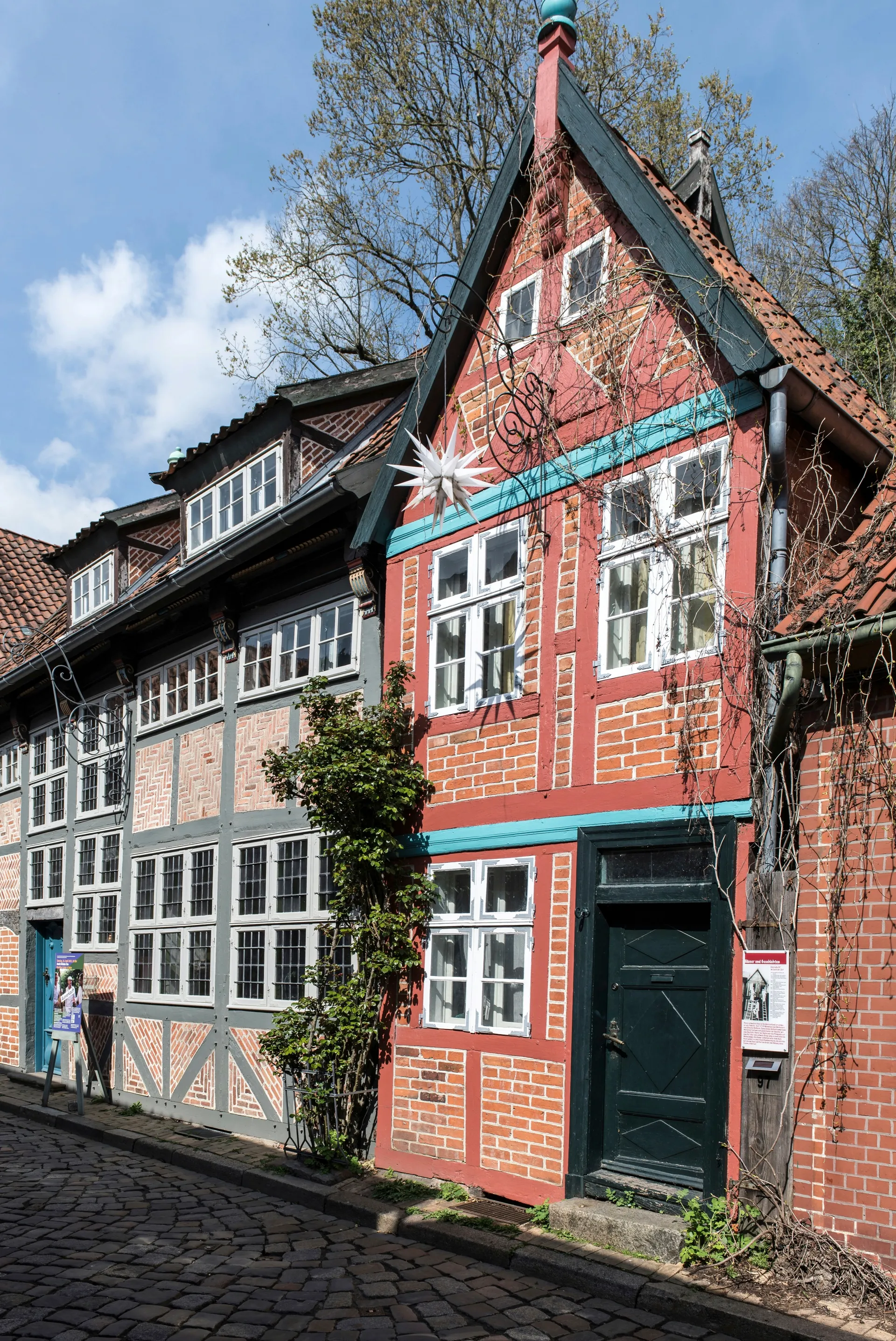
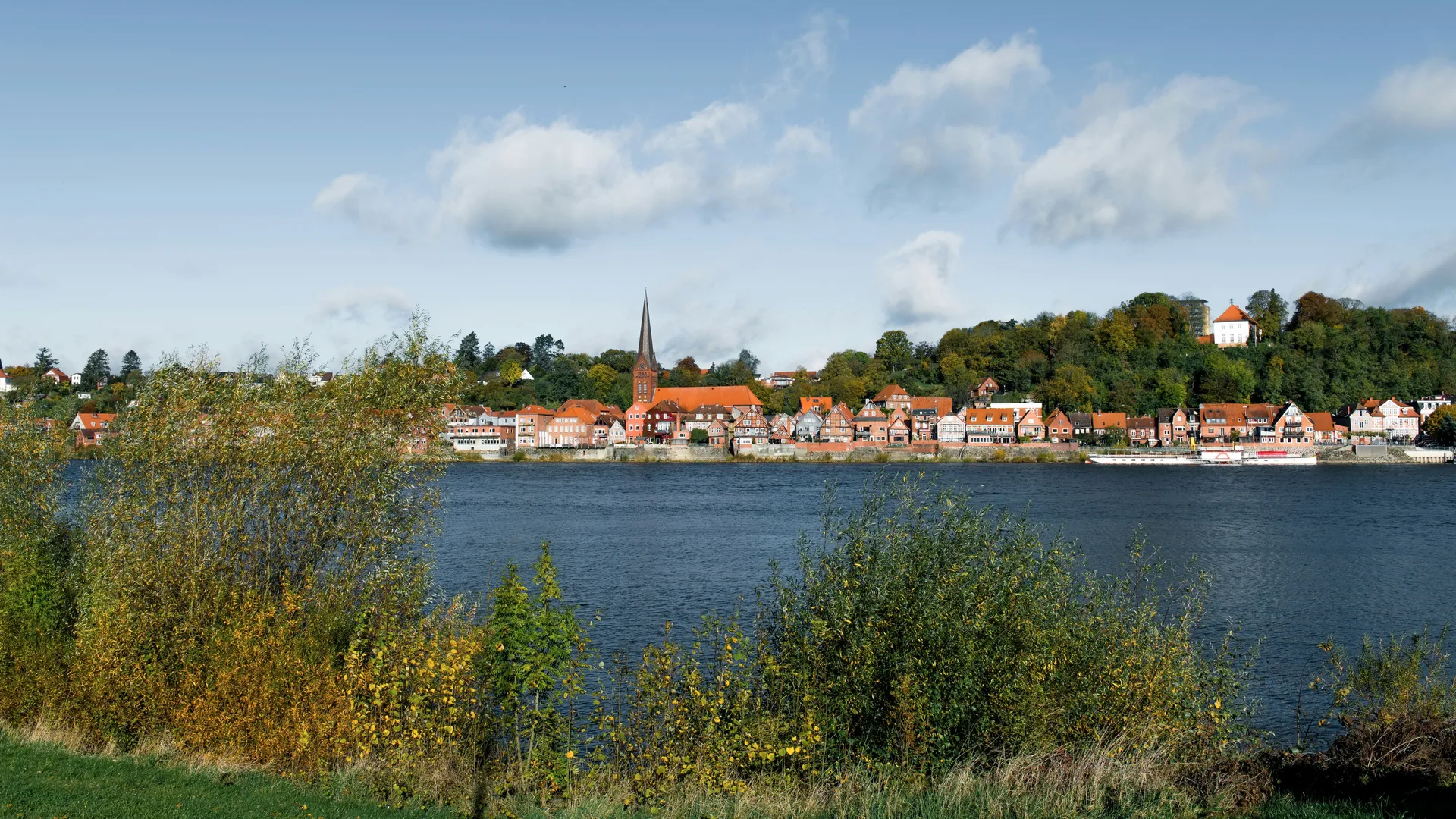
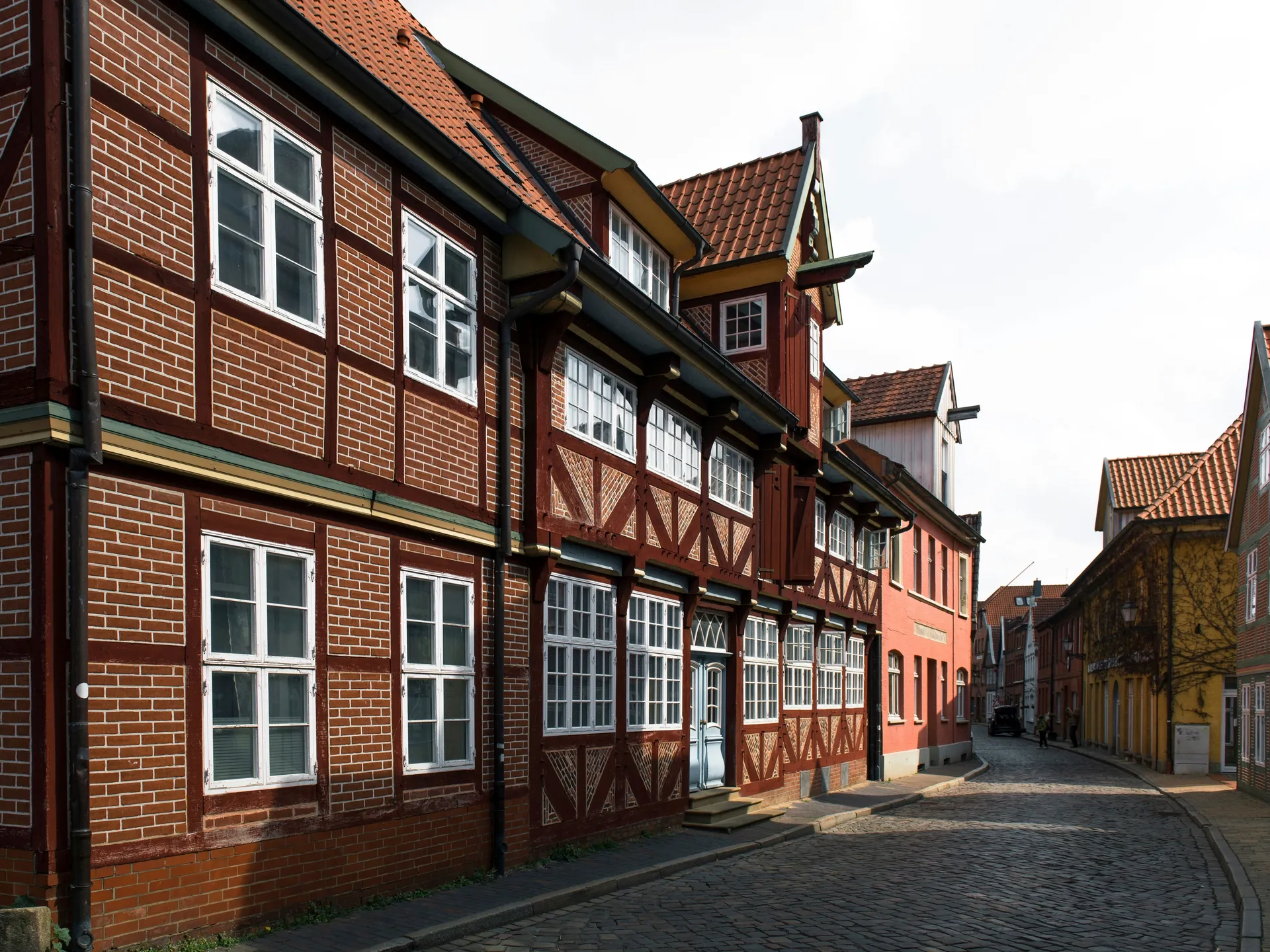
Де Ельба-Любекський канал зустрічається з річкою Ельба в м'яких пагорбах Шлезвіг-Гольштейну, старе річкове містечко Лауенбург випромінює вічну чарівність, що відчувається абсолютно природно. Цей колишній ганзейський торговий пост, з населенням всього лише дванадцять тисяч, зберіг середньовічний план вулиць та фахверкову архітектуру з тими тихими гордістю, що характеризує північнонімецькі містечка, які не піддалися масовому туризму. Альтштадт (старе місто), що стрімко піднімається від річки до руїн замку на вершині пагорба, представляє собою вражаючий ансамбль шістнадцятого та сімнадцятого століть торгових будинків, їх витончено вирізьблені дерев'яні фасади відображають добробут, який річкова торгівля колись принесла.
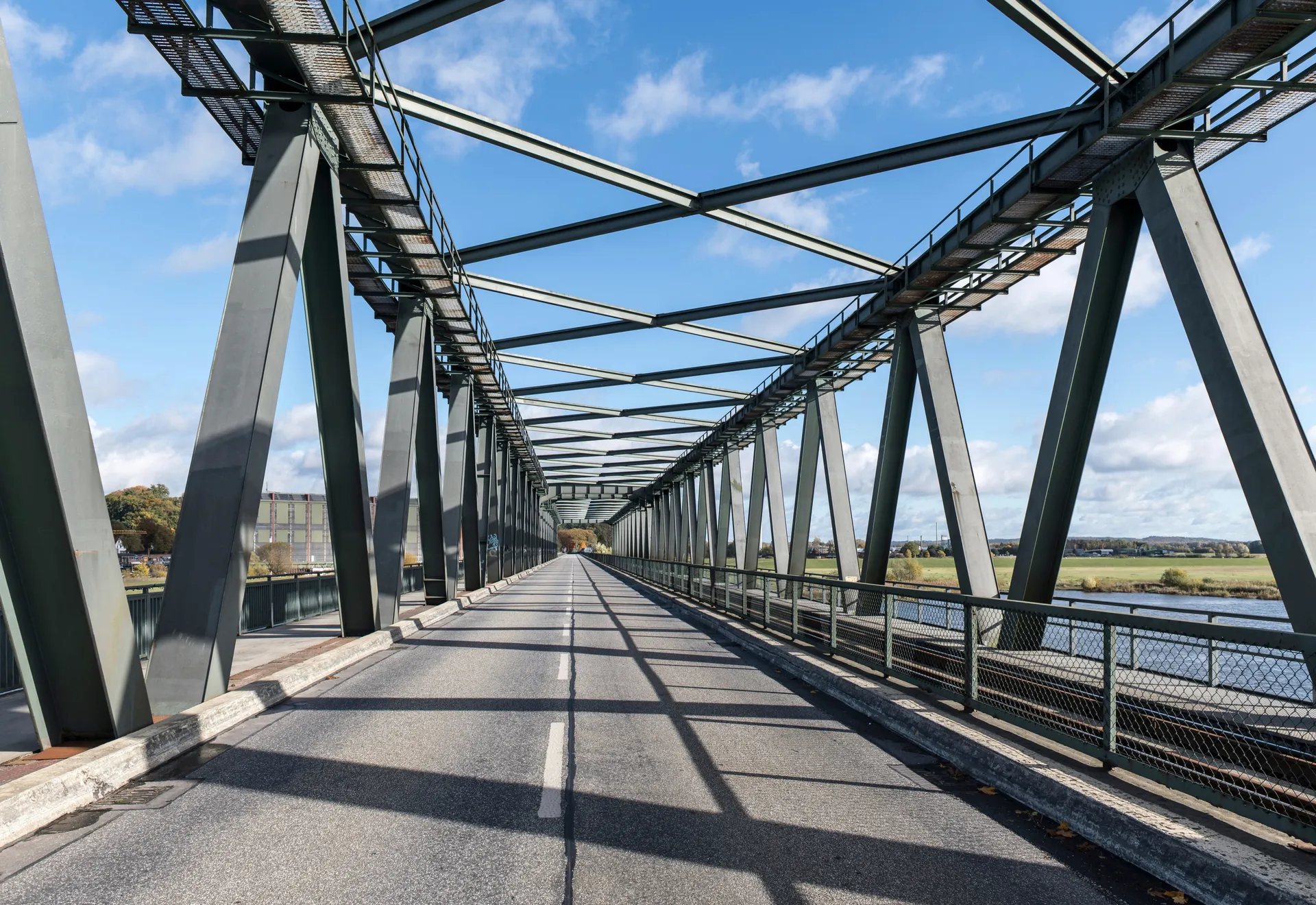
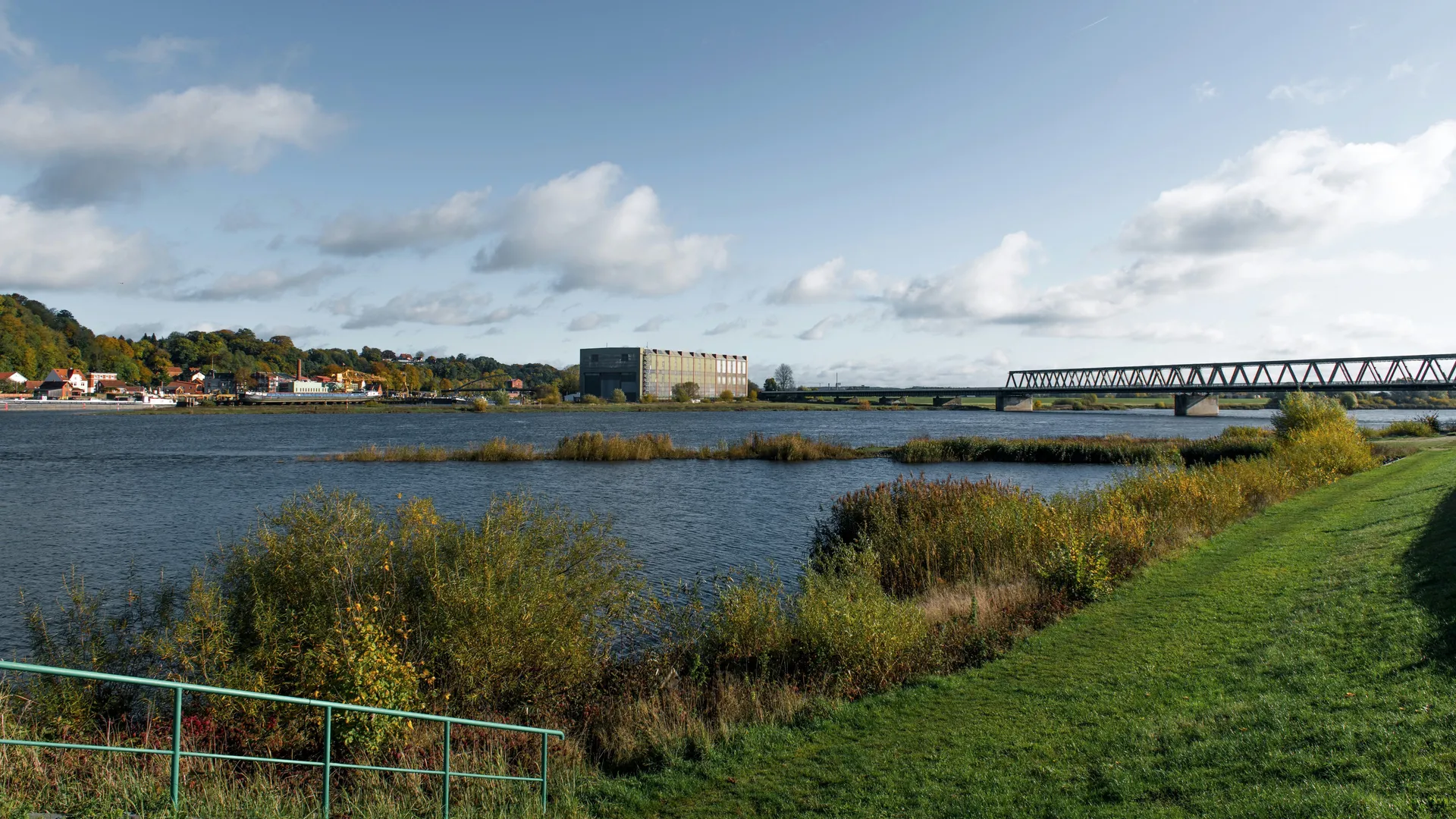
Ельба формувала характер Лауенбурга протягом понад восьми століть. Річка, третя за довжиною в Німеччині, була однією з великих торгових магістралей середньовічної Європи, а розташування Лауенбурга поблизу перехрестя з каналом, що з'єднував Ельбу з Балтійським морем, робило його стратегічною торговою точкою. Ельбшиффарцмузей (Elbe Shipping Museum), розташований у колишній резиденції річкового капітана, документує цю спадщину за допомогою моделей, карт та артефактів, які яскраво оживляють епоху внутрішнього судноплавства. Стара портова зона з відновленими складами та колісним пароплавом Марія забезпечує відчутний зв'язок з робочим минулим річки.
Архітектурною перлиною міста є сама Альтштадт. Ельбштрасе, що проходить паралельно до річки, встелена напівдерев'яними будинками, що охоплюють п'ять століть німецької народної архітектури — кожен з них трохи відрізняється, дружньо спираючись на сусіда в вуличному пейзажі з величезною візуальною привабливістю. Церква Марії Магдалини, готична цегляна церква, що датується тринадцятим століттям, містить значні середньовічні настінні розписи та бароковий вівтар. Руїни замку на вершині пагорба, колись резиденція герцогів Саксен-Лауенбург, пропонують панорамні види на долину Ельби та безмежну простору річки.
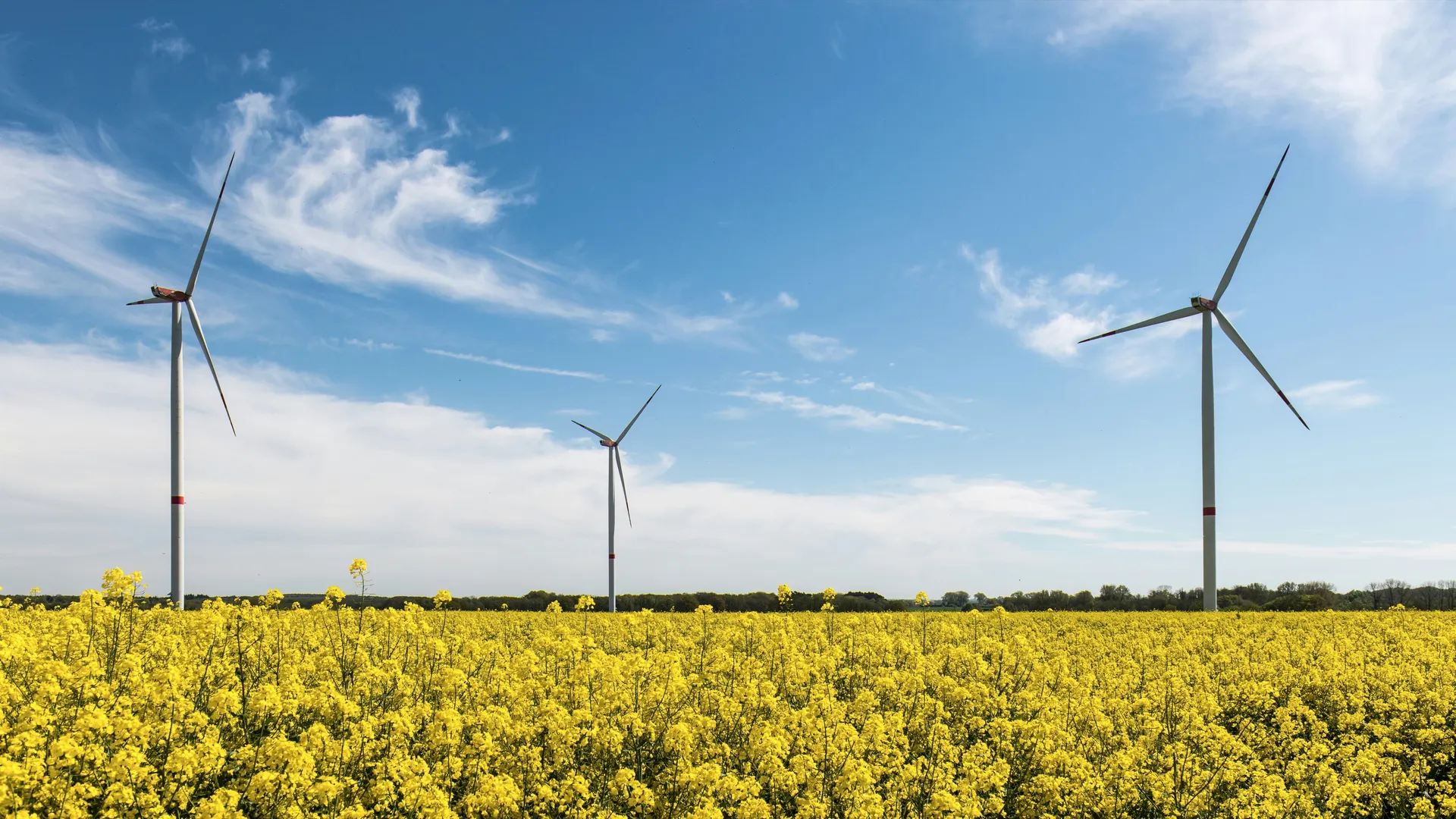
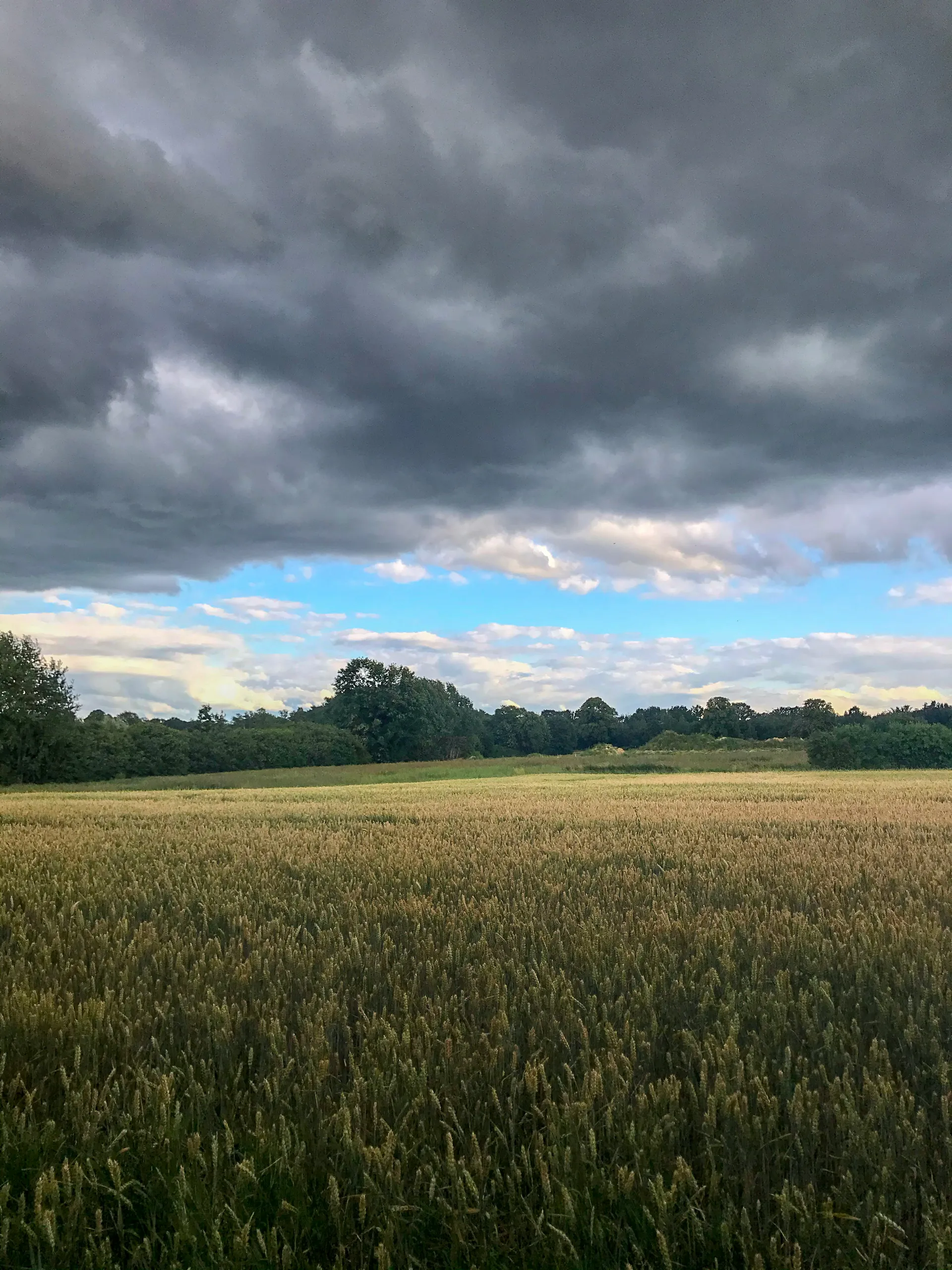
Північногерманська кухня в Лауенбурзі відображає її річкове оточення. Угорь — копчений, грильований або поданий у традиційному зеленому трав'яному соусі (Aal grün) — є місцевою спеціальністю протягом століть. Лабскаус, моряцька страва з консервованої яловичини, буряка та картоплі, прикрашена смаженим яйцем і рибними рулетами з оселедця, з'являється в меню по всьому регіону. Околиці виробляють відмінний спаржу навесні, а сусідній природний парк Лауенбурзьких озер — ландшафт льодовикових озер, букових лісів та хвилястих сільськогосподарських угідь — забезпечує інгредієнти для кухні чесної простоти.
Лауенбург є регулярним зупинкою на маршрутах круїзів річкою Ельба і легко доступний з Гамбурга (приблизно сорок п’ять хвилин на поїзді). Компактний розмір міста робить його ідеальним для прогулянок — всю Альтштадт можна дослідити за кілька годин, хоча затримка на каву в кафе біля річки або підйом до оглядового майданчика замку значно подовжує задоволення. Найкращий час для відвідування — з травня по жовтень, коли літо приносить найжвавішу атмосферу вздовж набережної Ельби. Лауенбург пропонує досвід, який північна Німеччина вміє дарувати найкраще — стриману красу, справжню спадщину та ритм життя, що запрошує відвідувача сповільнитися.
Gallery