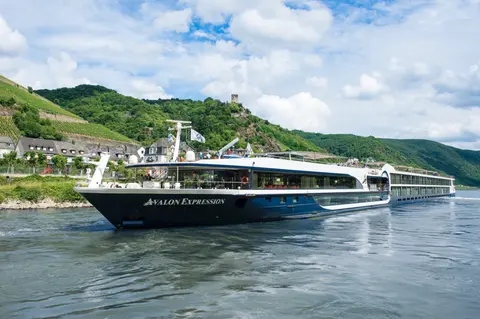
Avalon Waterways60602
Illuminations on the Danube with 2 Nights in Prague (Eastbound)
Date
2026-06-02
Duration
9 nights
Departure Port
Prague
Czech Republic
Arrival Port
Budapest
Hungary
Rating
Luxury
Theme
History & Culture
Date
2026-06-02
Duration
9 nights
Departure Port
Prague
Czech Republic
Arrival Port
Budapest
Hungary
Rating
Luxury
Theme
History & Culture
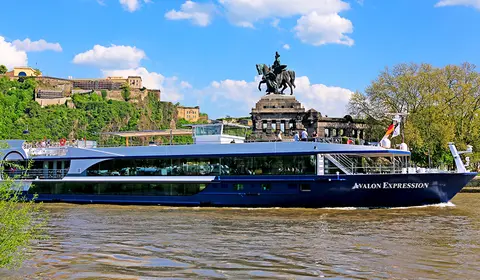
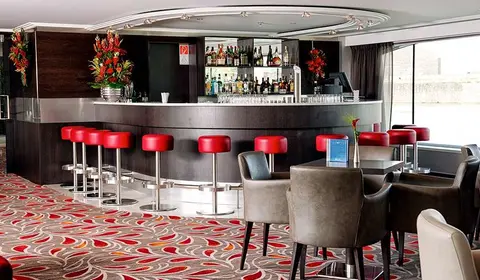
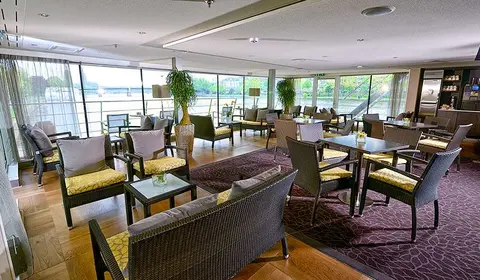


Avalon Waterways
Suite Ship
2013
—
2,775 GT
166
83
47
443 m
12 m
12 knots
No
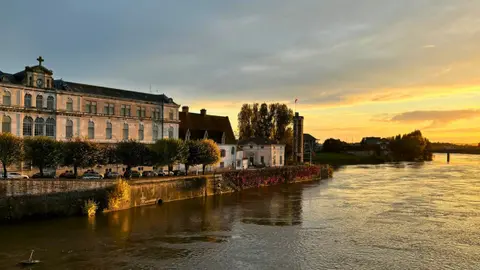
Birthplace of photography and gateway to Burgundy's finest vineyards, Chalon-sur-Saône is a Saône River gem that rewards those who linger beyond its famous streets. The Musée Nicéphore Niépce, housed in a riverside mansion, chronicles the invention of the medium that changed human perception forever, while the surrounding Côte Chalonnaise wine villages — Mercurey, Givry, Rully — offer some of Burgundy's most approachable yet complex Pinot Noirs. Visit in late summer or early autumn for harvest season, when the vineyards blush gold and local restaurants celebrate the new vintage.
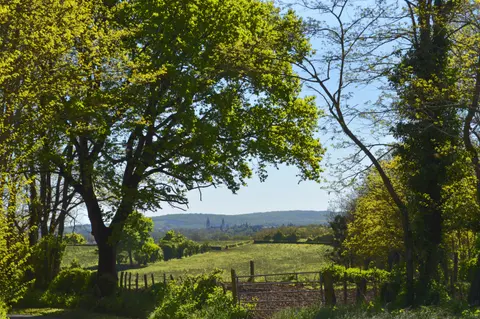
Tournus is a captivating commune in eastern France, renowned for its rich history, stunning architecture, and exceptional culinary experiences. Must-do activities include exploring the Abbey of Saint-Philibert and indulging in local dishes like coq au vin. The best season to visit is spring or early autumn when the weather is mild and the local markets are brimming with fresh produce.
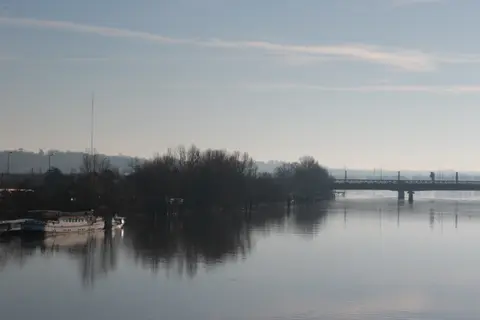
Where the Gironde estuary broadens toward the Atlantic, Cussac-Fort-Médoc occupies a quietly magnificent corner of Bordeaux wine country, its landscape shaped by Vauban's seventeenth-century star-shaped citadel — a UNESCO World Heritage fortification — and by centuries of châteaux producing some of the Left Bank's most distinguished Haut-Médoc cuvées. River cruisers dock here for château visits and private cellar tastings amid working vineyards, far from the tourist circuits of Saint-Émilion. September brings the harvest, filling the air with the intoxicating scent of fermenting Cabernet Sauvignon; the temperate maritime climate makes spring and autumn equally rewarding.
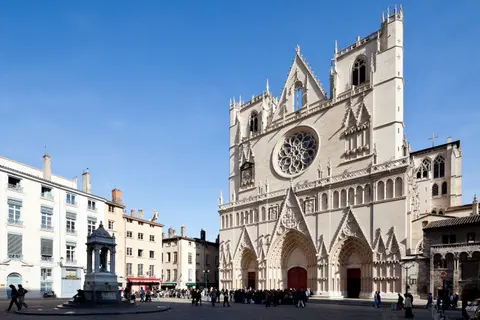
Lyon sits at the confluence of the Rhône and the Saône — a geographic destiny that made it the capital of Roman Gaul, a Renaissance silk-trading powerhouse, and, by contemporary consensus, the undisputed gastronomic capital of France. The UNESCO-listed Vieux Lyon preserves Europe's finest concentration of Renaissance architecture, its labyrinthine traboules — secret passageways threading through courtyard after courtyard — offering endless discovery. Paul Bocuse's legacy lives on in the city's constellation of bouchons, where quenelles de brochet and tablier de sapeur are served with the straightforward confidence of a city that has never needed to prove its culinary supremacy. Lyon rewards a visit in any season, with the Festival of Lights in December being particularly magical.
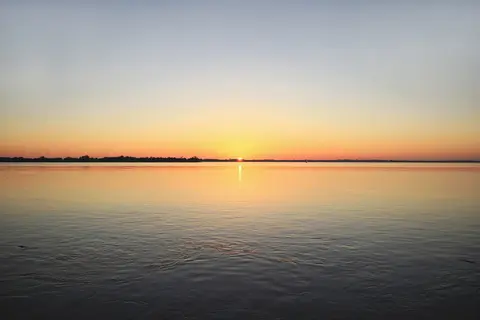
Crowned by a Vauban citadel that UNESCO recognises as one of Europe's finest military fortifications, Blaye guards the Gironde estuary with a watchful grandeur unchanged since Louis XIV's engineers completed their work in 1689. Taste the local delicacy of poutargue de Blaye — cured mullet roe from the estuary — explore the merlot vineyards of the Blaye Côtes de Bordeaux appellation, and take an excursion south to Bordeaux's grand neoclassical boulevards. September and October bring the heady aromas of harvest season to the surrounding wine country.
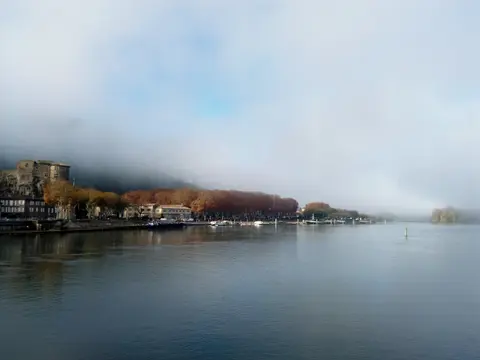
Tournon-sur-Rhône is a captivating port town steeped in history, known for its medieval architecture and vibrant culinary scene. Must-do experiences include savoring local specialties such as caillettes and exploring the bustling Saturday market. The best time to visit is in the late spring or early fall when the weather is mild and the local festivities are in full swing.
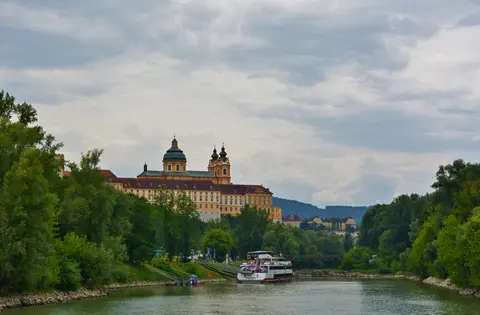
Melk Abbey is among the most theatrical expressions of Baroque ambition in all of Europe — a gilded monastery perched on a granite outcrop above the Danube, its domed church and frescoed library presiding over the Wachau Valley with serene authority since Benedictine monks replaced the Babenberg fortress in 1089. Umberto Eco immortalised it as the inspiration for his labyrinthine monastery in "The Name of the Rose," and the library's 100,000 medieval manuscripts remain one of the continent's supreme collections. After the abbey, stroll down to the historic market town and sample the valley's celebrated Grüner Veltliner wines. The Wachau is at its most bewitching in April and October.
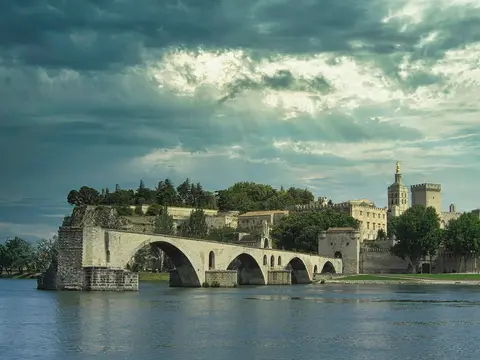
Avignon's Palais des Papes — a fortress-palace of staggering medieval ambition where seven successive popes held court for seventy years — still dominates this Provençal city's skyline, its limestone bulk enclosing frescoed chapels and vast ceremonial halls that once shaped the destiny of Christendom. In July, the city transforms for the celebrated Festival d'Avignon, Europe's premier theatre gathering, turning every courtyard and cloister into a stage. Year-round, the beautifully preserved historic centre offers world-class Rhône Valley wines, refined Provençal cuisine, and the beguiling spectacle of the Pont Saint-Bénézet stretching halfway across the river. Lyon and Marseille are each accessible in under ninety minutes by TGV.
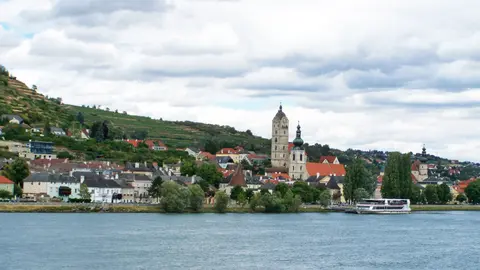
Krems an der Donau has stood at the eastern gateway of the Wachau Valley — Austria's most beautiful stretch of the Danube — since Emperor Otto III granted it market rights in 995 AD, making it one of the country's oldest documented towns. The UNESCO-listed Wachau landscape surrounding the city is a masterpiece of vineyard terraces, Baroque abbeys, and medieval castles reflected in the river; the Grüner Veltliner and Riesling wines produced here are among Austria's finest. Must-dos include visiting the monumental Melk Abbey and cycling the Danube Cycle Path through the valley. Krems is most enchanting April through October, with the harvest season in September offering wine cellar tastings of exceptional depth.
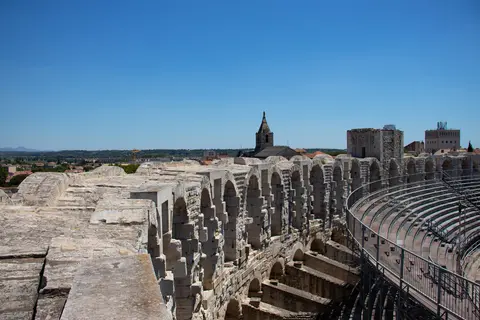
Arles, the most important city in Roman Gaul after Lyon, wears its history with casual magnificence: a first-century amphitheatre still hosts bullfights beneath open skies, and the haunting Alyscamps necropolis — once among the most prestigious burial grounds in the Western world — lines a poplar-shaded avenue with ancient sarcophagi. Yet Arles is equally celebrated as the city that intoxicated Vincent van Gogh, who produced over three hundred works here in fifteen fevered months; the Fondation Vincent van Gogh now honors his legacy in beautifully renovated rooms. Spring and autumn are ideal, with the Camargue's flamingo-filled wetlands just minutes south. Lyon is two hours north by TGV.
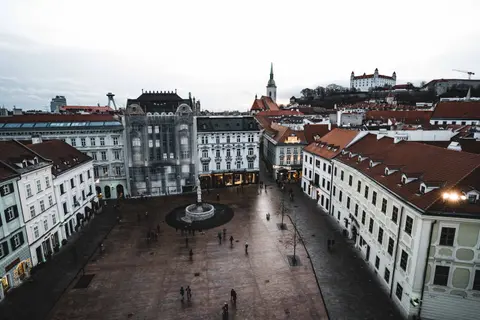
Bratislava, the only national capital bordering two sovereign states, sits sixty kilometres downstream from Vienna on the Danube — close enough for a day trip to the Austrian capital, yet possessed of its own entirely distinct character: a pastel-hued medieval old town of hidden courtyards, playful bronze statues, and hilltop castle views, where wine bars pour outstanding Slovak Riesling at prices that make the Viennese feel extravagant. The city's dramatic reinvention since 1989 has produced a dynamic, youthful culture that fills the old quarter's restaurants and concert halls with genuine warmth. Pair with Vienna or Budapest for the classic Danube river trilogy; all three cities are within two hours of each other.
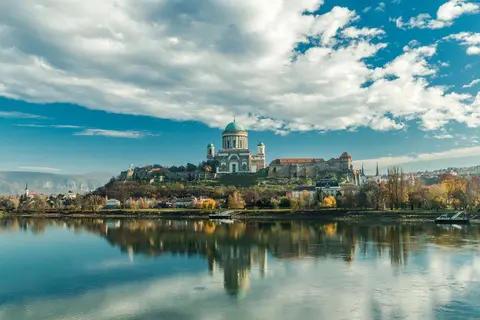
Esztergom, Hungary's former royal capital and birthplace of King Saint Stephen, commands the Danube Bend with the nation's largest basilica crowning its ancient Castle Hill. Visitors should not miss the cathedral's panoramic cupola and a bowl of authentic halászlé by the riverside. The city is at its most luminous from late April through October, when golden light transforms the neoclassical architecture and the Danube sparkles beneath the hilltop silhouette.
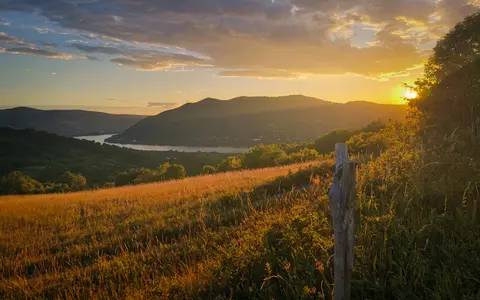
Visegrád commands the Danube’s most dramatic bend from a hilltop citadel that once housed the Hungarian Crown Jewels and a Renaissance royal palace rivaling Italian courts. Must-dos include climbing to the Upper Castle for panoramic Danube Bend views, exploring King Matthias’s restored palace and Hercules Fountain, and tasting Hungarian gulyás with Etyek wines. Visit April through October, with autumn foliage adding golden drama to the sweeping river views.
Day 1
Birthplace of photography and gateway to Burgundy's finest vineyards, Chalon-sur-Saône is a Saône River gem that rewards those who linger beyond its famous streets. The Musée Nicéphore Niépce, housed in a riverside mansion, chronicles the invention of the medium that changed human perception forever, while the surrounding Côte Chalonnaise wine villages — Mercurey, Givry, Rully — offer some of Burgundy's most approachable yet complex Pinot Noirs. Visit in late summer or early autumn for harvest season, when the vineyards blush gold and local restaurants celebrate the new vintage.
Day 2
Tournus is a captivating commune in eastern France, renowned for its rich history, stunning architecture, and exceptional culinary experiences. Must-do activities include exploring the Abbey of Saint-Philibert and indulging in local dishes like coq au vin. The best season to visit is spring or early autumn when the weather is mild and the local markets are brimming with fresh produce.
Day 3
Where the Gironde estuary broadens toward the Atlantic, Cussac-Fort-Médoc occupies a quietly magnificent corner of Bordeaux wine country, its landscape shaped by Vauban's seventeenth-century star-shaped citadel — a UNESCO World Heritage fortification — and by centuries of châteaux producing some of the Left Bank's most distinguished Haut-Médoc cuvées. River cruisers dock here for château visits and private cellar tastings amid working vineyards, far from the tourist circuits of Saint-Émilion. September brings the harvest, filling the air with the intoxicating scent of fermenting Cabernet Sauvignon; the temperate maritime climate makes spring and autumn equally rewarding.
Lyon sits at the confluence of the Rhône and the Saône — a geographic destiny that made it the capital of Roman Gaul, a Renaissance silk-trading powerhouse, and, by contemporary consensus, the undisputed gastronomic capital of France. The UNESCO-listed Vieux Lyon preserves Europe's finest concentration of Renaissance architecture, its labyrinthine traboules — secret passageways threading through courtyard after courtyard — offering endless discovery. Paul Bocuse's legacy lives on in the city's constellation of bouchons, where quenelles de brochet and tablier de sapeur are served with the straightforward confidence of a city that has never needed to prove its culinary supremacy. Lyon rewards a visit in any season, with the Festival of Lights in December being particularly magical.
Day 4
Crowned by a Vauban citadel that UNESCO recognises as one of Europe's finest military fortifications, Blaye guards the Gironde estuary with a watchful grandeur unchanged since Louis XIV's engineers completed their work in 1689. Taste the local delicacy of poutargue de Blaye — cured mullet roe from the estuary — explore the merlot vineyards of the Blaye Côtes de Bordeaux appellation, and take an excursion south to Bordeaux's grand neoclassical boulevards. September and October bring the heady aromas of harvest season to the surrounding wine country.
Day 5
Tournon-sur-Rhône is a captivating port town steeped in history, known for its medieval architecture and vibrant culinary scene. Must-do experiences include savoring local specialties such as caillettes and exploring the bustling Saturday market. The best time to visit is in the late spring or early fall when the weather is mild and the local festivities are in full swing.
Day 6
Melk Abbey is among the most theatrical expressions of Baroque ambition in all of Europe — a gilded monastery perched on a granite outcrop above the Danube, its domed church and frescoed library presiding over the Wachau Valley with serene authority since Benedictine monks replaced the Babenberg fortress in 1089. Umberto Eco immortalised it as the inspiration for his labyrinthine monastery in "The Name of the Rose," and the library's 100,000 medieval manuscripts remain one of the continent's supreme collections. After the abbey, stroll down to the historic market town and sample the valley's celebrated Grüner Veltliner wines. The Wachau is at its most bewitching in April and October.
Avignon's Palais des Papes — a fortress-palace of staggering medieval ambition where seven successive popes held court for seventy years — still dominates this Provençal city's skyline, its limestone bulk enclosing frescoed chapels and vast ceremonial halls that once shaped the destiny of Christendom. In July, the city transforms for the celebrated Festival d'Avignon, Europe's premier theatre gathering, turning every courtyard and cloister into a stage. Year-round, the beautifully preserved historic centre offers world-class Rhône Valley wines, refined Provençal cuisine, and the beguiling spectacle of the Pont Saint-Bénézet stretching halfway across the river. Lyon and Marseille are each accessible in under ninety minutes by TGV.
Krems an der Donau has stood at the eastern gateway of the Wachau Valley — Austria's most beautiful stretch of the Danube — since Emperor Otto III granted it market rights in 995 AD, making it one of the country's oldest documented towns. The UNESCO-listed Wachau landscape surrounding the city is a masterpiece of vineyard terraces, Baroque abbeys, and medieval castles reflected in the river; the Grüner Veltliner and Riesling wines produced here are among Austria's finest. Must-dos include visiting the monumental Melk Abbey and cycling the Danube Cycle Path through the valley. Krems is most enchanting April through October, with the harvest season in September offering wine cellar tastings of exceptional depth.
Day 7
Arles, the most important city in Roman Gaul after Lyon, wears its history with casual magnificence: a first-century amphitheatre still hosts bullfights beneath open skies, and the haunting Alyscamps necropolis — once among the most prestigious burial grounds in the Western world — lines a poplar-shaded avenue with ancient sarcophagi. Yet Arles is equally celebrated as the city that intoxicated Vincent van Gogh, who produced over three hundred works here in fifteen fevered months; the Fondation Vincent van Gogh now honors his legacy in beautifully renovated rooms. Spring and autumn are ideal, with the Camargue's flamingo-filled wetlands just minutes south. Lyon is two hours north by TGV.
Day 9
Bratislava, the only national capital bordering two sovereign states, sits sixty kilometres downstream from Vienna on the Danube — close enough for a day trip to the Austrian capital, yet possessed of its own entirely distinct character: a pastel-hued medieval old town of hidden courtyards, playful bronze statues, and hilltop castle views, where wine bars pour outstanding Slovak Riesling at prices that make the Viennese feel extravagant. The city's dramatic reinvention since 1989 has produced a dynamic, youthful culture that fills the old quarter's restaurants and concert halls with genuine warmth. Pair with Vienna or Budapest for the classic Danube river trilogy; all three cities are within two hours of each other.
Day 10
Esztergom, Hungary's former royal capital and birthplace of King Saint Stephen, commands the Danube Bend with the nation's largest basilica crowning its ancient Castle Hill. Visitors should not miss the cathedral's panoramic cupola and a bowl of authentic halászlé by the riverside. The city is at its most luminous from late April through October, when golden light transforms the neoclassical architecture and the Danube sparkles beneath the hilltop silhouette.
Visegrád commands the Danube’s most dramatic bend from a hilltop citadel that once housed the Hungarian Crown Jewels and a Renaissance royal palace rivaling Italian courts. Must-dos include climbing to the Upper Castle for panoramic Danube Bend views, exploring King Matthias’s restored palace and Hercules Fountain, and tasting Hungarian gulyás with Etyek wines. Visit April through October, with autumn foliage adding golden drama to the sweeping river views.
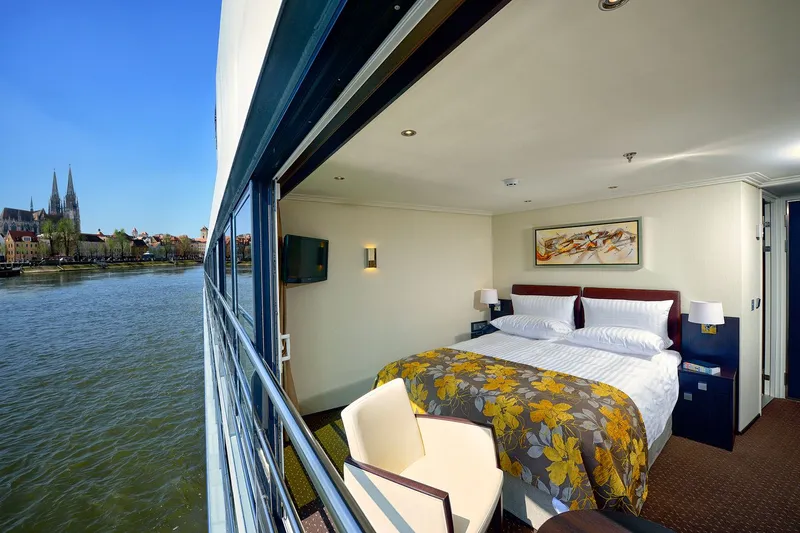
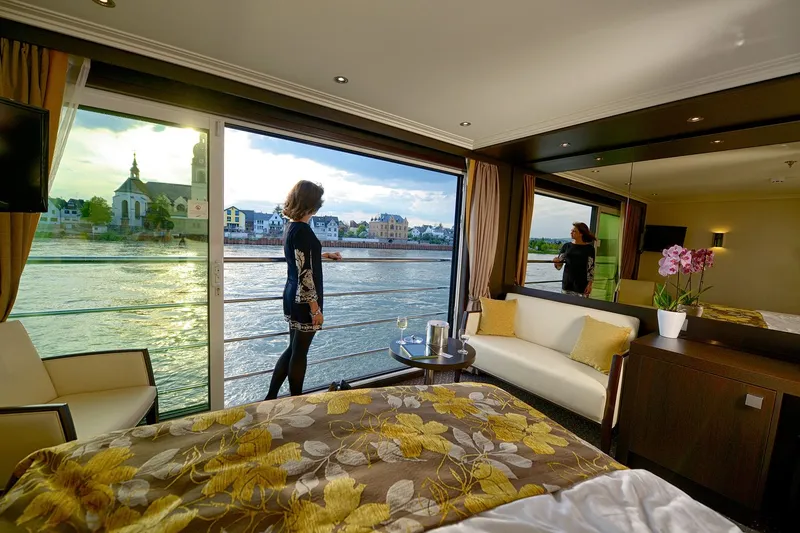
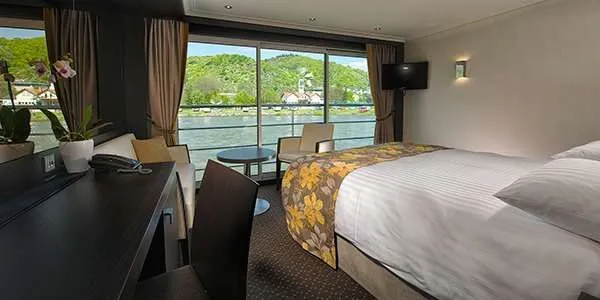
Stateroom Features:
Comfort Collection Beds
Luxurious mattress toppers
Egyptian super-combed cotton linens
European-style duvets
Soft & firm pillows
Extra blankets
Choice of bed configuration
Nightly turn-down service
Bedside tables with reading lamps
Premium Hairdryer
L'Occitane bath products
Spacious 3-door closets with shelves for ample storage
Easy under-bed luggage storage
Flatscreen satellite TV with English-speaking channels & over 100 free movie options
Alarm clock
Direct-dial telephone
Bathrobes & slippers
Well-stocked minibar
Complimentary filtered water
In-room safe
Individual climate control
Elegant, contemporary design
Large mirror in bathroom
Two windows
Full shower with glass door
Writing desk and chair
Lighted makeup mirror
Complimentary Wi-Fi
One Queen-Sized Bed or Two Twins
USB Ports
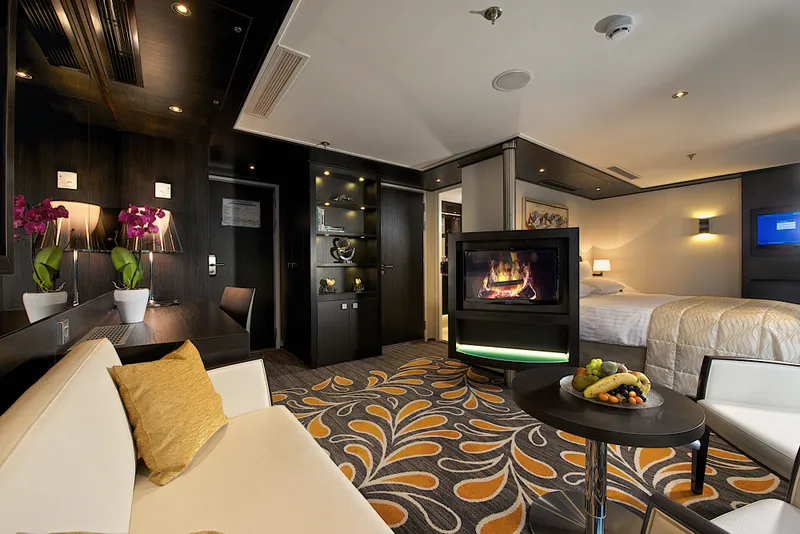
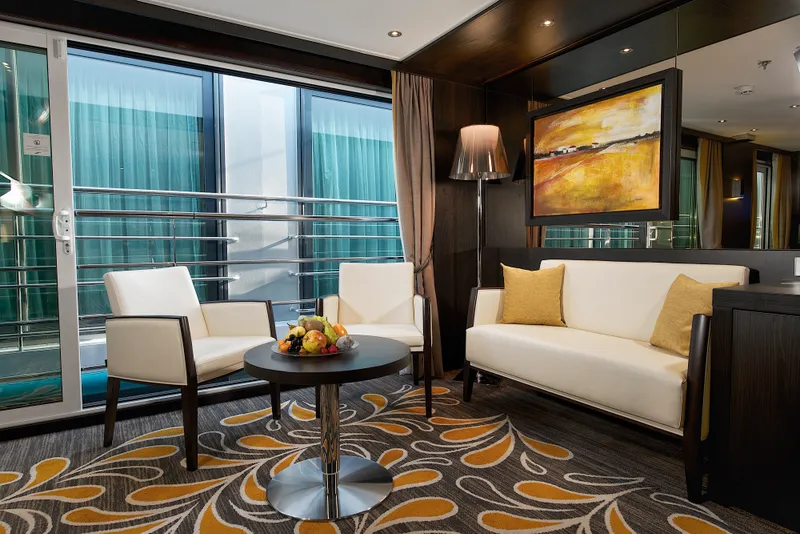
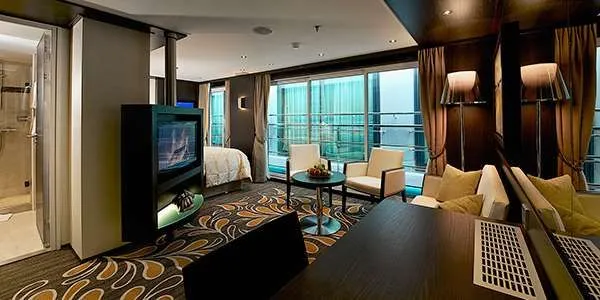
Stateroom Features:
Comfort Collection Beds
Luxurious mattress toppers
Egyptian super-combed cotton linens
European-style duvets
Soft & firm pillows
Extra blankets
Choice of bed configuration
Nightly turn-down service
Bedside tables with reading lamps
Premium Hairdryer
L'Occitane bath products
Spacious 3-door closets with shelves for ample storage
Easy under-bed luggage storage
Flatscreen satellite TV with English-speaking channels & over 100 free movie options
Alarm clock
Direct-dial telephone
Bathrobes & slippers
Well-stocked minibar
Complimentary filtered water
In-room safe
Individual climate control
Elegant, contemporary design
Large mirror in bathroom
Two windows
Full shower with glass door
Writing desk and chair
Lighted makeup mirror
Complimentary Wi-Fi
One Queen-Sized Bed or Two Twins
USB Ports
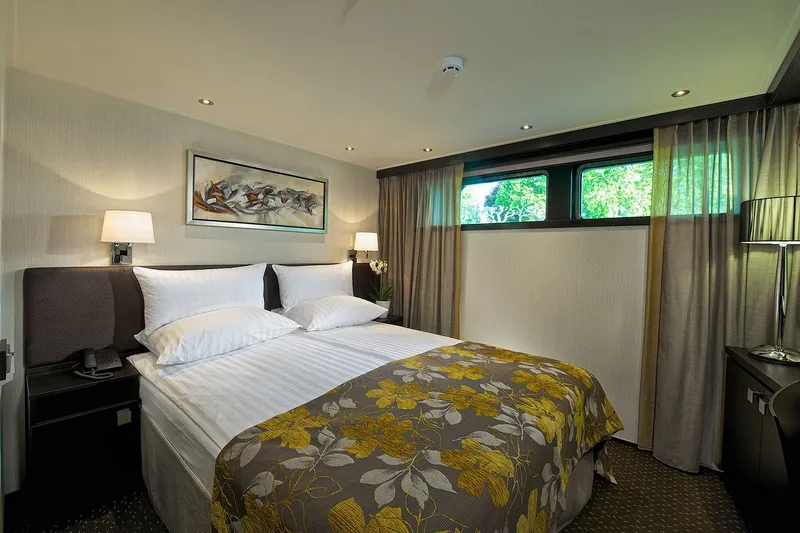
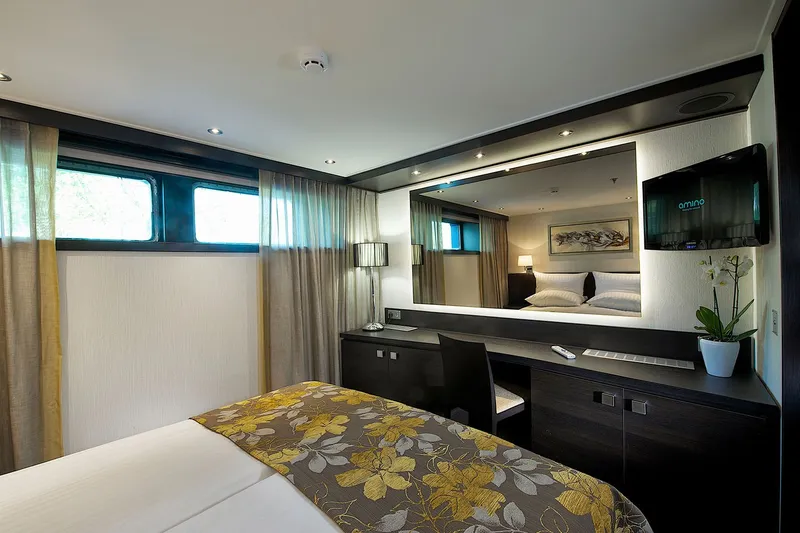
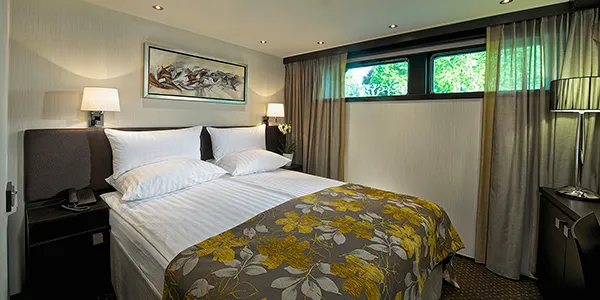
Stateroom Features:
Comfort Collection Beds
Luxurious mattress toppers
Egyptian super-combed cotton linens
European-style duvets
Soft & firm pillows
Extra blankets
Choice of bed configuration
Nightly turn-down service
Bedside tables with reading lamps
Premium Hairdryer
L'Occitane bath products
Spacious 3-door closets with shelves for ample storage
Easy under-bed luggage storage
Flatscreen satellite TV with English-speaking channels & over 100 free movie options
Alarm clock
Direct-dial telephone
Bathrobes & slippers
Well-stocked minibar
Complimentary filtered water
In-room safe
Individual climate control
Elegant, contemporary design
Large mirror in bathroom
Two windows
Full shower with glass door
Writing desk and chair
Lighted makeup mirror
Complimentary Wi-Fi
One Queen-Sized Bed or Two Twins
USB Ports
Our cruise specialists can help you find the perfect cabin and the best available pricing.
(+886) 02-2721-7300Contact Advisor