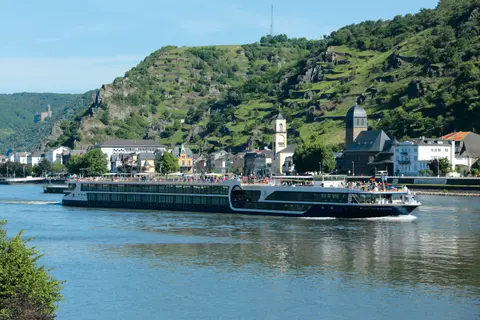
Avalon Waterways60505
From Romania to the North Sea with 1 Night in Bucharest and 2 Nights in Transylvania
Date
2026-05-05
Duration
23 nights
Departure Port
Bucharest
Romania
Arrival Port
Amsterdam
Netherlands
Rating
Luxury
Theme
History & Culture
Date
2026-05-05
Duration
23 nights
Departure Port
Bucharest
Romania
Arrival Port
Amsterdam
Netherlands
Rating
Luxury
Theme
History & Culture

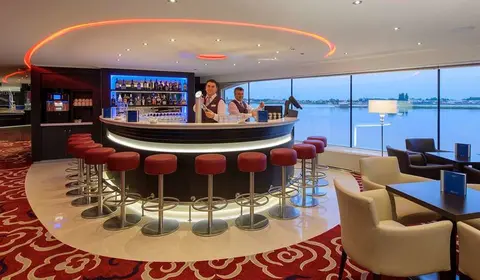
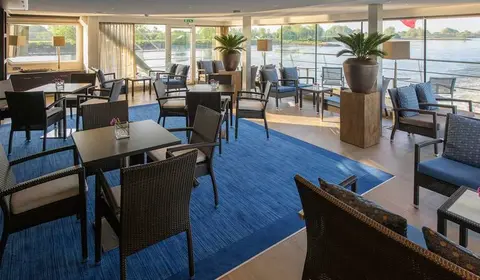
Avalon Waterways
Suite Ship
2014
—
2,775 GT
166
83
47
443 m
12 m
12 knots
No
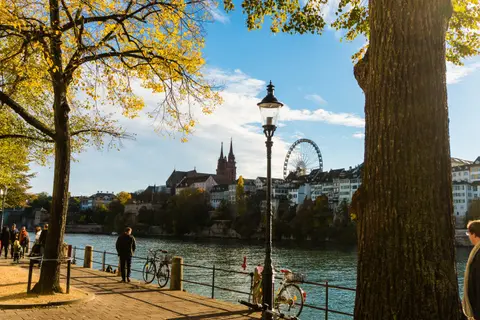
Basel, where Switzerland, France, and Germany converge at the Rhine's northward bend, hosts a concentration of world-class art institutions that rivals any city its size on earth — the Kunstmuseum alone, the world's oldest public art collection, could occupy days, and Art Basel each June draws every name that matters in the contemporary art world to this compact, elegant city. The Rhine itself is the city's great social artery: in summer, locals jump in with waterproof bags and float downstream, a tradition as charming as any museum. Spring through autumn is ideal for outdoor exploration; Paris is just three hours by TGV and Strasbourg a mere twenty minutes by train.
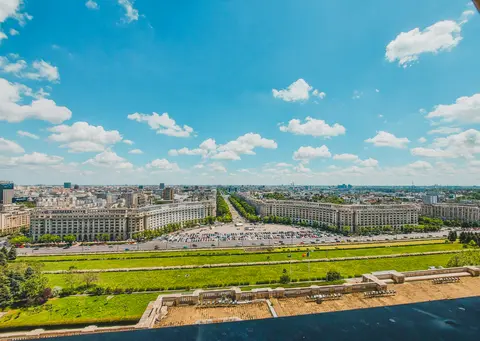
Bucharest, Romania's sprawling and magnificently contradictory capital, layers Belle Époque mansions, communist-era boulevards, and a furiously creative twenty-first-century scene into a city that rewards the curious traveler who looks beyond the obvious. Ceaușescu's colossal Palace of the Parliament — the world's heaviest building and a monument to totalitarian hubris — is unmissable; equally essential is the neighborhood of Floreasca, where design studios, natural wine bars, and acclaimed restaurants have made Bucharest one of Europe's most exciting emerging food capitals. Visit April through June for the most pleasant weather. Transylvania, with Bran Castle and the medieval city of Brașov, lies two hours north through dramatic Carpathian scenery.

Sinaia is Romania's royal mountain retreat in the Carpathians, home to the spectacular Peleș Castle and its 160 lavishly decorated rooms. Must-dos include touring both Peleș and Pelișor palaces, visiting the seventeenth-century monastery, and riding the cable car into the Bucegi Mountains. Late spring through early autumn offers ideal conditions for combining palace visits with mountain hiking.
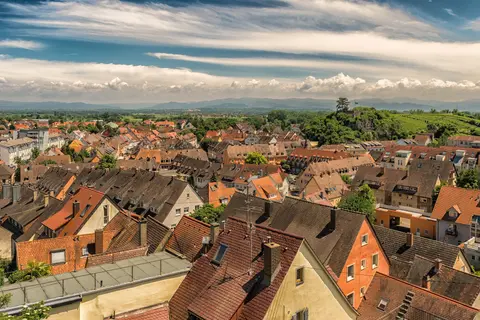
Breisach am Rhein clings to a volcanic hilltop at the French-German border, commanding the Upper Rhine crossing that made it one of the most fought-over towns in European history — a past the Romanesque-Gothic Münster St. Stephan surveys serenely from its commanding heights. Today peace reigns, and Breisach's true gift is its position as a gateway to three celebrated wine regions: the German Kaiserstuhl, producing some of Germany's finest Spätburgunder; the French Alsace, just across the Rhine; and the rolling hills of the Baden wine country to the east. Visit in autumn for harvest season across all three regions simultaneously. Freiburg im Breisgau, the Black Forest's graceful capital, lies twenty minutes east.
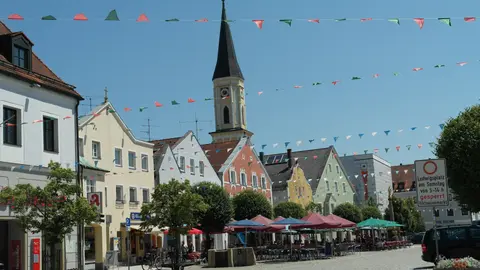
Sitting directly across the Rhine from Strasbourg, Kehl offers Rhine river cruise guests the remarkable experience of crossing from Germany into France in five minutes on foot — arriving at a medieval Alsatian cathedral quarter whose tarte flambée, Riesling estates, and half-timbered Petite France canals represent some of Europe's most enduring pleasures. The surrounding Black Forest and Alsatian Wine Route extend the discovery. Spring blossoms and autumn harvest are the most atmospheric times to visit this Franco-German frontier town.
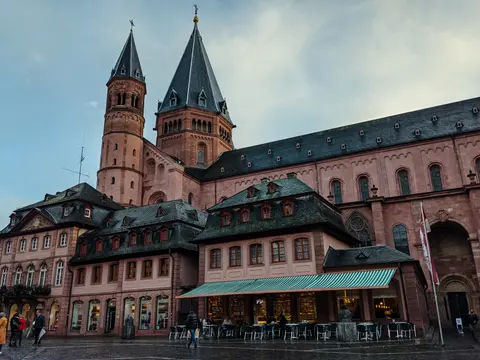
Mainz is where the modern world was printed into existence: Johannes Gutenberg's invention of movable-type printing around 1440 transformed this ancient Rhine city into the birthplace of the information age, a legacy honoured at the extraordinary Gutenberg Museum, home to one of the surviving original Bibles. The Romanesque cathedral of St. Martin, built over a millennium from the year 975, anchors a charming old town of wine taverns and market squares where Rhenish Rieslings flow freely. Visit between spring and autumn for the famous Mainz Wine Market held beside the Rhine. A day-cruise port with surprising cultural depth.
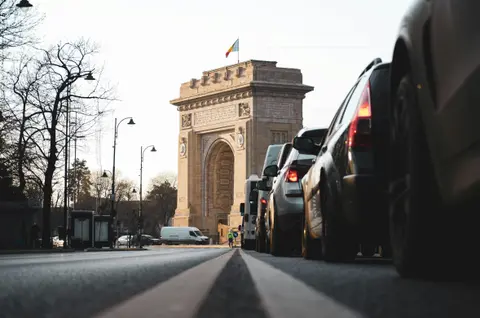
Bucharest, Romania's sprawling and magnificently contradictory capital, layers Belle Époque mansions, communist-era boulevards, and a furiously creative twenty-first-century scene into a city that rewards the curious traveler who looks beyond the obvious. Ceaușescu's colossal Palace of the Parliament — the world's heaviest building and a monument to totalitarian hubris — is unmissable; equally essential is the neighborhood of Floreasca, where design studios, natural wine bars, and acclaimed restaurants have made Bucharest one of Europe's most exciting emerging food capitals. Visit April through June for the most pleasant weather. Transylvania, with Bran Castle and the medieval city of Brașov, lies two hours north through dramatic Carpathian scenery.
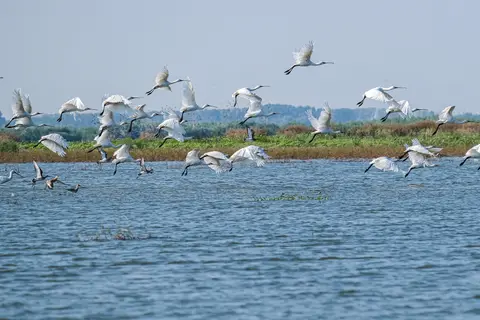
Oltenița is a historic Danubian port city in southern Romania where the River Argeș meets the Danube, offering visitors Chalcolithic archaeological treasures at the Gumelnița site and exceptional riverside dining featuring traditional Wallachian river fish cuisine. A must-do experience is savoring *saramură de crap* — Danube carp grilled over open flame — at a waterfront table, followed by a day excursion to the medieval citadels of Transylvania. The best season to visit is late spring through early autumn, when the Danube promenade comes alive and river cruise itineraries from Avalon Waterways, CroisiEurope, and Seabourn call at this understated gem of Muntenia.
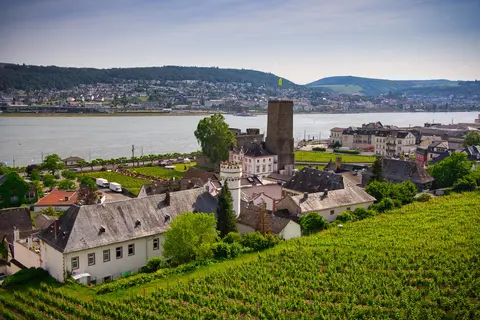
Rüdesheim am Rhein, a jewel of the UNESCO-listed Upper Middle Rhine Valley, is where Germany's most storied wine river cuts through vine-terraced slopes and medieval castle ruins. The pedestrianised Drosselgasse laneway — beloved since the Romantic era — hums with wine taverns pouring the region's celebrated Rieslings, crisp and mineral from the slate soils. The Niederwald Monument surveys the river from the heights, reached by cable car above the vineyards. Day trips by boat unlock Bacharach, Boppard, and the legendary Lorelei rock. September's harvest festivals transform the entire valley into a convivial celebration of the vintage.
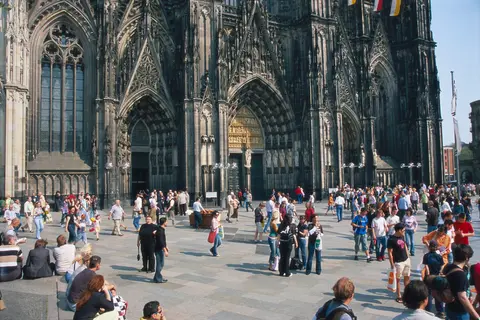
Cologne's twin-spired Gothic cathedral, six hundred years in the building and still the city's defining monument, is the inevitable starting point — but this ancient Rhine city rewards exploration well beyond its iconic silhouette. The Romano-Germanic Museum reveals the city's Roman foundations, while the Chocolate Museum on the riverbank offers a distinctly sweeter history lesson. Cologne's famed Kölsch beer culture thrives in the old town's traditional brew-houses, where one round follows another in centuries-old wooden halls. The city is welcoming year-round, though the legendary Christmas markets (November–December) attract visitors from across Europe.
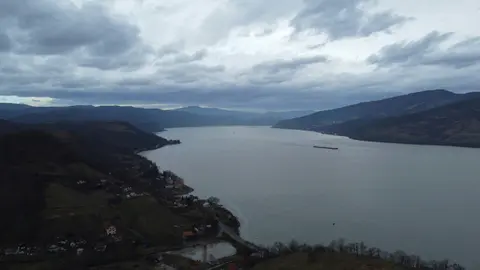
Donji Milanovac is a tranquil Serbian town on the banks of Lake Đerdap, nestled within the dramatic Iron Gates gorge of the Danube and surrounded by pristine national parkland. Visitors should not miss the Lepenski Vir archaeological site, home to seven-thousand-year-old Mesolithic sculptures, and the restored medieval fortress at nearby Golubac. The ideal time to cruise through the Iron Gates is from late May through September, when long daylight hours illuminate the gorge walls and riverside terraces invite lingering over fresh riblja čorba and local šljivovica.
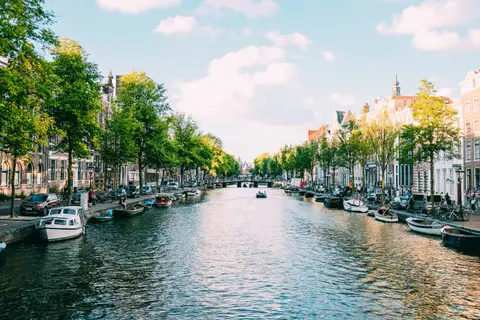
Amsterdam's UNESCO-listed canal ring — a concentric web of seventeenth-century merchant houses and arching stone bridges — remains one of the Western world's most perfectly preserved Golden Age cityscapes, best explored by bicycle or canal boat at a pace that lets the city's genius reveal itself slowly. The Rijksmuseum's collection of Rembrandt and Vermeer masterpieces is essential, while the Anne Frank House offers one of Europe's most profoundly moving historical encounters. Spring brings the iconic tulip season; summer fills the terraces of the Jordaan district. Schiphol Airport makes Amsterdam a seamless gateway to the entire European continent.
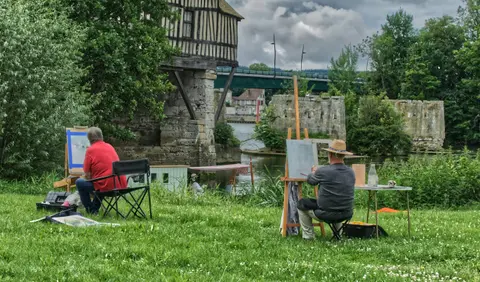
Vernon is a quietly beguiling Norman town on the Seine whose greatest treasure lies just four kilometers beyond its medieval bridge: the garden and water lily ponds at Giverny, where Claude Monet lived and painted for forty-three years, creating the luminous imagery that changed the course of modern art. The town itself retains considerable charm — a romanticly ruined twelfth-century bridge tower draped in ivy, half-timbered houses along the riverbank, and a fine museum housing several original Monet canvases. Monet's garden is open from April through October, reaching its peak splendor in May and June when his beloved water lilies are in full, painterly bloom.
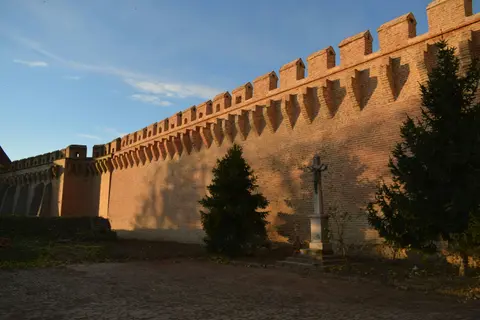
Ilok, a historical port in Croatia, enchants visitors with its medieval architecture, serene riverfront, and vibrant local culture. Must-do experiences include savoring traditional dishes like "čobanac" and sampling the exquisite local wine, "Traminac." The best time to visit is during the late spring or early fall, when the weather is pleasant and the vineyards are lush.
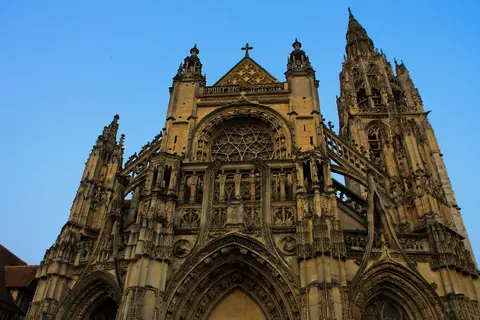
Caudebec-en-Caux nestles in a Seine meander between Rouen and the sea, famous for its Flamboyant Gothic Eglise Notre-Dame — a masterwork of late medieval stone lacework so exquisite that Henri IV called it 'the most beautiful chapel in my kingdom.' The town serves as an ideal quiet base for exploring the Seine Valley's quieter pleasures: the remarkable Abbaye de Jumiéges, its roofless nave open to the Norman sky, and the Manoir d'Ango, a Renaissance manor of extraordinary ambition, are both within easy reach. The tidal atmosphere of the Seine at this point rewards early morning walks along the embankment. Rouen, with its Gothic cathedral and Impressionist legacy, lies forty minutes east.
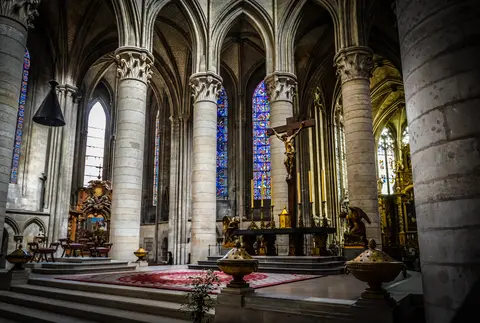
Rouen, the medieval capital of Normandy set in a wooded meander of the Seine, rewards slow exploration with one of France's richest concentrations of Gothic architecture. The vast cathedral — immortalised by Monet in his celebrated series of canvases — dominates a city where half-timbered lanes wind between Renaissance mansions and the square where Joan of Arc was burned in 1431. The covered market overflows with Normandy's great dairy bounty: camembert, livarot, and pont-l'évêque alongside cider and calvados. Paris lies just ninety minutes south by train. Spring and early autumn offer the most atmospheric conditions.
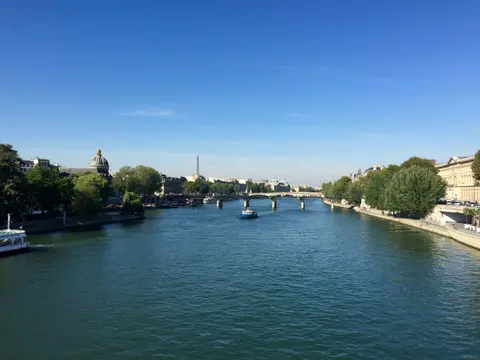
Poised at the confluence of the Oise and the Seine, Conflans-Sainte-Honorine has been France's inland waterway capital for over a century, its quays mooring more than a thousand traditional péniches whose painted hulls form a floating village of singular charm. The hilltop medieval town commands sweeping views over the meeting of rivers, while the National Inland Waterways Museum aboard a converted barge chronicles France's extraordinary network of canals and waterways. Just thirty kilometres from Paris, Conflans is best visited in summer, when barge festivals fill the riverbank with music, local produce, and the unhurried pleasures of la vie fluviale.
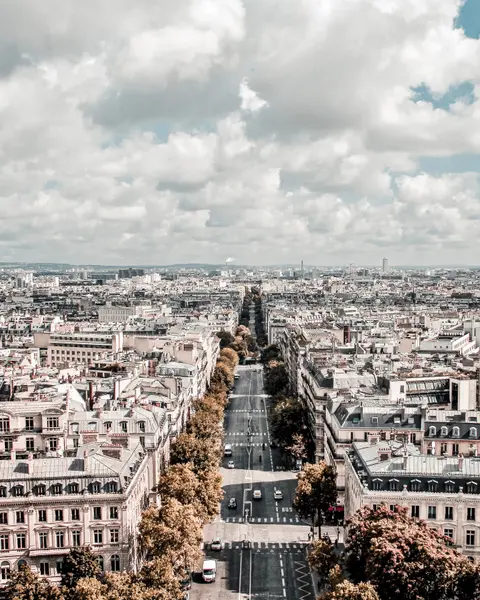
Paris rewards every arrival as though it were the first — the sweep of the Seine, the Gothic tracery of Notre-Dame rising again from its 2019 ashes, the Eiffel Tower somehow managing to astonish at each encounter, the Louvre's glass pyramid reflecting clouds in the courtyard of a palace that served French kings for four centuries. Beyond the monuments, Paris is a city of neighbourhoods: the Belle Époque brasseries of Montparnasse, the covered passages of the 2nd arrondissement, the rooftop terraces of Le Marais. The Luxembourg Gardens in April, or a late-September evening on the Canal Saint-Martin, are among the most civilised experiences in the world.
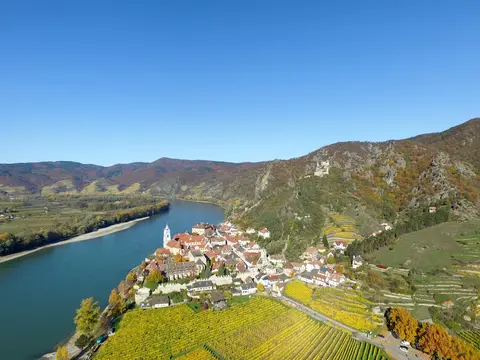
Dürnstein is the jewel of the Wachau — that UNESCO-protected stretch of the Danube where medieval villages, baroque spires, and precipitous terraced vineyards create the most picturesque river landscape in Central Europe. The blue-and-white tower of the Augustinian monastery and the dramatic ruins of the castle where Richard the Lionheart was imprisoned in 1192 define a skyline of romantic perfection. The surrounding vineyards produce some of Austria's greatest Grüner Veltliners and Rieslings; tasting rooms open directly onto the river path. May through October offers the finest conditions, with harvest season in September an especially memorable time to visit.
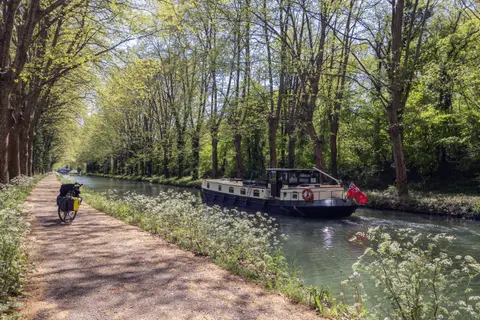
Cadillac, a picturesque commune in the Gironde department, is celebrated for its rich history, charming architecture, and exquisite culinary offerings. Must-do experiences include savoring local delicacies like foie gras and exploring the historical Château de Cadillac. The best season to visit is during the spring and early autumn, when the weather is delightful, and local markets are bustling with fresh produce.
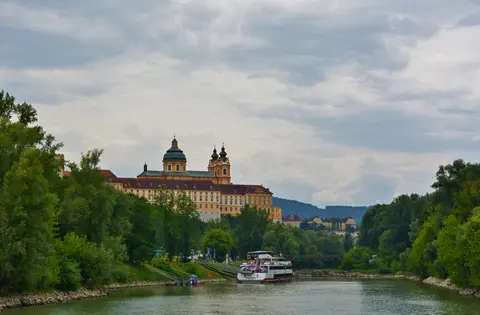
Melk Abbey is among the most theatrical expressions of Baroque ambition in all of Europe — a gilded monastery perched on a granite outcrop above the Danube, its domed church and frescoed library presiding over the Wachau Valley with serene authority since Benedictine monks replaced the Babenberg fortress in 1089. Umberto Eco immortalised it as the inspiration for his labyrinthine monastery in "The Name of the Rose," and the library's 100,000 medieval manuscripts remain one of the continent's supreme collections. After the abbey, stroll down to the historic market town and sample the valley's celebrated Grüner Veltliner wines. The Wachau is at its most bewitching in April and October.
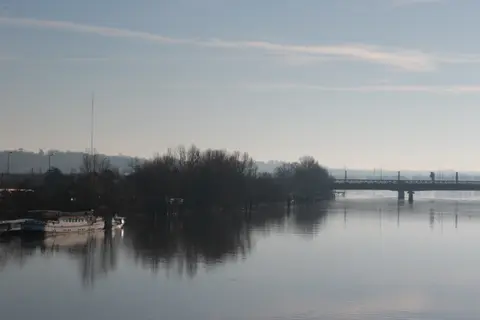
Where the Gironde estuary broadens toward the Atlantic, Cussac-Fort-Médoc occupies a quietly magnificent corner of Bordeaux wine country, its landscape shaped by Vauban's seventeenth-century star-shaped citadel — a UNESCO World Heritage fortification — and by centuries of châteaux producing some of the Left Bank's most distinguished Haut-Médoc cuvées. River cruisers dock here for château visits and private cellar tastings amid working vineyards, far from the tourist circuits of Saint-Émilion. September brings the harvest, filling the air with the intoxicating scent of fermenting Cabernet Sauvignon; the temperate maritime climate makes spring and autumn equally rewarding.
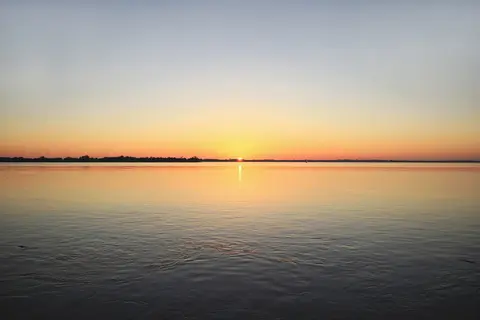
Crowned by a Vauban citadel that UNESCO recognises as one of Europe's finest military fortifications, Blaye guards the Gironde estuary with a watchful grandeur unchanged since Louis XIV's engineers completed their work in 1689. Taste the local delicacy of poutargue de Blaye — cured mullet roe from the estuary — explore the merlot vineyards of the Blaye Côtes de Bordeaux appellation, and take an excursion south to Bordeaux's grand neoclassical boulevards. September and October bring the heady aromas of harvest season to the surrounding wine country.
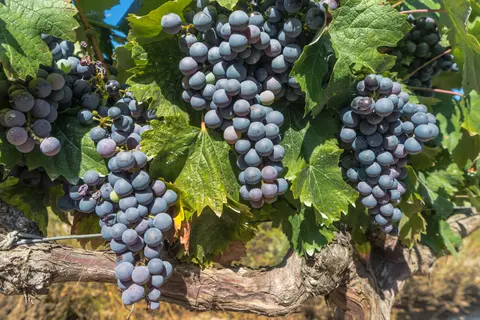
Founded in 1270 by an English lieutenant of Edward I at the confluence of the Isle and Dordogne rivers, Libourne is the fortified bastide heart of Bordeaux wine country — and the historic trading capital of some of the world's most celebrated appellations: Pomerol and Saint-Émilion both lie within minutes. The medieval market square, ringed by arcaded stone buildings, still hosts produce markets and wine négociant houses that have traded here for centuries. A half-day excursion to the UNESCO-listed hilltop village of Saint-Émilion, with its monolithic church carved from a single limestone cliff, is unmissable. Libourne is most rewarding during harvest (September–October) and spring flowering (April–May).
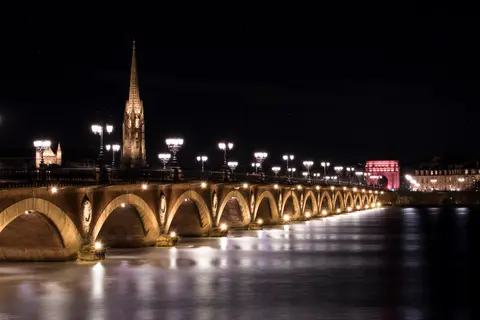
Bordeaux, France's premier port city, is renowned for its historical significance, stunning architecture, and world-class wine. Must-do experiences include savoring local delicacies at Marché des Quais and exploring the breathtaking art installations at Place de la Bourse. The best season to visit is during the late spring and early autumn, when the weather is pleasant and the vineyards are in full bloom.
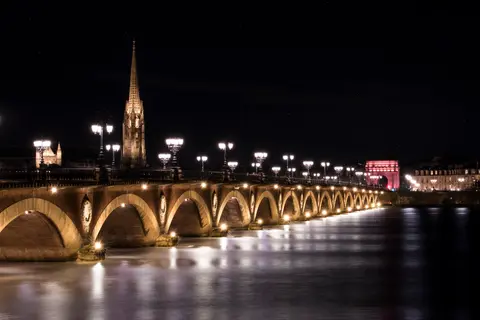
Bordeaux, France's premier port city, is renowned for its historical significance, stunning architecture, and world-class wine. Must-do experiences include savoring local delicacies at Marché des Quais and exploring the breathtaking art installations at Place de la Bourse. The best season to visit is during the late spring and early autumn, when the weather is pleasant and the vineyards are in full bloom.
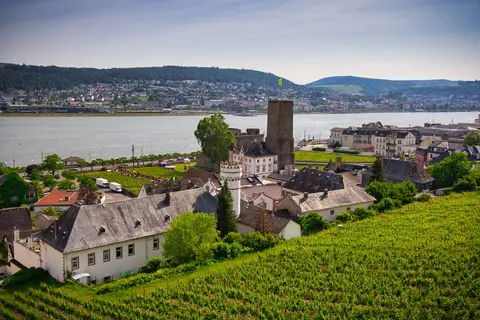
Rüdesheim am Rhein, a jewel of the UNESCO-listed Upper Middle Rhine Valley, is where Germany's most storied wine river cuts through vine-terraced slopes and medieval castle ruins. The pedestrianised Drosselgasse laneway — beloved since the Romantic era — hums with wine taverns pouring the region's celebrated Rieslings, crisp and mineral from the slate soils. The Niederwald Monument surveys the river from the heights, reached by cable car above the vineyards. Day trips by boat unlock Bacharach, Boppard, and the legendary Lorelei rock. September's harvest festivals transform the entire valley into a convivial celebration of the vintage.
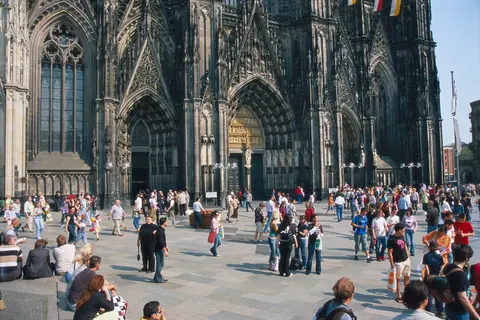
Cologne's twin-spired Gothic cathedral, six hundred years in the building and still the city's defining monument, is the inevitable starting point — but this ancient Rhine city rewards exploration well beyond its iconic silhouette. The Romano-Germanic Museum reveals the city's Roman foundations, while the Chocolate Museum on the riverbank offers a distinctly sweeter history lesson. Cologne's famed Kölsch beer culture thrives in the old town's traditional brew-houses, where one round follows another in centuries-old wooden halls. The city is welcoming year-round, though the legendary Christmas markets (November–December) attract visitors from across Europe.
Day 1
Basel, where Switzerland, France, and Germany converge at the Rhine's northward bend, hosts a concentration of world-class art institutions that rivals any city its size on earth — the Kunstmuseum alone, the world's oldest public art collection, could occupy days, and Art Basel each June draws every name that matters in the contemporary art world to this compact, elegant city. The Rhine itself is the city's great social artery: in summer, locals jump in with waterproof bags and float downstream, a tradition as charming as any museum. Spring through autumn is ideal for outdoor exploration; Paris is just three hours by TGV and Strasbourg a mere twenty minutes by train.
Day 2
Bucharest, Romania's sprawling and magnificently contradictory capital, layers Belle Époque mansions, communist-era boulevards, and a furiously creative twenty-first-century scene into a city that rewards the curious traveler who looks beyond the obvious. Ceaușescu's colossal Palace of the Parliament — the world's heaviest building and a monument to totalitarian hubris — is unmissable; equally essential is the neighborhood of Floreasca, where design studios, natural wine bars, and acclaimed restaurants have made Bucharest one of Europe's most exciting emerging food capitals. Visit April through June for the most pleasant weather. Transylvania, with Bran Castle and the medieval city of Brașov, lies two hours north through dramatic Carpathian scenery.
Sinaia is Romania's royal mountain retreat in the Carpathians, home to the spectacular Peleș Castle and its 160 lavishly decorated rooms. Must-dos include touring both Peleș and Pelișor palaces, visiting the seventeenth-century monastery, and riding the cable car into the Bucegi Mountains. Late spring through early autumn offers ideal conditions for combining palace visits with mountain hiking.
Breisach am Rhein clings to a volcanic hilltop at the French-German border, commanding the Upper Rhine crossing that made it one of the most fought-over towns in European history — a past the Romanesque-Gothic Münster St. Stephan surveys serenely from its commanding heights. Today peace reigns, and Breisach's true gift is its position as a gateway to three celebrated wine regions: the German Kaiserstuhl, producing some of Germany's finest Spätburgunder; the French Alsace, just across the Rhine; and the rolling hills of the Baden wine country to the east. Visit in autumn for harvest season across all three regions simultaneously. Freiburg im Breisgau, the Black Forest's graceful capital, lies twenty minutes east.
Day 3
Sitting directly across the Rhine from Strasbourg, Kehl offers Rhine river cruise guests the remarkable experience of crossing from Germany into France in five minutes on foot — arriving at a medieval Alsatian cathedral quarter whose tarte flambée, Riesling estates, and half-timbered Petite France canals represent some of Europe's most enduring pleasures. The surrounding Black Forest and Alsatian Wine Route extend the discovery. Spring blossoms and autumn harvest are the most atmospheric times to visit this Franco-German frontier town.
Day 4
Mainz is where the modern world was printed into existence: Johannes Gutenberg's invention of movable-type printing around 1440 transformed this ancient Rhine city into the birthplace of the information age, a legacy honoured at the extraordinary Gutenberg Museum, home to one of the surviving original Bibles. The Romanesque cathedral of St. Martin, built over a millennium from the year 975, anchors a charming old town of wine taverns and market squares where Rhenish Rieslings flow freely. Visit between spring and autumn for the famous Mainz Wine Market held beside the Rhine. A day-cruise port with surprising cultural depth.
Bucharest, Romania's sprawling and magnificently contradictory capital, layers Belle Époque mansions, communist-era boulevards, and a furiously creative twenty-first-century scene into a city that rewards the curious traveler who looks beyond the obvious. Ceaușescu's colossal Palace of the Parliament — the world's heaviest building and a monument to totalitarian hubris — is unmissable; equally essential is the neighborhood of Floreasca, where design studios, natural wine bars, and acclaimed restaurants have made Bucharest one of Europe's most exciting emerging food capitals. Visit April through June for the most pleasant weather. Transylvania, with Bran Castle and the medieval city of Brașov, lies two hours north through dramatic Carpathian scenery.
Oltenița is a historic Danubian port city in southern Romania where the River Argeș meets the Danube, offering visitors Chalcolithic archaeological treasures at the Gumelnița site and exceptional riverside dining featuring traditional Wallachian river fish cuisine. A must-do experience is savoring *saramură de crap* — Danube carp grilled over open flame — at a waterfront table, followed by a day excursion to the medieval citadels of Transylvania. The best season to visit is late spring through early autumn, when the Danube promenade comes alive and river cruise itineraries from Avalon Waterways, CroisiEurope, and Seabourn call at this understated gem of Muntenia.
Day 5
Rüdesheim am Rhein, a jewel of the UNESCO-listed Upper Middle Rhine Valley, is where Germany's most storied wine river cuts through vine-terraced slopes and medieval castle ruins. The pedestrianised Drosselgasse laneway — beloved since the Romantic era — hums with wine taverns pouring the region's celebrated Rieslings, crisp and mineral from the slate soils. The Niederwald Monument surveys the river from the heights, reached by cable car above the vineyards. Day trips by boat unlock Bacharach, Boppard, and the legendary Lorelei rock. September's harvest festivals transform the entire valley into a convivial celebration of the vintage.
Day 6
Cologne's twin-spired Gothic cathedral, six hundred years in the building and still the city's defining monument, is the inevitable starting point — but this ancient Rhine city rewards exploration well beyond its iconic silhouette. The Romano-Germanic Museum reveals the city's Roman foundations, while the Chocolate Museum on the riverbank offers a distinctly sweeter history lesson. Cologne's famed Kölsch beer culture thrives in the old town's traditional brew-houses, where one round follows another in centuries-old wooden halls. The city is welcoming year-round, though the legendary Christmas markets (November–December) attract visitors from across Europe.
Day 7
Donji Milanovac is a tranquil Serbian town on the banks of Lake Đerdap, nestled within the dramatic Iron Gates gorge of the Danube and surrounded by pristine national parkland. Visitors should not miss the Lepenski Vir archaeological site, home to seven-thousand-year-old Mesolithic sculptures, and the restored medieval fortress at nearby Golubac. The ideal time to cruise through the Iron Gates is from late May through September, when long daylight hours illuminate the gorge walls and riverside terraces invite lingering over fresh riblja čorba and local šljivovica.
Amsterdam's UNESCO-listed canal ring — a concentric web of seventeenth-century merchant houses and arching stone bridges — remains one of the Western world's most perfectly preserved Golden Age cityscapes, best explored by bicycle or canal boat at a pace that lets the city's genius reveal itself slowly. The Rijksmuseum's collection of Rembrandt and Vermeer masterpieces is essential, while the Anne Frank House offers one of Europe's most profoundly moving historical encounters. Spring brings the iconic tulip season; summer fills the terraces of the Jordaan district. Schiphol Airport makes Amsterdam a seamless gateway to the entire European continent.
Day 9
Vernon is a quietly beguiling Norman town on the Seine whose greatest treasure lies just four kilometers beyond its medieval bridge: the garden and water lily ponds at Giverny, where Claude Monet lived and painted for forty-three years, creating the luminous imagery that changed the course of modern art. The town itself retains considerable charm — a romanticly ruined twelfth-century bridge tower draped in ivy, half-timbered houses along the riverbank, and a fine museum housing several original Monet canvases. Monet's garden is open from April through October, reaching its peak splendor in May and June when his beloved water lilies are in full, painterly bloom.
Day 10
Ilok, a historical port in Croatia, enchants visitors with its medieval architecture, serene riverfront, and vibrant local culture. Must-do experiences include savoring traditional dishes like "čobanac" and sampling the exquisite local wine, "Traminac." The best time to visit is during the late spring or early fall, when the weather is pleasant and the vineyards are lush.
Caudebec-en-Caux nestles in a Seine meander between Rouen and the sea, famous for its Flamboyant Gothic Eglise Notre-Dame — a masterwork of late medieval stone lacework so exquisite that Henri IV called it 'the most beautiful chapel in my kingdom.' The town serves as an ideal quiet base for exploring the Seine Valley's quieter pleasures: the remarkable Abbaye de Jumiéges, its roofless nave open to the Norman sky, and the Manoir d'Ango, a Renaissance manor of extraordinary ambition, are both within easy reach. The tidal atmosphere of the Seine at this point rewards early morning walks along the embankment. Rouen, with its Gothic cathedral and Impressionist legacy, lies forty minutes east.
Day 12
Rouen, the medieval capital of Normandy set in a wooded meander of the Seine, rewards slow exploration with one of France's richest concentrations of Gothic architecture. The vast cathedral — immortalised by Monet in his celebrated series of canvases — dominates a city where half-timbered lanes wind between Renaissance mansions and the square where Joan of Arc was burned in 1431. The covered market overflows with Normandy's great dairy bounty: camembert, livarot, and pont-l'évêque alongside cider and calvados. Paris lies just ninety minutes south by train. Spring and early autumn offer the most atmospheric conditions.
Day 13
Poised at the confluence of the Oise and the Seine, Conflans-Sainte-Honorine has been France's inland waterway capital for over a century, its quays mooring more than a thousand traditional péniches whose painted hulls form a floating village of singular charm. The hilltop medieval town commands sweeping views over the meeting of rivers, while the National Inland Waterways Museum aboard a converted barge chronicles France's extraordinary network of canals and waterways. Just thirty kilometres from Paris, Conflans is best visited in summer, when barge festivals fill the riverbank with music, local produce, and the unhurried pleasures of la vie fluviale.
Day 14
Paris rewards every arrival as though it were the first — the sweep of the Seine, the Gothic tracery of Notre-Dame rising again from its 2019 ashes, the Eiffel Tower somehow managing to astonish at each encounter, the Louvre's glass pyramid reflecting clouds in the courtyard of a palace that served French kings for four centuries. Beyond the monuments, Paris is a city of neighbourhoods: the Belle Époque brasseries of Montparnasse, the covered passages of the 2nd arrondissement, the rooftop terraces of Le Marais. The Luxembourg Gardens in April, or a late-September evening on the Canal Saint-Martin, are among the most civilised experiences in the world.
Day 16
Dürnstein is the jewel of the Wachau — that UNESCO-protected stretch of the Danube where medieval villages, baroque spires, and precipitous terraced vineyards create the most picturesque river landscape in Central Europe. The blue-and-white tower of the Augustinian monastery and the dramatic ruins of the castle where Richard the Lionheart was imprisoned in 1192 define a skyline of romantic perfection. The surrounding vineyards produce some of Austria's greatest Grüner Veltliners and Rieslings; tasting rooms open directly onto the river path. May through October offers the finest conditions, with harvest season in September an especially memorable time to visit.
Cadillac, a picturesque commune in the Gironde department, is celebrated for its rich history, charming architecture, and exquisite culinary offerings. Must-do experiences include savoring local delicacies like foie gras and exploring the historical Château de Cadillac. The best season to visit is during the spring and early autumn, when the weather is delightful, and local markets are bustling with fresh produce.
Melk Abbey is among the most theatrical expressions of Baroque ambition in all of Europe — a gilded monastery perched on a granite outcrop above the Danube, its domed church and frescoed library presiding over the Wachau Valley with serene authority since Benedictine monks replaced the Babenberg fortress in 1089. Umberto Eco immortalised it as the inspiration for his labyrinthine monastery in "The Name of the Rose," and the library's 100,000 medieval manuscripts remain one of the continent's supreme collections. After the abbey, stroll down to the historic market town and sample the valley's celebrated Grüner Veltliner wines. The Wachau is at its most bewitching in April and October.
Day 17
Where the Gironde estuary broadens toward the Atlantic, Cussac-Fort-Médoc occupies a quietly magnificent corner of Bordeaux wine country, its landscape shaped by Vauban's seventeenth-century star-shaped citadel — a UNESCO World Heritage fortification — and by centuries of châteaux producing some of the Left Bank's most distinguished Haut-Médoc cuvées. River cruisers dock here for château visits and private cellar tastings amid working vineyards, far from the tourist circuits of Saint-Émilion. September brings the harvest, filling the air with the intoxicating scent of fermenting Cabernet Sauvignon; the temperate maritime climate makes spring and autumn equally rewarding.
Day 18
Crowned by a Vauban citadel that UNESCO recognises as one of Europe's finest military fortifications, Blaye guards the Gironde estuary with a watchful grandeur unchanged since Louis XIV's engineers completed their work in 1689. Taste the local delicacy of poutargue de Blaye — cured mullet roe from the estuary — explore the merlot vineyards of the Blaye Côtes de Bordeaux appellation, and take an excursion south to Bordeaux's grand neoclassical boulevards. September and October bring the heady aromas of harvest season to the surrounding wine country.
Day 19
Founded in 1270 by an English lieutenant of Edward I at the confluence of the Isle and Dordogne rivers, Libourne is the fortified bastide heart of Bordeaux wine country — and the historic trading capital of some of the world's most celebrated appellations: Pomerol and Saint-Émilion both lie within minutes. The medieval market square, ringed by arcaded stone buildings, still hosts produce markets and wine négociant houses that have traded here for centuries. A half-day excursion to the UNESCO-listed hilltop village of Saint-Émilion, with its monolithic church carved from a single limestone cliff, is unmissable. Libourne is most rewarding during harvest (September–October) and spring flowering (April–May).
Day 20
Bordeaux, France's premier port city, is renowned for its historical significance, stunning architecture, and world-class wine. Must-do experiences include savoring local delicacies at Marché des Quais and exploring the breathtaking art installations at Place de la Bourse. The best season to visit is during the late spring and early autumn, when the weather is pleasant and the vineyards are in full bloom.
Day 22
Bordeaux, France's premier port city, is renowned for its historical significance, stunning architecture, and world-class wine. Must-do experiences include savoring local delicacies at Marché des Quais and exploring the breathtaking art installations at Place de la Bourse. The best season to visit is during the late spring and early autumn, when the weather is pleasant and the vineyards are in full bloom.
Day 23
Rüdesheim am Rhein, a jewel of the UNESCO-listed Upper Middle Rhine Valley, is where Germany's most storied wine river cuts through vine-terraced slopes and medieval castle ruins. The pedestrianised Drosselgasse laneway — beloved since the Romantic era — hums with wine taverns pouring the region's celebrated Rieslings, crisp and mineral from the slate soils. The Niederwald Monument surveys the river from the heights, reached by cable car above the vineyards. Day trips by boat unlock Bacharach, Boppard, and the legendary Lorelei rock. September's harvest festivals transform the entire valley into a convivial celebration of the vintage.
Day 24
Cologne's twin-spired Gothic cathedral, six hundred years in the building and still the city's defining monument, is the inevitable starting point — but this ancient Rhine city rewards exploration well beyond its iconic silhouette. The Romano-Germanic Museum reveals the city's Roman foundations, while the Chocolate Museum on the riverbank offers a distinctly sweeter history lesson. Cologne's famed Kölsch beer culture thrives in the old town's traditional brew-houses, where one round follows another in centuries-old wooden halls. The city is welcoming year-round, though the legendary Christmas markets (November–December) attract visitors from across Europe.
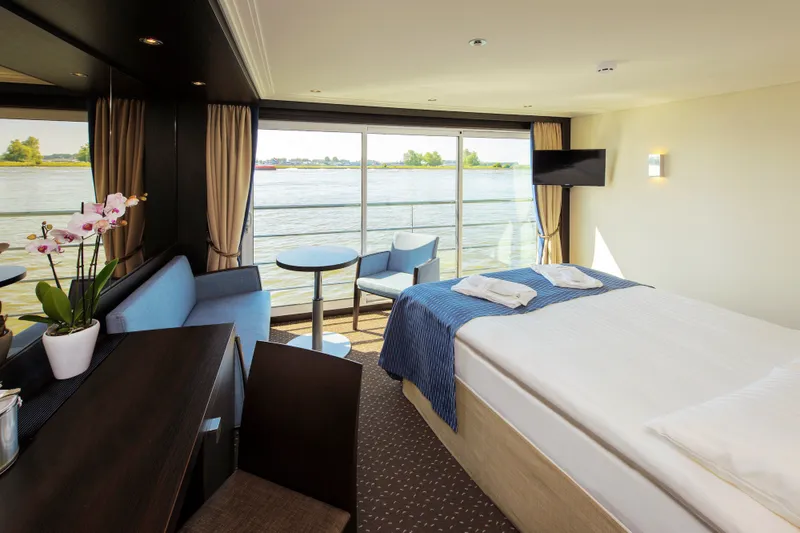
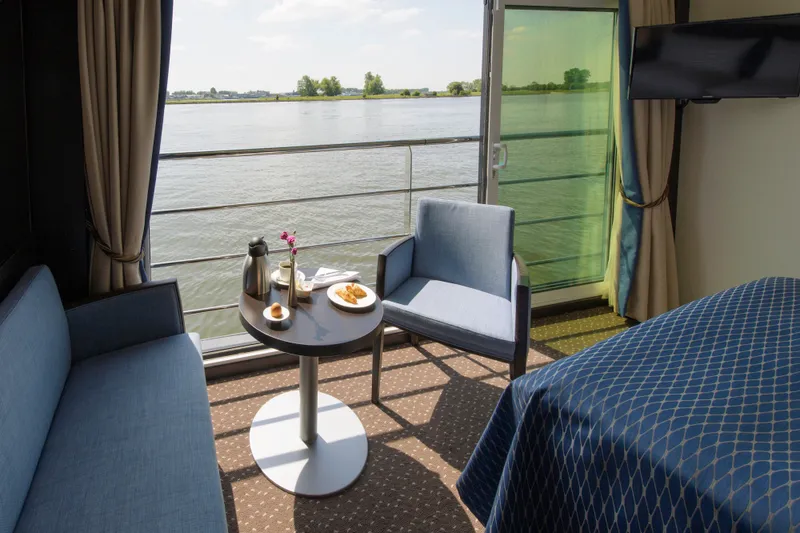
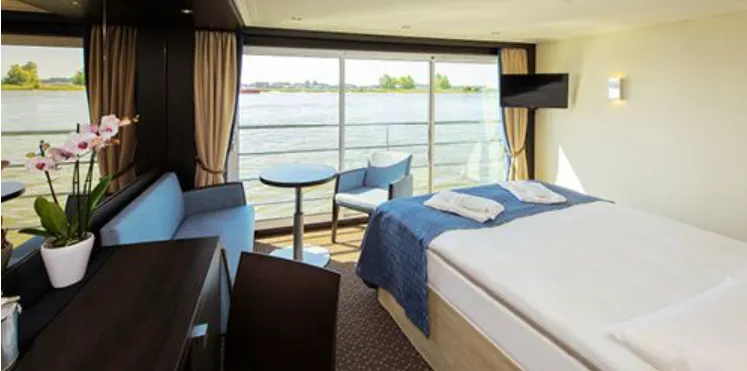
Stateroom Features:
Comfort Collection Beds
Luxurious mattress toppers
Egyptian super-combed cotton linens
European-style duvets
Soft & firm pillows
Extra blankets
Choice of bed configuration
Nightly turn-down service
Bedside tables with reading lamps
Premium Hairdryer
L'Occitane bath products
Spacious 3-door closets with shelves for ample storage
Easy under-bed luggage storage
Flatscreen satellite TV with English-speaking channels & over 100 free movie options
Alarm clock
Make-up mirror
Direct-dial telephone
Bathrobes & slippers
Well-stocked minibar
Complimentary filtered water
In-room safe
Individual climate control
Elegant, contemporary design
Large mirror in bathroom
Marble countertops in bathroom
Wall-to-Wall Panoramic Window with Open-Air Balcony
6-person sitting area
Full shower with glass door
Writing desk and chair
Lighted makeup mirror
Sofa
Coffee table
Complimentary Wi-Fi
One Queen-Sized Bed or Two Twins
USB Ports
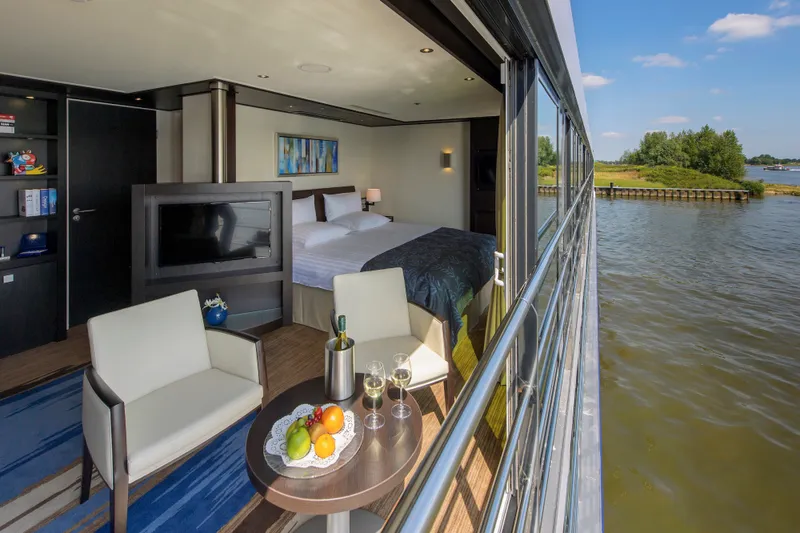
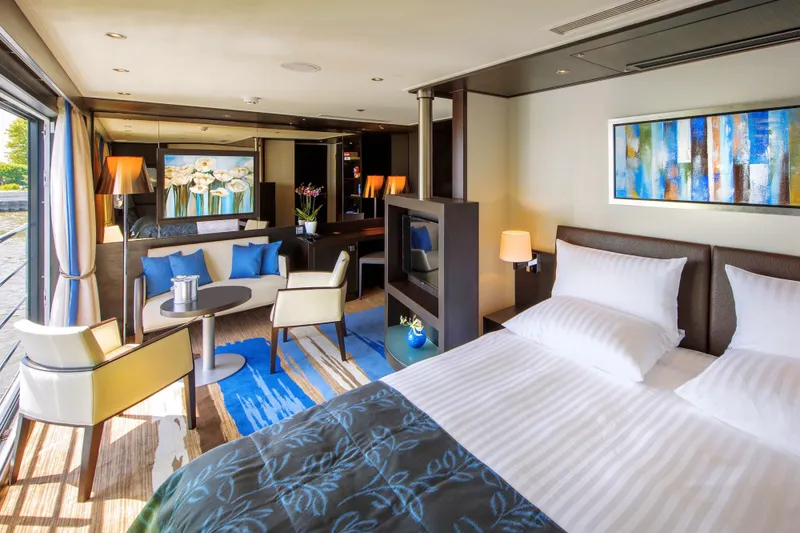
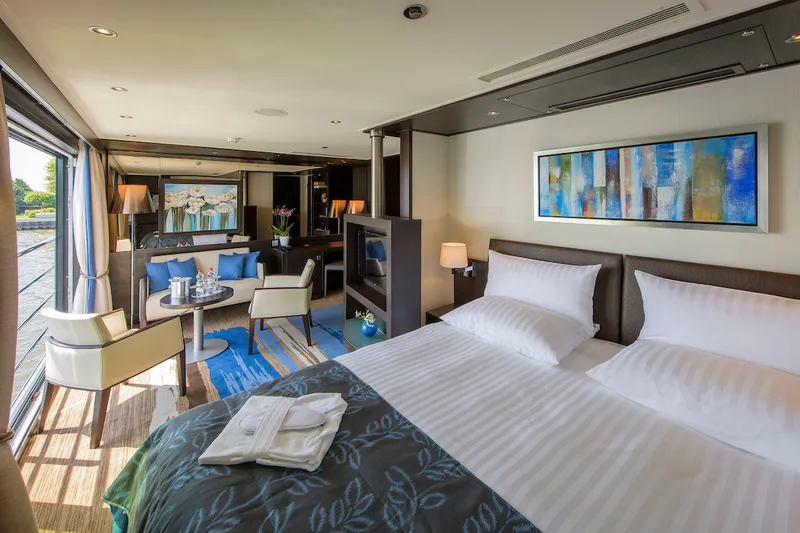
Comfort Collection Beds
European-style duvets
Soft & firm pillows
Extra blankets
Choice of bed configuration
Easy under-bed luggage storage
Flatscreen satellite TV with English-speaking channels & over 100 free movie options
Direct-dial telephone
Well-stocked minibar
Complimentary water
In-room safe
Marble countertops in bathroom
Wall-to-Wall Panoramic Window with Open-Air Balcony
6-person sitting area
Writing desk and chair
Sofa
Complimentary Wi-Fi
One King-Sized Bed or Two Twins
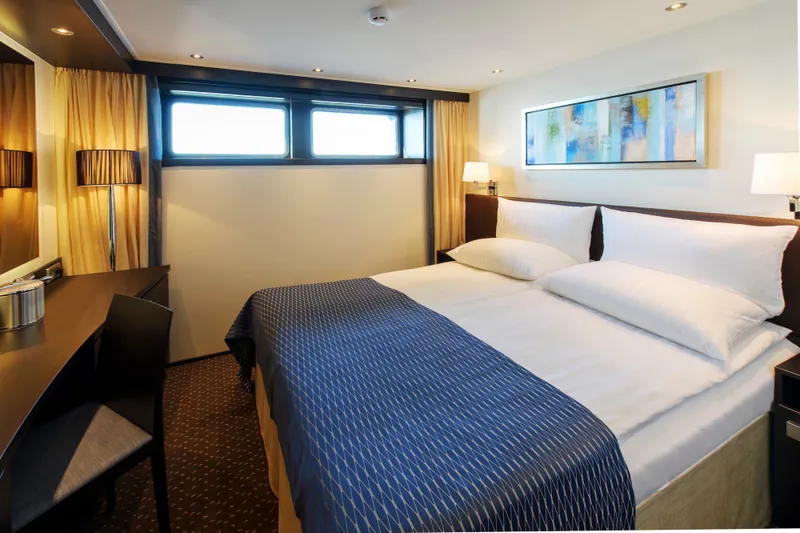
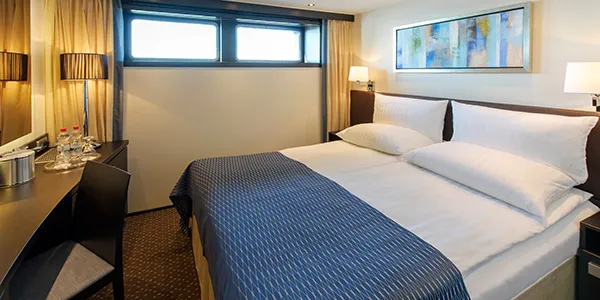
Stateroom Features:
Comfort Collection Beds
Luxurious mattress toppers
Egyptian super-combed cotton linens
European-style duvets
Soft & firm pillows
Extra blankets
Choice of bed configuration
Nightly turn-down service
Bedside tables with reading lamps
Premium Hairdryer
L'Occitane bath products
Spacious 3-door closets with shelves for ample storage
Easy under-bed luggage storage
Flatscreen satellite TV with English-speaking channels & over 100 free movie options
Alarm clock
Make-up mirror
Direct-dial telephone
Bathrobes & slippers
Well-stocked minibar
Complimentary filtered water
In-room safe
Individual climate control
Elegant, contemporary design
Large mirror in bathroom
Marble countertops in bathroom
Wall-to-Wall Panoramic Window with Open-Air Balcony
6-person sitting area
Full shower with glass door
Writing desk and chair
Lighted makeup mirror
Sofa
Coffee table
Complimentary Wi-Fi
One Queen-Sized Bed or Two Twins
USB Ports
Our cruise specialists can help you find the perfect cabin and the best available pricing.
(+886) 02-2721-7300Contact Advisor