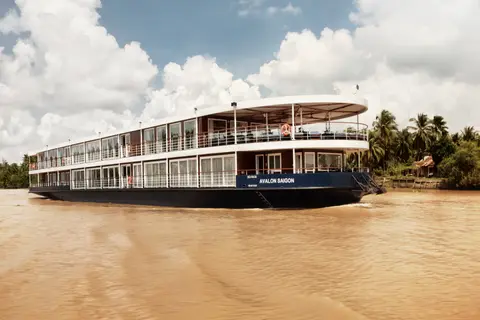
Avalon Waterways60910
Mekong Discovery (Southbound)
Date
2026-09-10
Duration
7 nights
Departure Port
Phnom Penh
Cambodia
Arrival Port
Ho Chi Minh City
Vietnam
Rating
Luxury
Theme
History & Culture
Date
2026-09-10
Duration
7 nights
Departure Port
Phnom Penh
Cambodia
Arrival Port
Ho Chi Minh City
Vietnam
Rating
Luxury
Theme
History & Culture


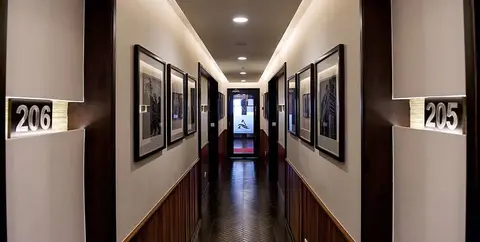
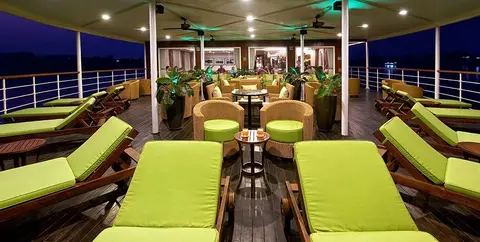

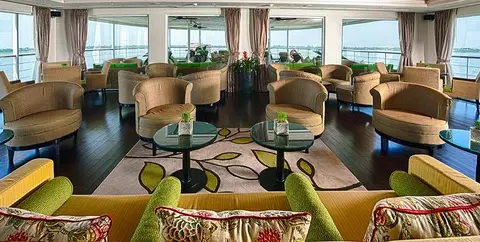

Avalon Waterways
2018
—
950 GT
36
18
24
195 m
—
9 knots
No
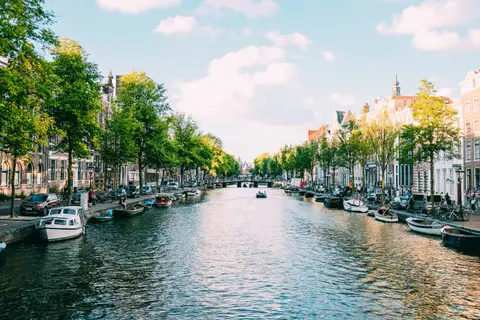
Amsterdam's UNESCO-listed canal ring — a concentric web of seventeenth-century merchant houses and arching stone bridges — remains one of the Western world's most perfectly preserved Golden Age cityscapes, best explored by bicycle or canal boat at a pace that lets the city's genius reveal itself slowly. The Rijksmuseum's collection of Rembrandt and Vermeer masterpieces is essential, while the Anne Frank House offers one of Europe's most profoundly moving historical encounters. Spring brings the iconic tulip season; summer fills the terraces of the Jordaan district. Schiphol Airport makes Amsterdam a seamless gateway to the entire European continent.
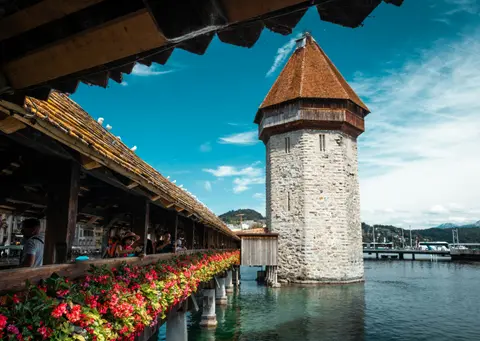
Framed by snowcapped Alps and the mirror-bright waters of Lake Lucerne, this medieval Swiss gem centres on the 14th-century Kapellbrücke — one of Europe's oldest covered bridges — and a colourful Altstadt that has changed little in five centuries. Ride the cog railway to cloud-wreathed Mount Pilatus, savour Älplermagronen in a timber-beamed tavern, and explore the nearby wonders of Interlaken and Grindelwald. Late spring through early autumn offers the most spectacular lake reflections and settled mountain weather.
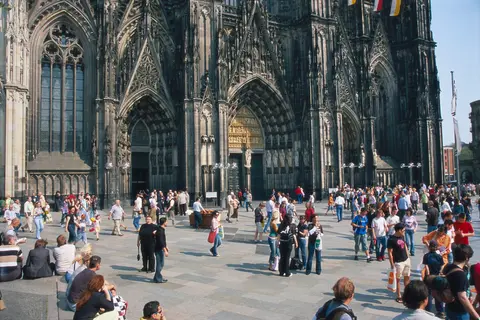
Cologne's twin-spired Gothic cathedral, six hundred years in the building and still the city's defining monument, is the inevitable starting point — but this ancient Rhine city rewards exploration well beyond its iconic silhouette. The Romano-Germanic Museum reveals the city's Roman foundations, while the Chocolate Museum on the riverbank offers a distinctly sweeter history lesson. Cologne's famed Kölsch beer culture thrives in the old town's traditional brew-houses, where one round follows another in centuries-old wooden halls. The city is welcoming year-round, though the legendary Christmas markets (November–December) attract visitors from across Europe.
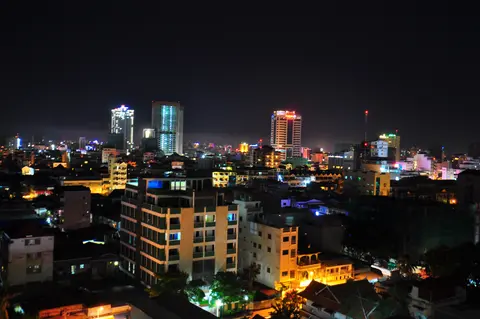
Phnom Penh rises from the confluence of the Mekong, Tonlé Sap, and Bassac rivers with a resilience that makes it one of Southeast Asia's most affecting capitals — a city that endured the Khmer Rouge's "Year Zero" and has re-emerged as a place of broad riverfront boulevards, excellent Khmer cuisine, and a cultural energy that feels earned rather than manufactured. The Royal Palace and its Silver Pagoda, housing a life-size gold Buddha studded with 9,584 diamonds, is the city's architectural centrepiece; the Tuol Sleng Genocide Museum, a former high school converted to a prison by the Khmer Rouge, is sobering but essential history. November through February offers the most comfortable climate for extended exploration.
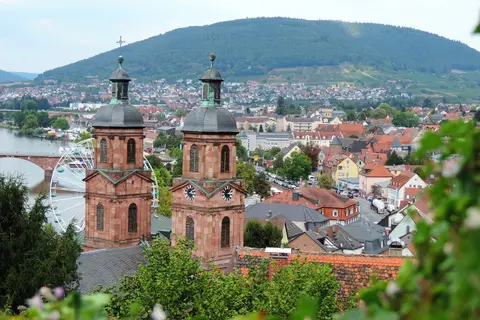
Miltenberg is a captivating port town in Germany, renowned for its stunning half-timbered architecture and rich historical heritage. Must-do experiences include indulging in local specialties like Miltenberger Käse and Schäufele, and exploring the nearby towns of Wertheim and Bernkastel. The best season to visit is during the late spring and summer months when the town's vibrant markets and outdoor atmosphere come alive.
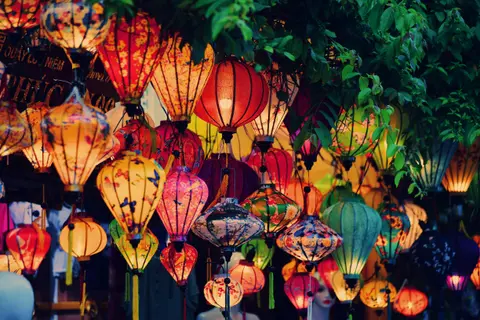
Châu Đốc is a mystical border town where the Mekong meets Cambodia, combining Vietnamese, Cham Muslim, and Khmer Buddhist cultures around the pilgrimage mountain of Sam (Núi Sam). Must-do experiences include visiting Sam Mountain's pagodas, touring floating fish farms, and tasting the town's famous bún cá turmeric fish noodle soup. November through April's dry season is most comfortable; the flood season reveals the delta's full hydraulic drama.
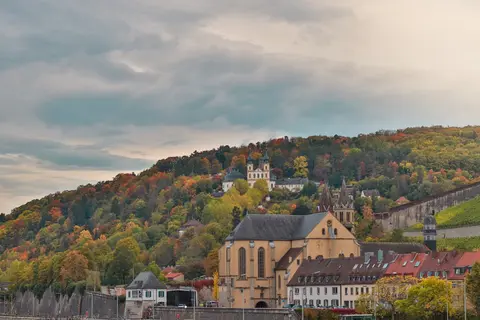
Würzburg, presiding over the Main River at the northern gateway of the Romantic Road, is Bavaria's most elegantly baroque city — its skyline commanded by the medieval Marienberg Fortress and its streets presided over by the magnificent Residenz, a UNESCO-listed princely palace whose frescoed Treppenhaus ceiling by Tiepolo is considered the largest fresco in the world. The surrounding Franconian wine country produces some of Germany's most distinctive Silvaner and Riesling, sold in the iconic bocksbeutel flask from cellars carved directly beneath the old city. Spring through autumn reveals the vine-clad hillsides in their most photogenic splendor; the historic Weinfest am Stein wine festival each September is a highlight of the Franconian calendar.
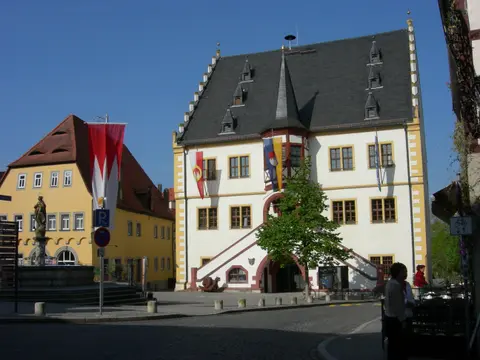
Volkach is Franconia's premier wine town on the scenic Main River Loop, where centuries-old estates pour mineral-dry Silvaner from the distinctive Bocksbeutel flask amid half-timbered medieval streets. Must-do experiences include tasting at riverside Weingüter, seeing Riemenschneider's Madonna at Maria im Weingarten, and cycling through vineyard-draped hillsides. May through October is ideal, with August's wine festival and autumn's harvest offering peak atmosphere.
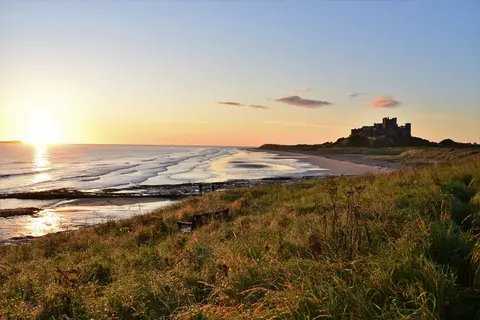
Bamberg, the 'Franconian Rome,' is a UNESCO World Heritage city whose medieval old town — seven hills, four Romanesque-Gothic cathedral towers, and an Old Town Hall balanced impossibly on an island in the Regnitz River — survived World War II entirely intact, a miracle of preservation unique in Germany. The city is equally celebrated for its extraordinary smoked beer, Rauchbier, a speciality brewed in family-owned breweries for centuries and best tasted in the old quarter's atmospheric taverns beside a plate of smoked meats. Spring and early summer are ideal for the surrounding Franconian countryside in bloom. Nuremberg is forty minutes by rail.
Day 1
Amsterdam's UNESCO-listed canal ring — a concentric web of seventeenth-century merchant houses and arching stone bridges — remains one of the Western world's most perfectly preserved Golden Age cityscapes, best explored by bicycle or canal boat at a pace that lets the city's genius reveal itself slowly. The Rijksmuseum's collection of Rembrandt and Vermeer masterpieces is essential, while the Anne Frank House offers one of Europe's most profoundly moving historical encounters. Spring brings the iconic tulip season; summer fills the terraces of the Jordaan district. Schiphol Airport makes Amsterdam a seamless gateway to the entire European continent.
Day 3
Framed by snowcapped Alps and the mirror-bright waters of Lake Lucerne, this medieval Swiss gem centres on the 14th-century Kapellbrücke — one of Europe's oldest covered bridges — and a colourful Altstadt that has changed little in five centuries. Ride the cog railway to cloud-wreathed Mount Pilatus, savour Älplermagronen in a timber-beamed tavern, and explore the nearby wonders of Interlaken and Grindelwald. Late spring through early autumn offers the most spectacular lake reflections and settled mountain weather.
Cologne's twin-spired Gothic cathedral, six hundred years in the building and still the city's defining monument, is the inevitable starting point — but this ancient Rhine city rewards exploration well beyond its iconic silhouette. The Romano-Germanic Museum reveals the city's Roman foundations, while the Chocolate Museum on the riverbank offers a distinctly sweeter history lesson. Cologne's famed Kölsch beer culture thrives in the old town's traditional brew-houses, where one round follows another in centuries-old wooden halls. The city is welcoming year-round, though the legendary Christmas markets (November–December) attract visitors from across Europe.
Phnom Penh rises from the confluence of the Mekong, Tonlé Sap, and Bassac rivers with a resilience that makes it one of Southeast Asia's most affecting capitals — a city that endured the Khmer Rouge's "Year Zero" and has re-emerged as a place of broad riverfront boulevards, excellent Khmer cuisine, and a cultural energy that feels earned rather than manufactured. The Royal Palace and its Silver Pagoda, housing a life-size gold Buddha studded with 9,584 diamonds, is the city's architectural centrepiece; the Tuol Sleng Genocide Museum, a former high school converted to a prison by the Khmer Rouge, is sobering but essential history. November through February offers the most comfortable climate for extended exploration.
Day 4
Day 5
Miltenberg is a captivating port town in Germany, renowned for its stunning half-timbered architecture and rich historical heritage. Must-do experiences include indulging in local specialties like Miltenberger Käse and Schäufele, and exploring the nearby towns of Wertheim and Bernkastel. The best season to visit is during the late spring and summer months when the town's vibrant markets and outdoor atmosphere come alive.
Châu Đốc is a mystical border town where the Mekong meets Cambodia, combining Vietnamese, Cham Muslim, and Khmer Buddhist cultures around the pilgrimage mountain of Sam (Núi Sam). Must-do experiences include visiting Sam Mountain's pagodas, touring floating fish farms, and tasting the town's famous bún cá turmeric fish noodle soup. November through April's dry season is most comfortable; the flood season reveals the delta's full hydraulic drama.
Day 6
Würzburg, presiding over the Main River at the northern gateway of the Romantic Road, is Bavaria's most elegantly baroque city — its skyline commanded by the medieval Marienberg Fortress and its streets presided over by the magnificent Residenz, a UNESCO-listed princely palace whose frescoed Treppenhaus ceiling by Tiepolo is considered the largest fresco in the world. The surrounding Franconian wine country produces some of Germany's most distinctive Silvaner and Riesling, sold in the iconic bocksbeutel flask from cellars carved directly beneath the old city. Spring through autumn reveals the vine-clad hillsides in their most photogenic splendor; the historic Weinfest am Stein wine festival each September is a highlight of the Franconian calendar.
Day 7
Volkach is Franconia's premier wine town on the scenic Main River Loop, where centuries-old estates pour mineral-dry Silvaner from the distinctive Bocksbeutel flask amid half-timbered medieval streets. Must-do experiences include tasting at riverside Weingüter, seeing Riemenschneider's Madonna at Maria im Weingarten, and cycling through vineyard-draped hillsides. May through October is ideal, with August's wine festival and autumn's harvest offering peak atmosphere.
Day 8
Bamberg, the 'Franconian Rome,' is a UNESCO World Heritage city whose medieval old town — seven hills, four Romanesque-Gothic cathedral towers, and an Old Town Hall balanced impossibly on an island in the Regnitz River — survived World War II entirely intact, a miracle of preservation unique in Germany. The city is equally celebrated for its extraordinary smoked beer, Rauchbier, a speciality brewed in family-owned breweries for centuries and best tasted in the old quarter's atmospheric taverns beside a plate of smoked meats. Spring and early summer are ideal for the surrounding Franconian countryside in bloom. Nuremberg is forty minutes by rail.
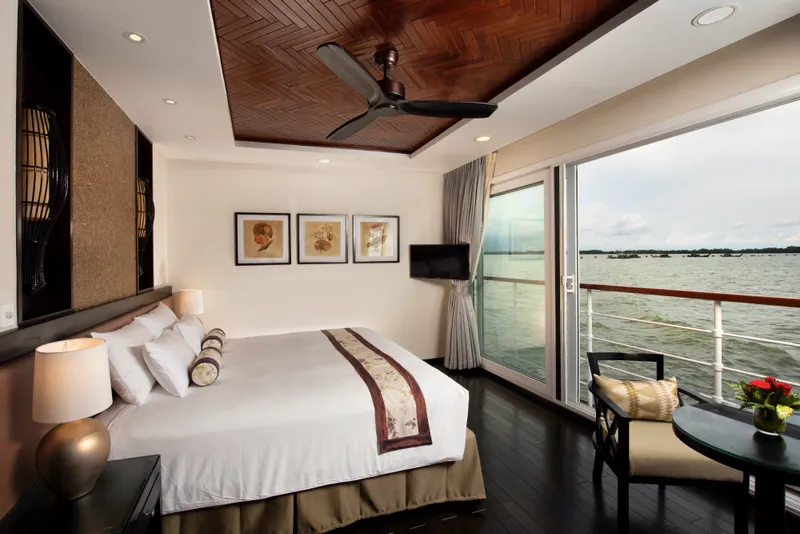
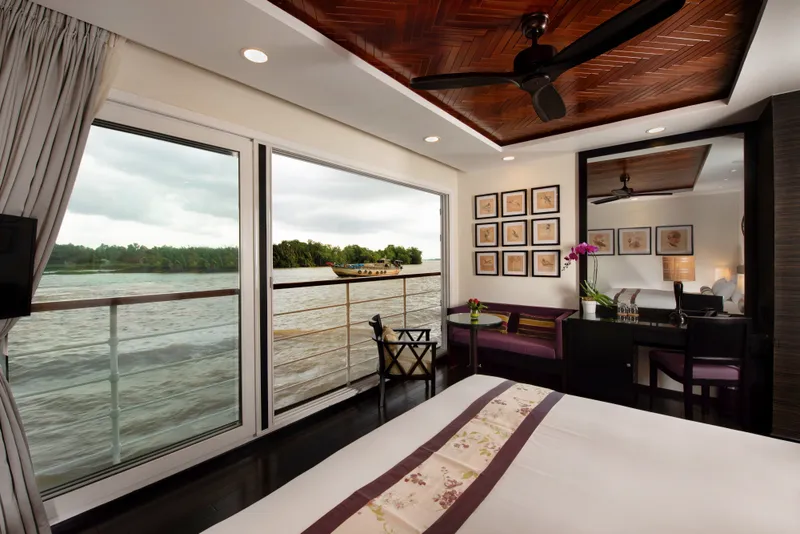
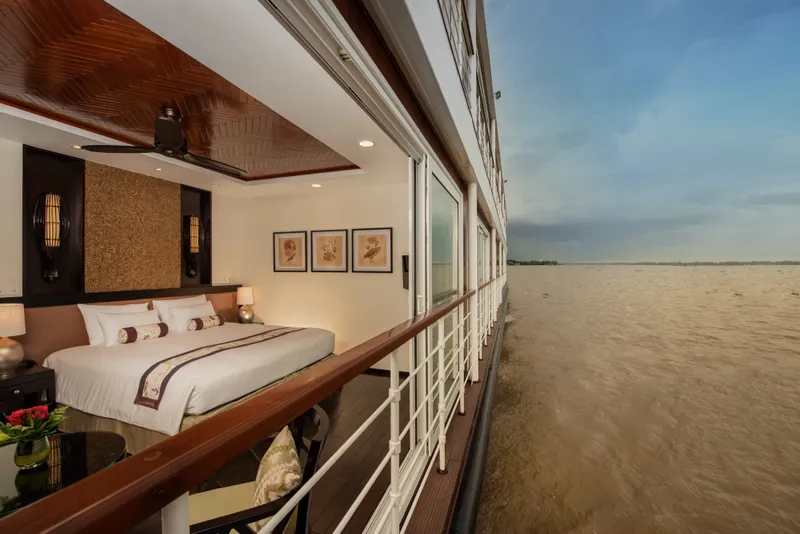
Stateroom Features:
Comfort Collection Beds
Egyptian super-combed cotton linens
Soft & firm pillows
Choice of bed configuration
Nightly turn-down service
Bedside tables with reading lamps
14' Wall-to-Wall Panoramic window measuring that opens to create a large Open-Air Balcony
Large private bathroom featuring full shower with glass door, hairdryer, and premium L'Occitane bath amenities
Spacious closets with shelves for ample storage
Easy under-bed luggage storage
Alarm clock
Writing desk/vanity with mirror & comfortable chair
In-house telephone
Bathrobes & slippers
Complimentary filtered water
In-room safe
Individual climate control
One King-Sized Bed or Two Twins
USB Ports
Our cruise specialists can help you find the perfect cabin and the best available pricing.
(+886) 02-2721-7300Contact Advisor