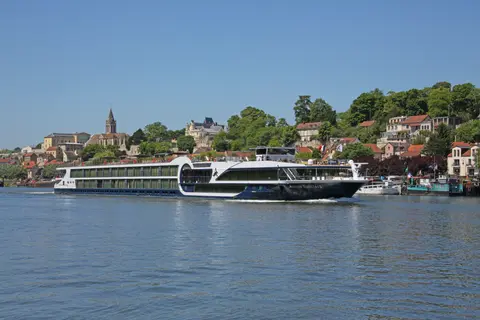
Avalon Waterways60817
Britain Sampler with Paris to Normandy
Date
2026-08-17
Duration
7 nights
Departure Port
London (England)
United Kingdom
Arrival Port
Paris
France
Rating
Luxury
Theme
History & Culture
Date
2026-08-17
Duration
7 nights
Departure Port
London (England)
United Kingdom
Arrival Port
Paris
France
Rating
Luxury
Theme
History & Culture


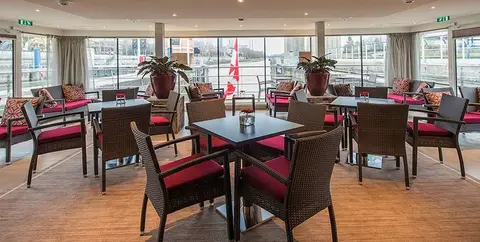
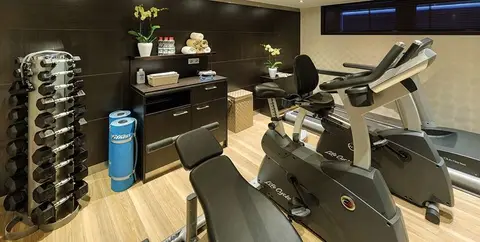
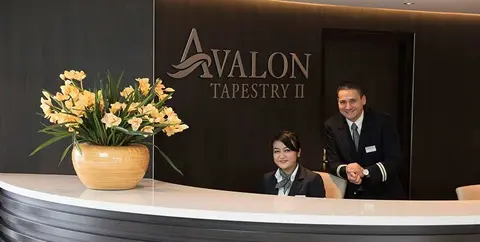
Avalon Waterways
Suite Ship
2015
—
2,022 GT
130
64
37
361 m
12 m
12 knots
No
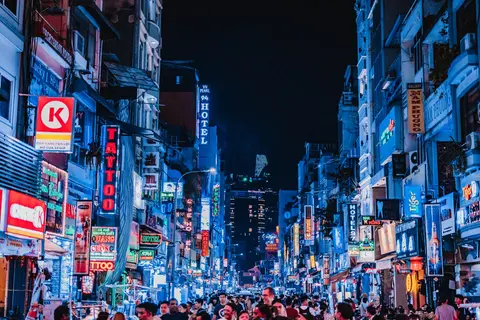
Still whispered as Saigon by its ten million residents, Ho Chi Minh City pulses with an energy that outlasted every empire and every war. The French colonial grandeur of Notre-Dame Cathedral and Gustave Eiffel's Central Post Office stands in vivid counterpoint to the city's kinetic street life — an endless river of motorbikes, fragrant with pho broth and charcoal-grilled meats. Do not miss the Reunification Palace, a time capsule of Cold War modernism, or a dawn bowl of bánh mì from a sidewalk vendor. The dry season, November through April, offers the most comfortable conditions for exploration.
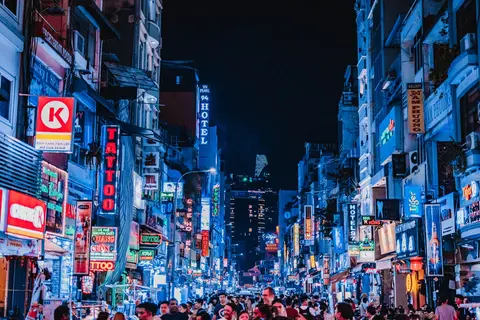
Still whispered as Saigon by its ten million residents, Ho Chi Minh City pulses with an energy that outlasted every empire and every war. The French colonial grandeur of Notre-Dame Cathedral and Gustave Eiffel's Central Post Office stands in vivid counterpoint to the city's kinetic street life — an endless river of motorbikes, fragrant with pho broth and charcoal-grilled meats. Do not miss the Reunification Palace, a time capsule of Cold War modernism, or a dawn bowl of bánh mì from a sidewalk vendor. The dry season, November through April, offers the most comfortable conditions for exploration.
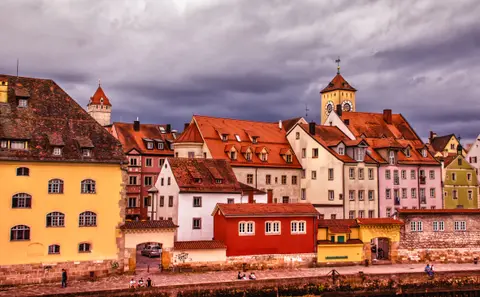
Regensburg, Bavaria's medieval masterpiece on the Danube, is one of Central Europe's most intact ancient cities — its Roman origins visible in the Porta Praetoria stone gate, its medieval prosperity celebrated in the soaring twin towers of St. Peter's Cathedral and the twelfth-century Stone Bridge. UNESCO World Heritage status acknowledges a skyline dotted with patrician towers, while the famous Historische Wurstküchl, Germany's oldest operating sausage kitchen, has been serving spit-grilled bratwurst since the 1140s. The surrounding hills produce excellent Bavarian whites. May through September offers the most convivial riverbank atmosphere.
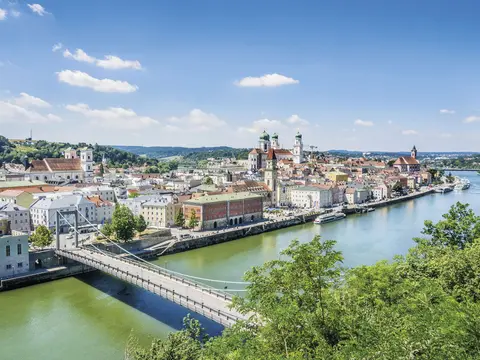
Passau occupies one of Central Europe's most dramatic natural stages — a narrow peninsula at the confluence of three rivers, the Danube, Inn, and Ilz, where the old town's baroque spires and shuttered merchants' houses crowd the very tip of the land between the waters. St. Stephen's Cathedral houses the world's largest church organ, a 17,974-pipe instrument whose daily concerts fill the nave with a sound that seems architectural in its density. The Veste Oberhaus fortress above the city commands panoramic views across three countries on clear days. Passau is a classic Danube river cruise departure point; spring and early autumn, when the river runs high and the light turns golden, are the finest seasons.
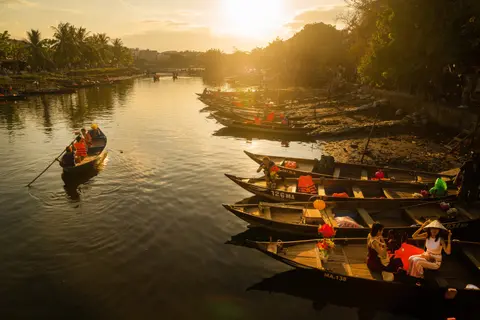
Vinh Long is a river town at the heart of Vietnam's Mekong Delta, renowned for its bustling Cai Be floating market, lush fruit orchards on river islands, and the delta's distinctive cuisine. Must-dos include a dawn sampan visit to the floating market, tasting crispy elephant ear fish wrapped in rice paper, and visiting island orchards and coconut candy workshops. November through April's dry season offers the best weather for delta exploration.
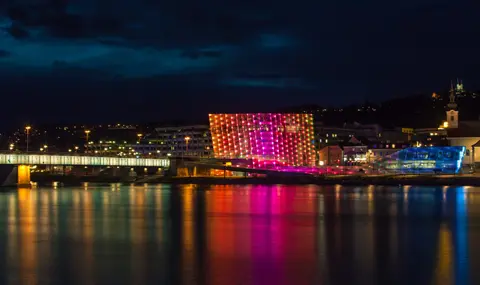
Austria's third city has accomplished one of Europe's most convincing urban transformations — reinventing itself from industrial centre to cultural powerhouse, a journey recognised in 2009 when it was named European Capital of Culture. The Ars Electronica Center, a museum of digital art and technology that glows with LED light across the Danube each evening, epitomises Linz's forward-looking identity. Yet the city's Roman roots, its baroque Hauptplatz (one of Austria's finest main squares), and its proximity to the Wachau Valley anchor it firmly in history. The Upper Austrian cuisine — particularly Linzer Torte, the world's oldest-documented cake recipe — is exceptional. Linz is most agreeable May through September.
Gretna Green is Scotland's legendary elopement village, where desperate lovers married over a blacksmith's anvil for nearly three centuries after England's 1754 Marriage Act drove them north to Scotland's more permissive laws. Visit May through September via Avalon Waterways for the Famous Blacksmiths Shop, Solway Firth birdwatching, and the Anglo-Scottish borderlands' rich landscape of castles and ruined abbeys.
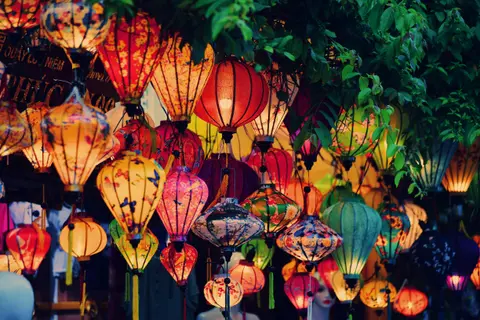
Châu Đốc is a mystical border town where the Mekong meets Cambodia, combining Vietnamese, Cham Muslim, and Khmer Buddhist cultures around the pilgrimage mountain of Sam (Núi Sam). Must-do experiences include visiting Sam Mountain's pagodas, touring floating fish farms, and tasting the town's famous bún cá turmeric fish noodle soup. November through April's dry season is most comfortable; the flood season reveals the delta's full hydraulic drama.
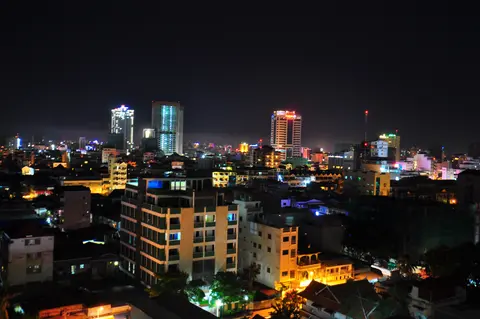
Phnom Penh rises from the confluence of the Mekong, Tonlé Sap, and Bassac rivers with a resilience that makes it one of Southeast Asia's most affecting capitals — a city that endured the Khmer Rouge's "Year Zero" and has re-emerged as a place of broad riverfront boulevards, excellent Khmer cuisine, and a cultural energy that feels earned rather than manufactured. The Royal Palace and its Silver Pagoda, housing a life-size gold Buddha studded with 9,584 diamonds, is the city's architectural centrepiece; the Tuol Sleng Genocide Museum, a former high school converted to a prison by the Khmer Rouge, is sobering but essential history. November through February offers the most comfortable climate for extended exploration.
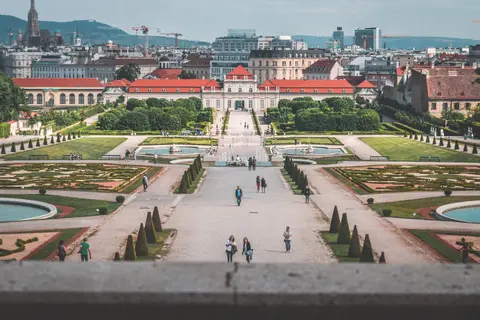
The port of Vienna is a cultural gem along the Danube River, famous for its stunning architecture, rich history, and vibrant culinary scene. Must-do experiences include sampling authentic Wiener Schnitzel and visiting the picturesque village of Dürnstein. The best season to visit is spring or early fall, when the city's gardens bloom and outdoor activities abound.
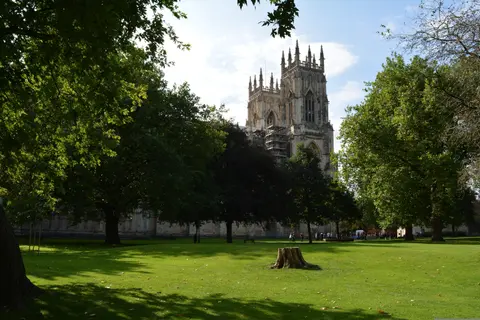
York is one of England's most historically layered cities, where Roman foundations, Viking heritage, and medieval splendour converge beneath the soaring Gothic arches of York Minster. A stroll along the complete medieval city walls and an afternoon tea with Fat Rascals at the iconic Bettys Café Tea Rooms rank among its essential pleasures. Late spring through early autumn offers the finest experience, when long golden evenings illuminate the ancient limestone and the surrounding Yorkshire Dales are at their most magnificent.
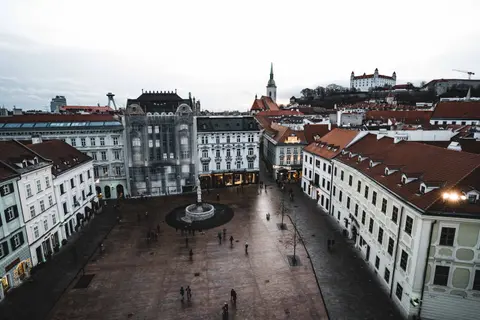
Bratislava, the only national capital bordering two sovereign states, sits sixty kilometres downstream from Vienna on the Danube — close enough for a day trip to the Austrian capital, yet possessed of its own entirely distinct character: a pastel-hued medieval old town of hidden courtyards, playful bronze statues, and hilltop castle views, where wine bars pour outstanding Slovak Riesling at prices that make the Viennese feel extravagant. The city's dramatic reinvention since 1989 has produced a dynamic, youthful culture that fills the old quarter's restaurants and concert halls with genuine warmth. Pair with Vienna or Budapest for the classic Danube river trilogy; all three cities are within two hours of each other.
Day 1
Still whispered as Saigon by its ten million residents, Ho Chi Minh City pulses with an energy that outlasted every empire and every war. The French colonial grandeur of Notre-Dame Cathedral and Gustave Eiffel's Central Post Office stands in vivid counterpoint to the city's kinetic street life — an endless river of motorbikes, fragrant with pho broth and charcoal-grilled meats. Do not miss the Reunification Palace, a time capsule of Cold War modernism, or a dawn bowl of bánh mì from a sidewalk vendor. The dry season, November through April, offers the most comfortable conditions for exploration.
Day 3
Still whispered as Saigon by its ten million residents, Ho Chi Minh City pulses with an energy that outlasted every empire and every war. The French colonial grandeur of Notre-Dame Cathedral and Gustave Eiffel's Central Post Office stands in vivid counterpoint to the city's kinetic street life — an endless river of motorbikes, fragrant with pho broth and charcoal-grilled meats. Do not miss the Reunification Palace, a time capsule of Cold War modernism, or a dawn bowl of bánh mì from a sidewalk vendor. The dry season, November through April, offers the most comfortable conditions for exploration.
Regensburg, Bavaria's medieval masterpiece on the Danube, is one of Central Europe's most intact ancient cities — its Roman origins visible in the Porta Praetoria stone gate, its medieval prosperity celebrated in the soaring twin towers of St. Peter's Cathedral and the twelfth-century Stone Bridge. UNESCO World Heritage status acknowledges a skyline dotted with patrician towers, while the famous Historische Wurstküchl, Germany's oldest operating sausage kitchen, has been serving spit-grilled bratwurst since the 1140s. The surrounding hills produce excellent Bavarian whites. May through September offers the most convivial riverbank atmosphere.
Day 4
Passau occupies one of Central Europe's most dramatic natural stages — a narrow peninsula at the confluence of three rivers, the Danube, Inn, and Ilz, where the old town's baroque spires and shuttered merchants' houses crowd the very tip of the land between the waters. St. Stephen's Cathedral houses the world's largest church organ, a 17,974-pipe instrument whose daily concerts fill the nave with a sound that seems architectural in its density. The Veste Oberhaus fortress above the city commands panoramic views across three countries on clear days. Passau is a classic Danube river cruise departure point; spring and early autumn, when the river runs high and the light turns golden, are the finest seasons.
Day 5
Vinh Long is a river town at the heart of Vietnam's Mekong Delta, renowned for its bustling Cai Be floating market, lush fruit orchards on river islands, and the delta's distinctive cuisine. Must-dos include a dawn sampan visit to the floating market, tasting crispy elephant ear fish wrapped in rice paper, and visiting island orchards and coconut candy workshops. November through April's dry season offers the best weather for delta exploration.
Austria's third city has accomplished one of Europe's most convincing urban transformations — reinventing itself from industrial centre to cultural powerhouse, a journey recognised in 2009 when it was named European Capital of Culture. The Ars Electronica Center, a museum of digital art and technology that glows with LED light across the Danube each evening, epitomises Linz's forward-looking identity. Yet the city's Roman roots, its baroque Hauptplatz (one of Austria's finest main squares), and its proximity to the Wachau Valley anchor it firmly in history. The Upper Austrian cuisine — particularly Linzer Torte, the world's oldest-documented cake recipe — is exceptional. Linz is most agreeable May through September.
Gretna Green is Scotland's legendary elopement village, where desperate lovers married over a blacksmith's anvil for nearly three centuries after England's 1754 Marriage Act drove them north to Scotland's more permissive laws. Visit May through September via Avalon Waterways for the Famous Blacksmiths Shop, Solway Firth birdwatching, and the Anglo-Scottish borderlands' rich landscape of castles and ruined abbeys.
Day 6
Châu Đốc is a mystical border town where the Mekong meets Cambodia, combining Vietnamese, Cham Muslim, and Khmer Buddhist cultures around the pilgrimage mountain of Sam (Núi Sam). Must-do experiences include visiting Sam Mountain's pagodas, touring floating fish farms, and tasting the town's famous bún cá turmeric fish noodle soup. November through April's dry season is most comfortable; the flood season reveals the delta's full hydraulic drama.
Day 7
Phnom Penh rises from the confluence of the Mekong, Tonlé Sap, and Bassac rivers with a resilience that makes it one of Southeast Asia's most affecting capitals — a city that endured the Khmer Rouge's "Year Zero" and has re-emerged as a place of broad riverfront boulevards, excellent Khmer cuisine, and a cultural energy that feels earned rather than manufactured. The Royal Palace and its Silver Pagoda, housing a life-size gold Buddha studded with 9,584 diamonds, is the city's architectural centrepiece; the Tuol Sleng Genocide Museum, a former high school converted to a prison by the Khmer Rouge, is sobering but essential history. November through February offers the most comfortable climate for extended exploration.
The port of Vienna is a cultural gem along the Danube River, famous for its stunning architecture, rich history, and vibrant culinary scene. Must-do experiences include sampling authentic Wiener Schnitzel and visiting the picturesque village of Dürnstein. The best season to visit is spring or early fall, when the city's gardens bloom and outdoor activities abound.
York is one of England's most historically layered cities, where Roman foundations, Viking heritage, and medieval splendour converge beneath the soaring Gothic arches of York Minster. A stroll along the complete medieval city walls and an afternoon tea with Fat Rascals at the iconic Bettys Café Tea Rooms rank among its essential pleasures. Late spring through early autumn offers the finest experience, when long golden evenings illuminate the ancient limestone and the surrounding Yorkshire Dales are at their most magnificent.
Day 8
Bratislava, the only national capital bordering two sovereign states, sits sixty kilometres downstream from Vienna on the Danube — close enough for a day trip to the Austrian capital, yet possessed of its own entirely distinct character: a pastel-hued medieval old town of hidden courtyards, playful bronze statues, and hilltop castle views, where wine bars pour outstanding Slovak Riesling at prices that make the Viennese feel extravagant. The city's dramatic reinvention since 1989 has produced a dynamic, youthful culture that fills the old quarter's restaurants and concert halls with genuine warmth. Pair with Vienna or Budapest for the classic Danube river trilogy; all three cities are within two hours of each other.
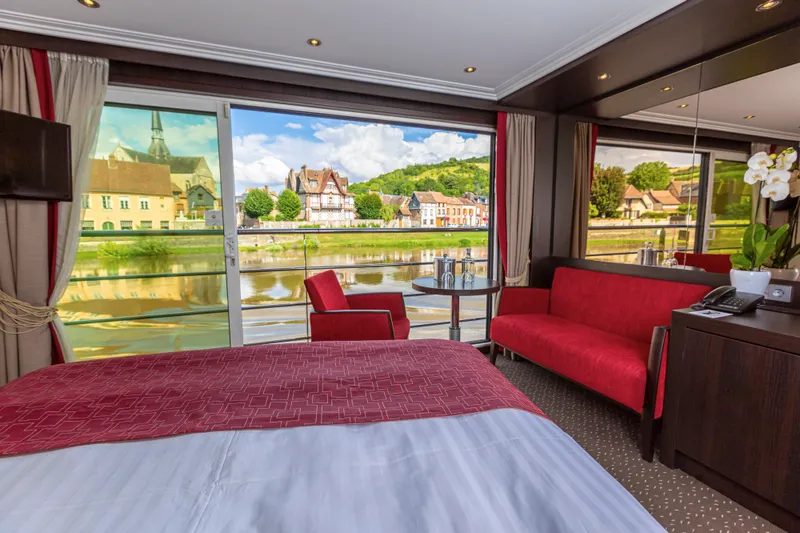
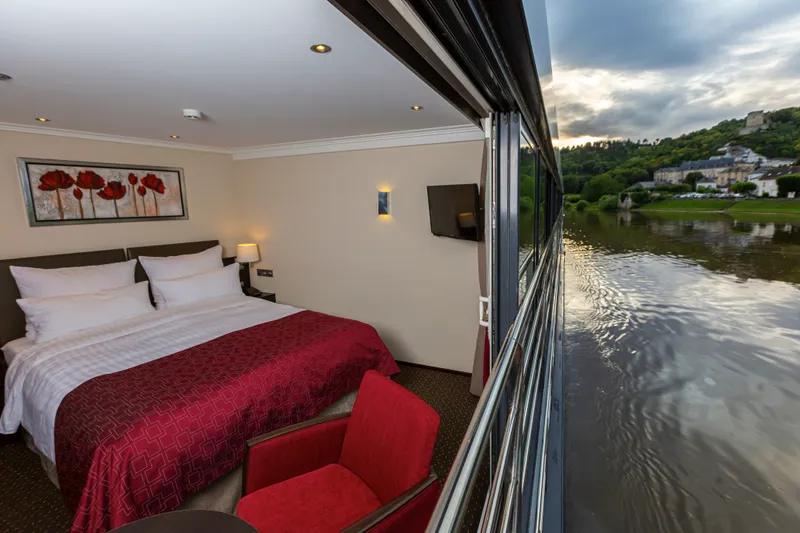
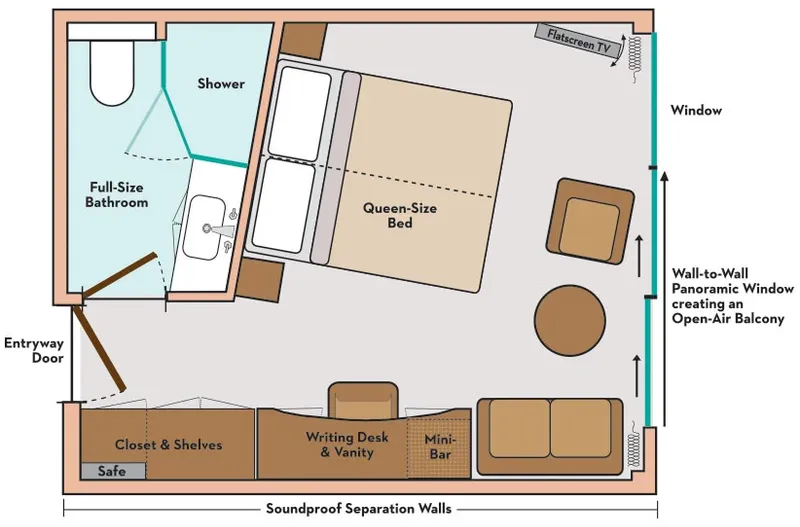
Stateroom Features:
Comfort Collection Beds
Luxurious mattress toppers
Egyptian super-combed cotton linens
European-style duvets
Soft & firm pillows
Extra blankets
Choice of bed configuration
Nightly turn-down service
Bedside tables with reading lamps
Premium Hairdryer
L'Occitane bath products
Spacious 3-door closets with shelves for ample storage
Easy under-bed luggage storage
Flatscreen satellite TV with English-speaking channels & over 100 free movie options
Alarm clock
Make-up mirror
Direct-dial telephone
Bathrobes & slippers
Well-stocked minibar
Complimentary filtered water
In-room safe
Individual climate control
Elegant, contemporary design
Large mirror in bathroom
Marble countertops in bathroom
Wall-to-Wall Panoramic Window with Open-Air Balcony
6-person sitting area
Full shower with glass door
Writing desk and chair
Lighted makeup mirror
Sofa
Coffee table
Complimentary Wi-Fi
One Queen-Sized Bed or Two Twins
USB Ports
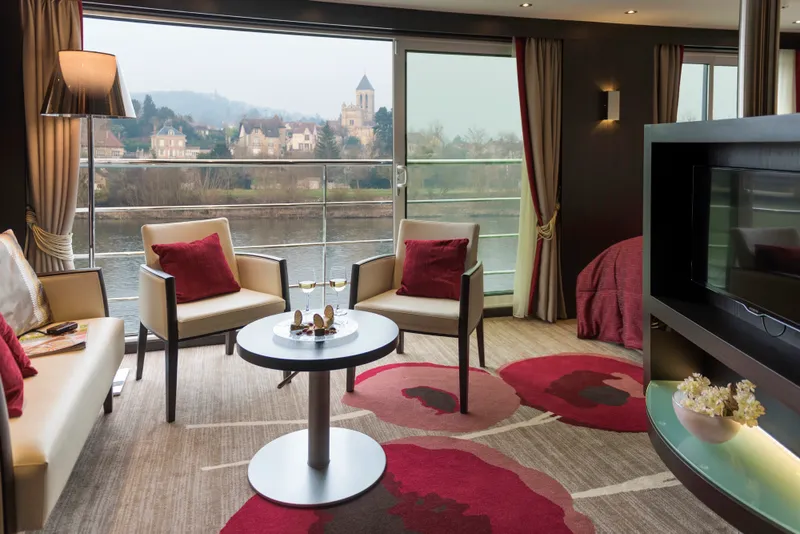
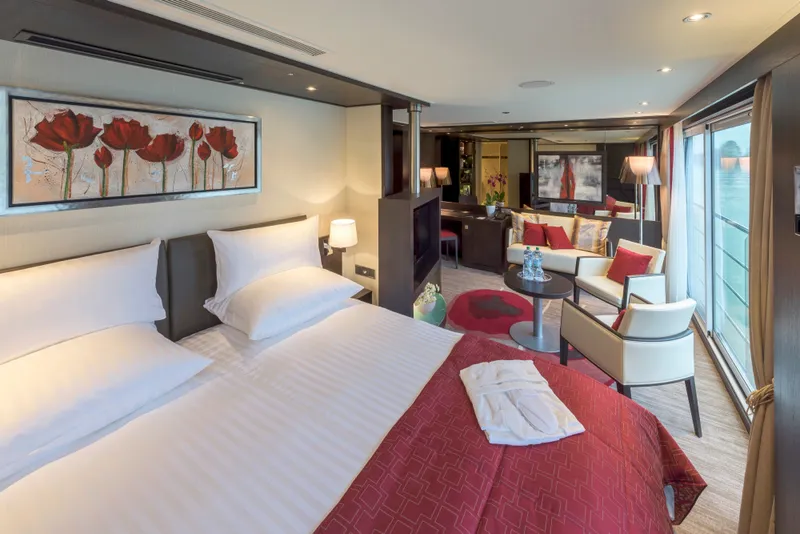
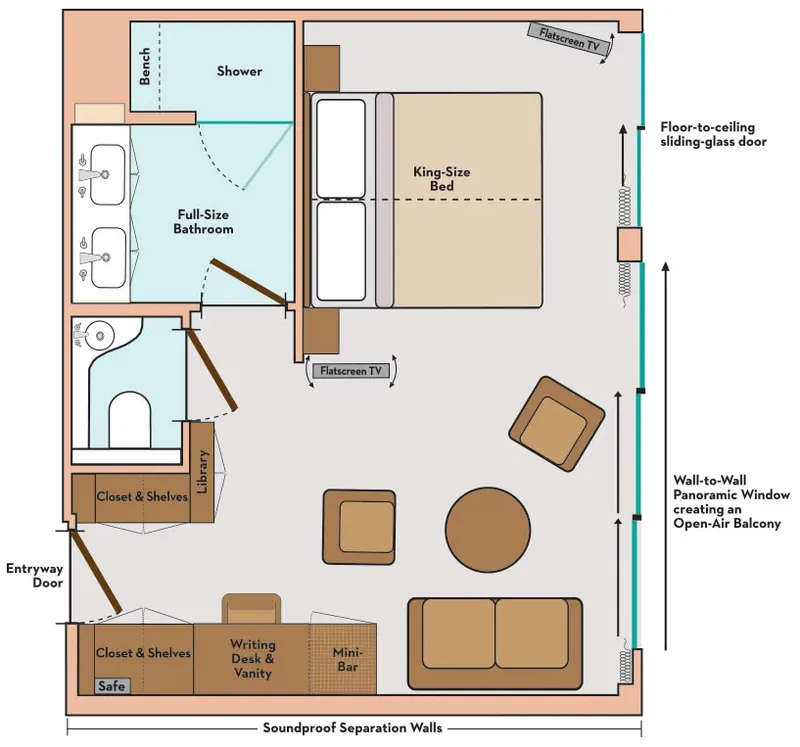
Stateroom Features:
Comfort Collection Beds
Luxurious mattress toppers
Egyptian super-combed cotton linens
European-style duvets
Soft & firm pillows
Extra blankets
Choice of bed configuration
Nightly turn-down service
Bedside tables with reading lamps
Premium Hairdryer
L'Occitane bath products
Spacious 3-door closets with shelves for ample storage
Easy under-bed luggage storage
Flatscreen satellite TV with English-speaking channels & over 100 free movie options
Alarm clock
Make-up mirror
Direct-dial telephone
Bathrobes & slippers
Well-stocked minibar
Complimentary filtered water
In-room safe
Individual climate control
Elegant, contemporary design
Large mirror in bathroom
Marble countertops in bathroom
Wall-to-Wall Panoramic Window with Open-Air Balcony
6-person sitting area
Full shower with glass door
Writing desk and chair
Lighted makeup mirror
Sofa
Coffee table
Complimentary Wi-Fi
One Queen-Sized Bed or Two Twins
USB Ports
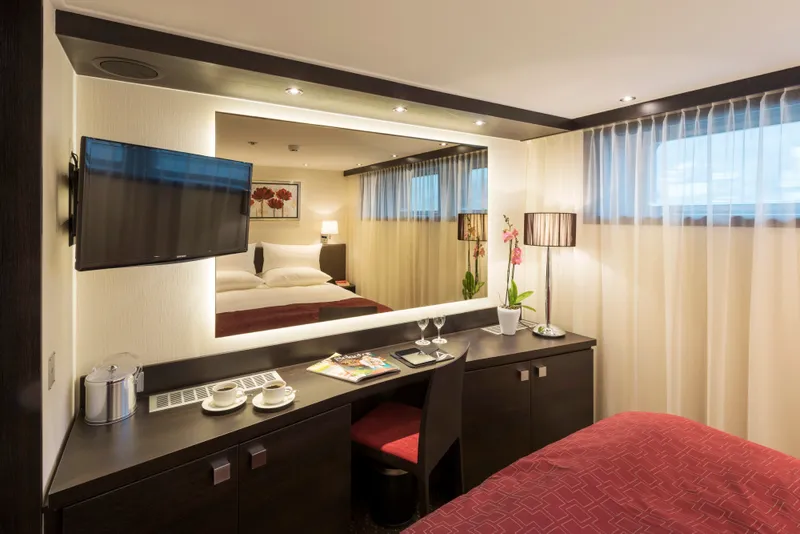
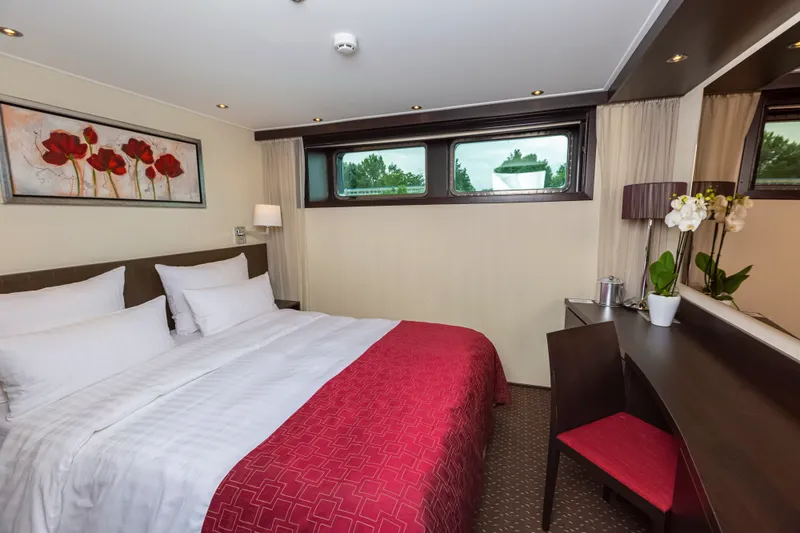
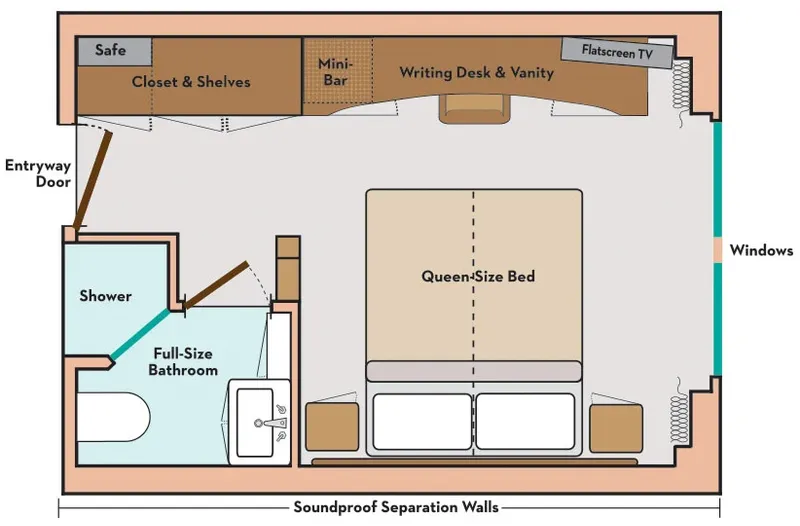
Stateroom Features:
Comfort Collection Beds
Luxurious mattress toppers
Egyptian super-combed cotton linens
European-style duvets
Soft & firm pillows
Extra blankets
Choice of bed configuration
Nightly turn-down service
Bedside tables with reading lamps
Premium Hairdryer
L'Occitane bath products
Spacious 3-door closets with shelves for ample storage
Easy under-bed luggage storage
Flatscreen satellite TV with English-speaking channels & over 100 free movie options
Alarm clock
Make-up mirror
Direct-dial telephone
Bathrobes & slippers
Well-stocked minibar
Complimentary filtered water
In-room safe
Individual climate control
Elegant, contemporary design
Large mirror in bathroom
Marble countertops in bathroom
Wall-to-Wall Panoramic Window with Open-Air Balcony
6-person sitting area
Full shower with glass door
Writing desk and chair
Lighted makeup mirror
Sofa
Coffee table
Complimentary Wi-Fi
One Queen-Sized Bed or Two Twins
USB Ports
Our cruise specialists can help you find the perfect cabin and the best available pricing.
(+886) 02-2721-7300Contact Advisor