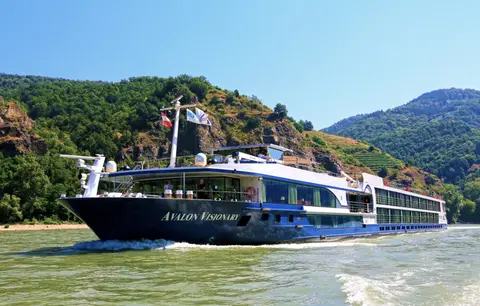
Avalon Waterways60527
Active & Discovery on the Danube with 2 Nights in Prague (Westbound)
Date
2026-05-27
Duration
7 nights
Departure Port
Budapest
Hungary
Arrival Port
Prague
Czech Republic
Rating
Luxury
Theme
History & Culture
Date
2026-05-27
Duration
7 nights
Departure Port
Budapest
Hungary
Arrival Port
Prague
Czech Republic
Rating
Luxury
Theme
History & Culture



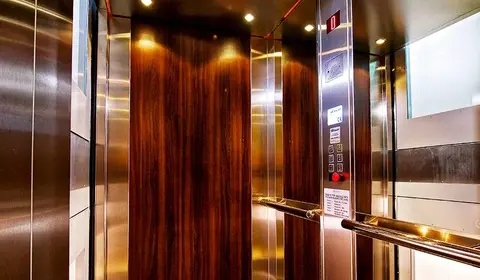
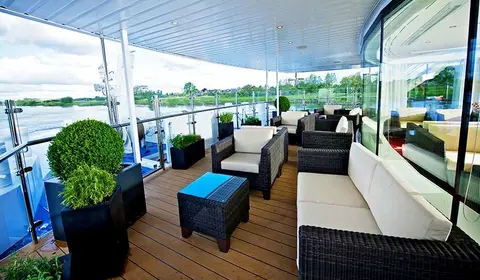
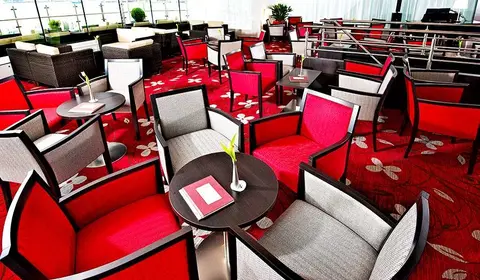
Avalon Waterways
Suite Ship
2012
—
2,022 GT
130
64
37
361 m
12 m
13 knots
No
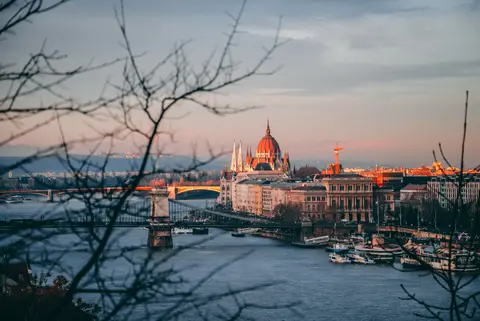
Budapest, divided by the Danube into the hilly Buda of thermal baths and medieval castle lanes on one bank and the grand Pest of coffee-house culture and Art Nouveau splendor on the other, delivers the most theatrical first impression of any European capital — whether approached by river as the neo-Gothic Parliament materializes from the water or by night from the Citadella's sweep of illuminated panorama below. The city's celebrated thermal bath culture, rooted in Ottoman-era hammams and perfected in palatial Secession-era pools like the Széchenyi, is an experience entirely unlike anything else in Europe. Visit spring and autumn for comfortable temperatures; Vienna is two and a half hours west by train.
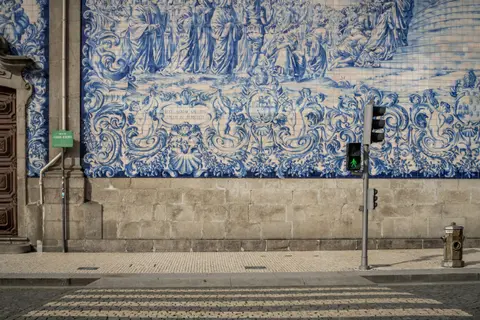
Porto, set dramatically on the granite bluffs above the Douro River, is among Europe's most romantically dishevelled cities — a place where baroque church towers rise above terracotta rooftops and century-old azulejo tilework lines every alley. Cross the iron Dom Luís I Bridge for sweeping views and descend into Vila Nova de Gaia's atmospheric wine lodges for a tasting of aged tawny port direct from the barrel. Seafood is magnificent: salt cod prepared a hundred ways, barnacles glistening with lemon, and custard tarts still warm from the oven. Spring and early autumn offer the finest conditions.
Régua, gateway to Portugal's vertiginous Douro Valley wine country, sits at the point where the river enters its most dramatic gorge — terraced vineyards climbing impossible slopes on every side, their schist walls a testament to generations of viticultural determination. The Wine Museum in Pinhão's art nouveau azulejo station captures the region's soul, while the great quintas — Ramos Pinto, Croft, Niepoort — open their cellars for intimate tastings of vintage port and luminous dry whites. Harvest season in September and October transforms the valley into a festival of colour and ferment.
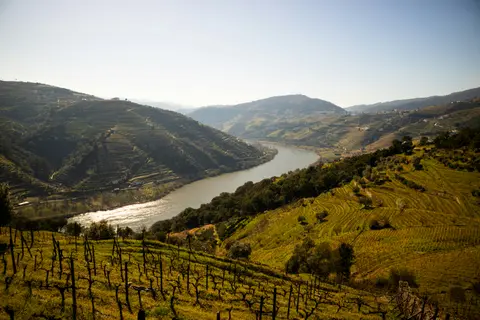
Pocinho marks the easternmost navigable point of the Douro River — the terminus of the valley where port wine's history began and where the landscape reaches its most elemental and dramatic expression: near-vertical schist slopes terraced into vineyard stairways, the river running silver between them in the early morning light. The restored rabelo boats that once carried casks of wine downriver are now a romanticised memory, but the valley's working quintas welcome visitors for tastings of the upper Douro's increasingly celebrated unfortified wines. The Douro International Natural Park, bordering Spain, protects rare Egyptian vulture colonies on the surrounding plateau. September through October, during harvest, is the unmissable season.
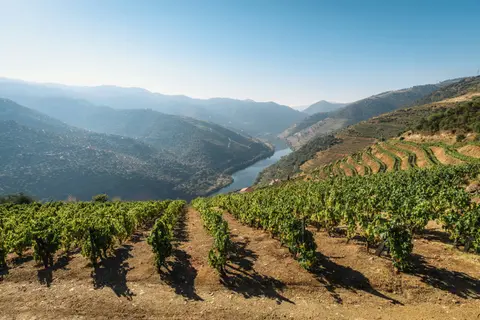
Barca d'Alva, a remote frontier village at the uppermost navigable point of the Douro River, marks the eastern terminus of Portuguese river cruises where the landscape shifts from terraced port wine vineyards into the austere granite borderlands of Trás-os-Montes. The abandoned azulejo-tiled railway station, the almond orchards cascading to the river's edge, and the silence of the surrounding Côa Valley archaeological park — protecting the world's most important collection of open-air Palaeolithic rock art — make this an unexpectedly rich stopping point. Spring brings almond blossom along every hillside; autumn arrives golden with the vendange harvest. The Spanish city of Salamanca lies an hour's drive east.
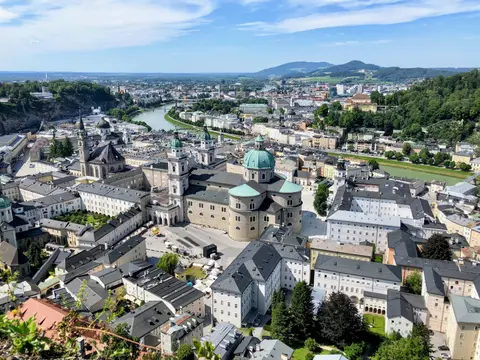
Salzburg is a baroque masterpiece set against the Eastern Alps, where Mozart's birthplace, the mighty Hohensalzburg Fortress, and one of Europe's oldest restaurants create a cultural tapestry unlike any other Austrian city. Visitors should not miss the Salzburger Nockerl soufflé at a centuries-old dining room and an evening concert in one of the Altstadt's intimate recital halls. The city is magnificent year-round, though late spring through early autumn — particularly during the Salzburg Festival in July and August — offers the finest confluence of weather, culture, and river cruising conditions.
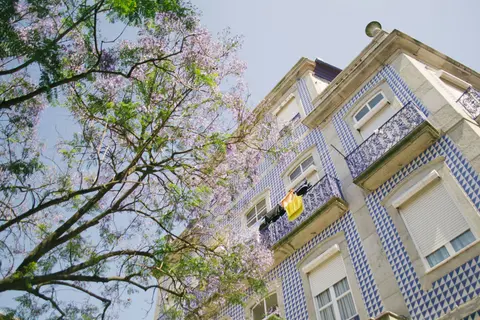
Ferradossa, a charming port on the Douro River, is renowned for its stunning landscapes and rich history dating back to Roman times. Must-do experiences include savoring bacalhau à brás and exploring local markets, while nearby attractions like Vale Da Telha and Évora enrich the journey. The best time to visit is during the spring and early fall, when the weather is mild and the local festivities are in full swing.
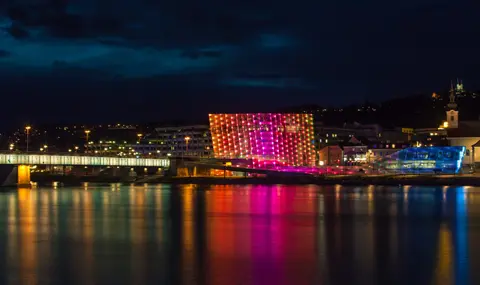
Austria's third city has accomplished one of Europe's most convincing urban transformations — reinventing itself from industrial centre to cultural powerhouse, a journey recognised in 2009 when it was named European Capital of Culture. The Ars Electronica Center, a museum of digital art and technology that glows with LED light across the Danube each evening, epitomises Linz's forward-looking identity. Yet the city's Roman roots, its baroque Hauptplatz (one of Austria's finest main squares), and its proximity to the Wachau Valley anchor it firmly in history. The Upper Austrian cuisine — particularly Linzer Torte, the world's oldest-documented cake recipe — is exceptional. Linz is most agreeable May through September.
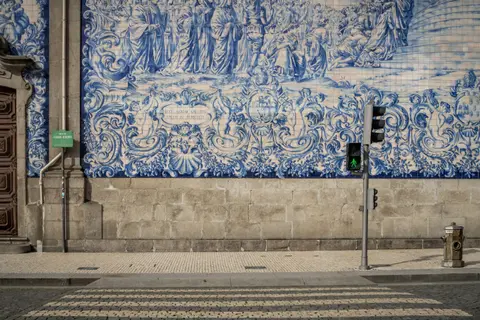
Porto, set dramatically on the granite bluffs above the Douro River, is among Europe's most romantically dishevelled cities — a place where baroque church towers rise above terracotta rooftops and century-old azulejo tilework lines every alley. Cross the iron Dom Luís I Bridge for sweeping views and descend into Vila Nova de Gaia's atmospheric wine lodges for a tasting of aged tawny port direct from the barrel. Seafood is magnificent: salt cod prepared a hundred ways, barnacles glistening with lemon, and custard tarts still warm from the oven. Spring and early autumn offer the finest conditions.
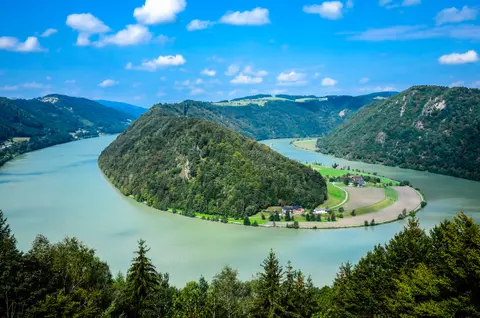
Schlögen, Austria, is a charming port town known for its breathtaking views along the Danube River and rich historical significance. Must-do experiences include savoring traditional dishes like Wiener Schnitzel and exploring nearby attractions such as Vienna and Dürnstein. The best season to visit is during the spring and summer months when the landscapes are vibrant and the local festivals are in full swing.
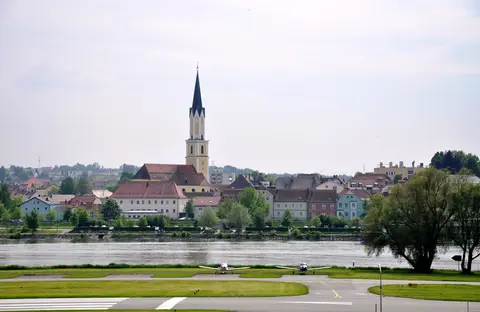
Vilshofen an der Donau is a handsome Bavarian river town where three streams converge with the Danube, its medieval market charter and Gothic Stadtturm bearing witness to eight centuries of river trade prosperity — though its most joyful claim to fame is the boisterous Vilshofen Volksfest, Bavaria's second-largest folk festival after Oktoberfest, held each June. The pastel-painted baroque townhouses and arcaded courtyards of the compact old town make for an idyllic Danube-side stroll, while the surrounding farmland and rolling hills of Lower Bavaria offer cycling routes of pastoral serenity. Summer brings the festival season; spring and autumn lend the Danube Valley its most golden and peaceful character.
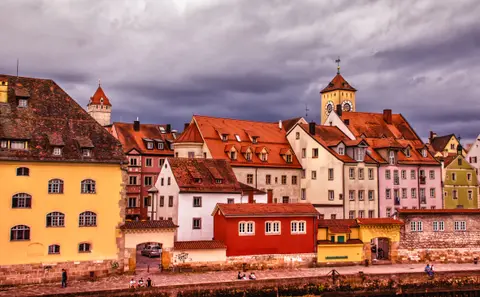
Regensburg, Bavaria's medieval masterpiece on the Danube, is one of Central Europe's most intact ancient cities — its Roman origins visible in the Porta Praetoria stone gate, its medieval prosperity celebrated in the soaring twin towers of St. Peter's Cathedral and the twelfth-century Stone Bridge. UNESCO World Heritage status acknowledges a skyline dotted with patrician towers, while the famous Historische Wurstküchl, Germany's oldest operating sausage kitchen, has been serving spit-grilled bratwurst since the 1140s. The surrounding hills produce excellent Bavarian whites. May through September offers the most convivial riverbank atmosphere.
Day 1
Budapest, divided by the Danube into the hilly Buda of thermal baths and medieval castle lanes on one bank and the grand Pest of coffee-house culture and Art Nouveau splendor on the other, delivers the most theatrical first impression of any European capital — whether approached by river as the neo-Gothic Parliament materializes from the water or by night from the Citadella's sweep of illuminated panorama below. The city's celebrated thermal bath culture, rooted in Ottoman-era hammams and perfected in palatial Secession-era pools like the Széchenyi, is an experience entirely unlike anything else in Europe. Visit spring and autumn for comfortable temperatures; Vienna is two and a half hours west by train.
Porto, set dramatically on the granite bluffs above the Douro River, is among Europe's most romantically dishevelled cities — a place where baroque church towers rise above terracotta rooftops and century-old azulejo tilework lines every alley. Cross the iron Dom Luís I Bridge for sweeping views and descend into Vila Nova de Gaia's atmospheric wine lodges for a tasting of aged tawny port direct from the barrel. Seafood is magnificent: salt cod prepared a hundred ways, barnacles glistening with lemon, and custard tarts still warm from the oven. Spring and early autumn offer the finest conditions.
Day 3
Régua, gateway to Portugal's vertiginous Douro Valley wine country, sits at the point where the river enters its most dramatic gorge — terraced vineyards climbing impossible slopes on every side, their schist walls a testament to generations of viticultural determination. The Wine Museum in Pinhão's art nouveau azulejo station captures the region's soul, while the great quintas — Ramos Pinto, Croft, Niepoort — open their cellars for intimate tastings of vintage port and luminous dry whites. Harvest season in September and October transforms the valley into a festival of colour and ferment.
Day 4
Pocinho marks the easternmost navigable point of the Douro River — the terminus of the valley where port wine's history began and where the landscape reaches its most elemental and dramatic expression: near-vertical schist slopes terraced into vineyard stairways, the river running silver between them in the early morning light. The restored rabelo boats that once carried casks of wine downriver are now a romanticised memory, but the valley's working quintas welcome visitors for tastings of the upper Douro's increasingly celebrated unfortified wines. The Douro International Natural Park, bordering Spain, protects rare Egyptian vulture colonies on the surrounding plateau. September through October, during harvest, is the unmissable season.
Day 5
Barca d'Alva, a remote frontier village at the uppermost navigable point of the Douro River, marks the eastern terminus of Portuguese river cruises where the landscape shifts from terraced port wine vineyards into the austere granite borderlands of Trás-os-Montes. The abandoned azulejo-tiled railway station, the almond orchards cascading to the river's edge, and the silence of the surrounding Côa Valley archaeological park — protecting the world's most important collection of open-air Palaeolithic rock art — make this an unexpectedly rich stopping point. Spring brings almond blossom along every hillside; autumn arrives golden with the vendange harvest. The Spanish city of Salamanca lies an hour's drive east.
Salzburg is a baroque masterpiece set against the Eastern Alps, where Mozart's birthplace, the mighty Hohensalzburg Fortress, and one of Europe's oldest restaurants create a cultural tapestry unlike any other Austrian city. Visitors should not miss the Salzburger Nockerl soufflé at a centuries-old dining room and an evening concert in one of the Altstadt's intimate recital halls. The city is magnificent year-round, though late spring through early autumn — particularly during the Salzburg Festival in July and August — offers the finest confluence of weather, culture, and river cruising conditions.
Day 6
Ferradossa, a charming port on the Douro River, is renowned for its stunning landscapes and rich history dating back to Roman times. Must-do experiences include savoring bacalhau à brás and exploring local markets, while nearby attractions like Vale Da Telha and Évora enrich the journey. The best time to visit is during the spring and early fall, when the weather is mild and the local festivities are in full swing.
Austria's third city has accomplished one of Europe's most convincing urban transformations — reinventing itself from industrial centre to cultural powerhouse, a journey recognised in 2009 when it was named European Capital of Culture. The Ars Electronica Center, a museum of digital art and technology that glows with LED light across the Danube each evening, epitomises Linz's forward-looking identity. Yet the city's Roman roots, its baroque Hauptplatz (one of Austria's finest main squares), and its proximity to the Wachau Valley anchor it firmly in history. The Upper Austrian cuisine — particularly Linzer Torte, the world's oldest-documented cake recipe — is exceptional. Linz is most agreeable May through September.
Day 7
Porto, set dramatically on the granite bluffs above the Douro River, is among Europe's most romantically dishevelled cities — a place where baroque church towers rise above terracotta rooftops and century-old azulejo tilework lines every alley. Cross the iron Dom Luís I Bridge for sweeping views and descend into Vila Nova de Gaia's atmospheric wine lodges for a tasting of aged tawny port direct from the barrel. Seafood is magnificent: salt cod prepared a hundred ways, barnacles glistening with lemon, and custard tarts still warm from the oven. Spring and early autumn offer the finest conditions.
Schlögen, Austria, is a charming port town known for its breathtaking views along the Danube River and rich historical significance. Must-do experiences include savoring traditional dishes like Wiener Schnitzel and exploring nearby attractions such as Vienna and Dürnstein. The best season to visit is during the spring and summer months when the landscapes are vibrant and the local festivals are in full swing.
Day 8
Vilshofen an der Donau is a handsome Bavarian river town where three streams converge with the Danube, its medieval market charter and Gothic Stadtturm bearing witness to eight centuries of river trade prosperity — though its most joyful claim to fame is the boisterous Vilshofen Volksfest, Bavaria's second-largest folk festival after Oktoberfest, held each June. The pastel-painted baroque townhouses and arcaded courtyards of the compact old town make for an idyllic Danube-side stroll, while the surrounding farmland and rolling hills of Lower Bavaria offer cycling routes of pastoral serenity. Summer brings the festival season; spring and autumn lend the Danube Valley its most golden and peaceful character.
Regensburg, Bavaria's medieval masterpiece on the Danube, is one of Central Europe's most intact ancient cities — its Roman origins visible in the Porta Praetoria stone gate, its medieval prosperity celebrated in the soaring twin towers of St. Peter's Cathedral and the twelfth-century Stone Bridge. UNESCO World Heritage status acknowledges a skyline dotted with patrician towers, while the famous Historische Wurstküchl, Germany's oldest operating sausage kitchen, has been serving spit-grilled bratwurst since the 1140s. The surrounding hills produce excellent Bavarian whites. May through September offers the most convivial riverbank atmosphere.
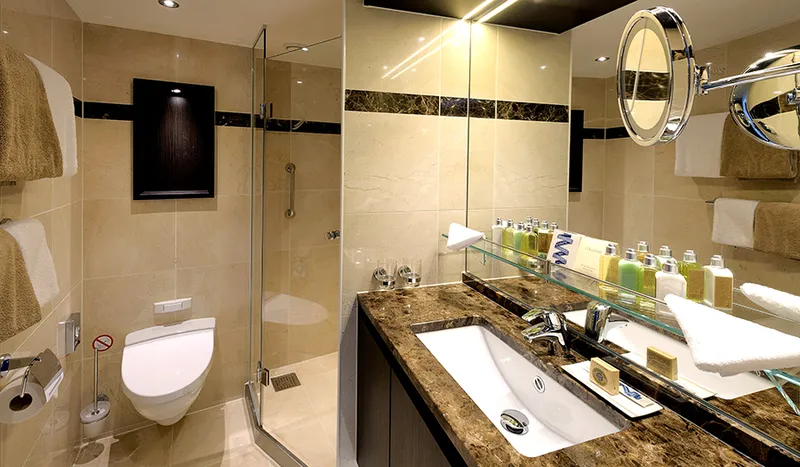
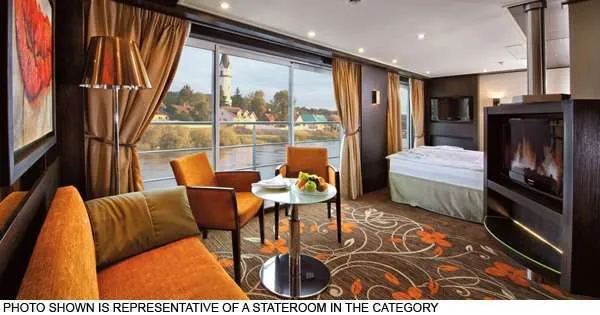
Stateroom Features:
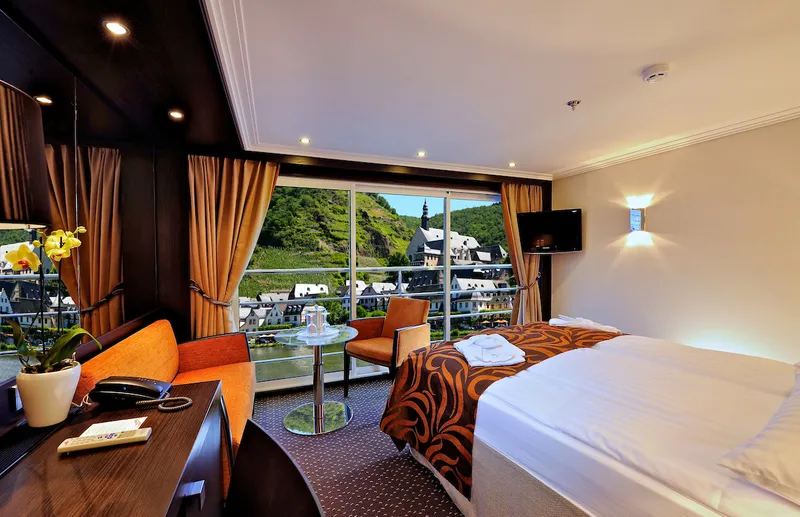
Comfort Collection Beds
Luxurious mattress toppers
Egyptian super-combed cotton linens
European-style duvets
Soft & firm pillows
Extra blankets
Choice of bed configuration
Nightly turn-down service
Bedside tables with reading lamps
Premium Hairdryer
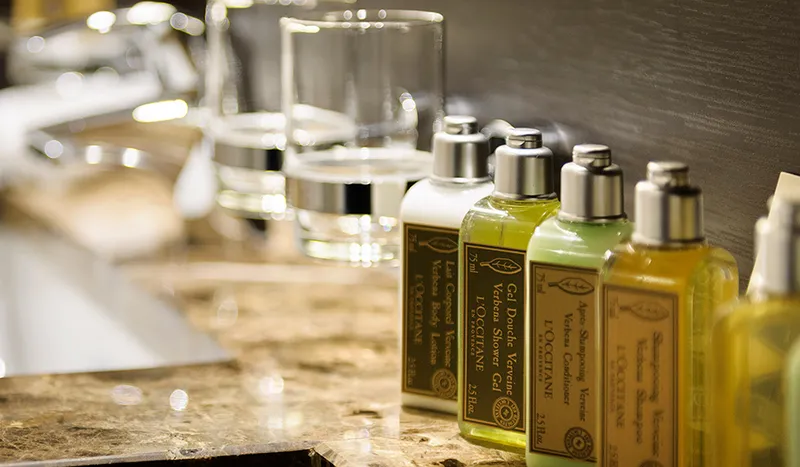
L'Occitane bath products
Spacious 3-door closets with shelves for ample storage
Easy under-bed luggage storage
Flatscreen satellite TV with English-speaking channels & over 100 free movie options
Alarm clock
Direct-dial telephone
Bathrobes & slippers
Well-stocked minibar
Complimentary filtered water
In-room safe
Individual climate control
Elegant, contemporary design
Large mirror in bathroom
Two windows
Full shower with glass door
Writing desk and chair
Lighted makeup mirror
Complimentary Wi-Fi
One Queen-Sized Bed or Two Twins
USB Ports
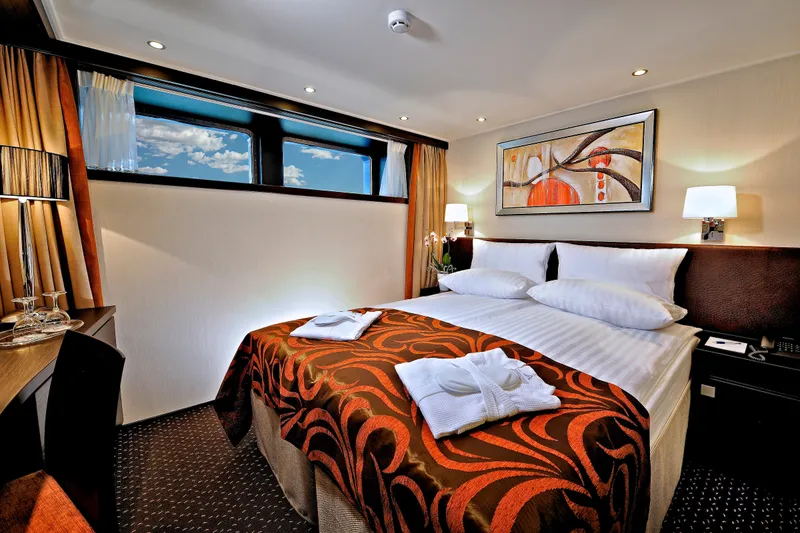
Stateroom Features:
Comfort Collection Beds
Luxurious mattress toppers
Egyptian super-combed cotton linens
European-style duvets
Soft & firm pillows
Extra blankets
Choice of bed configuration
Nightly turn-down service
Bedside tables with reading lamps
Premium Hairdryer
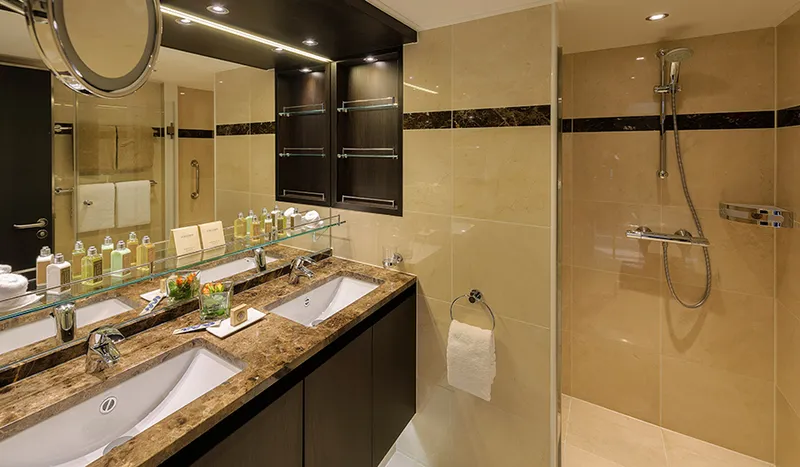
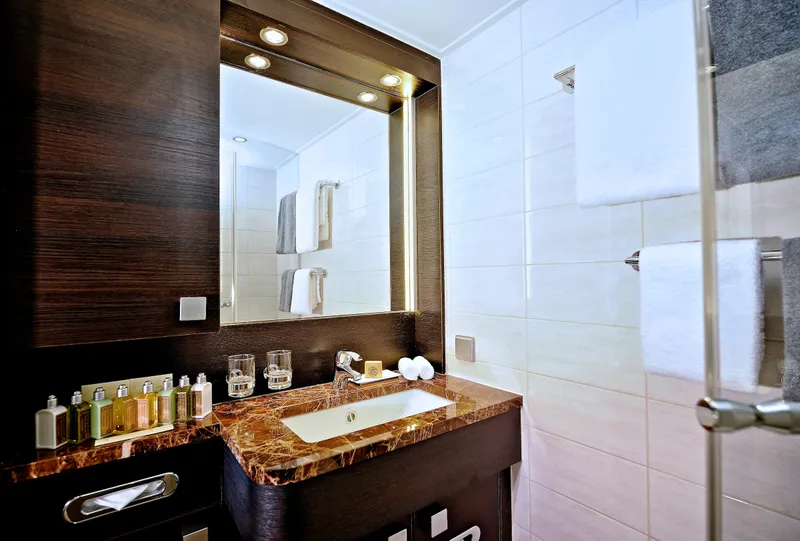
L'Occitane bath products
Spacious 3-door closets with shelves for ample storage
Easy under-bed luggage storage
Flatscreen satellite TV with English-speaking channels & over 100 free movie options
Alarm clock
Direct-dial telephone
Bathrobes & slippers
Well-stocked minibar
Complimentary filtered water
In-room safe
Individual climate control
Elegant, contemporary design
Large mirror in bathroom
Two windows
Full shower with glass door
Writing desk and chair
Lighted makeup mirror
Complimentary Wi-Fi
One Queen-Sized Bed or Two Twins
USB Ports
Stateroom Features:
Comfort Collection Beds
Luxurious mattress toppers
Egyptian super-combed cotton linens
European-style duvets
Soft & firm pillows
Extra blankets
Choice of bed configuration
Nightly turn-down service
Bedside tables with reading lamps
Premium Hairdryer
L'Occitane bath products
Spacious 3-door closets with shelves for ample storage
Easy under-bed luggage storage
Flatscreen satellite TV with English-speaking channels & over 100 free movie options
Alarm clock
Direct-dial telephone
Bathrobes & slippers
Well-stocked minibar
Complimentary filtered water
In-room safe
Individual climate control
Elegant, contemporary design
Large mirror in bathroom
Two windows
Full shower with glass door
Writing desk and chair
Lighted makeup mirror
Complimentary Wi-Fi
One Queen-Sized Bed or Two Twins
USB Ports
Our cruise specialists can help you find the perfect cabin and the best available pricing.
(+886) 02-2721-7300Contact Advisor