Avalon Waterways70528
Spectacular Switzerland with Romantic Rhine
Date
2027-05-28
Duration
7 nights
Departure Port
Zurich
Switzerland
Arrival Port
Amsterdam
Netherlands
Rating
Luxury
Theme
History & Culture
Date
2027-05-28
Duration
7 nights
Departure Port
Zurich
Switzerland
Arrival Port
Amsterdam
Netherlands
Rating
Luxury
Theme
History & Culture


Avalon Waterways
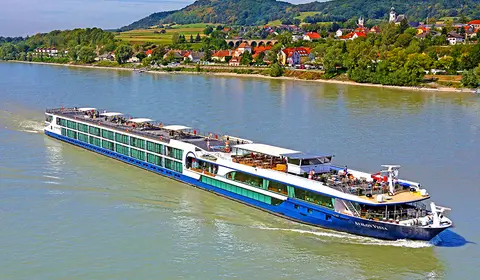
Suite Ship
2012
—
2,775 GT
166
83
47
443 m
12 m
12 knots
No
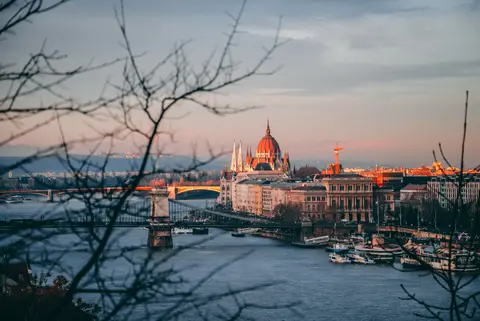
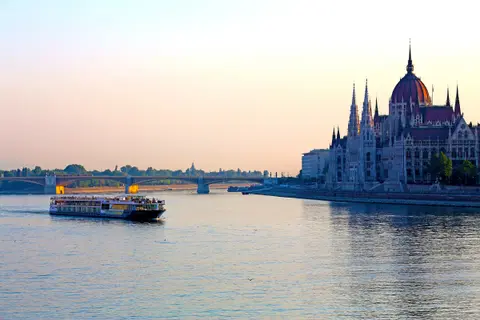
Budapest, divided by the Danube into the hilly Buda of thermal baths and medieval castle lanes on one bank and the grand Pest of coffee-house culture and Art Nouveau splendor on the other, delivers the most theatrical first impression of any European capital — whether approached by river as the neo-Gothic Parliament materializes from the water or by night from the Citadella's sweep of illuminated panorama below. The city's celebrated thermal bath culture, rooted in Ottoman-era hammams and perfected in palatial Secession-era pools like the Széchenyi, is an experience entirely unlike anything else in Europe. Visit spring and autumn for comfortable temperatures; Vienna is two and a half hours west by train.
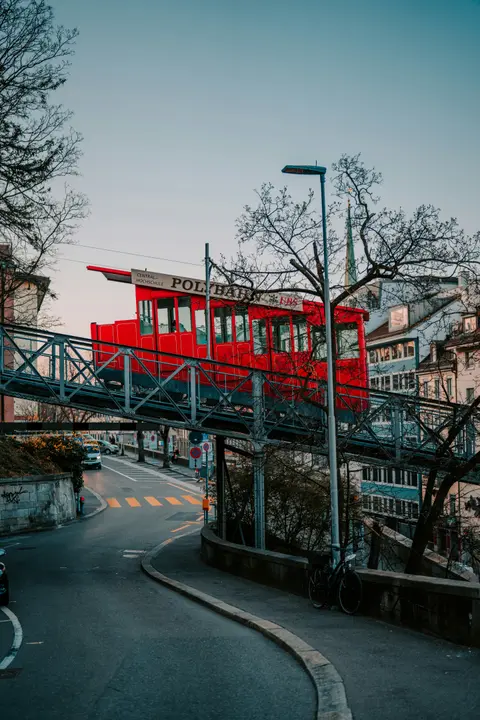
Zurich's port is a dynamic entry point to Switzerland’s rich history and stunning landscapes, making it a special destination for luxury travelers. Don't miss indulging in the local specialty, Zürcher Geschnetzeltes, and exploring the charming Old Town. The best time to visit is during the summer months when the city comes alive with festivals and events along the lakefront.
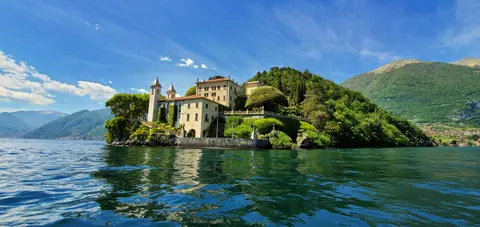
Lake Como, Italy is a distinctive port city where deep cultural heritage meets authentic local atmosphere, featured on itineraries by Uniworld River Cruises. Must-do experiences include walking the historic center to experience the layered architectural heritage, and seeking out the regional culinary traditions at a locally favored establishment away from the port area. The optimal time to visit is May through September, when mild temperatures and long days favor unhurried exploration.
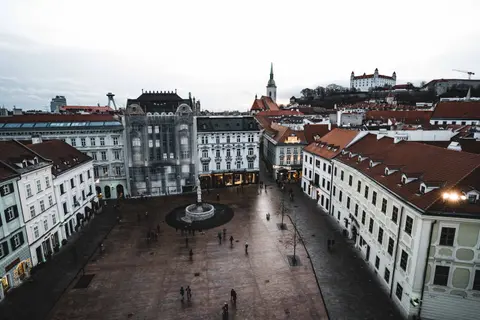
Bratislava, the only national capital bordering two sovereign states, sits sixty kilometres downstream from Vienna on the Danube — close enough for a day trip to the Austrian capital, yet possessed of its own entirely distinct character: a pastel-hued medieval old town of hidden courtyards, playful bronze statues, and hilltop castle views, where wine bars pour outstanding Slovak Riesling at prices that make the Viennese feel extravagant. The city's dramatic reinvention since 1989 has produced a dynamic, youthful culture that fills the old quarter's restaurants and concert halls with genuine warmth. Pair with Vienna or Budapest for the classic Danube river trilogy; all three cities are within two hours of each other.
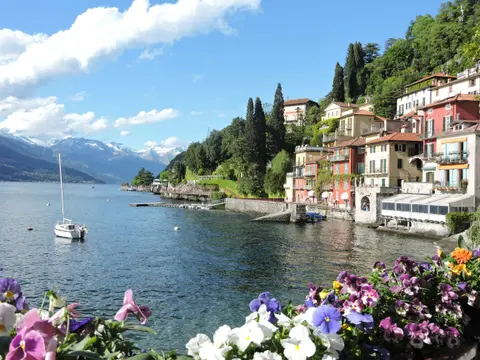
Lake Como, Italy is a distinctive port city where deep cultural heritage meets authentic local atmosphere, featured on itineraries by Uniworld River Cruises. Must-do experiences include walking the historic center to experience the layered architectural heritage, and seeking out the regional culinary traditions at a locally favored establishment away from the port area. The optimal time to visit is May through September, when mild temperatures and long days favor unhurried exploration.
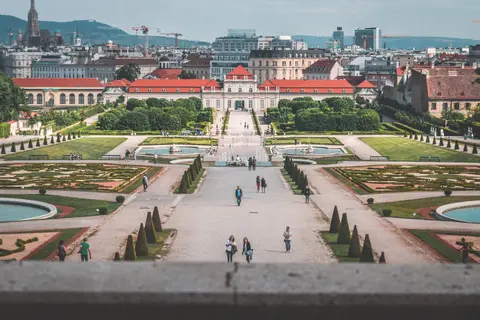
The port of Vienna is a cultural gem along the Danube River, famous for its stunning architecture, rich history, and vibrant culinary scene. Must-do experiences include sampling authentic Wiener Schnitzel and visiting the picturesque village of Dürnstein. The best season to visit is spring or early fall, when the city's gardens bloom and outdoor activities abound.
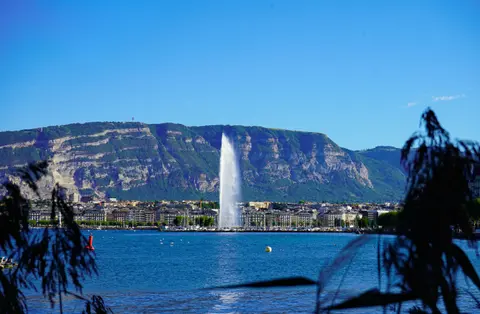
Geneva is Switzerland's cosmopolitan lakeside capital, where diplomatic prestige meets Alpine beauty at the western tip of Lac Léman. Visitors should not miss a fondue evening at the Bains des Pâquis and a day trip to the medieval hilltop town of Gruyères for its celebrated cheese and castle. The city is magnificent year-round, though late spring through early autumn offers the warmest weather for lakeside strolls and the fullest river cruise schedules along the Rhône.
Broc is the Swiss village where the Maison Cailler chocolate factory has perfumed the air since 1898, set in the Gruyère valley alongside the medieval hilltop town whose famous cheese and surreal H.R. Giger Museum create an improbably Swiss combination. Visit May through October via Avalon Waterways for unlimited chocolate tasting, Alpine cow-bell hiking, and the autumn désalpe ceremony that brings flower-garlanded cattle down from high pastures.
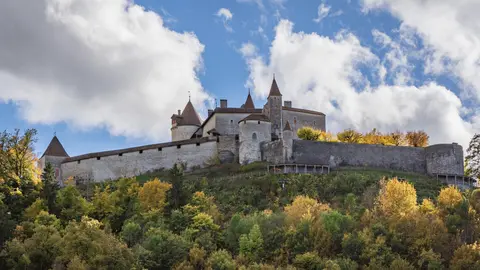
Gruyères is a perfectly preserved medieval hilltop village in Switzerland's Fribourg canton, renowned as the birthplace of one of the world's great cheeses and home to a twelfth-century château with sweeping Alpine panoramas. Visitors should not miss a fondue moitié-moitié paired with the legendary double cream and meringues, nor the fascinating contrast of the HR Giger Museum housed within the village's ancient walls. Late spring through early autumn offers the finest conditions, when alpine meadows bloom and the terrace restaurants along the cobblestoned main street invite long, unhurried afternoons beneath the peaks.
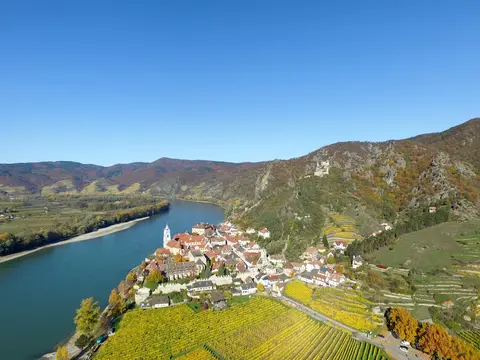
Dürnstein is the jewel of the Wachau — that UNESCO-protected stretch of the Danube where medieval villages, baroque spires, and precipitous terraced vineyards create the most picturesque river landscape in Central Europe. The blue-and-white tower of the Augustinian monastery and the dramatic ruins of the castle where Richard the Lionheart was imprisoned in 1192 define a skyline of romantic perfection. The surrounding vineyards produce some of Austria's greatest Grüner Veltliners and Rieslings; tasting rooms open directly onto the river path. May through October offers the finest conditions, with harvest season in September an especially memorable time to visit.

Interlaken, a historic port town in Switzerland, is celebrated for its stunning alpine views and rich cultural heritage. Must-do experiences include savoring traditional Swiss dishes like Rösti and Fondue, and exploring nearby attractions such as Grindelwald and Gruyeres. The best season to visit is during the summer months, when the landscapes are vibrant and the outdoor activities flourish.
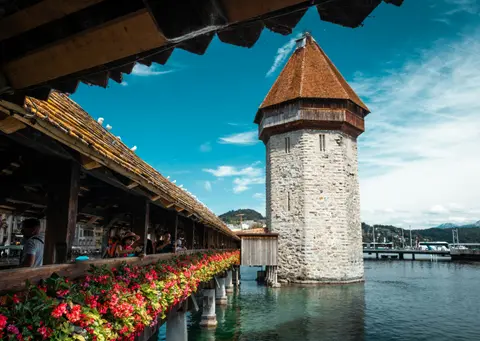
Framed by snowcapped Alps and the mirror-bright waters of Lake Lucerne, this medieval Swiss gem centres on the 14th-century Kapellbrücke — one of Europe's oldest covered bridges — and a colourful Altstadt that has changed little in five centuries. Ride the cog railway to cloud-wreathed Mount Pilatus, savour Älplermagronen in a timber-beamed tavern, and explore the nearby wonders of Interlaken and Grindelwald. Late spring through early autumn offers the most spectacular lake reflections and settled mountain weather.
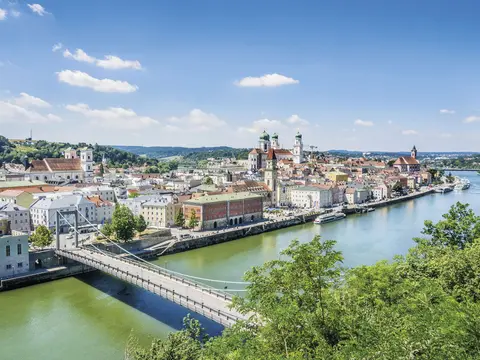
Passau occupies one of Central Europe's most dramatic natural stages — a narrow peninsula at the confluence of three rivers, the Danube, Inn, and Ilz, where the old town's baroque spires and shuttered merchants' houses crowd the very tip of the land between the waters. St. Stephen's Cathedral houses the world's largest church organ, a 17,974-pipe instrument whose daily concerts fill the nave with a sound that seems architectural in its density. The Veste Oberhaus fortress above the city commands panoramic views across three countries on clear days. Passau is a classic Danube river cruise departure point; spring and early autumn, when the river runs high and the light turns golden, are the finest seasons.
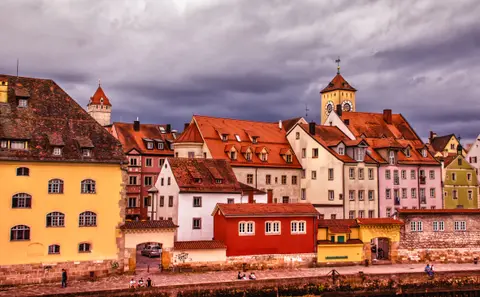
Regensburg, Bavaria's medieval masterpiece on the Danube, is one of Central Europe's most intact ancient cities — its Roman origins visible in the Porta Praetoria stone gate, its medieval prosperity celebrated in the soaring twin towers of St. Peter's Cathedral and the twelfth-century Stone Bridge. UNESCO World Heritage status acknowledges a skyline dotted with patrician towers, while the famous Historische Wurstküchl, Germany's oldest operating sausage kitchen, has been serving spit-grilled bratwurst since the 1140s. The surrounding hills produce excellent Bavarian whites. May through September offers the most convivial riverbank atmosphere.
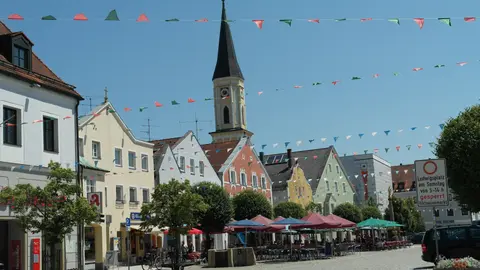
Sitting directly across the Rhine from Strasbourg, Kehl offers Rhine river cruise guests the remarkable experience of crossing from Germany into France in five minutes on foot — arriving at a medieval Alsatian cathedral quarter whose tarte flambée, Riesling estates, and half-timbered Petite France canals represent some of Europe's most enduring pleasures. The surrounding Black Forest and Alsatian Wine Route extend the discovery. Spring blossoms and autumn harvest are the most atmospheric times to visit this Franco-German frontier town.
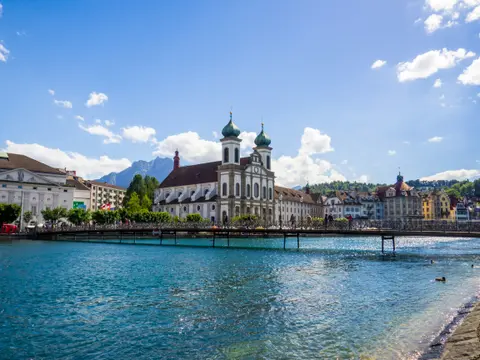
Framed by snowcapped Alps and the mirror-bright waters of Lake Lucerne, this medieval Swiss gem centres on the 14th-century Kapellbrücke — one of Europe's oldest covered bridges — and a colourful Altstadt that has changed little in five centuries. Ride the cog railway to cloud-wreathed Mount Pilatus, savour Älplermagronen in a timber-beamed tavern, and explore the nearby wonders of Interlaken and Grindelwald. Late spring through early autumn offers the most spectacular lake reflections and settled mountain weather.
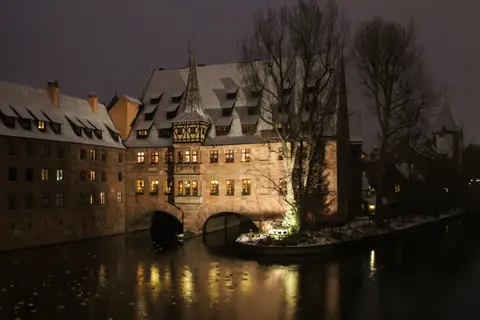
Nuremberg commands the imagination on two levels: as the glittering medieval city where Holy Roman Emperors held court, Albrecht Dürer was born, and craftsmen produced the first pocket watch — and as the site of the 20th century's darkest chapter, where Nazi rallies and subsequent war crimes trials left permanent marks on European history and conscience. The Kaiserburg castle crowning the hill above the perfectly preserved old town offers sweeping views of a cityscape that, despite wartime bombing, remains one of Germany's most beautiful. The Documentation Centre on the former Nazi Rally Grounds is essential, sobering history; the Christmas Market on the Hauptmarkt, held since 1628, is among Europe's finest. Visit May through October or December.
Day 1
Budapest, divided by the Danube into the hilly Buda of thermal baths and medieval castle lanes on one bank and the grand Pest of coffee-house culture and Art Nouveau splendor on the other, delivers the most theatrical first impression of any European capital — whether approached by river as the neo-Gothic Parliament materializes from the water or by night from the Citadella's sweep of illuminated panorama below. The city's celebrated thermal bath culture, rooted in Ottoman-era hammams and perfected in palatial Secession-era pools like the Széchenyi, is an experience entirely unlike anything else in Europe. Visit spring and autumn for comfortable temperatures; Vienna is two and a half hours west by train.
Day 2
Zurich's port is a dynamic entry point to Switzerland’s rich history and stunning landscapes, making it a special destination for luxury travelers. Don't miss indulging in the local specialty, Zürcher Geschnetzeltes, and exploring the charming Old Town. The best time to visit is during the summer months when the city comes alive with festivals and events along the lakefront.
Lake Como, Italy is a distinctive port city where deep cultural heritage meets authentic local atmosphere, featured on itineraries by Uniworld River Cruises. Must-do experiences include walking the historic center to experience the layered architectural heritage, and seeking out the regional culinary traditions at a locally favored establishment away from the port area. The optimal time to visit is May through September, when mild temperatures and long days favor unhurried exploration.
Day 3
Bratislava, the only national capital bordering two sovereign states, sits sixty kilometres downstream from Vienna on the Danube — close enough for a day trip to the Austrian capital, yet possessed of its own entirely distinct character: a pastel-hued medieval old town of hidden courtyards, playful bronze statues, and hilltop castle views, where wine bars pour outstanding Slovak Riesling at prices that make the Viennese feel extravagant. The city's dramatic reinvention since 1989 has produced a dynamic, youthful culture that fills the old quarter's restaurants and concert halls with genuine warmth. Pair with Vienna or Budapest for the classic Danube river trilogy; all three cities are within two hours of each other.
Day 4
Lake Como, Italy is a distinctive port city where deep cultural heritage meets authentic local atmosphere, featured on itineraries by Uniworld River Cruises. Must-do experiences include walking the historic center to experience the layered architectural heritage, and seeking out the regional culinary traditions at a locally favored establishment away from the port area. The optimal time to visit is May through September, when mild temperatures and long days favor unhurried exploration.
The port of Vienna is a cultural gem along the Danube River, famous for its stunning architecture, rich history, and vibrant culinary scene. Must-do experiences include sampling authentic Wiener Schnitzel and visiting the picturesque village of Dürnstein. The best season to visit is spring or early fall, when the city's gardens bloom and outdoor activities abound.
Geneva is Switzerland's cosmopolitan lakeside capital, where diplomatic prestige meets Alpine beauty at the western tip of Lac Léman. Visitors should not miss a fondue evening at the Bains des Pâquis and a day trip to the medieval hilltop town of Gruyères for its celebrated cheese and castle. The city is magnificent year-round, though late spring through early autumn offers the warmest weather for lakeside strolls and the fullest river cruise schedules along the Rhône.
Broc is the Swiss village where the Maison Cailler chocolate factory has perfumed the air since 1898, set in the Gruyère valley alongside the medieval hilltop town whose famous cheese and surreal H.R. Giger Museum create an improbably Swiss combination. Visit May through October via Avalon Waterways for unlimited chocolate tasting, Alpine cow-bell hiking, and the autumn désalpe ceremony that brings flower-garlanded cattle down from high pastures.
Day 5
Gruyères is a perfectly preserved medieval hilltop village in Switzerland's Fribourg canton, renowned as the birthplace of one of the world's great cheeses and home to a twelfth-century château with sweeping Alpine panoramas. Visitors should not miss a fondue moitié-moitié paired with the legendary double cream and meringues, nor the fascinating contrast of the HR Giger Museum housed within the village's ancient walls. Late spring through early autumn offers the finest conditions, when alpine meadows bloom and the terrace restaurants along the cobblestoned main street invite long, unhurried afternoons beneath the peaks.
Dürnstein is the jewel of the Wachau — that UNESCO-protected stretch of the Danube where medieval villages, baroque spires, and precipitous terraced vineyards create the most picturesque river landscape in Central Europe. The blue-and-white tower of the Augustinian monastery and the dramatic ruins of the castle where Richard the Lionheart was imprisoned in 1192 define a skyline of romantic perfection. The surrounding vineyards produce some of Austria's greatest Grüner Veltliners and Rieslings; tasting rooms open directly onto the river path. May through October offers the finest conditions, with harvest season in September an especially memorable time to visit.
Interlaken, a historic port town in Switzerland, is celebrated for its stunning alpine views and rich cultural heritage. Must-do experiences include savoring traditional Swiss dishes like Rösti and Fondue, and exploring nearby attractions such as Grindelwald and Gruyeres. The best season to visit is during the summer months, when the landscapes are vibrant and the outdoor activities flourish.
Framed by snowcapped Alps and the mirror-bright waters of Lake Lucerne, this medieval Swiss gem centres on the 14th-century Kapellbrücke — one of Europe's oldest covered bridges — and a colourful Altstadt that has changed little in five centuries. Ride the cog railway to cloud-wreathed Mount Pilatus, savour Älplermagronen in a timber-beamed tavern, and explore the nearby wonders of Interlaken and Grindelwald. Late spring through early autumn offers the most spectacular lake reflections and settled mountain weather.
Day 6
Passau occupies one of Central Europe's most dramatic natural stages — a narrow peninsula at the confluence of three rivers, the Danube, Inn, and Ilz, where the old town's baroque spires and shuttered merchants' houses crowd the very tip of the land between the waters. St. Stephen's Cathedral houses the world's largest church organ, a 17,974-pipe instrument whose daily concerts fill the nave with a sound that seems architectural in its density. The Veste Oberhaus fortress above the city commands panoramic views across three countries on clear days. Passau is a classic Danube river cruise departure point; spring and early autumn, when the river runs high and the light turns golden, are the finest seasons.
Day 7
Regensburg, Bavaria's medieval masterpiece on the Danube, is one of Central Europe's most intact ancient cities — its Roman origins visible in the Porta Praetoria stone gate, its medieval prosperity celebrated in the soaring twin towers of St. Peter's Cathedral and the twelfth-century Stone Bridge. UNESCO World Heritage status acknowledges a skyline dotted with patrician towers, while the famous Historische Wurstküchl, Germany's oldest operating sausage kitchen, has been serving spit-grilled bratwurst since the 1140s. The surrounding hills produce excellent Bavarian whites. May through September offers the most convivial riverbank atmosphere.
Sitting directly across the Rhine from Strasbourg, Kehl offers Rhine river cruise guests the remarkable experience of crossing from Germany into France in five minutes on foot — arriving at a medieval Alsatian cathedral quarter whose tarte flambée, Riesling estates, and half-timbered Petite France canals represent some of Europe's most enduring pleasures. The surrounding Black Forest and Alsatian Wine Route extend the discovery. Spring blossoms and autumn harvest are the most atmospheric times to visit this Franco-German frontier town.
Framed by snowcapped Alps and the mirror-bright waters of Lake Lucerne, this medieval Swiss gem centres on the 14th-century Kapellbrücke — one of Europe's oldest covered bridges — and a colourful Altstadt that has changed little in five centuries. Ride the cog railway to cloud-wreathed Mount Pilatus, savour Älplermagronen in a timber-beamed tavern, and explore the nearby wonders of Interlaken and Grindelwald. Late spring through early autumn offers the most spectacular lake reflections and settled mountain weather.
Day 8
Nuremberg commands the imagination on two levels: as the glittering medieval city where Holy Roman Emperors held court, Albrecht Dürer was born, and craftsmen produced the first pocket watch — and as the site of the 20th century's darkest chapter, where Nazi rallies and subsequent war crimes trials left permanent marks on European history and conscience. The Kaiserburg castle crowning the hill above the perfectly preserved old town offers sweeping views of a cityscape that, despite wartime bombing, remains one of Germany's most beautiful. The Documentation Centre on the former Nazi Rally Grounds is essential, sobering history; the Christmas Market on the Hauptmarkt, held since 1628, is among Europe's finest. Visit May through October or December.
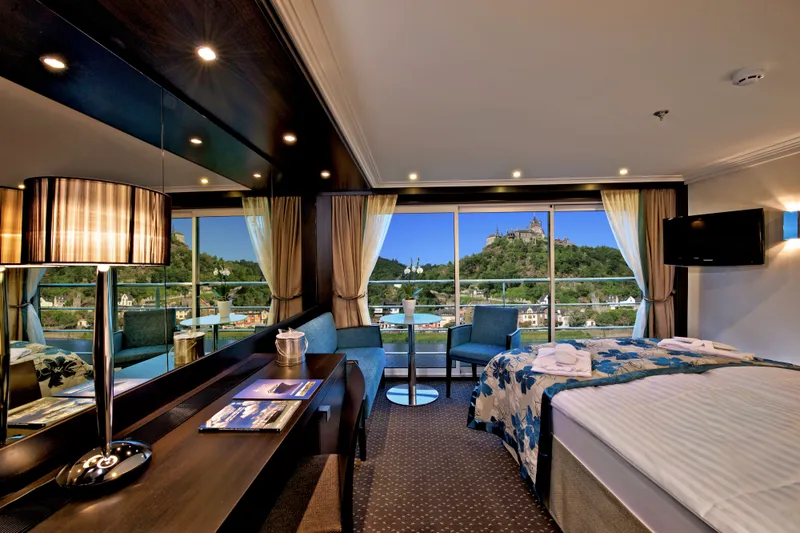
Stateroom Features:
Comfort Collection Beds
Luxurious mattress toppers
Egyptian super-combed cotton linens
European-style duvets
Soft & firm pillows
Extra blankets
Choice of bed configuration
Nightly turn-down service
Bedside tables with reading lamps
Premium Hairdryer
L'Occitane bath products
Spacious 3-door closets with shelves for ample storage
Easy under-bed luggage storage
Flatscreen satellite TV with English-speaking channels & over 100 free movie options
Alarm clock
Direct-dial telephone
Bathrobes & slippers
Well-stocked minibar
Complimentary filtered water
In-room safe
Individual climate control
Elegant, contemporary design
Large mirror in bathroom
Two windows
Full shower with glass door
Writing desk and chair
Lighted makeup mirror
Complimentary Wi-Fi
One Queen-Sized Bed or Two Twins
USB Ports
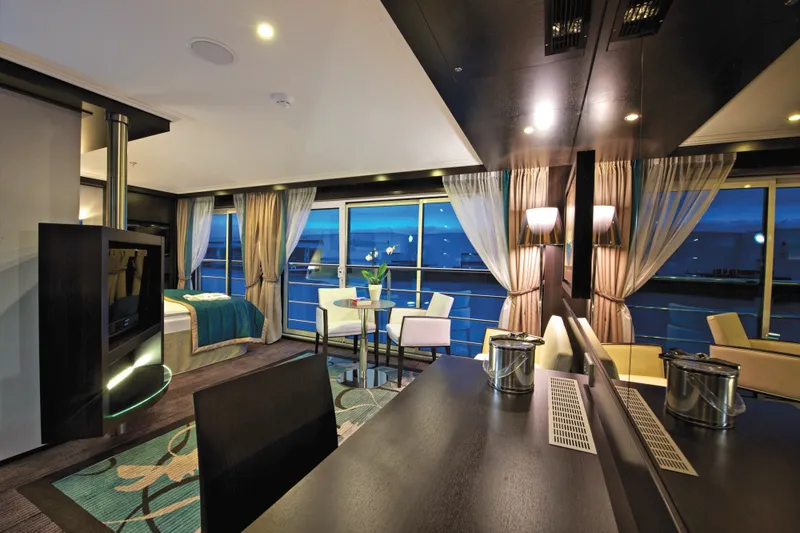
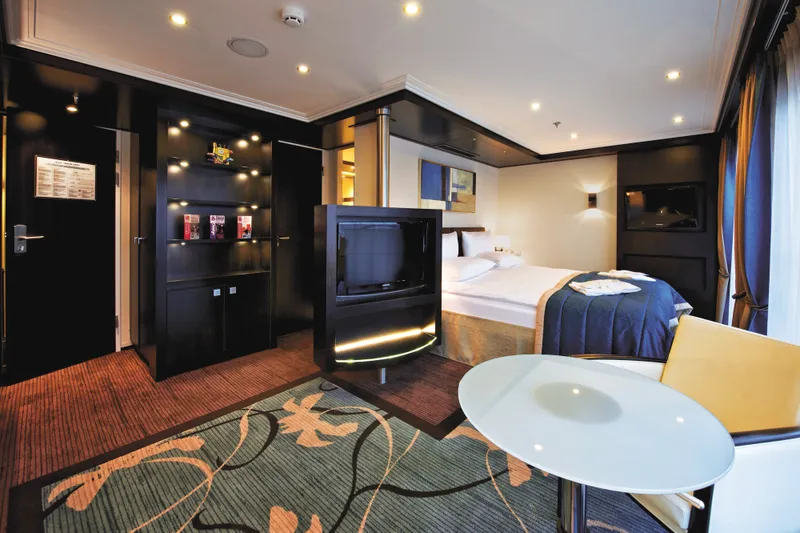
Stateroom Features:
Comfort Collection Beds
Luxurious mattress toppers
Egyptian super-combed cotton linens
European-style duvets
Soft & firm pillows
Extra blankets
Choice of bed configuration
Nightly turn-down service
Bedside tables with reading lamps
Premium Hairdryer
L'Occitane bath products
Spacious 3-door closets with shelves for ample storage
Easy under-bed luggage storage
Flatscreen satellite TV with English-speaking channels & over 100 free movie options
Alarm clock
Make-up mirror
Direct-dial telephone
Bathrobes & slippers
Well-stocked minibar
Complimentary filtered water
In-room safe
Individual climate control
Elegant, contemporary design
Large mirror in bathroom
Marble countertops in bathroom
Wall-to-Wall Panoramic Window with Open-Air Balcony
6-person sitting area
Full shower with glass door
Writing desk and chair
Lighted makeup mirror
Sofa
Coffee table
Double sinks
Complimentary Wi-Fi
USB Ports
One King-Sized Bed or Two Twins
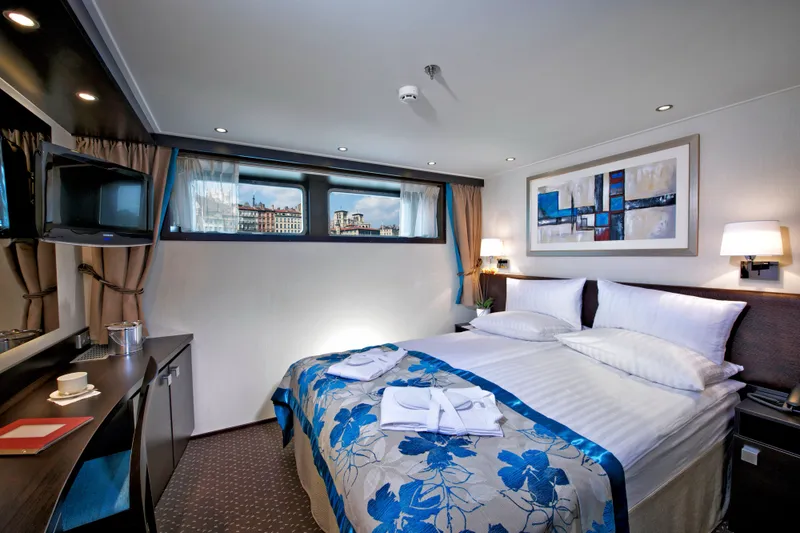
Stateroom Features:
Comfort Collection Beds
Luxurious mattress toppers
Egyptian super-combed cotton linens
European-style duvets
Soft & firm pillows
Extra blankets
Choice of bed configuration
Nightly turn-down service
Bedside tables with reading lamps
Premium Hairdryer
L'Occitane bath products
Spacious 3-door closets with shelves for ample storage
Easy under-bed luggage storage
Flatscreen satellite TV with English-speaking channels & over 100 free movie options
Alarm clock
Direct-dial telephone
Bathrobes & slippers
Well-stocked minibar
Complimentary filtered water
In-room safe
Individual climate control
Elegant, contemporary design
Large mirror in bathroom
Two windows
Full shower with glass door
Writing desk and chair
Lighted makeup mirror
Complimentary Wi-Fi
One Queen-Sized Bed or Two Twins
USB Ports
Our cruise specialists can help you find the perfect cabin and the best available pricing.
(+886) 02-2721-7300Contact Advisor