October 14, 2026
12 nights · 1 sea days
Athens (Piraeus)
Greece
Athens (Piraeus)
Greece


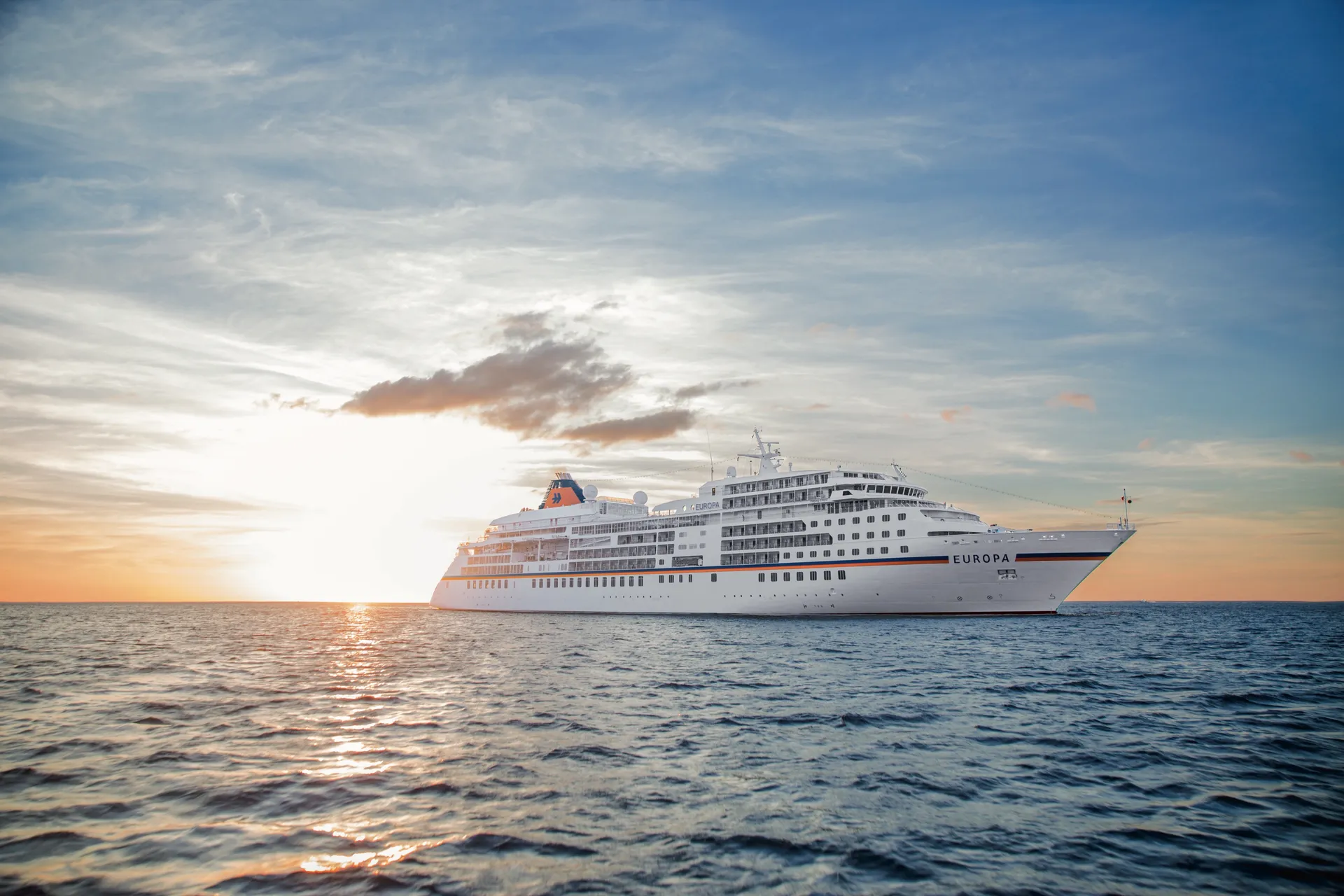
Hapag-Lloyd Cruises
1999-09-01
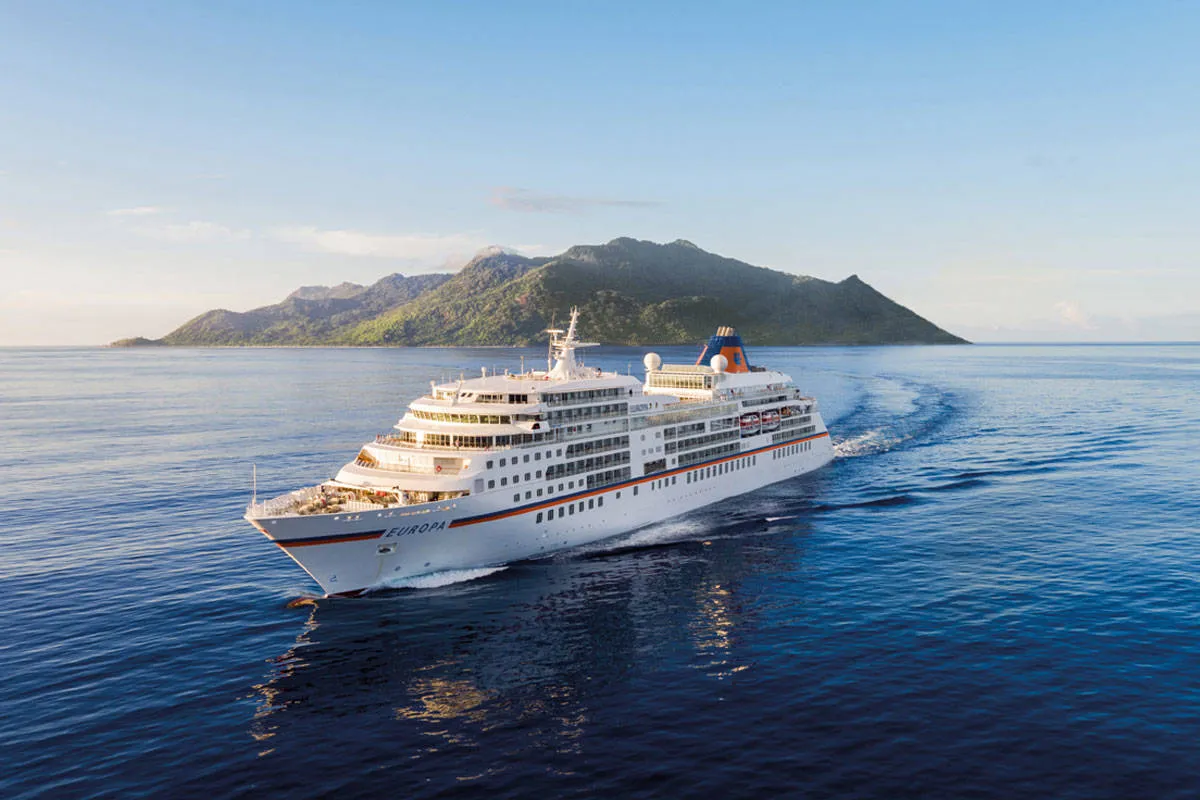
28,437 GT
651 m
21 knots
204 / 400 guests
285


It's no wonder that all roads lead to the fascinating and maddening metropolis of Athens. Lift your eyes 200 feet above the city to the Parthenon, its honey-color marble columns rising from a massive limestone base, and you behold architectural perfection that has not been surpassed in 2,500 years. But, today, this shrine of classical form dominates a 21st-century boomtown. To experience Athens—Athína in Greek—fully is to understand the essence of Greece: ancient monuments surviving in a sea of cement, startling beauty amid the squalor, tradition juxtaposed with modernity. Locals depend on humor and flexibility to deal with the chaos; you should do the same. The rewards are immense. Although Athens covers a huge area, the major landmarks of the ancient Greek, Roman, and Byzantine periods are close to the modern city center. You can easily walk from the Acropolis to many other key sites, taking time to browse in shops and relax in cafés and tavernas along the way. From many quarters of the city you can glimpse "the glory that was Greece" in the form of the Acropolis looming above the horizon, but only by actually climbing that rocky precipice can you feel the impact of the ancient settlement. The Acropolis and Filopappou, two craggy hills sitting side by side; the ancient Agora (marketplace); and Kerameikos, the first cemetery, form the core of ancient and Roman Athens. Along the Unification of Archaeological Sites promenade, you can follow stone-paved, tree-lined walkways from site to site, undisturbed by traffic. Cars have also been banned or reduced in other streets in the historical center. In the National Archaeological Museum, vast numbers of artifacts illustrate the many millennia of Greek civilization; smaller museums such as the Goulandris Museum of Cycladic Art Museum and the Byzantine and Christian Museum illuminate the history of particular regions or periods. Athens may seem like one huge city, but it is really a conglomeration of neighborhoods with distinctive characters. The Eastern influences that prevailed during the 400-year rule of the Ottoman Empire are still evident in Monastiraki, the bazaar area near the foot of the Acropolis. On the northern slope of the Acropolis, stroll through Plaka (if possible by moonlight), an area of tranquil streets lined with renovated mansions, to get the flavor of the 19th-century's gracious lifestyle. The narrow lanes of Anafiotika, a section of Plaka, thread past tiny churches and small, color-washed houses with wooden upper stories, recalling a Cycladic island village. In this maze of winding streets, vestiges of the older city are everywhere: crumbling stairways lined with festive tavernas; dank cellars filled with wine vats; occasionally a court or diminutive garden, enclosed within high walls and filled with magnolia trees and the flaming trumpet-shaped flowers of hibiscus bushes. Formerly run-down old quarters, such as Thission, Gazi and Psirri, popular nightlife areas filled with bars and mezedopoleia (similar to tapas bars), are now in the process of gentrification, although they still retain much of their original charm, as does the colorful produce and meat market on Athinas. The area around Syntagma Square, the tourist hub, and Omonia Square, the commercial heart of the city about 1 km (½ mi) northwest, is distinctly European, having been designed by the court architects of King Otho, a Bavarian, in the 19th century. The chic shops and bistros of ritzy Kolonaki nestle at the foot of Mt. Lycabettus, Athens's highest hill (909 feet). Each of Athens's outlying suburbs has a distinctive character: in the north is wealthy, tree-lined Kifissia, once a summer resort for aristocratic Athenians, and in the south and southeast lie Glyfada, Voula, and Vouliagmeni, with their sandy beaches, seaside bars, and lively summer nightlife. Just beyond the city's southern fringes is Piraeus, a bustling port city of waterside fish tavernas and Saronic Gulf views.


The former capital of Greece is a popular town on the eastern coast of the Peloponnese. Stately, medieval architecture recalls its Venetian occupation in the 15th century. The most dominant structure from this time is the crenellated Palamidi Fortress towering high above the town. The lively port and resort town spreads around a scenic harbor. Its center is crisscrossed by narrow streets, which are best negotiated on foot. Several monuments remain from the towns' Turkish past, including a mosque and the parliament building. Relics from ancient sites are on display in the Archaeological Museum. Those who are interested in handicrafts and traditional costumes may enjoy a visit to the Folk Art Museum. Enjoy exploring along the waterfront and around the main square of the Old Town. Open-air cafés and restaurants invite you for a break to enjoy a light snack or a seafood lunch while taking in the local atmosphere.


Think of a trip to Greece and you will imagine Mykonos. The port of Mykonos, or perhaps it would be more correct to say of Chora, is located on the west coast of the island. The Cyclades islands in the Aegean are wonderful and the beaches are no less marvellous, with the pleasant distinction of being among the most festive in the archipelago. After docking at the port of Mykonos, enjoy the numerous natural coves, beaches and cliffs of this beautiful island. You can enjoy the clean, azure sea of Paradise Beach, while in the evening let yourself be carried away by the rhythm of this cosmopolitan and youthful island. The harbour district, the Kastro, is known as the 'little Venice'. In its alleys, the shops and restaurants alternate with white houses with blue doors and windows. On a trip to Mykonos, take advantage of the stop to go on shore excursions, stroll through the maze of streets and alleys where you can discover the beauty of the architecture and the design of the city. The small white houses with shutters as blue as the sky, the pigeon houses and the numerous small churches of Mykonos will simply enchant you.

Delos is a Greek island and archaeological site in the Aegean Sea's Cyclades archipelago, near Mykonos. The mythological birthplace of Apollo, it was a major religious center and port during the 1st millennium B.C. The island's ruins encompass Doric temples, markets, an amphitheater, houses with mosaics and the iconic Terrace of the Lions statues. The Archaeological Museum displays statues excavated from the site.


Whilst the busy resort town of Kusadasi offers much in the way of shopping and dining – not to mention a flourishing beach life scene, the real jewel here is Ephesus and the stunning ruined city that really take centre stage. With only 20% of the classical ruins having been excavated, this archaeological wonder has already gained the status as Europe’s most complete classical metropolis. And a metropolis it really is; built in the 10th century BC this UNESCO World Heritage site is nothing short of spectacular. Although regrettably very little remains of the Temple of Artemis (one of the seven wonders of the ancient world), the superb Library of Celsus’ façade is practically intact and it is one of life’s great joys to attend an evening performance in the illuminated ruins once all the tourists have left. The history of the city is fascinating and multi-layered and it is well worth reading up on this beforehand if a visit is planned. Another point of interest for historians would be the house of the Virgin Mary, located on the romantically named Mount Nightingale and just nine kilometres away from Ephesus proper. Legend has it that Mary (along with St. John) spent her final years here, secluded from the rest of the population, spreading Christianity. An edifying experience, even for non-believers. For the less historical minded amongst you, Kusadasi offers plenty in the way of activities. After a stroll through the town, jump in a taxi to Ladies’ Beach (men are allowed), sample a Turkish kebap on one of the many beachfront restaurants and enjoy the clement weather. If you do want to venture further afield, then the crystal clear beaches of Guzelcamli (or the Millipark), the cave of Zeus and the white scalloped natural pools at Pamukkale, known as Cleopatra’s pools, are definitely worth a visit.

The tiny island of Bozcaada floats peacefully off the western coast of Turkey in the Dardanelles Strait that connects the Marmara to the Aegean. This charming port boasts untouched bays with a rich marine life, delightful local culture, significant historical heritage, and world-class wine.


A shore excursion on your MSC Mediterranean cruise can be the opportunity to discover İstanbul which stands astride two continents, Europe and Asia. As if its spectacular geographical location were not enough, it can also boast of being the only city to have played capital to consecutive Christian and Islamic empires, a role that has shaped the region’s history for more than 2500 years and bequeathed to İstanbul a staggering wealth of attractions. Most cruise visitors spend all their holiday time in Sultanahmet, home to İstanbul’s main sightseeing attractions: the church of Aya Sofya, the greatest legacy of the Byzantine Empire; the Topkapı Palace, heart of the Ottoman Empire; and the massive Sultanahmet Camii (Blue Mosque). Here also are the ancient Hippodrome, the Museum of Turkish and Islamic Art (housed in the former Palace of İbrahim Paşa), the eerily lit Yerebatan Sarnıcı, a fascinating Byzantine underground cistern, and the Grand Bazaar (Kapalı Çarşı), the largest covered bazaar in the world. The monumental architecture, attractive parks and gardens, street-side cafés, and the benefits of a relatively traffic-free main road combine to make this area pleasant for both sightseeing and staying on an MSC Mediterranean cruise excursion. İstanbul’s Ottoman-era Grand Bazaar gets more than its fair share of souvenir-hungry visitors. The area around it, however, is relatively little explored, which is a shame as it holds some very worthwhile attractions, from the historic Cembirlitaş Hamamı, one of the best Turkish baths in the country, to the city’s very best mosque, the hilltop Süleymaniye Camii. The best single reason to head across to the Asian shore of the city is to experience a Bosphorus cruise. The views from the Bosphorus are superb, with domes and minarets dominating the skyline of the Old City, and skyscrapers the business districts beyond Beyoğlu.


A shore excursion on your MSC Mediterranean cruise can be the opportunity to discover İstanbul which stands astride two continents, Europe and Asia. As if its spectacular geographical location were not enough, it can also boast of being the only city to have played capital to consecutive Christian and Islamic empires, a role that has shaped the region’s history for more than 2500 years and bequeathed to İstanbul a staggering wealth of attractions. Most cruise visitors spend all their holiday time in Sultanahmet, home to İstanbul’s main sightseeing attractions: the church of Aya Sofya, the greatest legacy of the Byzantine Empire; the Topkapı Palace, heart of the Ottoman Empire; and the massive Sultanahmet Camii (Blue Mosque). Here also are the ancient Hippodrome, the Museum of Turkish and Islamic Art (housed in the former Palace of İbrahim Paşa), the eerily lit Yerebatan Sarnıcı, a fascinating Byzantine underground cistern, and the Grand Bazaar (Kapalı Çarşı), the largest covered bazaar in the world. The monumental architecture, attractive parks and gardens, street-side cafés, and the benefits of a relatively traffic-free main road combine to make this area pleasant for both sightseeing and staying on an MSC Mediterranean cruise excursion. İstanbul’s Ottoman-era Grand Bazaar gets more than its fair share of souvenir-hungry visitors. The area around it, however, is relatively little explored, which is a shame as it holds some very worthwhile attractions, from the historic Cembirlitaş Hamamı, one of the best Turkish baths in the country, to the city’s very best mosque, the hilltop Süleymaniye Camii. The best single reason to head across to the Asian shore of the city is to experience a Bosphorus cruise. The views from the Bosphorus are superb, with domes and minarets dominating the skyline of the Old City, and skyscrapers the business districts beyond Beyoğlu.


A shore excursion on your MSC Mediterranean cruise can be the opportunity to discover İstanbul which stands astride two continents, Europe and Asia. As if its spectacular geographical location were not enough, it can also boast of being the only city to have played capital to consecutive Christian and Islamic empires, a role that has shaped the region’s history for more than 2500 years and bequeathed to İstanbul a staggering wealth of attractions. Most cruise visitors spend all their holiday time in Sultanahmet, home to İstanbul’s main sightseeing attractions: the church of Aya Sofya, the greatest legacy of the Byzantine Empire; the Topkapı Palace, heart of the Ottoman Empire; and the massive Sultanahmet Camii (Blue Mosque). Here also are the ancient Hippodrome, the Museum of Turkish and Islamic Art (housed in the former Palace of İbrahim Paşa), the eerily lit Yerebatan Sarnıcı, a fascinating Byzantine underground cistern, and the Grand Bazaar (Kapalı Çarşı), the largest covered bazaar in the world. The monumental architecture, attractive parks and gardens, street-side cafés, and the benefits of a relatively traffic-free main road combine to make this area pleasant for both sightseeing and staying on an MSC Mediterranean cruise excursion. İstanbul’s Ottoman-era Grand Bazaar gets more than its fair share of souvenir-hungry visitors. The area around it, however, is relatively little explored, which is a shame as it holds some very worthwhile attractions, from the historic Cembirlitaş Hamamı, one of the best Turkish baths in the country, to the city’s very best mosque, the hilltop Süleymaniye Camii. The best single reason to head across to the Asian shore of the city is to experience a Bosphorus cruise. The views from the Bosphorus are superb, with domes and minarets dominating the skyline of the Old City, and skyscrapers the business districts beyond Beyoğlu.


Kavala is a city in northern Greece, the principal seaport of eastern Macedonia and the capital of Kavala regional unit. It is situated on the Bay of Kavala, across from the island of Thasos and on the Egnatia motorway, a one-and-a-half-hour drive to Thessaloniki and a forty-minute drive to Drama and Xanthi.

Volos is a commercial and industrial city; it is Greece's third-largest port. Much of it has been rebuilt after a severe earthquake in 1955. The location in the gulf of the same name and near scenic Mount Pelion ensures this town an attractive setting. Interesting sites in the surrounding areas include imposing monasteries perched atop craggy mountains and a fine Archaeological Museum. Volos was founded in the 14th century in an area which has been occupied by man since the Neolithic era. A short distance out of Volos, the second millennium saw the establishment of the Mycenaen city of Iolkos, seat of King Pelias and home of his nephew Jason, who sailed from here with the Argonauts. Remains of Mycenaen buildings have been discovered near the river, where a palace stood around 1400 B.C. The main reason visitors come to Volos is to depart on excursions to the monasteries of Meteora. Their lofty position atop gigantic pinnacles makes them the area's foremost attraction.


It's no wonder that all roads lead to the fascinating and maddening metropolis of Athens. Lift your eyes 200 feet above the city to the Parthenon, its honey-color marble columns rising from a massive limestone base, and you behold architectural perfection that has not been surpassed in 2,500 years. But, today, this shrine of classical form dominates a 21st-century boomtown. To experience Athens—Athína in Greek—fully is to understand the essence of Greece: ancient monuments surviving in a sea of cement, startling beauty amid the squalor, tradition juxtaposed with modernity. Locals depend on humor and flexibility to deal with the chaos; you should do the same. The rewards are immense. Although Athens covers a huge area, the major landmarks of the ancient Greek, Roman, and Byzantine periods are close to the modern city center. You can easily walk from the Acropolis to many other key sites, taking time to browse in shops and relax in cafés and tavernas along the way. From many quarters of the city you can glimpse "the glory that was Greece" in the form of the Acropolis looming above the horizon, but only by actually climbing that rocky precipice can you feel the impact of the ancient settlement. The Acropolis and Filopappou, two craggy hills sitting side by side; the ancient Agora (marketplace); and Kerameikos, the first cemetery, form the core of ancient and Roman Athens. Along the Unification of Archaeological Sites promenade, you can follow stone-paved, tree-lined walkways from site to site, undisturbed by traffic. Cars have also been banned or reduced in other streets in the historical center. In the National Archaeological Museum, vast numbers of artifacts illustrate the many millennia of Greek civilization; smaller museums such as the Goulandris Museum of Cycladic Art Museum and the Byzantine and Christian Museum illuminate the history of particular regions or periods. Athens may seem like one huge city, but it is really a conglomeration of neighborhoods with distinctive characters. The Eastern influences that prevailed during the 400-year rule of the Ottoman Empire are still evident in Monastiraki, the bazaar area near the foot of the Acropolis. On the northern slope of the Acropolis, stroll through Plaka (if possible by moonlight), an area of tranquil streets lined with renovated mansions, to get the flavor of the 19th-century's gracious lifestyle. The narrow lanes of Anafiotika, a section of Plaka, thread past tiny churches and small, color-washed houses with wooden upper stories, recalling a Cycladic island village. In this maze of winding streets, vestiges of the older city are everywhere: crumbling stairways lined with festive tavernas; dank cellars filled with wine vats; occasionally a court or diminutive garden, enclosed within high walls and filled with magnolia trees and the flaming trumpet-shaped flowers of hibiscus bushes. Formerly run-down old quarters, such as Thission, Gazi and Psirri, popular nightlife areas filled with bars and mezedopoleia (similar to tapas bars), are now in the process of gentrification, although they still retain much of their original charm, as does the colorful produce and meat market on Athinas. The area around Syntagma Square, the tourist hub, and Omonia Square, the commercial heart of the city about 1 km (½ mi) northwest, is distinctly European, having been designed by the court architects of King Otho, a Bavarian, in the 19th century. The chic shops and bistros of ritzy Kolonaki nestle at the foot of Mt. Lycabettus, Athens's highest hill (909 feet). Each of Athens's outlying suburbs has a distinctive character: in the north is wealthy, tree-lined Kifissia, once a summer resort for aristocratic Athenians, and in the south and southeast lie Glyfada, Voula, and Vouliagmeni, with their sandy beaches, seaside bars, and lively summer nightlife. Just beyond the city's southern fringes is Piraeus, a bustling port city of waterside fish tavernas and Saronic Gulf views.


Guarantee Veranda Suite


Max passengers: 4
Staterooms number:
Cabin size: 485 ft2 / 45 m2
Balcony size: included
Location (on decks): 10-Penthouse
Type (categories): (K08) Penthouse Deluxe Suite
Each Penthouse Deluxe Suite has step-out balcony (furnished with 2 padded loungers, low table, 2 deckchairs), 24-hour butler service (packing / unpacking, laundry, ironing, onboard reservations), daily in-cabin dining (fresh canapes, chocolates), Nespresso coffee maker, separate bedroom, bathroom (floor heating, 2 sinks, shower, whirlpool bath), walk-in closet, free minibar (re-stocked daily with bottled water, juices, soft drinks, beer, premium spirits).


Max passengers: 4
Staterooms number: 2
Cabin size: 915 ft2 / 85 m2
Balcony size: included
Location (on decks): forward on deck 10-Penthouse
Type (categories): (K09) Penthouse Grand Suite
Each of the fore-located Penthouse Grand Suites has wrap-around, partly covered balcony and offers as bonus perks 24-hour butler service (packing / unpacking, laundry, ironing, onboard reservations), free Internet, free ironing service, daily in-cabin dining (canapes, pralines), Nespresso coffee maker, separate bedroom, 6-seat dining table, bathroom (walk-in shower, Jacuzzi whirlpool, sauna), guest bathroom, large walk-in wardrobe, Bang und Olufsen audio system, free minibar (re-stocked daily with bottled water, juices, soft drinks, beer, premium spirits), luxury balcony furniture (DEDON daybed / sonneninsel, cushioned loungers).


Max passengers: 3
Staterooms number:
Cabin size: 290 ft2 / 27 m2
Balcony size: included
Location (on decks): 7-Sport
Type (categories): (K10) Spa Suite
SPA Suite passengers receive 24-hour butler service (packing / unpacking, laundry, ironing, onboard reservations), SPA package, cabin balcony treatments (on request), SPA service privileges (nutritional advice), SPA drinks (smoothies, fresh fruit juices, wellness tea), daily in-cabin dining (fresh canapes, chocolates), Nespresso coffee maker, bathroom with large window (natural light and sea view, blinds between bathroom-living area), Jacuzzi whirlpool bath, emotional shower (color effects and sequences of alternating water jets), walk-in closet, free minibar (re-stocked daily with bottled water, juices, soft drinks, beer, premium spirits).


Max passengers: 2
Staterooms number:
Cabin size: 290 ft2 / 27 m2
Balcony size: none
Location (on decks): 5-Pazifik, 6-Atlantik, 7-Sport
Type (categories): (E01, E02, E03) Single Suite with Window
Veranda Suite offers 24-hour room service, curtain divider (between living-sleeping areas), en-suite bathroom (WC, shower, bathtub), walk-in closet, free minibar (re-stocked daily with bottled water, juices, soft drinks, beer). Instead of step-out balcony, Single Suites have large rounded window.


Max passengers: 4
Staterooms number:
Cabin size: 290 ft2 / 27 m2
Balcony size: included
Location (on decks): 5-Pazifik, 6-Atlantik, 7-Sport, 9-Bellevue
Type (categories): (E04, E05, E06, E07) Veranda Suite
Veranda Suite offers 24-hour room service, step-out balcony (furnished with 2 padded deckchairs, 1 table), curtain divider (between living-sleeping areas), en-suite bathroom (WC, shower, bathtub), walk-in closet, free minibar (re-stocked daily with bottled water, juices, soft drinks, beer). Veranda Suite category also offers wheelchair-accessible (handicapped) and connecting cabins.
Our cruise specialists can help you find the perfect cabin and the best available pricing.
US$4,169 /person
Contact Advisor