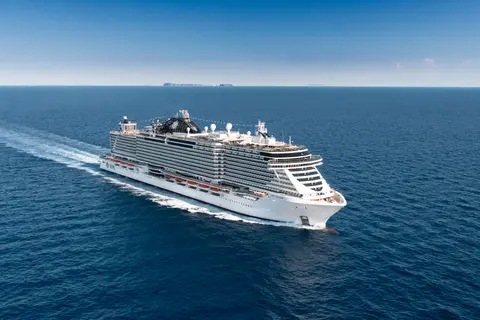
Mediterranean from Civitavecchia / Rome
Date
2026-07-19
Duration
7 nights
Departure Port
Civitavecchia
Italy
Arrival Port
Civitavecchia
Italy
Rating
Resort
Theme
—
Date
2026-07-19
Duration
7 nights
Departure Port
Civitavecchia
Italy
Arrival Port
Civitavecchia
Italy
Rating
Resort
Theme
—
MSC Cruises
2018
2023
153 GT
5,079
2,036
1,413
1060 m
41 m
22 knots
No
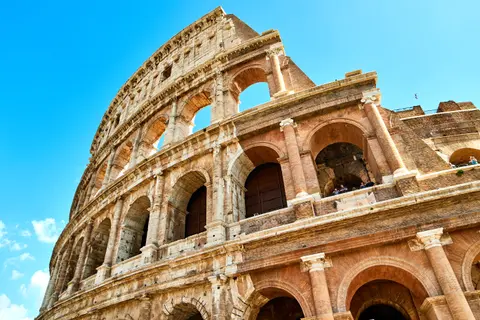
Rome's ancient maritime gateway since the Emperor Trajan commissioned its harbour in 106 AD, Civitavecchia is the natural prologue to the Eternal City — just seventy minutes southeast by express rail. The port's Renaissance fortress, designed in part by Michelangelo, anchors a working waterfront that has welcomed travellers for millennia. Beyond Rome's unmissable monuments, consider an afternoon in the Civitavecchia thermal baths, drawing on mineral waters prized since antiquity. Spring and autumn offer the ideal balance of mild weather and manageable crowds for exploring the capital's layered history.
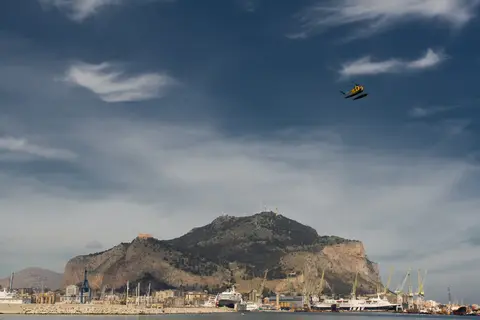
Palermo is the Mediterranean's most intoxicating crossroads of civilisations — Arab arches meet Byzantine gold mosaics beneath Norman royal chapels in the extraordinary Palatine Chapel, a monument to 12th-century multicultural brilliance that is Sicily's single greatest work of art. The Ballarò and Capo street markets, among southern Italy's most atmospheric, tumble through the ancient city in a sensory barrage of swordfish, blood oranges, jasmine, and street food improvised across centuries. Do not leave without tasting arancini and sfincione, Sicily's gloriously thick street pizza. Spring (April–May) and autumn (September–October) offer the ideal climate — warm enough for the sea, cool enough for extended walking.
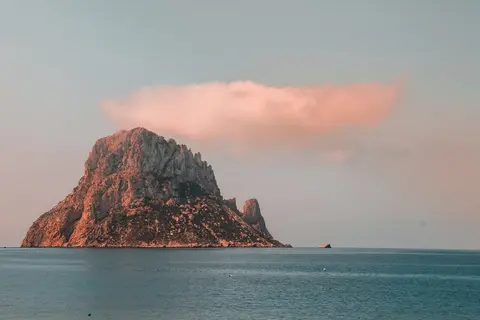
Beneath Ibiza's sun-drenched reputation as the world's clubbing capital lies a layered history stretching back to Phoenician traders who settled this Balearic island in 654 BC. The UNESCO-listed Dalt Vila — the walled hilltop citadel above Eivissa town — rewards exploration with Carthaginian burial grounds, Renaissance ramparts, and sweeping Mediterranean panoramas. For quieter pleasures, the crystalline coves of the island's north, such as Cala d'en Serra and Es Portitxol, rival any beach in Europe. The Phoenician necropolis of Puig des Molins is unmissable for history devotees. The season runs May through October, with June and September offering ideal weather without peak-summer crowds.
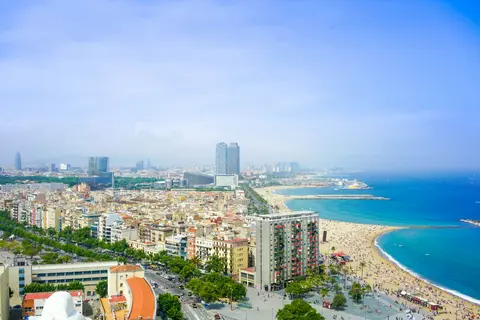
Barcelona is the city where Roman history, Gothic grandeur, and Gaudí's delirious Modernisme collide in a Mediterranean coastal capital of astonishing energy and beauty. The Sagrada Família — still under construction after 140 years — continues its audacious ascent toward completion, while the Gothic Quarter's Roman-era foundations and the Passeig de Gràcia's extraordinary concentration of Modernisme masterpieces reward days of exploration. For a complete sensory experience, lose an afternoon in the covered labyrinth of La Boqueria market before descending to the waterfront for Catalan seafood at its finest. May through June and September through October offer the most pleasant weather; the city connects directly to Paris by overnight train.
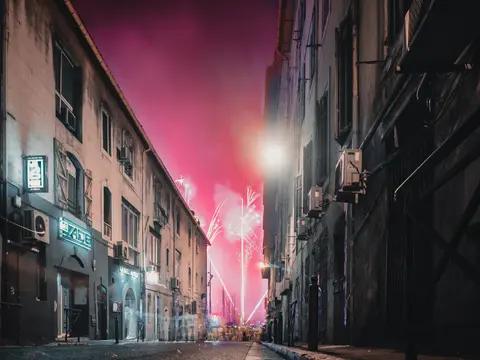
Founded by Greek sailors in 600 BC, Marseille is France's oldest and most viscerally alive city — a Mediterranean port where the catch is still sold from fishing boat decks at the Vieux-Port each morning beneath the golden Madonna of Notre-Dame de la Garde, gleaming on her basilica above the city. The bouillabaisse served at harbourside institutions such as Chez Fonfon is not merely a dish but a rite, its saffron-stained broth tying Marseille to its Hellenic roots. Explore the dramatic Calanques national park, a coastal labyrinth of turquoise coves just south of the city. Spring and autumn are the finest seasons.
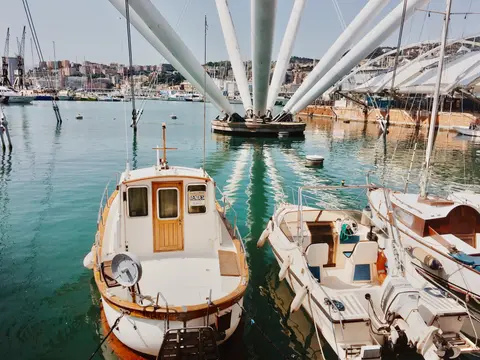
La Superba — 'the Proud' — earned its epithet as one of the four great maritime republics of medieval Italy, and Genoa's UNESCO-listed Palazzi dei Rolli, some of the finest Renaissance and Baroque palaces in Europe, still announce the city's historic ambitions with magnificent authority. Renzo Piano's revitalised old port introduces a modern chapter alongside the medieval carruggi, the labyrinthine alleys where the city's true character breathes: Ligurian focaccia straight from the wood oven, pesto ground to ancient recipes, and farinata — chickpea flatbread — served on marble counters since the twelfth century. Spring and autumn offer the most pleasant conditions for exploring this underestimated city.
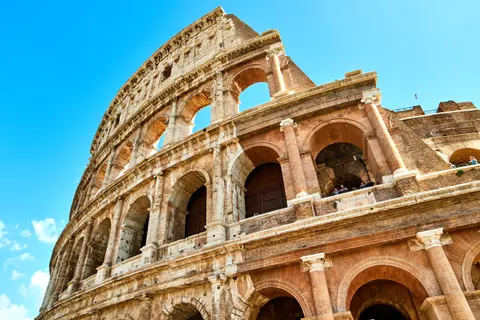
Rome's ancient maritime gateway since the Emperor Trajan commissioned its harbour in 106 AD, Civitavecchia is the natural prologue to the Eternal City — just seventy minutes southeast by express rail. The port's Renaissance fortress, designed in part by Michelangelo, anchors a working waterfront that has welcomed travellers for millennia. Beyond Rome's unmissable monuments, consider an afternoon in the Civitavecchia thermal baths, drawing on mineral waters prized since antiquity. Spring and autumn offer the ideal balance of mild weather and manageable crowds for exploring the capital's layered history.
Day 1
Rome's ancient maritime gateway since the Emperor Trajan commissioned its harbour in 106 AD, Civitavecchia is the natural prologue to the Eternal City — just seventy minutes southeast by express rail. The port's Renaissance fortress, designed in part by Michelangelo, anchors a working waterfront that has welcomed travellers for millennia. Beyond Rome's unmissable monuments, consider an afternoon in the Civitavecchia thermal baths, drawing on mineral waters prized since antiquity. Spring and autumn offer the ideal balance of mild weather and manageable crowds for exploring the capital's layered history.
Day 2
Palermo is the Mediterranean's most intoxicating crossroads of civilisations — Arab arches meet Byzantine gold mosaics beneath Norman royal chapels in the extraordinary Palatine Chapel, a monument to 12th-century multicultural brilliance that is Sicily's single greatest work of art. The Ballarò and Capo street markets, among southern Italy's most atmospheric, tumble through the ancient city in a sensory barrage of swordfish, blood oranges, jasmine, and street food improvised across centuries. Do not leave without tasting arancini and sfincione, Sicily's gloriously thick street pizza. Spring (April–May) and autumn (September–October) offer the ideal climate — warm enough for the sea, cool enough for extended walking.
Day 3
Day 4
Beneath Ibiza's sun-drenched reputation as the world's clubbing capital lies a layered history stretching back to Phoenician traders who settled this Balearic island in 654 BC. The UNESCO-listed Dalt Vila — the walled hilltop citadel above Eivissa town — rewards exploration with Carthaginian burial grounds, Renaissance ramparts, and sweeping Mediterranean panoramas. For quieter pleasures, the crystalline coves of the island's north, such as Cala d'en Serra and Es Portitxol, rival any beach in Europe. The Phoenician necropolis of Puig des Molins is unmissable for history devotees. The season runs May through October, with June and September offering ideal weather without peak-summer crowds.
Day 5
Barcelona is the city where Roman history, Gothic grandeur, and Gaudí's delirious Modernisme collide in a Mediterranean coastal capital of astonishing energy and beauty. The Sagrada Família — still under construction after 140 years — continues its audacious ascent toward completion, while the Gothic Quarter's Roman-era foundations and the Passeig de Gràcia's extraordinary concentration of Modernisme masterpieces reward days of exploration. For a complete sensory experience, lose an afternoon in the covered labyrinth of La Boqueria market before descending to the waterfront for Catalan seafood at its finest. May through June and September through October offer the most pleasant weather; the city connects directly to Paris by overnight train.
Day 6
Founded by Greek sailors in 600 BC, Marseille is France's oldest and most viscerally alive city — a Mediterranean port where the catch is still sold from fishing boat decks at the Vieux-Port each morning beneath the golden Madonna of Notre-Dame de la Garde, gleaming on her basilica above the city. The bouillabaisse served at harbourside institutions such as Chez Fonfon is not merely a dish but a rite, its saffron-stained broth tying Marseille to its Hellenic roots. Explore the dramatic Calanques national park, a coastal labyrinth of turquoise coves just south of the city. Spring and autumn are the finest seasons.
Day 7
La Superba — 'the Proud' — earned its epithet as one of the four great maritime republics of medieval Italy, and Genoa's UNESCO-listed Palazzi dei Rolli, some of the finest Renaissance and Baroque palaces in Europe, still announce the city's historic ambitions with magnificent authority. Renzo Piano's revitalised old port introduces a modern chapter alongside the medieval carruggi, the labyrinthine alleys where the city's true character breathes: Ligurian focaccia straight from the wood oven, pesto ground to ancient recipes, and farinata — chickpea flatbread — served on marble counters since the twelfth century. Spring and autumn offer the most pleasant conditions for exploring this underestimated city.
Day 8
Rome's ancient maritime gateway since the Emperor Trajan commissioned its harbour in 106 AD, Civitavecchia is the natural prologue to the Eternal City — just seventy minutes southeast by express rail. The port's Renaissance fortress, designed in part by Michelangelo, anchors a working waterfront that has welcomed travellers for millennia. Beyond Rome's unmissable monuments, consider an afternoon in the Civitavecchia thermal baths, drawing on mineral waters prized since antiquity. Spring and autumn offer the ideal balance of mild weather and manageable crowds for exploring the capital's layered history.
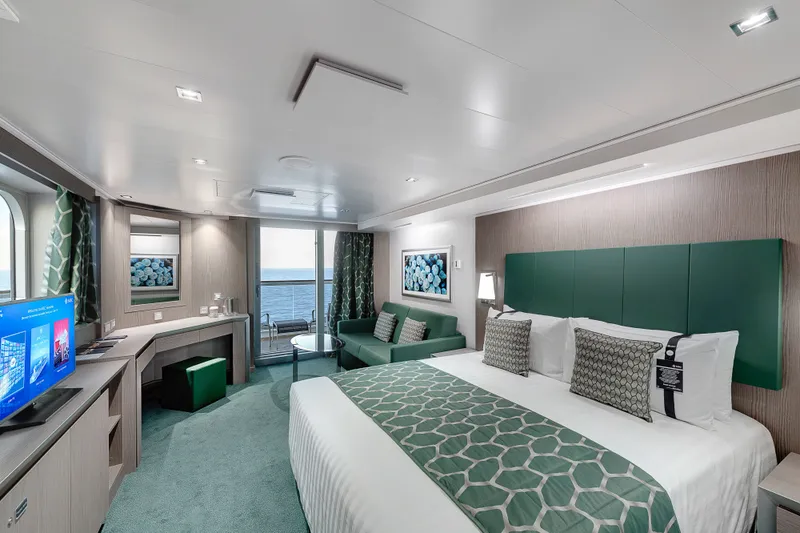
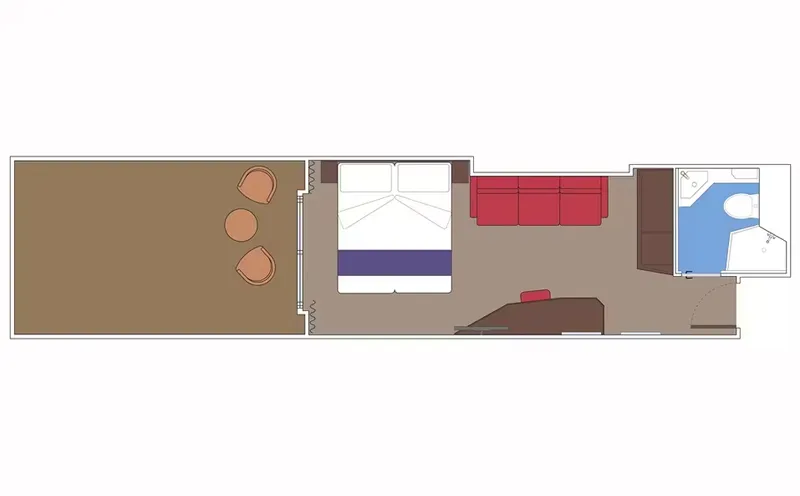
Balcony
Sitting area with sofa
Spacious closet
Bathroom with shower or bathtub, vanity area and hairdryer
Interactive TV, telephone, safe and minibar
Wi-Fi access available
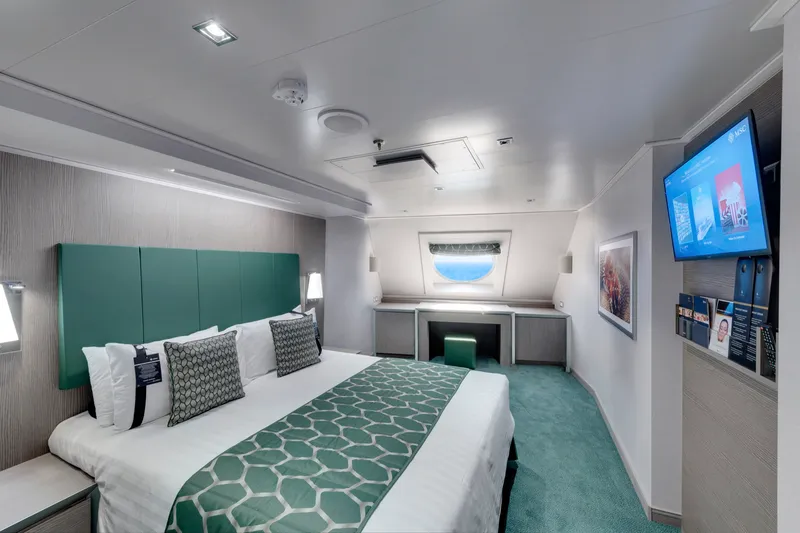
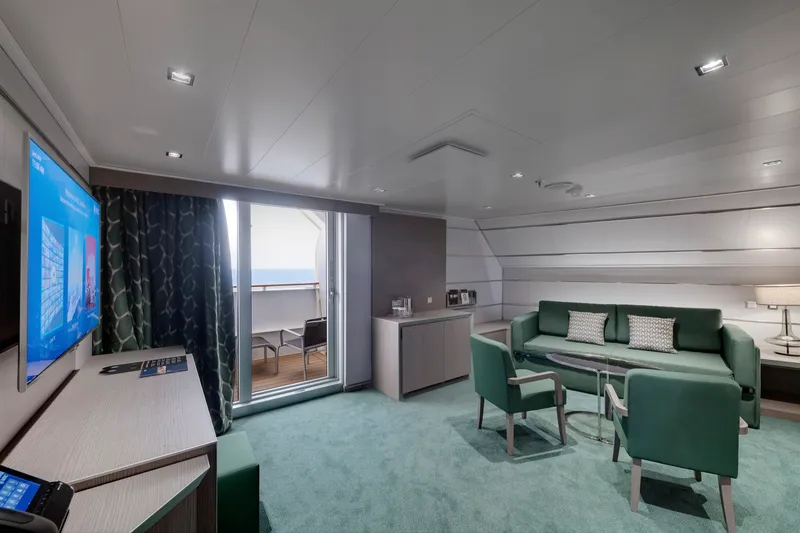
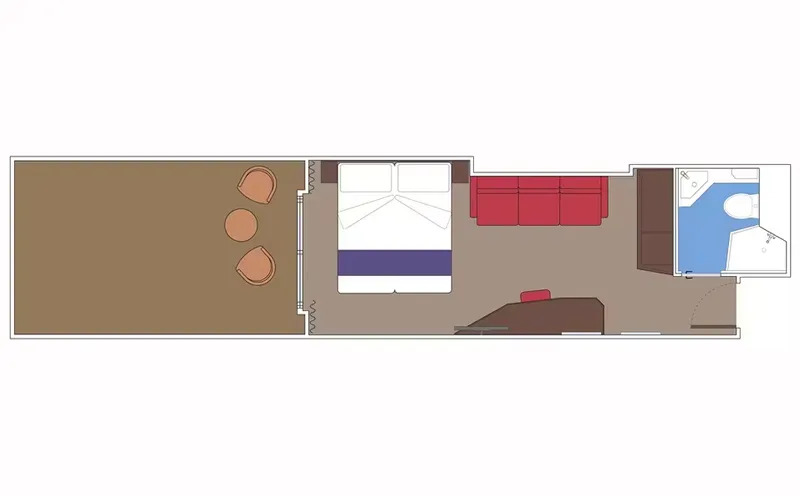
Balcony
Sitting area with sofa
Spacious closet
Bathroom with shower or bathtub, vanity area and hairdryer
Interactive TV, telephone, safe and minibar
Wi-Fi access available
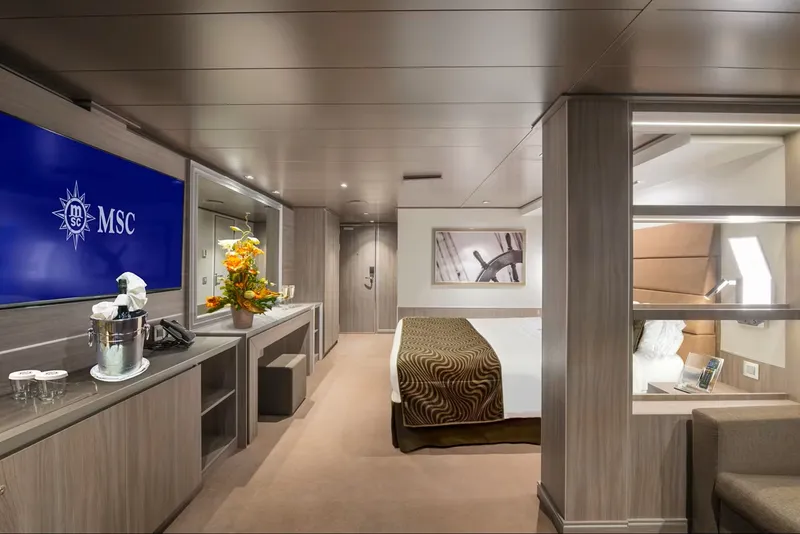
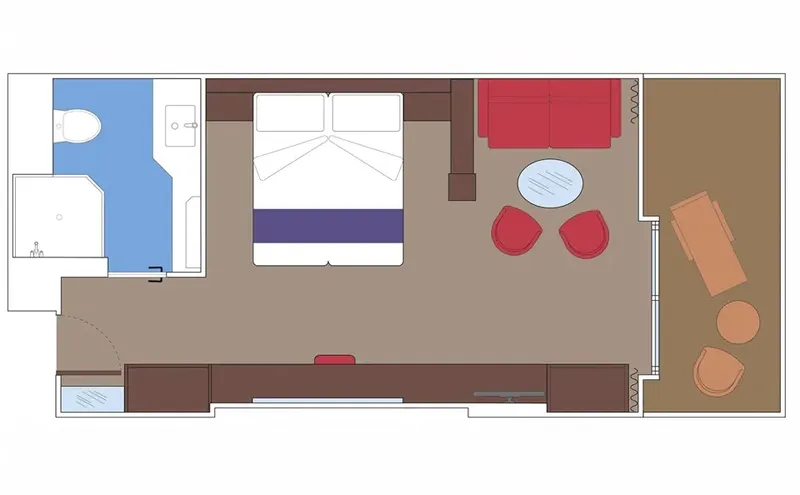
Balcony
Sitting area with sofa
Comfortable double or single beds (on request)
Spacious wardrobe
Bathroom with shower or bathtub , vanity area with hairdryer
Interactive TV, telephone, Wifi connection available (for a fee), safe and minibar
Surface approx. 25 sq.m.*
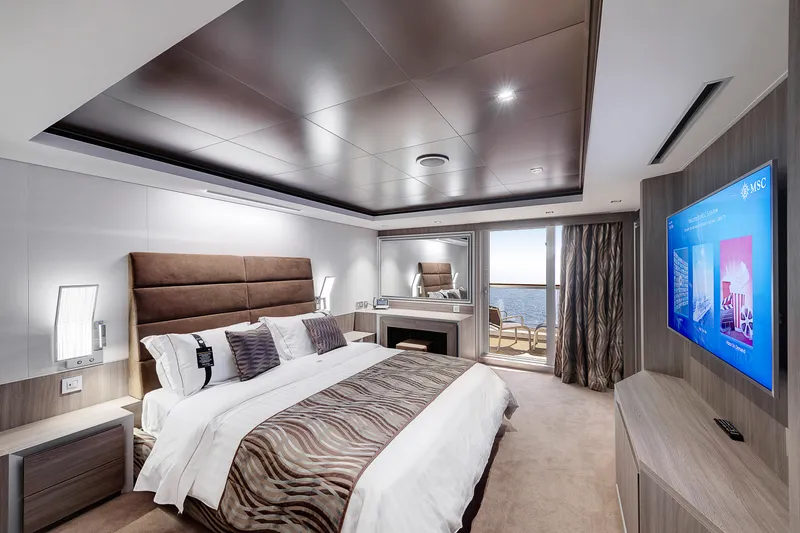
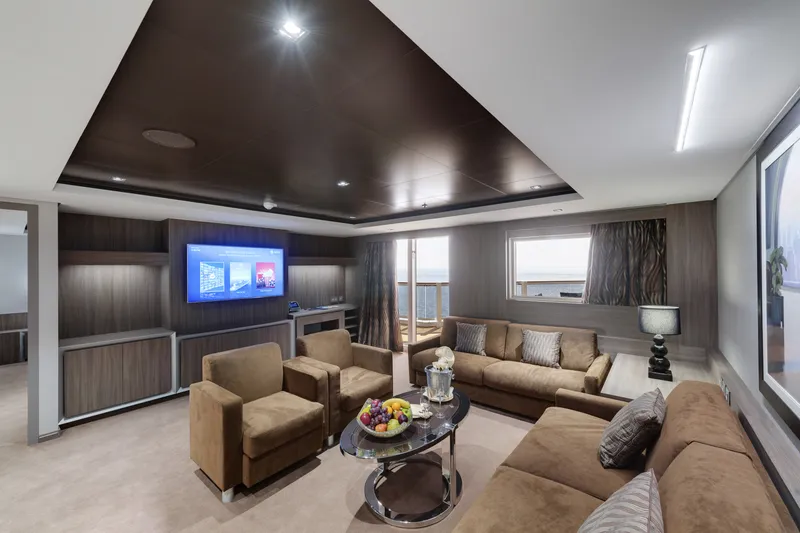
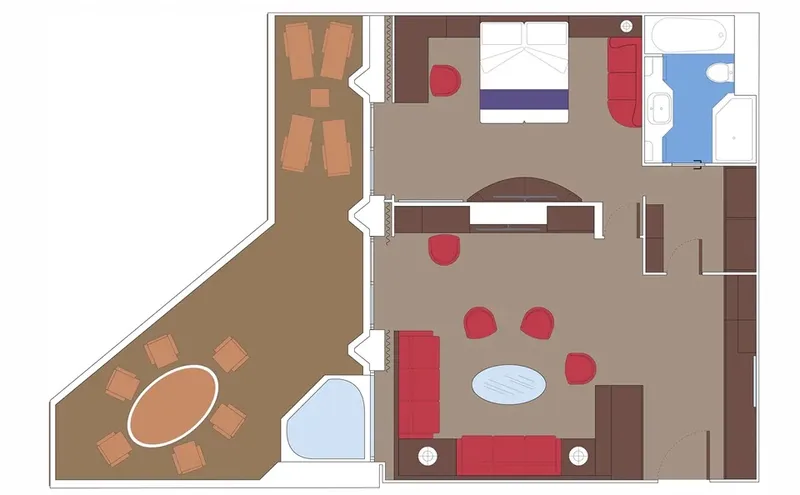
Comfortable king bed that can be converted into two single beds on request
Luxury suites with premium decor
Balcony with a private whirlpool bath and dining table
Sitting area with sofa or separate living area
Spacious closet
Bathroom with shower and/or bathtub
Interactive TV, telephone, safe and minibar
Complimentary Wi-Fi
Approx. 226 - 667 ft2 with a balcony that is approx. 86 - 355 ft2
Located on decks 16 - 18
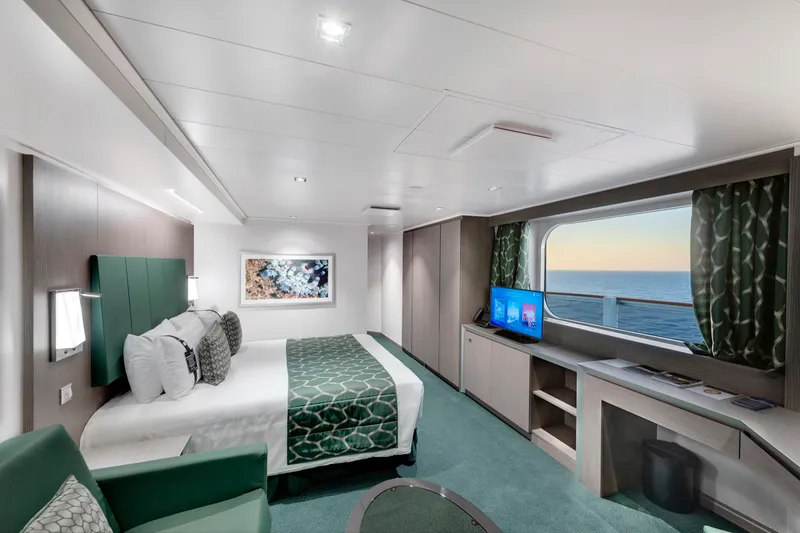
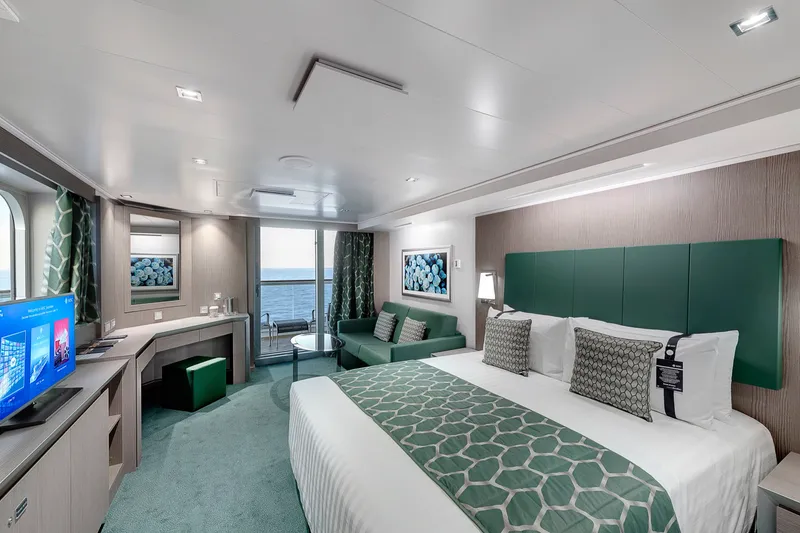
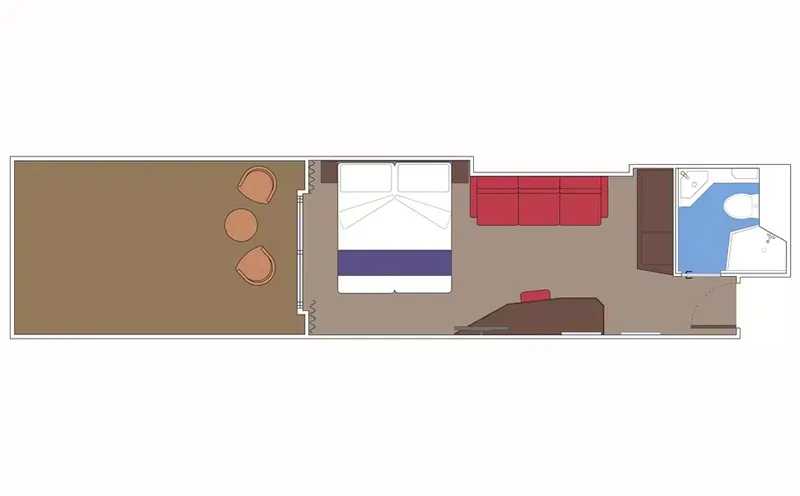
Balcony
Spacious closet
Bathroom with bathtub and hairdryer
Interactive TV, telephone, safe and minibar
Wi-Fi access available
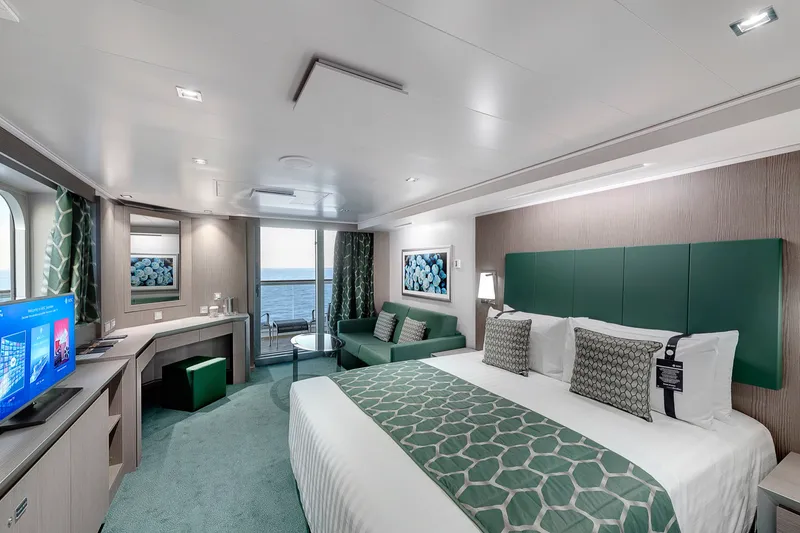
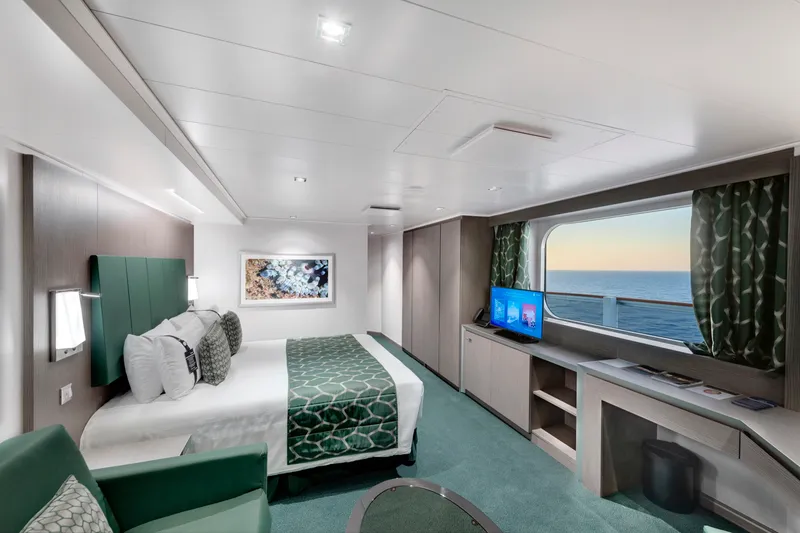
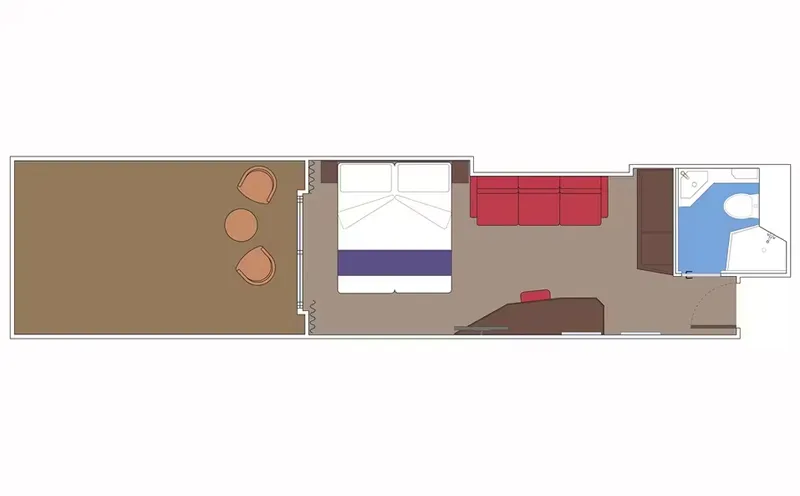
Balcony
Sitting area with sofa
Spacious closet
Bathroom with shower or bathtub, vanity area and hairdryer
Interactive TV, telephone, safe and minibar
Wi-Fi access available
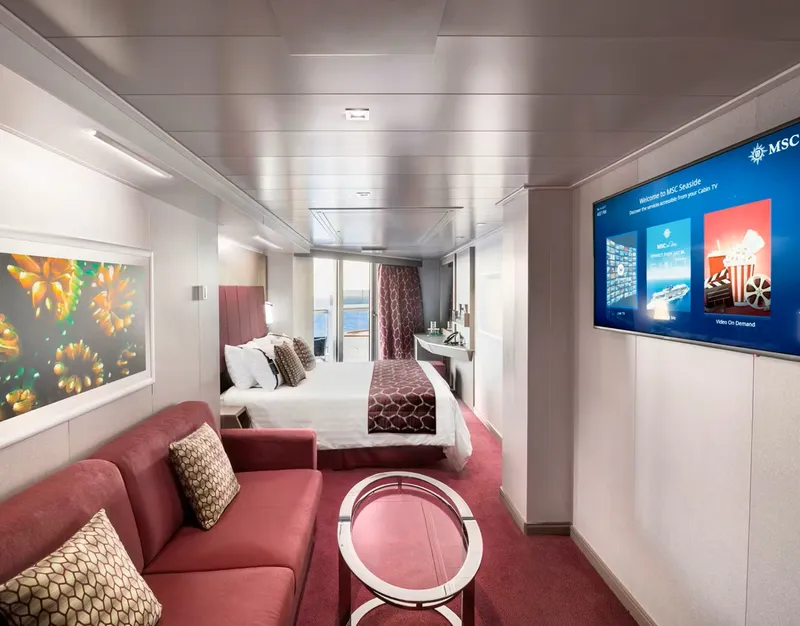
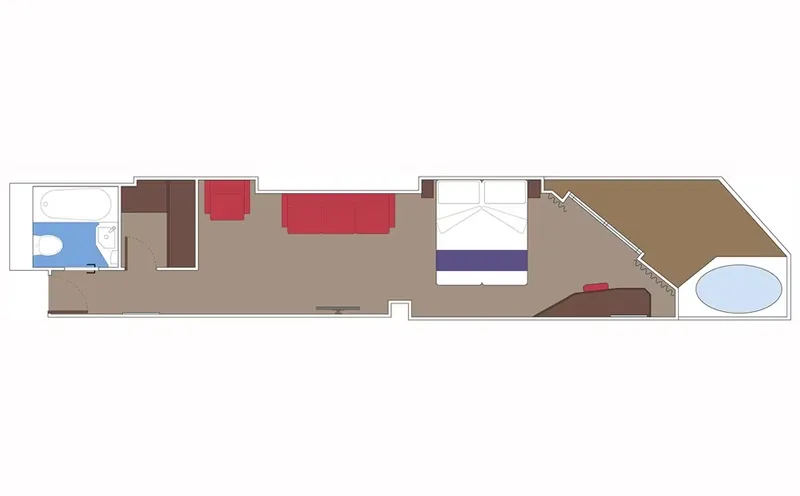
Balcony with a private whirlpool bath
Sitting area with sofa
Spacious closet
Bathroom with shower or bathtub, vanity area and hairdryer
Interactive TV, telephone, safe and minibar
Wi-Fi access available
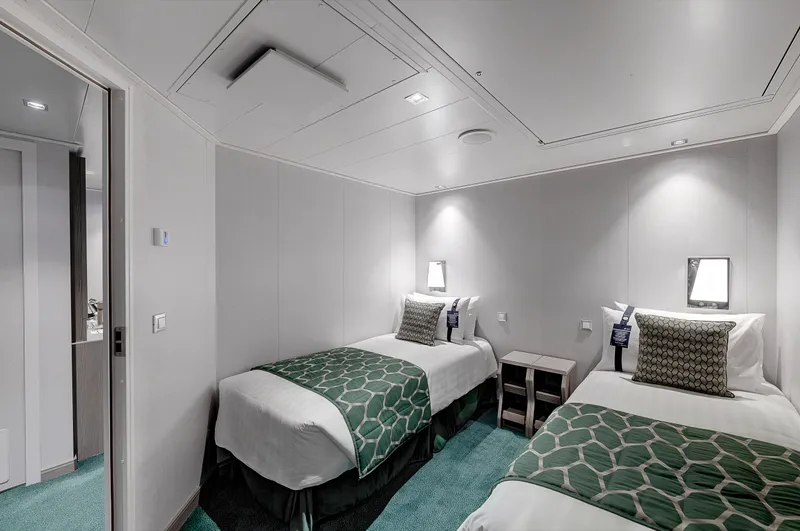
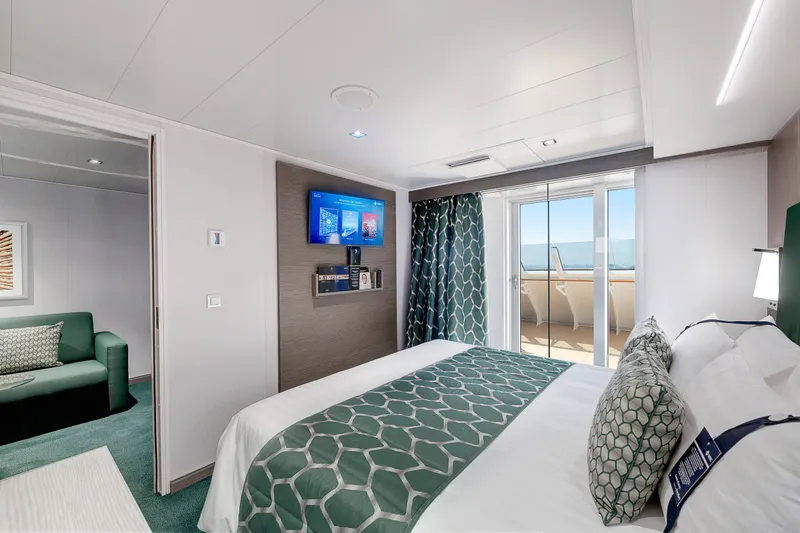
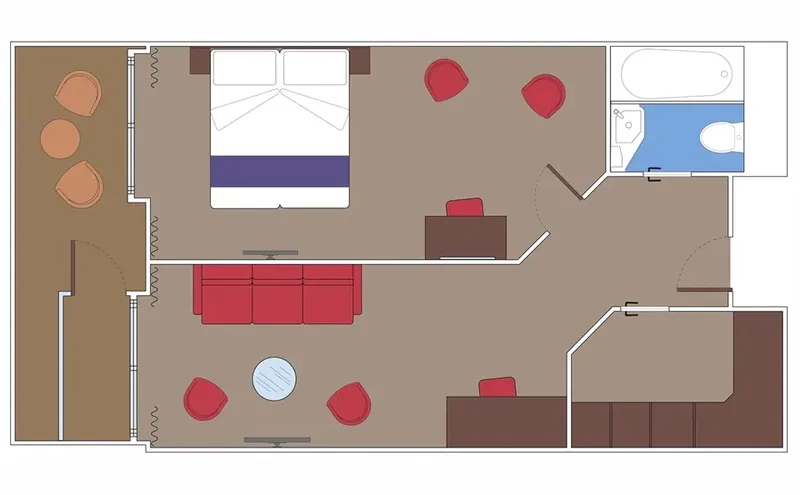
Balcony
Sitting area with sofa or separate living area
2 bedrooms, one with double bed and one with two single beds
Walk-in wardrobe
Two bathrooms, one with bathtub and one with shower, vanity areas with hairdryers
Interactive TV, telephone, safe and minibar
Surface approx. 50 sq.m
TWO-BEDROOM GRAND SUITE FOR FAMILIES:
Can accommodate up to 5 people
Available Experience: Aurea
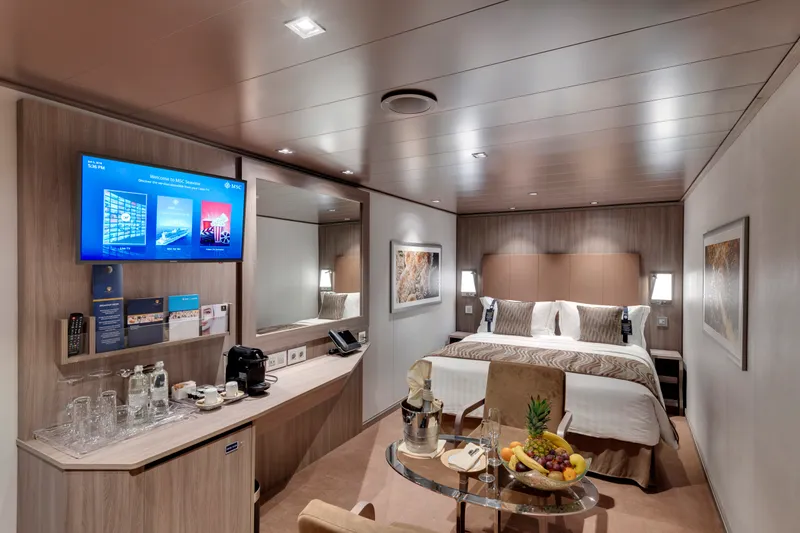
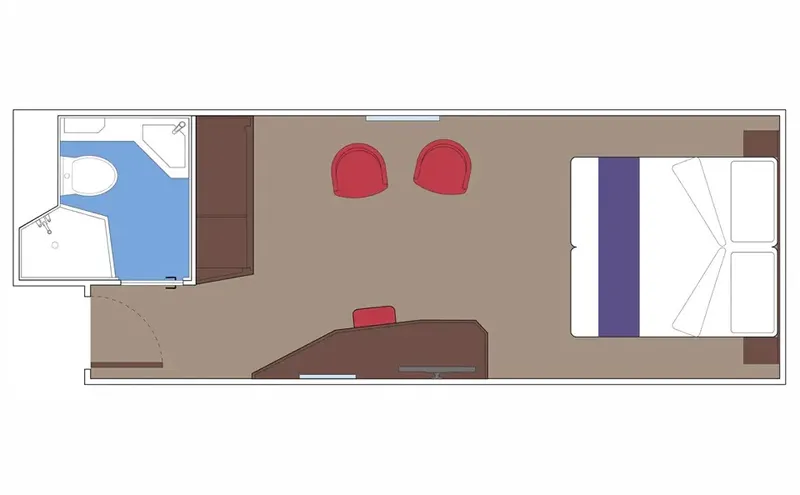
Sitting area with sofa
Comfortable double or single beds (on request)
Spacious wardrobe
Bathroom with shower or bathtub , vanity area with hairdryer
Interactive TV, telephone, Wifi connection available (for a fee), safe and minibar
Surface approx. 21 sq. m.*
Discover a world of privileges with MSC Yacht Club
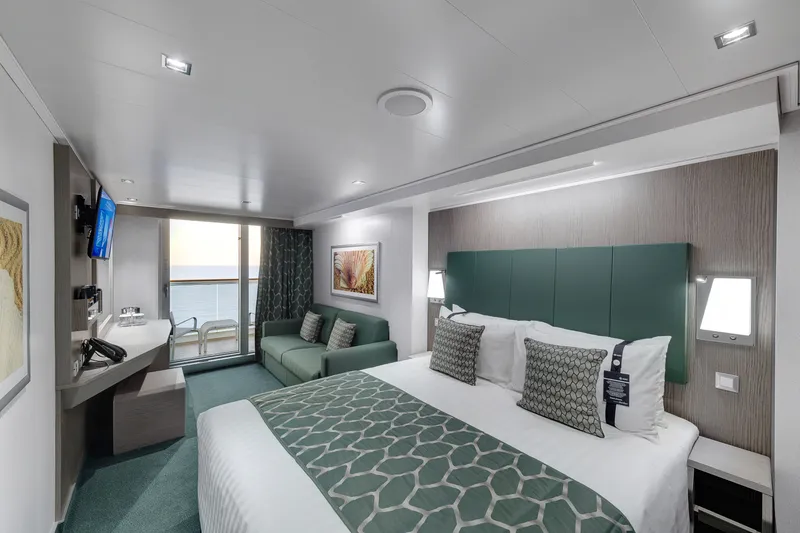
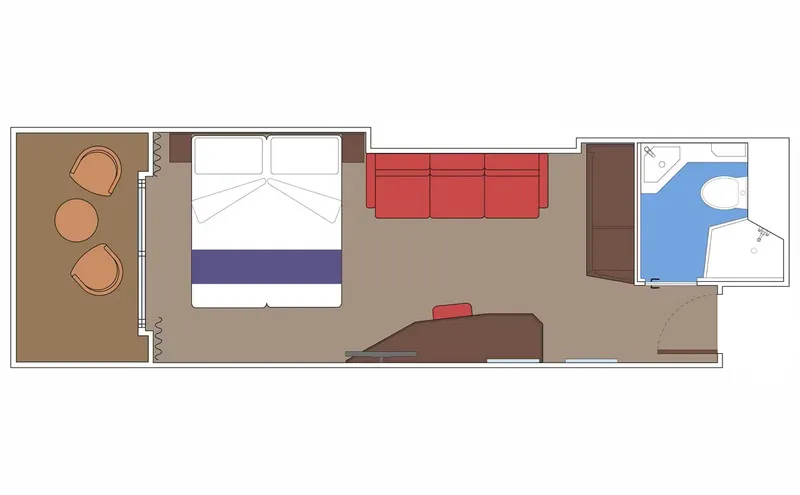
Double bed can be converted into two single beds (on request). Wardrobe Bathroom with shower or tub.
Interactive TV, telephone and safe. Wifi connection available (for a fee). Mini bar. Air conditioning.
Surface approx. 17 sq.m., with balcony.
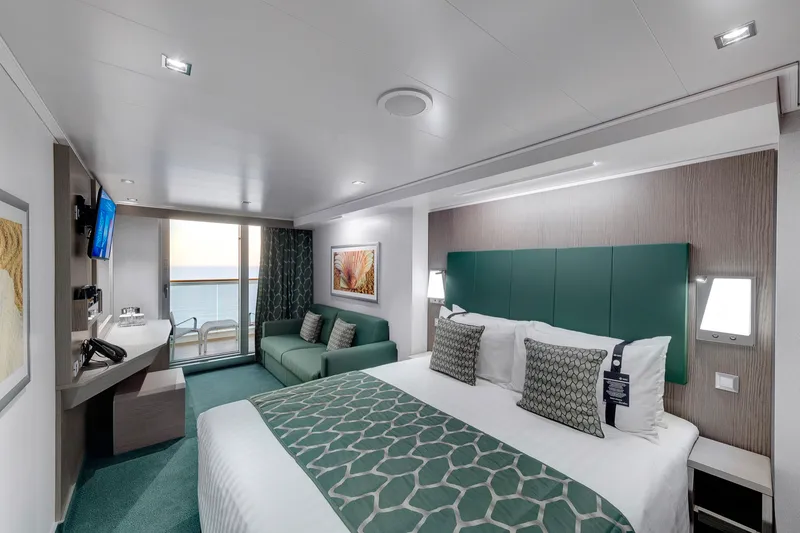
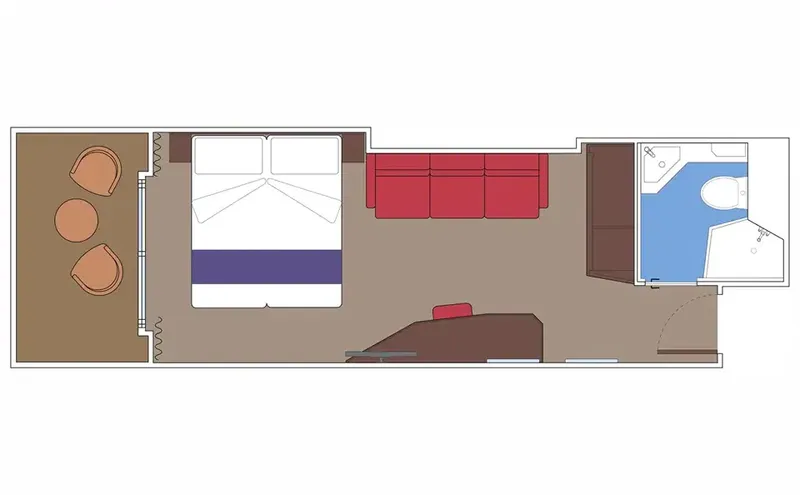
Balcony
Sitting area with sofa
Comfortable double or single beds (on request)
Interactive TV, telephone, Wifi connection available (for a fee), safe and minibar
Bathroom with shower or bathtub , vanity area with hairdryer
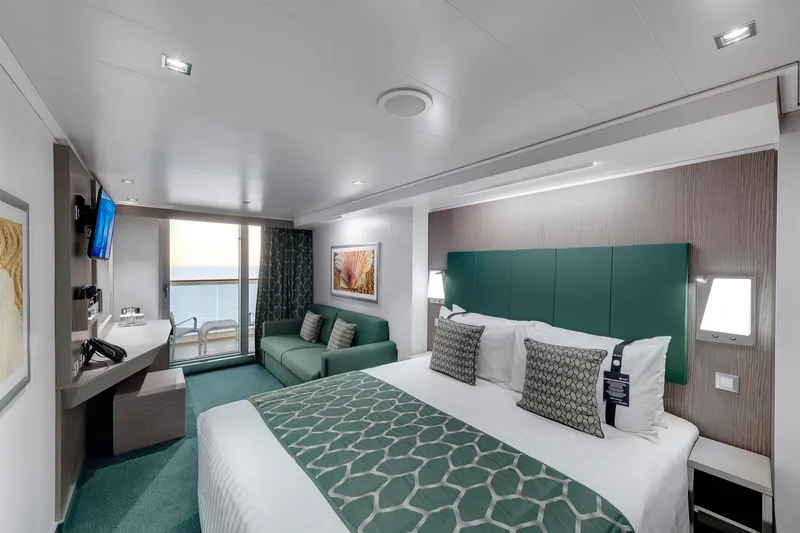
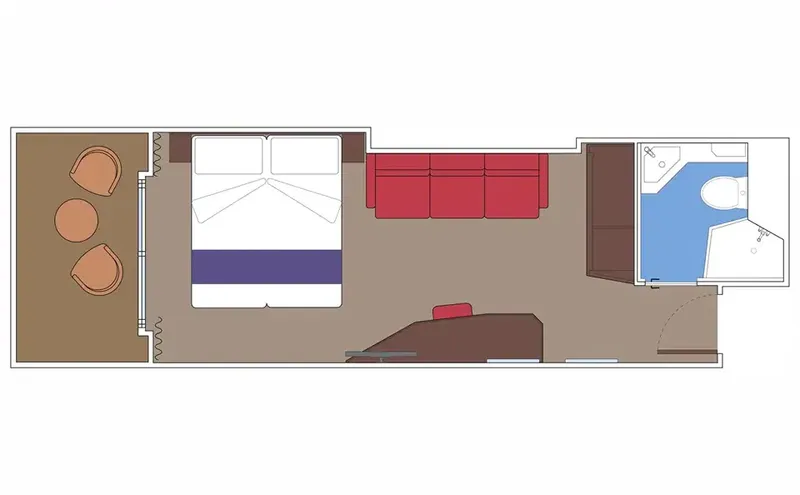
Comfortable king bed that can be converted into two single beds*
Balcony
Sitting area with sofa
Spacious closet
Bathroom with shower or bathtub, vanity area and hairdryer
Interactive TV. telephone, safe and minibar
Wi-Fi access available
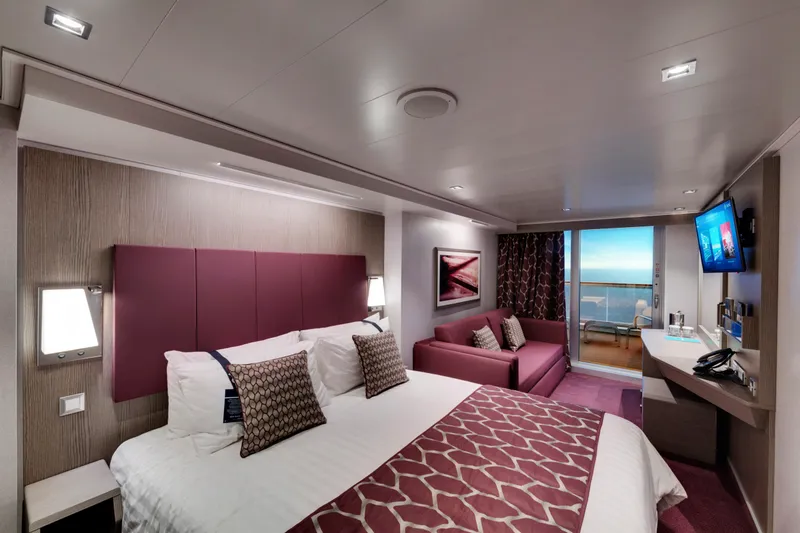
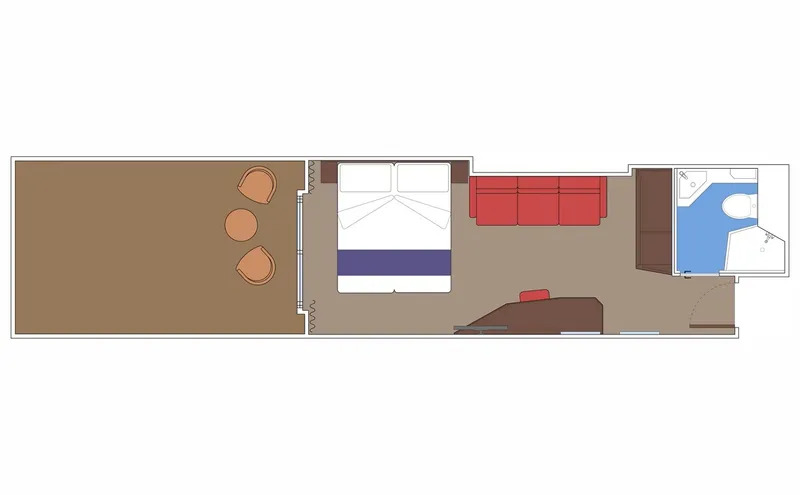
Balcony
Sitting area with sofa
Spacious closet
Bathroom with shower or bathtub, vanity area and hairdryer
Interactive TV, telephone, safe and minibar
Wi-Fi access available
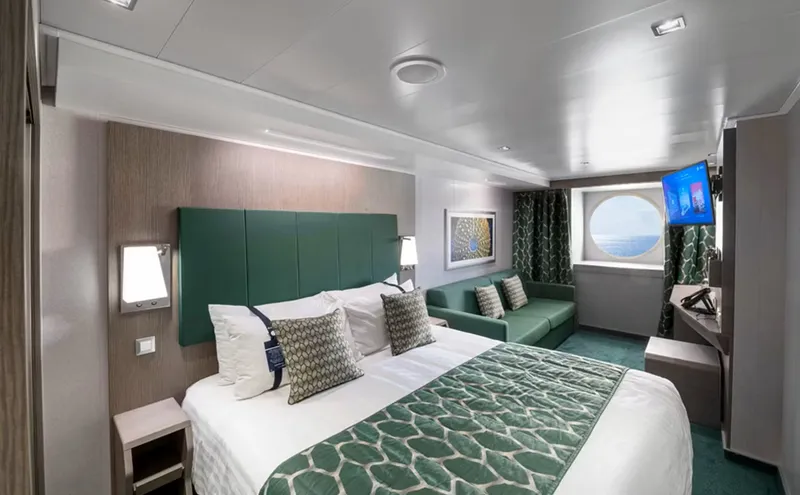
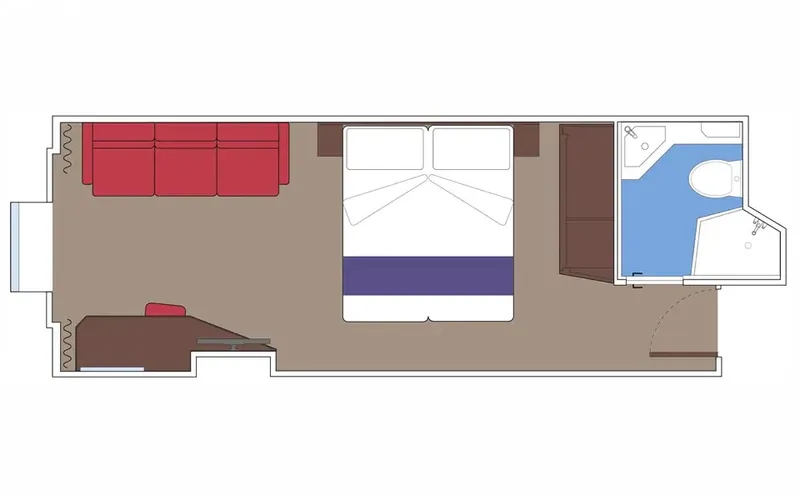
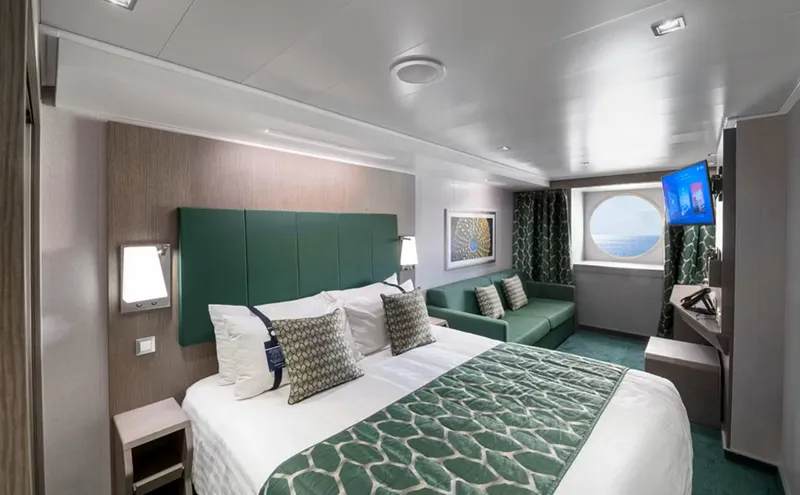
Window with sea view
Relaxing armchair
Spacious closet
Bathroom with shower, vanity area and hairdryer
Interactive TV, telephone, safe and minibar
Wi-Fi access available
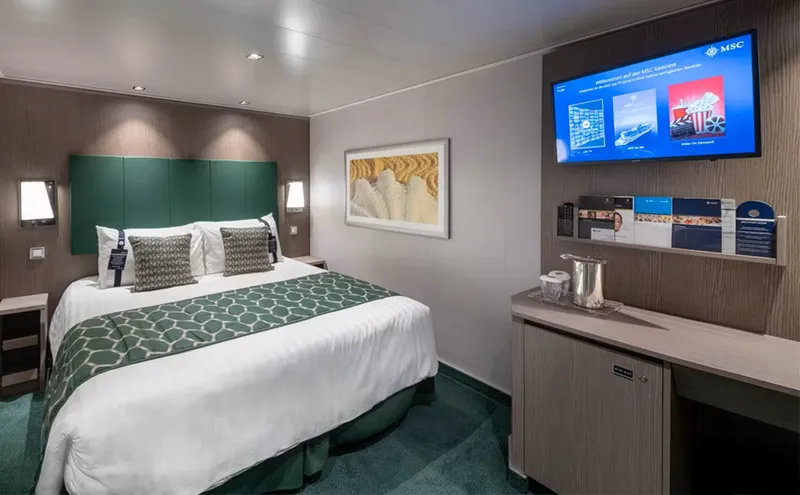
Bathroom with shower, vanity area and hairdryer
TV, telephone, safe and minibar
Wi-Fi access available
Comfortable king bed that can be converted into two single beds
Spacious closet
Bathroom with shower, vanity area and hairdryer
Interactive TV, telephone, safe and minibar
Wi-Fi access available
Accommodates up to 5 guests
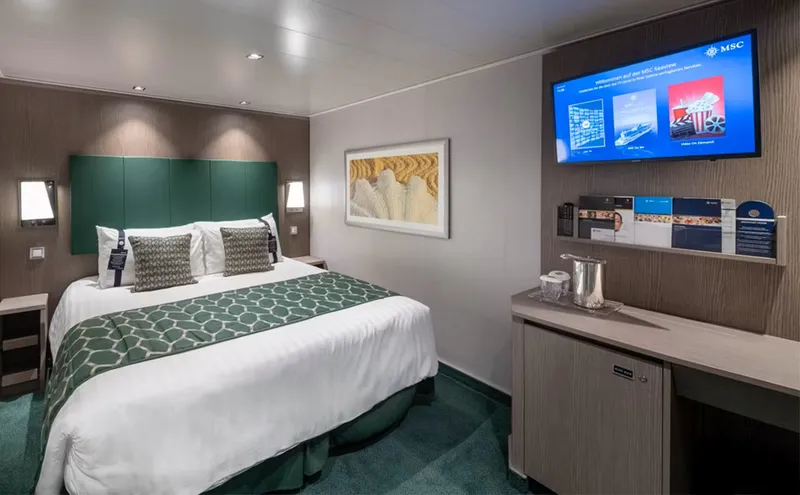
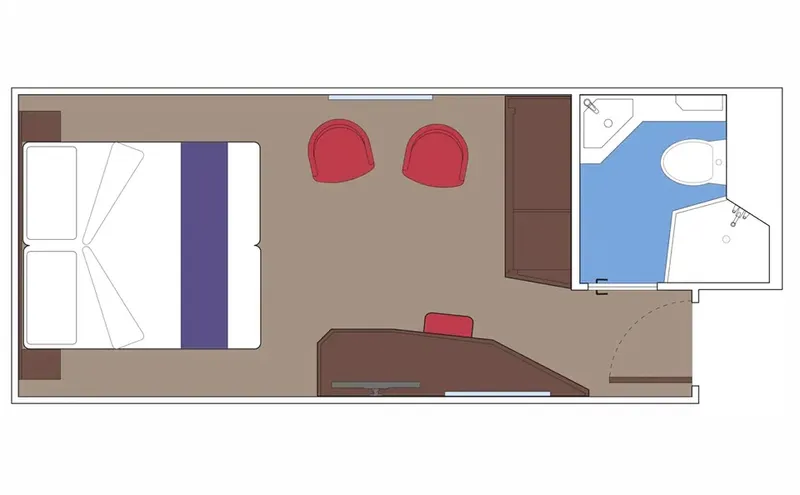
Bathroom with shower, vanity area and hairdryer
TV, telephone, safe and minibar
Wi-Fi access available
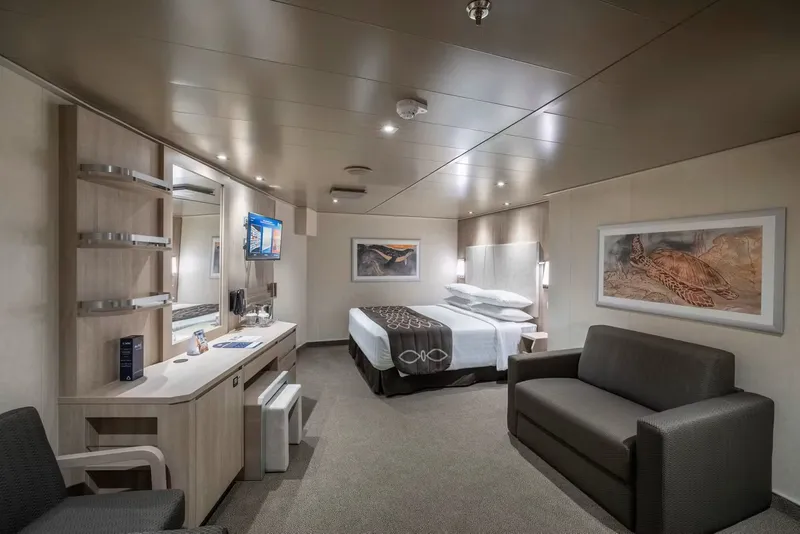
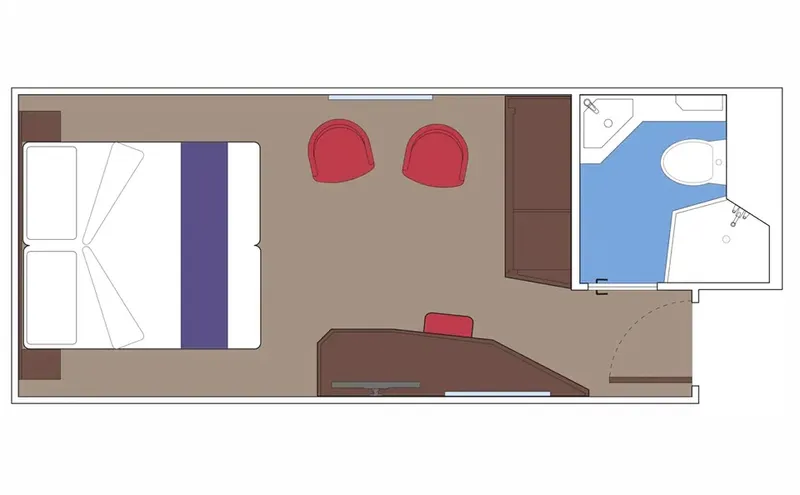
Comfortable king bed that can be converted into two single beds
Spacious closet
Bathroom with shower, vanity area and hairdryer
Interactive TV, telephone, safe and minibar
Wi-Fi access available
Accommodates up to 5 guests
Our cruise specialists can help you find the perfect cabin and the best available pricing.
(+886) 02-2721-7300Contact Advisor