SILOAH.tRAVEL
SILOAH.tRAVEL
Login
Brands26
5
15
6
Ships240
38
137
65
Voyages25,845
TrainsComing Soon
ExperienceComing Soon
Siloah Travel

SILOAH.tRAVEL

Siloah Travel — crafting premium cruise experiences for you.

Explore

  • Search Cruises
  • Destinations
  • Cruise Lines

Company

  • About Us
  • Contact Advisor
  • Privacy Policy

Contact

  • +886-2-27217300
  • service@siloah.travel
  • 14F-3, No. 137, Sec. 1, Fuxing S. Rd., Taipei, Taiwan

Popular Brands

SilverseaRegent Seven SeasSeabournOceania CruisesVikingExplora JourneysPonantDisney Cruise LineNorwegian Cruise LineHolland America LineMSC CruisesAmaWaterwaysUniworldAvalon WaterwaysScenicTauck

希羅亞旅行社股份有限公司|戴東華|交觀甲 793500|品保北 2260

© 2026 Siloah Travel. All rights reserved.

HomeFavoritesProfile
|
  1. Home
  2. Cruises
  3. MSC Cruises
  4. MSC Sinfonia
  5. Mediterranean from Pireaus
Mediterranean from Pireaus
MSC Cruises

Mediterranean from Pireaus

Date

July 28, 2026

Duration

7 nights

Departure Port

Athens (Piraeus) · Greece

Arrival Port

Athens (Piraeus) · Greece

Rating

Resort

Theme

—

MSC Sinfonia 1
MSC Sinfonia 2
MSC Sinfonia 3
MSC Sinfonia 4
MSC Sinfonia 5
MSC Sinfonia 6
MSC Sinfonia 7
MSC Sinfonia 8
1 / 8

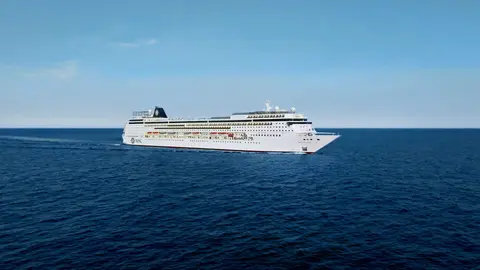
MSC Cruises

MSC Sinfonia

Lirica

Launched

2001

Refitted

2015

Tonnage

65,542 GT

Passengers

2,546

Cabins

980

Crew

721

Length

824 m

Width

28 m

Speed

22 knots

Adults Only

No

View Details

Itinerary

Day 1

Day 1

Piraeus 1
Piraeus 2
Piraeus 5

Piraeus

Depart 17:00
Greece

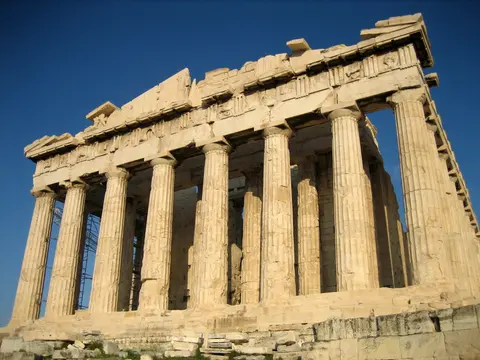
It's no wonder that all roads lead to the fascinating and maddening metropolis of Athens. Lift your eyes 200 feet above the city to the Parthenon, its honey-color marble columns rising from a massive limestone base, and you behold architectural perfection that has not been surpassed in 2,500 years. But, today, this shrine of classical form dominates a 21st-century boomtown. To experience Athens—Athína in Greek—fully is to understand the essence of Greece: ancient monuments surviving in a sea of cement, startling beauty amid the squalor, tradition juxtaposed with modernity. Locals depend on humor and flexibility to deal with the chaos; you should do the same. The rewards are immense. Although Athens covers a huge area, the major landmarks of the ancient Greek, Roman, and Byzantine periods are close to the modern city center. You can easily walk from the Acropolis to many other key sites, taking time to browse in shops and relax in cafés and tavernas along the way. From many quarters of the city you can glimpse "the glory that was Greece" in the form of the Acropolis looming above the horizon, but only by actually climbing that rocky precipice can you feel the impact of the ancient settlement. The Acropolis and Filopappou, two craggy hills sitting side by side; the ancient Agora (marketplace); and Kerameikos, the first cemetery, form the core of ancient and Roman Athens. Along the Unification of Archaeological Sites promenade, you can follow stone-paved, tree-lined walkways from site to site, undisturbed by traffic. Cars have also been banned or reduced in other streets in the historical center. In the National Archaeological Museum, vast numbers of artifacts illustrate the many millennia of Greek civilization; smaller museums such as the Goulandris Museum of Cycladic Art Museum and the Byzantine and Christian Museum illuminate the history of particular regions or periods. Athens may seem like one huge city, but it is really a conglomeration of neighborhoods with distinctive characters. The Eastern influences that prevailed during the 400-year rule of the Ottoman Empire are still evident in Monastiraki, the bazaar area near the foot of the Acropolis. On the northern slope of the Acropolis, stroll through Plaka (if possible by moonlight), an area of tranquil streets lined with renovated mansions, to get the flavor of the 19th-century's gracious lifestyle. The narrow lanes of Anafiotika, a section of Plaka, thread past tiny churches and small, color-washed houses with wooden upper stories, recalling a Cycladic island village. In this maze of winding streets, vestiges of the older city are everywhere: crumbling stairways lined with festive tavernas; dank cellars filled with wine vats; occasionally a court or diminutive garden, enclosed within high walls and filled with magnolia trees and the flaming trumpet-shaped flowers of hibiscus bushes. Formerly run-down old quarters, such as Thission, Gazi and Psirri, popular nightlife areas filled with bars and mezedopoleia (similar to tapas bars), are now in the process of gentrification, although they still retain much of their original charm, as does the colorful produce and meat market on Athinas. The area around Syntagma Square, the tourist hub, and Omonia Square, the commercial heart of the city about 1 km (½ mi) northwest, is distinctly European, having been designed by the court architects of King Otho, a Bavarian, in the 19th century. The chic shops and bistros of ritzy Kolonaki nestle at the foot of Mt. Lycabettus, Athens's highest hill (909 feet). Each of Athens's outlying suburbs has a distinctive character: in the north is wealthy, tree-lined Kifissia, once a summer resort for aristocratic Athenians, and in the south and southeast lie Glyfada, Voula, and Vouliagmeni, with their sandy beaches, seaside bars, and lively summer nightlife. Just beyond the city's southern fringes is Piraeus, a bustling port city of waterside fish tavernas and Saronic Gulf views.

Day 1

Day 1

Piraeus (Athens) 1
Piraeus (Athens) 2
Piraeus (Athens) 5

Piraeus (Athens)

Depart 17:00

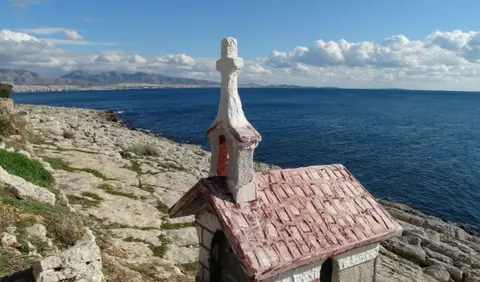
A city of legend, civilisation and enduring culture, Athens is a majestic and magical urban sprawl. Extraordinary elegance and grace combine with grit and graft in Greece's capital, where highways encase ruins from antiquity, and gleaming museums and galleries stand beside concrete sprayed with edgy street art. These contrasts enhance and elevate the wonders of this 2,500-year-old city, however, which can count notable contributions to philosophy, drama and democracy, among its global legacy. Piraeus' giant port and naval base welcome you to the edge of the Athens' urban area. From there it's a simple jaunt to the centre. The majestic ancient citadel of the Acropolis dominates an elevated platform and is a constant presence as you explore the city. The wonderful remains of the columned temple of the Parthenon - which date back to the 5th century BC - stand here, representing the pinnacle of classical architecture. The nearby Acropolis Museum adds context to your visit and frames the broad views from its giant glass windows. Or rise up Mount Lycabettus, to be rewarded with perhaps Athens' best panorama of the Acropolis sitting high over the city on its grand stage. See the marble horseshoe of the Old Olympic Stadium, where the first modern Olympics were held in 1896, for more of the city's enduring legacy. Elsewhere, golden beaches and temples stretch out along the coastline, should you wish to explore a little further afield. Coffee is an art form to the Greeks, and it's an unwritten rule that coffee time must never be rushed. So prepare to settle down for a couple of hours and lose yourself in a good chat. Feeling hungry - try traditional souvlaki made with sauces handed from generation to generation.

Day 2

Day 2

Katakolon 1
Katakolon 2
Katakolon 5

Katakolon

Arrive 10:00Depart 19:00
Greece

The small Greek port of Katakolon was developed in the 19th century to serve the thriving local trade in currants. Today it is your starting block for Olympia - birthplace of the Olympic Games. A pretty town on the banks of the River Alpheios, Olympia lies only a short drive away from the port and its historic stadium - where the first Olympic torch was lit in 776 BC and is a fascinating site to explore. You can still see the marble starting blocks used by early athletes in the 45,000-seat arena, as well as the ruins of the Temple of Hera and the gigantic Temple of Zeus - its gold and ivory statue of Zeus was one of the Seven Wonders of the ancient world. If you have already visited Olympia, you could spend your day exploring the lush wine country north of Katakolon and sampling the local vintages.

Day 2

Day 2

Katakolon 1
Katakolon 2
Katakolon 5

Katakolon

Arrive 09:00Depart 18:00

The small Greek port of Katakolon was developed in the 19th century to serve the thriving local trade in currants. Today it is your starting block for Olympia - birthplace of the Olympic Games. A pretty town on the banks of the River Alpheios, Olympia lies only a short drive away from the port and its historic stadium - where the first Olympic torch was lit in 776 BC and is a fascinating site to explore. You can still see the marble starting blocks used by early athletes in the 45,000-seat arena, as well as the ruins of the Temple of Hera and the gigantic Temple of Zeus - its gold and ivory statue of Zeus was one of the Seven Wonders of the ancient world. If you have already visited Olympia, you could spend your day exploring the lush wine country north of Katakolon and sampling the local vintages.

Day 3

Day 3

Argostoli 1
Argostoli 2

Argostoli

Arrive 08:00Depart 18:00
Greece

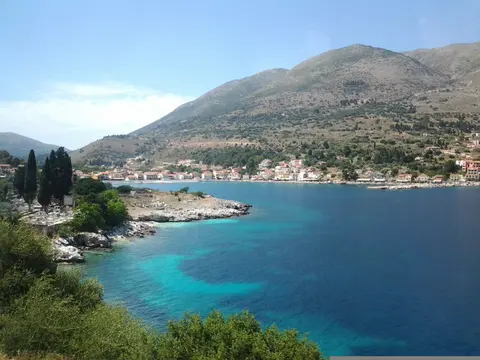
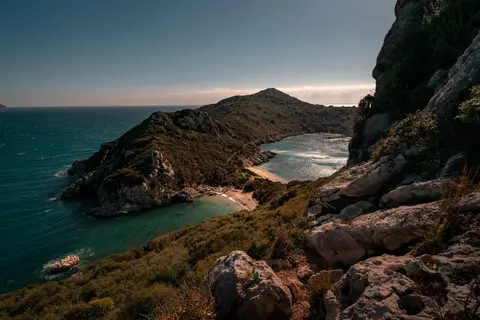
Cephalonia is the largest island in the Ionian Sea, famous for its gorgeous beaches, crumbling castles, secluded monasteries and warm Greek hospitality. Throughout the course of history, Cephalonia has exchanged hands many times—from the Normans to the Venetians to the Ottoman Turks, and it has survived occupations by German and Italian soldiers during WWII. These influences from other European countries have shaped the island's culture, and are especially evident in the spelling variations of place names. Several museums and memorials around town pay tribute to both Cephalonia’s classical and recent history, and are worth a visit. Argostóli is Cephalonia’s port town, on the bay of Livadi. It was rebuilt after a devastating 1953 earthquake. The architecture, although new, remains traditionally Greek. Lithostroto is the main drag—a pedestrian-only street lined with specialty shops and tourist kiosks offering souvenirs and the island's famous cheese pastries. During the warm months, musicians come to play traditional music by guitar and mandolin in Vallianos Square (Plateia Valianou) while down beside the waterfront promenade, local fishermen haul in their daily catch.

Day 3

Day 3

Cephalonia 1
Cephalonia 2
Cephalonia 4

Cephalonia

Arrive 08:00Depart 18:00

Experience the vibrant, cosmopolitan charm of Kefalonia. Wind through the crescent-shaped Venetian architecture surrounded by the sounds of classical music. Head to pebbled coves, bijoux boutiques and gelato caverns, or snorkel, dive, kayak and hike through nature in all its Mediterranean glory, surrounded by the scents of pine, lavender and cedar. Slip across to the secluded beaches of Ithaca – home to Homer’s ‘The Odyssey’ and vibrant underwater reefs. And relax at lavish seafood eateries and sip robola as you mingle amid refined, elegant guests.

Day 4

Day 4

Corfu 1
Corfu 2
Corfu 5

Corfu

Arrive 09:00Depart 19:00
Greece

Corfu town today is a vivid tapestry of cultures—a sophisticated weave, where charm, history, and natural beauty blend. Located about midway along the island's east coast, this spectacularly lively capital is the cultural heart of Corfu and has a remarkable historic center that UNESCO designated as a World Heritage Site in 2007. All ships and planes dock or land near Corfu town, which occupies a small peninsula jutting into the Ionian Sea.Whether arriving by ferry from mainland Greece or Italy, from another island, or directly by plane, catch your breath by first relaxing with a coffee or a gelato in Corfu town's shaded Liston Arcade, then stroll the narrow lanes of its pedestrians-only quarter. For an overview of the immediate area, and a quick tour of Mon Repos palace, hop on the little tourist train that runs from May to September. Corfu town has a different feel at night, so book a table at one of its famed tavernas to savor the island's unique cuisine.The best way to get around Corfu town is on foot. The town is small enough so that you can easily walk to every sight. There are local buses, but they do not thread their way into the streets (many now car-free) of the historic center. If you are arriving by ferry or plane, it's best to take a taxi to your hotel. Expect to pay about €10 from the airport or ferry terminal to a hotel in Corfu town. If there are no taxis waiting, you can call for one.

Day 4

Day 4

Corfu 1
Corfu 2
Corfu 5

Corfu

Arrive 09:00Depart 19:00

Corfu town today is a vivid tapestry of cultures—a sophisticated weave, where charm, history, and natural beauty blend. Located about midway along the island's east coast, this spectacularly lively capital is the cultural heart of Corfu and has a remarkable historic center that UNESCO designated as a World Heritage Site in 2007. All ships and planes dock or land near Corfu town, which occupies a small peninsula jutting into the Ionian Sea.Whether arriving by ferry from mainland Greece or Italy, from another island, or directly by plane, catch your breath by first relaxing with a coffee or a gelato in Corfu town's shaded Liston Arcade, then stroll the narrow lanes of its pedestrians-only quarter. For an overview of the immediate area, and a quick tour of Mon Repos palace, hop on the little tourist train that runs from May to September. Corfu town has a different feel at night, so book a table at one of its famed tavernas to savor the island's unique cuisine.The best way to get around Corfu town is on foot. The town is small enough so that you can easily walk to every sight. There are local buses, but they do not thread their way into the streets (many now car-free) of the historic center. If you are arriving by ferry or plane, it's best to take a taxi to your hotel. Expect to pay about €10 from the airport or ferry terminal to a hotel in Corfu town. If there are no taxis waiting, you can call for one.

Day 5

Day 5

Bari 1
Bari 2
Bari 5

Bari

Arrive 07:00Depart 19:00
Italy

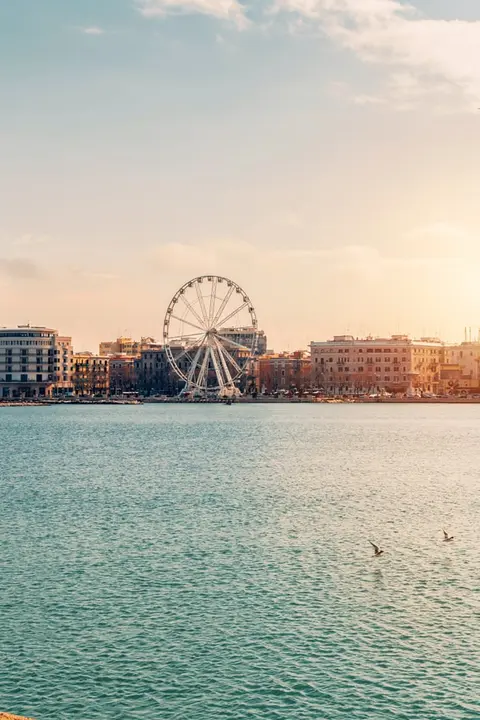
Bari, capital of the province of Apulia, lies on southern Italy's Adriatic coast. Its busy port is a leading commercial and industrial centre as well as a transit point for travellers catching ferries across the Adriatic to Greece. Bari comprises a new and an old town. To the north, on a promontory between the old and new harbours, lies the picturesque old town, or Citta Vecchia, with a maze of narrow, crooked streets. To the south is the spacious and regularly planned new town, which has developed considerably since 1930, when the Levant Fair was first held here. The heart of the modern town is Piazza della Liberta. The busy thoroughfare, Corso Vittorio Emanuele II, separates the new town from the old. At the eastern end of the Corso begins the Lungomare Nazario Sauro, a magnificent seafront promenade that runs along the old harbour. Bari and the Apulian region were long recognized for their strategic location, attracting a succession of colonizers such as the Normans, Moors and Spaniards, each leaving their mark. 

Day 5

Day 5

Bari 1
Bari 2
Bari 5

Bari

Arrive 07:00Depart 19:00

Bari, capital of the province of Apulia, lies on southern Italy's Adriatic coast. Its busy port is a leading commercial and industrial centre as well as a transit point for travellers catching ferries across the Adriatic to Greece. Bari comprises a new and an old town. To the north, on a promontory between the old and new harbours, lies the picturesque old town, or Citta Vecchia, with a maze of narrow, crooked streets. To the south is the spacious and regularly planned new town, which has developed considerably since 1930, when the Levant Fair was first held here. The heart of the modern town is Piazza della Liberta. The busy thoroughfare, Corso Vittorio Emanuele II, separates the new town from the old. At the eastern end of the Corso begins the Lungomare Nazario Sauro, a magnificent seafront promenade that runs along the old harbour. Bari and the Apulian region were long recognized for their strategic location, attracting a succession of colonizers such as the Normans, Moors and Spaniards, each leaving their mark. 

Day 6

Day 6

At Sea

Day 7

Day 7

Santorini 1
Santorini 2
Santorini 5

Santorini

Arrive 08:00Depart 18:00
Greece

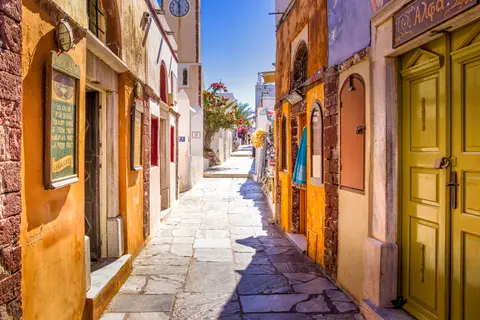
Undoubtedly the most extraordinary island in the Aegean, crescent-shape Santorini remains a mandatory stop on the Cycladic tourist route—even if it's necessary to enjoy the sensational sunsets from Ia, the fascinating excavations, and the dazzling white towns with a million other travelers. Called Kállisti (the "Loveliest") when first settled, the island has now reverted to its subsequent name of Thira, after the 9th-century-BC Dorian colonizer Thiras. The place is better known, however, these days as Santorini, a name derived from its patroness, St. Irene of Thessaloniki, the Byzantine empress who restored icons to Orthodoxy and died in 802. You can fly conveniently to Santorini, but to enjoy a true Santorini rite of passage, opt instead for the boat trip here, which provides a spectacular introduction. After the boat sails between Sikinos and Ios, your deck-side perch approaches two close islands with a passage between them. The bigger one on the left is Santorini, and the smaller on the right is Thirassia. Passing between them, you see the village of Ia adorning Santorini's northernmost cliff like a white geometric beehive. You are in the caldera (volcanic crater), one of the world's truly breathtaking sights: a demilune of cliffs rising 1,100 feet, with the white clusters of the towns of Fira and Ia perched along the top. The bay, once the high center of the island, is 1,300 feet in some places, so deep that when boats dock in Santorini's shabby little port of Athinios, they do not drop anchor. The encircling cliffs are the ancient rim of a still-active volcano, and you are sailing east across its flooded caldera. On your right are the Burnt isles, the White isle, and other volcanic remnants, all lined up as if some outsize display in a geology museum. Hephaestus's subterranean fires smolder still—the volcano erupted in 198 BC, about 735, and there was an earthquake in 1956. Indeed, Santorini and its four neighboring islets are the fragmentary remains of a larger landmass that exploded about 1600 BC: the volcano's core blew sky high, and the sea rushed into the abyss to create the great bay, which measures 10 km by 7 km (6 mi by 4½ mi) and is 1,292 feet deep. The other pieces of the rim, which broke off in later eruptions, are Thirassia, where a few hundred people live, and deserted little Aspronissi ("White isle"). In the center of the bay, black and uninhabited, two cones, the Burnt Isles of Palea Kameni and Nea Kameni, appeared between 1573 and 1925. There has been too much speculation about the identification of Santorini with the mythical Atlantis, mentioned in Egyptian papyri and by Plato (who says it's in the Atlantic), but myths are hard to pin down. This is not true of old arguments about whether tidal waves from Santorini's cataclysmic explosion destroyed Minoan civilization on Crete, 113 km (70 mi) away. The latest carbon-dating evidence, which points to a few years before 1600 BC for the eruption, clearly indicates that the Minoans outlasted the eruption by a couple of hundred years, but most probably in a weakened state. In fact, the island still endures hardships: since antiquity, Santorini has depended on rain collected in cisterns for drinking and irrigating—the well water is often brackish—and the serious shortage is alleviated by the importation of water. However, the volcanic soil also yields riches: small, intense tomatoes with tough skins used for tomato paste (good restaurants here serve them); the famous Santorini fava beans, which have a light, fresh taste; barley; wheat; and white-skin eggplants.

Day 7

Day 7

Santorini 1
Santorini 2
Santorini 5

Santorini

Arrive 08:00Depart 18:00

Undoubtedly the most extraordinary island in the Aegean, crescent-shape Santorini remains a mandatory stop on the Cycladic tourist route—even if it's necessary to enjoy the sensational sunsets from Ia, the fascinating excavations, and the dazzling white towns with a million other travelers. Called Kállisti (the "Loveliest") when first settled, the island has now reverted to its subsequent name of Thira, after the 9th-century-BC Dorian colonizer Thiras. The place is better known, however, these days as Santorini, a name derived from its patroness, St. Irene of Thessaloniki, the Byzantine empress who restored icons to Orthodoxy and died in 802. You can fly conveniently to Santorini, but to enjoy a true Santorini rite of passage, opt instead for the boat trip here, which provides a spectacular introduction. After the boat sails between Sikinos and Ios, your deck-side perch approaches two close islands with a passage between them. The bigger one on the left is Santorini, and the smaller on the right is Thirassia. Passing between them, you see the village of Ia adorning Santorini's northernmost cliff like a white geometric beehive. You are in the caldera (volcanic crater), one of the world's truly breathtaking sights: a demilune of cliffs rising 1,100 feet, with the white clusters of the towns of Fira and Ia perched along the top. The bay, once the high center of the island, is 1,300 feet in some places, so deep that when boats dock in Santorini's shabby little port of Athinios, they do not drop anchor. The encircling cliffs are the ancient rim of a still-active volcano, and you are sailing east across its flooded caldera. On your right are the Burnt isles, the White isle, and other volcanic remnants, all lined up as if some outsize display in a geology museum. Hephaestus's subterranean fires smolder still—the volcano erupted in 198 BC, about 735, and there was an earthquake in 1956. Indeed, Santorini and its four neighboring islets are the fragmentary remains of a larger landmass that exploded about 1600 BC: the volcano's core blew sky high, and the sea rushed into the abyss to create the great bay, which measures 10 km by 7 km (6 mi by 4½ mi) and is 1,292 feet deep. The other pieces of the rim, which broke off in later eruptions, are Thirassia, where a few hundred people live, and deserted little Aspronissi ("White isle"). In the center of the bay, black and uninhabited, two cones, the Burnt Isles of Palea Kameni and Nea Kameni, appeared between 1573 and 1925. There has been too much speculation about the identification of Santorini with the mythical Atlantis, mentioned in Egyptian papyri and by Plato (who says it's in the Atlantic), but myths are hard to pin down. This is not true of old arguments about whether tidal waves from Santorini's cataclysmic explosion destroyed Minoan civilization on Crete, 113 km (70 mi) away. The latest carbon-dating evidence, which points to a few years before 1600 BC for the eruption, clearly indicates that the Minoans outlasted the eruption by a couple of hundred years, but most probably in a weakened state. In fact, the island still endures hardships: since antiquity, Santorini has depended on rain collected in cisterns for drinking and irrigating—the well water is often brackish—and the serious shortage is alleviated by the importation of water. However, the volcanic soil also yields riches: small, intense tomatoes with tough skins used for tomato paste (good restaurants here serve them); the famous Santorini fava beans, which have a light, fresh taste; barley; wheat; and white-skin eggplants.

Day 8

Day 8

Piraeus 1
Piraeus 2
Piraeus 5

Piraeus

Arrive 06:00
Greece

It's no wonder that all roads lead to the fascinating and maddening metropolis of Athens. Lift your eyes 200 feet above the city to the Parthenon, its honey-color marble columns rising from a massive limestone base, and you behold architectural perfection that has not been surpassed in 2,500 years. But, today, this shrine of classical form dominates a 21st-century boomtown. To experience Athens—Athína in Greek—fully is to understand the essence of Greece: ancient monuments surviving in a sea of cement, startling beauty amid the squalor, tradition juxtaposed with modernity. Locals depend on humor and flexibility to deal with the chaos; you should do the same. The rewards are immense. Although Athens covers a huge area, the major landmarks of the ancient Greek, Roman, and Byzantine periods are close to the modern city center. You can easily walk from the Acropolis to many other key sites, taking time to browse in shops and relax in cafés and tavernas along the way. From many quarters of the city you can glimpse "the glory that was Greece" in the form of the Acropolis looming above the horizon, but only by actually climbing that rocky precipice can you feel the impact of the ancient settlement. The Acropolis and Filopappou, two craggy hills sitting side by side; the ancient Agora (marketplace); and Kerameikos, the first cemetery, form the core of ancient and Roman Athens. Along the Unification of Archaeological Sites promenade, you can follow stone-paved, tree-lined walkways from site to site, undisturbed by traffic. Cars have also been banned or reduced in other streets in the historical center. In the National Archaeological Museum, vast numbers of artifacts illustrate the many millennia of Greek civilization; smaller museums such as the Goulandris Museum of Cycladic Art Museum and the Byzantine and Christian Museum illuminate the history of particular regions or periods. Athens may seem like one huge city, but it is really a conglomeration of neighborhoods with distinctive characters. The Eastern influences that prevailed during the 400-year rule of the Ottoman Empire are still evident in Monastiraki, the bazaar area near the foot of the Acropolis. On the northern slope of the Acropolis, stroll through Plaka (if possible by moonlight), an area of tranquil streets lined with renovated mansions, to get the flavor of the 19th-century's gracious lifestyle. The narrow lanes of Anafiotika, a section of Plaka, thread past tiny churches and small, color-washed houses with wooden upper stories, recalling a Cycladic island village. In this maze of winding streets, vestiges of the older city are everywhere: crumbling stairways lined with festive tavernas; dank cellars filled with wine vats; occasionally a court or diminutive garden, enclosed within high walls and filled with magnolia trees and the flaming trumpet-shaped flowers of hibiscus bushes. Formerly run-down old quarters, such as Thission, Gazi and Psirri, popular nightlife areas filled with bars and mezedopoleia (similar to tapas bars), are now in the process of gentrification, although they still retain much of their original charm, as does the colorful produce and meat market on Athinas. The area around Syntagma Square, the tourist hub, and Omonia Square, the commercial heart of the city about 1 km (½ mi) northwest, is distinctly European, having been designed by the court architects of King Otho, a Bavarian, in the 19th century. The chic shops and bistros of ritzy Kolonaki nestle at the foot of Mt. Lycabettus, Athens's highest hill (909 feet). Each of Athens's outlying suburbs has a distinctive character: in the north is wealthy, tree-lined Kifissia, once a summer resort for aristocratic Athenians, and in the south and southeast lie Glyfada, Voula, and Vouliagmeni, with their sandy beaches, seaside bars, and lively summer nightlife. Just beyond the city's southern fringes is Piraeus, a bustling port city of waterside fish tavernas and Saronic Gulf views.

Day 8

Day 8

Piraeus (Athens) 1
Piraeus (Athens) 2
Piraeus (Athens) 5

Piraeus (Athens)

Arrive 06:00

A city of legend, civilisation and enduring culture, Athens is a majestic and magical urban sprawl. Extraordinary elegance and grace combine with grit and graft in Greece's capital, where highways encase ruins from antiquity, and gleaming museums and galleries stand beside concrete sprayed with edgy street art. These contrasts enhance and elevate the wonders of this 2,500-year-old city, however, which can count notable contributions to philosophy, drama and democracy, among its global legacy. Piraeus' giant port and naval base welcome you to the edge of the Athens' urban area. From there it's a simple jaunt to the centre. The majestic ancient citadel of the Acropolis dominates an elevated platform and is a constant presence as you explore the city. The wonderful remains of the columned temple of the Parthenon - which date back to the 5th century BC - stand here, representing the pinnacle of classical architecture. The nearby Acropolis Museum adds context to your visit and frames the broad views from its giant glass windows. Or rise up Mount Lycabettus, to be rewarded with perhaps Athens' best panorama of the Acropolis sitting high over the city on its grand stage. See the marble horseshoe of the Old Olympic Stadium, where the first modern Olympics were held in 1896, for more of the city's enduring legacy. Elsewhere, golden beaches and temples stretch out along the coastline, should you wish to explore a little further afield. Coffee is an art form to the Greeks, and it's an unwritten rule that coffee time must never be rushed. So prepare to settle down for a couple of hours and lose yourself in a good chat. Feeling hungry - try traditional souvlaki made with sauces handed from generation to generation.

Cabin Categories

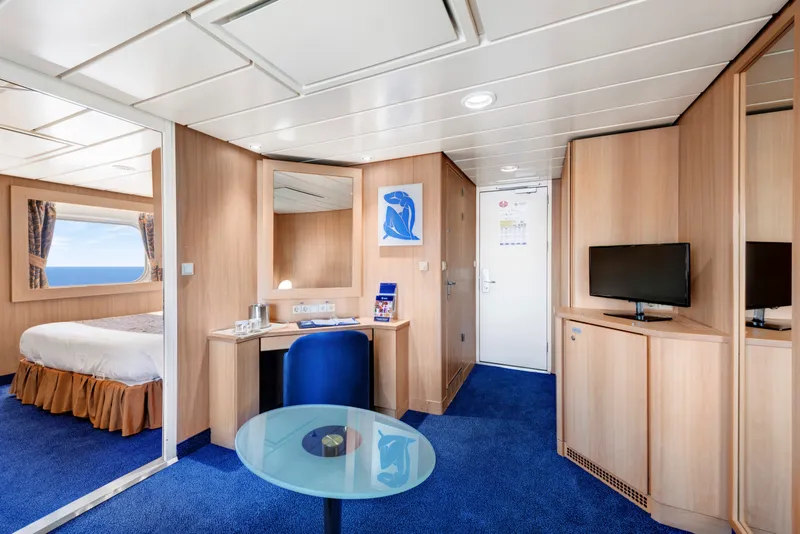
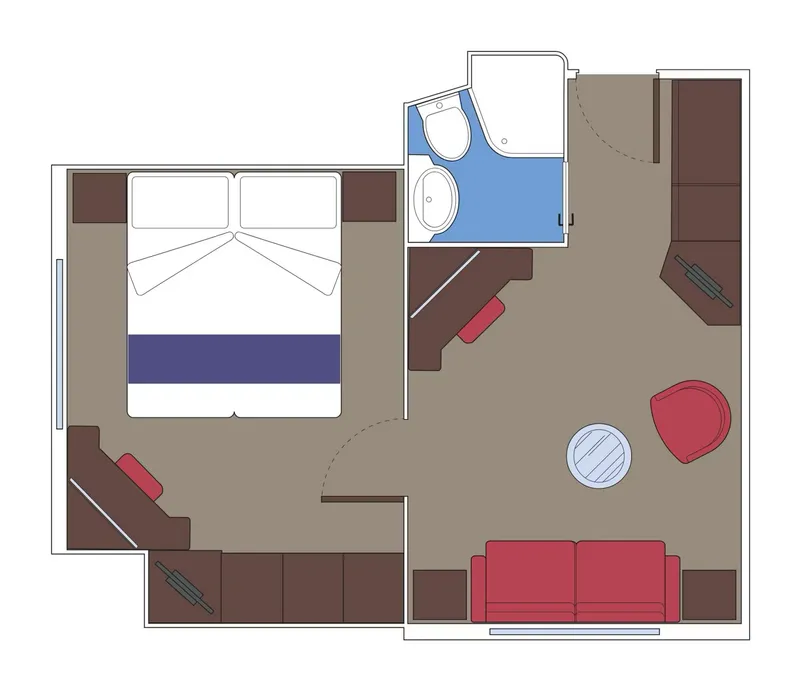
DELUXE SUITE AUREA 1
DELUXE SUITE AUREA 2
DELUXE SUITE AUREA 4

DELUXE SUITE AUREA

Suite
290 m²Max 4
SR1

Balcony
Sitting area with sofa
Spacious closet
Bathroom with bathtub, vanity area and hairdryer
Interactive TV. telephone, safe and minibar
Wi-Fi access available
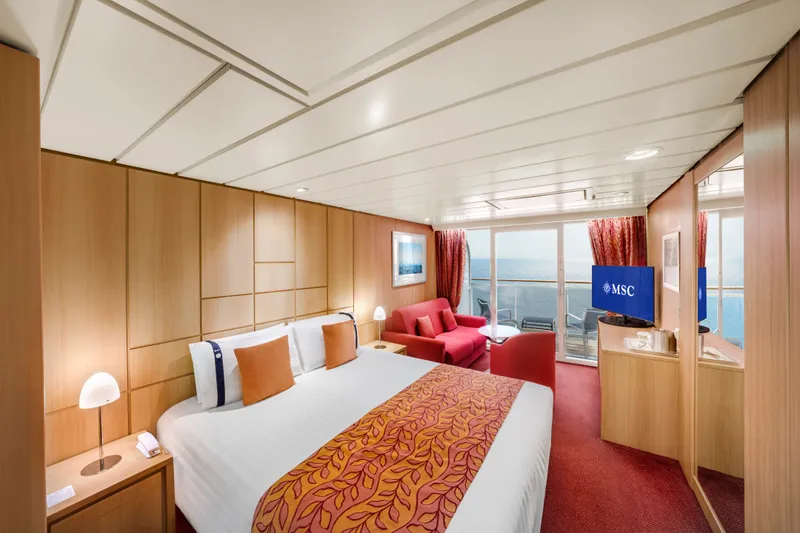
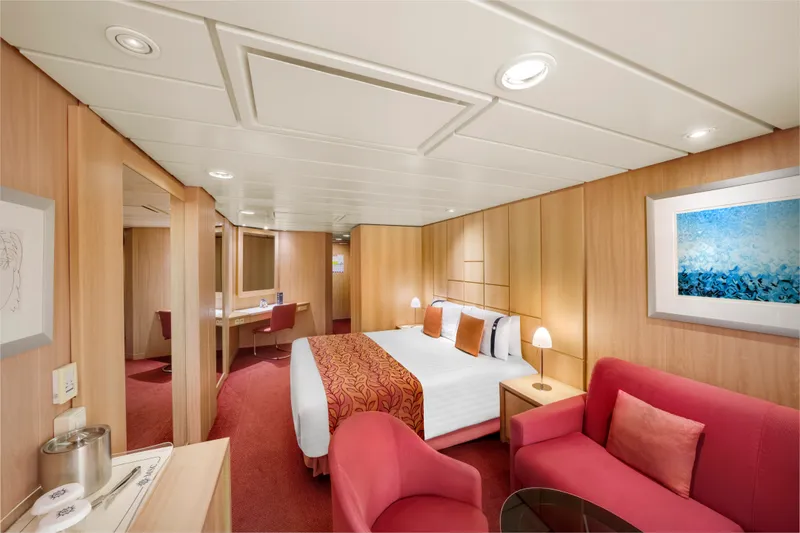
King or Twin ConfigurationShowerBathToiletries ProvidedRoom Service AvailableSuite Benefits+5
US$2,146 /person+ US$200 taxes & fees
View Details
JUNIOR SUITE AUREA 1
JUNIOR SUITE AUREA 2
JUNIOR SUITE AUREA 5

JUNIOR SUITE AUREA

Suite
290 m²Max 4
SR2

Balcony
Sitting area with sofa
Spacious closet
Bathroom with bathtub, vanity area and hairdryer
Interactive TV. telephone, safe and minibar
Wi-Fi access available
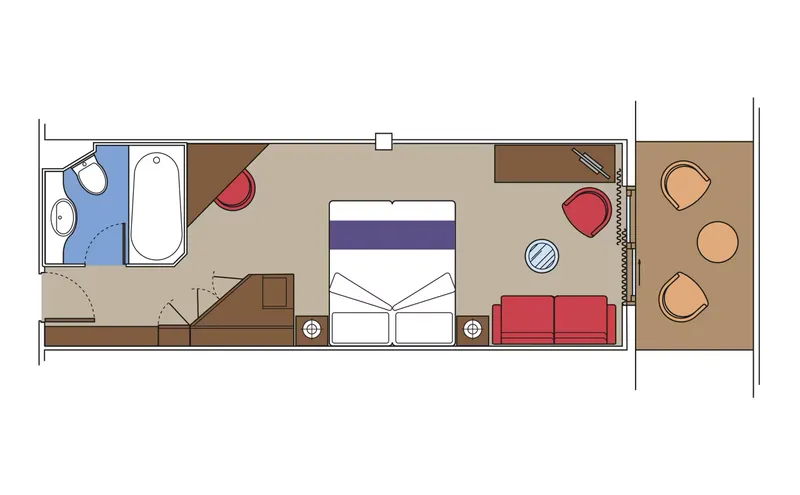
King or Twin ConfigurationShowerBathToiletries ProvidedRoom Service AvailableSuite Benefits+5
US$2,206 /person+ US$200 taxes & fees
View Details
BALCONY BELLA GUARANTEED 1
BALCONY BELLA GUARANTEED 2
BALCONY BELLA GUARANTEED 4

BALCONY BELLA GUARANTEED

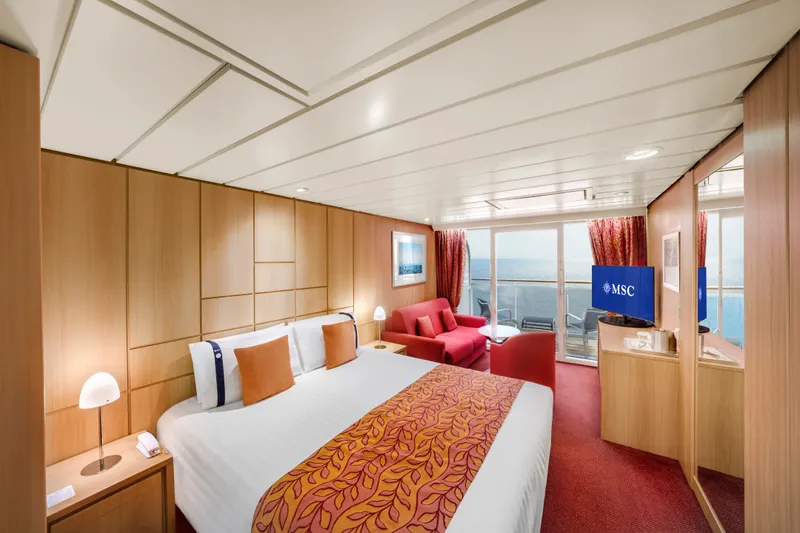
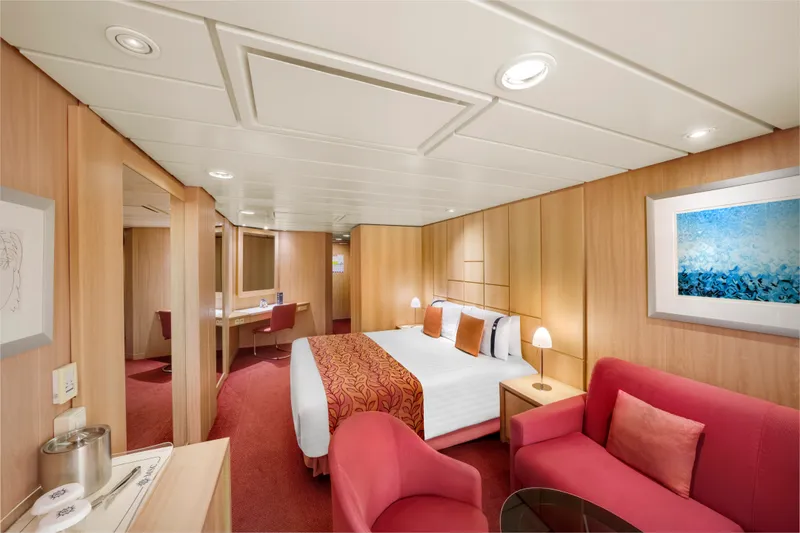
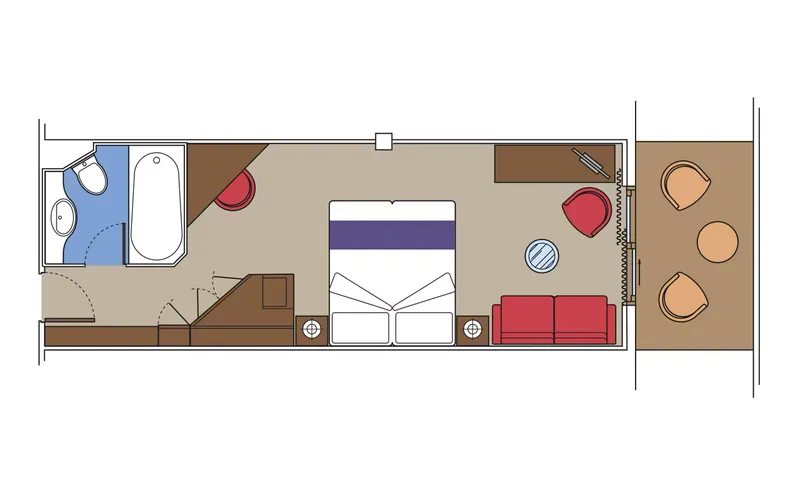
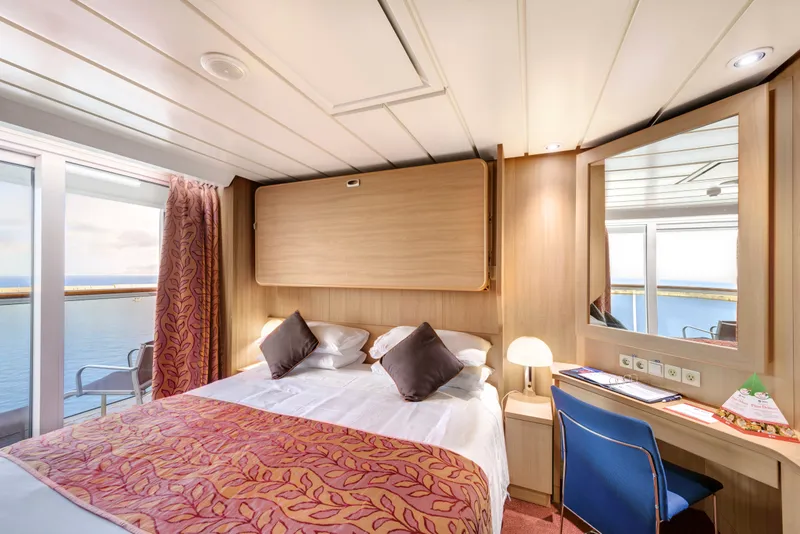
Balcony
172 m²Max 2
BB

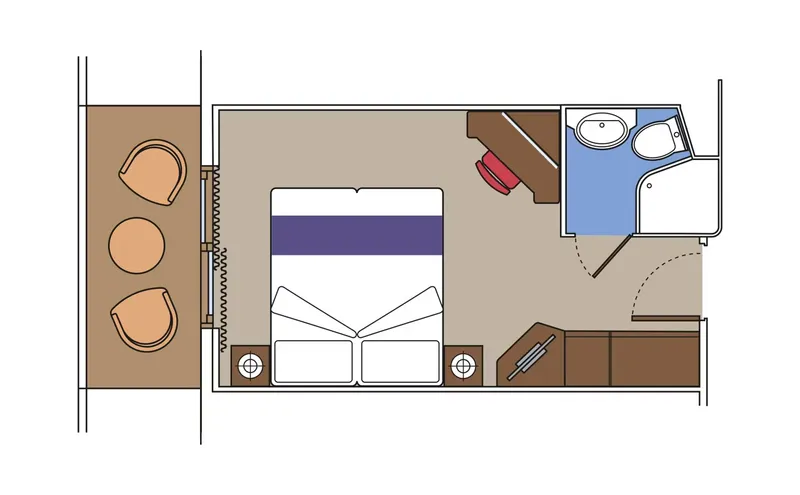
Balcony
Sitting area with sofa
Comfortable double or single beds (on request)
Interactive TV, telephone, Wifi connection available (for a fee), safe and minibar
Bathroom with shower or bathtub , vanity area with hairdryer

Queen or Twin ConfigurationShowerRoom Service AvailableTVWi-Fi (Additional Cost)Media/Entertainment Station+4
US$1,856 /person+ US$200 taxes & fees
View Details
JUNIOR BALCONY FANTASTICA 1
JUNIOR BALCONY FANTASTICA 2
JUNIOR BALCONY FANTASTICA 5

JUNIOR BALCONY FANTASTICA

Balcony
172 m²Max 2
BM1

Balcony
Sitting area with sofa
Spacious closet
Bathroom with shower, vanity area and hairdryer
Interactive TV. telephone, safe and minibar
Wi-Fi access available
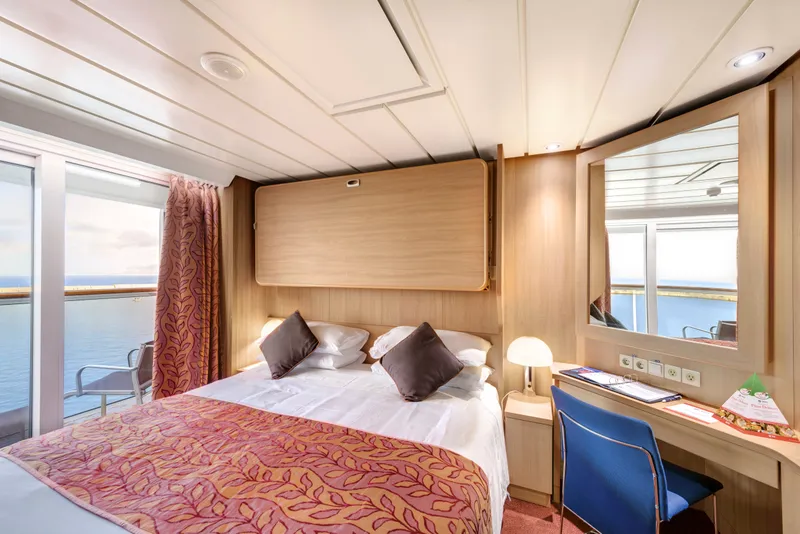
Queen or Twin ConfigurationLounge AreaShowerRoom Service AvailableTVWi-Fi (Additional Cost)+5
US$1,916 /person+ US$200 taxes & fees
View Details
JUNIOR OCEAN VIEW FANTASTICA 1
JUNIOR OCEAN VIEW FANTASTICA 2
JUNIOR OCEAN VIEW FANTASTICA 7

JUNIOR OCEAN VIEW FANTASTICA

Outside
139 m²Max 2
OM1OM2

Relaxing armchair
Spacious closet
Bathroom with shower, vanity area and hairdryer
Interactive TV. telephone, safe and minibar
Wi-Fi access available
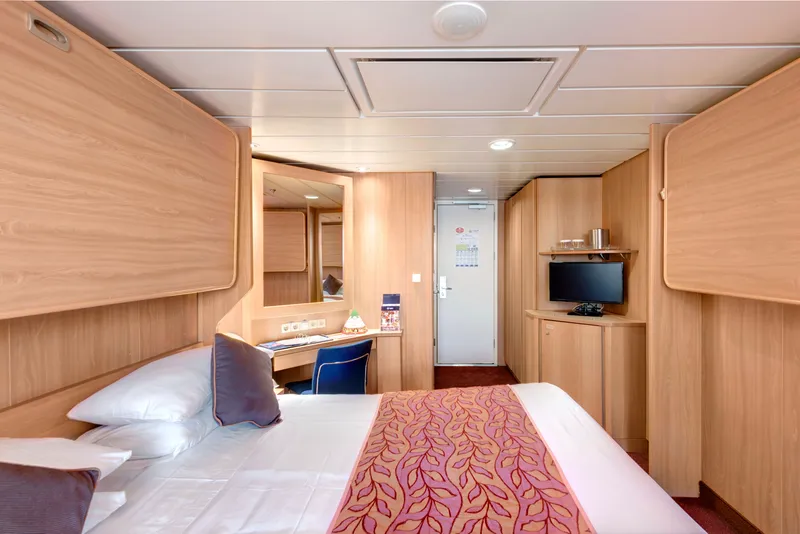
Queen or Twin ConfigurationShowerRoom Service AvailableTVWi-Fi (Additional Cost)Media/Entertainment Station+4
US$1,556 /person+ US$200 taxes & fees
View Details
JUNIOR OCEAN VIEW WITH OBSTRUCTED VIEW FANTASTICA 1
JUNIOR OCEAN VIEW WITH OBSTRUCTED VIEW FANTASTICA 2
JUNIOR OCEAN VIEW WITH OBSTRUCTED VIEW FANTASTICA 8

JUNIOR OCEAN VIEW WITH OBSTRUCTED VIEW FANTASTICA

Outside
140 m²Max 2
OO

Relaxing armchair
Spacious closet
Bathroom with shower, vanity area and hairdryer
Interactive TV. telephone, safe and minibar
Wi-Fi access available
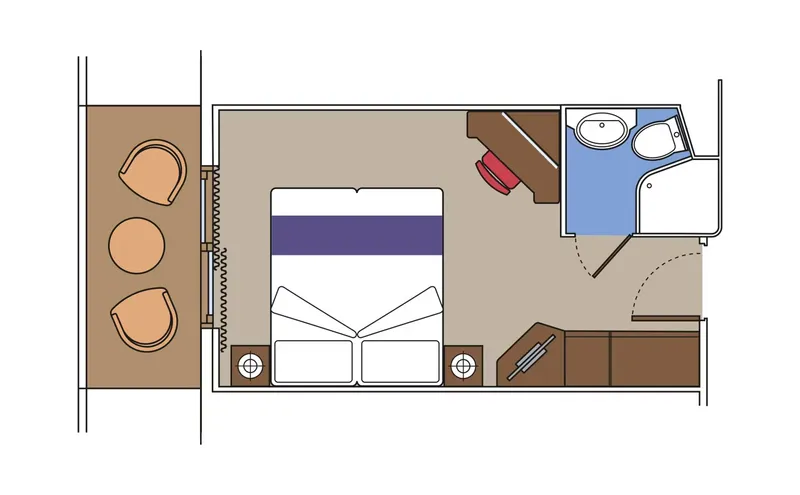
Queen or Twin ConfigurationShowerRoom Service AvailableTVWi-Fi (Additional Cost)Media/Entertainment Station+4
US$1,496 /person+ US$200 taxes & fees
View Details
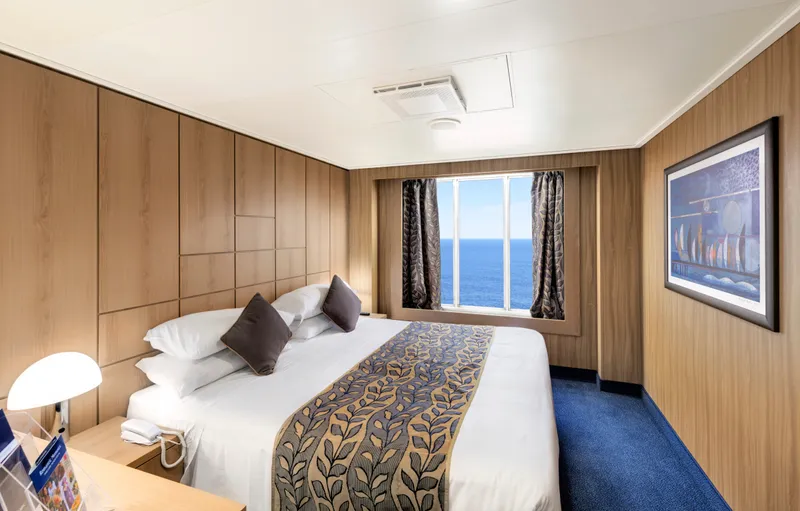
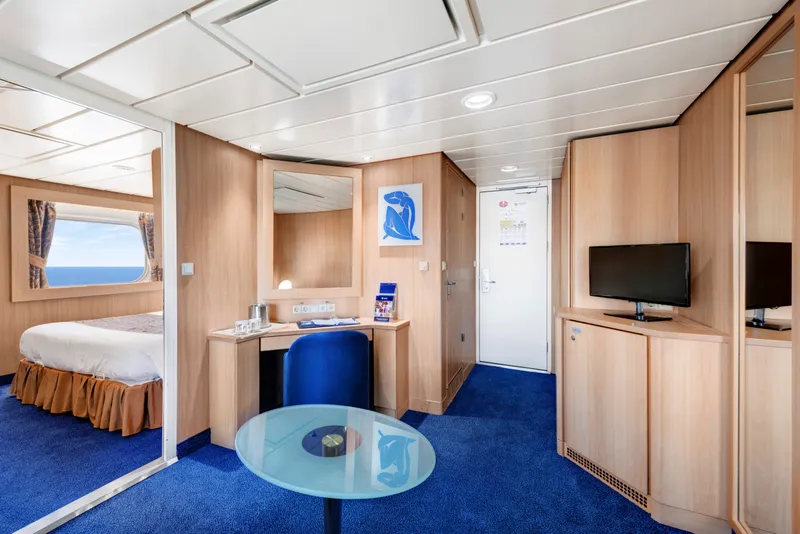
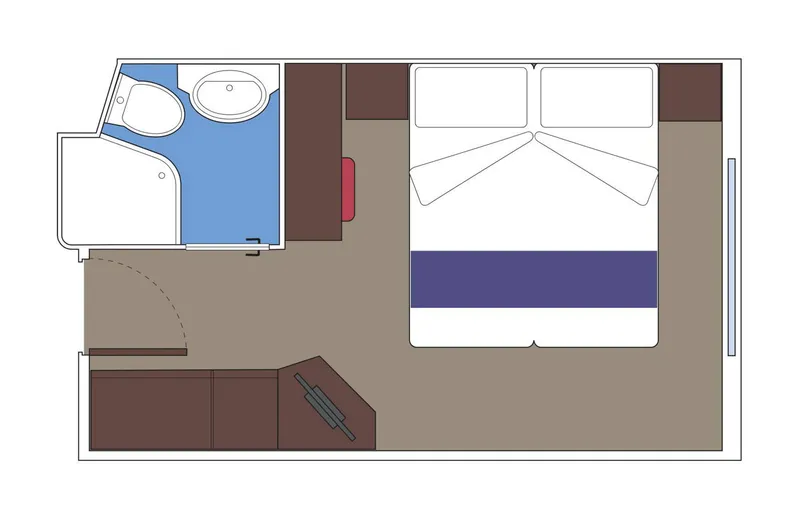
OCEAN VIEW BELLA GUARANTEED 1
OCEAN VIEW BELLA GUARANTEED 2
OCEAN VIEW BELLA GUARANTEED 6

OCEAN VIEW BELLA GUARANTEED

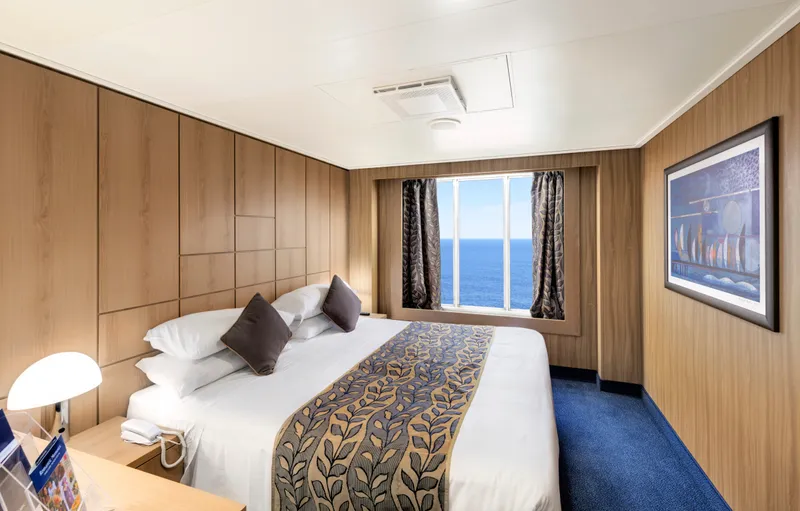
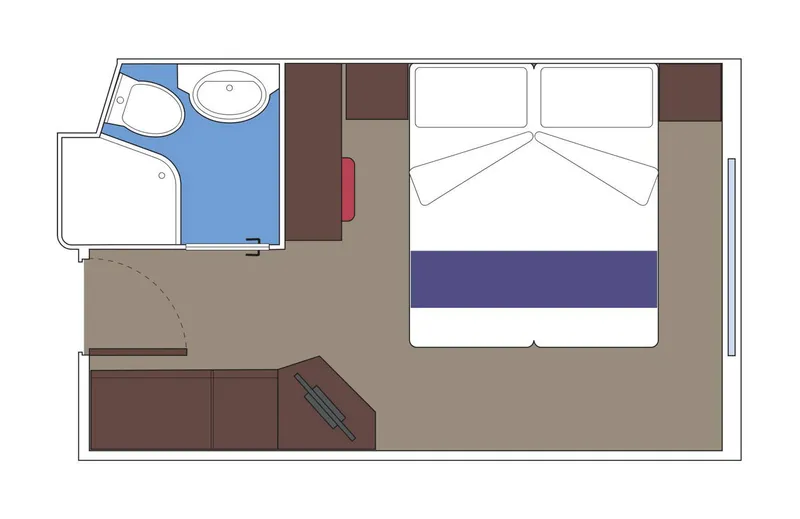
Outside
140 m²Max 2
OB

Bathroom with shower, vanity area and hairdryer
TV, telephone, safe and minibar
Wi-Fi access available

Queen or Twin ConfigurationShowerRoom Service AvailableTVWi-Fi (Additional Cost)Media/Entertainment Station+4
US$1,456 /person+ US$200 taxes & fees
View Details
PREMIUM OCEAN VIEW FANTASTICA 1
PREMIUM OCEAN VIEW FANTASTICA 2
PREMIUM OCEAN VIEW FANTASTICA 6

PREMIUM OCEAN VIEW FANTASTICA

Outside
236 m²Max 2
OL1

Relaxing armchair
Spacious closet
Bathroom with shower, vanity area and hairdryer
Interactive TV. telephone, safe and minibar
Wi-Fi access available
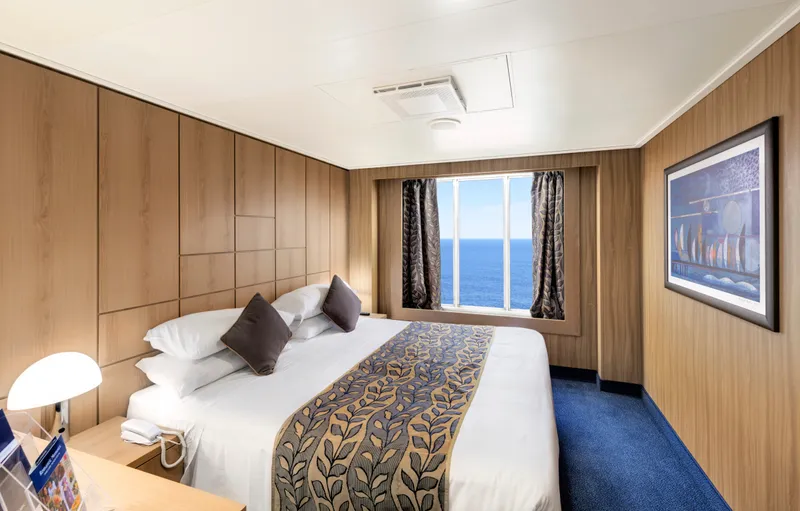
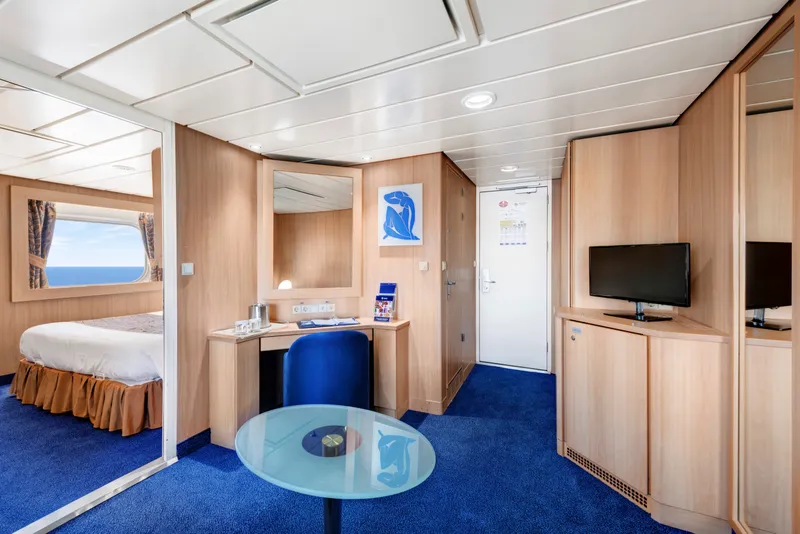
Queen or Twin ConfigurationShowerRoom Service AvailableTVWi-Fi (Additional Cost)Media/Entertainment Station+4
View Details
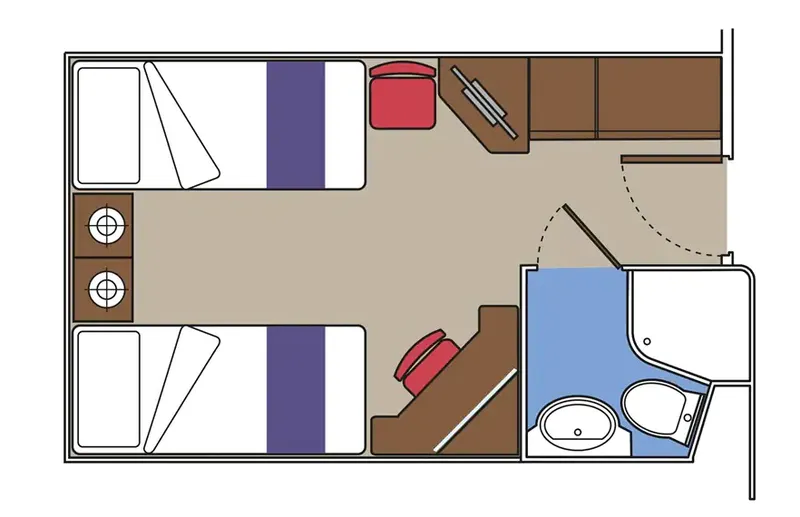
INTERIOR BELLA GUARANTEED 1
INTERIOR BELLA GUARANTEED 2
INTERIOR BELLA GUARANTEED 3

INTERIOR BELLA GUARANTEED

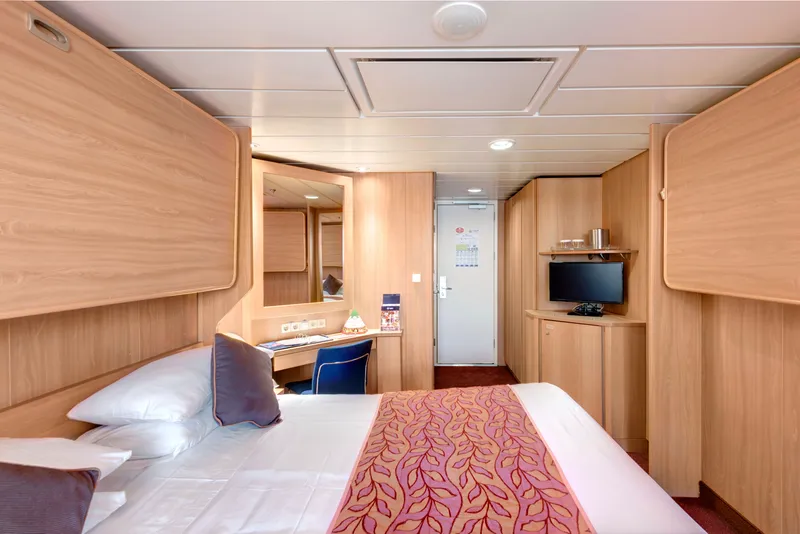
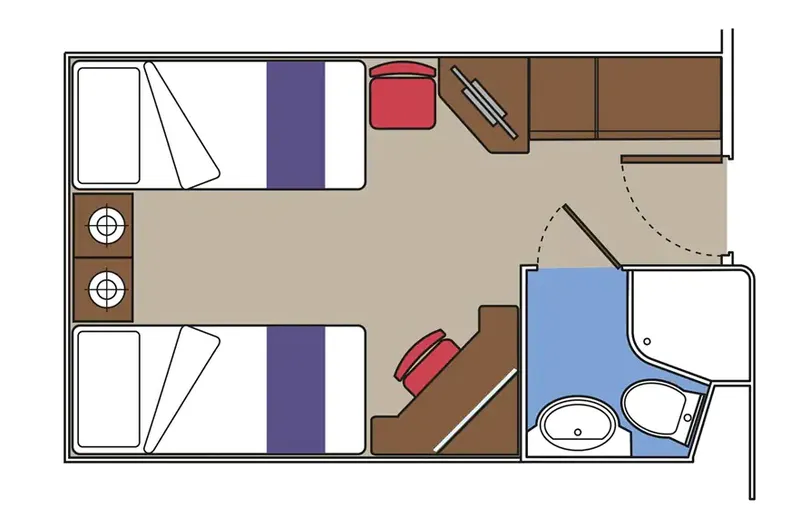
Inside
140 m²Max 2
IB

Bathroom with shower, vanity area and hairdryer
TV, telephone, safe and minibar
Wi-Fi access available

Queen or Twin ConfigurationShowerRoom Service AvailableTVWi-Fi (Additional Cost)Media/Entertainment Station+4
View Details
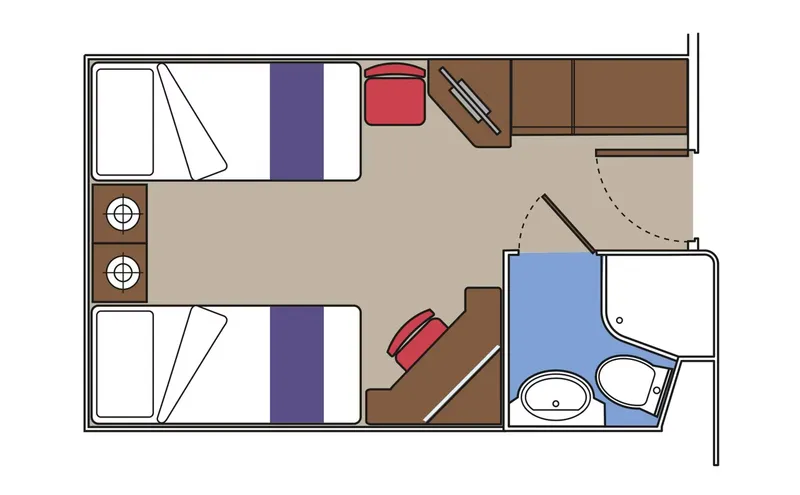
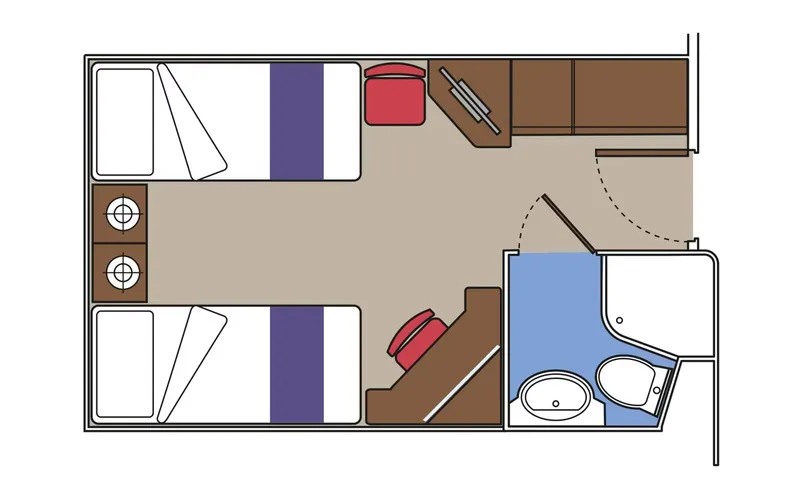
JUNIOR INTERIOR FANTASTICA 1
JUNIOR INTERIOR FANTASTICA 2
JUNIOR INTERIOR FANTASTICA 4

JUNIOR INTERIOR FANTASTICA

Inside
140 m²Max 2
IM1IM2

Relaxing armchair
Spacious closet
Bathroom with shower, vanity area and hairdryer
Interactive TV. telephone, safe and minibar
Wi-Fi access available
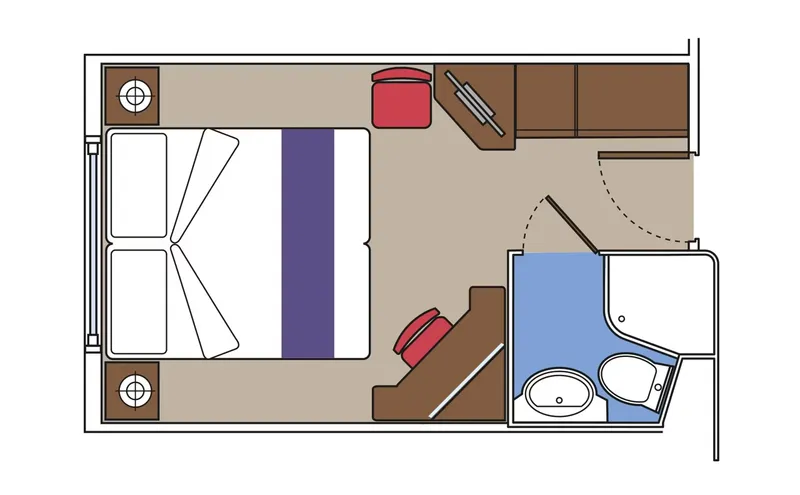
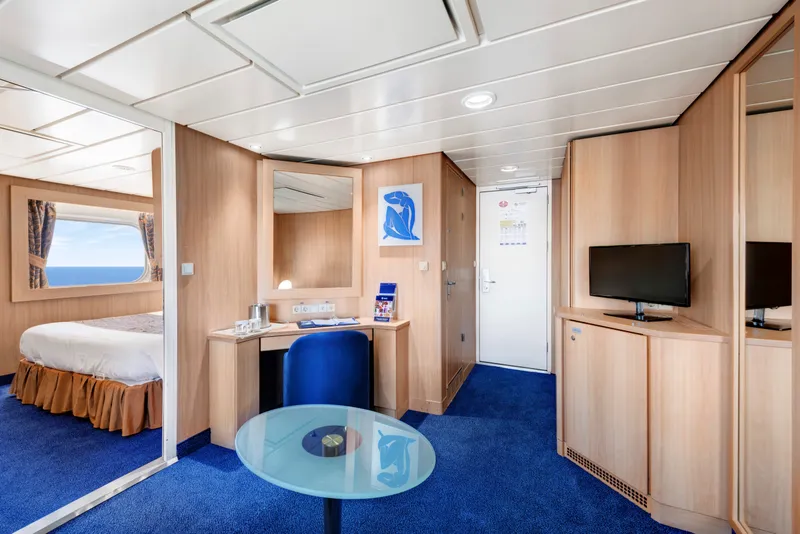
Queen or Twin ConfigurationShowerRoom Service AvailableTVWi-Fi (Additional Cost)Media/Entertainment Station+4
US$1,346 /person+ US$200 taxes & fees
View Details

Interested in This Voyage?

Our cruise specialists can help you find the perfect cabin and the best available pricing.

(+886) 02-2721-7300Contact Advisor