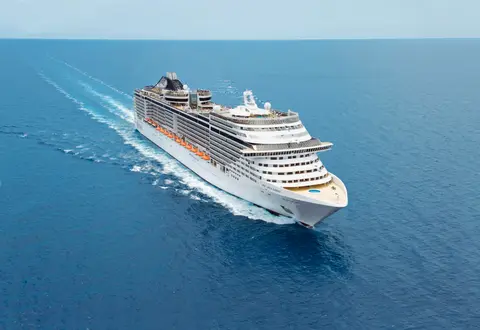
Mediterranean from Barcelona
Date
2026-07-05
Duration
7 nights
Departure Port
Barcelona
Spain
Arrival Port
Barcelona
Spain
Rating
Resort
Theme
—
Date
2026-07-05
Duration
7 nights
Departure Port
Barcelona
Spain
Arrival Port
Barcelona
Spain
Rating
Resort
Theme
—
MSC Cruises
2008
—
137,936 GT
4,363
1,637
1,370
1016 m
37 m
22 knots
No
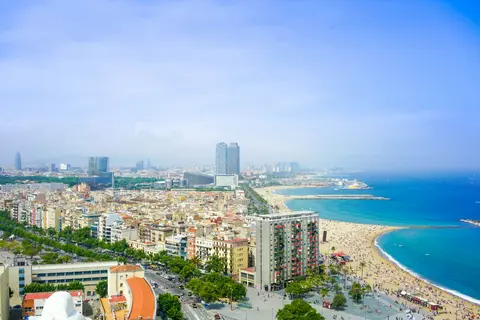
Barcelona is the city where Roman history, Gothic grandeur, and Gaudí's delirious Modernisme collide in a Mediterranean coastal capital of astonishing energy and beauty. The Sagrada Família — still under construction after 140 years — continues its audacious ascent toward completion, while the Gothic Quarter's Roman-era foundations and the Passeig de Gràcia's extraordinary concentration of Modernisme masterpieces reward days of exploration. For a complete sensory experience, lose an afternoon in the covered labyrinth of La Boqueria market before descending to the waterfront for Catalan seafood at its finest. May through June and September through October offer the most pleasant weather; the city connects directly to Paris by overnight train.
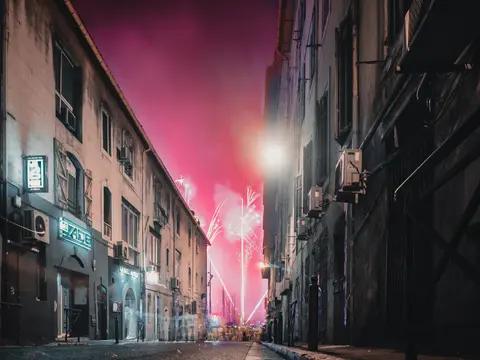
Founded by Greek sailors in 600 BC, Marseille is France's oldest and most viscerally alive city — a Mediterranean port where the catch is still sold from fishing boat decks at the Vieux-Port each morning beneath the golden Madonna of Notre-Dame de la Garde, gleaming on her basilica above the city. The bouillabaisse served at harbourside institutions such as Chez Fonfon is not merely a dish but a rite, its saffron-stained broth tying Marseille to its Hellenic roots. Explore the dramatic Calanques national park, a coastal labyrinth of turquoise coves just south of the city. Spring and autumn are the finest seasons.
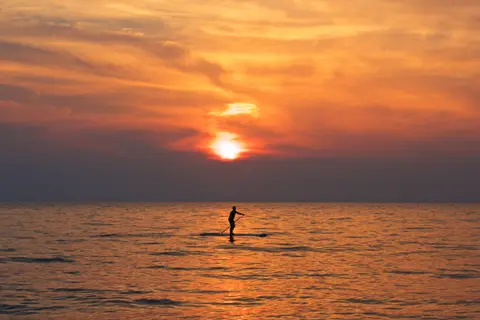
Purpose-built as a Medici utopia in the late sixteenth century, Livorno was conceived from the outset as a city without discrimination — its founding Leggi Livornine granted equal rights to Jews, Christians, Muslims, and merchants of every nation, making it one of the most cosmopolitan cities in Renaissance Europe. Today, the Venetian-style canals of the Venezia Nuova quarter reflect colourful palazzi with a distinctly faded glamour, while the Mercato Centrale's fish counters display the cacciucco ingredients — a robust Livornese brodetto of five sea creatures — that make this port city a pilgrimage for serious eaters. Day trips to Pisa and Lucca are effortless from here. The season runs April through October.
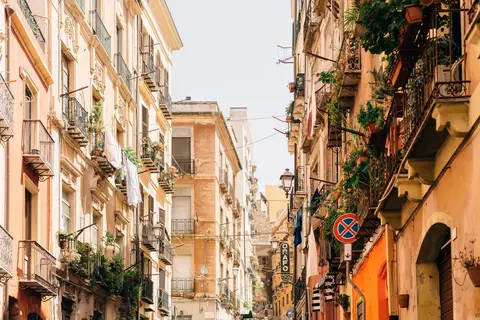
Cagliari, Sardinia's sun-drenched capital overlooking the Gulf of Angels, has absorbed three thousand years of Phoenician, Carthaginian, Roman, Pisan, and Spanish ambitions into a layered and deeply compelling Mediterranean city — where the flamingo-fringed salt lagoons stretching to the city's western edge create one of Europe's most surreal urban vistas. The Castello quarter's medieval ramparts enclose a cathedral, Pisan towers, and panoramic terraces that survey the entire city and coastline, while the Marina district below offers some of the finest bottarga pasta and fresh tuna in Italy. Visit May through September for beach perfection; the prehistoric Nuraghe Su Nuraxi at Barumini, a UNESCO Wonder, is an hour's drive north.
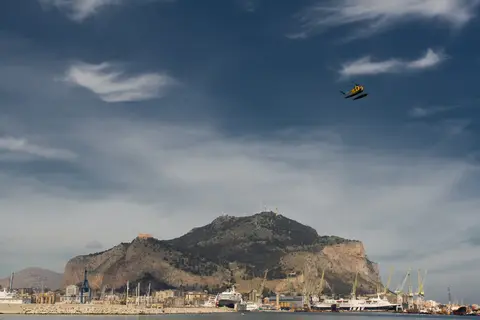
Palermo is the Mediterranean's most intoxicating crossroads of civilisations — Arab arches meet Byzantine gold mosaics beneath Norman royal chapels in the extraordinary Palatine Chapel, a monument to 12th-century multicultural brilliance that is Sicily's single greatest work of art. The Ballarò and Capo street markets, among southern Italy's most atmospheric, tumble through the ancient city in a sensory barrage of swordfish, blood oranges, jasmine, and street food improvised across centuries. Do not leave without tasting arancini and sfincione, Sicily's gloriously thick street pizza. Spring (April–May) and autumn (September–October) offer the ideal climate — warm enough for the sea, cool enough for extended walking.
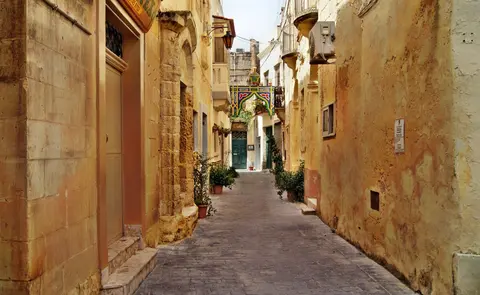
Valletta, Europe's smallest capital, is a fortress city of exceptional grandeur raised from bare limestone in just fifteen years after the Knights of St. John repelled the great Ottoman siege of 1565 — its rigid Renaissance grid of sun-drenched streets concealing a density of baroque palaces, gilded oratories, and subterranean World War II shelters unrivaled anywhere in the Mediterranean. The Grand Harbour, framed by golden bastions plunging into startlingly blue water, offers one of the most dramatically photogenic arrivals in the world for arriving vessels. Spring and autumn deliver the most comfortable temperatures for exploring this UNESCO-listed gem.
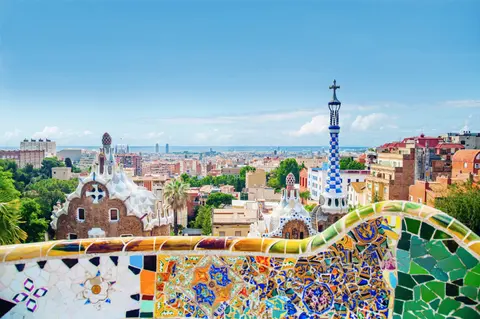
Barcelona is the city where Roman history, Gothic grandeur, and Gaudí's delirious Modernisme collide in a Mediterranean coastal capital of astonishing energy and beauty. The Sagrada Família — still under construction after 140 years — continues its audacious ascent toward completion, while the Gothic Quarter's Roman-era foundations and the Passeig de Gràcia's extraordinary concentration of Modernisme masterpieces reward days of exploration. For a complete sensory experience, lose an afternoon in the covered labyrinth of La Boqueria market before descending to the waterfront for Catalan seafood at its finest. May through June and September through October offer the most pleasant weather; the city connects directly to Paris by overnight train.
Day 1
Barcelona is the city where Roman history, Gothic grandeur, and Gaudí's delirious Modernisme collide in a Mediterranean coastal capital of astonishing energy and beauty. The Sagrada Família — still under construction after 140 years — continues its audacious ascent toward completion, while the Gothic Quarter's Roman-era foundations and the Passeig de Gràcia's extraordinary concentration of Modernisme masterpieces reward days of exploration. For a complete sensory experience, lose an afternoon in the covered labyrinth of La Boqueria market before descending to the waterfront for Catalan seafood at its finest. May through June and September through October offer the most pleasant weather; the city connects directly to Paris by overnight train.
Day 2
Founded by Greek sailors in 600 BC, Marseille is France's oldest and most viscerally alive city — a Mediterranean port where the catch is still sold from fishing boat decks at the Vieux-Port each morning beneath the golden Madonna of Notre-Dame de la Garde, gleaming on her basilica above the city. The bouillabaisse served at harbourside institutions such as Chez Fonfon is not merely a dish but a rite, its saffron-stained broth tying Marseille to its Hellenic roots. Explore the dramatic Calanques national park, a coastal labyrinth of turquoise coves just south of the city. Spring and autumn are the finest seasons.
Day 3
Purpose-built as a Medici utopia in the late sixteenth century, Livorno was conceived from the outset as a city without discrimination — its founding Leggi Livornine granted equal rights to Jews, Christians, Muslims, and merchants of every nation, making it one of the most cosmopolitan cities in Renaissance Europe. Today, the Venetian-style canals of the Venezia Nuova quarter reflect colourful palazzi with a distinctly faded glamour, while the Mercato Centrale's fish counters display the cacciucco ingredients — a robust Livornese brodetto of five sea creatures — that make this port city a pilgrimage for serious eaters. Day trips to Pisa and Lucca are effortless from here. The season runs April through October.
Day 4
Cagliari, Sardinia's sun-drenched capital overlooking the Gulf of Angels, has absorbed three thousand years of Phoenician, Carthaginian, Roman, Pisan, and Spanish ambitions into a layered and deeply compelling Mediterranean city — where the flamingo-fringed salt lagoons stretching to the city's western edge create one of Europe's most surreal urban vistas. The Castello quarter's medieval ramparts enclose a cathedral, Pisan towers, and panoramic terraces that survey the entire city and coastline, while the Marina district below offers some of the finest bottarga pasta and fresh tuna in Italy. Visit May through September for beach perfection; the prehistoric Nuraghe Su Nuraxi at Barumini, a UNESCO Wonder, is an hour's drive north.
Day 5
Palermo is the Mediterranean's most intoxicating crossroads of civilisations — Arab arches meet Byzantine gold mosaics beneath Norman royal chapels in the extraordinary Palatine Chapel, a monument to 12th-century multicultural brilliance that is Sicily's single greatest work of art. The Ballarò and Capo street markets, among southern Italy's most atmospheric, tumble through the ancient city in a sensory barrage of swordfish, blood oranges, jasmine, and street food improvised across centuries. Do not leave without tasting arancini and sfincione, Sicily's gloriously thick street pizza. Spring (April–May) and autumn (September–October) offer the ideal climate — warm enough for the sea, cool enough for extended walking.
Day 6
Valletta, Europe's smallest capital, is a fortress city of exceptional grandeur raised from bare limestone in just fifteen years after the Knights of St. John repelled the great Ottoman siege of 1565 — its rigid Renaissance grid of sun-drenched streets concealing a density of baroque palaces, gilded oratories, and subterranean World War II shelters unrivaled anywhere in the Mediterranean. The Grand Harbour, framed by golden bastions plunging into startlingly blue water, offers one of the most dramatically photogenic arrivals in the world for arriving vessels. Spring and autumn deliver the most comfortable temperatures for exploring this UNESCO-listed gem.
Day 7
Day 8
Barcelona is the city where Roman history, Gothic grandeur, and Gaudí's delirious Modernisme collide in a Mediterranean coastal capital of astonishing energy and beauty. The Sagrada Família — still under construction after 140 years — continues its audacious ascent toward completion, while the Gothic Quarter's Roman-era foundations and the Passeig de Gràcia's extraordinary concentration of Modernisme masterpieces reward days of exploration. For a complete sensory experience, lose an afternoon in the covered labyrinth of La Boqueria market before descending to the waterfront for Catalan seafood at its finest. May through June and September through October offer the most pleasant weather; the city connects directly to Paris by overnight train.
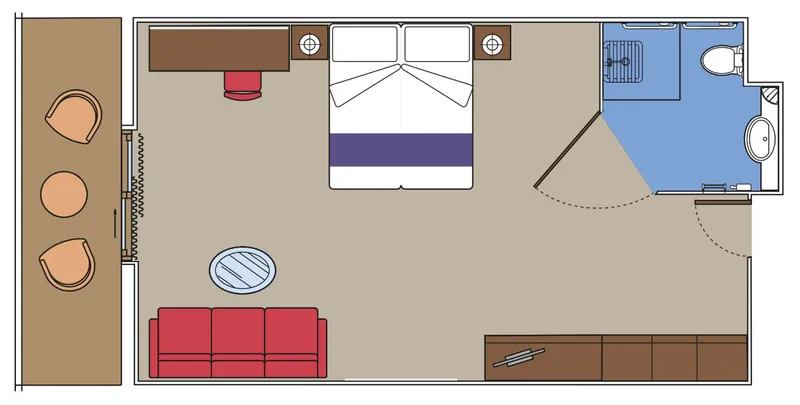
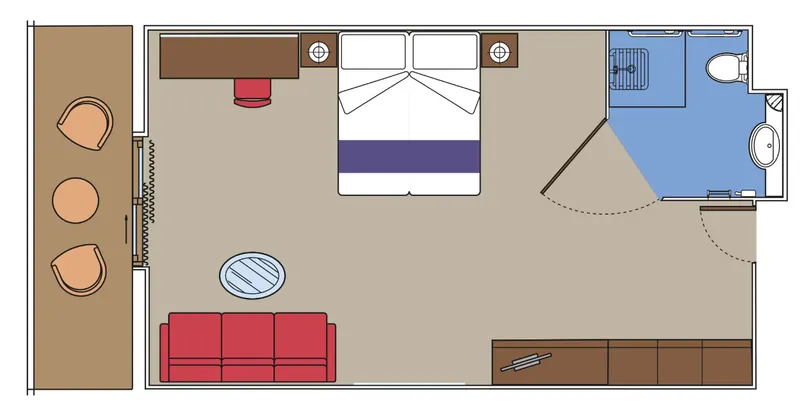
Balcony
Sitting area with sofa
Spacious closet
Bathroom with bathtub, vanity area and hairdryer
Interactive TV. telephone, safe and minibar
Wi-Fi access available
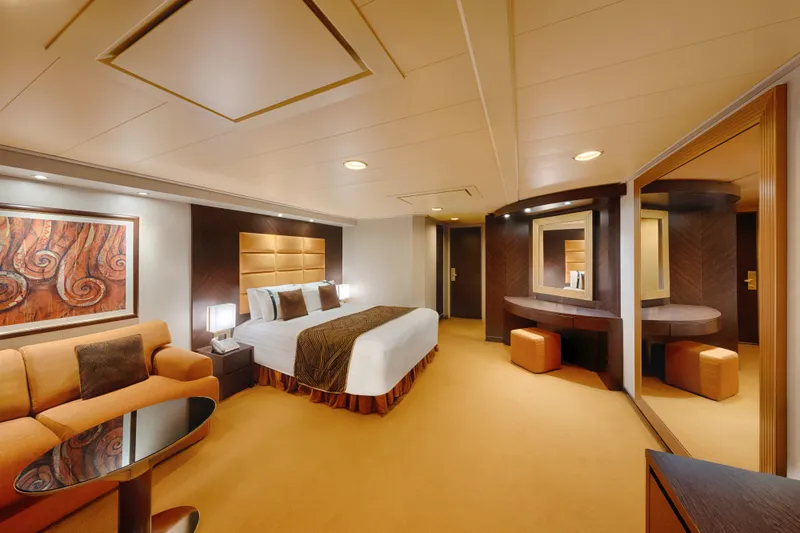
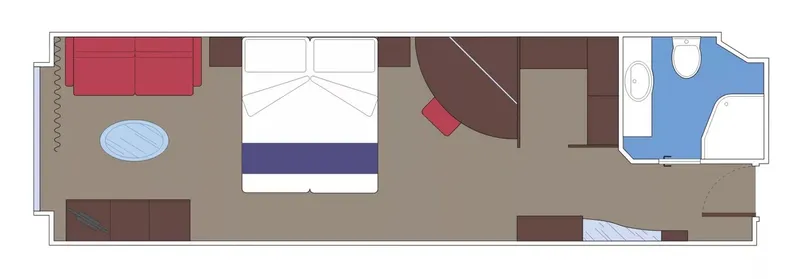
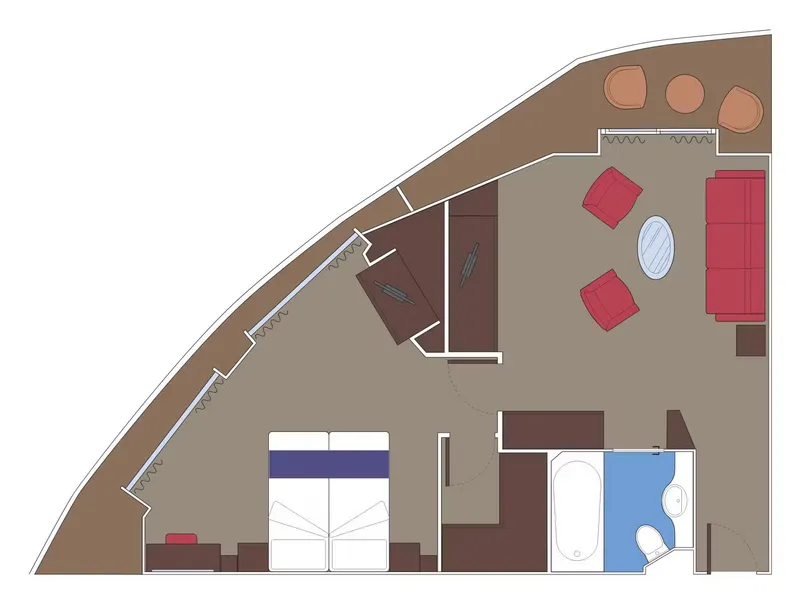
Panoramic sealed window
Sitting area with sofa
Spacious closet
Bathroom with bathtub, vanity area and hairdryer
Interactive TV. telephone, safe and minibar
Wi-Fi access available
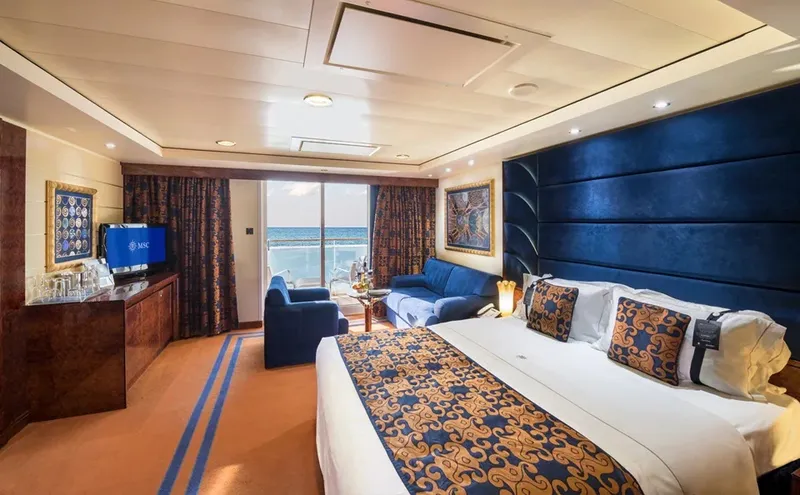
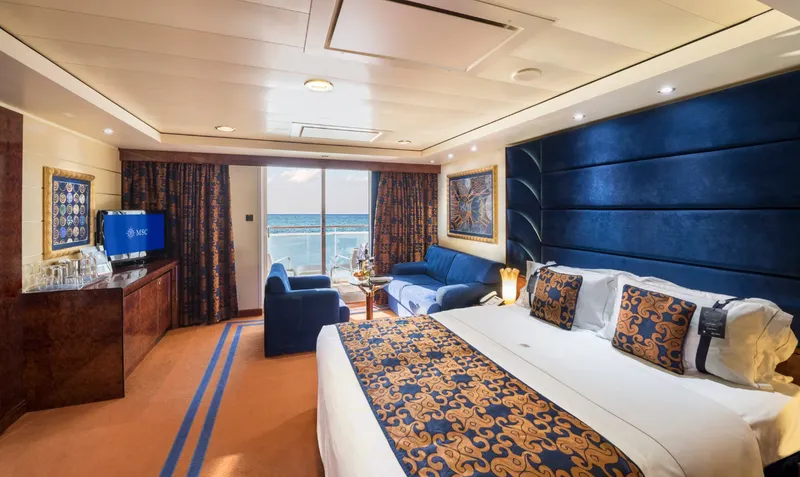
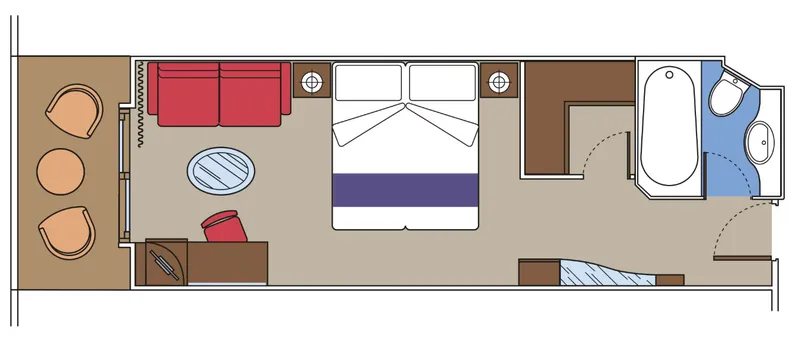
Balcony
Sitting area with sofa
Comfortable double or single beds (on request)
Spacious wardrobe
Bathroom with shower or bathtub, vanity area with hairdryer
Interactive TV, telephone, Wifi connection available (for a fee), safe and minibar
Surface approx. from 23 to 29 sq.m.*
Discover a world of privileges with MSC Yacht Club
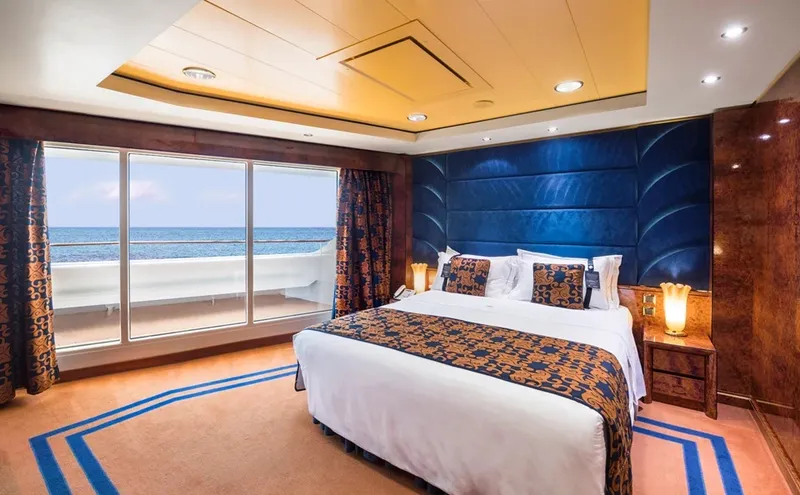
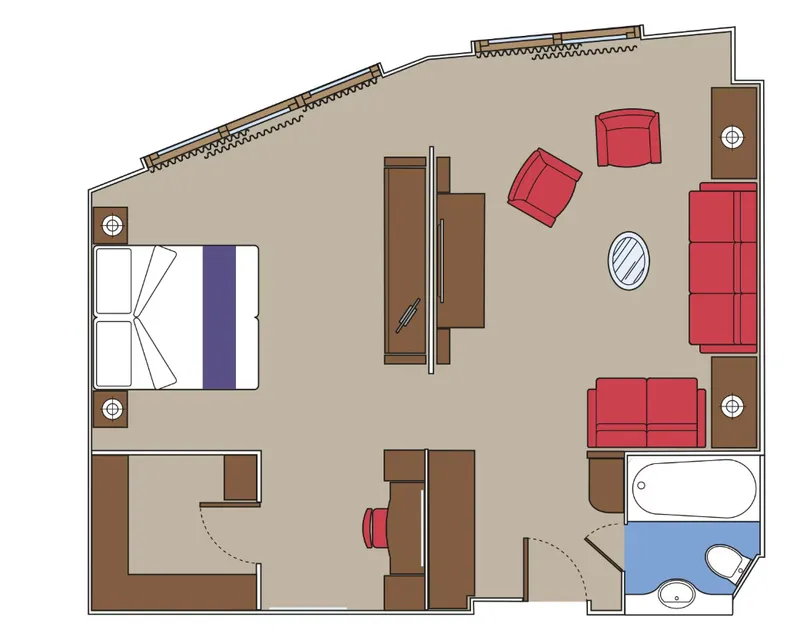
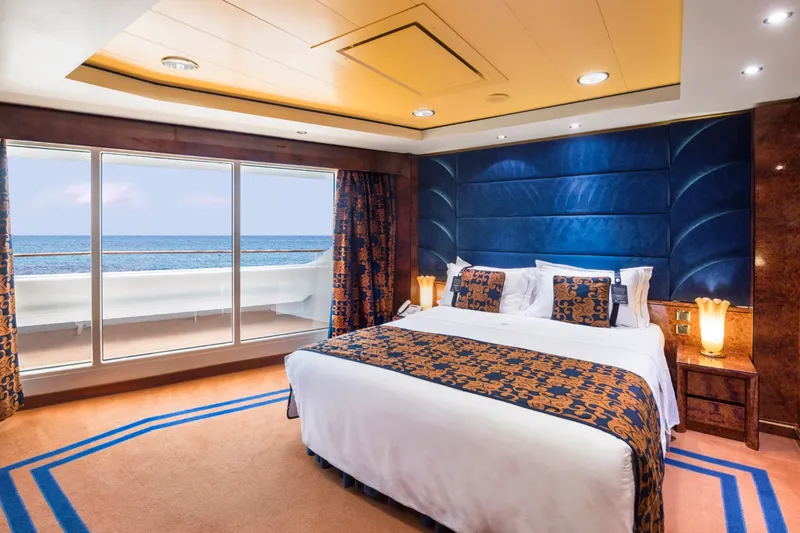
Panoramic Sealed Window
Sitting area with sofa
Comfortable double or single beds (on request)
Spacious wardrobe
Bathroom with shower or bathtub , vanity area with hairdryer
Interactive TV, telephone, Wifi connection available (for a fee), safe and minibar
Surface approx. from 45 sq.m. to 53 sq.m.
Discover a world of privileges with MSC Yacht Club
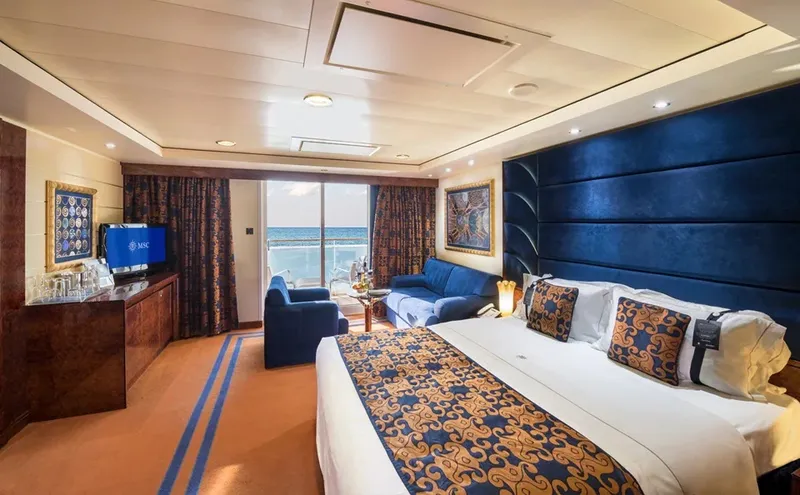
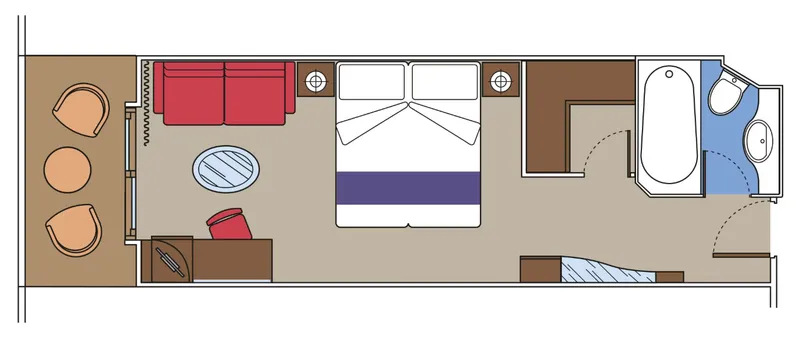
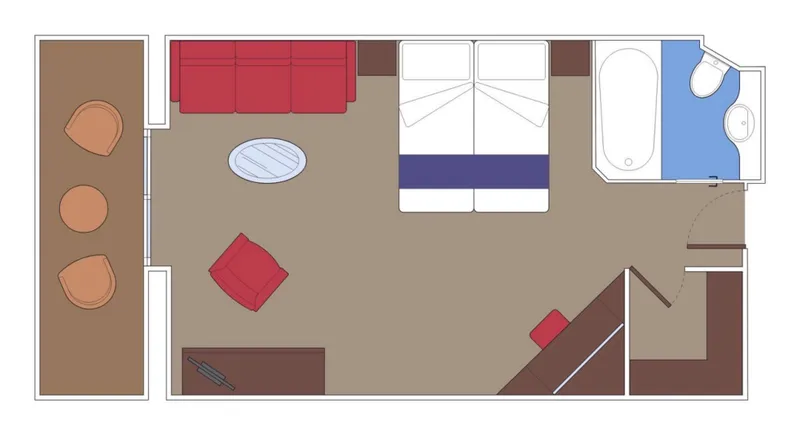
Comfortable double bed or single beds (on request)
Ample wardrobe
Bathroom with bathtub and vanity area with hairdryer
Wifi connection included
Interactive TV, telephone, safe and minibar
Surface approx. 26 sq.m, the balcony is approx. 6 sq.m.
Discover a world of privileges with MSC Yacht Club
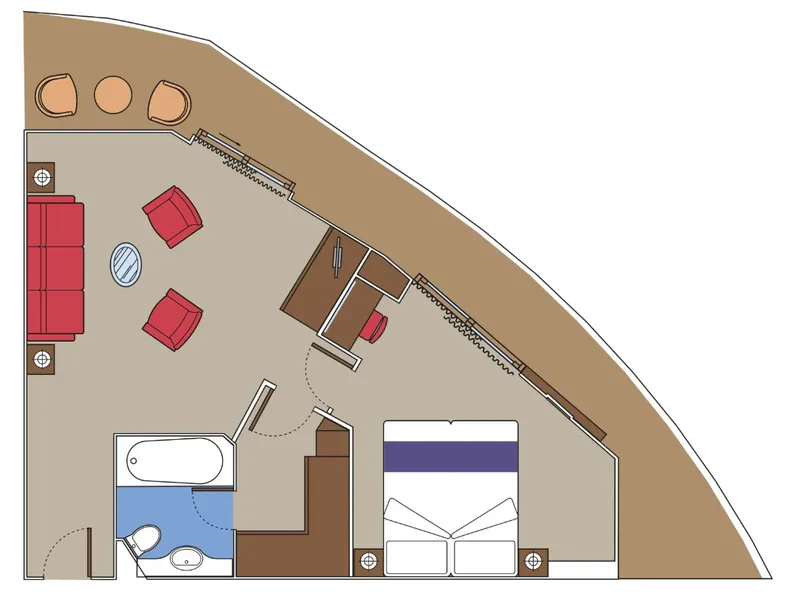
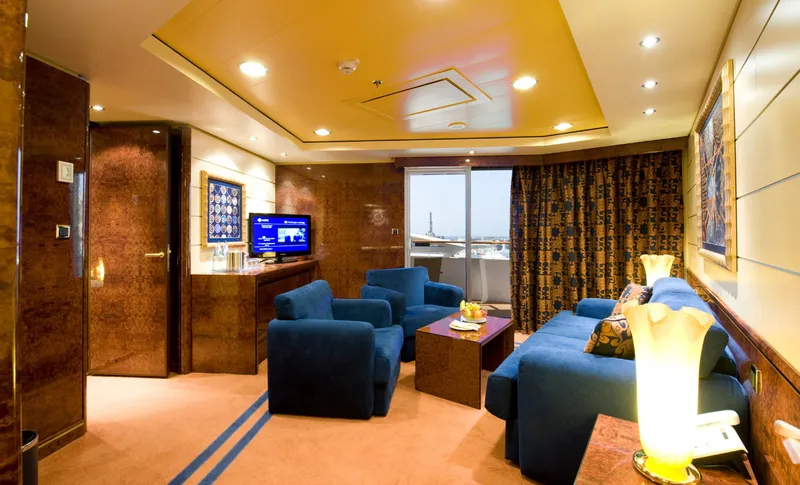
MSC Yacht Club Royal Suite
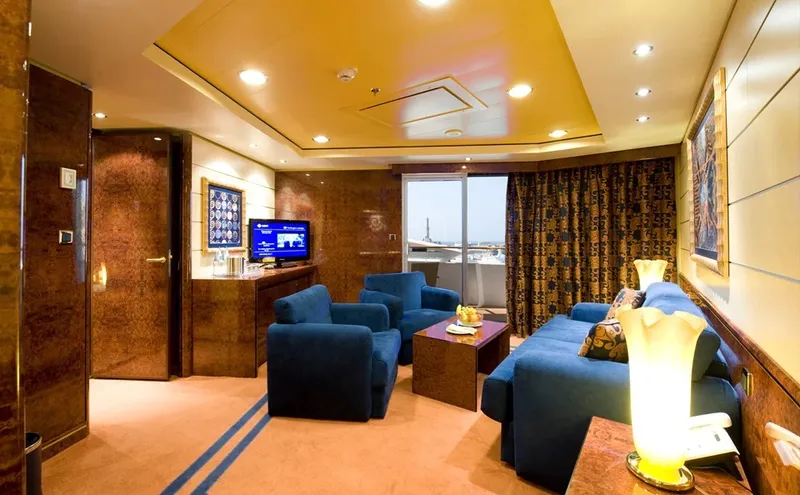
Surface approx 36 sqm and balcony approx 16 sqm with dining table, deck 16
Separate living area and dining room
Bathroom with bathtub and shower, vanity area with hairdryer
Walk-in wardrobes
Comfortable double or single beds (on request)
Wifi connection included
Interactive TV, telephone, safe and minibar
Discover a world of privileges with MSC Yacht Club including:
24-Hour Butler service and dedicated concierge
Premium Extra Drink and Internet packages included
Complimentary Access to the Thermal Suite in the MSC Aurea SPA
Balinese massage package and Specialty restaurants package, available up to 2 days prior to embarkation; 10% discount on all spa treatments purchased on board..
1 Free cruise change
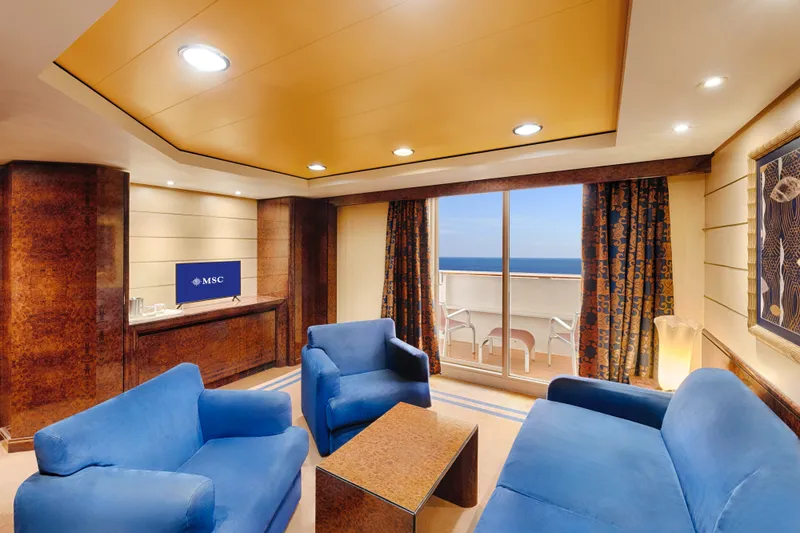
The image is representative only; the size, layout and furniture may vary (within the same cabin category).
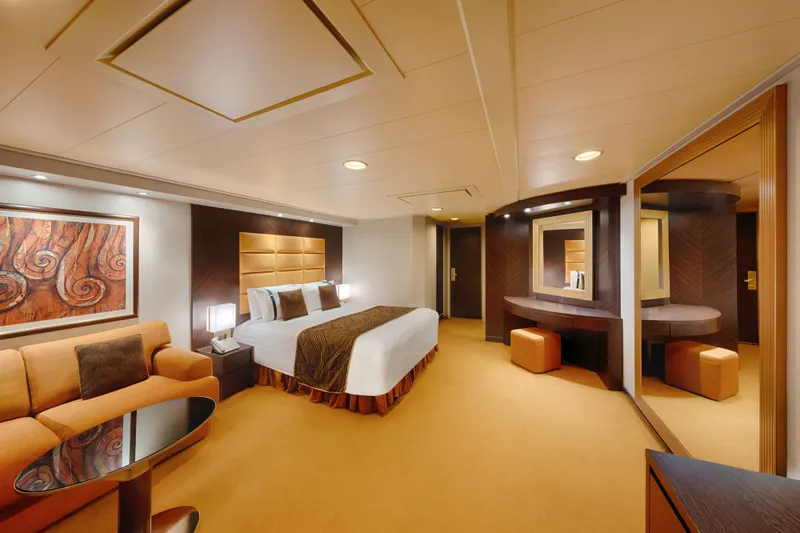
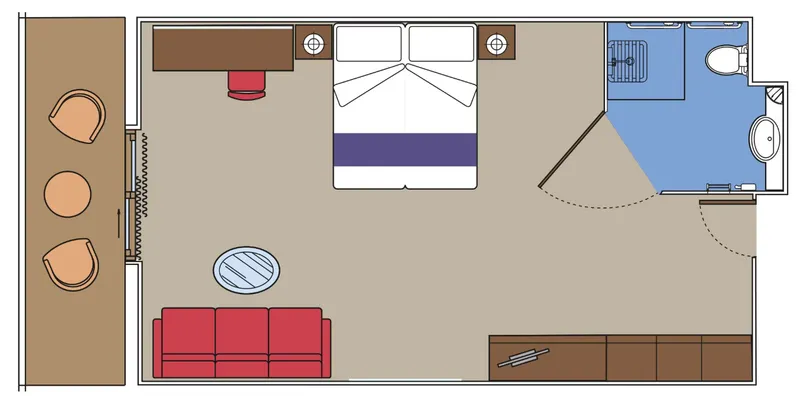
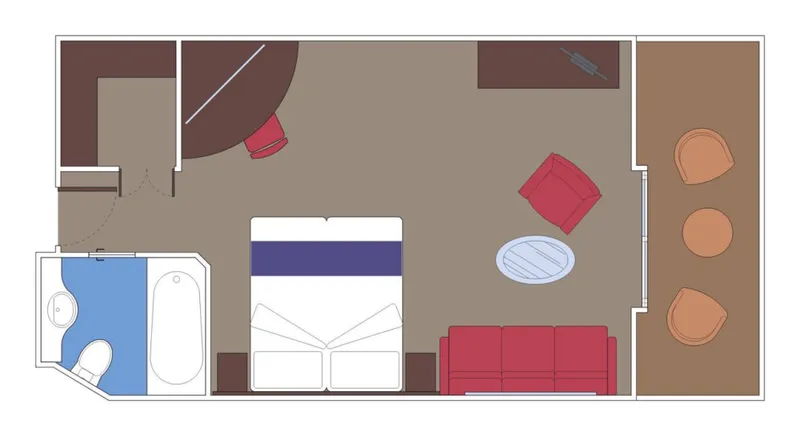
Balcony
Sitting area with sofa
Spacious closet
Bathroom with bathtub, vanity area and hairdryer
Interactive TV. telephone, safe and minibar
Wi-Fi access available
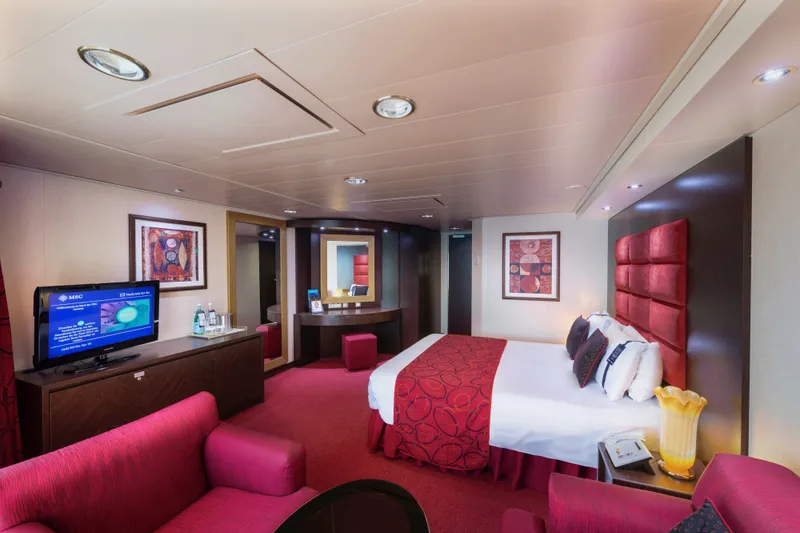
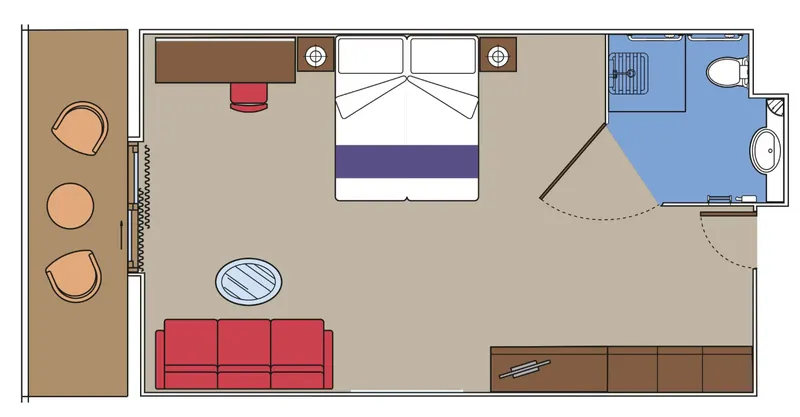
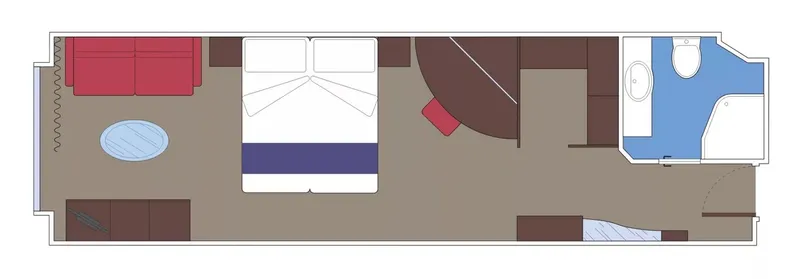
PREMIUM SUITE AUREA WITH SEALED WINDOW, DECK 9 - 11
Comfortable king bed that can be converted into two single beds
Panoramic sealed window
Sitting area with sofa
Spacious closet
Bathroom with bathtub, vanity area and hairdryer
Interactive TV. telephone, safe and minibar
Wi-Fi access available ($)
Approx. 269 – 334 ft2
Located on decks 9 - 11
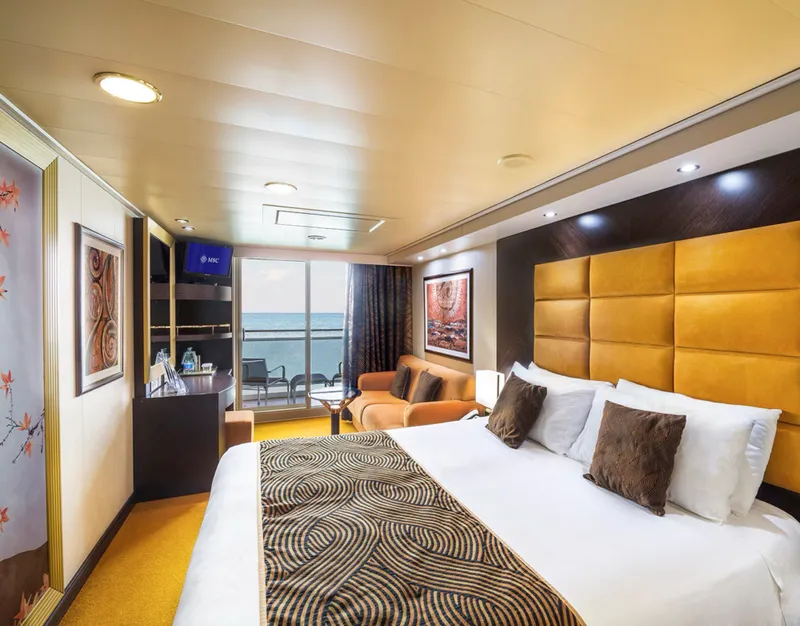
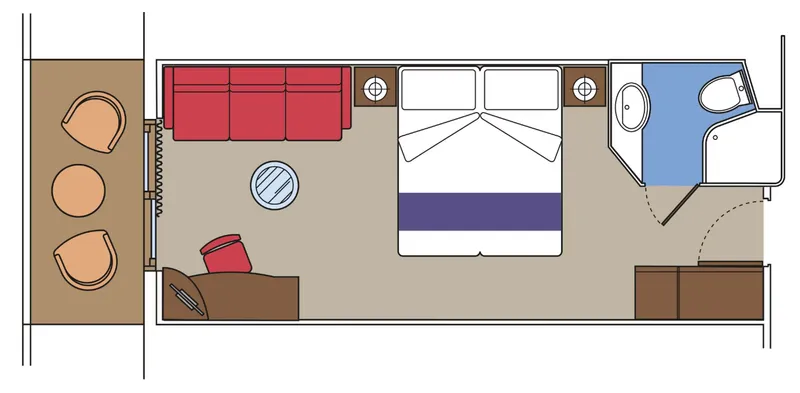
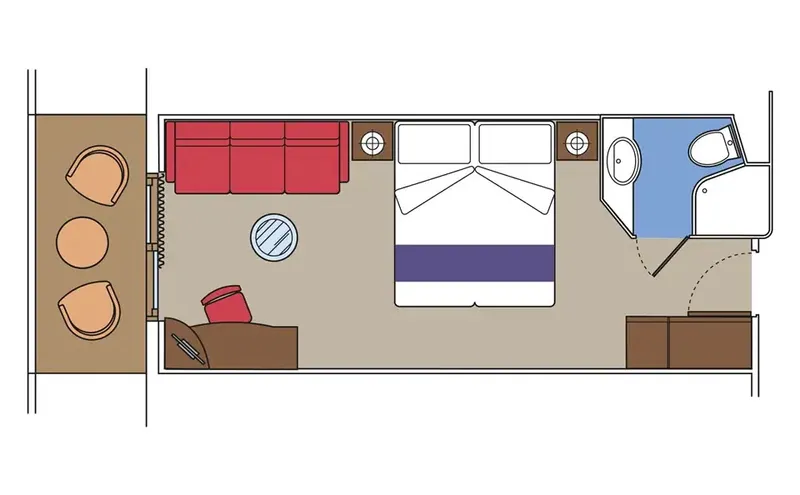
Balcony
Sitting area with sofa
Spacious closet
Bathroom with shower or bathtub, vanity area and hairdryer
Interactive TV. telephone, safe and minibar
Wi-Fi access available
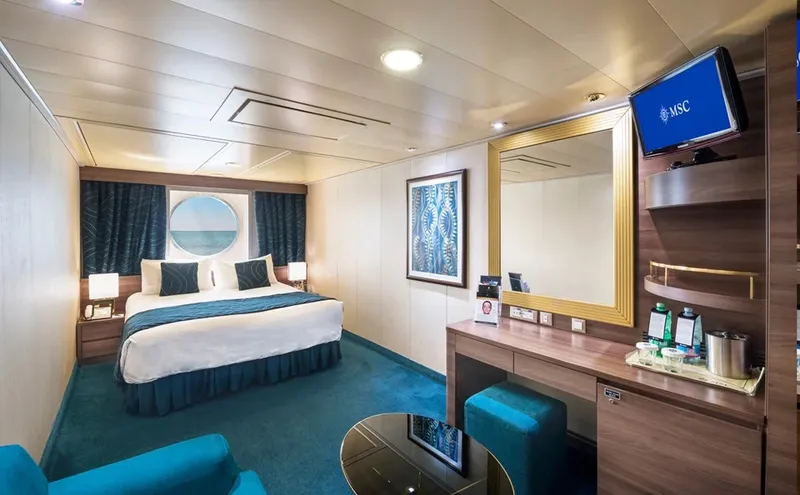
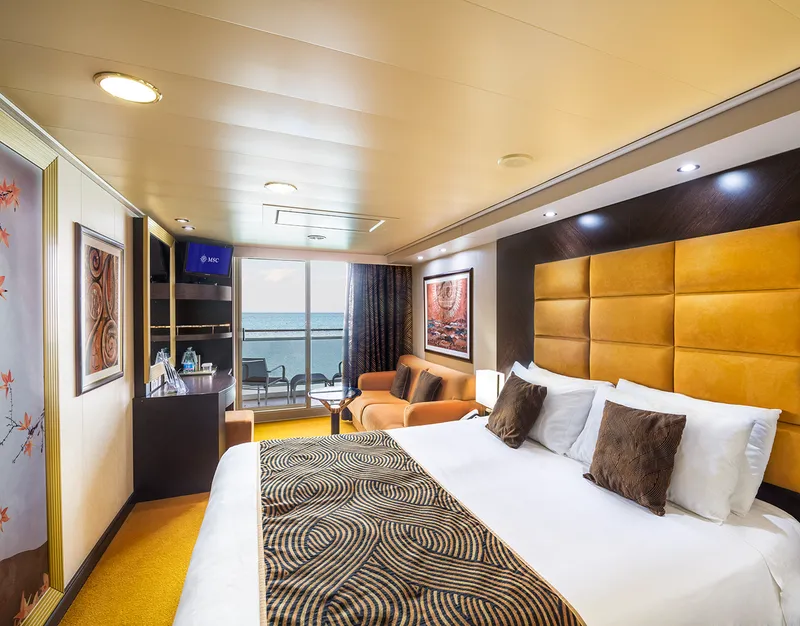
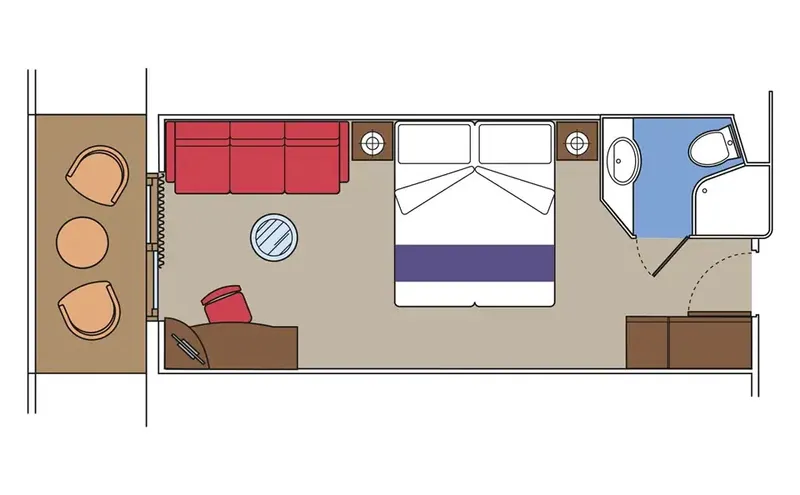
Balcony
Sitting area with sofa
Comfortable double or single beds (on request)
Interactive TV, telephone, Wifi connection available (for a fee), safe and minibar
Bathroom with shower or bathtub , vanity area with hairdryer
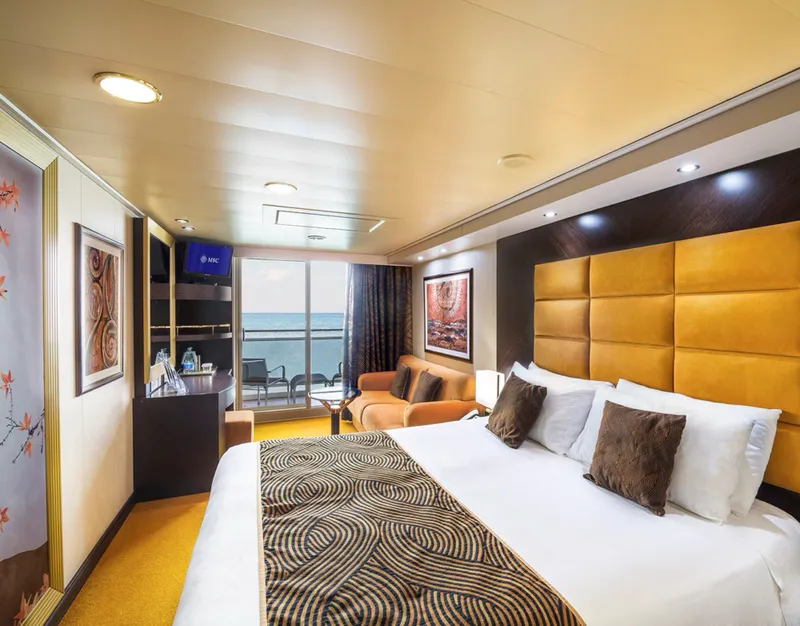
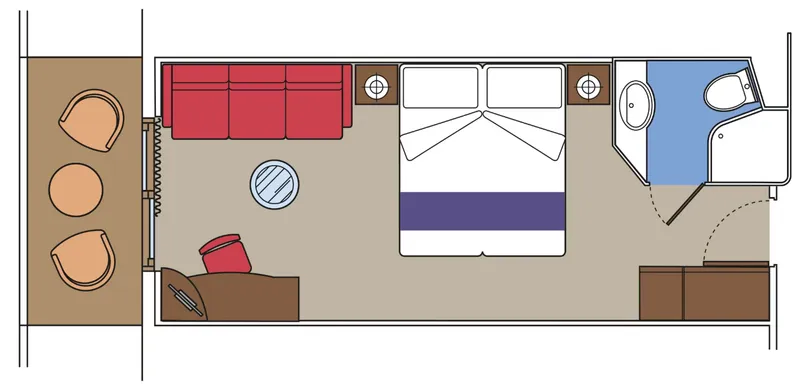
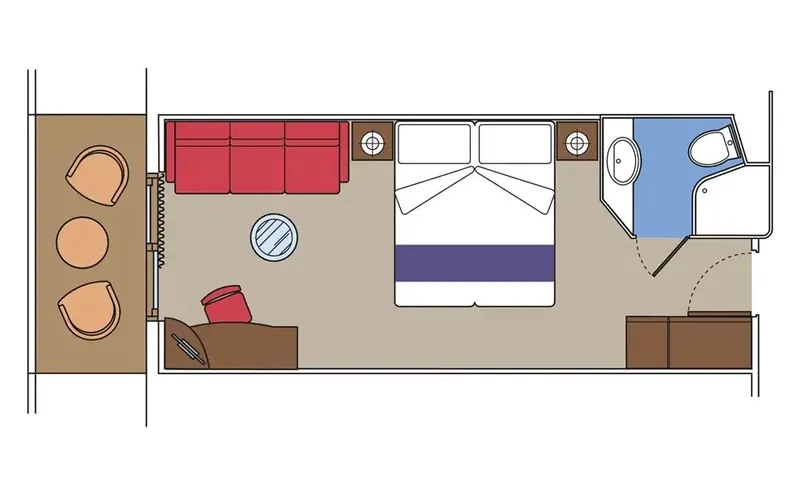
Surface approx 19 sqm, balcony approx 4 sqm.
Sitting area with sofa.
Bathroom with shower or bathtub, vanity area with hairdryer.
Comfortable double or single beds (on request).
Interactive TV, telephone, Wifi connection available (for a fee), safe and minibar.
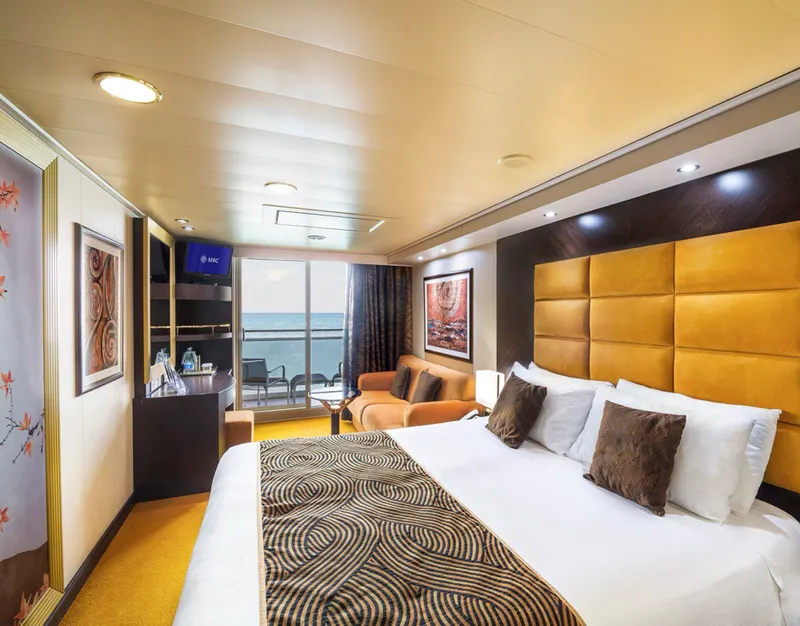
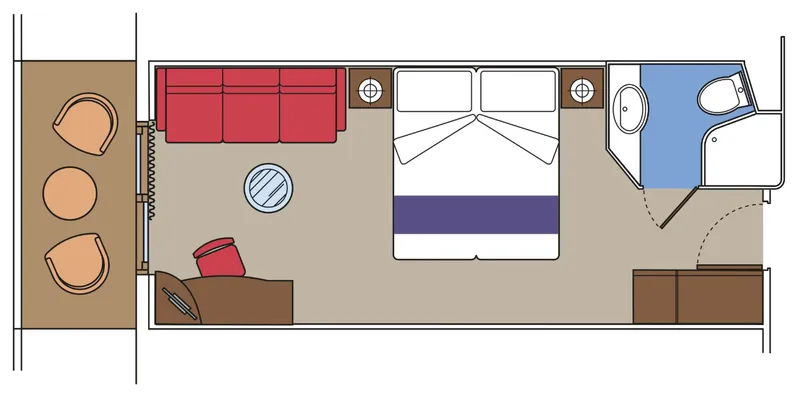
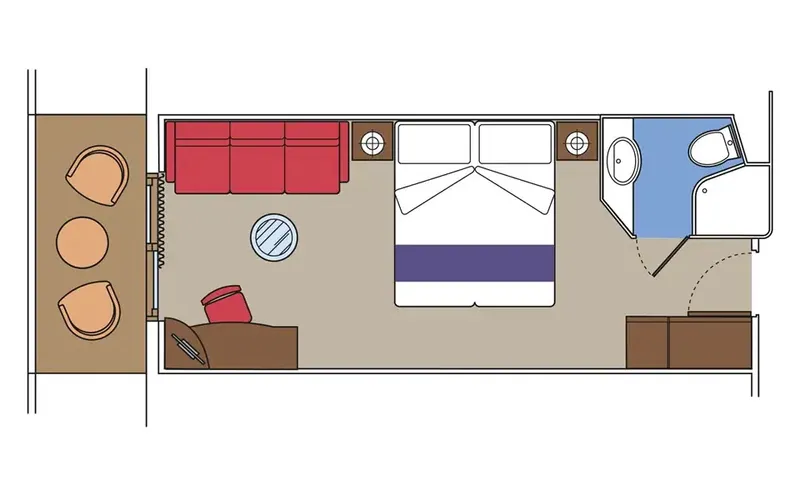
Balcony
Sitting area with sofa
Spacious closet
Bathroom with shower or bathtub, vanity area and hairdryer
Interactive TV. telephone, safe and minibar
Wi-Fi access available
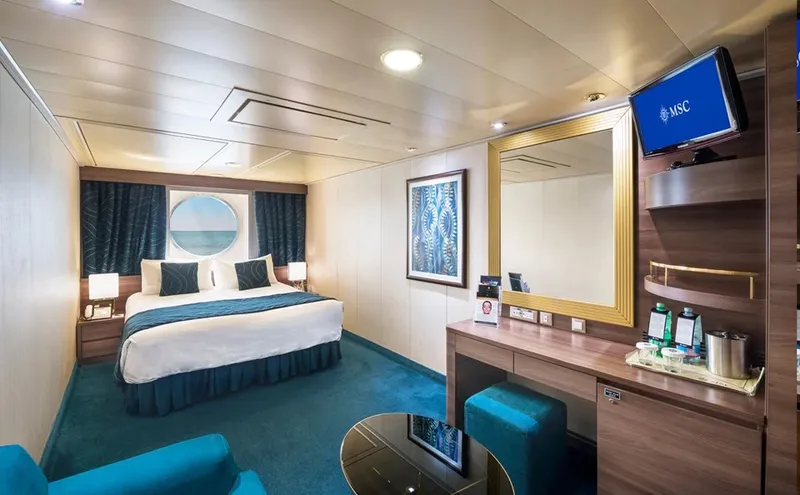
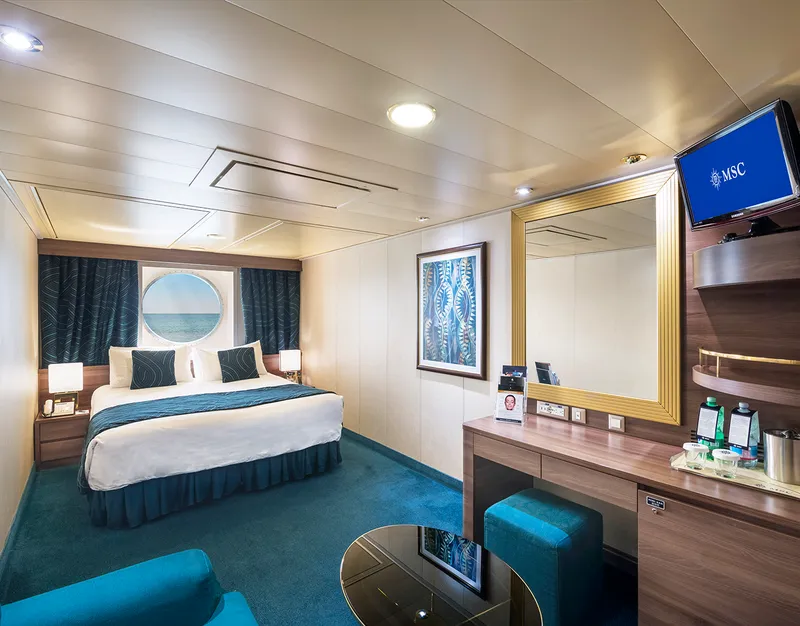
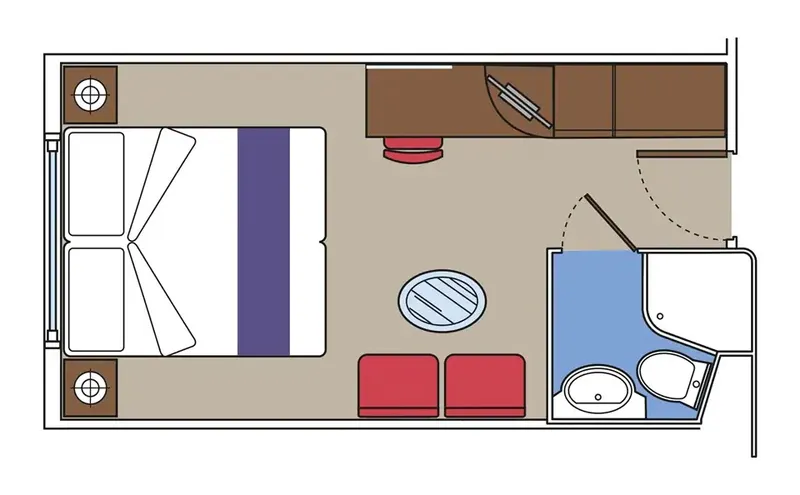
Bathroom with shower, vanity area and hairdryer
TV, telephone, safe and minibar
Wi-Fi access available
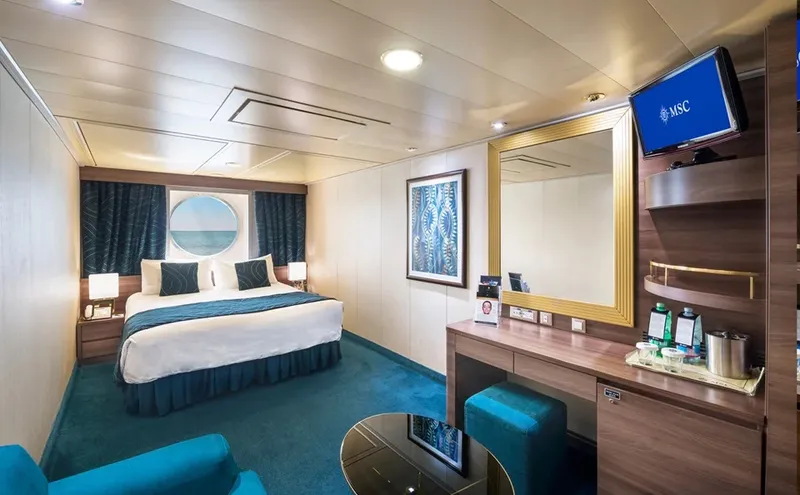
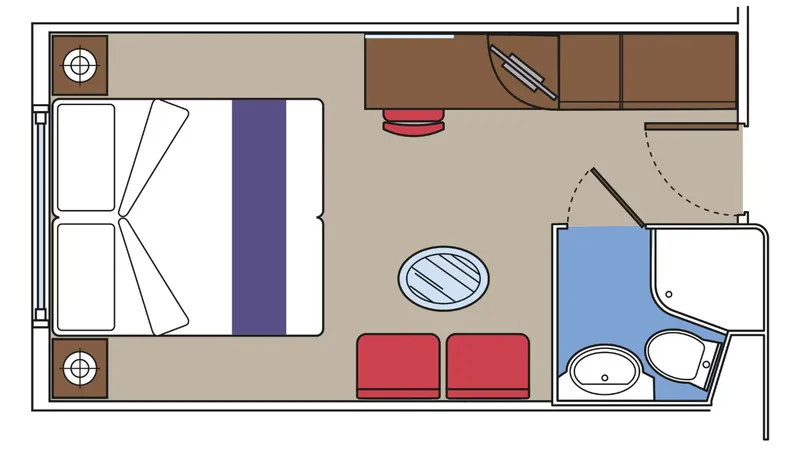
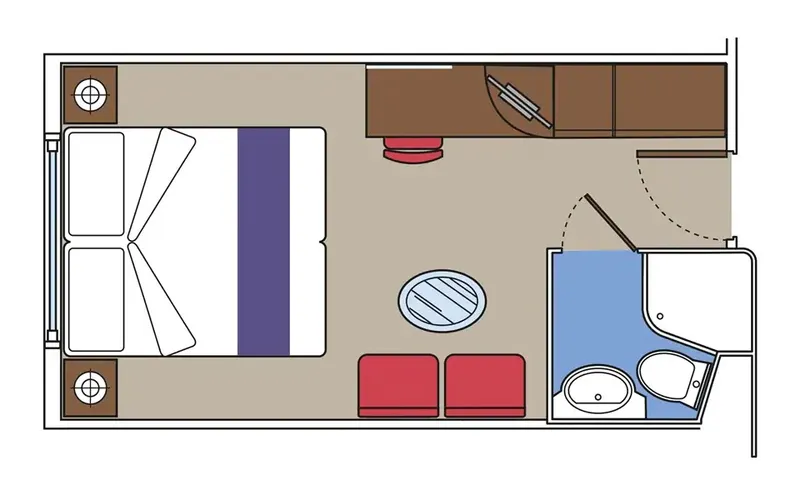
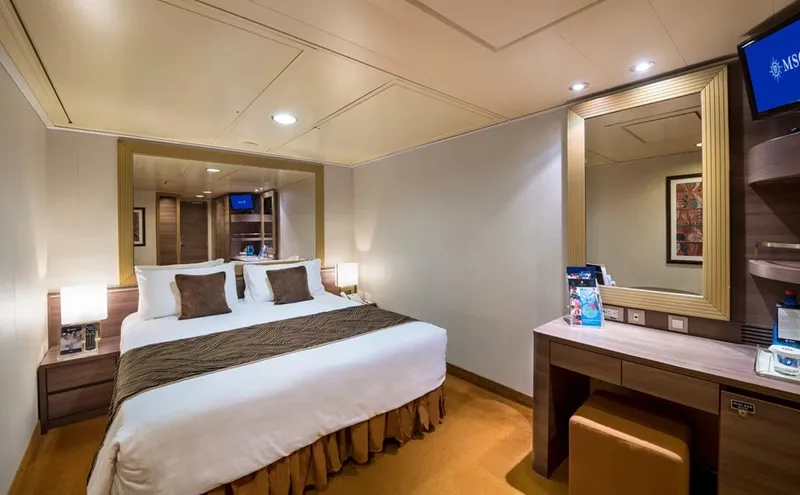
Window with sea view
Relaxing armchair
Spacious closet
Bathroom with shower, vanity area and hairdryer
Interactive TV. telephone, safe and minibar
Wi-Fi access available
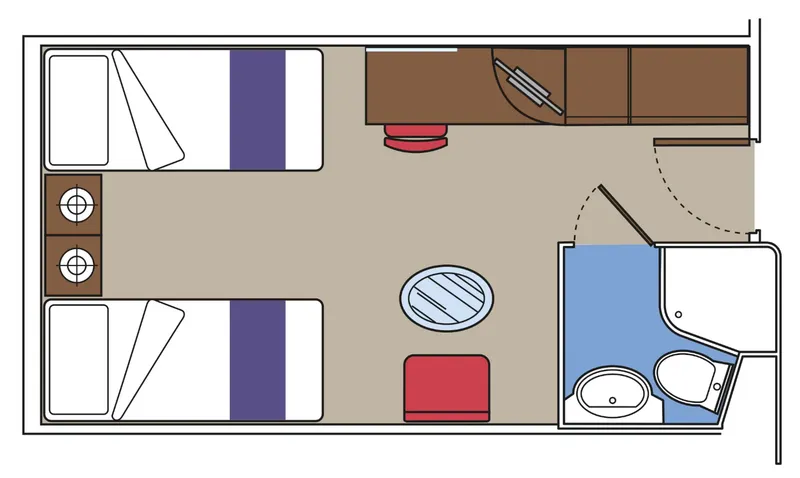
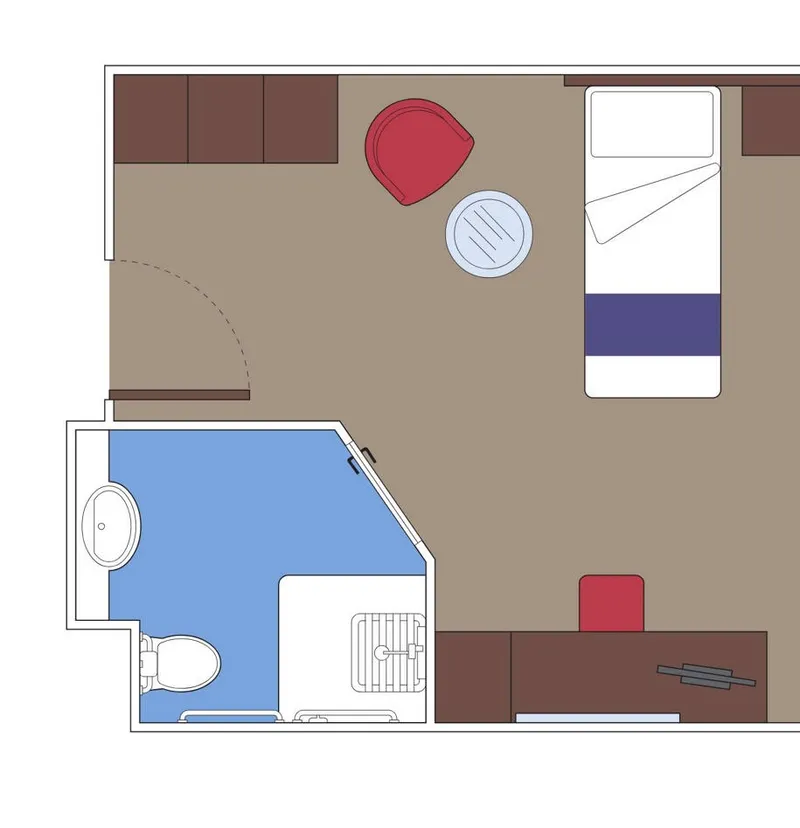
Relaxing armchair
Spacious closet
Bathroom with shower, vanity area and hairdryer
Interactive TV. telephone, safe and minibar
Wi-Fi access available
Budget-friendly rooms without windows, approx. 13–16 m².
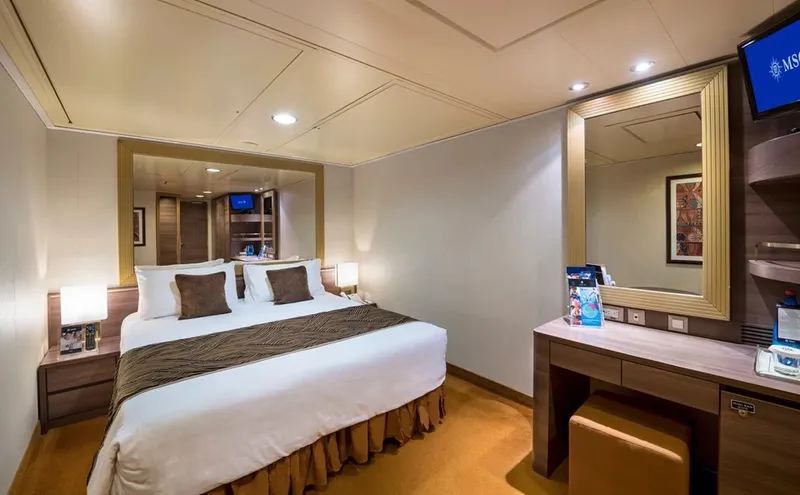
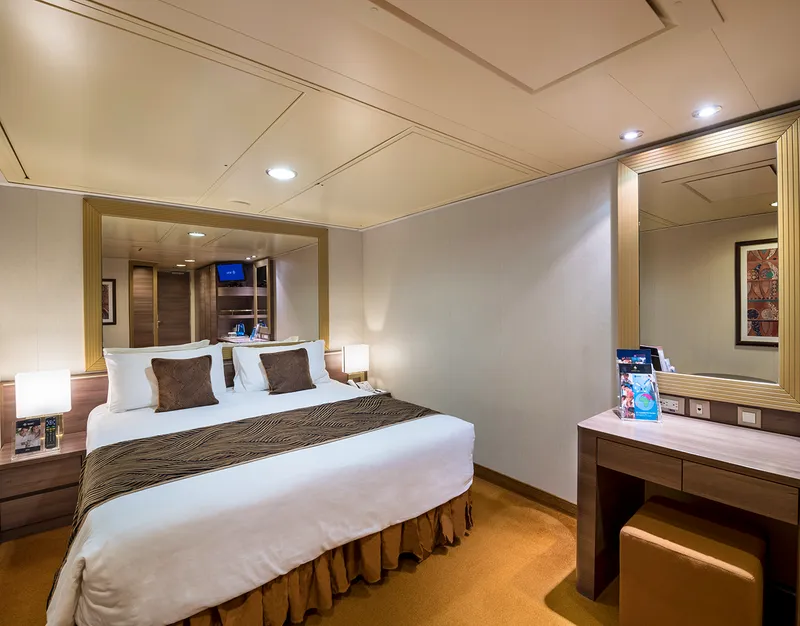
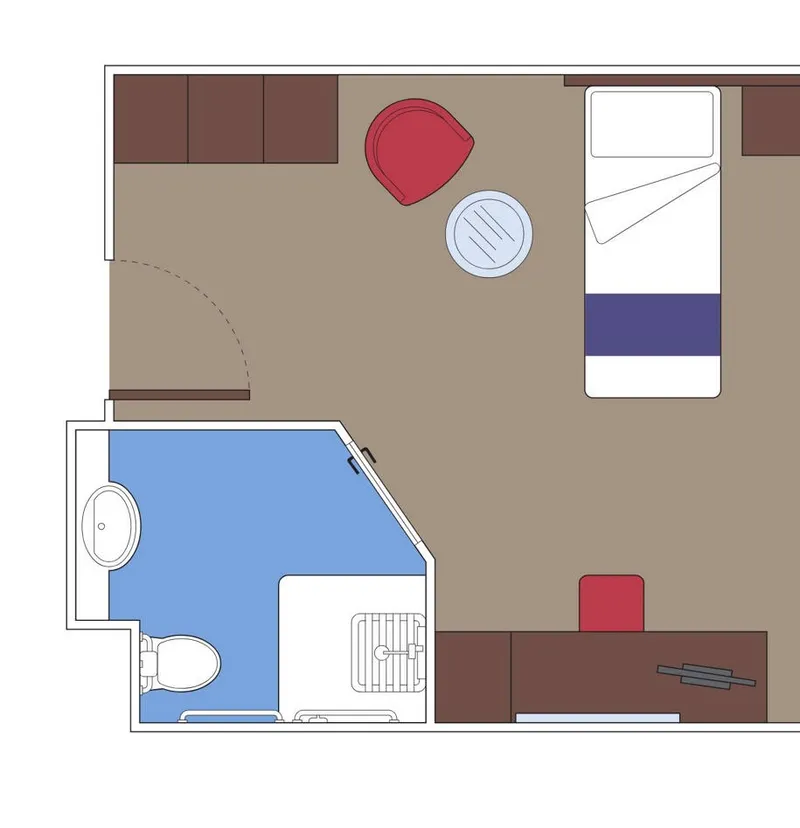
Bathroom with shower, vanity area and hairdryer
TV, telephone, safe and minibar
Wi-Fi access available
Our cruise specialists can help you find the perfect cabin and the best available pricing.
(+886) 02-2721-7300Contact Advisor