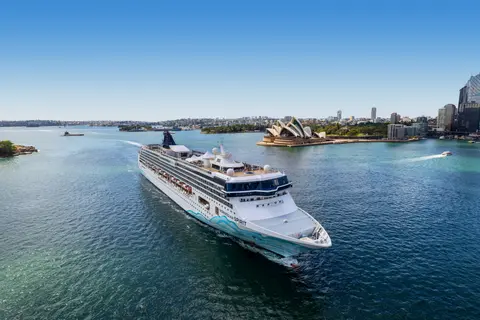
Norwegian Cruise Line24245666
11-Day Australia & New Zealand from Auckland to Sydney
Date
2027-04-12
Duration
11 nights
Departure Port
Auckland
New Zealand
Arrival Port
Sydney
Canada
Rating
Resort
Theme
—
Date
2027-04-12
Duration
11 nights
Departure Port
Auckland
New Zealand
Arrival Port
Sydney
Canada
Rating
Resort
Theme
—


Norwegian Cruise Line
1998
2022
75,904 GT
2,018
1,006
912
879 m
32 m
24 knots
No

Auckland, New Zealand's largest city, straddles a volcanic isthmus between two harbours, offering a rare blend of Pacific Rim sophistication, Māori heritage, and dramatic natural beauty. Must-do experiences include a wine-and-oyster afternoon on Waiheke Island and the panoramic ascent of Maungawhau (Mount Eden) overlooking the harbour and Rangitoto Island. The ideal cruising season runs from November through March, when long summer days, calm seas, and pohutukawa trees in scarlet bloom make the Waitematā Harbour approach truly unforgettable.
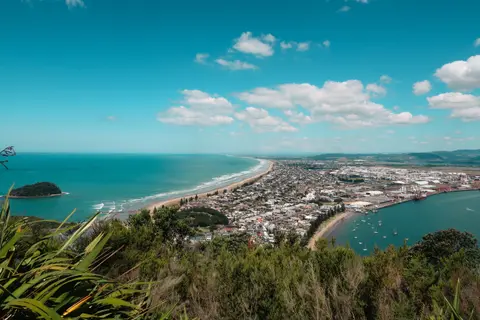
Tauranga is the gateway to New Zealand's Bay of Plenty, where the perfect beach at Mount Maunganui, Rotorua's erupting geysers, and Māori cultural experiences at Te Puia create one of the North Island's most diverse destination areas. Visit November through March via Celebrity or Princess Cruises for summit walks, geothermal wonderlands, and the authentic Māori encounters that give this sun-drenched coast cultural depth to match its natural beauty.
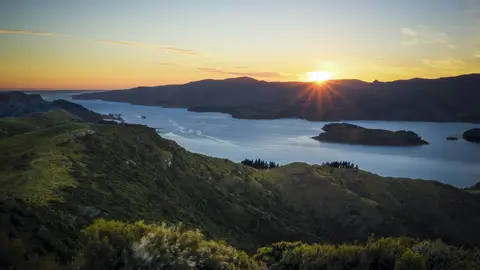
Lyttelton is Christchurch's historic harbor town, rebuilt with creative energy after the 2010-2011 earthquakes into one of New Zealand's coolest small towns with excellent restaurants and a beloved farmers' market. Must-dos include the Saturday farmers' market, swimming with Hector's dolphins in the harbor, and driving the Summit Road for panoramic views. October through March offers the warmest weather and longest days.
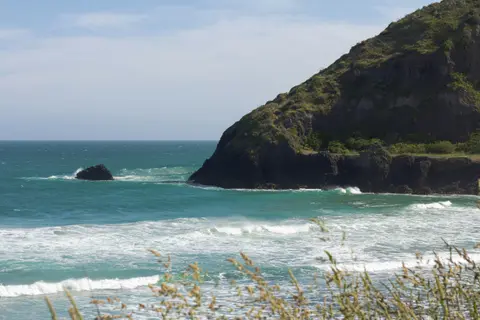
Dunedin is New Zealand's Scottish-founded southern city, home to the Southern Hemisphere's most beautiful railway station, the world's only mainland royal albatross colony, and rare yellow-eyed penguin nesting sites on the Otago Peninsula. Visit November through March via Seabourn or Oceania Cruises for wildlife encounters, Victorian architectural grandeur, and a university-town culture that punches far above its weight.
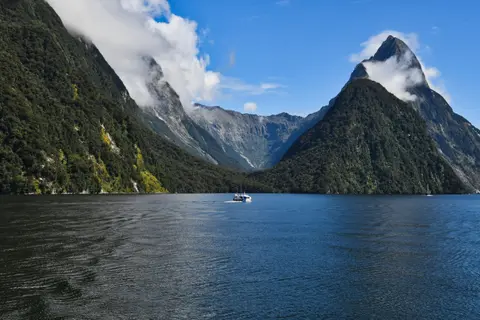
Milford Sound is a glacier-carved fiord in New Zealand's Fiordland National Park, where sheer granite walls rise 1,200 meters from dark, still water beneath cascading waterfalls and the iconic pyramid of Mitre Peak. Must-dos include scenic cruising the full length of the fjord, watching for dolphins and rare Fiordland crested penguins, and experiencing the dramatic Tasman Sea entrance. November through March offers the best weather, though rainy days create the most spectacular waterfall displays.
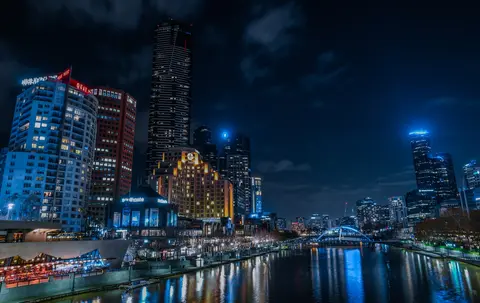
Melbourne is Australia's cultural capital, a city of labyrinthine laneways, world-class coffee, street art, and one of the most diverse food scenes on earth. Must-dos include exploring Hosier Lane's street art, eating your way through the Queen Victoria Market, and driving the Great Ocean Road to the Twelve Apostles. October through April offers the warmest weather, though Melbourne's famous changeability keeps visitors on their toes.
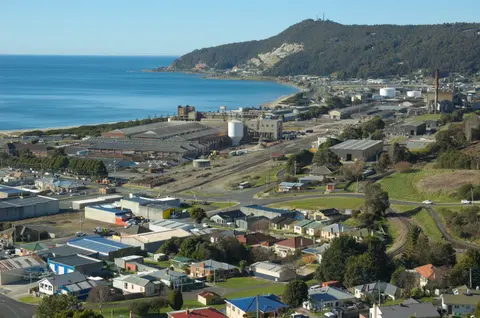
Burnie is a friendly port city on Tasmania's north coast, serving as the gateway to Cradle Mountain's wilderness, the Tarkine rainforest, and the island's celebrated artisan food culture. Must-dos include watching little penguins at dusk, tasting Tasmanian craft whisky and farmhouse cheeses, and visiting Cradle Mountain-Lake St Clair National Park. October through April offers the best weather and penguin-viewing conditions.
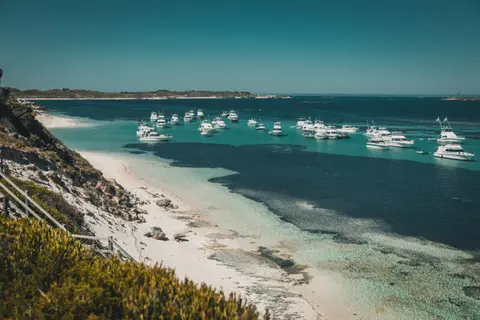
Eden is a small Australian town on the Sapphire Coast famous for its extraordinary history of orca-whalers cooperation, preserved in the Killer Whale Museum with Old Tom's skeleton as its centerpiece. Visit from October through April for humpback whale watching, pristine coastal wilderness in Ben Boyd National Park, and some of Australia's finest oysters and seafood.
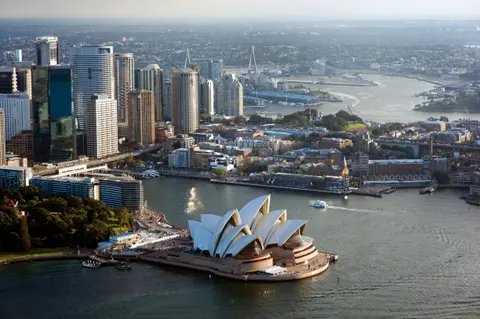
Set on what Captain Arthur Phillip called "the finest harbour in the world," Sydney stakes its claim on the global imagination with Jørn Utzon's sail-roofed Opera House, a bridge you can climb for panoramic views, and a food scene anchored by Sydney rock oysters and the largest fish market in the Southern Hemisphere. The Blue Mountains and Hunter Valley wine country extend the adventure beyond the city. October through April brings summer warmth and the harbour at its most luminously blue.
Day 1
Auckland, New Zealand's largest city, straddles a volcanic isthmus between two harbours, offering a rare blend of Pacific Rim sophistication, Māori heritage, and dramatic natural beauty. Must-do experiences include a wine-and-oyster afternoon on Waiheke Island and the panoramic ascent of Maungawhau (Mount Eden) overlooking the harbour and Rangitoto Island. The ideal cruising season runs from November through March, when long summer days, calm seas, and pohutukawa trees in scarlet bloom make the Waitematā Harbour approach truly unforgettable.
Day 2
Tauranga is the gateway to New Zealand's Bay of Plenty, where the perfect beach at Mount Maunganui, Rotorua's erupting geysers, and Māori cultural experiences at Te Puia create one of the North Island's most diverse destination areas. Visit November through March via Celebrity or Princess Cruises for summit walks, geothermal wonderlands, and the authentic Māori encounters that give this sun-drenched coast cultural depth to match its natural beauty.
Day 3
Day 4
Lyttelton is Christchurch's historic harbor town, rebuilt with creative energy after the 2010-2011 earthquakes into one of New Zealand's coolest small towns with excellent restaurants and a beloved farmers' market. Must-dos include the Saturday farmers' market, swimming with Hector's dolphins in the harbor, and driving the Summit Road for panoramic views. October through March offers the warmest weather and longest days.
Day 5
Dunedin is New Zealand's Scottish-founded southern city, home to the Southern Hemisphere's most beautiful railway station, the world's only mainland royal albatross colony, and rare yellow-eyed penguin nesting sites on the Otago Peninsula. Visit November through March via Seabourn or Oceania Cruises for wildlife encounters, Victorian architectural grandeur, and a university-town culture that punches far above its weight.
Day 6
Milford Sound is a glacier-carved fiord in New Zealand's Fiordland National Park, where sheer granite walls rise 1,200 meters from dark, still water beneath cascading waterfalls and the iconic pyramid of Mitre Peak. Must-dos include scenic cruising the full length of the fjord, watching for dolphins and rare Fiordland crested penguins, and experiencing the dramatic Tasman Sea entrance. November through March offers the best weather, though rainy days create the most spectacular waterfall displays.
Day 7
Day 8
Day 9
Melbourne is Australia's cultural capital, a city of labyrinthine laneways, world-class coffee, street art, and one of the most diverse food scenes on earth. Must-dos include exploring Hosier Lane's street art, eating your way through the Queen Victoria Market, and driving the Great Ocean Road to the Twelve Apostles. October through April offers the warmest weather, though Melbourne's famous changeability keeps visitors on their toes.
Day 10
Burnie is a friendly port city on Tasmania's north coast, serving as the gateway to Cradle Mountain's wilderness, the Tarkine rainforest, and the island's celebrated artisan food culture. Must-dos include watching little penguins at dusk, tasting Tasmanian craft whisky and farmhouse cheeses, and visiting Cradle Mountain-Lake St Clair National Park. October through April offers the best weather and penguin-viewing conditions.
Day 11
Eden is a small Australian town on the Sapphire Coast famous for its extraordinary history of orca-whalers cooperation, preserved in the Killer Whale Museum with Old Tom's skeleton as its centerpiece. Visit from October through April for humpback whale watching, pristine coastal wilderness in Ben Boyd National Park, and some of Australia's finest oysters and seafood.
Day 12
Set on what Captain Arthur Phillip called "the finest harbour in the world," Sydney stakes its claim on the global imagination with Jørn Utzon's sail-roofed Opera House, a bridge you can climb for panoramic views, and a food scene anchored by Sydney rock oysters and the largest fish market in the Southern Hemisphere. The Blue Mountains and Hunter Valley wine country extend the adventure beyond the city. October through April brings summer warmth and the harbour at its most luminously blue.
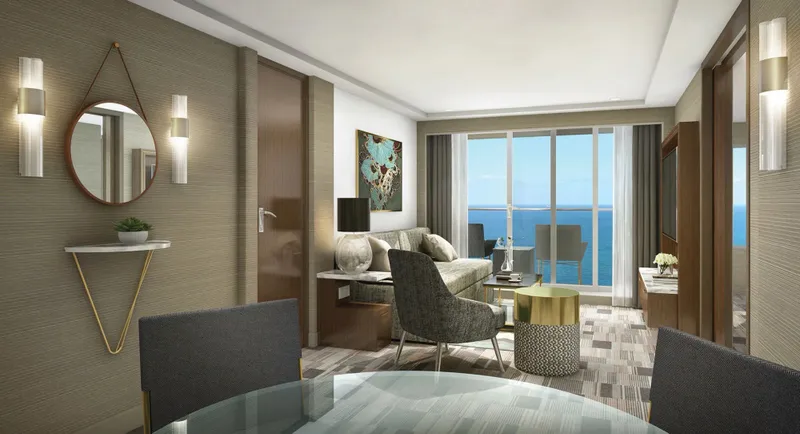
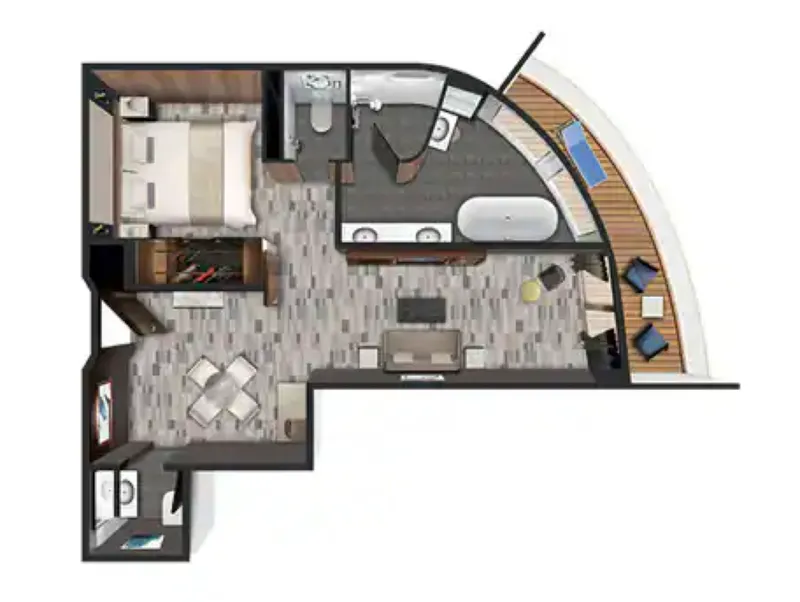
Norwegian Spirit Owner's Suites with a Large Balcony are great for up to two guests. They include a living room, dining room and separate bedroom with king or queen-size bed. Along with a walk in closet, luxury bath with whirlpool tub and a large aft-facing balcony with an incredible view. Includes butler and concierge service. Plus they can connect to a Penthouse with Large Balcony so you can spread out in luxury.
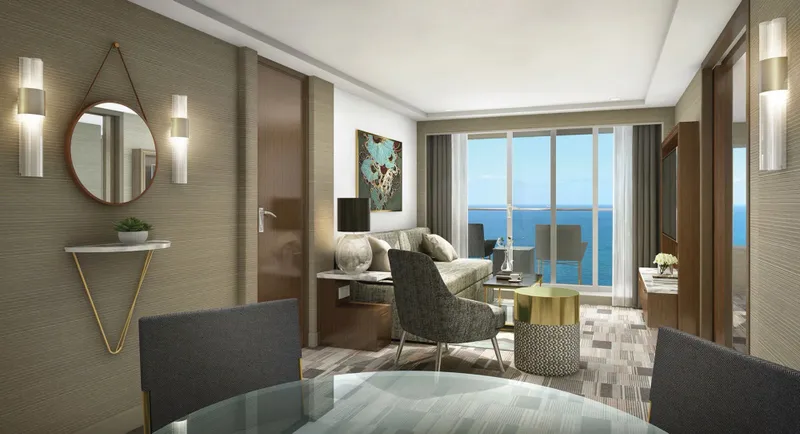
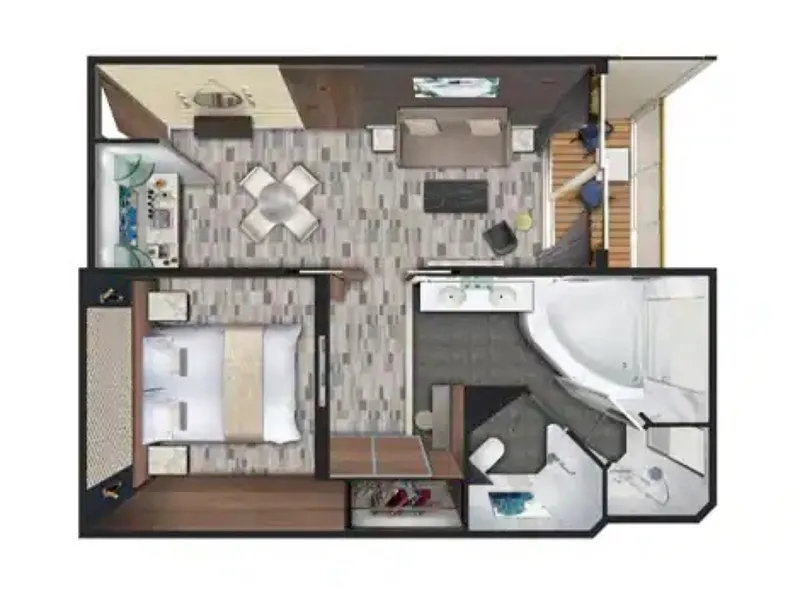
Up to three guests can stay in these Penthouses that come with a living area, dining area and large private balcony. Because these are aft-facing Penthouses, the view from your private balcony is truly stunning. Also includes a bedroom with queen-size bed, luxury bath with shower and additional bedding to sleep one additional guest. Includes butler and concierge service. Some can connect to an Owner's Suite for the ultimate in indulgence.
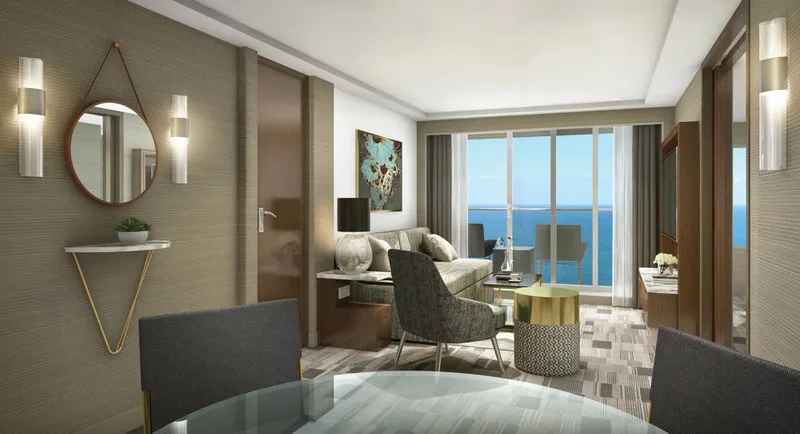
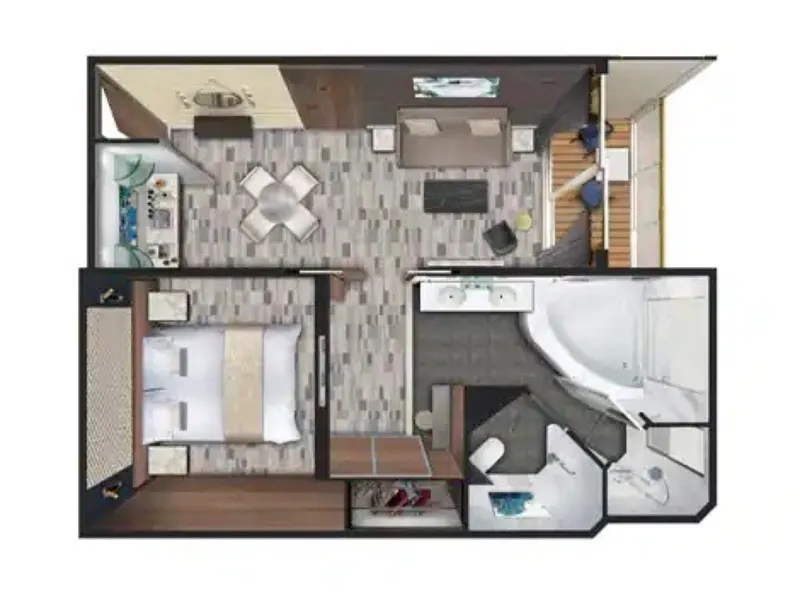
Up to three guests can enjoy the stunning views from the large, private balcony of these forward-facing Penthouses that feature a separate bedroom with queen-size bed, pull out sofa, luxury bath with whirlpool tub, an additional bath for guests, plus a dining area. Includes butler and concierge service. They also can connect to a Penthouse with Large Balcony, perfect when travelling with family or friends.
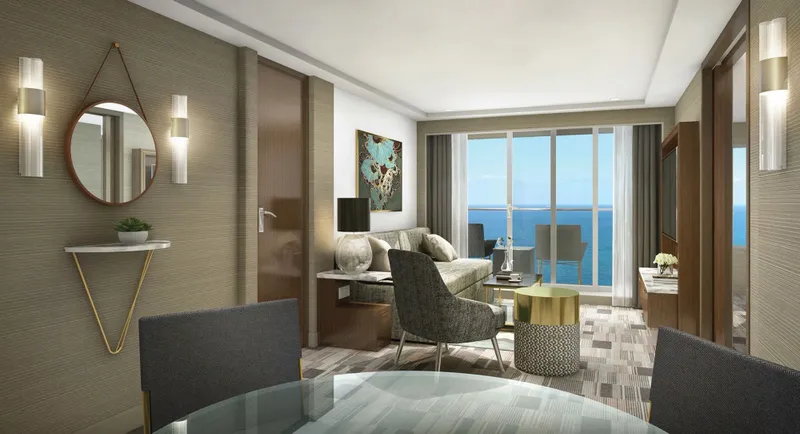
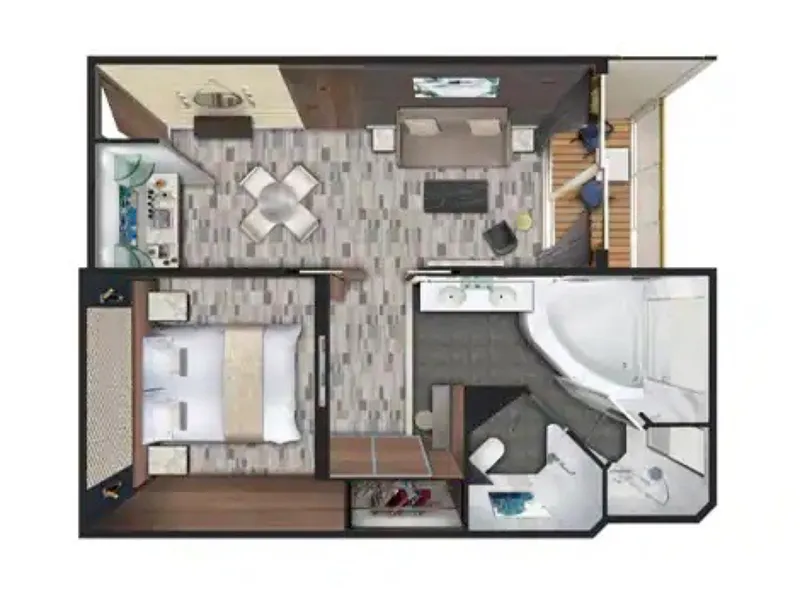
Enjoy the ultimate in luxury and comfort in these Penthouses featuring a separate bedroom with a queen-size bed, pull out sofa, luxury bath with whirlpool tub, and a dining area. Some Penthouses feature an additional guest bath. These forward-facing Penthouses accommodate up to three guests and offer incredible views from the large, private balcony. Includes butler and concierge services. Some can connect to a Deluxe Penthouse so your group can sail in style.
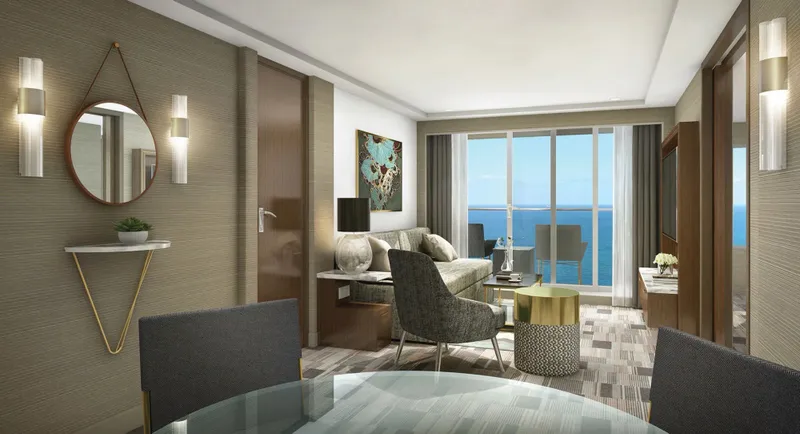
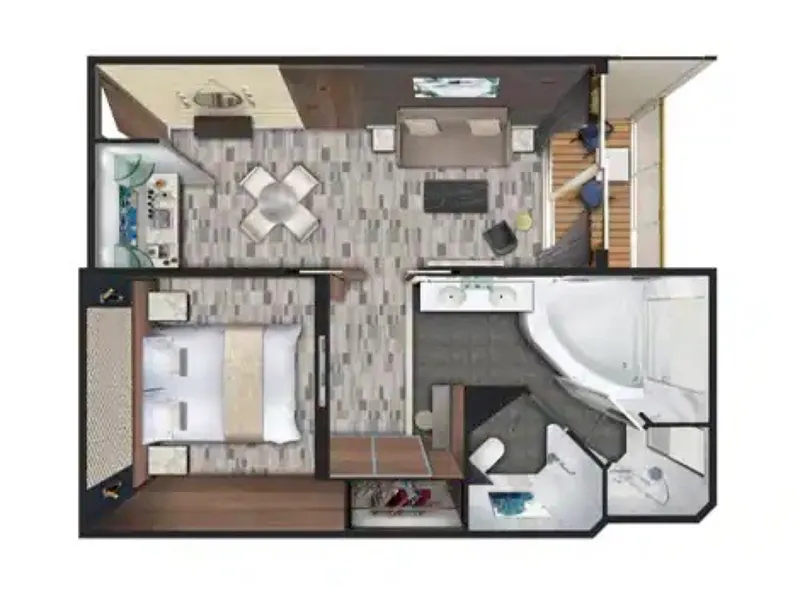
Revel in spacious serenity at sea. Our amazing, imaginative and luxurious suites offer only the finest appointments throughout. Plus each can connect to a Balcony stateroom so you can spread out yet stay together.
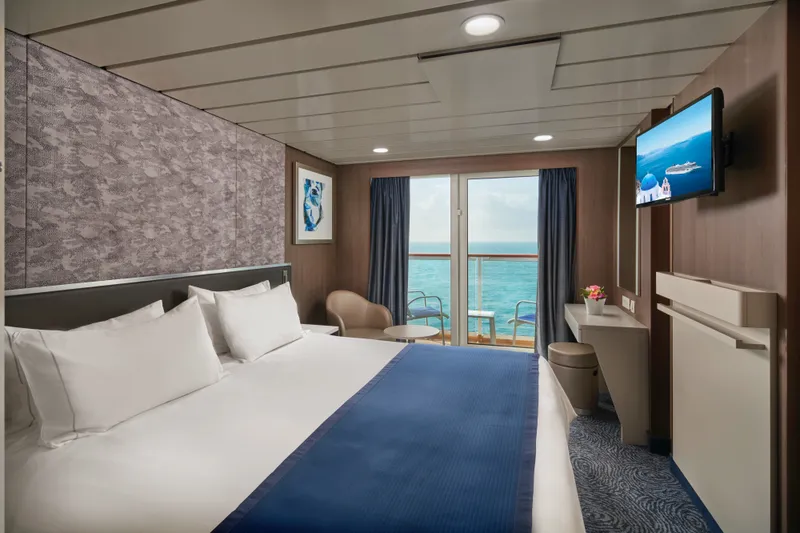
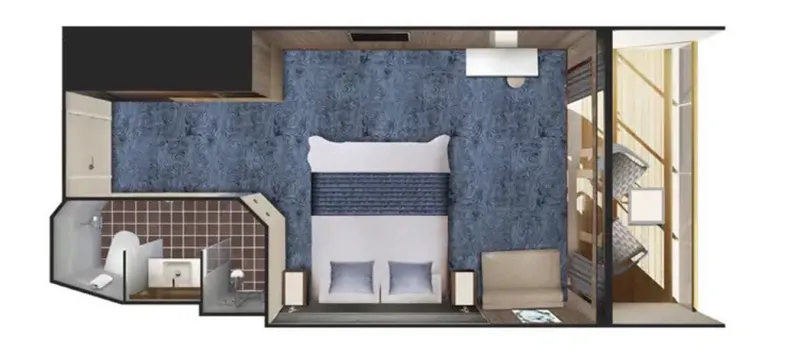
With room for up to three guests, Norwegian Spirit staterooms have two lower beds that convert into a queen-size bed and a pull out sofa to accommodate one more. Along with a sitting area, floor-to-ceiling glass doors and a private balcony with an amazing view. Most can connect, a great option when travelling with family or friends.
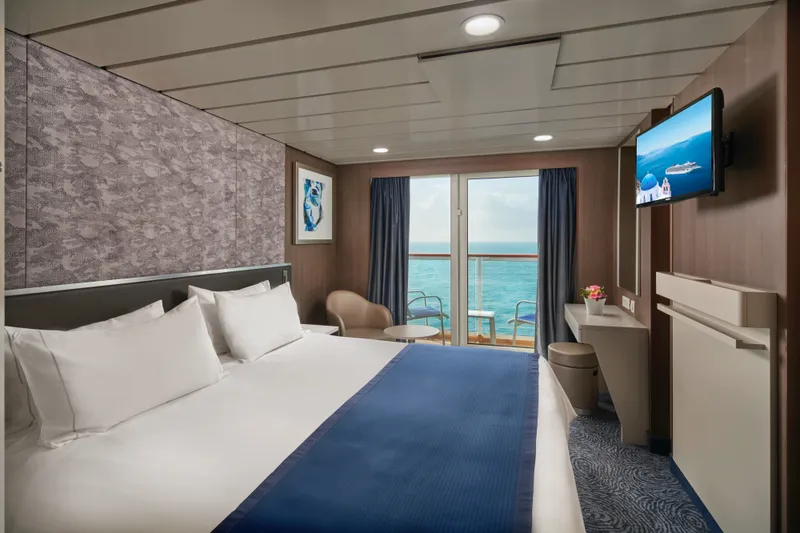
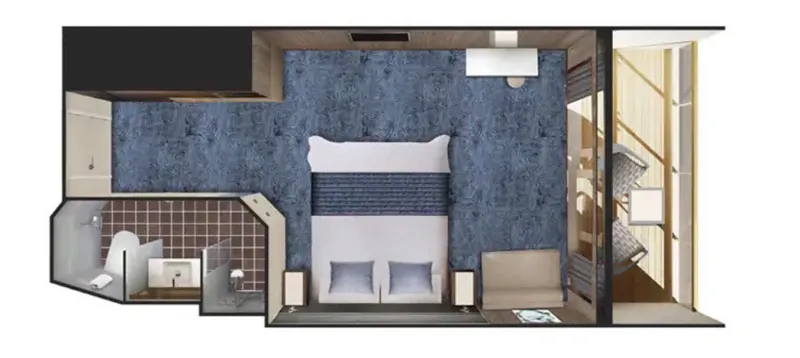
A Sail Away Balcony stateroom guarantees a Balcony stateroom or better! Please note that the view from your balcony may be fully obstructed or partially obstructed. Your stateroom may be on any deck and assigned up to one day prior to embarkation.
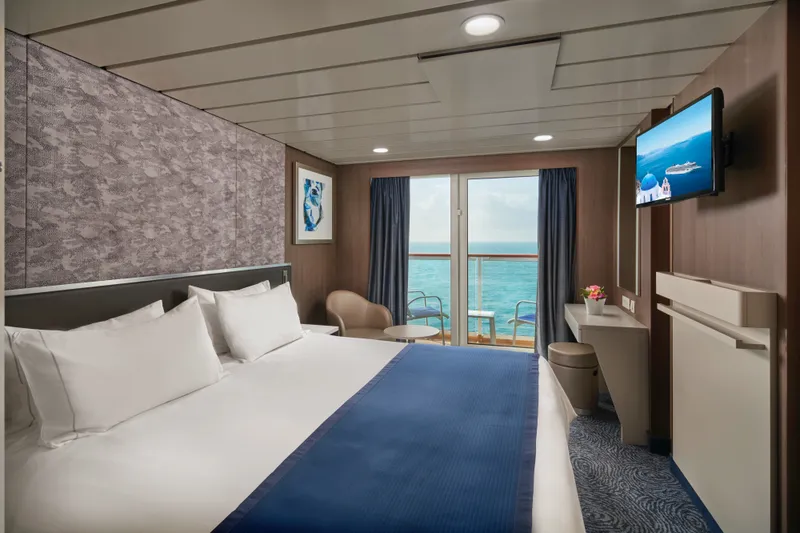
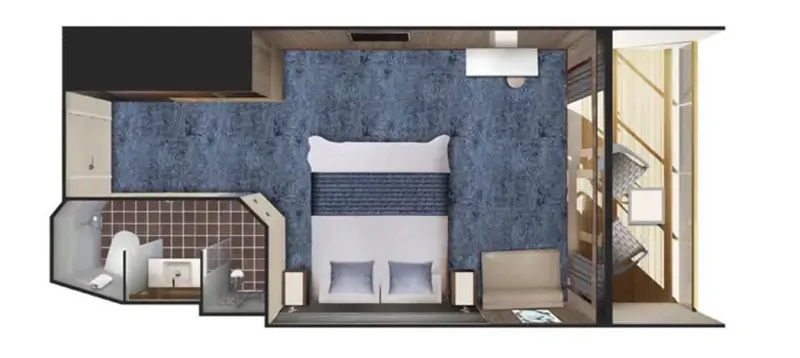
Solo Balcony
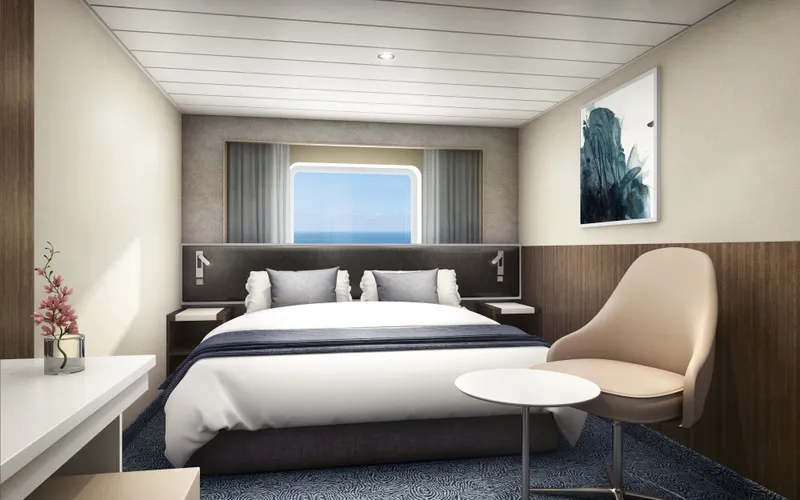
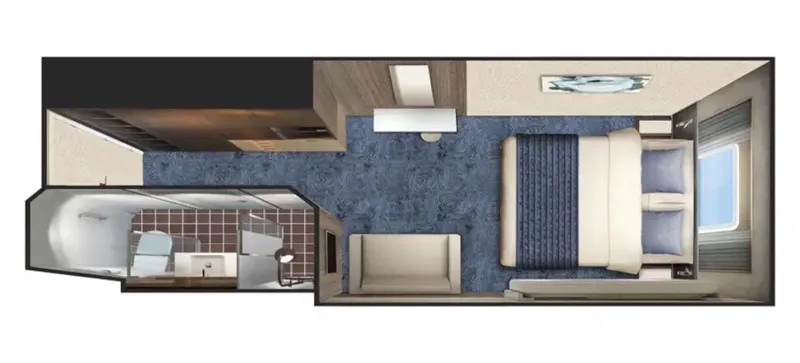
These staterooms can accommodate up to three guests. They include two lower beds that convert into a queen-size bed, additional bedding to sleep one additional guest and a big picture window for you to admire the view from.
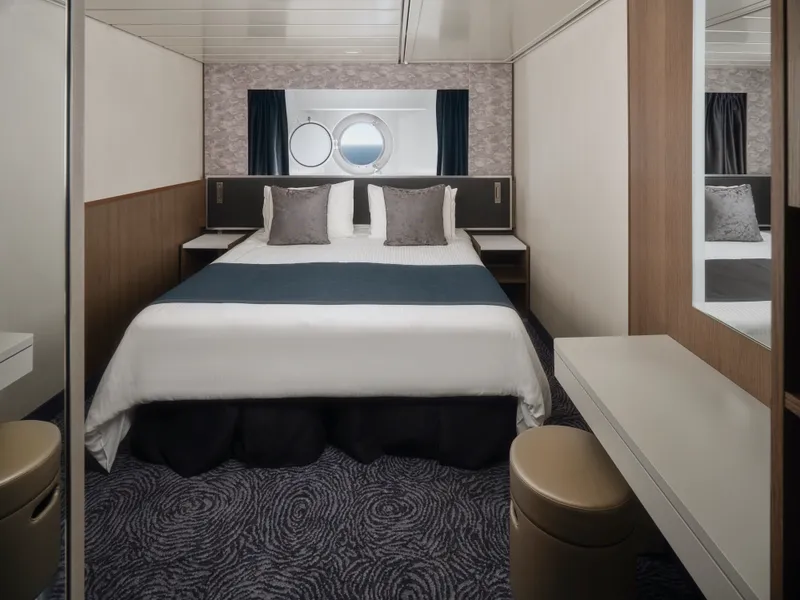
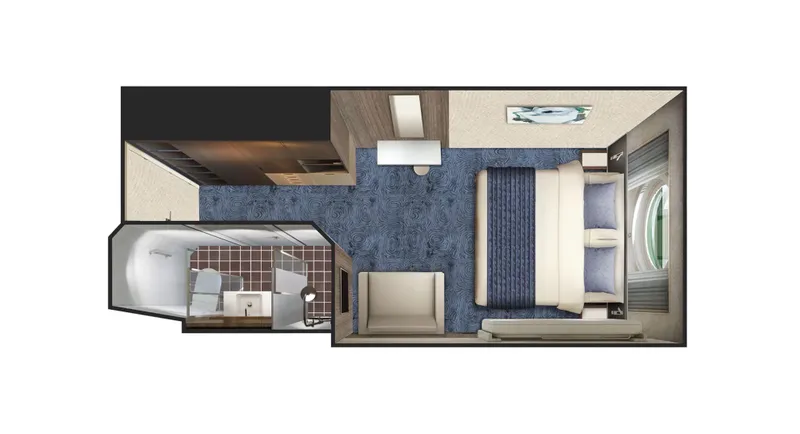
A great way for the whole family to cruise, these staterooms can accommodate up to four guests. They include two lower beds that convert into a queen-size bed, a sitting area, additional bedding to sleep two additional guests and a porthole to check out the amazing view.
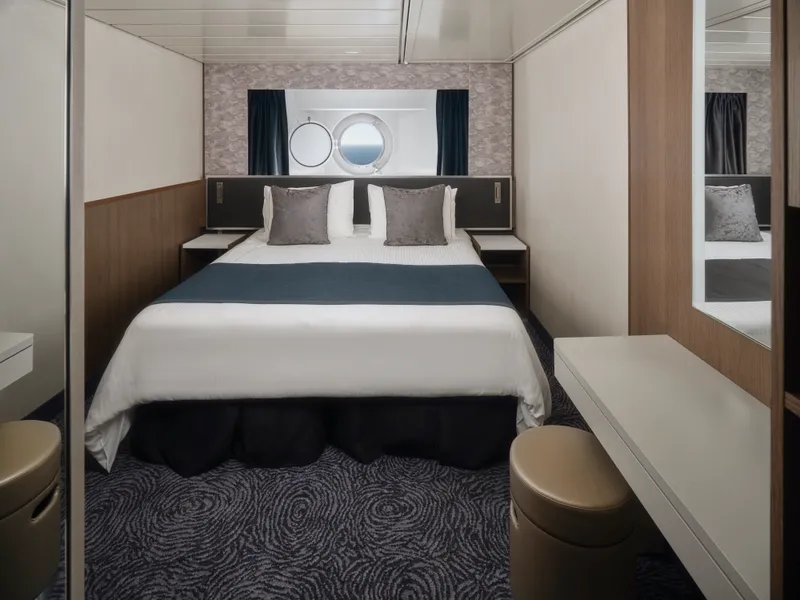
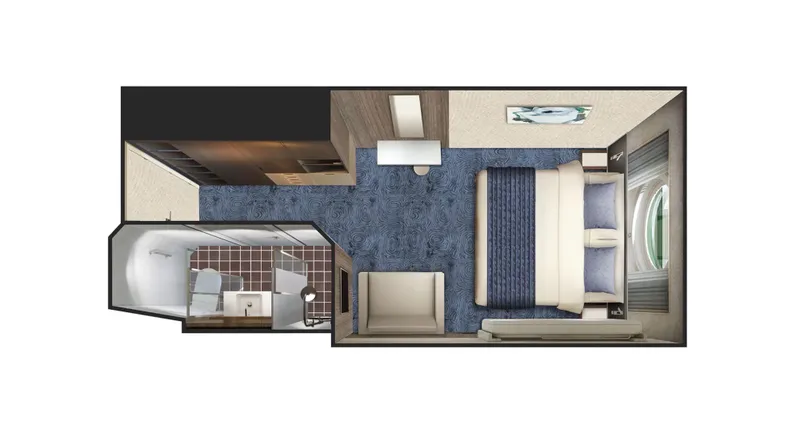
These Norwegian Spirit Oceanview Staterooms have room for up to three guests, with two lower beds that convert into a queen-size bed and a pull down bed in some to accommodate one more. You'll also have a porthole to enjoy an amazing view.
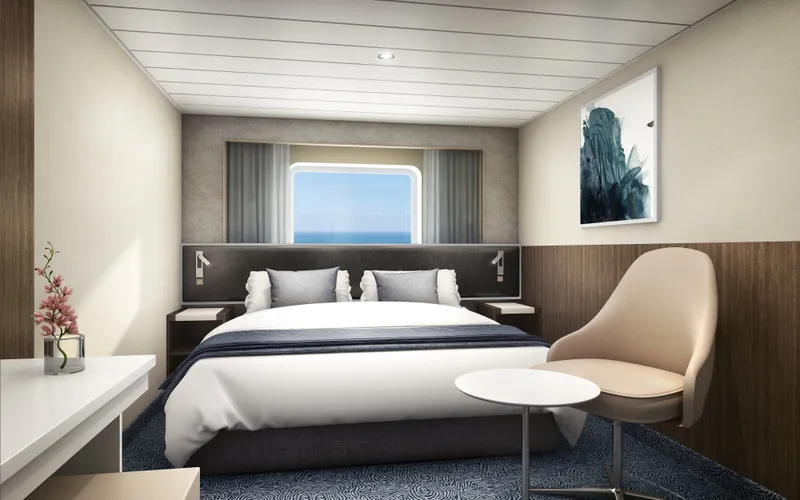
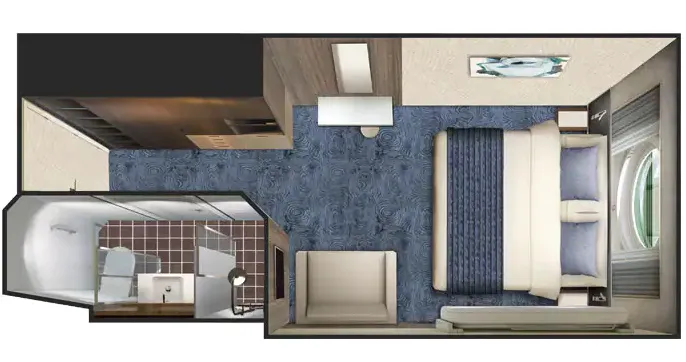
Norwegian Spirit Oceanview Staterooms located on a higher deck, can accommodate up to three guests and come with two lower beds that convert into a queen-size bed and additional bedding to accommodate one more. You'll also have a big picture window to enjoy the amazing view.
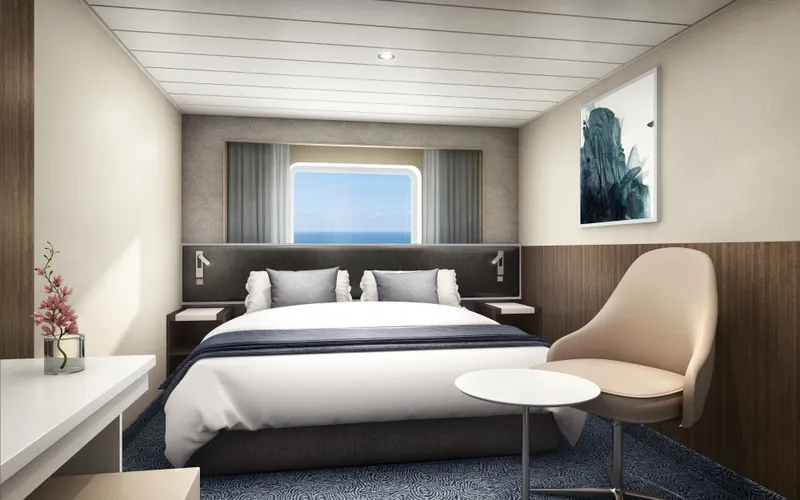
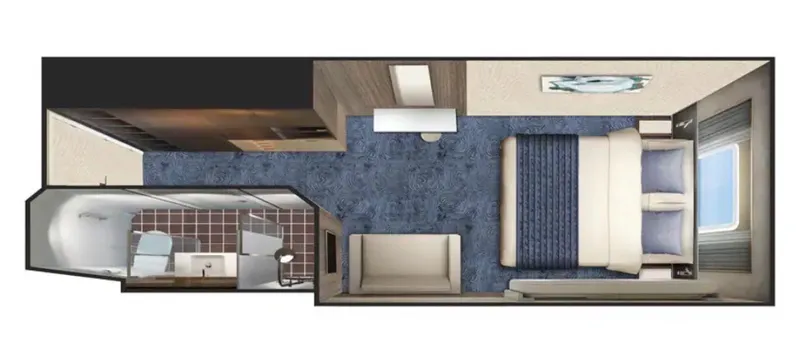
A Sail Away Oceanview stateroom guarantees an Oceanview stateroom or better! Please note that the view may be fully obstructed, partially obstructed, porthole or picture window. Your stateroom may be on any deck and assigned up to one day prior to embarkation.
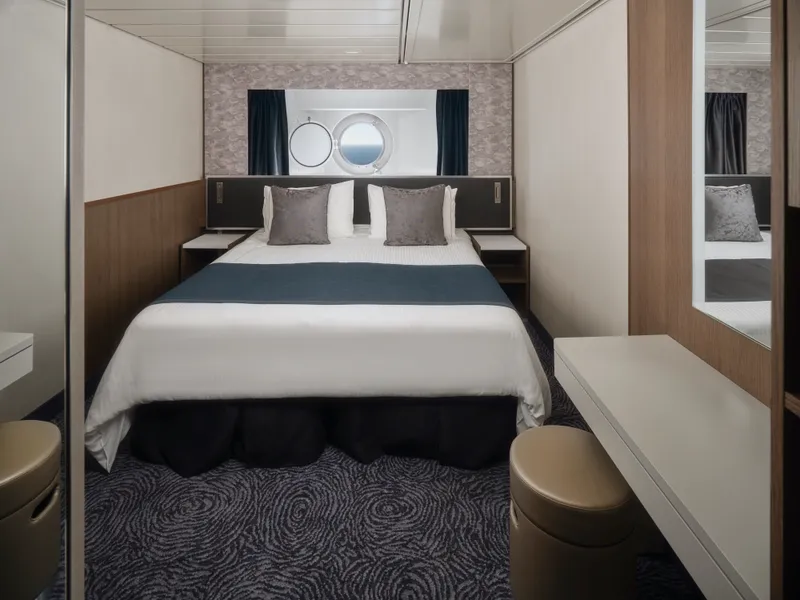
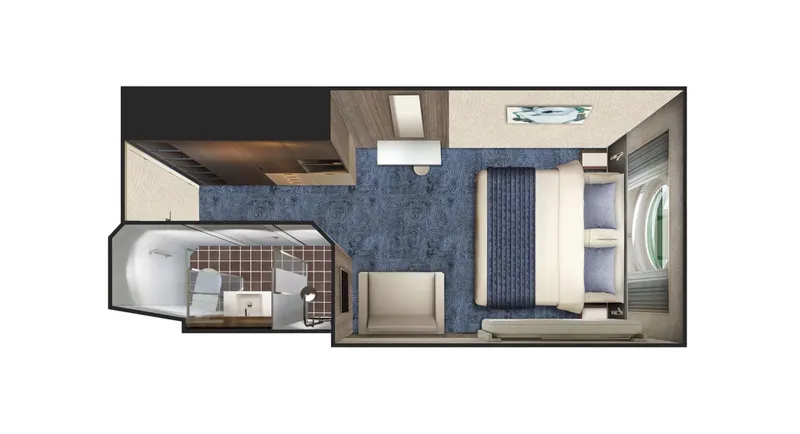
Solo Oceanview
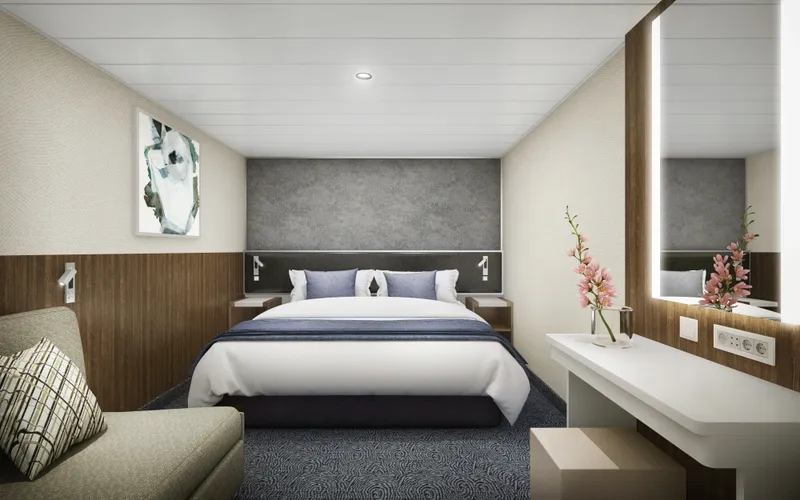
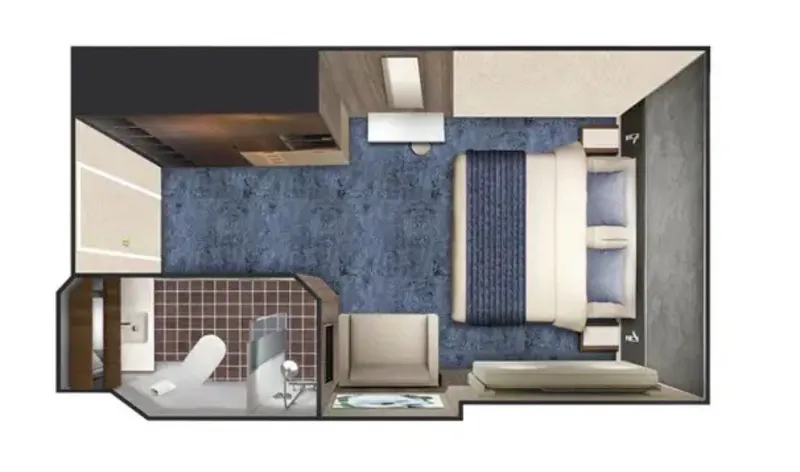
The Family Inside Staterooms are a great and affordable way for you to bring the whole family along. With room for up to four, you'll have two lower beds that convert into a queen-size bed and additional bedding to accommodate two more. Plus you'll have access to all kinds of amenities in addition to being located close to the kids' areas, room service and so much more.
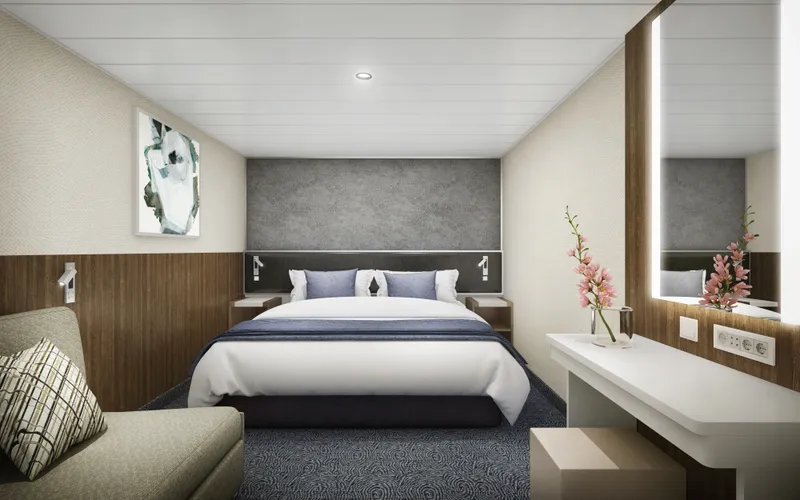
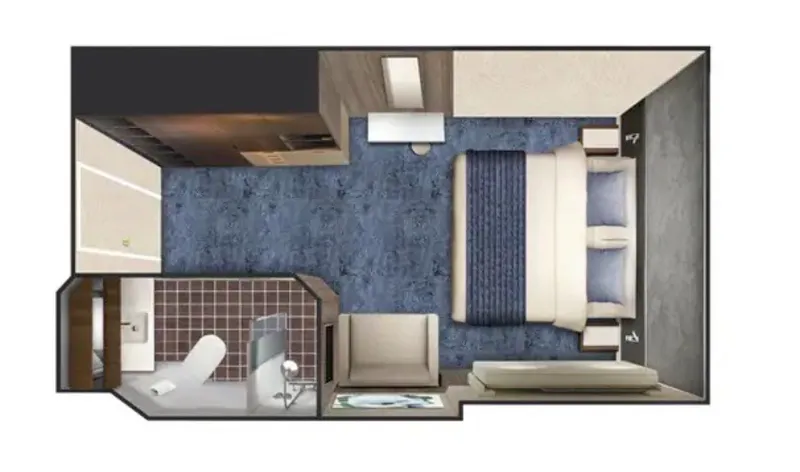
Inside Staterooms are the most affordable way for you to cruise. With room for up to four, you'll have two lower beds that convert into a queen-size bed and additional bedding to accommodate two more.
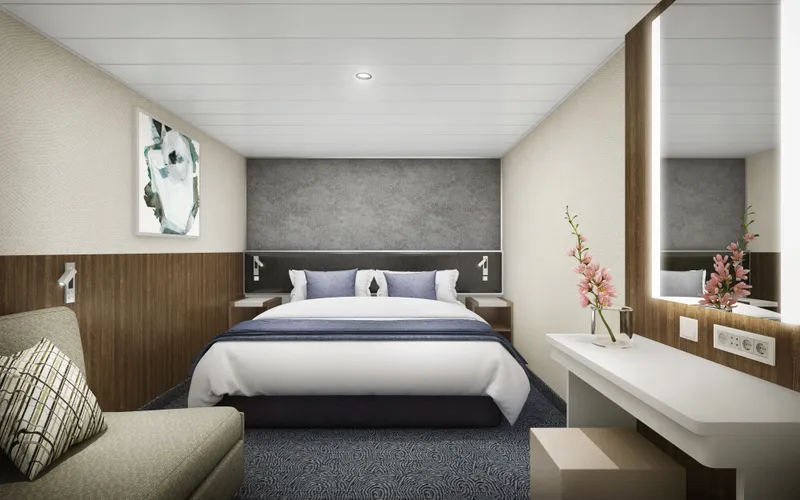
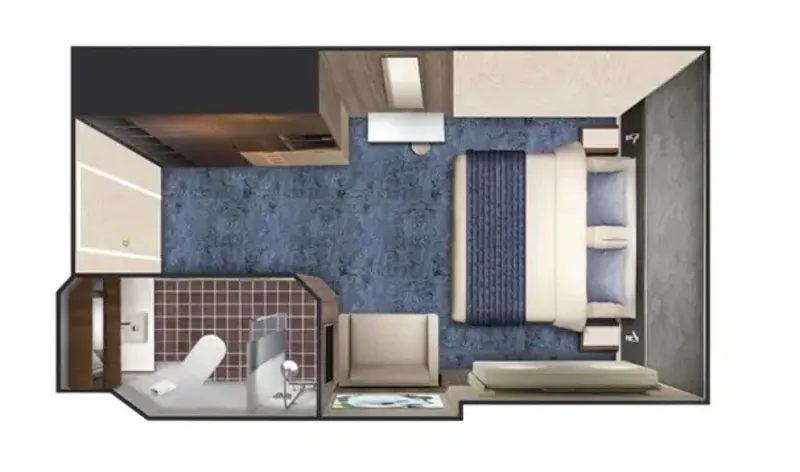
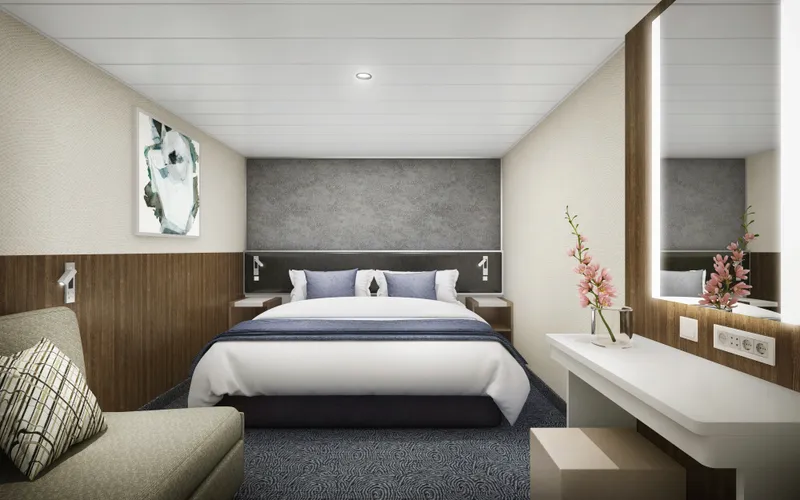
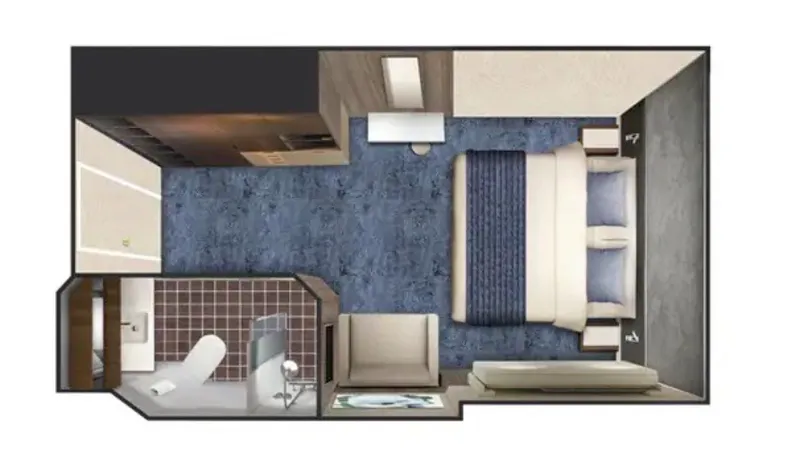
Experience stylish comfort with everything you need inside. Smart and stylish appointments include a TV, sitting area and more.
Solo Inside
Our cruise specialists can help you find the perfect cabin and the best available pricing.
(+886) 02-2721-7300Contact Advisor