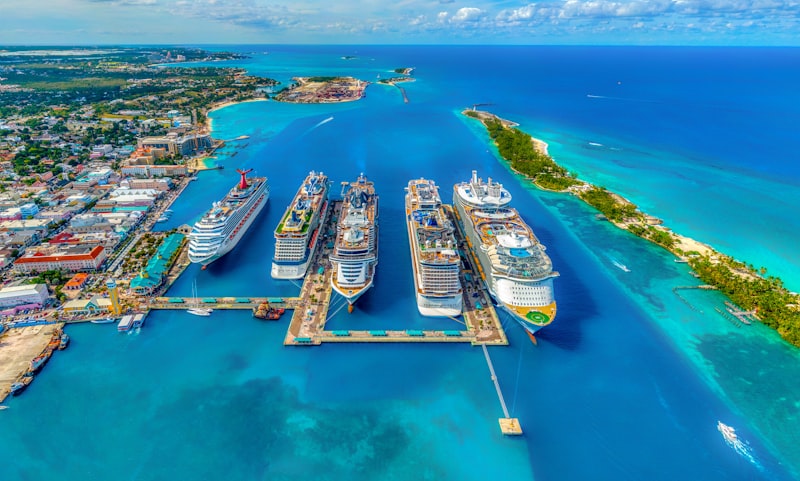
Oceania CruisesARL290106K
Los Angeles to New York
Date
2029-01-06
Duration
182 nights
Departure Port
Los Angeles
United States
Arrival Port
New York
United States
Rating
—
Theme
—
Date
2029-01-06
Duration
182 nights
Departure Port
Los Angeles
United States
Arrival Port
New York
United States
Rating
—
Theme
—
Oceania Cruises
—
—
30,277 GT
476
349
400
594 m
—
—
Yes
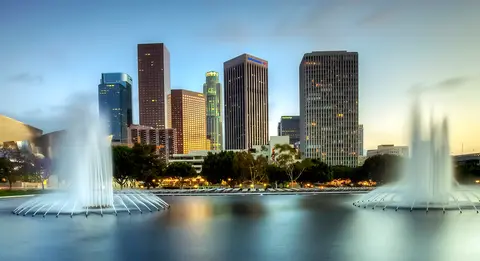
Los Angeles rewards the curious traveller willing to look beyond its cinematic mythology: beneath the Pacific light and the freeway sprawl lies a city of extraordinary cultural plurality, world-class museums, and some of North America's most diverse cuisine. The Getty Center, perched above the city with panoramic views from the Pacific to the San Gabriel Mountains, houses one of the finest art collections in the United States. Santa Monica's Palisades Park at sunset and the boulevards of Silver Lake at any hour reveal a city perpetually reinventing itself. The port calls at San Pedro give access to Downtown, Hollywood, and Malibu's pristine beaches. Southern California's climate makes Los Angeles a year-round destination.
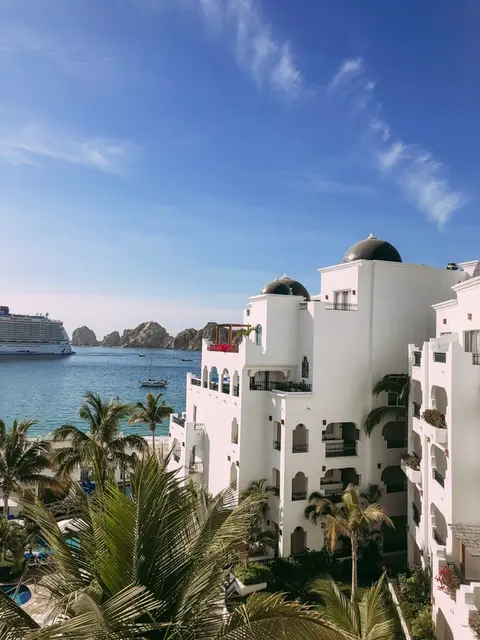
Cabo San Lucas is a lively port town at the southern tip of the Baja California Peninsula, renowned for its stunning beaches and vibrant atmosphere. Must-do experiences include exploring the iconic El Arco rock formation and indulging in local delicacies like tacos de pescado and ceviche. The best season to visit is from November to April when the weather is pleasantly warm and ideal for outdoor adventures.
Zihuatanejo is an authentic Mexican fishing village on a perfectly sheltered Pacific bay, where traditional beach palapas serve the freshest ceviche and grilled pescado a la talla alongside fishermen mending their nets. Visitors should snorkel at Playa Las Gatas, taste tiritas at a waterfront palapa, and explore the bird-rich Barra de Potosi lagoon. The dry season from November to May offers the clearest skies and calmest seas.
Puerto Quetzal is Guatemala's main Pacific port, serving as the gateway to the UNESCO-listed colonial city of Antigua and the volcanic splendor of Lake Atitlán. Must-dos include exploring Antigua's earthquake-preserved ruins, tasting highland-grown coffee and traditional pepián stew, and visiting lakeside Maya villages. The dry season from November through April offers the clearest skies and most comfortable conditions for highland exploration.
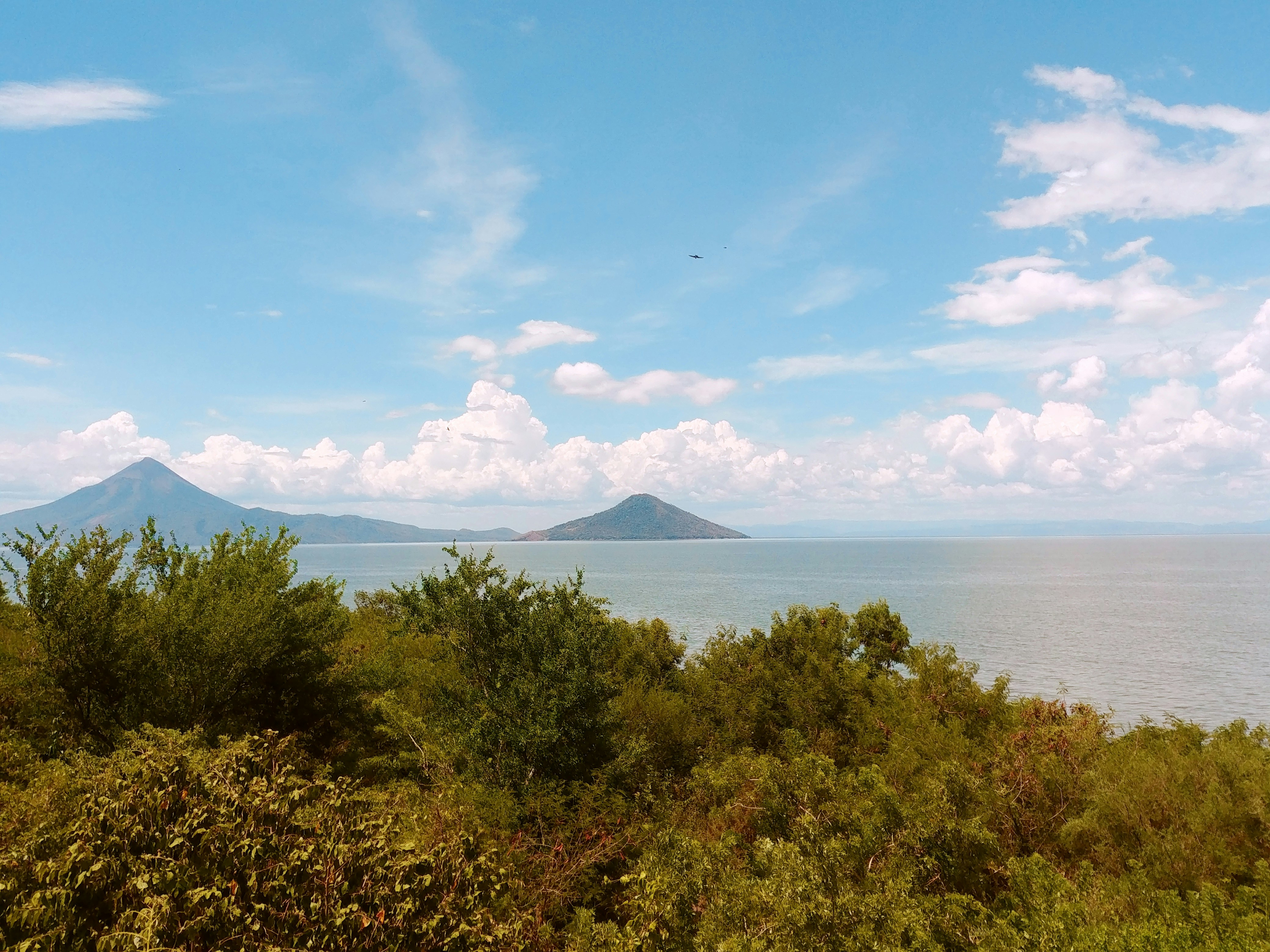
Nicaragua’s largest port, Corinto sits on an island connected to the mainland by bridges. Nicaragua is home to some of the world’s most beautiful beaches, and the area offers long stretches of white sand and clear blue waters. Visit the nearby city of León to see the wonderful cathedral, monuments and colonial buildings as well as the ruins of León Viejo, one of the oldest Spanish settlements in the Americas.
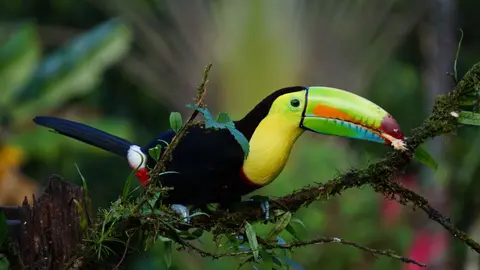
Puntarenas is Costa Rica's historic Pacific port, a narrow peninsula reaching into the Gulf of Nicoya where nineteenth-century maritime heritage meets vibrant marine life, signature street food like the iconic *churchill* shaved ice, and easy access to Tortuga Island, cloud forests, and world-class whitewater rafting on the Pacuare River. The dry season from December through April offers the most reliable sunshine and calmest seas for both shore excursions and gulf crossings, making it the ideal window for cruise itineraries calling at this authentically Costa Rican gateway.
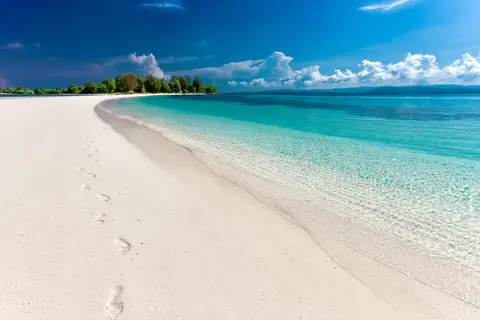
Manta, Ecuador is a distinctive port city where deep cultural heritage meets authentic local atmosphere, featured on itineraries by Norwegian Cruise Line. Must-do experiences include exploring the vibrant local markets for regional specialties and fresh seafood, and discovering the waterfront quarter where maritime heritage meets contemporary energy. The optimal time to visit is November through April, when dry season brings clear skies and calm seas.
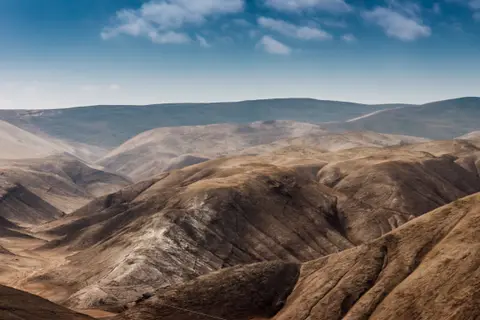
Salaverry is the Peruvian port gateway to Chan Chan — the largest pre-Columbian adobe city in South America — and the polychrome Moche temples that together create one of the Western Hemisphere's richest archaeological landscapes. Must-dos include the carved friezes of Chan Chan's Tschudi Complex, the vivid murals at Huaca de la Luna, and ceviche at colonial Trujillo's Plaza de Armas. Visit year-round; the coast is dry, with June through September best for archaeological site visits.
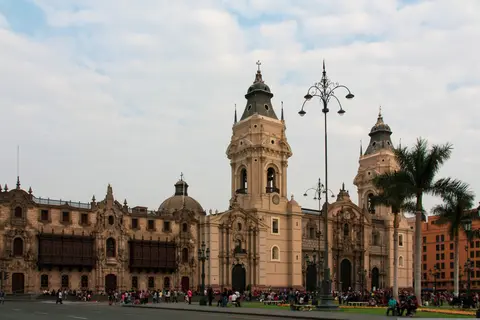
Callao, Peru, delivers South America's irresistible combination of dramatic landscapes, vibrant culture, and extraordinary biodiversity. Essential experiences include exploring local markets, tasting the distinctive regional cuisine, and venturing into the surrounding natural environments. Best visited May through September, when drier conditions prevail and temperatures remain pleasant. Cruise lines including Cunard feature this port on their most compelling itineraries. Whether you have a few hours or a full day, the port rewards exploration at every pace and in every direction.
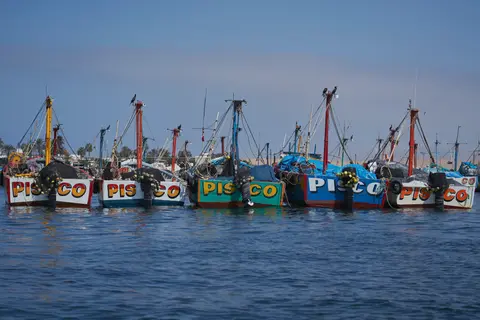
Pisco, Peru is a distinctive port city where deep cultural heritage meets authentic local atmosphere, featured on itineraries by Oceania Cruises. Must-do experiences include exploring the vibrant local markets for regional specialties and fresh seafood, and discovering the waterfront quarter where maritime heritage meets contemporary energy. The optimal time to visit is November through April, when dry season brings clear skies and calm seas.
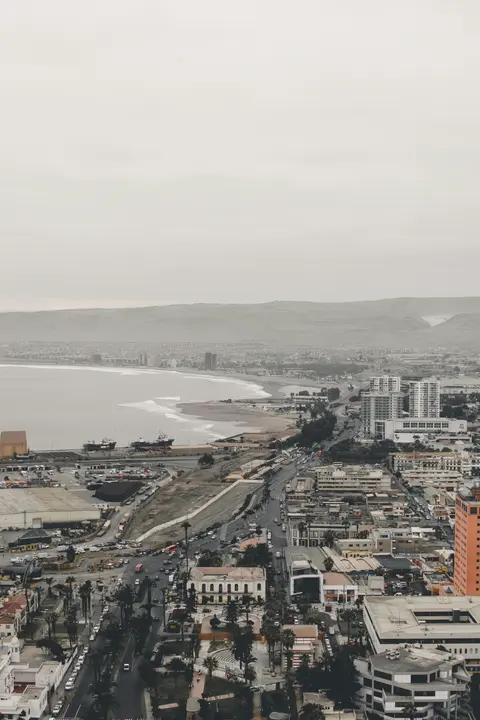
Arica is the world's driest city, located in Chile's far north at the edge of the Atacama Desert, and home to the Chinchorro mummies — UNESCO-listed remains that predate Egyptian mummification by two millennia. Must-do experiences include visiting the Chinchorro mummy museums, climbing the Morro de Arica for panoramic views, and day-tripping to Lauca National Park's high-altitude flamingo lakes. Year-round sunshine makes any season suitable, with clear skies virtually guaranteed.
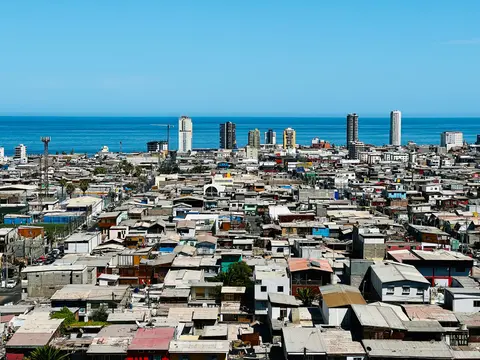
Iquique, Chile, delivers South America's irresistible combination of dramatic landscapes, vibrant culture, and extraordinary biodiversity. Essential experiences include exploring local markets, tasting the distinctive regional cuisine, and venturing into the surrounding natural environments. Best visited May through September, when drier conditions prevail and temperatures remain pleasant. Cruise lines including Azamara feature this port on their most compelling itineraries. Whether you have a few hours or a full day, the port rewards exploration at every pace and in every direction.
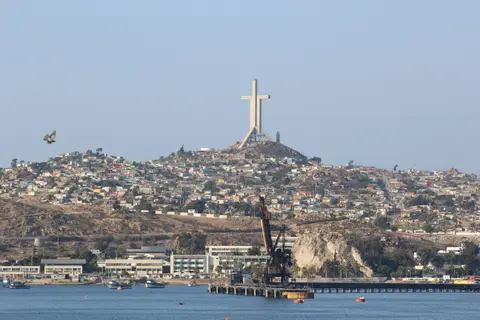
Coquimbo is a Pacific port in Chile's Norte Chico that serves as the gateway to the Elqui Valley—one of Earth's clearest-skied locations, home to international observatories and traditional pisco distilleries. Must-dos include a pisco tasting tour followed by stargazing at a public observatory and visiting the Humboldt penguin reserve at Isla Damas. Clear skies prevail year-round, with winter (June-August) offering the best stargazing conditions.

Valparaíso is Chile's UNESCO-listed port city of 42 painted hills, Victorian funicular railways, and one of the world's most spectacular street art scenes, where Pablo Neruda built his hill-top home La Sebastiana. Must-dos include riding the historic ascensores, touring Neruda's house, and feasting on Humboldt Current seafood. October through March offers the warmest, driest weather.

Easter Island — Rapa Nui to its Polynesian people — stands as one of the most remote and compelling destinations on Earth, a volcanic outpost 3,700 kilometres from the nearest continental shore, its hillsides and coastline populated by nearly 900 monumental stone moai whose purpose and method of construction remain the subject of ongoing fascination. The UNESCO-listed Rapa Nui National Park encompasses the island's most significant archaeological sites, including the quarry of Rano Raraku and the ceremonial platform of Ahu Tongariki. November through April brings the warmest, driest conditions for exploring this extraordinary living testament to Polynesian civilisation.
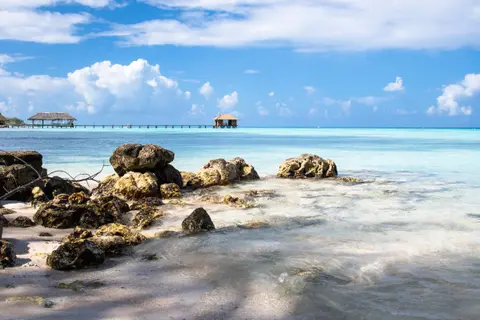
Fakarava is a UNESCO Biosphere Reserve atoll in French Polynesia's Tuamotu Archipelago, offering some of the world's most spectacular diving — including drift dives through shark-filled passes — and pristine pink-sand beaches. Must-dos include diving the Garuae "wall of sharks," visiting a black pearl farm, and stargazing from an uninhabited motu. April through November brings the driest weather, with June and July featuring the legendary grouper spawning.
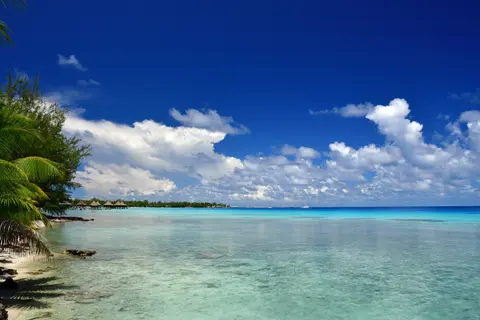
Rangiroa is the world's second-largest coral atoll, a ring of palm-fringed islets in French Polynesia's Tuamotus encircling a lagoon vast enough to contain Tahiti. Visitors must drift-dive or snorkel Tiputa Pass for sharks and dolphins, visit the surreal Blue Lagoon and Pink Sands beach, and savour poisson cru in a Polynesian pension. May through October offers calm diving conditions, while January-March brings hammerhead sharks.
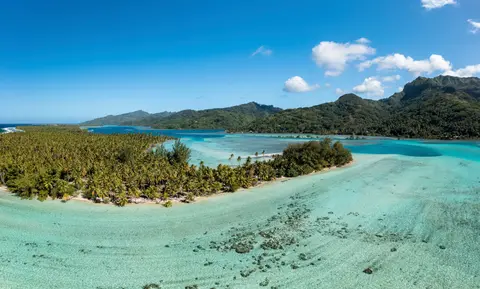
Huahine, often called the "Garden of Eden" of French Polynesia, is a lush twin-island paradise between Moorea and Bora Bora where ancient Polynesian marae temples stand among jungle-covered hills and turquoise lagoons remain blissfully uncrowded. Visitors should not miss the thousand-year-old archaeological complex at Maeva and a lagoon snorkeling excursion through pristine coral gardens. The ideal season spans May through October — the austral dry season — when skies are clear, humidity is gentle, and the southeast trade winds carry the scent of vanilla and tiare flowers across the water.
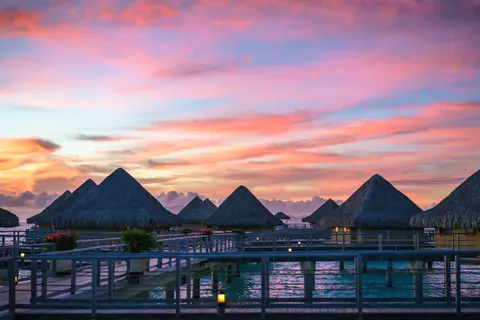
Bora Bora rises from the South Pacific like the platonic ideal of a tropical island — a volcanic peak ringed by a lagoon of impossible turquoise clarity whose beauty has made it the benchmark against which all other island destinations are measured. The overwater bungalow was effectively invented here, and the island's luxury resorts remain the definitive expression of that sublime form of hospitality. Snorkel or dive the outer reef's extraordinary coral gardens, or simply watch the shifting light transform Mount Otemanu's basalt silhouette through the long Pacific afternoon. Visit April through October for the calmest, driest conditions. Tahiti's Faa'a International Airport is a forty-five-minute flight away.

Uturoa on Raiatea is the gateway to Polynesian civilisation's most sacred site — the UNESCO-listed Marae Taputapuātea, from which ancient navigators launched the voyages that populated the Pacific. Must-dos include the marae pilgrimage, sailing the shared lagoon with Tahaa, and the daily market's flower crowns and tropical fruit. May through October's dry season offers the best conditions, with July's Heiva festival the cultural pinnacle.
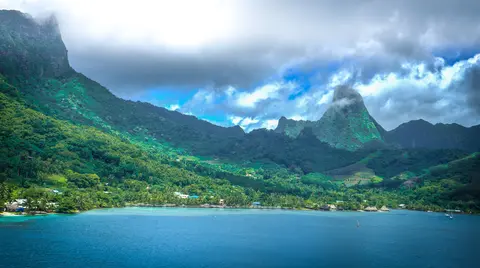
Moorea is a volcanic island in French Polynesia, separated from Tahiti by a narrow channel known as the Sea of the Moon, celebrated for its twin cathedral-like bays, jagged emerald peaks, and lagoons of almost surreal turquoise clarity. Visitors should not miss savouring authentic *poisson cru* at a beachside roulotte and exploring Ōpūnohu Bay by outrigger canoe or guided hiking trail. The ideal season to visit is May through October — the dry, austral winter — when skies are reliably clear, humidity is gentle, and humpback whales pass through the surrounding waters on their annual migration.
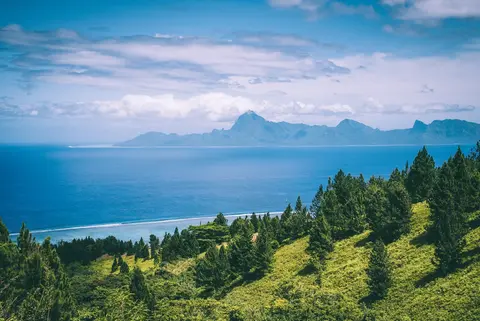
Papeete is the spirited, slightly ragged capital of French Polynesia — not the languorous paradise of travel-poster imagination, but a working harbour city of fresh produce markets, baguette bakeries, and Tahitian outrigger canoe clubs that provides an authentic counterpoint to the pearl-still lagoons of Bora Bora and Moorea nearby. The daily Marché de Papeete is the city's essential experience, its stalls piling high with vanilla pods, monoi-scented oils, black pearls, and the most exuberant floral arrangements in the Pacific. Moorea, visible across the Sea of the Moon and just 30 minutes by fast ferry, offers a dramatically quieter alternative. The dry season, May through October, brings the finest weather.
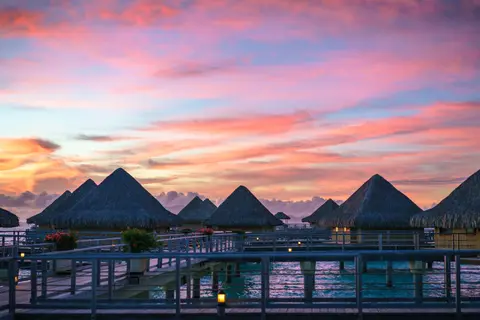
Bora Bora rises from the South Pacific like the platonic ideal of a tropical island — a volcanic peak ringed by a lagoon of impossible turquoise clarity whose beauty has made it the benchmark against which all other island destinations are measured. The overwater bungalow was effectively invented here, and the island's luxury resorts remain the definitive expression of that sublime form of hospitality. Snorkel or dive the outer reef's extraordinary coral gardens, or simply watch the shifting light transform Mount Otemanu's basalt silhouette through the long Pacific afternoon. Visit April through October for the calmest, driest conditions. Tahiti's Faa'a International Airport is a forty-five-minute flight away.
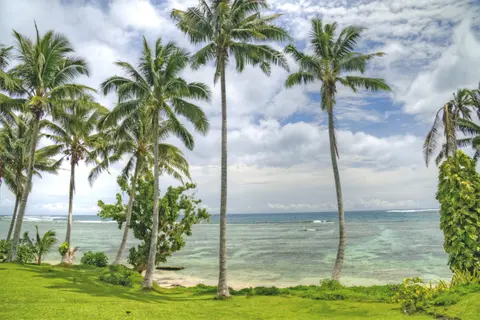
Pago Pago is the capital of American Samoa, nestled in a spectacular volcanic caldera harbour surrounded by lush tropical forest and governed by ancient Polynesian cultural traditions. Visit during the dry season from May through October for the least-visited US national park, authentic Samoan village life, and one of the most dramatic natural harbours in the Pacific.
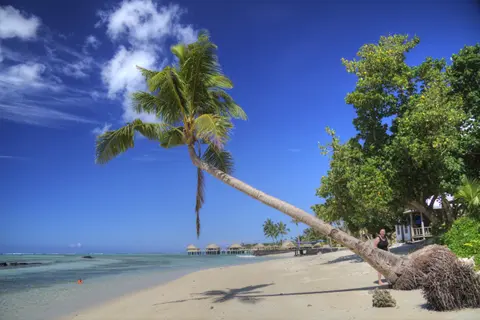
Apia is the capital of Samoa and the cultural heart of one of Polynesia's most traditional nations, where the three-thousand-year-old fa'a Samoa way of life governs daily rhythms around the umu earth oven and Sunday feast. Must-do experiences include the To Sua Ocean Trench, tasting oka raw fish in coconut cream, and visiting Robert Louis Stevenson's hilltop grave. May through October's dry season offers the most comfortable tropical weather.
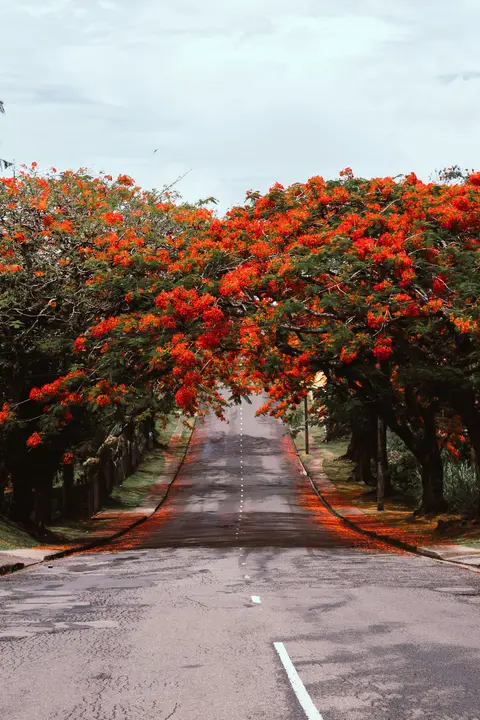
Suva is the South Pacific's largest and most cosmopolitan capital, where the restored Edwardian Grand Pacific Hotel, a world-class Pacific artifacts museum, and a riotous municipal market reveal a Fiji far deeper than its resort-island image suggests. Visit May through October via Cunard or Oceania Cruises for Indo-Fijian fusion cuisine, traditional kava ceremonies, and a multicultural city experience unique in the Pacific.
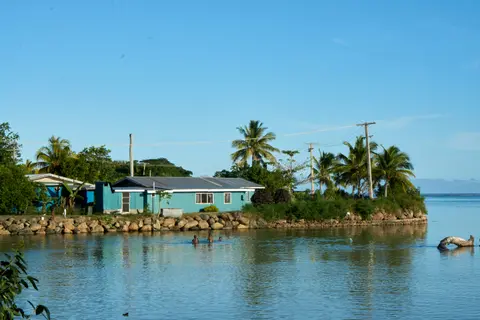
Lautoka, Fiji's "Sugar City," is a characterful western Viti Levu port where a century-old sugar mill, a vibrant municipal market, and lush botanical gardens reveal an unhurried South Pacific authenticity. Visitors should taste kokoda and lovo-smoked pork at the waterfront market and explore the nearby Yasawa Islands or Taveuni's rainforest waterfalls. The dry season from May through October offers the most comfortable cruising conditions, with warm days, low humidity, and calm seas ideal for shore excursions.
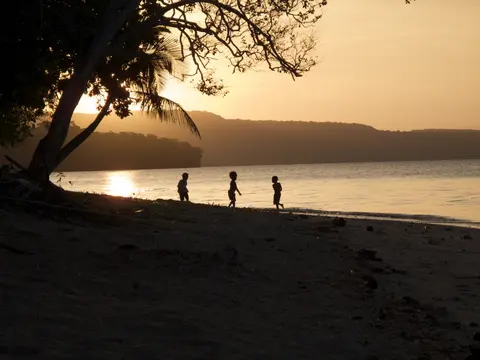
Mystery Island (Inyeug) is an uninhabited coral islet in southern Vanuatu, offering pristine white-sand beaches, exceptional snorkelling over vibrant coral reefs, and a warm welcome from the neighbouring Aneityum islanders. Must-dos include snorkelling the crystal-clear reef, enjoying string-band performances by local musicians, and kayaking the turquoise lagoon. April through October's dry season brings the clearest skies and most comfortable conditions.
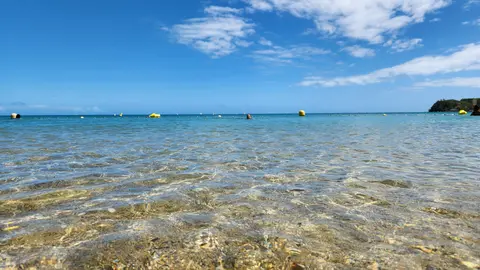
Nouméa, capital of New Caledonia, is a uniquely French-Melanesian city set within a UNESCO World Heritage lagoon — the largest enclosed reef system on Earth. Visitors should explore the Renzo Piano-designed Tjibaou Cultural Centre, snorkel pristine coral gardens at Amédée Lighthouse, and savour the fusion of French cuisine with Pacific ingredients at the Moselle Market. April through November offers the most pleasant tropical climate.
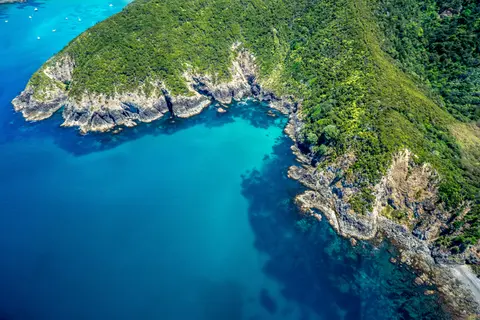
The Bay of Islands, on New Zealand's North Island, is a maritime paradise of 144 islands steeped in Māori and colonial history. Must-dos include visiting the Waitangi Treaty Grounds, dolphin watching, and cruising through the Hole in the Rock at Piercy Island. November through March brings the warmest weather and calmest seas, ideal for water-based exploration of this subtropical haven.
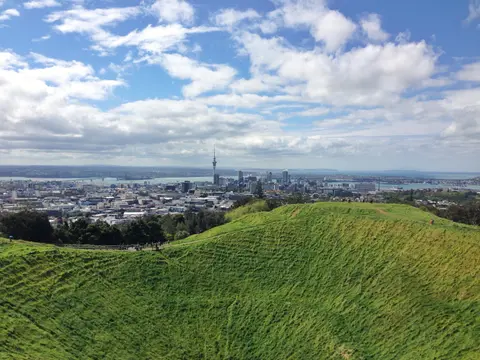
Auckland, New Zealand's largest city, straddles a volcanic isthmus between two harbours, offering a rare blend of Pacific Rim sophistication, Māori heritage, and dramatic natural beauty. Must-do experiences include a wine-and-oyster afternoon on Waiheke Island and the panoramic ascent of Maungawhau (Mount Eden) overlooking the harbour and Rangitoto Island. The ideal cruising season runs from November through March, when long summer days, calm seas, and pohutukawa trees in scarlet bloom make the Waitematā Harbour approach truly unforgettable.
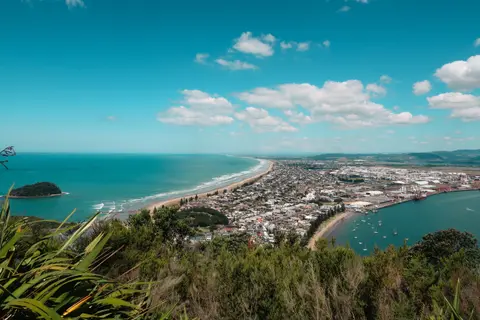
Tauranga is the gateway to New Zealand's Bay of Plenty, where the perfect beach at Mount Maunganui, Rotorua's erupting geysers, and Māori cultural experiences at Te Puia create one of the North Island's most diverse destination areas. Visit November through March via Celebrity or Princess Cruises for summit walks, geothermal wonderlands, and the authentic Māori encounters that give this sun-drenched coast cultural depth to match its natural beauty.
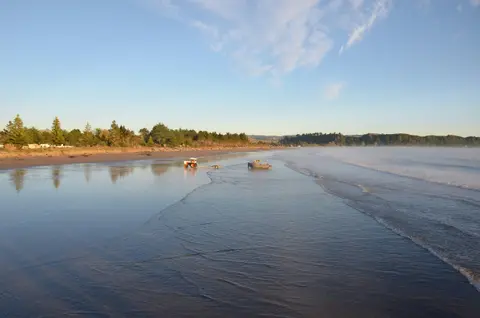
Gisborne on New Zealand's east coast is the first city in the world to see the sunrise, where Polynesian and European histories first met and where today's city blends Maori culture, world-class surfing, and award-winning Chardonnay from sun-drenched vineyards. Must-dos include sunrise on the beach, surfing Wainui's consistent waves, and cellar-door wine tasting in the Waimata Valley. November through April delivers the warmest summer conditions.
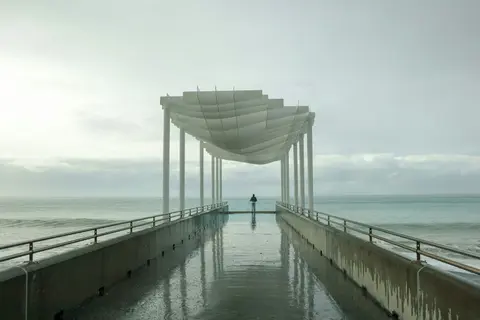
Napier is a New Zealand coastal city renowned for the world's most complete collection of Art Deco architecture, rebuilt after a devastating 1931 earthquake. Must-dos include a guided Art Deco walking tour, wine tasting across Hawke's Bay's celebrated vineyards, and visiting the gannet colony at Cape Kidnappers. November through April offers the warmest weather, with February's Art Deco Weekend providing the ultimate vintage-style celebration.
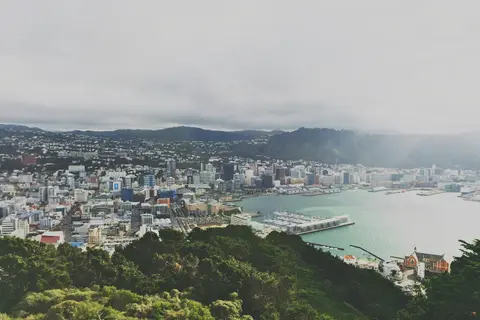
Wellington is New Zealand's compact, creative capital, home to the world-class Te Papa museum, the Peter Jackson filmmaking empire, and a café-and-craft-beer culture rivalling cities many times its size. Must-do experiences include Te Papa's Gallipoli exhibition, Cuba Street's bohemian dining scene, and the cable car ride to the Botanic Garden. November through March is warmest, though Wellington's four-seasons-in-a-day climate adds character year-round.
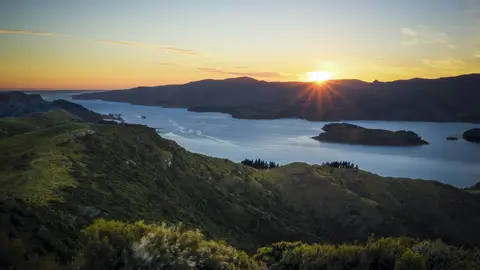
Lyttelton is Christchurch's historic harbor town, rebuilt with creative energy after the 2010-2011 earthquakes into one of New Zealand's coolest small towns with excellent restaurants and a beloved farmers' market. Must-dos include the Saturday farmers' market, swimming with Hector's dolphins in the harbor, and driving the Summit Road for panoramic views. October through March offers the warmest weather and longest days.
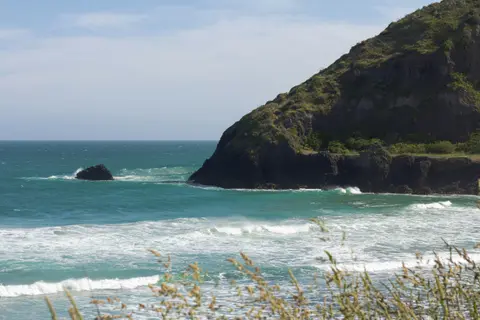
Dunedin is New Zealand's Scottish-founded southern city, home to the Southern Hemisphere's most beautiful railway station, the world's only mainland royal albatross colony, and rare yellow-eyed penguin nesting sites on the Otago Peninsula. Visit November through March via Seabourn or Oceania Cruises for wildlife encounters, Victorian architectural grandeur, and a university-town culture that punches far above its weight.
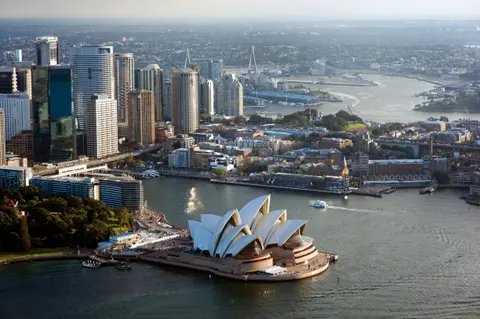
Set on what Captain Arthur Phillip called "the finest harbour in the world," Sydney stakes its claim on the global imagination with Jørn Utzon's sail-roofed Opera House, a bridge you can climb for panoramic views, and a food scene anchored by Sydney rock oysters and the largest fish market in the Southern Hemisphere. The Blue Mountains and Hunter Valley wine country extend the adventure beyond the city. October through April brings summer warmth and the harbour at its most luminously blue.
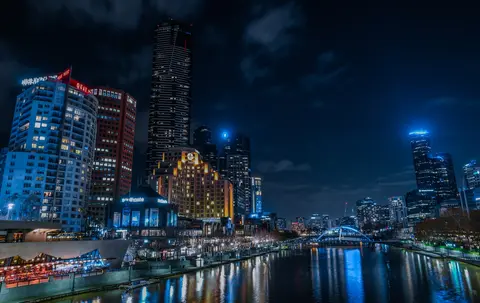
Melbourne is Australia's cultural capital, a city of labyrinthine laneways, world-class coffee, street art, and one of the most diverse food scenes on earth. Must-dos include exploring Hosier Lane's street art, eating your way through the Queen Victoria Market, and driving the Great Ocean Road to the Twelve Apostles. October through April offers the warmest weather, though Melbourne's famous changeability keeps visitors on their toes.
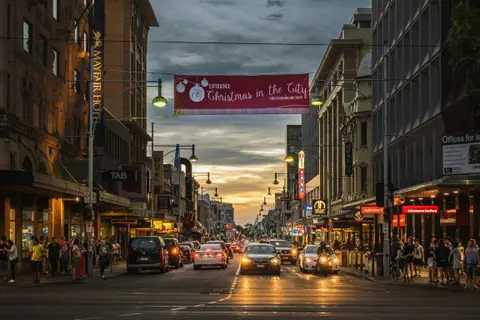
Adelaide is South Australia's elegant, parkland-ringed capital, uniquely positioned within an hour's drive of three world-class wine regions — the Barossa Valley, McLaren Vale, and the Adelaide Hills. Must-dos include the Central Market's 80-plus food stalls, Barossa Valley Shiraz tasting, and North Terrace's museum precinct. Visit March for the Adelaide Festival and Fringe, or October through April for warm Mediterranean-climate weather.
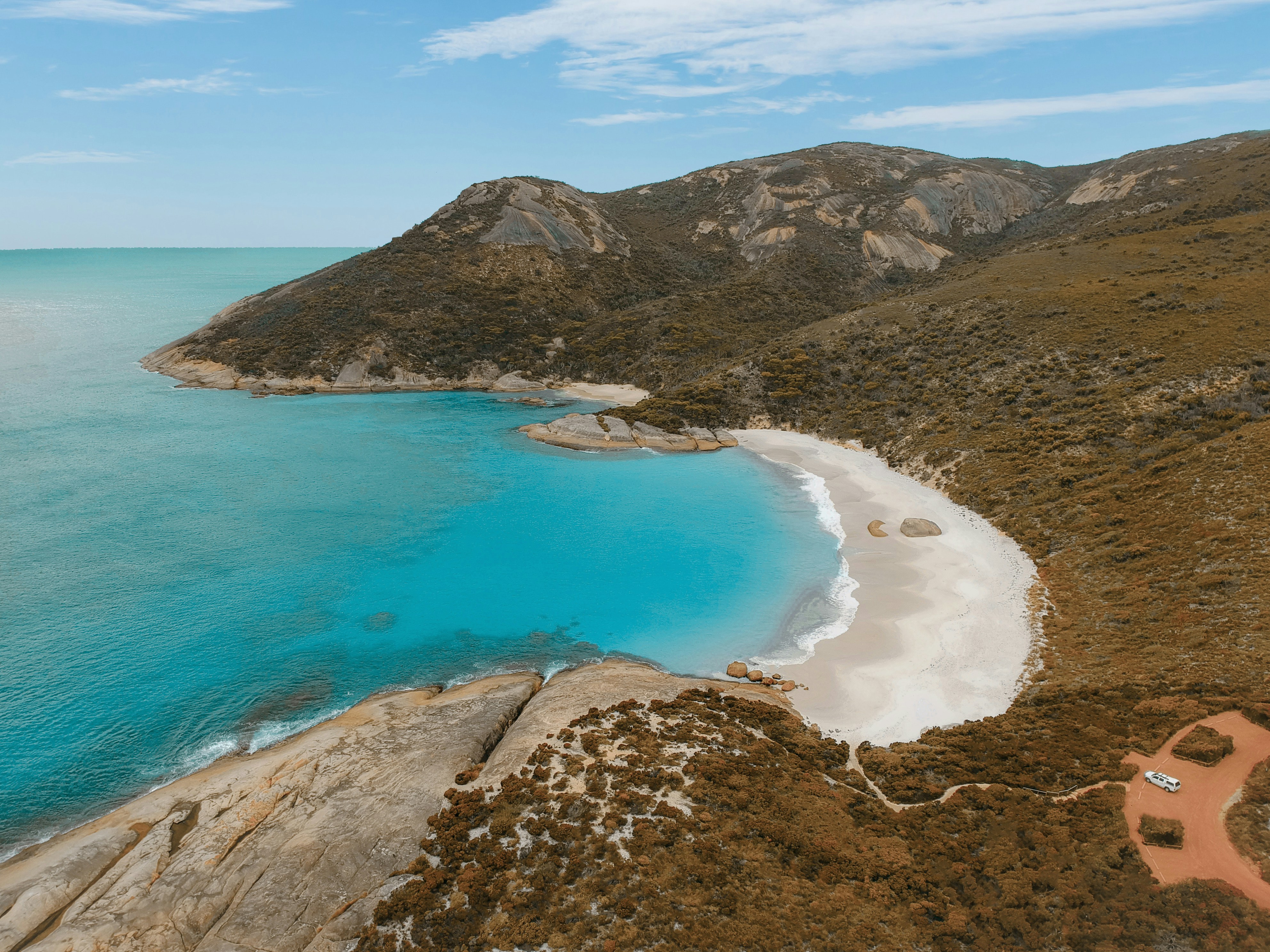
Western Australia’s oldest colonial settlement, Albany holds not only great historical significance but also immense natural beauty. Founded in 1826 as a British military outpost, the town evolved into a provisioning port for ships, a departure point for Australian troops bound for World War I, and eventually a base for the whaling industry. History buffs will be intrigued by sites such as the Anglican church, town hall, restored gaol and a one-of-a-kind whaling station museum, while the dramatic scenery of the rugged coastline will astound anyone fortunate enough to sail into Princess Royal Harbour. Known as Ataturk Entrance, the channel accessing the harbor from King George Sound is quite narrow, with forested peaks rising on either side from the rocky shores and sweeping white beaches. The view from your ship’s deck provides the perfect introduction to the natural wonders embracing this historic town.
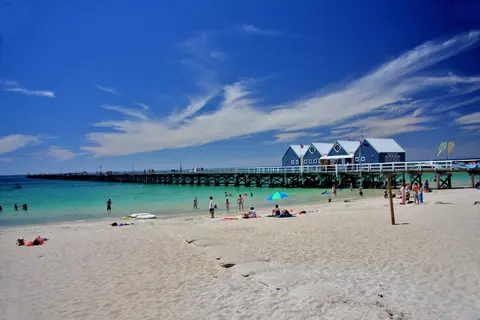
Busselton, Australia is a distinctive port city where deep cultural heritage meets authentic local atmosphere, featured on itineraries by Silversea. Must-do experiences include walking the historic center to experience the layered architectural heritage, and seeking out the regional culinary traditions at a locally favored establishment away from the port area. The optimal time to visit is October through April, when warm weather and extended daylight create ideal conditions.
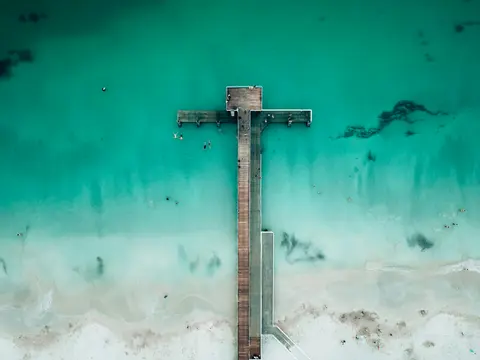
Fremantle is a charismatic port city at the mouth of Western Australia's Swan River, where Victorian heritage architecture, bohemian arts culture, and multicultural dining create one of Australia's most engaging small-city experiences. Must-do experiences include browsing the historic Fremantle Markets, touring the UNESCO-listed Fremantle Prison, and taking the ferry to Rottnest Island for quokka encounters and pristine snorkeling. The Mediterranean climate makes Fremantle a year-round destination, with spring wildflower season (August-October) and the warm summer months offering the most vibrant outdoor atmosphere.
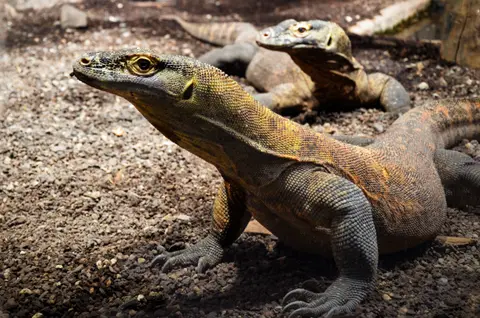
Komodo Island is the heart of a UNESCO World Heritage national park protecting approximately 5,700 Komodo dragons — the world's largest lizards — alongside one of Indonesia's richest marine ecosystems with world-class diving and snorkeling. Must-do experiences include guided dragon walks with park rangers, diving the nutrient-rich reefs of Batu Bolong, and hiking Padar Island for its iconic tri-colored beach panorama. April through November offers the clearest skies and best underwater visibility.
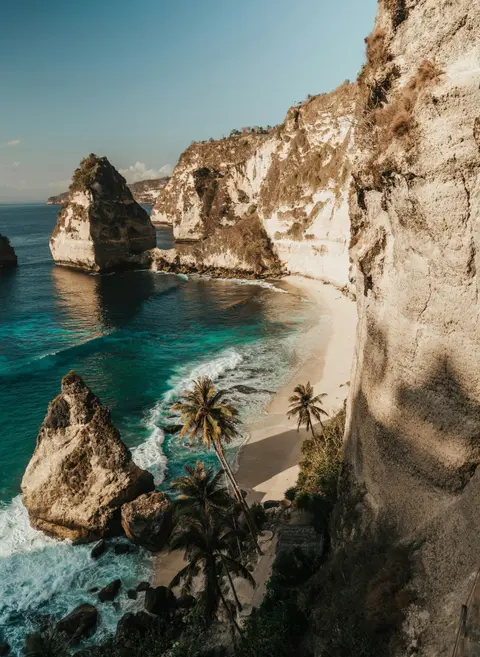
Bali is Indonesia’s Hindu island paradise where sculpted rice terraces, volcanic peaks, and flower-laden temple ceremonies create a civilization of extraordinary beauty and devotion. Must-dos include sunrise at Pura Tanah Lot, trekking Mount Batur at dawn, and feasting on babi guling at a traditional warung. Visit April through October for dry weather, with April and October offering the best balance of comfortable conditions and manageable crowds.

Lombok is an unspoiled Indonesian island east of Bali, dominated by the 3,726-metre volcanic peak of Mount Rinjani and home to the indigenous Sasak culture with its distinctive weaving, fiery cuisine, and traditional thatched villages. Must-dos include trekking the Rinjani caldera, snorkelling with sea turtles at the Gili Islands, and tasting the incendiary ayam taliwang. Visit May through October for dry season weather ideal for trekking and beaches.
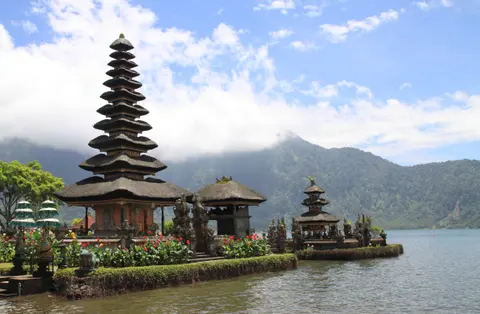
Celukan Bawang is a traditional fishing village on Bali's quieter northern coast, gateway to the island's highland lake temples, misty Munduk waterfalls, and the UNESCO-recognized subak rice terrace system — all without the crowds of southern Bali. Must-do experiences include visiting the iconic Pura Ulun Danu Bratan water temple, exploring Munduk's coffee plantations and waterfalls, and watching the morning fish market. April through October offers the driest weather and clearest highland views.
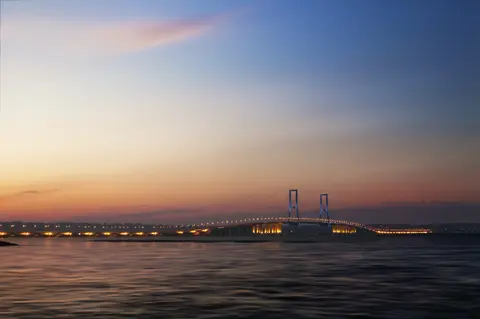
Surabaya, Indonesia, immerses visitors in Southeast Asia's intoxicating blend of ancient culture, extraordinary cuisine, and tropical beauty. Don't miss the vibrant local markets and street food scene, where regional flavors achieve remarkable complexity. The most comfortable visiting conditions occur year-round, though the drier months from May to October tend to offer the most comfortable conditions. Cruise lines including Oceania Cruises feature this port on their most compelling itineraries. Whether you have a few hours or a full day, the port rewards exploration at every pace and in every direction.

Semarang is Central Java's port capital, gateway to the world's largest Buddhist monument at Borobudur and the soaring Hindu temples of Prambanan, with its own reward of a Dutch colonial Old Town and Indonesia's most distinctive street food. Must-dos include sunrise at Borobudur, the Prambanan temple compound, and tasting Semarang's famous lumpia spring rolls. Visit June through August for clear skies and comfortable temple-visiting weather.
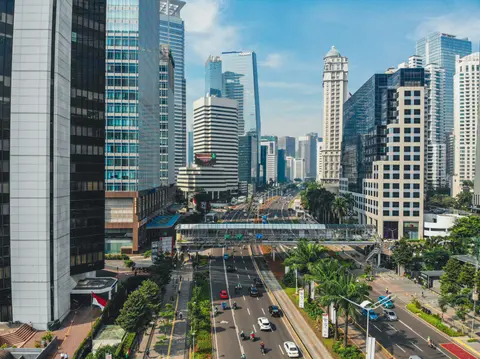
Jakarta, Indonesia is a distinctive port city where deep cultural heritage meets authentic local atmosphere, featured on itineraries by Oceania Cruises. Must-do experiences include exploring the vibrant local markets for regional specialties and fresh seafood, and discovering the waterfront quarter where maritime heritage meets contemporary energy. The optimal time to visit is November through April, when dry season brings clear skies and calm seas.
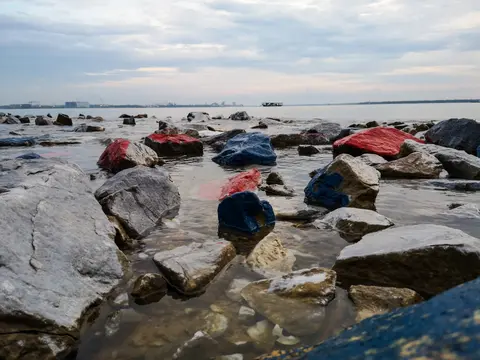
Port Klang is Malaysia's premier cruise gateway to Kuala Lumpur, a bustling port city on the Straits of Malacca where Chinese shophouses, Malay mosques, and Indian temples share narrow streets and the seafood restaurants serve some of Malaysia's freshest and most affordable coastal cuisine. Must-dos include feasting on chilli crab at the waterfront, visiting the Petronas Twin Towers in KL, and experiencing the firefly boats at Kuala Selangor. Visit June through August for the driest weather.
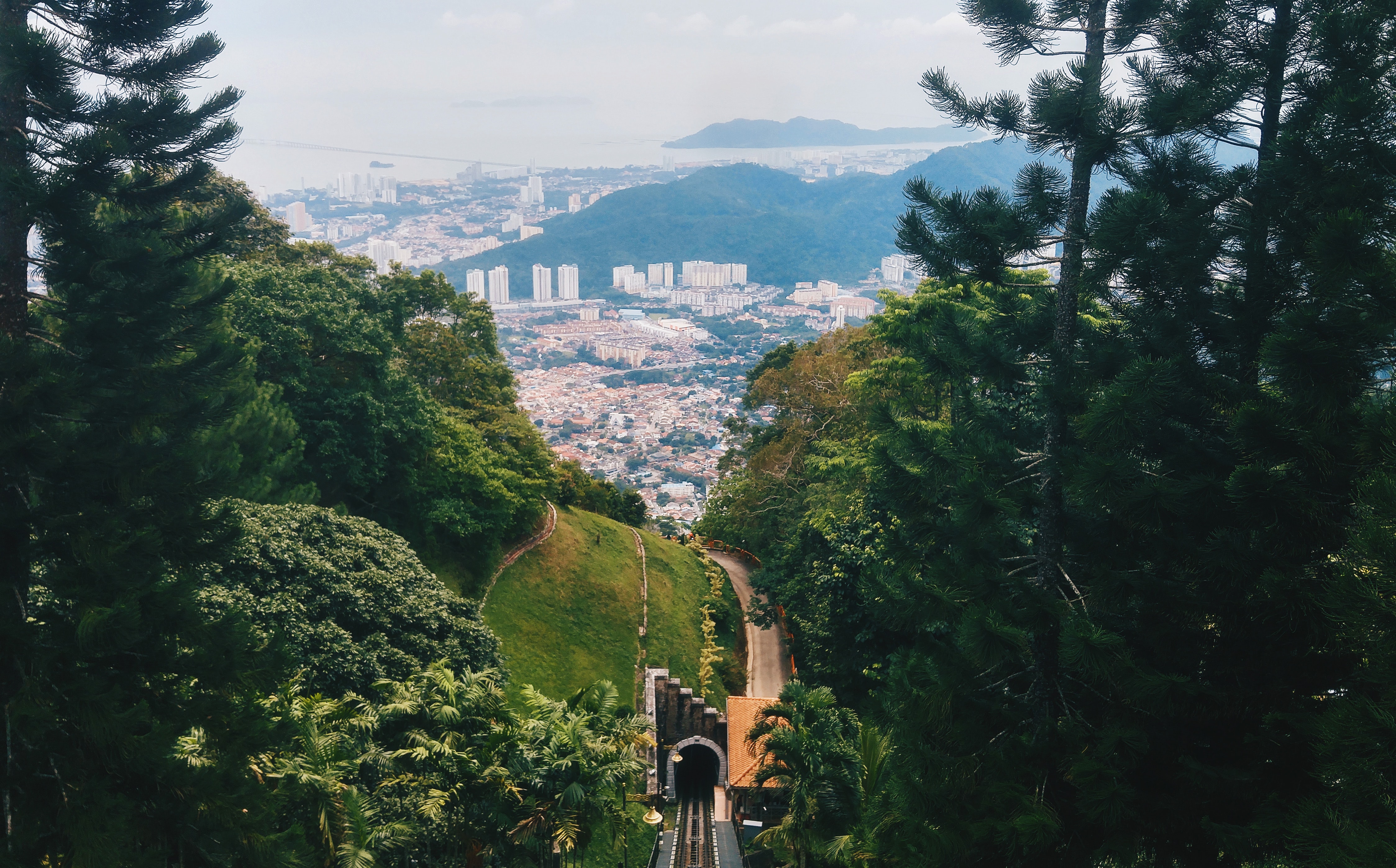
Visit a batik factory, a butterfly farm, a mosque, church and Indian temple, or just laze around on the beach. Hike the rainforest and waterfall-clad mountains that form the backdrop to the beautiful sandy beaches on the island known as "The Pearl of the Orient." The capital of the island was declared a UNESCO World Heritage Site because of its unique culture and architecture.
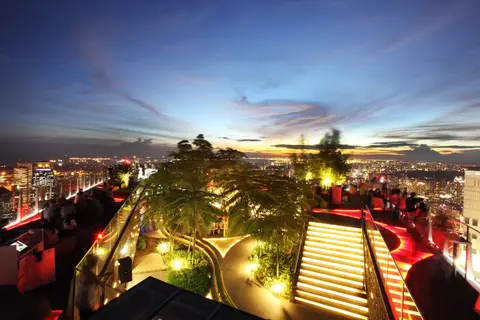
From Raffles's 1819 trading post to the world's second-busiest port, Singapore has always been where the world's trade routes converge — and its Supertree Groves, UNESCO-listed hawker culture, and the bowl of Hainanese chicken rice at Maxwell Food Centre confirm that its ambition has never dimmed. As Southeast Asia's definitive cruise hub, it serves as the ideal starting point for voyages across the Indian Ocean, the Indonesian archipelago, and beyond. February through April offers the most settled weather for exploring this extraordinary island city-state.
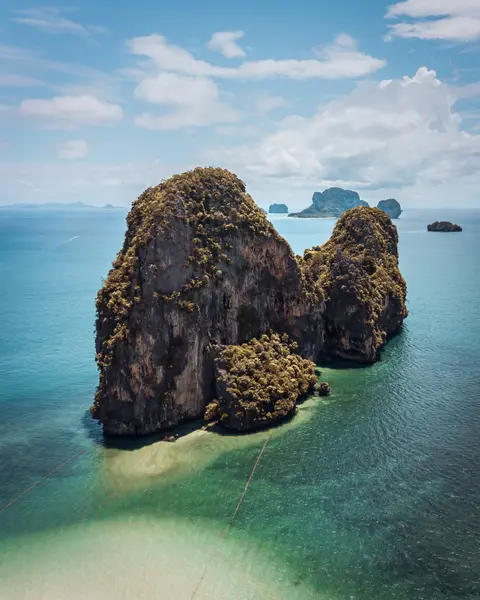
Phuket, Thailand's largest island, is a dazzling Andaman Sea destination where Sino-Portuguese heritage, Peranakan cuisine, and world-class beaches converge. Don't miss Old Phuket Town's restored shophouses, Phang Nga Bay's limestone karsts, and the island's unique Hokkien noodles. The dry season from November to April offers calm seas and ideal conditions for cruising and diving.
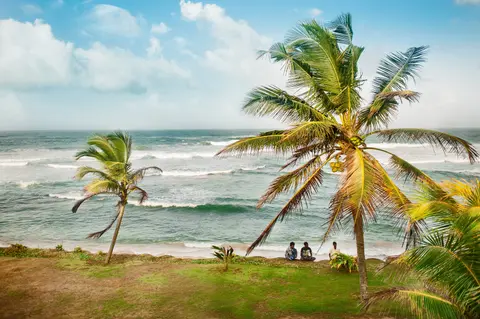
Hambantota, Sri Lanka, delivers the full magnificence of the Indian subcontinent—ancient temples, extraordinarily complex cuisine, and a sensory richness that recalibrates every expectation. Essential experiences include sampling regional specialties and exploring sacred sites of profound historical significance. Best visited year-round, though the drier months from May to October tend to offer the most comfortable conditions. Cruise lines including Azamara feature this port on their most compelling itineraries. Whether you have a few hours or a full day, the port rewards exploration at every pace and in every direction.
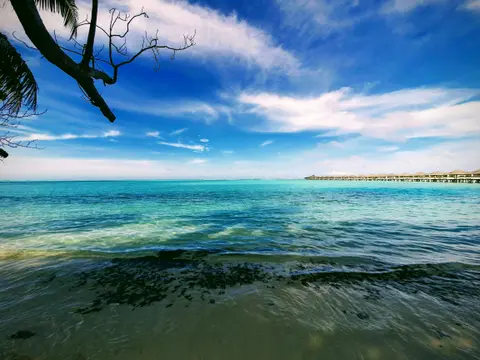
Malé, the compact island capital of the Maldives, is the gateway to one of Earth's most extraordinary coral archipelagos, spanning twenty-six atolls of luminous lagoons and pristine reefs. Must-dos include snorkeling with manta rays in Ari Atoll, exploring the coral-stone Friday Mosque, and savoring garudhiya tuna broth and mas huni. December through April offers the driest weather and clearest underwater visibility for reef exploration.
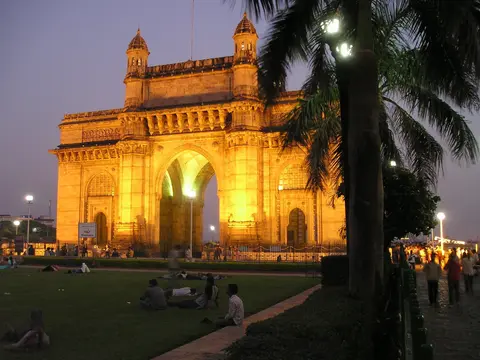
Mumbai is India's overwhelming, exhilarating maximum city of 21 million, where the Gateway of India, the world's grandest railway station, and Bollywood converge with the planet's most diverse street food scene. Must-dos include the Gateway of India and Taj Palace, tasting vada pav and pani puri from street vendors, and the Chhatrapati Shivaji Terminus. Visit November through February for comfortable temperatures and clear skies.
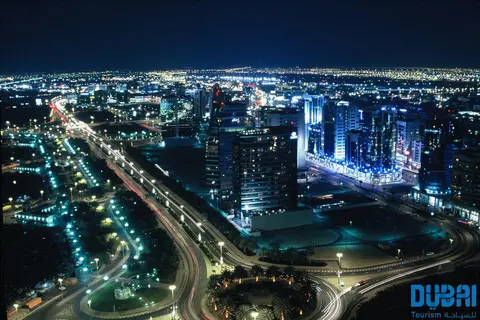
Dubai's audacity — a city that conjured itself from desert and sea within a single lifetime — is both its spectacle and its soul. The Dubai Creek's wind-tower houses and fragrant gold and spice souqs anchor an older identity, while the Burj Khalifa, the palm-shaped islands, and the vast Dubai Mall represent an ambition that continues to astonish. At its best, Dubai rewards those who explore beyond the superlatives: desert safaris at dawn, dhow dinner cruises on the Creek, and the extraordinary cultural collections of the Al Quoz arts district. October through April delivers reliably sunny weather without summer's overwhelming heat.
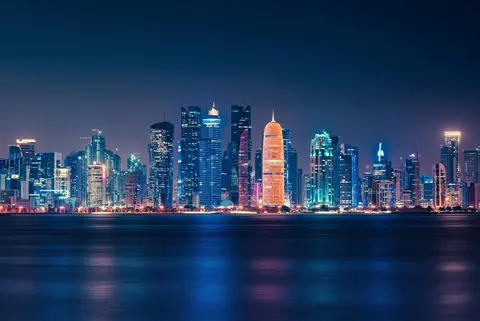
Once a modest pearl-diving village on the Arabian Gulf, Doha has transformed into one of the world's most architecturally audacious capitals — a skyline of Pritzker-winning towers rising above a restored waterfront where traditional dhows still sail at dusk. The Museum of Islamic Art, Pei Cobb Freed's masterpiece on a purpose-built peninsula, houses one of the finest collections of Islamic art and design on Earth, while the restored Souq Waqif offers an immersive encounter with Qatari heritage. October through March brings pleasantly warm days — the ideal window before the Gulf summer's intensity arrives.
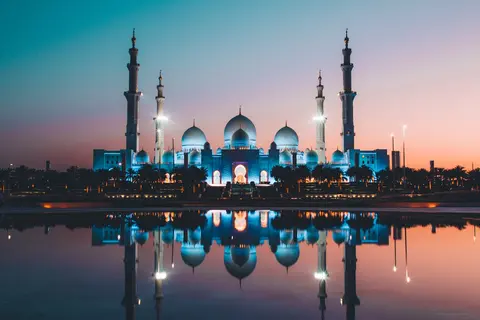
Abu Dhabi, the gleaming capital of the United Arab Emirates, has transformed from a pearl-diving village into a city where Bedouin heritage and futuristic ambition coexist in breathtaking tension. The Sheikh Zayed Grand Mosque — with its eighty-two domes, thousand marble-clad columns, and the world's largest hand-knotted carpet — stands as a pinnacle of Islamic artistry, while Saadiyat Island's cultural district houses world-class museums including the Louvre Abu Dhabi. Visit October through April for cooler temperatures, with Dubai just ninety minutes away. This is a city that rewards the curious traveler with layers of splendor at every turn.
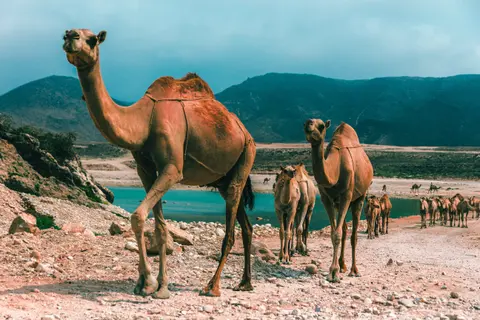
Salalah, Oman is a distinctive port city where deep cultural heritage meets authentic local atmosphere, featured on itineraries by Seabourn. Must-do experiences include exploring the vibrant local markets for regional specialties and fresh seafood, and discovering the waterfront quarter where maritime heritage meets contemporary energy. The optimal time to visit is November through April, when cooler dry months offer the most comfortable conditions for exploration.
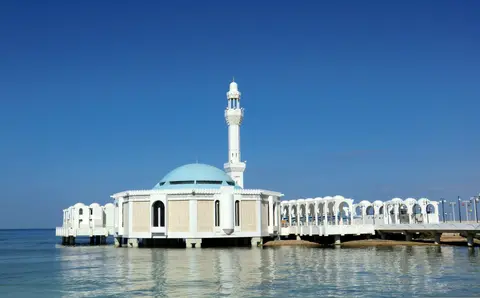
Jeddah, Saudi Arabia, offers a portal into one of the world's most historically significant regions, where archaeological wonders, legendary cuisine, and dramatic desert landscapes converge. Essential experiences include exploring the souks and sampling the extraordinary local food culture. Best visited December through April, during the dry season when skies are clearest and seas are calmest. Cruise lines including Emerald Yacht Cruises feature this port on their most compelling itineraries. Whether you have a few hours or a full day, the port rewards exploration at every pace and in every direction.

Safaga is a Red Sea port that combines world-class diving on pristine coral reefs with access to Luxor's ancient Egyptian monuments—the Valley of the Kings, Karnak Temple, and the tomb of Tutankhamun—just three hours inland. Must-dos include diving at Panorama Reef and Abu Kafan, a day trip to Luxor's pharaonic temples, and snorkeling in the warm, crystal-clear Red Sea waters. October through April offers the most comfortable temperatures for combining underwater and desert exploration.

Aqaba, Jordan, offers a portal into one of the world's most historically significant regions, where archaeological wonders, legendary cuisine, and dramatic desert landscapes converge. Essential experiences include exploring the souks and sampling the extraordinary local food culture. Best visited October through April, when cooler temperatures and lower humidity create ideal conditions. Cruise lines including Emerald Yacht Cruises feature this port on their most compelling itineraries. Whether you have a few hours or a full day, the port rewards exploration at every pace and in every direction.
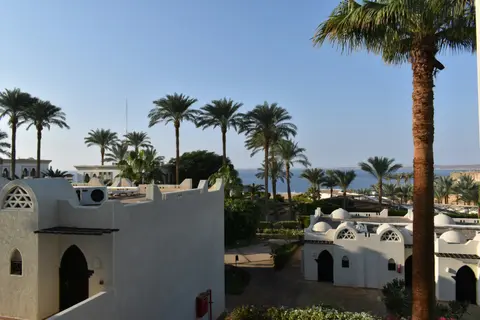
Sharm El Sheikh, Egypt is a distinctive port city where deep cultural heritage meets authentic local atmosphere, featured on itineraries by Seabourn. Must-do experiences include walking the historic center to experience the layered architectural heritage, and seeking out the regional culinary traditions at a locally favored establishment away from the port area. The optimal time to visit is April through October, when warm weather and extended daylight create ideal conditions.
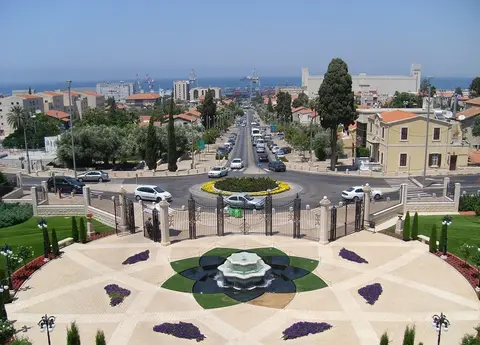
Haifa, Israel is a distinctive port city where deep cultural heritage meets authentic local atmosphere, featured on itineraries by Viking. Must-do experiences include walking the historic center to experience the layered architectural heritage, and seeking out the regional culinary traditions at a locally favored establishment away from the port area. The optimal time to visit is April through October, when warm weather and extended daylight create ideal conditions.
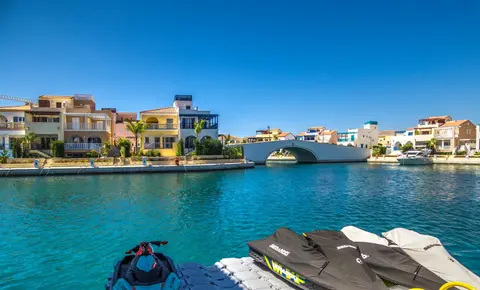
Limassol is Cyprus's cosmopolitan coastal city, where a Crusader castle, revitalized old town, and spectacular modern waterfront meet the world's oldest named wine tradition in the nearby Troodos foothills. Visit year-round for the medieval heritage, Commandaria wine villages, and excursions to the ancient theatre of Kourion perched above the Mediterranean.

Ephesus is a compelling Mediterranean port in Turkey where centuries of history, vibrant local cuisine, and luminous coastal scenery converge. Visitors should explore the historic quarters on foot and surrender to the local dining culture, where fresh seafood and regional wines provide a masterclass in Mediterranean living. Best visited October through April, when cooler temperatures and lower humidity create ideal conditions. Cruise lines including Tauck feature this port on their most compelling itineraries. Whether you have a few hours or a full day, the port rewards exploration at every pace and in every direction.
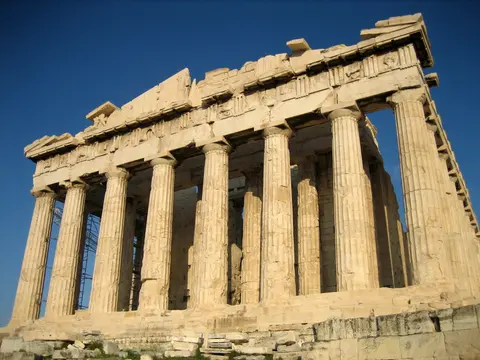
The port that launched Athenian democracy's naval supremacy at the Battle of Salamis, Piraeus remains Greece's maritime heartbeat — and the most convenient gateway to both the Acropolis and the Aegean island chains. Dine on grilled sea bream at a Mikrolimano harbourside taverna, visit the extraordinary bronze Piraeus Apollo, and set sail for Hydra or Santorini by afternoon. Late April through June and September offer the Aegean at its most golden and uncrowded.
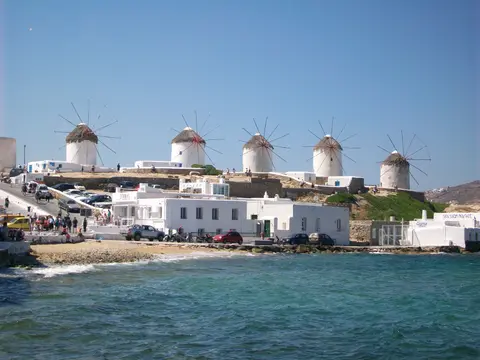
Katakolon is the unassuming port that holds an extraordinary secret: just fourteen kilometres inland lies ancient Olympia, birthplace of the Olympic Games and one of the most sacred sites in the ancient world. The Archaeological Museum of Olympia — housing the breathtaking sculptures from the Temple of Zeus — ranks among Greece's finest, while walking the original stadium still sends a current of wonder through even the most seasoned traveller. The village itself charms with whitewashed tavernas and a relaxed pace that feels authentically Greek. Katakolon is best visited April through October; late spring and early autumn offer ideal temperatures for the Olympia excursion.
Igoumenitsa is a gateway port on Greece's northwestern Epirus coast, facing Corfu across the Ionian strait, with a revitalized waterfront promenade and access to some of Greece's most spectacular yet least-visited landscapes. Must-do excursions include the mythological Acheron River gorge, the ancient oracle of the dead, and the stone villages of Zagori near Vikos Gorge. Visit May through October for ideal hiking conditions and luminous Mediterranean light.
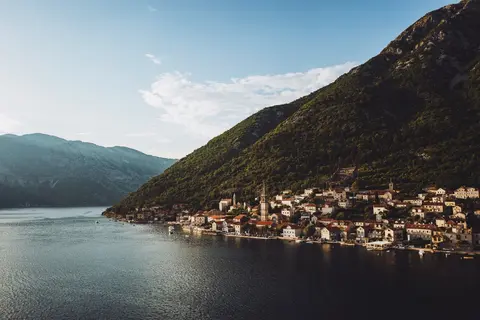
The port of Kotor, a UNESCO World Heritage site, is renowned for its stunning natural beauty and rich historical tapestry. A must-do experience includes wandering the cobblestone streets of the Old Town, where culinary delights like "kacamak" and fresh seafood await. The best time to visit is during the spring or early fall, when the weather is pleasant and the crowds are fewer.
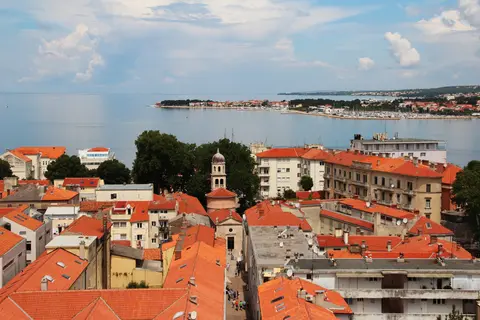
Zadar, a historic port city on Croatia's Dalmatian coast, is a captivating blend of ancient architecture and vibrant culture. Must-do experiences include visiting the Church of St. Donatus and enjoying the enchanting music of the Sea Organ. The best season to visit is during the warm summer months when the city comes alive with festivals and outdoor activities.
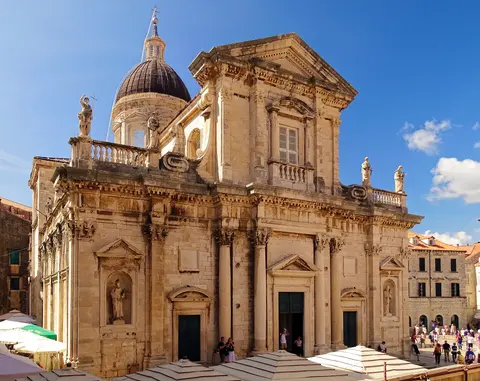
Dubrovnik, Croatia's stunning port city, is a blend of rich history, dramatic architecture, and vibrant culture, making it a must-visit destination. Don't miss a stroll along the city walls for breathtaking views and savor local dishes like "peka" and "black risotto." The best time to visit is in late spring or early fall when the weather is pleasant and the crowds are thinner.
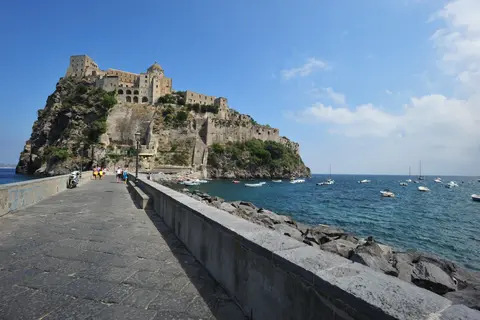
Naples — Napoli — is Europe's most operatically alive city, a sun-battered baroque metropolis where Vesuvius broods on the horizon and the streets below pulse with 2,500 years of continuous human drama. The unmissable Museo Archeologico Nazionale houses the world's finest collection of artefacts from Pompeii and Herculaneum, while the Spaccanapoli, the arrow-straight artery that has bisected the city since Greek times, delivers an unfiltered encounter with Neapolitan life. A single slice of pizza Margherita from one of the centro storico's historic pizzerias is a culinary pilgrimage in itself. Visit between April and June or September and October for warmth, manageable crowds, and the city at its golden best.
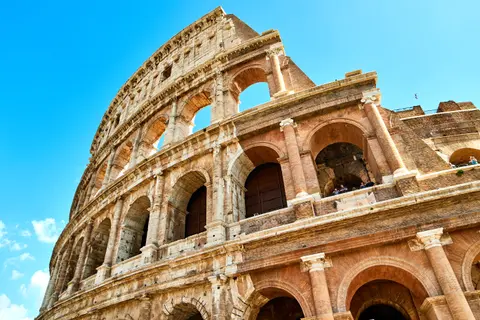
Rome's ancient maritime gateway since the Emperor Trajan commissioned its harbour in 106 AD, Civitavecchia is the natural prologue to the Eternal City — just seventy minutes southeast by express rail. The port's Renaissance fortress, designed in part by Michelangelo, anchors a working waterfront that has welcomed travellers for millennia. Beyond Rome's unmissable monuments, consider an afternoon in the Civitavecchia thermal baths, drawing on mineral waters prized since antiquity. Spring and autumn offer the ideal balance of mild weather and manageable crowds for exploring the capital's layered history.
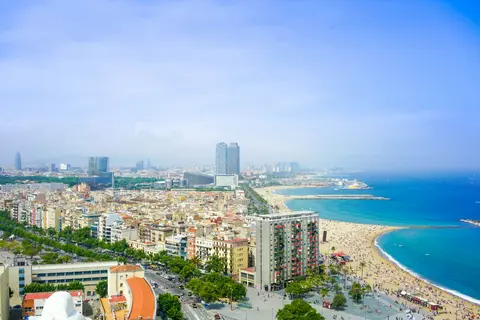
Barcelona is the city where Roman history, Gothic grandeur, and Gaudí's delirious Modernisme collide in a Mediterranean coastal capital of astonishing energy and beauty. The Sagrada Família — still under construction after 140 years — continues its audacious ascent toward completion, while the Gothic Quarter's Roman-era foundations and the Passeig de Gràcia's extraordinary concentration of Modernisme masterpieces reward days of exploration. For a complete sensory experience, lose an afternoon in the covered labyrinth of La Boqueria market before descending to the waterfront for Catalan seafood at its finest. May through June and September through October offer the most pleasant weather; the city connects directly to Paris by overnight train.
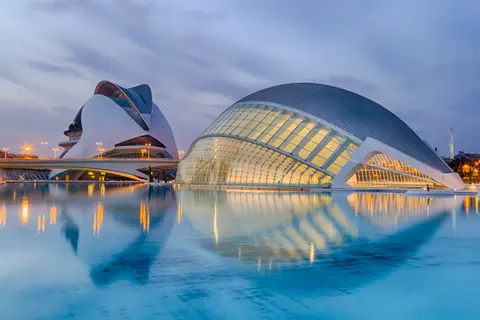
Valencia, Spain's luminous third city, dazzles with a creative energy anchored by two thousand years of layered civilization — Roman foundations, Moorish irrigation gardens, a Gothic cathedral housing what many believe to be the Holy Grail, and Santiago Calatrava's futuristic City of Arts and Sciences gleaming beside a park-filled riverbed. The city invented paella over an open fire of orange-wood in the surrounding huerta, and the Las Fallas festival each March — when neighborhoods compete to erect and then ceremonially burn towering satirical sculptures — is one of Europe's most spectacular celebrations. Valencia's Mediterranean climate makes it exceptional year-round.

Beneath Ibiza's sun-drenched reputation as the world's clubbing capital lies a layered history stretching back to Phoenician traders who settled this Balearic island in 654 BC. The UNESCO-listed Dalt Vila — the walled hilltop citadel above Eivissa town — rewards exploration with Carthaginian burial grounds, Renaissance ramparts, and sweeping Mediterranean panoramas. For quieter pleasures, the crystalline coves of the island's north, such as Cala d'en Serra and Es Portitxol, rival any beach in Europe. The Phoenician necropolis of Puig des Molins is unmissable for history devotees. The season runs May through October, with June and September offering ideal weather without peak-summer crowds.
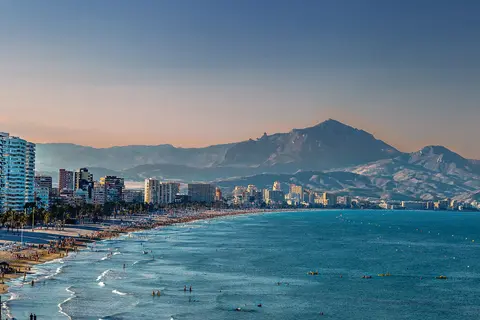
Alicante, a historic port city on Spain's Costa Blanca, captivates visitors with its rich history, stunning architecture, and vibrant culinary scene. Must-do experiences include savoring traditional paella by the seaside and exploring the bustling Mercado Central. The best time to visit is during the spring or early fall when the weather is pleasantly warm and the city is alive with festivities.
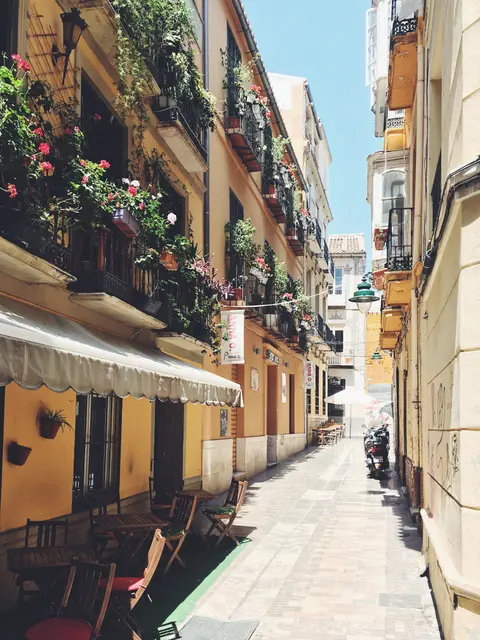
Málaga distils three thousand years of Mediterranean civilisation into one of Andalusia's most compelling port cities, where the Moorish Alcazaba fortress surveys a modern waterfront of elegant promenades and sun-drenched café terraces. Do not leave without visiting the Museo Picasso — the artist was born here in 1881 — and ascending to the ruined Castillo de Gibralfaro for panoramic views stretching to the Rif Mountains of Morocco on clear days. Malagueta anchovies fried in olive oil and the sweet Pedro Ximénez-laced dessert wine are the city's defining pleasures. The shoulder seasons of April, May, and October offer perfect Mediterranean warmth.
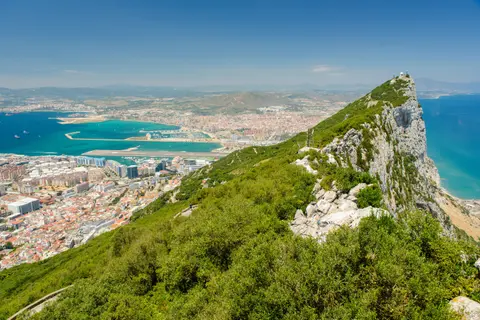
Gibraltar is a British Overseas Territory perched at the southern tip of the Iberian Peninsula, where the Mediterranean meets the Atlantic beneath an iconic limestone monolith steeped in over a millennium of contested history. No visit is complete without ascending the Rock to encounter the Barbary macaques and the panoramic views stretching to North Africa, followed by a plate of calentita — the territory's beloved Genoese-heritage chickpea bake — at a Main Street bakery. The mild Mediterranean climate makes Gibraltar a rewarding port call year-round, though spring and early autumn offer the clearest skies for spotting whales and dolphins in the Strait.
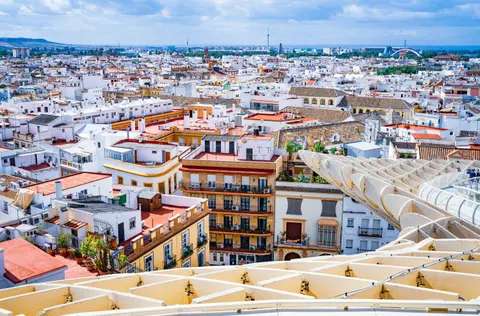
Seville’s port is a vibrant gateway to Andalusia, steeped in history and cultural richness. Don’t miss the chance to indulge in local tapas and experience a traditional flamenco performance. The best time to visit is during the spring, when the city bursts into life with festivals and pleasant weather.
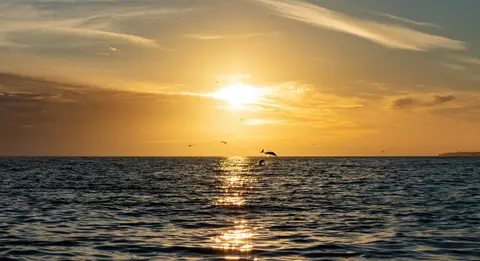
Portimão is the Algarve's most storied port city, where Phoenician trading heritage meets golden-cliff beaches and Portugal's finest grilled sardine tradition along the Arade River. Visitors should not miss the charcoal-grilled sardines at the riverside churrasqueiras and the dramatic sandstone formations of Praia da Rocha. The port is at its luminous best from May through October, when long Atlantic days bathe the coastline in honeyed light and the August Sardine Festival electrifies the waterfront.
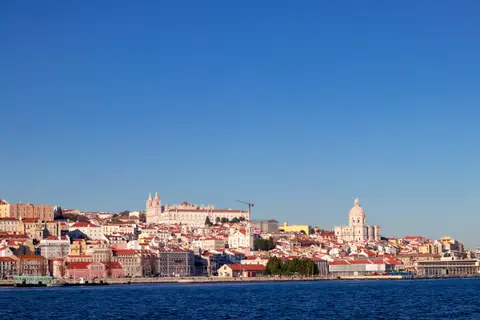
Lisbon, Portugal's enchanting capital, stands out for its rich history, stunning architecture, and vibrant culture. Must-try experiences include savoring local dishes like bacalhau à brás and pastéis de nata at Mercado da Ribeira. The best time to visit is during the spring or fall, when the weather is mild and the city is alive with festivals and events.

Porto, set dramatically on the granite bluffs above the Douro River, is among Europe's most romantically dishevelled cities — a place where baroque church towers rise above terracotta rooftops and century-old azulejo tilework lines every alley. Cross the iron Dom Luís I Bridge for sweeping views and descend into Vila Nova de Gaia's atmospheric wine lodges for a tasting of aged tawny port direct from the barrel. Seafood is magnificent: salt cod prepared a hundred ways, barnacles glistening with lemon, and custard tarts still warm from the oven. Spring and early autumn offer the finest conditions.
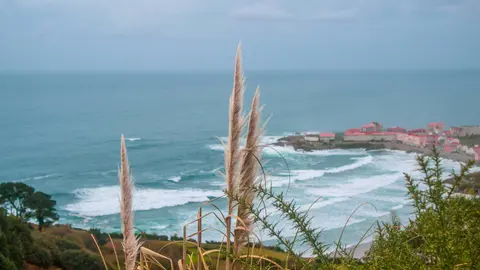
La Coruña, the Atlantic gateway to Spain's verdant Galicia region, is home to the Tower of Hercules — the world's oldest functioning Roman lighthouse and a UNESCO World Heritage Site — and a waterfront of luminous glass galleries unlike anything else in Europe. Visitors should not miss savouring pulpo á feira and wild percebes at the local markets, nor the short journey to Santiago de Compostela along the Camino. Late spring through early autumn offers the mildest weather, with September providing warm days, golden light, and fewer crowds along the granite streets of the Ciudad Vieja.
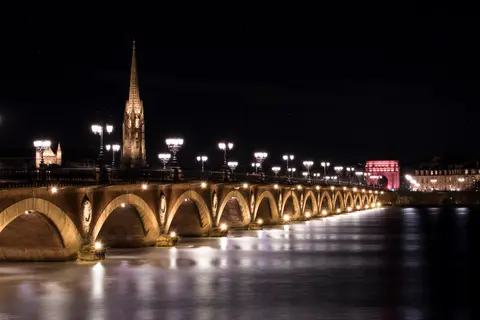
Bordeaux, France's premier port city, is renowned for its historical significance, stunning architecture, and world-class wine. Must-do experiences include savoring local delicacies at Marché des Quais and exploring the breathtaking art installations at Place de la Bourse. The best season to visit is during the late spring and early autumn, when the weather is pleasant and the vineyards are in full bloom.

La Rochelle is a historic French Atlantic port city renowned for its medieval tower-flanked harbour, Renaissance arcaded streets, and proximity to the elegant Île de Ré. Visit from April through October to explore world-class museums, cycle the island's salt marshes and oyster villages, and dine on some of France's finest seafood.
Saint Helier is the capital of Jersey, a self-governing Crown Dependency in the English Channel that blends British and Norman French heritage across 119 square kilometres of granite cliffs, tidal flats, and world-famous dairy farmland. Must-dos include the Victorian Central Market, tasting Jersey Royal potatoes and spider crab, and walking the dramatic north coast cliff paths. Visit May through June for the potato harvest, wildflower cliffs, and longest days.
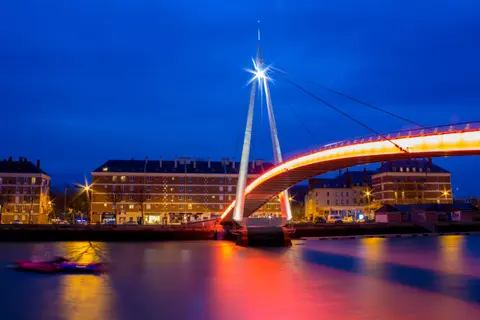
Founded in 1517 by Francis I and rebuilt after World War II devastation by Auguste Perret's visionary grid of reinforced concrete — now a UNESCO World Heritage Site — Le Havre is a city where urban architecture becomes a form of art. The monumental church of Saint-Joseph, lit from within by fifteen thousand pieces of coloured glass, is a masterpiece of post-war modernism. Day trips to Honfleur, the exquisite half-timbered port that launched Impressionism, and to the D-Day beaches of Normandy, make Le Havre one of the channel's most strategically placed cruise calls. The city is most agreeable May through September; the Honfleur excursion rewards in any season.
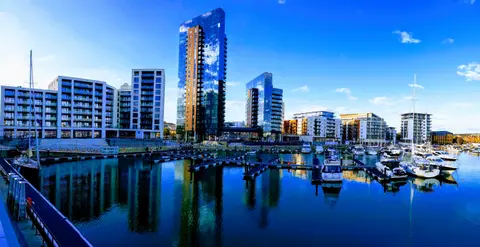
Southampton, England's storied ocean liner capital on the southern coast, carries an indelible maritime identity — this is the port from which the Titanic departed and from which the Queen Mary 2 still sails in grandeur today. The medieval Bargate and City Walls speak to a history stretching back to Roman times, while the SeaCity Museum tells the story of the great liners with moving intimacy. Day excursions reach Winchester's magnificent cathedral, the stately rooms of Beaulieu, and the primeval wilderness of the New Forest — where ancient ponies still roam freely. Spring and summer offer the most pleasant conditions for exploring the region.
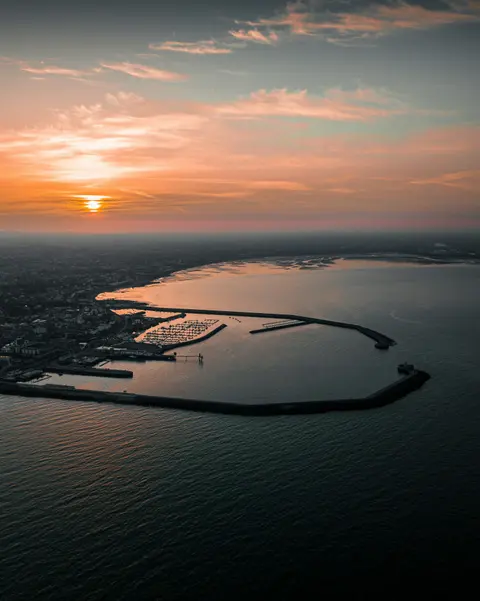
Dún Laoghaire is an elegant Victorian harbour town on Dublin Bay, renowned for its sweeping nineteenth-century granite piers, literary heritage tied to James Joyce, and vibrant artisan food culture featuring Dublin Bay prawns, boxty, and farmhouse cheeses. Visitors should walk the historic East Pier for panoramic bay views and explore the Sunday market at People's Park. The ideal season is late May through September, when long Irish summer evenings bathe the waterfront in golden light and outdoor dining comes alive along the seafront.
Greenock is the cruise gateway to Glasgow and the Scottish Highlands, situated where the River Clyde meets the sea amid Victorian maritime architecture and mountain views. Visit from April through October for Glasgow's world-class museums and dining, Loch Lomond's legendary landscapes, and Highland whisky distillery tours.
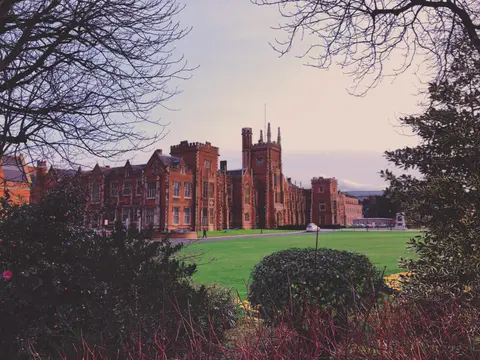
Belfast, Northern Ireland’s capital, is a vibrant port city renowned for its rich shipbuilding heritage, highlighted by the Titanic Belfast museum. Must-do experiences include exploring the historic Cathedral Quarter and tasting traditional dishes like Irish stew and soda bread at St. George's Market. The best season to visit is during the spring and summer when the city comes alive with festivals and outdoor events.
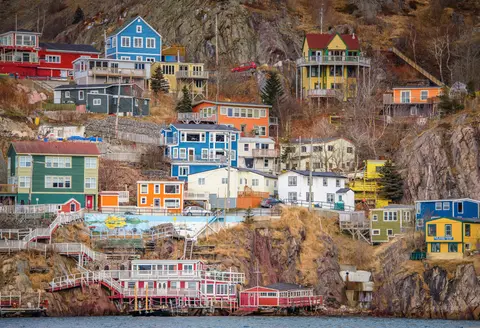
St. John's is North America's oldest English-founded city, a colourful Newfoundland harbour capital where Jellybean Row houses climb steep hills, Marconi received the first transatlantic wireless signal, and icebergs drift past the harbour mouth each spring. Must-dos include climbing Signal Hill for Atlantic panoramas, the screech-in cod-kissing ceremony, and hiking to Cape Spear — the continent's easternmost point. Visit July or August for warm weather and iceberg season.
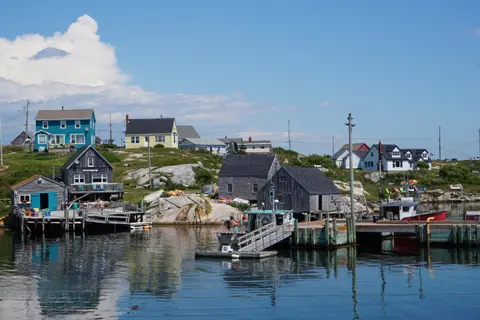
Sydney, on Cape Breton Island in Nova Scotia, is a charming harbour city where Scottish-Acadian heritage meets raw Atlantic beauty, serving as the gateway to the legendary Cabot Trail — one of the world's most spectacular coastal drives. Visitors should savour the island's renowned seafood chowder and traditional oatcakes while exploring the colourful waterfront boardwalk. The peak season stretches from late June through October, when autumn's fiery foliage transforms the highlands into a tapestry of crimson and gold.
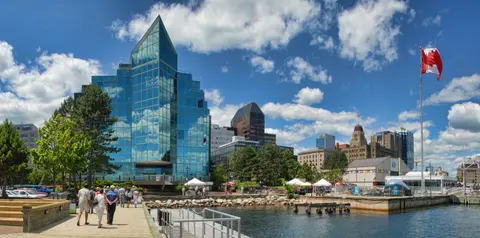
Halifax, the historic capital of Nova Scotia, is a refined Atlantic port where centuries of maritime heritage meet a flourishing culinary scene anchored by Digby scallops, donairs, and one of North America's oldest farmers' markets. Visitors should not miss the star-shaped Citadel Hill and the harbourfront boardwalk's constellation of galleries and tasting rooms. The ideal season stretches from late June through October, when autumn's blazing foliage transforms the entire province into a masterwork of colour and the cruise terminal welcomes the world's finest vessels.
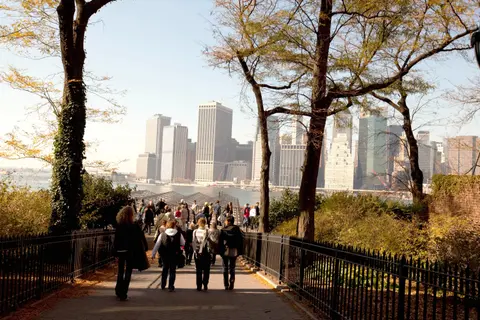
The Port of New York is a bustling maritime gateway rich in history and cultural diversity, making it a must-visit destination. Don't miss the chance to savor authentic New York pizza and explore the vibrant Chelsea Market. The best time to visit is during the spring or fall, when the weather is pleasant, and the city is alive with activity.
Day 1
Los Angeles rewards the curious traveller willing to look beyond its cinematic mythology: beneath the Pacific light and the freeway sprawl lies a city of extraordinary cultural plurality, world-class museums, and some of North America's most diverse cuisine. The Getty Center, perched above the city with panoramic views from the Pacific to the San Gabriel Mountains, houses one of the finest art collections in the United States. Santa Monica's Palisades Park at sunset and the boulevards of Silver Lake at any hour reveal a city perpetually reinventing itself. The port calls at San Pedro give access to Downtown, Hollywood, and Malibu's pristine beaches. Southern California's climate makes Los Angeles a year-round destination.
Day 2
Day 3
Day 4
Cabo San Lucas is a lively port town at the southern tip of the Baja California Peninsula, renowned for its stunning beaches and vibrant atmosphere. Must-do experiences include exploring the iconic El Arco rock formation and indulging in local delicacies like tacos de pescado and ceviche. The best season to visit is from November to April when the weather is pleasantly warm and ideal for outdoor adventures.
Day 5
Day 6
Zihuatanejo is an authentic Mexican fishing village on a perfectly sheltered Pacific bay, where traditional beach palapas serve the freshest ceviche and grilled pescado a la talla alongside fishermen mending their nets. Visitors should snorkel at Playa Las Gatas, taste tiritas at a waterfront palapa, and explore the bird-rich Barra de Potosi lagoon. The dry season from November to May offers the clearest skies and calmest seas.
Day 7
Day 8
Puerto Quetzal is Guatemala's main Pacific port, serving as the gateway to the UNESCO-listed colonial city of Antigua and the volcanic splendor of Lake Atitlán. Must-dos include exploring Antigua's earthquake-preserved ruins, tasting highland-grown coffee and traditional pepián stew, and visiting lakeside Maya villages. The dry season from November through April offers the clearest skies and most comfortable conditions for highland exploration.
Day 9
Nicaragua’s largest port, Corinto sits on an island connected to the mainland by bridges. Nicaragua is home to some of the world’s most beautiful beaches, and the area offers long stretches of white sand and clear blue waters. Visit the nearby city of León to see the wonderful cathedral, monuments and colonial buildings as well as the ruins of León Viejo, one of the oldest Spanish settlements in the Americas.
Day 10
Day 11
Puntarenas is Costa Rica's historic Pacific port, a narrow peninsula reaching into the Gulf of Nicoya where nineteenth-century maritime heritage meets vibrant marine life, signature street food like the iconic *churchill* shaved ice, and easy access to Tortuga Island, cloud forests, and world-class whitewater rafting on the Pacuare River. The dry season from December through April offers the most reliable sunshine and calmest seas for both shore excursions and gulf crossings, making it the ideal window for cruise itineraries calling at this authentically Costa Rican gateway.
Day 12
Day 13
Day 14
Manta, Ecuador is a distinctive port city where deep cultural heritage meets authentic local atmosphere, featured on itineraries by Norwegian Cruise Line. Must-do experiences include exploring the vibrant local markets for regional specialties and fresh seafood, and discovering the waterfront quarter where maritime heritage meets contemporary energy. The optimal time to visit is November through April, when dry season brings clear skies and calm seas.
Day 15
Day 16
Salaverry is the Peruvian port gateway to Chan Chan — the largest pre-Columbian adobe city in South America — and the polychrome Moche temples that together create one of the Western Hemisphere's richest archaeological landscapes. Must-dos include the carved friezes of Chan Chan's Tschudi Complex, the vivid murals at Huaca de la Luna, and ceviche at colonial Trujillo's Plaza de Armas. Visit year-round; the coast is dry, with June through September best for archaeological site visits.
Day 17
Callao, Peru, delivers South America's irresistible combination of dramatic landscapes, vibrant culture, and extraordinary biodiversity. Essential experiences include exploring local markets, tasting the distinctive regional cuisine, and venturing into the surrounding natural environments. Best visited May through September, when drier conditions prevail and temperatures remain pleasant. Cruise lines including Cunard feature this port on their most compelling itineraries. Whether you have a few hours or a full day, the port rewards exploration at every pace and in every direction.
Day 18
Pisco, Peru is a distinctive port city where deep cultural heritage meets authentic local atmosphere, featured on itineraries by Oceania Cruises. Must-do experiences include exploring the vibrant local markets for regional specialties and fresh seafood, and discovering the waterfront quarter where maritime heritage meets contemporary energy. The optimal time to visit is November through April, when dry season brings clear skies and calm seas.
Day 19
Day 20
Arica is the world's driest city, located in Chile's far north at the edge of the Atacama Desert, and home to the Chinchorro mummies — UNESCO-listed remains that predate Egyptian mummification by two millennia. Must-do experiences include visiting the Chinchorro mummy museums, climbing the Morro de Arica for panoramic views, and day-tripping to Lauca National Park's high-altitude flamingo lakes. Year-round sunshine makes any season suitable, with clear skies virtually guaranteed.
Day 21
Iquique, Chile, delivers South America's irresistible combination of dramatic landscapes, vibrant culture, and extraordinary biodiversity. Essential experiences include exploring local markets, tasting the distinctive regional cuisine, and venturing into the surrounding natural environments. Best visited May through September, when drier conditions prevail and temperatures remain pleasant. Cruise lines including Azamara feature this port on their most compelling itineraries. Whether you have a few hours or a full day, the port rewards exploration at every pace and in every direction.
Day 22
Day 23
Coquimbo is a Pacific port in Chile's Norte Chico that serves as the gateway to the Elqui Valley—one of Earth's clearest-skied locations, home to international observatories and traditional pisco distilleries. Must-dos include a pisco tasting tour followed by stargazing at a public observatory and visiting the Humboldt penguin reserve at Isla Damas. Clear skies prevail year-round, with winter (June-August) offering the best stargazing conditions.
Day 24
Valparaíso is Chile's UNESCO-listed port city of 42 painted hills, Victorian funicular railways, and one of the world's most spectacular street art scenes, where Pablo Neruda built his hill-top home La Sebastiana. Must-dos include riding the historic ascensores, touring Neruda's house, and feasting on Humboldt Current seafood. October through March offers the warmest, driest weather.
Day 25
Day 26
Day 27
Day 28
Day 29
Day 30
Easter Island — Rapa Nui to its Polynesian people — stands as one of the most remote and compelling destinations on Earth, a volcanic outpost 3,700 kilometres from the nearest continental shore, its hillsides and coastline populated by nearly 900 monumental stone moai whose purpose and method of construction remain the subject of ongoing fascination. The UNESCO-listed Rapa Nui National Park encompasses the island's most significant archaeological sites, including the quarry of Rano Raraku and the ceremonial platform of Ahu Tongariki. November through April brings the warmest, driest conditions for exploring this extraordinary living testament to Polynesian civilisation.
Day 31
Day 32
Day 33
Day 34
Day 35
Day 36
Fakarava is a UNESCO Biosphere Reserve atoll in French Polynesia's Tuamotu Archipelago, offering some of the world's most spectacular diving — including drift dives through shark-filled passes — and pristine pink-sand beaches. Must-dos include diving the Garuae "wall of sharks," visiting a black pearl farm, and stargazing from an uninhabited motu. April through November brings the driest weather, with June and July featuring the legendary grouper spawning.
Day 37
Rangiroa is the world's second-largest coral atoll, a ring of palm-fringed islets in French Polynesia's Tuamotus encircling a lagoon vast enough to contain Tahiti. Visitors must drift-dive or snorkel Tiputa Pass for sharks and dolphins, visit the surreal Blue Lagoon and Pink Sands beach, and savour poisson cru in a Polynesian pension. May through October offers calm diving conditions, while January-March brings hammerhead sharks.
Day 38
Huahine, often called the "Garden of Eden" of French Polynesia, is a lush twin-island paradise between Moorea and Bora Bora where ancient Polynesian marae temples stand among jungle-covered hills and turquoise lagoons remain blissfully uncrowded. Visitors should not miss the thousand-year-old archaeological complex at Maeva and a lagoon snorkeling excursion through pristine coral gardens. The ideal season spans May through October — the austral dry season — when skies are clear, humidity is gentle, and the southeast trade winds carry the scent of vanilla and tiare flowers across the water.
Day 39
Bora Bora rises from the South Pacific like the platonic ideal of a tropical island — a volcanic peak ringed by a lagoon of impossible turquoise clarity whose beauty has made it the benchmark against which all other island destinations are measured. The overwater bungalow was effectively invented here, and the island's luxury resorts remain the definitive expression of that sublime form of hospitality. Snorkel or dive the outer reef's extraordinary coral gardens, or simply watch the shifting light transform Mount Otemanu's basalt silhouette through the long Pacific afternoon. Visit April through October for the calmest, driest conditions. Tahiti's Faa'a International Airport is a forty-five-minute flight away.
Day 40
Uturoa on Raiatea is the gateway to Polynesian civilisation's most sacred site — the UNESCO-listed Marae Taputapuātea, from which ancient navigators launched the voyages that populated the Pacific. Must-dos include the marae pilgrimage, sailing the shared lagoon with Tahaa, and the daily market's flower crowns and tropical fruit. May through October's dry season offers the best conditions, with July's Heiva festival the cultural pinnacle.
Day 41
Moorea is a volcanic island in French Polynesia, separated from Tahiti by a narrow channel known as the Sea of the Moon, celebrated for its twin cathedral-like bays, jagged emerald peaks, and lagoons of almost surreal turquoise clarity. Visitors should not miss savouring authentic *poisson cru* at a beachside roulotte and exploring Ōpūnohu Bay by outrigger canoe or guided hiking trail. The ideal season to visit is May through October — the dry, austral winter — when skies are reliably clear, humidity is gentle, and humpback whales pass through the surrounding waters on their annual migration.
Papeete is the spirited, slightly ragged capital of French Polynesia — not the languorous paradise of travel-poster imagination, but a working harbour city of fresh produce markets, baguette bakeries, and Tahitian outrigger canoe clubs that provides an authentic counterpoint to the pearl-still lagoons of Bora Bora and Moorea nearby. The daily Marché de Papeete is the city's essential experience, its stalls piling high with vanilla pods, monoi-scented oils, black pearls, and the most exuberant floral arrangements in the Pacific. Moorea, visible across the Sea of the Moon and just 30 minutes by fast ferry, offers a dramatically quieter alternative. The dry season, May through October, brings the finest weather.
Day 43
Bora Bora rises from the South Pacific like the platonic ideal of a tropical island — a volcanic peak ringed by a lagoon of impossible turquoise clarity whose beauty has made it the benchmark against which all other island destinations are measured. The overwater bungalow was effectively invented here, and the island's luxury resorts remain the definitive expression of that sublime form of hospitality. Snorkel or dive the outer reef's extraordinary coral gardens, or simply watch the shifting light transform Mount Otemanu's basalt silhouette through the long Pacific afternoon. Visit April through October for the calmest, driest conditions. Tahiti's Faa'a International Airport is a forty-five-minute flight away.
Day 45
Day 46
Day 47
Pago Pago is the capital of American Samoa, nestled in a spectacular volcanic caldera harbour surrounded by lush tropical forest and governed by ancient Polynesian cultural traditions. Visit during the dry season from May through October for the least-visited US national park, authentic Samoan village life, and one of the most dramatic natural harbours in the Pacific.
Day 48
Apia is the capital of Samoa and the cultural heart of one of Polynesia's most traditional nations, where the three-thousand-year-old fa'a Samoa way of life governs daily rhythms around the umu earth oven and Sunday feast. Must-do experiences include the To Sua Ocean Trench, tasting oka raw fish in coconut cream, and visiting Robert Louis Stevenson's hilltop grave. May through October's dry season offers the most comfortable tropical weather.
Day 50
Day 51
Suva is the South Pacific's largest and most cosmopolitan capital, where the restored Edwardian Grand Pacific Hotel, a world-class Pacific artifacts museum, and a riotous municipal market reveal a Fiji far deeper than its resort-island image suggests. Visit May through October via Cunard or Oceania Cruises for Indo-Fijian fusion cuisine, traditional kava ceremonies, and a multicultural city experience unique in the Pacific.
Day 52
Lautoka, Fiji's "Sugar City," is a characterful western Viti Levu port where a century-old sugar mill, a vibrant municipal market, and lush botanical gardens reveal an unhurried South Pacific authenticity. Visitors should taste kokoda and lovo-smoked pork at the waterfront market and explore the nearby Yasawa Islands or Taveuni's rainforest waterfalls. The dry season from May through October offers the most comfortable cruising conditions, with warm days, low humidity, and calm seas ideal for shore excursions.
Day 53
Day 54
Mystery Island (Inyeug) is an uninhabited coral islet in southern Vanuatu, offering pristine white-sand beaches, exceptional snorkelling over vibrant coral reefs, and a warm welcome from the neighbouring Aneityum islanders. Must-dos include snorkelling the crystal-clear reef, enjoying string-band performances by local musicians, and kayaking the turquoise lagoon. April through October's dry season brings the clearest skies and most comfortable conditions.
Day 55
Nouméa, capital of New Caledonia, is a uniquely French-Melanesian city set within a UNESCO World Heritage lagoon — the largest enclosed reef system on Earth. Visitors should explore the Renzo Piano-designed Tjibaou Cultural Centre, snorkel pristine coral gardens at Amédée Lighthouse, and savour the fusion of French cuisine with Pacific ingredients at the Moselle Market. April through November offers the most pleasant tropical climate.
Day 56
Day 57
Day 58
The Bay of Islands, on New Zealand's North Island, is a maritime paradise of 144 islands steeped in Māori and colonial history. Must-dos include visiting the Waitangi Treaty Grounds, dolphin watching, and cruising through the Hole in the Rock at Piercy Island. November through March brings the warmest weather and calmest seas, ideal for water-based exploration of this subtropical haven.
Day 59
Auckland, New Zealand's largest city, straddles a volcanic isthmus between two harbours, offering a rare blend of Pacific Rim sophistication, Māori heritage, and dramatic natural beauty. Must-do experiences include a wine-and-oyster afternoon on Waiheke Island and the panoramic ascent of Maungawhau (Mount Eden) overlooking the harbour and Rangitoto Island. The ideal cruising season runs from November through March, when long summer days, calm seas, and pohutukawa trees in scarlet bloom make the Waitematā Harbour approach truly unforgettable.
Day 60
Tauranga is the gateway to New Zealand's Bay of Plenty, where the perfect beach at Mount Maunganui, Rotorua's erupting geysers, and Māori cultural experiences at Te Puia create one of the North Island's most diverse destination areas. Visit November through March via Celebrity or Princess Cruises for summit walks, geothermal wonderlands, and the authentic Māori encounters that give this sun-drenched coast cultural depth to match its natural beauty.
Day 61
Gisborne on New Zealand's east coast is the first city in the world to see the sunrise, where Polynesian and European histories first met and where today's city blends Maori culture, world-class surfing, and award-winning Chardonnay from sun-drenched vineyards. Must-dos include sunrise on the beach, surfing Wainui's consistent waves, and cellar-door wine tasting in the Waimata Valley. November through April delivers the warmest summer conditions.
Day 62
Napier is a New Zealand coastal city renowned for the world's most complete collection of Art Deco architecture, rebuilt after a devastating 1931 earthquake. Must-dos include a guided Art Deco walking tour, wine tasting across Hawke's Bay's celebrated vineyards, and visiting the gannet colony at Cape Kidnappers. November through April offers the warmest weather, with February's Art Deco Weekend providing the ultimate vintage-style celebration.
Day 63
Wellington is New Zealand's compact, creative capital, home to the world-class Te Papa museum, the Peter Jackson filmmaking empire, and a café-and-craft-beer culture rivalling cities many times its size. Must-do experiences include Te Papa's Gallipoli exhibition, Cuba Street's bohemian dining scene, and the cable car ride to the Botanic Garden. November through March is warmest, though Wellington's four-seasons-in-a-day climate adds character year-round.
Day 64
Lyttelton is Christchurch's historic harbor town, rebuilt with creative energy after the 2010-2011 earthquakes into one of New Zealand's coolest small towns with excellent restaurants and a beloved farmers' market. Must-dos include the Saturday farmers' market, swimming with Hector's dolphins in the harbor, and driving the Summit Road for panoramic views. October through March offers the warmest weather and longest days.
Day 65
Dunedin is New Zealand's Scottish-founded southern city, home to the Southern Hemisphere's most beautiful railway station, the world's only mainland royal albatross colony, and rare yellow-eyed penguin nesting sites on the Otago Peninsula. Visit November through March via Seabourn or Oceania Cruises for wildlife encounters, Victorian architectural grandeur, and a university-town culture that punches far above its weight.
Day 66
Day 67
Day 68
Day 69
Set on what Captain Arthur Phillip called "the finest harbour in the world," Sydney stakes its claim on the global imagination with Jørn Utzon's sail-roofed Opera House, a bridge you can climb for panoramic views, and a food scene anchored by Sydney rock oysters and the largest fish market in the Southern Hemisphere. The Blue Mountains and Hunter Valley wine country extend the adventure beyond the city. October through April brings summer warmth and the harbour at its most luminously blue.
Day 71
Day 72
Melbourne is Australia's cultural capital, a city of labyrinthine laneways, world-class coffee, street art, and one of the most diverse food scenes on earth. Must-dos include exploring Hosier Lane's street art, eating your way through the Queen Victoria Market, and driving the Great Ocean Road to the Twelve Apostles. October through April offers the warmest weather, though Melbourne's famous changeability keeps visitors on their toes.
Day 73
Day 74
Adelaide is South Australia's elegant, parkland-ringed capital, uniquely positioned within an hour's drive of three world-class wine regions — the Barossa Valley, McLaren Vale, and the Adelaide Hills. Must-dos include the Central Market's 80-plus food stalls, Barossa Valley Shiraz tasting, and North Terrace's museum precinct. Visit March for the Adelaide Festival and Fringe, or October through April for warm Mediterranean-climate weather.
Day 75
Day 76
Day 77
Western Australia’s oldest colonial settlement, Albany holds not only great historical significance but also immense natural beauty. Founded in 1826 as a British military outpost, the town evolved into a provisioning port for ships, a departure point for Australian troops bound for World War I, and eventually a base for the whaling industry. History buffs will be intrigued by sites such as the Anglican church, town hall, restored gaol and a one-of-a-kind whaling station museum, while the dramatic scenery of the rugged coastline will astound anyone fortunate enough to sail into Princess Royal Harbour. Known as Ataturk Entrance, the channel accessing the harbor from King George Sound is quite narrow, with forested peaks rising on either side from the rocky shores and sweeping white beaches. The view from your ship’s deck provides the perfect introduction to the natural wonders embracing this historic town.
Day 78
Busselton, Australia is a distinctive port city where deep cultural heritage meets authentic local atmosphere, featured on itineraries by Silversea. Must-do experiences include walking the historic center to experience the layered architectural heritage, and seeking out the regional culinary traditions at a locally favored establishment away from the port area. The optimal time to visit is October through April, when warm weather and extended daylight create ideal conditions.
Day 79
Fremantle is a charismatic port city at the mouth of Western Australia's Swan River, where Victorian heritage architecture, bohemian arts culture, and multicultural dining create one of Australia's most engaging small-city experiences. Must-do experiences include browsing the historic Fremantle Markets, touring the UNESCO-listed Fremantle Prison, and taking the ferry to Rottnest Island for quokka encounters and pristine snorkeling. The Mediterranean climate makes Fremantle a year-round destination, with spring wildflower season (August-October) and the warm summer months offering the most vibrant outdoor atmosphere.
Day 80
Day 81
Day 82
Day 83
Day 84
Komodo Island is the heart of a UNESCO World Heritage national park protecting approximately 5,700 Komodo dragons — the world's largest lizards — alongside one of Indonesia's richest marine ecosystems with world-class diving and snorkeling. Must-do experiences include guided dragon walks with park rangers, diving the nutrient-rich reefs of Batu Bolong, and hiking Padar Island for its iconic tri-colored beach panorama. April through November offers the clearest skies and best underwater visibility.
Day 85
Bali is Indonesia’s Hindu island paradise where sculpted rice terraces, volcanic peaks, and flower-laden temple ceremonies create a civilization of extraordinary beauty and devotion. Must-dos include sunrise at Pura Tanah Lot, trekking Mount Batur at dawn, and feasting on babi guling at a traditional warung. Visit April through October for dry weather, with April and October offering the best balance of comfortable conditions and manageable crowds.
Day 87
Lombok is an unspoiled Indonesian island east of Bali, dominated by the 3,726-metre volcanic peak of Mount Rinjani and home to the indigenous Sasak culture with its distinctive weaving, fiery cuisine, and traditional thatched villages. Must-dos include trekking the Rinjani caldera, snorkelling with sea turtles at the Gili Islands, and tasting the incendiary ayam taliwang. Visit May through October for dry season weather ideal for trekking and beaches.
Day 88
Celukan Bawang is a traditional fishing village on Bali's quieter northern coast, gateway to the island's highland lake temples, misty Munduk waterfalls, and the UNESCO-recognized subak rice terrace system — all without the crowds of southern Bali. Must-do experiences include visiting the iconic Pura Ulun Danu Bratan water temple, exploring Munduk's coffee plantations and waterfalls, and watching the morning fish market. April through October offers the driest weather and clearest highland views.
Day 89
Surabaya, Indonesia, immerses visitors in Southeast Asia's intoxicating blend of ancient culture, extraordinary cuisine, and tropical beauty. Don't miss the vibrant local markets and street food scene, where regional flavors achieve remarkable complexity. The most comfortable visiting conditions occur year-round, though the drier months from May to October tend to offer the most comfortable conditions. Cruise lines including Oceania Cruises feature this port on their most compelling itineraries. Whether you have a few hours or a full day, the port rewards exploration at every pace and in every direction.
Day 90
Semarang is Central Java's port capital, gateway to the world's largest Buddhist monument at Borobudur and the soaring Hindu temples of Prambanan, with its own reward of a Dutch colonial Old Town and Indonesia's most distinctive street food. Must-dos include sunrise at Borobudur, the Prambanan temple compound, and tasting Semarang's famous lumpia spring rolls. Visit June through August for clear skies and comfortable temple-visiting weather.
Day 91
Jakarta, Indonesia is a distinctive port city where deep cultural heritage meets authentic local atmosphere, featured on itineraries by Oceania Cruises. Must-do experiences include exploring the vibrant local markets for regional specialties and fresh seafood, and discovering the waterfront quarter where maritime heritage meets contemporary energy. The optimal time to visit is November through April, when dry season brings clear skies and calm seas.
Day 92
Day 93
Day 94
Port Klang is Malaysia's premier cruise gateway to Kuala Lumpur, a bustling port city on the Straits of Malacca where Chinese shophouses, Malay mosques, and Indian temples share narrow streets and the seafood restaurants serve some of Malaysia's freshest and most affordable coastal cuisine. Must-dos include feasting on chilli crab at the waterfront, visiting the Petronas Twin Towers in KL, and experiencing the firefly boats at Kuala Selangor. Visit June through August for the driest weather.
Day 95
Visit a batik factory, a butterfly farm, a mosque, church and Indian temple, or just laze around on the beach. Hike the rainforest and waterfall-clad mountains that form the backdrop to the beautiful sandy beaches on the island known as "The Pearl of the Orient." The capital of the island was declared a UNESCO World Heritage Site because of its unique culture and architecture.
Day 96
Day 97
From Raffles's 1819 trading post to the world's second-busiest port, Singapore has always been where the world's trade routes converge — and its Supertree Groves, UNESCO-listed hawker culture, and the bowl of Hainanese chicken rice at Maxwell Food Centre confirm that its ambition has never dimmed. As Southeast Asia's definitive cruise hub, it serves as the ideal starting point for voyages across the Indian Ocean, the Indonesian archipelago, and beyond. February through April offers the most settled weather for exploring this extraordinary island city-state.
Day 99
Day 100
Phuket, Thailand's largest island, is a dazzling Andaman Sea destination where Sino-Portuguese heritage, Peranakan cuisine, and world-class beaches converge. Don't miss Old Phuket Town's restored shophouses, Phang Nga Bay's limestone karsts, and the island's unique Hokkien noodles. The dry season from November to April offers calm seas and ideal conditions for cruising and diving.
Day 102
Day 103
Day 104
Hambantota, Sri Lanka, delivers the full magnificence of the Indian subcontinent—ancient temples, extraordinarily complex cuisine, and a sensory richness that recalibrates every expectation. Essential experiences include sampling regional specialties and exploring sacred sites of profound historical significance. Best visited year-round, though the drier months from May to October tend to offer the most comfortable conditions. Cruise lines including Azamara feature this port on their most compelling itineraries. Whether you have a few hours or a full day, the port rewards exploration at every pace and in every direction.
Day 105
Day 106
Malé, the compact island capital of the Maldives, is the gateway to one of Earth's most extraordinary coral archipelagos, spanning twenty-six atolls of luminous lagoons and pristine reefs. Must-dos include snorkeling with manta rays in Ari Atoll, exploring the coral-stone Friday Mosque, and savoring garudhiya tuna broth and mas huni. December through April offers the driest weather and clearest underwater visibility for reef exploration.
Day 107
Day 108
Day 109
Mumbai is India's overwhelming, exhilarating maximum city of 21 million, where the Gateway of India, the world's grandest railway station, and Bollywood converge with the planet's most diverse street food scene. Must-dos include the Gateway of India and Taj Palace, tasting vada pav and pani puri from street vendors, and the Chhatrapati Shivaji Terminus. Visit November through February for comfortable temperatures and clear skies.
Day 111
Day 112
Day 113
Dubai's audacity — a city that conjured itself from desert and sea within a single lifetime — is both its spectacle and its soul. The Dubai Creek's wind-tower houses and fragrant gold and spice souqs anchor an older identity, while the Burj Khalifa, the palm-shaped islands, and the vast Dubai Mall represent an ambition that continues to astonish. At its best, Dubai rewards those who explore beyond the superlatives: desert safaris at dawn, dhow dinner cruises on the Creek, and the extraordinary cultural collections of the Al Quoz arts district. October through April delivers reliably sunny weather without summer's overwhelming heat.
Day 115
Once a modest pearl-diving village on the Arabian Gulf, Doha has transformed into one of the world's most architecturally audacious capitals — a skyline of Pritzker-winning towers rising above a restored waterfront where traditional dhows still sail at dusk. The Museum of Islamic Art, Pei Cobb Freed's masterpiece on a purpose-built peninsula, houses one of the finest collections of Islamic art and design on Earth, while the restored Souq Waqif offers an immersive encounter with Qatari heritage. October through March brings pleasantly warm days — the ideal window before the Gulf summer's intensity arrives.
Day 116
Abu Dhabi, the gleaming capital of the United Arab Emirates, has transformed from a pearl-diving village into a city where Bedouin heritage and futuristic ambition coexist in breathtaking tension. The Sheikh Zayed Grand Mosque — with its eighty-two domes, thousand marble-clad columns, and the world's largest hand-knotted carpet — stands as a pinnacle of Islamic artistry, while Saadiyat Island's cultural district houses world-class museums including the Louvre Abu Dhabi. Visit October through April for cooler temperatures, with Dubai just ninety minutes away. This is a city that rewards the curious traveler with layers of splendor at every turn.
Day 117
Day 118
Day 119
Salalah, Oman is a distinctive port city where deep cultural heritage meets authentic local atmosphere, featured on itineraries by Seabourn. Must-do experiences include exploring the vibrant local markets for regional specialties and fresh seafood, and discovering the waterfront quarter where maritime heritage meets contemporary energy. The optimal time to visit is November through April, when cooler dry months offer the most comfortable conditions for exploration.
Day 120
Day 121
Day 122
Day 123
Jeddah, Saudi Arabia, offers a portal into one of the world's most historically significant regions, where archaeological wonders, legendary cuisine, and dramatic desert landscapes converge. Essential experiences include exploring the souks and sampling the extraordinary local food culture. Best visited December through April, during the dry season when skies are clearest and seas are calmest. Cruise lines including Emerald Yacht Cruises feature this port on their most compelling itineraries. Whether you have a few hours or a full day, the port rewards exploration at every pace and in every direction.
Day 124
Day 125
Safaga is a Red Sea port that combines world-class diving on pristine coral reefs with access to Luxor's ancient Egyptian monuments—the Valley of the Kings, Karnak Temple, and the tomb of Tutankhamun—just three hours inland. Must-dos include diving at Panorama Reef and Abu Kafan, a day trip to Luxor's pharaonic temples, and snorkeling in the warm, crystal-clear Red Sea waters. October through April offers the most comfortable temperatures for combining underwater and desert exploration.
Day 127
Aqaba, Jordan, offers a portal into one of the world's most historically significant regions, where archaeological wonders, legendary cuisine, and dramatic desert landscapes converge. Essential experiences include exploring the souks and sampling the extraordinary local food culture. Best visited October through April, when cooler temperatures and lower humidity create ideal conditions. Cruise lines including Emerald Yacht Cruises feature this port on their most compelling itineraries. Whether you have a few hours or a full day, the port rewards exploration at every pace and in every direction.
Day 128
Sharm El Sheikh, Egypt is a distinctive port city where deep cultural heritage meets authentic local atmosphere, featured on itineraries by Seabourn. Must-do experiences include walking the historic center to experience the layered architectural heritage, and seeking out the regional culinary traditions at a locally favored establishment away from the port area. The optimal time to visit is April through October, when warm weather and extended daylight create ideal conditions.
Day 129
Day 131
Haifa, Israel is a distinctive port city where deep cultural heritage meets authentic local atmosphere, featured on itineraries by Viking. Must-do experiences include walking the historic center to experience the layered architectural heritage, and seeking out the regional culinary traditions at a locally favored establishment away from the port area. The optimal time to visit is April through October, when warm weather and extended daylight create ideal conditions.
Day 133
Limassol is Cyprus's cosmopolitan coastal city, where a Crusader castle, revitalized old town, and spectacular modern waterfront meet the world's oldest named wine tradition in the nearby Troodos foothills. Visit year-round for the medieval heritage, Commandaria wine villages, and excursions to the ancient theatre of Kourion perched above the Mediterranean.
Day 134
Day 135
Ephesus is a compelling Mediterranean port in Turkey where centuries of history, vibrant local cuisine, and luminous coastal scenery converge. Visitors should explore the historic quarters on foot and surrender to the local dining culture, where fresh seafood and regional wines provide a masterclass in Mediterranean living. Best visited October through April, when cooler temperatures and lower humidity create ideal conditions. Cruise lines including Tauck feature this port on their most compelling itineraries. Whether you have a few hours or a full day, the port rewards exploration at every pace and in every direction.
Day 136
The port that launched Athenian democracy's naval supremacy at the Battle of Salamis, Piraeus remains Greece's maritime heartbeat — and the most convenient gateway to both the Acropolis and the Aegean island chains. Dine on grilled sea bream at a Mikrolimano harbourside taverna, visit the extraordinary bronze Piraeus Apollo, and set sail for Hydra or Santorini by afternoon. Late April through June and September offer the Aegean at its most golden and uncrowded.
Day 137
Katakolon is the unassuming port that holds an extraordinary secret: just fourteen kilometres inland lies ancient Olympia, birthplace of the Olympic Games and one of the most sacred sites in the ancient world. The Archaeological Museum of Olympia — housing the breathtaking sculptures from the Temple of Zeus — ranks among Greece's finest, while walking the original stadium still sends a current of wonder through even the most seasoned traveller. The village itself charms with whitewashed tavernas and a relaxed pace that feels authentically Greek. Katakolon is best visited April through October; late spring and early autumn offer ideal temperatures for the Olympia excursion.
Day 138
Igoumenitsa is a gateway port on Greece's northwestern Epirus coast, facing Corfu across the Ionian strait, with a revitalized waterfront promenade and access to some of Greece's most spectacular yet least-visited landscapes. Must-do excursions include the mythological Acheron River gorge, the ancient oracle of the dead, and the stone villages of Zagori near Vikos Gorge. Visit May through October for ideal hiking conditions and luminous Mediterranean light.
Day 139
The port of Kotor, a UNESCO World Heritage site, is renowned for its stunning natural beauty and rich historical tapestry. A must-do experience includes wandering the cobblestone streets of the Old Town, where culinary delights like "kacamak" and fresh seafood await. The best time to visit is during the spring or early fall, when the weather is pleasant and the crowds are fewer.
Day 140
Day 141
Day 142
Zadar, a historic port city on Croatia's Dalmatian coast, is a captivating blend of ancient architecture and vibrant culture. Must-do experiences include visiting the Church of St. Donatus and enjoying the enchanting music of the Sea Organ. The best season to visit is during the warm summer months when the city comes alive with festivals and outdoor activities.
Day 143
Dubrovnik, Croatia's stunning port city, is a blend of rich history, dramatic architecture, and vibrant culture, making it a must-visit destination. Don't miss a stroll along the city walls for breathtaking views and savor local dishes like "peka" and "black risotto." The best time to visit is in late spring or early fall when the weather is pleasant and the crowds are thinner.
Day 144
Day 145
Naples — Napoli — is Europe's most operatically alive city, a sun-battered baroque metropolis where Vesuvius broods on the horizon and the streets below pulse with 2,500 years of continuous human drama. The unmissable Museo Archeologico Nazionale houses the world's finest collection of artefacts from Pompeii and Herculaneum, while the Spaccanapoli, the arrow-straight artery that has bisected the city since Greek times, delivers an unfiltered encounter with Neapolitan life. A single slice of pizza Margherita from one of the centro storico's historic pizzerias is a culinary pilgrimage in itself. Visit between April and June or September and October for warmth, manageable crowds, and the city at its golden best.
Day 146
Rome's ancient maritime gateway since the Emperor Trajan commissioned its harbour in 106 AD, Civitavecchia is the natural prologue to the Eternal City — just seventy minutes southeast by express rail. The port's Renaissance fortress, designed in part by Michelangelo, anchors a working waterfront that has welcomed travellers for millennia. Beyond Rome's unmissable monuments, consider an afternoon in the Civitavecchia thermal baths, drawing on mineral waters prized since antiquity. Spring and autumn offer the ideal balance of mild weather and manageable crowds for exploring the capital's layered history.
Day 147
Day 148
Barcelona is the city where Roman history, Gothic grandeur, and Gaudí's delirious Modernisme collide in a Mediterranean coastal capital of astonishing energy and beauty. The Sagrada Família — still under construction after 140 years — continues its audacious ascent toward completion, while the Gothic Quarter's Roman-era foundations and the Passeig de Gràcia's extraordinary concentration of Modernisme masterpieces reward days of exploration. For a complete sensory experience, lose an afternoon in the covered labyrinth of La Boqueria market before descending to the waterfront for Catalan seafood at its finest. May through June and September through October offer the most pleasant weather; the city connects directly to Paris by overnight train.
Day 149
Valencia, Spain's luminous third city, dazzles with a creative energy anchored by two thousand years of layered civilization — Roman foundations, Moorish irrigation gardens, a Gothic cathedral housing what many believe to be the Holy Grail, and Santiago Calatrava's futuristic City of Arts and Sciences gleaming beside a park-filled riverbed. The city invented paella over an open fire of orange-wood in the surrounding huerta, and the Las Fallas festival each March — when neighborhoods compete to erect and then ceremonially burn towering satirical sculptures — is one of Europe's most spectacular celebrations. Valencia's Mediterranean climate makes it exceptional year-round.
Day 150
Beneath Ibiza's sun-drenched reputation as the world's clubbing capital lies a layered history stretching back to Phoenician traders who settled this Balearic island in 654 BC. The UNESCO-listed Dalt Vila — the walled hilltop citadel above Eivissa town — rewards exploration with Carthaginian burial grounds, Renaissance ramparts, and sweeping Mediterranean panoramas. For quieter pleasures, the crystalline coves of the island's north, such as Cala d'en Serra and Es Portitxol, rival any beach in Europe. The Phoenician necropolis of Puig des Molins is unmissable for history devotees. The season runs May through October, with June and September offering ideal weather without peak-summer crowds.
Day 151
Alicante, a historic port city on Spain's Costa Blanca, captivates visitors with its rich history, stunning architecture, and vibrant culinary scene. Must-do experiences include savoring traditional paella by the seaside and exploring the bustling Mercado Central. The best time to visit is during the spring or early fall when the weather is pleasantly warm and the city is alive with festivities.
Day 152
Day 153
Málaga distils three thousand years of Mediterranean civilisation into one of Andalusia's most compelling port cities, where the Moorish Alcazaba fortress surveys a modern waterfront of elegant promenades and sun-drenched café terraces. Do not leave without visiting the Museo Picasso — the artist was born here in 1881 — and ascending to the ruined Castillo de Gibralfaro for panoramic views stretching to the Rif Mountains of Morocco on clear days. Malagueta anchovies fried in olive oil and the sweet Pedro Ximénez-laced dessert wine are the city's defining pleasures. The shoulder seasons of April, May, and October offer perfect Mediterranean warmth.
Day 154
Gibraltar is a British Overseas Territory perched at the southern tip of the Iberian Peninsula, where the Mediterranean meets the Atlantic beneath an iconic limestone monolith steeped in over a millennium of contested history. No visit is complete without ascending the Rock to encounter the Barbary macaques and the panoramic views stretching to North Africa, followed by a plate of calentita — the territory's beloved Genoese-heritage chickpea bake — at a Main Street bakery. The mild Mediterranean climate makes Gibraltar a rewarding port call year-round, though spring and early autumn offer the clearest skies for spotting whales and dolphins in the Strait.
Day 155
Seville’s port is a vibrant gateway to Andalusia, steeped in history and cultural richness. Don’t miss the chance to indulge in local tapas and experience a traditional flamenco performance. The best time to visit is during the spring, when the city bursts into life with festivals and pleasant weather.
Day 157
Portimão is the Algarve's most storied port city, where Phoenician trading heritage meets golden-cliff beaches and Portugal's finest grilled sardine tradition along the Arade River. Visitors should not miss the charcoal-grilled sardines at the riverside churrasqueiras and the dramatic sandstone formations of Praia da Rocha. The port is at its luminous best from May through October, when long Atlantic days bathe the coastline in honeyed light and the August Sardine Festival electrifies the waterfront.
Day 158
Lisbon, Portugal's enchanting capital, stands out for its rich history, stunning architecture, and vibrant culture. Must-try experiences include savoring local dishes like bacalhau à brás and pastéis de nata at Mercado da Ribeira. The best time to visit is during the spring or fall, when the weather is mild and the city is alive with festivals and events.
Day 159
Porto, set dramatically on the granite bluffs above the Douro River, is among Europe's most romantically dishevelled cities — a place where baroque church towers rise above terracotta rooftops and century-old azulejo tilework lines every alley. Cross the iron Dom Luís I Bridge for sweeping views and descend into Vila Nova de Gaia's atmospheric wine lodges for a tasting of aged tawny port direct from the barrel. Seafood is magnificent: salt cod prepared a hundred ways, barnacles glistening with lemon, and custard tarts still warm from the oven. Spring and early autumn offer the finest conditions.
Day 160
La Coruña, the Atlantic gateway to Spain's verdant Galicia region, is home to the Tower of Hercules — the world's oldest functioning Roman lighthouse and a UNESCO World Heritage Site — and a waterfront of luminous glass galleries unlike anything else in Europe. Visitors should not miss savouring pulpo á feira and wild percebes at the local markets, nor the short journey to Santiago de Compostela along the Camino. Late spring through early autumn offers the mildest weather, with September providing warm days, golden light, and fewer crowds along the granite streets of the Ciudad Vieja.
Day 161
Day 162
Bordeaux, France's premier port city, is renowned for its historical significance, stunning architecture, and world-class wine. Must-do experiences include savoring local delicacies at Marché des Quais and exploring the breathtaking art installations at Place de la Bourse. The best season to visit is during the late spring and early autumn, when the weather is pleasant and the vineyards are in full bloom.
Day 164
La Rochelle is a historic French Atlantic port city renowned for its medieval tower-flanked harbour, Renaissance arcaded streets, and proximity to the elegant Île de Ré. Visit from April through October to explore world-class museums, cycle the island's salt marshes and oyster villages, and dine on some of France's finest seafood.
Day 165
Day 166
Saint Helier is the capital of Jersey, a self-governing Crown Dependency in the English Channel that blends British and Norman French heritage across 119 square kilometres of granite cliffs, tidal flats, and world-famous dairy farmland. Must-dos include the Victorian Central Market, tasting Jersey Royal potatoes and spider crab, and walking the dramatic north coast cliff paths. Visit May through June for the potato harvest, wildflower cliffs, and longest days.
Day 167
Founded in 1517 by Francis I and rebuilt after World War II devastation by Auguste Perret's visionary grid of reinforced concrete — now a UNESCO World Heritage Site — Le Havre is a city where urban architecture becomes a form of art. The monumental church of Saint-Joseph, lit from within by fifteen thousand pieces of coloured glass, is a masterpiece of post-war modernism. Day trips to Honfleur, the exquisite half-timbered port that launched Impressionism, and to the D-Day beaches of Normandy, make Le Havre one of the channel's most strategically placed cruise calls. The city is most agreeable May through September; the Honfleur excursion rewards in any season.
Day 168
Southampton, England's storied ocean liner capital on the southern coast, carries an indelible maritime identity — this is the port from which the Titanic departed and from which the Queen Mary 2 still sails in grandeur today. The medieval Bargate and City Walls speak to a history stretching back to Roman times, while the SeaCity Museum tells the story of the great liners with moving intimacy. Day excursions reach Winchester's magnificent cathedral, the stately rooms of Beaulieu, and the primeval wilderness of the New Forest — where ancient ponies still roam freely. Spring and summer offer the most pleasant conditions for exploring the region.
Day 169
Day 170
Dún Laoghaire is an elegant Victorian harbour town on Dublin Bay, renowned for its sweeping nineteenth-century granite piers, literary heritage tied to James Joyce, and vibrant artisan food culture featuring Dublin Bay prawns, boxty, and farmhouse cheeses. Visitors should walk the historic East Pier for panoramic bay views and explore the Sunday market at People's Park. The ideal season is late May through September, when long Irish summer evenings bathe the waterfront in golden light and outdoor dining comes alive along the seafront.
Day 171
Greenock is the cruise gateway to Glasgow and the Scottish Highlands, situated where the River Clyde meets the sea amid Victorian maritime architecture and mountain views. Visit from April through October for Glasgow's world-class museums and dining, Loch Lomond's legendary landscapes, and Highland whisky distillery tours.
Day 172
Belfast, Northern Ireland’s capital, is a vibrant port city renowned for its rich shipbuilding heritage, highlighted by the Titanic Belfast museum. Must-do experiences include exploring the historic Cathedral Quarter and tasting traditional dishes like Irish stew and soda bread at St. George's Market. The best season to visit is during the spring and summer when the city comes alive with festivals and outdoor events.
Day 173
Day 174
Day 175
Day 176
Day 177
St. John's is North America's oldest English-founded city, a colourful Newfoundland harbour capital where Jellybean Row houses climb steep hills, Marconi received the first transatlantic wireless signal, and icebergs drift past the harbour mouth each spring. Must-dos include climbing Signal Hill for Atlantic panoramas, the screech-in cod-kissing ceremony, and hiking to Cape Spear — the continent's easternmost point. Visit July or August for warm weather and iceberg season.
Day 178
Day 179
Sydney, on Cape Breton Island in Nova Scotia, is a charming harbour city where Scottish-Acadian heritage meets raw Atlantic beauty, serving as the gateway to the legendary Cabot Trail — one of the world's most spectacular coastal drives. Visitors should savour the island's renowned seafood chowder and traditional oatcakes while exploring the colourful waterfront boardwalk. The peak season stretches from late June through October, when autumn's fiery foliage transforms the highlands into a tapestry of crimson and gold.
Day 180
Halifax, the historic capital of Nova Scotia, is a refined Atlantic port where centuries of maritime heritage meet a flourishing culinary scene anchored by Digby scallops, donairs, and one of North America's oldest farmers' markets. Visitors should not miss the star-shaped Citadel Hill and the harbourfront boardwalk's constellation of galleries and tasting rooms. The ideal season stretches from late June through October, when autumn's blazing foliage transforms the entire province into a masterwork of colour and the cruise terminal welcomes the world's finest vessels.
Day 181
Day 182
The Port of New York is a bustling maritime gateway rich in history and cultural diversity, making it a must-visit destination. Don't miss the chance to savor authentic New York pizza and explore the vibrant Chelsea Market. The best time to visit is during the spring or fall, when the weather is pleasant, and the city is alive with activity.
Horizon Suite
Inside Suite
Oceania Suite
Oceanview Suite
Lavish new fabrics and designer furnishings grace our six new Owner’s Suites – always among the first to be reserved. Immensely spacious and exceptionally luxurious, these suites span nearly 1,000 square feet and areas of quietude and relaxation. Every imaginable amenity is found here, further enhanced by a sumptuous re-designed bathroom with an oversized shower, a private teak veranda and two flat-screen televisions.
Owner's Suite Privileges
In addition to Stateroom Amenities
Free laundry service – up to 3 bags per stateroom+
Priority 11 am ship embarkation with priority luggage delivery++
24-hour Butler service
Complimentary in-suite bar setup with 6 full-size bottles of premium spirits and wines from our suite beverage menu
Complimentary welcome bottle of Champagne
Optional private in-suite lunch on embarkation day from noon to 2 pm
Fresh fruit basket replenished daily
Priority online specialty restaurant reservations each evening++
Unlimited access to the Aquamar Spa Terrace
iPad upon request for your enjoyment on board
Bulgari gift set and variety of amenities
Choice of daily printed newspaper
Complimentary Oceania Cruises logo tote bag and personalized stationery
Cashmere lap blankets, perfect for relaxing on your veranda
Complimentary shoe shine service
Complimentary pressing of garments upon embarkation++
Choice of pillow from a luxurious selection
Our collection of 322-square-foot Penthouse Suites is designed with splendid décor and exquisite furnishings in serene shades of the sea and sun. Spacious enough for private in-suite dining the living area features a refrigerated mini-bar and vanity desk, and the granite-clad bathroom is large enough for an indulgent full-size bathtub/shower. Relax on the beautifully furnished private teak veranda.
Penthouse Suite Privileges
In addition to Suite & Stateroom Amenities
Free laundry service – up to 3 bags per stateroom+
Priority 11 am ship embarkation with priority luggage delivery
24-hour Butler service
Priority online specialty restaurant reservations
Unlimited access to the Aquamar Spa Terrace
iPad upon request
Variety of Bulgari amenities
Cashmere lap blankets
Complimentary shoe shine service
Complimentary pressing of garments upon embarkation++
Named for their sweeping views over the ship's bow, the four Vista Suites each sprawl over 786 square feet. Every imaginable comfort is here, including a second bathroom for guests as well as a master bathroom newly redesigned in onyx and granite with a luxurious new shower. Relax on the private teak veranda, listen to music in enhanced surround sound or watch a movie on one of two flat-screen televisions. Access wireless Internet on a complimentary iPad.
Vista Suite Privileges
In addition to Suite & Stateroom Amenities
Free laundry service – up to 3 bags per stateroom+
Priority 11 am ship embarkation with priority luggage delivery
24-hour Butler service
Complimentary in-suite bar setup with 6 full-size bottles of premium spirits and wines from our suite beverage menu
Complimentary welcome bottle of Champagne
Fresh fruit basket replenished daily
Priority online specialty restaurant reservations
Unlimited access to the Aquamar Spa Terrace
Complimentary iPad
Bulgari gift set and variety of amenities
Choice of daily printed newspaper
Complimentary Oceania Cruises logo tote bag and personalized stationery
Cashmere lap blankets, perfect for relaxing on your veranda
Complimentary shoe shine service
Complimentary pressing of garments upon embarkation++
Choice of pillow from a luxurious selection
Located in the most desired of locations, Category A Concierge Level Veranda Staterooms offer an unrivaled combination of luxury and value. A wealth of amenities and a host of exclusive privileges (listed below) elevate the experience to the sublime.
These sleekly redefined 216-square-foot staterooms feature a wealth of amenities, including many of those found in our Penthouse Suites. The luxury is further enhanced by the fresh new decor, sumptuous Ultra Tranquility Beds, re-inspired verandas with stylish new furniture and the indulgence of exclusive Concierge Level amenities and privileges.
Concierge Level Exclusive Privileges
In addition to Stateroom Amenities
Room service from the Grand Dining Room menu during lunch and dinner
Free laundry service – up to 3 bags per stateroom+
Priority noon ship embarkation
Complimentary welcome bottle of Champagne
Priority online specialty restaurant reservations
Unlimited access to the Aquamar Spa Terrace
iPad upon request for your enjoyment onboard++
Complimentary Oceania Cruises logo tote bag
Cashmere lap blankets, perfect for relaxing on your veranda
Complimentary shoe shine service
Oceanview
Beautifully re-designed with a modern flair, these private retreats boast 160 square feet of luxury. Highlights include a comfortable seating area, vanity desk, refrigerated minibar and plenty of storage. The ingenious use of space is complemented by the re-inspired decor.
Inside Stateroom Amenities
Ultra Tranquility Bed, an Oceania Cruises Exclusive
Complimentary and extensive 24-hour room service menu
Plush cotton towels
Thick cotton robes and slippers
Bulgari amenities
Handheld hair dryer
Flat-screen television with live satellite news and programming
DVD player with extensive media library
Wireless Internet access and cellular service
Writing desk and stationary
Security safe
Category (G) includes accessibility features in staterooms #4028, #4034 and #4035. View Features
Our cruise specialists can help you find the perfect cabin and the best available pricing.
(+886) 02-2721-7300Contact Advisor