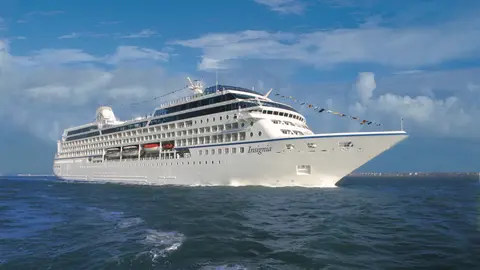
Oceania CruisesINS260724B
Reykjavik to Oslo
Date
2026-07-24
Duration
36 nights
Departure Port
Reykjavik
Iceland
Arrival Port
Oslo
Norway
Rating
Luxury
Theme
—
Date
2026-07-24
Duration
36 nights
Departure Port
Reykjavik
Iceland
Arrival Port
Oslo
Norway
Rating
Luxury
Theme
—
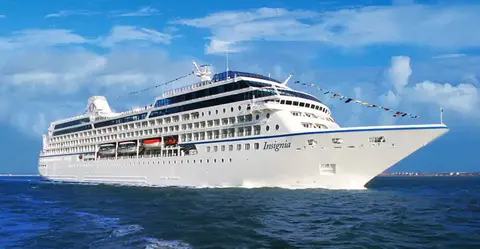

Oceania Cruises
1998
2018
30,277 GT
670
324
400
594 m
25.5 m
18 knots
Yes
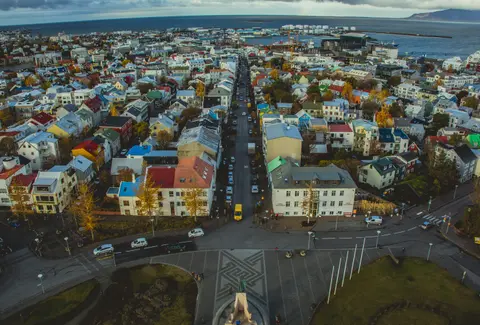
Reykjavik, the world's northernmost capital, distils the entire improbable beauty of Iceland into one compact, creatively charged city. The soaring basalt columns of Hallgrímskirkja dominate a skyline of primary-coloured rooftops, while the Harpa Concert Hall shimmers beside the harbour like a captured aurora. Day trips from the city unlock the Golden Circle's geysers and Geysir hot spring, the black sand beaches of Vík, and the ethereal glacier lagoon at Jökulsárlón. Geothermal pools — from the legendary Blue Lagoon to intimate neighbourhood hot pots — offer warmth year-round. June and July bring the bewitching midnight sun.
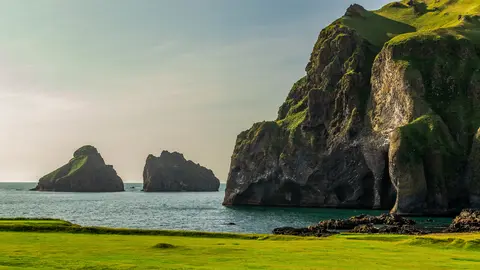
Heimaey is Iceland's volcanic island where the dramatic 1973 eruption story, the world's largest puffin colony of one million breeding pairs, and the children's annual puffling rescue create one of the North Atlantic's most extraordinary port experiences. Visit May through August via Lindblad or Windstar for Eldfell volcano hikes, the Eldheimar Museum's excavated homes, and the harbor approach through a channel literally reshaped by eruption.
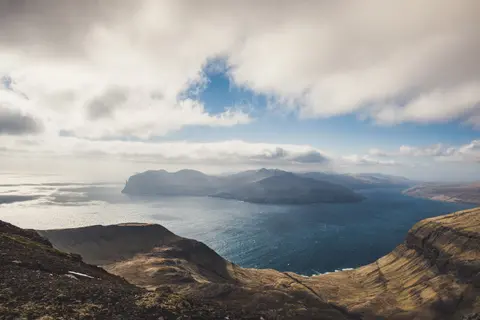
Tórshavn is the Faroe Islands' tiny capital city, where a thousand-year-old Viking parliament site, turf-roofed timber houses, and two-Michelin-starred dining coexist in one of the North Atlantic's most atmospheric settings. Visit from May through September for extraordinary hiking, midnight twilight, and a cultural scene that defies the city's diminutive size.
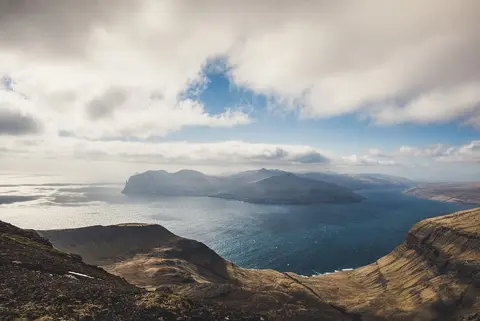
Runavik is a colourful Faroese fishing town on Eysturoy island, set at the head of a dramatic fjord surrounded by cloud-capped mountains and serving as a gateway to the Faroe Islands' extraordinary landscapes and revived Nordic cuisine. Must-dos include tasting traditional wind-dried mutton (raest), hiking Eysturoy's mountain trails, and exploring the nearby villages of Gjogv and Eioi. Visit June through August for the longest daylight hours and puffin season on the outer islands.
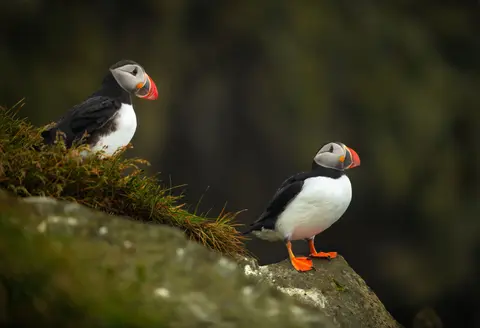
Djúpivogur is an intimate Icelandic fishing village on the eastern coast where thirty-four stone egg sculptures line the harbor, Vatnajökull glacier dominates the horizon, and puffin colonies nest on nearby Papey island. Visit June through August via Seabourn or Viking for reindeer sightings, glacier views, and the quiet eastern Iceland that rewards travelers who venture beyond the Golden Circle.
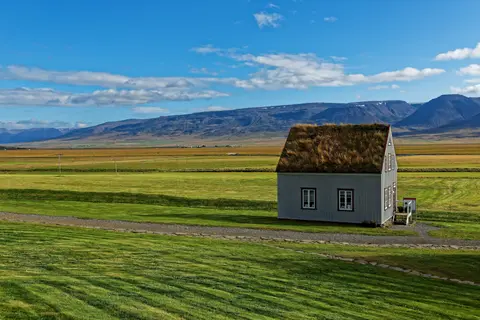
Eskifjörður is a remote fishing village on Iceland's eastern coast set in a geologically rich fjord famed for zeolite minerals and one of Iceland's oldest preserved commercial buildings. Must-dos include visiting the Maritime Museum in Randulffs Sjóhús, hiking to Hólmatindur summit, and exploring the mineralized mountain slopes. July offers the warmest temperatures and near-continuous daylight in this rarely visited region.
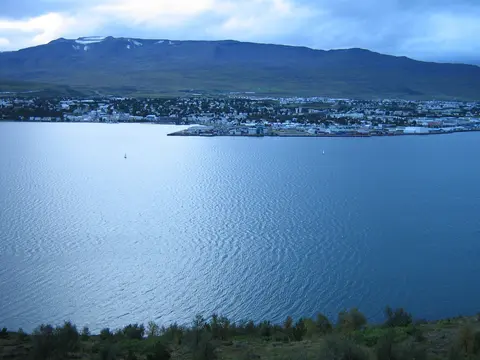
Akureyri, the cultural capital of northern Iceland, sits at the head of the majestic Eyjafjörður and serves as a gateway to some of the island's most dramatic landscapes, including the thundering Goðafoss waterfall, the volcanic wonderland of Lake Mývatn, and Europe's most powerful cascade at Dettifoss. Visitors should not miss the excursion to Mývatn's geothermal pools and the tasting of traditional *hangikjöt* smoked lamb at a harbourside restaurant. The ideal season to visit is June through August, when the midnight sun bathes the fjord in endless golden light and the botanical gardens reach their luminous peak.
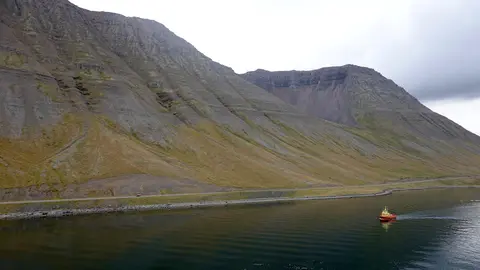
Ísafjörður is the cultural and historical capital of Iceland's remote Westfjords, a dramatic fjord-side settlement where centuries of fishing heritage meet stark Arctic grandeur. Visitors should not miss the communal seafood feast at Tjöruhúsið restaurant and a journey to the surreal red sands of Rauðasandur beach near Patreksfjörður. The optimal visiting window is June through August, when nearly perpetual daylight illuminates the encircling mountains and the town's vibrant cultural calendar reaches its peak.
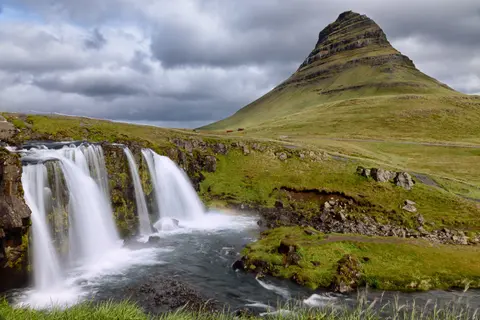
Grundarfjörður is a fishing town at the base of Kirkjufell, Iceland's most photographed mountain, and the gateway to the Snæfellsnes Peninsula—dubbed "Iceland in miniature" for its concentrated geological diversity. Must-dos include photographing Kirkjufell with its companion waterfall and exploring Snæfellsjökull, the glacier volcano from Jules Verne's novel. June and July offer midnight sun and the most reliable weather for peninsula exploration.
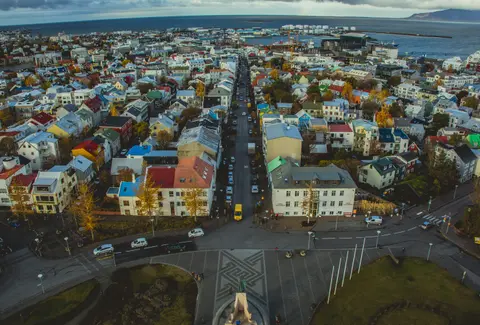
Reykjavik, the world's northernmost capital, distils the entire improbable beauty of Iceland into one compact, creatively charged city. The soaring basalt columns of Hallgrímskirkja dominate a skyline of primary-coloured rooftops, while the Harpa Concert Hall shimmers beside the harbour like a captured aurora. Day trips from the city unlock the Golden Circle's geysers and Geysir hot spring, the black sand beaches of Vík, and the ethereal glacier lagoon at Jökulsárlón. Geothermal pools — from the legendary Blue Lagoon to intimate neighbourhood hot pots — offer warmth year-round. June and July bring the bewitching midnight sun.
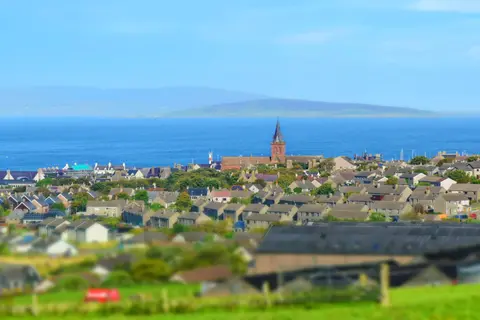
Kirkwall, the Norse-founded capital of Scotland's Orkney Islands, is a sandstone harbour town framed by UNESCO-listed Neolithic monuments, a twelfth-century cathedral, and some of Britain's finest coastal landscapes. Visitors should not miss the five-thousand-year-old village of Skara Brae and a tasting of North Ronaldsay seaweed-fed lamb paired with Highland Park whisky. The prime cruising season runs from May through August, when Orkney enjoys up to nineteen hours of daylight and the wild coastal light is at its most luminous.
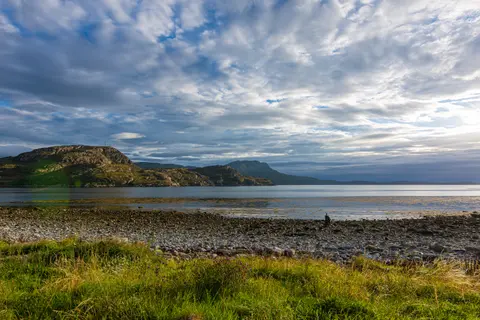
Ullapool is a whitewashed fishing village on Loch Broom in the Scottish Highlands, gateway to some of Europe's wildest mountain scenery and the Summer Isles archipelago. Must-do experiences include tasting fresh langoustines at the Seafood Shack, exploring the Corrieshalloch Gorge, and cruising to the Summer Isles for seals and eagles. May through September is ideal, with June's longest days and July's whale-watching opportunities.
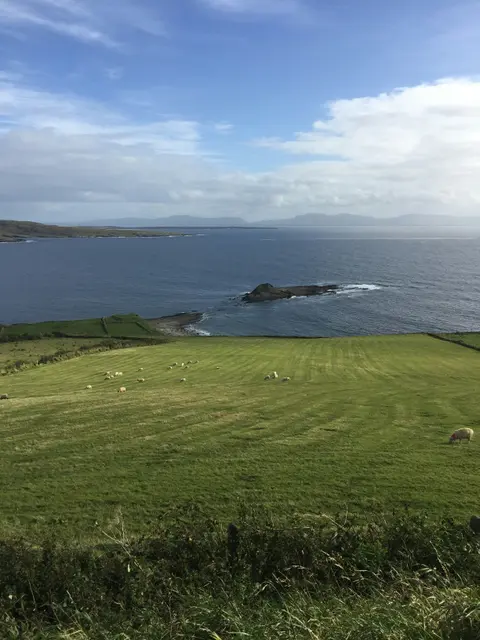
Killybegs is Ireland's premier fishing port on the wild Atlantic coast of County Donegal, gateway to the magnificent Slieve League sea cliffs and pristine Gaeltacht landscapes. Visit from May through September for dramatic coastal walks, traditional Irish music, and some of the finest seafood on the island.
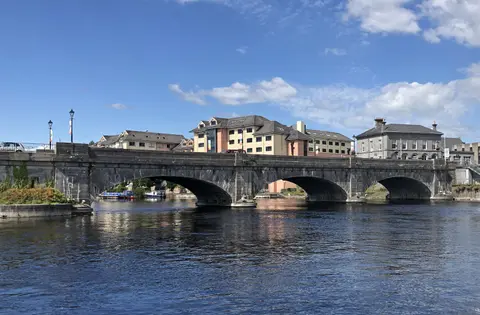
Galway is Ireland's vibrant cultural capital on the Atlantic coast, where medieval streets pulse with traditional music, festivals, and the Irish language, overlooking a bay that leads to the legendary Aran Islands. Visit from May through September for the International Arts Festival, Connemara exploration, and the most authentic traditional music sessions in Ireland.
Foynes is a small Shannon Estuary town in County Limerick, Ireland, that served as Europe's transatlantic flying boat terminal in the 1930s-40s and is credited with inventing Irish coffee. Must-dos include touring the Flying Boat Museum with its full-scale Clipper replica, tasting the original Irish coffee recipe, and watching for bottlenose dolphins on the Shannon Estuary. Visit May through September for the mildest weather and full museum access.
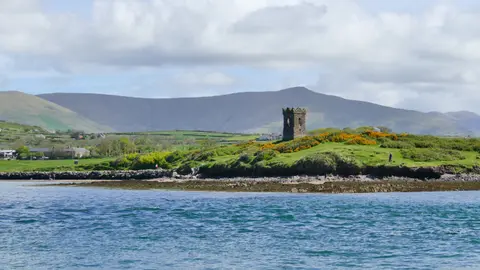
Dingle is a tiny harbour town on the westernmost tip of Ireland's Kerry coast, where 2,000 archaeological sites, traditional music sessions in 52 pubs, and some of Ireland's finest seafood create the quintessential Atlantic Irish experience. Must-dos include Slea Head Drive's coastal scenery, the 1,300-year-old Gallarus Oratory, and an evening of traditional music in a Dingle pub. Visit June for longest days, wildflowers, and the best weather on the Atlantic coast.
Glengarriff is a west Cork village blessed with a Gulf Stream microclimate that nurtures the extraordinary subtropical gardens of Garinish Island — an Italian-inspired masterwork of tree ferns, Japanese maples, and Mediterranean cypresses. Must-do experiences include the seal-spotting boat ride to Garinish, walking the ancient Atlantic oakwoods of the nature reserve, and sampling Bantry Bay mussels. May through September brings the finest garden displays, with June-July offering peak rhododendron blooms.
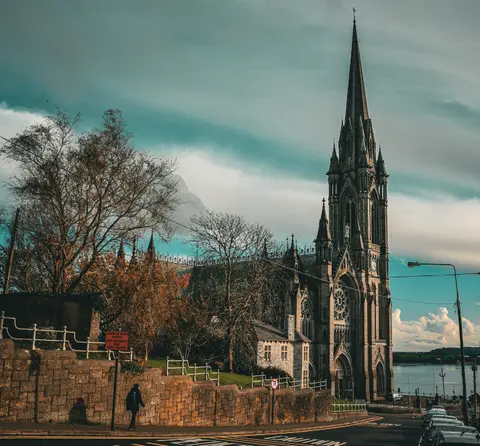
Cobh is a historic harbour town in Cork, Ireland, famed as the Titanic's last port of call and the departure point for 2.5 million Irish emigrants. Must-dos include visiting the Cobh Heritage Centre and Titanic Experience, admiring St. Colman's Cathedral and its 49-bell carillon, and exploring the English Market in nearby Cork. May through September offers the longest days and best weather for this emotionally rich port.
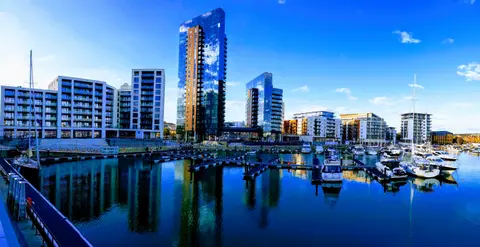
Southampton, England's storied ocean liner capital on the southern coast, carries an indelible maritime identity — this is the port from which the Titanic departed and from which the Queen Mary 2 still sails in grandeur today. The medieval Bargate and City Walls speak to a history stretching back to Roman times, while the SeaCity Museum tells the story of the great liners with moving intimacy. Day excursions reach Winchester's magnificent cathedral, the stately rooms of Beaulieu, and the primeval wilderness of the New Forest — where ancient ponies still roam freely. Spring and summer offer the most pleasant conditions for exploring the region.
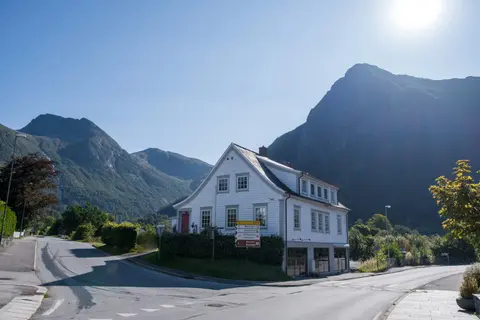
Rosendal is a historic barony on Norway's Hardangerfjord, home to Scandinavia's only barony manor house set in rose gardens with views to the Folgefonna glacier. Must-dos include touring the 1665 manor house, hiking to the turquoise Bondhusvatnet glacial lake, and visiting during the spectacular May fruit blossom season. Visit May for orchard blossoms or June through August for warm weather and glacier hiking.
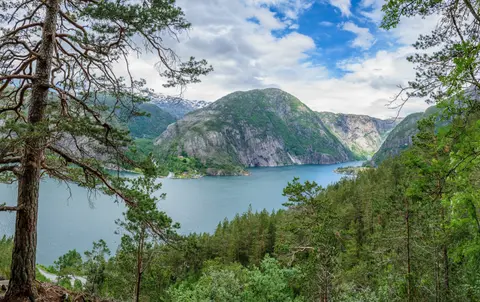
Nordfjordeid is an intimate Viking-age village at the head of western Norway's Nordfjord, home to the Sagastad centre and its full-scale reconstruction of Norway's largest Viking ship. Visitors should ride the Loen Skylift for panoramic fjord-glacier views, explore the Jostedalsbreen glacier area, and taste traditional brunost waffles. May through September offers long Nordic days and the best conditions for fjord exploration.
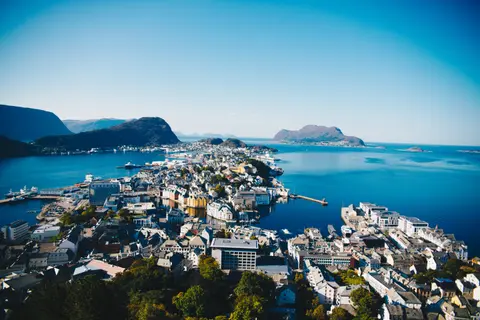
Ålesund, rebuilt in just three years after a catastrophic 1904 fire, rose from its ashes as one of Europe's most remarkable concentrations of Art Nouveau architecture — turrets, dragon motifs, and floral stonework lining a Norwegian fishing town waterfront like an open-air Jugendstil museum. Climb the 418 steps of Aksla hill for a panorama that sweeps across the Art Nouveau rooftops to the surrounding fjords, then descend to sample the town's celebrated fresh Atlantic seafood at the harbor quay. Summer brings the midnight sun; autumn offers moody light and the region's famous apple orchards. The Geirangerfjord, a UNESCO treasure, is an hour's sail away.
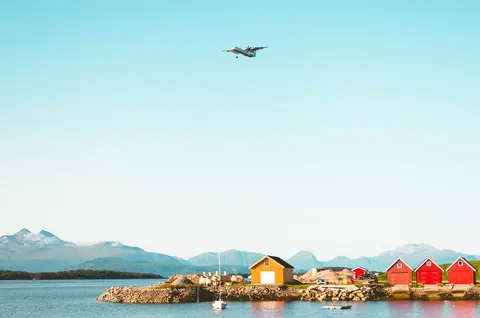
Molde — the City of Roses — wraps around the northern shore of the Romsdalsfjord beneath a famous panorama of 222 snow-capped peaks that drew Kaiser Wilhelm II back summer after summer aboard his imperial yacht. The city gained wartime distinction as Norway's temporary capital in April 1940, and a hillside viewing platform still bears the Kaiser's name, offering one of the most celebrated fjord panoramas in the country. The Romsdal Museum's collection of 50 traditional farmhouses, and the Bjørnsund fishing village on the outer coast, reward those who linger. Molde Jazz Festival, held every July, transforms this quietly elegant town into one of Europe's most convivial summer destinations.
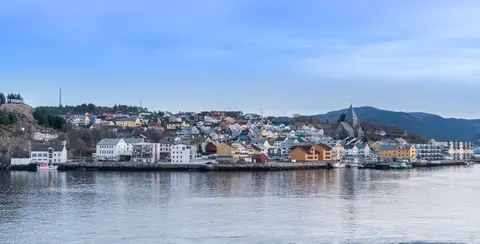
Kristiansund sprawls across four rocky islands at the mouth of a fjord on Norway's northwestern coast, a maritime town whose fortunes were built on klippfisk — the salt-cured dried cod that supplied Catholic Europe for centuries and still forms the basis of the local specialty bacalao. The picturesque old quarter of Innlandet preserves timber warehouses and colorful boathouses from the golden age of the klippfisk trade, while the modern Atlantic Road nearby — a storm-battered causeway that leaps between skerries across the open sea — is one of the world's most dramatic drives. Kristiansund is best visited May through September, though the winter king crab season and northern lights offer compelling reasons to brave the cold.
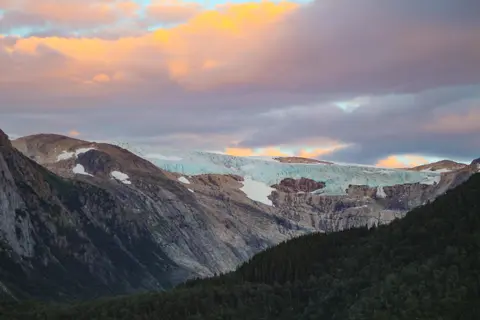
Måløy, a charming coastal village in Norway, is renowned for its rich maritime history and stunning natural beauty. Must-do experiences include sampling local seafood specialties like "klippfisk" and visiting the historic Måløy Raid Center. The best season to visit is during the summer months, when the weather is mild and the coastal scenery is at its most captivating.
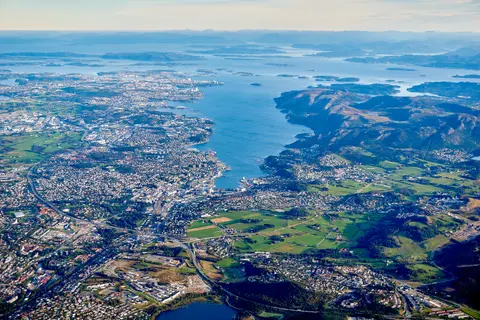
Stavanger, Norway, is a vibrant port city rich in history and natural beauty, making it a must-visit destination for travelers. Experience the unique local cuisine, such as klippfisk and rakfisk, and don’t miss the breathtaking views from Pulpit Rock. The best time to visit is during the summer months, when the weather is mild and ideal for outdoor adventures.
Mandal is Norway's southernmost town, celebrated for Sjosanden — widely considered Norway's finest beach — along with beautifully preserved white wooden architecture and the birthplace museum of sculptor Gustav Vigeland. Must-dos include swimming at the golden sand beach, strolling the cobblestone streets of the historic Brygga quarter, and sampling langoustines at the annual Shellfish Festival. Visit June through August for the warmest weather and the longest Scandinavian summer days.
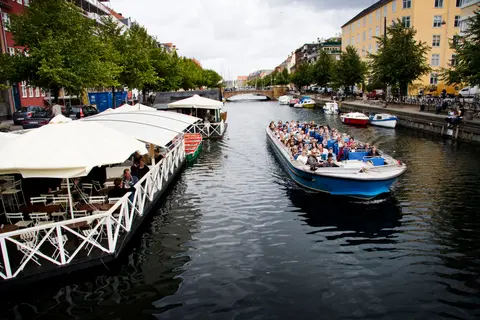
Rising from the harbour that Viking chieftain Absalon fortified in 1167, Copenhagen has evolved into one of Europe's most sophisticated capitals — a city where medieval spires and cutting-edge architecture coexist with effortless style. Savour smørrebrød at a century-old lunch counter, cycle across the harbour bridge to the revitalised Meatpacking District, and venture north to Kronborg Castle — Shakespeare's Elsinore. As one of Northern Europe's premier cruise homeports, it serves as the ideal gateway to Baltic and Scandinavian itineraries, best experienced from May to September.
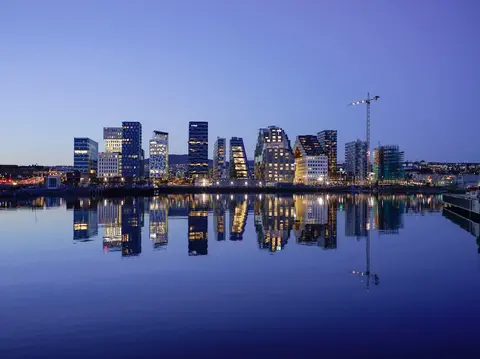
The port of Oslo is a scenic gateway to Norway's rich history and vibrant culture, marked by stunning architecture and lush landscapes. Must-do experiences include savoring traditional dishes like **rakfisk** and exploring the nearby fjords and charming villages. The best time to visit is during the summer months, when the city comes alive with festivals and outdoor activities.
Day 1
Reykjavik, the world's northernmost capital, distils the entire improbable beauty of Iceland into one compact, creatively charged city. The soaring basalt columns of Hallgrímskirkja dominate a skyline of primary-coloured rooftops, while the Harpa Concert Hall shimmers beside the harbour like a captured aurora. Day trips from the city unlock the Golden Circle's geysers and Geysir hot spring, the black sand beaches of Vík, and the ethereal glacier lagoon at Jökulsárlón. Geothermal pools — from the legendary Blue Lagoon to intimate neighbourhood hot pots — offer warmth year-round. June and July bring the bewitching midnight sun.
Day 2
Heimaey is Iceland's volcanic island where the dramatic 1973 eruption story, the world's largest puffin colony of one million breeding pairs, and the children's annual puffling rescue create one of the North Atlantic's most extraordinary port experiences. Visit May through August via Lindblad or Windstar for Eldfell volcano hikes, the Eldheimar Museum's excavated homes, and the harbor approach through a channel literally reshaped by eruption.
Day 3
Day 4
Tórshavn is the Faroe Islands' tiny capital city, where a thousand-year-old Viking parliament site, turf-roofed timber houses, and two-Michelin-starred dining coexist in one of the North Atlantic's most atmospheric settings. Visit from May through September for extraordinary hiking, midnight twilight, and a cultural scene that defies the city's diminutive size.
Day 5
Runavik is a colourful Faroese fishing town on Eysturoy island, set at the head of a dramatic fjord surrounded by cloud-capped mountains and serving as a gateway to the Faroe Islands' extraordinary landscapes and revived Nordic cuisine. Must-dos include tasting traditional wind-dried mutton (raest), hiking Eysturoy's mountain trails, and exploring the nearby villages of Gjogv and Eioi. Visit June through August for the longest daylight hours and puffin season on the outer islands.
Day 6
Djúpivogur is an intimate Icelandic fishing village on the eastern coast where thirty-four stone egg sculptures line the harbor, Vatnajökull glacier dominates the horizon, and puffin colonies nest on nearby Papey island. Visit June through August via Seabourn or Viking for reindeer sightings, glacier views, and the quiet eastern Iceland that rewards travelers who venture beyond the Golden Circle.
Day 7
Eskifjörður is a remote fishing village on Iceland's eastern coast set in a geologically rich fjord famed for zeolite minerals and one of Iceland's oldest preserved commercial buildings. Must-dos include visiting the Maritime Museum in Randulffs Sjóhús, hiking to Hólmatindur summit, and exploring the mineralized mountain slopes. July offers the warmest temperatures and near-continuous daylight in this rarely visited region.
Day 8
Akureyri, the cultural capital of northern Iceland, sits at the head of the majestic Eyjafjörður and serves as a gateway to some of the island's most dramatic landscapes, including the thundering Goðafoss waterfall, the volcanic wonderland of Lake Mývatn, and Europe's most powerful cascade at Dettifoss. Visitors should not miss the excursion to Mývatn's geothermal pools and the tasting of traditional *hangikjöt* smoked lamb at a harbourside restaurant. The ideal season to visit is June through August, when the midnight sun bathes the fjord in endless golden light and the botanical gardens reach their luminous peak.
Day 9
Ísafjörður is the cultural and historical capital of Iceland's remote Westfjords, a dramatic fjord-side settlement where centuries of fishing heritage meet stark Arctic grandeur. Visitors should not miss the communal seafood feast at Tjöruhúsið restaurant and a journey to the surreal red sands of Rauðasandur beach near Patreksfjörður. The optimal visiting window is June through August, when nearly perpetual daylight illuminates the encircling mountains and the town's vibrant cultural calendar reaches its peak.
Day 10
Grundarfjörður is a fishing town at the base of Kirkjufell, Iceland's most photographed mountain, and the gateway to the Snæfellsnes Peninsula—dubbed "Iceland in miniature" for its concentrated geological diversity. Must-dos include photographing Kirkjufell with its companion waterfall and exploring Snæfellsjökull, the glacier volcano from Jules Verne's novel. June and July offer midnight sun and the most reliable weather for peninsula exploration.
Day 11
Reykjavik, the world's northernmost capital, distils the entire improbable beauty of Iceland into one compact, creatively charged city. The soaring basalt columns of Hallgrímskirkja dominate a skyline of primary-coloured rooftops, while the Harpa Concert Hall shimmers beside the harbour like a captured aurora. Day trips from the city unlock the Golden Circle's geysers and Geysir hot spring, the black sand beaches of Vík, and the ethereal glacier lagoon at Jökulsárlón. Geothermal pools — from the legendary Blue Lagoon to intimate neighbourhood hot pots — offer warmth year-round. June and July bring the bewitching midnight sun.
Day 13
Day 14
Kirkwall, the Norse-founded capital of Scotland's Orkney Islands, is a sandstone harbour town framed by UNESCO-listed Neolithic monuments, a twelfth-century cathedral, and some of Britain's finest coastal landscapes. Visitors should not miss the five-thousand-year-old village of Skara Brae and a tasting of North Ronaldsay seaweed-fed lamb paired with Highland Park whisky. The prime cruising season runs from May through August, when Orkney enjoys up to nineteen hours of daylight and the wild coastal light is at its most luminous.
Day 15
Ullapool is a whitewashed fishing village on Loch Broom in the Scottish Highlands, gateway to some of Europe's wildest mountain scenery and the Summer Isles archipelago. Must-do experiences include tasting fresh langoustines at the Seafood Shack, exploring the Corrieshalloch Gorge, and cruising to the Summer Isles for seals and eagles. May through September is ideal, with June's longest days and July's whale-watching opportunities.
Day 16
Killybegs is Ireland's premier fishing port on the wild Atlantic coast of County Donegal, gateway to the magnificent Slieve League sea cliffs and pristine Gaeltacht landscapes. Visit from May through September for dramatic coastal walks, traditional Irish music, and some of the finest seafood on the island.
Day 17
Galway is Ireland's vibrant cultural capital on the Atlantic coast, where medieval streets pulse with traditional music, festivals, and the Irish language, overlooking a bay that leads to the legendary Aran Islands. Visit from May through September for the International Arts Festival, Connemara exploration, and the most authentic traditional music sessions in Ireland.
Day 18
Foynes is a small Shannon Estuary town in County Limerick, Ireland, that served as Europe's transatlantic flying boat terminal in the 1930s-40s and is credited with inventing Irish coffee. Must-dos include touring the Flying Boat Museum with its full-scale Clipper replica, tasting the original Irish coffee recipe, and watching for bottlenose dolphins on the Shannon Estuary. Visit May through September for the mildest weather and full museum access.
Day 19
Dingle is a tiny harbour town on the westernmost tip of Ireland's Kerry coast, where 2,000 archaeological sites, traditional music sessions in 52 pubs, and some of Ireland's finest seafood create the quintessential Atlantic Irish experience. Must-dos include Slea Head Drive's coastal scenery, the 1,300-year-old Gallarus Oratory, and an evening of traditional music in a Dingle pub. Visit June for longest days, wildflowers, and the best weather on the Atlantic coast.
Day 20
Glengarriff is a west Cork village blessed with a Gulf Stream microclimate that nurtures the extraordinary subtropical gardens of Garinish Island — an Italian-inspired masterwork of tree ferns, Japanese maples, and Mediterranean cypresses. Must-do experiences include the seal-spotting boat ride to Garinish, walking the ancient Atlantic oakwoods of the nature reserve, and sampling Bantry Bay mussels. May through September brings the finest garden displays, with June-July offering peak rhododendron blooms.
Day 21
Cobh is a historic harbour town in Cork, Ireland, famed as the Titanic's last port of call and the departure point for 2.5 million Irish emigrants. Must-dos include visiting the Cobh Heritage Centre and Titanic Experience, admiring St. Colman's Cathedral and its 49-bell carillon, and exploring the English Market in nearby Cork. May through September offers the longest days and best weather for this emotionally rich port.
Day 22
Day 23
Southampton, England's storied ocean liner capital on the southern coast, carries an indelible maritime identity — this is the port from which the Titanic departed and from which the Queen Mary 2 still sails in grandeur today. The medieval Bargate and City Walls speak to a history stretching back to Roman times, while the SeaCity Museum tells the story of the great liners with moving intimacy. Day excursions reach Winchester's magnificent cathedral, the stately rooms of Beaulieu, and the primeval wilderness of the New Forest — where ancient ponies still roam freely. Spring and summer offer the most pleasant conditions for exploring the region.
Day 24
Day 25
Day 26
Rosendal is a historic barony on Norway's Hardangerfjord, home to Scandinavia's only barony manor house set in rose gardens with views to the Folgefonna glacier. Must-dos include touring the 1665 manor house, hiking to the turquoise Bondhusvatnet glacial lake, and visiting during the spectacular May fruit blossom season. Visit May for orchard blossoms or June through August for warm weather and glacier hiking.
Day 27
Nordfjordeid is an intimate Viking-age village at the head of western Norway's Nordfjord, home to the Sagastad centre and its full-scale reconstruction of Norway's largest Viking ship. Visitors should ride the Loen Skylift for panoramic fjord-glacier views, explore the Jostedalsbreen glacier area, and taste traditional brunost waffles. May through September offers long Nordic days and the best conditions for fjord exploration.
Day 28
Ålesund, rebuilt in just three years after a catastrophic 1904 fire, rose from its ashes as one of Europe's most remarkable concentrations of Art Nouveau architecture — turrets, dragon motifs, and floral stonework lining a Norwegian fishing town waterfront like an open-air Jugendstil museum. Climb the 418 steps of Aksla hill for a panorama that sweeps across the Art Nouveau rooftops to the surrounding fjords, then descend to sample the town's celebrated fresh Atlantic seafood at the harbor quay. Summer brings the midnight sun; autumn offers moody light and the region's famous apple orchards. The Geirangerfjord, a UNESCO treasure, is an hour's sail away.
Day 30
Molde — the City of Roses — wraps around the northern shore of the Romsdalsfjord beneath a famous panorama of 222 snow-capped peaks that drew Kaiser Wilhelm II back summer after summer aboard his imperial yacht. The city gained wartime distinction as Norway's temporary capital in April 1940, and a hillside viewing platform still bears the Kaiser's name, offering one of the most celebrated fjord panoramas in the country. The Romsdal Museum's collection of 50 traditional farmhouses, and the Bjørnsund fishing village on the outer coast, reward those who linger. Molde Jazz Festival, held every July, transforms this quietly elegant town into one of Europe's most convivial summer destinations.
Day 31
Kristiansund sprawls across four rocky islands at the mouth of a fjord on Norway's northwestern coast, a maritime town whose fortunes were built on klippfisk — the salt-cured dried cod that supplied Catholic Europe for centuries and still forms the basis of the local specialty bacalao. The picturesque old quarter of Innlandet preserves timber warehouses and colorful boathouses from the golden age of the klippfisk trade, while the modern Atlantic Road nearby — a storm-battered causeway that leaps between skerries across the open sea — is one of the world's most dramatic drives. Kristiansund is best visited May through September, though the winter king crab season and northern lights offer compelling reasons to brave the cold.
Day 32
Måløy, a charming coastal village in Norway, is renowned for its rich maritime history and stunning natural beauty. Must-do experiences include sampling local seafood specialties like "klippfisk" and visiting the historic Måløy Raid Center. The best season to visit is during the summer months, when the weather is mild and the coastal scenery is at its most captivating.
Day 33
Stavanger, Norway, is a vibrant port city rich in history and natural beauty, making it a must-visit destination for travelers. Experience the unique local cuisine, such as klippfisk and rakfisk, and don’t miss the breathtaking views from Pulpit Rock. The best time to visit is during the summer months, when the weather is mild and ideal for outdoor adventures.
Day 34
Mandal is Norway's southernmost town, celebrated for Sjosanden — widely considered Norway's finest beach — along with beautifully preserved white wooden architecture and the birthplace museum of sculptor Gustav Vigeland. Must-dos include swimming at the golden sand beach, strolling the cobblestone streets of the historic Brygga quarter, and sampling langoustines at the annual Shellfish Festival. Visit June through August for the warmest weather and the longest Scandinavian summer days.
Day 35
Rising from the harbour that Viking chieftain Absalon fortified in 1167, Copenhagen has evolved into one of Europe's most sophisticated capitals — a city where medieval spires and cutting-edge architecture coexist with effortless style. Savour smørrebrød at a century-old lunch counter, cycle across the harbour bridge to the revitalised Meatpacking District, and venture north to Kronborg Castle — Shakespeare's Elsinore. As one of Northern Europe's premier cruise homeports, it serves as the ideal gateway to Baltic and Scandinavian itineraries, best experienced from May to September.
Day 37
The port of Oslo is a scenic gateway to Norway's rich history and vibrant culture, marked by stunning architecture and lush landscapes. Must-do experiences include savoring traditional dishes like **rakfisk** and exploring the nearby fjords and charming villages. The best time to visit is during the summer months, when the city comes alive with festivals and outdoor activities.
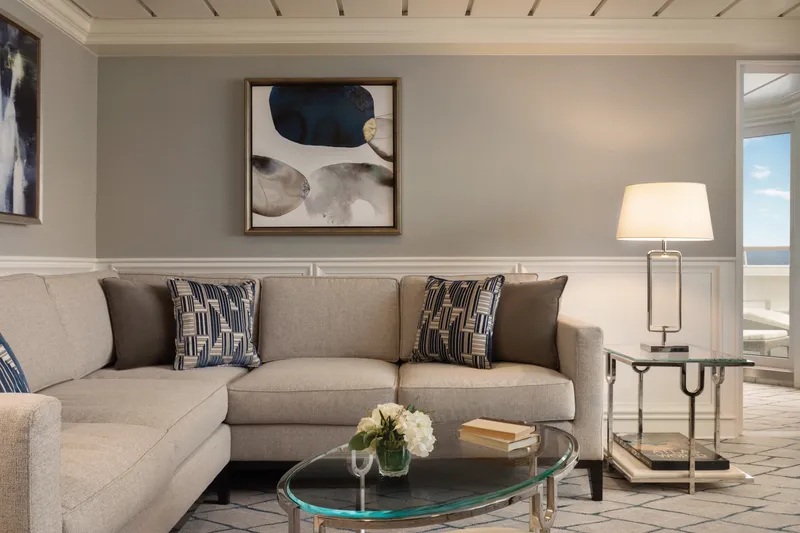
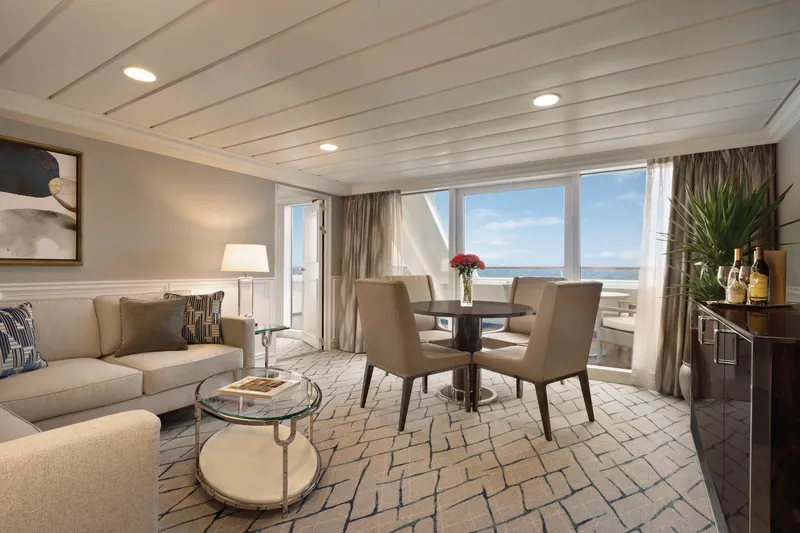

Lavish new fabrics and designer furnishings grace our six new Owner’s Suites – always among the first to be reserved. Immensely spacious and exceptionally luxurious, these suites span nearly 1,000 square feet and areas of quietude and relaxation. Every imaginable amenity is found here, further enhanced by a sumptuous re-designed bathroom with an oversized shower, a private teak veranda and two flat-screen televisions.
Owner's Suite Privileges
In addition to Stateroom Amenities
Free laundry service – up to 3 bags per stateroom+
Priority 11 am ship embarkation with priority luggage delivery++
24-hour Butler service
Complimentary in-suite bar setup with 6 full-size bottles of premium spirits and wines from our suite beverage menu
Complimentary welcome bottle of Champagne
Optional private in-suite lunch on embarkation day from noon to 2 pm
Fresh fruit basket replenished daily
Priority online specialty restaurant reservations each evening++
Unlimited access to the Aquamar Spa Terrace
iPad upon request for your enjoyment on board
Bulgari gift set and variety of amenities
Choice of daily printed newspaper
Complimentary Oceania Cruises logo tote bag and personalized stationery
Cashmere lap blankets, perfect for relaxing on your veranda
Complimentary shoe shine service
Complimentary pressing of garments upon embarkation++
Choice of pillow from a luxurious selection
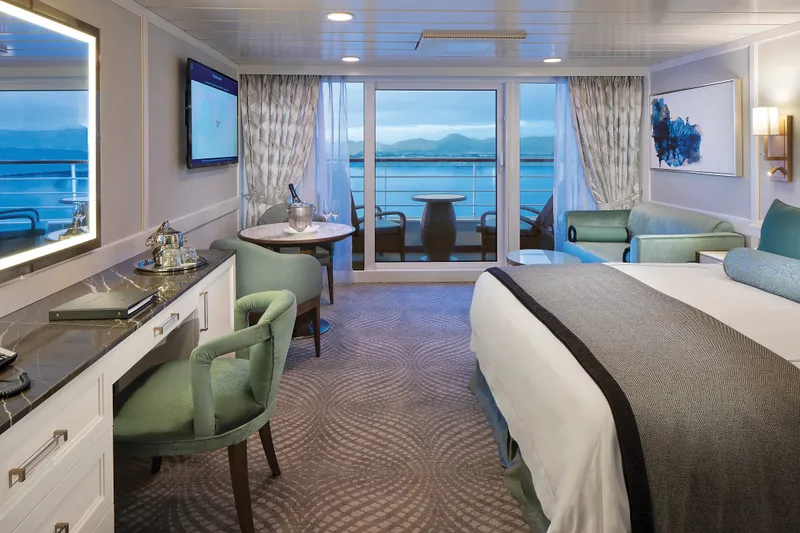
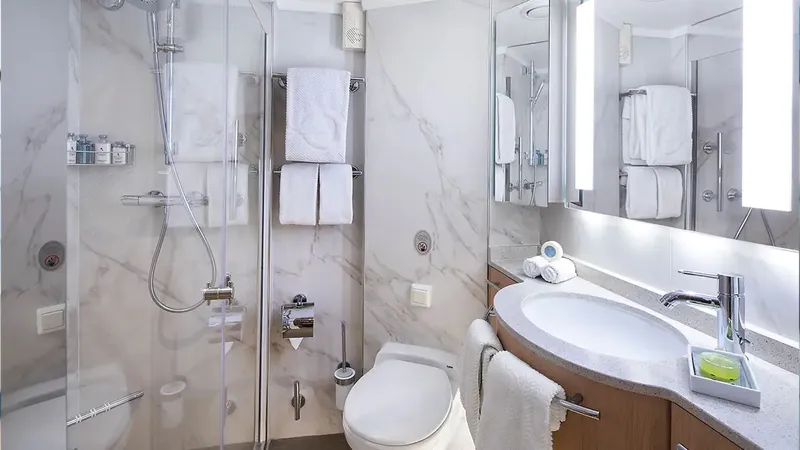
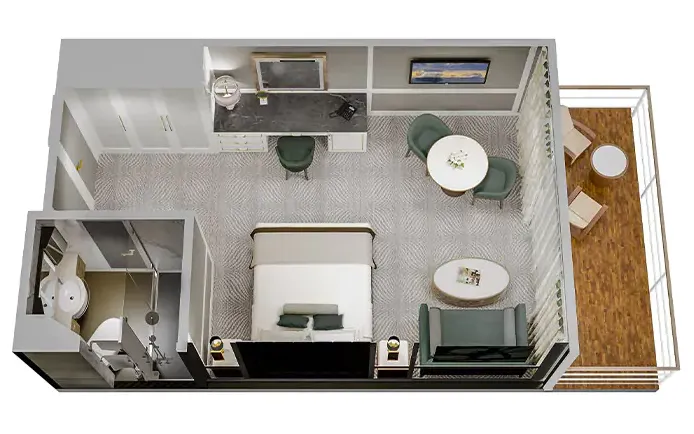
Our collection of 322-square-foot Penthouse Suites has been completely transformed with splendid new decor and exquisite furnishings in serene shades of the sea and sky. Spacious enough for private in-suite dining, the living area features a refrigerated mini-bar a vanity desk and the granite-clad bathroom is large enough for an indulgent walk-in shower. Relax on the beautifully furnished private teak veranda.
Penthouse Suite Privileges
In addition to Suite & Stateroom Amenities
Free laundry service – up to 3 bags per stateroom+
Priority 11 am ship embarkation with priority luggage delivery
24-hour Butler service
Priority online specialty restaurant reservations
Unlimited access to the Aquamar Spa Terrace
Complimentary iPad
Variety of Bulgari amenities
Complimentary Oceania Cruises logo tote bag
Cashmere lap blankets, perfect for relaxing on your veranda
Complimentary shoe shine service
Complimentary pressing of garments upon embarkation++
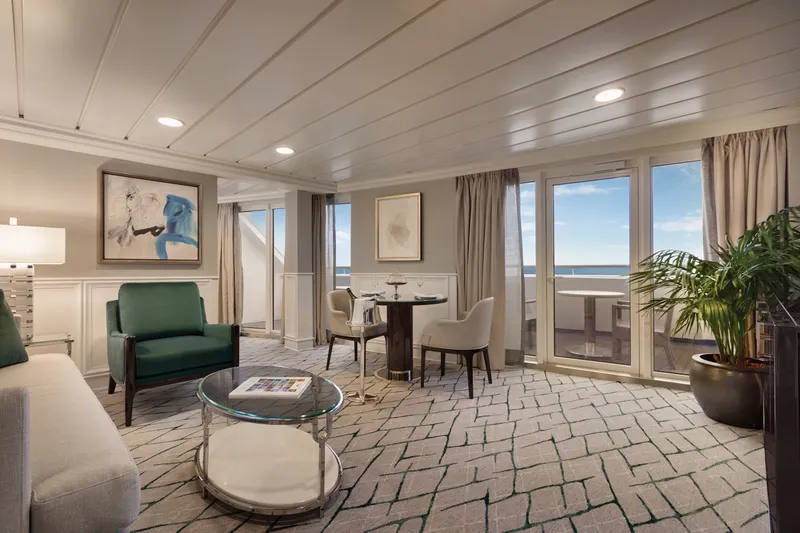
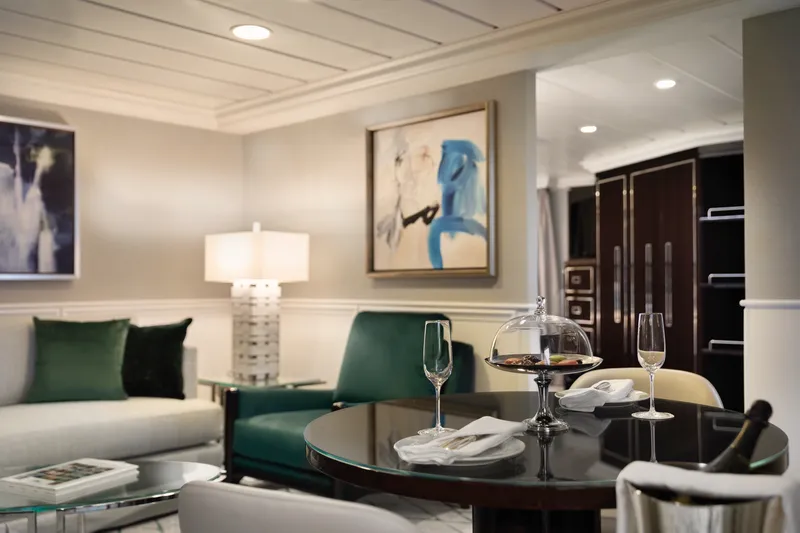
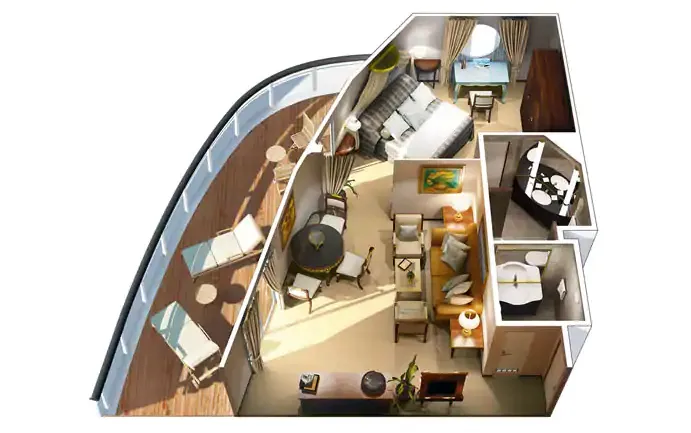
Named for their sweeping views over the ship's bow, the four Vista Suites each sprawl over 786 square feet. Every imaginable comfort is here, including a second bathroom for guests as well as a master bathroom newly redesigned in onyx and granite with a luxurious new shower. Relax on the private teak veranda, listen to music in enhanced surround sound or watch a movie on one of two flat-screen televisions. Access wireless Internet on a complimentary iPad.
Vista Suite Privileges
In addition to Suite & Stateroom Amenities
Free laundry service – up to 3 bags per stateroom+
Priority 11 am ship embarkation with priority luggage delivery
24-hour Butler service
Complimentary in-suite bar setup with 6 full-size bottles of premium spirits and wines from our suite beverage menu
Complimentary welcome bottle of Champagne
Fresh fruit basket replenished daily
Priority online specialty restaurant reservations
Unlimited access to the Aquamar Spa Terrace
Complimentary iPad
Bulgari gift set and variety of amenities
Choice of daily printed newspaper
Complimentary Oceania Cruises logo tote bag and personalized stationery
Cashmere lap blankets, perfect for relaxing on your veranda
Complimentary shoe shine service
Complimentary pressing of garments upon embarkation++
Choice of pillow from a luxurious selection

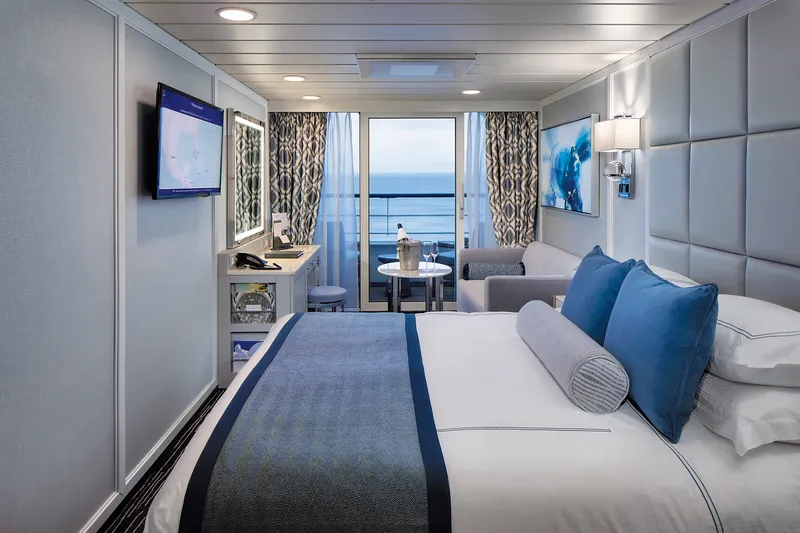
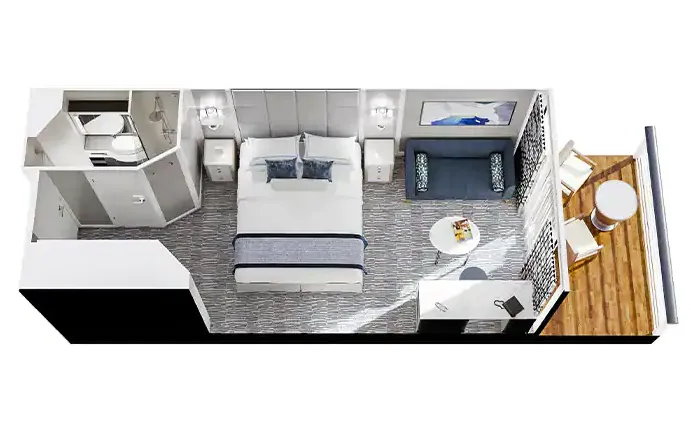
Located in the most desired of locations, Category A Concierge Level Veranda Staterooms offer an unrivaled combination of luxury and value. A wealth of amenities and a host of exclusive privileges (listed below) elevate the experience to the sublime.
These sleekly redefined 216-square-foot staterooms feature a wealth of amenities, including many of those found in our Penthouse Suites. The luxury is further enhanced by the fresh new decor, sumptuous Ultra Tranquility Beds, re-inspired verandas with stylish new furniture and the indulgence of exclusive Concierge Level amenities and privileges.
Concierge Level Exclusive Privileges
In addition to Stateroom Amenities
Room service from the Grand Dining Room menu during lunch and dinner
Free laundry service – up to 3 bags per stateroom+
Priority noon ship embarkation
Complimentary welcome bottle of Champagne
Priority online specialty restaurant reservations
Unlimited access to the Aquamar Spa Terrace
iPad upon request for your enjoyment onboard++
Complimentary Oceania Cruises logo tote bag
Cashmere lap blankets, perfect for relaxing on your veranda
Complimentary shoe shine service
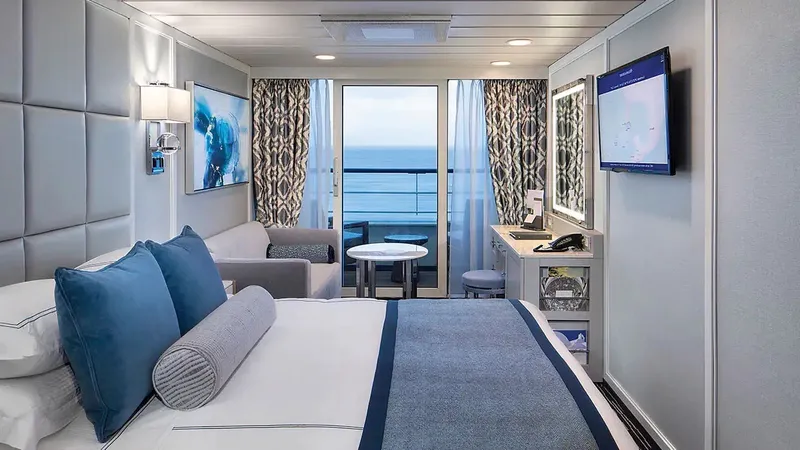


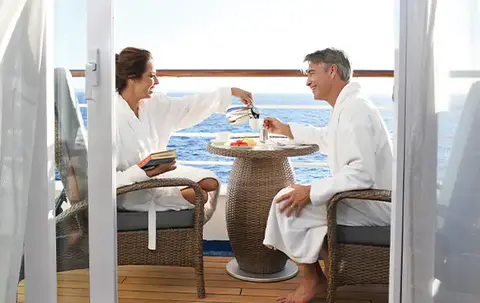
Custom-crafted furnishings, exotic stone finishes, supple upholstered headboards and chic lighting are just a few of the enhancements within these 216-square-foot staterooms that also boast our most popular luxury – a private teak veranda for watching the ever-changing panoramas. Conveniences within each stateroom include a vanity desk, refrigerated mini-bar, breakfast table and spacious seating area.
Veranda Stateroom Amenities
Ultra Tranquility Bed, an Oceania Cruises Exclusive
Private teak veranda
Twice daily maid service
Complimentary 24-hour room service
Signature Belgian chocolates with nightly turndown service
Plush cotton towels
Thick cotton robes and slippers
Bulgari amenities
Handheld hair dryer
Wireless Internet access and cellular service
Writing desk and stationary
Flat-screen television with live satellite news and programming
DVD player with extensive 24-hour room service menu
Security safe
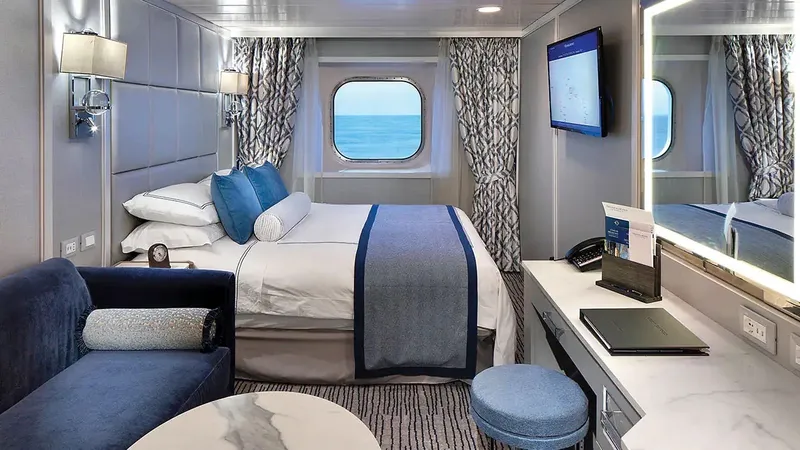


With entirely re-designed closets, dressers and vanities, these 165-squarefoot staterooms feel even more spacious. A generous seating area, vanity desk, refrigerated mini-bar and breakfast table are perfectly complemented by the soothing hues and stylish fabrics of the sleek new decor.
Deluxe Ocean View Stateroom Amenities
Ultra Tranquility Bed, an Oceania Cruises Exclusive
Complimentary 24-hour room service
Wireless Internet access and cellular service
Writing desk and stationary
Plush cotton towels
Thick cotton robes and slippers
Bulgari amenities
Handheld hair dryer
Flat-screen television with live satellite news and programming
DVD player with extensive 24-hour room service menu
Security safe
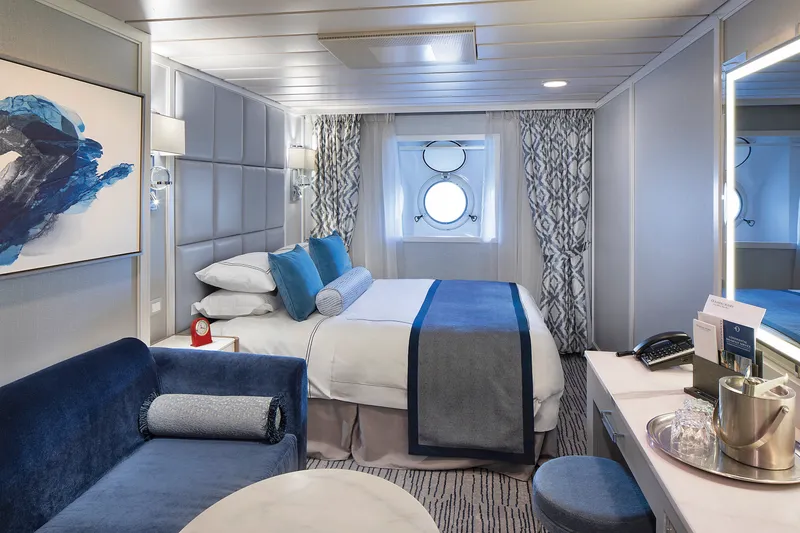

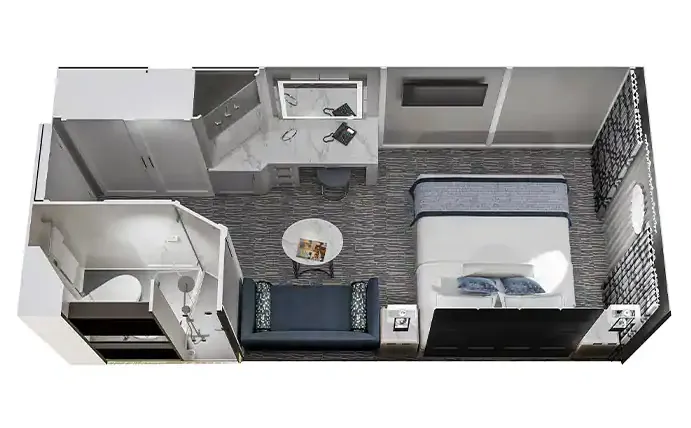
The light from a classic porthole illuminates the stunning decor in these 165-square-foot staterooms, tastefully designed to maximize space and convenience. Enjoy a comfortable seating area with a sofa on which to stretch out, as well as a vanity desk, breakfast table and refrigerated mini-bar.
Ocean View Stateroom Amenities
Ultra Tranquility Bed, an Oceania Cruises Exclusive
Complimentary 24-hour room service
Signature Belgian chocolates with nightly turndown service
Plush cotton towels
Thick cotton robes and slippers
Bulgari amenities
Handheld hair dryer
Wireless Internet access and cellular service
Writing desk and stationary
Flat-screen television with live satellite news and programming
DVD player with extensive 24-hour room service menu
Security safe
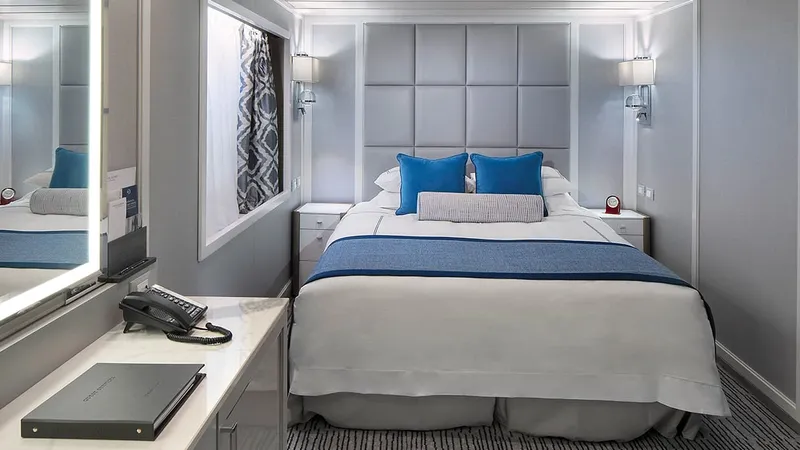

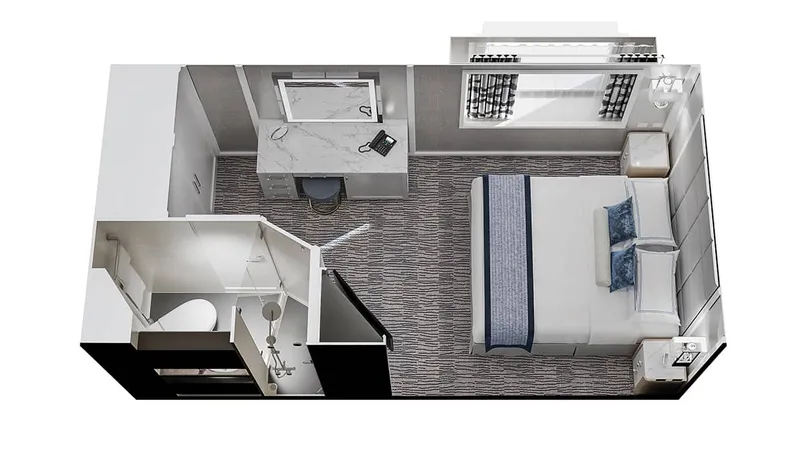
These charming staterooms are the perfect retreat for the solo traveler. Amply spacious and centrally located on Deck 6, each is equipped with a sublimely plush Tranquility Bed, refrigerated mini-bar, writing desk and abundant storage space.
Stateroom Amenities :
Tranquility Bed, an Oceania Cruises exclusive
FREE sodas replenished daily in your refrigerated mini-bar
FREE still and sparkling Vero Water
Private teak veranda
Luxury bath amenities
FREE room service menu 24 hours a day
Daily housekeeping service
Gourmet turndown chocolates upon request
Interactive television system with on-demand movies, weather and more
Starlink® WiFi service
Writing desk and stationery
Plush cotton towels, robes and slippers
Handheld hair dryer
Security safe
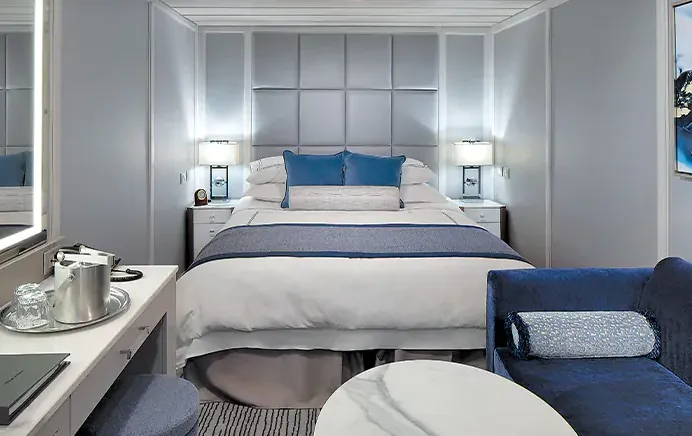


Beautifully re-designed with a modern flair, these private retreats boast 160 square feet of luxury. Highlights include a comfortable seating area, vanity desk, refrigerated minibar and plenty of storage. The ingenious use of space is complemented by the re-inspired decor.
Inside Stateroom Amenities
Ultra Tranquility Bed, an Oceania Cruises Exclusive
Complimentary and extensive 24-hour room service menu
Plush cotton towels
Thick cotton robes and slippers
Bulgari amenities
Handheld hair dryer
Flat-screen television with live satellite news and programming
DVD player with extensive media library
Wireless Internet access and cellular service
Writing desk and stationary
Security safe
Our cruise specialists can help you find the perfect cabin and the best available pricing.
(+886) 02-2721-7300Contact Advisor