Date
2026-11-12
Duration
20 nights
Departure Port
Istanbul
Turkey
Arrival Port
Civitavecchia
Italy
Rating
Luxury
Theme
—



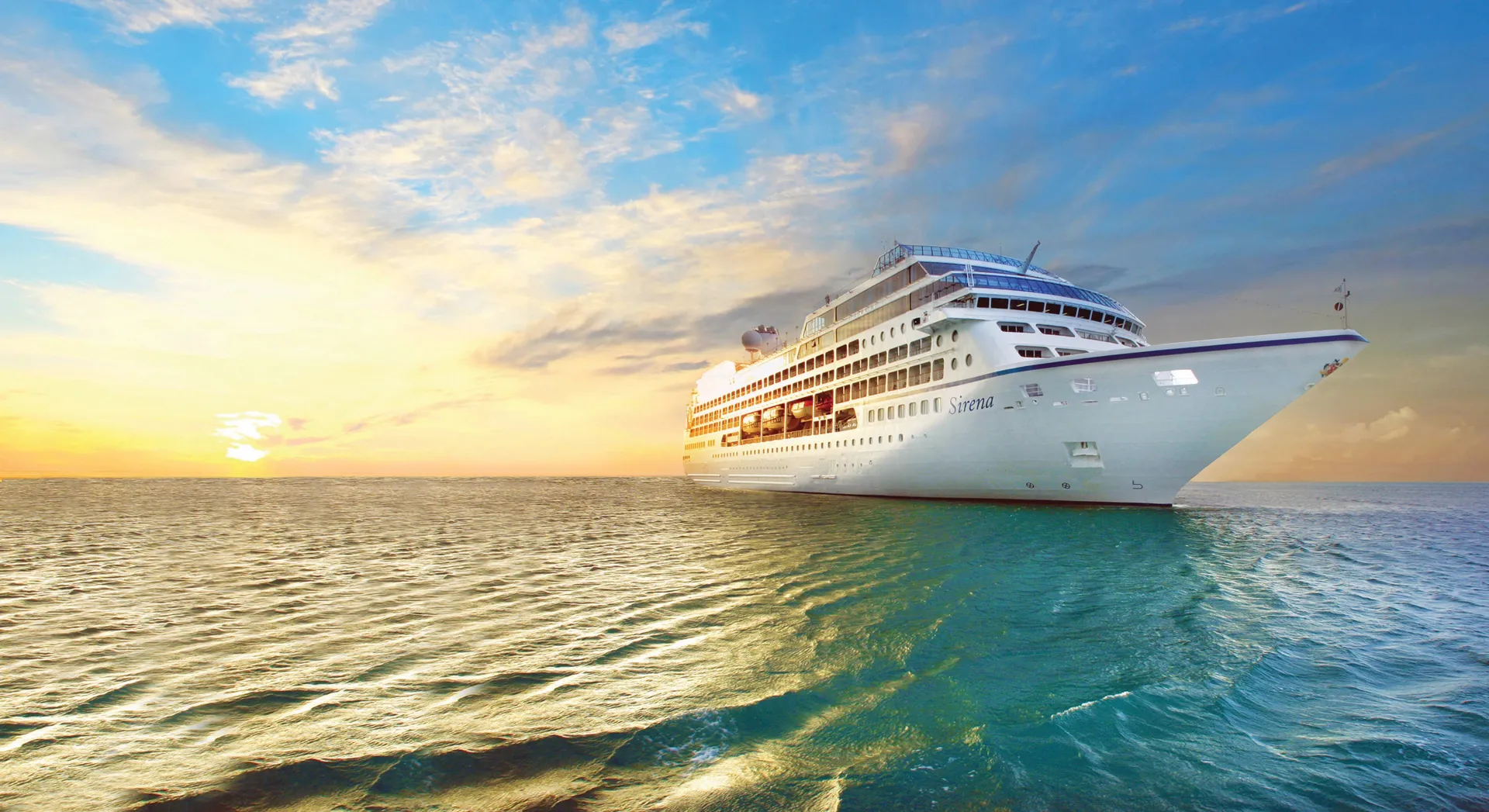
Oceania Cruises
—
2019
30,277 GT
670
349
400
594 m
25.45 m
18 knots
No

For more than fifteen centuries, Istanbul has been the pivot upon which empires turned — Byzantium, Constantinople, the Ottoman capital — and nowhere else on earth compresses so much history into a single horizon. The Hagia Sophia, the Blue Mosque, and the Topkapi Palace form an incomparable trinity of architectural genius along the Golden Horn; the Grand Bazaar's four thousand shops offer a sensory immersion unlike any other marketplace. Must-dos include a Bosphorus sunset cruise and a meal of mezze along the waterfront at Karaköy. Spring (April–May) and autumn (September–October) offer the most gracious climate for this inexhaustible city.
Troy National Park in northwestern Turkey preserves the legendary Bronze Age city that inspired Homer's Iliad, with 4,500 years of archaeological layers and an award-winning modern museum. Must-dos include walking the Troy VI citadel walls, exploring the 2018 museum's interactive displays, and contemplating the Troadic plain where myth and history merge. April through June and September-October offer the best weather for site exploration.

Mykonos is the Aegean at its most seductive — a labyrinth of bougainvillea-draped whitewashed alleys designed to disorient pirates (and occasionally visitors) leading to Kástro, the medieval hilltop quarter overlooking Little Venice, where balconied houses hang directly above the sea. The island's famous windmills, perched on a ridge above the old harbour, are best photographed at golden hour as pelicans patrol the waterfront below. Visit the sacred archaeological island of Delos — a 30-minute boat crossing — for one of the most significant ancient sites in the Greek world. May, June, and September offer the perfect balance of warmth, light, and bearable crowds.

The port that launched Athenian democracy's naval supremacy at the Battle of Salamis, Piraeus remains Greece's maritime heartbeat — and the most convenient gateway to both the Acropolis and the Aegean island chains. Dine on grilled sea bream at a Mikrolimano harbourside taverna, visit the extraordinary bronze Piraeus Apollo, and set sail for Hydra or Santorini by afternoon. Late April through June and September offer the Aegean at its most golden and uncrowded.

Gythio is ancient Sparta's port town on the Laconian Gulf, where Homeric mythology, neoclassical waterfront charm, and the wild Mani Peninsula's tower houses and underground caves converge. Visit from April through October for Diros Cave boat tours, Cape Tenaro's mythological Underworld entrance, and waterfront dining in one of the Peloponnese's most atmospheric harbor towns.

Katakolon is the unassuming port that holds an extraordinary secret: just fourteen kilometres inland lies ancient Olympia, birthplace of the Olympic Games and one of the most sacred sites in the ancient world. The Archaeological Museum of Olympia — housing the breathtaking sculptures from the Temple of Zeus — ranks among Greece's finest, while walking the original stadium still sends a current of wonder through even the most seasoned traveller. The village itself charms with whitewashed tavernas and a relaxed pace that feels authentically Greek. Katakolon is best visited April through October; late spring and early autumn offer ideal temperatures for the Olympia excursion.
Igoumenitsa is a gateway port on Greece's northwestern Epirus coast, facing Corfu across the Ionian strait, with a revitalized waterfront promenade and access to some of Greece's most spectacular yet least-visited landscapes. Must-do excursions include the mythological Acheron River gorge, the ancient oracle of the dead, and the stone villages of Zagori near Vikos Gorge. Visit May through October for ideal hiking conditions and luminous Mediterranean light.

The port of Kotor, a UNESCO World Heritage site, is renowned for its stunning natural beauty and rich historical tapestry. A must-do experience includes wandering the cobblestone streets of the Old Town, where culinary delights like "kacamak" and fresh seafood await. The best time to visit is during the spring or early fall, when the weather is pleasant and the crowds are fewer.

Dubrovnik, Croatia's stunning port city, is a blend of rich history, dramatic architecture, and vibrant culture, making it a must-visit destination. Don't miss a stroll along the city walls for breathtaking views and savor local dishes like "peka" and "black risotto." The best time to visit is in late spring or early fall when the weather is pleasant and the crowds are thinner.

Zadar, a historic port city on Croatia's Dalmatian coast, is a captivating blend of ancient architecture and vibrant culture. Must-do experiences include visiting the Church of St. Donatus and enjoying the enchanting music of the Sea Organ. The best season to visit is during the warm summer months when the city comes alive with festivals and outdoor activities.

Venice, a historic port city, captivates with its unique canals and rich cultural heritage. Must-do experiences include visiting the iconic Basilica di San Marco and indulging in local delicacies like risotto al nero di seppia. The best time to visit is during the mild, vibrant spring months when the city comes alive with festivals and outdoor activities.

Koper is Slovenia's historic Adriatic port with a beautifully preserved Venetian old town, world-class Istrian olive oil, and easy access to the spectacular Škocjan Caves. Essential experiences include tasting Malvazija wines in hillside villages, exploring the medieval Dance of Death frescoes at Hrastovlje, and dining on truffle pasta in centuries-old courtyards. May through October is prime season, with September ideal for harvest festivities.

Rijeka is Croatia's vibrant third city and 2020 European Capital of Culture, where Habsburg waterfront architecture, a thriving arts scene, and one of Europe's most exuberant carnivals create an authentic alternative to the Dalmatian tourist trail. Visit from April through October for the magnificent Korzo promenade, Trsat Castle views, and gateway access to the Kvarner islands.

Split, Croatia's vibrant port city, is a unique blend of ancient history and modern life, centered around the remarkable Diocletian's Palace. Must-do experiences include savoring local dishes like pašticada and exploring the bustling markets. The best time to visit is during the spring and early fall, when the weather is pleasant and the tourist crowds are more manageable.

Bari, Puglia's ancient capital on the Adriatic, has served as a bridge between Western Europe and the Eastern Mediterranean for over two millennia — a heritage visible in the magnificent Basilica di San Nicola, one of medieval Christendom's most important pilgrimage churches, and in the labyrinthine Bari Vecchia where elderly women still hand-roll orecchiette in the street. The surrounding region of Puglia is among Italy's most compelling culinary destinations: burrata born in Andria, focaccia barese, and the puglian cuisine that has recently attracted international attention as Rome's and Florence's quieter, more authentic cousin. Visit April through June and September through October; the Trulli of Alberobello are forty minutes south.

Where Homer placed the island of the Phaeacians and four centuries of Venetian rule left their most enduring Mediterranean legacy, Corfu is a singular island of extraordinary historical depth and natural beauty. The UNESCO-listed Old Town — its narrow Kantounia alleyways, the elegant Liston arcade, and twin Venetian fortresses — is the finest preserved Venetian streetscape in Greece. Beyond the town, secret coves, olive groves of immense antiquity, and mountain villages offer weeks of unhurried discovery. May through June and September offer perfect conditions: warm sea temperatures, clear skies, and the island before or after its summer crescendo.
Crotone is an ancient Greek colony on Calabria's Ionian coast, where the philosopher Pythagoras once taught and the Castle of Charles V still commands the skyline — a port of profound historical weight that remains wonderfully undiscovered by mass tourism. Visitors should not miss the lone column of the Temple of Hera Lacinia at Capo Colonna and a tasting of sardella with local Cirò wine at a waterfront trattoria. The ideal season stretches from May through October, when warm Mediterranean days and the May festival of the Madonna di Capocolonna bring the city to its most luminous.

Valletta, Europe's smallest capital, is a fortress city of exceptional grandeur raised from bare limestone in just fifteen years after the Knights of St. John repelled the great Ottoman siege of 1565 — its rigid Renaissance grid of sun-drenched streets concealing a density of baroque palaces, gilded oratories, and subterranean World War II shelters unrivaled anywhere in the Mediterranean. The Grand Harbour, framed by golden bastions plunging into startlingly blue water, offers one of the most dramatically photogenic arrivals in the world for arriving vessels. Spring and autumn deliver the most comfortable temperatures for exploring this UNESCO-listed gem.

Messina guards the storied strait that separates Sicily from the Italian mainland — the passage Homer mythologised as Scylla and Charybdis — and its Norman cathedral's astronomical clock, one of the world's largest mechanical clocks, puts on a captivating automated display each noon as gilded figures enact scenes of the Resurrection. The city was catastrophically rebuilt after the 1908 earthquake, but its markets and waterfront convey the fierce energy of a Sicilian port that has witnessed two and a half millennia of Mediterranean history. Messina is the perfect gateway to Taormina, a 40-minute drive into the hills above the Ionian coast, with views of Etna at their most dramatic. Spring and autumn are ideal.

Naples — Napoli — is Europe's most operatically alive city, a sun-battered baroque metropolis where Vesuvius broods on the horizon and the streets below pulse with 2,500 years of continuous human drama. The unmissable Museo Archeologico Nazionale houses the world's finest collection of artefacts from Pompeii and Herculaneum, while the Spaccanapoli, the arrow-straight artery that has bisected the city since Greek times, delivers an unfiltered encounter with Neapolitan life. A single slice of pizza Margherita from one of the centro storico's historic pizzerias is a culinary pilgrimage in itself. Visit between April and June or September and October for warmth, manageable crowds, and the city at its golden best.

Rome's ancient maritime gateway since the Emperor Trajan commissioned its harbour in 106 AD, Civitavecchia is the natural prologue to the Eternal City — just seventy minutes southeast by express rail. The port's Renaissance fortress, designed in part by Michelangelo, anchors a working waterfront that has welcomed travellers for millennia. Beyond Rome's unmissable monuments, consider an afternoon in the Civitavecchia thermal baths, drawing on mineral waters prized since antiquity. Spring and autumn offer the ideal balance of mild weather and manageable crowds for exploring the capital's layered history.
Day 1

For more than fifteen centuries, Istanbul has been the pivot upon which empires turned — Byzantium, Constantinople, the Ottoman capital — and nowhere else on earth compresses so much history into a single horizon. The Hagia Sophia, the Blue Mosque, and the Topkapi Palace form an incomparable trinity of architectural genius along the Golden Horn; the Grand Bazaar's four thousand shops offer a sensory immersion unlike any other marketplace. Must-dos include a Bosphorus sunset cruise and a meal of mezze along the waterfront at Karaköy. Spring (April–May) and autumn (September–October) offer the most gracious climate for this inexhaustible city.
Day 2
Troy National Park in northwestern Turkey preserves the legendary Bronze Age city that inspired Homer's Iliad, with 4,500 years of archaeological layers and an award-winning modern museum. Must-dos include walking the Troy VI citadel walls, exploring the 2018 museum's interactive displays, and contemplating the Troadic plain where myth and history merge. April through June and September-October offer the best weather for site exploration.
Day 3

Mykonos is the Aegean at its most seductive — a labyrinth of bougainvillea-draped whitewashed alleys designed to disorient pirates (and occasionally visitors) leading to Kástro, the medieval hilltop quarter overlooking Little Venice, where balconied houses hang directly above the sea. The island's famous windmills, perched on a ridge above the old harbour, are best photographed at golden hour as pelicans patrol the waterfront below. Visit the sacred archaeological island of Delos — a 30-minute boat crossing — for one of the most significant ancient sites in the Greek world. May, June, and September offer the perfect balance of warmth, light, and bearable crowds.
Day 4

The port that launched Athenian democracy's naval supremacy at the Battle of Salamis, Piraeus remains Greece's maritime heartbeat — and the most convenient gateway to both the Acropolis and the Aegean island chains. Dine on grilled sea bream at a Mikrolimano harbourside taverna, visit the extraordinary bronze Piraeus Apollo, and set sail for Hydra or Santorini by afternoon. Late April through June and September offer the Aegean at its most golden and uncrowded.
Day 5

Gythio is ancient Sparta's port town on the Laconian Gulf, where Homeric mythology, neoclassical waterfront charm, and the wild Mani Peninsula's tower houses and underground caves converge. Visit from April through October for Diros Cave boat tours, Cape Tenaro's mythological Underworld entrance, and waterfront dining in one of the Peloponnese's most atmospheric harbor towns.
Day 6

Katakolon is the unassuming port that holds an extraordinary secret: just fourteen kilometres inland lies ancient Olympia, birthplace of the Olympic Games and one of the most sacred sites in the ancient world. The Archaeological Museum of Olympia — housing the breathtaking sculptures from the Temple of Zeus — ranks among Greece's finest, while walking the original stadium still sends a current of wonder through even the most seasoned traveller. The village itself charms with whitewashed tavernas and a relaxed pace that feels authentically Greek. Katakolon is best visited April through October; late spring and early autumn offer ideal temperatures for the Olympia excursion.
Day 7
Igoumenitsa is a gateway port on Greece's northwestern Epirus coast, facing Corfu across the Ionian strait, with a revitalized waterfront promenade and access to some of Greece's most spectacular yet least-visited landscapes. Must-do excursions include the mythological Acheron River gorge, the ancient oracle of the dead, and the stone villages of Zagori near Vikos Gorge. Visit May through October for ideal hiking conditions and luminous Mediterranean light.
Day 8

The port of Kotor, a UNESCO World Heritage site, is renowned for its stunning natural beauty and rich historical tapestry. A must-do experience includes wandering the cobblestone streets of the Old Town, where culinary delights like "kacamak" and fresh seafood await. The best time to visit is during the spring or early fall, when the weather is pleasant and the crowds are fewer.
Day 9

Dubrovnik, Croatia's stunning port city, is a blend of rich history, dramatic architecture, and vibrant culture, making it a must-visit destination. Don't miss a stroll along the city walls for breathtaking views and savor local dishes like "peka" and "black risotto." The best time to visit is in late spring or early fall when the weather is pleasant and the crowds are thinner.
Day 10

Zadar, a historic port city on Croatia's Dalmatian coast, is a captivating blend of ancient architecture and vibrant culture. Must-do experiences include visiting the Church of St. Donatus and enjoying the enchanting music of the Sea Organ. The best season to visit is during the warm summer months when the city comes alive with festivals and outdoor activities.
Day 11

Venice, a historic port city, captivates with its unique canals and rich cultural heritage. Must-do experiences include visiting the iconic Basilica di San Marco and indulging in local delicacies like risotto al nero di seppia. The best time to visit is during the mild, vibrant spring months when the city comes alive with festivals and outdoor activities.
Day 12

Koper is Slovenia's historic Adriatic port with a beautifully preserved Venetian old town, world-class Istrian olive oil, and easy access to the spectacular Škocjan Caves. Essential experiences include tasting Malvazija wines in hillside villages, exploring the medieval Dance of Death frescoes at Hrastovlje, and dining on truffle pasta in centuries-old courtyards. May through October is prime season, with September ideal for harvest festivities.
Day 13

Rijeka is Croatia's vibrant third city and 2020 European Capital of Culture, where Habsburg waterfront architecture, a thriving arts scene, and one of Europe's most exuberant carnivals create an authentic alternative to the Dalmatian tourist trail. Visit from April through October for the magnificent Korzo promenade, Trsat Castle views, and gateway access to the Kvarner islands.
Day 14

Split, Croatia's vibrant port city, is a unique blend of ancient history and modern life, centered around the remarkable Diocletian's Palace. Must-do experiences include savoring local dishes like pašticada and exploring the bustling markets. The best time to visit is during the spring and early fall, when the weather is pleasant and the tourist crowds are more manageable.
Day 15

Bari, Puglia's ancient capital on the Adriatic, has served as a bridge between Western Europe and the Eastern Mediterranean for over two millennia — a heritage visible in the magnificent Basilica di San Nicola, one of medieval Christendom's most important pilgrimage churches, and in the labyrinthine Bari Vecchia where elderly women still hand-roll orecchiette in the street. The surrounding region of Puglia is among Italy's most compelling culinary destinations: burrata born in Andria, focaccia barese, and the puglian cuisine that has recently attracted international attention as Rome's and Florence's quieter, more authentic cousin. Visit April through June and September through October; the Trulli of Alberobello are forty minutes south.
Day 16

Where Homer placed the island of the Phaeacians and four centuries of Venetian rule left their most enduring Mediterranean legacy, Corfu is a singular island of extraordinary historical depth and natural beauty. The UNESCO-listed Old Town — its narrow Kantounia alleyways, the elegant Liston arcade, and twin Venetian fortresses — is the finest preserved Venetian streetscape in Greece. Beyond the town, secret coves, olive groves of immense antiquity, and mountain villages offer weeks of unhurried discovery. May through June and September offer perfect conditions: warm sea temperatures, clear skies, and the island before or after its summer crescendo.
Day 17
Crotone is an ancient Greek colony on Calabria's Ionian coast, where the philosopher Pythagoras once taught and the Castle of Charles V still commands the skyline — a port of profound historical weight that remains wonderfully undiscovered by mass tourism. Visitors should not miss the lone column of the Temple of Hera Lacinia at Capo Colonna and a tasting of sardella with local Cirò wine at a waterfront trattoria. The ideal season stretches from May through October, when warm Mediterranean days and the May festival of the Madonna di Capocolonna bring the city to its most luminous.
Day 18

Valletta, Europe's smallest capital, is a fortress city of exceptional grandeur raised from bare limestone in just fifteen years after the Knights of St. John repelled the great Ottoman siege of 1565 — its rigid Renaissance grid of sun-drenched streets concealing a density of baroque palaces, gilded oratories, and subterranean World War II shelters unrivaled anywhere in the Mediterranean. The Grand Harbour, framed by golden bastions plunging into startlingly blue water, offers one of the most dramatically photogenic arrivals in the world for arriving vessels. Spring and autumn deliver the most comfortable temperatures for exploring this UNESCO-listed gem.
Day 19

Messina guards the storied strait that separates Sicily from the Italian mainland — the passage Homer mythologised as Scylla and Charybdis — and its Norman cathedral's astronomical clock, one of the world's largest mechanical clocks, puts on a captivating automated display each noon as gilded figures enact scenes of the Resurrection. The city was catastrophically rebuilt after the 1908 earthquake, but its markets and waterfront convey the fierce energy of a Sicilian port that has witnessed two and a half millennia of Mediterranean history. Messina is the perfect gateway to Taormina, a 40-minute drive into the hills above the Ionian coast, with views of Etna at their most dramatic. Spring and autumn are ideal.
Day 20

Naples — Napoli — is Europe's most operatically alive city, a sun-battered baroque metropolis where Vesuvius broods on the horizon and the streets below pulse with 2,500 years of continuous human drama. The unmissable Museo Archeologico Nazionale houses the world's finest collection of artefacts from Pompeii and Herculaneum, while the Spaccanapoli, the arrow-straight artery that has bisected the city since Greek times, delivers an unfiltered encounter with Neapolitan life. A single slice of pizza Margherita from one of the centro storico's historic pizzerias is a culinary pilgrimage in itself. Visit between April and June or September and October for warmth, manageable crowds, and the city at its golden best.
Day 21

Rome's ancient maritime gateway since the Emperor Trajan commissioned its harbour in 106 AD, Civitavecchia is the natural prologue to the Eternal City — just seventy minutes southeast by express rail. The port's Renaissance fortress, designed in part by Michelangelo, anchors a working waterfront that has welcomed travellers for millennia. Beyond Rome's unmissable monuments, consider an afternoon in the Civitavecchia thermal baths, drawing on mineral waters prized since antiquity. Spring and autumn offer the ideal balance of mild weather and manageable crowds for exploring the capital's layered history.


Lavish new fabrics and designer furnishings grace our six new Owner’s Suites – always among the first to be reserved. Immensely spacious and exceptionally luxurious, these suites span nearly 1,000 square feet and are oases of quietude and relaxation. Every imaginable amenity is found here, further enhanced by a sumptuous re-designed bathroom with an oversized shower, a private teak veranda and two flat-screen televisions.
Owner's Suite Privileges
In addition to Stateroom Amenities
FREE laundry service – up to 3 bags per stateroom+
Priority 11 am ship embarkation with priority luggage delivery
24-hour Butler service
Complimentary in-suite bar setup with 6 full-size bottles of premium spirits and wines from our suite beverage menu
Complimentary welcome bottle of Champagne
Fresh fruit basket replenished daily
Priority online specialty restaurant reservations
Unlimited access to the Aquamar Spa Terrace
iPad upon request for your enjoyment on board++
Customized entertainment system
Bulgari gift set and variety of amenities
Choice of daily printed newspaper
Complimentary Oceania Cruises logo tote bag and personalized stationery
Cashmere lap blankets, perfect for relaxing on your veranda
Choice of pillow from a luxurious selection
Complimentary shoeshine service
Complimentary pressing of garments upon embarkation++


Our collection of 322-square-foot Penthouse Suites is designed with splendid décor and exquisite furnishings in serene shades of the sea and sun. Spacious enough for private in-suite dining the living area features a refrigerated mini-bar and vanity desk, and the granite-clad bathroom features a large enclosed shower. Relax on the beautifully furnished private teak veranda.
Penthouse Suite Privileges
In addition to Suite & Stateroom Amenities
Free laundry service – up to 3 bags per stateroom+
Priority 11 am ship embarkation with priority luggage delivery
24-hour Butler service
Complimentary welcome bottle of Champagne
Priority online specialty restaurant and shore excursion reservation
Unlimited access to the Aquamar Spa Terrace
iPad upon request
Variety of Bulgari amenities
Complimentary Oceania Cruises logo tote bag
Cashmere lap blankets
Complimentary shoe shine service
Complimentary pressing of garments upon embarkation++
+Up to 20 garments per laundry bag. 3 day turnaround time and laundry will not be accepted 3 days prior to disembarkation.


Named for their sweeping views over the ship's bow, the four Vista Suites each sprawl over 786 square feet. Every imaginable comfort is here, including a second bathroom for guests as well as a master bathroom newly redesigned in onyx and granite with a luxurious new shower. Relax on the private teak veranda, listen to music in enhanced surround sound or watch a movie on one of two flat-screen televisions. Access wireless Internet on a complimentary iPad.
Vista Suite Privileges
In addition to Stateroom Amenities
FREE laundry service – up to 3 bags per stateroom+
Priority 11 am ship embarkation with priority luggage delivery
24-hour Butler service
Complimentary in-suite bar setup with 6 full-size bottles of premium spirits and wines from our suite beverage menu
Complimentary welcome bottle of Champagne
Fresh fruit basket replenished daily
Priority online specialty restaurant reservations
Unlimited access to the Aquamar Spa Terrace
iPad upon request for your enjoyment on board++
Bulgari gift set and variety of amenities
Choice of daily printed newspaper
Complimentary Oceania Cruises logo tote bag and personalized stationery
Cashmere lap blankets, perfect for relaxing on your veranda
Choice of pillow from a luxurious selection
Complimentary shoeshine service
Complimentary pressing of garments upon embarkation++


Located in some of the most desirable locations on the ship, Category A Concierge Level Veranda Staterooms offer the attractive blend of both value and luxury. These sleekly redefined 216-square-foot staterooms offer coveted amenities and exclusive privileges, such as free laundry service, that make your experience that much more carefree. Fresh new decor, sumptuous Ultra Tranquility Beds and re-inspired verandas with stylish new furniture complete the Concierge experience.
Exclusive Concierge Privileges
In addition to Stateroom Amenities
FREE laundry service – up to 3 bags per stateroom+
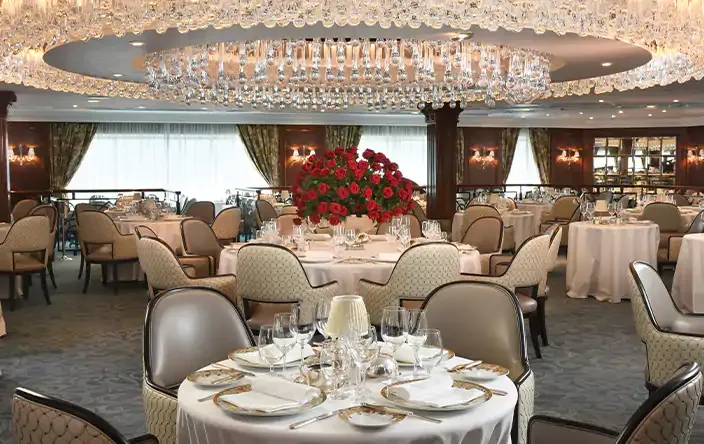
Expanded lunch and dinner room service menu from The Grand Dining Room
Priority noon ship embarkation
Complimentary welcome bottle of Champagne
Priority online specialty restaurant reservations
Unlimited access to the Aquamar Spa Terrace
iPad upon request for your enjoyment onboard++
Complimentary Oceania Cruises logo tote bag
Cashmere lap blankets, perfect for relaxing on your veranda
Complimentary pressing of garmets upon embarkation++
Complimentary shoeshine service


Custom-crafted furnishings, exotic stone finishes, supple upholstered headboards and chic lighting are just a few of the enhancements within these 216-square-foot staterooms that also boast our most popular luxury – a private teak veranda for watching the ever-changing panoramas. Conveniences within each stateroom include a vanity desk, refrigerated mini-bar, breakfast table and spacious seating area.
Veranda Stateroom Amenities
Ultra Tranquility Bed, an Oceania Cruises Exclusive
Refrigerated mini-bar with free and unlimited soft drinks and bottled water replenished daily
Private teak veranda
Complimentary 24-hour room service
Signature Belgian chocolates with nightly turndown service
Plush cotton towels
Thick cotton robes and slippers
Bulgari amenities
Handheld hair dryer
Flat-screen television with DVD player and extensive media library
Security safe


With entirely re-designed closets, dressers and vanities, these 165-squarefoot staterooms feel even more spacious. A generous seating area, vanity desk, refrigerated mini-bar and breakfast table are perfectly complemented by the soothing hues and stylish fabrics of the sleek new decor.
Deluxe Ocean View Stateroom FREE Amenities:
FREE soft drinks replenished daily in your refrigerated mini-bar
FREE still & sparkling Vero Water
FREE room service menu 24 hours a day
Deluxe Ocean View Stateroom Included Amenities:
Ultra Tranquility Bed, an Oceania Cruises Exclusive
Bulgari amenities
Twice-daily maid service
Category (C1) includes accessibility features in stateroom #4052 and #4056.
Interactive television system with on-demand movies, weather and more
Wireless Internet access and cellular service
Writing desk and stationary
Plush cotton towels, robes and slippers
Handheld hair dryer
Security safe
Belgian chocolates with turndown service
Deluxe Ocean View Accessibility Features:
Bed with hoist space
Large bathroom door
Toilet grab rails
Roll in bathrooms with no lip riser which has a wraparound drainage system as well as a bathtub


Either featuring a classic porthole or a panorama window with obstructed views, these exquisitely appointed 165-square-foot staterooms showcase sophisticated new decor and a modern design that maximizes both space and convenience. Enjoy a comfortable seating area with a sofa on which to stretch out, as well as a vanity desk, breakfast table and refrigerated mini-bar.
Ocean View FREE Amenities:
FREE soft drinks replenished daily in your refrigerated mini-bar
FREE still & sparkling Vero Water
FREE room service menu 24 hours a day
Ocean View Included Amenities:
Ultra Tranquility Bed, an Oceania Cruises Exclusive
Bulgari amenities
Twice-daily maid service
Interactive television system with on-demand movies, weather and more
Wireless Internet access and cellular service
Writing desk and stationary
Plush cotton towels, robes and slippers
Handheld hair dryer
Security safe
Belgian chocolates with turndown service


These charming 143-square-foot staterooms are the perfect retreat for the solo traveler. Amply spacious and centrally located on Deck 6, each is equipped with a sublimely plush Tranquility Bed, refrigerated mini-bar, writing desk and abundant storage space.
Stateroom Amenities :
Tranquility Bed, an Oceania Cruises exclusive
FREE sodas replenished daily in your refrigerated mini-bar
FREE still and sparkling Vero Water
Private teak veranda
Luxury bath amenities
FREE room service menu 24 hours a day
Daily housekeeping service
Gourmet turndown chocolates upon request
Interactive television system with on-demand movies, weather and more
Starlink® WiFi service
Writing desk and stationery
Plush cotton towels, robes and slippers
Handheld hair dryer
Security safe


Beautifully re-designed with a modern flair, these delightful private retreats boast 160 square feet of luxury. Highlights include a comfortable seating area, vanity desk, refrigerated mini-bar and plenty of storage. The ingenious use of space is complemented by the re-inspired decor.
Inside Stateroom FREE Amenities:
FREE soft drinks replenished daily in your refrigerated mini-bar
FREE still & sparkling Vero Water
FREE room service menu 24 hours a day
Inside Stateroom Included Amenities:
Ultra Tranquility Bed, an Oceania Cruises Exclusive
Bulgari amenities
Twice-daily maid service
Interactive television system with on-demand movies, weather and more
Wireless Internet access and cellular service
Writing desk and stationary
Plush cotton towels, robes and slippers
Handheld hair dryer
Security safe
Belgian chocolates with turndown service
Our cruise specialists can help you find the perfect cabin and the best available pricing.
(+886) 02-2721-7300Contact Advisor