Scenic River CruisesDOPO200526.1
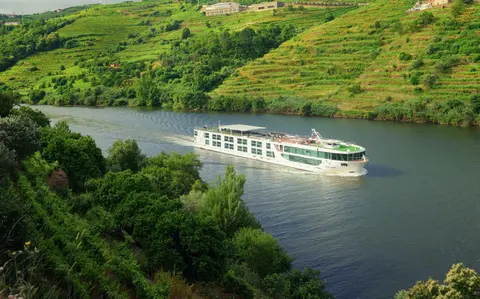
Unforgettable Douro with Porto
Date
2026-05-20
Duration
12 nights
Departure Port
Porto
Portugal
Arrival Port
Porto
Portugal
Rating
—
Theme
—
Date
2026-05-20
Duration
12 nights
Departure Port
Porto
Portugal
Arrival Port
Porto
Portugal
Rating
—
Theme
—
Scenic River Cruises
Space-Ship
2016
—
1,780 GT
96
—
36
—
—
—
No
Porto, the storied French river port on the Gironde estuary, serves as Bordeaux's historic maritime gateway and a destination of surprising cultural richness. The medieval citadel quarter commands sweeping views over the river, while the neo-Gothic château and Romanesque church anchor a town that once provisioned transatlantic voyages. Local restaurants celebrate the region's celebrated produce — Pauillac lamb, oysters from the nearby Arcachon Basin, and the great wines of the Médoc, whose legendary châteaux lie just a short drive away. Visit in September during the grape harvest for an unforgettable atmosphere.
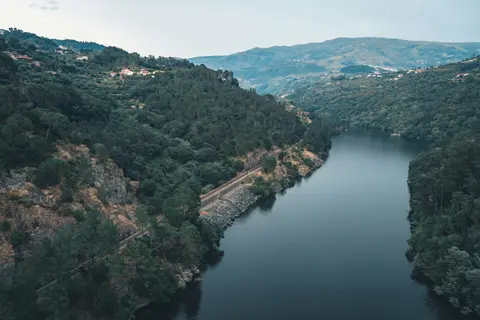
Entre-os-Rios is a charming Portuguese port known for its stunning scenery and historical significance, particularly surrounding the Douro River. Visitors should indulge in local delicacies like "Francesinha" and explore nearby attractions such as Lisbon and the picturesque Odeceixe. The best time to visit is during the spring and autumn months when the weather is mild and the landscapes are vibrant.
Régua, gateway to Portugal's vertiginous Douro Valley wine country, sits at the point where the river enters its most dramatic gorge — terraced vineyards climbing impossible slopes on every side, their schist walls a testament to generations of viticultural determination. The Wine Museum in Pinhão's art nouveau azulejo station captures the region's soul, while the great quintas — Ramos Pinto, Croft, Niepoort — open their cellars for intimate tastings of vintage port and luminous dry whites. Harvest season in September and October transforms the valley into a festival of colour and ferment.
Régua, gateway to Portugal's vertiginous Douro Valley wine country, sits at the point where the river enters its most dramatic gorge — terraced vineyards climbing impossible slopes on every side, their schist walls a testament to generations of viticultural determination. The Wine Museum in Pinhão's art nouveau azulejo station captures the region's soul, while the great quintas — Ramos Pinto, Croft, Niepoort — open their cellars for intimate tastings of vintage port and luminous dry whites. Harvest season in September and October transforms the valley into a festival of colour and ferment.
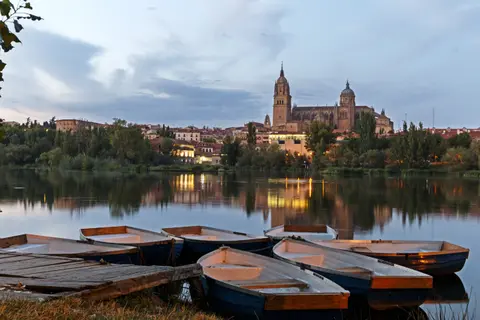
Vega de Terrón is a tiny Portuguese-border river port where the Douro — navigable here only since the mid-twentieth century — carves its way through the spectacular Arribes del Duero Natural Park, a landscape of granite gorges plunging hundreds of meters to the river below, dotted with ancient villages and rare Black Stork nesting sites. River cruise passengers disembark here to discover an Iberian frontier that centuries of sheer cliff and wild current kept virtually impenetrable, exploring nearby Portuguese wineries producing bold, earthy reds from centenarian schist vineyards. Spring ignites the gorge slopes with wildflowers; autumn suffuses the terraced vines with burnished copper and gold.
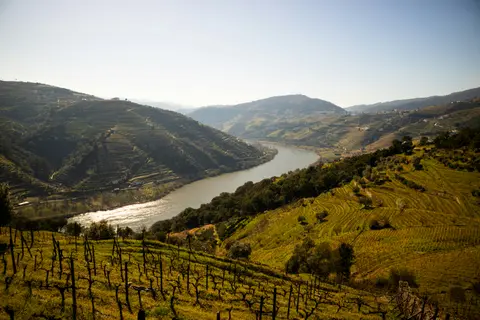
Pocinho marks the easternmost navigable point of the Douro River — the terminus of the valley where port wine's history began and where the landscape reaches its most elemental and dramatic expression: near-vertical schist slopes terraced into vineyard stairways, the river running silver between them in the early morning light. The restored rabelo boats that once carried casks of wine downriver are now a romanticised memory, but the valley's working quintas welcome visitors for tastings of the upper Douro's increasingly celebrated unfortified wines. The Douro International Natural Park, bordering Spain, protects rare Egyptian vulture colonies on the surrounding plateau. September through October, during harvest, is the unmissable season.
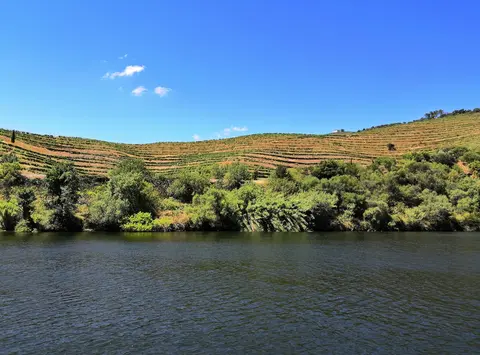
Pinhão sits at the most photographed bend on the Douro River, where impossibly steep terraced vineyards — the schist-stone walls built by hand over centuries — have shaped a valley so beautiful it is protected as a UNESCO World Heritage Site and produced port wine for the world since the Marquis of Pombal established its boundaries in 1756. The village railway station, decorated with 24 azulejo tile panels depicting scenes of the grape harvest, is a minor masterpiece of Portuguese folk art that alone justifies a stop. The river cruise between Pinhão and Régua, passing through the heart of the Port wine country, is among the most beautiful journeys in Europe. Visit during the September harvest for an experience of extraordinary sensory richness.
Porto, the storied French river port on the Gironde estuary, serves as Bordeaux's historic maritime gateway and a destination of surprising cultural richness. The medieval citadel quarter commands sweeping views over the river, while the neo-Gothic château and Romanesque church anchor a town that once provisioned transatlantic voyages. Local restaurants celebrate the region's celebrated produce — Pauillac lamb, oysters from the nearby Arcachon Basin, and the great wines of the Médoc, whose legendary châteaux lie just a short drive away. Visit in September during the grape harvest for an unforgettable atmosphere.
Porto, the storied French river port on the Gironde estuary, serves as Bordeaux's historic maritime gateway and a destination of surprising cultural richness. The medieval citadel quarter commands sweeping views over the river, while the neo-Gothic château and Romanesque church anchor a town that once provisioned transatlantic voyages. Local restaurants celebrate the region's celebrated produce — Pauillac lamb, oysters from the nearby Arcachon Basin, and the great wines of the Médoc, whose legendary châteaux lie just a short drive away. Visit in September during the grape harvest for an unforgettable atmosphere.
Porto, the storied French river port on the Gironde estuary, serves as Bordeaux's historic maritime gateway and a destination of surprising cultural richness. The medieval citadel quarter commands sweeping views over the river, while the neo-Gothic château and Romanesque church anchor a town that once provisioned transatlantic voyages. Local restaurants celebrate the region's celebrated produce — Pauillac lamb, oysters from the nearby Arcachon Basin, and the great wines of the Médoc, whose legendary châteaux lie just a short drive away. Visit in September during the grape harvest for an unforgettable atmosphere.
Day 1
Porto, the storied French river port on the Gironde estuary, serves as Bordeaux's historic maritime gateway and a destination of surprising cultural richness. The medieval citadel quarter commands sweeping views over the river, while the neo-Gothic château and Romanesque church anchor a town that once provisioned transatlantic voyages. Local restaurants celebrate the region's celebrated produce — Pauillac lamb, oysters from the nearby Arcachon Basin, and the great wines of the Médoc, whose legendary châteaux lie just a short drive away. Visit in September during the grape harvest for an unforgettable atmosphere.
Day 2
Entre-os-Rios is a charming Portuguese port known for its stunning scenery and historical significance, particularly surrounding the Douro River. Visitors should indulge in local delicacies like "Francesinha" and explore nearby attractions such as Lisbon and the picturesque Odeceixe. The best time to visit is during the spring and autumn months when the weather is mild and the landscapes are vibrant.
Day 3
Régua, gateway to Portugal's vertiginous Douro Valley wine country, sits at the point where the river enters its most dramatic gorge — terraced vineyards climbing impossible slopes on every side, their schist walls a testament to generations of viticultural determination. The Wine Museum in Pinhão's art nouveau azulejo station captures the region's soul, while the great quintas — Ramos Pinto, Croft, Niepoort — open their cellars for intimate tastings of vintage port and luminous dry whites. Harvest season in September and October transforms the valley into a festival of colour and ferment.
Day 5
Régua, gateway to Portugal's vertiginous Douro Valley wine country, sits at the point where the river enters its most dramatic gorge — terraced vineyards climbing impossible slopes on every side, their schist walls a testament to generations of viticultural determination. The Wine Museum in Pinhão's art nouveau azulejo station captures the region's soul, while the great quintas — Ramos Pinto, Croft, Niepoort — open their cellars for intimate tastings of vintage port and luminous dry whites. Harvest season in September and October transforms the valley into a festival of colour and ferment.
Vega de Terrón is a tiny Portuguese-border river port where the Douro — navigable here only since the mid-twentieth century — carves its way through the spectacular Arribes del Duero Natural Park, a landscape of granite gorges plunging hundreds of meters to the river below, dotted with ancient villages and rare Black Stork nesting sites. River cruise passengers disembark here to discover an Iberian frontier that centuries of sheer cliff and wild current kept virtually impenetrable, exploring nearby Portuguese wineries producing bold, earthy reds from centenarian schist vineyards. Spring ignites the gorge slopes with wildflowers; autumn suffuses the terraced vines with burnished copper and gold.
Day 6
Pocinho marks the easternmost navigable point of the Douro River — the terminus of the valley where port wine's history began and where the landscape reaches its most elemental and dramatic expression: near-vertical schist slopes terraced into vineyard stairways, the river running silver between them in the early morning light. The restored rabelo boats that once carried casks of wine downriver are now a romanticised memory, but the valley's working quintas welcome visitors for tastings of the upper Douro's increasingly celebrated unfortified wines. The Douro International Natural Park, bordering Spain, protects rare Egyptian vulture colonies on the surrounding plateau. September through October, during harvest, is the unmissable season.
Day 8
Pinhão sits at the most photographed bend on the Douro River, where impossibly steep terraced vineyards — the schist-stone walls built by hand over centuries — have shaped a valley so beautiful it is protected as a UNESCO World Heritage Site and produced port wine for the world since the Marquis of Pombal established its boundaries in 1756. The village railway station, decorated with 24 azulejo tile panels depicting scenes of the grape harvest, is a minor masterpiece of Portuguese folk art that alone justifies a stop. The river cruise between Pinhão and Régua, passing through the heart of the Port wine country, is among the most beautiful journeys in Europe. Visit during the September harvest for an experience of extraordinary sensory richness.
Day 9
Porto, the storied French river port on the Gironde estuary, serves as Bordeaux's historic maritime gateway and a destination of surprising cultural richness. The medieval citadel quarter commands sweeping views over the river, while the neo-Gothic château and Romanesque church anchor a town that once provisioned transatlantic voyages. Local restaurants celebrate the region's celebrated produce — Pauillac lamb, oysters from the nearby Arcachon Basin, and the great wines of the Médoc, whose legendary châteaux lie just a short drive away. Visit in September during the grape harvest for an unforgettable atmosphere.
Day 11
Porto, the storied French river port on the Gironde estuary, serves as Bordeaux's historic maritime gateway and a destination of surprising cultural richness. The medieval citadel quarter commands sweeping views over the river, while the neo-Gothic château and Romanesque church anchor a town that once provisioned transatlantic voyages. Local restaurants celebrate the region's celebrated produce — Pauillac lamb, oysters from the nearby Arcachon Basin, and the great wines of the Médoc, whose legendary châteaux lie just a short drive away. Visit in September during the grape harvest for an unforgettable atmosphere.
Day 13
Porto, the storied French river port on the Gironde estuary, serves as Bordeaux's historic maritime gateway and a destination of surprising cultural richness. The medieval citadel quarter commands sweeping views over the river, while the neo-Gothic château and Romanesque church anchor a town that once provisioned transatlantic voyages. Local restaurants celebrate the region's celebrated produce — Pauillac lamb, oysters from the nearby Arcachon Basin, and the great wines of the Médoc, whose legendary châteaux lie just a short drive away. Visit in September during the grape harvest for an unforgettable atmosphere.
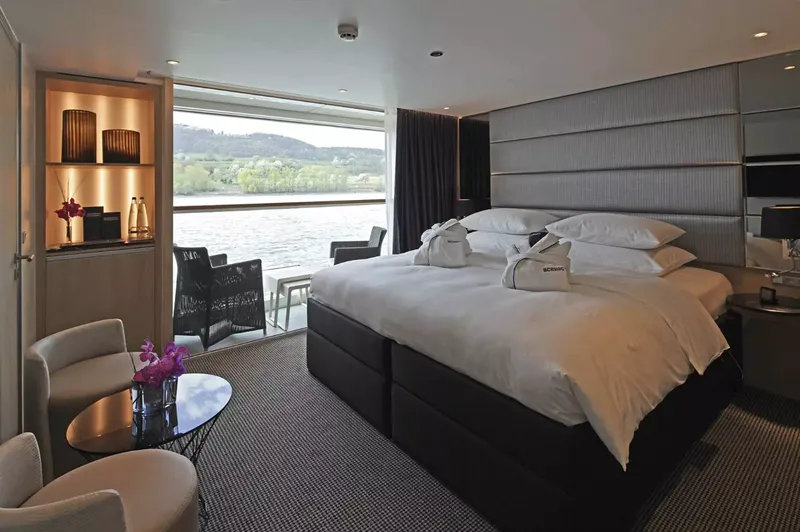
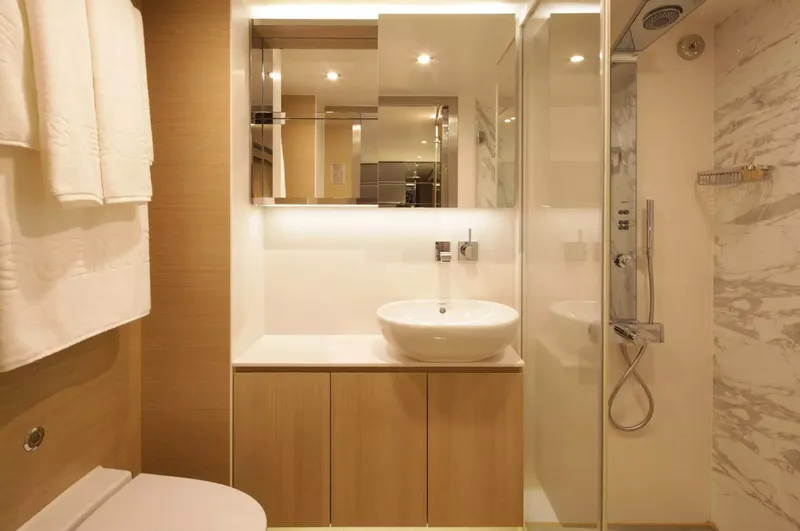
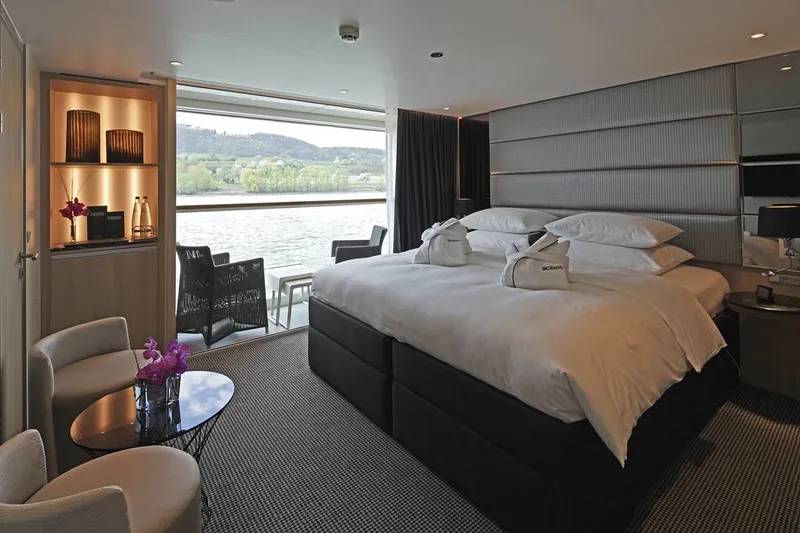
These 247ft2 spacious Suites, located on the Sapphire and Diamond Decks, have a private full-length balcony complete with a Scenic Sun Lounge and elegant en-suite bathrooms featuring a large vanity basin and shower.
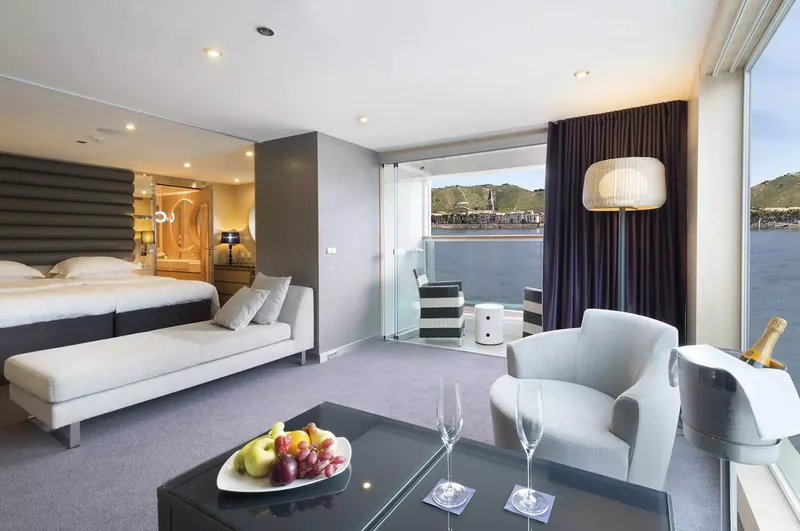
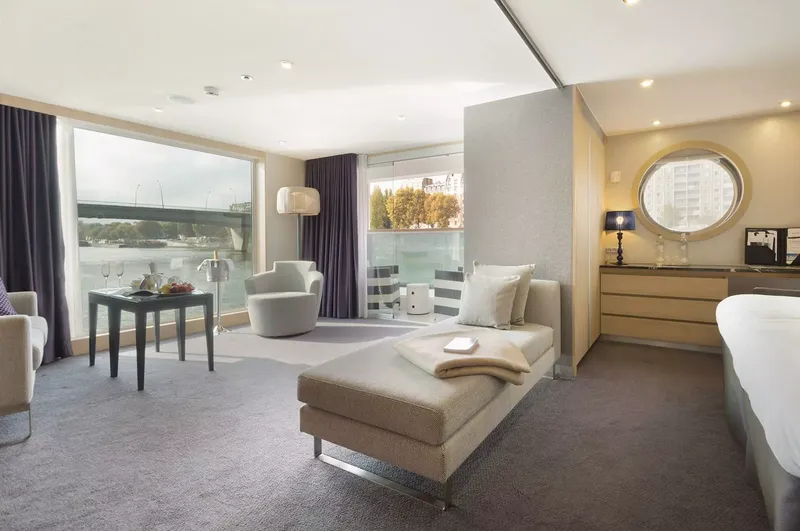
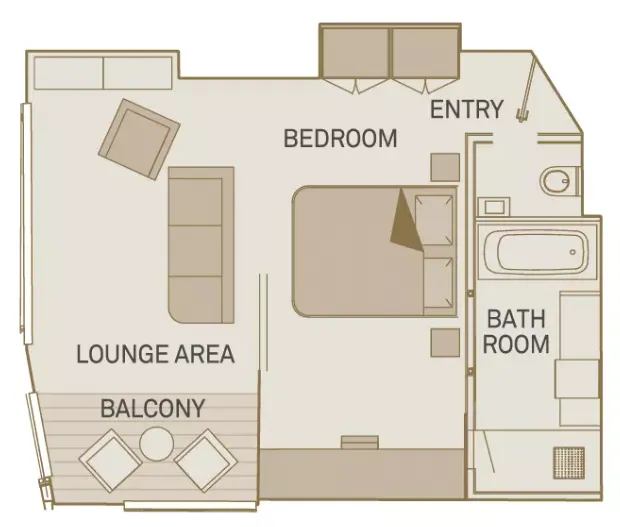
At 420ft², this is the largest suite on the ship. Located on the Diamond Deck, both suites enjoy fantastic views of the passing scenery from your private balcony complete with Scenic Sun Lounge. Each Suite has a separate lounge area and a luxurious bathroom offering a separate bath and shower.
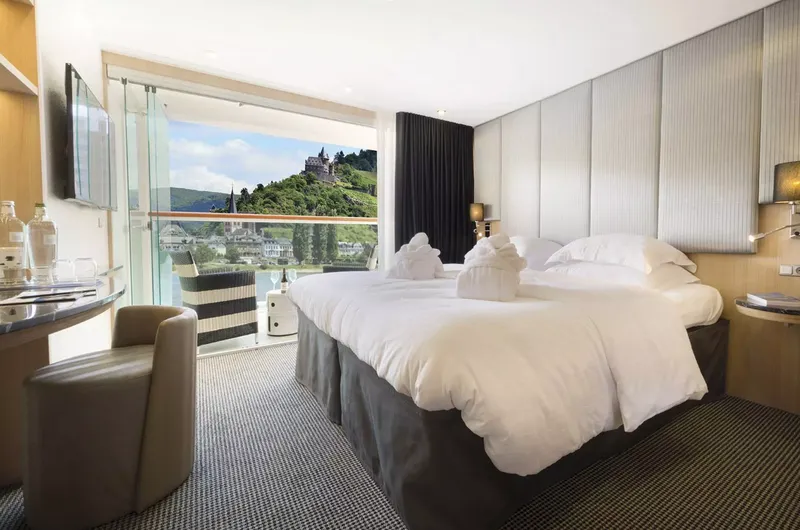
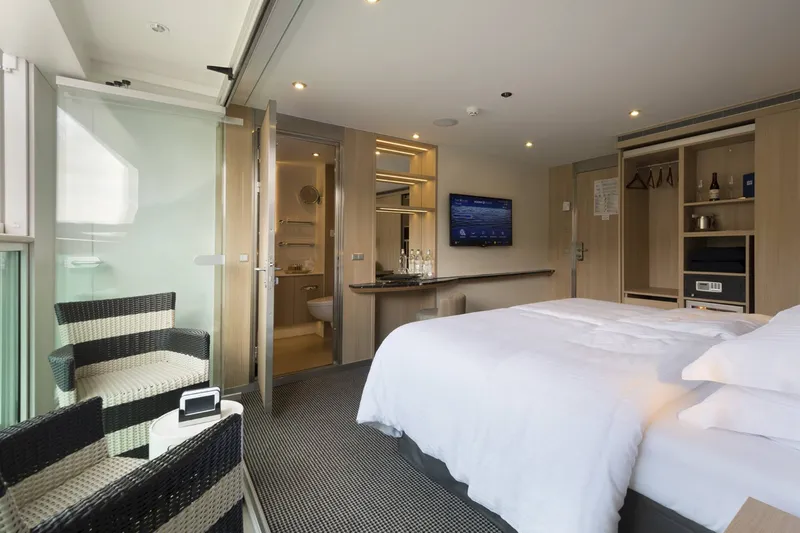
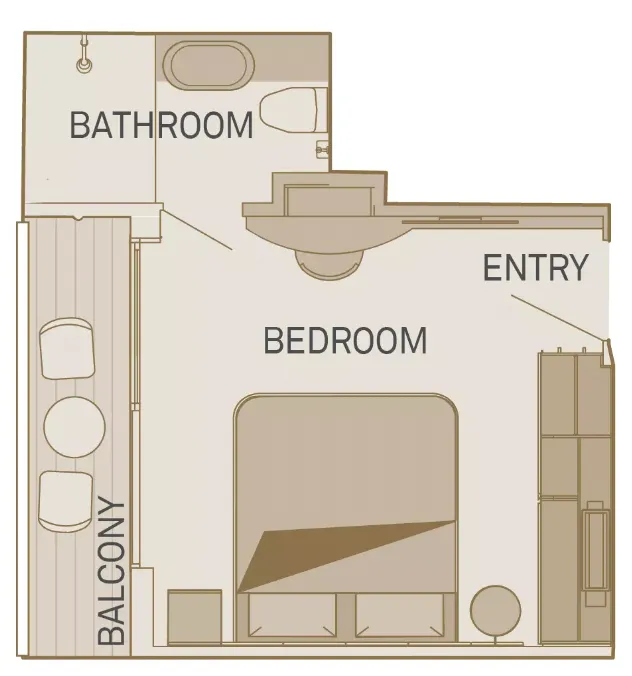
Located on the Sapphire and Diamond Decks these stylishly decorated suites feature a full-length outdoor balcony with the exclusive Scenic Sun Lounge system and offer private bathrooms with a luxurious vanity basin and shower.
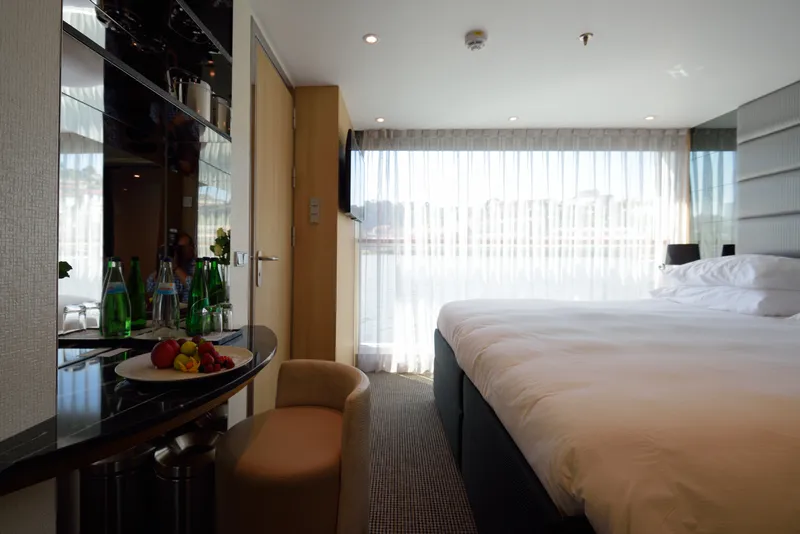
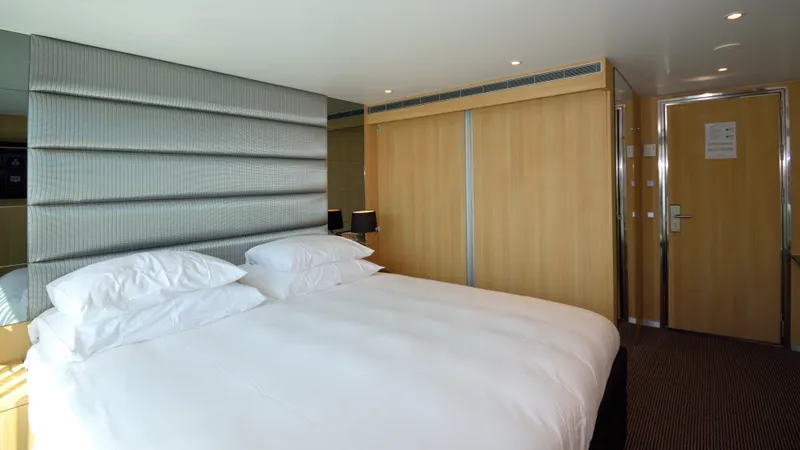
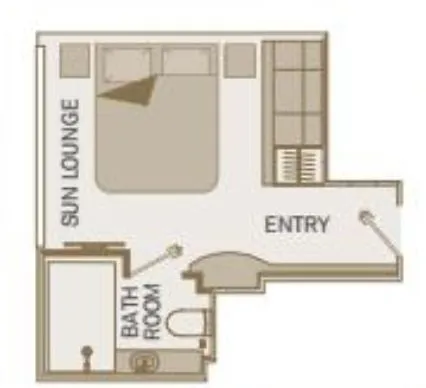
The 182ft2 Riverview Suite is located on the Sapphire deck. This stylishly decorated suite features a spacious bathroom with premium toiletries. This suite also benefits from the exclusive Scenic Sun Lounge system
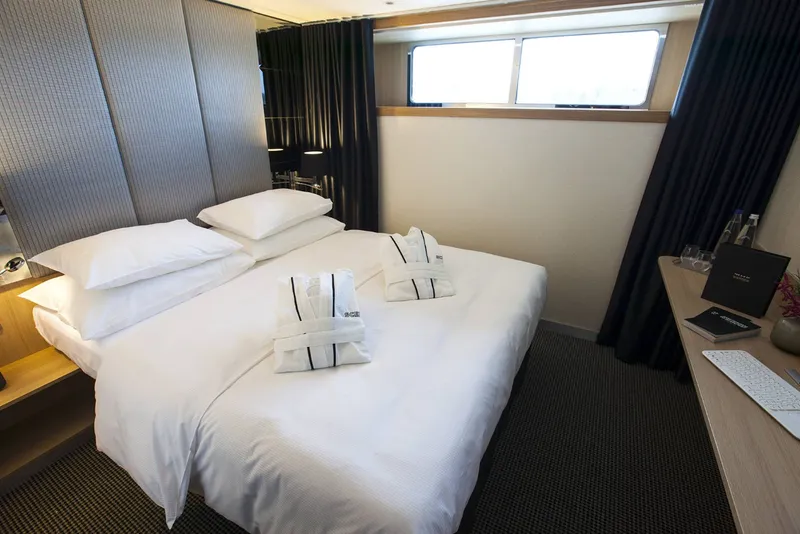
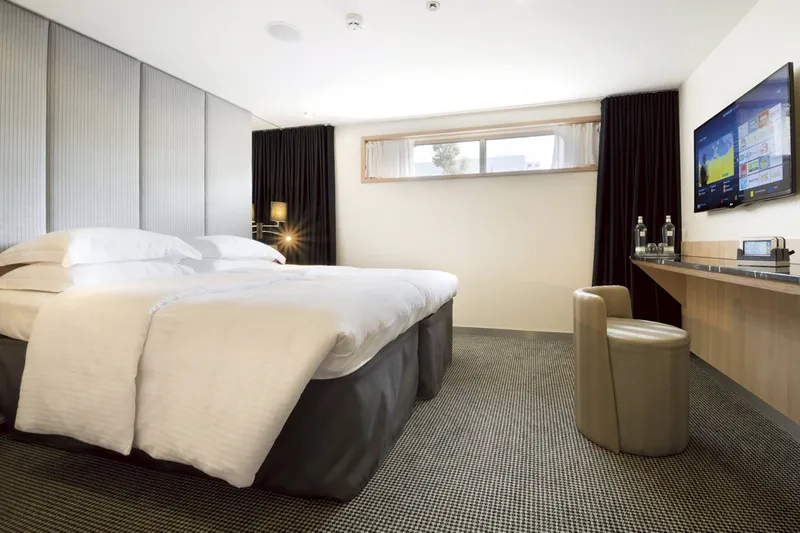
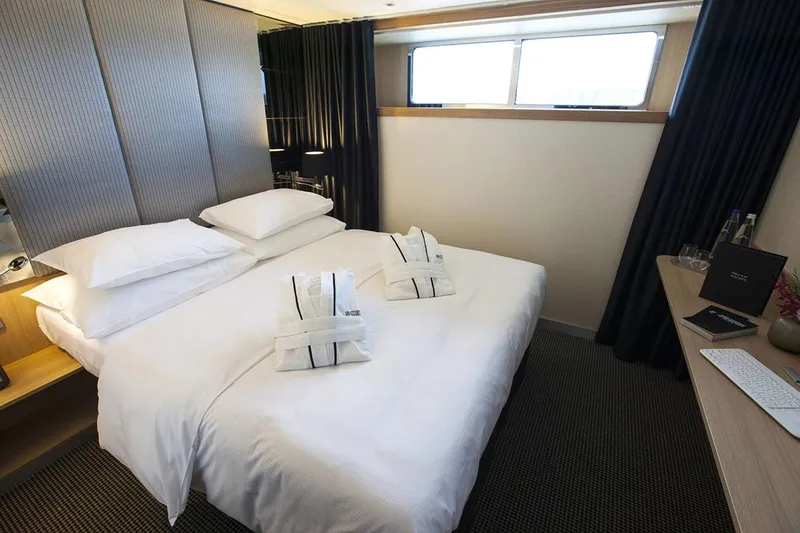
Standard Suites are 172ft2 and are located on the Jewel Deck with large picture windows to ensure a great view. They have a spacious design and clever layout alongside all the usual luxurious amenities and furnishings.
Our cruise specialists can help you find the perfect cabin and the best available pricing.
(+886) 02-2721-7300Contact Advisor