SILOAH.tRAVEL
SILOAH.tRAVEL
Login
Siloah Travel

SILOAH.tRAVEL

Siloah Travel — crafting premium cruise experiences for you.

Explore

  • Search Cruises
  • Destinations
  • Cruise Lines

Company

  • About Us
  • Contact Advisor
  • Privacy Policy

Contact

  • +886-2-27217300
  • service@siloah.travel
  • 14F-3, No. 137, Sec. 1, Fuxing S. Rd., Taipei, Taiwan

Popular Brands

SilverseaRegent Seven SeasSeabournOceania CruisesVikingExplora JourneysPonantDisney Cruise LineNorwegian Cruise LineHolland America LineMSC CruisesAmaWaterwaysUniworldAvalon WaterwaysScenicTauck

希羅亞旅行社股份有限公司|戴東華|交觀甲 793500|品保北 2260

© 2026 Siloah Travel. All rights reserved.

HomeFavoritesProfile
S
Voyages0
|
  1. Home
  2. Cruises
  3. Scenic River Cruises
  4. Scenic Jasper
  5. Jewels of Europe & Romantic Rhine & Moselle from Zurich
Jewels of Europe & Romantic Rhine & Moselle from Zurich
Scenic River CruisesSTAM271026.2W

Jewels of Europe & Romantic Rhine & Moselle from Zurich

Date

2026-10-27

Duration

28 nights

Departure Port

Zurich

Switzerland

Arrival Port

Budapest

Hungary

Rating

Luxury

Theme

—

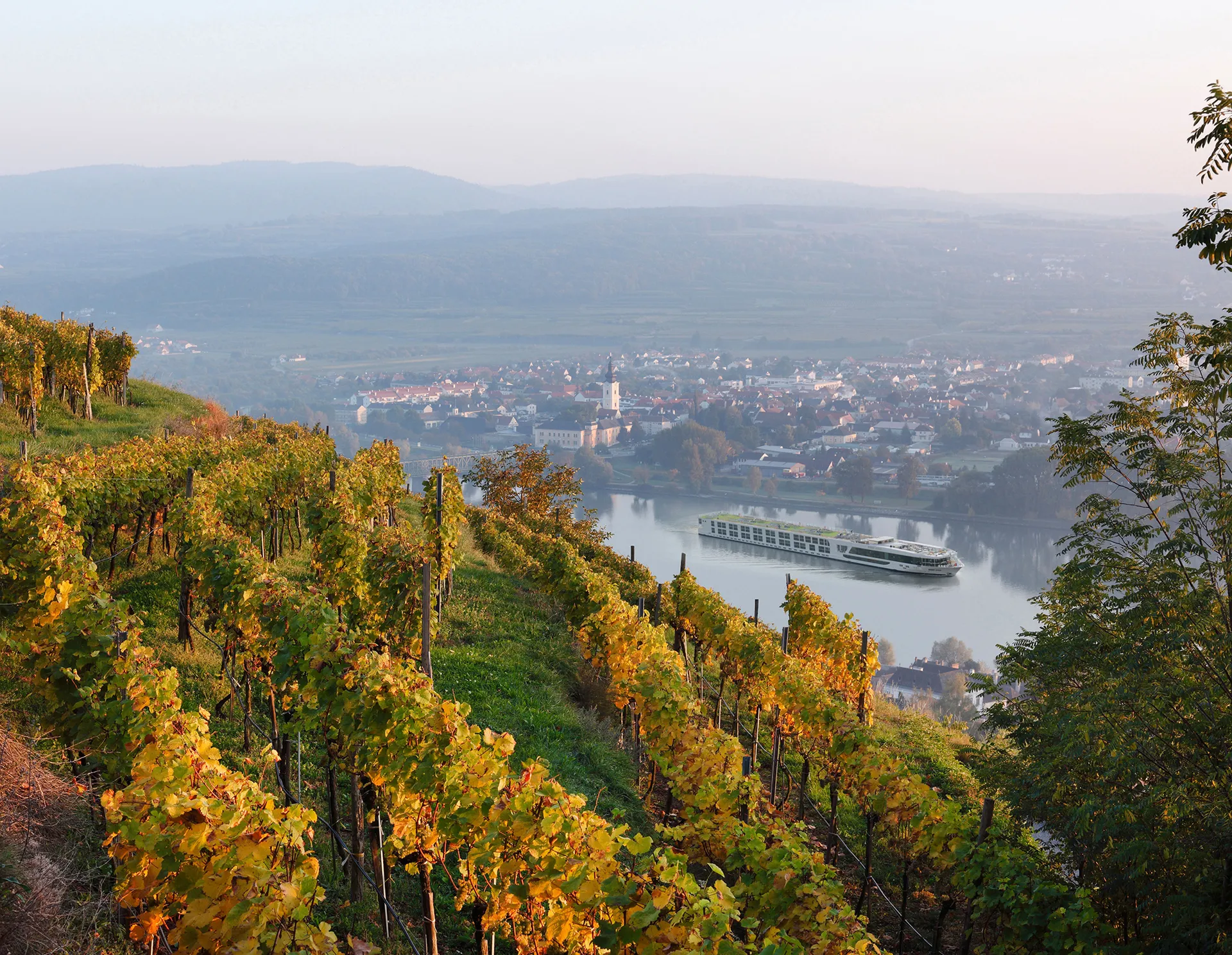
Scenic Jasper 1
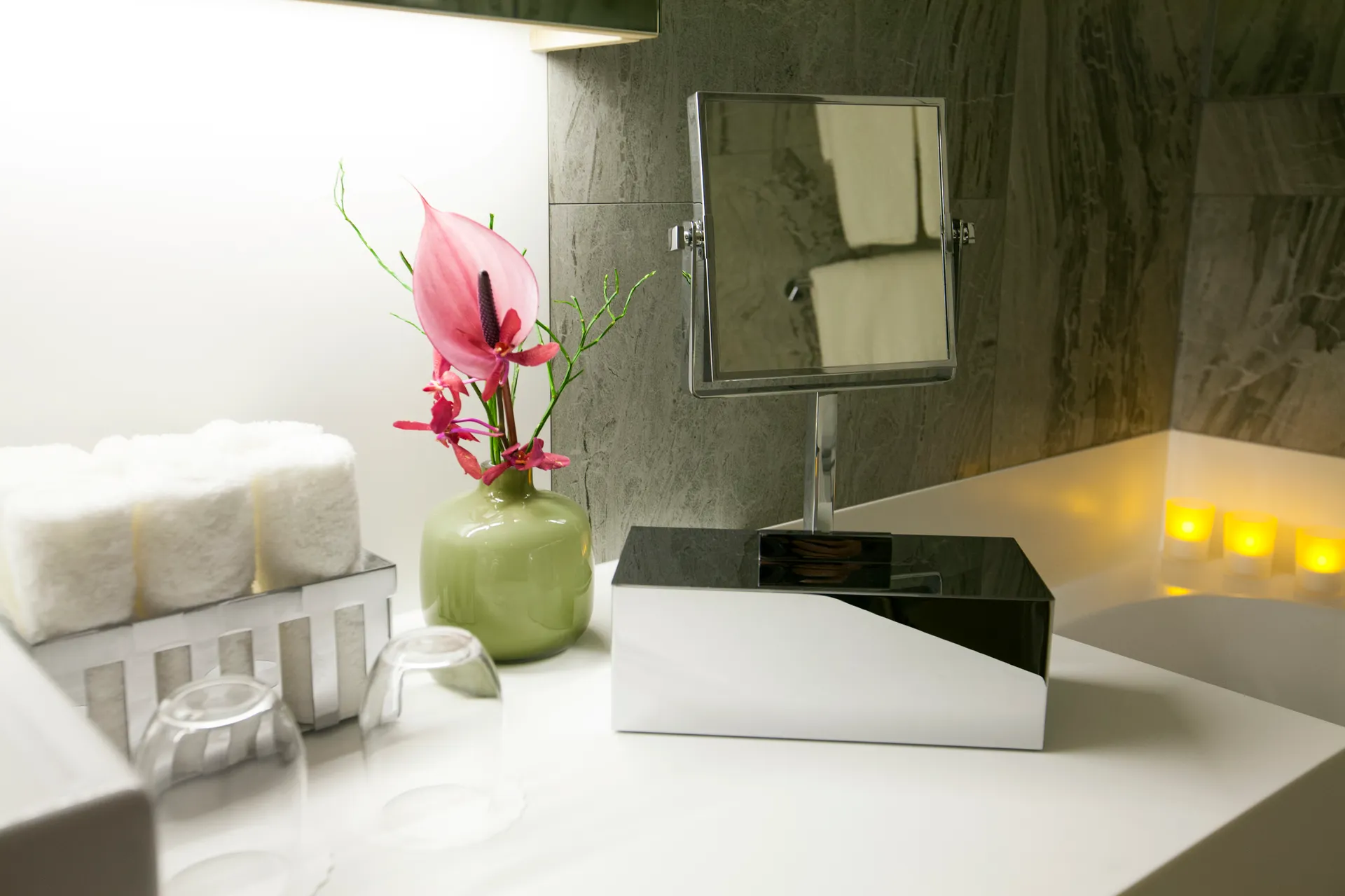
Scenic Jasper 2
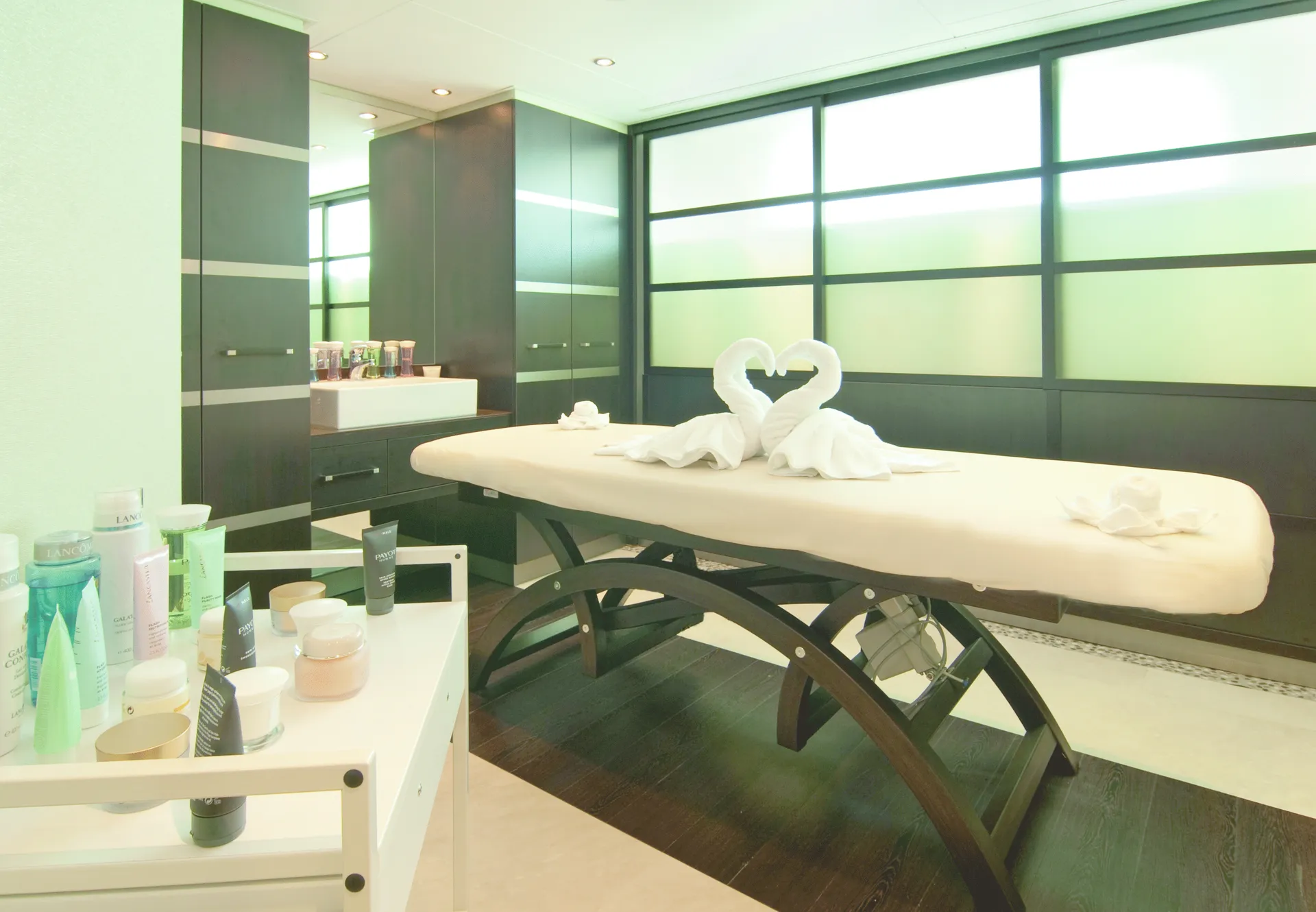
Scenic Jasper 3
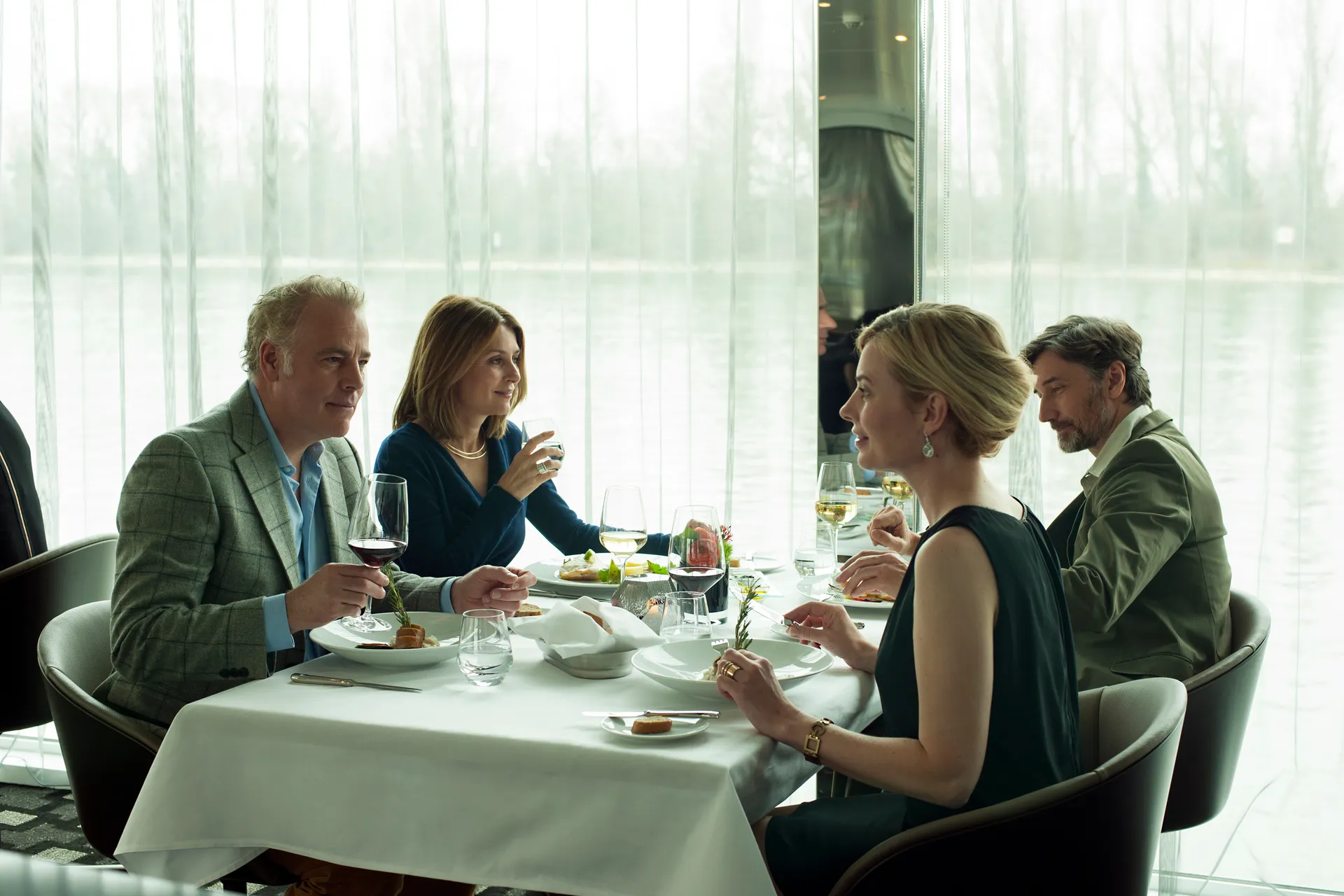
Scenic Jasper 4
Scenic Jasper 5
Scenic Jasper 6
Scenic Jasper 7
Scenic Jasper 8
1 / 8

Scenic River Cruises

Scenic Jasper

Space-Ship

Launched

2015

Refitted

—

Tonnage

2,721 GT

Passengers

169

Cabins

—

Crew

53

Length

—

Width

—

Speed

—

Adults Only

No

View Details

Itinerary

Day 1

Day 1

Zurich

Zurich

Zurich's port is a dynamic entry point to Switzerland’s rich history and stunning landscapes, making it a special destination for luxury travelers. Don't miss indulging in the local specialty, Zürcher Geschnetzeltes, and exploring the charming Old Town. The best time to visit is during the summer months when the city comes alive with festivals and events along the lakefront.

Day 1

Day 1

Basel

Basel

Basel, where Switzerland, France, and Germany converge at the Rhine's northward bend, hosts a concentration of world-class art institutions that rivals any city its size on earth — the Kunstmuseum alone, the world's oldest public art collection, could occupy days, and Art Basel each June draws every name that matters in the contemporary art world to this compact, elegant city. The Rhine itself is the city's great social artery: in summer, locals jump in with waterproof bags and float downstream, a tradition as charming as any museum. Spring through autumn is ideal for outdoor exploration; Paris is just three hours by TGV and Strasbourg a mere twenty minutes by train.

Day 2

Day 2

Breisach

Breisach

Breisach am Rhein clings to a volcanic hilltop at the French-German border, commanding the Upper Rhine crossing that made it one of the most fought-over towns in European history — a past the Romanesque-Gothic Münster St. Stephan surveys serenely from its commanding heights. Today peace reigns, and Breisach's true gift is its position as a gateway to three celebrated wine regions: the German Kaiserstuhl, producing some of Germany's finest Spätburgunder; the French Alsace, just across the Rhine; and the rolling hills of the Baden wine country to the east. Visit in autumn for harvest season across all three regions simultaneously. Freiburg im Breisgau, the Black Forest's graceful capital, lies twenty minutes east.

Day 3

Day 3

Kehl

Kehl

Sitting directly across the Rhine from Strasbourg, Kehl offers Rhine river cruise guests the remarkable experience of crossing from Germany into France in five minutes on foot — arriving at a medieval Alsatian cathedral quarter whose tarte flambée, Riesling estates, and half-timbered Petite France canals represent some of Europe's most enduring pleasures. The surrounding Black Forest and Alsatian Wine Route extend the discovery. Spring blossoms and autumn harvest are the most atmospheric times to visit this Franco-German frontier town.

Day 3

Day 3

Strasbourg

Strasbourg

Strasbourg is one of Europe's great border cities, its Franco-German soul etched into every half-timbered façade of the UNESCO-listed Grande Île and every turret of the soaring rose-sandstone cathedral that reigned as the world's tallest building for over two centuries. As the seat of the European Parliament and home to the European Court of Human Rights, this sophisticated Alsatian capital savors outstanding Riesling and choucroute garnie with equal Continental pride. The city dazzles year-round, though December's legendary Christmas market — among the oldest in Europe — transforms its medieval squares into an enchanted winter spectacle.

Day 4

Day 4

Mannheim

Mannheim

The port of Mannheim is a vibrant hub located at the confluence of the Rhine and Neckar rivers, celebrated for its rich history and stunning architecture. Must-do experiences include savoring local dishes like Mannheimer Maultaschen and exploring nearby attractions such as Heidelberg and Bernkastel. The best season to visit is during the summer months, when the city comes alive with festivals and outdoor activities.

Day 5

Day 5

Rhine Gorge

The Rhine Gorge, a UNESCO World Heritage site, is a stunning section of the Rhine River renowned for its historic castles and picturesque towns. Must-do experiences include savoring local Riesling wines and exploring the charming markets. The best season to visit is in late spring through early autumn when the vineyards are lush and the weather is delightful.

Day 5

Day 5

Rudesheim

Rudesheim

Rüdesheim am Rhein, a jewel of the UNESCO-listed Upper Middle Rhine Valley, is where Germany's most storied wine river cuts through vine-terraced slopes and medieval castle ruins. The pedestrianised Drosselgasse laneway — beloved since the Romantic era — hums with wine taverns pouring the region's celebrated Rieslings, crisp and mineral from the slate soils. The Niederwald Monument surveys the river from the heights, reached by cable car above the vineyards. Day trips by boat unlock Bacharach, Boppard, and the legendary Lorelei rock. September's harvest festivals transform the entire valley into a convivial celebration of the vintage.

Day 6

Day 6

Cochem

Cochem

The Reichsburg Cochem — a turreted fairy-tale castle presiding over a loop of the Moselle River — is among Germany's most photogenic medieval fortresses, its silhouette rising above terraced vineyards of ancient Riesling vines. The town below offers a charming ensemble of half-timbered houses, wine-cellar tastings, and cycle paths threading through valley landscapes that have barely changed in centuries. Arrive in September for the harvest festival, when the whole town smells of fermenting Riesling, or choose May for blossom-framed panoramas and long golden evenings on the riverside terraces.

Day 7

Day 7

Bernkastel

Bernkastel

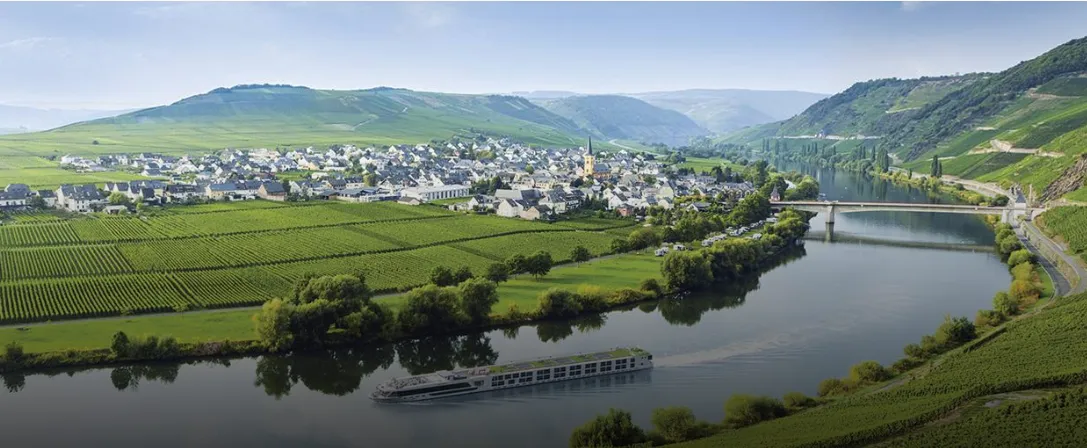
Bernkastel-Kues, the twin town straddling the Moselle, has been synonymous with Riesling for six centuries — home to the legendary Bernkasteler Doctor vineyard, whose precipitous south-facing slope has produced wines of such renown that a single hectare once sold for a record price. The Marktplatz, virtually unchanged since the seventeenth century, is Germany's most photogenic half-timbered market square: a stage-set of crooked facades and flower-hung balconies best appreciated over a glass of Spätlese in the late afternoon light. September brings the annual Moselle Wine Festival to the riverbanks. Trier, Germany's oldest city with its spectacular Roman amphitheatre, lies forty minutes upstream.

Day 8

Day 8

Moselle Valley Cruising

Day 9

Day 9

Koblenz

Koblenz

Koblenz stands at the Deutsches Eck — the German Corner — where the Moselle river pours into the Rhine in a confluence so geographically commanding that the Romans built a fortress here in 9 BC. The result is a city of exceptional Rhine Gorge scenery, with the formidable Ehrenbreitstein Fortress, one of Europe's largest, crowning the opposite bank and reachable by gondola for panoramas that stretch across three river valleys. A Rhine wine tasting at one of the city's historic Weinstuben, followed by a stroll through the Altstadt's baroque squares, is the definitive Koblenz afternoon. The finest weather arrives April through October, with the Rhine in Flames fireworks festival in August being particularly spectacular.

Day 10

Day 10

Dusseldorf

Dusseldorf

Düsseldorf's port is a vibrant hub of culture and history, offering a unique blend of modern architecture and traditional charm. Must-do experiences include sampling the local Altbier and Rheintopf stew and exploring the nearby picturesque town of Wertheim. The best season to visit is during the spring, when the city blossoms and outdoor activities abound.

Day 11

Day 11

Arnhem

Arnhem

Arnhem, the refined capital of Gelderland province, sits along the Lower Rhine in the eastern Netherlands — a city where wartime history, world-class art at the Kröller-Müller Museum, and the wild beauty of De Hoge Veluwe National Park converge. Visitors should not miss the Van Gogh collection and sculpture gardens, nor the chance to taste *Arnhemse meisjes*, the city's signature nineteenth-century biscuit. Late spring through early autumn offers the finest conditions, when Sonsbeek Park's woodland ravines are lush and the riverside terraces invite long, golden evenings.

Day 12

Day 12

Antwerp

Antwerp

Antwerp has been one of Europe's great mercantile capitals since the fifteenth century, when it commanded the world's first commodity exchange and Peter Paul Rubens made it the artistic capital of the Baroque world — a legacy preserved in the magnificent Rubenshuis studio and the soaring Cathedral of Our Lady, whose nave houses four of the master's greatest altarpieces. Today the city leads global fashion from the acclaimed Antwerp Six design school and remains the diamond capital of the world, with 84% of the world's rough diamonds trading through its storied district. Visit in spring or autumn; Brussels and Bruges are each under an hour away by train.

Day 13

Day 13

Veere

Veere

Veere is a perfectly preserved Dutch harbour village in Zeeland province that once served as Scotland's official trading port for over 250 years. Must-dos include exploring the grand Grote Kerk and Scottish Houses, feasting on Eastern Scheldt mussels and oysters, and cycling the flat dike paths to the Delta Works. Visit between May and September for golden-lit evenings and lively waterfront café culture.

Day 14

Day 14

Utrecht

Utrecht

The port of Utrecht is a charming gateway to a city rich in history, offering a unique blend of medieval architecture and contemporary culture. Must-do experiences include savoring local delicacies like Utrechtsche taart and exploring the picturesque canals. The best time to visit is during the spring or early summer, when the city is alive with vibrant festivals and blooming landscapes.

Day 15

Day 15

Amsterdam

Amsterdam

Amsterdam's UNESCO-listed canal ring — a concentric web of seventeenth-century merchant houses and arching stone bridges — remains one of the Western world's most perfectly preserved Golden Age cityscapes, best explored by bicycle or canal boat at a pace that lets the city's genius reveal itself slowly. The Rijksmuseum's collection of Rembrandt and Vermeer masterpieces is essential, while the Anne Frank House offers one of Europe's most profoundly moving historical encounters. Spring brings the iconic tulip season; summer fills the terraces of the Jordaan district. Schiphol Airport makes Amsterdam a seamless gateway to the entire European continent.

Day 17

Day 17

Cologne

Cologne

Cologne's twin-spired Gothic cathedral, six hundred years in the building and still the city's defining monument, is the inevitable starting point — but this ancient Rhine city rewards exploration well beyond its iconic silhouette. The Romano-Germanic Museum reveals the city's Roman foundations, while the Chocolate Museum on the riverbank offers a distinctly sweeter history lesson. Cologne's famed Kölsch beer culture thrives in the old town's traditional brew-houses, where one round follows another in centuries-old wooden halls. The city is welcoming year-round, though the legendary Christmas markets (November–December) attract visitors from across Europe.

Day 18

Day 18

Rhine Gorge

The Rhine Gorge, a UNESCO World Heritage site, is a stunning section of the Rhine River renowned for its historic castles and picturesque towns. Must-do experiences include savoring local Riesling wines and exploring the charming markets. The best season to visit is in late spring through early autumn when the vineyards are lush and the weather is delightful.

Day 18

Day 18

Rudesheim

Rudesheim

Rüdesheim am Rhein, a jewel of the UNESCO-listed Upper Middle Rhine Valley, is where Germany's most storied wine river cuts through vine-terraced slopes and medieval castle ruins. The pedestrianised Drosselgasse laneway — beloved since the Romantic era — hums with wine taverns pouring the region's celebrated Rieslings, crisp and mineral from the slate soils. The Niederwald Monument surveys the river from the heights, reached by cable car above the vineyards. Day trips by boat unlock Bacharach, Boppard, and the legendary Lorelei rock. September's harvest festivals transform the entire valley into a convivial celebration of the vintage.

Day 19

Day 19

Miltenberg

Miltenberg

Miltenberg is a captivating port town in Germany, renowned for its stunning half-timbered architecture and rich historical heritage. Must-do experiences include indulging in local specialties like Miltenberger Käse and Schäufele, and exploring the nearby towns of Wertheim and Bernkastel. The best season to visit is during the late spring and summer months when the town's vibrant markets and outdoor atmosphere come alive.

Day 19

Day 19

Wertheim

Wertheim

Perched at the confluence of the Main and Tauber rivers beneath the romantic ruins of a 12th-century count's castle, Wertheim is one of Franconia's most perfectly preserved medieval towns — a place where timber-framed houses lean over cobbled market squares and where the bone-dry Silvaner poured from the distinctive Bocksbeutel bottle defines the regional table. Day trips to baroque Würzburg, the medieval perfection of Rothenburg ob der Tauber, and the half-timbered town of Miltenberg complete the picture. September's wine harvest brings the Tauber Valley to its most golden.

Day 20

Day 20

Wurzburg

Wurzburg

Würzburg, presiding over the Main River at the northern gateway of the Romantic Road, is Bavaria's most elegantly baroque city — its skyline commanded by the medieval Marienberg Fortress and its streets presided over by the magnificent Residenz, a UNESCO-listed princely palace whose frescoed Treppenhaus ceiling by Tiepolo is considered the largest fresco in the world. The surrounding Franconian wine country produces some of Germany's most distinctive Silvaner and Riesling, sold in the iconic bocksbeutel flask from cellars carved directly beneath the old city. Spring through autumn reveals the vine-clad hillsides in their most photogenic splendor; the historic Weinfest am Stein wine festival each September is a highlight of the Franconian calendar.

Day 21

Day 21

Bamberg

Bamberg

Bamberg, the 'Franconian Rome,' is a UNESCO World Heritage city whose medieval old town — seven hills, four Romanesque-Gothic cathedral towers, and an Old Town Hall balanced impossibly on an island in the Regnitz River — survived World War II entirely intact, a miracle of preservation unique in Germany. The city is equally celebrated for its extraordinary smoked beer, Rauchbier, a speciality brewed in family-owned breweries for centuries and best tasted in the old quarter's atmospheric taverns beside a plate of smoked meats. Spring and early summer are ideal for the surrounding Franconian countryside in bloom. Nuremberg is forty minutes by rail.

Day 22

Day 22

Nuremberg

Nuremberg

Nuremberg commands the imagination on two levels: as the glittering medieval city where Holy Roman Emperors held court, Albrecht Dürer was born, and craftsmen produced the first pocket watch — and as the site of the 20th century's darkest chapter, where Nazi rallies and subsequent war crimes trials left permanent marks on European history and conscience. The Kaiserburg castle crowning the hill above the perfectly preserved old town offers sweeping views of a cityscape that, despite wartime bombing, remains one of Germany's most beautiful. The Documentation Centre on the former Nazi Rally Grounds is essential, sobering history; the Christmas Market on the Hauptmarkt, held since 1628, is among Europe's finest. Visit May through October or December.

Day 23

Day 23

Regensburg

Regensburg

Regensburg, Bavaria's medieval masterpiece on the Danube, is one of Central Europe's most intact ancient cities — its Roman origins visible in the Porta Praetoria stone gate, its medieval prosperity celebrated in the soaring twin towers of St. Peter's Cathedral and the twelfth-century Stone Bridge. UNESCO World Heritage status acknowledges a skyline dotted with patrician towers, while the famous Historische Wurstküchl, Germany's oldest operating sausage kitchen, has been serving spit-grilled bratwurst since the 1140s. The surrounding hills produce excellent Bavarian whites. May through September offers the most convivial riverbank atmosphere.

Day 24

Day 24

Passau

Passau

Passau occupies one of Central Europe's most dramatic natural stages — a narrow peninsula at the confluence of three rivers, the Danube, Inn, and Ilz, where the old town's baroque spires and shuttered merchants' houses crowd the very tip of the land between the waters. St. Stephen's Cathedral houses the world's largest church organ, a 17,974-pipe instrument whose daily concerts fill the nave with a sound that seems architectural in its density. The Veste Oberhaus fortress above the city commands panoramic views across three countries on clear days. Passau is a classic Danube river cruise departure point; spring and early autumn, when the river runs high and the light turns golden, are the finest seasons.

Day 25

Day 25

Durnstein

Durnstein

Dürnstein is the jewel of the Wachau — that UNESCO-protected stretch of the Danube where medieval villages, baroque spires, and precipitous terraced vineyards create the most picturesque river landscape in Central Europe. The blue-and-white tower of the Augustinian monastery and the dramatic ruins of the castle where Richard the Lionheart was imprisoned in 1192 define a skyline of romantic perfection. The surrounding vineyards produce some of Austria's greatest Grüner Veltliners and Rieslings; tasting rooms open directly onto the river path. May through October offers the finest conditions, with harvest season in September an especially memorable time to visit.

Day 25

Day 25

Krems

Krems

Krems an der Donau has stood at the eastern gateway of the Wachau Valley — Austria's most beautiful stretch of the Danube — since Emperor Otto III granted it market rights in 995 AD, making it one of the country's oldest documented towns. The UNESCO-listed Wachau landscape surrounding the city is a masterpiece of vineyard terraces, Baroque abbeys, and medieval castles reflected in the river; the Grüner Veltliner and Riesling wines produced here are among Austria's finest. Must-dos include visiting the monumental Melk Abbey and cycling the Danube Cycle Path through the valley. Krems is most enchanting April through October, with the harvest season in September offering wine cellar tastings of exceptional depth.

Day 26

Day 26

Vienna

Vienna

The port of Vienna is a cultural gem along the Danube River, famous for its stunning architecture, rich history, and vibrant culinary scene. Must-do experiences include sampling authentic Wiener Schnitzel and visiting the picturesque village of Dürnstein. The best season to visit is spring or early fall, when the city's gardens bloom and outdoor activities abound.

Day 28

Day 28

Budapest

Budapest

Budapest, divided by the Danube into the hilly Buda of thermal baths and medieval castle lanes on one bank and the grand Pest of coffee-house culture and Art Nouveau splendor on the other, delivers the most theatrical first impression of any European capital — whether approached by river as the neo-Gothic Parliament materializes from the water or by night from the Citadella's sweep of illuminated panorama below. The city's celebrated thermal bath culture, rooted in Ottoman-era hammams and perfected in palatial Secession-era pools like the Széchenyi, is an experience entirely unlike anything else in Europe. Visit spring and autumn for comfortable temperatures; Vienna is two and a half hours west by train.

Day 1

Zurich

Zurich

Zurich's port is a dynamic entry point to Switzerland’s rich history and stunning landscapes, making it a special destination for luxury travelers. Don't miss indulging in the local specialty, Zürcher Geschnetzeltes, and exploring the charming Old Town. The best time to visit is during the summer months when the city comes alive with festivals and events along the lakefront.

Basel

Basel

Basel, where Switzerland, France, and Germany converge at the Rhine's northward bend, hosts a concentration of world-class art institutions that rivals any city its size on earth — the Kunstmuseum alone, the world's oldest public art collection, could occupy days, and Art Basel each June draws every name that matters in the contemporary art world to this compact, elegant city. The Rhine itself is the city's great social artery: in summer, locals jump in with waterproof bags and float downstream, a tradition as charming as any museum. Spring through autumn is ideal for outdoor exploration; Paris is just three hours by TGV and Strasbourg a mere twenty minutes by train.

Day 2

Breisach

Breisach

Breisach am Rhein clings to a volcanic hilltop at the French-German border, commanding the Upper Rhine crossing that made it one of the most fought-over towns in European history — a past the Romanesque-Gothic Münster St. Stephan surveys serenely from its commanding heights. Today peace reigns, and Breisach's true gift is its position as a gateway to three celebrated wine regions: the German Kaiserstuhl, producing some of Germany's finest Spätburgunder; the French Alsace, just across the Rhine; and the rolling hills of the Baden wine country to the east. Visit in autumn for harvest season across all three regions simultaneously. Freiburg im Breisgau, the Black Forest's graceful capital, lies twenty minutes east.

Day 3

Kehl

Kehl

Sitting directly across the Rhine from Strasbourg, Kehl offers Rhine river cruise guests the remarkable experience of crossing from Germany into France in five minutes on foot — arriving at a medieval Alsatian cathedral quarter whose tarte flambée, Riesling estates, and half-timbered Petite France canals represent some of Europe's most enduring pleasures. The surrounding Black Forest and Alsatian Wine Route extend the discovery. Spring blossoms and autumn harvest are the most atmospheric times to visit this Franco-German frontier town.

Strasbourg

Strasbourg

Strasbourg is one of Europe's great border cities, its Franco-German soul etched into every half-timbered façade of the UNESCO-listed Grande Île and every turret of the soaring rose-sandstone cathedral that reigned as the world's tallest building for over two centuries. As the seat of the European Parliament and home to the European Court of Human Rights, this sophisticated Alsatian capital savors outstanding Riesling and choucroute garnie with equal Continental pride. The city dazzles year-round, though December's legendary Christmas market — among the oldest in Europe — transforms its medieval squares into an enchanted winter spectacle.

Day 4

Mannheim

Mannheim

The port of Mannheim is a vibrant hub located at the confluence of the Rhine and Neckar rivers, celebrated for its rich history and stunning architecture. Must-do experiences include savoring local dishes like Mannheimer Maultaschen and exploring nearby attractions such as Heidelberg and Bernkastel. The best season to visit is during the summer months, when the city comes alive with festivals and outdoor activities.

Day 5

Rhine Gorge

The Rhine Gorge, a UNESCO World Heritage site, is a stunning section of the Rhine River renowned for its historic castles and picturesque towns. Must-do experiences include savoring local Riesling wines and exploring the charming markets. The best season to visit is in late spring through early autumn when the vineyards are lush and the weather is delightful.

Rudesheim

Rudesheim

Rüdesheim am Rhein, a jewel of the UNESCO-listed Upper Middle Rhine Valley, is where Germany's most storied wine river cuts through vine-terraced slopes and medieval castle ruins. The pedestrianised Drosselgasse laneway — beloved since the Romantic era — hums with wine taverns pouring the region's celebrated Rieslings, crisp and mineral from the slate soils. The Niederwald Monument surveys the river from the heights, reached by cable car above the vineyards. Day trips by boat unlock Bacharach, Boppard, and the legendary Lorelei rock. September's harvest festivals transform the entire valley into a convivial celebration of the vintage.

Day 6

Cochem

Cochem

The Reichsburg Cochem — a turreted fairy-tale castle presiding over a loop of the Moselle River — is among Germany's most photogenic medieval fortresses, its silhouette rising above terraced vineyards of ancient Riesling vines. The town below offers a charming ensemble of half-timbered houses, wine-cellar tastings, and cycle paths threading through valley landscapes that have barely changed in centuries. Arrive in September for the harvest festival, when the whole town smells of fermenting Riesling, or choose May for blossom-framed panoramas and long golden evenings on the riverside terraces.

Day 7

Bernkastel

Bernkastel

Bernkastel-Kues, the twin town straddling the Moselle, has been synonymous with Riesling for six centuries — home to the legendary Bernkasteler Doctor vineyard, whose precipitous south-facing slope has produced wines of such renown that a single hectare once sold for a record price. The Marktplatz, virtually unchanged since the seventeenth century, is Germany's most photogenic half-timbered market square: a stage-set of crooked facades and flower-hung balconies best appreciated over a glass of Spätlese in the late afternoon light. September brings the annual Moselle Wine Festival to the riverbanks. Trier, Germany's oldest city with its spectacular Roman amphitheatre, lies forty minutes upstream.

Day 8

Moselle Valley Cruising

Day 9

Koblenz

Koblenz

Koblenz stands at the Deutsches Eck — the German Corner — where the Moselle river pours into the Rhine in a confluence so geographically commanding that the Romans built a fortress here in 9 BC. The result is a city of exceptional Rhine Gorge scenery, with the formidable Ehrenbreitstein Fortress, one of Europe's largest, crowning the opposite bank and reachable by gondola for panoramas that stretch across three river valleys. A Rhine wine tasting at one of the city's historic Weinstuben, followed by a stroll through the Altstadt's baroque squares, is the definitive Koblenz afternoon. The finest weather arrives April through October, with the Rhine in Flames fireworks festival in August being particularly spectacular.

Day 10

Dusseldorf

Dusseldorf

Düsseldorf's port is a vibrant hub of culture and history, offering a unique blend of modern architecture and traditional charm. Must-do experiences include sampling the local Altbier and Rheintopf stew and exploring the nearby picturesque town of Wertheim. The best season to visit is during the spring, when the city blossoms and outdoor activities abound.

Day 11

Arnhem

Arnhem

Arnhem, the refined capital of Gelderland province, sits along the Lower Rhine in the eastern Netherlands — a city where wartime history, world-class art at the Kröller-Müller Museum, and the wild beauty of De Hoge Veluwe National Park converge. Visitors should not miss the Van Gogh collection and sculpture gardens, nor the chance to taste *Arnhemse meisjes*, the city's signature nineteenth-century biscuit. Late spring through early autumn offers the finest conditions, when Sonsbeek Park's woodland ravines are lush and the riverside terraces invite long, golden evenings.

Day 12

Antwerp

Antwerp

Antwerp has been one of Europe's great mercantile capitals since the fifteenth century, when it commanded the world's first commodity exchange and Peter Paul Rubens made it the artistic capital of the Baroque world — a legacy preserved in the magnificent Rubenshuis studio and the soaring Cathedral of Our Lady, whose nave houses four of the master's greatest altarpieces. Today the city leads global fashion from the acclaimed Antwerp Six design school and remains the diamond capital of the world, with 84% of the world's rough diamonds trading through its storied district. Visit in spring or autumn; Brussels and Bruges are each under an hour away by train.

Day 13

Veere

Veere

Veere is a perfectly preserved Dutch harbour village in Zeeland province that once served as Scotland's official trading port for over 250 years. Must-dos include exploring the grand Grote Kerk and Scottish Houses, feasting on Eastern Scheldt mussels and oysters, and cycling the flat dike paths to the Delta Works. Visit between May and September for golden-lit evenings and lively waterfront café culture.

Day 14

Utrecht

Utrecht

The port of Utrecht is a charming gateway to a city rich in history, offering a unique blend of medieval architecture and contemporary culture. Must-do experiences include savoring local delicacies like Utrechtsche taart and exploring the picturesque canals. The best time to visit is during the spring or early summer, when the city is alive with vibrant festivals and blooming landscapes.

Day 15

Amsterdam

Amsterdam

Amsterdam's UNESCO-listed canal ring — a concentric web of seventeenth-century merchant houses and arching stone bridges — remains one of the Western world's most perfectly preserved Golden Age cityscapes, best explored by bicycle or canal boat at a pace that lets the city's genius reveal itself slowly. The Rijksmuseum's collection of Rembrandt and Vermeer masterpieces is essential, while the Anne Frank House offers one of Europe's most profoundly moving historical encounters. Spring brings the iconic tulip season; summer fills the terraces of the Jordaan district. Schiphol Airport makes Amsterdam a seamless gateway to the entire European continent.

Day 17

Cologne

Cologne

Cologne's twin-spired Gothic cathedral, six hundred years in the building and still the city's defining monument, is the inevitable starting point — but this ancient Rhine city rewards exploration well beyond its iconic silhouette. The Romano-Germanic Museum reveals the city's Roman foundations, while the Chocolate Museum on the riverbank offers a distinctly sweeter history lesson. Cologne's famed Kölsch beer culture thrives in the old town's traditional brew-houses, where one round follows another in centuries-old wooden halls. The city is welcoming year-round, though the legendary Christmas markets (November–December) attract visitors from across Europe.

Day 18

Rhine Gorge

The Rhine Gorge, a UNESCO World Heritage site, is a stunning section of the Rhine River renowned for its historic castles and picturesque towns. Must-do experiences include savoring local Riesling wines and exploring the charming markets. The best season to visit is in late spring through early autumn when the vineyards are lush and the weather is delightful.

Rudesheim

Rudesheim

Rüdesheim am Rhein, a jewel of the UNESCO-listed Upper Middle Rhine Valley, is where Germany's most storied wine river cuts through vine-terraced slopes and medieval castle ruins. The pedestrianised Drosselgasse laneway — beloved since the Romantic era — hums with wine taverns pouring the region's celebrated Rieslings, crisp and mineral from the slate soils. The Niederwald Monument surveys the river from the heights, reached by cable car above the vineyards. Day trips by boat unlock Bacharach, Boppard, and the legendary Lorelei rock. September's harvest festivals transform the entire valley into a convivial celebration of the vintage.

Day 19

Miltenberg

Miltenberg

Miltenberg is a captivating port town in Germany, renowned for its stunning half-timbered architecture and rich historical heritage. Must-do experiences include indulging in local specialties like Miltenberger Käse and Schäufele, and exploring the nearby towns of Wertheim and Bernkastel. The best season to visit is during the late spring and summer months when the town's vibrant markets and outdoor atmosphere come alive.

Wertheim

Wertheim

Perched at the confluence of the Main and Tauber rivers beneath the romantic ruins of a 12th-century count's castle, Wertheim is one of Franconia's most perfectly preserved medieval towns — a place where timber-framed houses lean over cobbled market squares and where the bone-dry Silvaner poured from the distinctive Bocksbeutel bottle defines the regional table. Day trips to baroque Würzburg, the medieval perfection of Rothenburg ob der Tauber, and the half-timbered town of Miltenberg complete the picture. September's wine harvest brings the Tauber Valley to its most golden.

Day 20

Wurzburg

Wurzburg

Würzburg, presiding over the Main River at the northern gateway of the Romantic Road, is Bavaria's most elegantly baroque city — its skyline commanded by the medieval Marienberg Fortress and its streets presided over by the magnificent Residenz, a UNESCO-listed princely palace whose frescoed Treppenhaus ceiling by Tiepolo is considered the largest fresco in the world. The surrounding Franconian wine country produces some of Germany's most distinctive Silvaner and Riesling, sold in the iconic bocksbeutel flask from cellars carved directly beneath the old city. Spring through autumn reveals the vine-clad hillsides in their most photogenic splendor; the historic Weinfest am Stein wine festival each September is a highlight of the Franconian calendar.

Day 21

Bamberg

Bamberg

Bamberg, the 'Franconian Rome,' is a UNESCO World Heritage city whose medieval old town — seven hills, four Romanesque-Gothic cathedral towers, and an Old Town Hall balanced impossibly on an island in the Regnitz River — survived World War II entirely intact, a miracle of preservation unique in Germany. The city is equally celebrated for its extraordinary smoked beer, Rauchbier, a speciality brewed in family-owned breweries for centuries and best tasted in the old quarter's atmospheric taverns beside a plate of smoked meats. Spring and early summer are ideal for the surrounding Franconian countryside in bloom. Nuremberg is forty minutes by rail.

Day 22

Nuremberg

Nuremberg

Nuremberg commands the imagination on two levels: as the glittering medieval city where Holy Roman Emperors held court, Albrecht Dürer was born, and craftsmen produced the first pocket watch — and as the site of the 20th century's darkest chapter, where Nazi rallies and subsequent war crimes trials left permanent marks on European history and conscience. The Kaiserburg castle crowning the hill above the perfectly preserved old town offers sweeping views of a cityscape that, despite wartime bombing, remains one of Germany's most beautiful. The Documentation Centre on the former Nazi Rally Grounds is essential, sobering history; the Christmas Market on the Hauptmarkt, held since 1628, is among Europe's finest. Visit May through October or December.

Day 23

Regensburg

Regensburg

Regensburg, Bavaria's medieval masterpiece on the Danube, is one of Central Europe's most intact ancient cities — its Roman origins visible in the Porta Praetoria stone gate, its medieval prosperity celebrated in the soaring twin towers of St. Peter's Cathedral and the twelfth-century Stone Bridge. UNESCO World Heritage status acknowledges a skyline dotted with patrician towers, while the famous Historische Wurstküchl, Germany's oldest operating sausage kitchen, has been serving spit-grilled bratwurst since the 1140s. The surrounding hills produce excellent Bavarian whites. May through September offers the most convivial riverbank atmosphere.

Day 24

Passau

Passau

Passau occupies one of Central Europe's most dramatic natural stages — a narrow peninsula at the confluence of three rivers, the Danube, Inn, and Ilz, where the old town's baroque spires and shuttered merchants' houses crowd the very tip of the land between the waters. St. Stephen's Cathedral houses the world's largest church organ, a 17,974-pipe instrument whose daily concerts fill the nave with a sound that seems architectural in its density. The Veste Oberhaus fortress above the city commands panoramic views across three countries on clear days. Passau is a classic Danube river cruise departure point; spring and early autumn, when the river runs high and the light turns golden, are the finest seasons.

Day 25

Durnstein

Durnstein

Dürnstein is the jewel of the Wachau — that UNESCO-protected stretch of the Danube where medieval villages, baroque spires, and precipitous terraced vineyards create the most picturesque river landscape in Central Europe. The blue-and-white tower of the Augustinian monastery and the dramatic ruins of the castle where Richard the Lionheart was imprisoned in 1192 define a skyline of romantic perfection. The surrounding vineyards produce some of Austria's greatest Grüner Veltliners and Rieslings; tasting rooms open directly onto the river path. May through October offers the finest conditions, with harvest season in September an especially memorable time to visit.

Krems

Krems

Krems an der Donau has stood at the eastern gateway of the Wachau Valley — Austria's most beautiful stretch of the Danube — since Emperor Otto III granted it market rights in 995 AD, making it one of the country's oldest documented towns. The UNESCO-listed Wachau landscape surrounding the city is a masterpiece of vineyard terraces, Baroque abbeys, and medieval castles reflected in the river; the Grüner Veltliner and Riesling wines produced here are among Austria's finest. Must-dos include visiting the monumental Melk Abbey and cycling the Danube Cycle Path through the valley. Krems is most enchanting April through October, with the harvest season in September offering wine cellar tastings of exceptional depth.

Day 26

Vienna

Vienna

The port of Vienna is a cultural gem along the Danube River, famous for its stunning architecture, rich history, and vibrant culinary scene. Must-do experiences include sampling authentic Wiener Schnitzel and visiting the picturesque village of Dürnstein. The best season to visit is spring or early fall, when the city's gardens bloom and outdoor activities abound.

Day 28

Budapest

Budapest

Budapest, divided by the Danube into the hilly Buda of thermal baths and medieval castle lanes on one bank and the grand Pest of coffee-house culture and Art Nouveau splendor on the other, delivers the most theatrical first impression of any European capital — whether approached by river as the neo-Gothic Parliament materializes from the water or by night from the Citadella's sweep of illuminated panorama below. The city's celebrated thermal bath culture, rooted in Ottoman-era hammams and perfected in palatial Secession-era pools like the Széchenyi, is an experience entirely unlike anything else in Europe. Visit spring and autumn for comfortable temperatures; Vienna is two and a half hours west by train.

Cabin Categories

Junior Balcony Suite 1
Junior Balcony Suite 2
Junior Balcony Suite 4

Junior Balcony Suite

Suite
250 m²Max 2
B1JBJRJ

These 250ft²spacious Suites, are located on the Sapphire and Diamond Decks. They have a private full-length balcony complete with a Scenic Sun Lounge and elegant en-suite bathrooms, featuring a large vanity basin and shower.

Queen or Twin ConfigurationLounge AreaShowerToiletries ProvidedSuite BenefitsFree Mini Bar+5
View Details
Royal Balcony Suite 1
Royal Balcony Suite 2
Royal Balcony Suite 5

Royal Balcony Suite

Suite
360 m²Max 2
RR

These Suites located on the Diamond Deck are the ultimate in luxury with more space, impeccable service, thoughtful touches, an outdoor balcony, lounge area and an oversized bathroom.

Queen or Twin ConfigurationShowerBathToiletries ProvidedRoom Service AvailableSuite Benefits+6
View Details
Royal Owner's Suite 1
Royal Owner's Suite 2
Royal Owner's Suite 8

Royal Owner's Suite

Suite
315 m²Max 2
RO

These Suites on the Diamond Deck are the ultimate in luxury with more space (315ft²), impeccable service, thoughtful touches, an outdoor balcony, lounge area and an oversized bathroom.

Queen or Twin ConfigurationShowerBathToiletries ProvidedRoom Service AvailableSuite Benefits+5
View Details
Royal Panorama Suite 1
Royal Panorama Suite 2
Royal Panorama Suite 6

Royal Panorama Suite

Suite
475 m²Max 2
RP

These Suites located on the Diamond Deck are the ultimate in luxury with more space (475ft²), impeccable service, thoughtful touches, an outdoor balcony, lounge area and an oversized bathroom.

Queen or Twin ConfigurationShowerBathToiletries ProvidedRoom Service AvailableSuite Benefits+4
View Details
Balcony Suite 1
Balcony Suite 2
Balcony Suite 6

Balcony Suite

Suite
205 m²Max 2
AC

Located on the Sapphire and Diamond Decks these 205ft² Balcony Suites are stylishly decorated and feature a full-length outdoor balcony with the exclusive Scenic Sun Lounge. They also offer private bathrooms with a luxurious vanity basin and shower.

Queen or Twin ConfigurationShowerToiletries ProvidedRoom Service AvailableTVFree Wi-Fi+3
View Details
Deluxe Balcony Suite 1
Deluxe Balcony Suite 2
Deluxe Balcony Suite 5

Deluxe Balcony Suite

Suite
225 m²Max 2
BDPD

These 225ft² suites are in prime locations at the front of the ship on both the Sapphire and Diamond Decks.They offer all the features of Scenic’s private Balcony Suites, including their ingenious Scenic Sun Lounge; but with even more space to relax.

Queen or Twin ConfigurationShowerToiletries ProvidedRoom Service AvailableFree Mini BarTV+4
View Details
Single Balcony Suite 1
Single Balcony Suite 2
Single Balcony Suite 3

Single Balcony Suite

Suite
153–170 m²Max 2
BS

Located on the Sapphire deck this suite is perfect for the solo traveller. They are between 153 – 170ft². Enjoy fantastic views from your full size balcony complete with Scenic Sun Lounge. This cabin also includes an elegant bathroom, with a luxurious vanity basin and shower.

One Single BedShowerToiletries ProvidedRoom Service AvailableTVFree Wi-Fi+3
View Details
Standard Suite 1
Standard Suite 2
Standard Suite 4

Standard Suite

Suite
160 m²Max 2
E

Our Jewel Deck Suites provide a lovely introduction to river cruising. Comfortable and luxurious with the finest in amenities.

Queen or Twin ConfigurationShowerToiletries ProvidedRoom Service AvailableTVFree Wi-Fi+3
View Details

Interested in This Voyage?

Our cruise specialists can help you find the perfect cabin and the best available pricing.

(+886) 02-2721-7300Contact Advisor