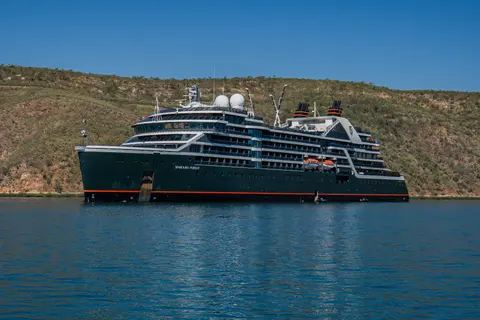
SeabournP749A
32-Day Kimberley Expedition, Indonesia & Papua New Guinea
Date
2027-08-16
Duration
32 nights
Departure Port
Castries
Saint Lucia
Arrival Port
Lautoka
Fiji
Rating
Expedition
Theme
—
Date
2027-08-16
Duration
32 nights
Departure Port
Castries
Saint Lucia
Arrival Port
Lautoka
Fiji
Rating
Expedition
Theme
—



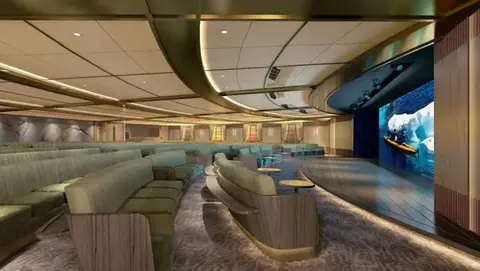
Seabourn
2023
—
23,000 GT
264
132
120
557 m
24 m
22 knots
No
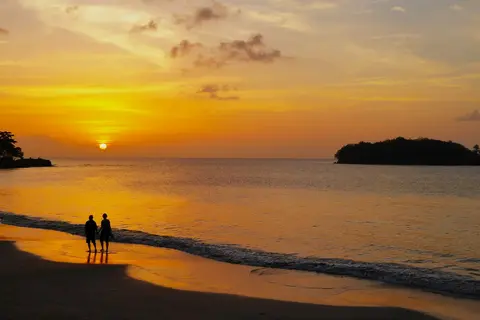
Castries, the capital of St. Lucia, is a vibrant port steeped in history and culture, offering stunning architecture and a lively market atmosphere. Must-do experiences include savoring the national dish, green fig and saltfish, and exploring the picturesque Marigot Bay. The best time to visit is during the dry season from December to April, when the weather is perfect for exploring this Caribbean gem.
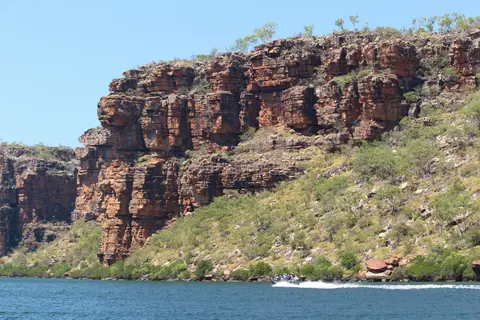
Talbot Bay, Australia, showcases the Southern Hemisphere's remarkable natural heritage—pristine coastlines, unique wildlife, and landscapes of ancient geological drama. Must-do experiences include sampling the exceptional local seafood and exploring the surrounding national parks. The most rewarding visiting window is May through September, when drier conditions prevail and temperatures remain pleasant. Cruise lines including Seabourn feature this port on their most compelling itineraries. Whether you have a few hours or a full day, the port rewards exploration at every pace and in every direction.
Montgomery Reef, Western Australia, showcases the Southern Hemisphere's remarkable natural heritage—pristine coastlines, unique wildlife, and landscapes of ancient geological drama. Must-do experiences include sampling the exceptional local seafood and exploring the surrounding national parks. The most rewarding visiting window is May through September, when drier conditions prevail and temperatures remain pleasant. Cruise lines including Seabourn feature this port on their most compelling itineraries. Whether you have a few hours or a full day, the port rewards exploration at every pace and in every direction.
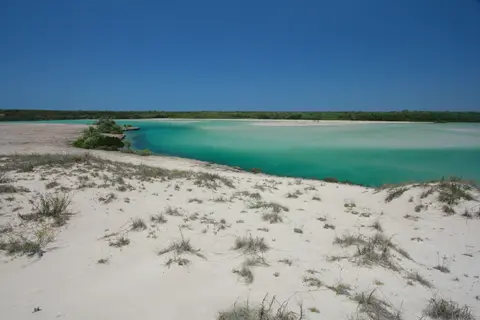
Vansittart Bay is a remote Kimberley Coast anchorage in Western Australia, renowned for its ancient Gwion Gwion rock art estimated to be up to 40,000 years old, painted on sandstone galleries overlooking the Timor Sea. Must-dos include zodiac excursions to rock art sites, observing saltwater crocodiles in the mangroves, and experiencing the coast's dramatic twelve-meter tidal range. April through September's dry season offers the best access and most comfortable expedition conditions.
George, South Africa is a distinctive port city where deep cultural heritage meets authentic local atmosphere, featured on itineraries by Windstar Cruises. Must-do experiences include walking the historic center to experience the layered architectural heritage, and seeking out the regional culinary traditions at a locally favored establishment away from the port area. The optimal time to visit is October through April, when warm weather and extended daylight create ideal conditions.
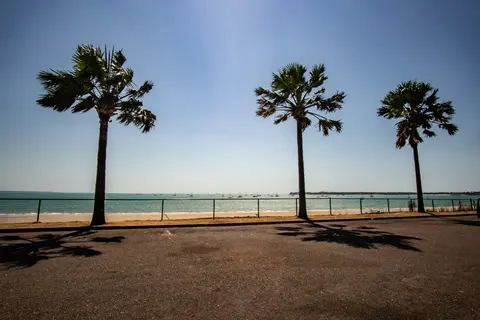
Darwin is Australia's tropical Top End capital, where sixty-five thousand years of Indigenous heritage meets extraordinary multiculturalism, saltwater crocodiles, and gateway access to Kakadu's ancient rock art. Must-do experiences include the Mindil Beach Sunset Market, swimming beneath Litchfield's waterfalls, and viewing twenty-thousand-year-old Aboriginal paintings at Ubirr. May through October's Dry season offers clear skies and outdoor market culture.
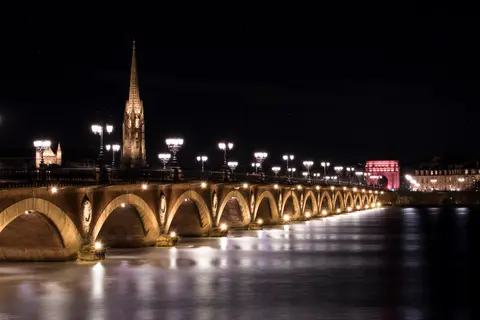
Bordeaux, France's premier port city, is renowned for its historical significance, stunning architecture, and world-class wine. Must-do experiences include savoring local delicacies at Marché des Quais and exploring the breathtaking art installations at Place de la Bourse. The best season to visit is during the late spring and early autumn, when the weather is pleasant and the vineyards are in full bloom.
Kokas is a remote settlement on West Papua's Fakfak coast, gateway to ancient cliff-face rock art galleries, Coral Triangle reefs with over 400 coral species, and some of the least-explored coastline on Earth. Must-dos include boat excursions to the sea-cliff hand-stencil paintings, snorkelling the world's richest coral reefs, and watching for dugongs and manta rays. Visit October through April for the driest conditions.
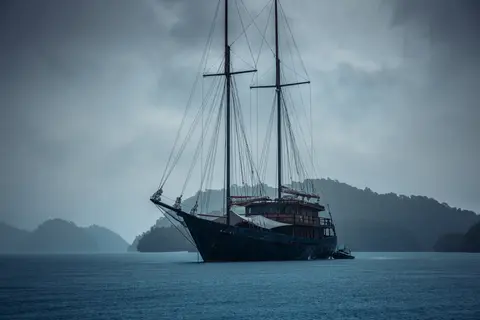
Misool, Yapap Lagoon, Indonesia is a distinctive port city where deep cultural heritage meets authentic local atmosphere, featured on itineraries by Seabourn. Must-do experiences include exploring the vibrant local markets for regional specialties and fresh seafood, and discovering the waterfront quarter where maritime heritage meets contemporary energy. The optimal time to visit is November through April, when dry season brings clear skies and calm seas.
Manokwari, Indonesia, immerses visitors in Southeast Asia's intoxicating blend of ancient culture, extraordinary cuisine, and tropical beauty. Don't miss the vibrant local markets and street food scene, where regional flavors achieve remarkable complexity. The most comfortable visiting conditions occur year-round, though the drier months from May to October tend to offer the most comfortable conditions. Cruise lines including Seabourn feature this port on their most compelling itineraries. Whether you have a few hours or a full day, the port rewards exploration at every pace and in every direction.
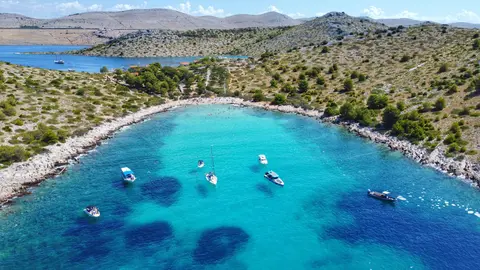
Jayapura is the capital of Indonesian Papua, a frontier city where MacArthur's WWII headquarters overlooked Yos Sudarso Bay and the Museum Loka Budaya holds an extraordinary collection of Papuan art including ritual carvings and bilum bags. Must-do experiences include exploring the Sentani lake communities and their bark painting tradition, visiting the WWII landing sites, and birdwatching in the Cyclops Mountains reserve. May through October offers the driest conditions in this equatorial city.
Vanimo is the remote capital of Papua New Guinea's Sandaun Province, offering world-class uncrowded surf breaks, pristine tropical beaches, and access to over 100 distinct cultural groups in one of the planet's most linguistically diverse regions. Must-dos include surfing the legendary reef breaks off Lido Village, visiting traditional spirit houses, and birdwatching for birds of paradise and Victoria crowned pigeons. Visit May through October for the best surf, drier weather, and comfortable conditions.
Garove Island is a flooded volcanic caldera in Papua New Guinea's Bismarck Sea, offering one of the Pacific's most spectacular natural anchorages where cruise ships sail through a gap in the crater wall into a sheltered lagoon. Must-dos include snorkeling the caldera's coral gardens, experiencing traditional sing-sing dance performances, and simply marveling at the geological drama of the anchorage itself. Visit May through October for the driest conditions and calmest seas.
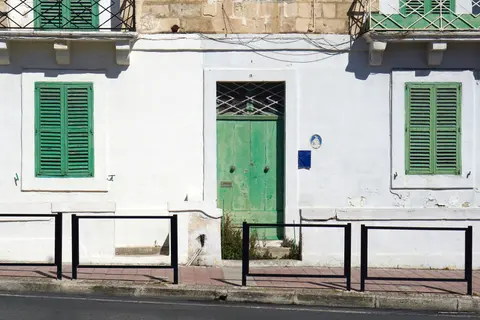
Valletta, the golden fortress capital of Malta, was hewn from a limestone peninsula in defiant haste after the Knights of Saint John — warrior monks of extraordinary valor — repulsed an overwhelming Ottoman assault in 1565. Its grid of steep baroque streets is dense with Caravaggio masterworks in the Co-Cathedral of St. John, shaded piazzas alive with café society, and bastions commanding breathtaking views over the Grand Harbour's legendary twin forts. The mild Mediterranean climate welcomes visitors year-round, though spring and autumn offer the most pleasurable temperatures for unhurried exploration of this compact UNESCO World Heritage capital.
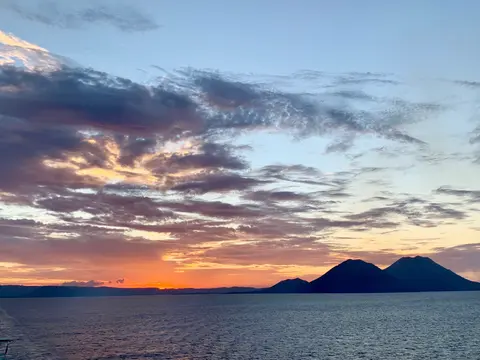
Rabaul is a partially buried volcanic town in Papua New Guinea's Simpson Harbour caldera, where the steaming Tavurvur cone, extensive Japanese wartime tunnels, and vibrant Tolai cultural traditions create one of the Pacific's most extraordinary port experiences. Visit during the dry season from May through October for volcano hikes, wartime archaeology, and diving enriched reefs.
Ghizo Island, home to Gizo, the capital of the Western Province, Solomon Islands. The island is named after an infamous local head-hunter. It is located west of New Georgia and Kolombangara.
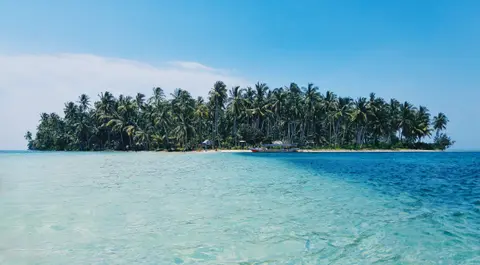
Honiara, Solomon Islands is a distinctive port city where deep cultural heritage meets authentic local atmosphere, featured on itineraries by Seabourn. Must-do experiences include exploring the vibrant local markets for regional specialties and fresh seafood, and discovering the waterfront quarter where maritime heritage meets contemporary energy. The optimal time to visit is November through April, when dry season brings clear skies and calm seas.
Vanikoro Island, Solomon Islands is a distinctive port city where deep cultural heritage meets authentic local atmosphere, featured on itineraries by Seabourn. Must-do experiences include exploring the vibrant local markets for regional specialties and fresh seafood, and discovering the waterfront quarter where maritime heritage meets contemporary energy. The optimal time to visit is November through April, when dry season brings clear skies and calm seas.
Ambrym is a volcanic island in Vanuatu where two active volcanoes maintain glowing lava lakes and the local culture preserves powerful masked dances and sorcery traditions found nowhere else in Melanesia. Must-dos include trekking to the volcanic caldera, witnessing a Rom dance ceremony, and tasting the island's famously potent kava. The dry season (May–October) offers the best conditions for volcano viewing and cultural encounters.
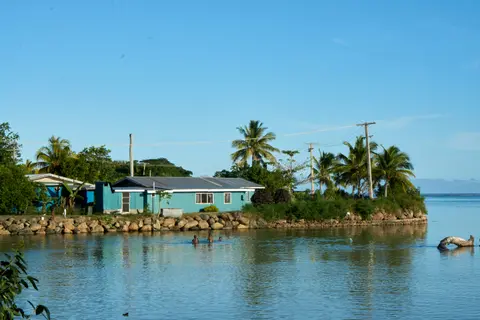
Lautoka, Fiji's "Sugar City," is a characterful western Viti Levu port where a century-old sugar mill, a vibrant municipal market, and lush botanical gardens reveal an unhurried South Pacific authenticity. Visitors should taste kokoda and lovo-smoked pork at the waterfront market and explore the nearby Yasawa Islands or Taveuni's rainforest waterfalls. The dry season from May through October offers the most comfortable cruising conditions, with warm days, low humidity, and calm seas ideal for shore excursions.
Day 1
Castries, the capital of St. Lucia, is a vibrant port steeped in history and culture, offering stunning architecture and a lively market atmosphere. Must-do experiences include savoring the national dish, green fig and saltfish, and exploring the picturesque Marigot Bay. The best time to visit is during the dry season from December to April, when the weather is perfect for exploring this Caribbean gem.
Day 2
Day 3
Talbot Bay, Australia, showcases the Southern Hemisphere's remarkable natural heritage—pristine coastlines, unique wildlife, and landscapes of ancient geological drama. Must-do experiences include sampling the exceptional local seafood and exploring the surrounding national parks. The most rewarding visiting window is May through September, when drier conditions prevail and temperatures remain pleasant. Cruise lines including Seabourn feature this port on their most compelling itineraries. Whether you have a few hours or a full day, the port rewards exploration at every pace and in every direction.
Day 4
Montgomery Reef, Western Australia, showcases the Southern Hemisphere's remarkable natural heritage—pristine coastlines, unique wildlife, and landscapes of ancient geological drama. Must-do experiences include sampling the exceptional local seafood and exploring the surrounding national parks. The most rewarding visiting window is May through September, when drier conditions prevail and temperatures remain pleasant. Cruise lines including Seabourn feature this port on their most compelling itineraries. Whether you have a few hours or a full day, the port rewards exploration at every pace and in every direction.
Day 5
Day 6
Day 7
Day 8
Vansittart Bay is a remote Kimberley Coast anchorage in Western Australia, renowned for its ancient Gwion Gwion rock art estimated to be up to 40,000 years old, painted on sandstone galleries overlooking the Timor Sea. Must-dos include zodiac excursions to rock art sites, observing saltwater crocodiles in the mangroves, and experiencing the coast's dramatic twelve-meter tidal range. April through September's dry season offers the best access and most comfortable expedition conditions.
Day 9
George, South Africa is a distinctive port city where deep cultural heritage meets authentic local atmosphere, featured on itineraries by Windstar Cruises. Must-do experiences include walking the historic center to experience the layered architectural heritage, and seeking out the regional culinary traditions at a locally favored establishment away from the port area. The optimal time to visit is October through April, when warm weather and extended daylight create ideal conditions.
Day 10
Darwin is Australia's tropical Top End capital, where sixty-five thousand years of Indigenous heritage meets extraordinary multiculturalism, saltwater crocodiles, and gateway access to Kakadu's ancient rock art. Must-do experiences include the Mindil Beach Sunset Market, swimming beneath Litchfield's waterfalls, and viewing twenty-thousand-year-old Aboriginal paintings at Ubirr. May through October's Dry season offers clear skies and outdoor market culture.
Day 12
Day 13
Bordeaux, France's premier port city, is renowned for its historical significance, stunning architecture, and world-class wine. Must-do experiences include savoring local delicacies at Marché des Quais and exploring the breathtaking art installations at Place de la Bourse. The best season to visit is during the late spring and early autumn, when the weather is pleasant and the vineyards are in full bloom.
Day 14
Day 15
Kokas is a remote settlement on West Papua's Fakfak coast, gateway to ancient cliff-face rock art galleries, Coral Triangle reefs with over 400 coral species, and some of the least-explored coastline on Earth. Must-dos include boat excursions to the sea-cliff hand-stencil paintings, snorkelling the world's richest coral reefs, and watching for dugongs and manta rays. Visit October through April for the driest conditions.
Day 16
Misool, Yapap Lagoon, Indonesia is a distinctive port city where deep cultural heritage meets authentic local atmosphere, featured on itineraries by Seabourn. Must-do experiences include exploring the vibrant local markets for regional specialties and fresh seafood, and discovering the waterfront quarter where maritime heritage meets contemporary energy. The optimal time to visit is November through April, when dry season brings clear skies and calm seas.
Day 17
Day 18
Manokwari, Indonesia, immerses visitors in Southeast Asia's intoxicating blend of ancient culture, extraordinary cuisine, and tropical beauty. Don't miss the vibrant local markets and street food scene, where regional flavors achieve remarkable complexity. The most comfortable visiting conditions occur year-round, though the drier months from May to October tend to offer the most comfortable conditions. Cruise lines including Seabourn feature this port on their most compelling itineraries. Whether you have a few hours or a full day, the port rewards exploration at every pace and in every direction.
Day 19
Day 21
Jayapura is the capital of Indonesian Papua, a frontier city where MacArthur's WWII headquarters overlooked Yos Sudarso Bay and the Museum Loka Budaya holds an extraordinary collection of Papuan art including ritual carvings and bilum bags. Must-do experiences include exploring the Sentani lake communities and their bark painting tradition, visiting the WWII landing sites, and birdwatching in the Cyclops Mountains reserve. May through October offers the driest conditions in this equatorial city.
Day 22
Vanimo is the remote capital of Papua New Guinea's Sandaun Province, offering world-class uncrowded surf breaks, pristine tropical beaches, and access to over 100 distinct cultural groups in one of the planet's most linguistically diverse regions. Must-dos include surfing the legendary reef breaks off Lido Village, visiting traditional spirit houses, and birdwatching for birds of paradise and Victoria crowned pigeons. Visit May through October for the best surf, drier weather, and comfortable conditions.
Day 23
Day 24
Garove Island is a flooded volcanic caldera in Papua New Guinea's Bismarck Sea, offering one of the Pacific's most spectacular natural anchorages where cruise ships sail through a gap in the crater wall into a sheltered lagoon. Must-dos include snorkeling the caldera's coral gardens, experiencing traditional sing-sing dance performances, and simply marveling at the geological drama of the anchorage itself. Visit May through October for the driest conditions and calmest seas.
Day 25
Valletta, the golden fortress capital of Malta, was hewn from a limestone peninsula in defiant haste after the Knights of Saint John — warrior monks of extraordinary valor — repulsed an overwhelming Ottoman assault in 1565. Its grid of steep baroque streets is dense with Caravaggio masterworks in the Co-Cathedral of St. John, shaded piazzas alive with café society, and bastions commanding breathtaking views over the Grand Harbour's legendary twin forts. The mild Mediterranean climate welcomes visitors year-round, though spring and autumn offer the most pleasurable temperatures for unhurried exploration of this compact UNESCO World Heritage capital.
Rabaul is a partially buried volcanic town in Papua New Guinea's Simpson Harbour caldera, where the steaming Tavurvur cone, extensive Japanese wartime tunnels, and vibrant Tolai cultural traditions create one of the Pacific's most extraordinary port experiences. Visit during the dry season from May through October for volcano hikes, wartime archaeology, and diving enriched reefs.
Day 26
Day 27
Ghizo Island, home to Gizo, the capital of the Western Province, Solomon Islands. The island is named after an infamous local head-hunter. It is located west of New Georgia and Kolombangara.
Day 28
Honiara, Solomon Islands is a distinctive port city where deep cultural heritage meets authentic local atmosphere, featured on itineraries by Seabourn. Must-do experiences include exploring the vibrant local markets for regional specialties and fresh seafood, and discovering the waterfront quarter where maritime heritage meets contemporary energy. The optimal time to visit is November through April, when dry season brings clear skies and calm seas.
Day 29
Day 30
Vanikoro Island, Solomon Islands is a distinctive port city where deep cultural heritage meets authentic local atmosphere, featured on itineraries by Seabourn. Must-do experiences include exploring the vibrant local markets for regional specialties and fresh seafood, and discovering the waterfront quarter where maritime heritage meets contemporary energy. The optimal time to visit is November through April, when dry season brings clear skies and calm seas.
Day 31
Ambrym is a volcanic island in Vanuatu where two active volcanoes maintain glowing lava lakes and the local culture preserves powerful masked dances and sorcery traditions found nowhere else in Melanesia. Must-dos include trekking to the volcanic caldera, witnessing a Rom dance ceremony, and tasting the island's famously potent kava. The dry season (May–October) offers the best conditions for volcano viewing and cultural encounters.
Day 32
Day 33
Lautoka, Fiji's "Sugar City," is a characterful western Viti Levu port where a century-old sugar mill, a vibrant municipal market, and lush botanical gardens reveal an unhurried South Pacific authenticity. Visitors should taste kokoda and lovo-smoked pork at the waterfront market and explore the nearby Yasawa Islands or Taveuni's rainforest waterfalls. The dry season from May through October offers the most comfortable cruising conditions, with warm days, low humidity, and calm seas ideal for shore excursions.
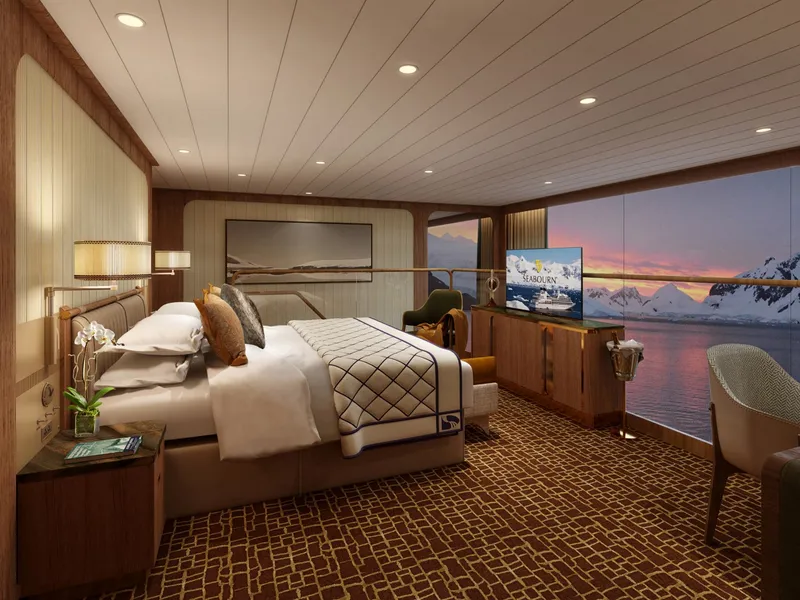
Deck 7 Combine mid-ship Suites 733 and 735 for Suite 7353, or Suites 734 and 736 for Suite 7364 Total space: 1,399 sq. ft. (130 sq. m.) including two verandas totaling 205 sq. ft. (19 sq. m.)
All Grand Wintergarden Suites onboard Seabourn Venture feature a comfortable living area; private veranda; queen-size bed or two twin beds; walk-in closet; personal safe; interactive TV with music and movies; fully stocked bar and refrigerator; writing desk with personalized stationery; makeup vanity; spacious bathroom, separate tub and shower, plush robes, slippers, luxury health and beauty products, hairdryer and 110/220V AC outlets.
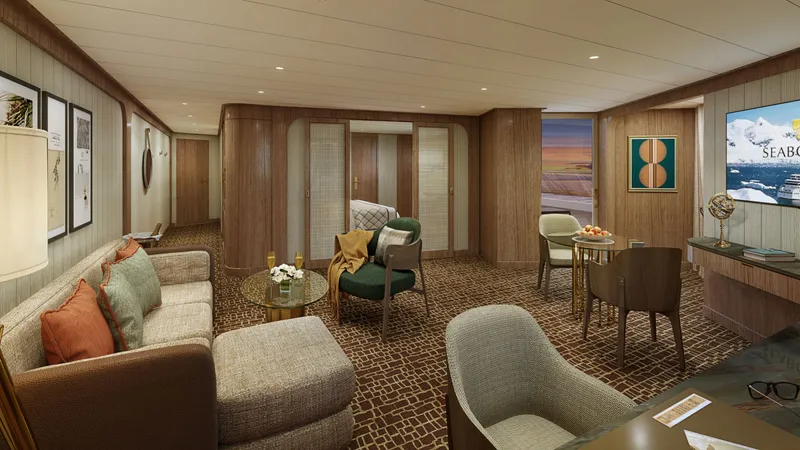
Deck 7 Suites 700, 701 Total space 1,023 sq. ft. (95 sq. m.) incl. veranda of 484 sq. ft. (45 sq. m.)
Owner's Suites on Seabourn Venture feature a comfortable living area; private veranda; queen-size bed or two twin beds; extra-large walk-in closet for expedition gear; personal safe; interactive flat-screen TV with music and movies; fully stocked bar and refrigerator; writing desk with personalized stationery; makeup vanity; spacious bathroom with double vanities, tub and shower, plush robes, slippers, hairdryer and 110/220V AC outlets.
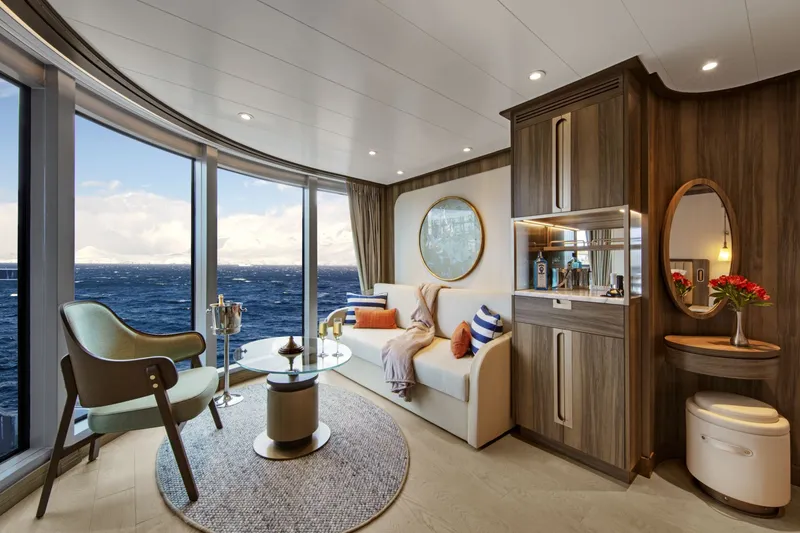
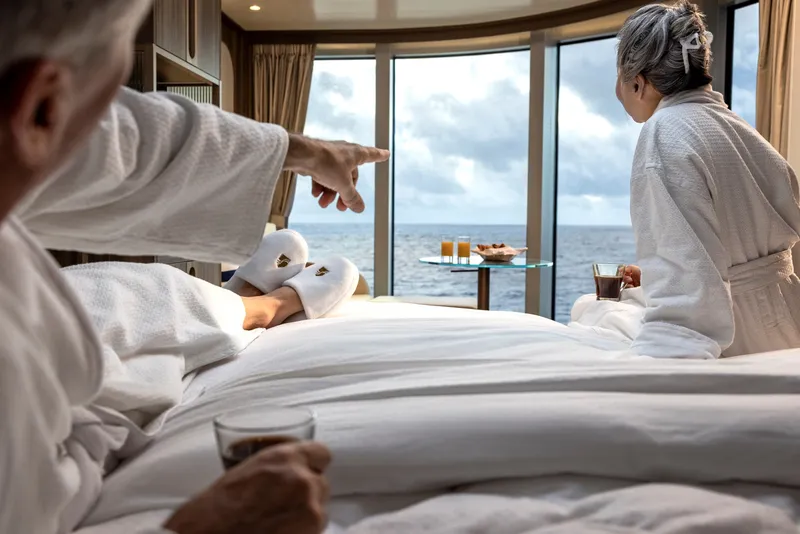
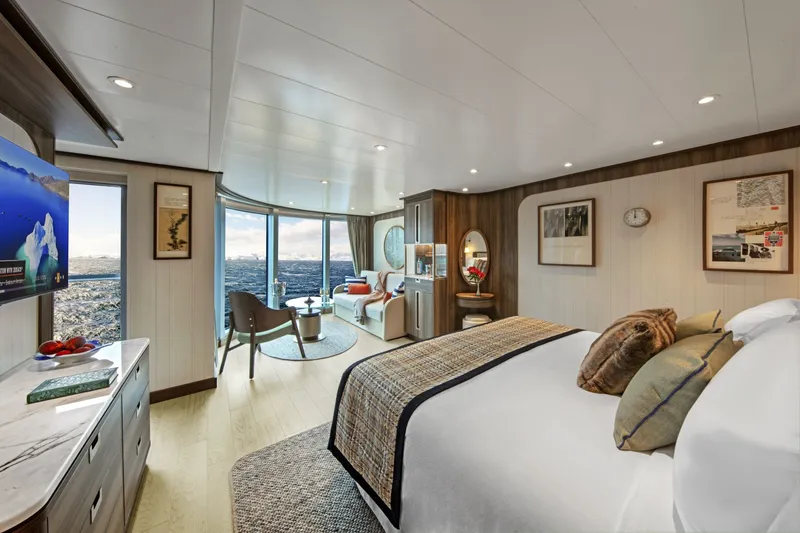
Suites 513-516, 611-614, 711-714, 802-805; Total space: 417 sq. ft. (39 sq. m.) incl. veranda of 85 sq. ft. (8 sq. m.) All Panorama Veranda Suites feature a comfortable living area; private veranda; queen-size bed or two twin beds; walk-in closet; personal safe; interactive TV with music and movies; fully stocked bar and refrigerator; writing desk with personalized stationery; makeup vanity; spacious bathroom, separate tub and shower, plush robes, slippers, luxury health and beauty products, hairdryer and 110/220V AC outlets. *Some veranda sizes vary
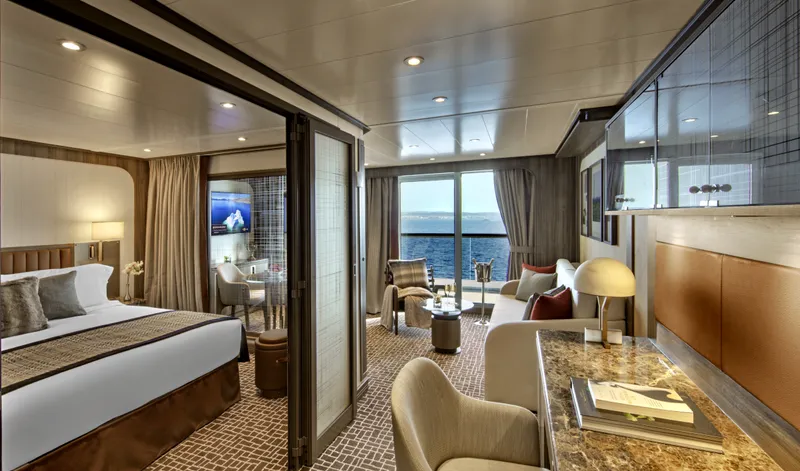
Deck 8 Suites 818-821; Approximate total space: 527 sq. ft. (49 sq. m.) including veranda of 97 sq. ft. (9 sq. m.)
All Penthouse Suites onboard Seabourn Venture feature a comfortable living area; private veranda; queen-size bed or two twin beds; walk-in closet; personal safe; interactive TV with music and movies; fully stocked bar and refrigerator; writing desk with personalized stationery; makeup vanity; spacious bathroom, separate tub and shower, plush robes, slippers, luxury health and beauty products, hairdryer and 110/220V AC outlets.

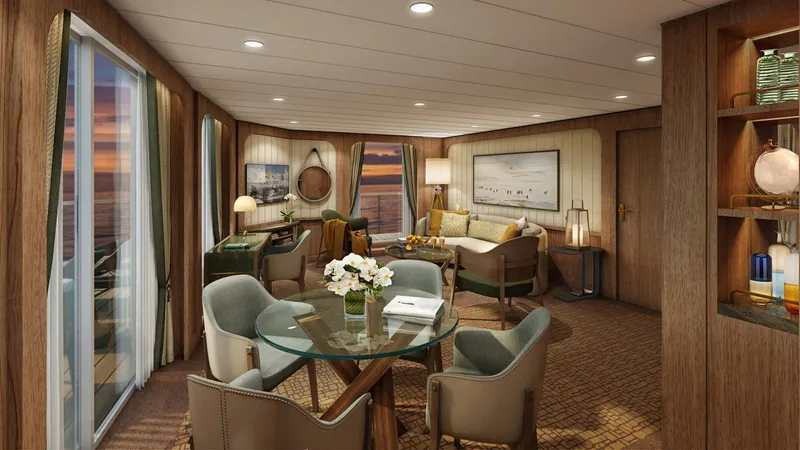
All Signature Suites onboard Seabourn Venture feature a comfortable living area; private veranda; queen-size bed or two twin beds; walk-in closet, personal safe; interactive TV with music and movies; fully stocked bar and refrigerator; writing desk with personalized stationery; makeup vanity; spacious bathroom, separate tub and shower, plush robes, slippers, luxury health and beauty products, hairdryer and 110/220V AC outlets.
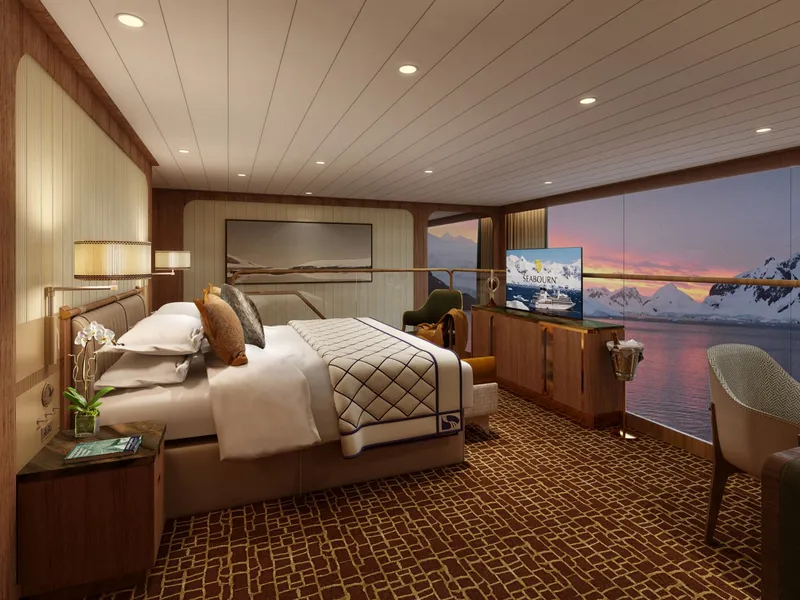
All Wintergarden Suites onboard Seabourn Venture feature a comfortable living area; private veranda; queen-size bed or two twin beds; walk-in closet; personal safe; interactive TV with music and movies; fully stocked bar and refrigerator; writing desk with personalized stationery; makeup vanity; spacious bathroom, separate tub and shower, plush robes, slippers, luxury health and beauty products, hairdryer and 110/220V AC outlets.
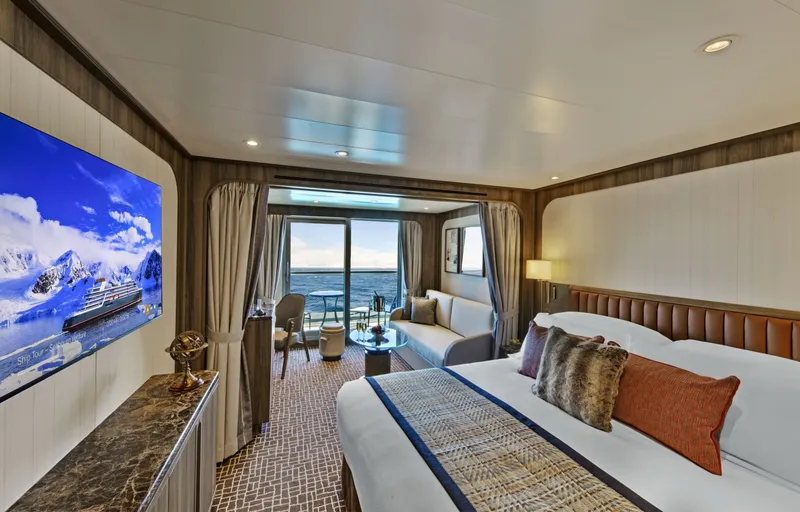
Deck 5; Approximate total space: 355 sq. ft. (33 sq. m.) including veranda of 75 sq. ft. (7 sq. m.)*
All Veranda Suites onboard Seabourn Venture feature a comfortable living area; private veranda; queen-size bed or two twin beds; walk-in closet; personal safe; interactive TV with music and movies; fully stocked bar and refrigerator; writing desk with personalized stationery; makeup vanity; spacious bathroom, separate tub and shower, plush robes, slippers, luxury health and beauty products, hairdryer and 110/220V AC outlets. *Some veranda sizes vary.
Our cruise specialists can help you find the perfect cabin and the best available pricing.
(+886) 02-2721-7300Contact Advisor