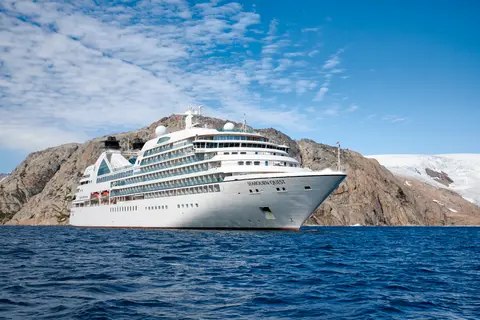
Seabourn6649B
21-Day Grecian Gems & Dalmatian Coast
Date
2026-07-26
Duration
21 nights
Departure Port
Athens (Piraeus)
Greece
Arrival Port
Athens (Piraeus)
Greece
Rating
Luxury
Theme
—
Date
2026-07-26
Duration
21 nights
Departure Port
Athens (Piraeus)
Greece
Arrival Port
Athens (Piraeus)
Greece
Rating
Luxury
Theme
—







Seabourn
2011
—
32,000 GT
450
225
330
650 m
26 m
19 knots
No
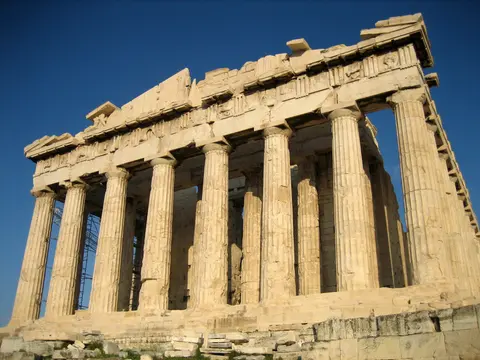
Piraeus, the bustling port city of Athens, is a vibrant blend of ancient history and modern charm, inviting travelers to explore its rich culture. Must-do experiences include savoring traditional Greek dishes at the Varvakeios Agora and embarking on day trips to nearby islands like Symi and Nydri. The best time to visit is during the spring and fall when the weather is pleasant and the tourist crowds are fewer.
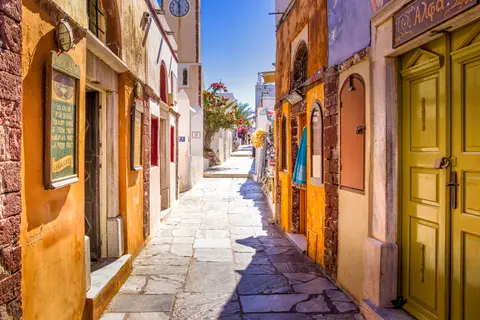
Santorini, the ancient volcanic caldera rising from the Aegean, is Greece's most theatrical landscape — a crescentic island of sheer white cliffs plunging into an indigo sea, its clifftop villages of Fira and Oia draped in bougainvillea and culminating in the world's most photographed sunset. The island's unique Assyrtiko wine, grown on ancient ungrafted vines in volcanic pumice, is one of the Mediterranean's greatest expressions of terroir. Byzantine frescoes of extraordinary beauty fill the Prehistoric Museum of Thera. The volcanic black and red sand beaches of Perissa and Perivolos are unlike any others in Greece. April through June and September through October offer the finest conditions.
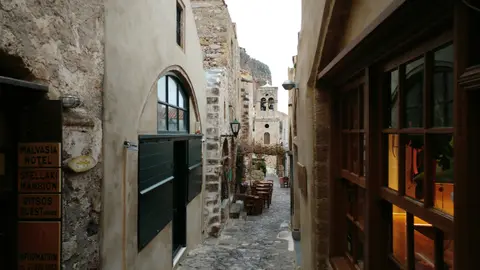
Monemvasia, a fortified port town on the Peloponnese, is celebrated for its medieval architecture and rich history dating back to the 6th century. Must-do experiences include savoring local dishes like **mpakaliaro** and exploring nearby attractions such as Nydri and Symi. The best time to visit is spring or early autumn when the weather is mild and the crowds are manageable.
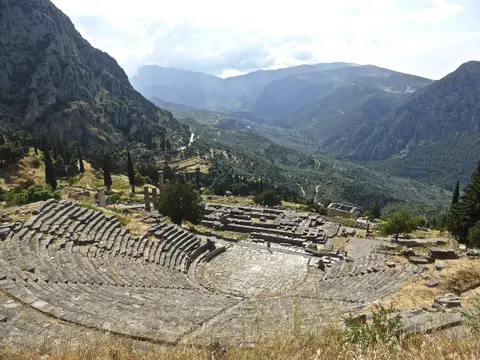
Itea is the Gulf of Corinth port serving ancient Delphi — the most important oracle of the ancient world — where the Sacred Way, Temple of Apollo, and the extraordinary Charioteer bronze await on the slopes of Mount Parnassus. Visit April through June or September through November via Seabourn or Ponant for the ascent through a million-tree olive grove to the site where ancient Greeks believed the navel of the Earth could be found.
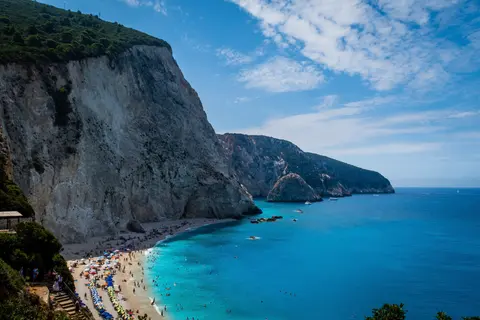
Nydri is a charming harbor town on Lefkada's sheltered eastern coast, overlooking a chain of Ionian islands that includes the legendary Skorpios, once owned by Aristotle Onassis. Must-dos include dining on grilled octopus at a waterfront taverna, boat-tripping to Porto Katsiki beach and Meganisi's sea caves, and tasting the unique Vertzami white wine. May through October offers warm Mediterranean conditions, with shoulder months providing fewer crowds.
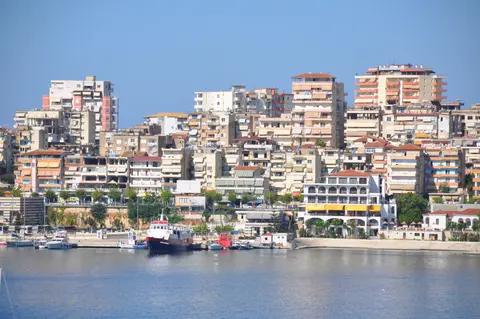
Sarandë is Albania's Ionian coast jewel, where the UNESCO-listed Butrint archaeological marvel and the impossibly turquoise Blue Eye spring create a Mediterranean experience rivaling Greece at a fraction of the cost. Visit June via Emerald Yacht Cruises or Virgin Voyages for six-civilization archaeological sites and Albania's exciting Mediterranean frontier.
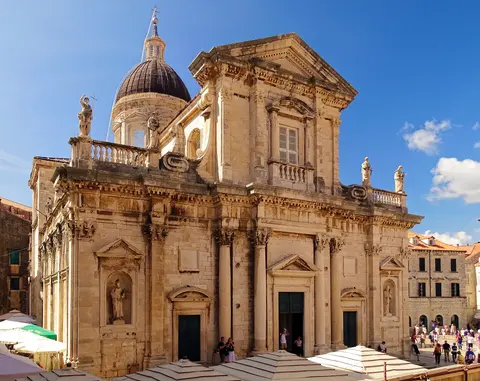
Dubrovnik, Croatia's stunning port city, is a blend of rich history, dramatic architecture, and vibrant culture, making it a must-visit destination. Don't miss a stroll along the city walls for breathtaking views and savor local dishes like "peka" and "black risotto." The best time to visit is in late spring or early fall when the weather is pleasant and the crowds are thinner.
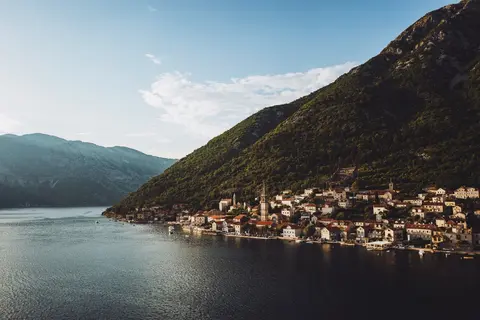
The port of Kotor, a UNESCO World Heritage site, is renowned for its stunning natural beauty and rich historical tapestry. A must-do experience includes wandering the cobblestone streets of the Old Town, where culinary delights like "kacamak" and fresh seafood await. The best time to visit is during the spring or early fall, when the weather is pleasant and the crowds are fewer.
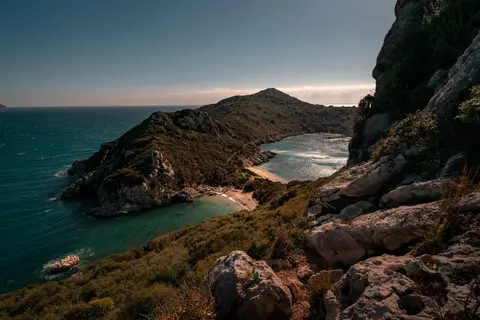
Where Homer placed the island of the Phaeacians and four centuries of Venetian rule left their most enduring Mediterranean legacy, Corfu is a singular island of extraordinary historical depth and natural beauty. The UNESCO-listed Old Town — its narrow Kantounia alleyways, the elegant Liston arcade, and twin Venetian fortresses — is the finest preserved Venetian streetscape in Greece. Beyond the town, secret coves, olive groves of immense antiquity, and mountain villages offer weeks of unhurried discovery. May through June and September offer perfect conditions: warm sea temperatures, clear skies, and the island before or after its summer crescendo.
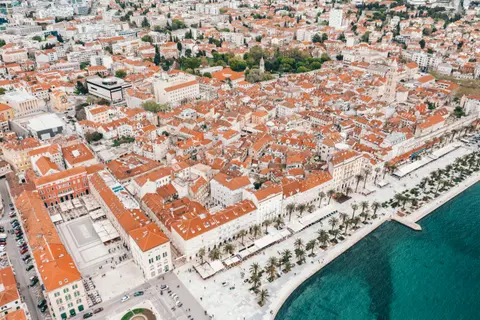
Split, Croatia's vibrant port city, is a unique blend of ancient history and modern life, centered around the remarkable Diocletian's Palace. Must-do experiences include savoring local dishes like pašticada and exploring the bustling markets. The best time to visit is during the spring and early fall, when the weather is pleasant and the tourist crowds are more manageable.
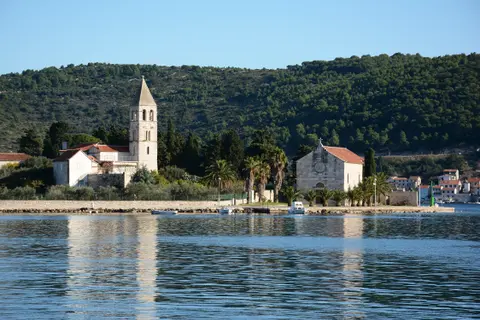
Vis is Croatia's most remote and unspoiled inhabited island, a former military base that emerged from isolation with ancient Greek ruins, unique Vugava wine, and Mediterranean fishing-village life intact. Must-dos include visiting the Blue Cave on Bisevo, tasting komiza pogaca bread and fresh-grilled fish under a peka, and swimming at the cliff-enclosed Stiniva beach. June and September offer warm seas and manageable crowds.
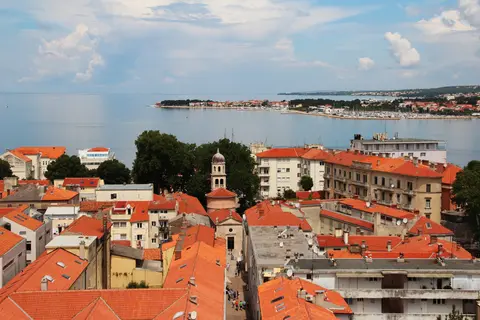
Zadar, a historic port city on Croatia's Dalmatian coast, is a captivating blend of ancient architecture and vibrant culture. Must-do experiences include visiting the Church of St. Donatus and enjoying the enchanting music of the Sea Organ. The best season to visit is during the warm summer months when the city comes alive with festivals and outdoor activities.
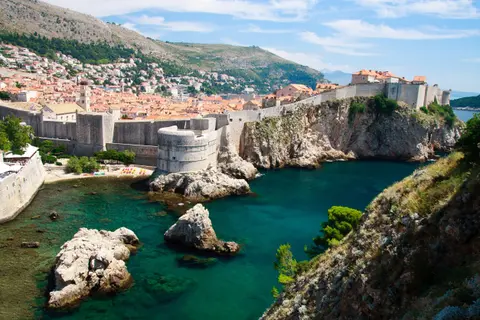
Dubrovnik, Croatia's stunning port city, is a blend of rich history, dramatic architecture, and vibrant culture, making it a must-visit destination. Don't miss a stroll along the city walls for breathtaking views and savor local dishes like "peka" and "black risotto." The best time to visit is in late spring or early fall when the weather is pleasant and the crowds are thinner.
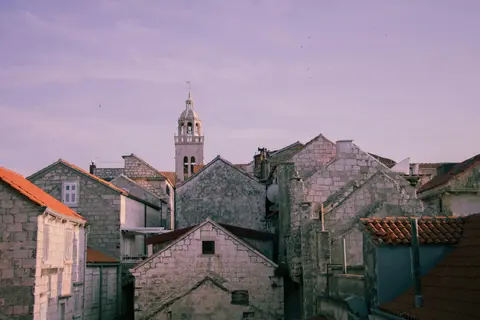
Korčula is a magnificently preserved medieval island town on Croatia's Dalmatian coast, renowned as the legendary birthplace of Marco Polo and celebrated for its Venetian herringbone streets, exceptional white wines like Grk and Pošip, and centuries-old culinary traditions including slow-braised pašticada and fresh Adriatic seafood. Visitors should explore the fortified old town's limestone calles at golden hour and taste the island's rare vintages in a harbourside konoba. The best months to visit are May through early October, with late September offering warm seas, golden light, and blissful absence of peak-season crowds.
Set on a peninsula between two arms of the Adriatic Sea, Brindisi was an important port of the Roman Empire, and later for the East India Company. In the 2nd century BC the Appian Way was built, linking the port to Rome, and a column near the harbor marks the end of that famous route. It is here that in 71 BC, the gladiator Spartacus led thousands of rebel slaves in an unsuccessful escape. Today visitors find Romanesque churches, a 13th-century castle and, in the surrounding Apulia region, remains of ancient Messapian culture.
Sarandë is Albania's Ionian coast jewel, where the UNESCO-listed Butrint archaeological marvel and the impossibly turquoise Blue Eye spring create a Mediterranean experience rivaling Greece at a fraction of the cost. Visit June via Emerald Yacht Cruises or Virgin Voyages for six-civilization archaeological sites and Albania's exciting Mediterranean frontier.
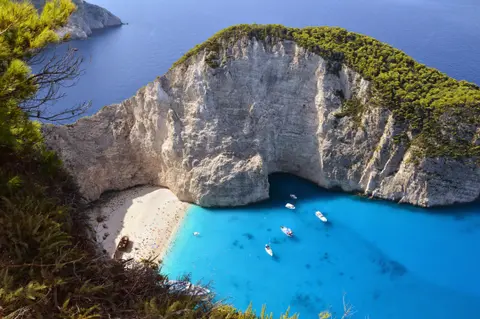
Zakynthos is a lush Ionian island famous for the spectacular Navagio (Shipwreck) Beach, endangered loggerhead turtle nesting sites, and a Venetian-influenced town rebuilt after the 1953 earthquake. Must-dos include a boat trip to Navagio Beach, watching turtle conservation efforts at Laganas Bay, and dining on grilled fish at a harbor taverna. Visit May to June or September to October for warm weather without peak crowds.
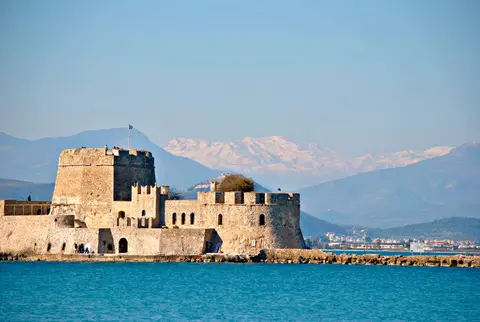
Nafplion, the first capital of modern Greece, is a refined Peloponnesian port town where Venetian architecture, Byzantine churches, and neoclassical elegance converge along one of the Mediterranean's most beautiful waterfronts. Climb the 999 steps to the Palamidi Fortress for commanding views of the Argolic Gulf, then descend for an afternoon tasting Agiorgitiko wines in the nearby Nemean valley. The best months to visit are April through June and September through October, when mild temperatures and fewer crowds allow the town's intimate charm to shine.
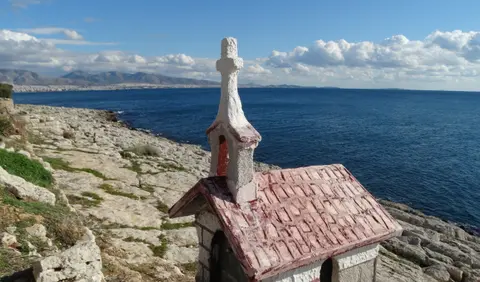
Piraeus, the bustling port city of Athens, is a vibrant blend of ancient history and modern charm, inviting travelers to explore its rich culture. Must-do experiences include savoring traditional Greek dishes at the Varvakeios Agora and embarking on day trips to nearby islands like Symi and Nydri. The best time to visit is during the spring and fall when the weather is pleasant and the tourist crowds are fewer.
Day 1
Piraeus, the bustling port city of Athens, is a vibrant blend of ancient history and modern charm, inviting travelers to explore its rich culture. Must-do experiences include savoring traditional Greek dishes at the Varvakeios Agora and embarking on day trips to nearby islands like Symi and Nydri. The best time to visit is during the spring and fall when the weather is pleasant and the tourist crowds are fewer.
Day 2
Santorini, the ancient volcanic caldera rising from the Aegean, is Greece's most theatrical landscape — a crescentic island of sheer white cliffs plunging into an indigo sea, its clifftop villages of Fira and Oia draped in bougainvillea and culminating in the world's most photographed sunset. The island's unique Assyrtiko wine, grown on ancient ungrafted vines in volcanic pumice, is one of the Mediterranean's greatest expressions of terroir. Byzantine frescoes of extraordinary beauty fill the Prehistoric Museum of Thera. The volcanic black and red sand beaches of Perissa and Perivolos are unlike any others in Greece. April through June and September through October offer the finest conditions.
Day 3
Monemvasia, a fortified port town on the Peloponnese, is celebrated for its medieval architecture and rich history dating back to the 6th century. Must-do experiences include savoring local dishes like **mpakaliaro** and exploring nearby attractions such as Nydri and Symi. The best time to visit is spring or early autumn when the weather is mild and the crowds are manageable.
Day 4
Day 5
Itea is the Gulf of Corinth port serving ancient Delphi — the most important oracle of the ancient world — where the Sacred Way, Temple of Apollo, and the extraordinary Charioteer bronze await on the slopes of Mount Parnassus. Visit April through June or September through November via Seabourn or Ponant for the ascent through a million-tree olive grove to the site where ancient Greeks believed the navel of the Earth could be found.
Day 6
Nydri is a charming harbor town on Lefkada's sheltered eastern coast, overlooking a chain of Ionian islands that includes the legendary Skorpios, once owned by Aristotle Onassis. Must-dos include dining on grilled octopus at a waterfront taverna, boat-tripping to Porto Katsiki beach and Meganisi's sea caves, and tasting the unique Vertzami white wine. May through October offers warm Mediterranean conditions, with shoulder months providing fewer crowds.
Day 7
Sarandë is Albania's Ionian coast jewel, where the UNESCO-listed Butrint archaeological marvel and the impossibly turquoise Blue Eye spring create a Mediterranean experience rivaling Greece at a fraction of the cost. Visit June via Emerald Yacht Cruises or Virgin Voyages for six-civilization archaeological sites and Albania's exciting Mediterranean frontier.
Day 8
Dubrovnik, Croatia's stunning port city, is a blend of rich history, dramatic architecture, and vibrant culture, making it a must-visit destination. Don't miss a stroll along the city walls for breathtaking views and savor local dishes like "peka" and "black risotto." The best time to visit is in late spring or early fall when the weather is pleasant and the crowds are thinner.
Day 9
The port of Kotor, a UNESCO World Heritage site, is renowned for its stunning natural beauty and rich historical tapestry. A must-do experience includes wandering the cobblestone streets of the Old Town, where culinary delights like "kacamak" and fresh seafood await. The best time to visit is during the spring or early fall, when the weather is pleasant and the crowds are fewer.
Day 10
Where Homer placed the island of the Phaeacians and four centuries of Venetian rule left their most enduring Mediterranean legacy, Corfu is a singular island of extraordinary historical depth and natural beauty. The UNESCO-listed Old Town — its narrow Kantounia alleyways, the elegant Liston arcade, and twin Venetian fortresses — is the finest preserved Venetian streetscape in Greece. Beyond the town, secret coves, olive groves of immense antiquity, and mountain villages offer weeks of unhurried discovery. May through June and September offer perfect conditions: warm sea temperatures, clear skies, and the island before or after its summer crescendo.
Day 11
Day 12
Split, Croatia's vibrant port city, is a unique blend of ancient history and modern life, centered around the remarkable Diocletian's Palace. Must-do experiences include savoring local dishes like pašticada and exploring the bustling markets. The best time to visit is during the spring and early fall, when the weather is pleasant and the tourist crowds are more manageable.
Day 13
Vis is Croatia's most remote and unspoiled inhabited island, a former military base that emerged from isolation with ancient Greek ruins, unique Vugava wine, and Mediterranean fishing-village life intact. Must-dos include visiting the Blue Cave on Bisevo, tasting komiza pogaca bread and fresh-grilled fish under a peka, and swimming at the cliff-enclosed Stiniva beach. June and September offer warm seas and manageable crowds.
Day 14
Zadar, a historic port city on Croatia's Dalmatian coast, is a captivating blend of ancient architecture and vibrant culture. Must-do experiences include visiting the Church of St. Donatus and enjoying the enchanting music of the Sea Organ. The best season to visit is during the warm summer months when the city comes alive with festivals and outdoor activities.
Day 15
Dubrovnik, Croatia's stunning port city, is a blend of rich history, dramatic architecture, and vibrant culture, making it a must-visit destination. Don't miss a stroll along the city walls for breathtaking views and savor local dishes like "peka" and "black risotto." The best time to visit is in late spring or early fall when the weather is pleasant and the crowds are thinner.
Day 16
Korčula is a magnificently preserved medieval island town on Croatia's Dalmatian coast, renowned as the legendary birthplace of Marco Polo and celebrated for its Venetian herringbone streets, exceptional white wines like Grk and Pošip, and centuries-old culinary traditions including slow-braised pašticada and fresh Adriatic seafood. Visitors should explore the fortified old town's limestone calles at golden hour and taste the island's rare vintages in a harbourside konoba. The best months to visit are May through early October, with late September offering warm seas, golden light, and blissful absence of peak-season crowds.
Day 17
Set on a peninsula between two arms of the Adriatic Sea, Brindisi was an important port of the Roman Empire, and later for the East India Company. In the 2nd century BC the Appian Way was built, linking the port to Rome, and a column near the harbor marks the end of that famous route. It is here that in 71 BC, the gladiator Spartacus led thousands of rebel slaves in an unsuccessful escape. Today visitors find Romanesque churches, a 13th-century castle and, in the surrounding Apulia region, remains of ancient Messapian culture.
Day 18
Sarandë is Albania's Ionian coast jewel, where the UNESCO-listed Butrint archaeological marvel and the impossibly turquoise Blue Eye spring create a Mediterranean experience rivaling Greece at a fraction of the cost. Visit June via Emerald Yacht Cruises or Virgin Voyages for six-civilization archaeological sites and Albania's exciting Mediterranean frontier.
Day 19
Zakynthos is a lush Ionian island famous for the spectacular Navagio (Shipwreck) Beach, endangered loggerhead turtle nesting sites, and a Venetian-influenced town rebuilt after the 1953 earthquake. Must-dos include a boat trip to Navagio Beach, watching turtle conservation efforts at Laganas Bay, and dining on grilled fish at a harbor taverna. Visit May to June or September to October for warm weather without peak crowds.
Day 20
Day 21
Nafplion, the first capital of modern Greece, is a refined Peloponnesian port town where Venetian architecture, Byzantine churches, and neoclassical elegance converge along one of the Mediterranean's most beautiful waterfronts. Climb the 999 steps to the Palamidi Fortress for commanding views of the Argolic Gulf, then descend for an afternoon tasting Agiorgitiko wines in the nearby Nemean valley. The best months to visit are April through June and September through October, when mild temperatures and fewer crowds allow the town's intimate charm to shine.
Day 22
Piraeus, the bustling port city of Athens, is a vibrant blend of ancient history and modern charm, inviting travelers to explore its rich culture. Must-do experiences include savoring traditional Greek dishes at the Varvakeios Agora and embarking on day trips to nearby islands like Symi and Nydri. The best time to visit is during the spring and fall when the weather is pleasant and the tourist crowds are fewer.
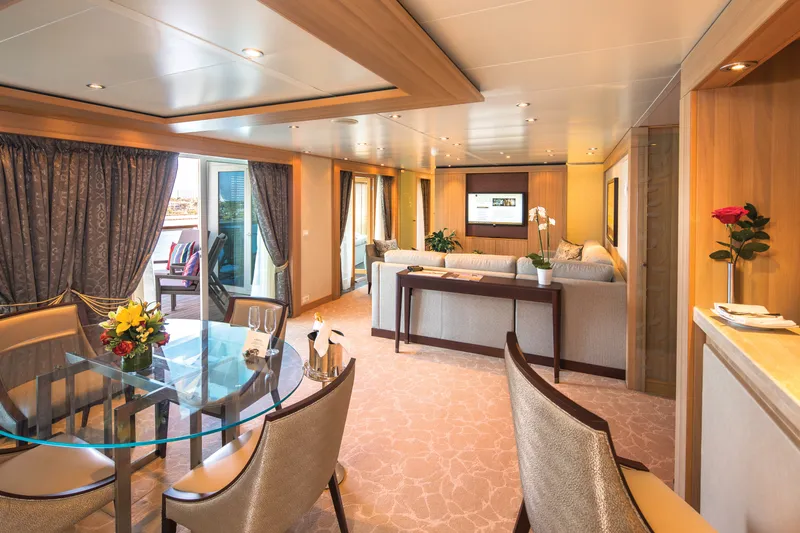
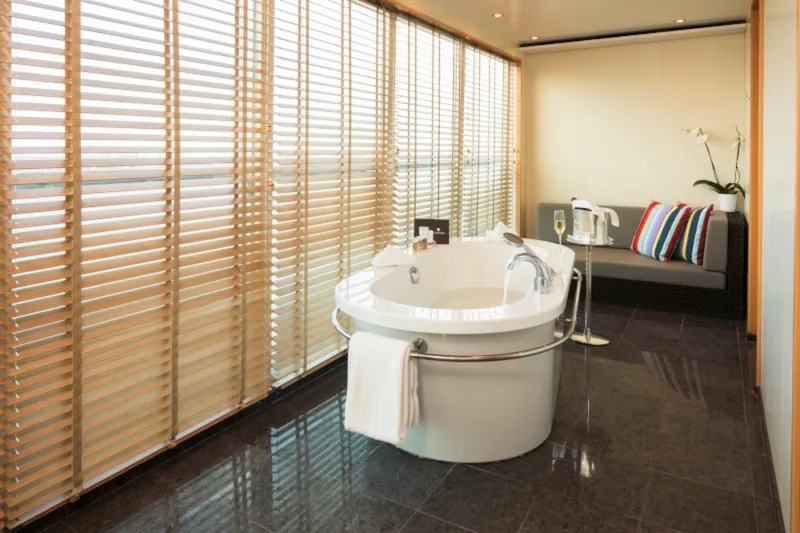
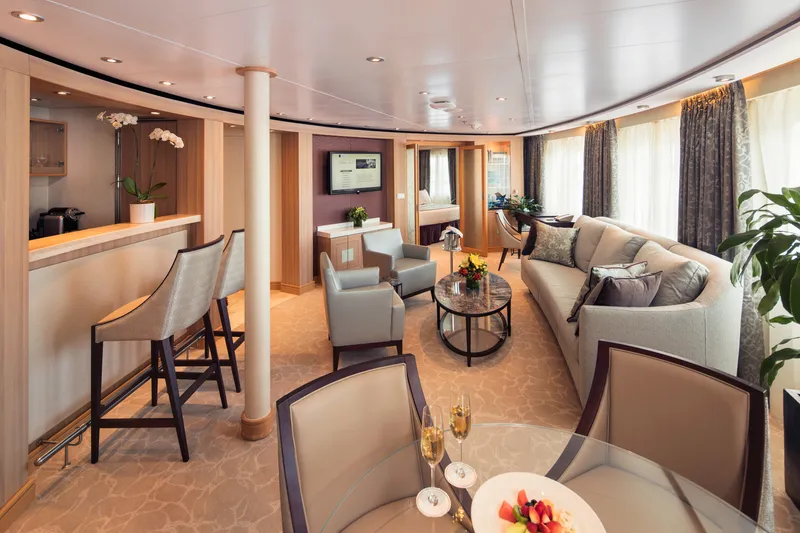
Approximately 1189 square feet (110 square meters) of inside space, plus two verandas totaling 214 square feet (20 square meters)
Grand Wintergarden Suites feature
Large windows
Dining for six
Glass-enclosed solarium with tub and day bed
Two bedrooms
Two bathrooms (one whirlpool)
Guest bath
Convertible sofa bed for one
Pantry with wet bar
Three flat-screen TVs
Complimentary internet/Wi-Fi service


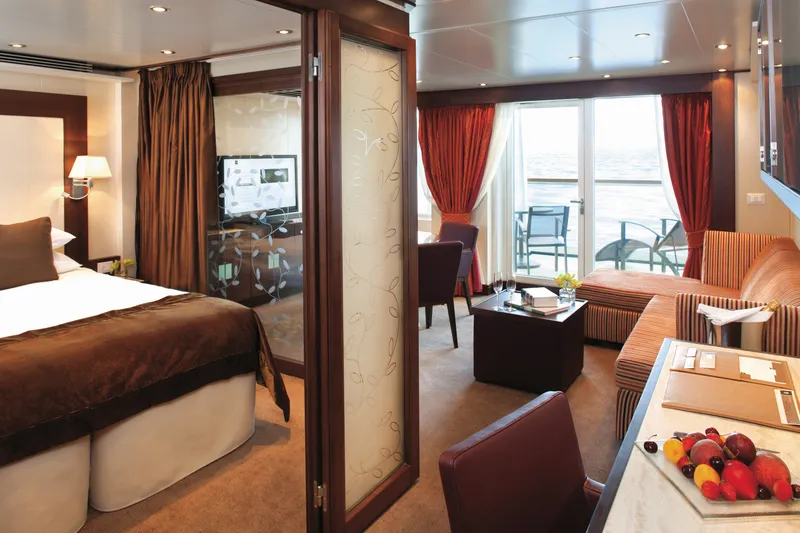
Approximately 526 & 593 square feet (49 to 55 square meters) of inside space, plus one veranda of 133 & 354 square feet (12 to 33 square meters)
Owner's Suites feature:
Expansive ocean views
Forward-facing windows
Dining for four to six
Bathroom with whirlpool bathtub
Guest bath
Pantry with wet bar
Two flat-screen TVs
Complimentary Internet/Wi-Fi service
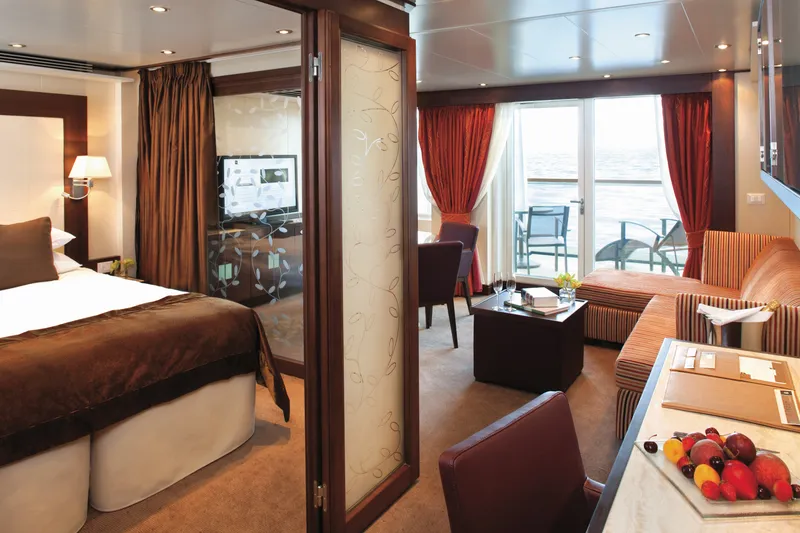
Penthouse Spa Suite
Approximately 536 to 539 square feet (50 square meters) of inside space, plus one veranda of 167 to 200 square feet (16 to 19 square meters)
All Penthouse Spa Suite feature:
Dining table for two to four
Separate bedroom
Glass door to veranda
Two flat-screen TVs
Fully stocked bar
Spacious bathroom with tub, shower and large vanity.

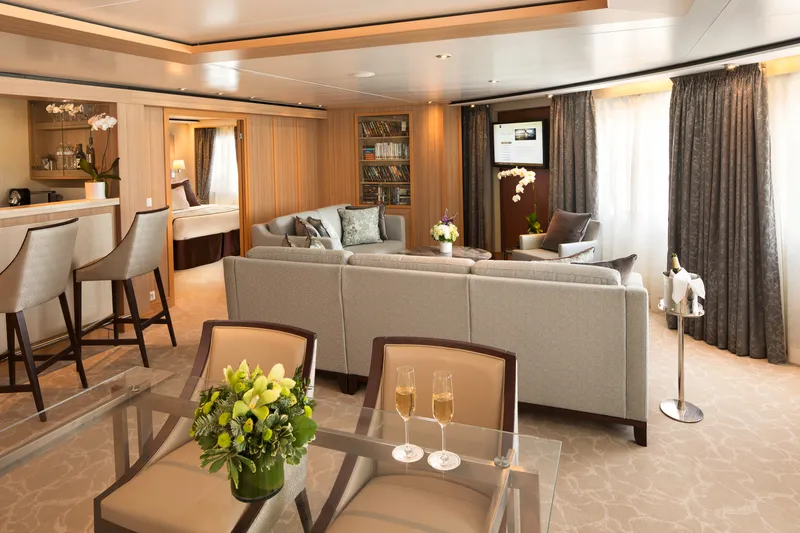
Penthouse Suite
Approximately 436 square feet (41 square meters) of inside space, plus one veranda of 98 square feet (9 square meters)
All Penthouse Suite feature:
Dining table for two to four
Separate bedroom
Glass door to veranda
Two flat-screen TVs
Fully stocked bar
Spacious bathroom with tub, shower and large vanity.
Signature Suite
Approximately 859 square feet (80 square meters) of inside space, plus one veranda of 493 square feet (46 square meters)
Signature Suites feature:
Expansive ocean views
Forward-facing windows
Dining for four to six
Bathroom with whirlpool bathtub
Guest bath
Pantry with wet bar
Two flat-screen TVs
Complimentary Internet/Wi-Fi service
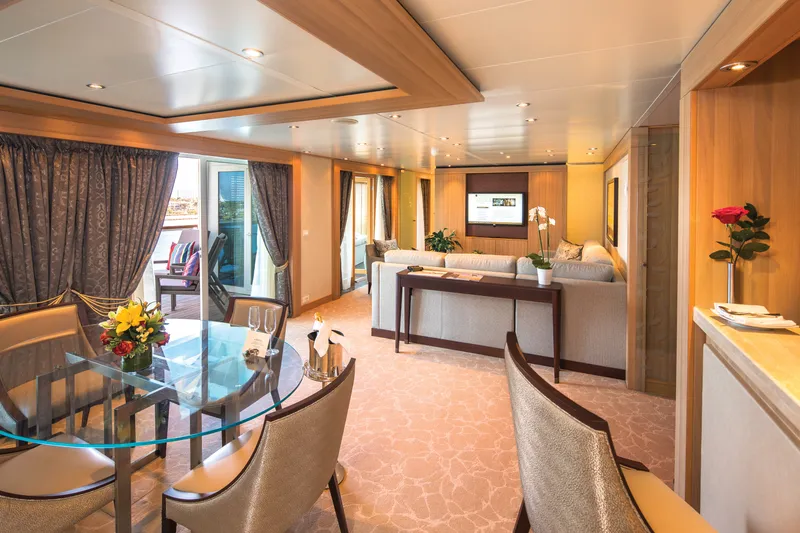
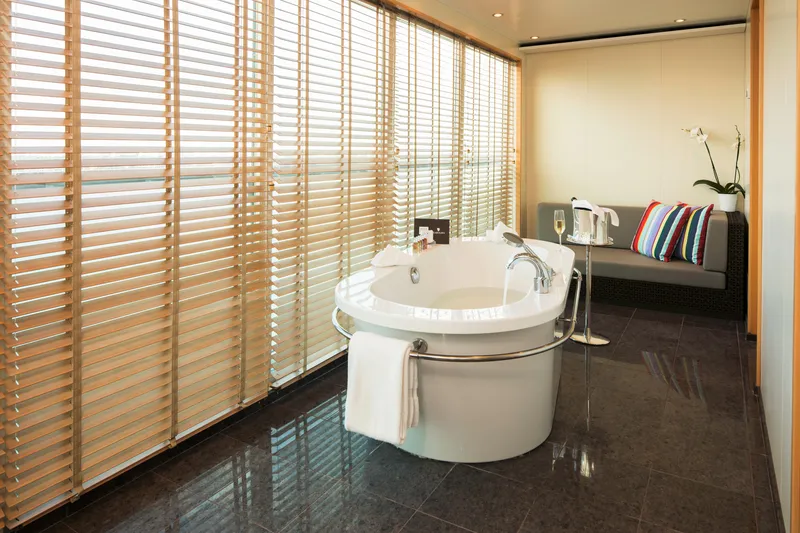
Approximately 914 square feet (85 square meters) of inside space, one veranda of 183 sq. ft. (17 square meters.).
Wintergarden Suites feature
Large windows
Dining for six
Whirlpool bathtub
Guest bath
Convertible sofa bed for one
Pantry with wet bar
Glass-enclosed solarium with tub and day bed
Two closets
Two flat-screen TVs
Complimentary Internet/Wi-Fi service
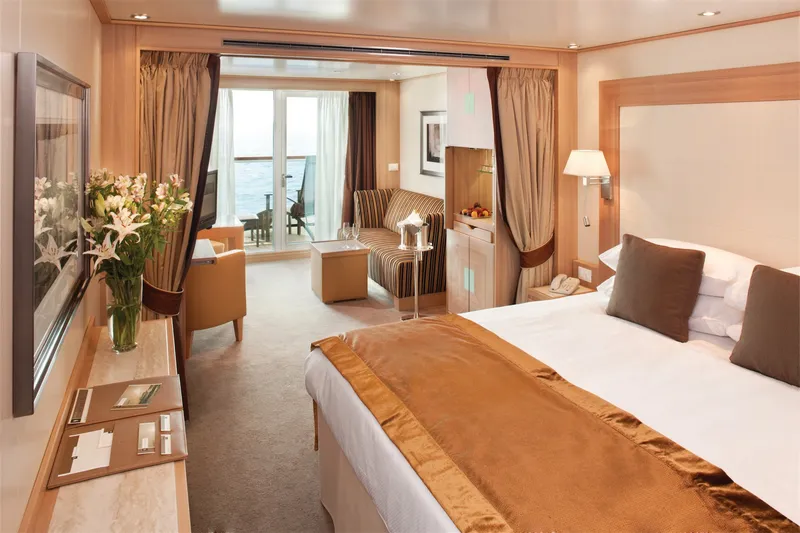
Located on Deck 7; Approximately 300 square feet (28 square meters) of inside space, plus one veranda of 65 square feet (6 square meters)
All Veranda Suites feature:
A full-length window and glass door to private veranda
Comfortable living area
Queen-size bed or two twin beds
Dining table for two
Walk-in closet
Interactive flat-screen television with music and movies
Fully stocked bar and refrigerator
Makeup vanity
Spacious bathroom with separate tub and shower
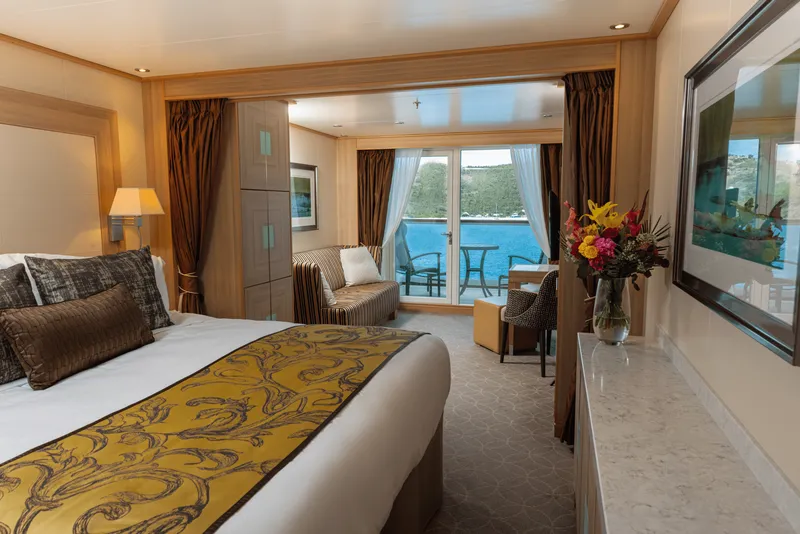
Veranda Suite Guarantee
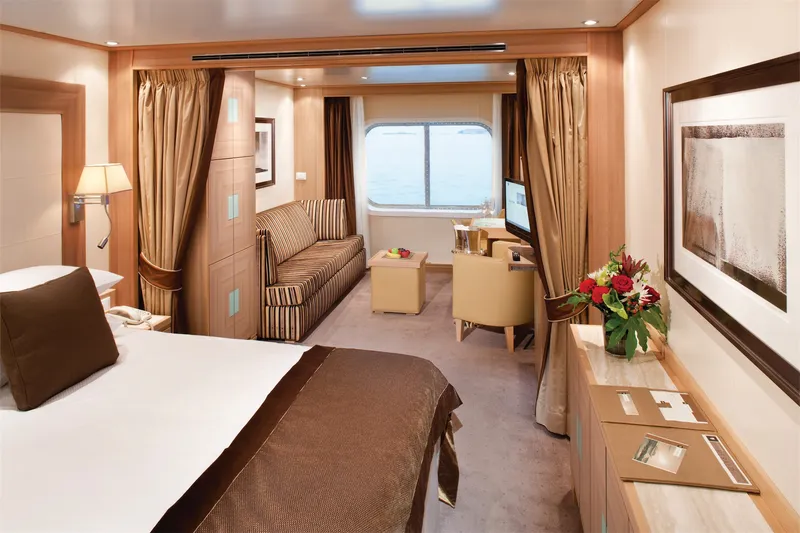
Approximately 295 square feet (28 square meters) of inside space
For this option we select the location and specific suite for you, and notify you prior to departure. Guests are guaranteed to be assigned a suite in the category selected or higher.
All Ocean View Suites feature a large picture window, comfortable living area, queen-size bed or two twin beds, dining table for two, walk-in closet, interactive flat-screen television with music and movies, fully stocked bar and refrigerator, makeup vanity, spacious bathroom with separate tub and shower.
Our cruise specialists can help you find the perfect cabin and the best available pricing.
(+886) 02-2721-7300Contact Advisor