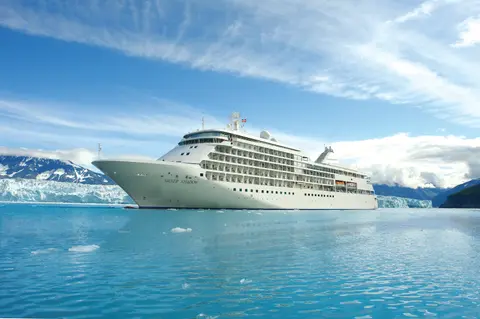
SilverseaSS260619C24
Nice to Nice
Date
2026-06-19
Duration
24 nights
Departure Port
Nice
France
Arrival Port
Nice
France
Rating
—
Theme
—
Date
2026-06-19
Duration
24 nights
Departure Port
Nice
France
Arrival Port
Nice
France
Rating
—
Theme
—
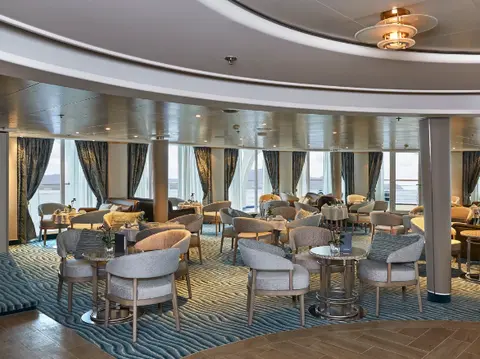
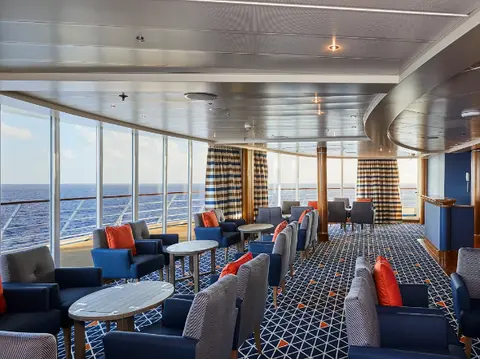
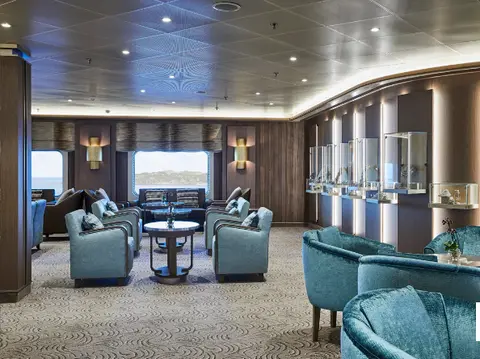
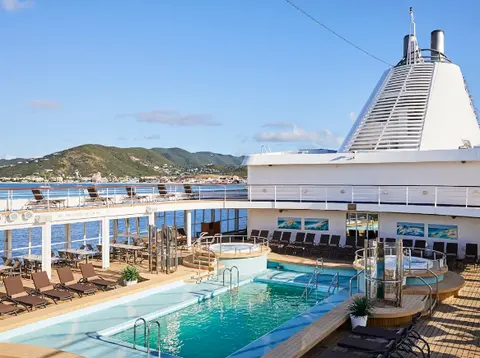

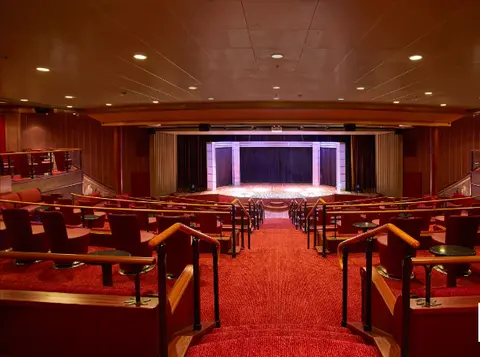
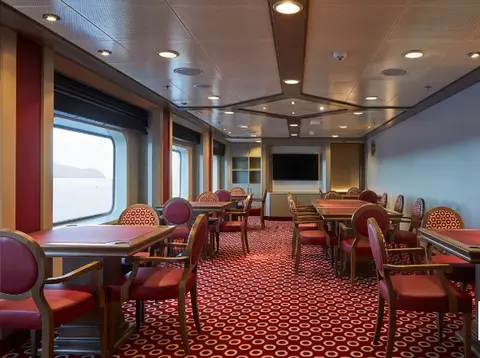
Silversea
2019
2019
28,258 GT
388
194
302
610 m
24 m
21 knots
No
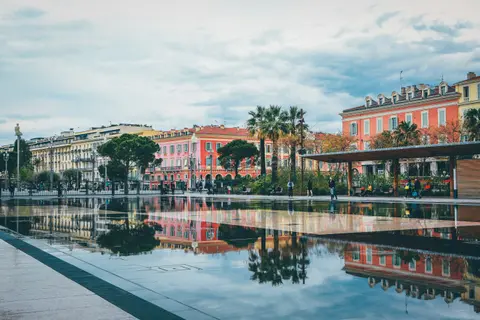
The port of Nice is a vibrant gateway to the French Riviera, offering a rich tapestry of history, stunning architecture, and delectable local cuisine. Must-do experiences include savoring local specialties at the bustling Cours Saleya Market and exploring the charming streets of Vieux Nice. The best time to visit is during the spring and early fall when the weather is mild and the city is alive with cultural festivities.
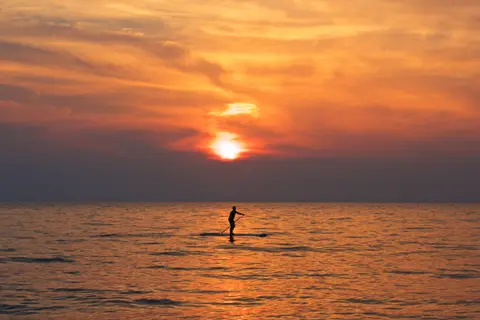
Purpose-built as a Medici utopia in the late sixteenth century, Livorno was conceived from the outset as a city without discrimination — its founding Leggi Livornine granted equal rights to Jews, Christians, Muslims, and merchants of every nation, making it one of the most cosmopolitan cities in Renaissance Europe. Today, the Venetian-style canals of the Venezia Nuova quarter reflect colourful palazzi with a distinctly faded glamour, while the Mercato Centrale's fish counters display the cacciucco ingredients — a robust Livornese brodetto of five sea creatures — that make this port city a pilgrimage for serious eaters. Day trips to Pisa and Lucca are effortless from here. The season runs April through October.
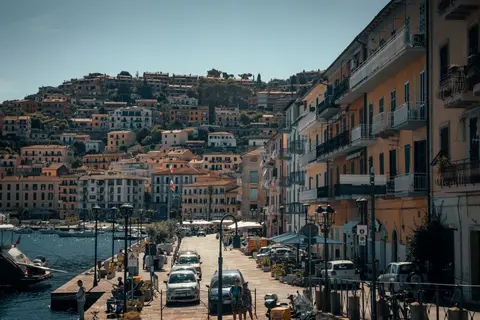
Porto Santo Stefano is a picturesque Tuscan port town on the Monte Argentario peninsula, combining working-harbor authenticity with some of the Tyrrhenian coast's finest seafood and hidden swimming coves. Must-dos include dining on caldaro fish stew at a waterfront trattoria, taking a ferry to the island of Giglio, and driving the panoramic road around the promontory. Visit May to October for swimming weather, with shoulder months offering the best balance of warmth and tranquility.
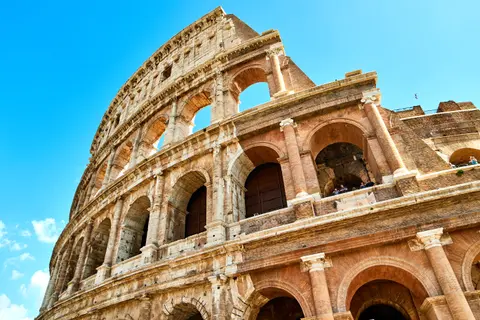
Rome's ancient maritime gateway since the Emperor Trajan commissioned its harbour in 106 AD, Civitavecchia is the natural prologue to the Eternal City — just seventy minutes southeast by express rail. The port's Renaissance fortress, designed in part by Michelangelo, anchors a working waterfront that has welcomed travellers for millennia. Beyond Rome's unmissable monuments, consider an afternoon in the Civitavecchia thermal baths, drawing on mineral waters prized since antiquity. Spring and autumn offer the ideal balance of mild weather and manageable crowds for exploring the capital's layered history.
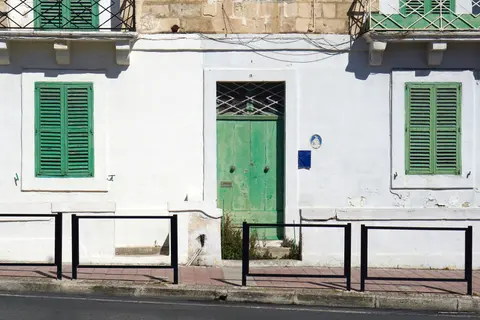
Valletta, the golden fortress capital of Malta, was hewn from a limestone peninsula in defiant haste after the Knights of Saint John — warrior monks of extraordinary valor — repulsed an overwhelming Ottoman assault in 1565. Its grid of steep baroque streets is dense with Caravaggio masterworks in the Co-Cathedral of St. John, shaded piazzas alive with café society, and bastions commanding breathtaking views over the Grand Harbour's legendary twin forts. The mild Mediterranean climate welcomes visitors year-round, though spring and autumn offer the most pleasurable temperatures for unhurried exploration of this compact UNESCO World Heritage capital.
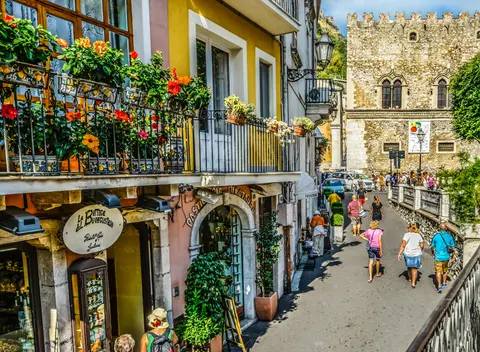
Giardini Naxos is the Sicilian bay where Greek civilization first touched western shores in 734 BC, serving today as the gateway to hilltop Taormina's extraordinary Greek-Roman theatre with Mount Etna as its eternal backdrop. Visit May or September via Windstar or Explora Journeys for ancient ruins, cable-car ascents to Sicily's most famous resort, and the view that convinced the first Greek colonists they had found paradise.
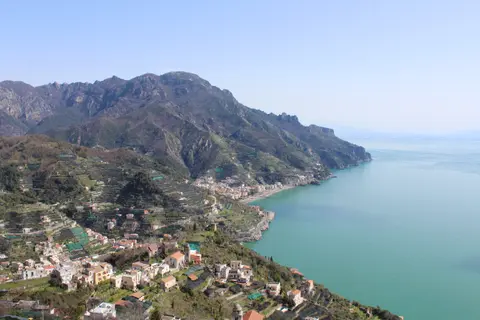
Salerno is a historic Campanian port city nestled between the Amalfi Coast and Cilento National Park, home to Europe's first medieval medical school and a magnificent Romanesque cathedral with Byzantine bronze doors. Visitors should not miss the Lungomare Trieste promenade at sunset and a plate of hand-rolled scialatielli ai frutti di mare in the atmospheric old town. The mild Mediterranean climate makes Salerno enchanting year-round, though late spring through early autumn offers the most luminous light and the fullest expression of its coastal character.
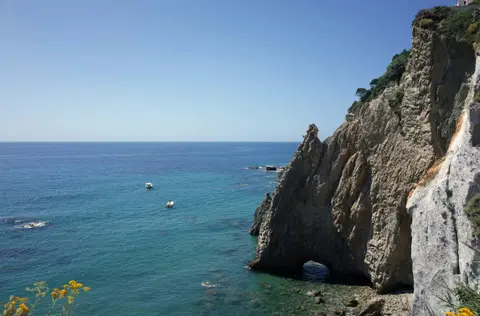
Ponza is a volcanic island in the Tyrrhenian Sea where pastel houses climb tufa cliffs above a crescent harbour, Roman fish pools hide in sea caves, and the freshest seafood in Italy arrives daily at waterfront restaurants. Visit from May through October for swimming in crystalline waters, exploring dramatic coastline by boat, and experiencing an Italian island untouched by mass tourism.
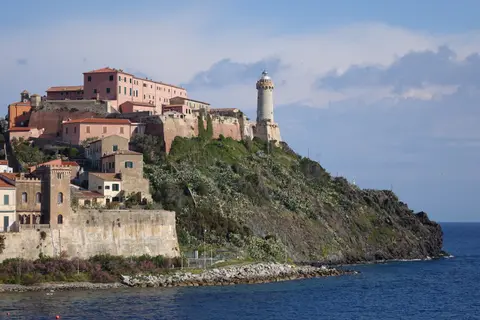
Portoferraio is the historic capital of Elba, the Tuscan island famous as Napoleon's place of exile, featuring Medici fortifications, pastel waterfront facades, and over 150 beaches. Must-dos include Napoleon's Villa dei Mulini, the Monte Capanne cable car, and sampling Aleatico dessert wine. May through October offers ideal Mediterranean conditions, with June and September best for avoiding crowds.
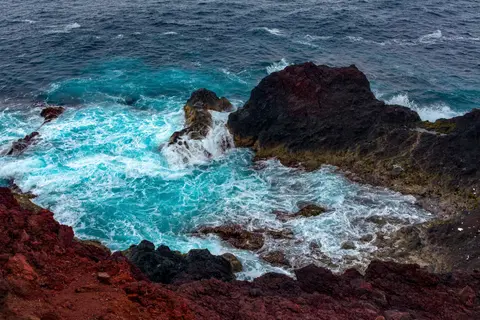
Miyakojima, Japan is a distinctive port city where deep cultural heritage meets authentic local atmosphere, featured on itineraries by Costa Cruises. Must-do experiences include walking the historic center to experience the layered architectural heritage, and seeking out the regional culinary traditions at a locally favored establishment away from the port area. The optimal time to visit is April through October, when warm weather and extended daylight create ideal conditions.
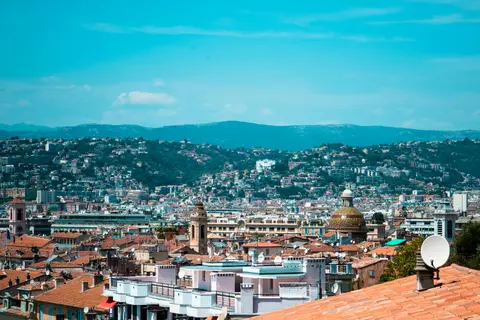
The port of Nice is a vibrant gateway to the French Riviera, offering a rich tapestry of history, stunning architecture, and delectable local cuisine. Must-do experiences include savoring local specialties at the bustling Cours Saleya Market and exploring the charming streets of Vieux Nice. The best time to visit is during the spring and early fall when the weather is mild and the city is alive with cultural festivities.
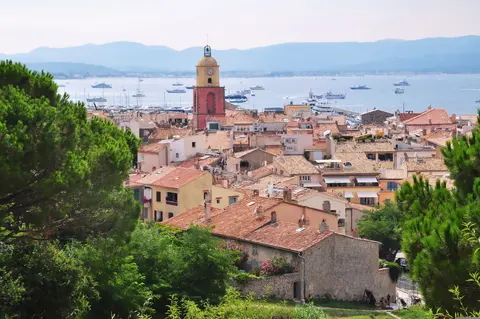
Saint-Tropez is the legendary Côte d'Azur fishing port turned global glamour destination, where Provençal authenticity endures beneath the mythology of yachts and celebrities. Must-dos include browsing the Musée de l'Annonciade's Fauvist masterpieces, tasting tarte tropézienne and fresh-caught rouget, and strolling the Sentier du Littoral coastal path to hidden coves. May through June and September through October offer the best weather with fewer crowds.
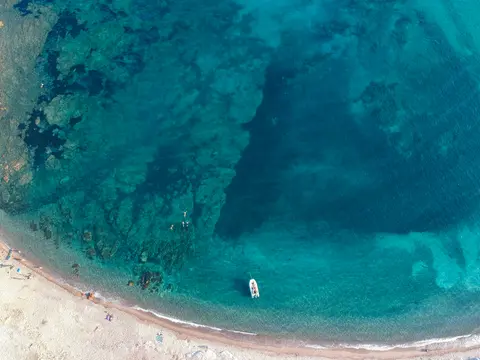
Bonifacio is a dramatically cliff-perched medieval citadel at Corsica's southern tip, where Genoese ramparts tower above a fjord-like natural harbour in the turquoise Strait of Bonifacio. Visitors should descend the vertiginous Escalier du Roi d'Aragon carved into the limestone cliffs and take a boat excursion to the pristine Lavezzi archipelago nature reserve for world-class snorkelling among sculpted granite formations. The ideal window is June or September, when the Mediterranean light is at its most luminous and the narrow streets of the haute ville remain blissfully uncrowded.
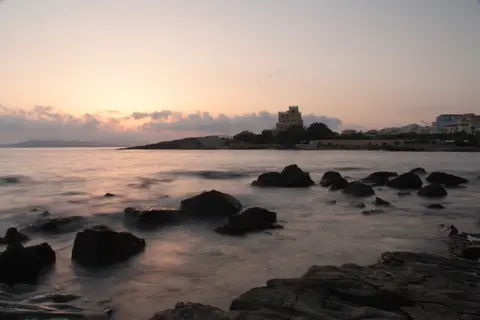
Alghero is Sardinia's Catalan jewel, a medieval walled town where bilingual street signs, fourteenth-century Aragonese fortifications, and the spectacular Neptune's Grotto sea cave create the island's most culturally distinctive coastal experience. Visit May through October via Silversea or Explora Journeys for sunset wall walks, the 656-step cliff descent to Neptune's Grotto, and lobster alla catalana served within the honey-colored ramparts of a city that bridges Barcelona and Sardinia.
Clarence Town, Long Island, Bahamas is a distinctive port city where deep cultural heritage meets authentic local atmosphere, featured on itineraries by Silversea. Must-do experiences include exploring the vibrant local markets for regional specialties and fresh seafood, and discovering the waterfront quarter where maritime heritage meets contemporary energy. The optimal time to visit is November through April, when cooler dry months offer the most comfortable conditions for exploration.
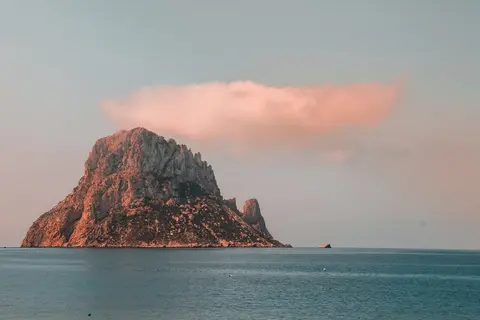
Beneath Ibiza's sun-drenched reputation as the world's clubbing capital lies a layered history stretching back to Phoenician traders who settled this Balearic island in 654 BC. The UNESCO-listed Dalt Vila — the walled hilltop citadel above Eivissa town — rewards exploration with Carthaginian burial grounds, Renaissance ramparts, and sweeping Mediterranean panoramas. For quieter pleasures, the crystalline coves of the island's north, such as Cala d'en Serra and Es Portitxol, rival any beach in Europe. The Phoenician necropolis of Puig des Molins is unmissable for history devotees. The season runs May through October, with June and September offering ideal weather without peak-summer crowds.
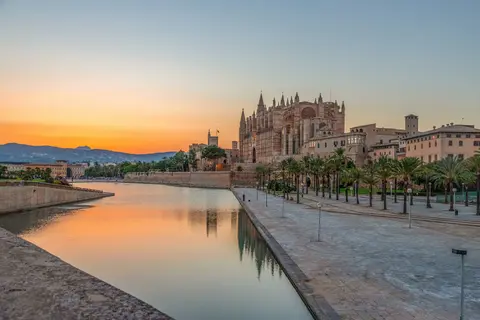
Palma de Mallorca announces itself with one of the most spectacular Gothic cathedrals in the world — La Seu, its honey-coloured sandstone buttresses rising directly from the bay, its interior modified by Antoni Gaudí and illuminated by the world's largest Gothic rose window. The old town behind it is a quarter of Arab baths, Renaissance palaces converted into boutique hotels, and the Passeig del Born — a plane-tree-shaded promenade where Balearic life conducts itself with unhurried grace. The local ensaïmada pastry and fresh sobrasada sausage from the island's black pigs are essential breakfast rituals. Visit May, June, or September: warm, brilliant, and measurably calmer than the July–August peak.
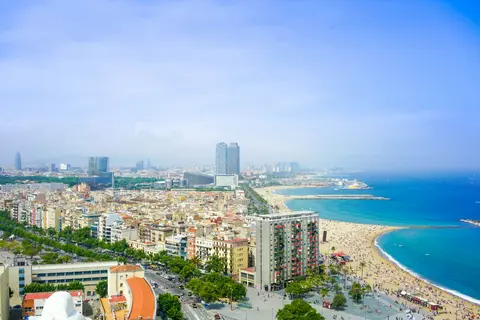
Barcelona is the city where Roman history, Gothic grandeur, and Gaudí's delirious Modernisme collide in a Mediterranean coastal capital of astonishing energy and beauty. The Sagrada Família — still under construction after 140 years — continues its audacious ascent toward completion, while the Gothic Quarter's Roman-era foundations and the Passeig de Gràcia's extraordinary concentration of Modernisme masterpieces reward days of exploration. For a complete sensory experience, lose an afternoon in the covered labyrinth of La Boqueria market before descending to the waterfront for Catalan seafood at its finest. May through June and September through October offer the most pleasant weather; the city connects directly to Paris by overnight train.
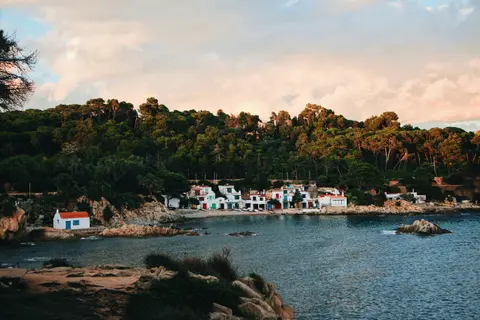
Palamós is an authentic Catalan fishing port on the Costa Brava, renowned for its legendary deep-water Gamba de Palamós red prawns and a vibrant working harbor where daily fish auctions continue centuries of maritime tradition. Must-dos include the Fishing Museum, coastal walks on the Camí de Ronda, and dining on fresh-from-the-sea Catalan cuisine. May through October offers ideal Mediterranean conditions.
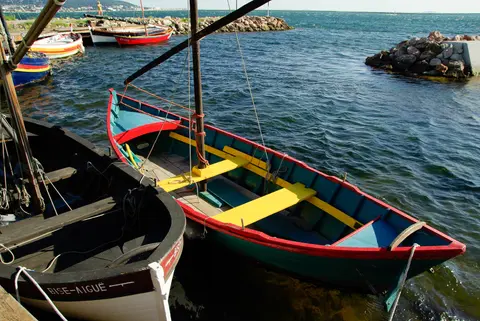
Sète is a canal-laced fishing port on France's Languedoc coast, built around the terminus of the Canal du Midi and crowned by the panoramic heights of Mont Saint-Clair. Visitors should not miss the iconic *tielle sétoise* pastry paired with Bouzigues oysters at the covered market, and the contemplative walk through the Cimetière Marin above the Mediterranean. Late spring through early autumn offers the finest conditions, with September bringing warm seas, golden light, and the spirited jousting tournaments on the canal that have defined Sète's character for over three hundred years.

Founded by Greek sailors in 600 BC, Marseille is France's oldest and most viscerally alive city — a Mediterranean port where the catch is still sold from fishing boat decks at the Vieux-Port each morning beneath the golden Madonna of Notre-Dame de la Garde, gleaming on her basilica above the city. The bouillabaisse served at harbourside institutions such as Chez Fonfon is not merely a dish but a rite, its saffron-stained broth tying Marseille to its Hellenic roots. Explore the dramatic Calanques national park, a coastal labyrinth of turquoise coves just south of the city. Spring and autumn are the finest seasons.
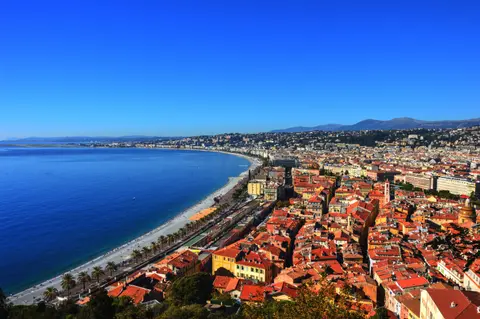
The port of Nice is a vibrant gateway to the French Riviera, offering a rich tapestry of history, stunning architecture, and delectable local cuisine. Must-do experiences include savoring local specialties at the bustling Cours Saleya Market and exploring the charming streets of Vieux Nice. The best time to visit is during the spring and early fall when the weather is mild and the city is alive with cultural festivities.
Day 1
The port of Nice is a vibrant gateway to the French Riviera, offering a rich tapestry of history, stunning architecture, and delectable local cuisine. Must-do experiences include savoring local specialties at the bustling Cours Saleya Market and exploring the charming streets of Vieux Nice. The best time to visit is during the spring and early fall when the weather is mild and the city is alive with cultural festivities.
Day 2
Purpose-built as a Medici utopia in the late sixteenth century, Livorno was conceived from the outset as a city without discrimination — its founding Leggi Livornine granted equal rights to Jews, Christians, Muslims, and merchants of every nation, making it one of the most cosmopolitan cities in Renaissance Europe. Today, the Venetian-style canals of the Venezia Nuova quarter reflect colourful palazzi with a distinctly faded glamour, while the Mercato Centrale's fish counters display the cacciucco ingredients — a robust Livornese brodetto of five sea creatures — that make this port city a pilgrimage for serious eaters. Day trips to Pisa and Lucca are effortless from here. The season runs April through October.
Day 4
Porto Santo Stefano is a picturesque Tuscan port town on the Monte Argentario peninsula, combining working-harbor authenticity with some of the Tyrrhenian coast's finest seafood and hidden swimming coves. Must-dos include dining on caldaro fish stew at a waterfront trattoria, taking a ferry to the island of Giglio, and driving the panoramic road around the promontory. Visit May to October for swimming weather, with shoulder months offering the best balance of warmth and tranquility.
Day 5
Rome's ancient maritime gateway since the Emperor Trajan commissioned its harbour in 106 AD, Civitavecchia is the natural prologue to the Eternal City — just seventy minutes southeast by express rail. The port's Renaissance fortress, designed in part by Michelangelo, anchors a working waterfront that has welcomed travellers for millennia. Beyond Rome's unmissable monuments, consider an afternoon in the Civitavecchia thermal baths, drawing on mineral waters prized since antiquity. Spring and autumn offer the ideal balance of mild weather and manageable crowds for exploring the capital's layered history.
Day 6
Day 7
Valletta, the golden fortress capital of Malta, was hewn from a limestone peninsula in defiant haste after the Knights of Saint John — warrior monks of extraordinary valor — repulsed an overwhelming Ottoman assault in 1565. Its grid of steep baroque streets is dense with Caravaggio masterworks in the Co-Cathedral of St. John, shaded piazzas alive with café society, and bastions commanding breathtaking views over the Grand Harbour's legendary twin forts. The mild Mediterranean climate welcomes visitors year-round, though spring and autumn offer the most pleasurable temperatures for unhurried exploration of this compact UNESCO World Heritage capital.
Day 8
Giardini Naxos is the Sicilian bay where Greek civilization first touched western shores in 734 BC, serving today as the gateway to hilltop Taormina's extraordinary Greek-Roman theatre with Mount Etna as its eternal backdrop. Visit May or September via Windstar or Explora Journeys for ancient ruins, cable-car ascents to Sicily's most famous resort, and the view that convinced the first Greek colonists they had found paradise.
Day 9
Salerno is a historic Campanian port city nestled between the Amalfi Coast and Cilento National Park, home to Europe's first medieval medical school and a magnificent Romanesque cathedral with Byzantine bronze doors. Visitors should not miss the Lungomare Trieste promenade at sunset and a plate of hand-rolled scialatielli ai frutti di mare in the atmospheric old town. The mild Mediterranean climate makes Salerno enchanting year-round, though late spring through early autumn offers the most luminous light and the fullest expression of its coastal character.
Day 10
Ponza is a volcanic island in the Tyrrhenian Sea where pastel houses climb tufa cliffs above a crescent harbour, Roman fish pools hide in sea caves, and the freshest seafood in Italy arrives daily at waterfront restaurants. Visit from May through October for swimming in crystalline waters, exploring dramatic coastline by boat, and experiencing an Italian island untouched by mass tourism.
Day 11
Portoferraio is the historic capital of Elba, the Tuscan island famous as Napoleon's place of exile, featuring Medici fortifications, pastel waterfront facades, and over 150 beaches. Must-dos include Napoleon's Villa dei Mulini, the Monte Capanne cable car, and sampling Aleatico dessert wine. May through October offers ideal Mediterranean conditions, with June and September best for avoiding crowds.
Day 12
Miyakojima, Japan is a distinctive port city where deep cultural heritage meets authentic local atmosphere, featured on itineraries by Costa Cruises. Must-do experiences include walking the historic center to experience the layered architectural heritage, and seeking out the regional culinary traditions at a locally favored establishment away from the port area. The optimal time to visit is April through October, when warm weather and extended daylight create ideal conditions.
Day 13
The port of Nice is a vibrant gateway to the French Riviera, offering a rich tapestry of history, stunning architecture, and delectable local cuisine. Must-do experiences include savoring local specialties at the bustling Cours Saleya Market and exploring the charming streets of Vieux Nice. The best time to visit is during the spring and early fall when the weather is mild and the city is alive with cultural festivities.
Day 14
Saint-Tropez is the legendary Côte d'Azur fishing port turned global glamour destination, where Provençal authenticity endures beneath the mythology of yachts and celebrities. Must-dos include browsing the Musée de l'Annonciade's Fauvist masterpieces, tasting tarte tropézienne and fresh-caught rouget, and strolling the Sentier du Littoral coastal path to hidden coves. May through June and September through October offer the best weather with fewer crowds.
Day 15
Bonifacio is a dramatically cliff-perched medieval citadel at Corsica's southern tip, where Genoese ramparts tower above a fjord-like natural harbour in the turquoise Strait of Bonifacio. Visitors should descend the vertiginous Escalier du Roi d'Aragon carved into the limestone cliffs and take a boat excursion to the pristine Lavezzi archipelago nature reserve for world-class snorkelling among sculpted granite formations. The ideal window is June or September, when the Mediterranean light is at its most luminous and the narrow streets of the haute ville remain blissfully uncrowded.
Day 16
Alghero is Sardinia's Catalan jewel, a medieval walled town where bilingual street signs, fourteenth-century Aragonese fortifications, and the spectacular Neptune's Grotto sea cave create the island's most culturally distinctive coastal experience. Visit May through October via Silversea or Explora Journeys for sunset wall walks, the 656-step cliff descent to Neptune's Grotto, and lobster alla catalana served within the honey-colored ramparts of a city that bridges Barcelona and Sardinia.
Day 17
Day 18
Clarence Town, Long Island, Bahamas is a distinctive port city where deep cultural heritage meets authentic local atmosphere, featured on itineraries by Silversea. Must-do experiences include exploring the vibrant local markets for regional specialties and fresh seafood, and discovering the waterfront quarter where maritime heritage meets contemporary energy. The optimal time to visit is November through April, when cooler dry months offer the most comfortable conditions for exploration.
Day 19
Beneath Ibiza's sun-drenched reputation as the world's clubbing capital lies a layered history stretching back to Phoenician traders who settled this Balearic island in 654 BC. The UNESCO-listed Dalt Vila — the walled hilltop citadel above Eivissa town — rewards exploration with Carthaginian burial grounds, Renaissance ramparts, and sweeping Mediterranean panoramas. For quieter pleasures, the crystalline coves of the island's north, such as Cala d'en Serra and Es Portitxol, rival any beach in Europe. The Phoenician necropolis of Puig des Molins is unmissable for history devotees. The season runs May through October, with June and September offering ideal weather without peak-summer crowds.
Day 20
Palma de Mallorca announces itself with one of the most spectacular Gothic cathedrals in the world — La Seu, its honey-coloured sandstone buttresses rising directly from the bay, its interior modified by Antoni Gaudí and illuminated by the world's largest Gothic rose window. The old town behind it is a quarter of Arab baths, Renaissance palaces converted into boutique hotels, and the Passeig del Born — a plane-tree-shaded promenade where Balearic life conducts itself with unhurried grace. The local ensaïmada pastry and fresh sobrasada sausage from the island's black pigs are essential breakfast rituals. Visit May, June, or September: warm, brilliant, and measurably calmer than the July–August peak.
Day 21
Barcelona is the city where Roman history, Gothic grandeur, and Gaudí's delirious Modernisme collide in a Mediterranean coastal capital of astonishing energy and beauty. The Sagrada Família — still under construction after 140 years — continues its audacious ascent toward completion, while the Gothic Quarter's Roman-era foundations and the Passeig de Gràcia's extraordinary concentration of Modernisme masterpieces reward days of exploration. For a complete sensory experience, lose an afternoon in the covered labyrinth of La Boqueria market before descending to the waterfront for Catalan seafood at its finest. May through June and September through October offer the most pleasant weather; the city connects directly to Paris by overnight train.
Day 22
Palamós is an authentic Catalan fishing port on the Costa Brava, renowned for its legendary deep-water Gamba de Palamós red prawns and a vibrant working harbor where daily fish auctions continue centuries of maritime tradition. Must-dos include the Fishing Museum, coastal walks on the Camí de Ronda, and dining on fresh-from-the-sea Catalan cuisine. May through October offers ideal Mediterranean conditions.
Day 23
Sète is a canal-laced fishing port on France's Languedoc coast, built around the terminus of the Canal du Midi and crowned by the panoramic heights of Mont Saint-Clair. Visitors should not miss the iconic *tielle sétoise* pastry paired with Bouzigues oysters at the covered market, and the contemplative walk through the Cimetière Marin above the Mediterranean. Late spring through early autumn offers the finest conditions, with September bringing warm seas, golden light, and the spirited jousting tournaments on the canal that have defined Sète's character for over three hundred years.
Day 24
Founded by Greek sailors in 600 BC, Marseille is France's oldest and most viscerally alive city — a Mediterranean port where the catch is still sold from fishing boat decks at the Vieux-Port each morning beneath the golden Madonna of Notre-Dame de la Garde, gleaming on her basilica above the city. The bouillabaisse served at harbourside institutions such as Chez Fonfon is not merely a dish but a rite, its saffron-stained broth tying Marseille to its Hellenic roots. Explore the dramatic Calanques national park, a coastal labyrinth of turquoise coves just south of the city. Spring and autumn are the finest seasons.
Day 25
The port of Nice is a vibrant gateway to the French Riviera, offering a rich tapestry of history, stunning architecture, and delectable local cuisine. Must-do experiences include savoring local specialties at the bustling Cours Saleya Market and exploring the charming streets of Vieux Nice. The best time to visit is during the spring and early fall when the weather is mild and the city is alive with cultural festivities.
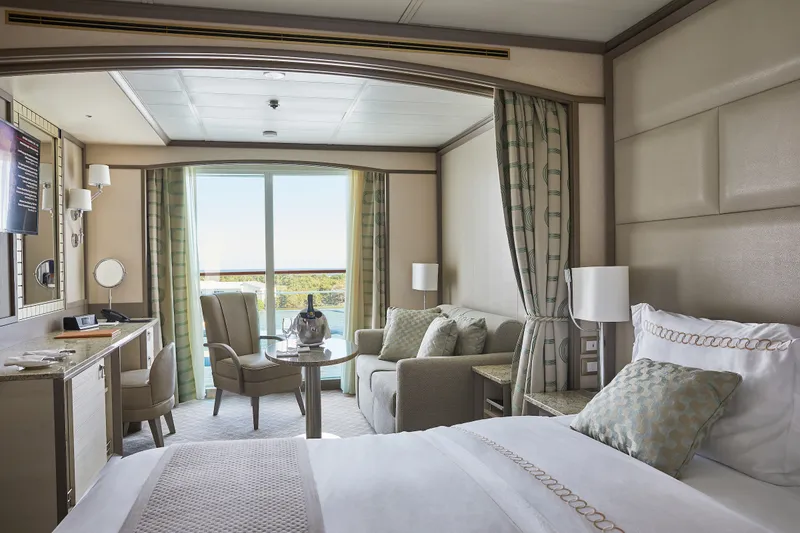
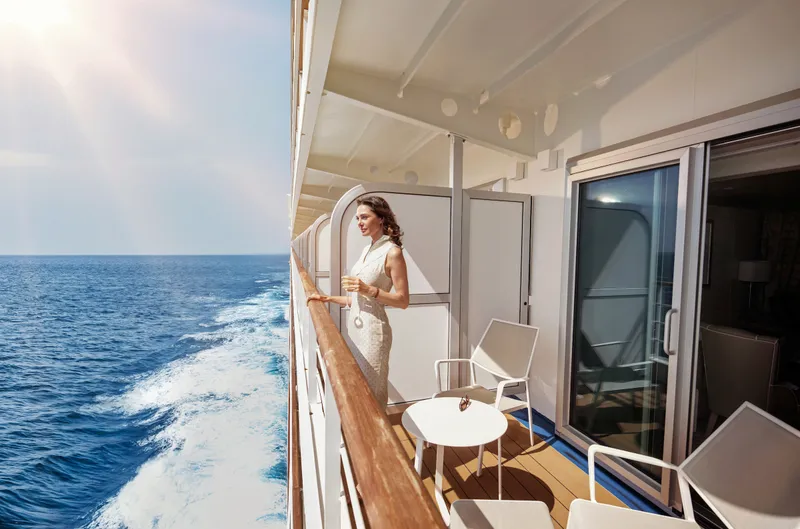
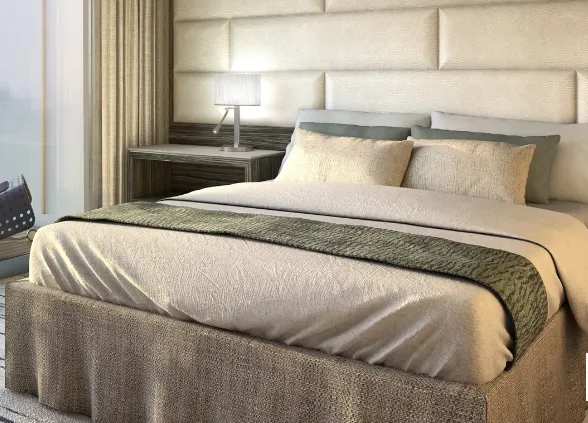
The Classic Veranda Suite provides generous living space for voyagers. Located lower bow, the Classic Veranda Suite offers all the comfort and attention to detail that you can expect aboard — both inside and out. A generous expanse of interior comforts — elegant décor, stunning marble bathroom and ample seating area, make this a cosy home away from home. But perhaps this suite’s finest asset lies just outside, as floor-to-ceiling glass doors open onto a private veranda, making every sunset feel as if it is yours alone.
Veranda with patio furniture and floor-to-ceiling glass doors.
Sitting area.
Twin beds or queen-sized bed.
Marble bathroom with double vanity, full-sized bath, separate shower.
Walk-in wardrobe with personal safe.
Vanity table with hair dryer.
Writing desk.
32” / 81 cm flat-screen television with Interactive Media Library.
Unlimited Standard Wifi.
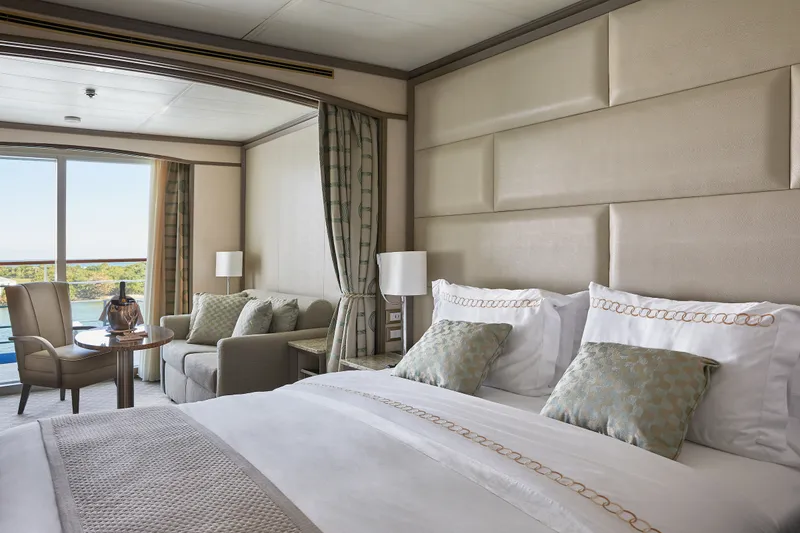
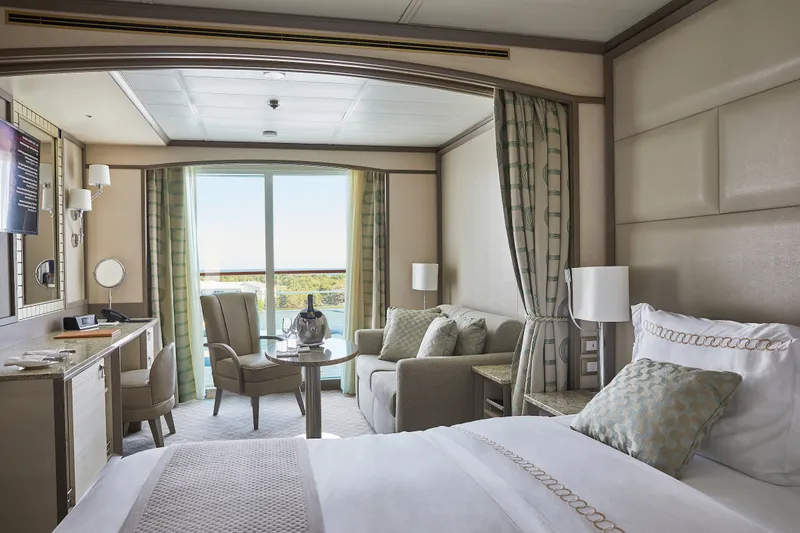
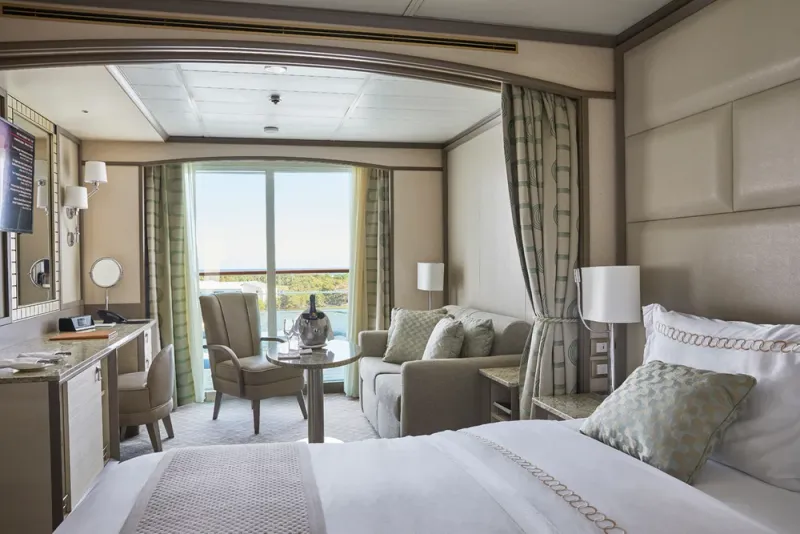
The Deluxe Veranda Suite offers a comfortable living space, close to the heart of the ship. With its preferred mid-ship location and all the comfort and attention to detail that you can expect aboard, the Deluxe Veranda Suite is the savvy traveller’s paradise— both inside and out. Elegant décor, stunning marble bathroom and ample seating area, make this a cosy home away from home. But perhaps this suite’s finest asset lies just outside, as floor-to-ceiling glass doors open onto a private veranda, making every sunset feel as if it is yours alone.
Veranda with patio furniture and floor-to-ceiling glass doors.
Sitting area.
Twin beds or queen-sized bed.
Marble bathroom with double vanity, full-sized bath, separate shower.
Walk-in wardrobe with personal safe.
Vanity table with hair dryer.
Writing desk.
32” / 81 cm flat-screen television with Interactive Media Library.
Unlimited Standard Wifi.
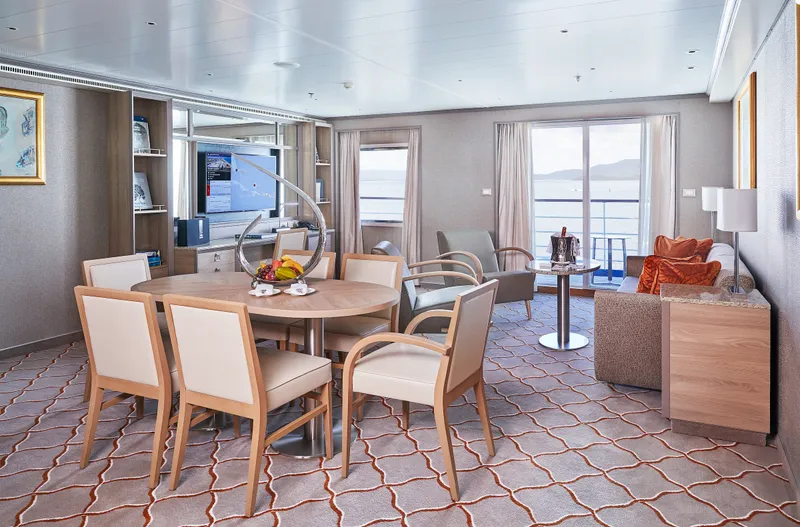
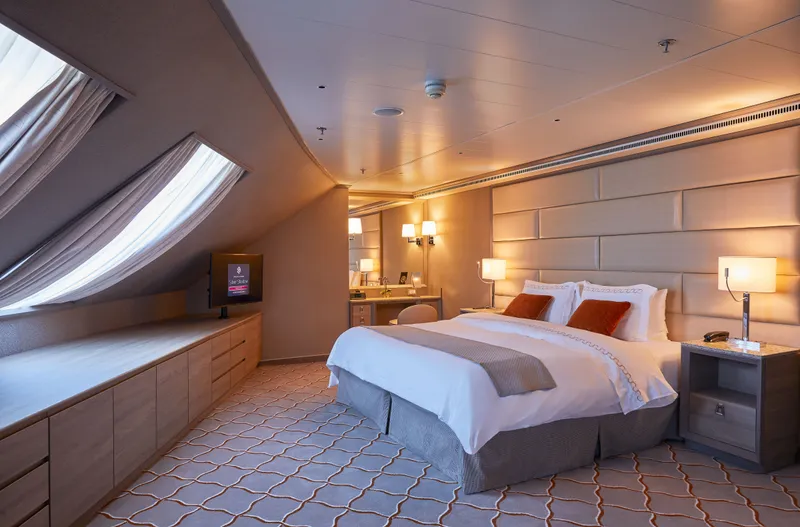
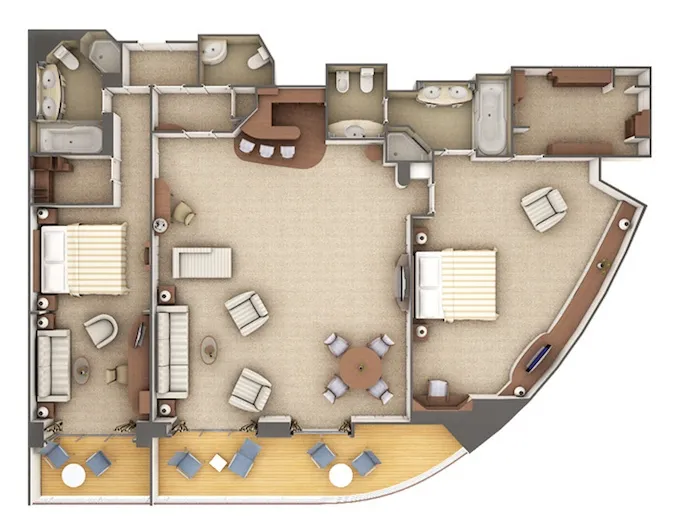
Expertly designed and exquisitely appointed. Ideal for entertaining friends while you cruise or enjoying a quiet dinner “at home”. Available as a one-bedroom configuration or as two-bedrooms (as illustrated) by adjoining with a Silversea Veranda Suite.
Large veranda with patio furniture and floor-to-ceiling glass doors; bedroom two has additional veranda.
Living room with sitting area; bedroom two has additional sitting area.
Separate dining area and bar.
Twin beds or queen-sized bed; bedroom two has additional twin beds or queen-sized bed.
Marble bathroom with double vanity, separate shower and full-sized whirlpool bath, plus a powder room; bedroom two has additional marble bathroom with full-sized bath.
Walk-in wardrobe(s) with personal safe.
Vanity table(s) with hair dryer.
Writing desk(s).
32” / 81 cm flat-screen television(s) with Interactive Media Library.
Bose Sound system with bluetooth connectivity.
Unlimited Premium Wifi.
Illy espresso machine.
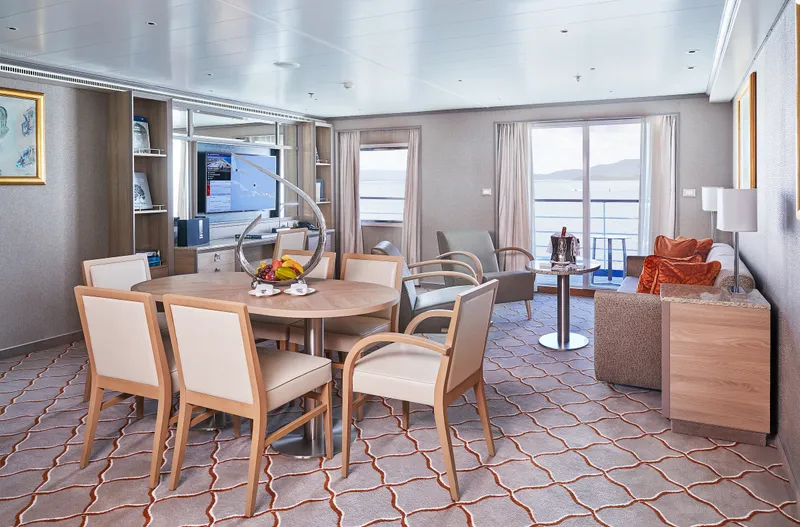
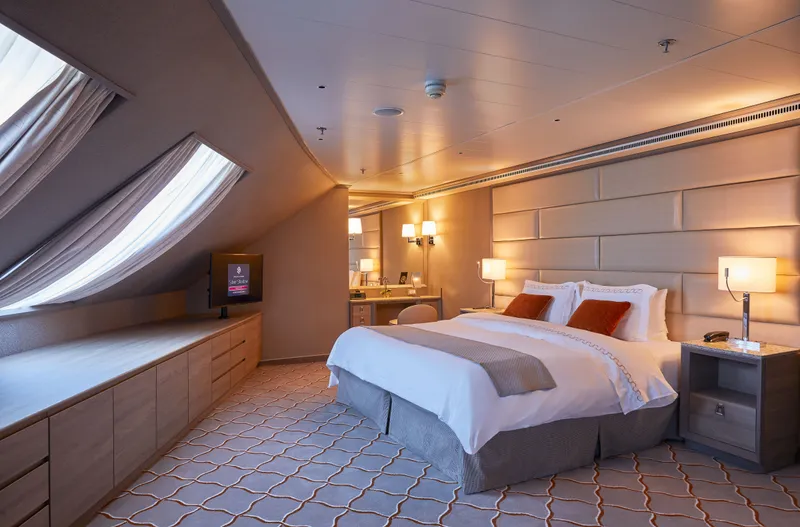
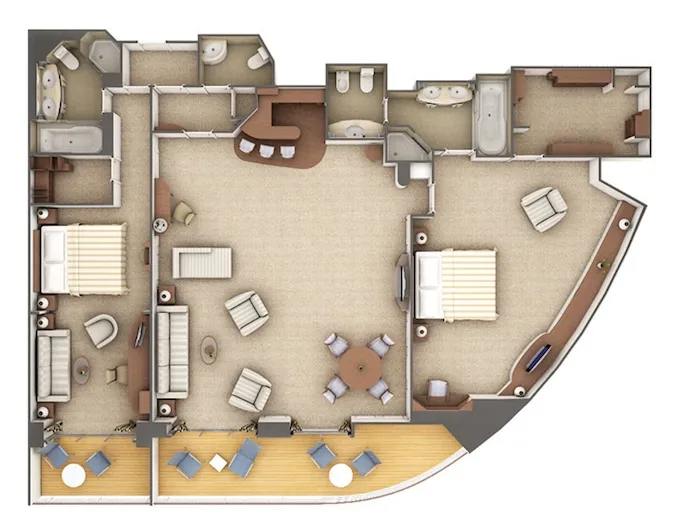
Expertly designed and exquisitely appointed. Ideal for entertaining friends while you cruise or enjoying a quiet dinner “at home”. Available as a one-bedroom configuration or as two-bedrooms (as illustrated) by adjoining with a Silversea Veranda Suite.
Large veranda with patio furniture and floor-to-ceiling glass doors; bedroom two has additional veranda.
Living room with sitting area; bedroom two has additional sitting area.
Separate dining area and bar.
Twin beds or queen-sized bed; bedroom two has additional twin beds or queen-sized bed.
Marble bathroom with double vanity, separate shower and full-sized whirlpool bath, plus a powder room; bedroom two has additional marble bathroom with full-sized bath.
Walk-in wardrobe(s) with personal safe.
Vanity table(s) with hair dryer.
Writing desk(s).
32” / 81 cm flat-screen television(s) with Interactive Media Library.
Bose Sound system with bluetooth connectivity.
Unlimited Premium Wifi.
Illy espresso machine.
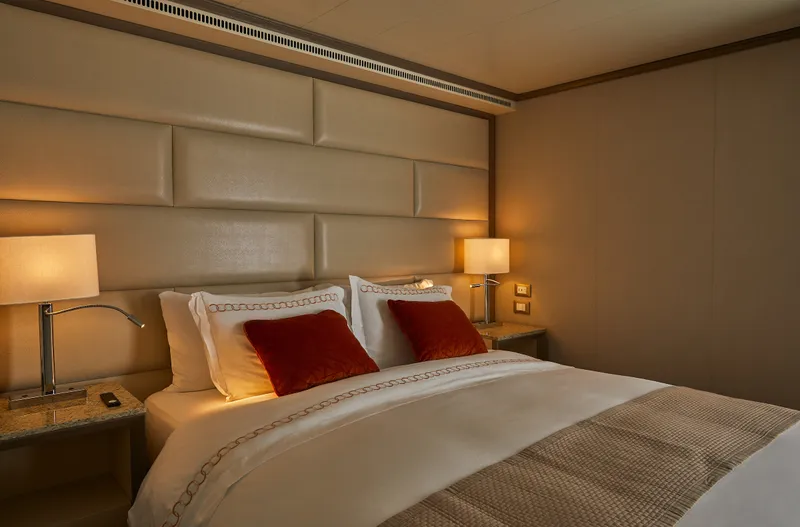
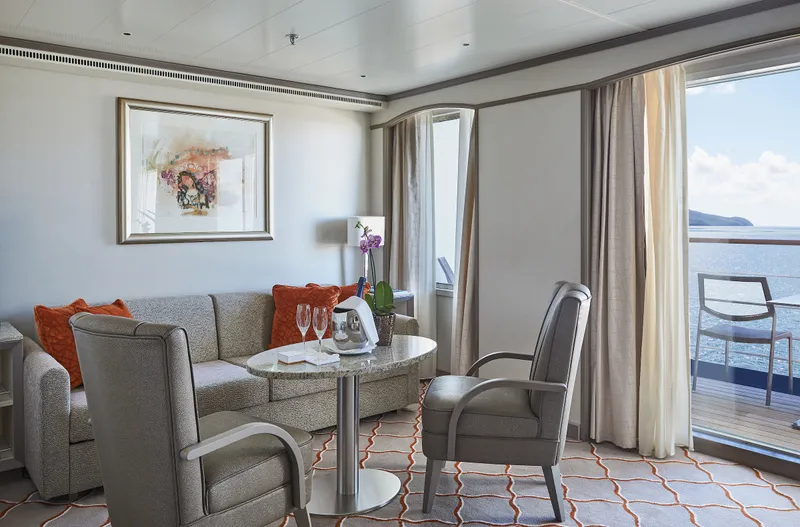
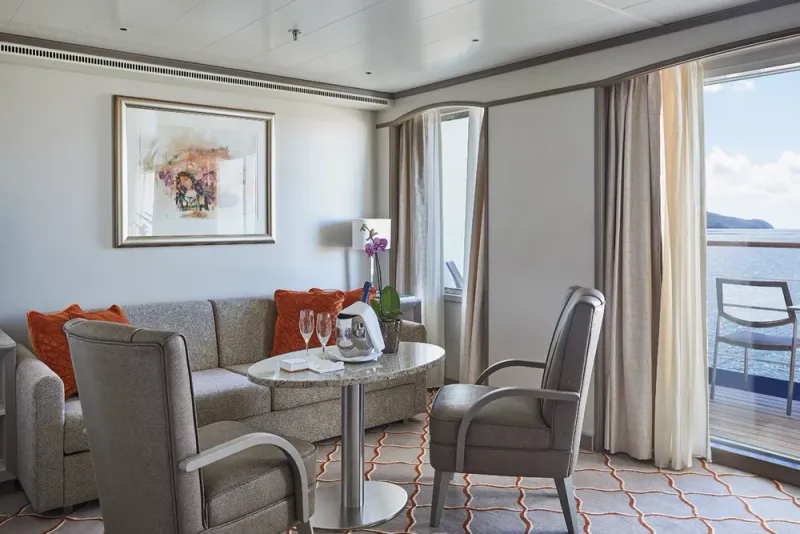
A mark of distinction. Sumptuous. Spacious. Rich textures and panoramic views surround you with distinguished luxury. An extravagant suite for an extravagant cruise.
Veranda with patio furniture and floor-to-ceiling glass doors.
Living room with sitting and dining area.
Twin beds or queen-sized bed.
Marble bathroom with double vanity, separate shower and full-sized whirlpool bath.
Walk-in wardrobe with personal safe.
Vanity table with hair dryer.
Writing desk.
32” / 81 cm flat-screen television with Interactive Media Library.
Bose Sound system with bluetooth connectivity.
Unlimited Premium Wifi.
Illy espresso machine.
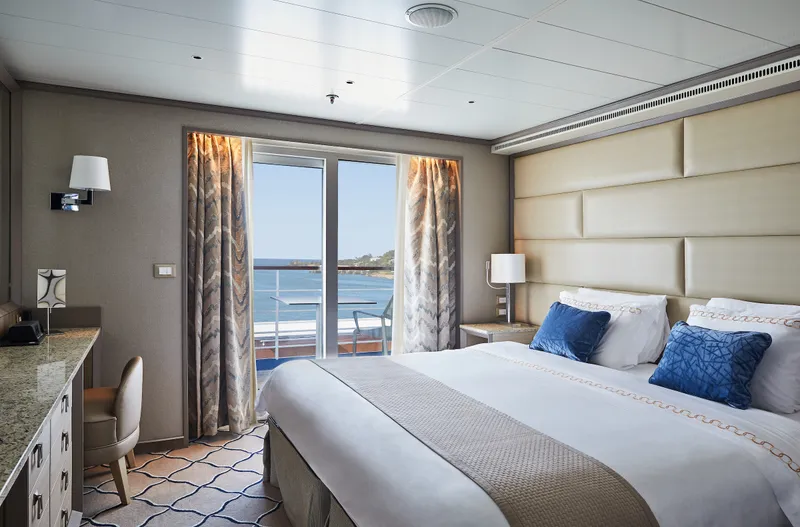
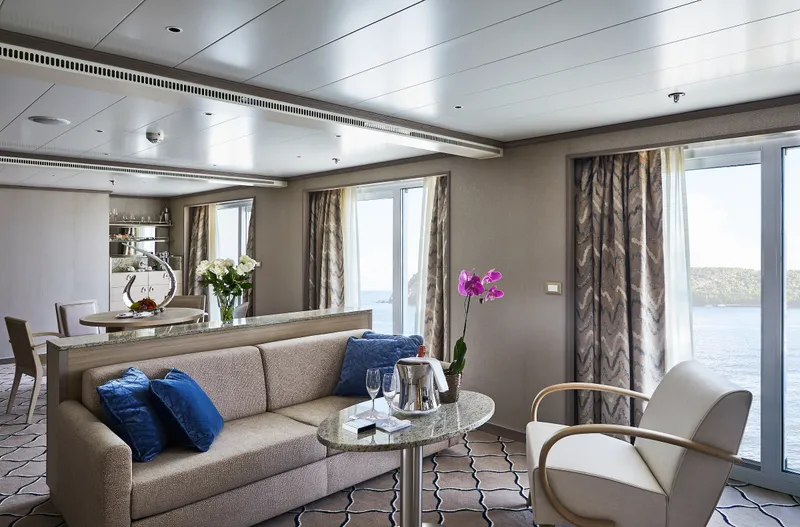
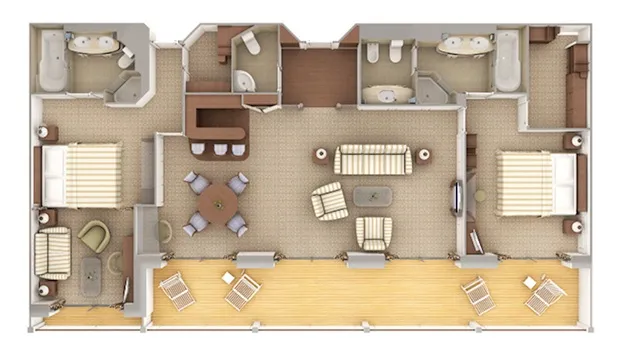
The name Owner's Suite says it all. A stylish apartment. Prestigious and classic. For those who seek the superlative level of space, comfort and service on board. Available as a one-bedroom configuration or as two-bedrooms (as illustrated) by adjoining with a Vista Suite.
Large veranda with patio furniture and floor-to-ceiling glass doors; bedroom two has additional large picture window.
Living room with sitting area; bedroom two has additional sitting area.
Separate dining area and bar.
Twin beds or queen-sized bed; bedroom two has additional twin beds or queen-sized bed.
Marble bathroom with double vanity, separate shower and full-sized whirlpool bath, plus a powder room; bedroom two has additional marble bathroom with full-sized bath.
Walk-in wardrobe(s) with personal safe.
Vanity table(s) with hair dryer.
Writing desk(s).
32” / 81 cm flat-screen television(s) with Interactive Media Library.
Bose Sound system with bluetooth connectivity.
Unlimited Premium Wifi.
Illy espresso machine.
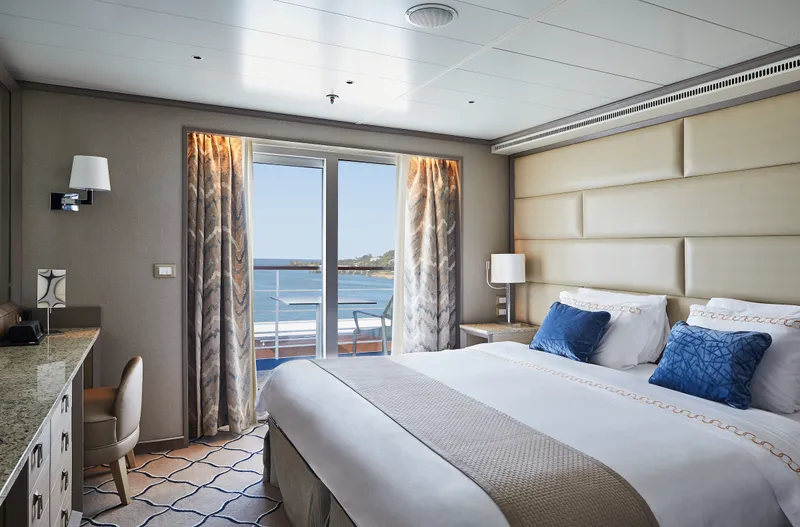
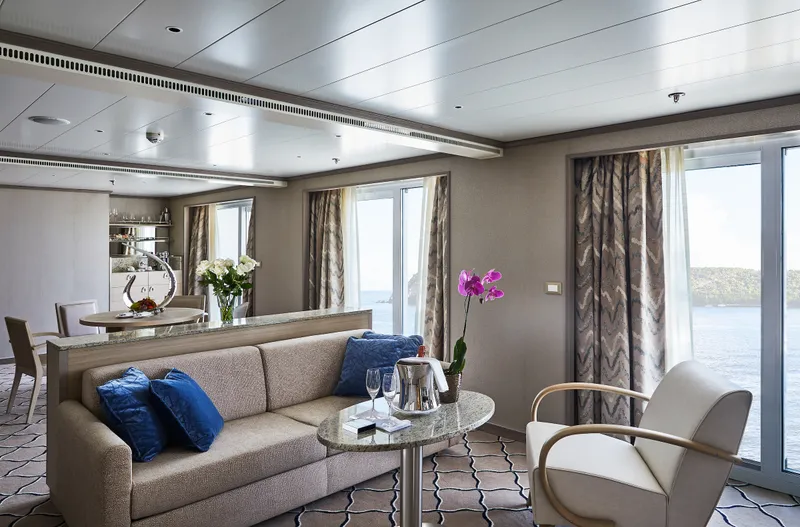
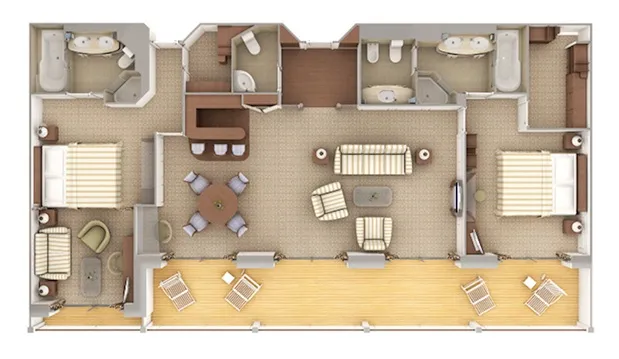
The name Owner's Suite says it all. A stylish apartment. Prestigious and classic. For those who seek the superlative level of space, comfort and service on board. Available as a one-bedroom configuration or as two-bedrooms (as illustrated) by adjoining with a Vista Suite.
Large veranda with patio furniture and floor-to-ceiling glass doors; bedroom two has additional large picture window.
Living room with sitting area; bedroom two has additional sitting area.
Separate dining area and bar.
Twin beds or queen-sized bed; bedroom two has additional twin beds or queen-sized bed.
Marble bathroom with double vanity, separate shower and full-sized whirlpool bath, plus a powder room; bedroom two has additional marble bathroom with full-sized bath.
Walk-in wardrobe(s) with personal safe.
Vanity table(s) with hair dryer.
Writing desk(s).
32” / 81 cm flat-screen television(s) with Interactive Media Library.
Bose Sound system with bluetooth connectivity.
Unlimited Premium Wifi.
Illy espresso machine.
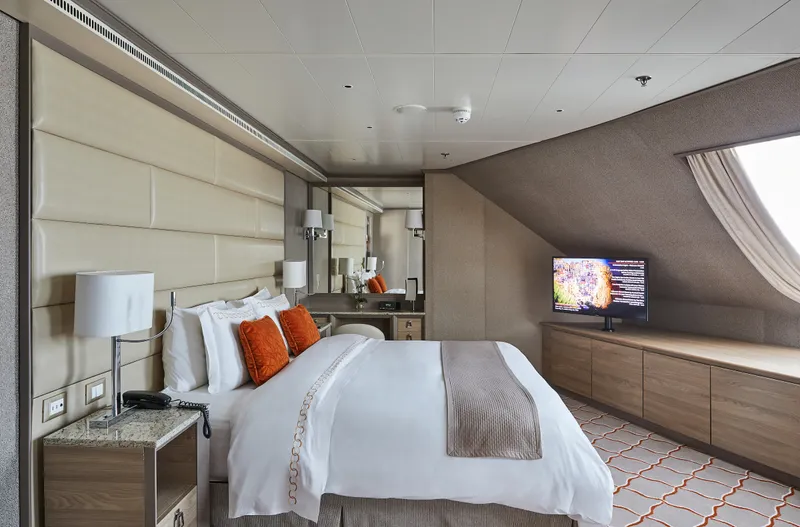
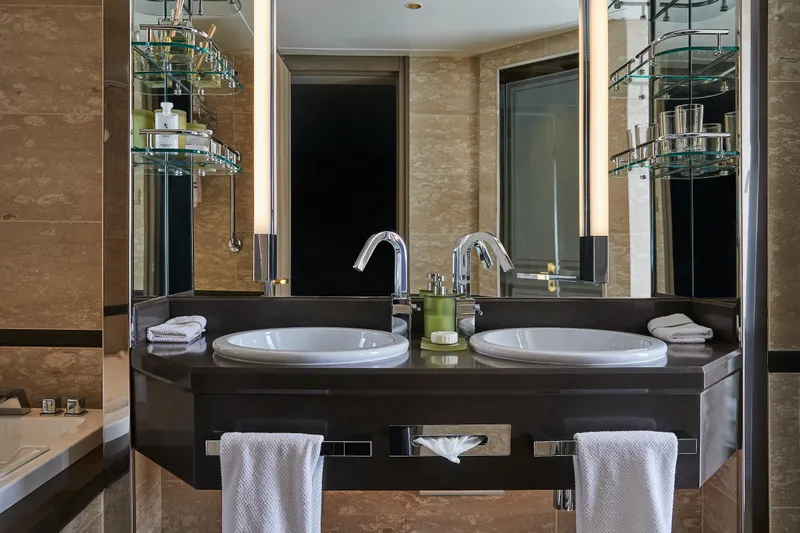
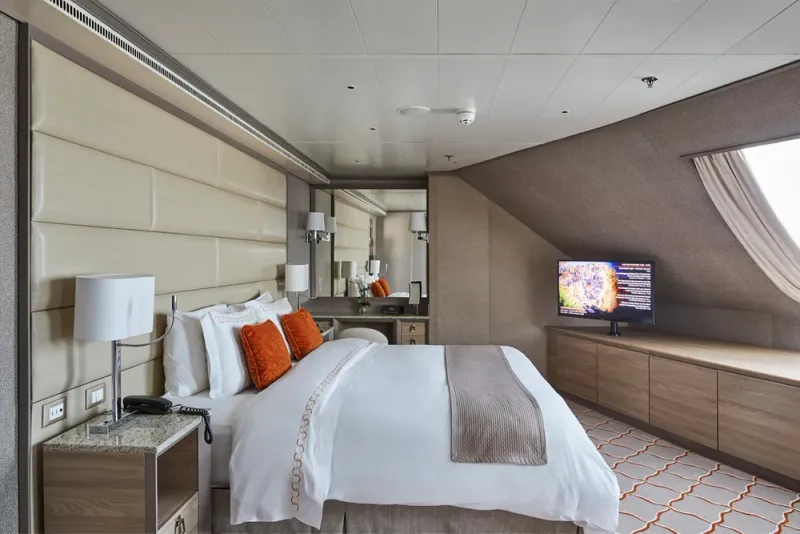
Stately describes the Royal Suite. Commanding and majestic. Perfect for entertaining. Enough living space to roam. The pinnacle of good living. Available as a one-bedroom configuration or as two-bedrooms (as illustrated) by adjoining with a Veranda Suite.
Large veranda with patio furniture and floor-to-ceiling glass doors; bedroom two has additional veranda.
Living room with sitting area; bedroom two has additional sitting area.
Separate dining area and bar.
Twin beds or queen-sized bed; bedroom two has additional twin beds or queen-sized bed.
Marble bathroom with double vanity, separate shower and full-sized whirlpool bath, plus a powder room; bedroom two has additional marble bathroom with full-sized bath.
Walk-in wardrobe(s) with personal safe.
Vanity table(s) with hair dryer.
Writing desk(s).
32” / 81 cm flat-screen television(s) with Interactive Media Library.
Bose Sound system with bluetooth connectivity.
Unlimited Premium Wifi.
Illy espresso machine.
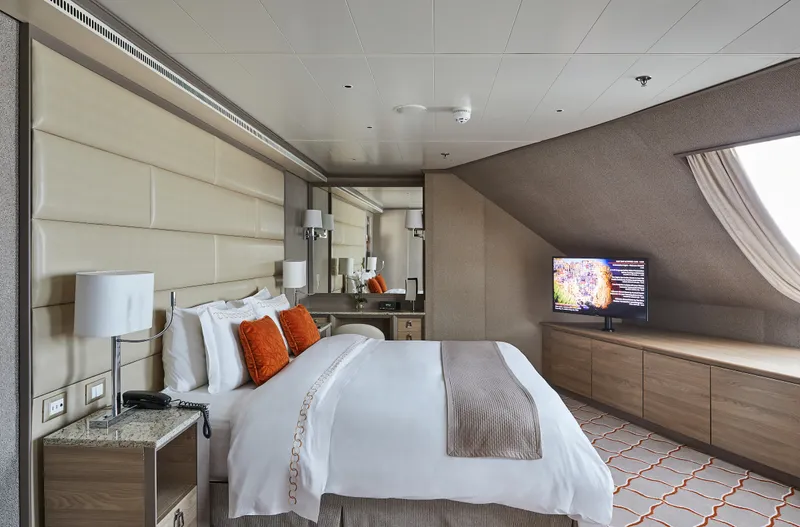
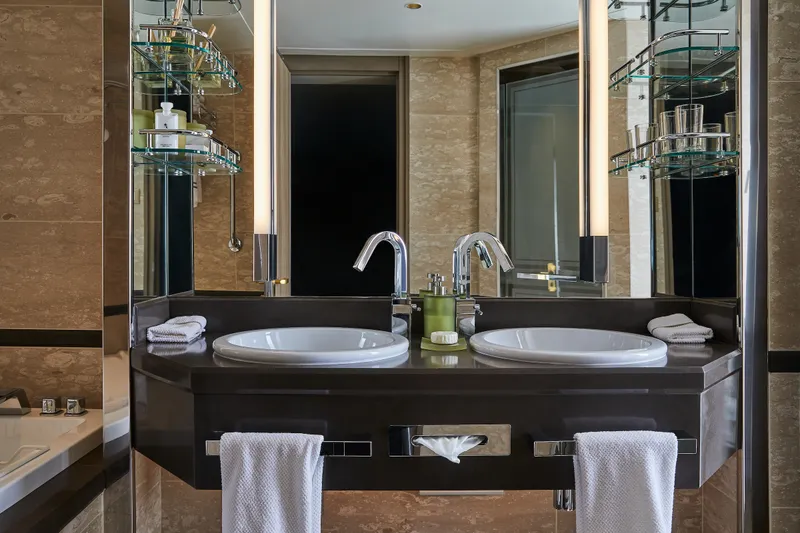
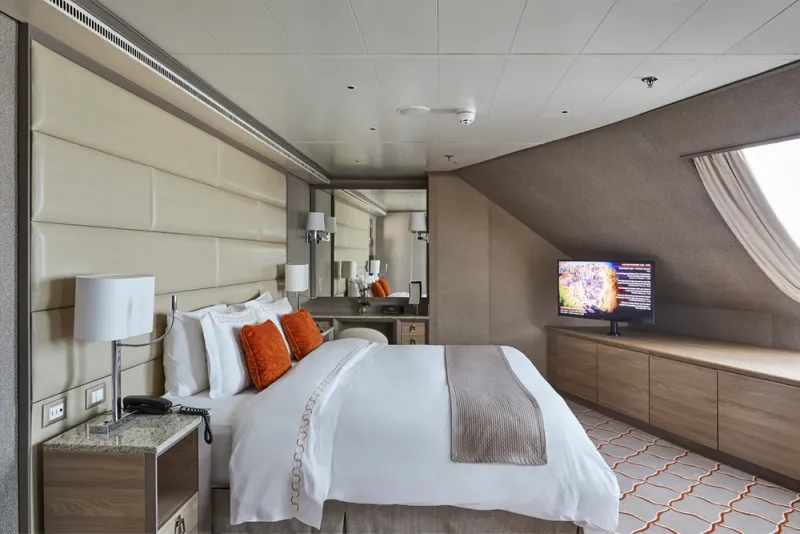
Stately describes the Royal Suite. Commanding and majestic. Perfect for entertaining. Enough living space to roam. The pinnacle of good living. Available as a one-bedroom configuration or as two-bedrooms (as illustrated) by adjoining with a Veranda Suite.
Large veranda with patio furniture and floor-to-ceiling glass doors; bedroom two has additional veranda.
Living room with sitting area; bedroom two has additional sitting area.
Separate dining area and bar.
Twin beds or queen-sized bed; bedroom two has additional twin beds or queen-sized bed.
Marble bathroom with double vanity, separate shower and full-sized whirlpool bath, plus a powder room; bedroom two has additional marble bathroom with full-sized bath.
Walk-in wardrobe(s) with personal safe.
Vanity table(s) with hair dryer.
Writing desk(s).
32” / 81 cm flat-screen television(s) with Interactive Media Library.
Bose Sound system with bluetooth connectivity.
Unlimited Premium Wifi.
Illy espresso machine.
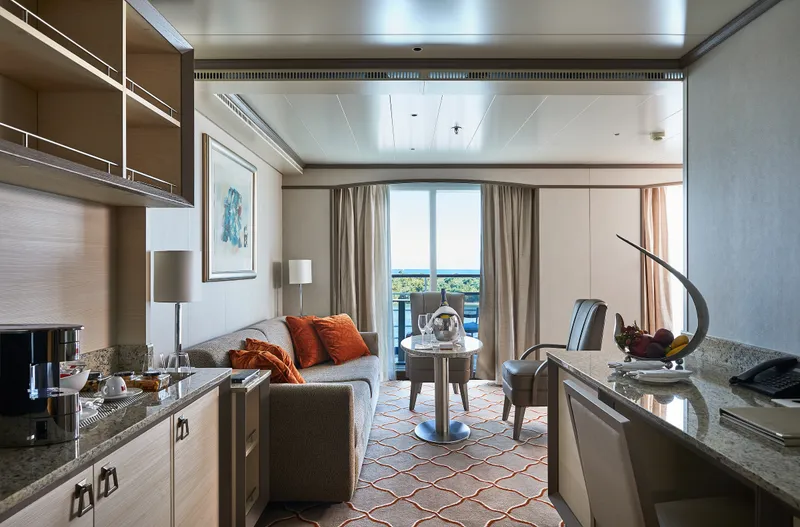
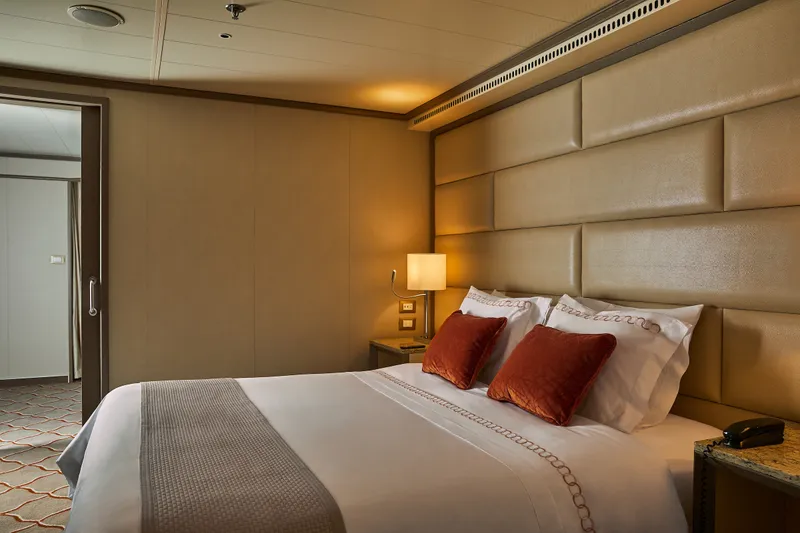
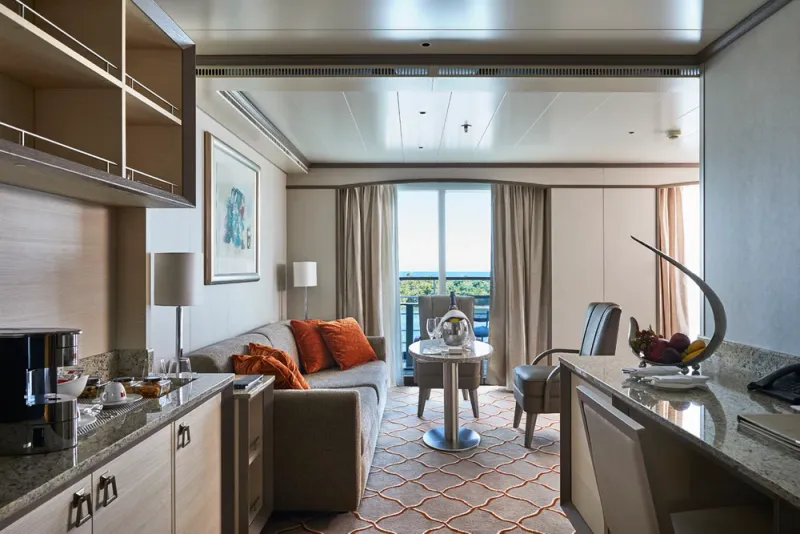
Stylish and sophisticated. Separate dining and living rooms. Larger verandas. Situated midship. Perfection in design for comfortable living. Silver Suites accommodate three guests.
Veranda with patio furniture and floor-to-ceiling glass doors.
Living room (with convertible sofa to accommodate an additional guest).
Sitting area.
Separate dining area.
Twin beds or queen-sized bed.
Marble bathroom with double vanity, separate shower and full-sized whirlpool bath.
Walk-in wardrobe with personal safe.
Vanity table with hair dryer.
Writing desk.
32” / 81 cm flat-screen television(s) with Interactive Media Library.
Bose Sound system with bluetooth connectivity.
Unlimited Premium Wifi.
Illy espresso machine.
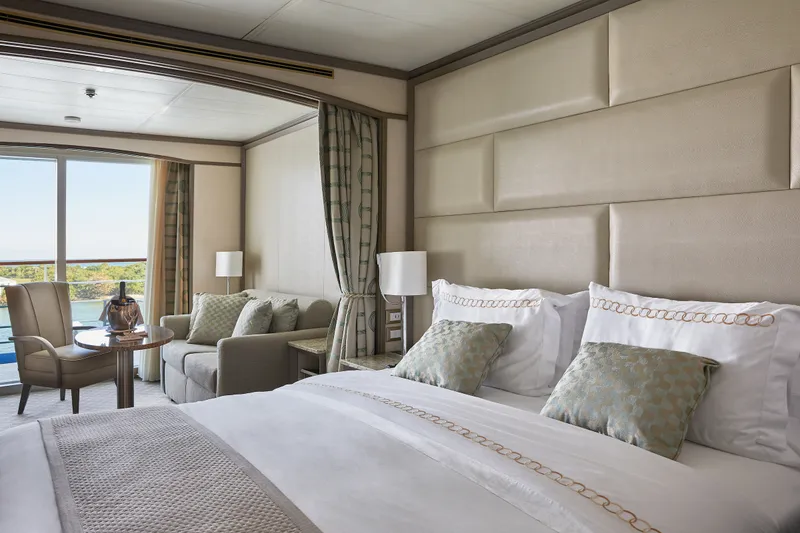
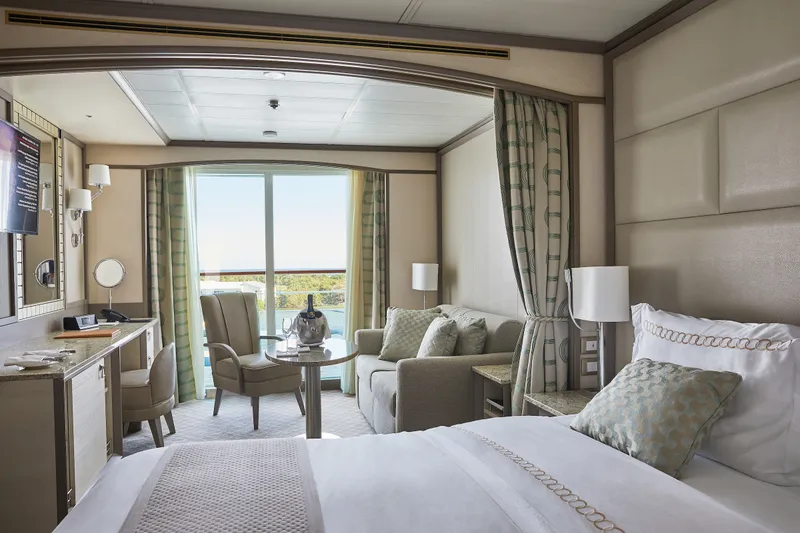
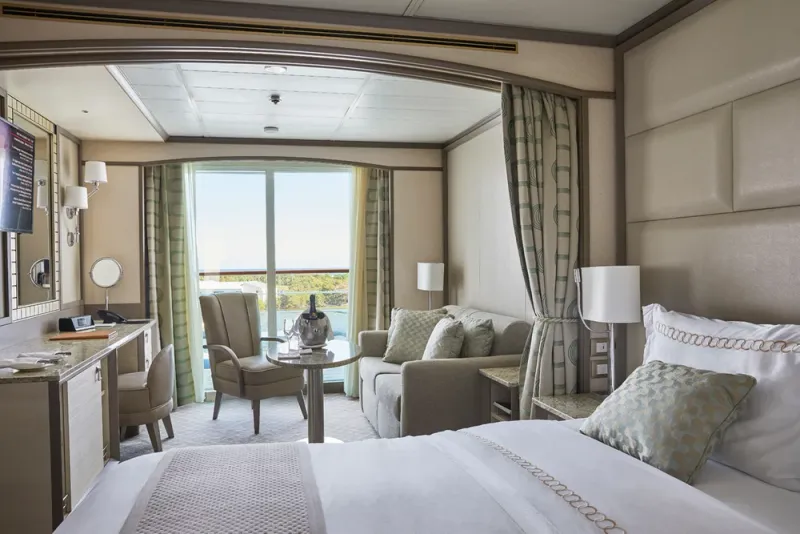
Located on the upper deck, and offering spectacular sunset views, the Superior Veranda Suite has all the comforts and luxury that you can expect aboard. A comfortable living space, attention to detail and a generous expanse of amenities, this stunning suite makes for a cosy home while on the seas. But perhaps this suite’s finest asset lies just outside, as floor-to-ceiling glass doors open onto a private veranda, making every sunset feel as if it is yours alone.
Veranda with patio furniture and floor-to-ceiling glass doors.
Sitting area.
Twin beds or queen-sized bed.
Marble bathroom with double vanity, full-sized bath, separate shower.
Walk-in wardrobe with personal safe.
Vanity table with hair dryer.
Writing desk.
32” / 81 cm flat-screen television with Interactive Media Library.
Unlimited Standard Wifi.
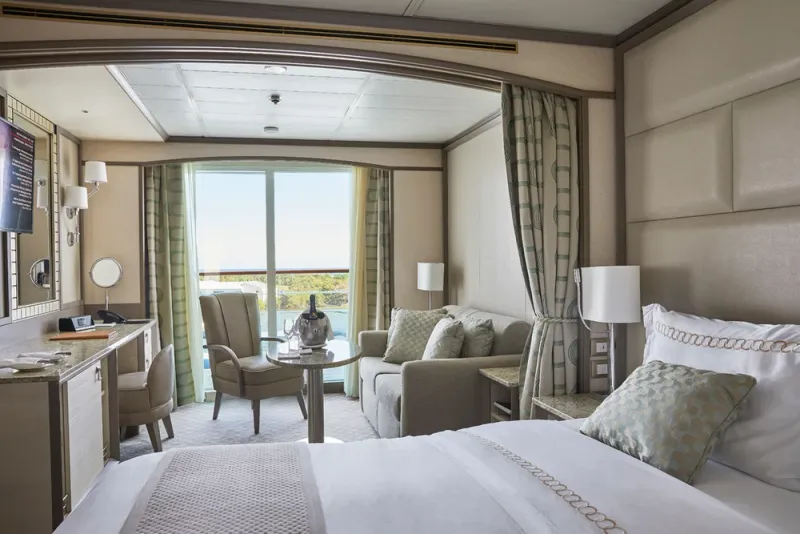
A Silversea signature, the Veranda Suite is spacious and welcoming. Floor-to-ceiling glass doors open onto a furnished private teak veranda along the suite. Each spectacular sunset feels like it is yours alone. Some Veranda Suites accommodate three guests. Veranda 3 and 4 offer preferred central location with identical accommodation to Veranda 1 and 2.
One bedroom: 345 ft² / 32 m² including veranda
Sitting area
Veranda with patio furniture and floor-to-ceiling glass doors
Twin beds or queen-sized bed
Marbled bathroom with double vanity, separate shower and full-sized bathtub
Walk-in wardrobe with personal safe
Direct-dial telephone(s)
Refrigerator and bar setup, stocked with your preferences
Pillow menu
Plush bathrobe and slippers
Luxury bath amenities
Vanity table(s) with hair dryer
Writing desk(s) with personalised stationery
Unlimited Standard Wifi
Flat screen TV(s)
Complimentary interactive mobile content
Champagne on arrival
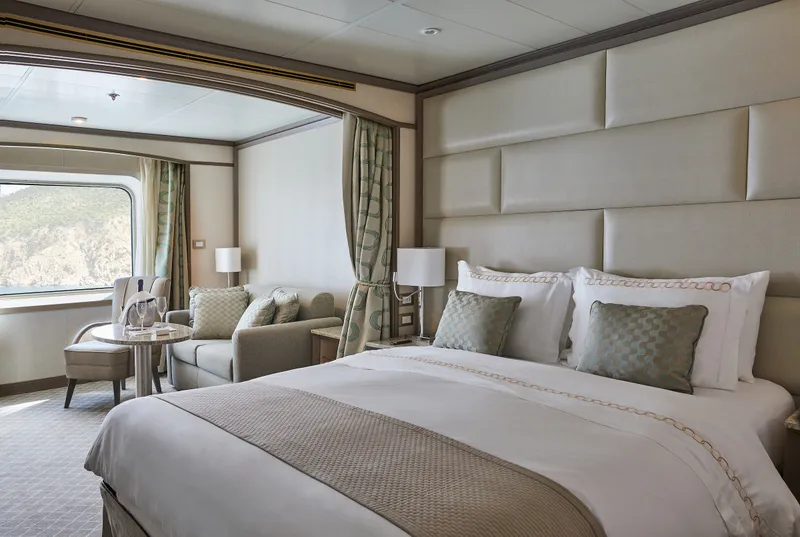
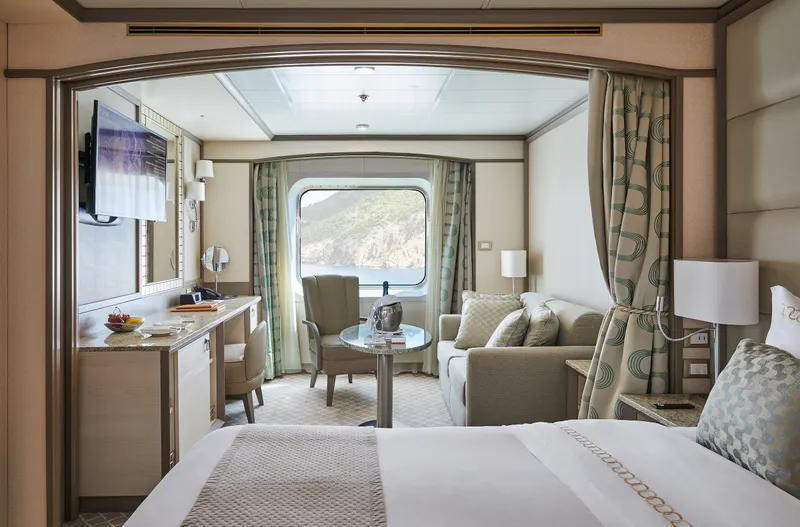
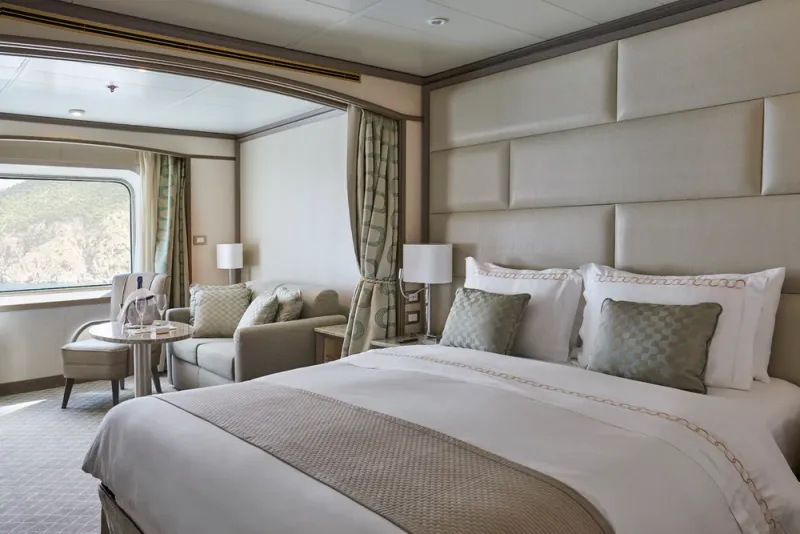
A quiet sanctuary. The sitting area of the Vista Suite has plenty of room to relax. Large picture windows frame panoramic ocean views. The perfect backdrop for breakfast in bed.
One bedroom: 287 ft² / 27 m²
Large picture window providing panoramic ocean views.
Sitting area.
Twin beds or queen-sized bed.
Marbled bathroom with double vanity, separate shower and full-sized bathtub.
Walk-in wardrobe with personal safe.
Vanity table(s) with hair dryer.
Writing desk.
32” / 81 cm flat-screen television with Interactive Media Library.
Unlimited Standard Wifi.
Our cruise specialists can help you find the perfect cabin and the best available pricing.
(+886) 02-2721-7300Contact Advisor