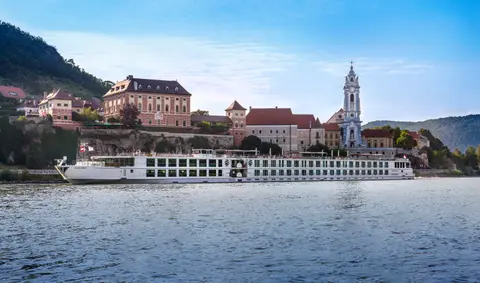
Highlights of Eastern Europe Bucharest - Budapest
Date
2026-07-17
Duration
9 nights
Departure Port
Bucharest
Romania
Arrival Port
Budapest
Hungary
Rating
Luxury
Theme
History & Culture
Date
2026-07-17
Duration
9 nights
Departure Port
Bucharest
Romania
Arrival Port
Budapest
Hungary
Rating
Luxury
Theme
History & Culture


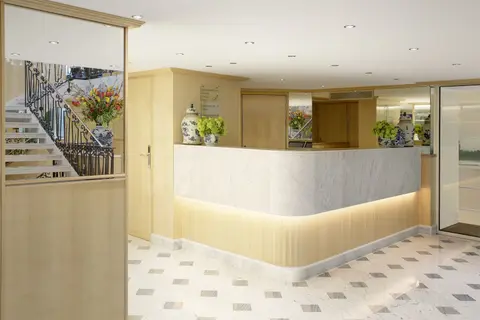




Uniworld River Cruises
2009
2018
—
152
76
55
430 m
11.4 m
9 knots
No
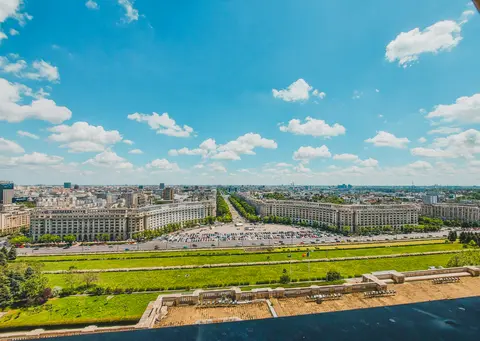
Bucharest, Romania's sprawling and magnificently contradictory capital, layers Belle Époque mansions, communist-era boulevards, and a furiously creative twenty-first-century scene into a city that rewards the curious traveler who looks beyond the obvious. Ceaușescu's colossal Palace of the Parliament — the world's heaviest building and a monument to totalitarian hubris — is unmissable; equally essential is the neighborhood of Floreasca, where design studios, natural wine bars, and acclaimed restaurants have made Bucharest one of Europe's most exciting emerging food capitals. Visit April through June for the most pleasant weather. Transylvania, with Bran Castle and the medieval city of Brașov, lies two hours north through dramatic Carpathian scenery.
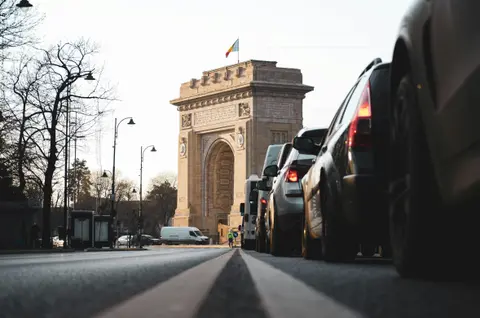
Bucharest, Romania's sprawling and magnificently contradictory capital, layers Belle Époque mansions, communist-era boulevards, and a furiously creative twenty-first-century scene into a city that rewards the curious traveler who looks beyond the obvious. Ceaușescu's colossal Palace of the Parliament — the world's heaviest building and a monument to totalitarian hubris — is unmissable; equally essential is the neighborhood of Floreasca, where design studios, natural wine bars, and acclaimed restaurants have made Bucharest one of Europe's most exciting emerging food capitals. Visit April through June for the most pleasant weather. Transylvania, with Bran Castle and the medieval city of Brașov, lies two hours north through dramatic Carpathian scenery.
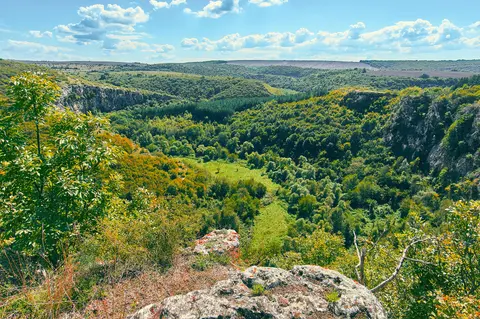
Ruse, Bulgaria's elegant Danube gateway, surprises with a Belle Époque city centre of Austro-Hungarian grandeur — neoclassical facades, ornate fountains, and a Liberty Monument that would not look out of place in Vienna. The city serves as the gateway to the spectacular Rusenski Lom Nature Park, whose limestone canyon shelters medieval rock-carved monasteries of eerie beauty. The remarkable Basarbovo Monastery, still inhabited by monks, clings to cliffs above the turquoise river. Local wineries produce distinguished Mavrud and Cabernet from the nearby Danube plains. May through September offers the most pleasant temperatures for exploration.
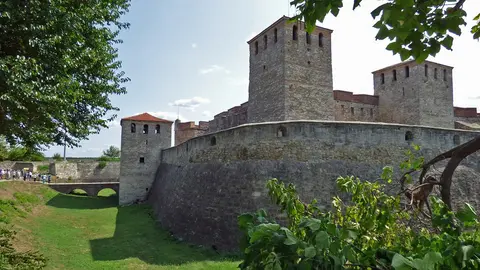
Vidin is a captivating port town on the Danube River known for its rich history, eclectic architecture, and vibrant local culture. Must-do experiences include exploring the Baba Vida Fortress and savoring local dishes like **kavarma** and **lutenitsa**. The best time to visit is during the spring and autumn months when the weather is pleasant and the local markets are bustling with activity.
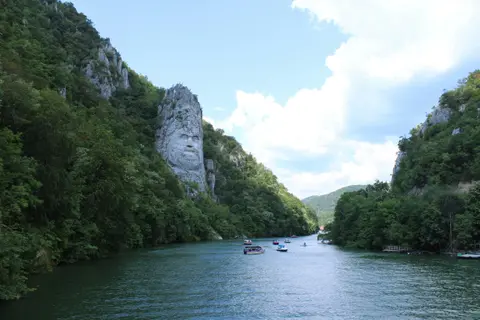
The port of Iron Gates in Romania is a stunning natural gorge along the Danube River, rich in history and breathtaking landscapes. Visitors should not miss the chance to savor local dishes like sarmale and mici, as well as explore nearby Transylvanian gems like Sighișoara and Sibiu. The best time to visit is during the spring and fall when the weather is mild and the scenery is at its most vibrant.
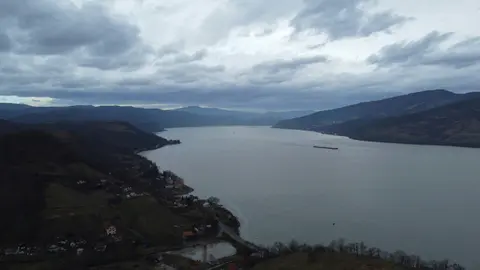
Donji Milanovac is a tranquil Serbian town on the banks of Lake Đerdap, nestled within the dramatic Iron Gates gorge of the Danube and surrounded by pristine national parkland. Visitors should not miss the Lepenski Vir archaeological site, home to seven-thousand-year-old Mesolithic sculptures, and the restored medieval fortress at nearby Golubac. The ideal time to cruise through the Iron Gates is from late May through September, when long daylight hours illuminate the gorge walls and riverside terraces invite lingering over fresh riblja čorba and local šljivovica.
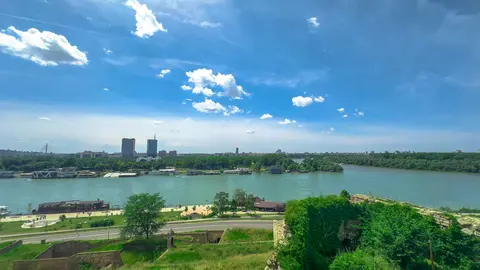
Belgrade, the 'White City' rebuilt at least forty times at the confluence of the Danube and Sava rivers, surprises every visitor with its raw, uncurated vitality — a capital that wears its turbulent history lightly while embracing the present with irresistible energy. The Kalemegdan Fortress, fortified for over two thousand years, offers the most dramatic river panorama on the entire Danube; below it, the Skadarlija cobblestone quarter fills nightly with kafana musicians and the aromas of Serbian rakija and roasted meats. Belgrade's nightlife — centered on the floating river clubs called splavovi — is genuinely legendary in Europe. Spring and early autumn offer the most comfortable conditions; the Iron Gate gorge is two hours downstream by river.
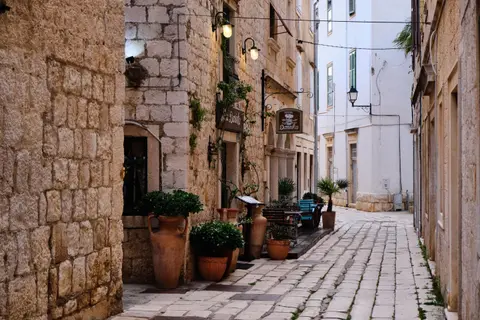
Vukovar, Croatia's largest river port, sits at the confluence of the Vuka and Danube rivers, offering a rich historical narrative and vibrant local culture. Must-do experiences include savoring traditional dishes like fiš paprikaš and exploring nearby attractions such as Trogir and Solin. The best time to visit is in late spring and early autumn when the weather is pleasant and the local events are in full swing.
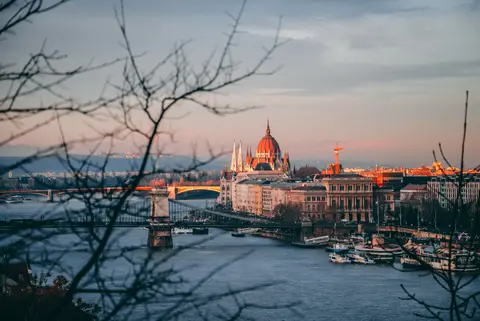
Budapest, divided by the Danube into the hilly Buda of thermal baths and medieval castle lanes on one bank and the grand Pest of coffee-house culture and Art Nouveau splendor on the other, delivers the most theatrical first impression of any European capital — whether approached by river as the neo-Gothic Parliament materializes from the water or by night from the Citadella's sweep of illuminated panorama below. The city's celebrated thermal bath culture, rooted in Ottoman-era hammams and perfected in palatial Secession-era pools like the Széchenyi, is an experience entirely unlike anything else in Europe. Visit spring and autumn for comfortable temperatures; Vienna is two and a half hours west by train.
Day 1
Bucharest, Romania's sprawling and magnificently contradictory capital, layers Belle Époque mansions, communist-era boulevards, and a furiously creative twenty-first-century scene into a city that rewards the curious traveler who looks beyond the obvious. Ceaușescu's colossal Palace of the Parliament — the world's heaviest building and a monument to totalitarian hubris — is unmissable; equally essential is the neighborhood of Floreasca, where design studios, natural wine bars, and acclaimed restaurants have made Bucharest one of Europe's most exciting emerging food capitals. Visit April through June for the most pleasant weather. Transylvania, with Bran Castle and the medieval city of Brașov, lies two hours north through dramatic Carpathian scenery.
Day 3
Bucharest, Romania's sprawling and magnificently contradictory capital, layers Belle Époque mansions, communist-era boulevards, and a furiously creative twenty-first-century scene into a city that rewards the curious traveler who looks beyond the obvious. Ceaușescu's colossal Palace of the Parliament — the world's heaviest building and a monument to totalitarian hubris — is unmissable; equally essential is the neighborhood of Floreasca, where design studios, natural wine bars, and acclaimed restaurants have made Bucharest one of Europe's most exciting emerging food capitals. Visit April through June for the most pleasant weather. Transylvania, with Bran Castle and the medieval city of Brașov, lies two hours north through dramatic Carpathian scenery.
Day 4
Ruse, Bulgaria's elegant Danube gateway, surprises with a Belle Époque city centre of Austro-Hungarian grandeur — neoclassical facades, ornate fountains, and a Liberty Monument that would not look out of place in Vienna. The city serves as the gateway to the spectacular Rusenski Lom Nature Park, whose limestone canyon shelters medieval rock-carved monasteries of eerie beauty. The remarkable Basarbovo Monastery, still inhabited by monks, clings to cliffs above the turquoise river. Local wineries produce distinguished Mavrud and Cabernet from the nearby Danube plains. May through September offers the most pleasant temperatures for exploration.
Day 5
Vidin is a captivating port town on the Danube River known for its rich history, eclectic architecture, and vibrant local culture. Must-do experiences include exploring the Baba Vida Fortress and savoring local dishes like **kavarma** and **lutenitsa**. The best time to visit is during the spring and autumn months when the weather is pleasant and the local markets are bustling with activity.
Day 6
The port of Iron Gates in Romania is a stunning natural gorge along the Danube River, rich in history and breathtaking landscapes. Visitors should not miss the chance to savor local dishes like sarmale and mici, as well as explore nearby Transylvanian gems like Sighișoara and Sibiu. The best time to visit is during the spring and fall when the weather is mild and the scenery is at its most vibrant.
Donji Milanovac is a tranquil Serbian town on the banks of Lake Đerdap, nestled within the dramatic Iron Gates gorge of the Danube and surrounded by pristine national parkland. Visitors should not miss the Lepenski Vir archaeological site, home to seven-thousand-year-old Mesolithic sculptures, and the restored medieval fortress at nearby Golubac. The ideal time to cruise through the Iron Gates is from late May through September, when long daylight hours illuminate the gorge walls and riverside terraces invite lingering over fresh riblja čorba and local šljivovica.
Day 7
Belgrade, the 'White City' rebuilt at least forty times at the confluence of the Danube and Sava rivers, surprises every visitor with its raw, uncurated vitality — a capital that wears its turbulent history lightly while embracing the present with irresistible energy. The Kalemegdan Fortress, fortified for over two thousand years, offers the most dramatic river panorama on the entire Danube; below it, the Skadarlija cobblestone quarter fills nightly with kafana musicians and the aromas of Serbian rakija and roasted meats. Belgrade's nightlife — centered on the floating river clubs called splavovi — is genuinely legendary in Europe. Spring and early autumn offer the most comfortable conditions; the Iron Gate gorge is two hours downstream by river.
Day 8
Vukovar, Croatia's largest river port, sits at the confluence of the Vuka and Danube rivers, offering a rich historical narrative and vibrant local culture. Must-do experiences include savoring traditional dishes like fiš paprikaš and exploring nearby attractions such as Trogir and Solin. The best time to visit is in late spring and early autumn when the weather is pleasant and the local events are in full swing.
Day 9
Budapest, divided by the Danube into the hilly Buda of thermal baths and medieval castle lanes on one bank and the grand Pest of coffee-house culture and Art Nouveau splendor on the other, delivers the most theatrical first impression of any European capital — whether approached by river as the neo-Gothic Parliament materializes from the water or by night from the Citadella's sweep of illuminated panorama below. The city's celebrated thermal bath culture, rooted in Ottoman-era hammams and perfected in palatial Secession-era pools like the Széchenyi, is an experience entirely unlike anything else in Europe. Visit spring and autumn for comfortable temperatures; Vienna is two and a half hours west by train.
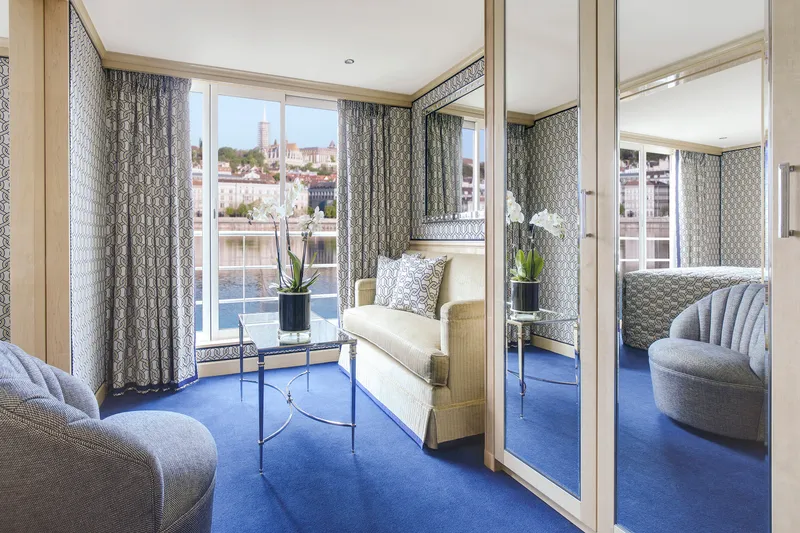
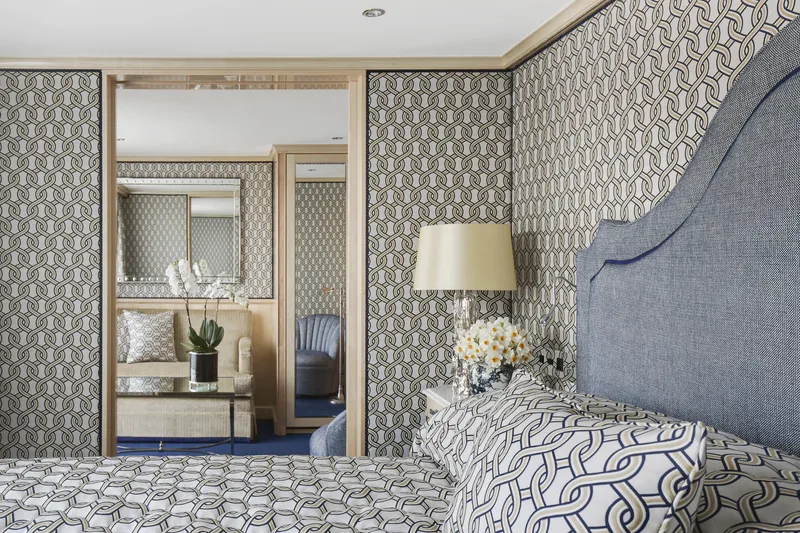
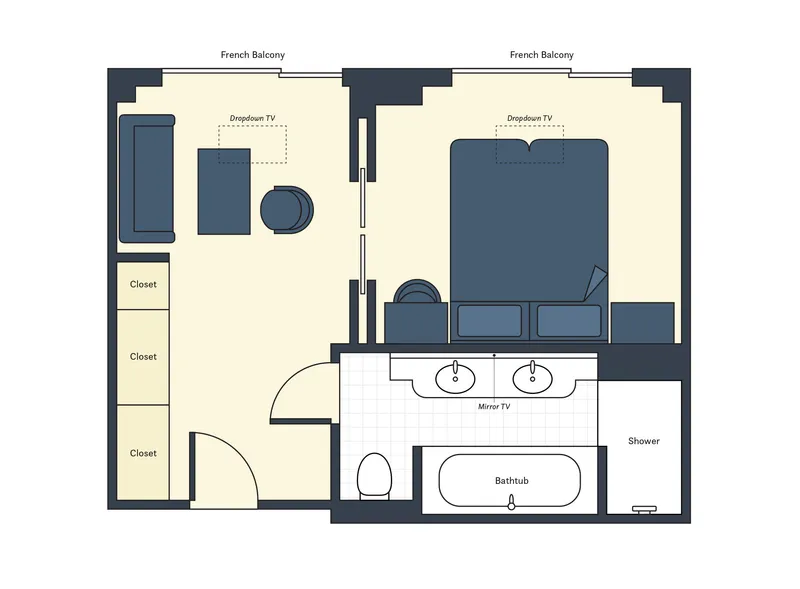
Luxurious riverview grand suite (310 sq ft - 28.8 sq m)
Grand suites include handcrafted Savoir Beds of England, built-in closets, hair dryer, safe, individual climate-controlled thermostat, direct-dial telephone, flat-screen TV with infotainment centre
Marble bathroom with Hermès bath and body products, plush towels, backlit magnifying mirror, cosy bathrobes and slippers, a rain shower and tub, and a secluded toilet area.
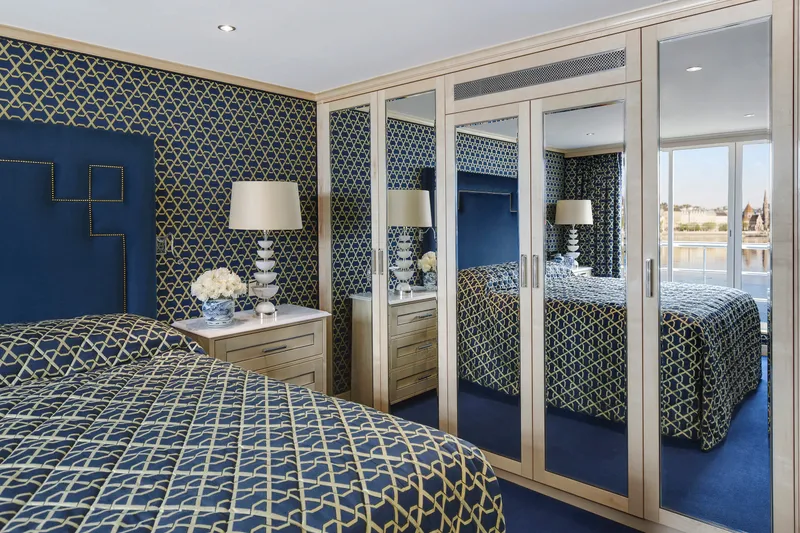
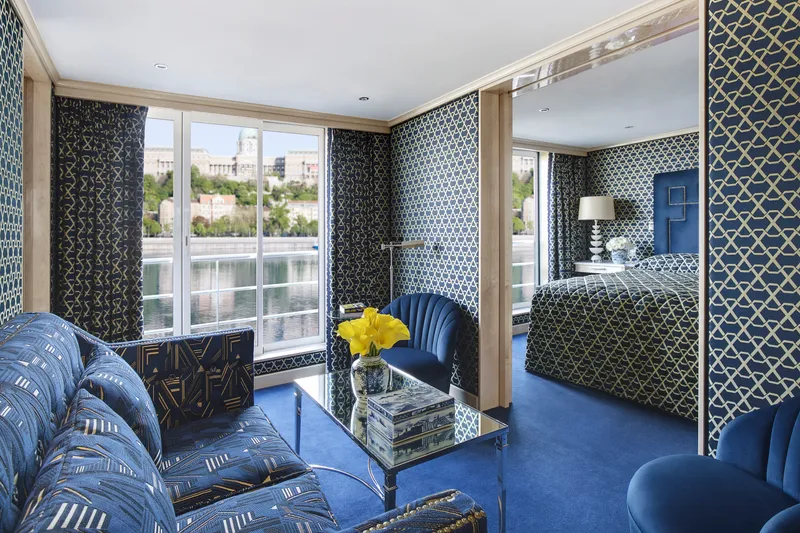
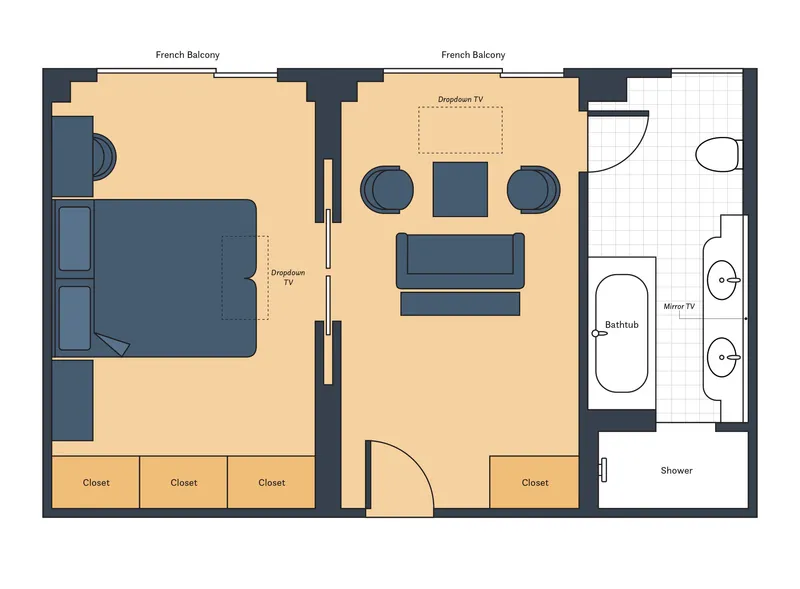
Luxurious riverview royal suite (390 sq ft - 36.2 sq m) with spacious living room
Handcrafted Savoir Beds of England, built-in closets, hair dryer, safe, individual climate-control thermostat, flat-screen TV with infotainment centre
Marble bathroom with Hermès bath and body products, plush towels, special towel warmers, backlit magnifying mirror, heated mirrors, cosy bathrobes and slippers, separate rain shower and tub, and a secluded toilet area
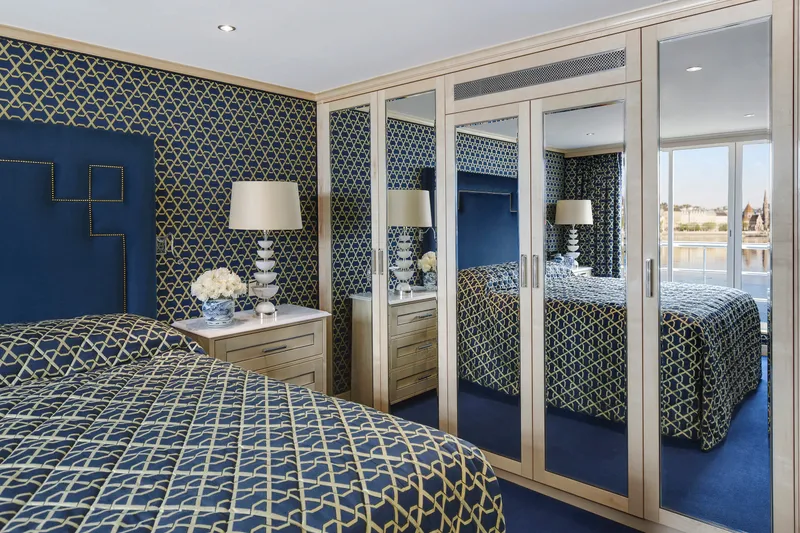
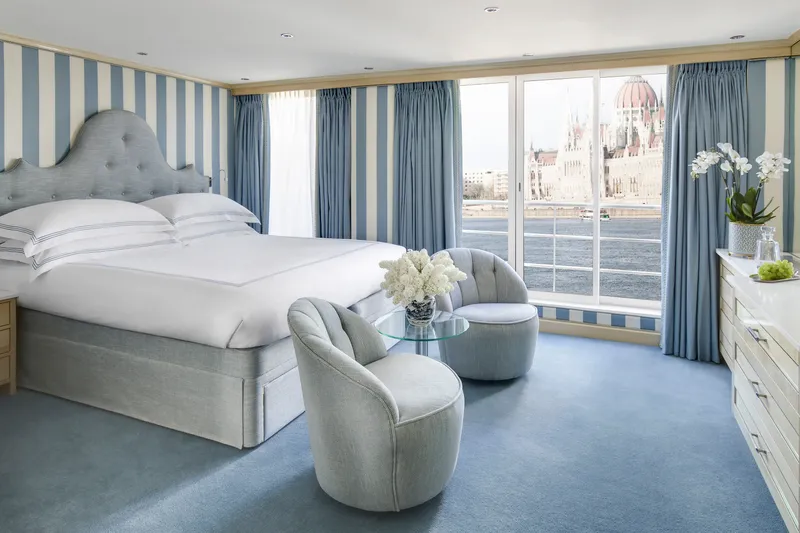
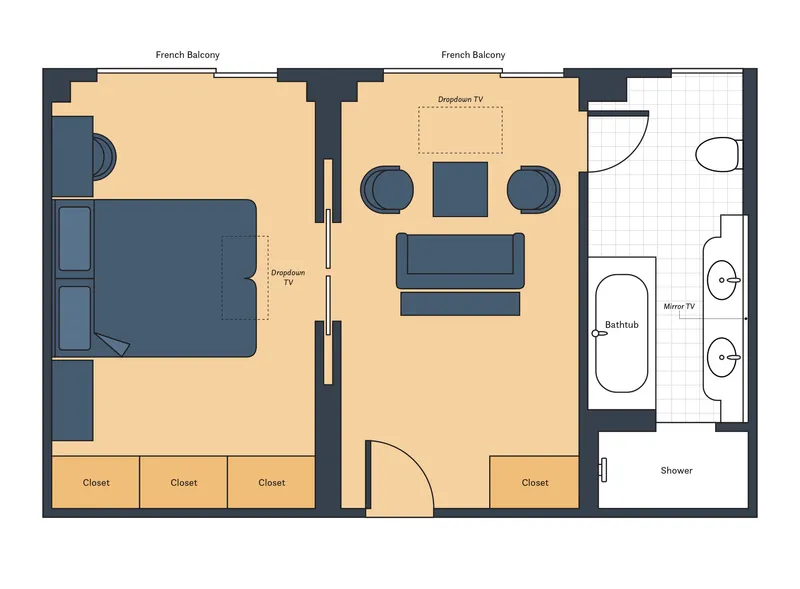
Luxurious riverview suite (225 sq ft - 20.9 sq m)
Suites include handcrafted Savoir Beds of England, built-in closets, hair dryer, safe, direct-dial telephone, individual thermostat and flat-screen TV with infotainment center
Marble bathroom with Asprey bath and body products, plush towels, backlit magnifying mirror, cozy bathrobes and slippers
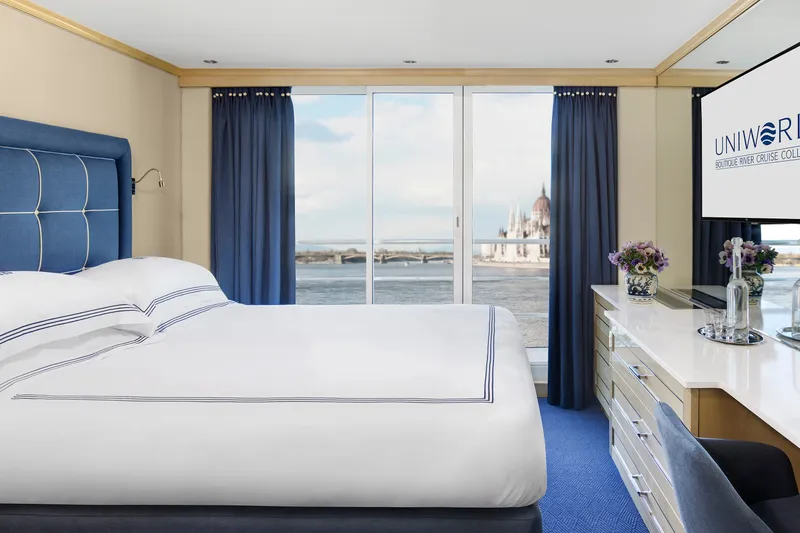
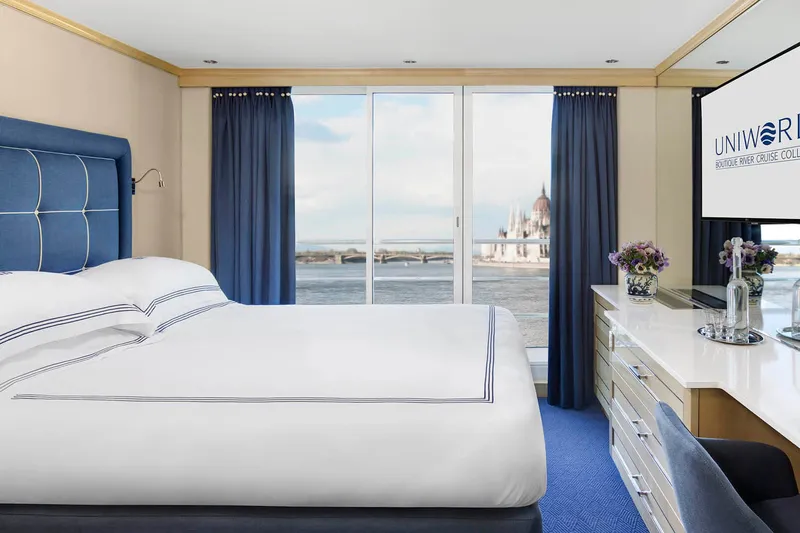
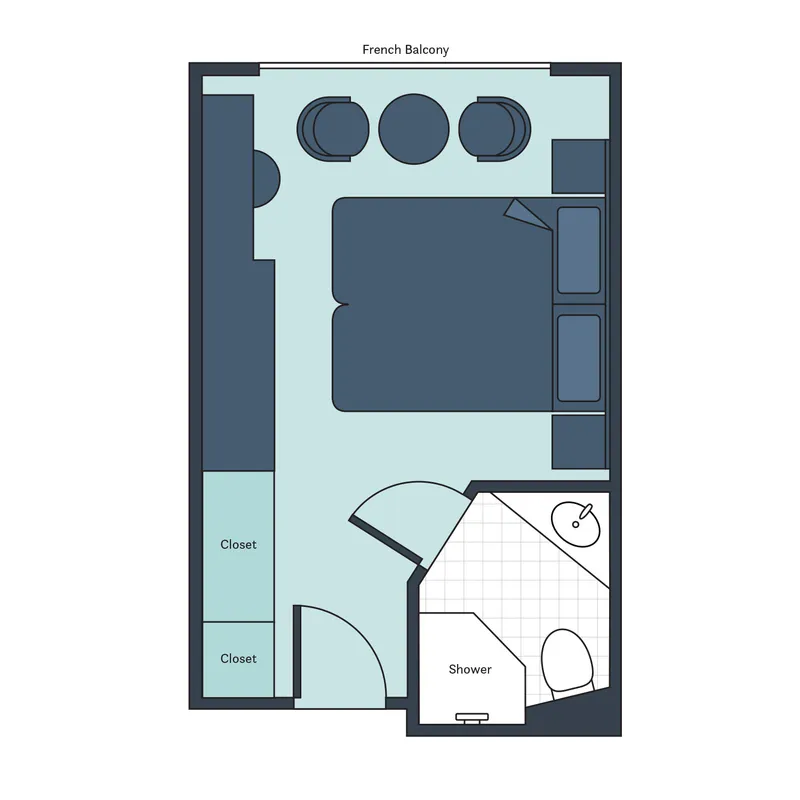
Luxurious riverview stateroom (150 sq ft - 14 sq m) with a French balcony
Handcrafted Savoir Beds of England, built-in closets, hair dryer, safe, individual climate-controlled thermostat, direct-dial telephone, and flat-screen TV with infotainment centre, mineral water
Marble bathroom with Asprey bath and body products, plush towels, backlit magnifying mirror, cosy bathrobes and slippers
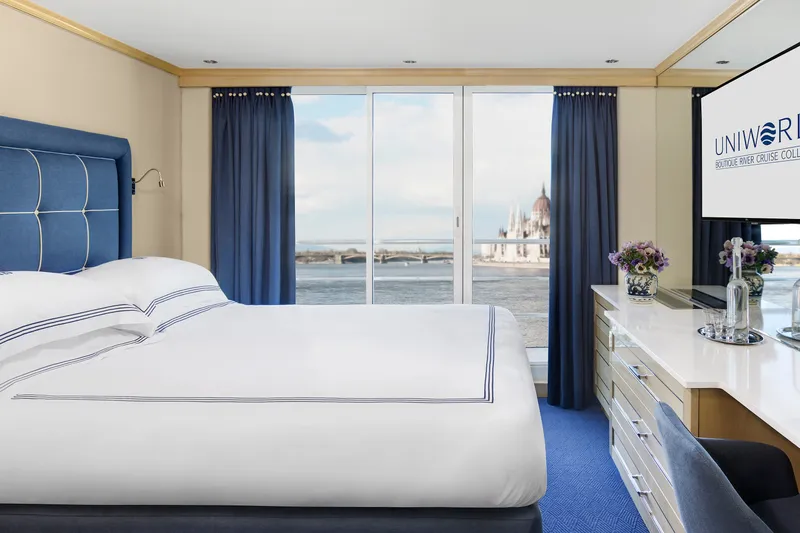
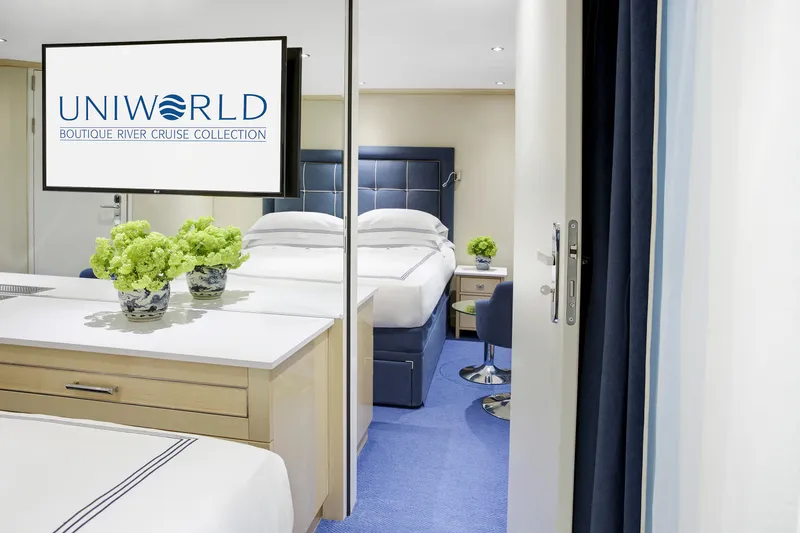
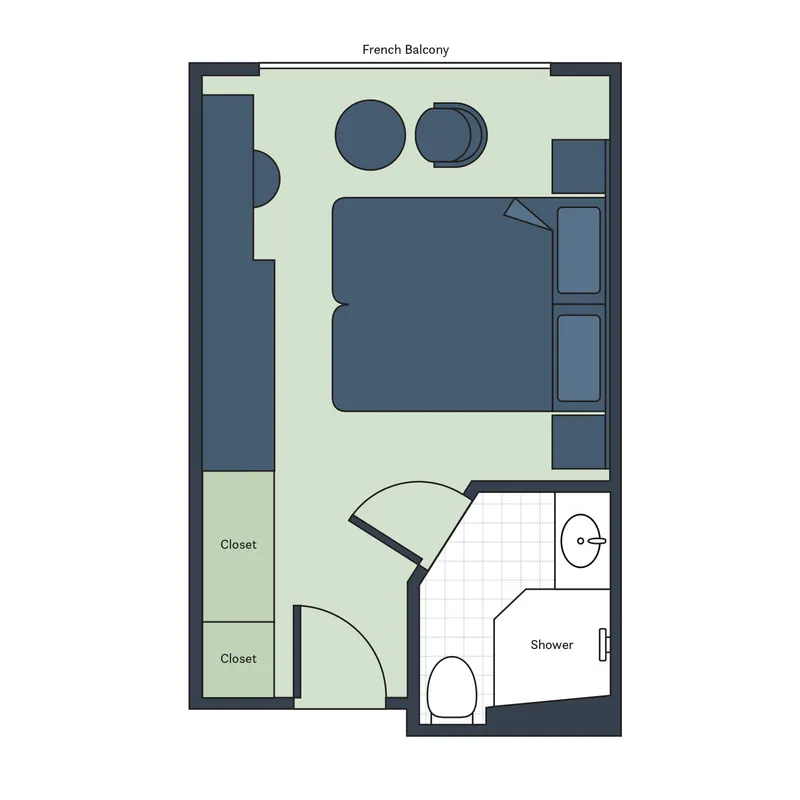
Luxurious riverview stateroom (150 sq ft - 14 sq m) with a French balcony
Handcrafted Savoir Beds of England, built-in closets, hair dryer, safe, individual climate-controlled thermostat, direct-dial telephone, and flat-screen TV with infotainment centre, mineral water
Marble bathroom with Asprey bath and body products, plush towels, backlit magnifying mirror, cosy bathrobes and slippers.
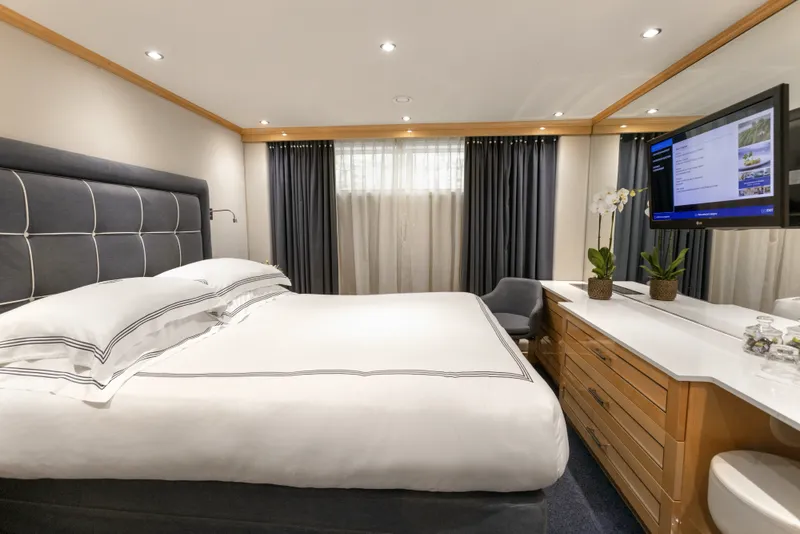
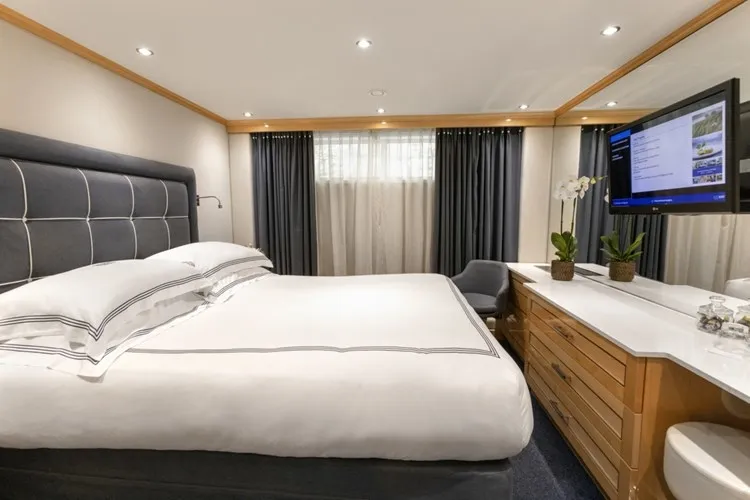
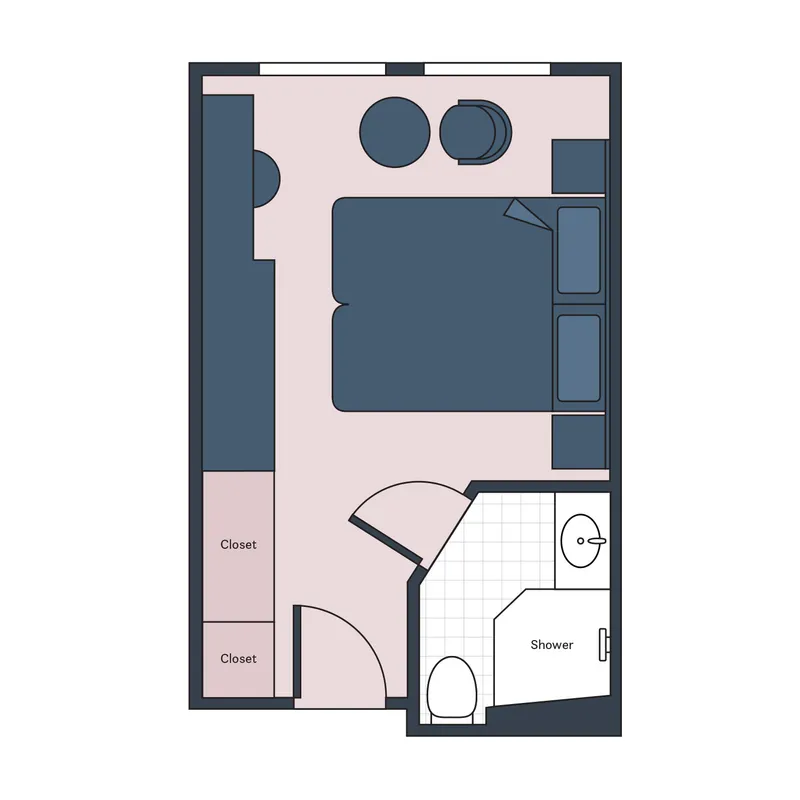
Luxurious riverview stateroom (150 sq ft - 14 sq m)
Handcrafted Savoir Beds of England, built-in closets, hair dryer, safe, individual climate-controlled thermostat, direct-dial telephone, and flat-screen TV with infotainment centre, mineral water
Marble bathroom with Asprey bath and body products, plush towels, backlit magnifying mirror, cosy bathrobes and slippers.
Our cruise specialists can help you find the perfect cabin and the best available pricing.
(+886) 02-2721-7300Contact Advisor