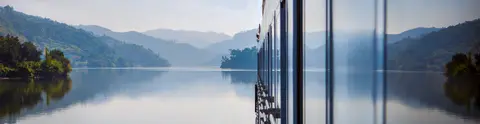
Portugal, Spain, the Douro River Valley
Date
2026-07-19
Duration
10 nights
Departure Port
Porto
Portugal
Arrival Port
Lisbon
Portugal
Rating
Luxury
Theme
History & Culture
Date
2026-07-19
Duration
10 nights
Departure Port
Porto
Portugal
Arrival Port
Lisbon
Portugal
Rating
Luxury
Theme
History & Culture


Uniworld River Cruises
Super Ship
2020
—
—
100
50
37
262 m
11 m
10 knots
No
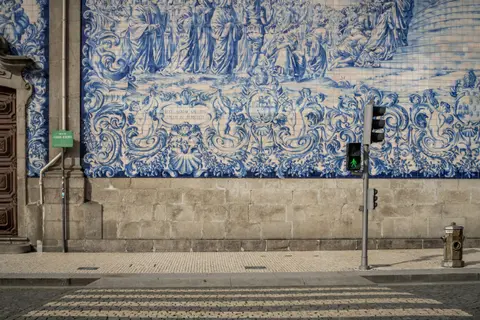
Porto, set dramatically on the granite bluffs above the Douro River, is among Europe's most romantically dishevelled cities — a place where baroque church towers rise above terracotta rooftops and century-old azulejo tilework lines every alley. Cross the iron Dom Luís I Bridge for sweeping views and descend into Vila Nova de Gaia's atmospheric wine lodges for a tasting of aged tawny port direct from the barrel. Seafood is magnificent: salt cod prepared a hundred ways, barnacles glistening with lemon, and custard tarts still warm from the oven. Spring and early autumn offer the finest conditions.
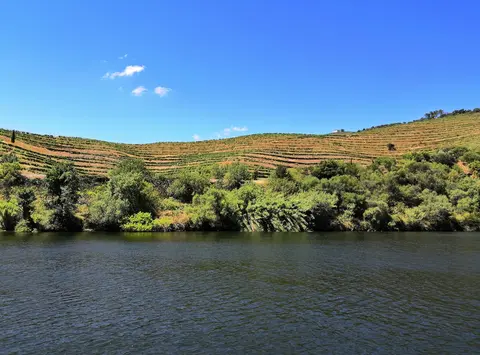
Pinhão sits at the most photographed bend on the Douro River, where impossibly steep terraced vineyards — the schist-stone walls built by hand over centuries — have shaped a valley so beautiful it is protected as a UNESCO World Heritage Site and produced port wine for the world since the Marquis of Pombal established its boundaries in 1756. The village railway station, decorated with 24 azulejo tile panels depicting scenes of the grape harvest, is a minor masterpiece of Portuguese folk art that alone justifies a stop. The river cruise between Pinhão and Régua, passing through the heart of the Port wine country, is among the most beautiful journeys in Europe. Visit during the September harvest for an experience of extraordinary sensory richness.
Régua, gateway to Portugal's vertiginous Douro Valley wine country, sits at the point where the river enters its most dramatic gorge — terraced vineyards climbing impossible slopes on every side, their schist walls a testament to generations of viticultural determination. The Wine Museum in Pinhão's art nouveau azulejo station captures the region's soul, while the great quintas — Ramos Pinto, Croft, Niepoort — open their cellars for intimate tastings of vintage port and luminous dry whites. Harvest season in September and October transforms the valley into a festival of colour and ferment.
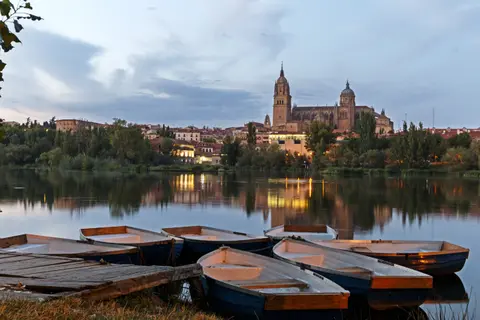
Vega de Terrón is a tiny Portuguese-border river port where the Douro — navigable here only since the mid-twentieth century — carves its way through the spectacular Arribes del Duero Natural Park, a landscape of granite gorges plunging hundreds of meters to the river below, dotted with ancient villages and rare Black Stork nesting sites. River cruise passengers disembark here to discover an Iberian frontier that centuries of sheer cliff and wild current kept virtually impenetrable, exploring nearby Portuguese wineries producing bold, earthy reds from centenarian schist vineyards. Spring ignites the gorge slopes with wildflowers; autumn suffuses the terraced vines with burnished copper and gold.
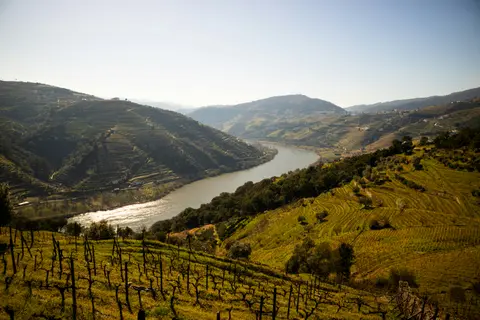
Pocinho marks the easternmost navigable point of the Douro River — the terminus of the valley where port wine's history began and where the landscape reaches its most elemental and dramatic expression: near-vertical schist slopes terraced into vineyard stairways, the river running silver between them in the early morning light. The restored rabelo boats that once carried casks of wine downriver are now a romanticised memory, but the valley's working quintas welcome visitors for tastings of the upper Douro's increasingly celebrated unfortified wines. The Douro International Natural Park, bordering Spain, protects rare Egyptian vulture colonies on the surrounding plateau. September through October, during harvest, is the unmissable season.
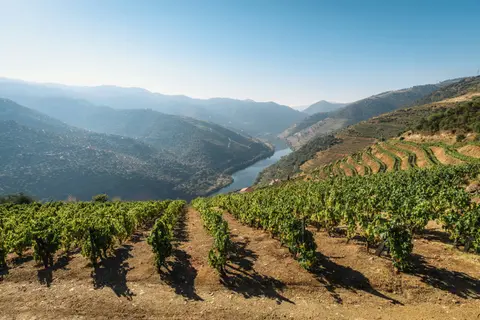
Barca d'Alva, a remote frontier village at the uppermost navigable point of the Douro River, marks the eastern terminus of Portuguese river cruises where the landscape shifts from terraced port wine vineyards into the austere granite borderlands of Trás-os-Montes. The abandoned azulejo-tiled railway station, the almond orchards cascading to the river's edge, and the silence of the surrounding Côa Valley archaeological park — protecting the world's most important collection of open-air Palaeolithic rock art — make this an unexpectedly rich stopping point. Spring brings almond blossom along every hillside; autumn arrives golden with the vendange harvest. The Spanish city of Salamanca lies an hour's drive east.
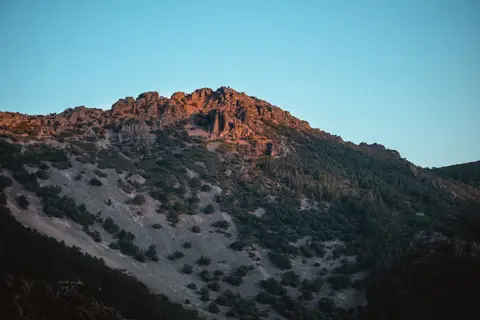
The port of Salamanca is a jewel in northwestern Spain, celebrated for its stunning sandstone architecture and vibrant academic atmosphere. Must-do experiences include savoring local delicacies like hornazo and jamón de Guijuelo, as well as exploring the historic Universidad de Salamanca. The best time to visit is during spring or early autumn when the weather is mild and the city is alive with cultural festivities.
Régua, gateway to Portugal's vertiginous Douro Valley wine country, sits at the point where the river enters its most dramatic gorge — terraced vineyards climbing impossible slopes on every side, their schist walls a testament to generations of viticultural determination. The Wine Museum in Pinhão's art nouveau azulejo station captures the region's soul, while the great quintas — Ramos Pinto, Croft, Niepoort — open their cellars for intimate tastings of vintage port and luminous dry whites. Harvest season in September and October transforms the valley into a festival of colour and ferment.
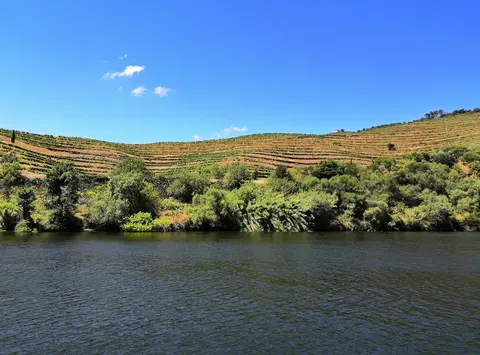
Pinhão sits at the most photographed bend on the Douro River, where impossibly steep terraced vineyards — the schist-stone walls built by hand over centuries — have shaped a valley so beautiful it is protected as a UNESCO World Heritage Site and produced port wine for the world since the Marquis of Pombal established its boundaries in 1756. The village railway station, decorated with 24 azulejo tile panels depicting scenes of the grape harvest, is a minor masterpiece of Portuguese folk art that alone justifies a stop. The river cruise between Pinhão and Régua, passing through the heart of the Port wine country, is among the most beautiful journeys in Europe. Visit during the September harvest for an experience of extraordinary sensory richness.
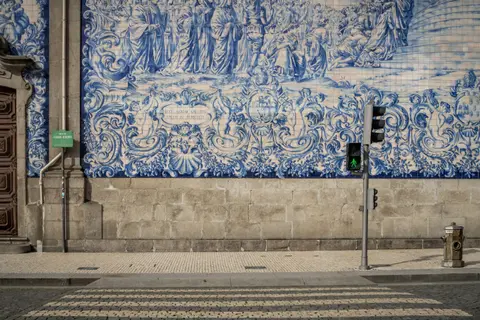
Porto, set dramatically on the granite bluffs above the Douro River, is among Europe's most romantically dishevelled cities — a place where baroque church towers rise above terracotta rooftops and century-old azulejo tilework lines every alley. Cross the iron Dom Luís I Bridge for sweeping views and descend into Vila Nova de Gaia's atmospheric wine lodges for a tasting of aged tawny port direct from the barrel. Seafood is magnificent: salt cod prepared a hundred ways, barnacles glistening with lemon, and custard tarts still warm from the oven. Spring and early autumn offer the finest conditions.
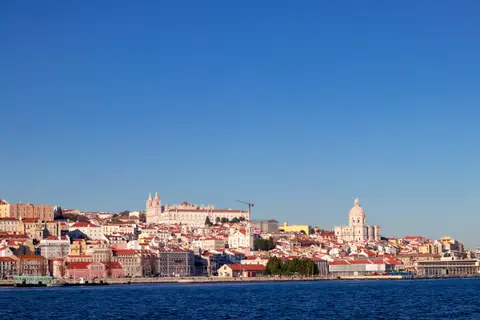
Lisbon, Portugal's enchanting capital, stands out for its rich history, stunning architecture, and vibrant culture. Must-try experiences include savoring local dishes like bacalhau à brás and pastéis de nata at Mercado da Ribeira. The best time to visit is during the spring or fall, when the weather is mild and the city is alive with festivals and events.
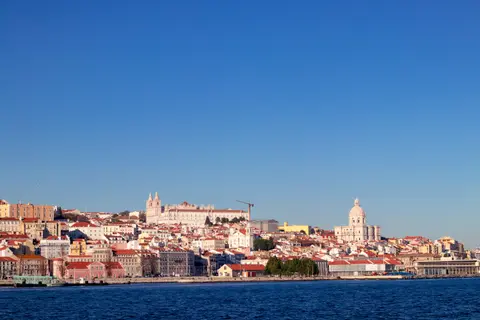
Lisbon, Portugal's enchanting capital, stands out for its rich history, stunning architecture, and vibrant culture. Must-try experiences include savoring local dishes like bacalhau à brás and pastéis de nata at Mercado da Ribeira. The best time to visit is during the spring or fall, when the weather is mild and the city is alive with festivals and events.
Day 1
Porto, set dramatically on the granite bluffs above the Douro River, is among Europe's most romantically dishevelled cities — a place where baroque church towers rise above terracotta rooftops and century-old azulejo tilework lines every alley. Cross the iron Dom Luís I Bridge for sweeping views and descend into Vila Nova de Gaia's atmospheric wine lodges for a tasting of aged tawny port direct from the barrel. Seafood is magnificent: salt cod prepared a hundred ways, barnacles glistening with lemon, and custard tarts still warm from the oven. Spring and early autumn offer the finest conditions.
Day 2
Pinhão sits at the most photographed bend on the Douro River, where impossibly steep terraced vineyards — the schist-stone walls built by hand over centuries — have shaped a valley so beautiful it is protected as a UNESCO World Heritage Site and produced port wine for the world since the Marquis of Pombal established its boundaries in 1756. The village railway station, decorated with 24 azulejo tile panels depicting scenes of the grape harvest, is a minor masterpiece of Portuguese folk art that alone justifies a stop. The river cruise between Pinhão and Régua, passing through the heart of the Port wine country, is among the most beautiful journeys in Europe. Visit during the September harvest for an experience of extraordinary sensory richness.
Day 3
Régua, gateway to Portugal's vertiginous Douro Valley wine country, sits at the point where the river enters its most dramatic gorge — terraced vineyards climbing impossible slopes on every side, their schist walls a testament to generations of viticultural determination. The Wine Museum in Pinhão's art nouveau azulejo station captures the region's soul, while the great quintas — Ramos Pinto, Croft, Niepoort — open their cellars for intimate tastings of vintage port and luminous dry whites. Harvest season in September and October transforms the valley into a festival of colour and ferment.
Vega de Terrón is a tiny Portuguese-border river port where the Douro — navigable here only since the mid-twentieth century — carves its way through the spectacular Arribes del Duero Natural Park, a landscape of granite gorges plunging hundreds of meters to the river below, dotted with ancient villages and rare Black Stork nesting sites. River cruise passengers disembark here to discover an Iberian frontier that centuries of sheer cliff and wild current kept virtually impenetrable, exploring nearby Portuguese wineries producing bold, earthy reds from centenarian schist vineyards. Spring ignites the gorge slopes with wildflowers; autumn suffuses the terraced vines with burnished copper and gold.
Day 4
Pocinho marks the easternmost navigable point of the Douro River — the terminus of the valley where port wine's history began and where the landscape reaches its most elemental and dramatic expression: near-vertical schist slopes terraced into vineyard stairways, the river running silver between them in the early morning light. The restored rabelo boats that once carried casks of wine downriver are now a romanticised memory, but the valley's working quintas welcome visitors for tastings of the upper Douro's increasingly celebrated unfortified wines. The Douro International Natural Park, bordering Spain, protects rare Egyptian vulture colonies on the surrounding plateau. September through October, during harvest, is the unmissable season.
Barca d'Alva, a remote frontier village at the uppermost navigable point of the Douro River, marks the eastern terminus of Portuguese river cruises where the landscape shifts from terraced port wine vineyards into the austere granite borderlands of Trás-os-Montes. The abandoned azulejo-tiled railway station, the almond orchards cascading to the river's edge, and the silence of the surrounding Côa Valley archaeological park — protecting the world's most important collection of open-air Palaeolithic rock art — make this an unexpectedly rich stopping point. Spring brings almond blossom along every hillside; autumn arrives golden with the vendange harvest. The Spanish city of Salamanca lies an hour's drive east.
Day 5
The port of Salamanca is a jewel in northwestern Spain, celebrated for its stunning sandstone architecture and vibrant academic atmosphere. Must-do experiences include savoring local delicacies like hornazo and jamón de Guijuelo, as well as exploring the historic Universidad de Salamanca. The best time to visit is during spring or early autumn when the weather is mild and the city is alive with cultural festivities.
Day 6
Régua, gateway to Portugal's vertiginous Douro Valley wine country, sits at the point where the river enters its most dramatic gorge — terraced vineyards climbing impossible slopes on every side, their schist walls a testament to generations of viticultural determination. The Wine Museum in Pinhão's art nouveau azulejo station captures the region's soul, while the great quintas — Ramos Pinto, Croft, Niepoort — open their cellars for intimate tastings of vintage port and luminous dry whites. Harvest season in September and October transforms the valley into a festival of colour and ferment.
Pinhão sits at the most photographed bend on the Douro River, where impossibly steep terraced vineyards — the schist-stone walls built by hand over centuries — have shaped a valley so beautiful it is protected as a UNESCO World Heritage Site and produced port wine for the world since the Marquis of Pombal established its boundaries in 1756. The village railway station, decorated with 24 azulejo tile panels depicting scenes of the grape harvest, is a minor masterpiece of Portuguese folk art that alone justifies a stop. The river cruise between Pinhão and Régua, passing through the heart of the Port wine country, is among the most beautiful journeys in Europe. Visit during the September harvest for an experience of extraordinary sensory richness.
Day 7
Porto, set dramatically on the granite bluffs above the Douro River, is among Europe's most romantically dishevelled cities — a place where baroque church towers rise above terracotta rooftops and century-old azulejo tilework lines every alley. Cross the iron Dom Luís I Bridge for sweeping views and descend into Vila Nova de Gaia's atmospheric wine lodges for a tasting of aged tawny port direct from the barrel. Seafood is magnificent: salt cod prepared a hundred ways, barnacles glistening with lemon, and custard tarts still warm from the oven. Spring and early autumn offer the finest conditions.
Day 8
Lisbon, Portugal's enchanting capital, stands out for its rich history, stunning architecture, and vibrant culture. Must-try experiences include savoring local dishes like bacalhau à brás and pastéis de nata at Mercado da Ribeira. The best time to visit is during the spring or fall, when the weather is mild and the city is alive with festivals and events.
Day 10
Lisbon, Portugal's enchanting capital, stands out for its rich history, stunning architecture, and vibrant culture. Must-try experiences include savoring local dishes like bacalhau à brás and pastéis de nata at Mercado da Ribeira. The best time to visit is during the spring or fall, when the weather is mild and the city is alive with festivals and events.
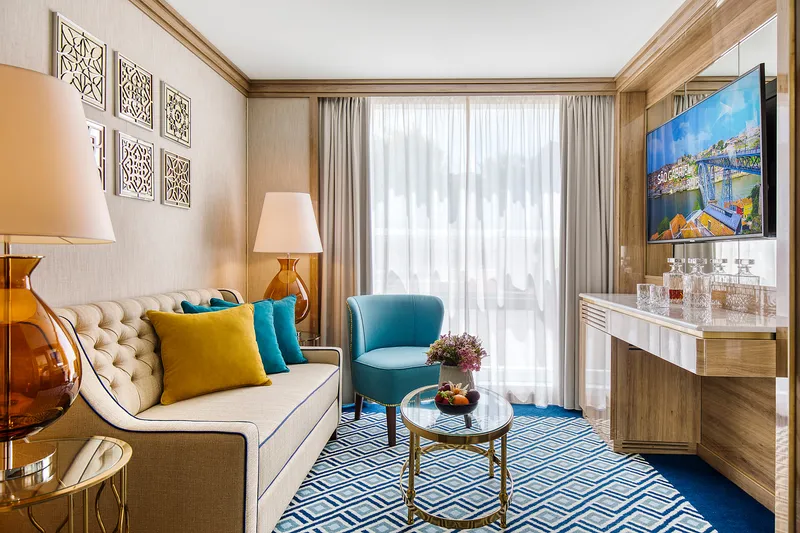
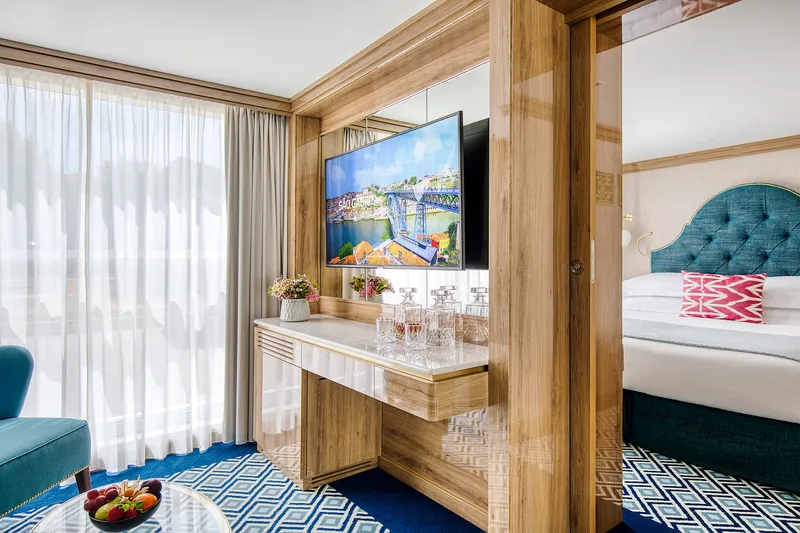
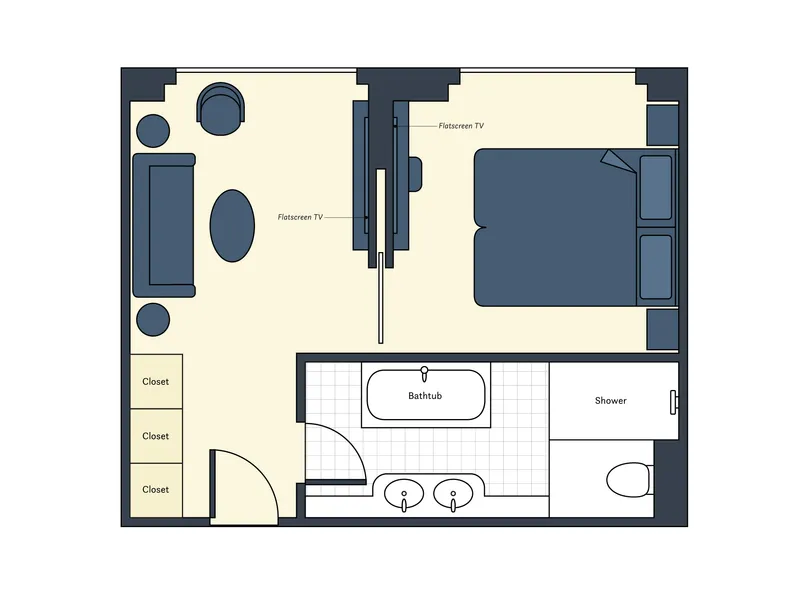
Grand Suite (307 sq ft - 28.5 sq m).
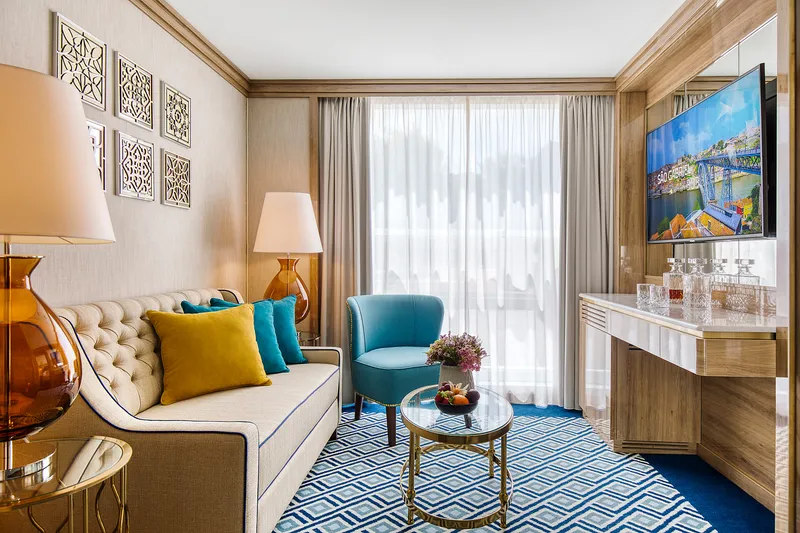
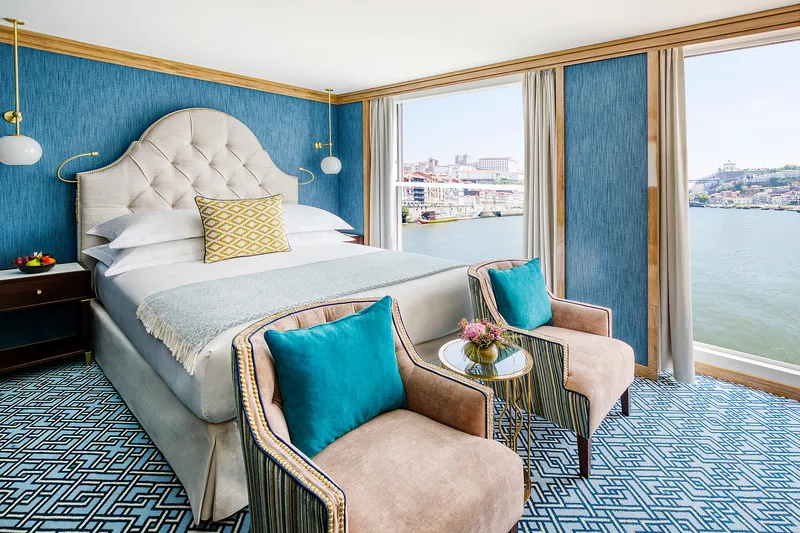
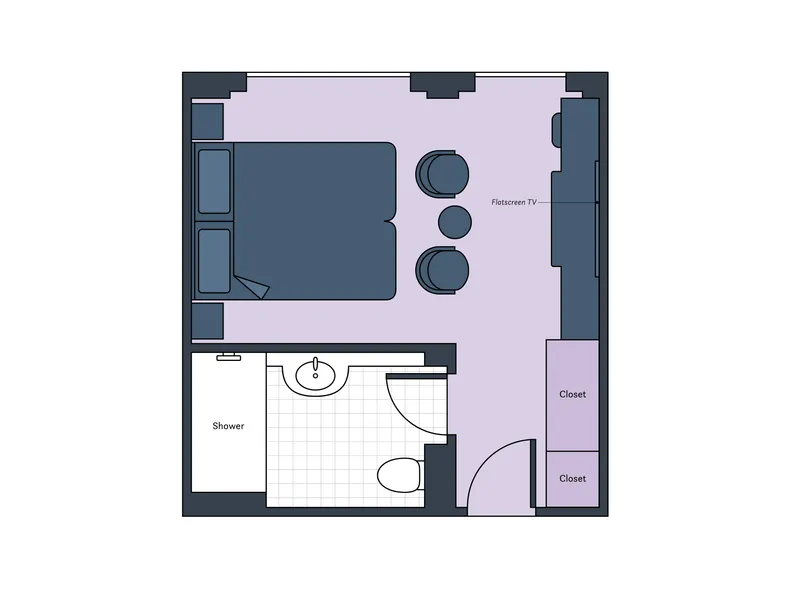
Suite (220 sq ft - 20.4 sq m).
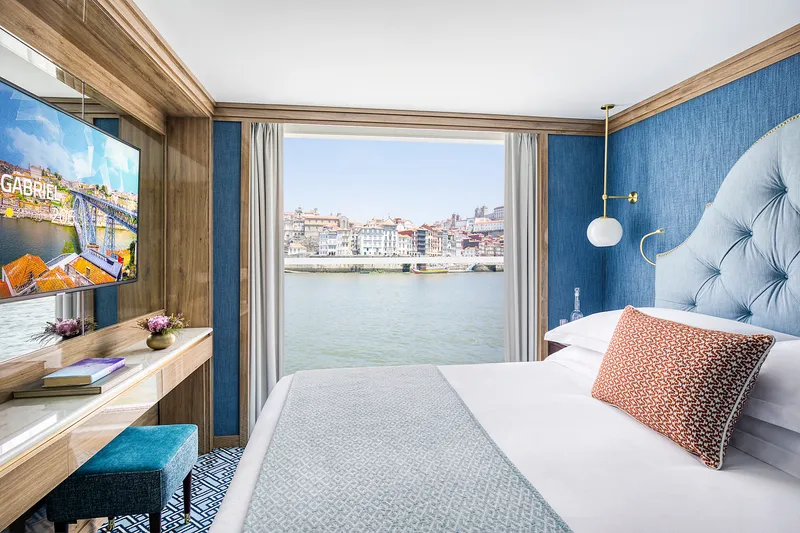
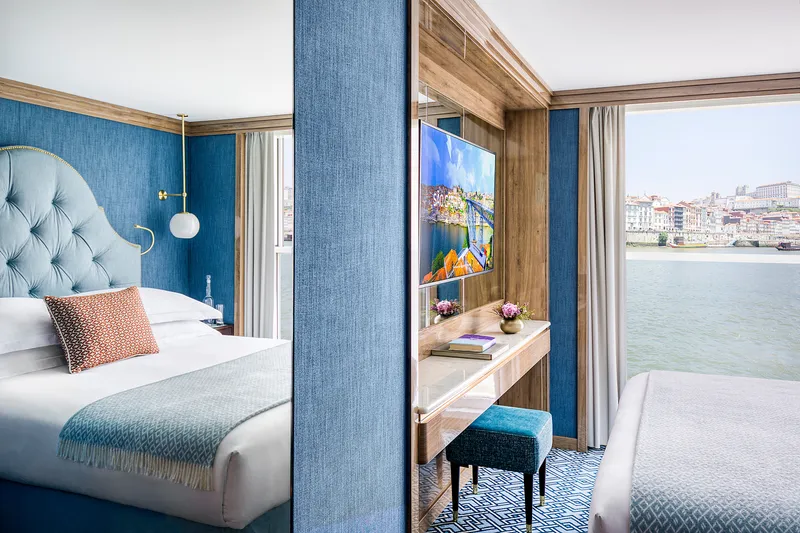
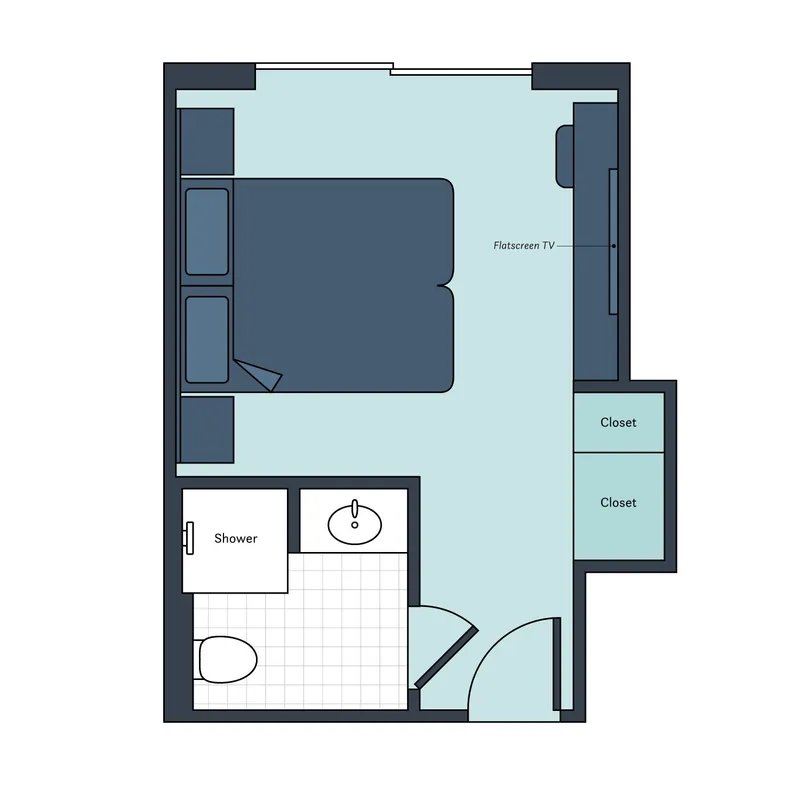
French Balcony (156 sq ft - 14.5 sq m).
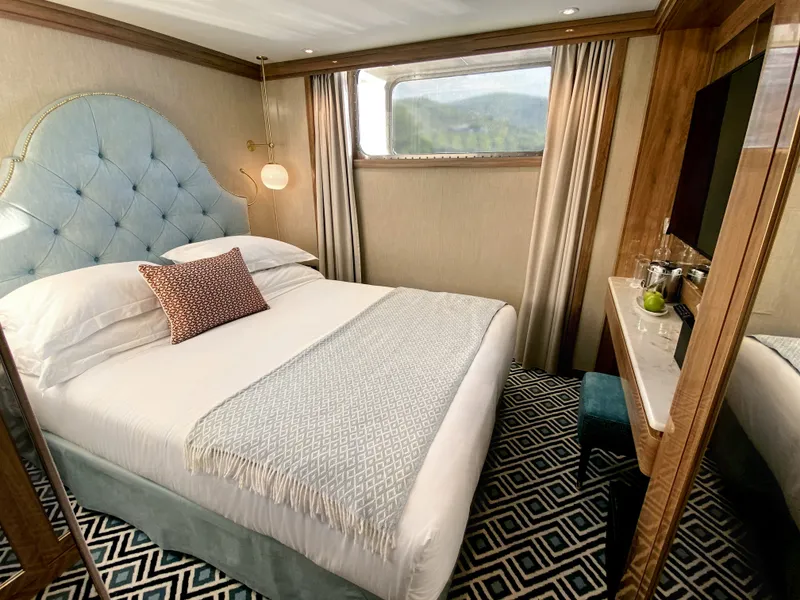
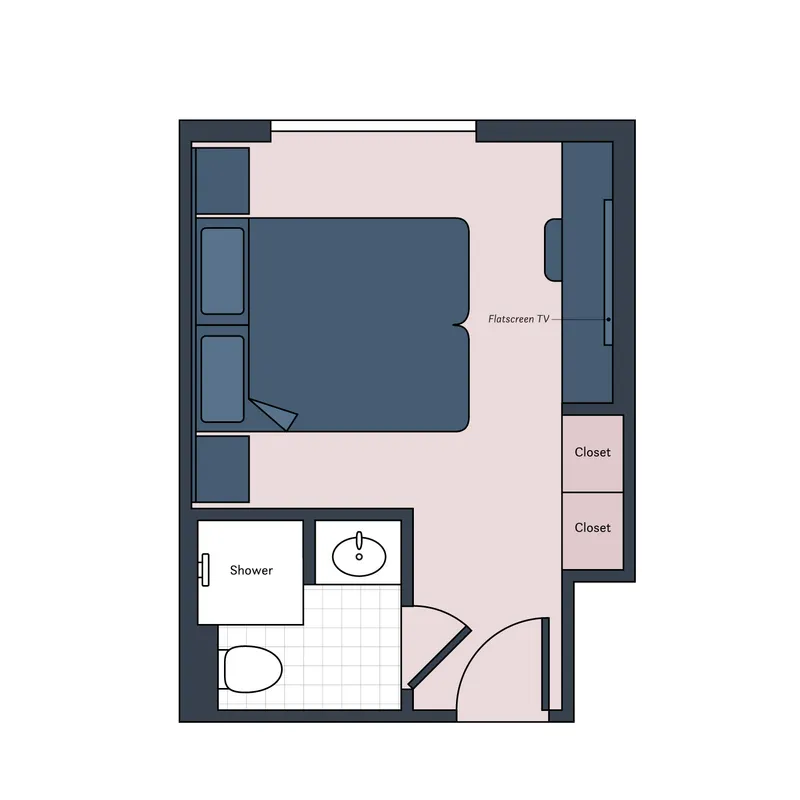
Classic (135 sq ft - 12.5 sq m).
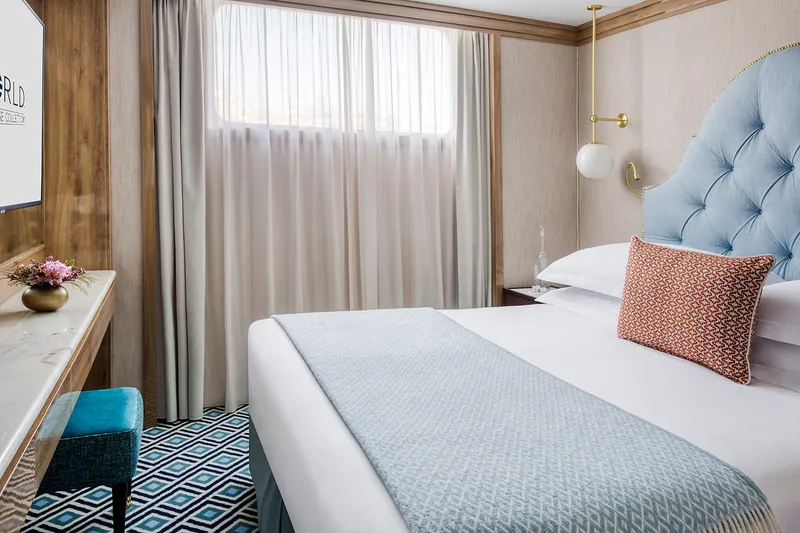
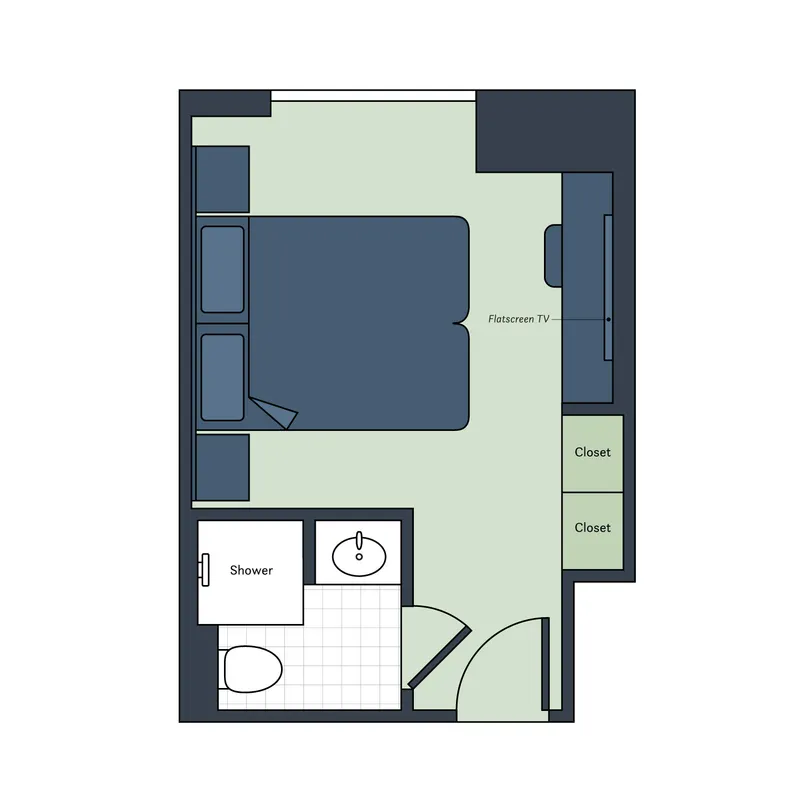
Deluxe (156 sq ft - 14.5 sq m).
Our cruise specialists can help you find the perfect cabin and the best available pricing.
(+886) 02-2721-7300Contact Advisor