Chile
Puerto Eden
7 voyages
Puerto Eden er en af de mest isolerede permanent beboede bosættelser i Sydamerika — en lille fiskerlandsby med cirka 200 indbyggere, der klamrer sig til den østlige kyst af Wellington Island i Chiles vidtstrakte patagoniske kanaler, kun tilgængelig med båd og med Navimag-færgen, som forbinder Puerto Montt med Puerto Natales gennem nogle af de mest spektakulære fjordlandskaber på planeten. Der er ingen veje til Puerto Eden, ingen lufthavn, ingen mobiltelefonsignal. Livet her udfolder sig i tidevandets og vejrets rytme.
Landsbyen er hjemsted for de sidste overlevende medlemmer af Kawesqar-folket — en af de oprindelige kano-nomadekulturer, der har beboet de patagoniske kanaler i over 6.000 år, padlende i barkkanoer gennem labyrinten af øer og fjorde, jagtende sæler, indsamlede skaldyr og opretholdt hellige bål, der brændte evigt i midten af deres både. Kawesqar-befolkningen er blevet decimeret af europæisk kontakt, sygdom og kulturel assimilation, og færre end 20 indfødte talere af Kawesqar-sproget overlever. Samfundet i Puerto Eden repræsenterer den skrøbelige levende kant af denne gamle maritime kultur.
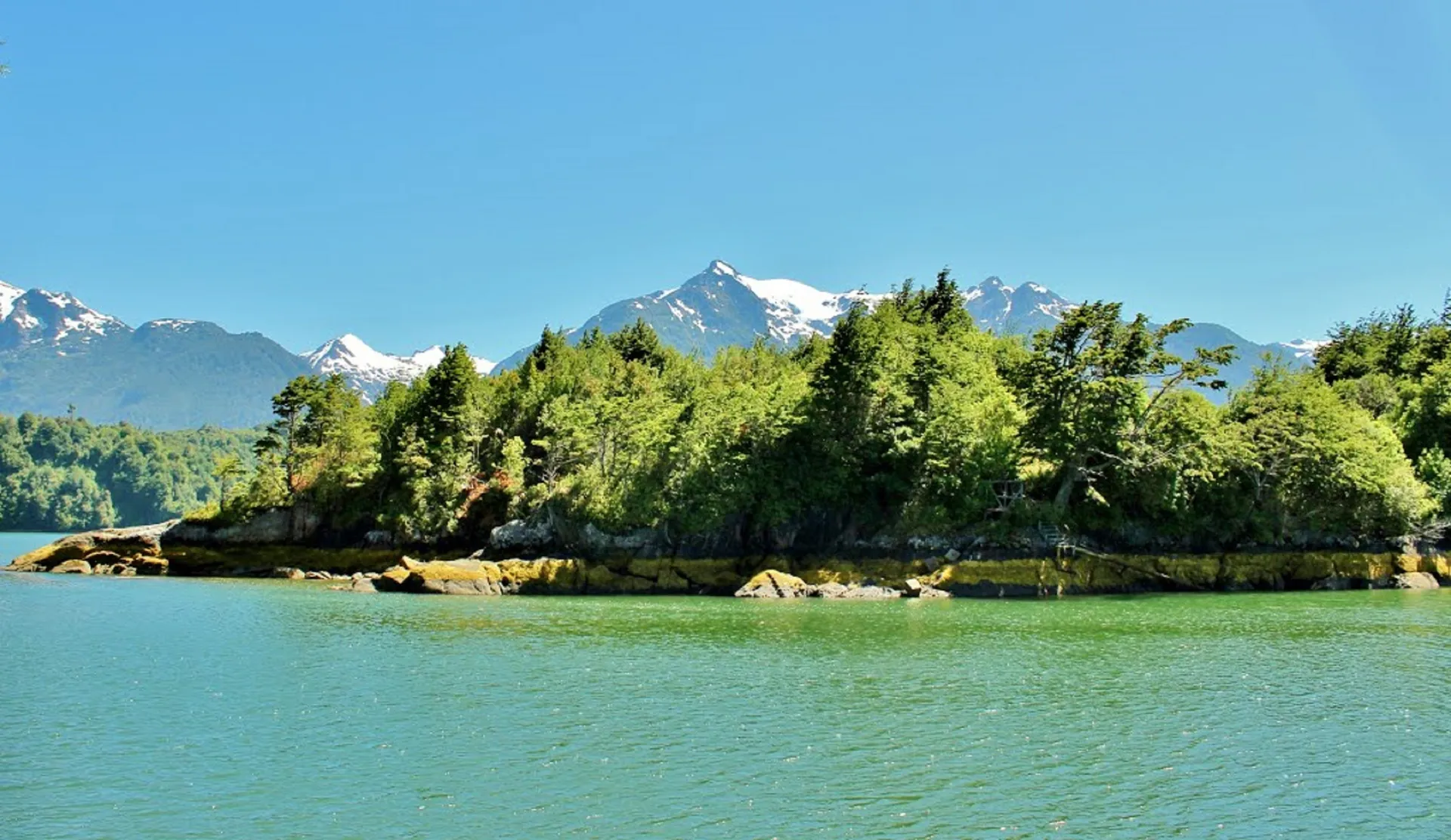
Den naturlige ramme omkring Puerto Eden er dramatisk, selv efter patagonske standarder. Wellington-øen er tæt bevokset med sydlige bøgetræer, bregner og mosser, dens indre utilgængeligt og stort set uudforsket. De omkringliggende kanaler — Penas-bugten, Messier-kanalen og Angostura Inglesa — flankeres af sneklædte bjerge, tidevandsgletsjere og regnskov så gennemblødt, at den modtager over fire meter nedbør årligt. Dyrelivet omfatter magellanpingviner, damphøns, sydamerikanske pelsæler og den lejlighedsvise pukkelhval, der passerer gennem kanalerne.
Selve landsbyen består af træhuse bygget på pæle langs en træbro — der er ingen gader, kun forhøjede træstier, der forbinder hjemmene, skolen, kirken og det lille marinepost, som repræsenterer den chilenske stats tilstedeværelse i dette afsidesliggende territorium. Et par små butikker sælger basale fornødenheder leveret af forsyningsskibe, der kommer med jævne mellemrum. Den lokale økonomi drejer sig om fiskeri — primært kongekrabber og søpindsvin — samt den beskedne turisme, som forbipasserende krydstogtskibe og færger bringer med sig.
Ekspeditionskrydstogtskibe ankrer op ud for Puerto Eden og bringer passagerer til landsbyens promenade med tenderbåde. Vejret er pålideligt udfordrende — regn, vind og kulde er konstante året rundt, med de australske sommermåneder fra december til marts, der byder på længst dagslys og mildest vejr. Vandtæt tøj er uundværligt. Puerto Eden er ikke en destination med konventionel turistappel — der findes ingen museer, restauranter eller attraktioner i traditionel forstand. Dets værdi ligger i dets radikale autenticitet: et menneskeligt samfund på kanten af den beboelige verden, der bærer mindet om en urgammel kultur, omgivet af en vildmark så uendelig og ligegyldig, at den sætter al menneskelig indsats i perspektiv.
Gallery