Tyskland
Baden-Baden
Baden Baden
77 voyages
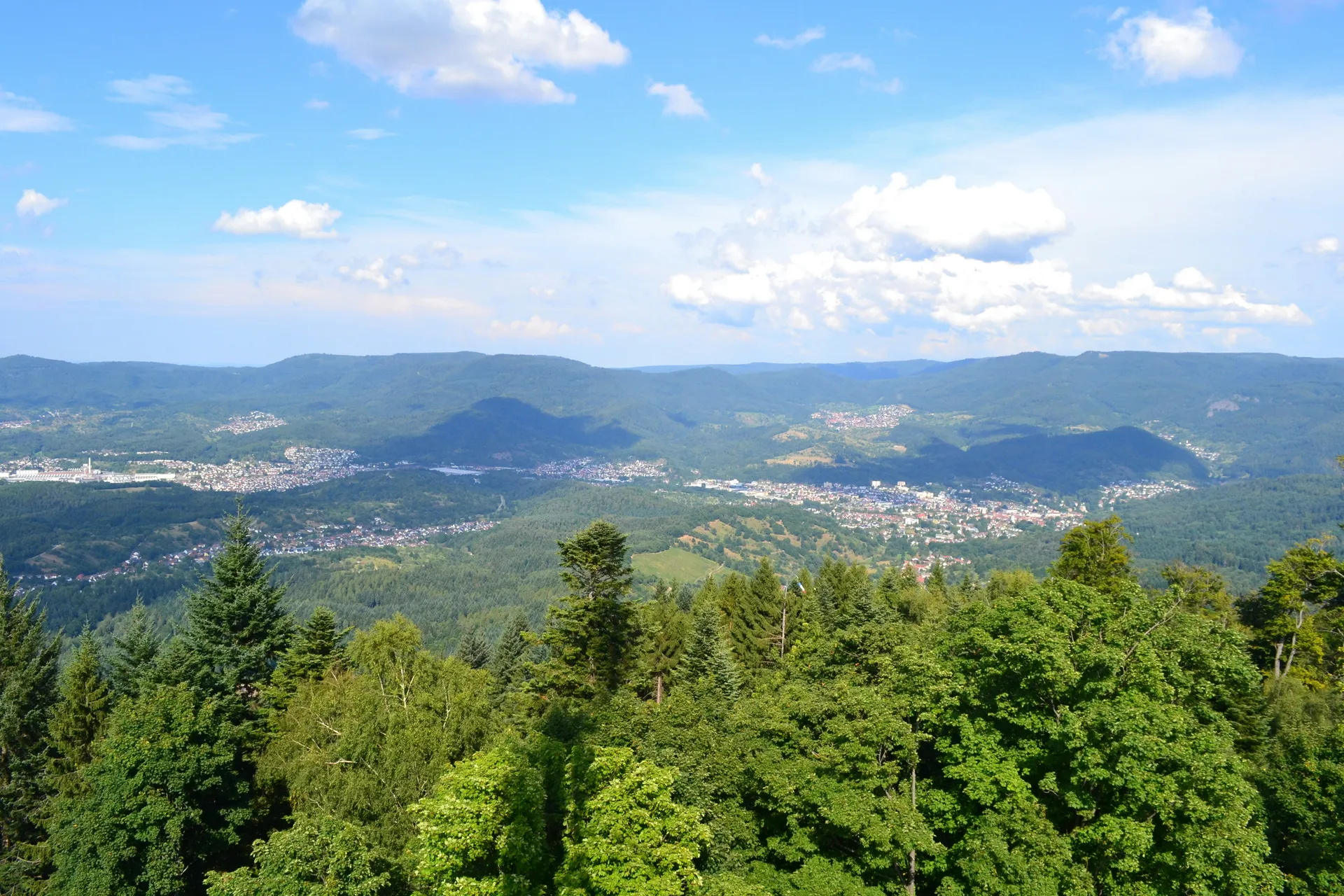
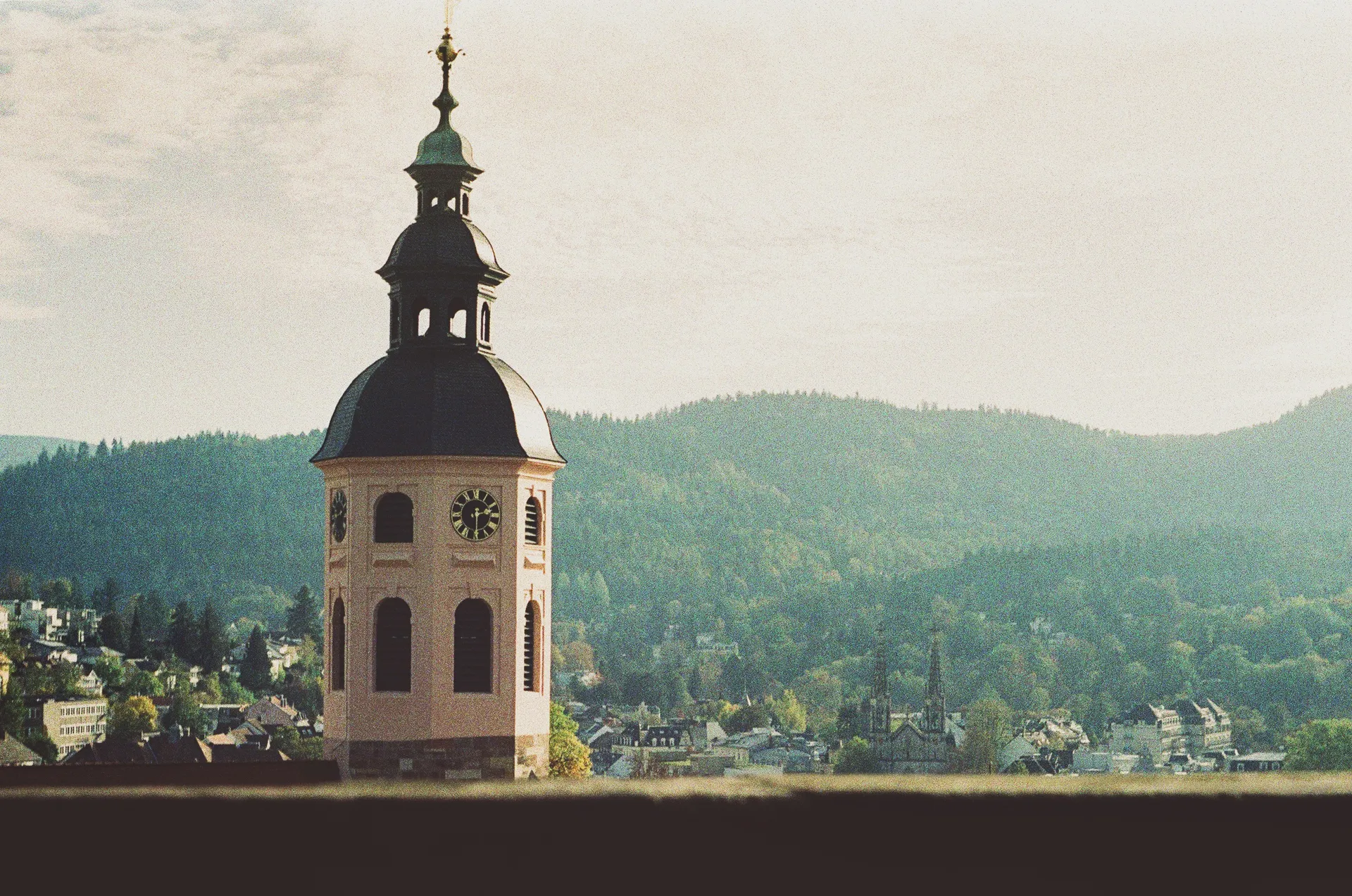
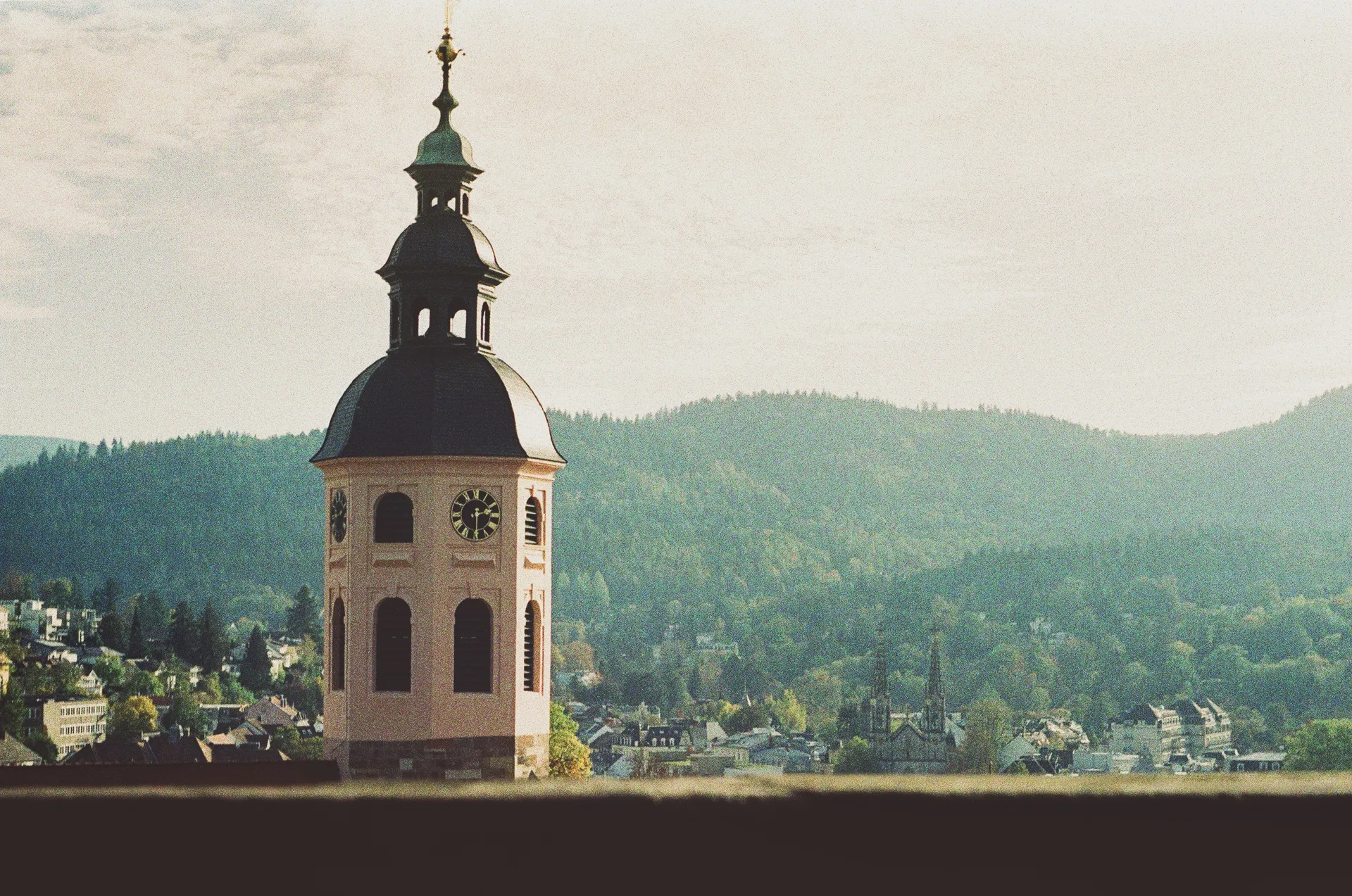
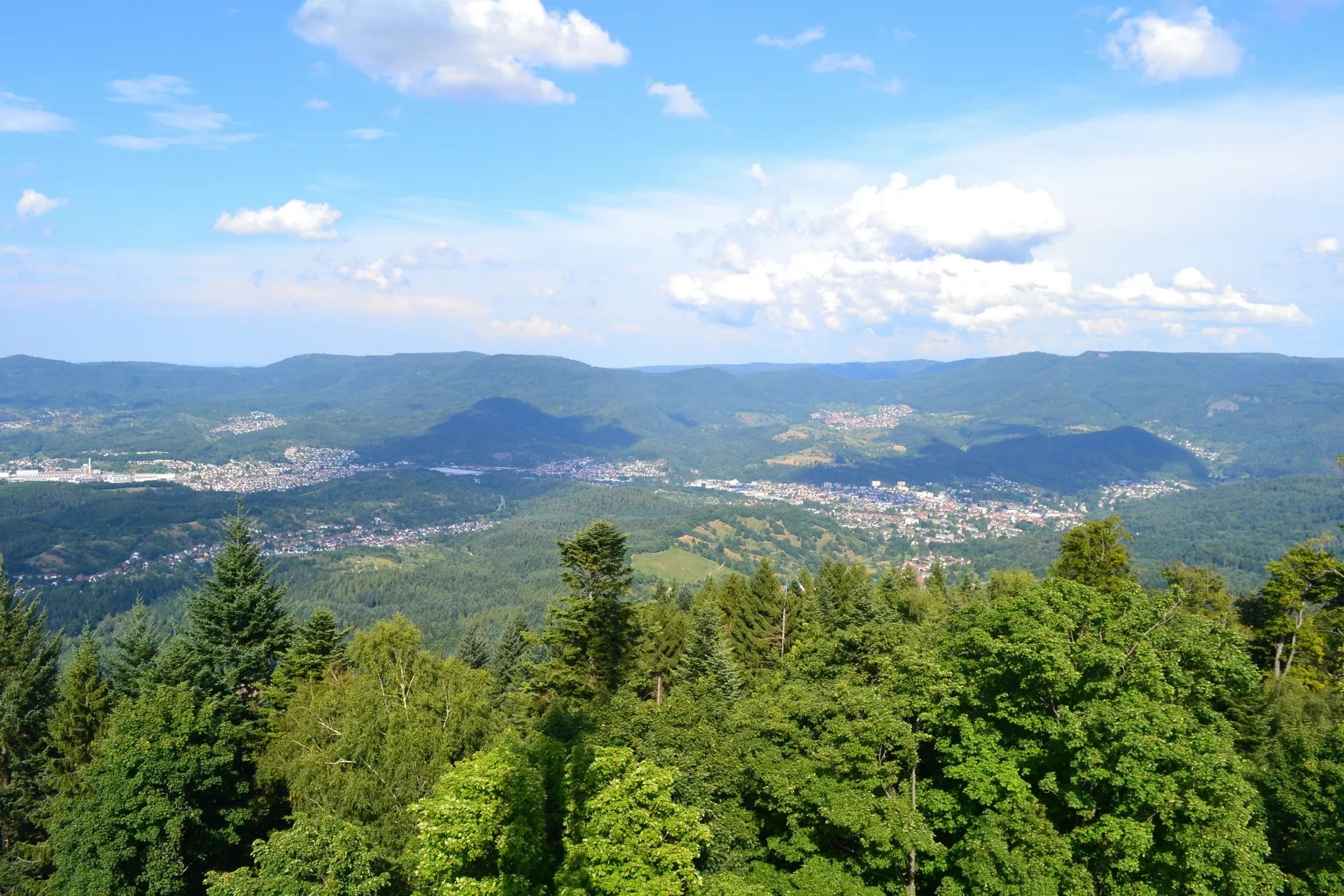
Længe før verden opdagede wellness-retreats og termiske spaer, badede romerne allerede i de mineralrige kilder under det, der nu er Baden-Baden, hvor de i det første århundrede e.Kr. grundlagde bosættelsen Aquae Aureliae. I det nittende århundrede var denne elegante by, der ligger i de nordlige fodbakker af Schwarzwald, blevet Europas sommerhovedstad og tiltrak kongelige, komponister og litterære storheder—Dostoevsky tabte berømt en formue i byens kasino, en oplevelse, der senere inspirerede *The Gambler*. Dronning Victoria, Kaiser Wilhelm I og Napoleon III prydede alle byens kolonnadepromenader og cementerede Baden-Badens ry som et sted, hvor fritid blev hævet til en kunstform.
Den aristokratiske ynde består den dag i dag, omend den bæres med lethed. Lichtentaler Allee, en tre kilometer lang havepromenade langs bredden af Oos-floden, folder sig ud som et levende galleri af århundredgamle egetræer, magnolier og kobberbøge — et sted, hvor morgenture føles ceremonielle snarere end tilfældige. Kurhaus, med sin bryllupskage-facade og overdådige korinthiske søjler, forankrer kulturkvarteret sammen med Theatre Baden-Baden og Museum Frieder Burda, hvis glas-pavillon designet af Richard Meier huser en verdensklasse samling af moderne og samtidskunst. I 2021 optog UNESCO Baden-Baden som en af Europas store spa-byer, en anerkendelse der blot bekræftede, hvad generationer af besøgende allerede havde forstået: denne by besidder en enestående evne til at gøre tidens gang ubesværet og dybt fornøjelig.
At spise i Baden-Baden er at møde Schwarzwalds spisekammer i sin mest forfinede form. Begynd med *Flädlesuppe*, den regionale bouillon med bånd af urtestrimlet pandekage, før du overgiver dig til *Schwarzwälder Schinken*—tørret og koldrøget skinke, der ikke ligner sin dessertnavnebror, selvom du bestemt også bør smage en ægte *Schwarzwälder Kirschtorte*, lagdelt med kirsebær gennemvædet i kirsch og flødeskum på et af byens traditionelle *Konditoreien*. De omkringliggende vinmarker i Ortenau producerer udsøgt Riesling og Spätburgunder, bedst nydt på det historiske Weingut Schloss Neuweier eller under en smagning hos det lokale vinbønders kooperativ. For en mere solid oplevelse, søg efter *Badisches Schäufele*—en langsomt stegt svineskulder med sprød svær, serveret med kartoffelsalat og braiseret kål, en ret der minder dig om, hvorfor det tyske køkken fortjener langt mere anerkendelse, end det typisk får.
Rhinen og dens bifloder har formet dette hjørne af Europa til en korridor af usædvanlig skønhed, og Baden-Baden fungerer som en naturlig base for at udforske det. Kehl, blot tredive kilometer mod vest, ligger direkte overfor Strasbourg på den anden side af Rhinen og tilbyder en fascinerende grænseby-dualitet, hvor tysk orden møder alsacisk varme—kryds Passerelle des Deux Rives fodgængerbroen, og du er i Frankrig inden for få minutter. Længere nede ad floden fortryller den middelalderlige vinlandsby Bernkastel ved Mosel med sin bindingsværksmarkedplads og stejle Riesling-vinmarker, der synes at trodse tyngdekraften. Wertheim, hvor Tauber møder Main, belønner besøgende med en ruin af et bakketopslot og et glasmuseum indrettet i et tidligere kloster, mens de roligere områder nær Geesthacht afslører en blidere, mere pastoral side af Tysklands vandveje.
Flodkrydstogtsgæster, der ankommer til Baden-Baden, opdager en havn, der fungerer både som en port til Schwarzwald og som en destination, der fortjener en længere udforskning i sig selv. Emerald Cruises fremhæver byen som et højdepunkt på deres Rhinen-ruter, ofte kombineret med udflugter til Caracalla Spa eller de gamle romerske bade ruiner. Scenic River Cruises løfter oplevelsen yderligere med eksklusive, altomfattende kystprogrammer, mens Tauck—kendt for sin nøje kuraterede kulturelle fordybelse—ofte arrangerer private besøg i Festspielhaus, Tysklands største koncert- og operahus. Uanset om du ankommer med skib eller vælger at forlænge dit ophold på land, belønner Baden-Baden den uforjættede rejsende med en dybde af oplevelser, som få europæiske byer af denne størrelse kan matche.
Gallery