Tyskland
Bamberg
1,289 voyages
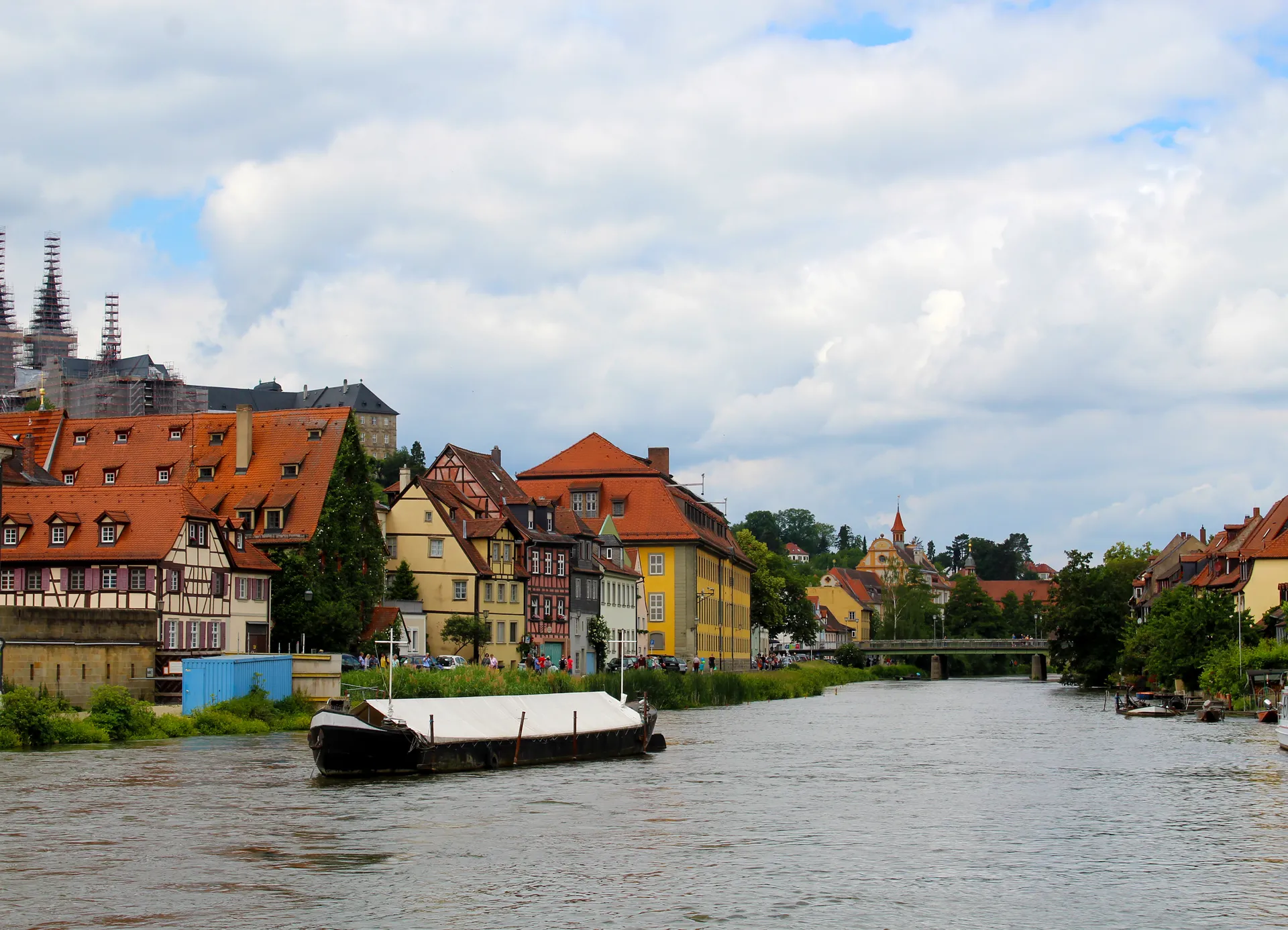
Bamberg, en UNESCO-verdensarvsby siden 1993, kaldes ofte "Franconiens Rom" på grund af de syv bakker, den er bygget på — et bevidst ekko af den evige stad, da de middelalderlige biskopfyrster, der herskede her, stræbte efter at skabe et andet Rom nord for Alperne. Bamberger Dom, en romansk-gotisk katedral med fire tårne, indviet i 1012, rummer den gådefulde Bamberger Reiter (Bamberg-ridderen), en ridderstatue fra det trettende århundrede, hvis identitet har været genstand for diskussion i århundreder. Alte Rathaus (Det Gamle Rådhus), måske Bambergs mest fotograferede bygning, står på en kunstig ø i Regnitz-floden, dens bindingsværksfacade strækker sig dristigt ud over vandet, og dens facader prydes af overdådige trompe-l'œil-frescoer.
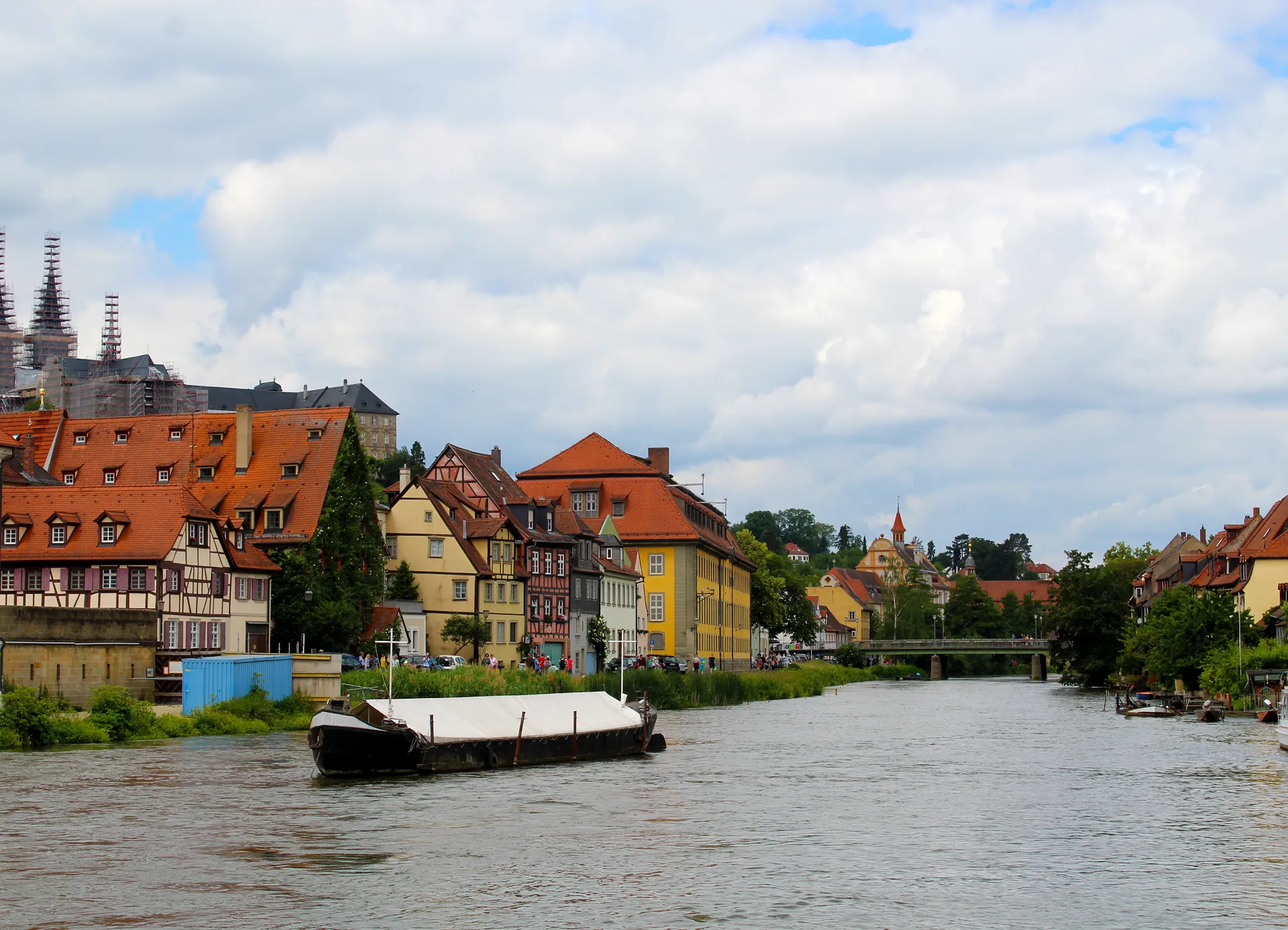
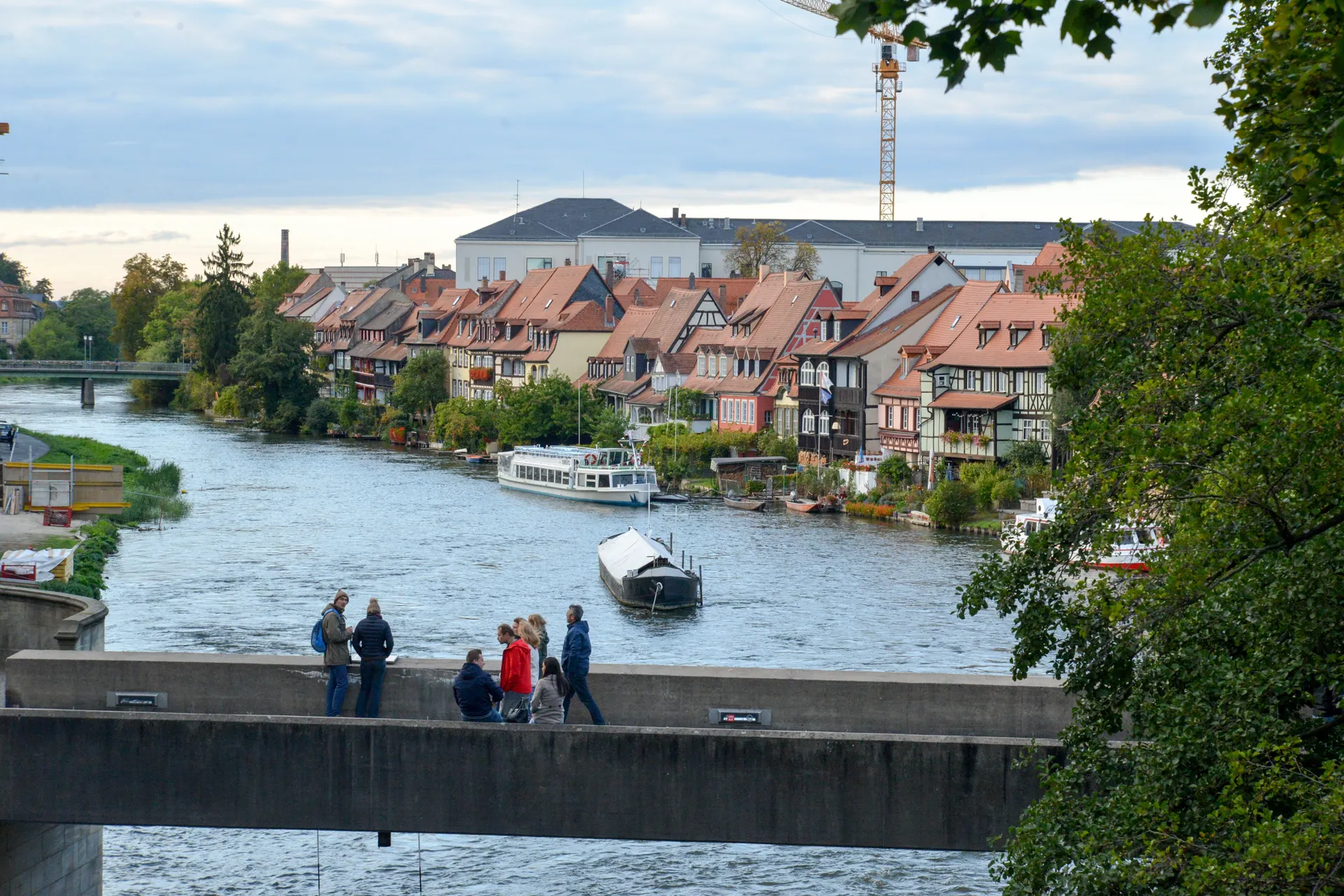
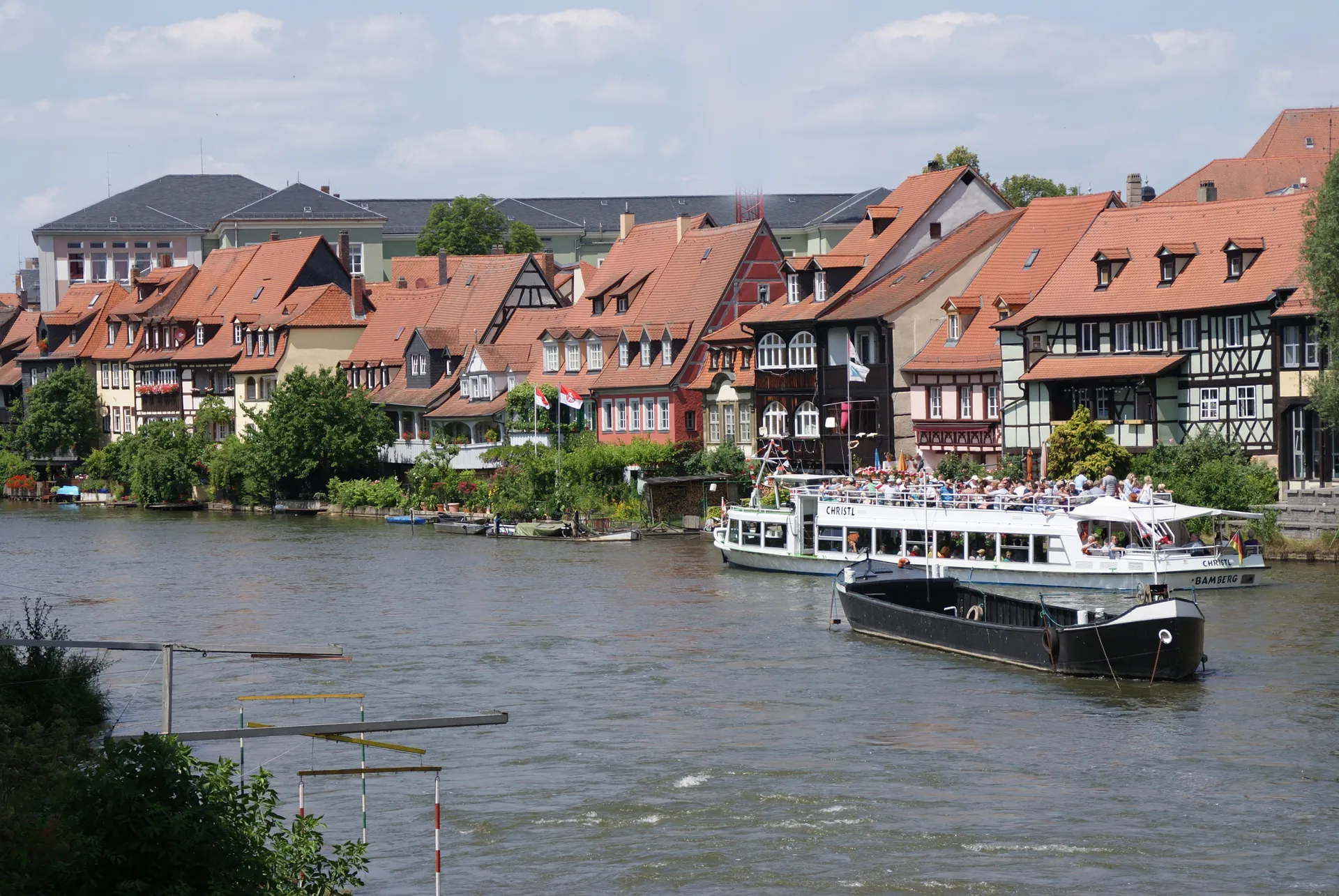
Bambergs gamle bydel overlevede Anden Verdenskrig næsten fuldstændigt intakt og bevarer et middelalderligt og barokt bybillede af enestående sammenhæng. Bergstadt (bakketown) samler sig omkring katedralen med dens bispesæder og Neue Residenz, hvis rosenhave byder på udsigt over et hav af røde tegltage. Inselstadt (øbyen) ligger på Regnitz-øerne, hvor købmænd og håndværkere engang boede, mens Klein Venedig (Lille Venedig) – en række bindingsværkshuse tilhørende fiskere langs floden – skaber en af Tysklands mest charmerende havnefrontscener. Byens gader er bemærkelsesværdigt fri for moderne indslag; at gå gennem Bamberg føles mindre som at besøge et bevaret monument og mere som at træde ind i et levende middelalderligt maleri.
Bamberg er Tysklands uofficielle øl-hovedstad med en bryggeritradition, der går tilbage til 1093, og elleve bryggerier, der stadig er i drift inden for byens grænser — flere per indbygger end noget andet sted i landet. Byens signaturøl er Rauchbier (røget øl), en mørk lager med en karakteristisk røget smag, der stammer fra malt tørret over bøgetræsild. Schlenkerla, det legendariske bryggeri-taverne, der ligger i en hvælvet middelalderkælder, har serveret sit Aecht Schlenkerla Rauchbier siden 1405 — oplevelsen af at nyde denne flydende røg under stenhvælvinger er uundværlig. Den frankonske gastronomi passer perfekt til: Schäufele (ristet svineskulder med sprød svær), Bratwurst grillet over bøgekul, og Obatzda (en cremet ostecreme krydret med paprika og løg) er ideelle ledsagere til øl.
Dagsture fra Bamberg udforsker det rige væv af Franken. Den barokke pilgrims kirke Vierzehnheiligen (De Fjorten Hellig Hjælpere), designet af Balthasar Neumann, betragtes som et af mesterværkerne inden for sydtysk barok. Den middelalderlige befæstede by Rothenburg ob der Tauber, med sine perfekt bevarede bindingsværkshuse og Julemuseum, ligger halvanden time mod syd. Nürnberg, med sit kejserlige slot, det Germanske Nationalmuseum og det tankevækkende Dokumentationscenter på nazistpartiets rallyplads, ligger mindre end en time væk. Den franconiske vinregion langs Main-floden, kendt for sin tørre Silvaner, serveret i karakteristiske Bocksbeutel-flasker, tilbyder en blidere kontrast til Bambergs ølkultur.
Bamberg er et populært stop på Main-Danube-kanalen og Rhinen-Main-Danube-flodkrydstogter, betjent af AmaWaterways, APT Cruising, Avalon Waterways, CroisiEurope, Emerald Cruises, Riviera Travel, Scenic River Cruises, Tauck, Uniworld River Cruises, Viking og VIVA Cruises. Nærliggende flodhavne inkluderer Nürnberg, Würzburg og Passau. Flodkrydstogtsæsonen løber fra april til oktober, mens julemarkedssæsonen i slutningen af november og december tilføjer en magisk dimension.
Gallery