Tyskland
Wertheim
573 voyages
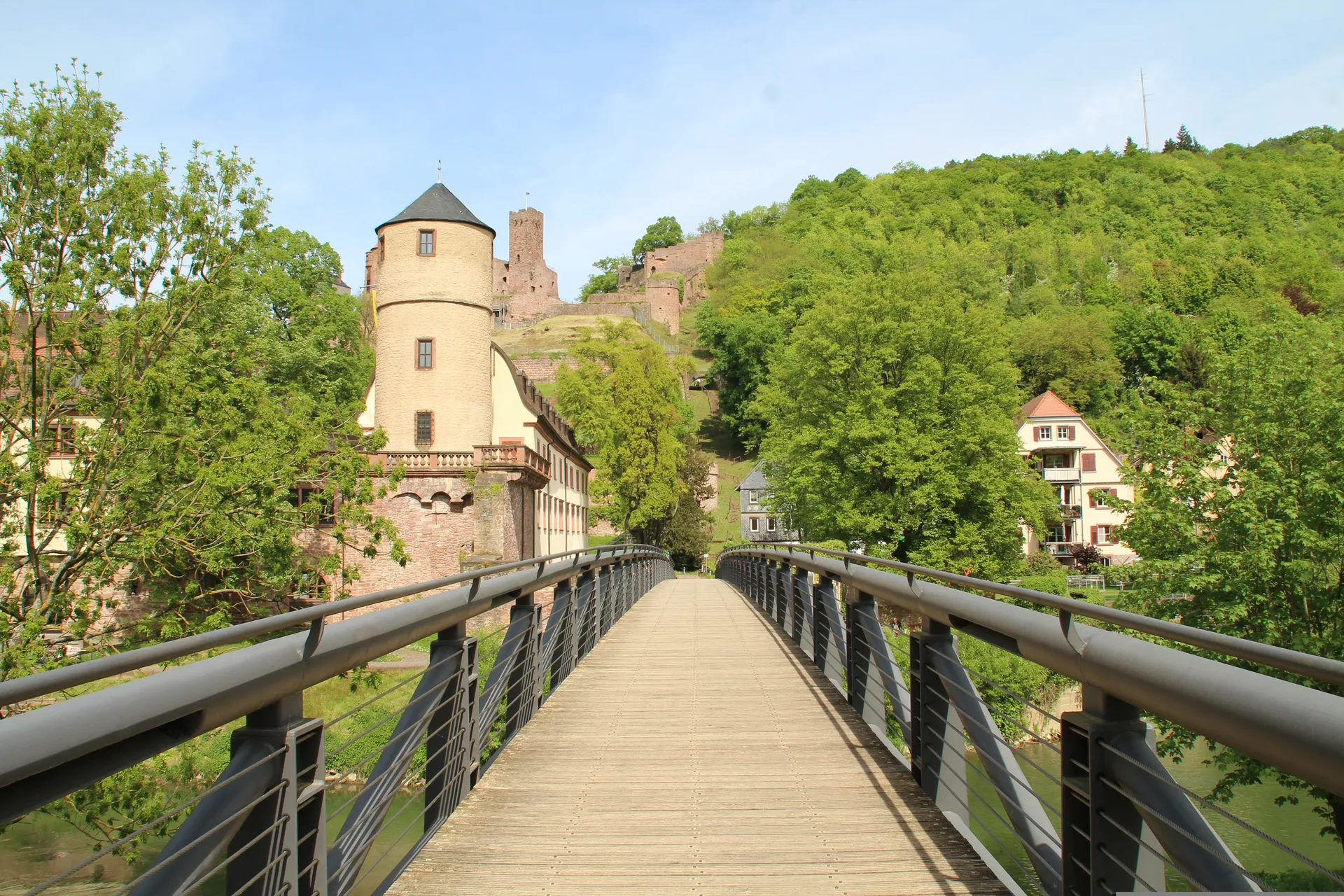
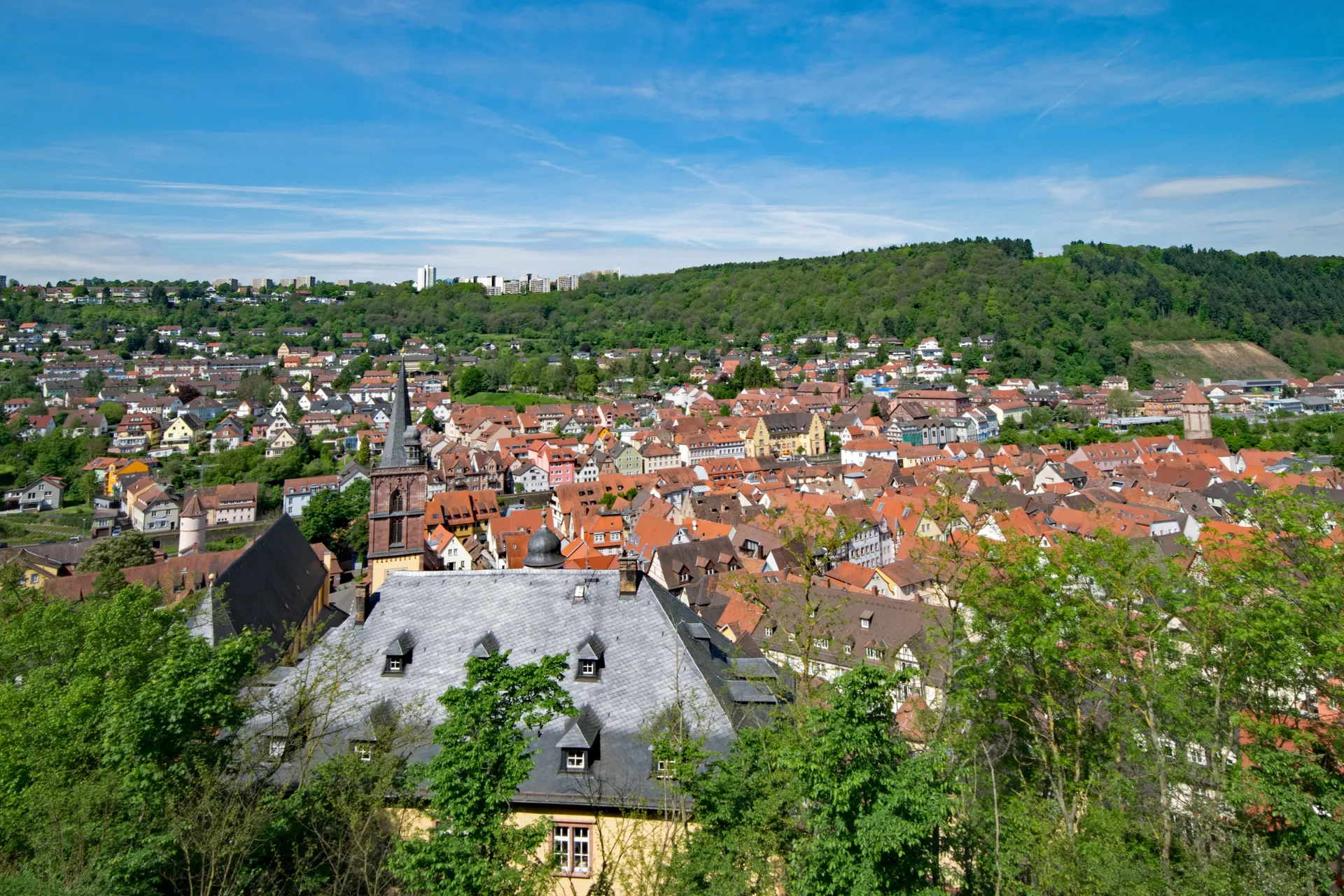
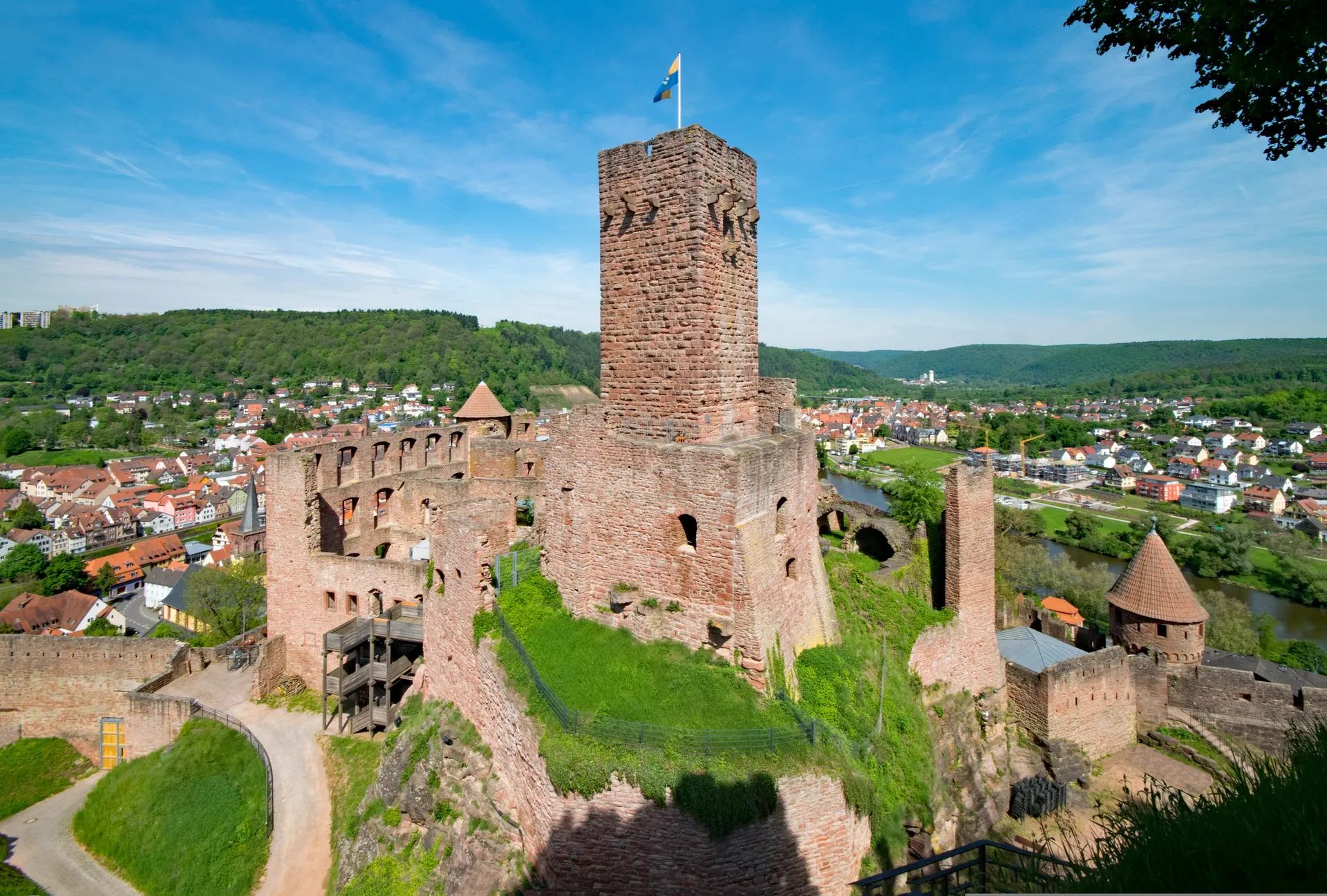
Wertheims middelalderlige oprindelse er forankret i ruinerne, der stadig dominerer sammenløbet mellem floderne Main og Tauber: Grafenburg-slottet, opført af greverne af Wertheim i det 12. århundrede, var en af de mest magtfulde fæstninger i det frankonske område, indtil det blev stort set ødelagt under Trediveårskrigen (1618–1648). Fra dets forfaldne tårne udfolder det omgivende landskab sig i sin fulde middelalderlige logik — floderne dannede naturlige voldgrave, de omkringliggende bakker husede vinmarker, der forsynede vinhandelen, og byen ved sammenløbet kontrollerede flodtrafikken, som gjorde greverne velhavende. Disse ruiner, bevaret i deres romantiske tilstand af delvis sammenbrud, er blandt de mest stemningsfulde borgrestaur langs hele Rhinen-Main-flodsystemet.
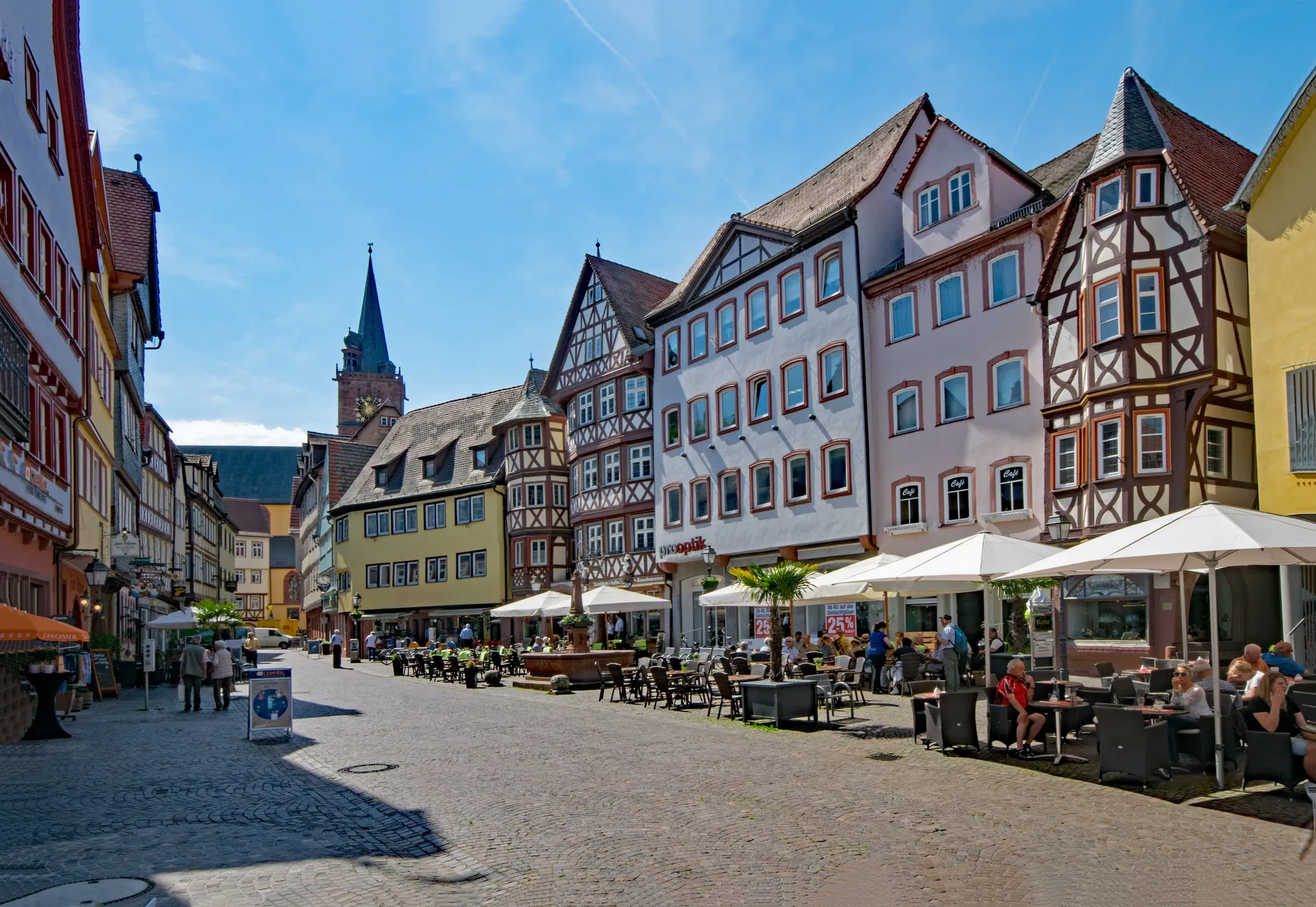
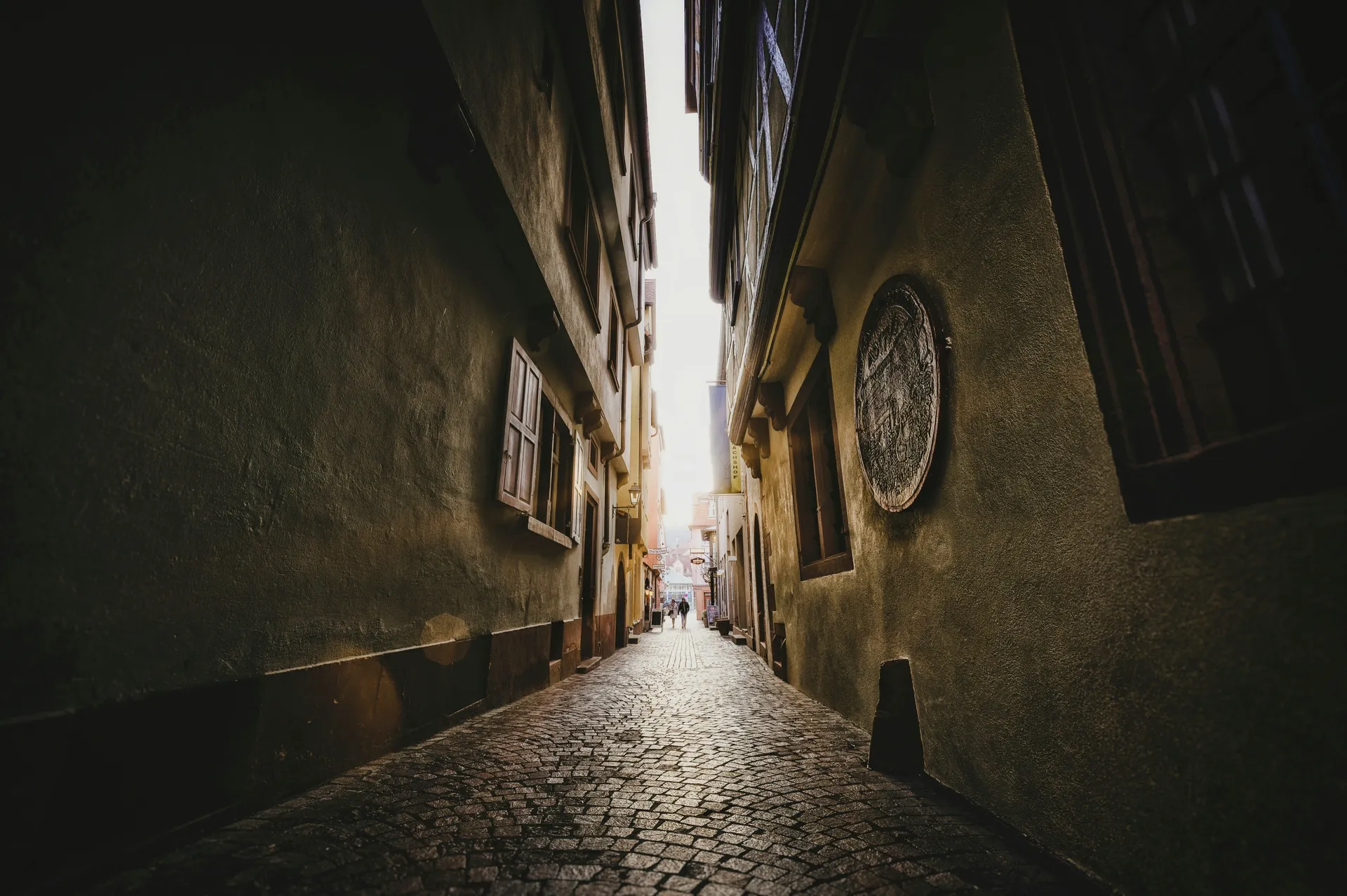
Altstadt i Wertheim er et skoleeksempel på frankonsk middelalderbyplanlægning, hvor de bindingsværkshuse — nogle dateret tilbage til det 15. århundrede — venligt hælder over smalle gyder, der samler sig ved markedspladsens 16. århundredes rådhus. Stiftskirche (kollegiatkirken), med sit udsøgte gotiske kor og de udskårne gravmonumenter for greverne af Wertheim, er den fineste hellige indretning i regionen. Sammenløbet af Tauber og Main kan betragtes fra Engelbrücke, en middelalderbro, hvis placering byder på et af de mest fotograferede udsigter i det frankonske vinland — to floder mødes, deres farver kortvarigt adskilte, før de smelter sammen i den bredere Main-strøm.
Wertheims kulinariske identitet formes af dens placering i Tauber-dalens vinland, hvor den franconiske vintradition frembringer karakteristiske Silvaner, Müller-Thurgau og Spätburgunder i de særprægede Bocksbeutel — de flade, runde flasker med bund, hvis form er lovbeskyttet og eksklusiv for Franken-vine. Maultaschen — store æggepasta-firkanter fyldt med kød, spinat og brød, ofte kaldet "schwabiske ravioli" — serveres simrende i bouillon eller stegt i smør på områdets hyggelige Gasthäuser. Zwiebelkuchen, den franconiske løgtærte lavet med kvarkost og kommen, går perfekt i spænd med den knastørre Silvaner, som de lokale vinbønder betragter som deres kronjuvel.
Wertheims beliggenhed ved sammenløbet af floderne Main og Tauber placerer det inden for nem rækkevidde af nogle af Tysklands mest berigende historiske byer. Würzburg, den barokke bispeby med sit UNESCO-listede Residenz-palads og den storslåede Marienberg-fæstning, ligger 60 kilometer mod øst. Miltenberg, 40 kilometer mod vest, anses for at være en af de bedst bevarede middelalderbyer i Bayern, hvor torvet fremstår som en filmisk vision af bindingsværksperfektion. Tauber-dalen fører sydpå til Rothenburg ob der Tauber — Tysklands mest besøgte middelalderby med bymure — 70 kilometer opstrøms. Nedstrøms fuldender den nærliggende rhinske havn Kehl, den historiske by Andernach samt vinmarkerne i Winningen og Geesthacht flodrejsen.
Wertheim fungerer som en krydstogthavn ved Main-floden og Rhinen-Main-Danube-kanalen for A-ROSA, AmaWaterways, Avalon Waterways, Celebrity Cruises, CroisiEurope, Emerald Cruises, Riviera Travel, Scenic River Cruises, Tauck, Uniworld River Cruises, Viking og VIVA Cruises. Rejseplanerne kombinerer typisk Wertheim med Kehl ved Rhinen, Geesthacht, Andernach og Winningen. Den franconiske vinhøst i september og oktober — når vinmarkerne på skråningerne flammer gyldent, og landsbyfesterne serverer den nye årgang i gårdhaver med stenbelægning — er det fineste tidspunkt at opleve dette stille smukke hjørne af Tyskland.
Gallery