Hapag-Lloyd CruisesINS2607
Keelung to Otaru
Date
2026-05-17
Duration
19 nights
Departure Port
Taipei
Taiwan
Arrival Port
Otaru
Japan
Rating
Expedition
Theme
—
Hapag-Lloyd Cruises
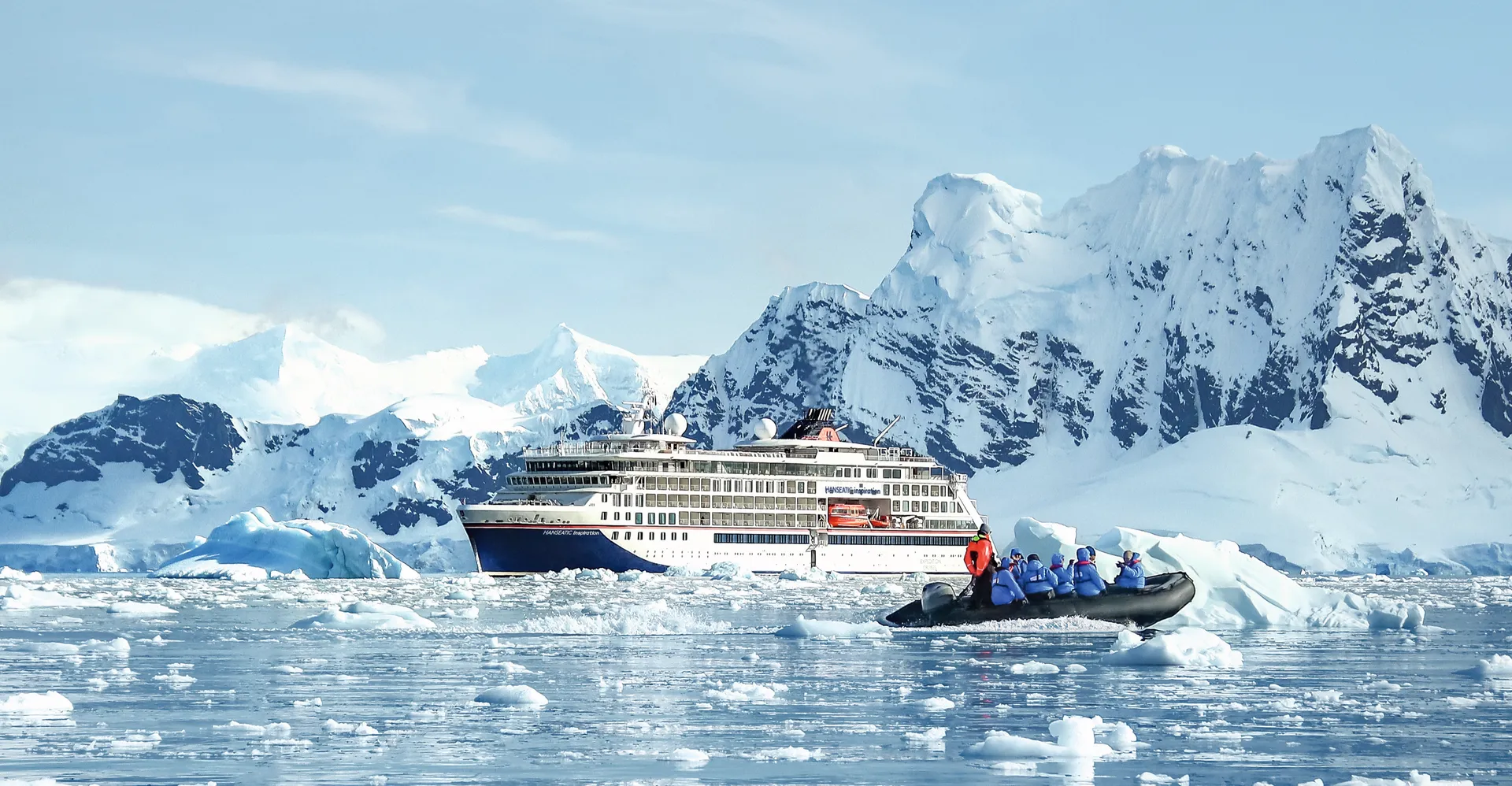
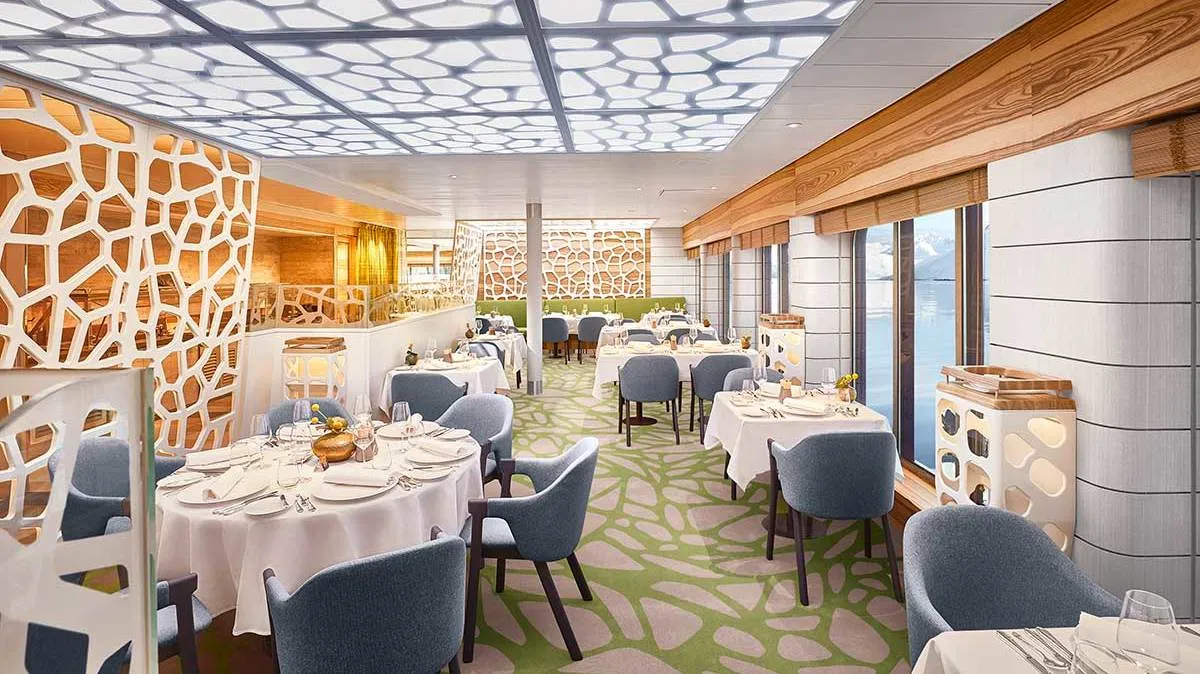
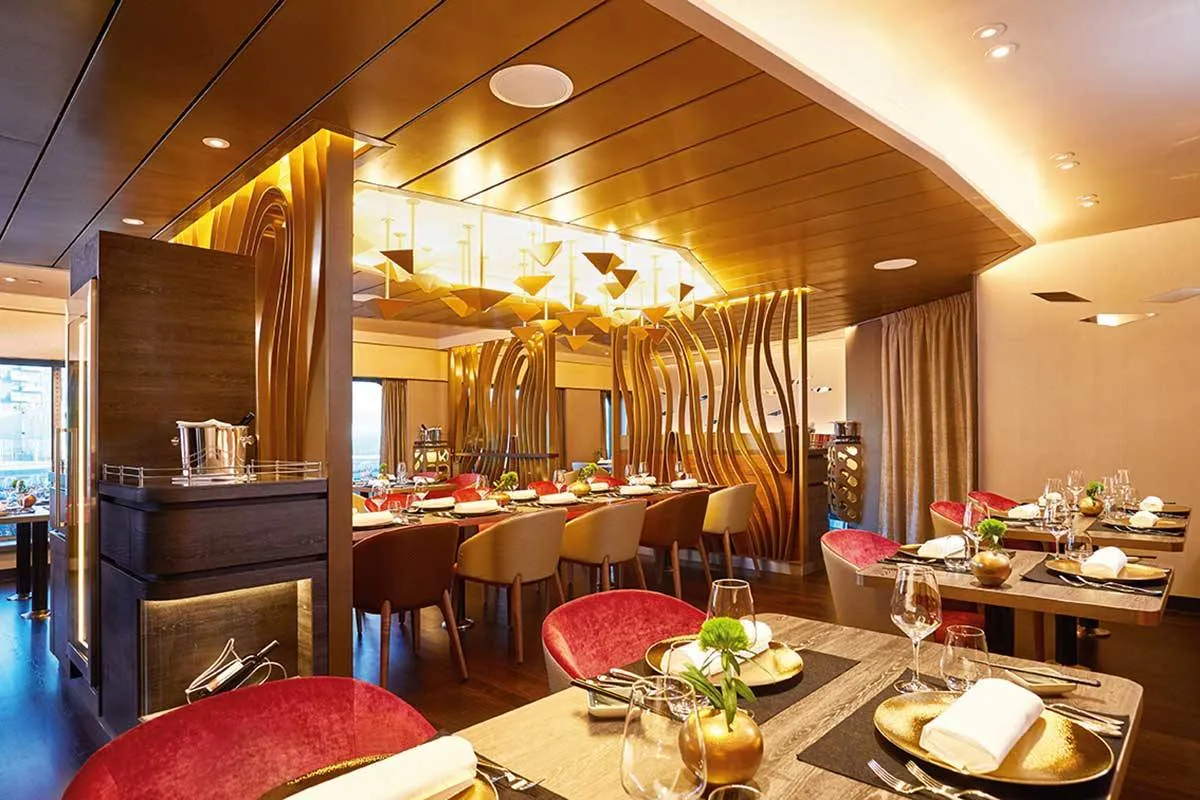
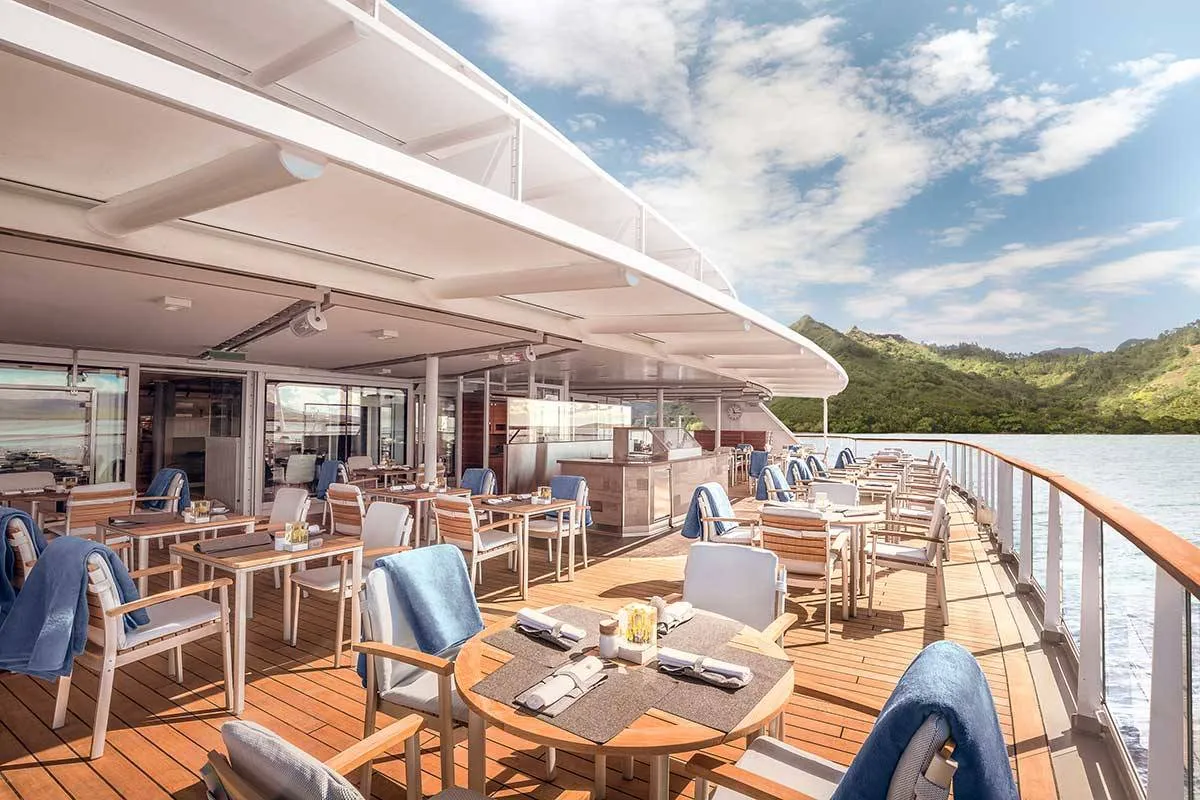
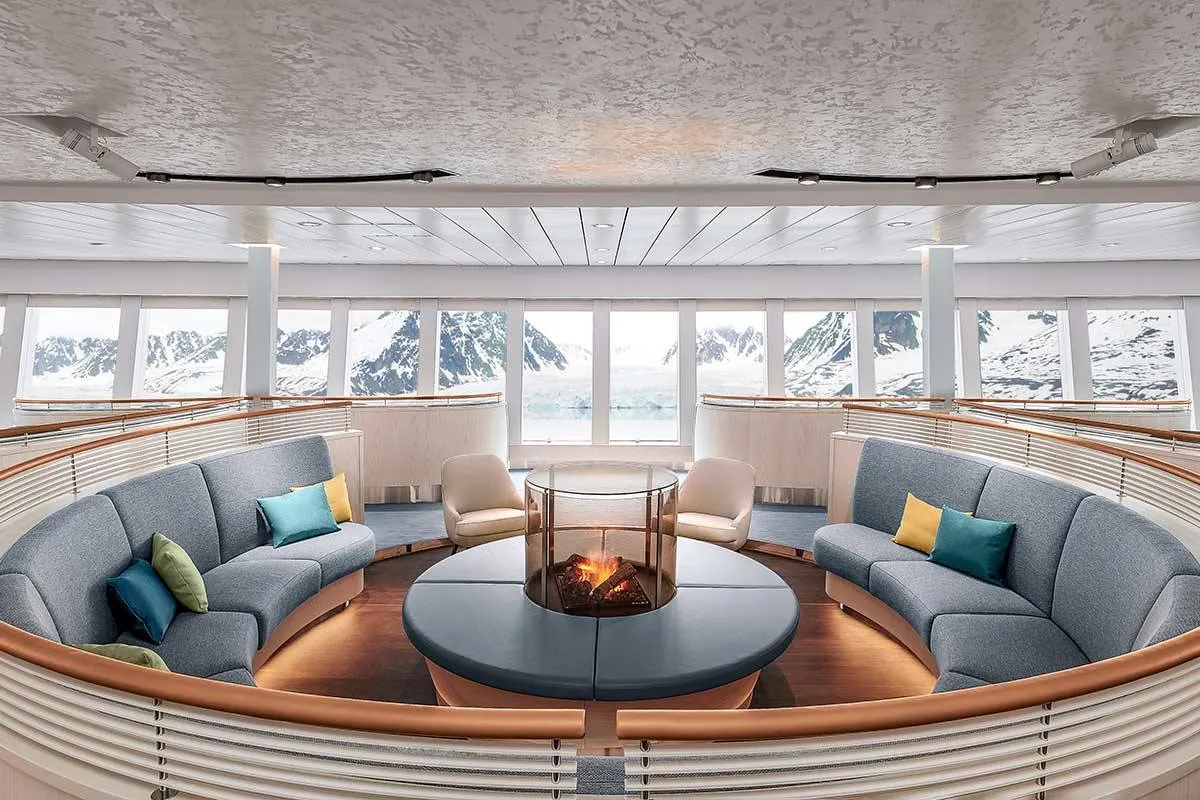
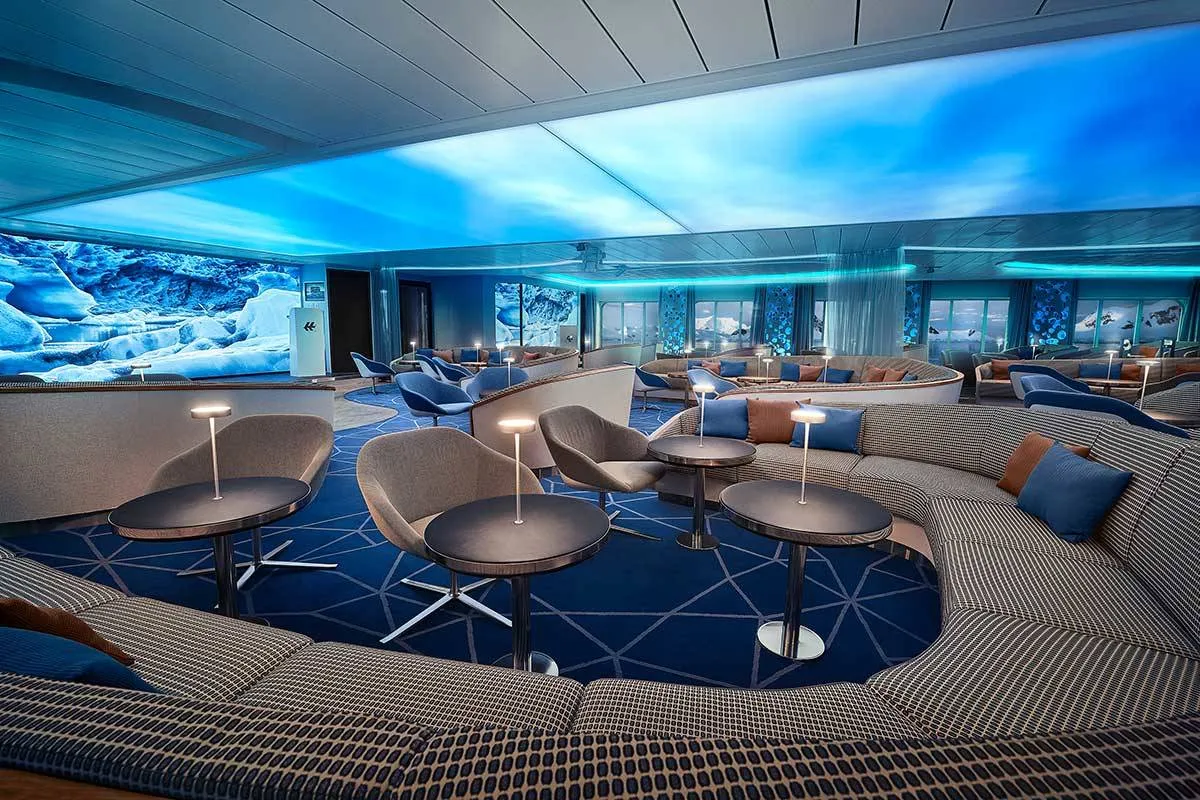
HANSEATIC Inspiration
Ice
Launched
2019
Refitted
—
Tonnage
15,650 GT
Passengers
—
Cabins
120
Crew
175
Length
452 m
Width
22 m
Speed
16 knots
Adults Only
No
Itinerary
Day 1
Day 1
Keelung
Depart 22:00
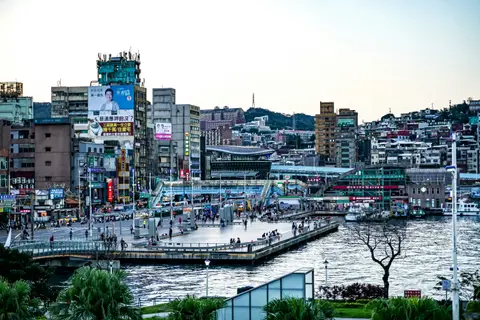
Keelung, a historic port city in northern Taiwan, is known for its vibrant atmosphere and culinary treasures, including the famous Oyster Omelette and Braised Pork Rice. A must-do experience is exploring the bustling Keelung Night Market and venturing to nearby attractions like Sun Moon Lake and Taroko Gorge. The best season to visit is during the fall, when the weather is mild and pleasant for outdoor exploration.
Day 2
Day 2
At Sea
Day 3
Day 3
Naha
Arrive 07:00Depart 19:00
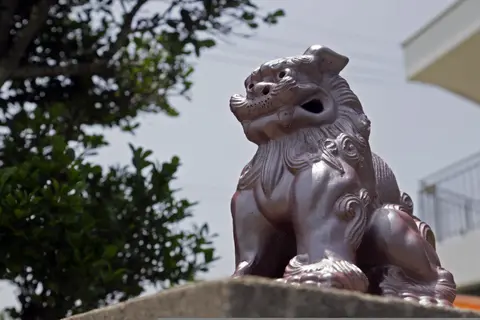
Naha, the subtropical capital of Okinawa and former seat of the independent Ryūkyū Kingdom, offers a beguiling fusion of royal heritage, artisan traditions, and one of the world's most health-conscious cuisines — from meltingly tender *rafute* pork to the oceanic pop of *umibudo* sea grapes. Visitors should not miss the vermilion splendour of Shuri Castle and the sensory immersion of Makishi Public Market. The mild subtropical climate makes Naha inviting year-round, though March through May delivers the most luminous skies and comfortable temperatures for exploration ashore.
Day 4
Day 4
Okinoerabu
Day 5
Day 5
Amami-Oshima
Arrive 07:00Depart 18:00
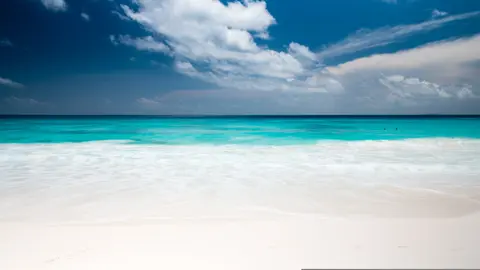
Amami-Oshima is a UNESCO World Heritage island between Kyushu and Okinawa, home to ancient subtropical forests, endemic wildlife including the rare Amami rabbit, and pristine coral beaches like Tomori. Visitors should explore the Kinsakubaru Primeval Forest, witness the 1,300-year-old Oshima tsumugi silk-dyeing tradition, and kayak through the Sumiyo mangroves. Spring (March-May) and autumn (October-November) offer the most comfortable conditions.
Day 6
Day 6
Yakushima
Arrive 07:00Depart 18:00
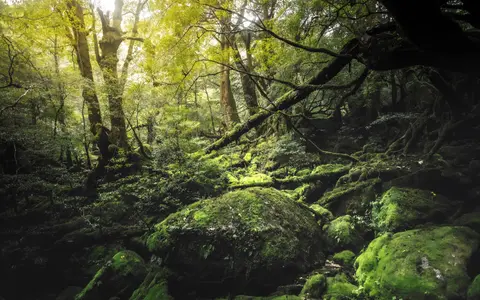
Yakushima is a UNESCO-listed island south of Kyushu where ancient cedar forests up to seven thousand years old inspired Studio Ghibli's Princess Mononoke. Must-dos include hiking to the Jōmon Sugi cedar, exploring moss-draped forests at Yakusugi Land, and tasting grilled flying fish. March through May and October through November balance lower rainfall with comfortable temperatures.
Day 7
Day 7
Uwajima
Arrive 13:00Depart 19:00
Uwajima is a Shikoku castle town renowned for one of Japan's twelve original Edo-period castles, a unique bull sumo tradition, and exceptional sea bream served as sashimi over rice in the distinctive Uwajima tai-meshi style. Must-do experiences include climbing the original wooden castle keep, attending a togyu bull sumo tournament, and tasting the local pearl oysters and citrus. Spring cherry blossoms and autumn foliage provide the most picturesque visiting seasons.
Day 8
Day 8
Beppu
Arrive 08:30Depart 19:00
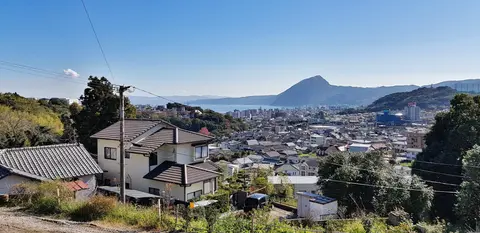
Beppu is Japan's ultimate hot spring city on Kyushu's coast, producing more geothermal water than anywhere else on Earth, with 2,800 vents, spectacular boiling "Hells," and volcanic sand baths on the beach. Must-dos include the Jigoku Hells circuit, hell-steaming your own meal at Kannawa, and soaking in a variety of mineral-rich onsen. Spring and autumn offer the most comfortable temperatures for combining bathing with sightseeing.
Day 9
Day 9
Miyajima
Arrive 20:00
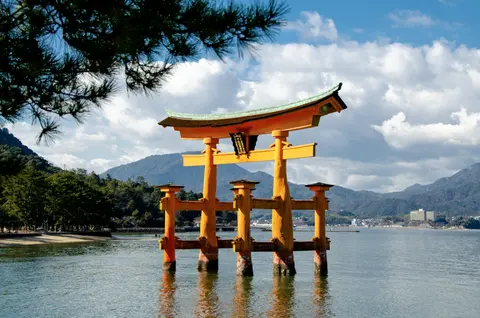
Miyajima, Japan, offers an immersion in a culture where aesthetic refinement and daily life are inseparable. Essential experiences include exploring local food markets, tasting regional specialties at intimate eateries, and visiting the surrounding temples and gardens. The port is most rewarding October through April, when cooler temperatures and lower humidity create ideal conditions. Cruise lines including Hapag-Lloyd Cruises feature this port on their most compelling itineraries. Whether you have a few hours or a full day, the port rewards exploration at every pace and in every direction.
Day 10
Day 10
Hiroshima
Depart 19:00
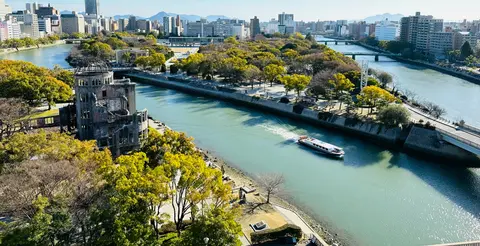
Hiroshima is a deeply moving yet vibrantly reborn Japanese city, home to the UNESCO-listed Peace Memorial Park and the iconic A-Bomb Dome. Must-dos include savouring the city's famous layered okonomiyaki, tasting fresh Inland Sea oysters, and taking the ferry to Miyajima to see the floating vermilion torii gate. Spring cherry-blossom season and autumn foliage (March–May and October–November) offer the most spectacular visits.
Day 11
Day 11
At Sea
Day 12
Day 12
Busan
Arrive 07:00Depart 19:00
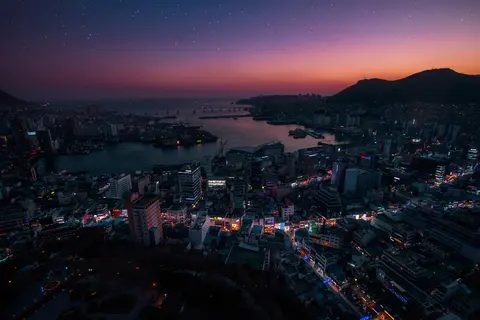
Busan, a bustling port city in South Korea, is known for its stunning coastal scenery, rich history, and vibrant culinary scene. Must-do experiences include visiting the iconic Jagalchi Fish Market for fresh seafood and exploring the ancient sites of Gyeongju. The best time to visit is during the mild spring or autumn months when the weather is pleasant and local festivals abound.
Day 13
Day 13
Karatsu
Arrive 07:00Depart 13:30
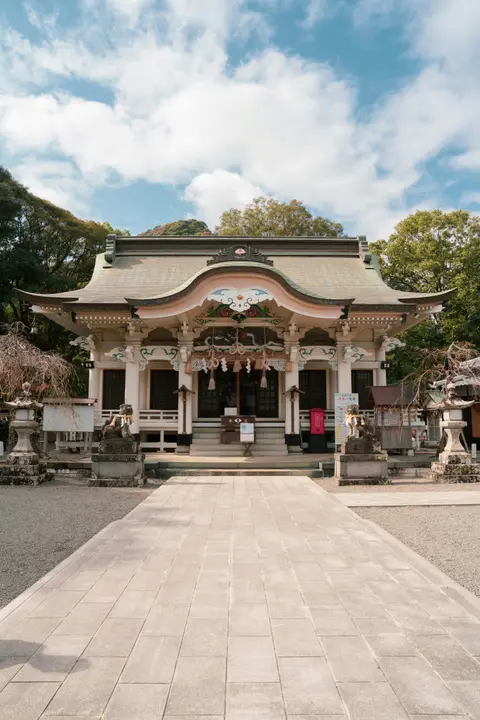
Karatsu, on Kyushu’s northwestern coast, is one of Japan’s three most revered pottery towns, where 14-generation kilns produce wabi-sabi ceramics prized in tea ceremony alongside a castle overlooking a million-pine coastal grove. Must-dos include visiting a Karatsu-yaki kiln, tasting live squid sashimi at Yobuko’s morning market, and cycling through the Niji-no-Matsubara pine grove. Visit late March for cherry blossoms, or early November for the spectacular Karatsu Kunchi festival.
Day 14
Day 14
Oki Islands
Arrive 08:30Depart 18:00
The Oki Islands, a UNESCO Global Geopark in Japan's Sea of Japan, combine 25-million-year geological drama — from the Tsūtenkyō natural bridge to obsidian cliff faces — with ancient Shinto shrines, traditional bull sumo, and exceptional seafood including grilled sazae turban snails and raw rock oysters. Must-dos include the Kuniga Coast boat tour, the 2,000-year-old sacred cedar, and tasting iwagaki oysters. April through November provides the widest range of cultural and natural experiences.
Day 15
Day 15
Maizuru
Arrive 08:00Depart 19:00
Maizuru on the Sea of Japan coast combines Meiji-era red-brick naval architecture with the deeply moving Repatriation Memorial Museum, a UNESCO Memory of the World site documenting the return of 660,000 Japanese from Siberia. Must-dos include visiting the memorial museum, exploring the brick warehouse district, and tasting matsuba crab in winter. May through October offers the best weather, while November to March brings prized crab season.
Day 16
Day 16
Kanazawa
Arrive 07:00Depart 19:00
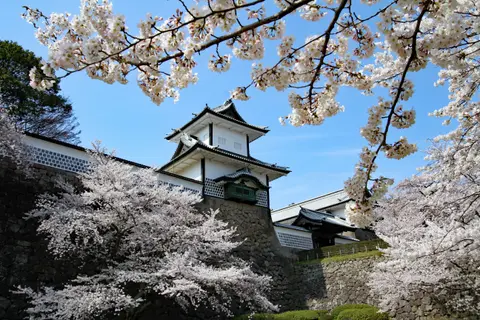
Kanazawa is a Sea of Japan coast city of extraordinary cultural refinement, home to Kenrokuen — one of Japan's three greatest gardens — alongside perfectly preserved samurai and geisha quarters, and craft traditions including gold leaf, Kutani porcelain, and Kaga silk dyeing. Essential experiences include strolling Kenrokuen's seasonal landscapes, exploring the wooden tea houses of Higashi Chaya, and feasting on fresh crab and nodoguro at the historic Omicho Market. Each season offers distinct beauty, from winter snow to autumn foliage.
Day 17
Day 17
Sado
Arrive 08:00Depart 18:00
Sado, Japan is a distinctive port city where deep cultural heritage meets authentic local atmosphere, featured on itineraries by CroisiEurope. Must-do experiences include walking the historic center to experience the layered architectural heritage, and seeking out the regional culinary traditions at a locally favored establishment away from the port area. The optimal time to visit is May through September, when mild temperatures and long days favor unhurried exploration.
Day 18
Day 18
Akita
Arrive 08:00Depart 17:00
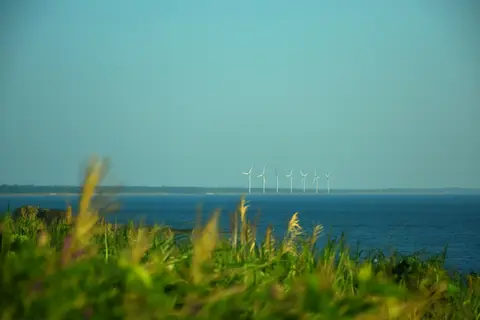
Akita is a rice-growing prefecture on Japan's Sea of Japan coast, renowned for the spectacular Kanto Festival of illuminated bamboo poles, UNESCO-listed Shirakami beech forests, and a cuisine of kiritanpo rice sticks and Inaniwa udon that ranks among Japan's finest. Must-dos include the August Kanto Festival, bathing at the rustic Nyuto Onsen hot springs, and tasting Akita's prized local sake. Visit August for the festival or October for the magnificent autumn colours.
Day 19
Day 19
Hakodate
Arrive 07:00Depart 13:00

Hakodate, Japan, offers an immersion in a culture where aesthetic refinement and daily life are inseparable. Essential experiences include exploring local food markets, tasting regional specialties at intimate eateries, and visiting the surrounding temples and gardens. The port is most rewarding May through October, when the climate is at its most welcoming for outdoor exploration. Cruise lines including Hapag-Lloyd Cruises feature this port on their most compelling itineraries. Whether you have a few hours or a full day, the port rewards exploration at every pace and in every direction.
Day 20
Day 20
Sapporo
Arrive 08:00
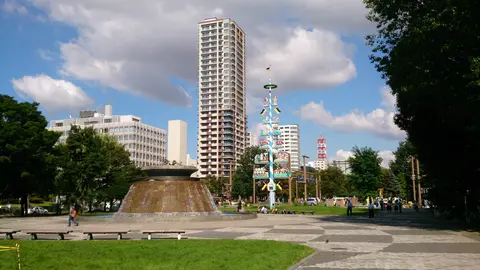
Sapporo, Hokkai, Japan, offers an immersion in a culture where aesthetic refinement and daily life are inseparable. Essential experiences include exploring local food markets, tasting regional specialties at intimate eateries, and visiting the surrounding temples and gardens. The port is most rewarding May through October, when the climate is at its most welcoming for outdoor exploration. Cruise lines including Windstar Cruises feature this port on their most compelling itineraries. Whether you have a few hours or a full day, the port rewards exploration at every pace and in every direction.
Day 1
Keelung
Depart 22:00
Keelung, a historic port city in northern Taiwan, is known for its vibrant atmosphere and culinary treasures, including the famous Oyster Omelette and Braised Pork Rice. A must-do experience is exploring the bustling Keelung Night Market and venturing to nearby attractions like Sun Moon Lake and Taroko Gorge. The best season to visit is during the fall, when the weather is mild and pleasant for outdoor exploration.
Day 2
At Sea
Day 3
Naha
Arrive 07:00Depart 19:00
Naha, the subtropical capital of Okinawa and former seat of the independent Ryūkyū Kingdom, offers a beguiling fusion of royal heritage, artisan traditions, and one of the world's most health-conscious cuisines — from meltingly tender *rafute* pork to the oceanic pop of *umibudo* sea grapes. Visitors should not miss the vermilion splendour of Shuri Castle and the sensory immersion of Makishi Public Market. The mild subtropical climate makes Naha inviting year-round, though March through May delivers the most luminous skies and comfortable temperatures for exploration ashore.
Day 4
Okinoerabu
Day 5
Amami-Oshima
Arrive 07:00Depart 18:00
Amami-Oshima is a UNESCO World Heritage island between Kyushu and Okinawa, home to ancient subtropical forests, endemic wildlife including the rare Amami rabbit, and pristine coral beaches like Tomori. Visitors should explore the Kinsakubaru Primeval Forest, witness the 1,300-year-old Oshima tsumugi silk-dyeing tradition, and kayak through the Sumiyo mangroves. Spring (March-May) and autumn (October-November) offer the most comfortable conditions.
Day 6
Yakushima
Arrive 07:00Depart 18:00
Yakushima is a UNESCO-listed island south of Kyushu where ancient cedar forests up to seven thousand years old inspired Studio Ghibli's Princess Mononoke. Must-dos include hiking to the Jōmon Sugi cedar, exploring moss-draped forests at Yakusugi Land, and tasting grilled flying fish. March through May and October through November balance lower rainfall with comfortable temperatures.
Day 7
Uwajima
Arrive 13:00Depart 19:00
Uwajima is a Shikoku castle town renowned for one of Japan's twelve original Edo-period castles, a unique bull sumo tradition, and exceptional sea bream served as sashimi over rice in the distinctive Uwajima tai-meshi style. Must-do experiences include climbing the original wooden castle keep, attending a togyu bull sumo tournament, and tasting the local pearl oysters and citrus. Spring cherry blossoms and autumn foliage provide the most picturesque visiting seasons.
Day 8
Beppu
Arrive 08:30Depart 19:00
Beppu is Japan's ultimate hot spring city on Kyushu's coast, producing more geothermal water than anywhere else on Earth, with 2,800 vents, spectacular boiling "Hells," and volcanic sand baths on the beach. Must-dos include the Jigoku Hells circuit, hell-steaming your own meal at Kannawa, and soaking in a variety of mineral-rich onsen. Spring and autumn offer the most comfortable temperatures for combining bathing with sightseeing.
Day 9
Miyajima
Arrive 20:00
Miyajima, Japan, offers an immersion in a culture where aesthetic refinement and daily life are inseparable. Essential experiences include exploring local food markets, tasting regional specialties at intimate eateries, and visiting the surrounding temples and gardens. The port is most rewarding October through April, when cooler temperatures and lower humidity create ideal conditions. Cruise lines including Hapag-Lloyd Cruises feature this port on their most compelling itineraries. Whether you have a few hours or a full day, the port rewards exploration at every pace and in every direction.
Day 10
Hiroshima
Depart 19:00
Hiroshima is a deeply moving yet vibrantly reborn Japanese city, home to the UNESCO-listed Peace Memorial Park and the iconic A-Bomb Dome. Must-dos include savouring the city's famous layered okonomiyaki, tasting fresh Inland Sea oysters, and taking the ferry to Miyajima to see the floating vermilion torii gate. Spring cherry-blossom season and autumn foliage (March–May and October–November) offer the most spectacular visits.
Day 11
At Sea
Day 12
Busan
Arrive 07:00Depart 19:00
Busan, a bustling port city in South Korea, is known for its stunning coastal scenery, rich history, and vibrant culinary scene. Must-do experiences include visiting the iconic Jagalchi Fish Market for fresh seafood and exploring the ancient sites of Gyeongju. The best time to visit is during the mild spring or autumn months when the weather is pleasant and local festivals abound.
Day 13
Karatsu
Arrive 07:00Depart 13:30
Karatsu, on Kyushu’s northwestern coast, is one of Japan’s three most revered pottery towns, where 14-generation kilns produce wabi-sabi ceramics prized in tea ceremony alongside a castle overlooking a million-pine coastal grove. Must-dos include visiting a Karatsu-yaki kiln, tasting live squid sashimi at Yobuko’s morning market, and cycling through the Niji-no-Matsubara pine grove. Visit late March for cherry blossoms, or early November for the spectacular Karatsu Kunchi festival.
Day 14
Oki Islands
Arrive 08:30Depart 18:00
The Oki Islands, a UNESCO Global Geopark in Japan's Sea of Japan, combine 25-million-year geological drama — from the Tsūtenkyō natural bridge to obsidian cliff faces — with ancient Shinto shrines, traditional bull sumo, and exceptional seafood including grilled sazae turban snails and raw rock oysters. Must-dos include the Kuniga Coast boat tour, the 2,000-year-old sacred cedar, and tasting iwagaki oysters. April through November provides the widest range of cultural and natural experiences.
Day 15
Maizuru
Arrive 08:00Depart 19:00
Maizuru on the Sea of Japan coast combines Meiji-era red-brick naval architecture with the deeply moving Repatriation Memorial Museum, a UNESCO Memory of the World site documenting the return of 660,000 Japanese from Siberia. Must-dos include visiting the memorial museum, exploring the brick warehouse district, and tasting matsuba crab in winter. May through October offers the best weather, while November to March brings prized crab season.
Day 16
Kanazawa
Arrive 07:00Depart 19:00
Kanazawa is a Sea of Japan coast city of extraordinary cultural refinement, home to Kenrokuen — one of Japan's three greatest gardens — alongside perfectly preserved samurai and geisha quarters, and craft traditions including gold leaf, Kutani porcelain, and Kaga silk dyeing. Essential experiences include strolling Kenrokuen's seasonal landscapes, exploring the wooden tea houses of Higashi Chaya, and feasting on fresh crab and nodoguro at the historic Omicho Market. Each season offers distinct beauty, from winter snow to autumn foliage.
Day 17
Sado
Arrive 08:00Depart 18:00
Sado, Japan is a distinctive port city where deep cultural heritage meets authentic local atmosphere, featured on itineraries by CroisiEurope. Must-do experiences include walking the historic center to experience the layered architectural heritage, and seeking out the regional culinary traditions at a locally favored establishment away from the port area. The optimal time to visit is May through September, when mild temperatures and long days favor unhurried exploration.
Day 18
Akita
Arrive 08:00Depart 17:00
Akita is a rice-growing prefecture on Japan's Sea of Japan coast, renowned for the spectacular Kanto Festival of illuminated bamboo poles, UNESCO-listed Shirakami beech forests, and a cuisine of kiritanpo rice sticks and Inaniwa udon that ranks among Japan's finest. Must-dos include the August Kanto Festival, bathing at the rustic Nyuto Onsen hot springs, and tasting Akita's prized local sake. Visit August for the festival or October for the magnificent autumn colours.
Day 19
Hakodate
Arrive 07:00Depart 13:00
Hakodate, Japan, offers an immersion in a culture where aesthetic refinement and daily life are inseparable. Essential experiences include exploring local food markets, tasting regional specialties at intimate eateries, and visiting the surrounding temples and gardens. The port is most rewarding May through October, when the climate is at its most welcoming for outdoor exploration. Cruise lines including Hapag-Lloyd Cruises feature this port on their most compelling itineraries. Whether you have a few hours or a full day, the port rewards exploration at every pace and in every direction.
Day 20
Sapporo
Arrive 08:00
Sapporo, Hokkai, Japan, offers an immersion in a culture where aesthetic refinement and daily life are inseparable. Essential experiences include exploring local food markets, tasting regional specialties at intimate eateries, and visiting the surrounding temples and gardens. The port is most rewarding May through October, when the climate is at its most welcoming for outdoor exploration. Cruise lines including Windstar Cruises feature this port on their most compelling itineraries. Whether you have a few hours or a full day, the port rewards exploration at every pace and in every direction.
Cabin Categories
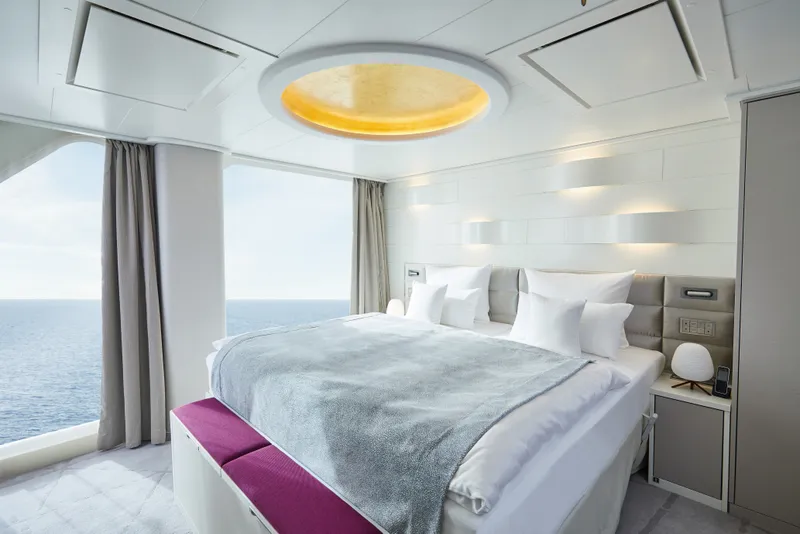
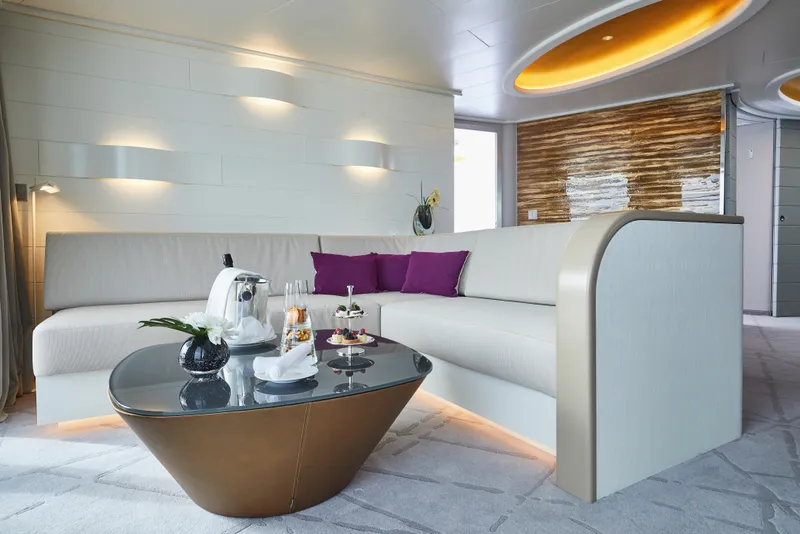
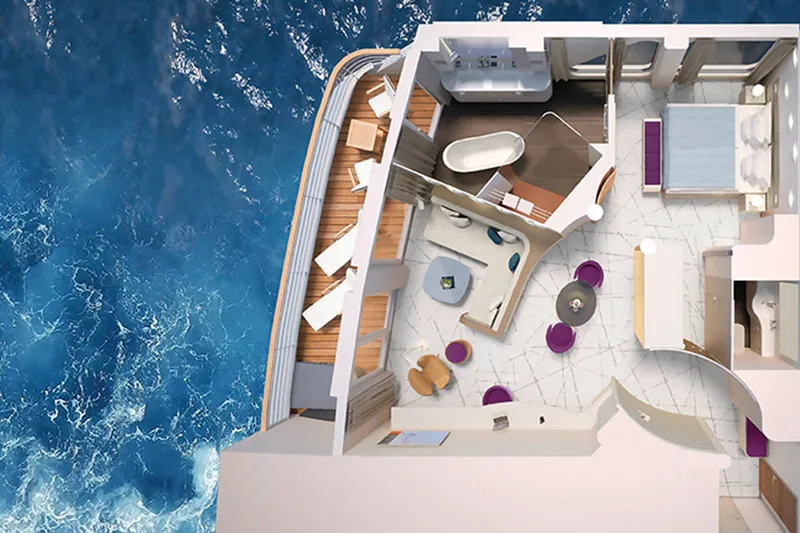
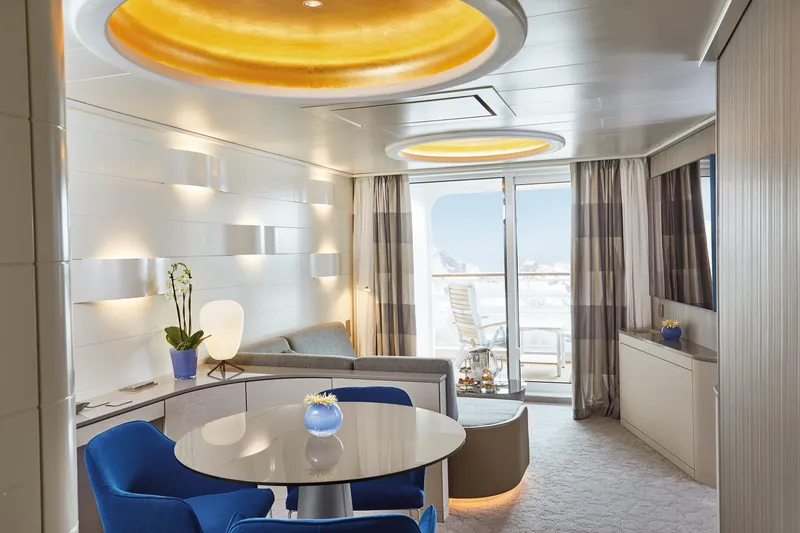
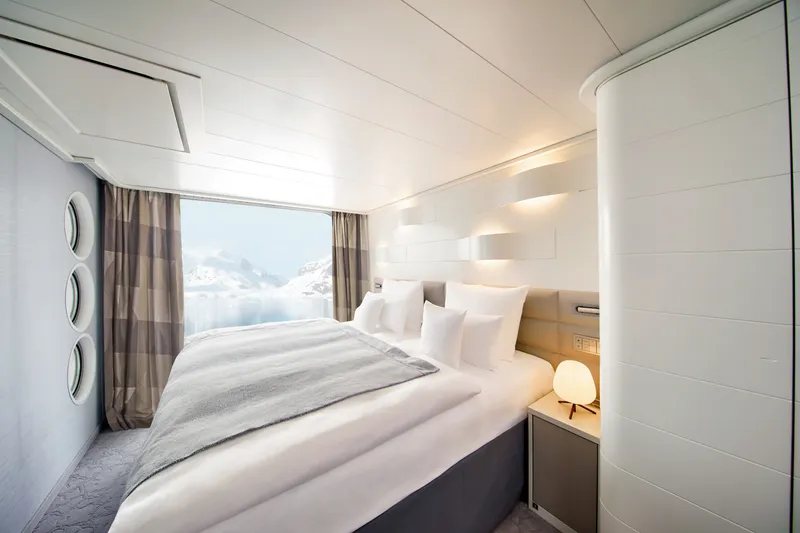
Grand Suite with Veranda
Suite
764 m²Max 3
10
Approx. 71 m²/764 ft² Suites on Deck 6 and 7
Private veranda (approx. 16 m²/172 ft²) with space heaters
Separate living and sleeping areas
Separate dining area
Sleeping area with panoramic view
Separable beds
TV in living and sleeping areas
Daylight bathroom with two sinks, free-standing bath, rain shower and veranda access
Steam sauna in shower area
Heated wall in bathroom
Separate toilet
Free mini bar with a selection of spirits
Coffee machine
24-hour cabin service
Butler service
Fixed table reservation in the main restaurant, if desired
Free choice of Zodiac group
Double or Twin ConfigurationLounge AreaDining AreaShowerToiletries ProvidedRoom Service Available+11
View Details
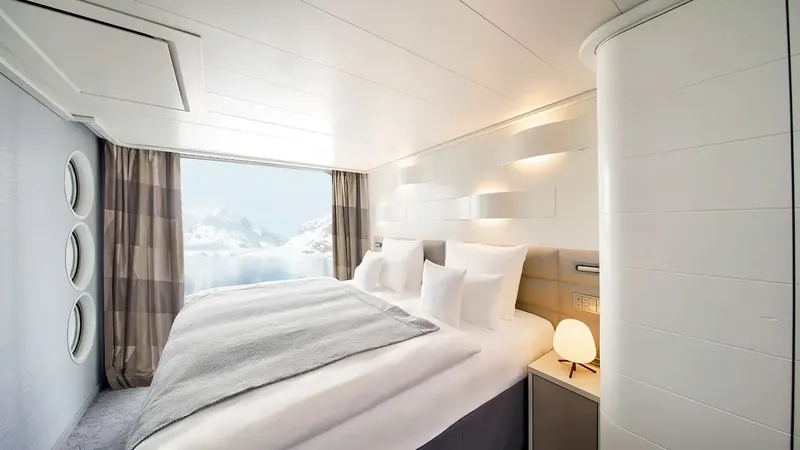
Guarantee Suite
Suite
SJS
Guarantee Suite
View Details
Junior Suite with Balcony
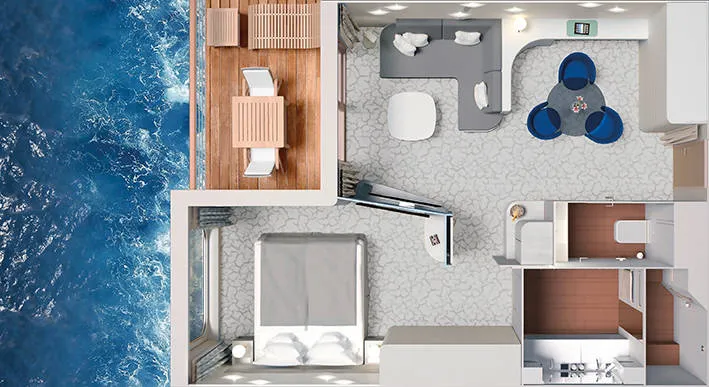
Suite
452 m²Max 3
09
Approx. 42 m²/452 ft² Suites on Deck 6 and 7
Private balcony (approx. 6 m²/65 ft²)
Separate living and sleeping areas
Separate dining area
Sleeping area with panoramic view
Separable beds
TV in living and sleeping areas
Bathroom with two sinks and rain shower
Steam sauna in shower area
Heated wall in bathroom
Free mini bar with a selection of spirits
Coffee machine
24-hour cabin service
Butler service
Fixed table reservation in the main restaurant, if desired
Double or Twin ConfigurationLounge AreaDining AreaShowerRoom Service AvailableFree Mini Bar+9
View Details
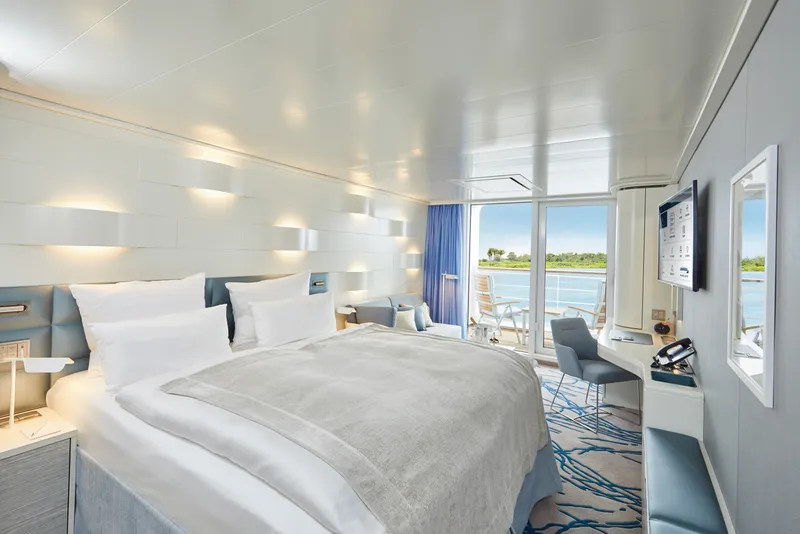
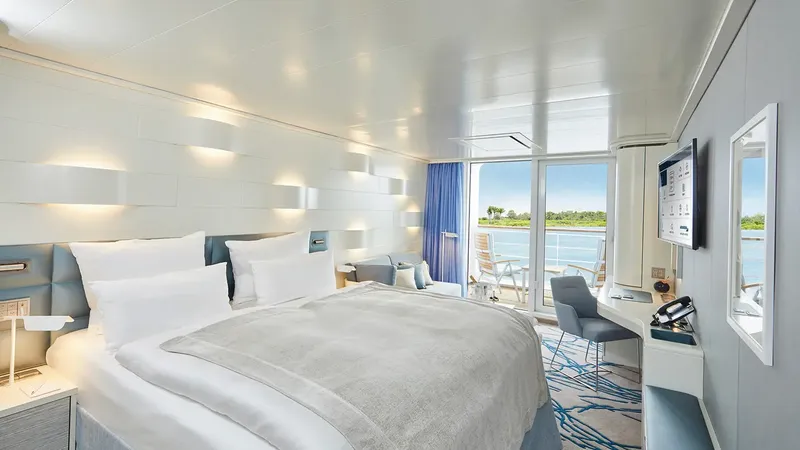
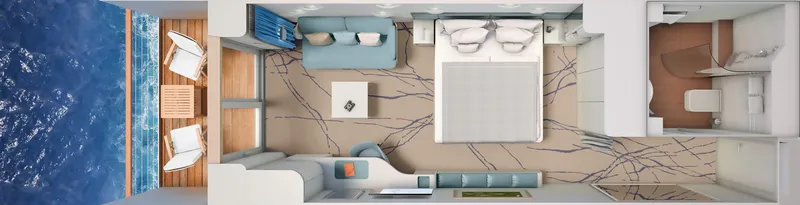
Balcony Cabin
Balcony
291 m²Max 3
04060708
Approx. 27 m²/291 ft² Cabins incl. balcony (approx. 5 m²/54 ft²) on Deck 5, 6 and 7
Heated wall in the bathroom
Rain shower
Free mini bar (soft drinks)
Coffee machine
Separable beds
24-hour cabin service
Double or Twin ConfigurationLounge AreaShowerRoom Service AvailableTVCoffee Machine+5
US$21,054 /person+ US$0 taxes & fees
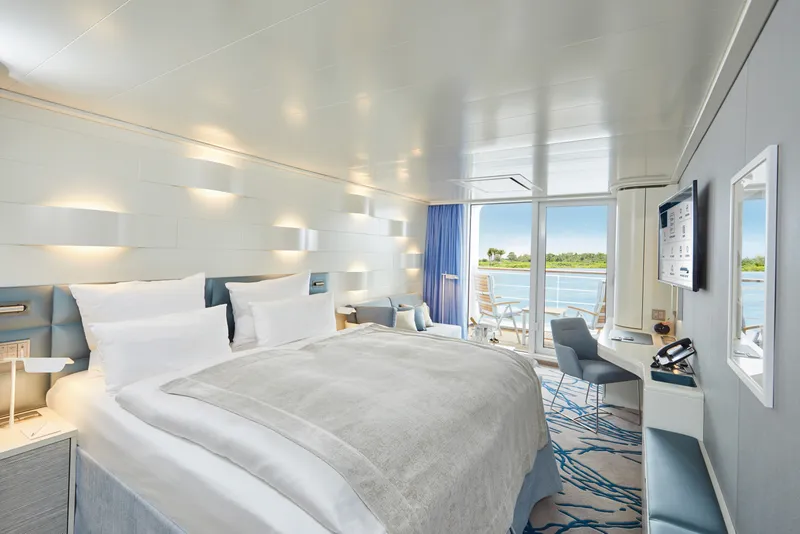
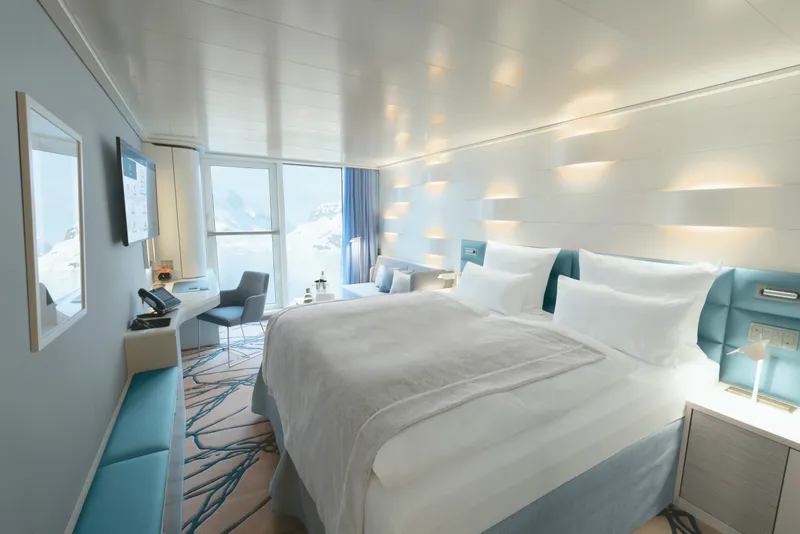
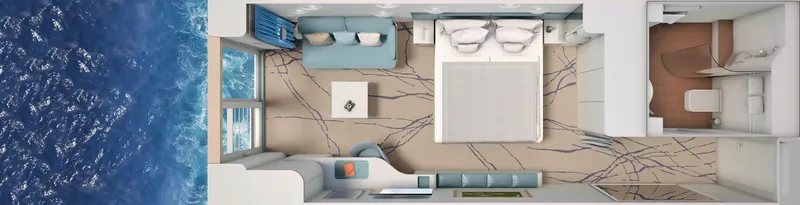
French Balcony Cabin
Balcony
291 m²Max 3
0305
Approx. 21/23 m² (226 ft²/248 ft²) Cabins on Deck 6 and 7
Heated wall in the bathroom
Rain shower
Free mini bar (soft drinks)
Coffee machine
Separable beds
24-hour cabin service
Double or Twin ConfigurationLounge AreaShowerRoom Service AvailableTVCoffee Machine+5
US$18,964 /person+ US$0 taxes & fees
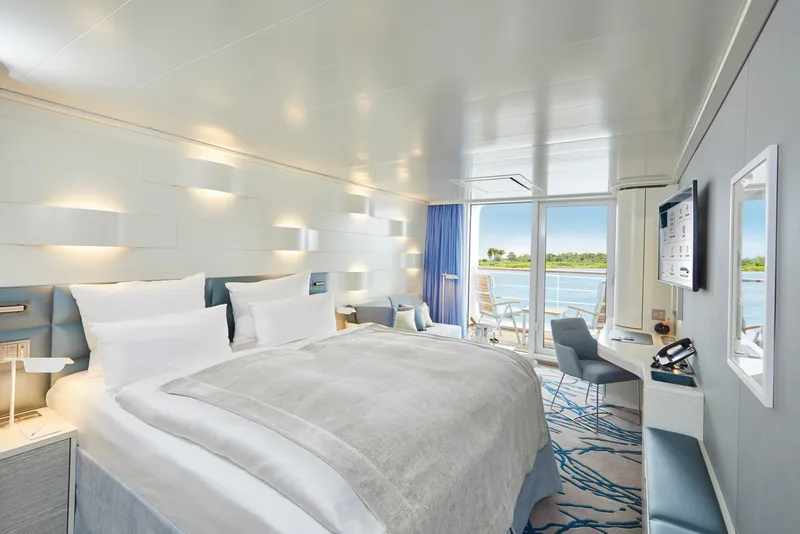
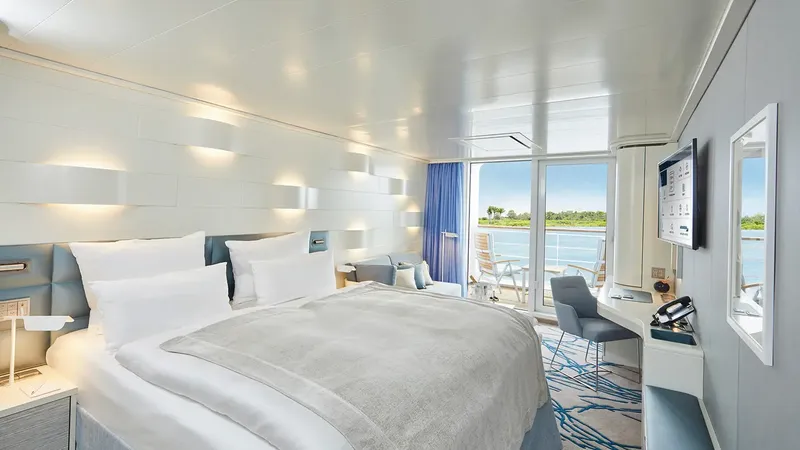
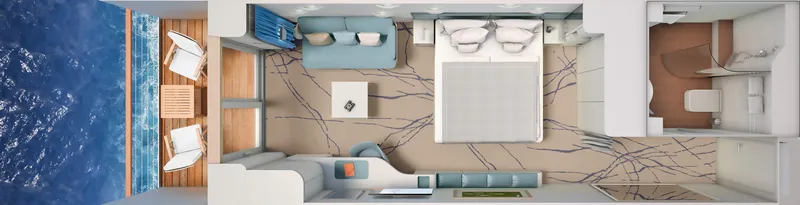
Guarantee Balcony Cabin
Balcony
291 m²Max 3
S02S03S04S05S06S07S08SBSF
Guarantee Balcony Cabin
Double or Twin ConfigurationLounge AreaShowerRoom Service AvailableTVCoffee Machine+5
View Details
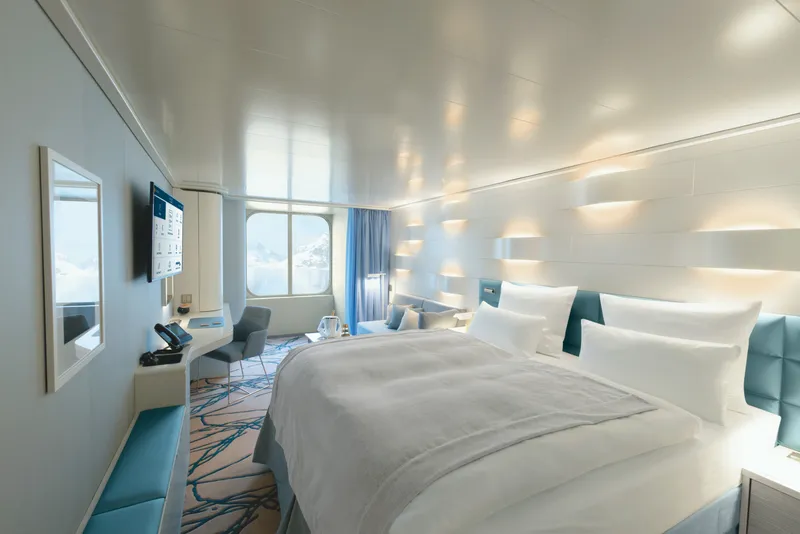
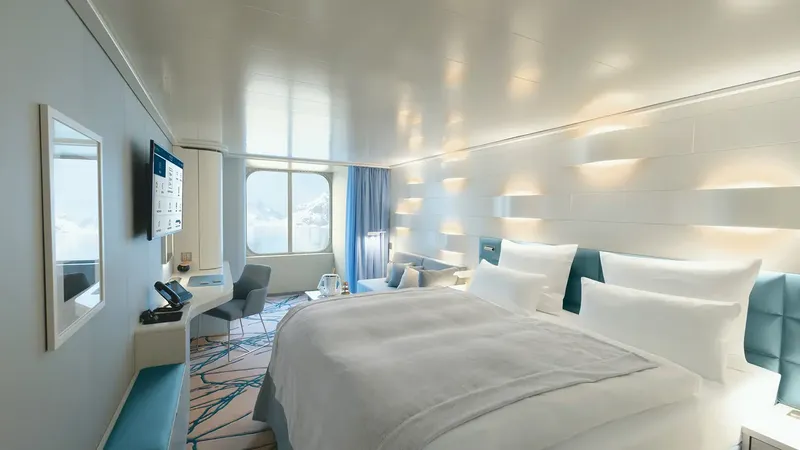
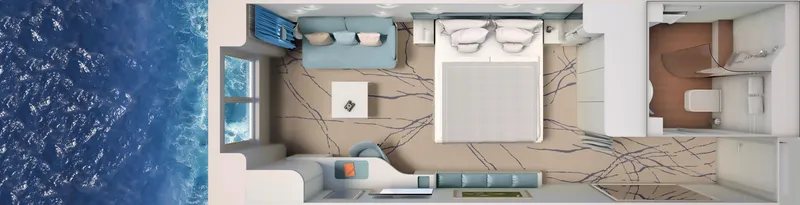
Guarantee Outside Cabin
Outside
237 m²Max 2
S01SAPSKAB
Guarantee Outside Cabin
Double or Twin ConfigurationShowerRoom Service AvailableCoffee MachineSafeHair Dryer+6
US$13,189 /person+ US$0 taxes & fees
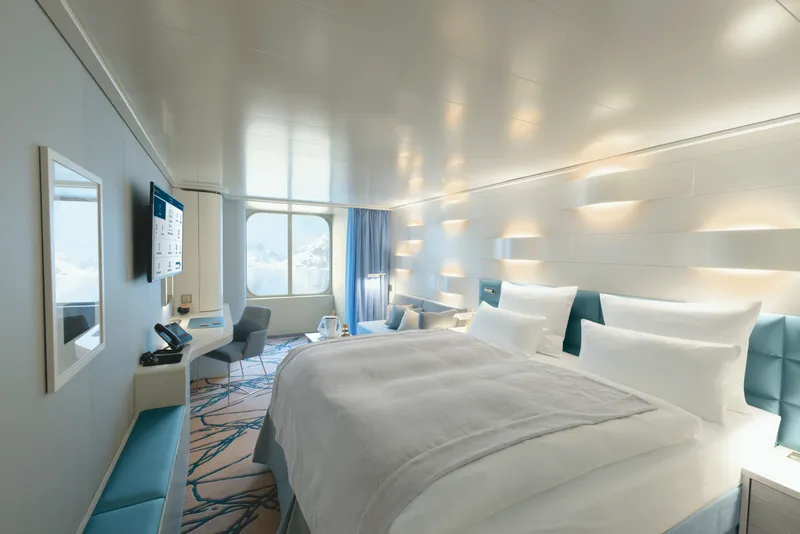
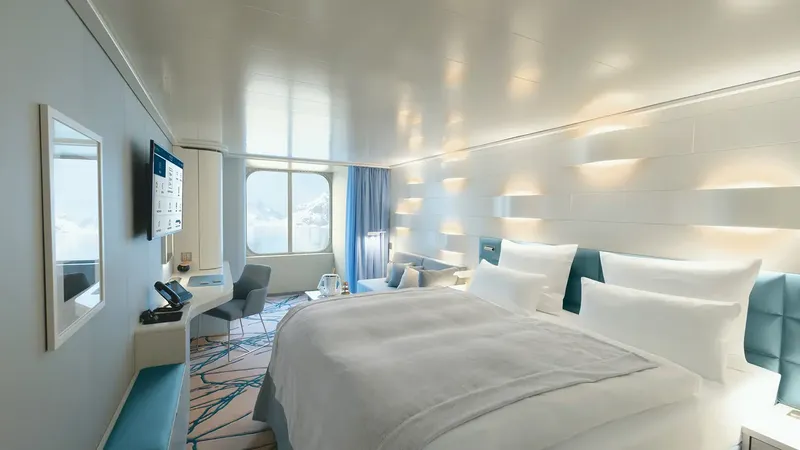
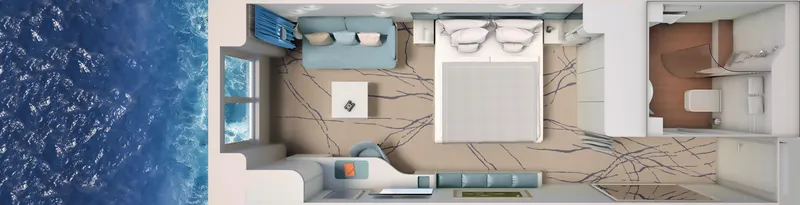
Outside Cabin
Outside
237 m²Max 2
01
Approx. 22 m²/237 ft² cabins on Deck 4, 5 and 6
Heated wall in the bathroom
Rain shower
Free mini bar (soft drinks)
Coffee machine
Separable beds
24-hour cabin service
Double or Twin ConfigurationShowerRoom Service AvailableCoffee MachineSafeHair Dryer+6
View Details
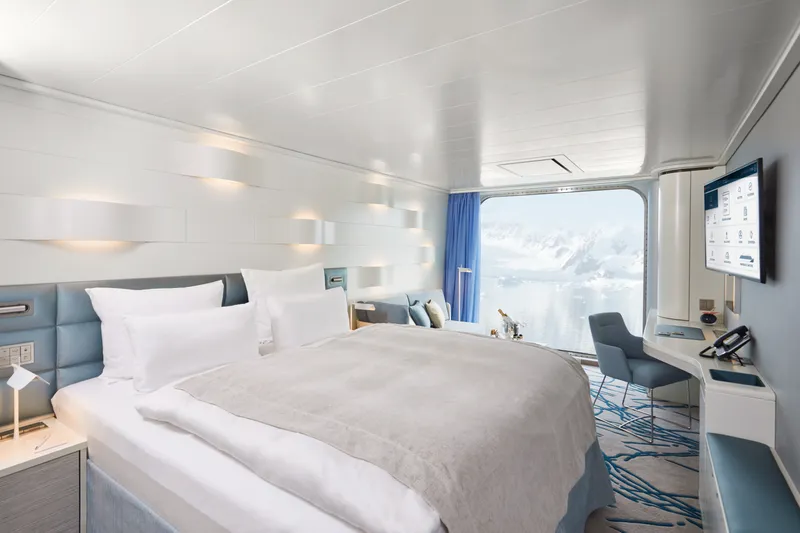
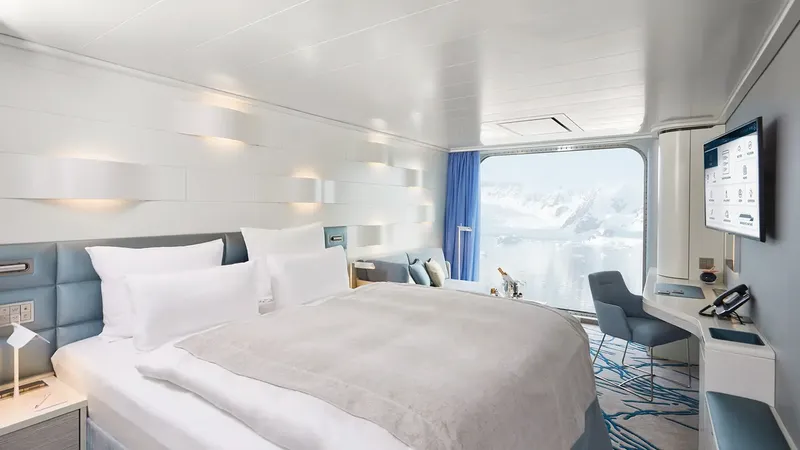
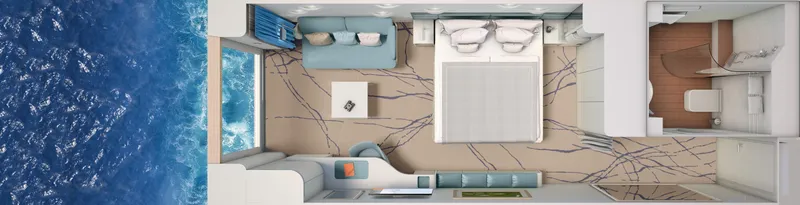
Panoramic Cabin
Outside
226 m²Max 2
02
Approx. 21 m²/226 ft² Cabins on Deck 5
Heated wall in bathroom
Rain shower
Free mini bar (soft drinks)
Coffee machine
Separable beds
24-hour cabin service
There is one cabin with fully accessible layout and equipment (cabin 404)
ShowerRoom Service AvailableTVCoffee MachineSafeHair Dryer+6
US$17,578 /person+ US$0 taxes & fees
Interested in This Voyage?
Our cruise specialists can help you find the perfect cabin and the best available pricing.
(+886) 02-2721-7300Contact Advisor