Hapag-Lloyd CruisesSPI2803
New Zealand: Great Contrasts At The End Of The World
Date
2028-02-24
Duration
19 nights
Departure Port
Lyttelton
New Zealand
Arrival Port
Auckland
New Zealand
Rating
Expedition
Theme
—
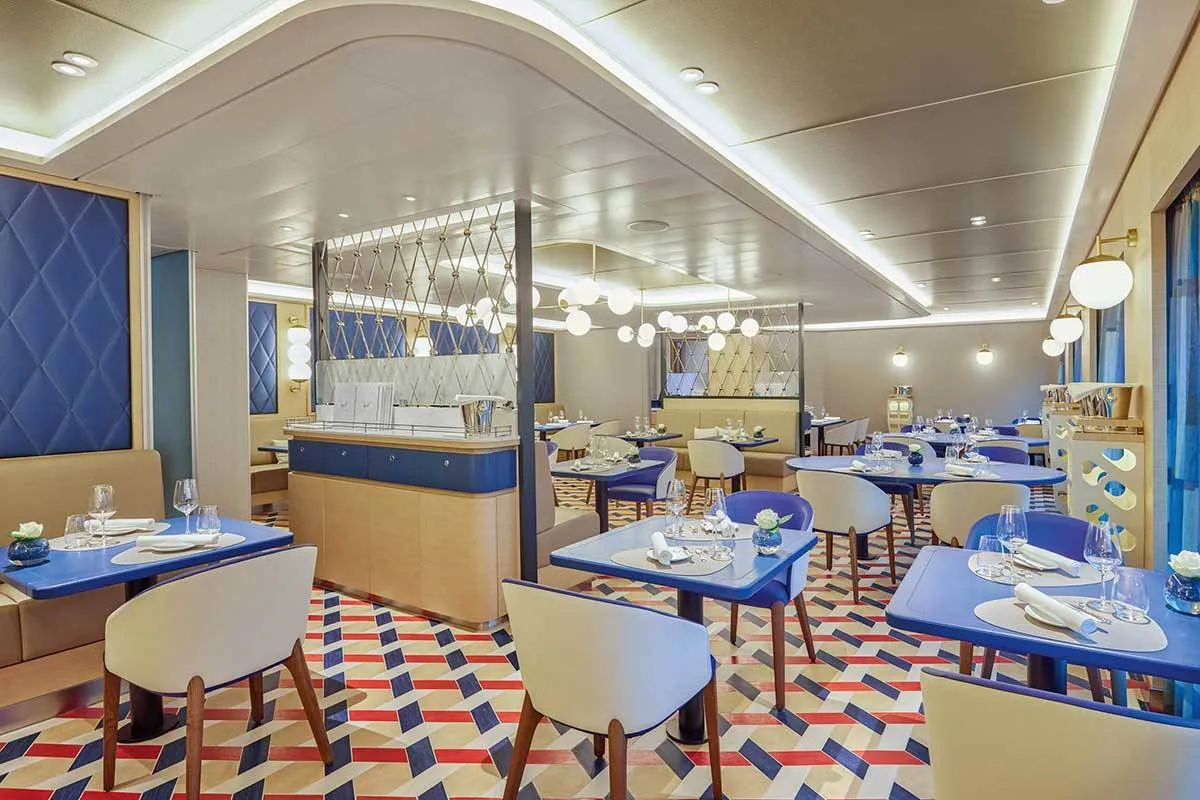
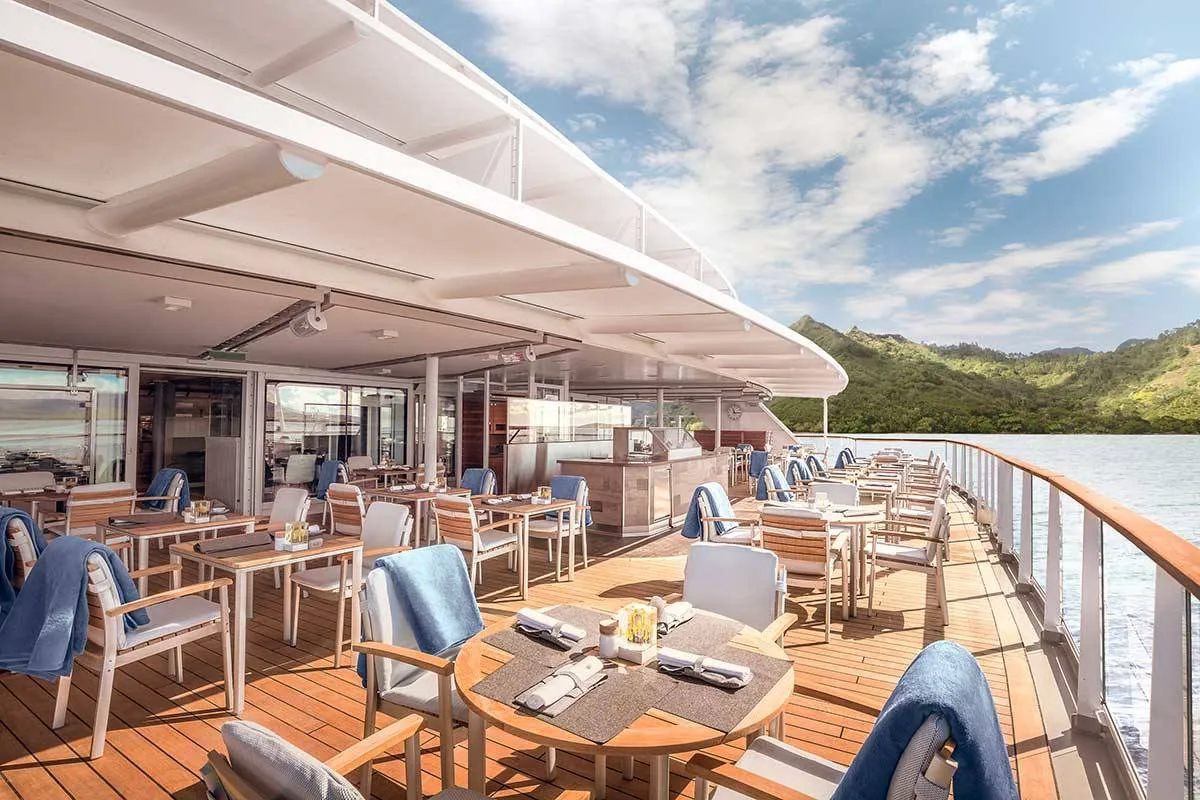
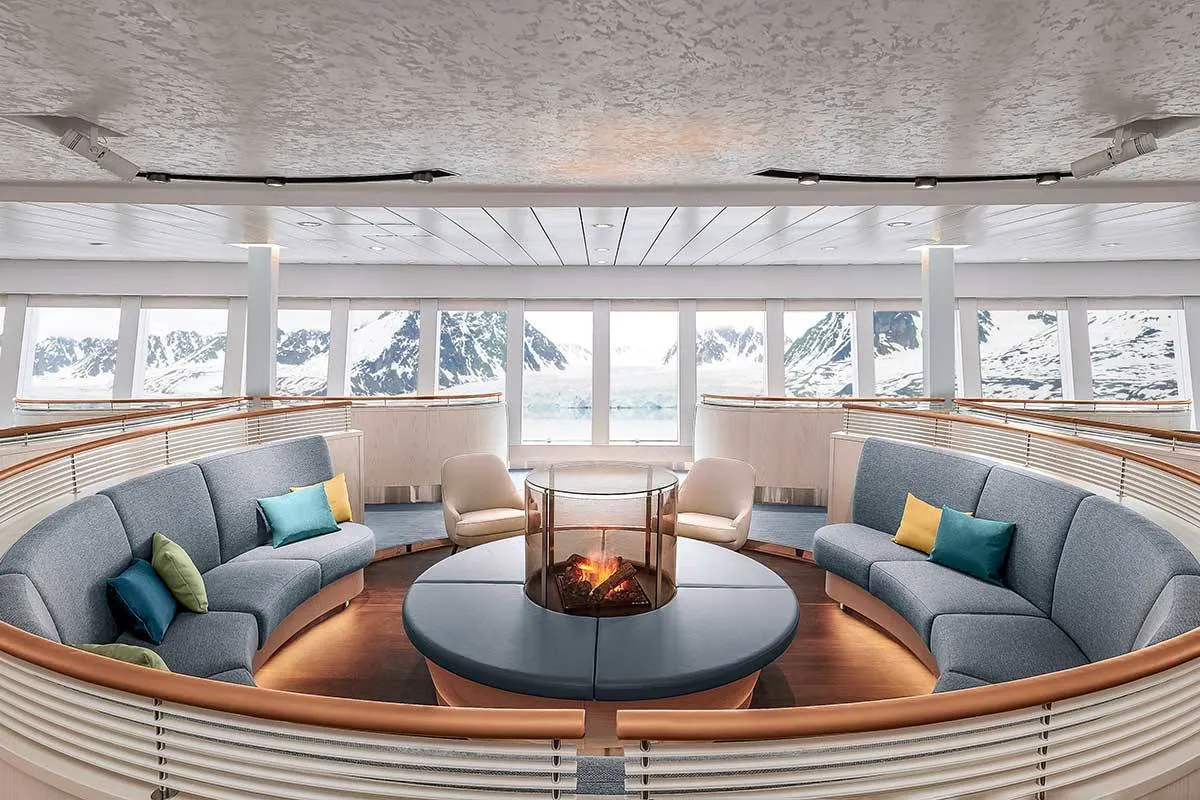
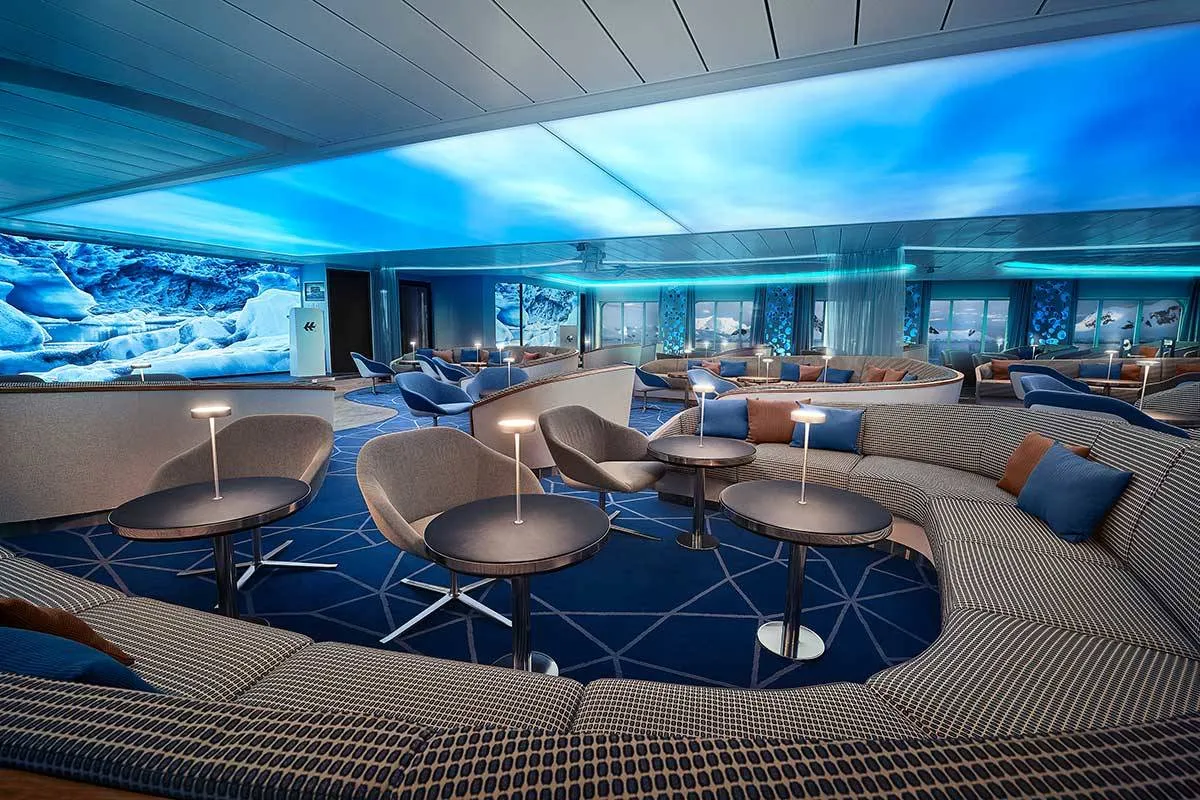
Hapag-Lloyd Cruises
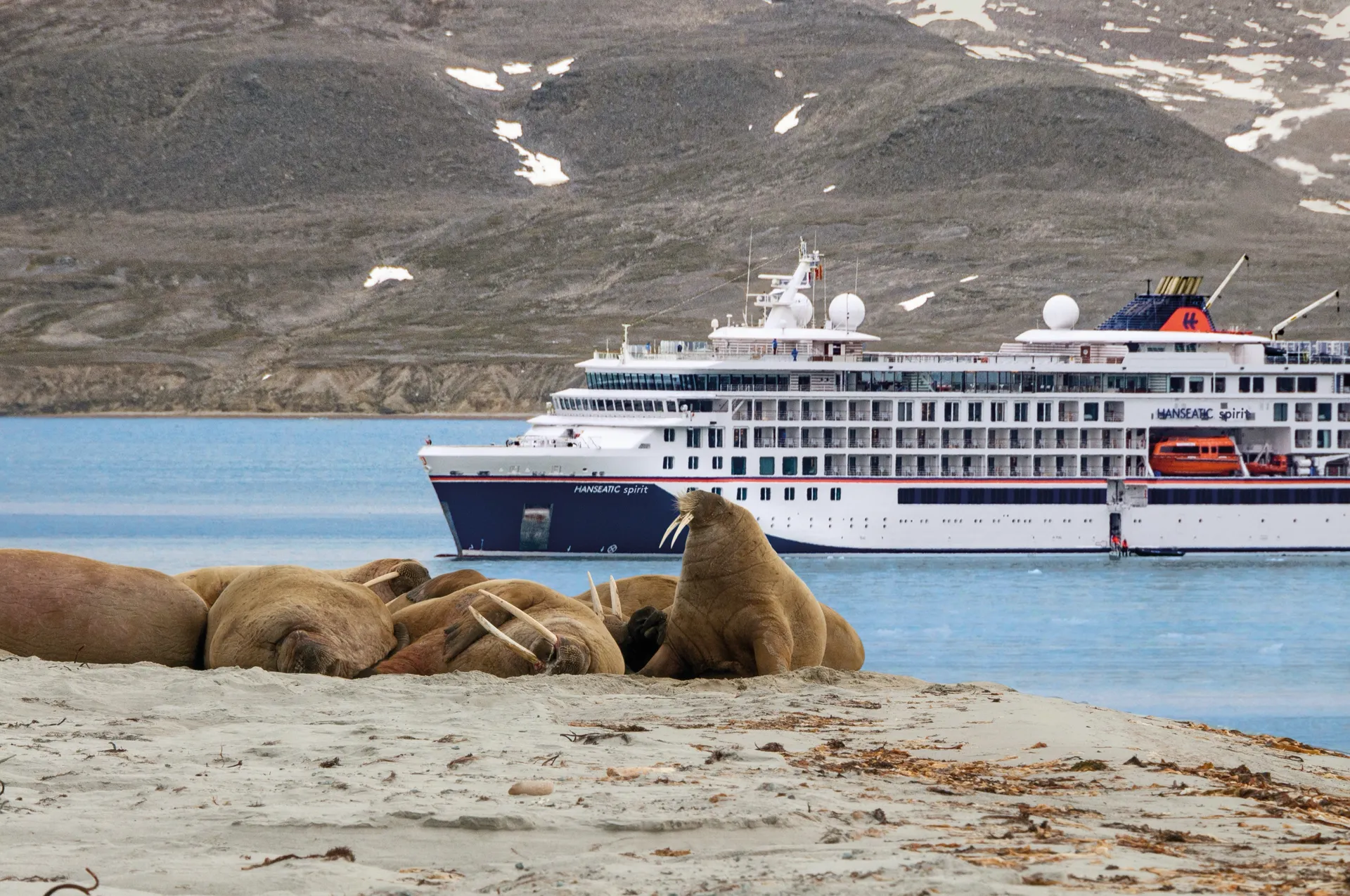
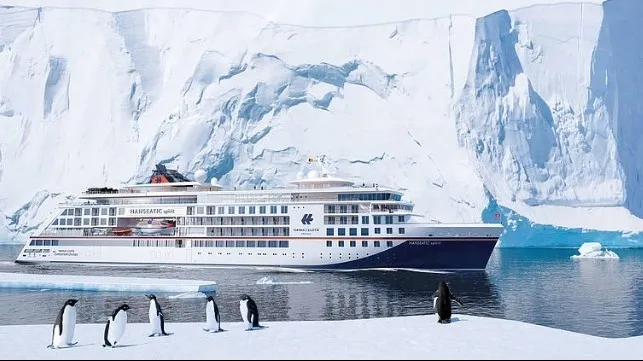
HANSEATIC Spirit
Ice
Launched
2019
Refitted
—
Tonnage
15,650 GT
Passengers
230
Cabins
120
Crew
175
Length
452 m
Width
22 m
Speed
16 knots
Adults Only
No
Itinerary
Day 1
Day 1
Lyttelton
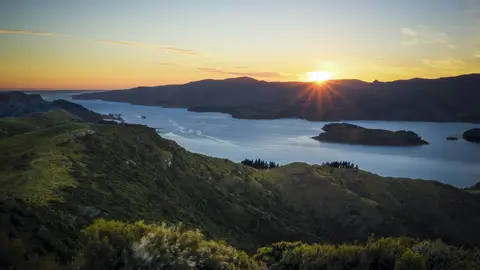
Lyttelton is Christchurch's historic harbor town, rebuilt with creative energy after the 2010-2011 earthquakes into one of New Zealand's coolest small towns with excellent restaurants and a beloved farmers' market. Must-dos include the Saturday farmers' market, swimming with Hector's dolphins in the harbor, and driving the Summit Road for panoramic views. October through March offers the warmest weather and longest days.
Day 2
Day 2
Dunedin
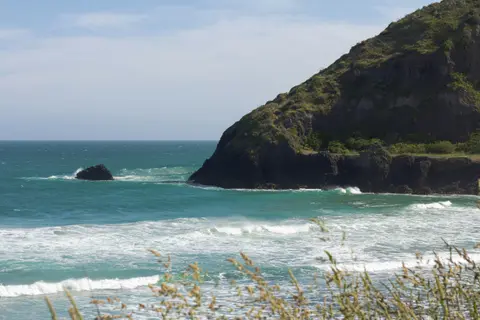
Dunedin is New Zealand's Scottish-founded southern city, home to the Southern Hemisphere's most beautiful railway station, the world's only mainland royal albatross colony, and rare yellow-eyed penguin nesting sites on the Otago Peninsula. Visit November through March via Seabourn or Oceania Cruises for wildlife encounters, Victorian architectural grandeur, and a university-town culture that punches far above its weight.
Day 3
Day 3
Oban
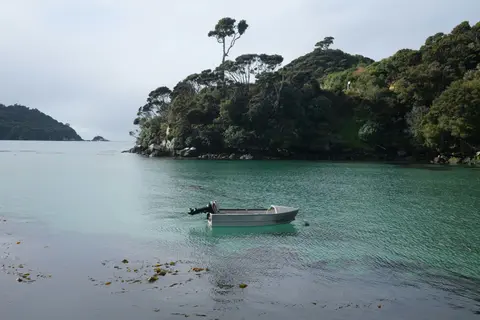
Oban on Stewart Island is New Zealand's southernmost settlement, gateway to Rakiura National Park's pristine native forest and some of the world's best wild kiwi viewing. Must-dos include an evening kiwi-spotting excursion to Ocean Beach, birdwatching on predator-free Ulva Island, and eating blue cod at the South Sea Hotel. Visit December to February for the warmest weather or March to May for Bluff oyster season and southern lights.
Day 4
Day 4
Fiordland National Park
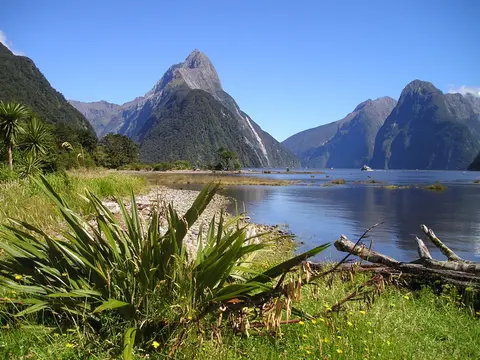
Fiordland National Park is a 12,500-square-kilometer wilderness in New Zealand's South Island, home to Milford Sound's iconic Mitre Peak, the profound silence of Doubtful Sound, and rare wildlife including Fiordland crested penguins and the mischievous kea parrot. Must-dos include cruising Milford Sound beneath thousand-meter cliffs, experiencing the silence of an overnight cruise in Doubtful Sound, and watching for dolphins. Summer (December-February) offers the longest days, though rain enhances the dramatic waterfall displays year-round.
Day 5
Day 5
At Sea
Day 6
Day 6
New Plymouth
New Plymouth is a culturally vibrant coastal city on New Zealand's North Island, dramatically set between the Tasman Sea and the near-perfect volcanic cone of Mount Taranaki. Must-dos include visiting the Len Lye Centre for kinetic sculpture, walking the Coastal Walkway, and hiking in Egmont National Park. Visit December to March for the warmest weather and best conditions for mountain hiking and surfing.
Day 7
Day 7
Kaiteriteri
Kaiteriteri is a golden-sand coastal settlement on New Zealand's South Island, serving as the primary gateway to Abel Tasman National Park with its turquoise bays, native bush trails, and resident fur seal colonies. Essential experiences include sea kayaking along the coast, walking sections of the Abel Tasman Coast Track, and sampling green-lipped mussels paired with Nelson craft beer. December through March offers the warmest weather for swimming and hiking.
Day 8
Day 8
Queen Charlotte Sound
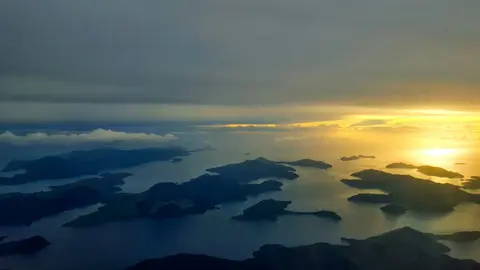
Queen Charlotte Sound is a stunningly beautiful drowned valley in New Zealand's Marlborough Sounds, offering world-class hiking on the Queen Charlotte Track, pristine kayaking waters, and access to the celebrated Marlborough wine region. Must-dos include walking a section of the ridgeline track, tasting green-lipped mussels fresh from the sound, and visiting predator-free Motuara Island. Visit November to April for the best weather and longest days.
Day 9
Day 9
Kaikoura
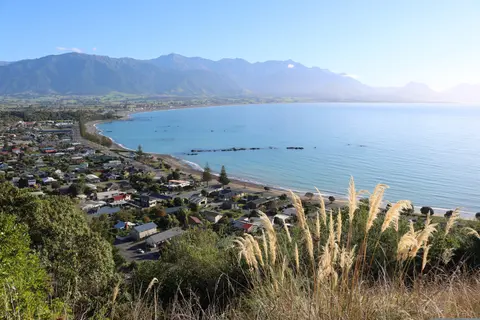
Kaikoura is a marine wildlife capital on New Zealand's South Island coast, where deep submarine canyons create conditions for year-round sperm whale watching, dolphin swimming, and albatross encounters against a backdrop of snow-capped mountains. Must-dos include whale watching with its 95% sighting rate, eating crayfish at the legendary Nin's Bin roadside stand, and swimming with dusky dolphins. Visit year-round — whales are always present, with different seasons favouring different species.
Day 10
Day 10
Wellington
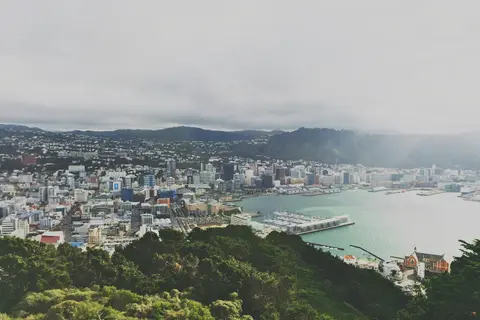
Wellington is New Zealand's compact, creative capital, home to the world-class Te Papa museum, the Peter Jackson filmmaking empire, and a café-and-craft-beer culture rivalling cities many times its size. Must-do experiences include Te Papa's Gallipoli exhibition, Cuba Street's bohemian dining scene, and the cable car ride to the Botanic Garden. November through March is warmest, though Wellington's four-seasons-in-a-day climate adds character year-round.
Day 11
Day 11
Napier
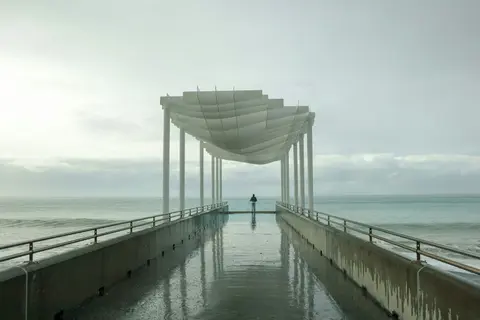
Napier is a New Zealand coastal city renowned for the world's most complete collection of Art Deco architecture, rebuilt after a devastating 1931 earthquake. Must-dos include a guided Art Deco walking tour, wine tasting across Hawke's Bay's celebrated vineyards, and visiting the gannet colony at Cape Kidnappers. November through April offers the warmest weather, with February's Art Deco Weekend providing the ultimate vintage-style celebration.
Day 12
Day 12
White Island
White Island (Whakaari) is New Zealand's most active volcanic island, rising from the Bay of Plenty as a steaming, sulphur-streaked cone of raw geological power now primarily viewed from the sea following the devastating 2019 eruption. Must-dos include boat tours to observe the steaming crater and colourful volcanic formations, watching for gannets and dolphins in the mineral-rich surrounding waters, and appreciating the island's dramatic geological display from a safe distance. Visit November through April for the calmest sea conditions for boat excursions.
Day 13
Day 13
Tauranga
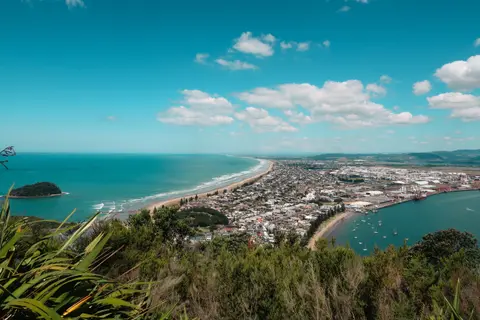
Tauranga is the gateway to New Zealand's Bay of Plenty, where the perfect beach at Mount Maunganui, Rotorua's erupting geysers, and Māori cultural experiences at Te Puia create one of the North Island's most diverse destination areas. Visit November through March via Celebrity or Princess Cruises for summit walks, geothermal wonderlands, and the authentic Māori encounters that give this sun-drenched coast cultural depth to match its natural beauty.
Day 14
Day 14
Great Barrier Reef
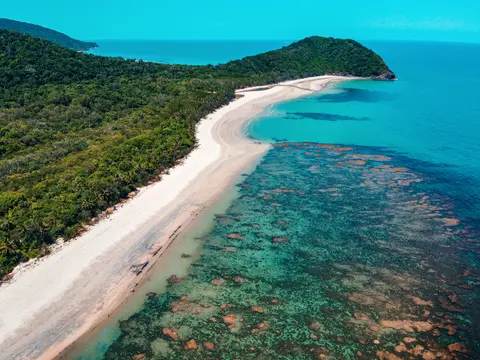
Great Barrier Reef, Australia is a spectacular maritime passage celebrated for its dramatic natural scenery and wildlife encounters, featured on expedition itineraries by Regent Seven Seas Cruises. Travelers should position themselves on open decks with quality binoculars for the best viewing experience, and take advantage of Zodiac excursions when conditions permit. The optimal season is May through October, when cooler dry months offer the most comfortable conditions for exploration.
Day 15
Day 15
Whangarei
Whangarei is New Zealand's northernmost city, a subtropical harbor town with a revitalized waterfront, the striking Hundertwasser Art Centre, and access to world-class diving at the Poor Knights Islands. Must-dos include visiting Whangarei Falls, hiking Mount Manaia for harbor panoramas, and diving the marine reserve at Tutukaka Coast. Visit December to May for warm subtropical weather and settled seas.
Day 16
Day 16
At Sea
Day 17
Day 17
Cascade
Norfolk Island's Cascade landing is the northern gateway to this unique Australian territory, inhabited by descendants of the Bounty mutineers who speak the creole Norf'k language and maintain Polynesian-British traditions found nowhere else. Must-dos include the UNESCO-listed Kingston convict ruins, swimming at Emily Bay, and tasting Pitcairn-heritage dishes like hi'i banana pudding. October through April delivers the warmest weather, with Bounty Day in June the cultural highlight.
Day 18
Day 18
At Sea
Day 19
Day 19
Bay Of Islands
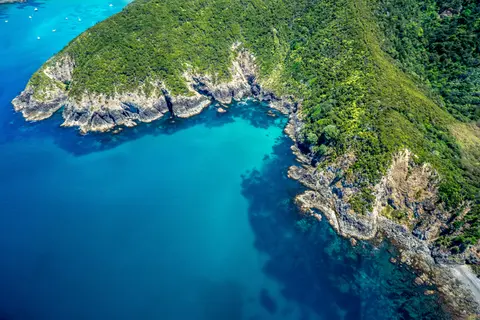
The Bay of Islands, on New Zealand's North Island, is a maritime paradise of 144 islands steeped in Māori and colonial history. Must-dos include visiting the Waitangi Treaty Grounds, dolphin watching, and cruising through the Hole in the Rock at Piercy Island. November through March brings the warmest weather and calmest seas, ideal for water-based exploration of this subtropical haven.
Day 20
Day 20
Auckland
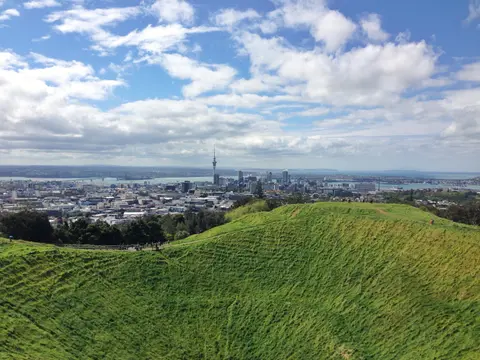
Auckland, New Zealand's largest city, straddles a volcanic isthmus between two harbours, offering a rare blend of Pacific Rim sophistication, Māori heritage, and dramatic natural beauty. Must-do experiences include a wine-and-oyster afternoon on Waiheke Island and the panoramic ascent of Maungawhau (Mount Eden) overlooking the harbour and Rangitoto Island. The ideal cruising season runs from November through March, when long summer days, calm seas, and pohutukawa trees in scarlet bloom make the Waitematā Harbour approach truly unforgettable.
Day 1
Lyttelton
Lyttelton is Christchurch's historic harbor town, rebuilt with creative energy after the 2010-2011 earthquakes into one of New Zealand's coolest small towns with excellent restaurants and a beloved farmers' market. Must-dos include the Saturday farmers' market, swimming with Hector's dolphins in the harbor, and driving the Summit Road for panoramic views. October through March offers the warmest weather and longest days.
Day 2
Dunedin
Dunedin is New Zealand's Scottish-founded southern city, home to the Southern Hemisphere's most beautiful railway station, the world's only mainland royal albatross colony, and rare yellow-eyed penguin nesting sites on the Otago Peninsula. Visit November through March via Seabourn or Oceania Cruises for wildlife encounters, Victorian architectural grandeur, and a university-town culture that punches far above its weight.
Day 3
Oban
Oban on Stewart Island is New Zealand's southernmost settlement, gateway to Rakiura National Park's pristine native forest and some of the world's best wild kiwi viewing. Must-dos include an evening kiwi-spotting excursion to Ocean Beach, birdwatching on predator-free Ulva Island, and eating blue cod at the South Sea Hotel. Visit December to February for the warmest weather or March to May for Bluff oyster season and southern lights.
Day 4
Fiordland National Park
Fiordland National Park is a 12,500-square-kilometer wilderness in New Zealand's South Island, home to Milford Sound's iconic Mitre Peak, the profound silence of Doubtful Sound, and rare wildlife including Fiordland crested penguins and the mischievous kea parrot. Must-dos include cruising Milford Sound beneath thousand-meter cliffs, experiencing the silence of an overnight cruise in Doubtful Sound, and watching for dolphins. Summer (December-February) offers the longest days, though rain enhances the dramatic waterfall displays year-round.
Day 5
At Sea
Day 6
New Plymouth
New Plymouth is a culturally vibrant coastal city on New Zealand's North Island, dramatically set between the Tasman Sea and the near-perfect volcanic cone of Mount Taranaki. Must-dos include visiting the Len Lye Centre for kinetic sculpture, walking the Coastal Walkway, and hiking in Egmont National Park. Visit December to March for the warmest weather and best conditions for mountain hiking and surfing.
Day 7
Kaiteriteri
Kaiteriteri is a golden-sand coastal settlement on New Zealand's South Island, serving as the primary gateway to Abel Tasman National Park with its turquoise bays, native bush trails, and resident fur seal colonies. Essential experiences include sea kayaking along the coast, walking sections of the Abel Tasman Coast Track, and sampling green-lipped mussels paired with Nelson craft beer. December through March offers the warmest weather for swimming and hiking.
Day 8
Queen Charlotte Sound
Queen Charlotte Sound is a stunningly beautiful drowned valley in New Zealand's Marlborough Sounds, offering world-class hiking on the Queen Charlotte Track, pristine kayaking waters, and access to the celebrated Marlborough wine region. Must-dos include walking a section of the ridgeline track, tasting green-lipped mussels fresh from the sound, and visiting predator-free Motuara Island. Visit November to April for the best weather and longest days.
Day 9
Kaikoura
Kaikoura is a marine wildlife capital on New Zealand's South Island coast, where deep submarine canyons create conditions for year-round sperm whale watching, dolphin swimming, and albatross encounters against a backdrop of snow-capped mountains. Must-dos include whale watching with its 95% sighting rate, eating crayfish at the legendary Nin's Bin roadside stand, and swimming with dusky dolphins. Visit year-round — whales are always present, with different seasons favouring different species.
Day 10
Wellington
Wellington is New Zealand's compact, creative capital, home to the world-class Te Papa museum, the Peter Jackson filmmaking empire, and a café-and-craft-beer culture rivalling cities many times its size. Must-do experiences include Te Papa's Gallipoli exhibition, Cuba Street's bohemian dining scene, and the cable car ride to the Botanic Garden. November through March is warmest, though Wellington's four-seasons-in-a-day climate adds character year-round.
Day 11
Napier
Napier is a New Zealand coastal city renowned for the world's most complete collection of Art Deco architecture, rebuilt after a devastating 1931 earthquake. Must-dos include a guided Art Deco walking tour, wine tasting across Hawke's Bay's celebrated vineyards, and visiting the gannet colony at Cape Kidnappers. November through April offers the warmest weather, with February's Art Deco Weekend providing the ultimate vintage-style celebration.
Day 12
White Island
White Island (Whakaari) is New Zealand's most active volcanic island, rising from the Bay of Plenty as a steaming, sulphur-streaked cone of raw geological power now primarily viewed from the sea following the devastating 2019 eruption. Must-dos include boat tours to observe the steaming crater and colourful volcanic formations, watching for gannets and dolphins in the mineral-rich surrounding waters, and appreciating the island's dramatic geological display from a safe distance. Visit November through April for the calmest sea conditions for boat excursions.
Day 13
Tauranga
Tauranga is the gateway to New Zealand's Bay of Plenty, where the perfect beach at Mount Maunganui, Rotorua's erupting geysers, and Māori cultural experiences at Te Puia create one of the North Island's most diverse destination areas. Visit November through March via Celebrity or Princess Cruises for summit walks, geothermal wonderlands, and the authentic Māori encounters that give this sun-drenched coast cultural depth to match its natural beauty.
Day 14
Great Barrier Reef
Great Barrier Reef, Australia is a spectacular maritime passage celebrated for its dramatic natural scenery and wildlife encounters, featured on expedition itineraries by Regent Seven Seas Cruises. Travelers should position themselves on open decks with quality binoculars for the best viewing experience, and take advantage of Zodiac excursions when conditions permit. The optimal season is May through October, when cooler dry months offer the most comfortable conditions for exploration.
Day 15
Whangarei
Whangarei is New Zealand's northernmost city, a subtropical harbor town with a revitalized waterfront, the striking Hundertwasser Art Centre, and access to world-class diving at the Poor Knights Islands. Must-dos include visiting Whangarei Falls, hiking Mount Manaia for harbor panoramas, and diving the marine reserve at Tutukaka Coast. Visit December to May for warm subtropical weather and settled seas.
Day 16
At Sea
Day 17
Cascade
Norfolk Island's Cascade landing is the northern gateway to this unique Australian territory, inhabited by descendants of the Bounty mutineers who speak the creole Norf'k language and maintain Polynesian-British traditions found nowhere else. Must-dos include the UNESCO-listed Kingston convict ruins, swimming at Emily Bay, and tasting Pitcairn-heritage dishes like hi'i banana pudding. October through April delivers the warmest weather, with Bounty Day in June the cultural highlight.
Day 18
At Sea
Day 19
Bay Of Islands
The Bay of Islands, on New Zealand's North Island, is a maritime paradise of 144 islands steeped in Māori and colonial history. Must-dos include visiting the Waitangi Treaty Grounds, dolphin watching, and cruising through the Hole in the Rock at Piercy Island. November through March brings the warmest weather and calmest seas, ideal for water-based exploration of this subtropical haven.
Day 20
Auckland
Auckland, New Zealand's largest city, straddles a volcanic isthmus between two harbours, offering a rare blend of Pacific Rim sophistication, Māori heritage, and dramatic natural beauty. Must-do experiences include a wine-and-oyster afternoon on Waiheke Island and the panoramic ascent of Maungawhau (Mount Eden) overlooking the harbour and Rangitoto Island. The ideal cruising season runs from November through March, when long summer days, calm seas, and pohutukawa trees in scarlet bloom make the Waitematā Harbour approach truly unforgettable.
Cabin Categories
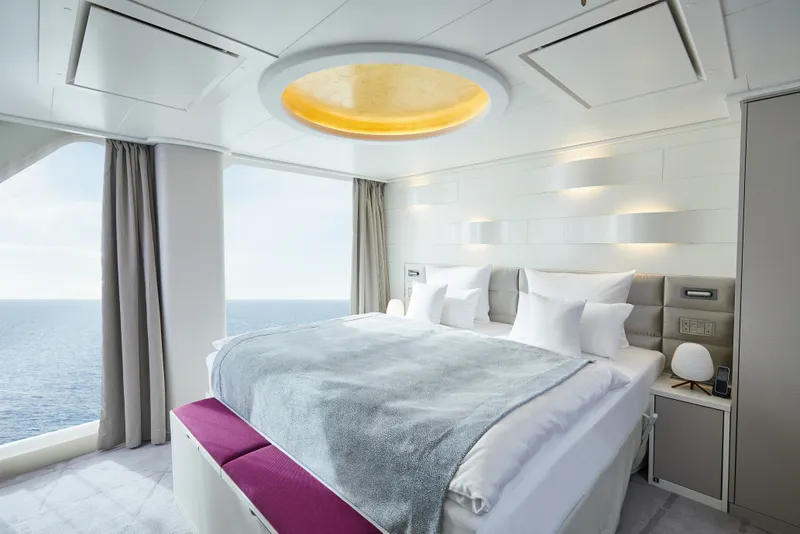
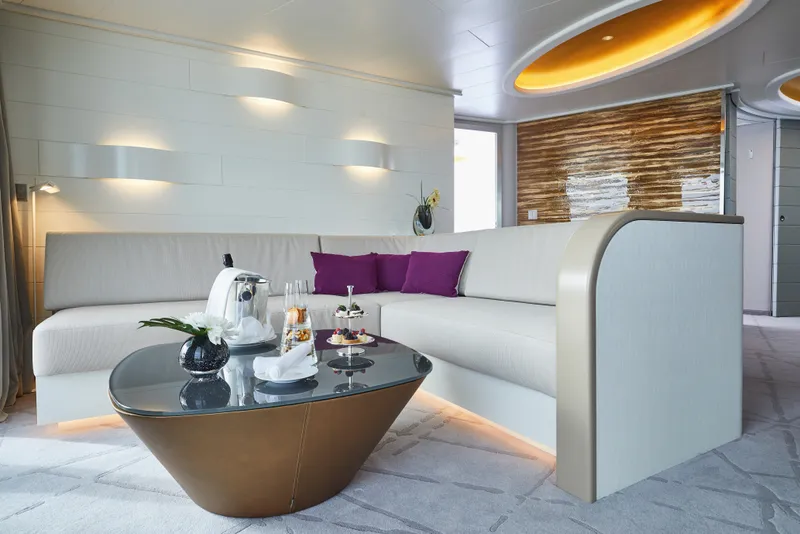
Grand Suite with Veranda
Suite
764 m²Max 3
10
Approx. 71 m²/764 ft² Suites on Deck 6 and 7
Private veranda (approx. 16 m²/172 ft²) with space heaters
Separate living and sleeping areas
Separate dining area
Sleeping area with panoramic view
Separable beds
TV in living and sleeping areas
Daylight bathroom with two sinks, free-standing bath, rain shower and veranda access
Steam sauna in shower area
Heated wall in bathroom
Separate toilet
Free mini bar with a selection of spirits
Coffee machine
24-hour cabin service
Butler service
Fixed table reservation in the main restaurant, if desired
Free choice of Zodiac group
Double or Twin ConfigurationLounge AreaDining AreaShowerToiletries ProvidedRoom Service Available+11
View Details
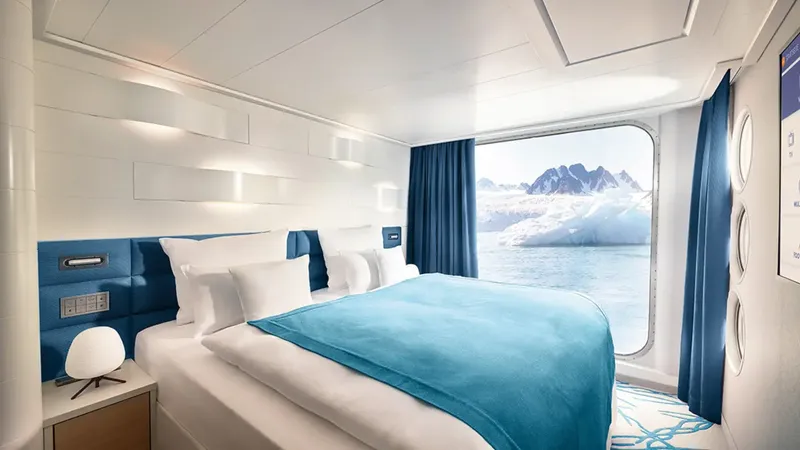
Guarantee Suite
Suite
SJS
Guarantee Suite
View Details
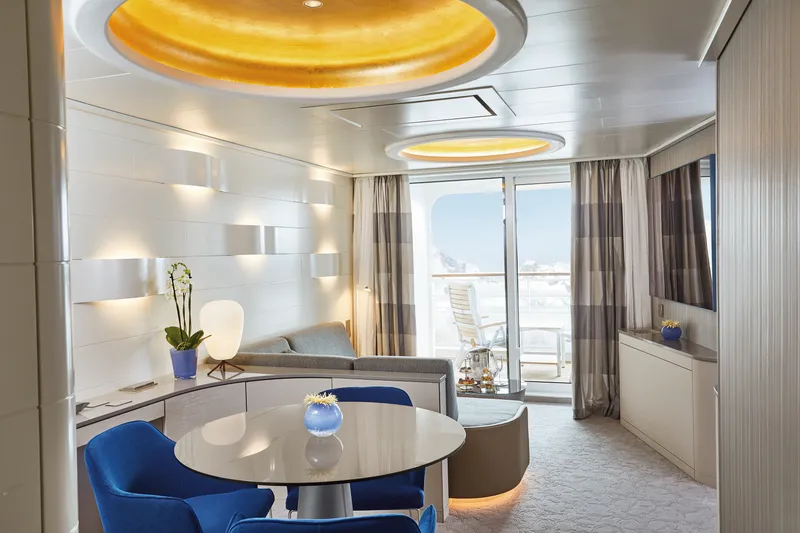
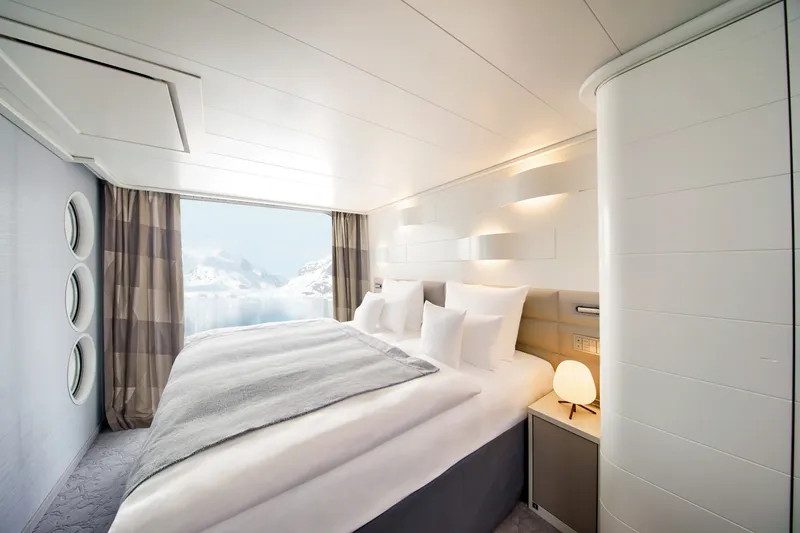
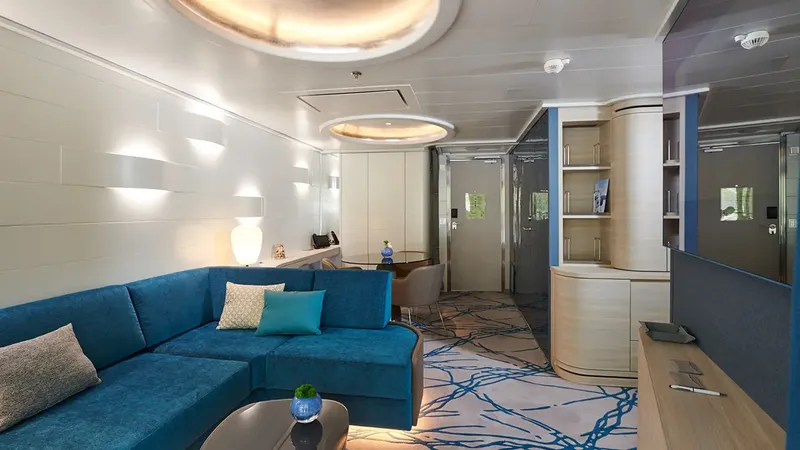
Junior Suite with Balcony
Suite
452 m²Max 3
09
Approx. 42 m²/452 ft² Suites on Deck 6 and 7
Private balcony (approx. 6 m²/65 ft²)
Separate living and sleeping areas
Separate dining area
Sleeping area with panoramic view
Separable beds
TV in living and sleeping areas
Bathroom with two sinks and rain shower
Steam sauna in shower area
Heated wall in bathroom
Free mini bar with a selection of spirits
Coffee machine
24-hour cabin service
Butler service
Fixed table reservation in the main restaurant, if desired
Double or Twin ConfigurationLounge AreaDining AreaShowerRoom Service AvailableFree Mini Bar+9
View Details
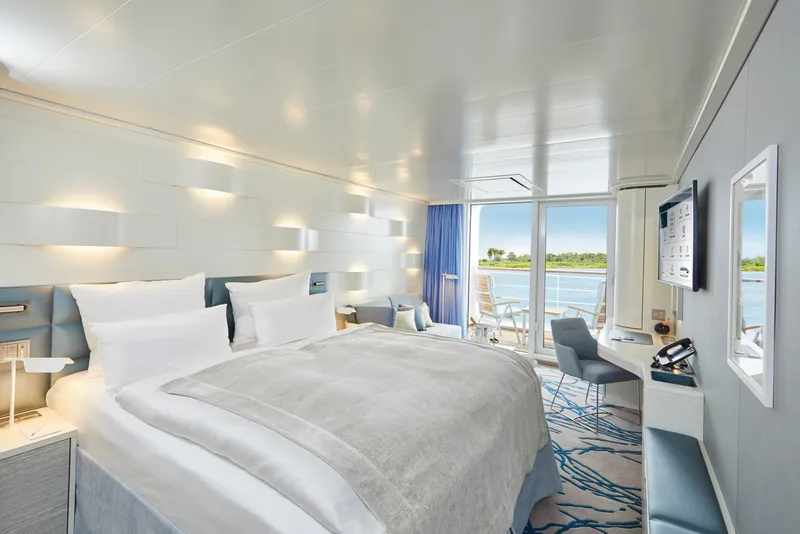
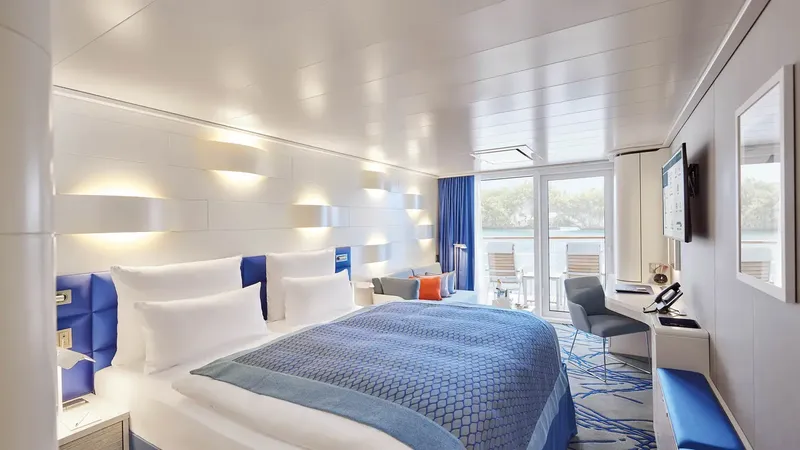
Balcony Cabin
Balcony
291 m²Max 3
04060708
Approx. 27 m²/291 ft² Cabins incl. balcony (approx. 5 m²/54 ft²) on Deck 5, 6 and 7
Heated wall in the bathroom
Rain shower
Free mini bar (soft drinks)
Coffee machine
Separable beds
24-hour cabin service
Double or Twin ConfigurationLounge AreaShowerRoom Service AvailableTVCoffee Machine+5
View Details
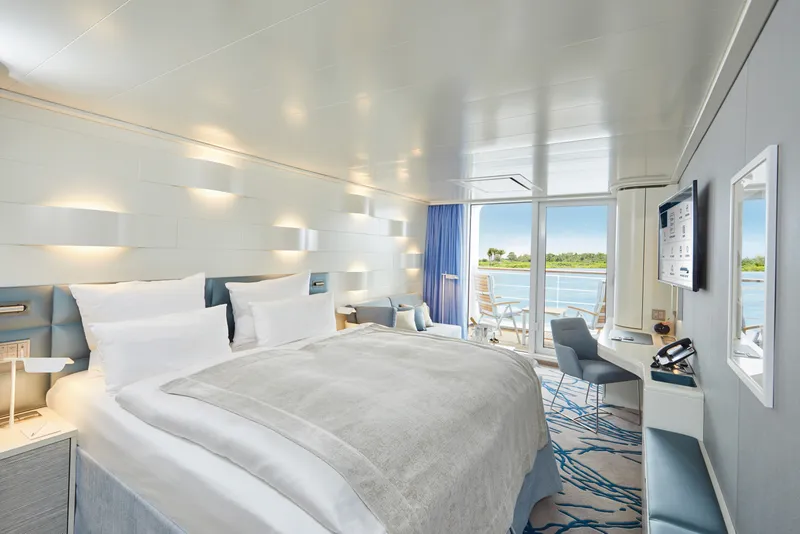
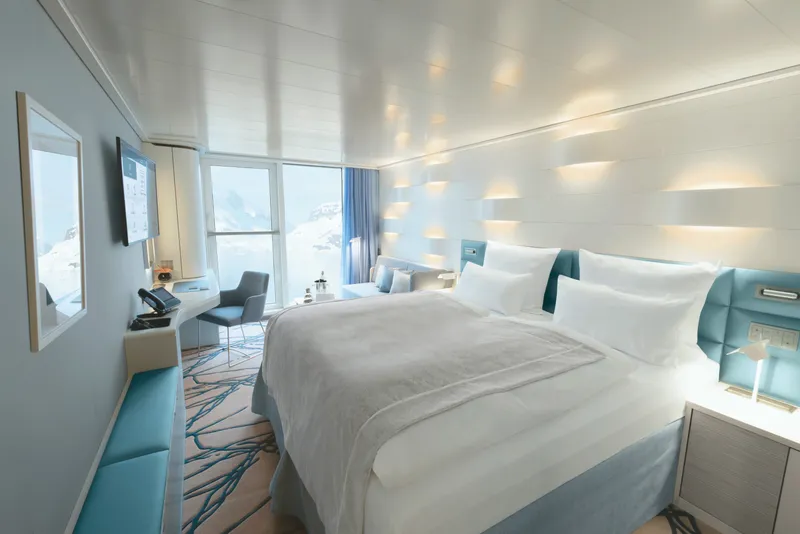
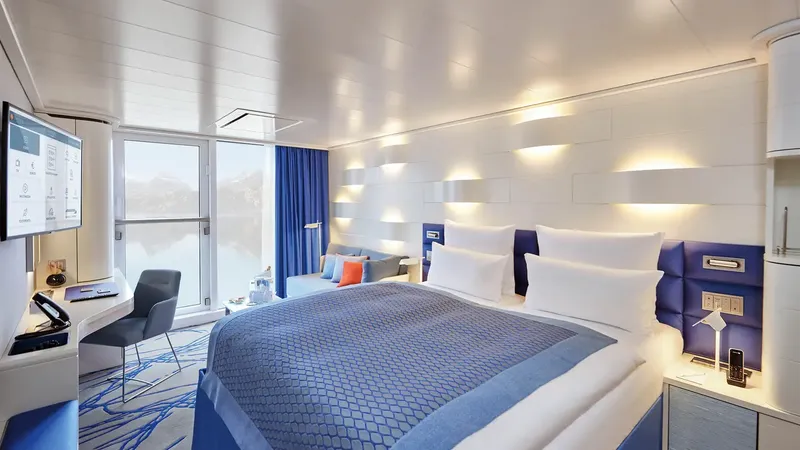
French Balcony Cabin
Balcony
291 m²Max 3
0305
Approx. 21/23 m² (226 ft²/248 ft²) Cabins on Deck 6 and 7
Heated wall in the bathroom
Rain shower
Free mini bar (soft drinks)
Coffee machine
Separable beds
24-hour cabin service
Double or Twin ConfigurationLounge AreaShowerRoom Service AvailableTVCoffee Machine+5
View Details
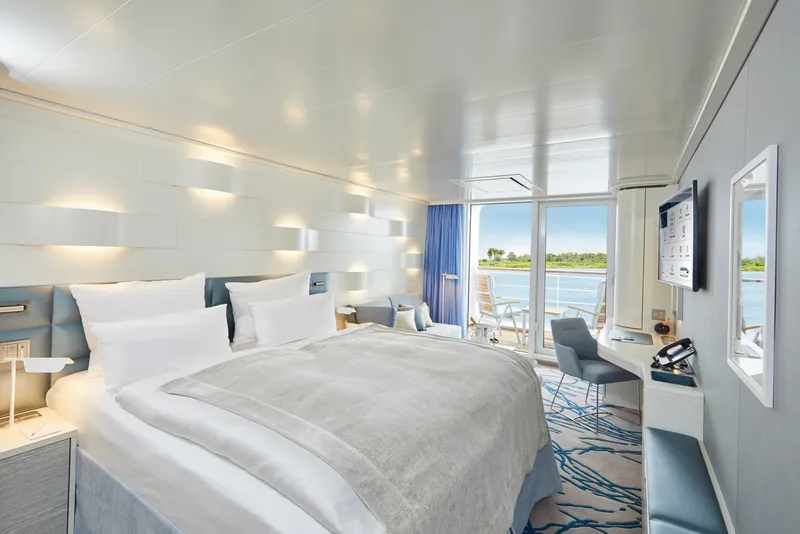
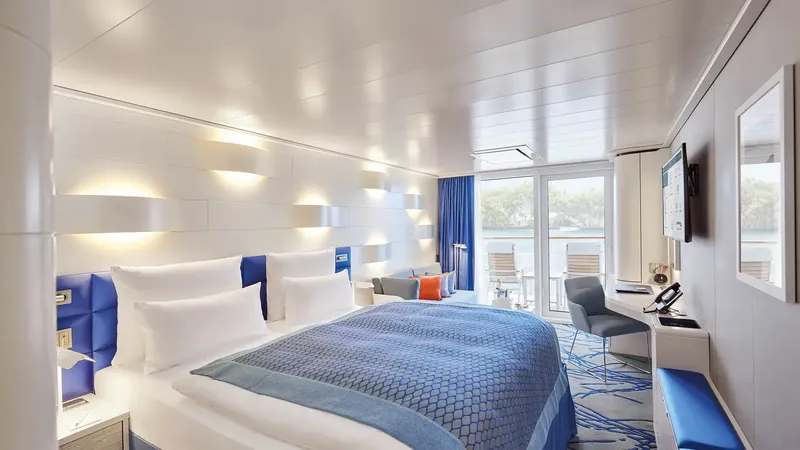
Guarantee Balcony Cabin
Balcony
291 m²Max 3
S02S03S04S05S06S07S08SBSF
Guarantee Balcony Cabin
Double or Twin ConfigurationLounge AreaShowerRoom Service AvailableTVCoffee Machine+5
View Details
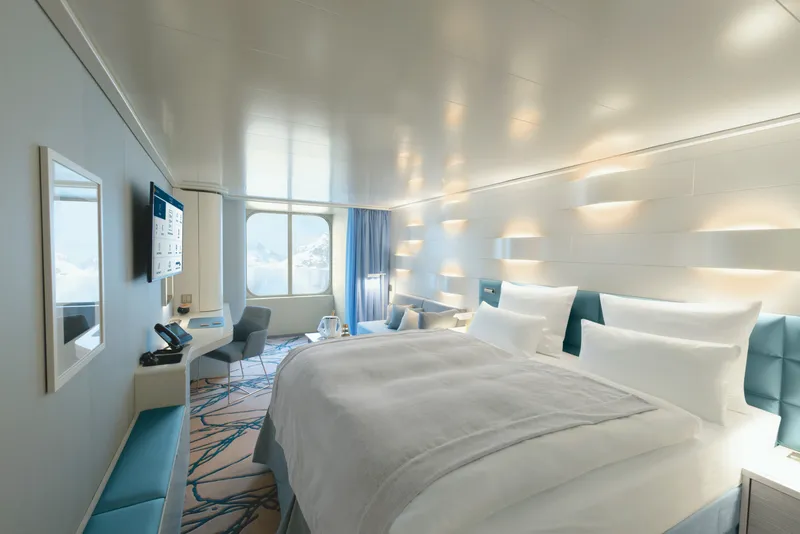
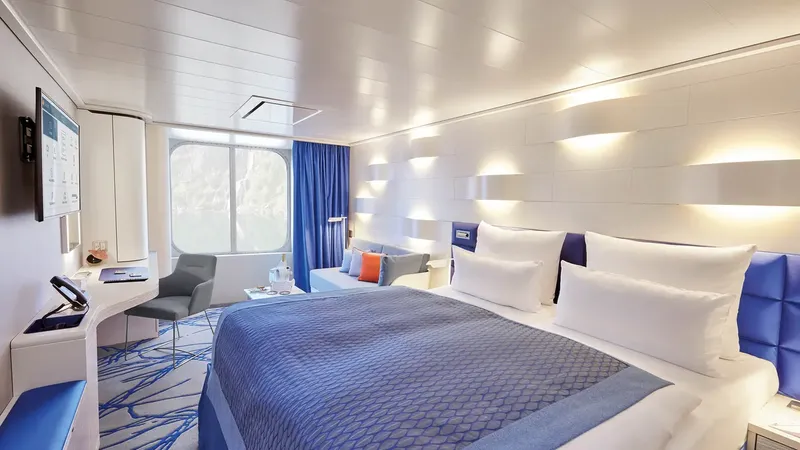
Guarantee Outside Cabin
Outside
237 m²Max 2
S01SAPSKAB
Guarantee Outside Cabin
Double or Twin ConfigurationShowerRoom Service AvailableCoffee MachineSafeHair Dryer+6
View Details
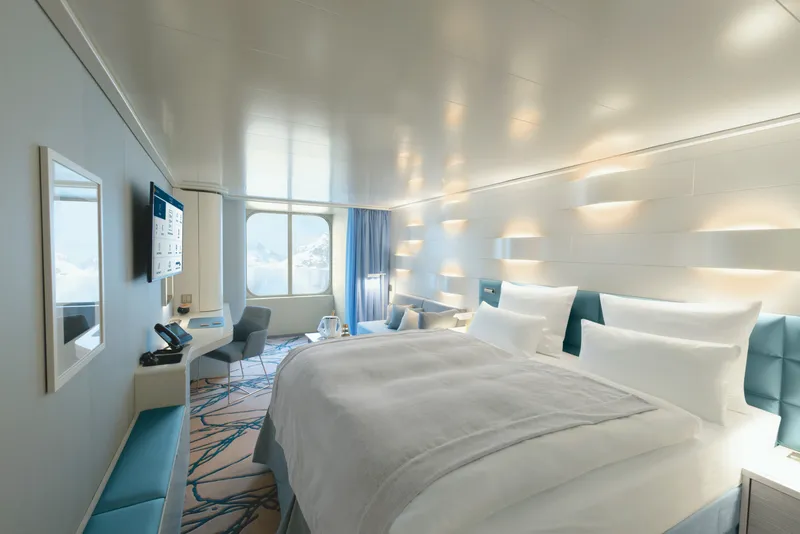
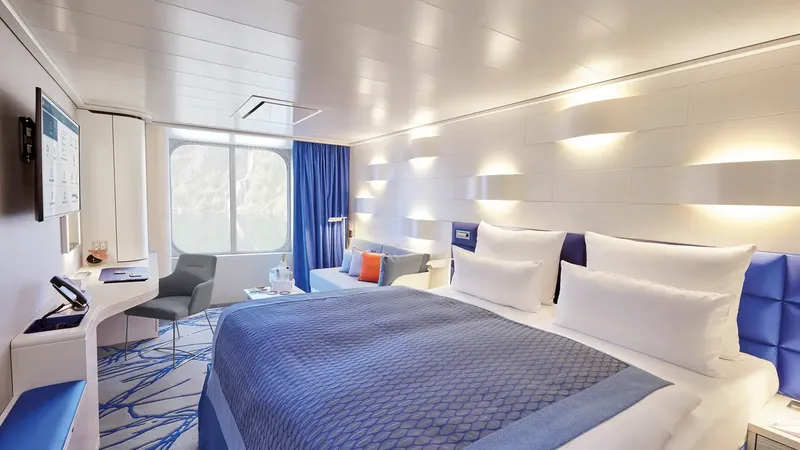
Outside Cabin
Outside
237 m²Max 2
01
Approx. 22 m²/237 ft² cabins on Deck 4, 5 and 6
Heated wall in the bathroom
Rain shower
Free mini bar (soft drinks)
Coffee machine
Separable beds
24-hour cabin service
Double or Twin ConfigurationShowerRoom Service AvailableCoffee MachineSafeHair Dryer+6
View Details
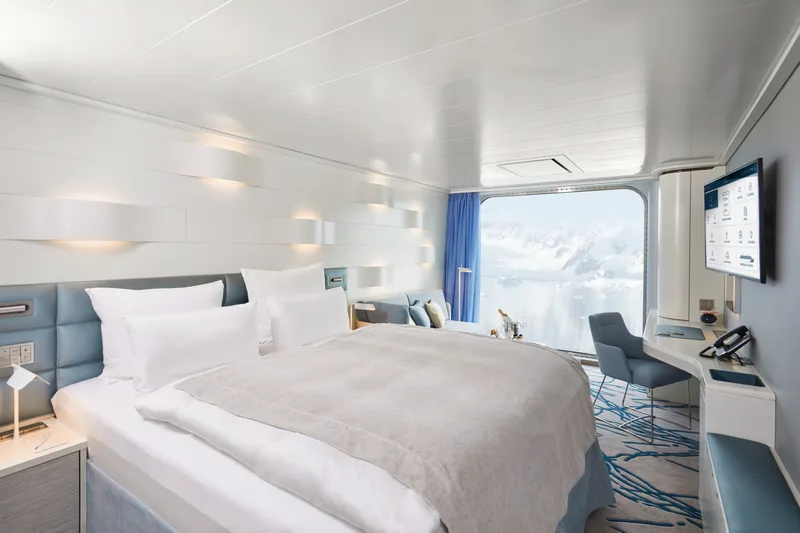
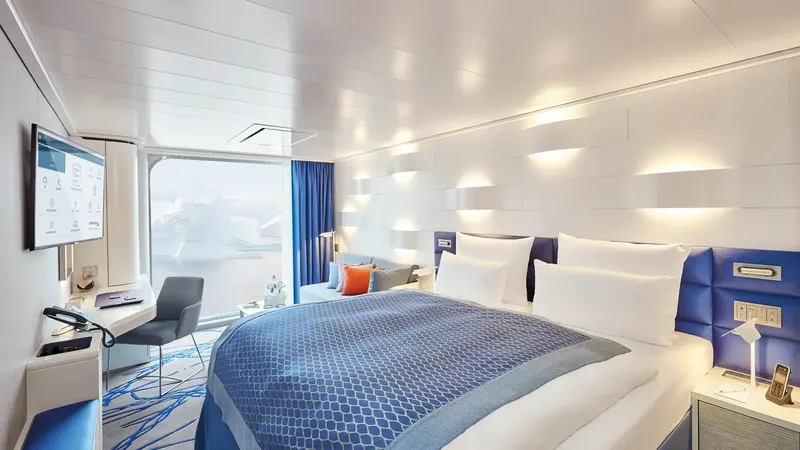
Panoramic Cabin
Outside
226 m²Max 2
02
Approx. 21 m²/226 ft² Cabins on Deck 5
Heated wall in bathroom
Rain shower
Free mini bar (soft drinks)
Coffee machine
Separable beds
24-hour cabin service
There is one cabin with fully accessible layout and equipment (cabin 404)
Room Service AvailableTVCoffee MachineSafeHair DryerTelephone+6
View Details
Interested in This Voyage?
Our cruise specialists can help you find the perfect cabin and the best available pricing.
(+886) 02-2721-7300Contact Advisor