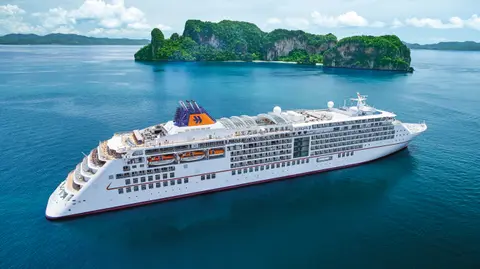
Hapag-Lloyd CruisesEUX2618
From the glamorous principality to Bella Italia
Date
2026-08-05
Duration
11 nights
Departure Port
Monte Carlo
Monaco
Arrival Port
Civitavecchia
Italy
Rating
Luxury
Theme
—
Hapag-Lloyd Cruises
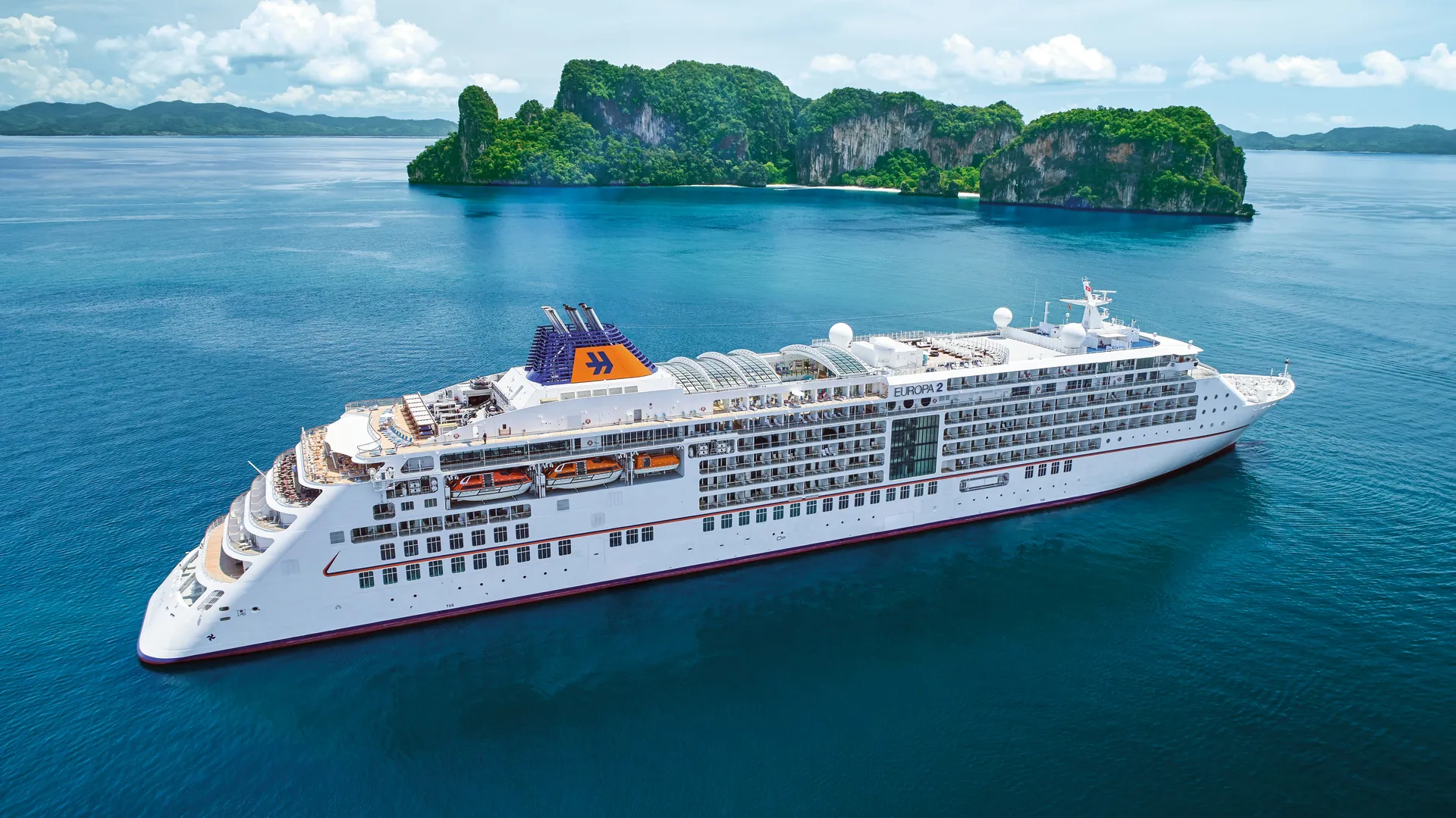
MS EUROPA 2
Launched
2013
Refitted
2017
Tonnage
42,830 GT
Passengers
516
Cabins
251
Crew
370
Length
739 m
Width
27 m
Speed
21 knots
Adults Only
No
Itinerary
Day 1
Day 1
Monte Carlo
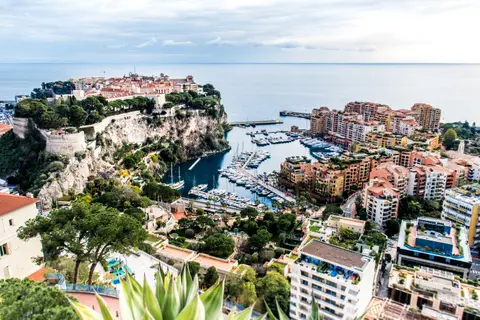
Monte Carlo, Monaco is a sovereign principality on the French Riviera where centuries of Grimaldi rule have forged an extraordinary concentration of elegance — from the legendary Casino de Monte-Carlo to the cliff-top Oceanographic Museum founded by Prince Albert I. No visit is complete without savouring *barbagiuan* at the Condamine market and exploring the old town of Monaco-Ville, where the cathedral and prince's palace command sweeping Mediterranean views. The most luminous months are May through September, with late spring offering the electric atmosphere of the Grand Prix season alongside gentler crowds and pristine coastal light.
Day 2
Day 2
Cannes
Arrive 11:00Depart 19:00
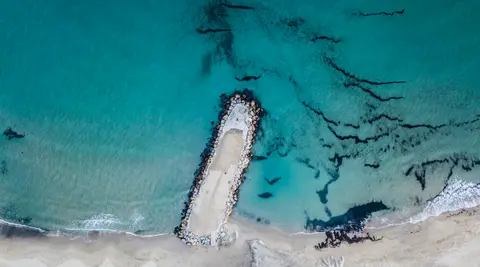
Cannes, transformed from a sleepy Provençal fishing village into the Riviera's most glamorous resort by an English lord's chance quarantine in 1834, and immortalized by the Film Festival since 1946, remains the French Riviera's most theatrical stage — where La Croisette's curved promenade of Art Deco palaces, private beach clubs, and Palme d'Or dreams meets the quiet authenticity of the Suquet hilltop quarter above the old port. For shopping, the Marché Forville bursts with Provençal produce, truffle vendors, and cut flowers each morning; for dining, the restaurants of the old port district offer bouillabaisse and socca that need no red-carpet backdrop. Visit in spring or September; Nice is twenty minutes by rail and Monaco thirty.
Day 3
Day 3
Rouen
Arrive 08:00Depart 18:00
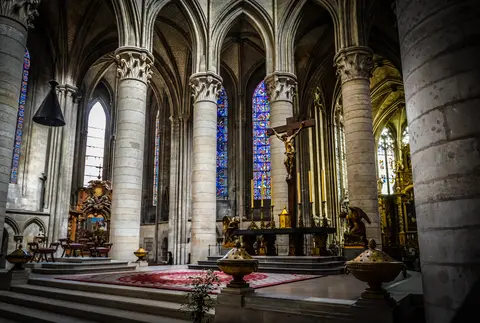
Rouen, the medieval capital of Normandy set in a wooded meander of the Seine, rewards slow exploration with one of France's richest concentrations of Gothic architecture. The vast cathedral — immortalised by Monet in his celebrated series of canvases — dominates a city where half-timbered lanes wind between Renaissance mansions and the square where Joan of Arc was burned in 1431. The covered market overflows with Normandy's great dairy bounty: camembert, livarot, and pont-l'évêque alongside cider and calvados. Paris lies just ninety minutes south by train. Spring and early autumn offer the most atmospheric conditions.
Day 4
Day 4
Livorno
Arrive 07:00Depart 19:00
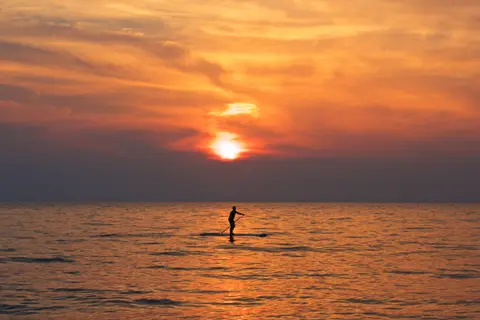
Purpose-built as a Medici utopia in the late sixteenth century, Livorno was conceived from the outset as a city without discrimination — its founding Leggi Livornine granted equal rights to Jews, Christians, Muslims, and merchants of every nation, making it one of the most cosmopolitan cities in Renaissance Europe. Today, the Venetian-style canals of the Venezia Nuova quarter reflect colourful palazzi with a distinctly faded glamour, while the Mercato Centrale's fish counters display the cacciucco ingredients — a robust Livornese brodetto of five sea creatures — that make this port city a pilgrimage for serious eaters. Day trips to Pisa and Lucca are effortless from here. The season runs April through October.
Day 5
Day 5
Portoferraio
Arrive 07:00Depart 18:00
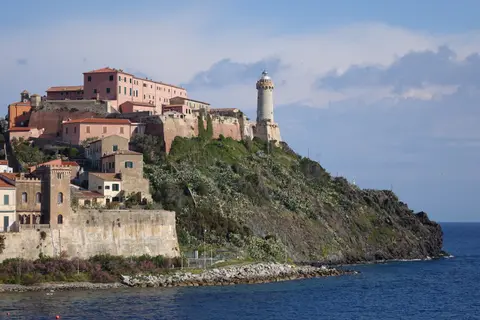
Portoferraio is the historic capital of Elba, the Tuscan island famous as Napoleon's place of exile, featuring Medici fortifications, pastel waterfront facades, and over 150 beaches. Must-dos include Napoleon's Villa dei Mulini, the Monte Capanne cable car, and sampling Aleatico dessert wine. May through October offers ideal Mediterranean conditions, with June and September best for avoiding crowds.
Day 6
Day 6
Porto Cervo
Arrive 08:00
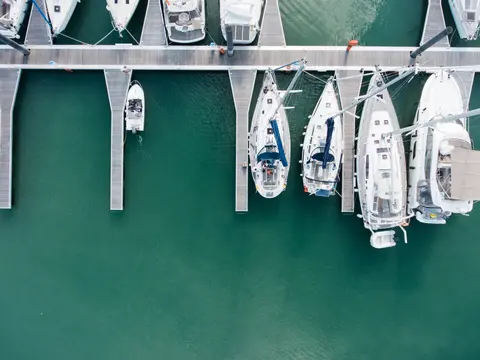
Porto Cervo is the jewel of Sardinia's Costa Smeralda, a purpose-built luxury village where world-class sailing, pristine emerald beaches, and ancient Nuragic archaeology coexist against a backdrop of sculpted granite coastline. Visit from May through October, with June and September offering the ideal balance of Mediterranean warmth and refined exclusivity.
Day 7
Day 7
At Sea
Day 8
Day 8
Trapani (Sicily)
Arrive 07:00Depart 18:00
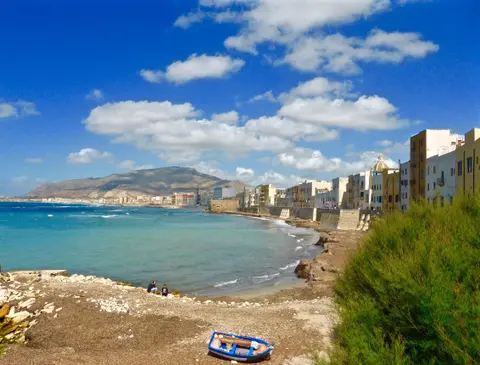
Trapani is western Sicily's sickle-shaped port city where ancient salt flats, cloud-wrapped medieval Erice, and the crystal-clear Egadi Islands converge at the Mediterranean's cultural crossroads. Visit April through October via Seabourn or Windstar for cable-car ascents to Norman-era pastry shops, sunset salt-flat reflections, and the Arab-influenced seafood couscous that distinguishes this coast from anywhere else in Italy.
Day 9
Day 9
Palermo
Arrive 07:00Depart 16:00
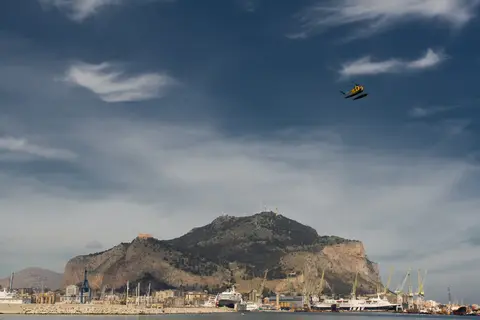
Palermo is the Mediterranean's most intoxicating crossroads of civilisations — Arab arches meet Byzantine gold mosaics beneath Norman royal chapels in the extraordinary Palatine Chapel, a monument to 12th-century multicultural brilliance that is Sicily's single greatest work of art. The Ballarò and Capo street markets, among southern Italy's most atmospheric, tumble through the ancient city in a sensory barrage of swordfish, blood oranges, jasmine, and street food improvised across centuries. Do not leave without tasting arancini and sfincione, Sicily's gloriously thick street pizza. Spring (April–May) and autumn (September–October) offer the ideal climate — warm enough for the sea, cool enough for extended walking.
Day 10
Day 10
Sorrento
Arrive 08:00Depart 18:00
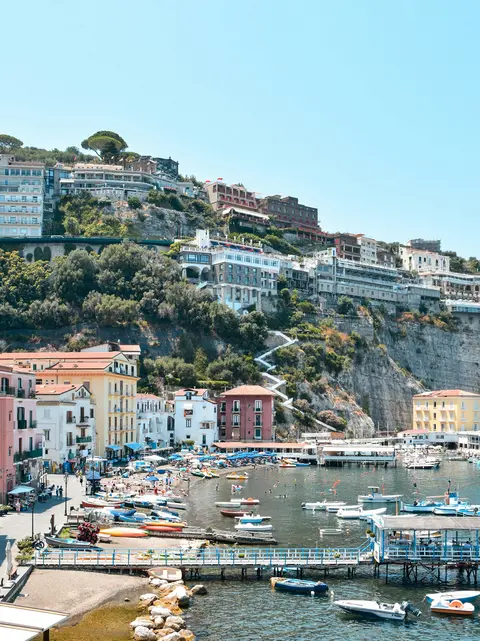
Sorrento is a clifftop jewel on southern Italy's Sorrentine Peninsula, perched sixty meters above the Bay of Naples with sweeping views of Vesuvius and Capri. Visitors should not miss the gnocchi alla sorrentina at a family-run trattoria in the old quarter, nor the short excursion along the Amalfi Coast to Positano and Ravello. The ideal season stretches from late April through mid-October, when warm Mediterranean light illuminates the tufa cliffs and the famed local lemons reach their most fragrant peak.
Day 11
Day 11
Ponza
Arrive 08:00Depart 18:00
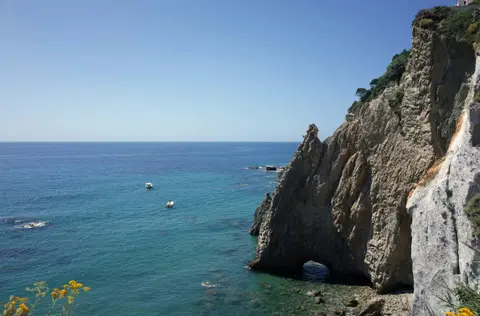
Ponza is a volcanic island in the Tyrrhenian Sea where pastel houses climb tufa cliffs above a crescent harbour, Roman fish pools hide in sea caves, and the freshest seafood in Italy arrives daily at waterfront restaurants. Visit from May through October for swimming in crystalline waters, exploring dramatic coastline by boat, and experiencing an Italian island untouched by mass tourism.
Day 12
Day 12
Civitavecchia
Arrive 07:00
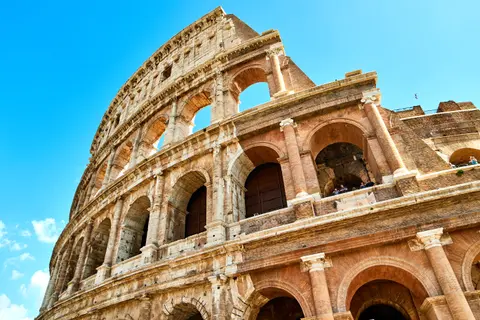
Rome's ancient maritime gateway since the Emperor Trajan commissioned its harbour in 106 AD, Civitavecchia is the natural prologue to the Eternal City — just seventy minutes southeast by express rail. The port's Renaissance fortress, designed in part by Michelangelo, anchors a working waterfront that has welcomed travellers for millennia. Beyond Rome's unmissable monuments, consider an afternoon in the Civitavecchia thermal baths, drawing on mineral waters prized since antiquity. Spring and autumn offer the ideal balance of mild weather and manageable crowds for exploring the capital's layered history.
Day 1
Monte Carlo
Monte Carlo, Monaco is a sovereign principality on the French Riviera where centuries of Grimaldi rule have forged an extraordinary concentration of elegance — from the legendary Casino de Monte-Carlo to the cliff-top Oceanographic Museum founded by Prince Albert I. No visit is complete without savouring *barbagiuan* at the Condamine market and exploring the old town of Monaco-Ville, where the cathedral and prince's palace command sweeping Mediterranean views. The most luminous months are May through September, with late spring offering the electric atmosphere of the Grand Prix season alongside gentler crowds and pristine coastal light.
Day 2
Cannes
Arrive 11:00Depart 19:00
Cannes, transformed from a sleepy Provençal fishing village into the Riviera's most glamorous resort by an English lord's chance quarantine in 1834, and immortalized by the Film Festival since 1946, remains the French Riviera's most theatrical stage — where La Croisette's curved promenade of Art Deco palaces, private beach clubs, and Palme d'Or dreams meets the quiet authenticity of the Suquet hilltop quarter above the old port. For shopping, the Marché Forville bursts with Provençal produce, truffle vendors, and cut flowers each morning; for dining, the restaurants of the old port district offer bouillabaisse and socca that need no red-carpet backdrop. Visit in spring or September; Nice is twenty minutes by rail and Monaco thirty.
Day 3
Rouen
Arrive 08:00Depart 18:00
Rouen, the medieval capital of Normandy set in a wooded meander of the Seine, rewards slow exploration with one of France's richest concentrations of Gothic architecture. The vast cathedral — immortalised by Monet in his celebrated series of canvases — dominates a city where half-timbered lanes wind between Renaissance mansions and the square where Joan of Arc was burned in 1431. The covered market overflows with Normandy's great dairy bounty: camembert, livarot, and pont-l'évêque alongside cider and calvados. Paris lies just ninety minutes south by train. Spring and early autumn offer the most atmospheric conditions.
Day 4
Livorno
Arrive 07:00Depart 19:00
Purpose-built as a Medici utopia in the late sixteenth century, Livorno was conceived from the outset as a city without discrimination — its founding Leggi Livornine granted equal rights to Jews, Christians, Muslims, and merchants of every nation, making it one of the most cosmopolitan cities in Renaissance Europe. Today, the Venetian-style canals of the Venezia Nuova quarter reflect colourful palazzi with a distinctly faded glamour, while the Mercato Centrale's fish counters display the cacciucco ingredients — a robust Livornese brodetto of five sea creatures — that make this port city a pilgrimage for serious eaters. Day trips to Pisa and Lucca are effortless from here. The season runs April through October.
Day 5
Portoferraio
Arrive 07:00Depart 18:00
Portoferraio is the historic capital of Elba, the Tuscan island famous as Napoleon's place of exile, featuring Medici fortifications, pastel waterfront facades, and over 150 beaches. Must-dos include Napoleon's Villa dei Mulini, the Monte Capanne cable car, and sampling Aleatico dessert wine. May through October offers ideal Mediterranean conditions, with June and September best for avoiding crowds.
Day 6
Porto Cervo
Arrive 08:00
Porto Cervo is the jewel of Sardinia's Costa Smeralda, a purpose-built luxury village where world-class sailing, pristine emerald beaches, and ancient Nuragic archaeology coexist against a backdrop of sculpted granite coastline. Visit from May through October, with June and September offering the ideal balance of Mediterranean warmth and refined exclusivity.
Day 7
At Sea
Day 8
Trapani (Sicily)
Arrive 07:00Depart 18:00
Trapani is western Sicily's sickle-shaped port city where ancient salt flats, cloud-wrapped medieval Erice, and the crystal-clear Egadi Islands converge at the Mediterranean's cultural crossroads. Visit April through October via Seabourn or Windstar for cable-car ascents to Norman-era pastry shops, sunset salt-flat reflections, and the Arab-influenced seafood couscous that distinguishes this coast from anywhere else in Italy.
Day 9
Palermo
Arrive 07:00Depart 16:00
Palermo is the Mediterranean's most intoxicating crossroads of civilisations — Arab arches meet Byzantine gold mosaics beneath Norman royal chapels in the extraordinary Palatine Chapel, a monument to 12th-century multicultural brilliance that is Sicily's single greatest work of art. The Ballarò and Capo street markets, among southern Italy's most atmospheric, tumble through the ancient city in a sensory barrage of swordfish, blood oranges, jasmine, and street food improvised across centuries. Do not leave without tasting arancini and sfincione, Sicily's gloriously thick street pizza. Spring (April–May) and autumn (September–October) offer the ideal climate — warm enough for the sea, cool enough for extended walking.
Day 10
Sorrento
Arrive 08:00Depart 18:00
Sorrento is a clifftop jewel on southern Italy's Sorrentine Peninsula, perched sixty meters above the Bay of Naples with sweeping views of Vesuvius and Capri. Visitors should not miss the gnocchi alla sorrentina at a family-run trattoria in the old quarter, nor the short excursion along the Amalfi Coast to Positano and Ravello. The ideal season stretches from late April through mid-October, when warm Mediterranean light illuminates the tufa cliffs and the famed local lemons reach their most fragrant peak.
Day 11
Ponza
Arrive 08:00Depart 18:00
Ponza is a volcanic island in the Tyrrhenian Sea where pastel houses climb tufa cliffs above a crescent harbour, Roman fish pools hide in sea caves, and the freshest seafood in Italy arrives daily at waterfront restaurants. Visit from May through October for swimming in crystalline waters, exploring dramatic coastline by boat, and experiencing an Italian island untouched by mass tourism.
Day 12
Civitavecchia
Arrive 07:00
Rome's ancient maritime gateway since the Emperor Trajan commissioned its harbour in 106 AD, Civitavecchia is the natural prologue to the Eternal City — just seventy minutes southeast by express rail. The port's Renaissance fortress, designed in part by Michelangelo, anchors a working waterfront that has welcomed travellers for millennia. Beyond Rome's unmissable monuments, consider an afternoon in the Civitavecchia thermal baths, drawing on mineral waters prized since antiquity. Spring and autumn offer the ideal balance of mild weather and manageable crowds for exploring the capital's layered history.
Cabin Categories
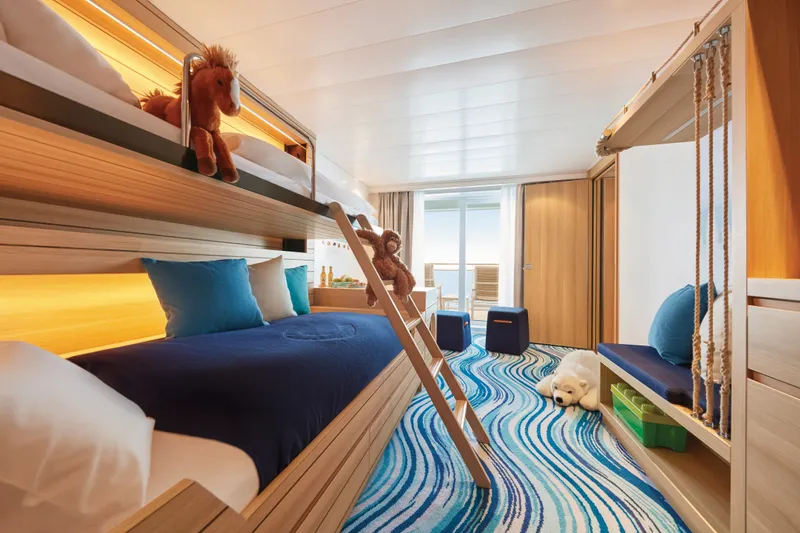
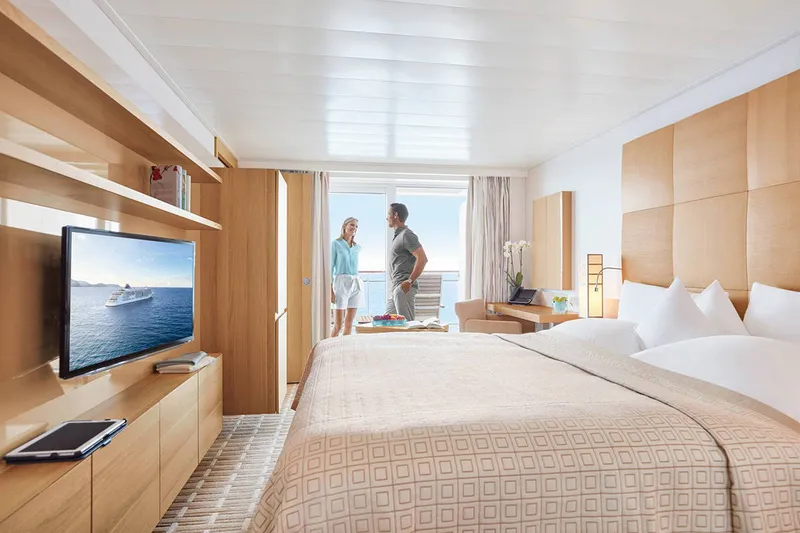
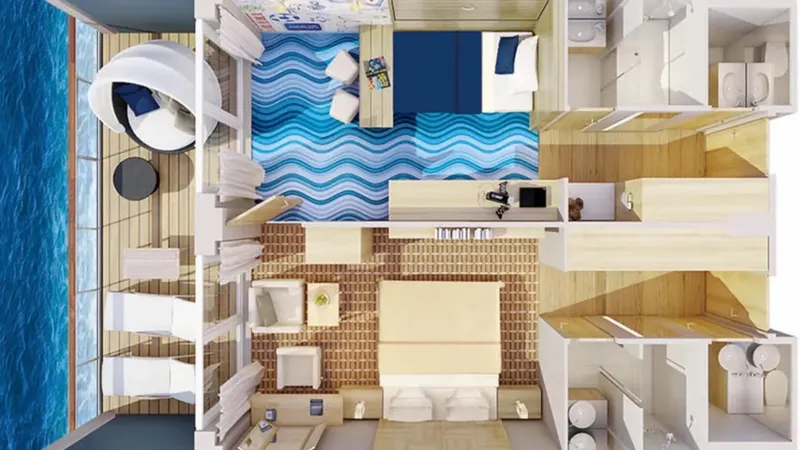
Family Suite
Outside
291 m²Max 4
12
In the family apartment, parents and children live in two separate sections that are connected with each other by a door and via the veranda.
Living area: 2× 20 m²; veranda: 2× 7 m²
Connecting door between the rooms and verandas.
Separate WCs.
Free mini bar (beer and soft drinks).
Double or Twin ConfigurationPullman BedLounge AreaShowerBathRoom Service Available+6
View Details
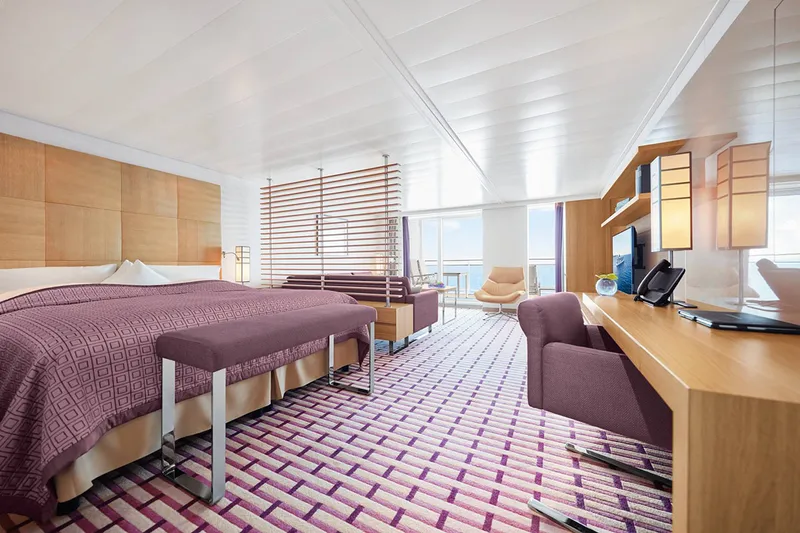
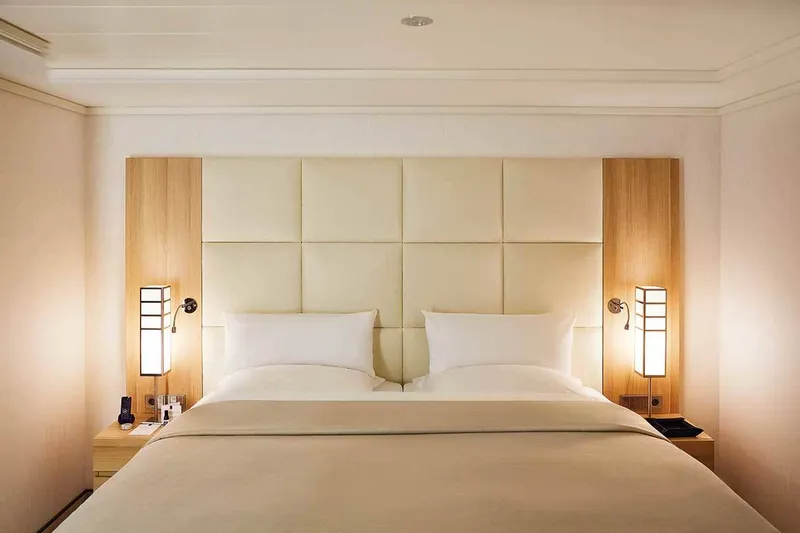
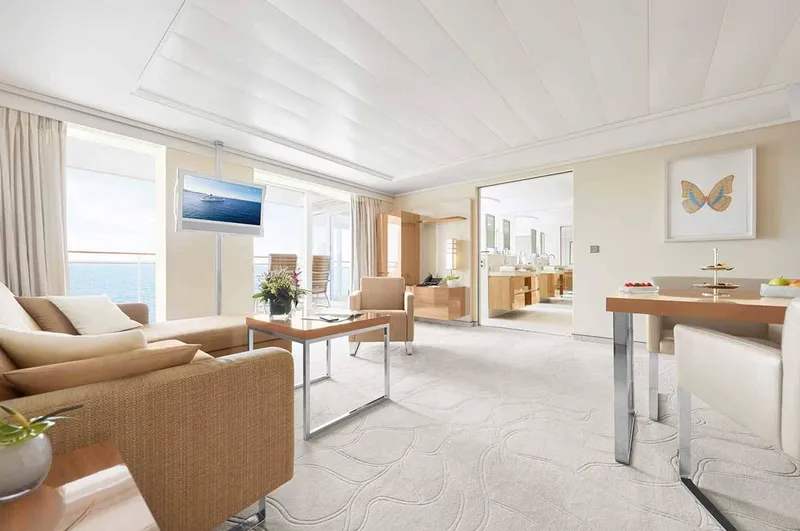
Grand Ocean Suite
Suite
0607
Private oasis of wellbeing and stylish relaxation zone – in the Spa Suite, everyday life is nothing but a distant memory. Indulge your body and soul at the highest level – with warm shades and a spa bathroom with panoramic views of the sea.
Living area: 42 m²; veranda: 10 m².
Bathroom with two washbasins.
Separate WC..
Butler service.
Daylight in the bathroom.
TV in the bathroom mirror.
Rain shower with steam sauna.
Whirlpool tub.
Free mini bar (beer, soft drinks and a selection of high-quality spirits)
US$14,784 /person+ US$0 taxes & fees
Grand Penthouse Suite
Suite
947 m²Max 3
10
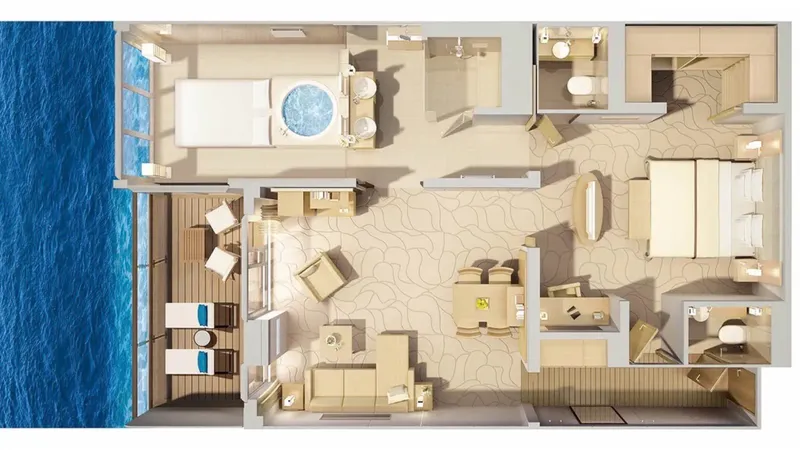
In the Grand Penthouse Suite you can enjoy lavishness at sea and experience an exclusive break of superior quality – on a daybed with view of the endless sea or while taking a bath in the middle of the ocean in your private whirlpool.
Living area: 78 m²; veranda: 10 m²
Separate living and sleeping areas.
Separate dining table.
Guest WC.
Bathroom with two washbasins.
Shower with steam sauna.
Whirlpool.
Daybed and TV in the bathroom area
Spacious walk-in wardrobe
Butler service
Free mini-bar (beer, soft drinks and a selection of high-quality spirits).
Further exclusive service privileges.
Double or Twin ConfigurationLounge AreaShowerWhirlpool BathSuite BenefitsFree Mini Bar+7
View Details
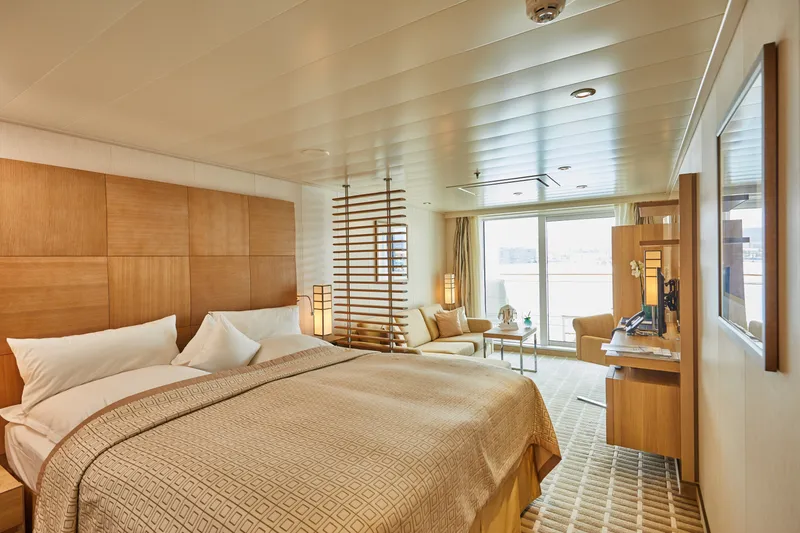
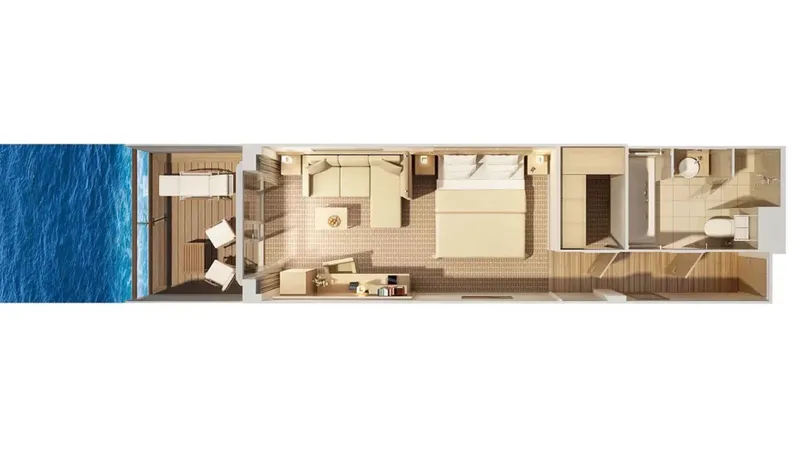
Guaranteed Suite
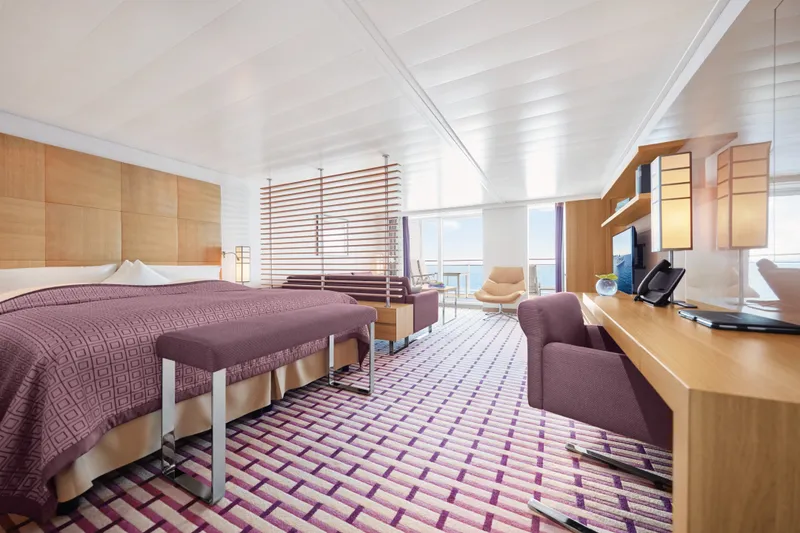
Suite
377–560 m²Max 3
S01OS01VS02OS02VS03OS03VS04OS04VS05S06S07S08S09SGOSGPSVO1SVO3SVOS
Guaranteed Suite
Double or Twin ConfigurationShowerBathRoom Service AvailableFree Mini BarTV+6
View Details
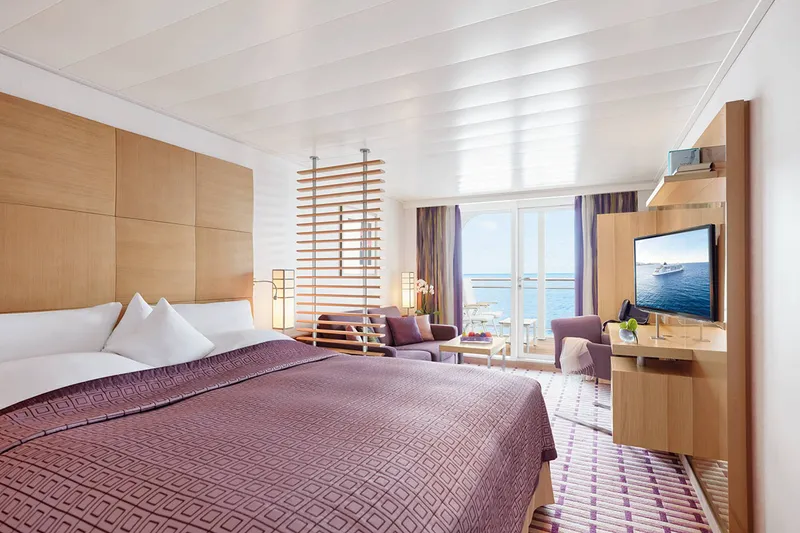
Ocean Suite
Suite
01O02O03O04O
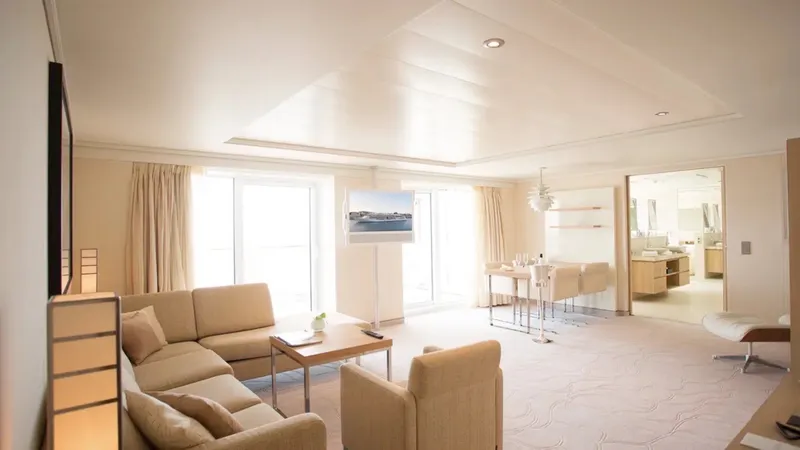
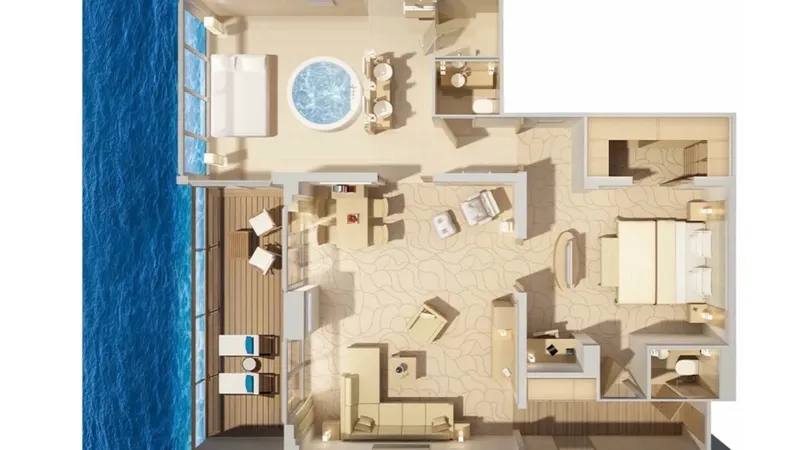
Living area: 28 m² (301 ft²)
Veranda: 7 m² (75 ft²)
Natural light in the bathroom
Bathroom with two sinks
Whirlpool tub and separate shower
Separate toilet
Free mini bar
US$10,758 /person+ US$0 taxes & fees
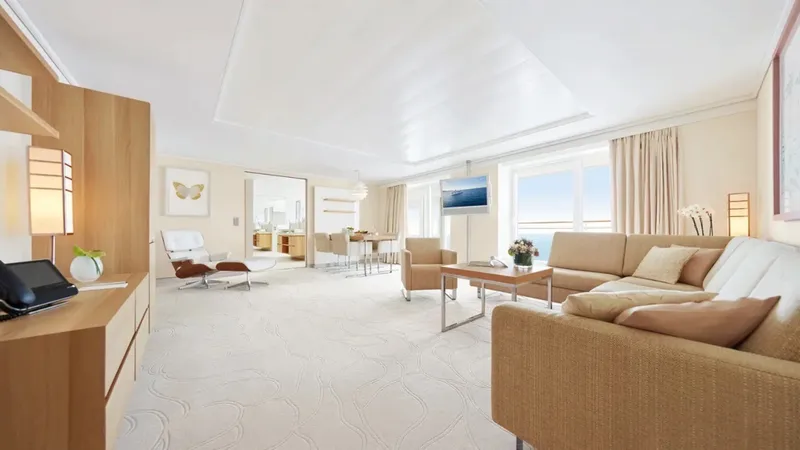
Owner's Suite
Suite
1227 m²Max 4
11
The Owner’s Suite is far more than our most exclusive suite; it is a select domicile on the oceans of the world. Enjoy every imaginable convenience on more than 114 square metres of personal freedom.
Living area: 99 m²; veranda: 15 m².
Separate living and sleeping areas.
Separate dining table.
Guest WC.
Bathroom with two washbasins.
Shower with steam sauna.
Whirlpool.
Daybed and TV in the bathroom area.
Spacious walk-in wardrobe.
Butler service.
Free mini bar (beer, soft drinks and a selection of high-quality spirits).
Further exclusive service privileges.
Double or Twin ConfigurationLounge AreaShowerRoom Service AvailableSuite BenefitsFree Mini Bar+8
View Details
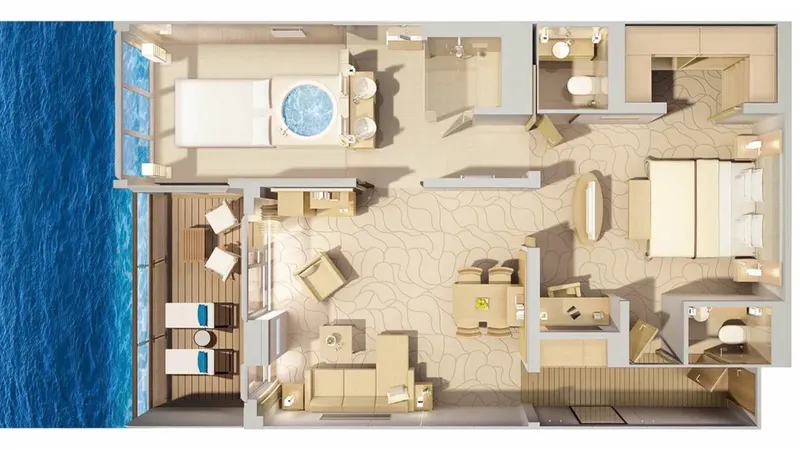
Penthouse Suite
Suite
947 m²Max 3
080913
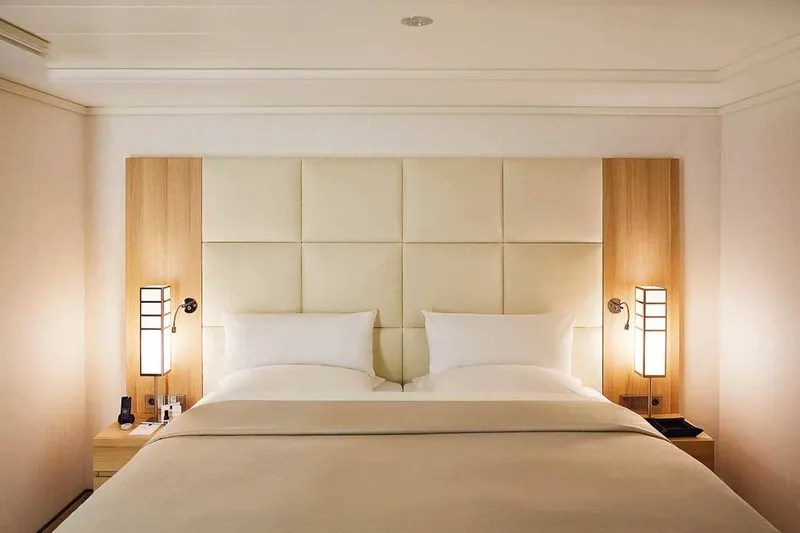
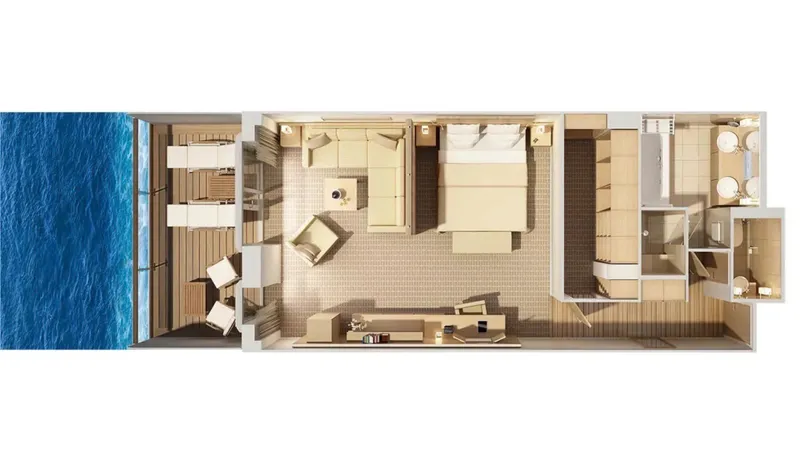
A fantastically spacious suite with every conceivable comfort, uniquely located on the upper decks – is there a more beautiful place to relax? In the Grand Suite, you can enjoy the endless views of the sea and the conveniences of a classical Grand Suite.
Living area: 42 m²; veranda: 10 m².
Bathroom with two washbasins.
Separate WC.
Butler service.
TV in the bathroom mirror.
Walk-in wardrobe.
Bathtub and separate shower.
Free mini bar (beer, soft drinks and a selection of high-quality spirits).
The Grand Suite is also available with facilities suitable for the physically disabled.
Double or Twin ConfigurationLounge AreaShowerWhirlpool BathSuite BenefitsFree Mini Bar+7
US$14,784 /person+ US$0 taxes & fees
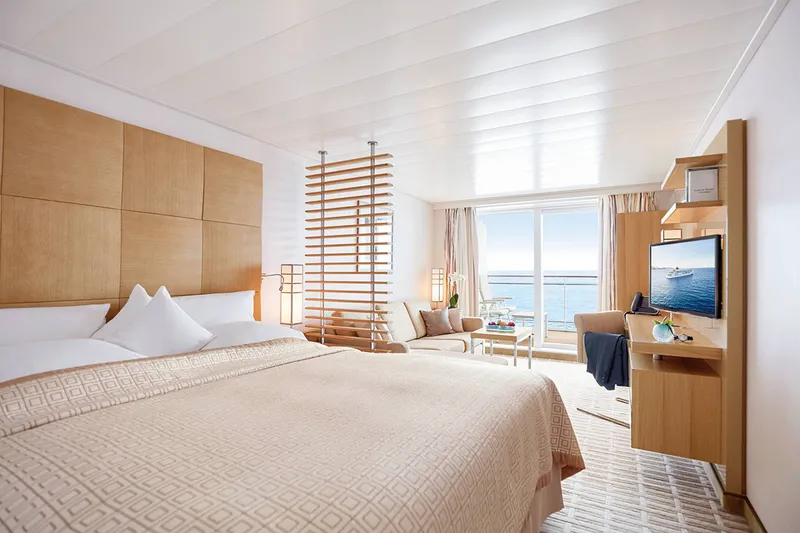
Veranda Suite
Suite
01V02V03V04V05
Living area: 28 m² (301 ft²)
Veranda: 7 m² (75 ft²)
Walk-in wardrobe
Exclusive living area with a chaise longue
Bathtub and separate shower
Free mini bar
US$9,911 /person+ US$0 taxes & fees
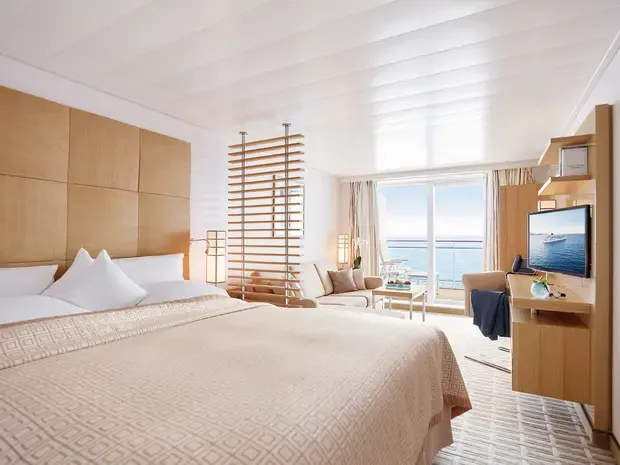
Guaranteed Balcony
Balcony
S12
Guaranteed Balcony
View Details
Interested in This Voyage?
Our cruise specialists can help you find the perfect cabin and the best available pricing.
(+886) 02-2721-7300Contact Advisor