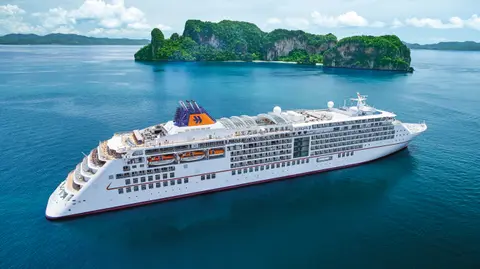
Hapag-Lloyd CruisesEUX2619
Civitavecchia (Rome) to Dubrovnik
Date
2026-08-16
Duration
9 nights
Departure Port
Civitavecchia
Italy
Arrival Port
Dubrovnik
Croatia
Rating
Luxury
Theme
—
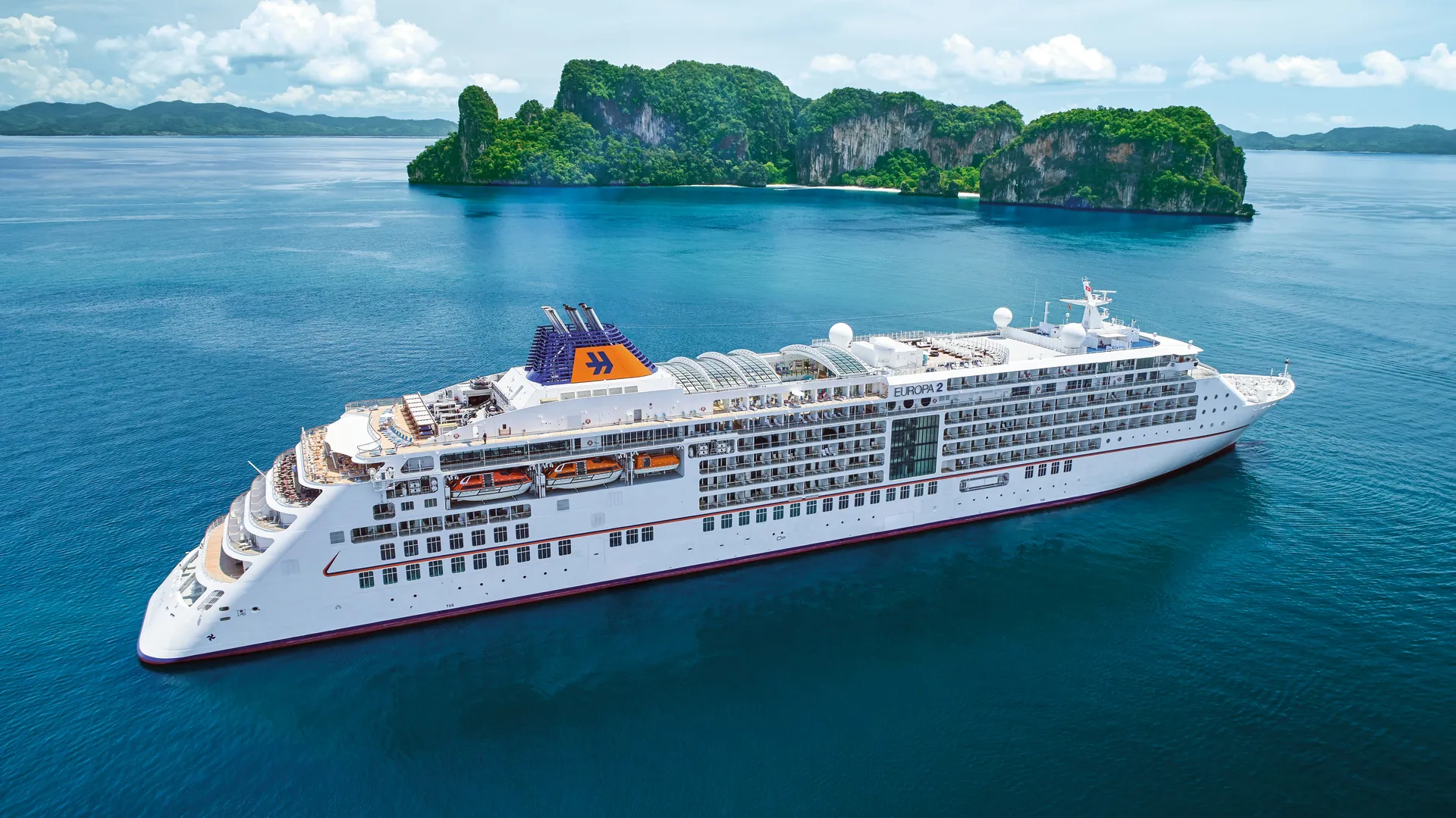
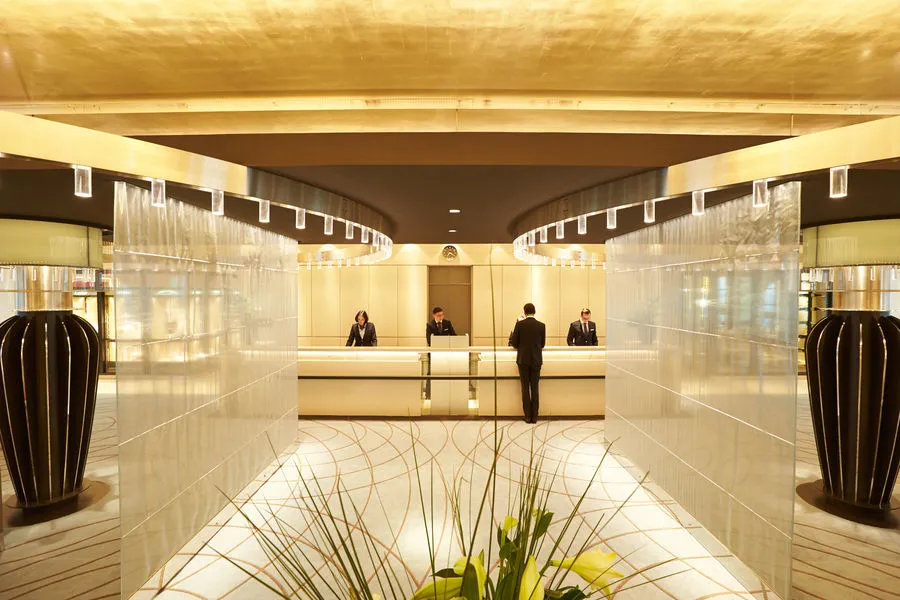
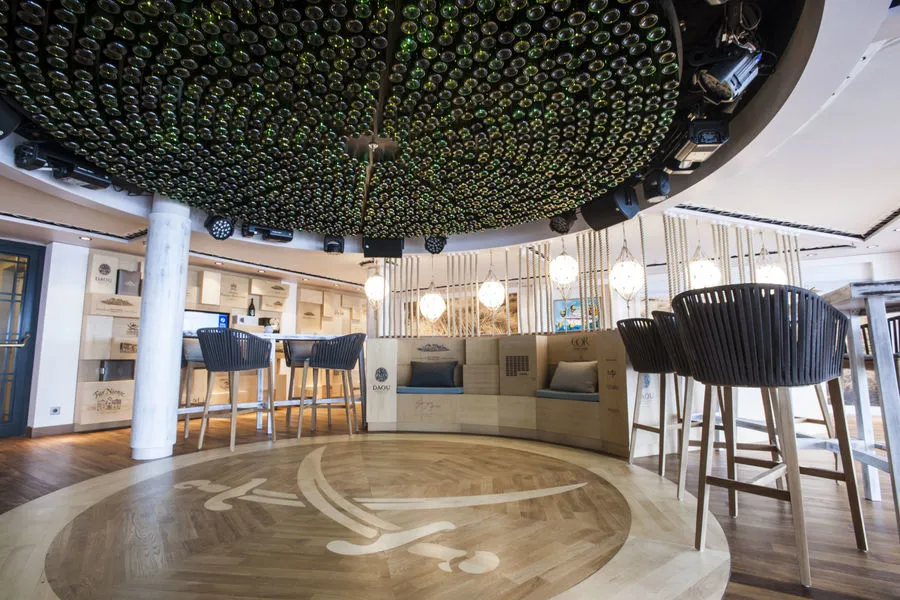

Hapag-Lloyd Cruises
MS EUROPA 2
Launched
2013
Refitted
2017
Tonnage
42,830 GT
Passengers
516
Cabins
251
Crew
370
Length
739 m
Width
27 m
Speed
21 knots
Adults Only
No
Itinerary
Day 1
Day 1
Civitavecchia
Depart 19:00
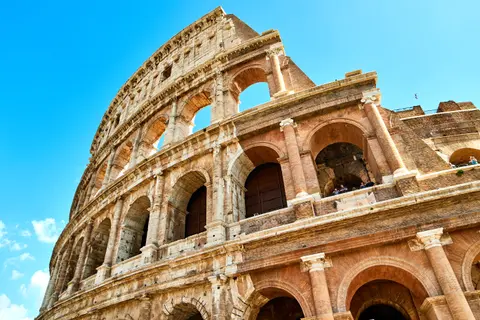
Rome's ancient maritime gateway since the Emperor Trajan commissioned its harbour in 106 AD, Civitavecchia is the natural prologue to the Eternal City — just seventy minutes southeast by express rail. The port's Renaissance fortress, designed in part by Michelangelo, anchors a working waterfront that has welcomed travellers for millennia. Beyond Rome's unmissable monuments, consider an afternoon in the Civitavecchia thermal baths, drawing on mineral waters prized since antiquity. Spring and autumn offer the ideal balance of mild weather and manageable crowds for exploring the capital's layered history.
Day 2
Day 2
Naples
Arrive 08:00
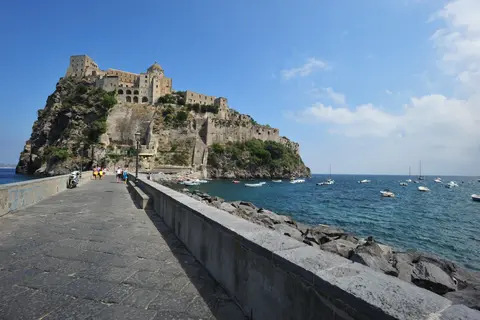
Naples — Napoli — is Europe's most operatically alive city, a sun-battered baroque metropolis where Vesuvius broods on the horizon and the streets below pulse with 2,500 years of continuous human drama. The unmissable Museo Archeologico Nazionale houses the world's finest collection of artefacts from Pompeii and Herculaneum, while the Spaccanapoli, the arrow-straight artery that has bisected the city since Greek times, delivers an unfiltered encounter with Neapolitan life. A single slice of pizza Margherita from one of the centro storico's historic pizzerias is a culinary pilgrimage in itself. Visit between April and June or September and October for warmth, manageable crowds, and the city at its golden best.
Day 3
Day 3
Capri
Arrive 07:00Depart 18:00
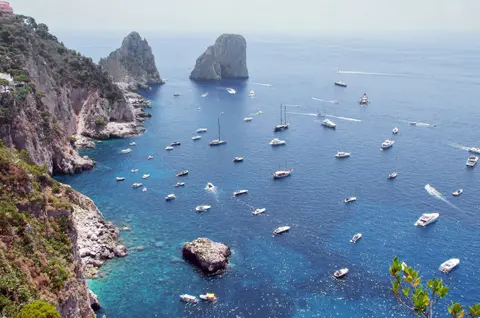
Capri is a legendary limestone island rising from the Bay of Naples, celebrated since Roman antiquity for its dramatic cliffs, the ethereal Blue Grotto, and an atmosphere of effortless Mediterranean elegance. Visitors should not miss the Grotta Azzurra's cobalt light show and the sunset view of the Faraglioni from the Piazzetta's café tables. The island is magnificent year-round, though late April through June offers ideal conditions — warm days without peak-summer crowds, wildflowers blanketing the cliff paths, and crystalline waters already inviting enough for a swim off the rocks at Marina Piccola.
Day 4
Day 4
Messina
Arrive 08:00Depart 18:00

Messina guards the storied strait that separates Sicily from the Italian mainland — the passage Homer mythologised as Scylla and Charybdis — and its Norman cathedral's astronomical clock, one of the world's largest mechanical clocks, puts on a captivating automated display each noon as gilded figures enact scenes of the Resurrection. The city was catastrophically rebuilt after the 1908 earthquake, but its markets and waterfront convey the fierce energy of a Sicilian port that has witnessed two and a half millennia of Mediterranean history. Messina is the perfect gateway to Taormina, a 40-minute drive into the hills above the Ionian coast, with views of Etna at their most dramatic. Spring and autumn are ideal.
Day 5
Day 5
Syracuse
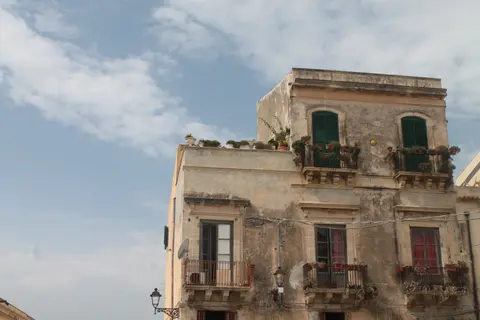
Syracuse (Siracusa) is one of the ancient world's greatest cities, featuring the island quarter of Ortigia—a baroque masterpiece built over Greek temple ruins—and an archaeological park with a fifth-century BC theatre still hosting summer performances. Must-dos include Ortigia's cathedral with its embedded Greek columns, the morning market, and tasting pasta with sea urchin. April through June and September through November offer ideal temperatures.
Day 6
Day 6
At Sea
Day 7
Day 7
Kotor
Arrive 08:00Depart 18:00
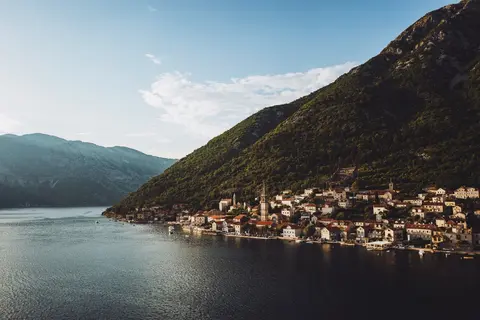
The port of Kotor, a UNESCO World Heritage site, is renowned for its stunning natural beauty and rich historical tapestry. A must-do experience includes wandering the cobblestone streets of the Old Town, where culinary delights like "kacamak" and fresh seafood await. The best time to visit is during the spring or early fall, when the weather is pleasant and the crowds are fewer.
Day 8
Day 8
Split
Arrive 08:00Depart 18:00
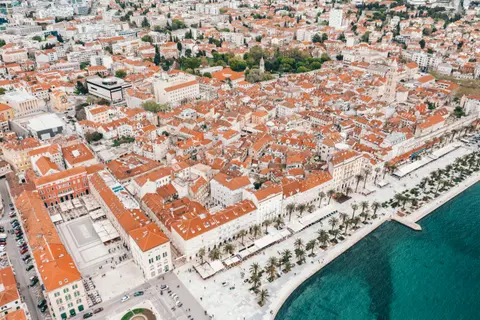
Split, Croatia's vibrant port city, is a unique blend of ancient history and modern life, centered around the remarkable Diocletian's Palace. Must-do experiences include savoring local dishes like pašticada and exploring the bustling markets. The best time to visit is during the spring and early fall, when the weather is pleasant and the tourist crowds are more manageable.
Day 9
Day 9
Korcula
Arrive 08:00Depart 18:00
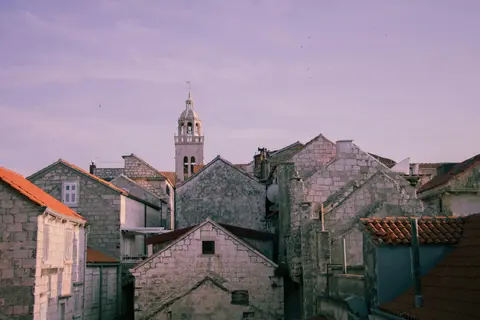
Korčula is a magnificently preserved medieval island town on Croatia's Dalmatian coast, renowned as the legendary birthplace of Marco Polo and celebrated for its Venetian herringbone streets, exceptional white wines like Grk and Pošip, and centuries-old culinary traditions including slow-braised pašticada and fresh Adriatic seafood. Visitors should explore the fortified old town's limestone calles at golden hour and taste the island's rare vintages in a harbourside konoba. The best months to visit are May through early October, with late September offering warm seas, golden light, and blissful absence of peak-season crowds.
Day 10
Day 10
Dubrovnik
Arrive 07:00
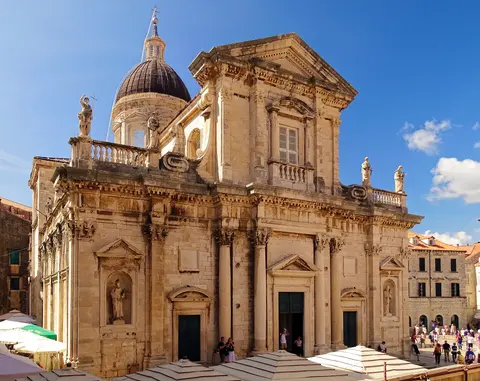
Dubrovnik, Croatia's stunning port city, is a blend of rich history, dramatic architecture, and vibrant culture, making it a must-visit destination. Don't miss a stroll along the city walls for breathtaking views and savor local dishes like "peka" and "black risotto." The best time to visit is in late spring or early fall when the weather is pleasant and the crowds are thinner.
Day 1
Civitavecchia
Depart 19:00
Rome's ancient maritime gateway since the Emperor Trajan commissioned its harbour in 106 AD, Civitavecchia is the natural prologue to the Eternal City — just seventy minutes southeast by express rail. The port's Renaissance fortress, designed in part by Michelangelo, anchors a working waterfront that has welcomed travellers for millennia. Beyond Rome's unmissable monuments, consider an afternoon in the Civitavecchia thermal baths, drawing on mineral waters prized since antiquity. Spring and autumn offer the ideal balance of mild weather and manageable crowds for exploring the capital's layered history.
Day 2
Naples
Arrive 08:00
Naples — Napoli — is Europe's most operatically alive city, a sun-battered baroque metropolis where Vesuvius broods on the horizon and the streets below pulse with 2,500 years of continuous human drama. The unmissable Museo Archeologico Nazionale houses the world's finest collection of artefacts from Pompeii and Herculaneum, while the Spaccanapoli, the arrow-straight artery that has bisected the city since Greek times, delivers an unfiltered encounter with Neapolitan life. A single slice of pizza Margherita from one of the centro storico's historic pizzerias is a culinary pilgrimage in itself. Visit between April and June or September and October for warmth, manageable crowds, and the city at its golden best.
Day 3
Capri
Arrive 07:00Depart 18:00
Capri is a legendary limestone island rising from the Bay of Naples, celebrated since Roman antiquity for its dramatic cliffs, the ethereal Blue Grotto, and an atmosphere of effortless Mediterranean elegance. Visitors should not miss the Grotta Azzurra's cobalt light show and the sunset view of the Faraglioni from the Piazzetta's café tables. The island is magnificent year-round, though late April through June offers ideal conditions — warm days without peak-summer crowds, wildflowers blanketing the cliff paths, and crystalline waters already inviting enough for a swim off the rocks at Marina Piccola.
Day 4
Messina
Arrive 08:00Depart 18:00
Messina guards the storied strait that separates Sicily from the Italian mainland — the passage Homer mythologised as Scylla and Charybdis — and its Norman cathedral's astronomical clock, one of the world's largest mechanical clocks, puts on a captivating automated display each noon as gilded figures enact scenes of the Resurrection. The city was catastrophically rebuilt after the 1908 earthquake, but its markets and waterfront convey the fierce energy of a Sicilian port that has witnessed two and a half millennia of Mediterranean history. Messina is the perfect gateway to Taormina, a 40-minute drive into the hills above the Ionian coast, with views of Etna at their most dramatic. Spring and autumn are ideal.
Day 5
Syracuse
Syracuse (Siracusa) is one of the ancient world's greatest cities, featuring the island quarter of Ortigia—a baroque masterpiece built over Greek temple ruins—and an archaeological park with a fifth-century BC theatre still hosting summer performances. Must-dos include Ortigia's cathedral with its embedded Greek columns, the morning market, and tasting pasta with sea urchin. April through June and September through November offer ideal temperatures.
Day 6
At Sea
Day 7
Kotor
Arrive 08:00Depart 18:00
The port of Kotor, a UNESCO World Heritage site, is renowned for its stunning natural beauty and rich historical tapestry. A must-do experience includes wandering the cobblestone streets of the Old Town, where culinary delights like "kacamak" and fresh seafood await. The best time to visit is during the spring or early fall, when the weather is pleasant and the crowds are fewer.
Day 8
Split
Arrive 08:00Depart 18:00
Split, Croatia's vibrant port city, is a unique blend of ancient history and modern life, centered around the remarkable Diocletian's Palace. Must-do experiences include savoring local dishes like pašticada and exploring the bustling markets. The best time to visit is during the spring and early fall, when the weather is pleasant and the tourist crowds are more manageable.
Day 9
Korcula
Arrive 08:00Depart 18:00
Korčula is a magnificently preserved medieval island town on Croatia's Dalmatian coast, renowned as the legendary birthplace of Marco Polo and celebrated for its Venetian herringbone streets, exceptional white wines like Grk and Pošip, and centuries-old culinary traditions including slow-braised pašticada and fresh Adriatic seafood. Visitors should explore the fortified old town's limestone calles at golden hour and taste the island's rare vintages in a harbourside konoba. The best months to visit are May through early October, with late September offering warm seas, golden light, and blissful absence of peak-season crowds.
Day 10
Dubrovnik
Arrive 07:00
Dubrovnik, Croatia's stunning port city, is a blend of rich history, dramatic architecture, and vibrant culture, making it a must-visit destination. Don't miss a stroll along the city walls for breathtaking views and savor local dishes like "peka" and "black risotto." The best time to visit is in late spring or early fall when the weather is pleasant and the crowds are thinner.
Cabin Categories
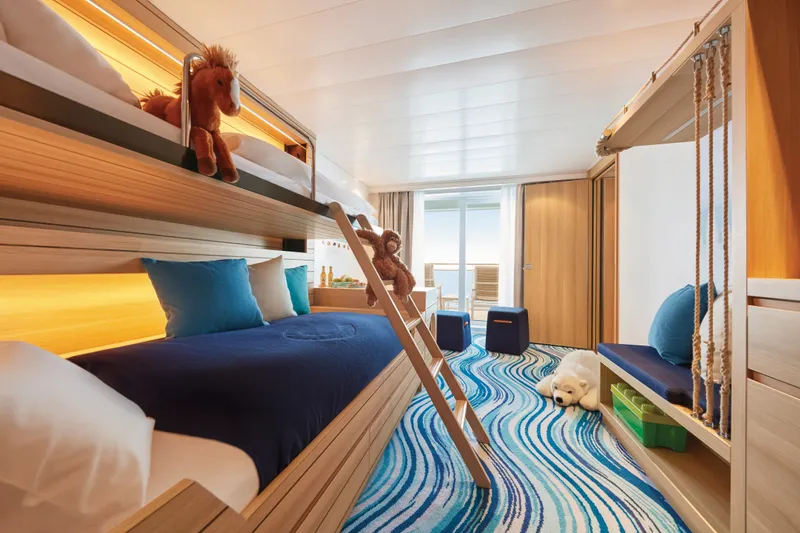
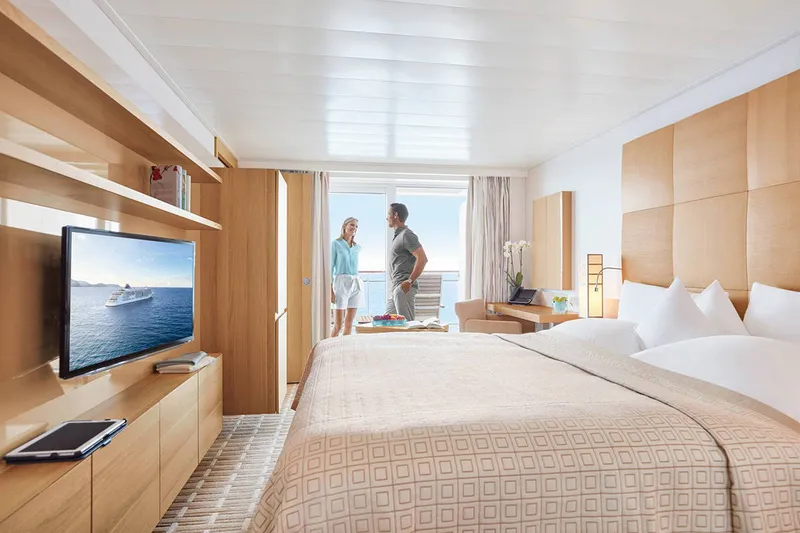
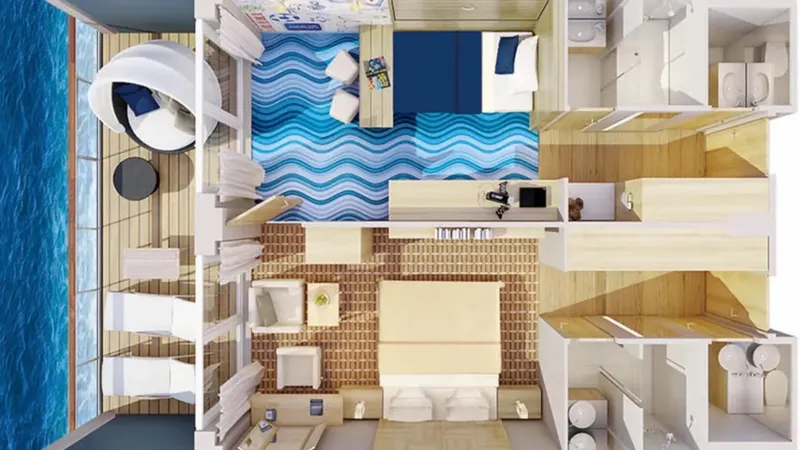
Family Suite
Outside
291 m²Max 4
12
In the family apartment, parents and children live in two separate sections that are connected with each other by a door and via the veranda.
Living area: 2× 20 m²; veranda: 2× 7 m²
Connecting door between the rooms and verandas.
Separate WCs.
Free mini bar (beer and soft drinks).
Double or Twin ConfigurationPullman BedLounge AreaShowerBathRoom Service Available+6
View Details
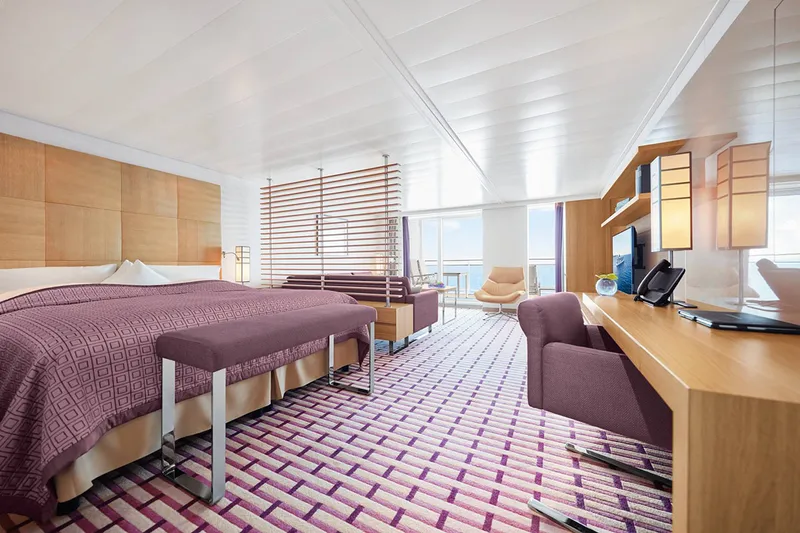
Grand Ocean Suite
Suite
0607
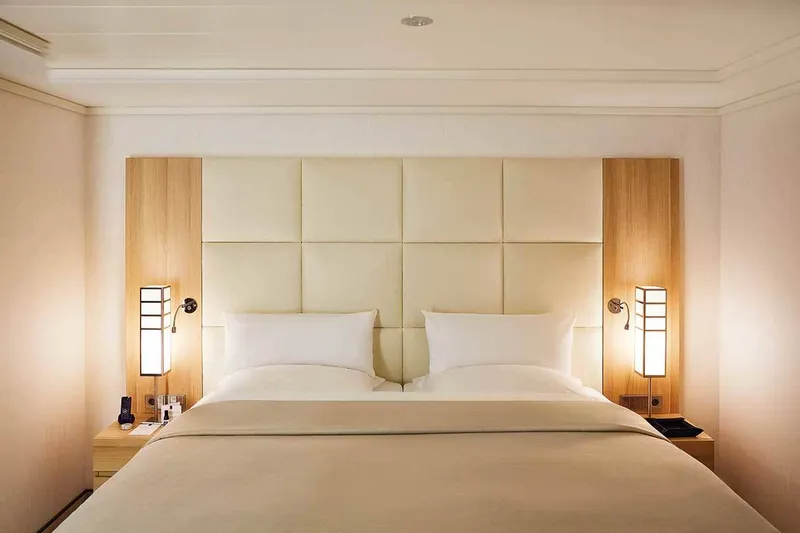
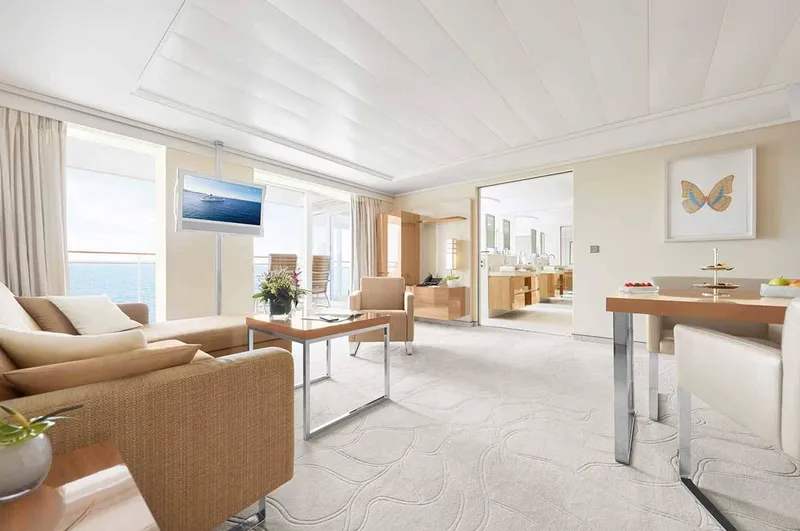
Private oasis of wellbeing and stylish relaxation zone – in the Spa Suite, everyday life is nothing but a distant memory. Indulge your body and soul at the highest level – with warm shades and a spa bathroom with panoramic views of the sea.
Living area: 42 m²; veranda: 10 m².
Bathroom with two washbasins.
Separate WC..
Butler service.
Daylight in the bathroom.
TV in the bathroom mirror.
Rain shower with steam sauna.
Whirlpool tub.
Free mini bar (beer, soft drinks and a selection of high-quality spirits)
US$12,034 /person+ US$0 taxes & fees
Grand Penthouse Suite
Suite
947 m²Max 3
10
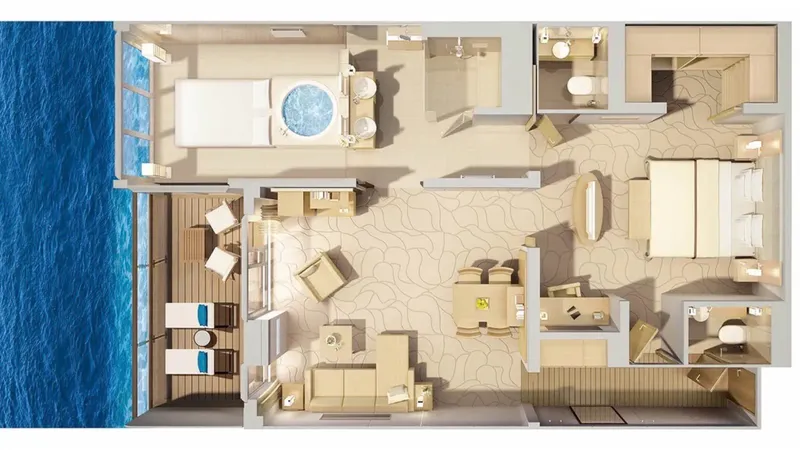
In the Grand Penthouse Suite you can enjoy lavishness at sea and experience an exclusive break of superior quality – on a daybed with view of the endless sea or while taking a bath in the middle of the ocean in your private whirlpool.
Living area: 78 m²; veranda: 10 m²
Separate living and sleeping areas.
Separate dining table.
Guest WC.
Bathroom with two washbasins.
Shower with steam sauna.
Whirlpool.
Daybed and TV in the bathroom area
Spacious walk-in wardrobe
Butler service
Free mini-bar (beer, soft drinks and a selection of high-quality spirits).
Further exclusive service privileges.
Double or Twin ConfigurationLounge AreaShowerWhirlpool BathSuite BenefitsFree Mini Bar+7
View Details
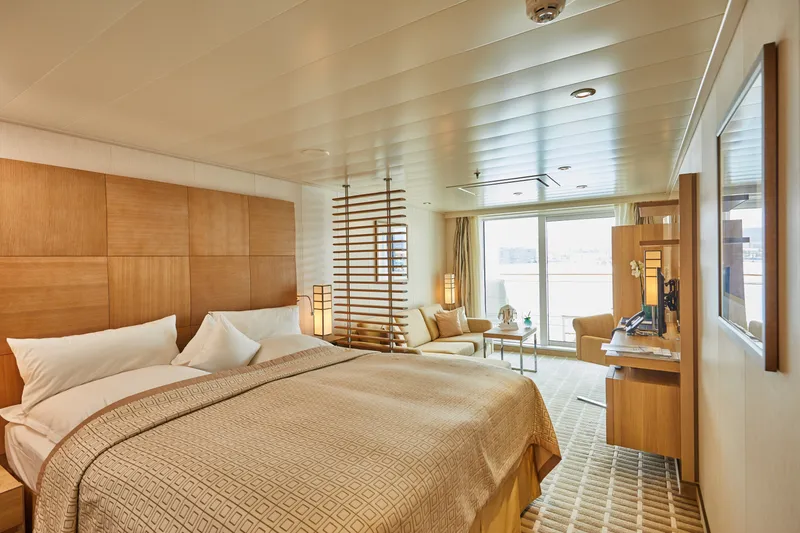
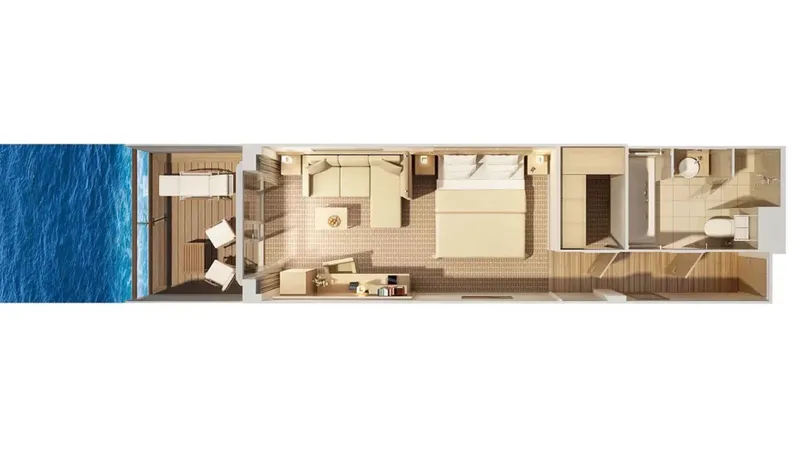
Guaranteed Suite
Suite
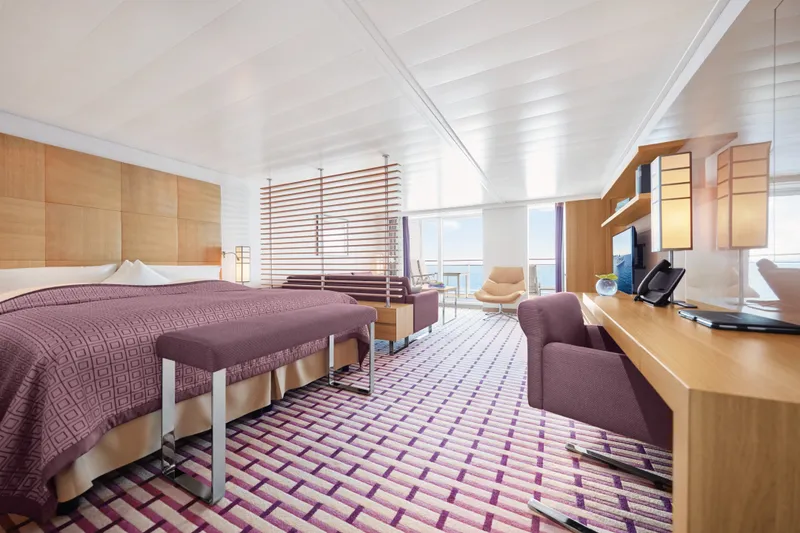
377–560 m²Max 3
S01OS01VS02OS02VS03OS03VS04OS04VS05S06S07S08S09SGOSGPSVO1SVO3SVOS
Guaranteed Suite
Double or Twin ConfigurationShowerBathRoom Service AvailableFree Mini BarTV+6
View Details
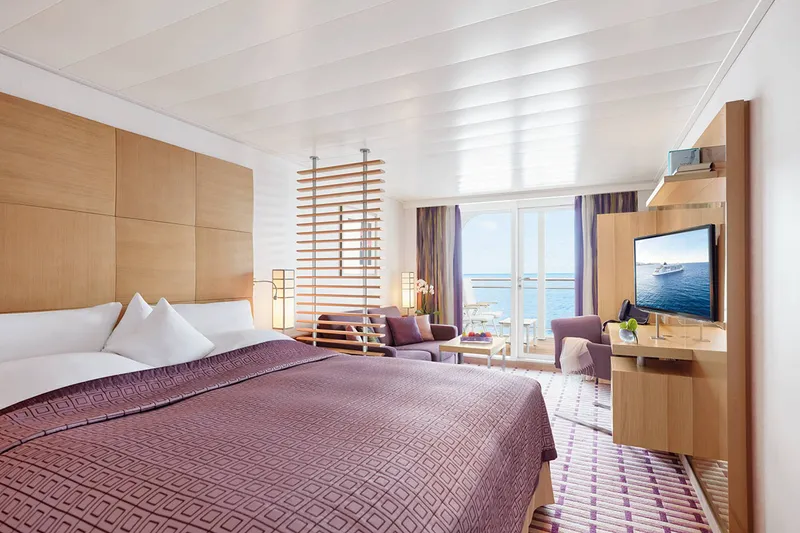
Ocean Suite
Suite
01O02O03O04O
Living area: 28 m² (301 ft²)
Veranda: 7 m² (75 ft²)
Natural light in the bathroom
Bathroom with two sinks
Whirlpool tub and separate shower
Separate toilet
Free mini bar
US$8,855 /person+ US$0 taxes & fees
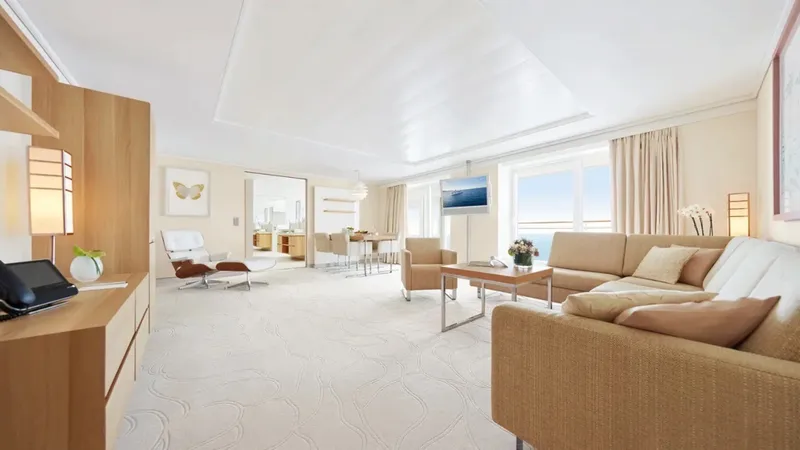
Owner's Suite
Suite
1227 m²Max 4
11
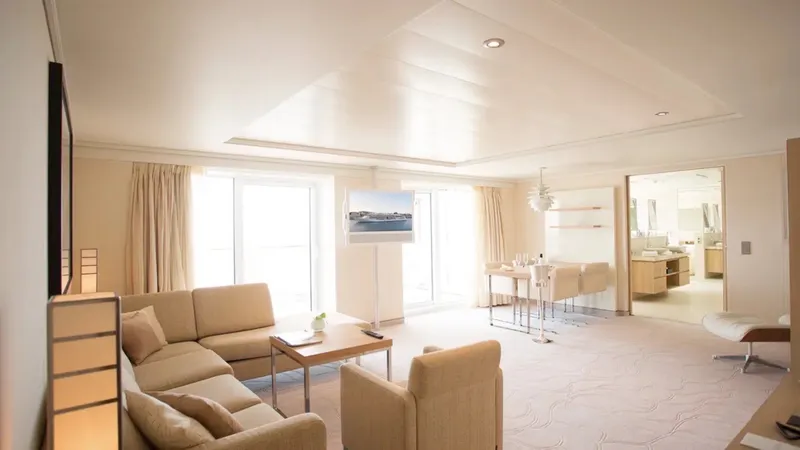
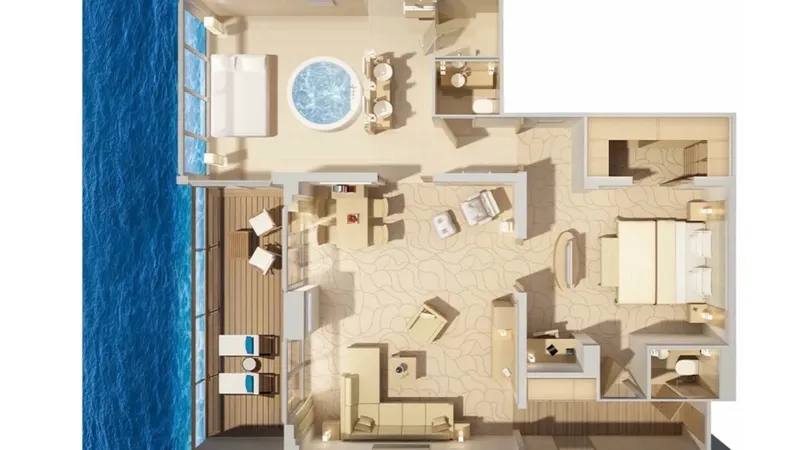
The Owner’s Suite is far more than our most exclusive suite; it is a select domicile on the oceans of the world. Enjoy every imaginable convenience on more than 114 square metres of personal freedom.
Living area: 99 m²; veranda: 15 m².
Separate living and sleeping areas.
Separate dining table.
Guest WC.
Bathroom with two washbasins.
Shower with steam sauna.
Whirlpool.
Daybed and TV in the bathroom area.
Spacious walk-in wardrobe.
Butler service.
Free mini bar (beer, soft drinks and a selection of high-quality spirits).
Further exclusive service privileges.
Double or Twin ConfigurationLounge AreaShowerRoom Service AvailableSuite BenefitsFree Mini Bar+8
View Details
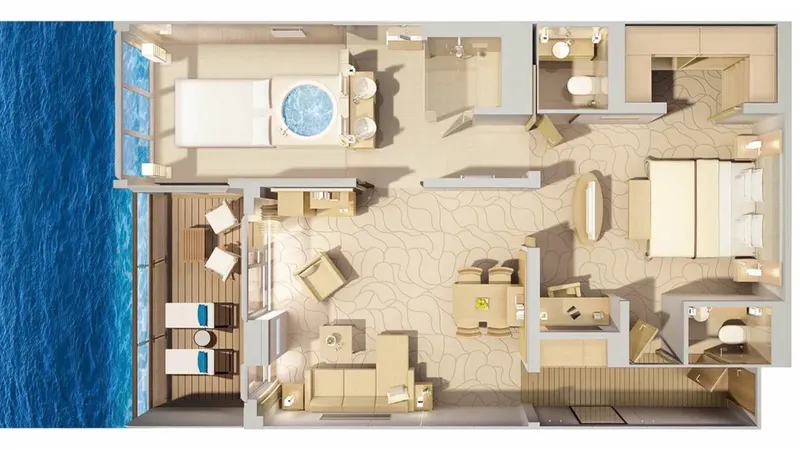
Penthouse Suite
Suite
947 m²Max 3
080913
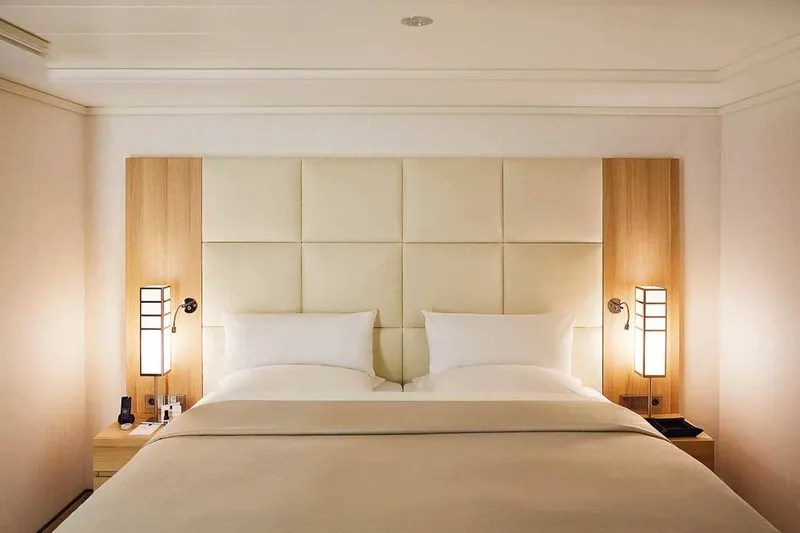
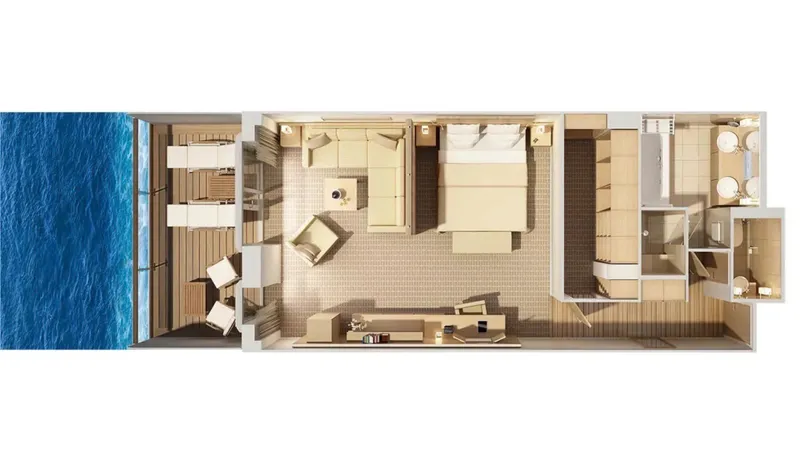
A fantastically spacious suite with every conceivable comfort, uniquely located on the upper decks – is there a more beautiful place to relax? In the Grand Suite, you can enjoy the endless views of the sea and the conveniences of a classical Grand Suite.
Living area: 42 m²; veranda: 10 m².
Bathroom with two washbasins.
Separate WC.
Butler service.
TV in the bathroom mirror.
Walk-in wardrobe.
Bathtub and separate shower.
Free mini bar (beer, soft drinks and a selection of high-quality spirits).
The Grand Suite is also available with facilities suitable for the physically disabled.
Double or Twin ConfigurationLounge AreaShowerWhirlpool BathSuite BenefitsFree Mini Bar+7
US$14,399 /person+ US$0 taxes & fees
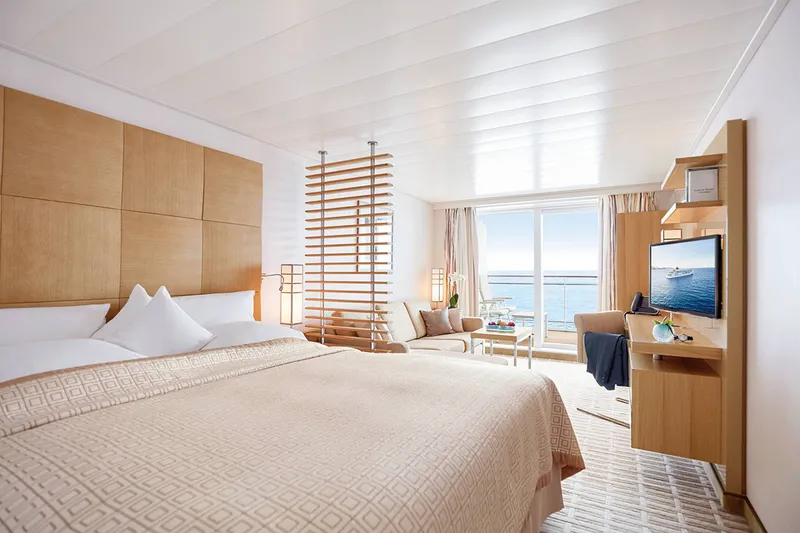
Veranda Suite
Suite
01V02V03V04V05
Living area: 28 m² (301 ft²)
Veranda: 7 m² (75 ft²)
Walk-in wardrobe
Exclusive living area with a chaise longue
Bathtub and separate shower
Free mini bar
US$8,184 /person+ US$0 taxes & fees
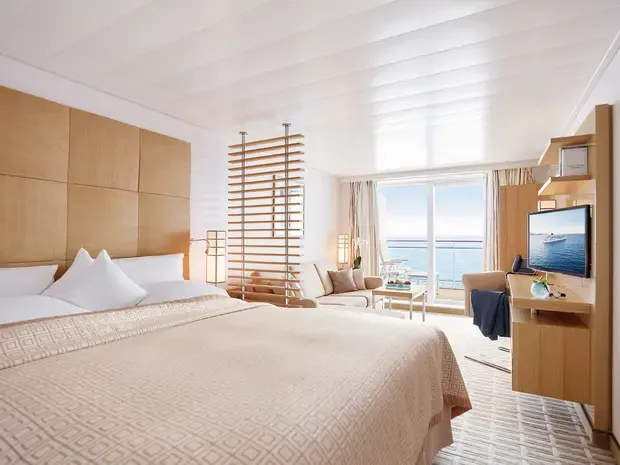
Guaranteed Balcony
Balcony
S12
Guaranteed Balcony
View Details
Interested in This Voyage?
Our cruise specialists can help you find the perfect cabin and the best available pricing.
(+886) 02-2721-7300Contact Advisor