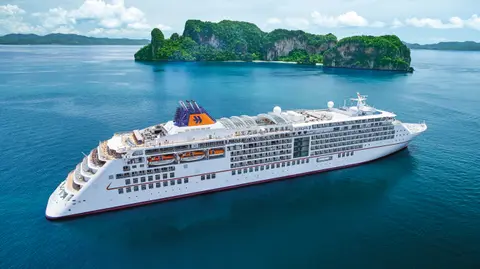
Lisbon to Victoria, Seychelles
Date
2026-10-18
Duration
63 nights
Departure Port
Lisbon
Portugal
Arrival Port
Victoria
Canada
Rating
—
Theme
—
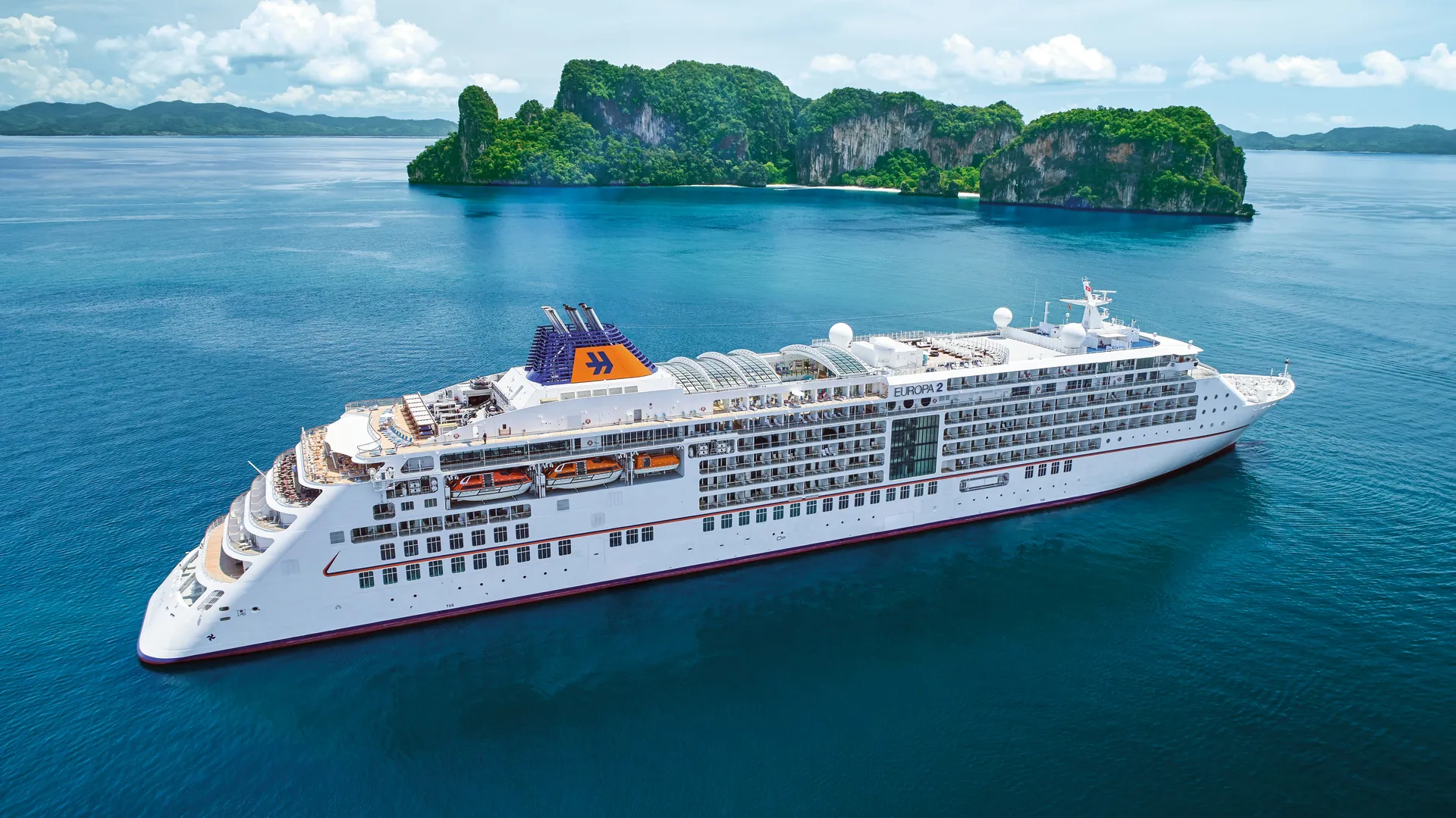
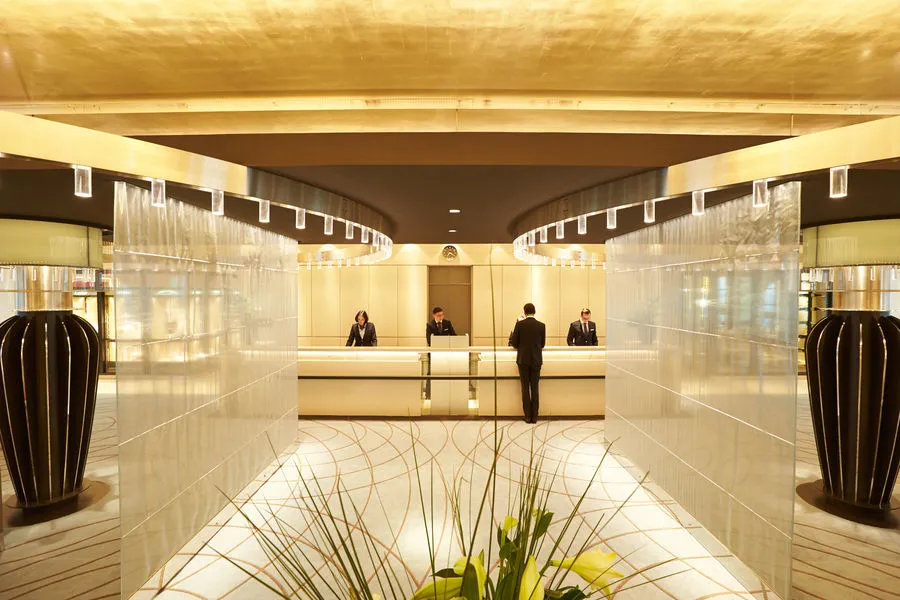
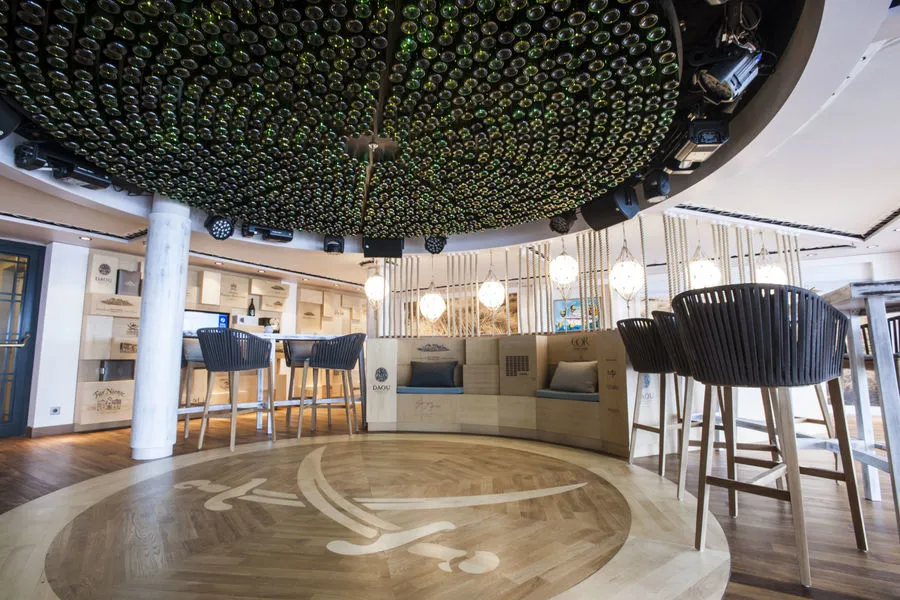

Hapag-Lloyd Cruises
MS EUROPA 2
Launched
2013
Refitted
2017
Tonnage
42,830 GT
Passengers
516
Cabins
251
Crew
370
Length
739 m
Width
27 m
Speed
21 knots
Adults Only
No
Itinerary
Day 1
Day 1
Lisbon
Depart 19:00
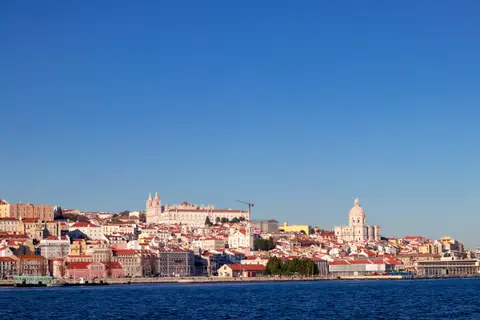
Lisbon, Portugal's enchanting capital, stands out for its rich history, stunning architecture, and vibrant culture. Must-try experiences include savoring local dishes like bacalhau à brás and pastéis de nata at Mercado da Ribeira. The best time to visit is during the spring or fall, when the weather is mild and the city is alive with festivals and events.
Day 2
Day 2
At Sea
Day 3
Day 3
Tangier
Arrive 08:30Depart 18:00
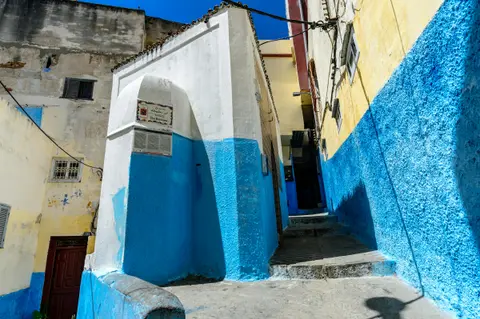
Tangier is Morocco's storied gateway between Africa and Europe, a city of Phoenician origins where a whitewashed medina, vibrant souks, and a cosmopolitan waterfront converge at the Strait of Gibraltar. Visitors should not miss savouring traditional pastilla in a rooftop riad and exploring the Kasbah's amber-lit ramparts at sunset. The ideal season to arrive is April through June or September through October, when mild Mediterranean temperatures and fewer crowds allow the city's layered beauty to reveal itself at an unhurried, luxurious pace.
Day 4
Day 4
Casablanca
Arrive 13:00
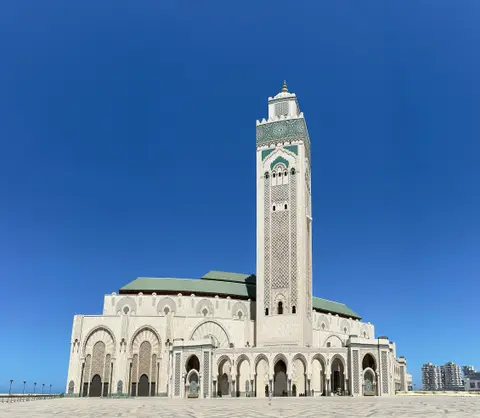
Casablanca is Morocco's largest city, a striking fusion of Berber heritage, French colonial art deco architecture, and contemporary ambition anchored by the towering Hassan II Mosque on the Atlantic shore. Visitors should not miss the Central Market's freshly grilled seafood and a half-day excursion to the imperial capital Rabat or the UNESCO-listed fortress of Aït Ben Haddou. The optimal season for cruising into Casablanca is April through June or September through November, when temperatures hover between twenty and twenty-seven degrees and the Atlantic light renders the white city at its most luminous.
Day 6
Day 6
At Sea
Day 7
Day 7
Agadir
Arrive 08:00Depart 19:00
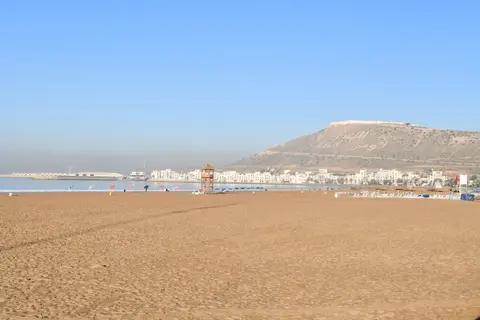
Agadir is southern Morocco's premier coastal resort, rebuilt after a devastating 1960 earthquake into a modern city framed by a magnificent six-kilometer beach and the Atlas Mountains. Feast on just-caught sardines grilled at the harbor, shop for argan oil at the vast Souk El Had, and day-trip to the palm-shaded swimming pools of Paradise Valley. October through April provides ideal temperatures, with Azamara, Costa, and Viking calling at the commercial port.
Day 8
Day 8
Arrecife
Arrive 12:00Depart 19:00
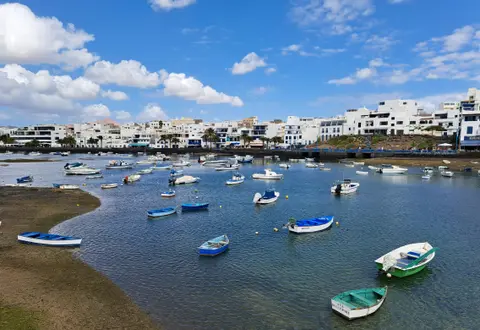
Arrecife, the unpretentious capital of Lanzarote in Spain's Canary Islands, serves as the gateway to one of the volcanic world's most surreal and spellbinding landscapes — shaped by César Manrique, the visionary artist who ensured there are no high-rises, no billboards, and no compromise between tourism and the island's extraordinary terrain. The Timanfaya National Park's lava fields, the underground lake of the Jameos del Agua, and Manrique's own clifftop home-turned-museum are among the most singular attractions in all of Spain. The Canary Islands enjoy a year-round temperate climate, making any month suitable for a visit. Gran Canaria lies forty minutes by ferry.
Day 9
Day 9
San Sebastian
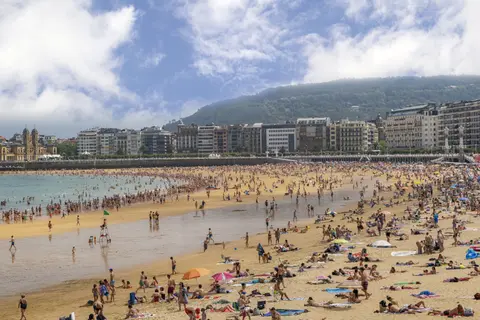
San Sebastián de La Gomera is the tranquil capital of a UNESCO Biosphere Reserve in the Canary Islands — the very harbour from which Columbus departed for the New World in 1492. Visitors should lose themselves in the primordial laurel forests of Garajonay National Park and taste almogrote, the island's singular smoked-cheese spread, at a hillside terrace overlooking the Atlantic. The mild subtropical climate makes La Gomera rewarding year-round, though late spring and autumn offer the clearest skies for hiking the cloud forest trails.
Day 10
Day 10
Santa Cruz de la Palma
Arrive 08:30Depart 23:30
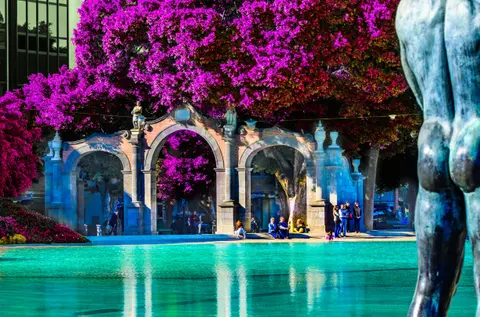
Santa Cruz de la Palma is the charming capital of La Palma, known for its colonial architecture and rich maritime history. Must-do experiences include savoring local dishes like "papas arrugadas" and exploring the stunning landscapes of Taburiente National Park. The best time to visit is during the spring and fall months when the weather is mild and perfect for outdoor adventures.
Day 11
Day 11
Santa Cruz de Tenerife
Arrive 08:30
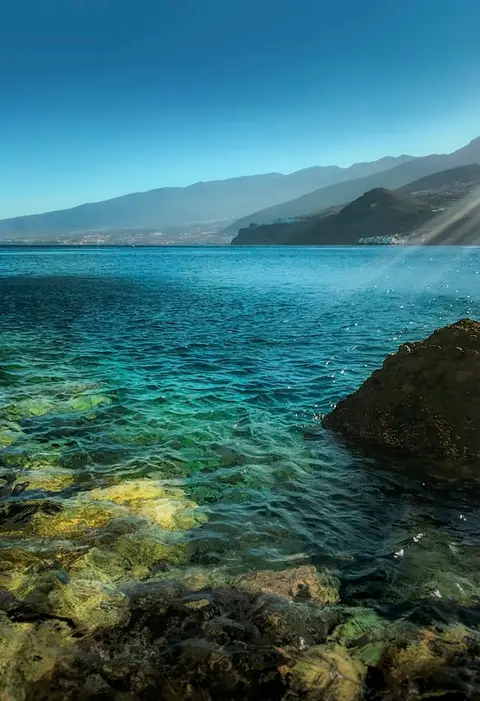
Santa Cruz de Tenerife, the cosmopolitan capital of the Canary Islands, balances volcanic grandeur with refined urban pleasures — from the Santiago Calatrava–designed Auditorio rising beside the Atlantic to the ancient dragon tree at Icod de los Vinos and the World Heritage Teide volcano looming above the island. The city's Carnival, second in scale only to Rio de Janeiro's, erupts each February in spectacular costumes and street revelry. Local wines from the volcanic slopes, wrinkled potatoes with mojo verde, and fresh Atlantic fish define the island's culinary character. November through April offers reliably warm, sun-drenched conditions.
Day 13
Day 13
At Sea
Day 14
Day 14
At Sea
Day 15
Day 15
Dakar
Arrive 08:00Depart 19:00
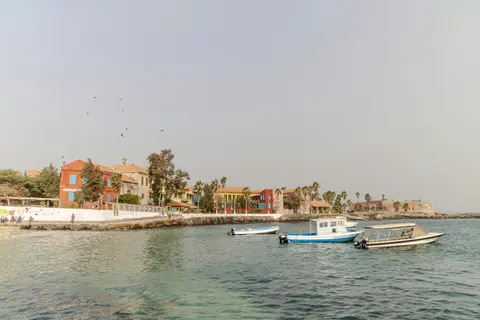
Dakar, at Africa's westernmost point, is Senegal's pulsating capital where West African creativity, powerful history, and vibrant Wolof culture collide. Must-dos include the deeply moving Gorée Island slave house, the African Renaissance Monument, and feasting on thiéboudienne and yassa at local restaurants. November through May offers the most comfortable dry-season conditions.
Day 16
Day 16
Banjul
Arrive 08:00Depart 18:00
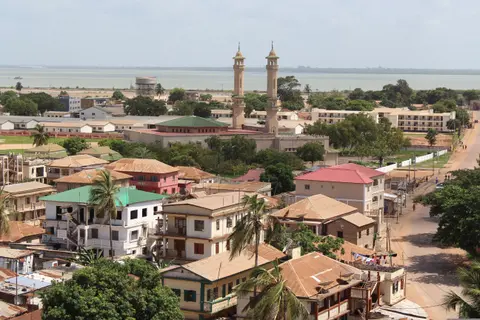
Banjul, the sun-drenched capital of The Gambia, is a West African port city where colonial heritage, vibrant market culture, and the mighty Gambia River converge to create an experience of rare authenticity. Visitors should not miss the sensory theatre of Albert Market and a river excursion upstream toward Tendaba Camp's legendary birdwatching grounds. The dry season from November through May offers the most rewarding conditions, with cooler temperatures, abundant migratory birdlife, and calm waters ideal for estuary exploration.
Day 17
Day 17
At Sea
Day 18
Day 18
At Sea
Day 19
Day 19
At Sea
Day 20
Day 20
At Sea
Day 21
Day 21
Sao Tome Island
Arrive 08:00Depart 18:00
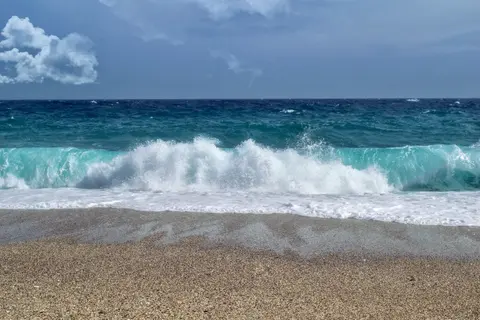
Sao Tome Island, Sao Tome and Principe is a distinctive port city where deep cultural heritage meets authentic local atmosphere, featured on itineraries by Regent Seven Seas Cruises. Must-do experiences include exploring the vibrant local markets for regional specialties and fresh seafood, and discovering the waterfront quarter where maritime heritage meets contemporary energy. The optimal time to visit is November through April, when dry season brings clear skies and calm seas.
Day 22
Day 22
At Sea
Day 23
Day 23
At Sea
Day 24
Day 24
Luanda
Arrive 07:00Depart 18:00
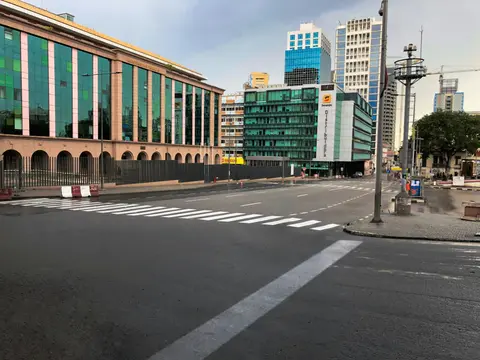
Luanda, Angola is a distinctive port city where deep cultural heritage meets authentic local atmosphere, featured on itineraries by Silversea. Must-do experiences include exploring the vibrant local markets for regional specialties and fresh seafood, and discovering the waterfront quarter where maritime heritage meets contemporary energy. The optimal time to visit is November through April, when dry season brings clear skies and calm seas.
Day 25
Day 25
Lobito
Arrive 10:00Depart 18:00
Lobito is a historic port city on Angola's Atlantic coast, known for its stunning Restinga sandspit, colonial-era architecture, and vibrant fishing culture. Visitors should explore the Benguela Railway, sample grilled seafood with muamba sauce at waterfront restaurants, and discover the pristine beaches of Baía Azul. The dry season from May to October offers the most comfortable weather for exploration.
Day 26
Day 26
At Sea
Day 27
Day 27
At Sea
Day 28
Day 28
Walvis Bay
Arrive 08:00
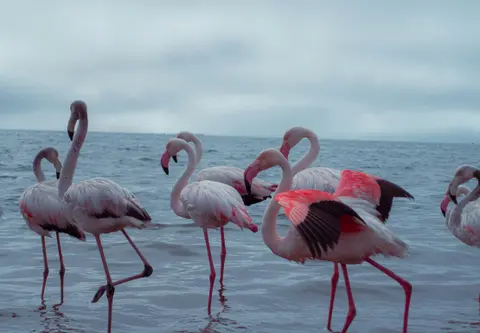
Walvis Bay is Namibia's principal deep-water port, set between the ancient dunes of the Namib Desert and the wildlife-rich Atlantic lagoon famed for its vast flamingo colonies. Visitors should not miss a catamaran cruise through the lagoon for close encounters with dolphins and Cape fur seals, nor the otherworldly dune landscapes of Sossusvlei in the Namib-Naukluft National Park. The optimal season for cruising is October through April, when southern-hemisphere spring and summer bring warm, clear days and peak flamingo populations to the bay.
Day 30
Day 30
Luderitz
Arrive 10:00Depart 18:00

Luderitz is a surreal German colonial town on Namibia's desert coast, where Art Nouveau architecture, Lutheran churches, and half-timbered houses face the cold Atlantic amid some of Earth's most desolate terrain. Must-dos include visiting the sand-swallowed ghost town of Kolmanskop, feasting on West Coast crayfish, and admiring the Jugendstil Goerke Haus. September through April offers the warmest weather for this extraordinary desert-meets-ocean destination.
Day 31
Day 31
At Sea
Day 32
Day 32
Cape Town
Arrive 05:00
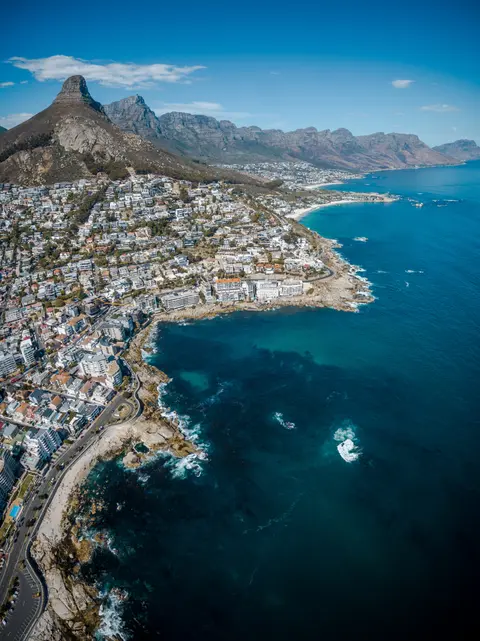
Cape Town's port is a vibrant blend of history, culture, and natural beauty, making it a premier destination for travelers. Must-do experiences include savoring local dishes like bobotie and exploring the bustling V&A Waterfront. The best season to visit is during the Southern Hemisphere summer, from December to February, when the weather is warm and perfect for outdoor adventures.
Day 34
Day 34
Mossel Bay
Arrive 09:00Depart 17:00
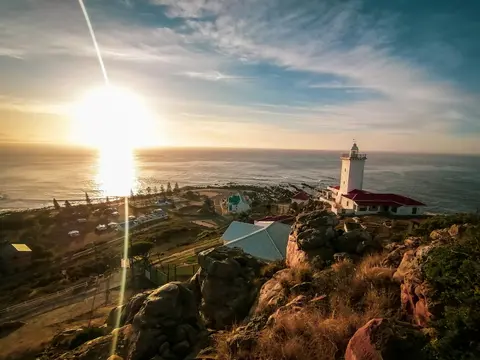
Mossel Bay, on South Africa's Garden Route, shelters Pinnacle Point caves where 164,000-year-old evidence of modern human behavior was discovered, and the harbor where Bartolomeu Dias first rounded the Cape. Great white shark encounters, coastal whale watching, and exceptional braai-grilled seafood define this unpretentious coastal town. Azamara, Hapag-Lloyd Cruises, and Regent Seven Seas Cruises bring travelers to a destination layered with human history from prehistoric caves to the age of exploration.
Day 35
Day 35
Gqeberha
Depart 19:00
Gqeberha (formerly Port Elizabeth) is a welcoming Eastern Cape city on South Africa's Indian Ocean coast, gateway to the elephant-rich Addo National Park and a coastline of warm-water beaches. Must-dos include a Big Five game drive at Addo, the Route 67 Mandela art trail, and swimming at pristine Sardinia Bay. Visit September through November for spring wildlife, wildflowers, and whale watching.
Day 37
Day 37
East London
Arrive 08:00Depart 18:00
East London, South Africa, South Africa is a distinctive port city where deep cultural heritage meets authentic local atmosphere, featured on itineraries by Viking. Must-do experiences include walking the historic center to experience the layered architectural heritage, and seeking out the regional culinary traditions at a locally favored establishment away from the port area. The optimal time to visit is October through April, when warm weather and extended daylight create ideal conditions.
Day 38
Day 38
At Sea
Day 39
Day 39
Durban
Arrive 07:30
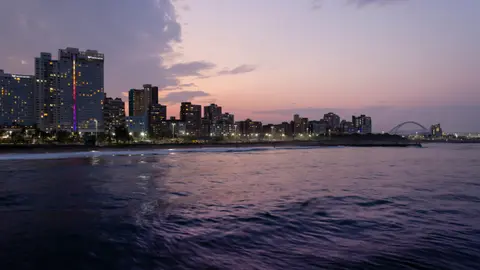
Durban is South Africa's subtropical gateway on the Indian Ocean, where Zulu, Indian, and colonial heritage converge to create one of the continent's most culturally rich port cities. Visitors should not miss savouring an authentic bunny chow in the Grey Street quarter and exploring the nearby uKhahlamba-Drakensberg mountains or iSimangaliso Wetland Park. The South African summer — November through March — delivers warm seas ideal for swimming, though the mild winters (June to August) offer comfortable touring temperatures and prime whale-watching along the KwaZulu-Natal coast.
Day 41
Day 41
At Sea
Day 42
Day 42
Maputo
Arrive 08:00Depart 18:00
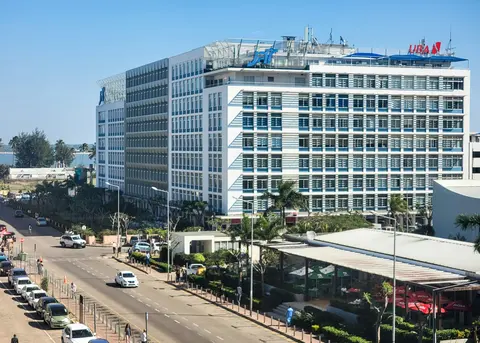
Maputo is Mozambique's vibrant Indian Ocean capital, where Portuguese colonial grandeur meets African creativity in a city of jacaranda-lined boulevards, jazz clubs, and legendary flame-grilled piri-piri prawns. Must-dos include exploring the Eiffel-associated train station, feasting on giant prawns along the Marginal, and excursions to the pristine Bazaruto Archipelago. April through November brings dry, comfortable weather ideal for city exploration and coastal diving.
Day 43
Day 43
At Sea
Day 44
Day 44
At Sea
Day 45
Day 45
Taolagnaro
Arrive 08:00Depart 17:00
Taolagnaro, Madagascar, opens a window onto Africa's extraordinary blend of natural grandeur, cultural vitality, and warm hospitality. Visitors should explore the local markets and venture into the surrounding landscapes for wildlife encounters of genuine wonder. The most favorable conditions occur November through March, during the southern hemisphere summer. Cruise lines including Azamara feature this port on their most compelling itineraries. Whether you have a few hours or a full day, the port rewards exploration at every pace and in every direction.
Day 46
Day 46
At Sea
Day 47
Day 47
Pointe Des Galets
Arrive 08:00Depart 17:00
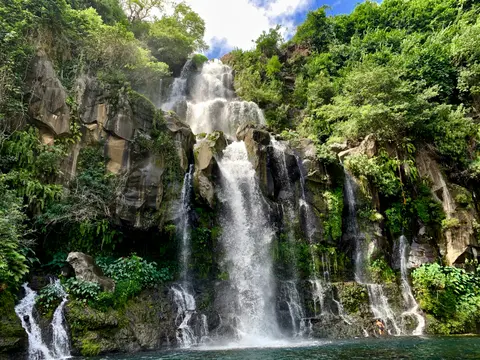
Pointe des Galets is the gateway to Réunion — the Indian Ocean's most volcanically active island, where the Piton de la Fournaise erupts every nine months and roadless cirques harbor villages accessible only by helicopter or hiking trail. Visit May through November via Cunard or Hapag-Lloyd for lunar volcanic landscapes, extraordinary Creole cuisine, and the unique experience of metropolitan French infrastructure on a tropical island of Hawaiian-scale drama.
Day 48
Day 48
Port Louis
Arrive 04:00
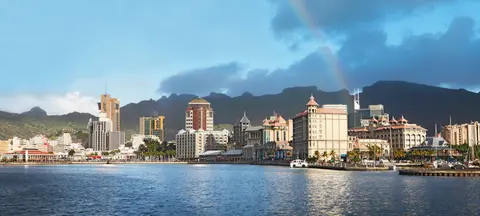
Port Louis, the cosmopolitan capital of Mauritius, is a captivating blend of French colonial architecture, UNESCO heritage sites, and one of the Indian Ocean's most vibrant food cultures — the Central Market's dholl puri and vindaye de poisson alone justify the port call. Beyond the city, the island offers Black River Gorges, the surreal seven-coloured earth of Chamarel, and the lagoons of Le Morne. The ideal cruising season runs from May through November, when the Southern Hemisphere winter delivers warm, dry days with comfortable temperatures and calm seas.
Day 50
Day 50
Pointe Des Galets
Arrive 08:00Depart 19:00
Pointe des Galets is the gateway to Réunion — the Indian Ocean's most volcanically active island, where the Piton de la Fournaise erupts every nine months and roadless cirques harbor villages accessible only by helicopter or hiking trail. Visit May through November via Cunard or Hapag-Lloyd for lunar volcanic landscapes, extraordinary Creole cuisine, and the unique experience of metropolitan French infrastructure on a tropical island of Hawaiian-scale drama.
Day 51
Day 51
At Sea
Day 52
Day 52
Toamasina
Arrive 08:00Depart 18:00
Toamasina is Madagascar's main port city on the eastern coast, gateway to the Andasibe-Mantadia rainforest where the indri — the island's largest lemur — fills the canopy with its haunting calls. Must-do experiences include lemur-watching at Andasibe, boat trips on the historic Pangalanes Canal, and browsing the vibrant Bazar Be market. September through November offers the driest weather for rainforest exploration, while January through March should be avoided due to cyclone risk.
Day 53
Day 53
Nosy Nato
Arrive 08:00Depart 13:00
Day 54
Day 54
At Sea
Day 55
Day 55
At Sea
Day 56
Day 56
Zanzibar
Arrive 08:00
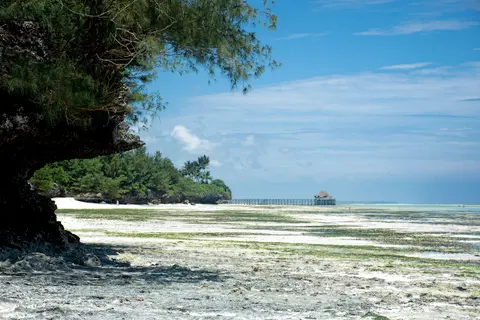
Zanzibar is an Indian Ocean archipelago off Tanzania where the UNESCO-listed Stone Town preserves a millennium of Swahili, Arab, and Indian trading heritage amid carved doors, spice markets, and the haunting former slave market. Must-dos include the Forodhani night food market, spice farm tours, and pristine Nungwi beach. June through October offers the driest, most comfortable conditions.
Day 58
Day 58
Mombasa
Arrive 08:00Depart 20:00
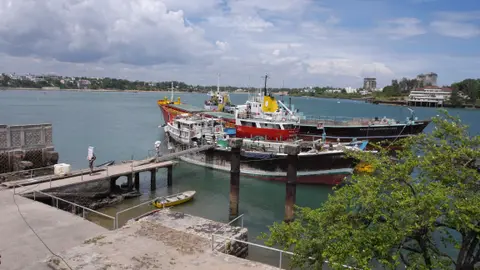
Mombasa is East Africa’s oldest and most culturally rich port city, where a UNESCO-listed Portuguese fortress overlooks a Swahili Old Town steeped in a thousand years of Indian Ocean trade. Must-dos include exploring Fort Jesus, tasting fragrant Swahili biryani and coconut curries, and combining a port call with a safari to the Maasai Mara or Amboseli. January through March and July through October offer the driest weather for both coast and safari.
Day 59
Day 59
At Sea
Day 60
Day 60
At Sea
Day 61
Day 61
Praslin
Arrive 12:01
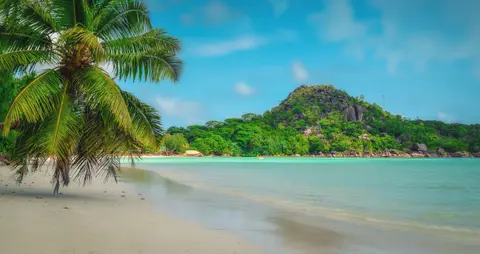
Praslin is the Seychelles' second-largest island, home to the UNESCO-listed Vallée de Mai primeval palm forest and beaches consistently ranked among the world's most beautiful. Visit during the transitional months of April-May or October-November for calm seas, the ancient coco de mer forest, and snorkeling in crystalline waters off Anse Lazio.
Day 62
Day 62
La Digue
Arrive 08:00Depart 19:00
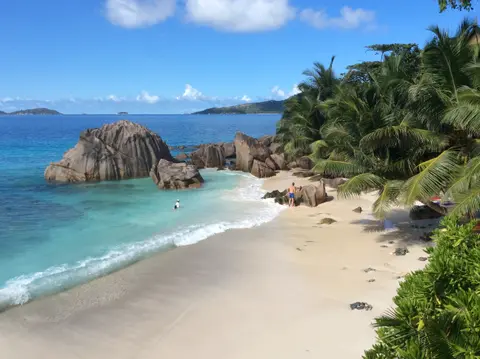
La Digue is the smallest inhabited granitic island in the Seychelles, where ancient granite boulders frame the world-famous Anse Source d'Argent beach and bicycles remain the primary transport. Visitors cycle through tropical splendour, spot the endangered Seychelles paradise flycatcher, and feast on Creole cuisine of grilled snapper, octopus curry, and vanilla-scented ladob. AIDA, Azamara, Emerald Yacht Cruises, and Ponant call on Indian Ocean itineraries, with April-May and October-November offering the calmest seas and most reliable sunshine.
Day 63
Day 63
Victoria
Arrive 09:00
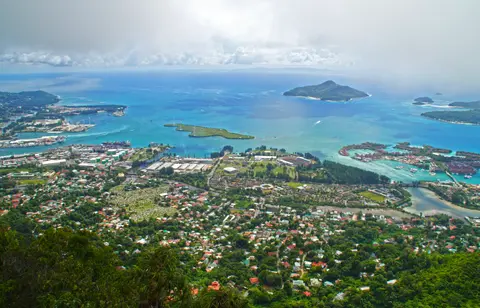
Victoria is the world's smallest capital city, heart of the Seychelles archipelago on the granite island of Mahé, where endemic coco de mer palms, spectacular beaches framed by massive boulders, and a vibrant Creole market culture converge. Must-do experiences include browsing the Sir Selwyn Selwyn-Clarke Market, hiking the Copolia Trail through endemic forests, and swimming at Anse Intendance beach. May through September offers the coolest, driest conditions for exploration.
Day 1
Lisbon
Depart 19:00
Lisbon, Portugal's enchanting capital, stands out for its rich history, stunning architecture, and vibrant culture. Must-try experiences include savoring local dishes like bacalhau à brás and pastéis de nata at Mercado da Ribeira. The best time to visit is during the spring or fall, when the weather is mild and the city is alive with festivals and events.
Day 2
At Sea
Day 3
Tangier
Arrive 08:30Depart 18:00
Tangier is Morocco's storied gateway between Africa and Europe, a city of Phoenician origins where a whitewashed medina, vibrant souks, and a cosmopolitan waterfront converge at the Strait of Gibraltar. Visitors should not miss savouring traditional pastilla in a rooftop riad and exploring the Kasbah's amber-lit ramparts at sunset. The ideal season to arrive is April through June or September through October, when mild Mediterranean temperatures and fewer crowds allow the city's layered beauty to reveal itself at an unhurried, luxurious pace.
Day 4
Casablanca
Arrive 13:00
Casablanca is Morocco's largest city, a striking fusion of Berber heritage, French colonial art deco architecture, and contemporary ambition anchored by the towering Hassan II Mosque on the Atlantic shore. Visitors should not miss the Central Market's freshly grilled seafood and a half-day excursion to the imperial capital Rabat or the UNESCO-listed fortress of Aït Ben Haddou. The optimal season for cruising into Casablanca is April through June or September through November, when temperatures hover between twenty and twenty-seven degrees and the Atlantic light renders the white city at its most luminous.
Day 6
At Sea
Day 7
Agadir
Arrive 08:00Depart 19:00
Agadir is southern Morocco's premier coastal resort, rebuilt after a devastating 1960 earthquake into a modern city framed by a magnificent six-kilometer beach and the Atlas Mountains. Feast on just-caught sardines grilled at the harbor, shop for argan oil at the vast Souk El Had, and day-trip to the palm-shaded swimming pools of Paradise Valley. October through April provides ideal temperatures, with Azamara, Costa, and Viking calling at the commercial port.
Day 8
Arrecife
Arrive 12:00Depart 19:00
Arrecife, the unpretentious capital of Lanzarote in Spain's Canary Islands, serves as the gateway to one of the volcanic world's most surreal and spellbinding landscapes — shaped by César Manrique, the visionary artist who ensured there are no high-rises, no billboards, and no compromise between tourism and the island's extraordinary terrain. The Timanfaya National Park's lava fields, the underground lake of the Jameos del Agua, and Manrique's own clifftop home-turned-museum are among the most singular attractions in all of Spain. The Canary Islands enjoy a year-round temperate climate, making any month suitable for a visit. Gran Canaria lies forty minutes by ferry.
Day 9
San Sebastian
San Sebastián de La Gomera is the tranquil capital of a UNESCO Biosphere Reserve in the Canary Islands — the very harbour from which Columbus departed for the New World in 1492. Visitors should lose themselves in the primordial laurel forests of Garajonay National Park and taste almogrote, the island's singular smoked-cheese spread, at a hillside terrace overlooking the Atlantic. The mild subtropical climate makes La Gomera rewarding year-round, though late spring and autumn offer the clearest skies for hiking the cloud forest trails.
Day 10
Santa Cruz de la Palma
Arrive 08:30Depart 23:30
Santa Cruz de la Palma is the charming capital of La Palma, known for its colonial architecture and rich maritime history. Must-do experiences include savoring local dishes like "papas arrugadas" and exploring the stunning landscapes of Taburiente National Park. The best time to visit is during the spring and fall months when the weather is mild and perfect for outdoor adventures.
Day 11
Santa Cruz de Tenerife
Arrive 08:30
Santa Cruz de Tenerife, the cosmopolitan capital of the Canary Islands, balances volcanic grandeur with refined urban pleasures — from the Santiago Calatrava–designed Auditorio rising beside the Atlantic to the ancient dragon tree at Icod de los Vinos and the World Heritage Teide volcano looming above the island. The city's Carnival, second in scale only to Rio de Janeiro's, erupts each February in spectacular costumes and street revelry. Local wines from the volcanic slopes, wrinkled potatoes with mojo verde, and fresh Atlantic fish define the island's culinary character. November through April offers reliably warm, sun-drenched conditions.
Day 13
At Sea
Day 14
At Sea
Day 15
Dakar
Arrive 08:00Depart 19:00
Dakar, at Africa's westernmost point, is Senegal's pulsating capital where West African creativity, powerful history, and vibrant Wolof culture collide. Must-dos include the deeply moving Gorée Island slave house, the African Renaissance Monument, and feasting on thiéboudienne and yassa at local restaurants. November through May offers the most comfortable dry-season conditions.
Day 16
Banjul
Arrive 08:00Depart 18:00
Banjul, the sun-drenched capital of The Gambia, is a West African port city where colonial heritage, vibrant market culture, and the mighty Gambia River converge to create an experience of rare authenticity. Visitors should not miss the sensory theatre of Albert Market and a river excursion upstream toward Tendaba Camp's legendary birdwatching grounds. The dry season from November through May offers the most rewarding conditions, with cooler temperatures, abundant migratory birdlife, and calm waters ideal for estuary exploration.
Day 17
At Sea
Day 18
At Sea
Day 19
At Sea
Day 20
At Sea
Day 21
Sao Tome Island
Arrive 08:00Depart 18:00
Sao Tome Island, Sao Tome and Principe is a distinctive port city where deep cultural heritage meets authentic local atmosphere, featured on itineraries by Regent Seven Seas Cruises. Must-do experiences include exploring the vibrant local markets for regional specialties and fresh seafood, and discovering the waterfront quarter where maritime heritage meets contemporary energy. The optimal time to visit is November through April, when dry season brings clear skies and calm seas.
Day 22
At Sea
Day 23
At Sea
Day 24
Luanda
Arrive 07:00Depart 18:00
Luanda, Angola is a distinctive port city where deep cultural heritage meets authentic local atmosphere, featured on itineraries by Silversea. Must-do experiences include exploring the vibrant local markets for regional specialties and fresh seafood, and discovering the waterfront quarter where maritime heritage meets contemporary energy. The optimal time to visit is November through April, when dry season brings clear skies and calm seas.
Day 25
Lobito
Arrive 10:00Depart 18:00
Lobito is a historic port city on Angola's Atlantic coast, known for its stunning Restinga sandspit, colonial-era architecture, and vibrant fishing culture. Visitors should explore the Benguela Railway, sample grilled seafood with muamba sauce at waterfront restaurants, and discover the pristine beaches of Baía Azul. The dry season from May to October offers the most comfortable weather for exploration.
Day 26
At Sea
Day 27
At Sea
Day 28
Walvis Bay
Arrive 08:00
Walvis Bay is Namibia's principal deep-water port, set between the ancient dunes of the Namib Desert and the wildlife-rich Atlantic lagoon famed for its vast flamingo colonies. Visitors should not miss a catamaran cruise through the lagoon for close encounters with dolphins and Cape fur seals, nor the otherworldly dune landscapes of Sossusvlei in the Namib-Naukluft National Park. The optimal season for cruising is October through April, when southern-hemisphere spring and summer bring warm, clear days and peak flamingo populations to the bay.
Day 30
Luderitz
Arrive 10:00Depart 18:00
Luderitz is a surreal German colonial town on Namibia's desert coast, where Art Nouveau architecture, Lutheran churches, and half-timbered houses face the cold Atlantic amid some of Earth's most desolate terrain. Must-dos include visiting the sand-swallowed ghost town of Kolmanskop, feasting on West Coast crayfish, and admiring the Jugendstil Goerke Haus. September through April offers the warmest weather for this extraordinary desert-meets-ocean destination.
Day 31
At Sea
Day 32
Cape Town
Arrive 05:00
Cape Town's port is a vibrant blend of history, culture, and natural beauty, making it a premier destination for travelers. Must-do experiences include savoring local dishes like bobotie and exploring the bustling V&A Waterfront. The best season to visit is during the Southern Hemisphere summer, from December to February, when the weather is warm and perfect for outdoor adventures.
Day 34
Mossel Bay
Arrive 09:00Depart 17:00
Mossel Bay, on South Africa's Garden Route, shelters Pinnacle Point caves where 164,000-year-old evidence of modern human behavior was discovered, and the harbor where Bartolomeu Dias first rounded the Cape. Great white shark encounters, coastal whale watching, and exceptional braai-grilled seafood define this unpretentious coastal town. Azamara, Hapag-Lloyd Cruises, and Regent Seven Seas Cruises bring travelers to a destination layered with human history from prehistoric caves to the age of exploration.
Day 35
Gqeberha
Depart 19:00
Gqeberha (formerly Port Elizabeth) is a welcoming Eastern Cape city on South Africa's Indian Ocean coast, gateway to the elephant-rich Addo National Park and a coastline of warm-water beaches. Must-dos include a Big Five game drive at Addo, the Route 67 Mandela art trail, and swimming at pristine Sardinia Bay. Visit September through November for spring wildlife, wildflowers, and whale watching.
Day 37
East London
Arrive 08:00Depart 18:00
East London, South Africa, South Africa is a distinctive port city where deep cultural heritage meets authentic local atmosphere, featured on itineraries by Viking. Must-do experiences include walking the historic center to experience the layered architectural heritage, and seeking out the regional culinary traditions at a locally favored establishment away from the port area. The optimal time to visit is October through April, when warm weather and extended daylight create ideal conditions.
Day 38
At Sea
Day 39
Durban
Arrive 07:30
Durban is South Africa's subtropical gateway on the Indian Ocean, where Zulu, Indian, and colonial heritage converge to create one of the continent's most culturally rich port cities. Visitors should not miss savouring an authentic bunny chow in the Grey Street quarter and exploring the nearby uKhahlamba-Drakensberg mountains or iSimangaliso Wetland Park. The South African summer — November through March — delivers warm seas ideal for swimming, though the mild winters (June to August) offer comfortable touring temperatures and prime whale-watching along the KwaZulu-Natal coast.
Day 41
At Sea
Day 42
Maputo
Arrive 08:00Depart 18:00
Maputo is Mozambique's vibrant Indian Ocean capital, where Portuguese colonial grandeur meets African creativity in a city of jacaranda-lined boulevards, jazz clubs, and legendary flame-grilled piri-piri prawns. Must-dos include exploring the Eiffel-associated train station, feasting on giant prawns along the Marginal, and excursions to the pristine Bazaruto Archipelago. April through November brings dry, comfortable weather ideal for city exploration and coastal diving.
Day 43
At Sea
Day 44
At Sea
Day 45
Taolagnaro
Arrive 08:00Depart 17:00
Taolagnaro, Madagascar, opens a window onto Africa's extraordinary blend of natural grandeur, cultural vitality, and warm hospitality. Visitors should explore the local markets and venture into the surrounding landscapes for wildlife encounters of genuine wonder. The most favorable conditions occur November through March, during the southern hemisphere summer. Cruise lines including Azamara feature this port on their most compelling itineraries. Whether you have a few hours or a full day, the port rewards exploration at every pace and in every direction.
Day 46
At Sea
Day 47
Pointe Des Galets
Arrive 08:00Depart 17:00
Pointe des Galets is the gateway to Réunion — the Indian Ocean's most volcanically active island, where the Piton de la Fournaise erupts every nine months and roadless cirques harbor villages accessible only by helicopter or hiking trail. Visit May through November via Cunard or Hapag-Lloyd for lunar volcanic landscapes, extraordinary Creole cuisine, and the unique experience of metropolitan French infrastructure on a tropical island of Hawaiian-scale drama.
Day 48
Port Louis
Arrive 04:00
Port Louis, the cosmopolitan capital of Mauritius, is a captivating blend of French colonial architecture, UNESCO heritage sites, and one of the Indian Ocean's most vibrant food cultures — the Central Market's dholl puri and vindaye de poisson alone justify the port call. Beyond the city, the island offers Black River Gorges, the surreal seven-coloured earth of Chamarel, and the lagoons of Le Morne. The ideal cruising season runs from May through November, when the Southern Hemisphere winter delivers warm, dry days with comfortable temperatures and calm seas.
Day 50
Pointe Des Galets
Arrive 08:00Depart 19:00
Pointe des Galets is the gateway to Réunion — the Indian Ocean's most volcanically active island, where the Piton de la Fournaise erupts every nine months and roadless cirques harbor villages accessible only by helicopter or hiking trail. Visit May through November via Cunard or Hapag-Lloyd for lunar volcanic landscapes, extraordinary Creole cuisine, and the unique experience of metropolitan French infrastructure on a tropical island of Hawaiian-scale drama.
Day 51
At Sea
Day 52
Toamasina
Arrive 08:00Depart 18:00
Toamasina is Madagascar's main port city on the eastern coast, gateway to the Andasibe-Mantadia rainforest where the indri — the island's largest lemur — fills the canopy with its haunting calls. Must-do experiences include lemur-watching at Andasibe, boat trips on the historic Pangalanes Canal, and browsing the vibrant Bazar Be market. September through November offers the driest weather for rainforest exploration, while January through March should be avoided due to cyclone risk.
Day 53
Nosy Nato
Arrive 08:00Depart 13:00
Day 54
At Sea
Day 55
At Sea
Day 56
Zanzibar
Arrive 08:00
Zanzibar is an Indian Ocean archipelago off Tanzania where the UNESCO-listed Stone Town preserves a millennium of Swahili, Arab, and Indian trading heritage amid carved doors, spice markets, and the haunting former slave market. Must-dos include the Forodhani night food market, spice farm tours, and pristine Nungwi beach. June through October offers the driest, most comfortable conditions.
Day 58
Mombasa
Arrive 08:00Depart 20:00
Mombasa is East Africa’s oldest and most culturally rich port city, where a UNESCO-listed Portuguese fortress overlooks a Swahili Old Town steeped in a thousand years of Indian Ocean trade. Must-dos include exploring Fort Jesus, tasting fragrant Swahili biryani and coconut curries, and combining a port call with a safari to the Maasai Mara or Amboseli. January through March and July through October offer the driest weather for both coast and safari.
Day 59
At Sea
Day 60
At Sea
Day 61
Praslin
Arrive 12:01
Praslin is the Seychelles' second-largest island, home to the UNESCO-listed Vallée de Mai primeval palm forest and beaches consistently ranked among the world's most beautiful. Visit during the transitional months of April-May or October-November for calm seas, the ancient coco de mer forest, and snorkeling in crystalline waters off Anse Lazio.
Day 62
La Digue
Arrive 08:00Depart 19:00
La Digue is the smallest inhabited granitic island in the Seychelles, where ancient granite boulders frame the world-famous Anse Source d'Argent beach and bicycles remain the primary transport. Visitors cycle through tropical splendour, spot the endangered Seychelles paradise flycatcher, and feast on Creole cuisine of grilled snapper, octopus curry, and vanilla-scented ladob. AIDA, Azamara, Emerald Yacht Cruises, and Ponant call on Indian Ocean itineraries, with April-May and October-November offering the calmest seas and most reliable sunshine.
Day 63
Victoria
Arrive 09:00
Victoria is the world's smallest capital city, heart of the Seychelles archipelago on the granite island of Mahé, where endemic coco de mer palms, spectacular beaches framed by massive boulders, and a vibrant Creole market culture converge. Must-do experiences include browsing the Sir Selwyn Selwyn-Clarke Market, hiking the Copolia Trail through endemic forests, and swimming at Anse Intendance beach. May through September offers the coolest, driest conditions for exploration.
Cabin Categories
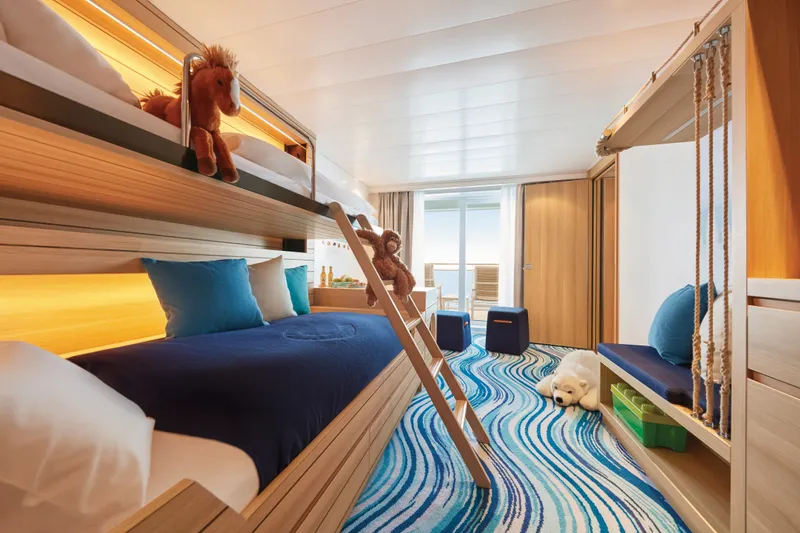
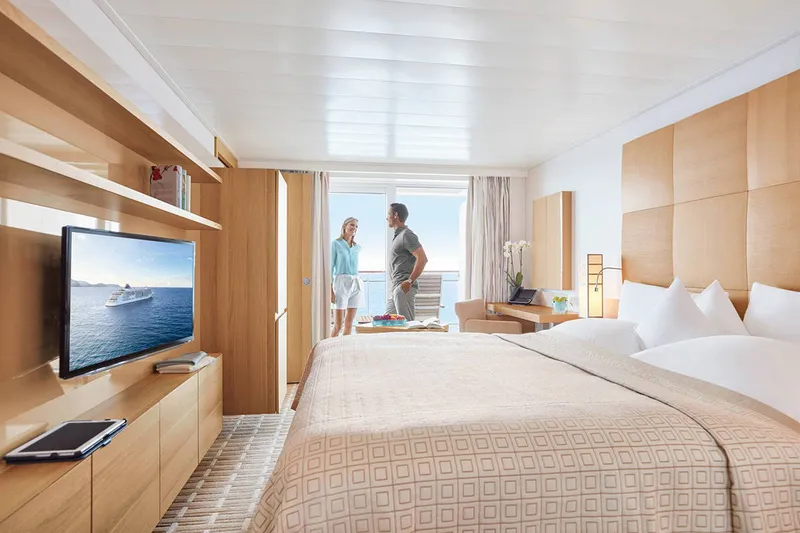

Family Suite
Outside
291 m²Max 4
12
In the family apartment, parents and children live in two separate sections that are connected with each other by a door and via the veranda.
Living area: 2× 20 m²; veranda: 2× 7 m²
Connecting door between the rooms and verandas.
Separate WCs.
Free mini bar (beer and soft drinks).
Double or Twin ConfigurationPullman BedLounge AreaShowerBathRoom Service Available+6
View Details
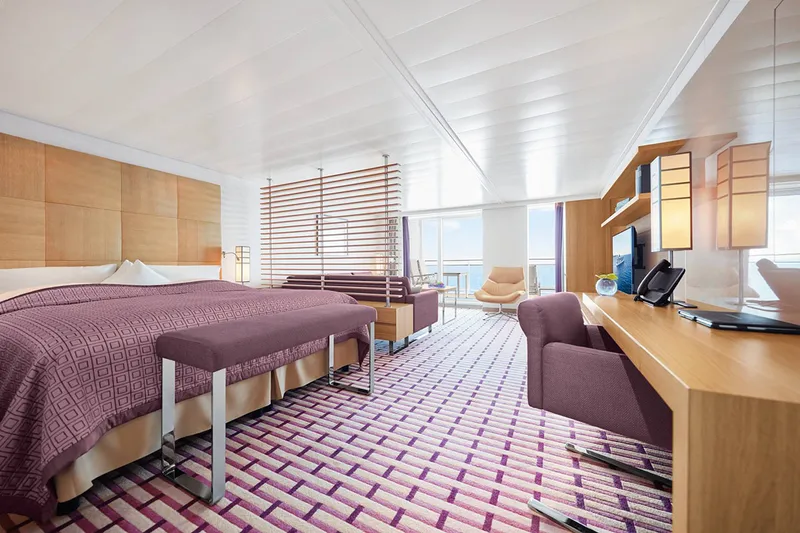
Grand Ocean Suite
Suite
0607
Private oasis of wellbeing and stylish relaxation zone – in the Spa Suite, everyday life is nothing but a distant memory. Indulge your body and soul at the highest level – with warm shades and a spa bathroom with panoramic views of the sea.
Living area: 42 m²; veranda: 10 m².
Bathroom with two washbasins.
Separate WC..
Butler service.
Daylight in the bathroom.
TV in the bathroom mirror.
Rain shower with steam sauna.
Whirlpool tub.
Free mini bar (beer, soft drinks and a selection of high-quality spirits)
View Details
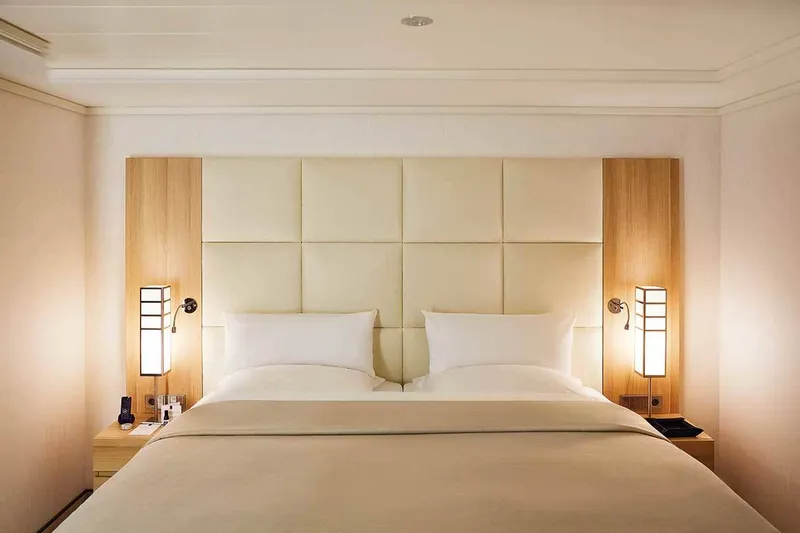
Grand Penthouse Suite
Suite
947 m²Max 3
10
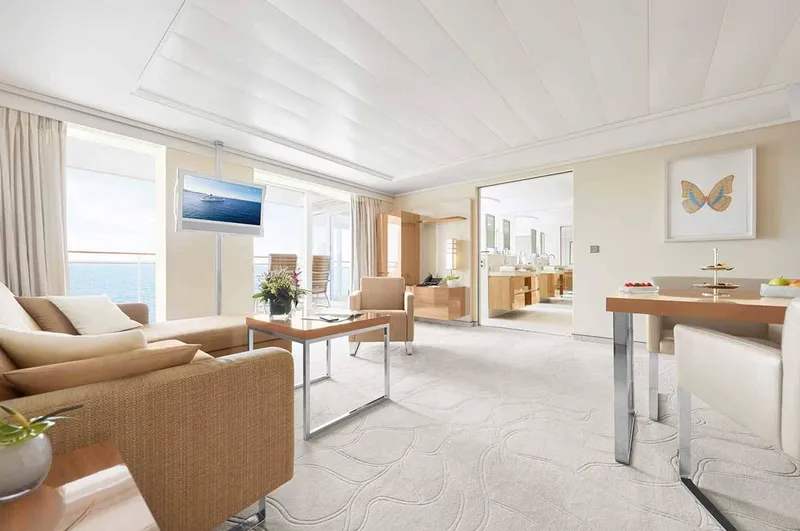
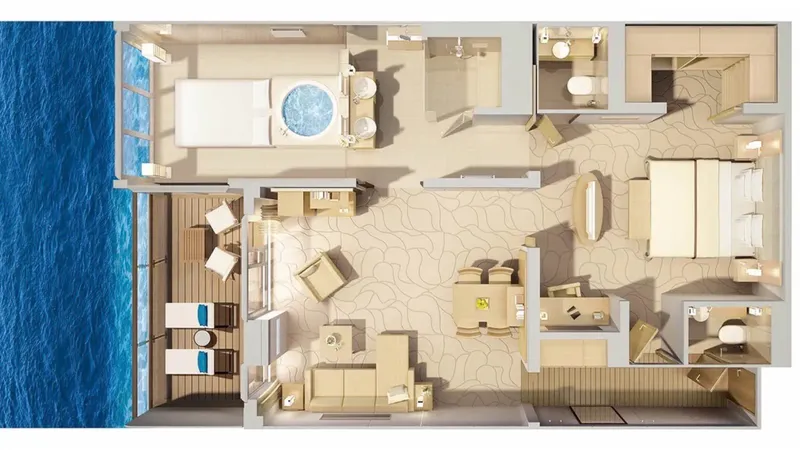
In the Grand Penthouse Suite you can enjoy lavishness at sea and experience an exclusive break of superior quality – on a daybed with view of the endless sea or while taking a bath in the middle of the ocean in your private whirlpool.
Living area: 78 m²; veranda: 10 m²
Separate living and sleeping areas.
Separate dining table.
Guest WC.
Bathroom with two washbasins.
Shower with steam sauna.
Whirlpool.
Daybed and TV in the bathroom area
Spacious walk-in wardrobe
Butler service
Free mini-bar (beer, soft drinks and a selection of high-quality spirits).
Further exclusive service privileges.
Double or Twin ConfigurationLounge AreaShowerWhirlpool BathSuite BenefitsFree Mini Bar+7
View Details
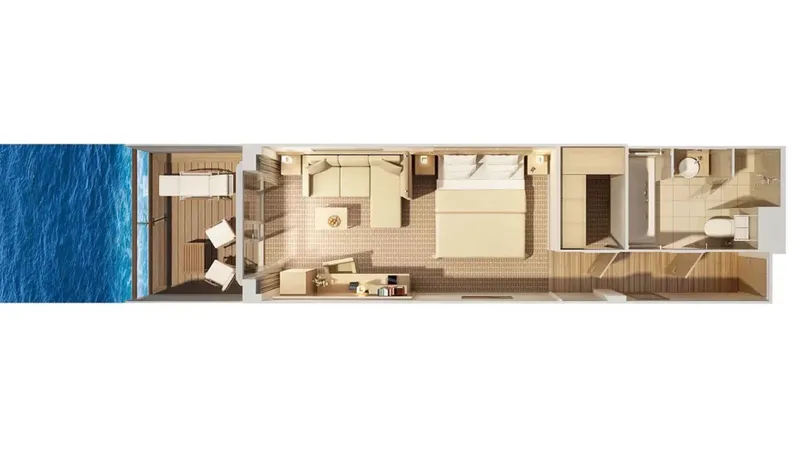
Guaranteed Suite
Suite
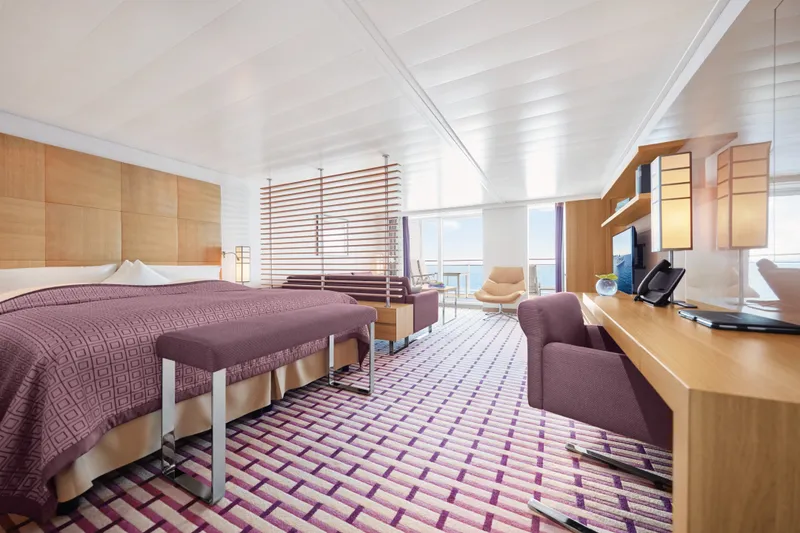
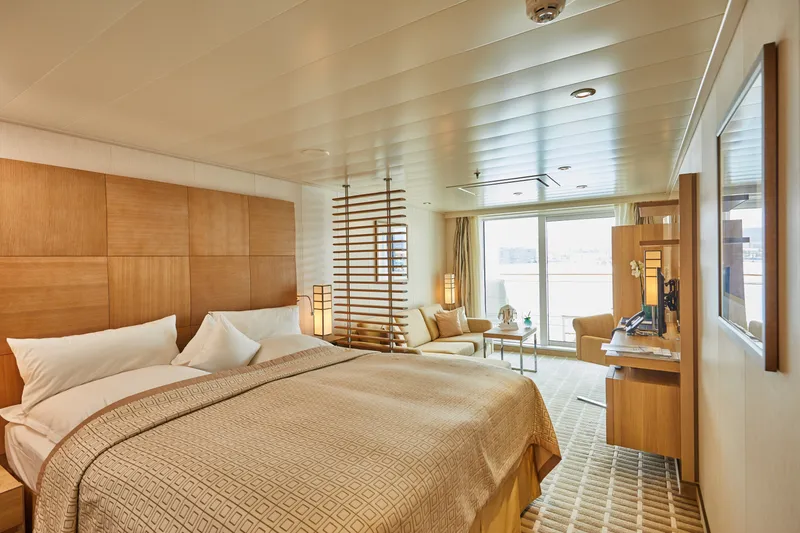
377–560 m²Max 3
S01OS01VS02OS02VS03OS03VS04OS04VS05S06S07S08S09SGOSGPSVO1SVO3SVOS
Guaranteed Suite
Double or Twin ConfigurationShowerBathRoom Service AvailableFree Mini BarTV+6
View Details
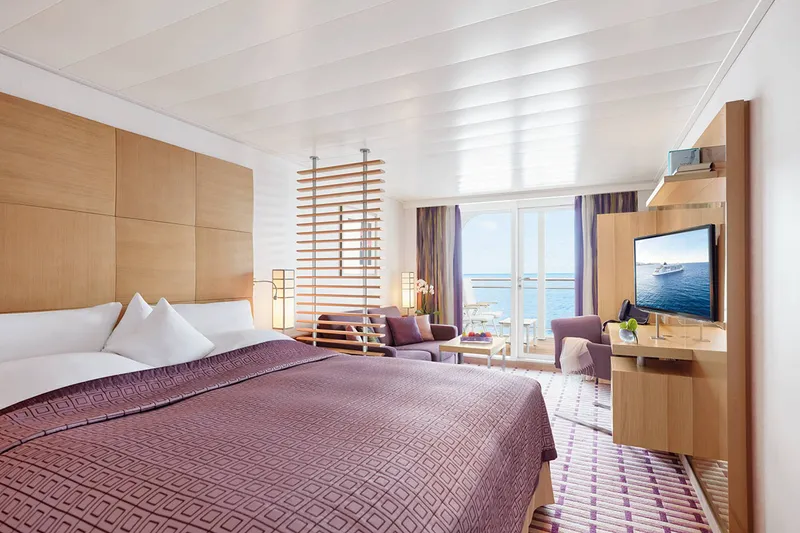
Ocean Suite
Suite
01O02O03O04O
Living area: 28 m² (301 ft²)
Veranda: 7 m² (75 ft²)
Natural light in the bathroom
Bathroom with two sinks
Whirlpool tub and separate shower
Separate toilet
Free mini bar
View Details
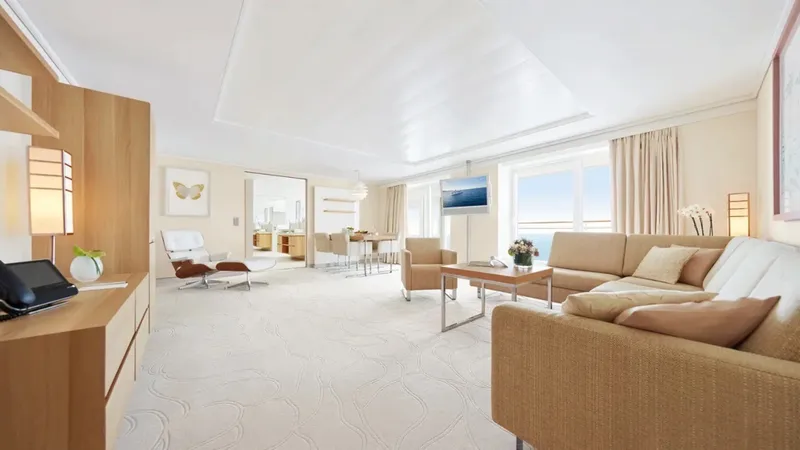
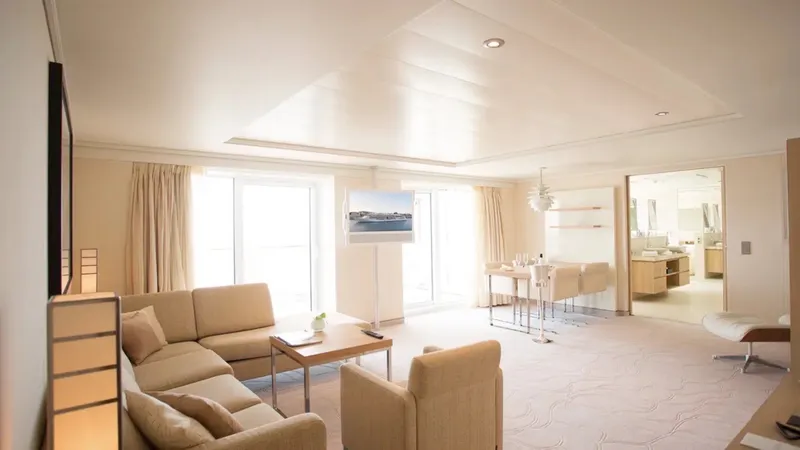
Owner's Suite
Suite
1227 m²Max 4
11
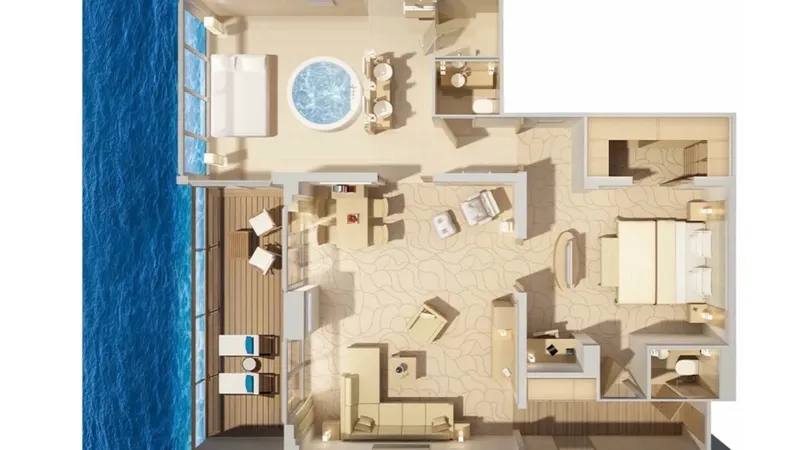
The Owner’s Suite is far more than our most exclusive suite; it is a select domicile on the oceans of the world. Enjoy every imaginable convenience on more than 114 square metres of personal freedom.
Living area: 99 m²; veranda: 15 m².
Separate living and sleeping areas.
Separate dining table.
Guest WC.
Bathroom with two washbasins.
Shower with steam sauna.
Whirlpool.
Daybed and TV in the bathroom area.
Spacious walk-in wardrobe.
Butler service.
Free mini bar (beer, soft drinks and a selection of high-quality spirits).
Further exclusive service privileges.
Double or Twin ConfigurationLounge AreaShowerRoom Service AvailableSuite BenefitsFree Mini Bar+8
View Details
Penthouse Suite
Suite
947 m²Max 3
080913
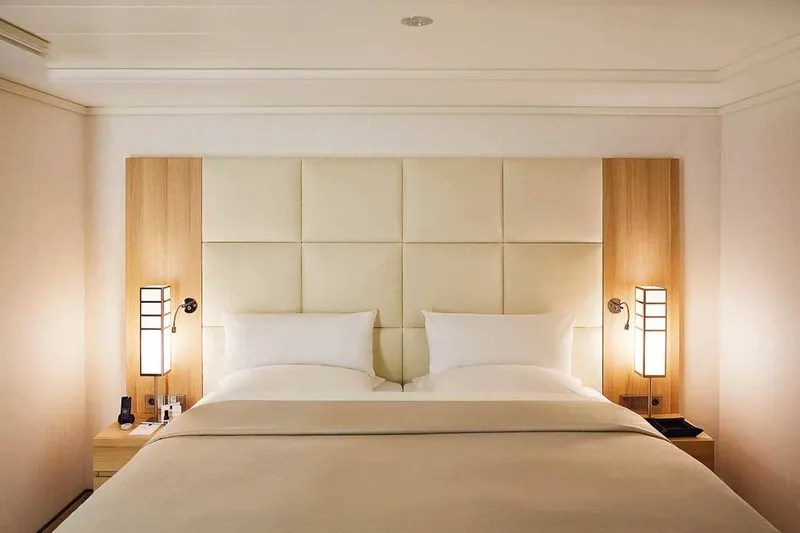
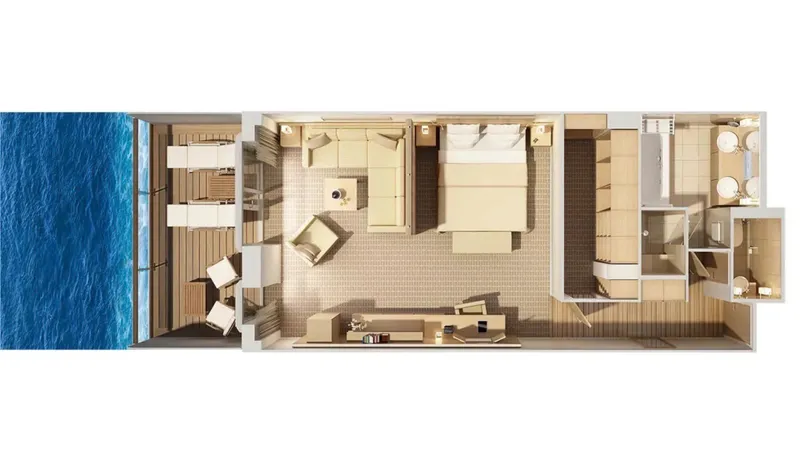
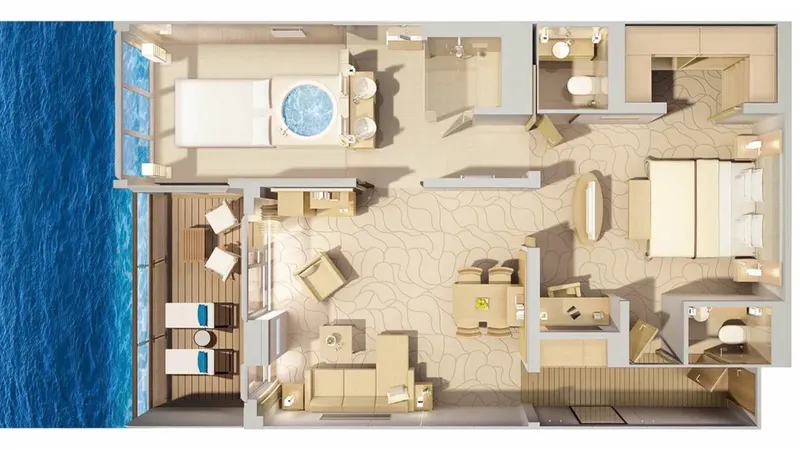
A fantastically spacious suite with every conceivable comfort, uniquely located on the upper decks – is there a more beautiful place to relax? In the Grand Suite, you can enjoy the endless views of the sea and the conveniences of a classical Grand Suite.
Living area: 42 m²; veranda: 10 m².
Bathroom with two washbasins.
Separate WC.
Butler service.
TV in the bathroom mirror.
Walk-in wardrobe.
Bathtub and separate shower.
Free mini bar (beer, soft drinks and a selection of high-quality spirits).
The Grand Suite is also available with facilities suitable for the physically disabled.
Double or Twin ConfigurationLounge AreaShowerWhirlpool BathSuite BenefitsFree Mini Bar+7
View Details
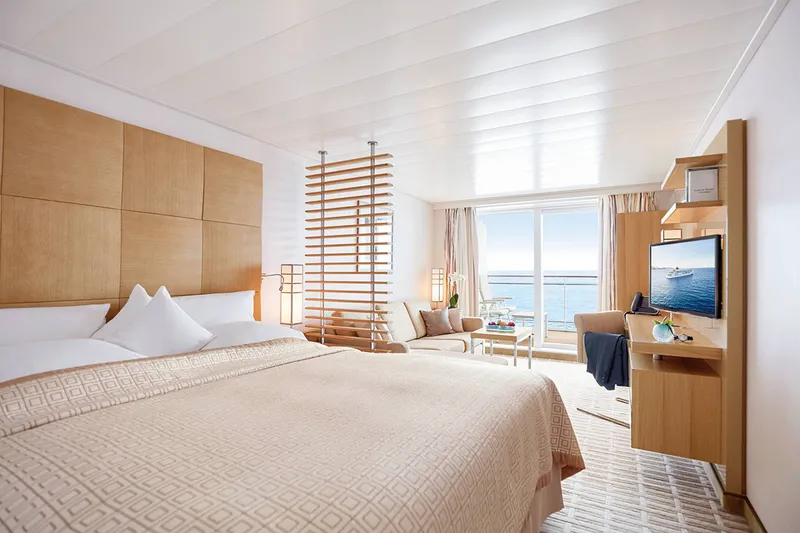
Veranda Suite
Suite
01V02V03V04V05
Living area: 28 m² (301 ft²)
Veranda: 7 m² (75 ft²)
Walk-in wardrobe
Exclusive living area with a chaise longue
Bathtub and separate shower
Free mini bar
View Details
Guaranteed Balcony
Balcony
S12
Guaranteed Balcony
View Details
Interested in This Voyage?
Our cruise specialists can help you find the perfect cabin and the best available pricing.
(+886) 02-2721-7300Contact Advisor