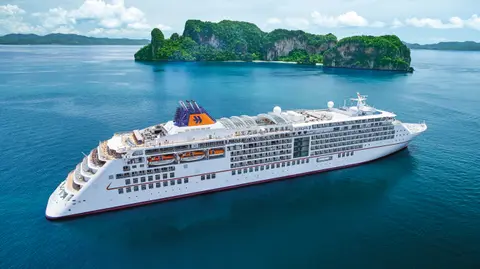
Hong Kong to Hamburg, Germany
Date
2027-06-02
Duration
87 nights
Departure Port
Hong Kong
Hong Kong
Arrival Port
Hamburg
Germany
Rating
—
Theme
—
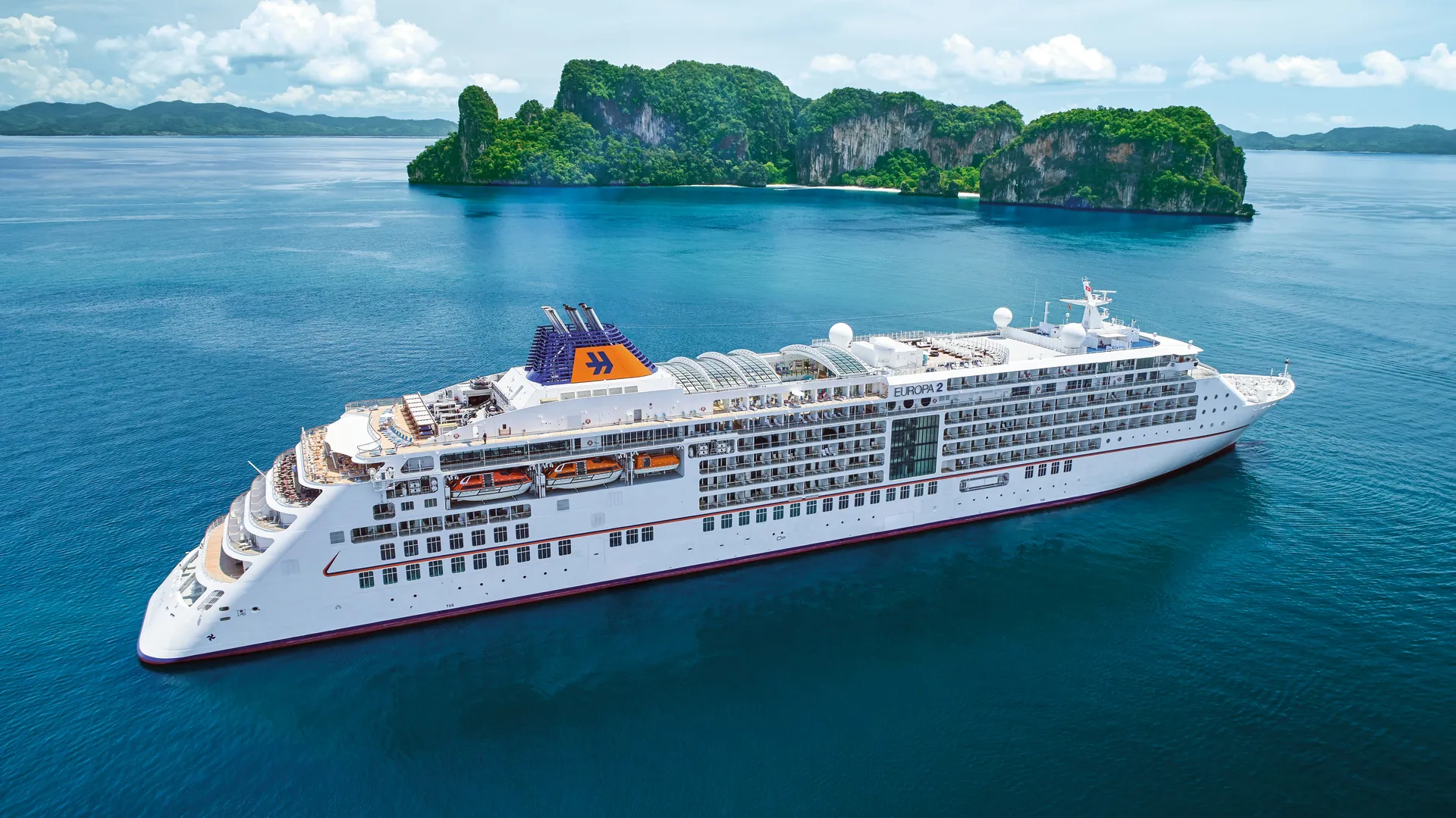
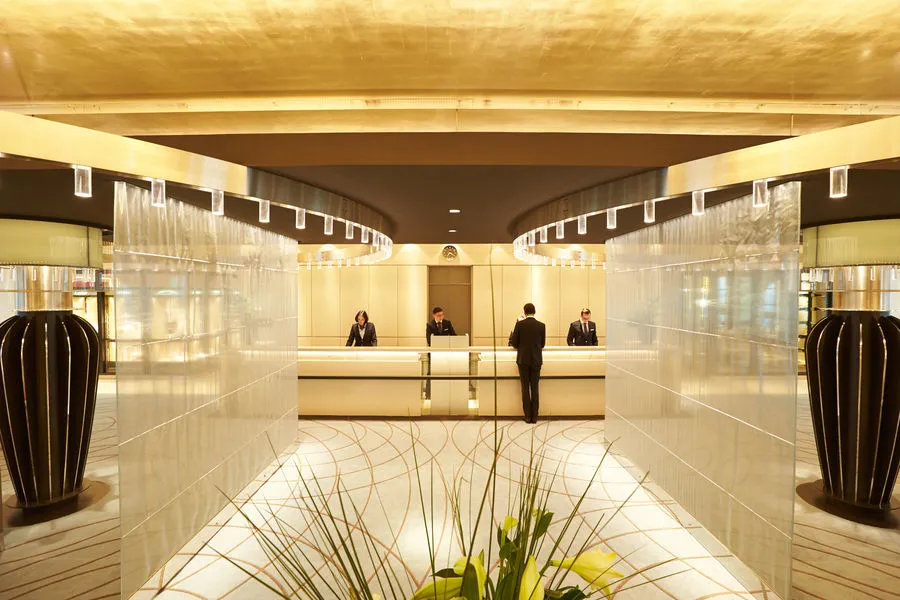
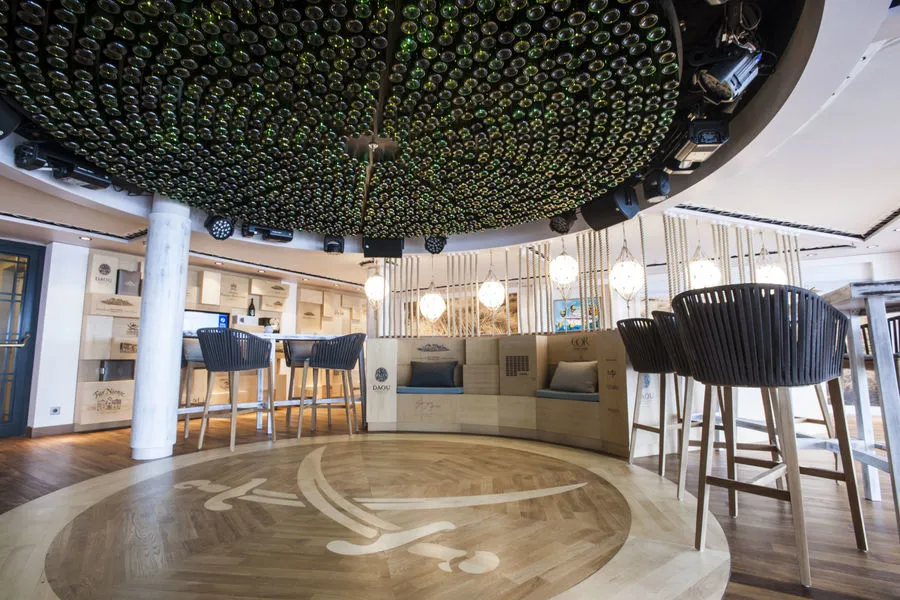
Hapag-Lloyd Cruises
MS EUROPA 2
Launched
2013
Refitted
2017
Tonnage
42,830 GT
Passengers
516
Cabins
251
Crew
370
Length
739 m
Width
27 m
Speed
21 knots
Adults Only
No
Itinerary
Day 1
Day 1
Hong Kong
Depart 22:00
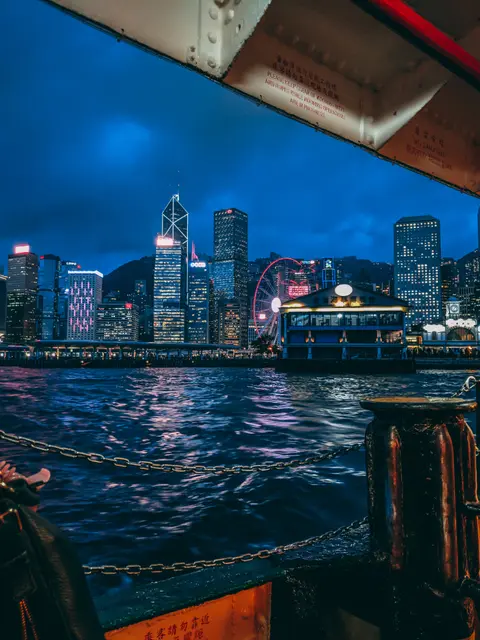
Hong Kong's port is a vibrant gateway to a unique blend of Eastern and Western cultures, characterized by its stunning skyline and bustling atmosphere. Must-do experiences include savoring local dim sum and exploring the lively markets. The best season to visit is during the autumn months, when the weather is mild and ideal for outdoor adventures.
Day 2
Day 2
At Sea
Day 3
Day 3
At Sea
Day 4
Day 4
Ho Chi Minh City
Arrive 10:00
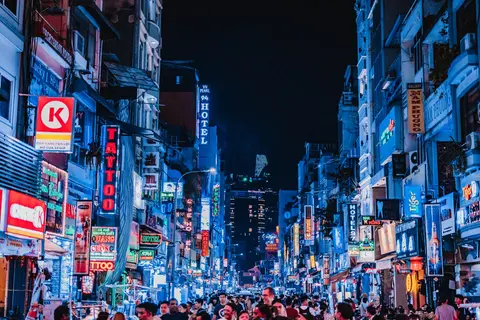
Still whispered as Saigon by its ten million residents, Ho Chi Minh City pulses with an energy that outlasted every empire and every war. The French colonial grandeur of Notre-Dame Cathedral and Gustave Eiffel's Central Post Office stands in vivid counterpoint to the city's kinetic street life — an endless river of motorbikes, fragrant with pho broth and charcoal-grilled meats. Do not miss the Reunification Palace, a time capsule of Cold War modernism, or a dawn bowl of bánh mì from a sidewalk vendor. The dry season, November through April, offers the most comfortable conditions for exploration.
Day 6
Day 6
At Sea
Day 7
Day 7
Singapore
Arrive 17:00
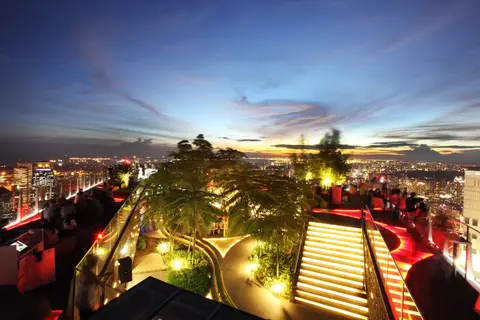
From Raffles's 1819 trading post to the world's second-busiest port, Singapore has always been where the world's trade routes converge — and its Supertree Groves, UNESCO-listed hawker culture, and the bowl of Hainanese chicken rice at Maxwell Food Centre confirm that its ambition has never dimmed. As Southeast Asia's definitive cruise hub, it serves as the ideal starting point for voyages across the Indian Ocean, the Indonesian archipelago, and beyond. February through April offers the most settled weather for exploring this extraordinary island city-state.
Day 9
Day 9
Port Kelang
Arrive 08:00Depart 18:00
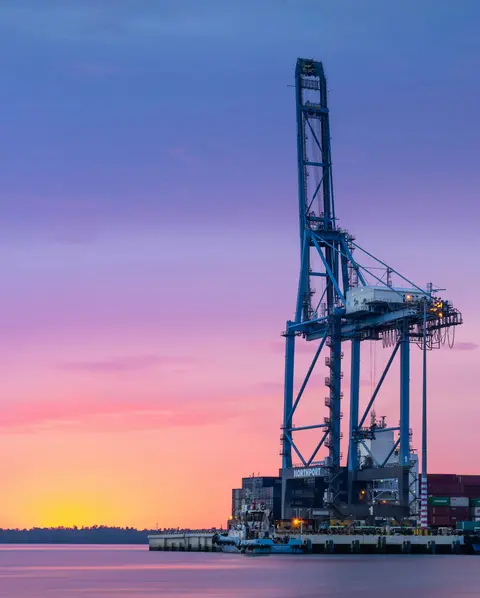
Port Klang is the gateway to Kuala Lumpur, Malaysia's dynamic capital of soaring Petronas Towers, multicultural street markets, and one of the world's most extraordinary food scenes. Must-dos include eating nasi lemak and char kway teow at Jalan Alor's hawker stalls, climbing the rainbow steps to Batu Caves, and exploring the Islamic Arts Museum. May through September and December through February offer the driest conditions.
Day 10
Day 10
George Town
Arrive 09:00Depart 18:00
George Town is the colorful, multicultural capital of the Malaysian island of Penang. Once an important Straits of Malacca trading hub, the city is known for its British colonial buildings, Chinese shophouses and mosques. Beyond the old town, George Town is a modern city with skyscrapers and shopping malls. Verdant Penang Hill, with hiking and a funicular railway, overlooks it all.
Day 11
Day 11
At Sea
Day 12
Day 12
At Sea
Day 13
Day 13
At Sea
Day 14
Day 14
At Sea
Day 15
Day 15
At Sea
Day 16
Day 16
At Sea
Day 17
Day 17
At Sea
Day 18
Day 18
At Sea
Day 19
Day 19
Port Louis
Arrive 07:00Depart 20:00
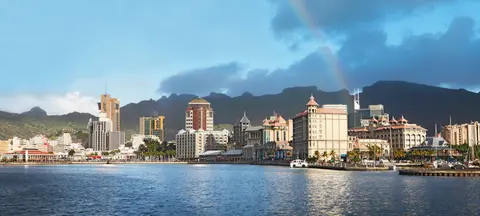
Port Louis, the cosmopolitan capital of Mauritius, is a captivating blend of French colonial architecture, UNESCO heritage sites, and one of the Indian Ocean's most vibrant food cultures — the Central Market's dholl puri and vindaye de poisson alone justify the port call. Beyond the city, the island offers Black River Gorges, the surreal seven-coloured earth of Chamarel, and the lagoons of Le Morne. The ideal cruising season runs from May through November, when the Southern Hemisphere winter delivers warm, dry days with comfortable temperatures and calm seas.
Day 20
Day 20
Pointe Des Galets
Arrive 08:00Depart 18:00
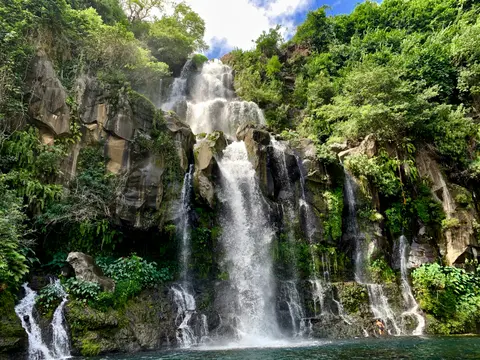
Pointe des Galets is the gateway to Réunion — the Indian Ocean's most volcanically active island, where the Piton de la Fournaise erupts every nine months and roadless cirques harbor villages accessible only by helicopter or hiking trail. Visit May through November via Cunard or Hapag-Lloyd for lunar volcanic landscapes, extraordinary Creole cuisine, and the unique experience of metropolitan French infrastructure on a tropical island of Hawaiian-scale drama.
Day 21
Day 21
At Sea
Day 22
Day 22
At Sea
Day 23
Day 23
At Sea
Day 24
Day 24
Maputo
Arrive 08:00Depart 14:00
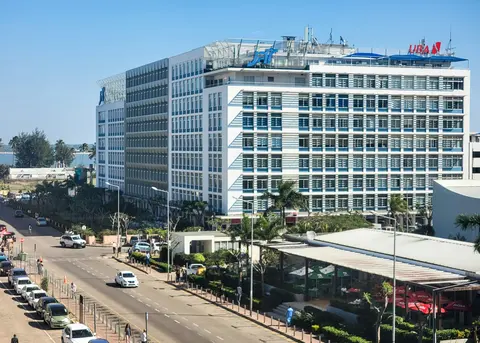
Maputo is Mozambique's vibrant Indian Ocean capital, where Portuguese colonial grandeur meets African creativity in a city of jacaranda-lined boulevards, jazz clubs, and legendary flame-grilled piri-piri prawns. Must-dos include exploring the Eiffel-associated train station, feasting on giant prawns along the Marginal, and excursions to the pristine Bazaruto Archipelago. April through November brings dry, comfortable weather ideal for city exploration and coastal diving.
Day 25
Day 25
Richards Bay
Arrive 06:00Depart 20:00
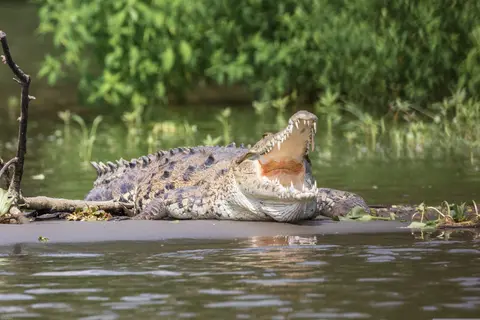
Richards Bay is a KwaZulu-Natal port city serving as the gateway to the UNESCO-listed iSimangaliso Wetland Park and Hluhluwe-iMfolozi's Big Five safari country. Must-dos include diving Sodwana Bay's coral reefs, spotting hippos on Lake St Lucia, and tasting Durban-style bunny chow curry. May through September offers the best game viewing, comfortable temperatures, and clear coastal waters.
Day 26
Day 26
Durban
Arrive 07:30
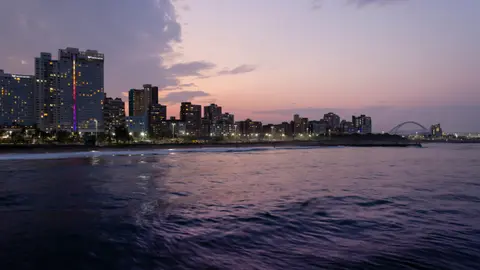
Durban is South Africa's subtropical gateway on the Indian Ocean, where Zulu, Indian, and colonial heritage converge to create one of the continent's most culturally rich port cities. Visitors should not miss savouring an authentic bunny chow in the Grey Street quarter and exploring the nearby uKhahlamba-Drakensberg mountains or iSimangaliso Wetland Park. The South African summer — November through March — delivers warm seas ideal for swimming, though the mild winters (June to August) offer comfortable touring temperatures and prime whale-watching along the KwaZulu-Natal coast.
Day 28
Day 28
At Sea
Day 29
Day 29
Gqeberha
Arrive 07:30
Gqeberha (formerly Port Elizabeth) is a welcoming Eastern Cape city on South Africa's Indian Ocean coast, gateway to the elephant-rich Addo National Park and a coastline of warm-water beaches. Must-dos include a Big Five game drive at Addo, the Route 67 Mandela art trail, and swimming at pristine Sardinia Bay. Visit September through November for spring wildlife, wildflowers, and whale watching.
Day 31
Day 31
At Sea
Day 32
Day 32
Cape Town
Arrive 05:00Depart 21:00
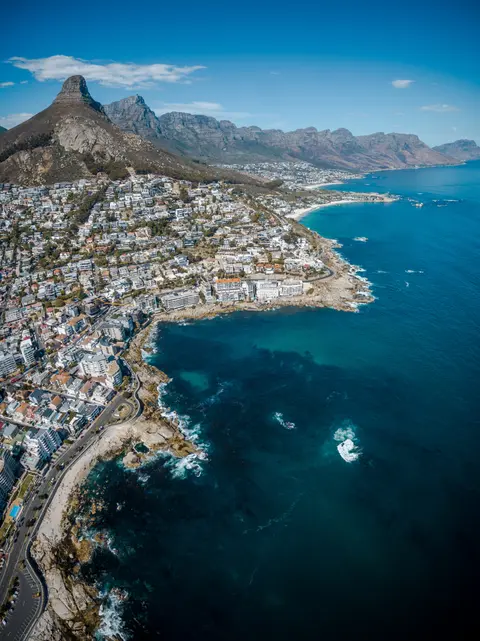
Cape Town's port is a vibrant blend of history, culture, and natural beauty, making it a premier destination for travelers. Must-do experiences include savoring local dishes like bobotie and exploring the bustling V&A Waterfront. The best season to visit is during the Southern Hemisphere summer, from December to February, when the weather is warm and perfect for outdoor adventures.
Day 33
Day 33
At Sea
Day 34
Day 34
Luderitz
Arrive 08:00Depart 14:00

Luderitz is a surreal German colonial town on Namibia's desert coast, where Art Nouveau architecture, Lutheran churches, and half-timbered houses face the cold Atlantic amid some of Earth's most desolate terrain. Must-dos include visiting the sand-swallowed ghost town of Kolmanskop, feasting on West Coast crayfish, and admiring the Jugendstil Goerke Haus. September through April offers the warmest weather for this extraordinary desert-meets-ocean destination.
Day 35
Day 35
Walvis Bay
Arrive 08:00
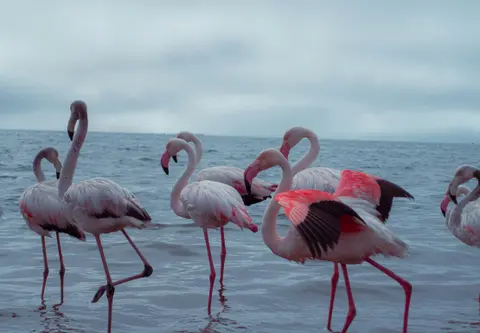
Walvis Bay is Namibia's principal deep-water port, set between the ancient dunes of the Namib Desert and the wildlife-rich Atlantic lagoon famed for its vast flamingo colonies. Visitors should not miss a catamaran cruise through the lagoon for close encounters with dolphins and Cape fur seals, nor the otherworldly dune landscapes of Sossusvlei in the Namib-Naukluft National Park. The optimal season for cruising is October through April, when southern-hemisphere spring and summer bring warm, clear days and peak flamingo populations to the bay.
Day 37
Day 37
At Sea
Day 38
Day 38
At Sea
Day 39
Day 39
At Sea
Day 40
Day 40
Jamestown
Arrive 07:00Depart 16:00
Jamestown, Saint Helena, opens a window onto Africa's extraordinary blend of natural grandeur, cultural vitality, and warm hospitality. Visitors should explore the local markets and venture into the surrounding landscapes for wildlife encounters of genuine wonder. The most favorable conditions occur May through October, when the climate is at its most welcoming for outdoor exploration. Cruise lines including Hapag-Lloyd Cruises feature this port on their most compelling itineraries. Whether you have a few hours or a full day, the port rewards exploration at every pace and in every direction.
Day 41
Day 41
At Sea
Day 42
Day 42
At Sea
Day 43
Day 43
At Sea
Day 44
Day 44
At Sea
Day 45
Day 45
At Sea
Day 46
Day 46
Palmeira
Arrive 12:01Depart 19:00
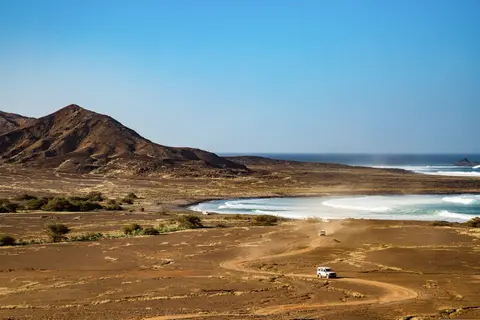
Palmeira, Cape Verde, opens a window onto Africa's extraordinary blend of natural grandeur, cultural vitality, and warm hospitality. Visitors should explore the local markets and venture into the surrounding landscapes for wildlife encounters of genuine wonder. The most favorable conditions occur December through April, during the dry season when skies are clearest and seas are calmest. Cruise lines including Hapag-Lloyd Cruises feature this port on their most compelling itineraries. Whether you have a few hours or a full day, the port rewards exploration at every pace and in every direction.
Day 47
Day 47
Mindelo
Arrive 08:00Depart 18:00
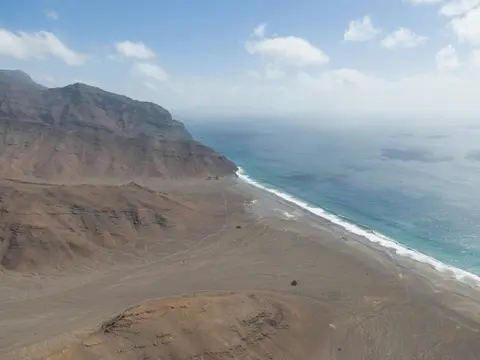
Mindelo, on the island of São Vicente, is Cape Verde's cultural capital — a harbour city of pastel colonial facades, vibrant street art, and the soulful musical heritage of Cesária Évora. Visitors should savour *cachupa rica* at a waterfront restaurant and take the ferry to Santo Antão for world-class hiking through terraced volcanic valleys. The best time to call is between November and June, when the trade winds temper the tropical heat and transatlantic cruise itineraries converge on Porto Grande's magnificent natural bay.
Day 48
Day 48
At Sea
Day 49
Day 49
At Sea
Day 50
Day 50
Santa Cruz de Tenerife
Arrive 06:00Depart 22:00
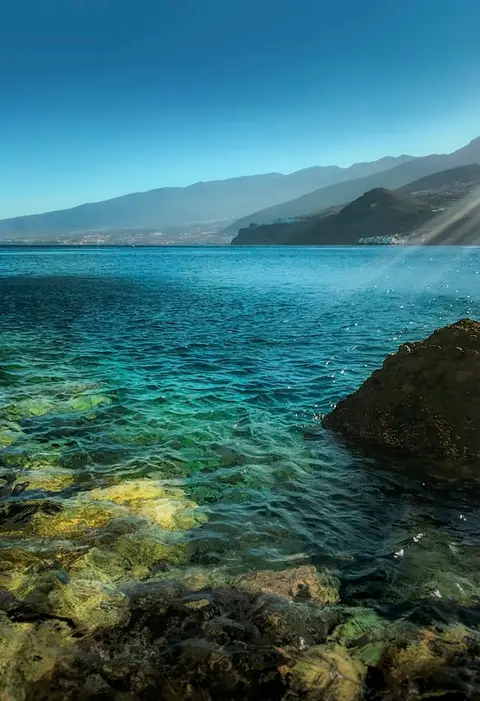
Santa Cruz de Tenerife, the cosmopolitan capital of the Canary Islands, balances volcanic grandeur with refined urban pleasures — from the Santiago Calatrava–designed Auditorio rising beside the Atlantic to the ancient dragon tree at Icod de los Vinos and the World Heritage Teide volcano looming above the island. The city's Carnival, second in scale only to Rio de Janeiro's, erupts each February in spectacular costumes and street revelry. Local wines from the volcanic slopes, wrinkled potatoes with mojo verde, and fresh Atlantic fish define the island's culinary character. November through April offers reliably warm, sun-drenched conditions.
Day 51
Day 51
San Sebastian
Arrive 08:00Depart 19:30
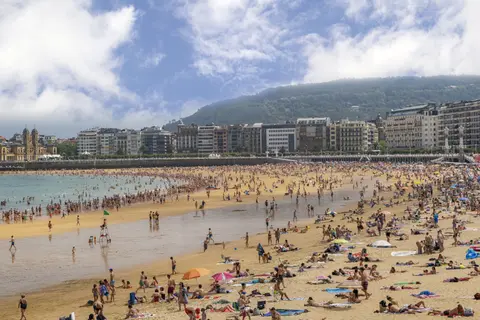
San Sebastián de La Gomera is the tranquil capital of a UNESCO Biosphere Reserve in the Canary Islands — the very harbour from which Columbus departed for the New World in 1492. Visitors should lose themselves in the primordial laurel forests of Garajonay National Park and taste almogrote, the island's singular smoked-cheese spread, at a hillside terrace overlooking the Atlantic. The mild subtropical climate makes La Gomera rewarding year-round, though late spring and autumn offer the clearest skies for hiking the cloud forest trails.
Day 52
Day 52
Santa Cruz de la Palma
Arrive 06:00Depart 18:00
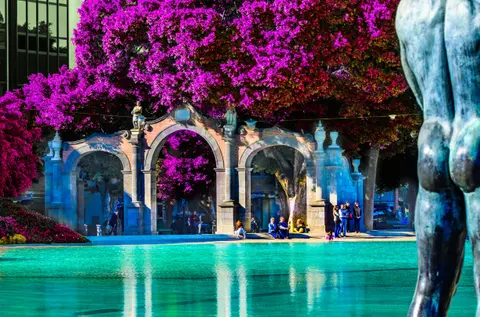
Santa Cruz de la Palma is the charming capital of La Palma, known for its colonial architecture and rich maritime history. Must-do experiences include savoring local dishes like "papas arrugadas" and exploring the stunning landscapes of Taburiente National Park. The best time to visit is during the spring and fall months when the weather is mild and perfect for outdoor adventures.
Day 53
Day 53
At Sea
Day 54
Day 54
Portimao
Arrive 13:00Depart 22:00
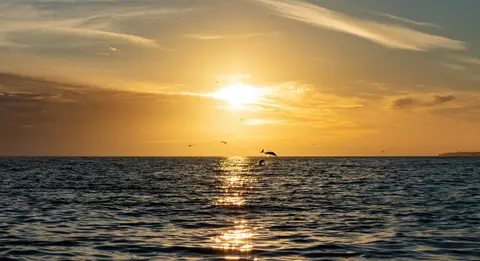
Portimão is the Algarve's most storied port city, where Phoenician trading heritage meets golden-cliff beaches and Portugal's finest grilled sardine tradition along the Arade River. Visitors should not miss the charcoal-grilled sardines at the riverside churrasqueiras and the dramatic sandstone formations of Praia da Rocha. The port is at its luminous best from May through October, when long Atlantic days bathe the coastline in honeyed light and the August Sardine Festival electrifies the waterfront.
Day 55
Day 55
Cadiz
Arrive 08:00Depart 19:30
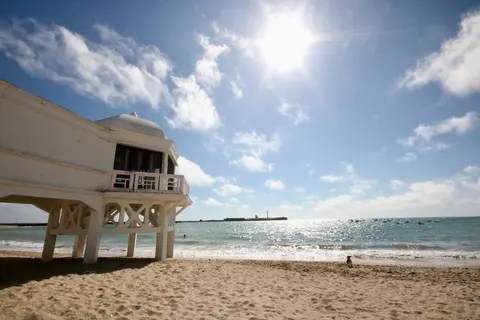
Cádiz, founded by Phoenician traders around 1100 BC and a strong contender for the oldest continuously inhabited city in Western Europe, juts into the Atlantic on a narrow peninsula where honey-colored ramparts frame improbable views of open ocean and the sun sets directly into the sea. The old quarter is an intoxicating labyrinth of baroque churches, hidden plazas, and carnival spirit — Cádiz's annual February carnival is the wildest and most satirically sharp in Spain — while the tapas culture here, centered on fresh Atlantic seafood cooked with Andalusian simplicity, represents Spanish cuisine at its most elemental and joyful. Visit February for carnival or spring for gentle Atlantic breezes. Seville is ninety minutes inland by bus or rail.
Day 56
Day 56
Malaga
Arrive 08:00
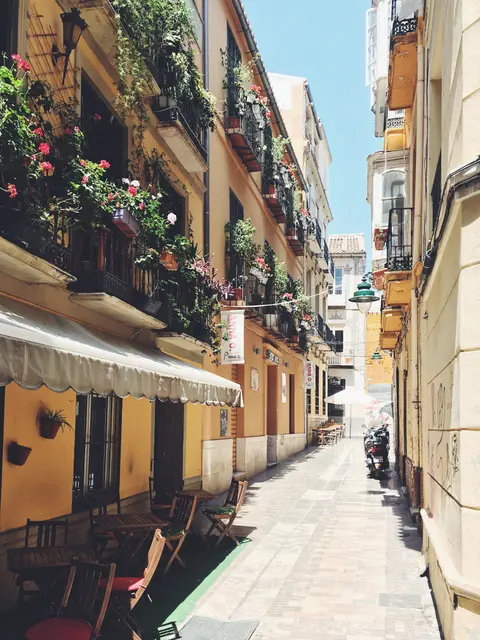
Málaga distils three thousand years of Mediterranean civilisation into one of Andalusia's most compelling port cities, where the Moorish Alcazaba fortress surveys a modern waterfront of elegant promenades and sun-drenched café terraces. Do not leave without visiting the Museo Picasso — the artist was born here in 1881 — and ascending to the ruined Castillo de Gibralfaro for panoramic views stretching to the Rif Mountains of Morocco on clear days. Malagueta anchovies fried in olive oil and the sweet Pedro Ximénez-laced dessert wine are the city's defining pleasures. The shoulder seasons of April, May, and October offer perfect Mediterranean warmth.
Day 58
Day 58
Ibiza
Arrive 14:00Depart 23:59
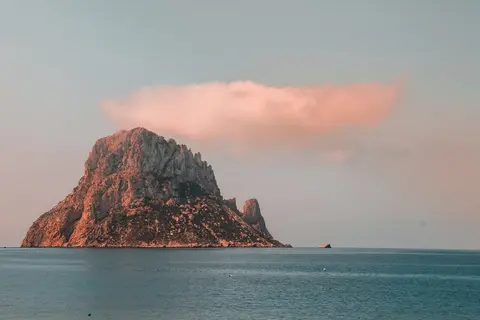
Beneath Ibiza's sun-drenched reputation as the world's clubbing capital lies a layered history stretching back to Phoenician traders who settled this Balearic island in 654 BC. The UNESCO-listed Dalt Vila — the walled hilltop citadel above Eivissa town — rewards exploration with Carthaginian burial grounds, Renaissance ramparts, and sweeping Mediterranean panoramas. For quieter pleasures, the crystalline coves of the island's north, such as Cala d'en Serra and Es Portitxol, rival any beach in Europe. The Phoenician necropolis of Puig des Molins is unmissable for history devotees. The season runs May through October, with June and September offering ideal weather without peak-summer crowds.
Day 59
Day 59
Palma de Mallorca
Arrive 08:00Depart 18:00
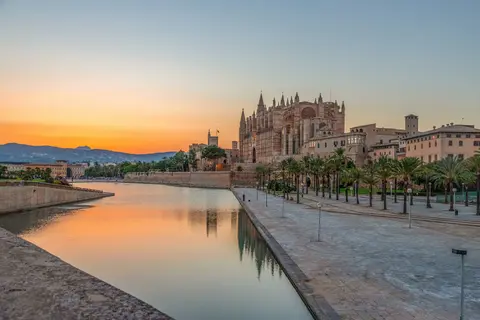
Palma de Mallorca announces itself with one of the most spectacular Gothic cathedrals in the world — La Seu, its honey-coloured sandstone buttresses rising directly from the bay, its interior modified by Antoni Gaudí and illuminated by the world's largest Gothic rose window. The old town behind it is a quarter of Arab baths, Renaissance palaces converted into boutique hotels, and the Passeig del Born — a plane-tree-shaded promenade where Balearic life conducts itself with unhurried grace. The local ensaïmada pastry and fresh sobrasada sausage from the island's black pigs are essential breakfast rituals. Visit May, June, or September: warm, brilliant, and measurably calmer than the July–August peak.
Day 60
Day 60
Alghero
Arrive 13:00Depart 22:00
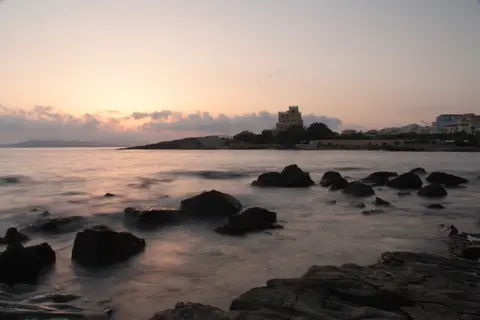
Alghero is Sardinia's Catalan jewel, a medieval walled town where bilingual street signs, fourteenth-century Aragonese fortifications, and the spectacular Neptune's Grotto sea cave create the island's most culturally distinctive coastal experience. Visit May through October via Silversea or Explora Journeys for sunset wall walks, the 656-step cliff descent to Neptune's Grotto, and lobster alla catalana served within the honey-colored ramparts of a city that bridges Barcelona and Sardinia.
Day 61
Day 61
At Sea
Day 62
Day 62
At Sea
Day 62
Day 62
Bonifacio
Arrive 08:00Depart 18:00
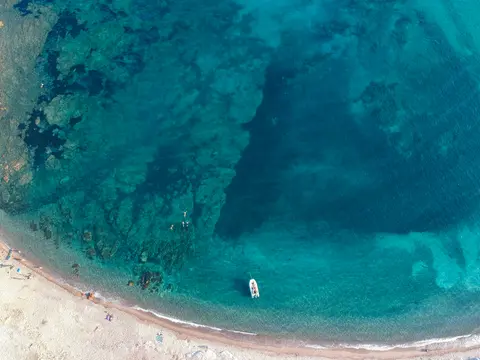
Bonifacio is a dramatically cliff-perched medieval citadel at Corsica's southern tip, where Genoese ramparts tower above a fjord-like natural harbour in the turquoise Strait of Bonifacio. Visitors should descend the vertiginous Escalier du Roi d'Aragon carved into the limestone cliffs and take a boat excursion to the pristine Lavezzi archipelago nature reserve for world-class snorkelling among sculpted granite formations. The ideal window is June or September, when the Mediterranean light is at its most luminous and the narrow streets of the haute ville remain blissfully uncrowded.
Day 63
Day 63
Civitavecchia
Arrive 05:00Depart 23:59
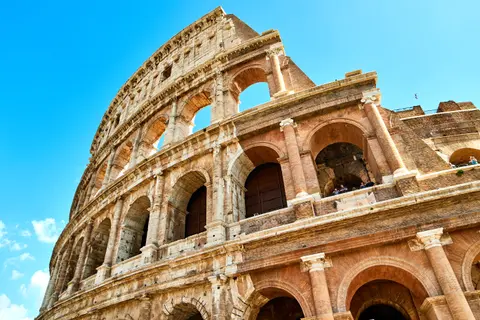
Rome's ancient maritime gateway since the Emperor Trajan commissioned its harbour in 106 AD, Civitavecchia is the natural prologue to the Eternal City — just seventy minutes southeast by express rail. The port's Renaissance fortress, designed in part by Michelangelo, anchors a working waterfront that has welcomed travellers for millennia. Beyond Rome's unmissable monuments, consider an afternoon in the Civitavecchia thermal baths, drawing on mineral waters prized since antiquity. Spring and autumn offer the ideal balance of mild weather and manageable crowds for exploring the capital's layered history.
Day 64
Day 64
Portoferraio
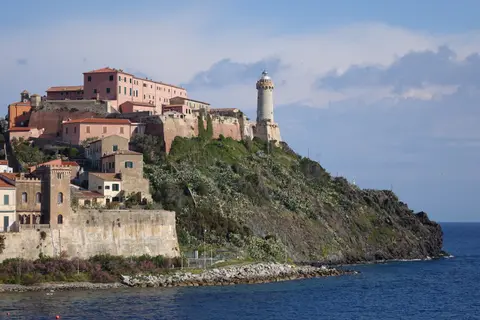
Portoferraio is the historic capital of Elba, the Tuscan island famous as Napoleon's place of exile, featuring Medici fortifications, pastel waterfront facades, and over 150 beaches. Must-dos include Napoleon's Villa dei Mulini, the Monte Capanne cable car, and sampling Aleatico dessert wine. May through October offers ideal Mediterranean conditions, with June and September best for avoiding crowds.
Day 65
Day 65
Portovenere
Arrive 07:00
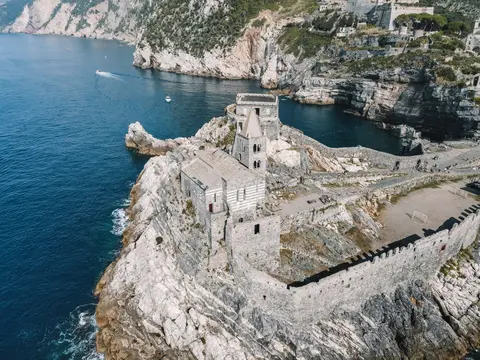
Portovenere is a fortified Ligurian fishing village at the entrance to the Gulf of Poets, where Byron and Shelley found inspiration among colorful harbor houses, a dramatic cliff-top church, and UNESCO-listed coastal landscapes. Must-dos include the Church of San Pietro, boat trips to Palmaria island, and tasting fresh gulf mussels with Cinque Terre wine. May, June, and September offer ideal weather with fewer crowds.
Day 66
Day 66
Portofino
Arrive 08:00Depart 23:59
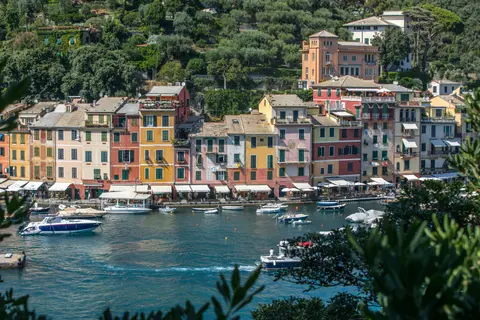
Portofino is a jewel-box fishing village on Italy's Ligurian coast, renowned for its pastel harbour, Castello Brown fortress views, and exquisite pesto-dressed trofie pasta at waterside trattorias. Visitors should walk the coastal trail to the Cristo degli Abissi underwater statue at San Fruttuoso and savour focaccia di Recco with a glass of local Vermentino. The ideal season stretches from late April through October, with September offering the perfect balance of warm Mediterranean light and the intimate calm that returns after summer's peak.
Day 67
Day 67
Saint Florent (Corsica - France)
Arrive 08:00Depart 18:00
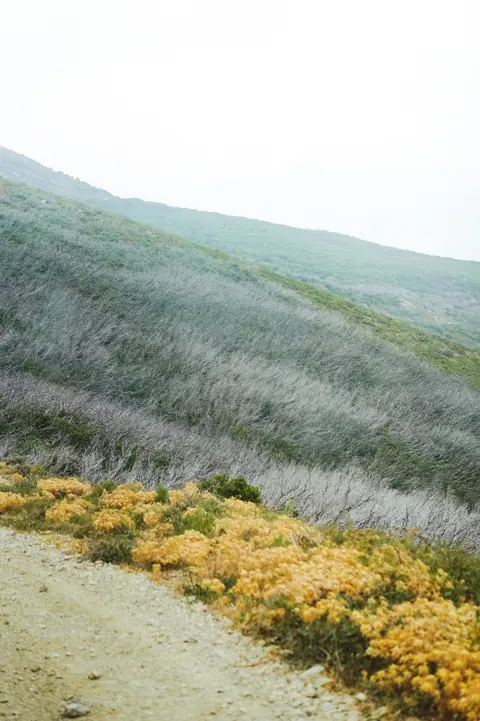
Saint-Florent is Corsica's elegant northern harbor town, set in a sheltered gulf with a Genoese citadel, Pisan Romanesque cathedral, and access to the pristine beaches of the Désert des Agriates—Europe's most unspoiled coastline. Must-dos include boat trips to Plage de Saleccia, tasting Patrimonio wines, and dining on Corsican seafood at waterfront terraces. May through October offers the best conditions, with June and September ideal.
Day 68
Day 68
Monte Carlo
Arrive 08:00Depart 18:00
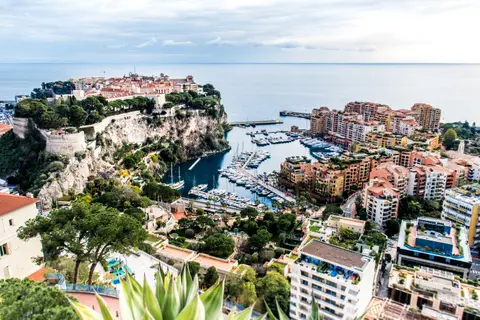
Monte Carlo, Monaco is a sovereign principality on the French Riviera where centuries of Grimaldi rule have forged an extraordinary concentration of elegance — from the legendary Casino de Monte-Carlo to the cliff-top Oceanographic Museum founded by Prince Albert I. No visit is complete without savouring *barbagiuan* at the Condamine market and exploring the old town of Monaco-Ville, where the cathedral and prince's palace command sweeping Mediterranean views. The most luminous months are May through September, with late spring offering the electric atmosphere of the Grand Prix season alongside gentler crowds and pristine coastal light.
Day 68
Day 68
Saint Tropez
Arrive 23:00
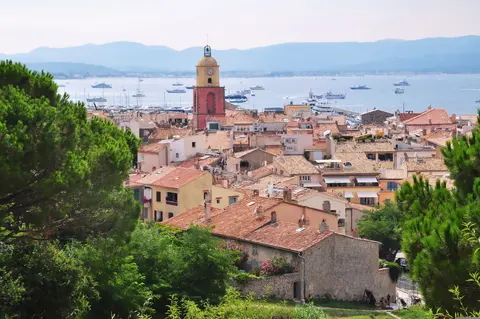
Saint-Tropez is the legendary Côte d'Azur fishing port turned global glamour destination, where Provençal authenticity endures beneath the mythology of yachts and celebrities. Must-dos include browsing the Musée de l'Annonciade's Fauvist masterpieces, tasting tarte tropézienne and fresh-caught rouget, and strolling the Sentier du Littoral coastal path to hidden coves. May through June and September through October offer the best weather with fewer crowds.
Day 70
Day 70
Collioure
Arrive 08:00Depart 23:59
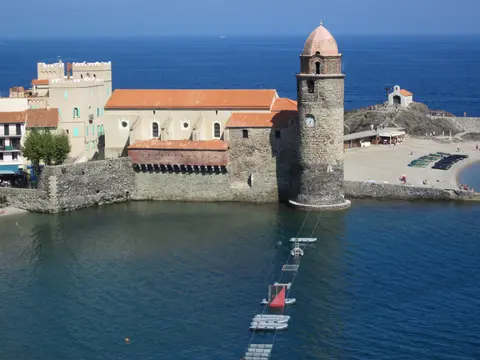
Collioure is a luminous fishing village on France's Cote Vermeille where Matisse and Derain launched the Fauvist movement, drawn by the extraordinary Mediterranean light that still saturates its colorful streets. Visitors should taste the village's celebrated salt-cured anchovies, sample Banyuls fortified wine, and walk the dramatic coastal path to neighboring Port-Vendres. The Mediterranean climate offers over three hundred days of sunshine, with spring and autumn providing the most pleasant temperatures.
Day 71
Day 71
At Sea
Day 72
Day 72
Mahon
Arrive 07:00Depart 18:00
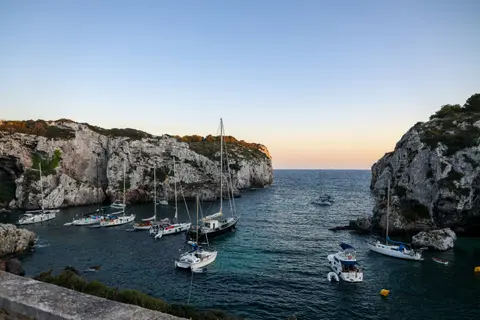
Mahón commands one of the Mediterranean's deepest natural harbours, a fjord-like inlet on Menorca that captivated British admirals, Phoenician traders, and Roman generals in turn — its Georgian townhouses and gin distilleries speaking eloquently to centuries of contested heritage. Explore the clifftop old town's baroque Santa María church with its 3,200-pipe organ, then cross the water to the imposing fortress of La Mola for sweeping harbour views. The island's prized caldereta de langosta, a slow-simmered lobster stew, is best savoured at the fishing village of Fornells. Visit between May and June or September and October for warmth without the summer crowds.
Day 73
Day 73
Ibiza
Arrive 08:00
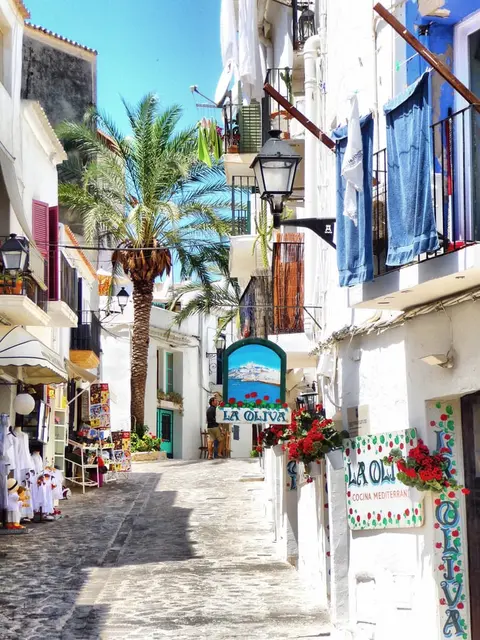
Beneath Ibiza's sun-drenched reputation as the world's clubbing capital lies a layered history stretching back to Phoenician traders who settled this Balearic island in 654 BC. The UNESCO-listed Dalt Vila — the walled hilltop citadel above Eivissa town — rewards exploration with Carthaginian burial grounds, Renaissance ramparts, and sweeping Mediterranean panoramas. For quieter pleasures, the crystalline coves of the island's north, such as Cala d'en Serra and Es Portitxol, rival any beach in Europe. The Phoenician necropolis of Puig des Molins is unmissable for history devotees. The season runs May through October, with June and September offering ideal weather without peak-summer crowds.
Day 74
Day 74
Palma de Mallorca
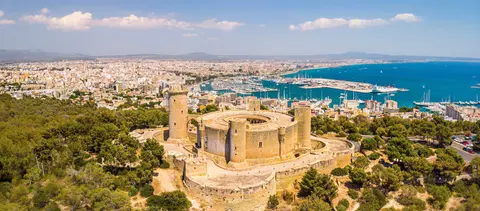
Palma de Mallorca announces itself with one of the most spectacular Gothic cathedrals in the world — La Seu, its honey-coloured sandstone buttresses rising directly from the bay, its interior modified by Antoni Gaudí and illuminated by the world's largest Gothic rose window. The old town behind it is a quarter of Arab baths, Renaissance palaces converted into boutique hotels, and the Passeig del Born — a plane-tree-shaded promenade where Balearic life conducts itself with unhurried grace. The local ensaïmada pastry and fresh sobrasada sausage from the island's black pigs are essential breakfast rituals. Visit May, June, or September: warm, brilliant, and measurably calmer than the July–August peak.
Day 76
Day 76
At Sea
Day 77
Day 77
Marbella
Arrive 08:00Depart 18:00
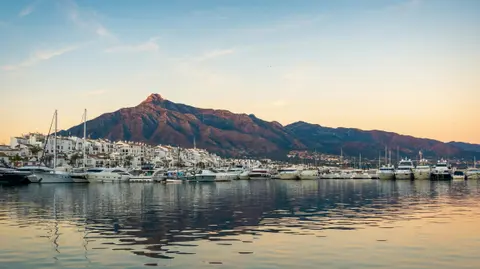
Marbella is an elegant Costa del Sol destination where Moorish heritage, fishing-village charm, and Mediterranean glamour converge around the legendary Puerto Banús marina. Visitors should not miss savouring espetos de sardinas on the beach and wandering the orange-tree-lined plazas of the whitewashed Old Quarter. The best months to visit are May through June and September through October, when golden light bathes the coastline, temperatures hover in the mid-twenties, and the crowds of high summer have yet to arrive or have gracefully departed.
Day 78
Day 78
Portimao
Arrive 12:01Depart 18:00
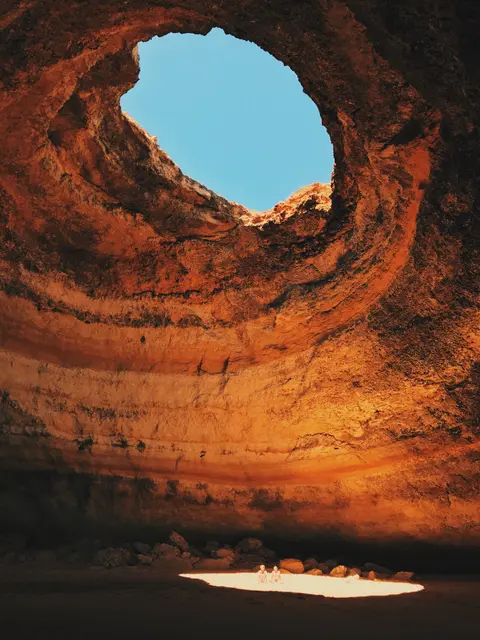
Portimão is the Algarve's most storied port city, where Phoenician trading heritage meets golden-cliff beaches and Portugal's finest grilled sardine tradition along the Arade River. Visitors should not miss the charcoal-grilled sardines at the riverside churrasqueiras and the dramatic sandstone formations of Praia da Rocha. The port is at its luminous best from May through October, when long Atlantic days bathe the coastline in honeyed light and the August Sardine Festival electrifies the waterfront.
Day 79
Day 79
Lisbon
Arrive 08:00
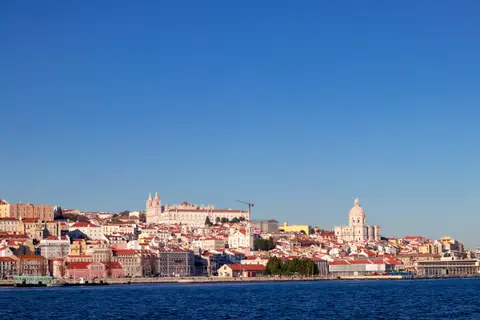
Lisbon, Portugal's enchanting capital, stands out for its rich history, stunning architecture, and vibrant culture. Must-try experiences include savoring local dishes like bacalhau à brás and pastéis de nata at Mercado da Ribeira. The best time to visit is during the spring or fall, when the weather is mild and the city is alive with festivals and events.
Day 81
Day 81
At Sea
Day 82
Day 82
St Jean de Luz
Arrive 12:01Depart 18:00
St Jean de Luz is a compelling Mediterranean port in France where centuries of history, vibrant local cuisine, and luminous coastal scenery converge. Visitors should explore the historic quarters on foot and surrender to the local dining culture, where fresh seafood and regional wines provide a masterclass in Mediterranean living. Best visited May through October, when the climate is at its most welcoming for outdoor exploration. Cruise lines including Hapag-Lloyd Cruises feature this port on their most compelling itineraries. Whether you have a few hours or a full day, the port rewards exploration at every pace and in every direction.
Day 83
Day 83
Le Verdon
Arrive 07:00Depart 17:00
Le Verdon is an Atlantic port at the tip of Bordeaux's Medoc peninsula, gateway to the world's most prestigious wine estates and the wild surf beaches of the Cote d'Argent. Must-dos include touring grand cru chateaux of Pauillac and Margaux, tasting estuary oysters with crepinettes, and climbing Europe's tallest sand dune at Pilat. Visit September for the grape harvest season and golden vineyard light.
Day 84
Day 84
At Sea
Day 85
Day 85
Honfleur
Arrive 05:30Depart 14:00
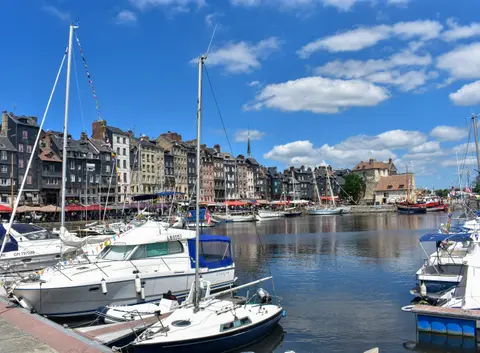
Honfleur, a historic port in Normandy, is known for its stunning waterfront and vibrant artistic heritage, having been a launching point for significant voyages like Samuel de Champlain's to Quebec. Don’t miss the chance to savor local specialties such as moules marinières and tarte normande while exploring the charming cobbled streets. The best time to visit is during the spring and summer months when the town bursts into bloom and outdoor dining thrives.
Day 86
Day 86
Antwerp
Arrive 12:01Depart 19:00
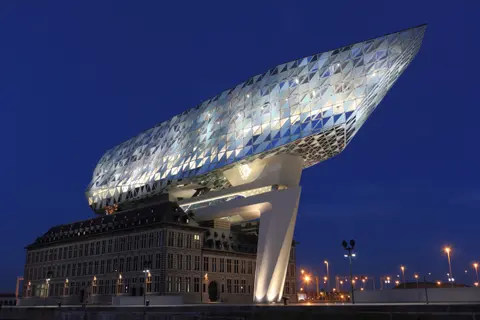
Antwerp has been one of Europe's great mercantile capitals since the fifteenth century, when it commanded the world's first commodity exchange and Peter Paul Rubens made it the artistic capital of the Baroque world — a legacy preserved in the magnificent Rubenshuis studio and the soaring Cathedral of Our Lady, whose nave houses four of the master's greatest altarpieces. Today the city leads global fashion from the acclaimed Antwerp Six design school and remains the diamond capital of the world, with 84% of the world's rough diamonds trading through its storied district. Visit in spring or autumn; Brussels and Bruges are each under an hour away by train.
Day 87
Day 87
At Sea
Day 88
Day 88
Hamburg
Arrive 07:00
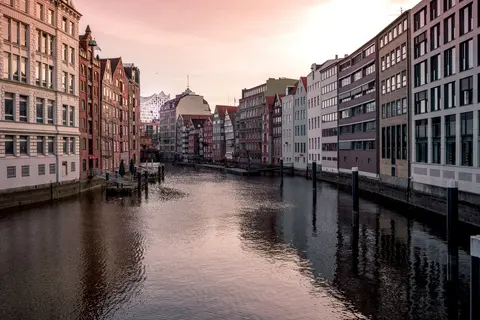
Hamburg — once the 'Gateway to the World' and still Germany's greatest port — combines Hanseatic grandeur with an unmatched contemporary creative energy. The Speicherstadt, a vast nineteenth-century brick warehouse district now housing design studios, museums, and the Elbphilharmonie concert hall perched dramatically above the Elbe, exemplifies the city's gift for transforming history into living culture. The Reeperbahn's legendary nightlife, the Alster lake's elegant promenades, and an exceptional restaurant scene anchored by the finest fresh fish from the daily harbour market complete an irresistible portrait. Hamburg rewards visits year-round, though May through September offers the longest, most luminous days.
Day 1
Hong Kong
Depart 22:00
Hong Kong's port is a vibrant gateway to a unique blend of Eastern and Western cultures, characterized by its stunning skyline and bustling atmosphere. Must-do experiences include savoring local dim sum and exploring the lively markets. The best season to visit is during the autumn months, when the weather is mild and ideal for outdoor adventures.
Day 2
At Sea
Day 3
At Sea
Day 4
Ho Chi Minh City
Arrive 10:00
Still whispered as Saigon by its ten million residents, Ho Chi Minh City pulses with an energy that outlasted every empire and every war. The French colonial grandeur of Notre-Dame Cathedral and Gustave Eiffel's Central Post Office stands in vivid counterpoint to the city's kinetic street life — an endless river of motorbikes, fragrant with pho broth and charcoal-grilled meats. Do not miss the Reunification Palace, a time capsule of Cold War modernism, or a dawn bowl of bánh mì from a sidewalk vendor. The dry season, November through April, offers the most comfortable conditions for exploration.
Day 6
At Sea
Day 7
Singapore
Arrive 17:00
From Raffles's 1819 trading post to the world's second-busiest port, Singapore has always been where the world's trade routes converge — and its Supertree Groves, UNESCO-listed hawker culture, and the bowl of Hainanese chicken rice at Maxwell Food Centre confirm that its ambition has never dimmed. As Southeast Asia's definitive cruise hub, it serves as the ideal starting point for voyages across the Indian Ocean, the Indonesian archipelago, and beyond. February through April offers the most settled weather for exploring this extraordinary island city-state.
Day 9
Port Kelang
Arrive 08:00Depart 18:00
Port Klang is the gateway to Kuala Lumpur, Malaysia's dynamic capital of soaring Petronas Towers, multicultural street markets, and one of the world's most extraordinary food scenes. Must-dos include eating nasi lemak and char kway teow at Jalan Alor's hawker stalls, climbing the rainbow steps to Batu Caves, and exploring the Islamic Arts Museum. May through September and December through February offer the driest conditions.
Day 10
George Town
Arrive 09:00Depart 18:00
George Town is the colorful, multicultural capital of the Malaysian island of Penang. Once an important Straits of Malacca trading hub, the city is known for its British colonial buildings, Chinese shophouses and mosques. Beyond the old town, George Town is a modern city with skyscrapers and shopping malls. Verdant Penang Hill, with hiking and a funicular railway, overlooks it all.
Day 11
At Sea
Day 12
At Sea
Day 13
At Sea
Day 14
At Sea
Day 15
At Sea
Day 16
At Sea
Day 17
At Sea
Day 18
At Sea
Day 19
Port Louis
Arrive 07:00Depart 20:00
Port Louis, the cosmopolitan capital of Mauritius, is a captivating blend of French colonial architecture, UNESCO heritage sites, and one of the Indian Ocean's most vibrant food cultures — the Central Market's dholl puri and vindaye de poisson alone justify the port call. Beyond the city, the island offers Black River Gorges, the surreal seven-coloured earth of Chamarel, and the lagoons of Le Morne. The ideal cruising season runs from May through November, when the Southern Hemisphere winter delivers warm, dry days with comfortable temperatures and calm seas.
Day 20
Pointe Des Galets
Arrive 08:00Depart 18:00
Pointe des Galets is the gateway to Réunion — the Indian Ocean's most volcanically active island, where the Piton de la Fournaise erupts every nine months and roadless cirques harbor villages accessible only by helicopter or hiking trail. Visit May through November via Cunard or Hapag-Lloyd for lunar volcanic landscapes, extraordinary Creole cuisine, and the unique experience of metropolitan French infrastructure on a tropical island of Hawaiian-scale drama.
Day 21
At Sea
Day 22
At Sea
Day 23
At Sea
Day 24
Maputo
Arrive 08:00Depart 14:00
Maputo is Mozambique's vibrant Indian Ocean capital, where Portuguese colonial grandeur meets African creativity in a city of jacaranda-lined boulevards, jazz clubs, and legendary flame-grilled piri-piri prawns. Must-dos include exploring the Eiffel-associated train station, feasting on giant prawns along the Marginal, and excursions to the pristine Bazaruto Archipelago. April through November brings dry, comfortable weather ideal for city exploration and coastal diving.
Day 25
Richards Bay
Arrive 06:00Depart 20:00
Richards Bay is a KwaZulu-Natal port city serving as the gateway to the UNESCO-listed iSimangaliso Wetland Park and Hluhluwe-iMfolozi's Big Five safari country. Must-dos include diving Sodwana Bay's coral reefs, spotting hippos on Lake St Lucia, and tasting Durban-style bunny chow curry. May through September offers the best game viewing, comfortable temperatures, and clear coastal waters.
Day 26
Durban
Arrive 07:30
Durban is South Africa's subtropical gateway on the Indian Ocean, where Zulu, Indian, and colonial heritage converge to create one of the continent's most culturally rich port cities. Visitors should not miss savouring an authentic bunny chow in the Grey Street quarter and exploring the nearby uKhahlamba-Drakensberg mountains or iSimangaliso Wetland Park. The South African summer — November through March — delivers warm seas ideal for swimming, though the mild winters (June to August) offer comfortable touring temperatures and prime whale-watching along the KwaZulu-Natal coast.
Day 28
At Sea
Day 29
Gqeberha
Arrive 07:30
Gqeberha (formerly Port Elizabeth) is a welcoming Eastern Cape city on South Africa's Indian Ocean coast, gateway to the elephant-rich Addo National Park and a coastline of warm-water beaches. Must-dos include a Big Five game drive at Addo, the Route 67 Mandela art trail, and swimming at pristine Sardinia Bay. Visit September through November for spring wildlife, wildflowers, and whale watching.
Day 31
At Sea
Day 32
Cape Town
Arrive 05:00Depart 21:00
Cape Town's port is a vibrant blend of history, culture, and natural beauty, making it a premier destination for travelers. Must-do experiences include savoring local dishes like bobotie and exploring the bustling V&A Waterfront. The best season to visit is during the Southern Hemisphere summer, from December to February, when the weather is warm and perfect for outdoor adventures.
Day 33
At Sea
Day 34
Luderitz
Arrive 08:00Depart 14:00
Luderitz is a surreal German colonial town on Namibia's desert coast, where Art Nouveau architecture, Lutheran churches, and half-timbered houses face the cold Atlantic amid some of Earth's most desolate terrain. Must-dos include visiting the sand-swallowed ghost town of Kolmanskop, feasting on West Coast crayfish, and admiring the Jugendstil Goerke Haus. September through April offers the warmest weather for this extraordinary desert-meets-ocean destination.
Day 35
Walvis Bay
Arrive 08:00
Walvis Bay is Namibia's principal deep-water port, set between the ancient dunes of the Namib Desert and the wildlife-rich Atlantic lagoon famed for its vast flamingo colonies. Visitors should not miss a catamaran cruise through the lagoon for close encounters with dolphins and Cape fur seals, nor the otherworldly dune landscapes of Sossusvlei in the Namib-Naukluft National Park. The optimal season for cruising is October through April, when southern-hemisphere spring and summer bring warm, clear days and peak flamingo populations to the bay.
Day 37
At Sea
Day 38
At Sea
Day 39
At Sea
Day 40
Jamestown
Arrive 07:00Depart 16:00
Jamestown, Saint Helena, opens a window onto Africa's extraordinary blend of natural grandeur, cultural vitality, and warm hospitality. Visitors should explore the local markets and venture into the surrounding landscapes for wildlife encounters of genuine wonder. The most favorable conditions occur May through October, when the climate is at its most welcoming for outdoor exploration. Cruise lines including Hapag-Lloyd Cruises feature this port on their most compelling itineraries. Whether you have a few hours or a full day, the port rewards exploration at every pace and in every direction.
Day 41
At Sea
Day 42
At Sea
Day 43
At Sea
Day 44
At Sea
Day 45
At Sea
Day 46
Palmeira
Arrive 12:01Depart 19:00
Palmeira, Cape Verde, opens a window onto Africa's extraordinary blend of natural grandeur, cultural vitality, and warm hospitality. Visitors should explore the local markets and venture into the surrounding landscapes for wildlife encounters of genuine wonder. The most favorable conditions occur December through April, during the dry season when skies are clearest and seas are calmest. Cruise lines including Hapag-Lloyd Cruises feature this port on their most compelling itineraries. Whether you have a few hours or a full day, the port rewards exploration at every pace and in every direction.
Day 47
Mindelo
Arrive 08:00Depart 18:00
Mindelo, on the island of São Vicente, is Cape Verde's cultural capital — a harbour city of pastel colonial facades, vibrant street art, and the soulful musical heritage of Cesária Évora. Visitors should savour *cachupa rica* at a waterfront restaurant and take the ferry to Santo Antão for world-class hiking through terraced volcanic valleys. The best time to call is between November and June, when the trade winds temper the tropical heat and transatlantic cruise itineraries converge on Porto Grande's magnificent natural bay.
Day 48
At Sea
Day 49
At Sea
Day 50
Santa Cruz de Tenerife
Arrive 06:00Depart 22:00
Santa Cruz de Tenerife, the cosmopolitan capital of the Canary Islands, balances volcanic grandeur with refined urban pleasures — from the Santiago Calatrava–designed Auditorio rising beside the Atlantic to the ancient dragon tree at Icod de los Vinos and the World Heritage Teide volcano looming above the island. The city's Carnival, second in scale only to Rio de Janeiro's, erupts each February in spectacular costumes and street revelry. Local wines from the volcanic slopes, wrinkled potatoes with mojo verde, and fresh Atlantic fish define the island's culinary character. November through April offers reliably warm, sun-drenched conditions.
Day 51
San Sebastian
Arrive 08:00Depart 19:30
San Sebastián de La Gomera is the tranquil capital of a UNESCO Biosphere Reserve in the Canary Islands — the very harbour from which Columbus departed for the New World in 1492. Visitors should lose themselves in the primordial laurel forests of Garajonay National Park and taste almogrote, the island's singular smoked-cheese spread, at a hillside terrace overlooking the Atlantic. The mild subtropical climate makes La Gomera rewarding year-round, though late spring and autumn offer the clearest skies for hiking the cloud forest trails.
Day 52
Santa Cruz de la Palma
Arrive 06:00Depart 18:00
Santa Cruz de la Palma is the charming capital of La Palma, known for its colonial architecture and rich maritime history. Must-do experiences include savoring local dishes like "papas arrugadas" and exploring the stunning landscapes of Taburiente National Park. The best time to visit is during the spring and fall months when the weather is mild and perfect for outdoor adventures.
Day 53
At Sea
Day 54
Portimao
Arrive 13:00Depart 22:00
Portimão is the Algarve's most storied port city, where Phoenician trading heritage meets golden-cliff beaches and Portugal's finest grilled sardine tradition along the Arade River. Visitors should not miss the charcoal-grilled sardines at the riverside churrasqueiras and the dramatic sandstone formations of Praia da Rocha. The port is at its luminous best from May through October, when long Atlantic days bathe the coastline in honeyed light and the August Sardine Festival electrifies the waterfront.
Day 55
Cadiz
Arrive 08:00Depart 19:30
Cádiz, founded by Phoenician traders around 1100 BC and a strong contender for the oldest continuously inhabited city in Western Europe, juts into the Atlantic on a narrow peninsula where honey-colored ramparts frame improbable views of open ocean and the sun sets directly into the sea. The old quarter is an intoxicating labyrinth of baroque churches, hidden plazas, and carnival spirit — Cádiz's annual February carnival is the wildest and most satirically sharp in Spain — while the tapas culture here, centered on fresh Atlantic seafood cooked with Andalusian simplicity, represents Spanish cuisine at its most elemental and joyful. Visit February for carnival or spring for gentle Atlantic breezes. Seville is ninety minutes inland by bus or rail.
Day 56
Malaga
Arrive 08:00
Málaga distils three thousand years of Mediterranean civilisation into one of Andalusia's most compelling port cities, where the Moorish Alcazaba fortress surveys a modern waterfront of elegant promenades and sun-drenched café terraces. Do not leave without visiting the Museo Picasso — the artist was born here in 1881 — and ascending to the ruined Castillo de Gibralfaro for panoramic views stretching to the Rif Mountains of Morocco on clear days. Malagueta anchovies fried in olive oil and the sweet Pedro Ximénez-laced dessert wine are the city's defining pleasures. The shoulder seasons of April, May, and October offer perfect Mediterranean warmth.
Day 58
Ibiza
Arrive 14:00Depart 23:59
Beneath Ibiza's sun-drenched reputation as the world's clubbing capital lies a layered history stretching back to Phoenician traders who settled this Balearic island in 654 BC. The UNESCO-listed Dalt Vila — the walled hilltop citadel above Eivissa town — rewards exploration with Carthaginian burial grounds, Renaissance ramparts, and sweeping Mediterranean panoramas. For quieter pleasures, the crystalline coves of the island's north, such as Cala d'en Serra and Es Portitxol, rival any beach in Europe. The Phoenician necropolis of Puig des Molins is unmissable for history devotees. The season runs May through October, with June and September offering ideal weather without peak-summer crowds.
Day 59
Palma de Mallorca
Arrive 08:00Depart 18:00
Palma de Mallorca announces itself with one of the most spectacular Gothic cathedrals in the world — La Seu, its honey-coloured sandstone buttresses rising directly from the bay, its interior modified by Antoni Gaudí and illuminated by the world's largest Gothic rose window. The old town behind it is a quarter of Arab baths, Renaissance palaces converted into boutique hotels, and the Passeig del Born — a plane-tree-shaded promenade where Balearic life conducts itself with unhurried grace. The local ensaïmada pastry and fresh sobrasada sausage from the island's black pigs are essential breakfast rituals. Visit May, June, or September: warm, brilliant, and measurably calmer than the July–August peak.
Day 60
Alghero
Arrive 13:00Depart 22:00
Alghero is Sardinia's Catalan jewel, a medieval walled town where bilingual street signs, fourteenth-century Aragonese fortifications, and the spectacular Neptune's Grotto sea cave create the island's most culturally distinctive coastal experience. Visit May through October via Silversea or Explora Journeys for sunset wall walks, the 656-step cliff descent to Neptune's Grotto, and lobster alla catalana served within the honey-colored ramparts of a city that bridges Barcelona and Sardinia.
Day 61
At Sea
Day 62
At Sea
Bonifacio
Arrive 08:00Depart 18:00
Bonifacio is a dramatically cliff-perched medieval citadel at Corsica's southern tip, where Genoese ramparts tower above a fjord-like natural harbour in the turquoise Strait of Bonifacio. Visitors should descend the vertiginous Escalier du Roi d'Aragon carved into the limestone cliffs and take a boat excursion to the pristine Lavezzi archipelago nature reserve for world-class snorkelling among sculpted granite formations. The ideal window is June or September, when the Mediterranean light is at its most luminous and the narrow streets of the haute ville remain blissfully uncrowded.
Day 63
Civitavecchia
Arrive 05:00Depart 23:59
Rome's ancient maritime gateway since the Emperor Trajan commissioned its harbour in 106 AD, Civitavecchia is the natural prologue to the Eternal City — just seventy minutes southeast by express rail. The port's Renaissance fortress, designed in part by Michelangelo, anchors a working waterfront that has welcomed travellers for millennia. Beyond Rome's unmissable monuments, consider an afternoon in the Civitavecchia thermal baths, drawing on mineral waters prized since antiquity. Spring and autumn offer the ideal balance of mild weather and manageable crowds for exploring the capital's layered history.
Day 64
Portoferraio
Portoferraio is the historic capital of Elba, the Tuscan island famous as Napoleon's place of exile, featuring Medici fortifications, pastel waterfront facades, and over 150 beaches. Must-dos include Napoleon's Villa dei Mulini, the Monte Capanne cable car, and sampling Aleatico dessert wine. May through October offers ideal Mediterranean conditions, with June and September best for avoiding crowds.
Day 65
Portovenere
Arrive 07:00
Portovenere is a fortified Ligurian fishing village at the entrance to the Gulf of Poets, where Byron and Shelley found inspiration among colorful harbor houses, a dramatic cliff-top church, and UNESCO-listed coastal landscapes. Must-dos include the Church of San Pietro, boat trips to Palmaria island, and tasting fresh gulf mussels with Cinque Terre wine. May, June, and September offer ideal weather with fewer crowds.
Day 66
Portofino
Arrive 08:00Depart 23:59
Portofino is a jewel-box fishing village on Italy's Ligurian coast, renowned for its pastel harbour, Castello Brown fortress views, and exquisite pesto-dressed trofie pasta at waterside trattorias. Visitors should walk the coastal trail to the Cristo degli Abissi underwater statue at San Fruttuoso and savour focaccia di Recco with a glass of local Vermentino. The ideal season stretches from late April through October, with September offering the perfect balance of warm Mediterranean light and the intimate calm that returns after summer's peak.
Day 67
Saint Florent (Corsica - France)
Arrive 08:00Depart 18:00
Saint-Florent is Corsica's elegant northern harbor town, set in a sheltered gulf with a Genoese citadel, Pisan Romanesque cathedral, and access to the pristine beaches of the Désert des Agriates—Europe's most unspoiled coastline. Must-dos include boat trips to Plage de Saleccia, tasting Patrimonio wines, and dining on Corsican seafood at waterfront terraces. May through October offers the best conditions, with June and September ideal.
Day 68
Monte Carlo
Arrive 08:00Depart 18:00
Monte Carlo, Monaco is a sovereign principality on the French Riviera where centuries of Grimaldi rule have forged an extraordinary concentration of elegance — from the legendary Casino de Monte-Carlo to the cliff-top Oceanographic Museum founded by Prince Albert I. No visit is complete without savouring *barbagiuan* at the Condamine market and exploring the old town of Monaco-Ville, where the cathedral and prince's palace command sweeping Mediterranean views. The most luminous months are May through September, with late spring offering the electric atmosphere of the Grand Prix season alongside gentler crowds and pristine coastal light.
Saint Tropez
Arrive 23:00
Saint-Tropez is the legendary Côte d'Azur fishing port turned global glamour destination, where Provençal authenticity endures beneath the mythology of yachts and celebrities. Must-dos include browsing the Musée de l'Annonciade's Fauvist masterpieces, tasting tarte tropézienne and fresh-caught rouget, and strolling the Sentier du Littoral coastal path to hidden coves. May through June and September through October offer the best weather with fewer crowds.
Day 70
Collioure
Arrive 08:00Depart 23:59
Collioure is a luminous fishing village on France's Cote Vermeille where Matisse and Derain launched the Fauvist movement, drawn by the extraordinary Mediterranean light that still saturates its colorful streets. Visitors should taste the village's celebrated salt-cured anchovies, sample Banyuls fortified wine, and walk the dramatic coastal path to neighboring Port-Vendres. The Mediterranean climate offers over three hundred days of sunshine, with spring and autumn providing the most pleasant temperatures.
Day 71
At Sea
Day 72
Mahon
Arrive 07:00Depart 18:00
Mahón commands one of the Mediterranean's deepest natural harbours, a fjord-like inlet on Menorca that captivated British admirals, Phoenician traders, and Roman generals in turn — its Georgian townhouses and gin distilleries speaking eloquently to centuries of contested heritage. Explore the clifftop old town's baroque Santa María church with its 3,200-pipe organ, then cross the water to the imposing fortress of La Mola for sweeping harbour views. The island's prized caldereta de langosta, a slow-simmered lobster stew, is best savoured at the fishing village of Fornells. Visit between May and June or September and October for warmth without the summer crowds.
Day 73
Ibiza
Arrive 08:00
Beneath Ibiza's sun-drenched reputation as the world's clubbing capital lies a layered history stretching back to Phoenician traders who settled this Balearic island in 654 BC. The UNESCO-listed Dalt Vila — the walled hilltop citadel above Eivissa town — rewards exploration with Carthaginian burial grounds, Renaissance ramparts, and sweeping Mediterranean panoramas. For quieter pleasures, the crystalline coves of the island's north, such as Cala d'en Serra and Es Portitxol, rival any beach in Europe. The Phoenician necropolis of Puig des Molins is unmissable for history devotees. The season runs May through October, with June and September offering ideal weather without peak-summer crowds.
Day 74
Palma de Mallorca
Palma de Mallorca announces itself with one of the most spectacular Gothic cathedrals in the world — La Seu, its honey-coloured sandstone buttresses rising directly from the bay, its interior modified by Antoni Gaudí and illuminated by the world's largest Gothic rose window. The old town behind it is a quarter of Arab baths, Renaissance palaces converted into boutique hotels, and the Passeig del Born — a plane-tree-shaded promenade where Balearic life conducts itself with unhurried grace. The local ensaïmada pastry and fresh sobrasada sausage from the island's black pigs are essential breakfast rituals. Visit May, June, or September: warm, brilliant, and measurably calmer than the July–August peak.
Day 76
At Sea
Day 77
Marbella
Arrive 08:00Depart 18:00
Marbella is an elegant Costa del Sol destination where Moorish heritage, fishing-village charm, and Mediterranean glamour converge around the legendary Puerto Banús marina. Visitors should not miss savouring espetos de sardinas on the beach and wandering the orange-tree-lined plazas of the whitewashed Old Quarter. The best months to visit are May through June and September through October, when golden light bathes the coastline, temperatures hover in the mid-twenties, and the crowds of high summer have yet to arrive or have gracefully departed.
Day 78
Portimao
Arrive 12:01Depart 18:00
Portimão is the Algarve's most storied port city, where Phoenician trading heritage meets golden-cliff beaches and Portugal's finest grilled sardine tradition along the Arade River. Visitors should not miss the charcoal-grilled sardines at the riverside churrasqueiras and the dramatic sandstone formations of Praia da Rocha. The port is at its luminous best from May through October, when long Atlantic days bathe the coastline in honeyed light and the August Sardine Festival electrifies the waterfront.
Day 79
Lisbon
Arrive 08:00
Lisbon, Portugal's enchanting capital, stands out for its rich history, stunning architecture, and vibrant culture. Must-try experiences include savoring local dishes like bacalhau à brás and pastéis de nata at Mercado da Ribeira. The best time to visit is during the spring or fall, when the weather is mild and the city is alive with festivals and events.
Day 81
At Sea
Day 82
St Jean de Luz
Arrive 12:01Depart 18:00
St Jean de Luz is a compelling Mediterranean port in France where centuries of history, vibrant local cuisine, and luminous coastal scenery converge. Visitors should explore the historic quarters on foot and surrender to the local dining culture, where fresh seafood and regional wines provide a masterclass in Mediterranean living. Best visited May through October, when the climate is at its most welcoming for outdoor exploration. Cruise lines including Hapag-Lloyd Cruises feature this port on their most compelling itineraries. Whether you have a few hours or a full day, the port rewards exploration at every pace and in every direction.
Day 83
Le Verdon
Arrive 07:00Depart 17:00
Le Verdon is an Atlantic port at the tip of Bordeaux's Medoc peninsula, gateway to the world's most prestigious wine estates and the wild surf beaches of the Cote d'Argent. Must-dos include touring grand cru chateaux of Pauillac and Margaux, tasting estuary oysters with crepinettes, and climbing Europe's tallest sand dune at Pilat. Visit September for the grape harvest season and golden vineyard light.
Day 84
At Sea
Day 85
Honfleur
Arrive 05:30Depart 14:00
Honfleur, a historic port in Normandy, is known for its stunning waterfront and vibrant artistic heritage, having been a launching point for significant voyages like Samuel de Champlain's to Quebec. Don’t miss the chance to savor local specialties such as moules marinières and tarte normande while exploring the charming cobbled streets. The best time to visit is during the spring and summer months when the town bursts into bloom and outdoor dining thrives.
Day 86
Antwerp
Arrive 12:01Depart 19:00
Antwerp has been one of Europe's great mercantile capitals since the fifteenth century, when it commanded the world's first commodity exchange and Peter Paul Rubens made it the artistic capital of the Baroque world — a legacy preserved in the magnificent Rubenshuis studio and the soaring Cathedral of Our Lady, whose nave houses four of the master's greatest altarpieces. Today the city leads global fashion from the acclaimed Antwerp Six design school and remains the diamond capital of the world, with 84% of the world's rough diamonds trading through its storied district. Visit in spring or autumn; Brussels and Bruges are each under an hour away by train.
Day 87
At Sea
Day 88
Hamburg
Arrive 07:00
Hamburg — once the 'Gateway to the World' and still Germany's greatest port — combines Hanseatic grandeur with an unmatched contemporary creative energy. The Speicherstadt, a vast nineteenth-century brick warehouse district now housing design studios, museums, and the Elbphilharmonie concert hall perched dramatically above the Elbe, exemplifies the city's gift for transforming history into living culture. The Reeperbahn's legendary nightlife, the Alster lake's elegant promenades, and an exceptional restaurant scene anchored by the finest fresh fish from the daily harbour market complete an irresistible portrait. Hamburg rewards visits year-round, though May through September offers the longest, most luminous days.
Cabin Categories
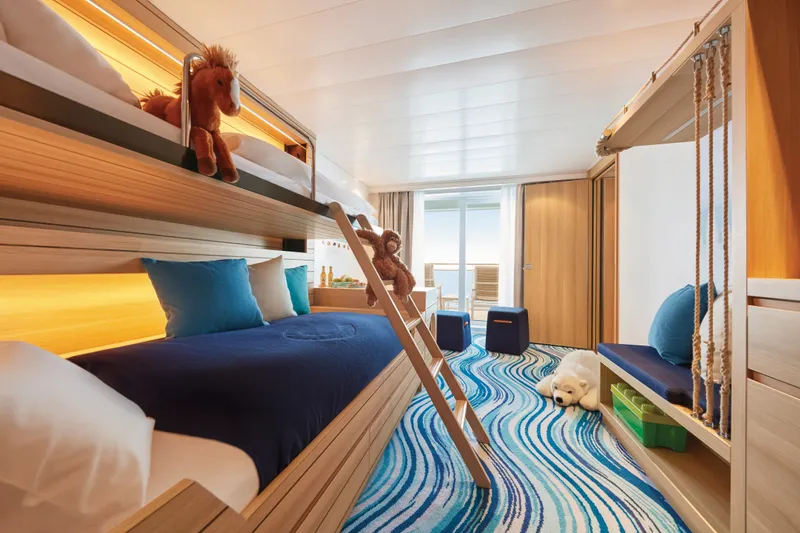
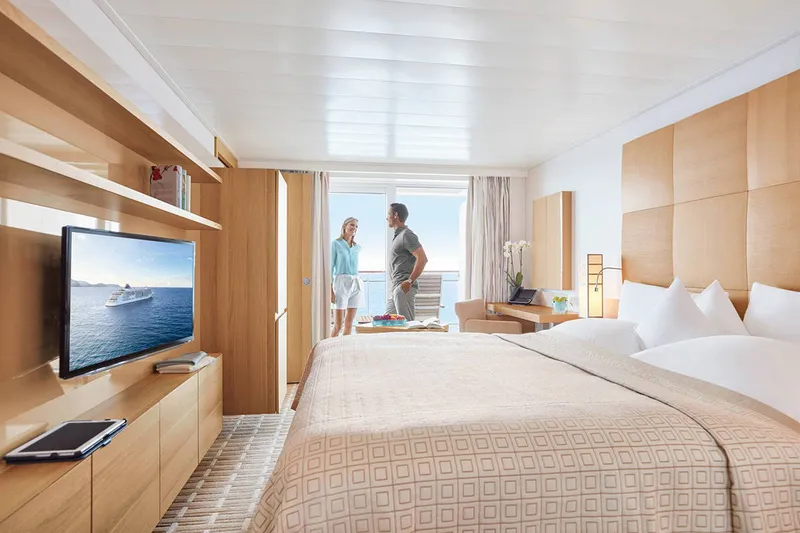
Family Suite
Outside
291 m²Max 4
12
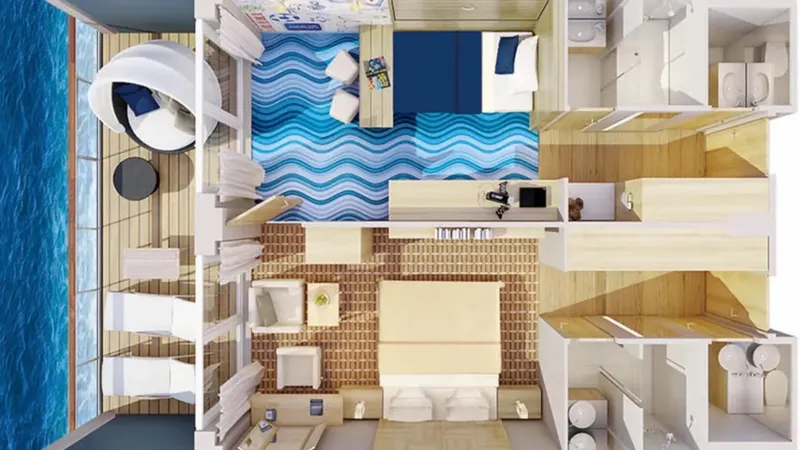
In the family apartment, parents and children live in two separate sections that are connected with each other by a door and via the veranda.
Living area: 2× 20 m²; veranda: 2× 7 m²
Connecting door between the rooms and verandas.
Separate WCs.
Free mini bar (beer and soft drinks).
Double or Twin ConfigurationPullman BedLounge AreaShowerBathRoom Service Available+6
View Details
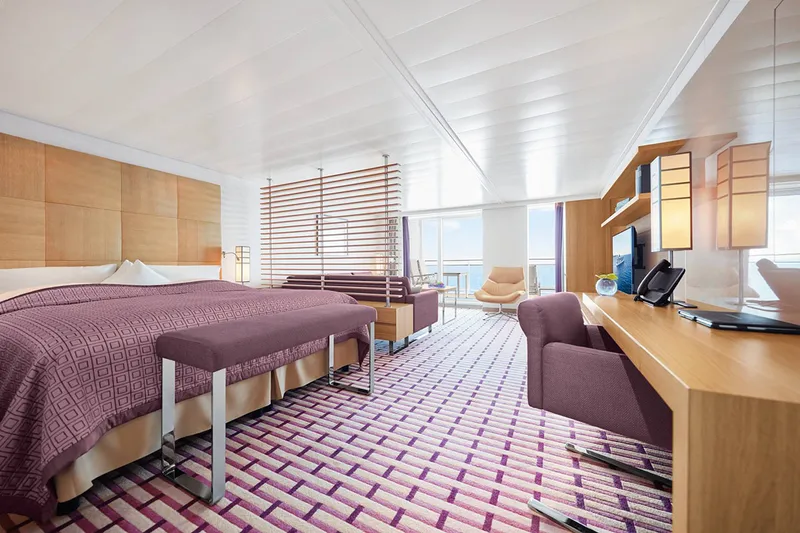
Grand Ocean Suite
Suite
0607
Private oasis of wellbeing and stylish relaxation zone – in the Spa Suite, everyday life is nothing but a distant memory. Indulge your body and soul at the highest level – with warm shades and a spa bathroom with panoramic views of the sea.
Living area: 42 m²; veranda: 10 m².
Bathroom with two washbasins.
Separate WC..
Butler service.
Daylight in the bathroom.
TV in the bathroom mirror.
Rain shower with steam sauna.
Whirlpool tub.
Free mini bar (beer, soft drinks and a selection of high-quality spirits)
US$82,984 /person+ US$0 taxes & fees
Grand Penthouse Suite
Suite
947 m²Max 3
10
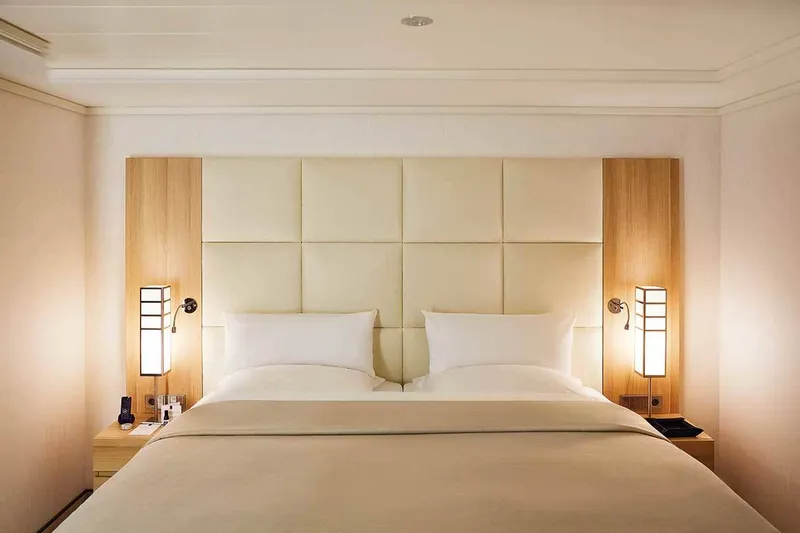
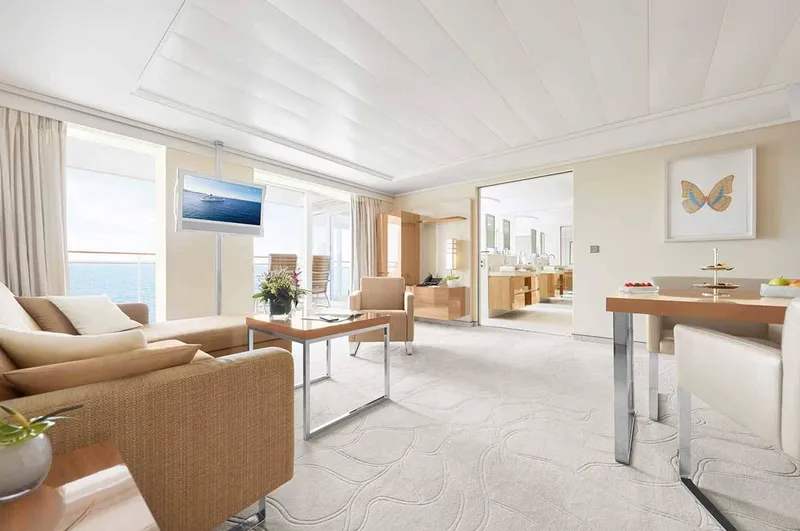
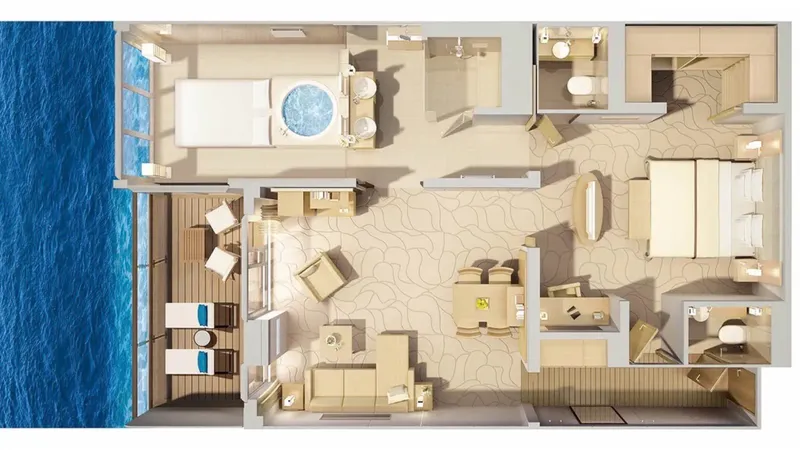
In the Grand Penthouse Suite you can enjoy lavishness at sea and experience an exclusive break of superior quality – on a daybed with view of the endless sea or while taking a bath in the middle of the ocean in your private whirlpool.
Living area: 78 m²; veranda: 10 m²
Separate living and sleeping areas.
Separate dining table.
Guest WC.
Bathroom with two washbasins.
Shower with steam sauna.
Whirlpool.
Daybed and TV in the bathroom area
Spacious walk-in wardrobe
Butler service
Free mini-bar (beer, soft drinks and a selection of high-quality spirits).
Further exclusive service privileges.
Double or Twin ConfigurationLounge AreaShowerWhirlpool BathSuite BenefitsFree Mini Bar+7
View Details
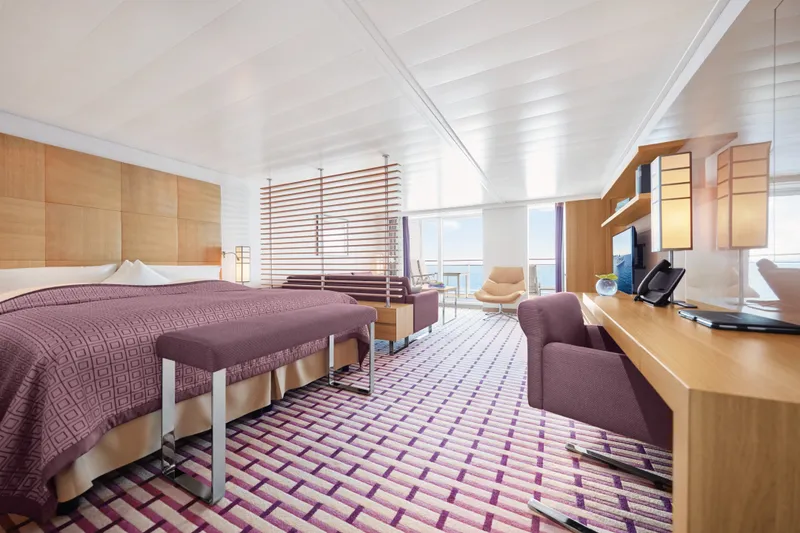
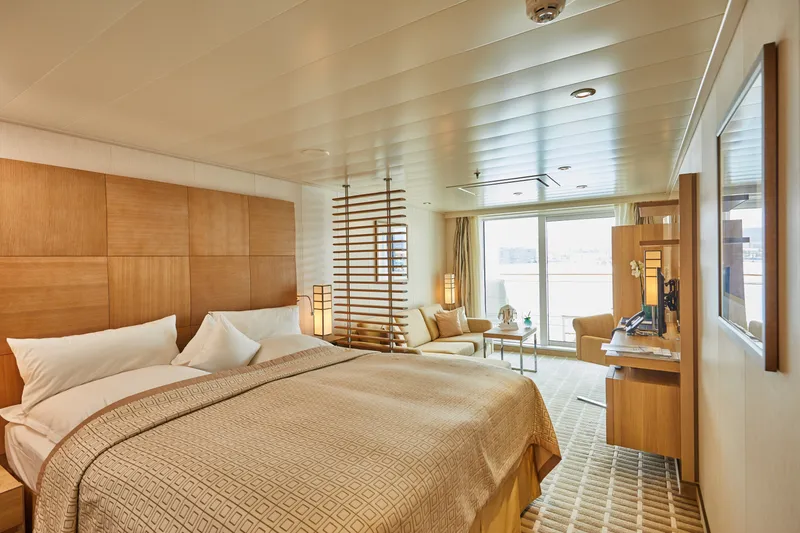
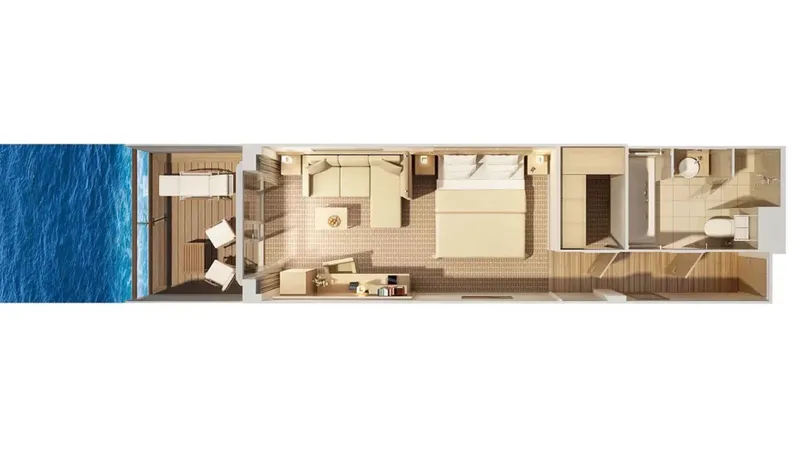
Guaranteed Suite
Suite
377–560 m²Max 3
S01OS01VS02OS02VS03OS03VS04OS04VS05S06S07S08S09SGOSGPSVO1SVO3SVOS
Guaranteed Suite
Double or Twin ConfigurationShowerBathRoom Service AvailableFree Mini BarTV+6
View Details
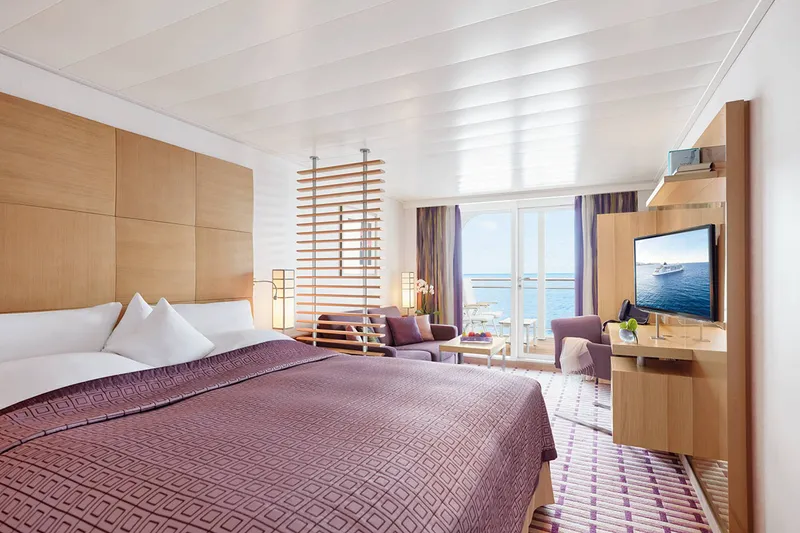
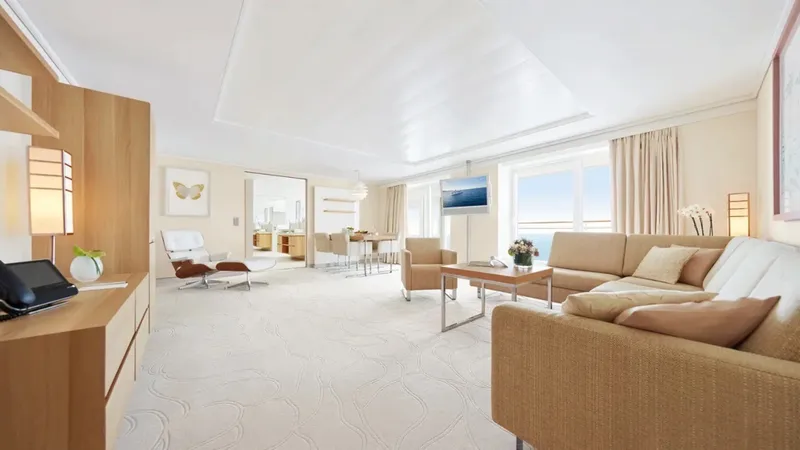
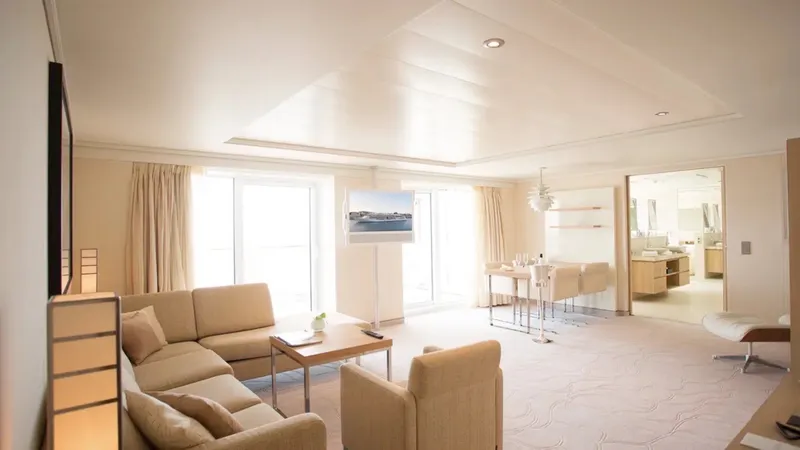
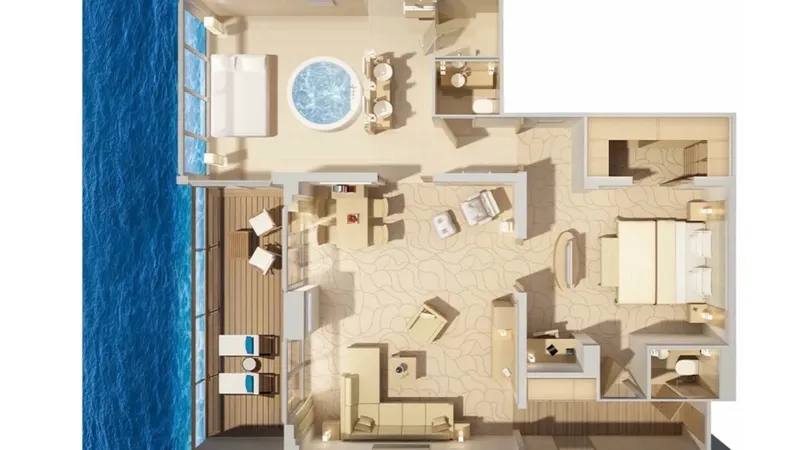
Ocean Suite
Suite
01O02O03O04O
Living area: 28 m² (301 ft²)
Veranda: 7 m² (75 ft²)
Natural light in the bathroom
Bathroom with two sinks
Whirlpool tub and separate shower
Separate toilet
Free mini bar
US$50,116 /person+ US$0 taxes & fees
Owner's Suite
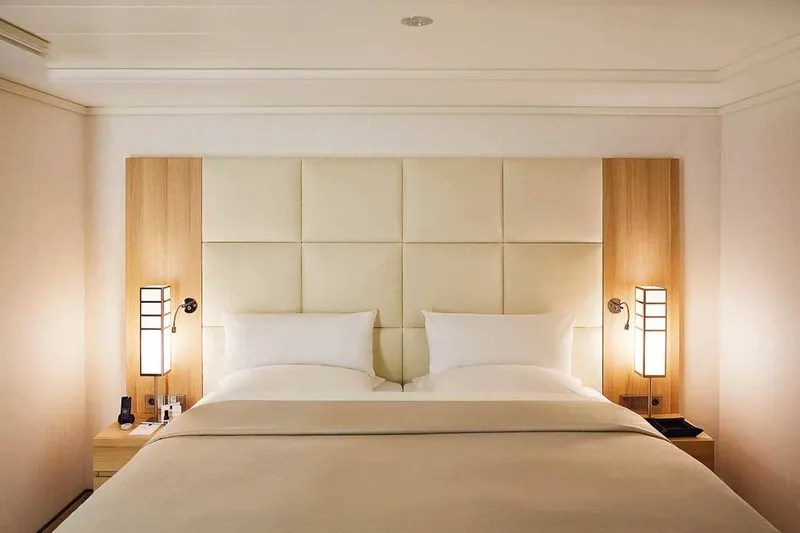
Suite
1227 m²Max 4
11
The Owner’s Suite is far more than our most exclusive suite; it is a select domicile on the oceans of the world. Enjoy every imaginable convenience on more than 114 square metres of personal freedom.
Living area: 99 m²; veranda: 15 m².
Separate living and sleeping areas.
Separate dining table.
Guest WC.
Bathroom with two washbasins.
Shower with steam sauna.
Whirlpool.
Daybed and TV in the bathroom area.
Spacious walk-in wardrobe.
Butler service.
Free mini bar (beer, soft drinks and a selection of high-quality spirits).
Further exclusive service privileges.
Double or Twin ConfigurationLounge AreaShowerRoom Service AvailableSuite BenefitsFree Mini Bar+8
View Details
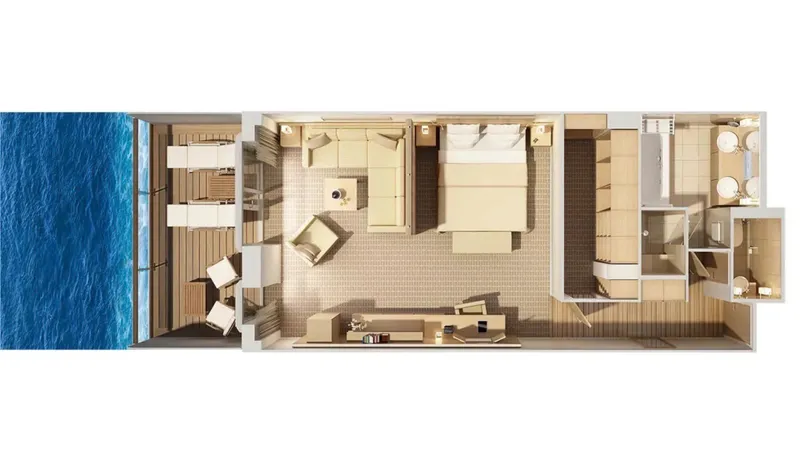
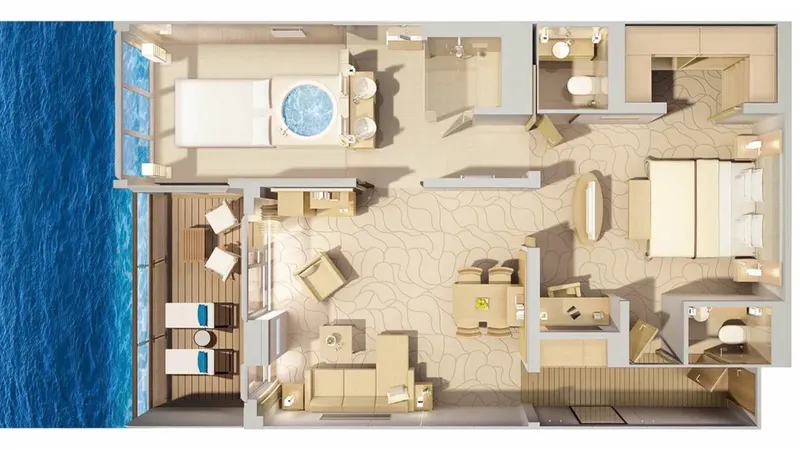
Penthouse Suite
Suite
947 m²Max 3
080913
A fantastically spacious suite with every conceivable comfort, uniquely located on the upper decks – is there a more beautiful place to relax? In the Grand Suite, you can enjoy the endless views of the sea and the conveniences of a classical Grand Suite.
Living area: 42 m²; veranda: 10 m².
Bathroom with two washbasins.
Separate WC.
Butler service.
TV in the bathroom mirror.
Walk-in wardrobe.
Bathtub and separate shower.
Free mini bar (beer, soft drinks and a selection of high-quality spirits).
The Grand Suite is also available with facilities suitable for the physically disabled.
Double or Twin ConfigurationLounge AreaShowerWhirlpool BathSuite BenefitsFree Mini Bar+7
US$82,929 /person+ US$0 taxes & fees
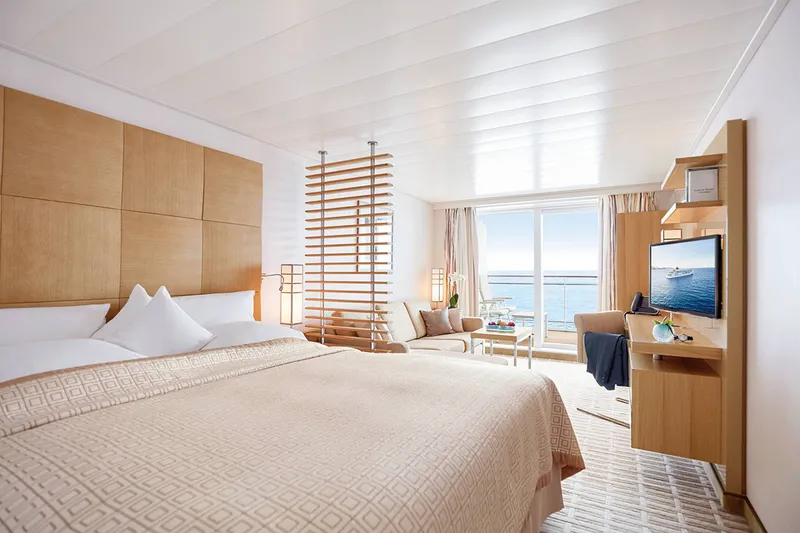
Veranda Suite
Suite
01V02V03V04V05
Living area: 28 m² (301 ft²)
Veranda: 7 m² (75 ft²)
Walk-in wardrobe
Exclusive living area with a chaise longue
Bathtub and separate shower
Free mini bar
US$37,664 /person+ US$0 taxes & fees
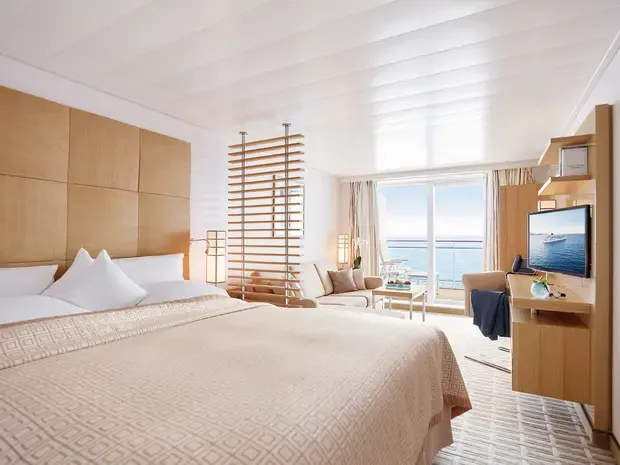
Guaranteed Balcony
Balcony
S12
Guaranteed Balcony
View Details
Interested in This Voyage?
Our cruise specialists can help you find the perfect cabin and the best available pricing.
(+886) 02-2721-7300Contact Advisor