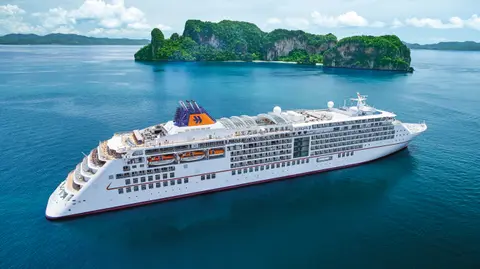
Hapag-Lloyd CruisesEUX2714
The elegance of the Mediterranean
Date
2027-08-03
Duration
12 nights
Departure Port
Civitavecchia
Italy
Arrival Port
Palma de Mallorca
Spain
Rating
Luxury
Theme
—
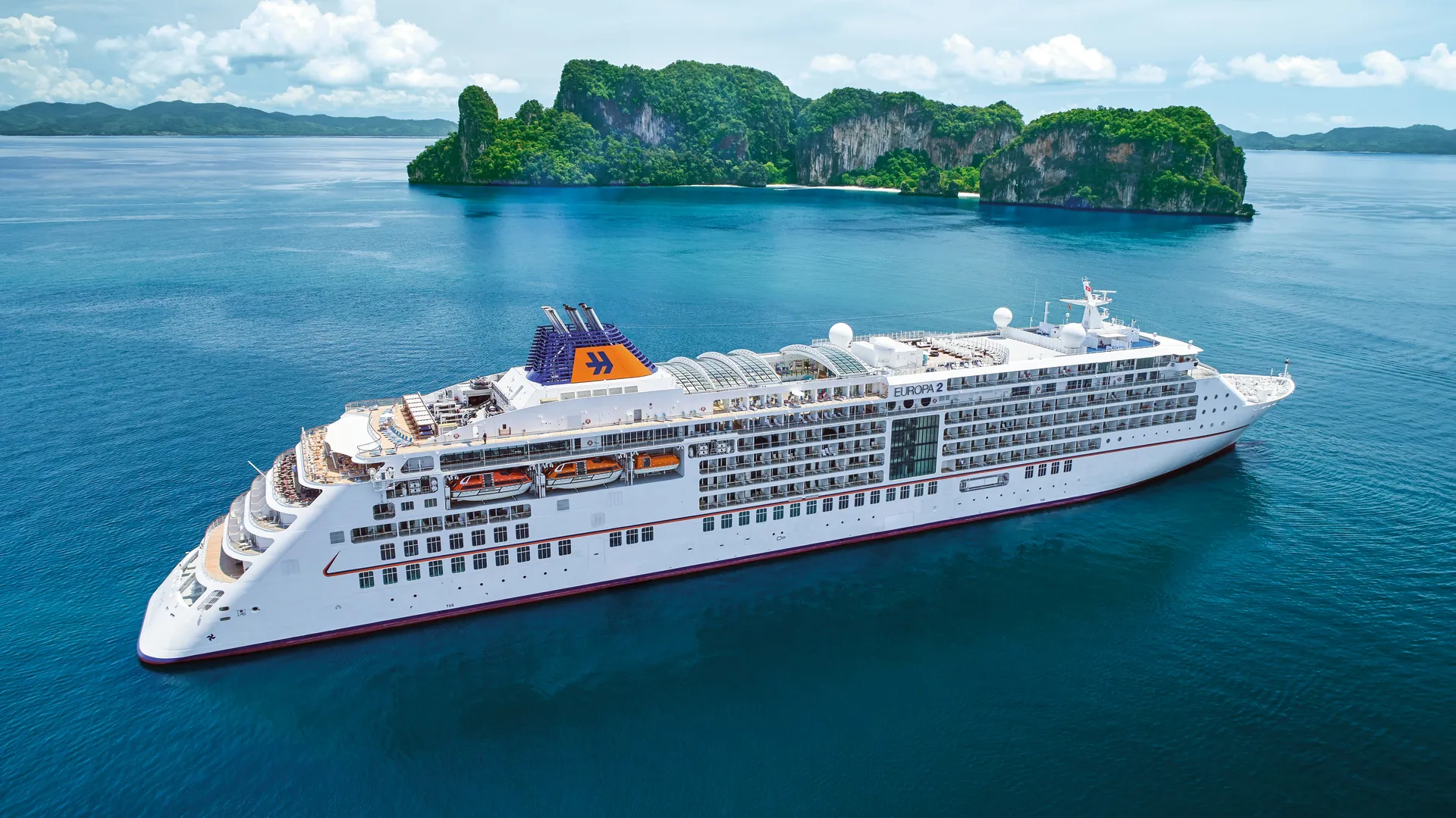
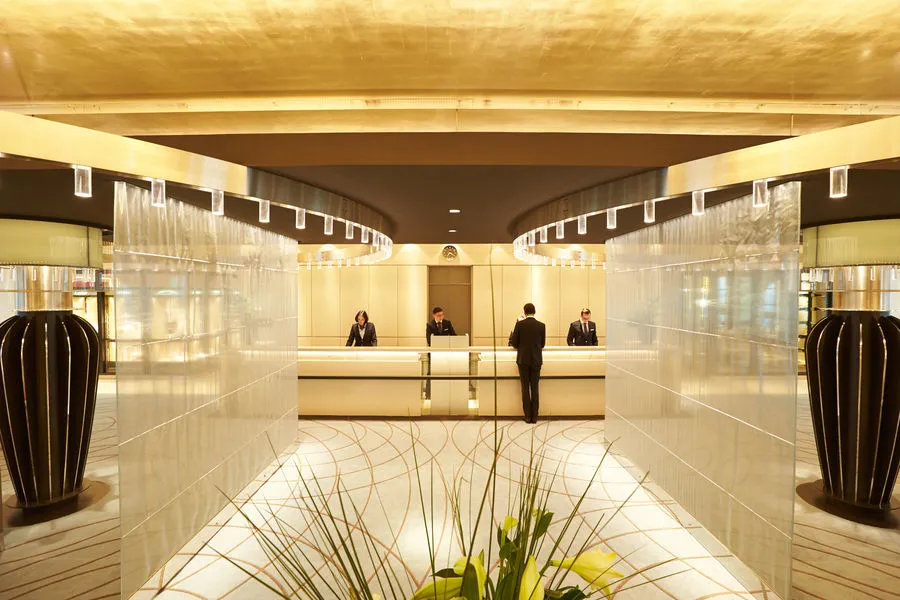
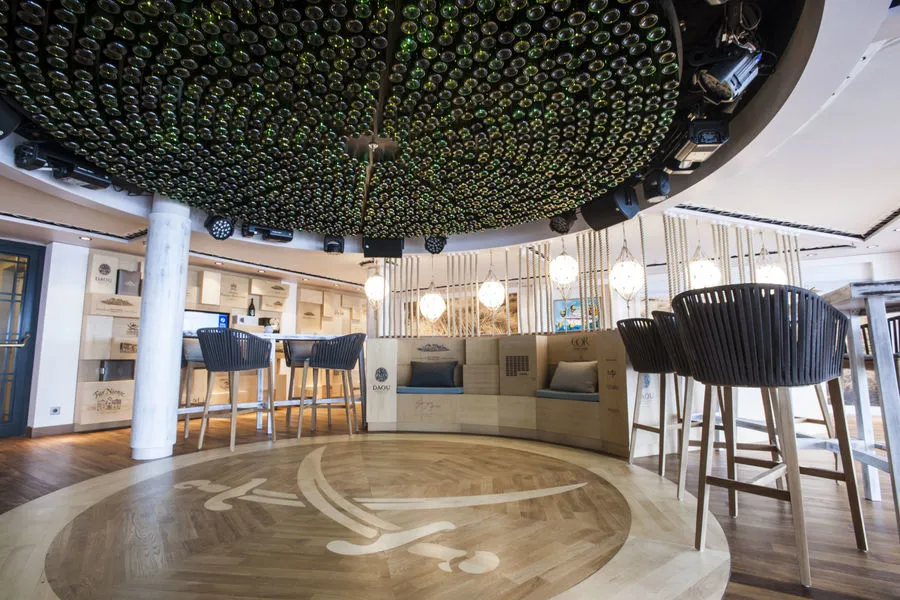
Hapag-Lloyd Cruises
MS EUROPA 2
Launched
2013
Refitted
2017
Tonnage
42,830 GT
Passengers
516
Cabins
251
Crew
370
Length
739 m
Width
27 m
Speed
21 knots
Adults Only
No
Itinerary
Day 1
Day 1
Civitavecchia
Depart 23:59
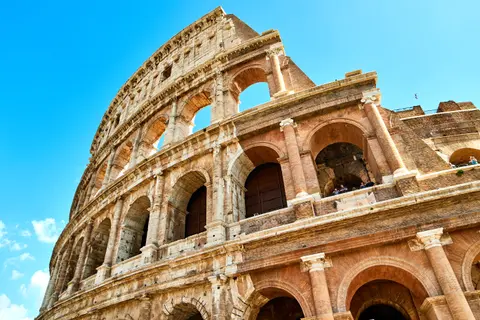
Rome's ancient maritime gateway since the Emperor Trajan commissioned its harbour in 106 AD, Civitavecchia is the natural prologue to the Eternal City — just seventy minutes southeast by express rail. The port's Renaissance fortress, designed in part by Michelangelo, anchors a working waterfront that has welcomed travellers for millennia. Beyond Rome's unmissable monuments, consider an afternoon in the Civitavecchia thermal baths, drawing on mineral waters prized since antiquity. Spring and autumn offer the ideal balance of mild weather and manageable crowds for exploring the capital's layered history.
Day 2
Day 2
Portoferraio
Arrive 12:01Depart 23:59
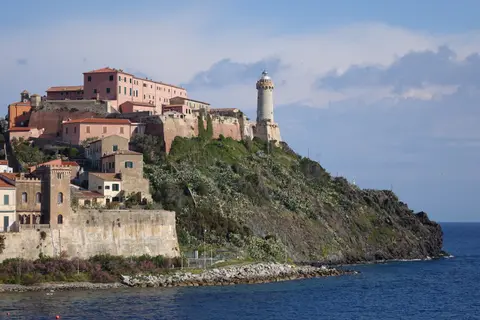
Portoferraio is the historic capital of Elba, the Tuscan island famous as Napoleon's place of exile, featuring Medici fortifications, pastel waterfront facades, and over 150 beaches. Must-dos include Napoleon's Villa dei Mulini, the Monte Capanne cable car, and sampling Aleatico dessert wine. May through October offers ideal Mediterranean conditions, with June and September best for avoiding crowds.
Day 3
Day 3
Portovenere
Arrive 07:00
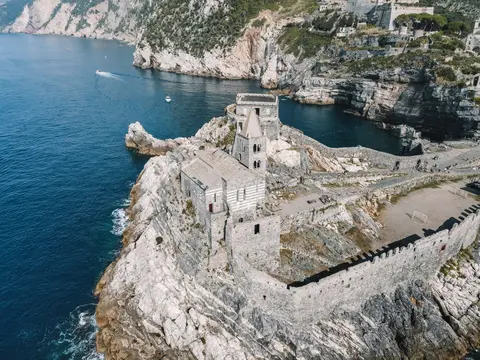
Portovenere is a fortified Ligurian fishing village at the entrance to the Gulf of Poets, where Byron and Shelley found inspiration among colorful harbor houses, a dramatic cliff-top church, and UNESCO-listed coastal landscapes. Must-dos include the Church of San Pietro, boat trips to Palmaria island, and tasting fresh gulf mussels with Cinque Terre wine. May, June, and September offer ideal weather with fewer crowds.
Day 4
Day 4
Portofino
Arrive 08:00Depart 23:59
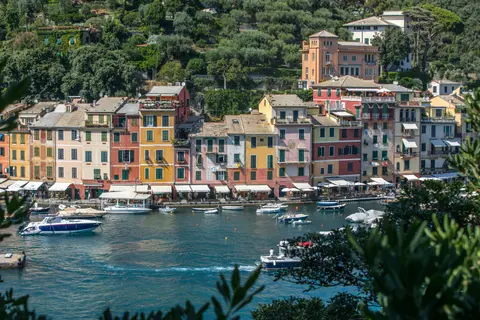
Portofino is a jewel-box fishing village on Italy's Ligurian coast, renowned for its pastel harbour, Castello Brown fortress views, and exquisite pesto-dressed trofie pasta at waterside trattorias. Visitors should walk the coastal trail to the Cristo degli Abissi underwater statue at San Fruttuoso and savour focaccia di Recco with a glass of local Vermentino. The ideal season stretches from late April through October, with September offering the perfect balance of warm Mediterranean light and the intimate calm that returns after summer's peak.
Day 5
Day 5
Saint Florent (Corsica - France)
Arrive 08:00Depart 18:00
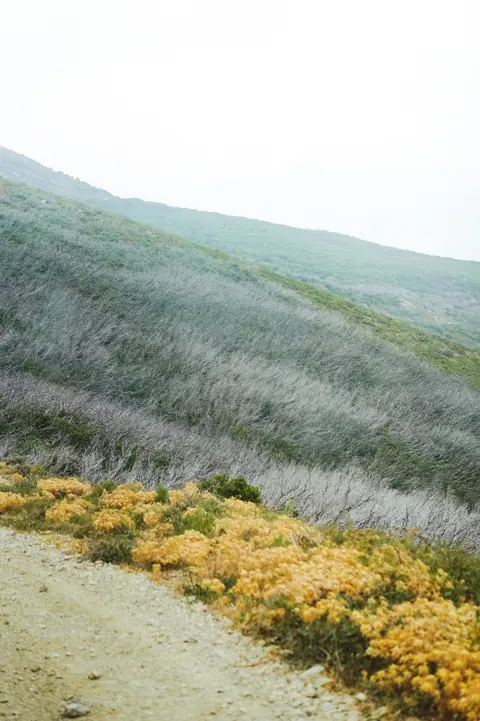
Saint-Florent is Corsica's elegant northern harbor town, set in a sheltered gulf with a Genoese citadel, Pisan Romanesque cathedral, and access to the pristine beaches of the Désert des Agriates—Europe's most unspoiled coastline. Must-dos include boat trips to Plage de Saleccia, tasting Patrimonio wines, and dining on Corsican seafood at waterfront terraces. May through October offers the best conditions, with June and September ideal.
Day 6
Day 6
Monte Carlo
Arrive 08:00Depart 18:00
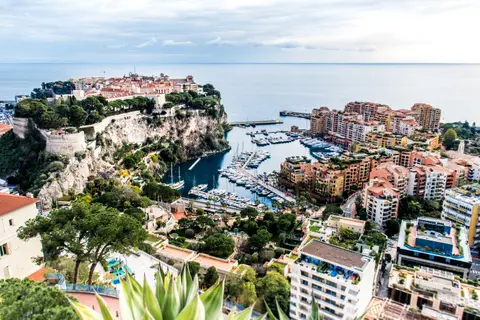
Monte Carlo, Monaco is a sovereign principality on the French Riviera where centuries of Grimaldi rule have forged an extraordinary concentration of elegance — from the legendary Casino de Monte-Carlo to the cliff-top Oceanographic Museum founded by Prince Albert I. No visit is complete without savouring *barbagiuan* at the Condamine market and exploring the old town of Monaco-Ville, where the cathedral and prince's palace command sweeping Mediterranean views. The most luminous months are May through September, with late spring offering the electric atmosphere of the Grand Prix season alongside gentler crowds and pristine coastal light.
Day 6
Day 6
Saint Tropez
Arrive 23:00
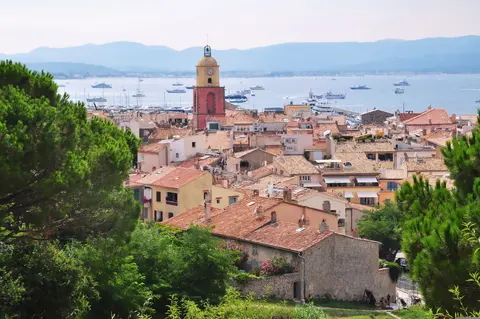
Saint-Tropez is the legendary Côte d'Azur fishing port turned global glamour destination, where Provençal authenticity endures beneath the mythology of yachts and celebrities. Must-dos include browsing the Musée de l'Annonciade's Fauvist masterpieces, tasting tarte tropézienne and fresh-caught rouget, and strolling the Sentier du Littoral coastal path to hidden coves. May through June and September through October offer the best weather with fewer crowds.
Day 8
Day 8
Collioure
Arrive 08:00Depart 23:59
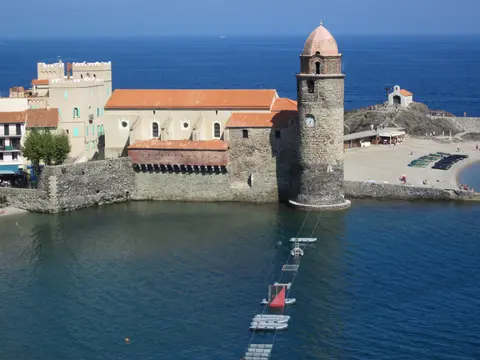
Collioure is a luminous fishing village on France's Cote Vermeille where Matisse and Derain launched the Fauvist movement, drawn by the extraordinary Mediterranean light that still saturates its colorful streets. Visitors should taste the village's celebrated salt-cured anchovies, sample Banyuls fortified wine, and walk the dramatic coastal path to neighboring Port-Vendres. The Mediterranean climate offers over three hundred days of sunshine, with spring and autumn providing the most pleasant temperatures.
Day 9
Day 9
At Sea
Day 10
Day 10
Mahon
Arrive 07:00Depart 18:00
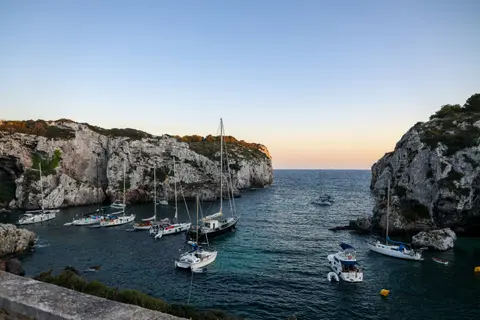
Mahón commands one of the Mediterranean's deepest natural harbours, a fjord-like inlet on Menorca that captivated British admirals, Phoenician traders, and Roman generals in turn — its Georgian townhouses and gin distilleries speaking eloquently to centuries of contested heritage. Explore the clifftop old town's baroque Santa María church with its 3,200-pipe organ, then cross the water to the imposing fortress of La Mola for sweeping harbour views. The island's prized caldereta de langosta, a slow-simmered lobster stew, is best savoured at the fishing village of Fornells. Visit between May and June or September and October for warmth without the summer crowds.
Day 11
Day 11
Ibiza
Arrive 08:00
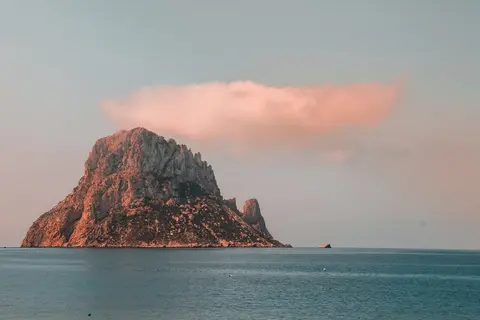
Beneath Ibiza's sun-drenched reputation as the world's clubbing capital lies a layered history stretching back to Phoenician traders who settled this Balearic island in 654 BC. The UNESCO-listed Dalt Vila — the walled hilltop citadel above Eivissa town — rewards exploration with Carthaginian burial grounds, Renaissance ramparts, and sweeping Mediterranean panoramas. For quieter pleasures, the crystalline coves of the island's north, such as Cala d'en Serra and Es Portitxol, rival any beach in Europe. The Phoenician necropolis of Puig des Molins is unmissable for history devotees. The season runs May through October, with June and September offering ideal weather without peak-summer crowds.
Day 12
Day 12
Palma de Mallorca
Arrive 12:01
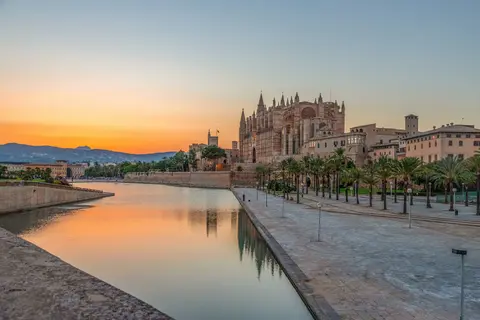
Palma de Mallorca announces itself with one of the most spectacular Gothic cathedrals in the world — La Seu, its honey-coloured sandstone buttresses rising directly from the bay, its interior modified by Antoni Gaudí and illuminated by the world's largest Gothic rose window. The old town behind it is a quarter of Arab baths, Renaissance palaces converted into boutique hotels, and the Passeig del Born — a plane-tree-shaded promenade where Balearic life conducts itself with unhurried grace. The local ensaïmada pastry and fresh sobrasada sausage from the island's black pigs are essential breakfast rituals. Visit May, June, or September: warm, brilliant, and measurably calmer than the July–August peak.
Day 1
Civitavecchia
Depart 23:59
Rome's ancient maritime gateway since the Emperor Trajan commissioned its harbour in 106 AD, Civitavecchia is the natural prologue to the Eternal City — just seventy minutes southeast by express rail. The port's Renaissance fortress, designed in part by Michelangelo, anchors a working waterfront that has welcomed travellers for millennia. Beyond Rome's unmissable monuments, consider an afternoon in the Civitavecchia thermal baths, drawing on mineral waters prized since antiquity. Spring and autumn offer the ideal balance of mild weather and manageable crowds for exploring the capital's layered history.
Day 2
Portoferraio
Arrive 12:01Depart 23:59
Portoferraio is the historic capital of Elba, the Tuscan island famous as Napoleon's place of exile, featuring Medici fortifications, pastel waterfront facades, and over 150 beaches. Must-dos include Napoleon's Villa dei Mulini, the Monte Capanne cable car, and sampling Aleatico dessert wine. May through October offers ideal Mediterranean conditions, with June and September best for avoiding crowds.
Day 3
Portovenere
Arrive 07:00
Portovenere is a fortified Ligurian fishing village at the entrance to the Gulf of Poets, where Byron and Shelley found inspiration among colorful harbor houses, a dramatic cliff-top church, and UNESCO-listed coastal landscapes. Must-dos include the Church of San Pietro, boat trips to Palmaria island, and tasting fresh gulf mussels with Cinque Terre wine. May, June, and September offer ideal weather with fewer crowds.
Day 4
Portofino
Arrive 08:00Depart 23:59
Portofino is a jewel-box fishing village on Italy's Ligurian coast, renowned for its pastel harbour, Castello Brown fortress views, and exquisite pesto-dressed trofie pasta at waterside trattorias. Visitors should walk the coastal trail to the Cristo degli Abissi underwater statue at San Fruttuoso and savour focaccia di Recco with a glass of local Vermentino. The ideal season stretches from late April through October, with September offering the perfect balance of warm Mediterranean light and the intimate calm that returns after summer's peak.
Day 5
Saint Florent (Corsica - France)
Arrive 08:00Depart 18:00
Saint-Florent is Corsica's elegant northern harbor town, set in a sheltered gulf with a Genoese citadel, Pisan Romanesque cathedral, and access to the pristine beaches of the Désert des Agriates—Europe's most unspoiled coastline. Must-dos include boat trips to Plage de Saleccia, tasting Patrimonio wines, and dining on Corsican seafood at waterfront terraces. May through October offers the best conditions, with June and September ideal.
Day 6
Monte Carlo
Arrive 08:00Depart 18:00
Monte Carlo, Monaco is a sovereign principality on the French Riviera where centuries of Grimaldi rule have forged an extraordinary concentration of elegance — from the legendary Casino de Monte-Carlo to the cliff-top Oceanographic Museum founded by Prince Albert I. No visit is complete without savouring *barbagiuan* at the Condamine market and exploring the old town of Monaco-Ville, where the cathedral and prince's palace command sweeping Mediterranean views. The most luminous months are May through September, with late spring offering the electric atmosphere of the Grand Prix season alongside gentler crowds and pristine coastal light.
Saint Tropez
Arrive 23:00
Saint-Tropez is the legendary Côte d'Azur fishing port turned global glamour destination, where Provençal authenticity endures beneath the mythology of yachts and celebrities. Must-dos include browsing the Musée de l'Annonciade's Fauvist masterpieces, tasting tarte tropézienne and fresh-caught rouget, and strolling the Sentier du Littoral coastal path to hidden coves. May through June and September through October offer the best weather with fewer crowds.
Day 8
Collioure
Arrive 08:00Depart 23:59
Collioure is a luminous fishing village on France's Cote Vermeille where Matisse and Derain launched the Fauvist movement, drawn by the extraordinary Mediterranean light that still saturates its colorful streets. Visitors should taste the village's celebrated salt-cured anchovies, sample Banyuls fortified wine, and walk the dramatic coastal path to neighboring Port-Vendres. The Mediterranean climate offers over three hundred days of sunshine, with spring and autumn providing the most pleasant temperatures.
Day 9
At Sea
Day 10
Mahon
Arrive 07:00Depart 18:00
Mahón commands one of the Mediterranean's deepest natural harbours, a fjord-like inlet on Menorca that captivated British admirals, Phoenician traders, and Roman generals in turn — its Georgian townhouses and gin distilleries speaking eloquently to centuries of contested heritage. Explore the clifftop old town's baroque Santa María church with its 3,200-pipe organ, then cross the water to the imposing fortress of La Mola for sweeping harbour views. The island's prized caldereta de langosta, a slow-simmered lobster stew, is best savoured at the fishing village of Fornells. Visit between May and June or September and October for warmth without the summer crowds.
Day 11
Ibiza
Arrive 08:00
Beneath Ibiza's sun-drenched reputation as the world's clubbing capital lies a layered history stretching back to Phoenician traders who settled this Balearic island in 654 BC. The UNESCO-listed Dalt Vila — the walled hilltop citadel above Eivissa town — rewards exploration with Carthaginian burial grounds, Renaissance ramparts, and sweeping Mediterranean panoramas. For quieter pleasures, the crystalline coves of the island's north, such as Cala d'en Serra and Es Portitxol, rival any beach in Europe. The Phoenician necropolis of Puig des Molins is unmissable for history devotees. The season runs May through October, with June and September offering ideal weather without peak-summer crowds.
Day 12
Palma de Mallorca
Arrive 12:01
Palma de Mallorca announces itself with one of the most spectacular Gothic cathedrals in the world — La Seu, its honey-coloured sandstone buttresses rising directly from the bay, its interior modified by Antoni Gaudí and illuminated by the world's largest Gothic rose window. The old town behind it is a quarter of Arab baths, Renaissance palaces converted into boutique hotels, and the Passeig del Born — a plane-tree-shaded promenade where Balearic life conducts itself with unhurried grace. The local ensaïmada pastry and fresh sobrasada sausage from the island's black pigs are essential breakfast rituals. Visit May, June, or September: warm, brilliant, and measurably calmer than the July–August peak.
Cabin Categories
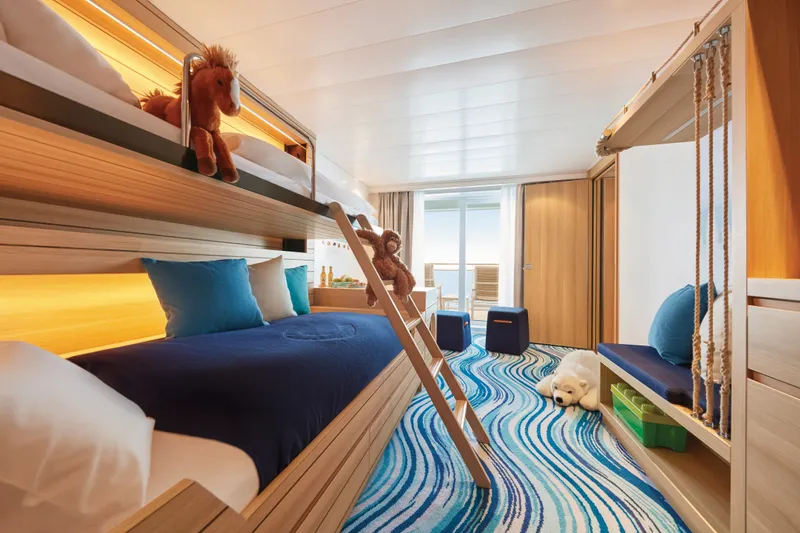
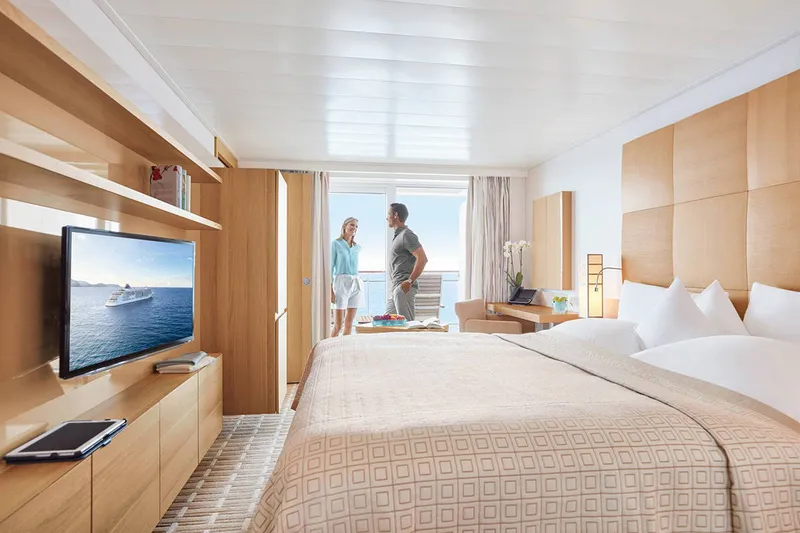
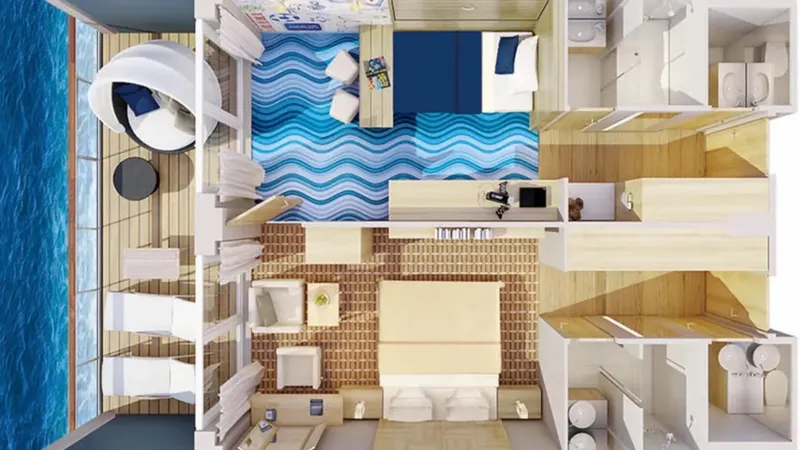
Family Suite
Outside
291 m²Max 4
12
In the family apartment, parents and children live in two separate sections that are connected with each other by a door and via the veranda.
Living area: 2× 20 m²; veranda: 2× 7 m²
Connecting door between the rooms and verandas.
Separate WCs.
Free mini bar (beer and soft drinks).
Double or Twin ConfigurationPullman BedLounge AreaShowerBathRoom Service Available+6
View Details
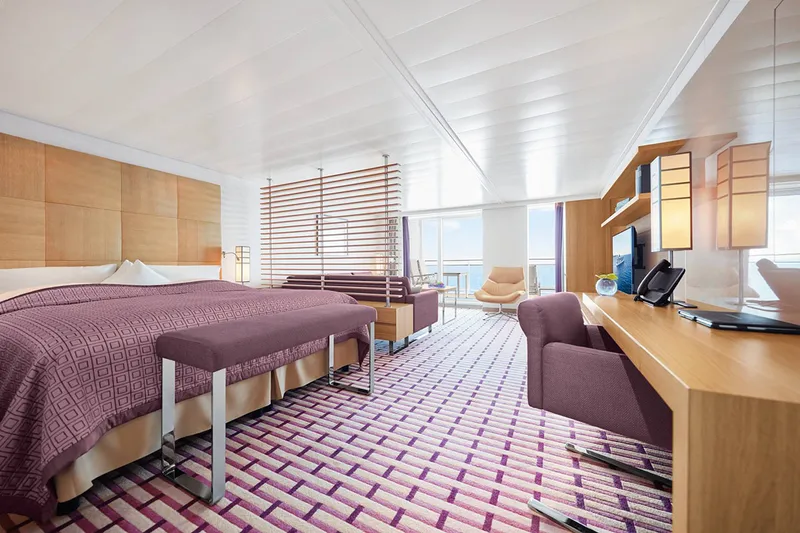
Grand Ocean Suite
Suite
0607
Private oasis of wellbeing and stylish relaxation zone – in the Spa Suite, everyday life is nothing but a distant memory. Indulge your body and soul at the highest level – with warm shades and a spa bathroom with panoramic views of the sea.
Living area: 42 m²; veranda: 10 m².
Bathroom with two washbasins.
Separate WC..
Butler service.
Daylight in the bathroom.
TV in the bathroom mirror.
Rain shower with steam sauna.
Whirlpool tub.
Free mini bar (beer, soft drinks and a selection of high-quality spirits)
US$16,324 /person+ US$0 taxes & fees
Grand Penthouse Suite
Suite
947 m²Max 3
10
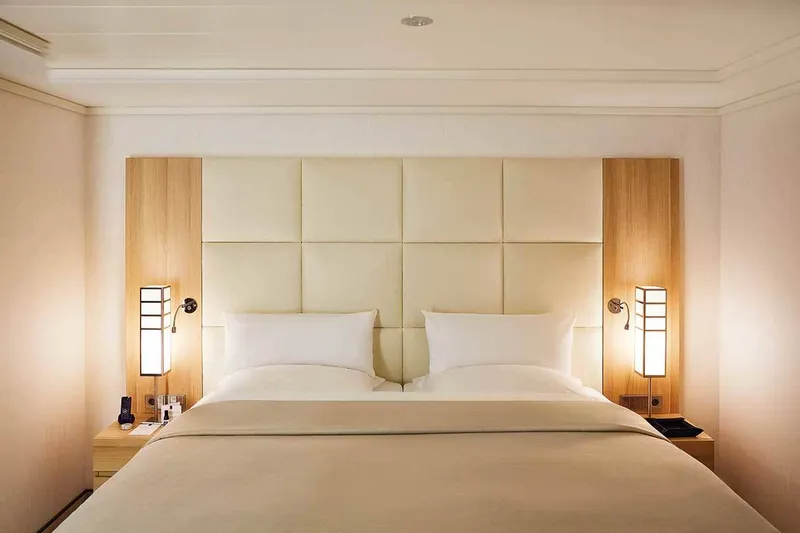
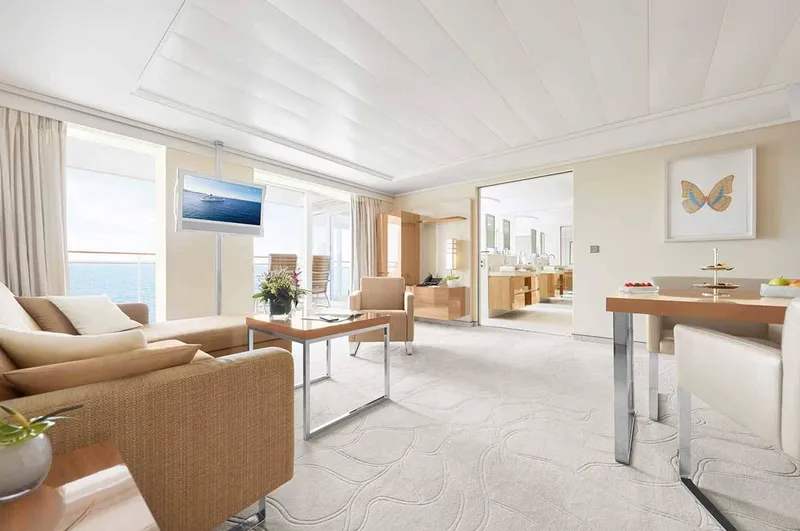
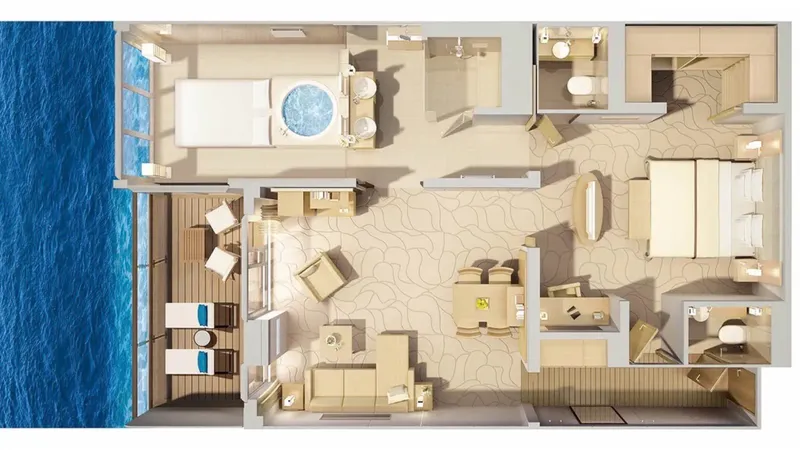
In the Grand Penthouse Suite you can enjoy lavishness at sea and experience an exclusive break of superior quality – on a daybed with view of the endless sea or while taking a bath in the middle of the ocean in your private whirlpool.
Living area: 78 m²; veranda: 10 m²
Separate living and sleeping areas.
Separate dining table.
Guest WC.
Bathroom with two washbasins.
Shower with steam sauna.
Whirlpool.
Daybed and TV in the bathroom area
Spacious walk-in wardrobe
Butler service
Free mini-bar (beer, soft drinks and a selection of high-quality spirits).
Further exclusive service privileges.
Double or Twin ConfigurationLounge AreaShowerWhirlpool BathSuite BenefitsFree Mini Bar+7
View Details
Guaranteed Suite
Suite
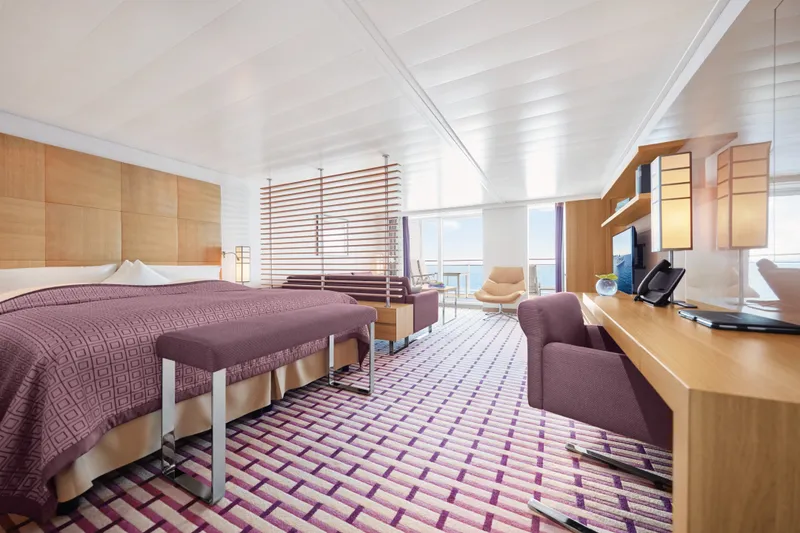
377–560 m²Max 3
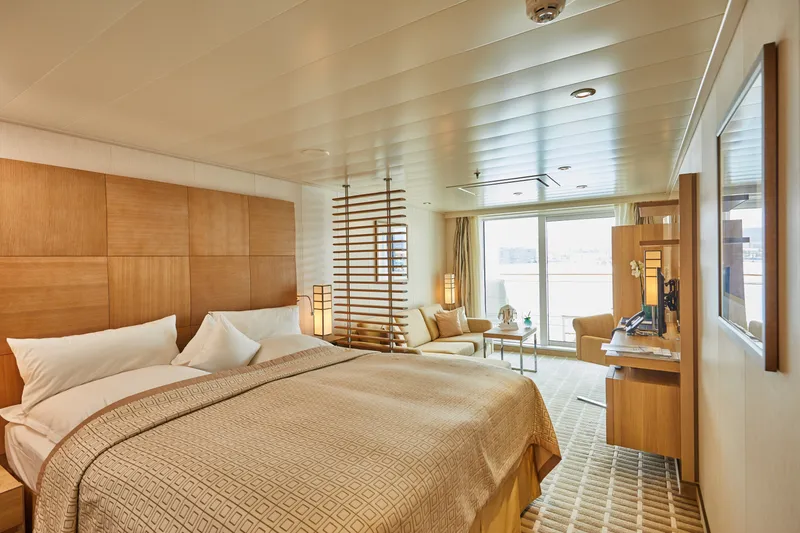
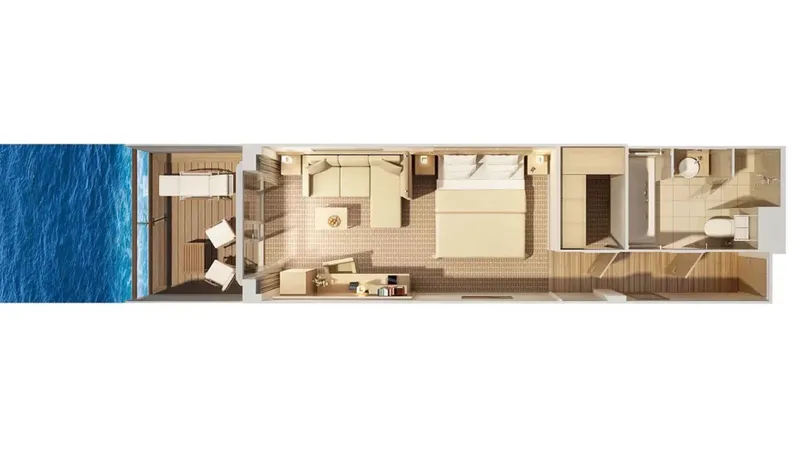
S01OS01VS02OS02VS03OS03VS04OS04VS05S06S07S08S09SGOSGPSVO1SVO3SVOS
Guaranteed Suite
Double or Twin ConfigurationShowerBathRoom Service AvailableFree Mini BarTV+6
View Details
Ocean Suite
Suite
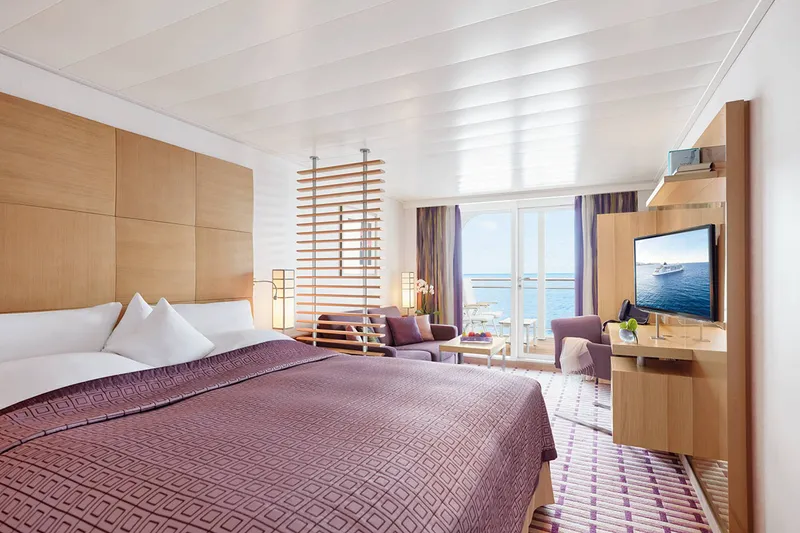
01O02O03O04O
Living area: 28 m² (301 ft²)
Veranda: 7 m² (75 ft²)
Natural light in the bathroom
Bathroom with two sinks
Whirlpool tub and separate shower
Separate toilet
Free mini bar
US$11,297 /person+ US$0 taxes & fees
Owner's Suite
Suite
1227 m²Max 4
11
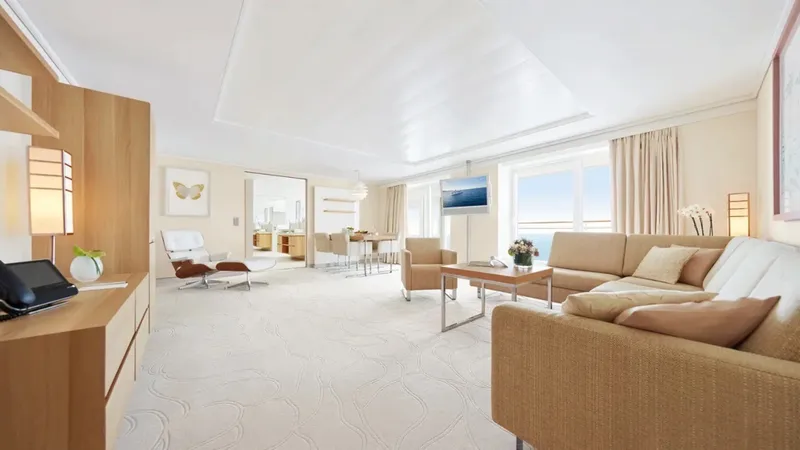
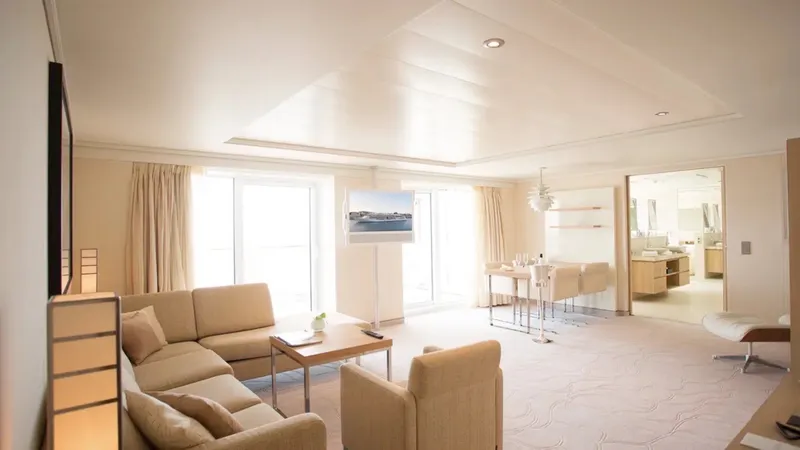
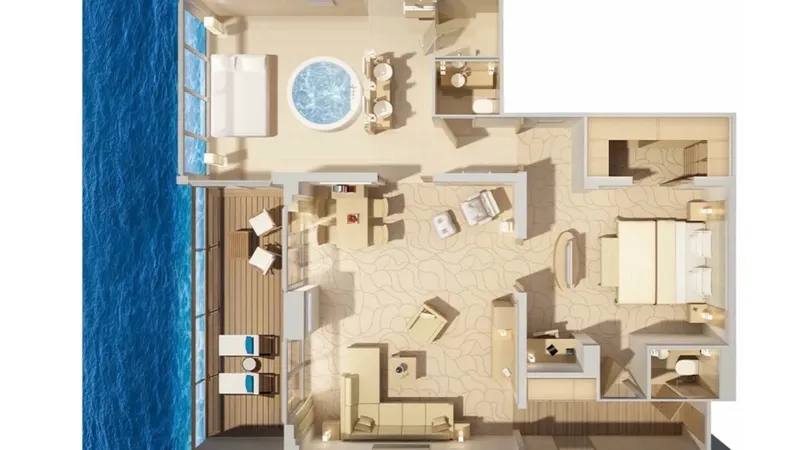
The Owner’s Suite is far more than our most exclusive suite; it is a select domicile on the oceans of the world. Enjoy every imaginable convenience on more than 114 square metres of personal freedom.
Living area: 99 m²; veranda: 15 m².
Separate living and sleeping areas.
Separate dining table.
Guest WC.
Bathroom with two washbasins.
Shower with steam sauna.
Whirlpool.
Daybed and TV in the bathroom area.
Spacious walk-in wardrobe.
Butler service.
Free mini bar (beer, soft drinks and a selection of high-quality spirits).
Further exclusive service privileges.
Double or Twin ConfigurationLounge AreaShowerRoom Service AvailableSuite BenefitsFree Mini Bar+8
View Details
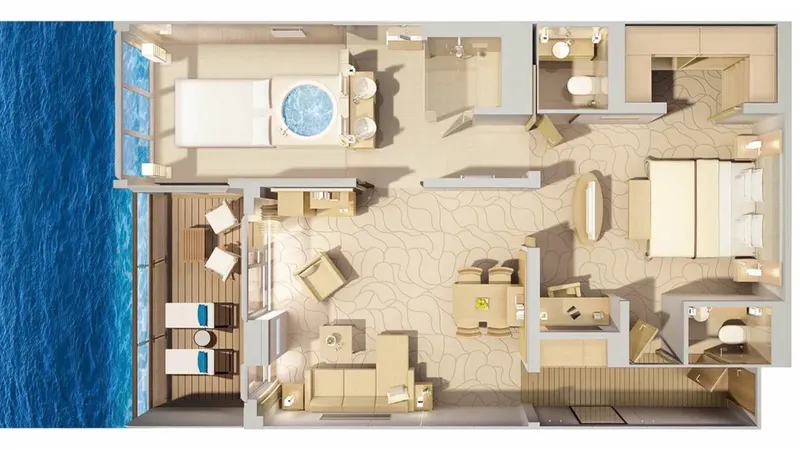
Penthouse Suite
Suite
947 m²Max 3
080913
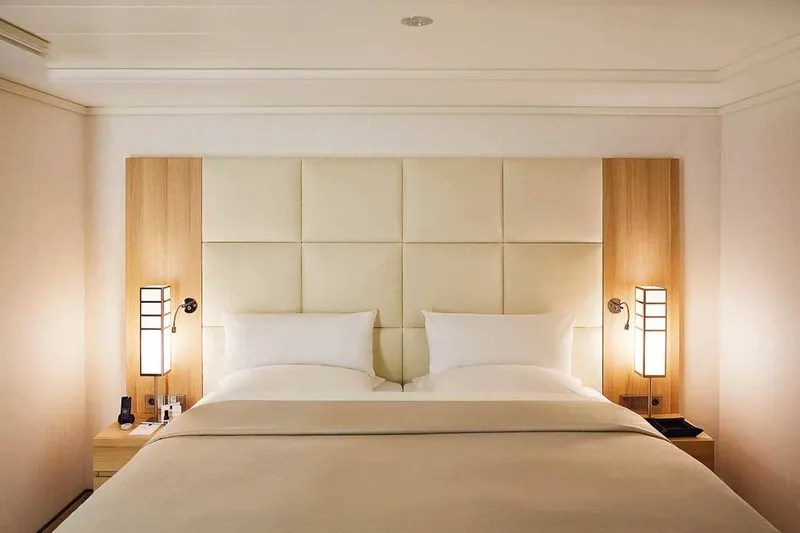
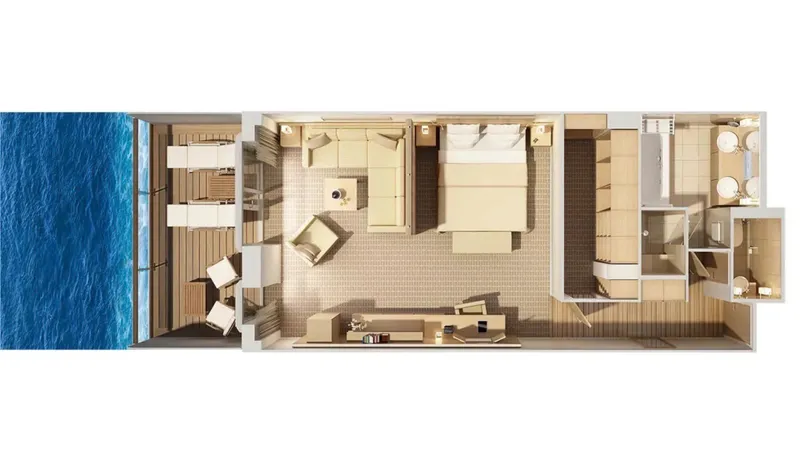
A fantastically spacious suite with every conceivable comfort, uniquely located on the upper decks – is there a more beautiful place to relax? In the Grand Suite, you can enjoy the endless views of the sea and the conveniences of a classical Grand Suite.
Living area: 42 m²; veranda: 10 m².
Bathroom with two washbasins.
Separate WC.
Butler service.
TV in the bathroom mirror.
Walk-in wardrobe.
Bathtub and separate shower.
Free mini bar (beer, soft drinks and a selection of high-quality spirits).
The Grand Suite is also available with facilities suitable for the physically disabled.
Double or Twin ConfigurationLounge AreaShowerWhirlpool BathSuite BenefitsFree Mini Bar+7
US$16,324 /person+ US$0 taxes & fees
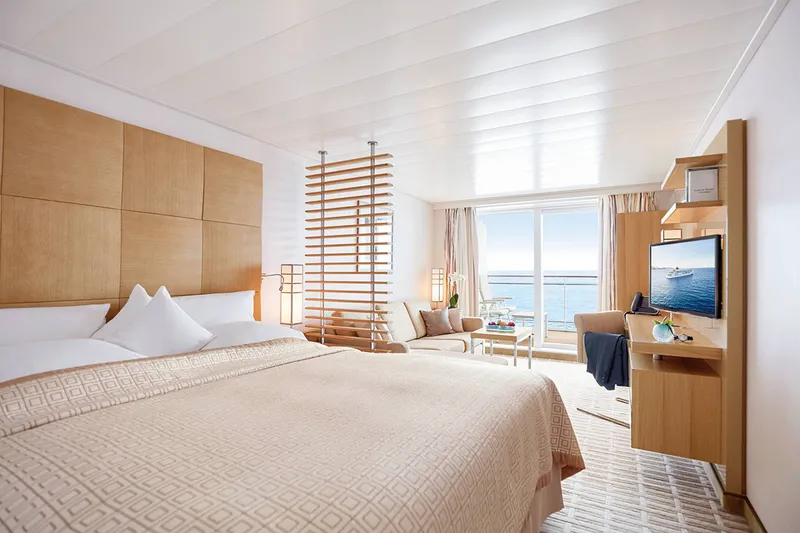
Veranda Suite
Suite
01V02V03V04V05
Living area: 28 m² (301 ft²)
Veranda: 7 m² (75 ft²)
Walk-in wardrobe
Exclusive living area with a chaise longue
Bathtub and separate shower
Free mini bar
US$8,899 /person+ US$0 taxes & fees
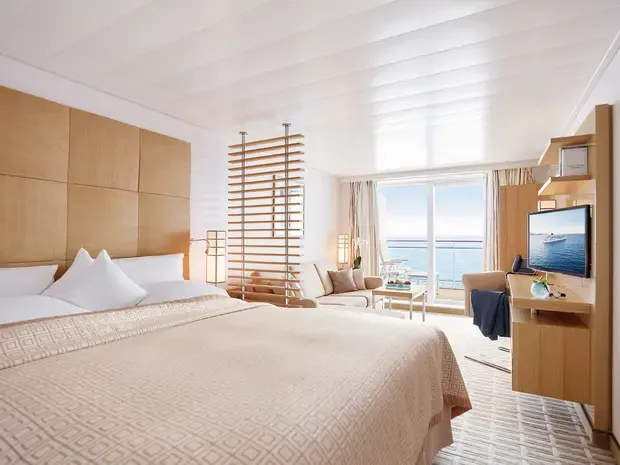
Guaranteed Balcony
Balcony
S12
Guaranteed Balcony
View Details
Interested in This Voyage?
Our cruise specialists can help you find the perfect cabin and the best available pricing.
(+886) 02-2721-7300Contact Advisor