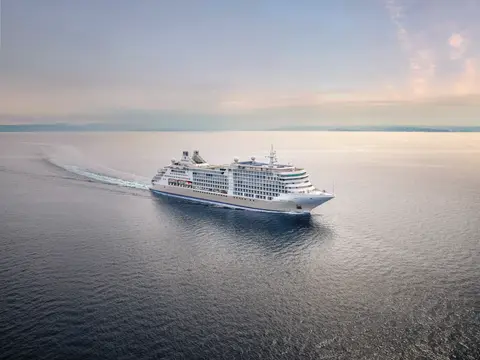
SilverseaMO260813007
Vancouver a Seward
Date
2026-08-13
Duration
7 nights
Departure Port
Vancouver
Canadá
Arrival Port
Seward
Estados Unidos
Rating
Ultra Luxury
Theme
—
Date
2026-08-13
Duration
7 nights
Departure Port
Vancouver
Canadá
Arrival Port
Seward
Estados Unidos
Rating
Ultra Luxury
Theme
—

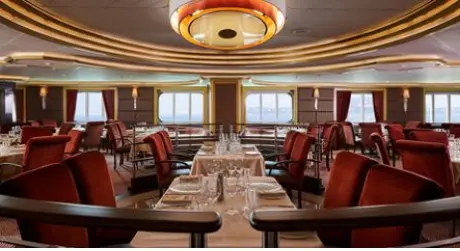




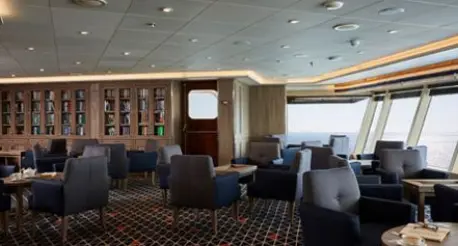
Silversea
2020
—
40,700 GT
691
288
408
699 m
26 m
20 knots
No
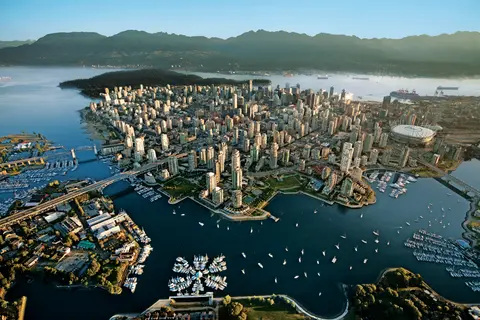
Apretada entre el Pacífico y las Montañas Costeras, Vancouver es la puerta natural al Inside Passage de Alaska — una ciudad donde el bosque templado se encuentra con torres de cristal y donde el cangrejo Dungeness y el salmón sockeye salvaje definen una cocina del Pacífico que rivaliza con cualquier otra en América del Norte. Camine por el malecón de Stanley Park de 22 kilómetros, piérdase en el mercado de Granville Island y luego tome un ferry hacia la esplendorosa época eduardiana de Victoria. La temporada de cruceros a Alaska alcanza su punto máximo de mayo a septiembre, lo que convierte a Vancouver en un punto de partida ideal para uno de los grandes viajes oceánicos del mundo.
Navigate through the intricate outlays of some of Alaska’s most staggering winter scenery, threading a needle between craggy, snow-dusted islands, and slipping glacial giants. To cruise this 500-mile stretch of Alaskan beauty is to sail through a living work of natural art - with perfectly sculpted mountains soaring from the shoreline, and clutches of islands scattered across the dark waters with delicate attention to detail. A common sailing route due to its calm sheltered waters, gorgeous natural set pieces constantly play out here - whether it’s killer whales accompanying you through the breathtaking icy passages, harbour seals catching a break on floating hunks of ice, or wisps of cloud clinging to distant mountain peaks. Witness Mother Nature at her most dramatic and elaborate along this Alaskan coastline, where glaciers groan and creak melodramatically, before finally releasing colossal shelves of ice, allowing them to free fall into the waters below, and explode with angry booms and thunderous splashes. While fundamental displays of nature’s power always awe and amaze, it’s the tranquil beauty of this passage - amid still waters, splitting only to reveal the smooth backs of breaching humpback whales – that is relentlessly moving. A journey of glaciers, remote hidden villages, and carved fjords - the Inside Passage is a breathtaking voyage through the intricate mesh of Alaska’s fractured, raw and spectacular coastal landscapes.
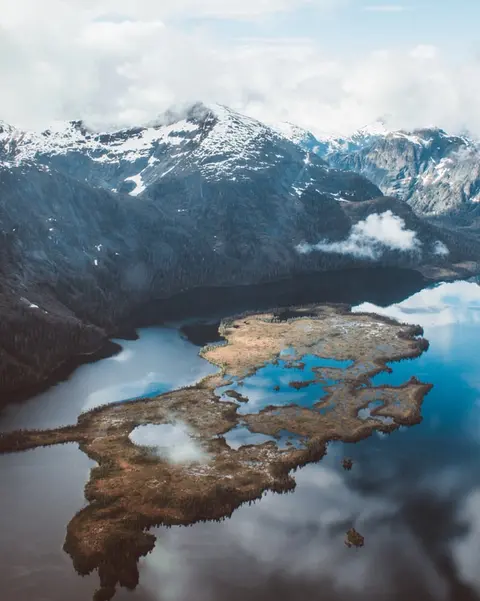
Ketchikan se aferra a la costa boscosa de la isla Revillagigedo en el panhandle sureste de Alaska, un pueblo tan estrecho que los lugareños bromean diciendo que tiene tres millas de largo y tres calles de ancho. Reverenciado por el pueblo Tlingit durante milenios como un lugar de abundante salmón, hoy se celebra como la Capital Mundial de los Tótems: las colecciones en Saxman Native Village y Totem Bight State Historical Park preservan la concentración más significativa de estas obras monumentales en cualquier lugar. Creek Street, un paseo de casas históricas coloridas construidas sobre Ketchikan Creek, no debe ser perdido. El verano (de mayo a septiembre) trae el mejor clima, con salmones corriendo en los arroyos de abajo.
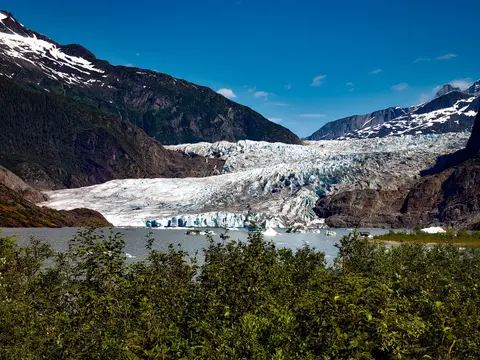
La única capital estatal de América inaccesible por carretera, Juneau recompensa el viaje con una grandeza silvestre que pocas ciudades en la Tierra pueden igualar. El Glaciar Mendenhall —un río viviente de hielo antiguo— se encuentra a solo quince minutos del centro, donde hidroaviones surcan un frente marítimo flanqueado por montañas cubiertas de abetos que se sumergen directamente en el mar. La experiencia imprescindible es un aterrizaje en helicóptero sobre el campo de hielo o una excursión de avistamiento de ballenas en el Paso Stephens, donde las jorobadas saltan en asombrosa proximidad. Juneau es más cálido de junio a agosto, aunque incluso los días de verano pueden traer la famosa lluvia del sureste de Alaska que mantiene el bosque lluvioso perpetuamente luminoso.
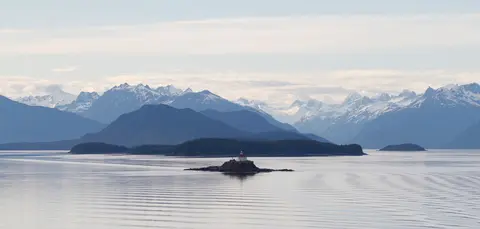
Skagway, situada en la punta norte del Canal Lynn en Alaska, es la ciudad del auge del oro que el tiempo ha preservado casi perfectamente: una calle principal fronteriza de salones con fachadas falsas y tiendas victorianas ahora protegidas como Parque Histórico Nacional. El legendario ferrocarril White Pass & Yukon Route, completado en 1900 para abastecer los campos de oro de Klondike, aún asciende por el vertiginoso paso en coches de época, ofreciendo algunos de los paisajes montañosos más dramáticos de América del Norte. Las caminatas sobre glaciares y los tours en helicóptero sobre el Campo de Hielo de Juneau esperan a los más aventureros. De mayo a septiembre trae largos días árticos y el acceso más fiable.
Sitka began as a major Tlingit Indian village and was called “Shee Atika,” which translates roughly as “settlement on the outside of Shee.” “Shee” is the Tlingit name of Baranof Island. In 1799, Alexander Baranof, the general manager of the Russian American Company, decided to move his base of operations from Kodiak and set up camp at what is now called Old Sitka, 7.5 miles north of the present-day town. He called the settlement St. Archangel Michael. The Tlingit Indians of the area resisted the occupation and, in 1802, with Baranof away, burned the fort and massacred the Russian settlers. Two years later, Baranof returned and besieged the Indian fort. The Tlingits withdrew and the area was once again in Russian hands. This time, the Russians built the new city on a different site and called it New Archangel. For over six decades, New Archangel was the capital of the Russian empire in Alaska. By 1867, the Alaska colony had become too much of a financial burden to Russia. William Seward, U.S. Secretary of State, negotiated with the Russian Czar to purchase the Territory of Alaska for $7.2 million. The American press scoffed at Seward and the U.S. government for purchasing what they called “Seward's Folly,” “Seward's Icebox,” and “Walrussia.” On October 18, 1867, the Russian flag was lowered at New Archangel and the Stars and Stripes were raised over newly renamed Sitka. The name comes from the Tlingit word “Sheetkah,” which means “in this place.” All Russian citizens living in the former colony were given the opportunity to become American citizens. Many went home, although a few stayed or migrated to California. Sitka remained the capital of the Territory of Alaska from 1867 to 1906, when it was moved to Juneau. The move was a direct result of the gold rush. In plain terms, Sitka did not have any and Juneau did. After the Japanese attack on Pearl Harbor, Sitka became a full-scale naval base. At one time during the war, Sitka had a total population of 37,000. With the end of World War II, however, the city settled into a quieter existence. The biggest boom in modern days for Sitka came in 1959 when the Alaska Lumber and Pulp Company built a pulp mill at Silver Bay, near the city. Today, picturesque Sitka is known for its fishing and of course its many historic attractions.
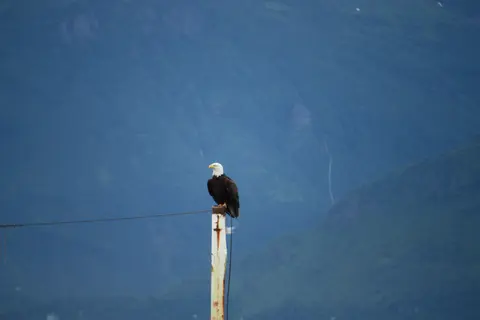
Valdez se sitúa en la cabecera de un fiordo en el Golfo de Prince William, rodeado por las Montañas Chugach y glaciares de marea que lo convierten en uno de los puertos más escénicamente dramáticos de Alaska. Las experiencias imprescindibles incluyen navegar hacia el Glaciar Columbia, caminar hasta el Glaciar Worthington y degustar halibut fresco en restaurantes frente al puerto. De mayo a septiembre es la temporada, con julio y agosto trayendo corridas de salmón y el clima más cálido.
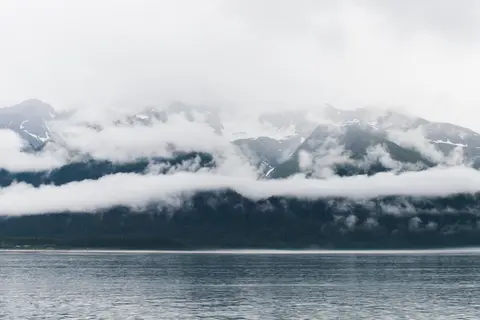
Seward, Alaska, es un cautivador puerto conocido por sus impresionantes paisajes y rica historia como un pueblo de suministro durante la fiebre del oro. Las experiencias imprescindibles incluyen visitar el Parque Nacional de los Fiordos de Kenai y degustar delicias locales como tacos de halibut y akutaq. El mejor momento para visitar es durante los meses de verano, cuando la belleza natural está en su punto máximo y abundan las actividades al aire libre.
Day 1
Apretada entre el Pacífico y las Montañas Costeras, Vancouver es la puerta natural al Inside Passage de Alaska — una ciudad donde el bosque templado se encuentra con torres de cristal y donde el cangrejo Dungeness y el salmón sockeye salvaje definen una cocina del Pacífico que rivaliza con cualquier otra en América del Norte. Camine por el malecón de Stanley Park de 22 kilómetros, piérdase en el mercado de Granville Island y luego tome un ferry hacia la esplendorosa época eduardiana de Victoria. La temporada de cruceros a Alaska alcanza su punto máximo de mayo a septiembre, lo que convierte a Vancouver en un punto de partida ideal para uno de los grandes viajes oceánicos del mundo.
Day 2
Navigate through the intricate outlays of some of Alaska’s most staggering winter scenery, threading a needle between craggy, snow-dusted islands, and slipping glacial giants. To cruise this 500-mile stretch of Alaskan beauty is to sail through a living work of natural art - with perfectly sculpted mountains soaring from the shoreline, and clutches of islands scattered across the dark waters with delicate attention to detail. A common sailing route due to its calm sheltered waters, gorgeous natural set pieces constantly play out here - whether it’s killer whales accompanying you through the breathtaking icy passages, harbour seals catching a break on floating hunks of ice, or wisps of cloud clinging to distant mountain peaks. Witness Mother Nature at her most dramatic and elaborate along this Alaskan coastline, where glaciers groan and creak melodramatically, before finally releasing colossal shelves of ice, allowing them to free fall into the waters below, and explode with angry booms and thunderous splashes. While fundamental displays of nature’s power always awe and amaze, it’s the tranquil beauty of this passage - amid still waters, splitting only to reveal the smooth backs of breaching humpback whales – that is relentlessly moving. A journey of glaciers, remote hidden villages, and carved fjords - the Inside Passage is a breathtaking voyage through the intricate mesh of Alaska’s fractured, raw and spectacular coastal landscapes.
Day 3
Ketchikan se aferra a la costa boscosa de la isla Revillagigedo en el panhandle sureste de Alaska, un pueblo tan estrecho que los lugareños bromean diciendo que tiene tres millas de largo y tres calles de ancho. Reverenciado por el pueblo Tlingit durante milenios como un lugar de abundante salmón, hoy se celebra como la Capital Mundial de los Tótems: las colecciones en Saxman Native Village y Totem Bight State Historical Park preservan la concentración más significativa de estas obras monumentales en cualquier lugar. Creek Street, un paseo de casas históricas coloridas construidas sobre Ketchikan Creek, no debe ser perdido. El verano (de mayo a septiembre) trae el mejor clima, con salmones corriendo en los arroyos de abajo.
Day 4
La única capital estatal de América inaccesible por carretera, Juneau recompensa el viaje con una grandeza silvestre que pocas ciudades en la Tierra pueden igualar. El Glaciar Mendenhall —un río viviente de hielo antiguo— se encuentra a solo quince minutos del centro, donde hidroaviones surcan un frente marítimo flanqueado por montañas cubiertas de abetos que se sumergen directamente en el mar. La experiencia imprescindible es un aterrizaje en helicóptero sobre el campo de hielo o una excursión de avistamiento de ballenas en el Paso Stephens, donde las jorobadas saltan en asombrosa proximidad. Juneau es más cálido de junio a agosto, aunque incluso los días de verano pueden traer la famosa lluvia del sureste de Alaska que mantiene el bosque lluvioso perpetuamente luminoso.
Day 5
Skagway, situada en la punta norte del Canal Lynn en Alaska, es la ciudad del auge del oro que el tiempo ha preservado casi perfectamente: una calle principal fronteriza de salones con fachadas falsas y tiendas victorianas ahora protegidas como Parque Histórico Nacional. El legendario ferrocarril White Pass & Yukon Route, completado en 1900 para abastecer los campos de oro de Klondike, aún asciende por el vertiginoso paso en coches de época, ofreciendo algunos de los paisajes montañosos más dramáticos de América del Norte. Las caminatas sobre glaciares y los tours en helicóptero sobre el Campo de Hielo de Juneau esperan a los más aventureros. De mayo a septiembre trae largos días árticos y el acceso más fiable.
Day 6
Sitka began as a major Tlingit Indian village and was called “Shee Atika,” which translates roughly as “settlement on the outside of Shee.” “Shee” is the Tlingit name of Baranof Island. In 1799, Alexander Baranof, the general manager of the Russian American Company, decided to move his base of operations from Kodiak and set up camp at what is now called Old Sitka, 7.5 miles north of the present-day town. He called the settlement St. Archangel Michael. The Tlingit Indians of the area resisted the occupation and, in 1802, with Baranof away, burned the fort and massacred the Russian settlers. Two years later, Baranof returned and besieged the Indian fort. The Tlingits withdrew and the area was once again in Russian hands. This time, the Russians built the new city on a different site and called it New Archangel. For over six decades, New Archangel was the capital of the Russian empire in Alaska. By 1867, the Alaska colony had become too much of a financial burden to Russia. William Seward, U.S. Secretary of State, negotiated with the Russian Czar to purchase the Territory of Alaska for $7.2 million. The American press scoffed at Seward and the U.S. government for purchasing what they called “Seward's Folly,” “Seward's Icebox,” and “Walrussia.” On October 18, 1867, the Russian flag was lowered at New Archangel and the Stars and Stripes were raised over newly renamed Sitka. The name comes from the Tlingit word “Sheetkah,” which means “in this place.” All Russian citizens living in the former colony were given the opportunity to become American citizens. Many went home, although a few stayed or migrated to California. Sitka remained the capital of the Territory of Alaska from 1867 to 1906, when it was moved to Juneau. The move was a direct result of the gold rush. In plain terms, Sitka did not have any and Juneau did. After the Japanese attack on Pearl Harbor, Sitka became a full-scale naval base. At one time during the war, Sitka had a total population of 37,000. With the end of World War II, however, the city settled into a quieter existence. The biggest boom in modern days for Sitka came in 1959 when the Alaska Lumber and Pulp Company built a pulp mill at Silver Bay, near the city. Today, picturesque Sitka is known for its fishing and of course its many historic attractions.
Day 7
Valdez se sitúa en la cabecera de un fiordo en el Golfo de Prince William, rodeado por las Montañas Chugach y glaciares de marea que lo convierten en uno de los puertos más escénicamente dramáticos de Alaska. Las experiencias imprescindibles incluyen navegar hacia el Glaciar Columbia, caminar hasta el Glaciar Worthington y degustar halibut fresco en restaurantes frente al puerto. De mayo a septiembre es la temporada, con julio y agosto trayendo corridas de salmón y el clima más cálido.
Day 8
Seward, Alaska, es un cautivador puerto conocido por sus impresionantes paisajes y rica historia como un pueblo de suministro durante la fiebre del oro. Las experiencias imprescindibles incluyen visitar el Parque Nacional de los Fiordos de Kenai y degustar delicias locales como tacos de halibut y akutaq. El mejor momento para visitar es durante los meses de verano, cuando la belleza natural está en su punto máximo y abundan las actividades al aire libre.
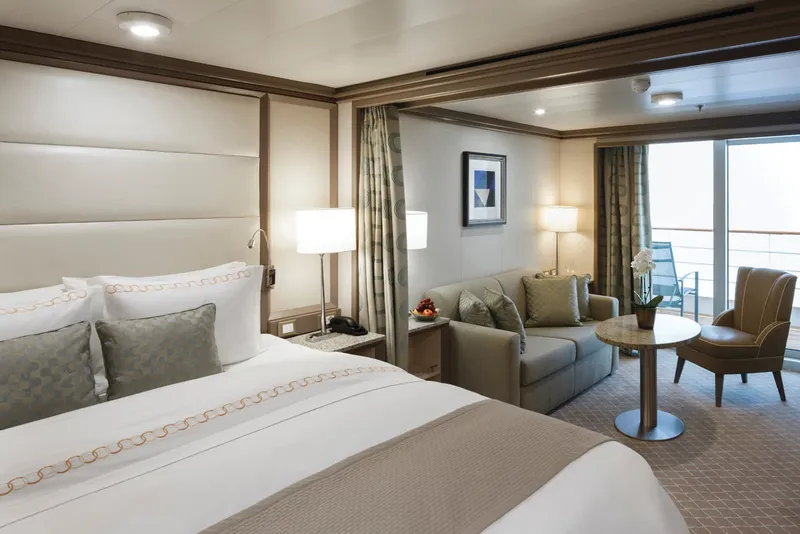
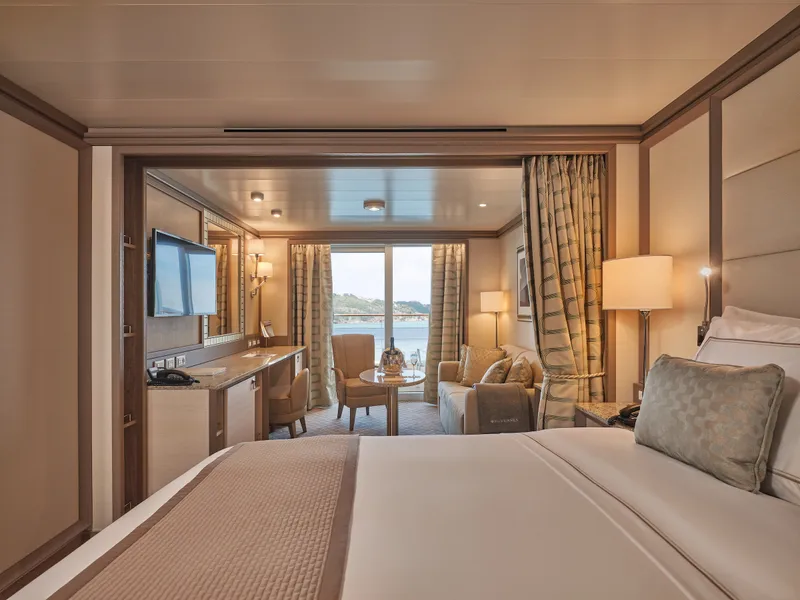
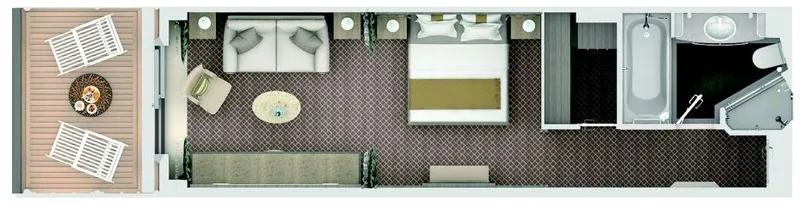

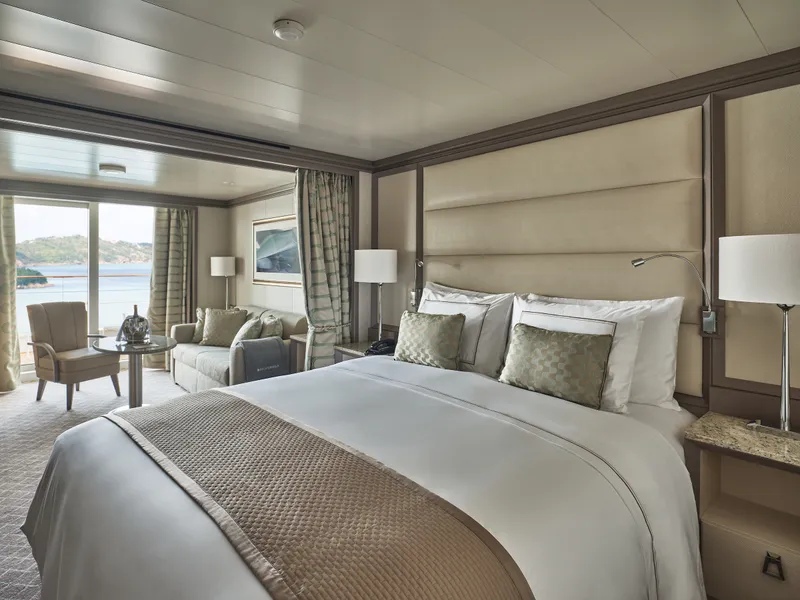
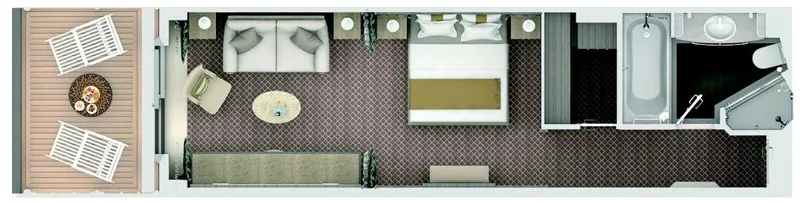

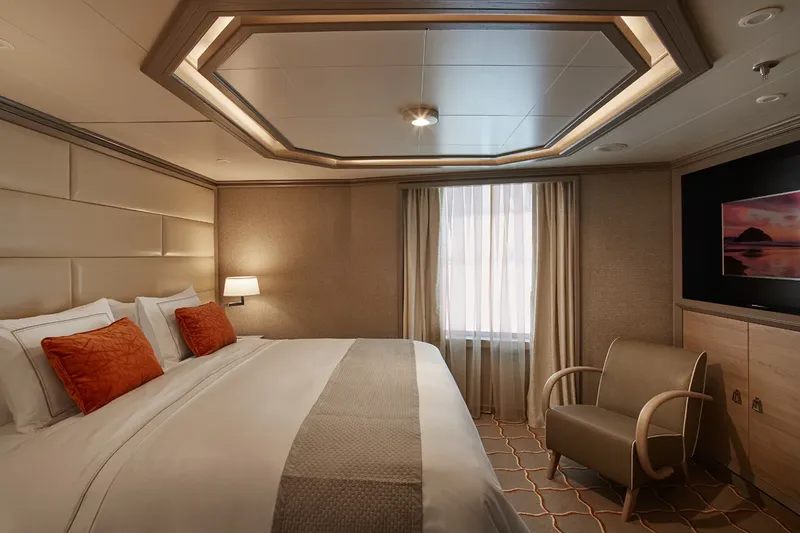
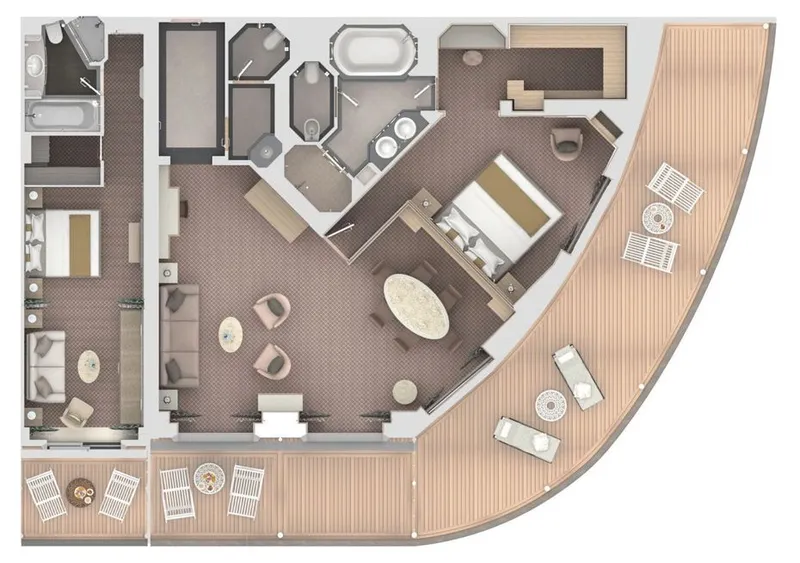

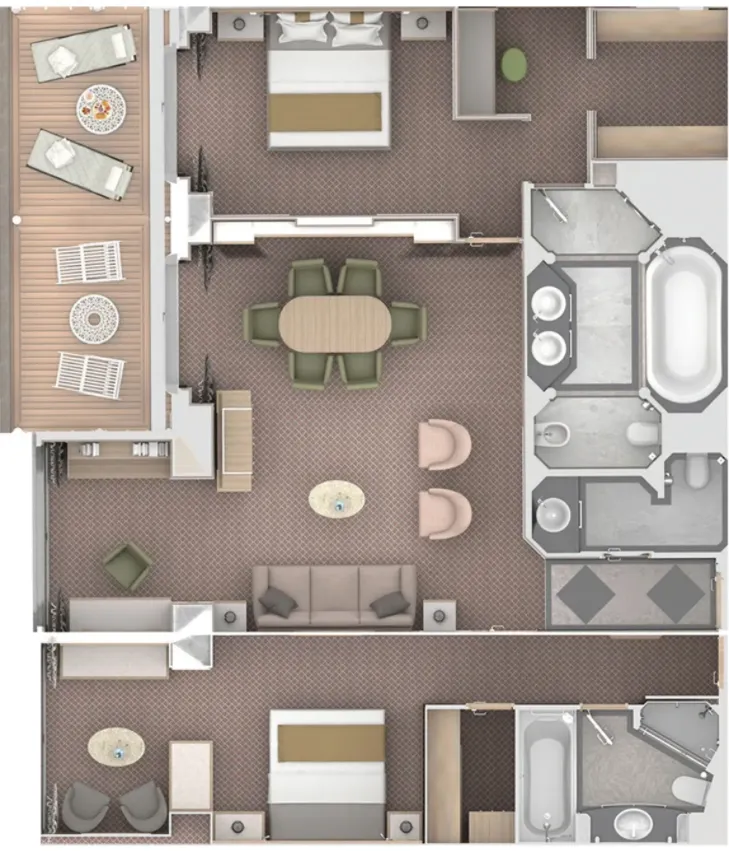
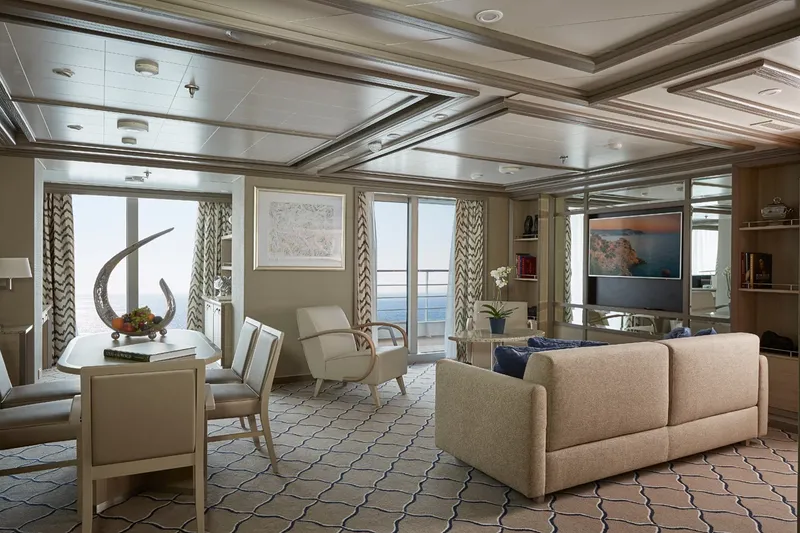
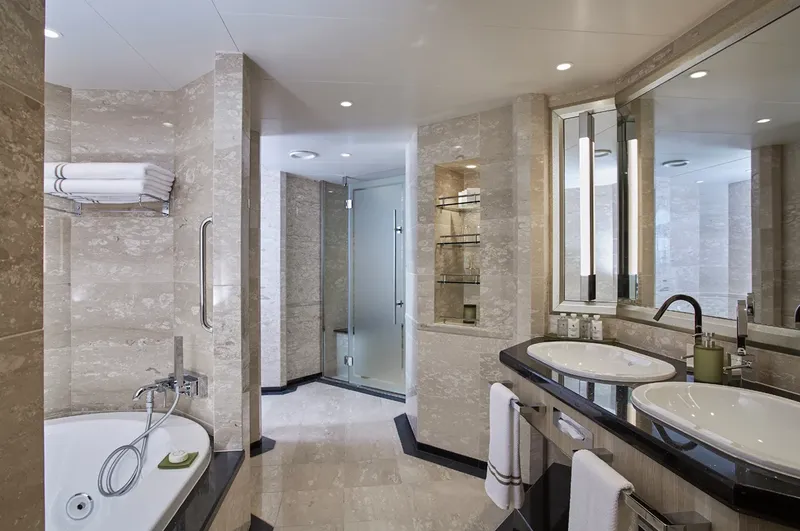
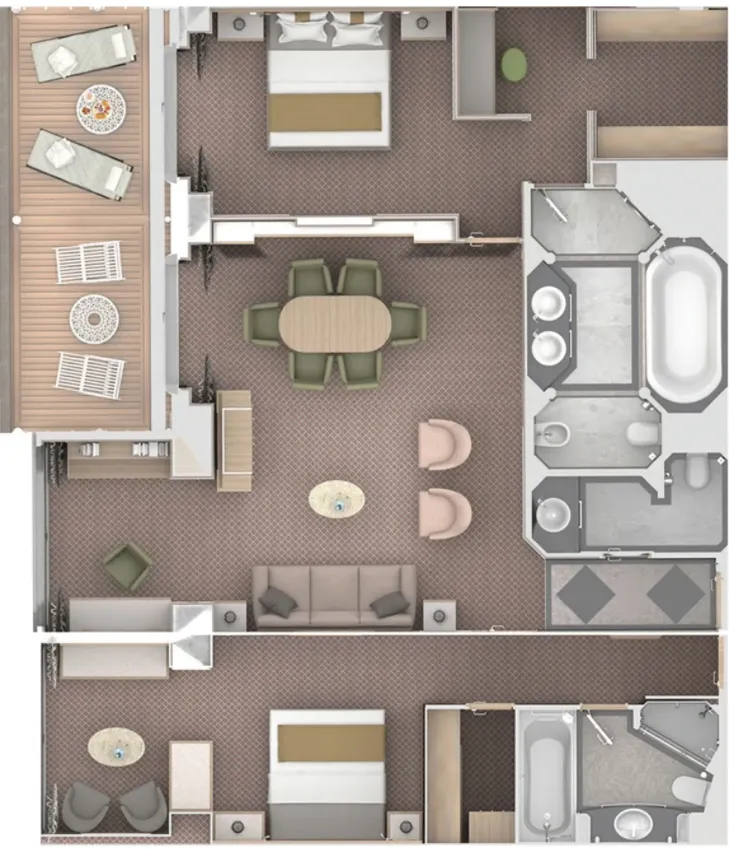






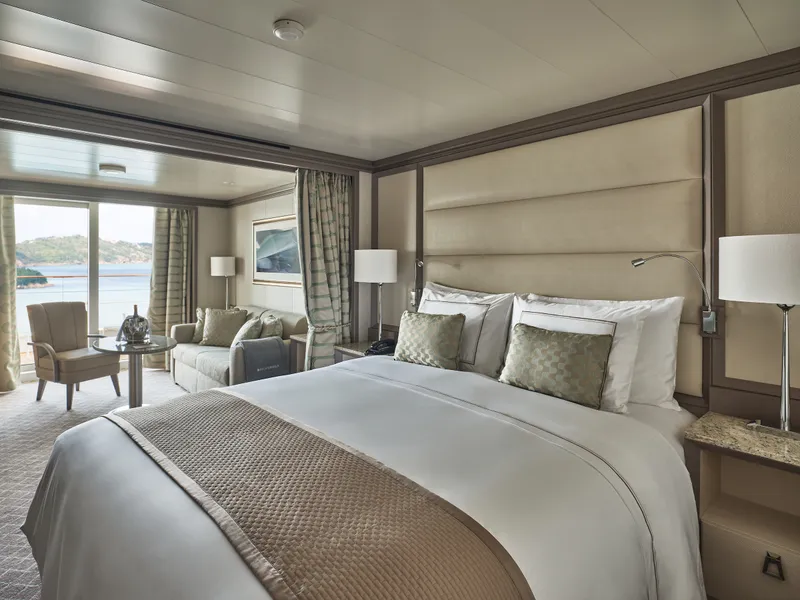
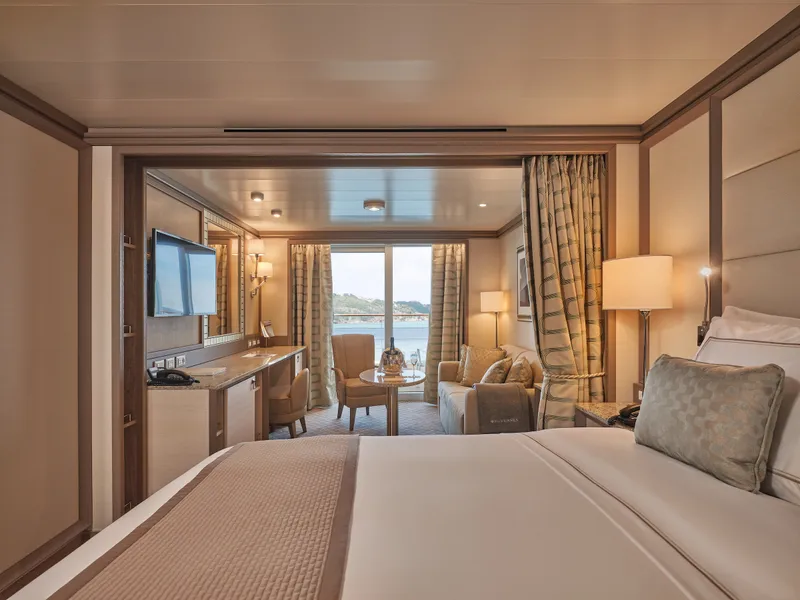
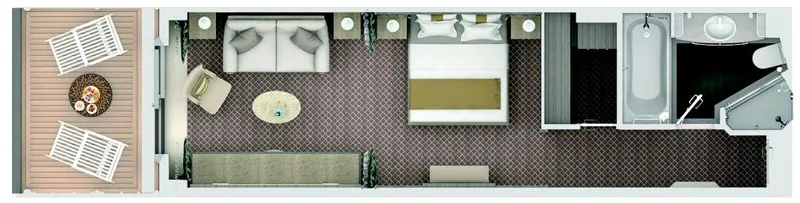
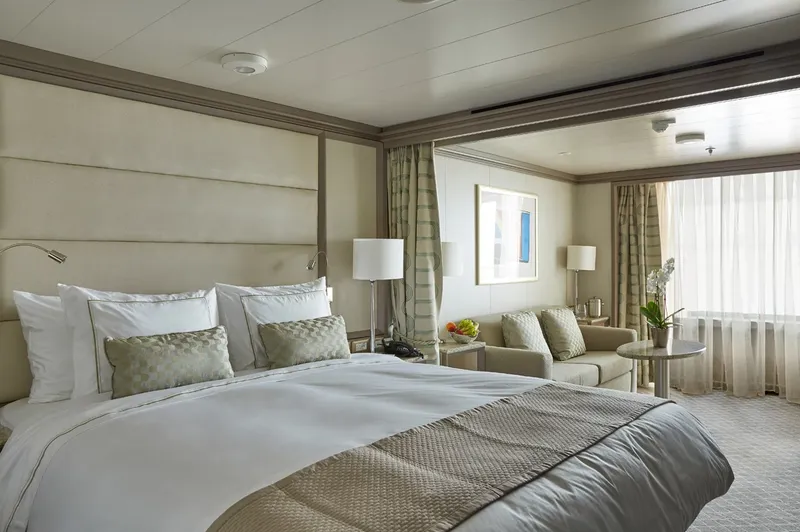

Our cruise specialists can help you find the perfect cabin and the best available pricing.
(+886) 02-2721-7300Contact Advisor