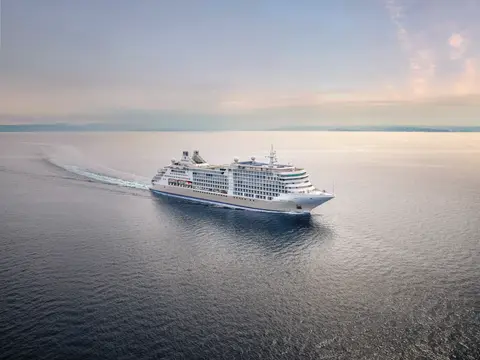
SilverseaMO260813007
Vancouver a Seward
Date
2026-08-13
Duration
7 nights
Departure Port
Vancouver
Canada
Arrival Port
Seward
Stati Uniti
Rating
Ultra Luxury
Theme
—
Date
2026-08-13
Duration
7 nights
Departure Port
Vancouver
Canada
Arrival Port
Seward
Stati Uniti
Rating
Ultra Luxury
Theme
—

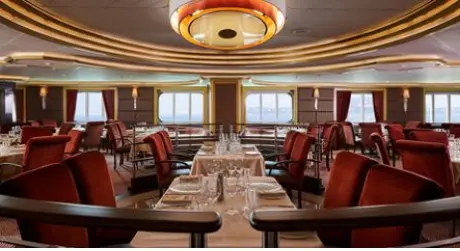




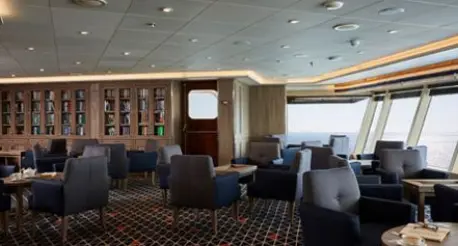
Silversea
2020
—
40,700 GT
691
288
408
699 m
26 m
20 knots
No
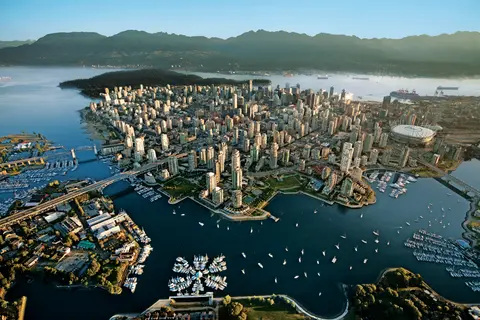
Pressata tra il Pacifico e le Coast Mountains, Vancouver è il gateway naturale per l'Inside Passage dell'Alaska — una città dove la foresta pluviale temperata incontra torri di vetro e dove il granchio Dungeness e il salmone sockeye selvatico definiscono una cucina del Pacific Rim che compete con qualsiasi altra in Nord America. Passeggia lungo il lungomare di Stanley Park di 22 chilometri, perditi nel mercato di Granville Island, poi prendi il traghetto per la splendida Edwardiana di Victoria. La stagione delle crociere in Alaska raggiunge il culmine da maggio a settembre, rendendo Vancouver un punto di partenza ideale per uno dei grandi viaggi oceanici del mondo.
Navigate through the intricate outlays of some of Alaska’s most staggering winter scenery, threading a needle between craggy, snow-dusted islands, and slipping glacial giants. To cruise this 500-mile stretch of Alaskan beauty is to sail through a living work of natural art - with perfectly sculpted mountains soaring from the shoreline, and clutches of islands scattered across the dark waters with delicate attention to detail. A common sailing route due to its calm sheltered waters, gorgeous natural set pieces constantly play out here - whether it’s killer whales accompanying you through the breathtaking icy passages, harbour seals catching a break on floating hunks of ice, or wisps of cloud clinging to distant mountain peaks. Witness Mother Nature at her most dramatic and elaborate along this Alaskan coastline, where glaciers groan and creak melodramatically, before finally releasing colossal shelves of ice, allowing them to free fall into the waters below, and explode with angry booms and thunderous splashes. While fundamental displays of nature’s power always awe and amaze, it’s the tranquil beauty of this passage - amid still waters, splitting only to reveal the smooth backs of breaching humpback whales – that is relentlessly moving. A journey of glaciers, remote hidden villages, and carved fjords - the Inside Passage is a breathtaking voyage through the intricate mesh of Alaska’s fractured, raw and spectacular coastal landscapes.
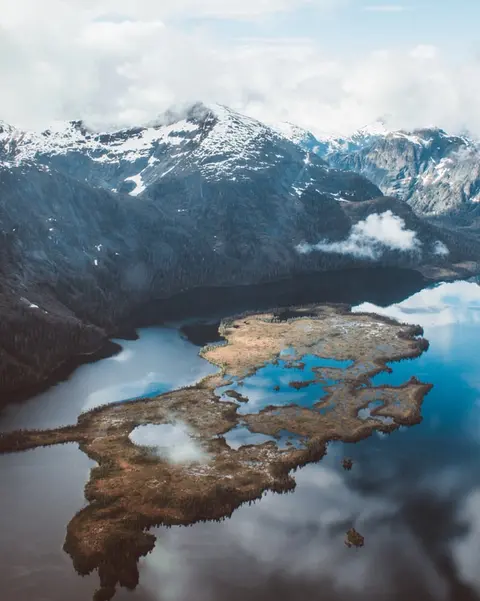
Ketchikan si aggrappa alla costa boscosa dell'isola di Revillagigedo nel panhandle sudorientale dell'Alaska — una città così stretta che i locali scherzano dicendo che è lunga tre miglia e larga tre isolati. Rispettata dal popolo Tlingit per millenni come un luogo di abbondanza di salmone, oggi è celebrata come la Capitale dei Totem del Mondo: le collezioni presso il Saxman Native Village e il Totem Bight State Historical Park preservano la concentrazione più significativa di queste opere d'arte monumentali ovunque. Creek Street, un lungomare di colorate case storiche costruite sopra il Ketchikan Creek, è da non perdere. L'estate (da maggio a settembre) porta il miglior clima, con il salmone che risale nei torrenti sottostanti.
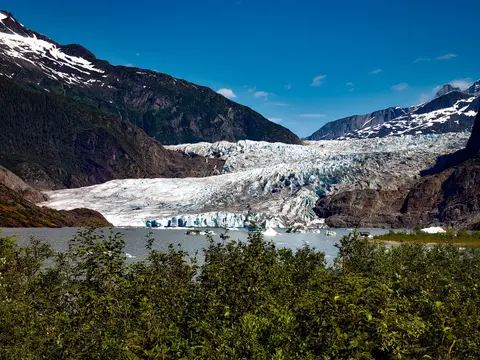
L'unica capitale di stato americana inaccessibile su strada, Juneau ricompensa il viaggio con una grandezza selvaggia che poche città al mondo possono eguagliare. Il ghiacciaio Mendenhall — un fiume vivente di ghiaccio antico — si trova a soli quindici minuti dal centro, dove gli idrovolanti sfrecciano sopra una waterfront fiancheggiata da montagne coperte di abeti che si tuffano direttamente nel mare. L'esperienza imperdibile è un atterraggio in elicottero sulla calotta glaciale o un'escursione per l'avvistamento delle balene nel Stephens Passage, dove le megattere emergono in straordinaria prossimità. Juneau è più calda da giugno ad agosto, anche se i giorni estivi possono portare la famosa pioggia del sud-est dell'Alaska che mantiene la foresta pluviale perpetuamente luminosa.
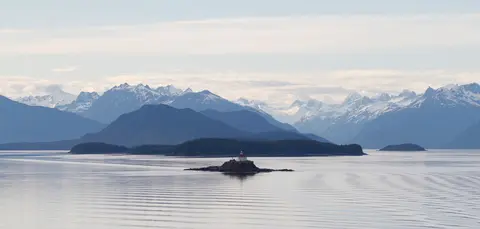
Skagway, situata all'estremità settentrionale del Lynn Canal in Alaska, è la città del boom dell'oro che il tempo ha preservato quasi perfettamente: una strada principale di frontoni falsi e negozi in stile vittoriano ora protetti come Parco Nazionale Storico. La leggendaria ferrovia White Pass & Yukon Route, completata nel 1900 per rifornire i campi d'oro del Klondike, continua a salire il vertiginoso passo con carrozze d'epoca, offrendo alcuni dei paesaggi montani più drammatici del Nord America. Trekking sui ghiacciai e tour in elicottero sopra il Giacimento di Giugno attendono i più avventurosi. Da maggio a settembre portano lunghi giorni artici e il più affidabile accesso.
Sitka began as a major Tlingit Indian village and was called “Shee Atika,” which translates roughly as “settlement on the outside of Shee.” “Shee” is the Tlingit name of Baranof Island. In 1799, Alexander Baranof, the general manager of the Russian American Company, decided to move his base of operations from Kodiak and set up camp at what is now called Old Sitka, 7.5 miles north of the present-day town. He called the settlement St. Archangel Michael. The Tlingit Indians of the area resisted the occupation and, in 1802, with Baranof away, burned the fort and massacred the Russian settlers. Two years later, Baranof returned and besieged the Indian fort. The Tlingits withdrew and the area was once again in Russian hands. This time, the Russians built the new city on a different site and called it New Archangel. For over six decades, New Archangel was the capital of the Russian empire in Alaska. By 1867, the Alaska colony had become too much of a financial burden to Russia. William Seward, U.S. Secretary of State, negotiated with the Russian Czar to purchase the Territory of Alaska for $7.2 million. The American press scoffed at Seward and the U.S. government for purchasing what they called “Seward's Folly,” “Seward's Icebox,” and “Walrussia.” On October 18, 1867, the Russian flag was lowered at New Archangel and the Stars and Stripes were raised over newly renamed Sitka. The name comes from the Tlingit word “Sheetkah,” which means “in this place.” All Russian citizens living in the former colony were given the opportunity to become American citizens. Many went home, although a few stayed or migrated to California. Sitka remained the capital of the Territory of Alaska from 1867 to 1906, when it was moved to Juneau. The move was a direct result of the gold rush. In plain terms, Sitka did not have any and Juneau did. After the Japanese attack on Pearl Harbor, Sitka became a full-scale naval base. At one time during the war, Sitka had a total population of 37,000. With the end of World War II, however, the city settled into a quieter existence. The biggest boom in modern days for Sitka came in 1959 when the Alaska Lumber and Pulp Company built a pulp mill at Silver Bay, near the city. Today, picturesque Sitka is known for its fishing and of course its many historic attractions.
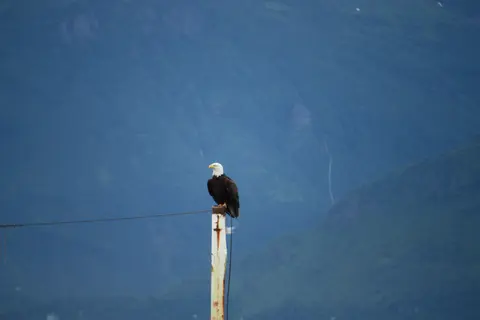
Valdez si trova all'imbocco di un fjord nel Prince William Sound, circondato dalle Montagne Chugach e dai ghiacciai di marea che lo rendono uno dei porti più scenicamente drammatici dell'Alaska. Le esperienze imperdibili includono una crociera verso il Columbia Glacier, una passeggiata fino al Worthington Glacier e assaporare l'halibut fresco nei ristoranti sul lungomare. Da maggio a settembre è la stagione, con luglio-agosto che portano le risalite dei salmoni e il clima più caldo.
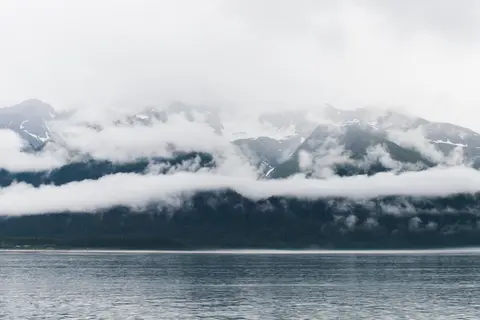
Seward, Alaska, è un porto affascinante noto per i suoi paesaggi mozzafiato e la ricca storia come città di rifornimento durante la corsa all'oro. Le esperienze imperdibili includono la visita al Parco Nazionale dei Fiordi di Kenai e la degustazione di specialità locali come i tacos di halibut e l'akutaq. Il periodo migliore per visitare è durante i mesi estivi, quando la bellezza naturale è al suo apice e le attività all'aperto abbondano.
Day 1
Pressata tra il Pacifico e le Coast Mountains, Vancouver è il gateway naturale per l'Inside Passage dell'Alaska — una città dove la foresta pluviale temperata incontra torri di vetro e dove il granchio Dungeness e il salmone sockeye selvatico definiscono una cucina del Pacific Rim che compete con qualsiasi altra in Nord America. Passeggia lungo il lungomare di Stanley Park di 22 chilometri, perditi nel mercato di Granville Island, poi prendi il traghetto per la splendida Edwardiana di Victoria. La stagione delle crociere in Alaska raggiunge il culmine da maggio a settembre, rendendo Vancouver un punto di partenza ideale per uno dei grandi viaggi oceanici del mondo.
Day 2
Navigate through the intricate outlays of some of Alaska’s most staggering winter scenery, threading a needle between craggy, snow-dusted islands, and slipping glacial giants. To cruise this 500-mile stretch of Alaskan beauty is to sail through a living work of natural art - with perfectly sculpted mountains soaring from the shoreline, and clutches of islands scattered across the dark waters with delicate attention to detail. A common sailing route due to its calm sheltered waters, gorgeous natural set pieces constantly play out here - whether it’s killer whales accompanying you through the breathtaking icy passages, harbour seals catching a break on floating hunks of ice, or wisps of cloud clinging to distant mountain peaks. Witness Mother Nature at her most dramatic and elaborate along this Alaskan coastline, where glaciers groan and creak melodramatically, before finally releasing colossal shelves of ice, allowing them to free fall into the waters below, and explode with angry booms and thunderous splashes. While fundamental displays of nature’s power always awe and amaze, it’s the tranquil beauty of this passage - amid still waters, splitting only to reveal the smooth backs of breaching humpback whales – that is relentlessly moving. A journey of glaciers, remote hidden villages, and carved fjords - the Inside Passage is a breathtaking voyage through the intricate mesh of Alaska’s fractured, raw and spectacular coastal landscapes.
Day 3
Ketchikan si aggrappa alla costa boscosa dell'isola di Revillagigedo nel panhandle sudorientale dell'Alaska — una città così stretta che i locali scherzano dicendo che è lunga tre miglia e larga tre isolati. Rispettata dal popolo Tlingit per millenni come un luogo di abbondanza di salmone, oggi è celebrata come la Capitale dei Totem del Mondo: le collezioni presso il Saxman Native Village e il Totem Bight State Historical Park preservano la concentrazione più significativa di queste opere d'arte monumentali ovunque. Creek Street, un lungomare di colorate case storiche costruite sopra il Ketchikan Creek, è da non perdere. L'estate (da maggio a settembre) porta il miglior clima, con il salmone che risale nei torrenti sottostanti.
Day 4
L'unica capitale di stato americana inaccessibile su strada, Juneau ricompensa il viaggio con una grandezza selvaggia che poche città al mondo possono eguagliare. Il ghiacciaio Mendenhall — un fiume vivente di ghiaccio antico — si trova a soli quindici minuti dal centro, dove gli idrovolanti sfrecciano sopra una waterfront fiancheggiata da montagne coperte di abeti che si tuffano direttamente nel mare. L'esperienza imperdibile è un atterraggio in elicottero sulla calotta glaciale o un'escursione per l'avvistamento delle balene nel Stephens Passage, dove le megattere emergono in straordinaria prossimità. Juneau è più calda da giugno ad agosto, anche se i giorni estivi possono portare la famosa pioggia del sud-est dell'Alaska che mantiene la foresta pluviale perpetuamente luminosa.
Day 5
Skagway, situata all'estremità settentrionale del Lynn Canal in Alaska, è la città del boom dell'oro che il tempo ha preservato quasi perfettamente: una strada principale di frontoni falsi e negozi in stile vittoriano ora protetti come Parco Nazionale Storico. La leggendaria ferrovia White Pass & Yukon Route, completata nel 1900 per rifornire i campi d'oro del Klondike, continua a salire il vertiginoso passo con carrozze d'epoca, offrendo alcuni dei paesaggi montani più drammatici del Nord America. Trekking sui ghiacciai e tour in elicottero sopra il Giacimento di Giugno attendono i più avventurosi. Da maggio a settembre portano lunghi giorni artici e il più affidabile accesso.
Day 6
Sitka began as a major Tlingit Indian village and was called “Shee Atika,” which translates roughly as “settlement on the outside of Shee.” “Shee” is the Tlingit name of Baranof Island. In 1799, Alexander Baranof, the general manager of the Russian American Company, decided to move his base of operations from Kodiak and set up camp at what is now called Old Sitka, 7.5 miles north of the present-day town. He called the settlement St. Archangel Michael. The Tlingit Indians of the area resisted the occupation and, in 1802, with Baranof away, burned the fort and massacred the Russian settlers. Two years later, Baranof returned and besieged the Indian fort. The Tlingits withdrew and the area was once again in Russian hands. This time, the Russians built the new city on a different site and called it New Archangel. For over six decades, New Archangel was the capital of the Russian empire in Alaska. By 1867, the Alaska colony had become too much of a financial burden to Russia. William Seward, U.S. Secretary of State, negotiated with the Russian Czar to purchase the Territory of Alaska for $7.2 million. The American press scoffed at Seward and the U.S. government for purchasing what they called “Seward's Folly,” “Seward's Icebox,” and “Walrussia.” On October 18, 1867, the Russian flag was lowered at New Archangel and the Stars and Stripes were raised over newly renamed Sitka. The name comes from the Tlingit word “Sheetkah,” which means “in this place.” All Russian citizens living in the former colony were given the opportunity to become American citizens. Many went home, although a few stayed or migrated to California. Sitka remained the capital of the Territory of Alaska from 1867 to 1906, when it was moved to Juneau. The move was a direct result of the gold rush. In plain terms, Sitka did not have any and Juneau did. After the Japanese attack on Pearl Harbor, Sitka became a full-scale naval base. At one time during the war, Sitka had a total population of 37,000. With the end of World War II, however, the city settled into a quieter existence. The biggest boom in modern days for Sitka came in 1959 when the Alaska Lumber and Pulp Company built a pulp mill at Silver Bay, near the city. Today, picturesque Sitka is known for its fishing and of course its many historic attractions.
Day 7
Valdez si trova all'imbocco di un fjord nel Prince William Sound, circondato dalle Montagne Chugach e dai ghiacciai di marea che lo rendono uno dei porti più scenicamente drammatici dell'Alaska. Le esperienze imperdibili includono una crociera verso il Columbia Glacier, una passeggiata fino al Worthington Glacier e assaporare l'halibut fresco nei ristoranti sul lungomare. Da maggio a settembre è la stagione, con luglio-agosto che portano le risalite dei salmoni e il clima più caldo.
Day 8
Seward, Alaska, è un porto affascinante noto per i suoi paesaggi mozzafiato e la ricca storia come città di rifornimento durante la corsa all'oro. Le esperienze imperdibili includono la visita al Parco Nazionale dei Fiordi di Kenai e la degustazione di specialità locali come i tacos di halibut e l'akutaq. Il periodo migliore per visitare è durante i mesi estivi, quando la bellezza naturale è al suo apice e le attività all'aperto abbondano.
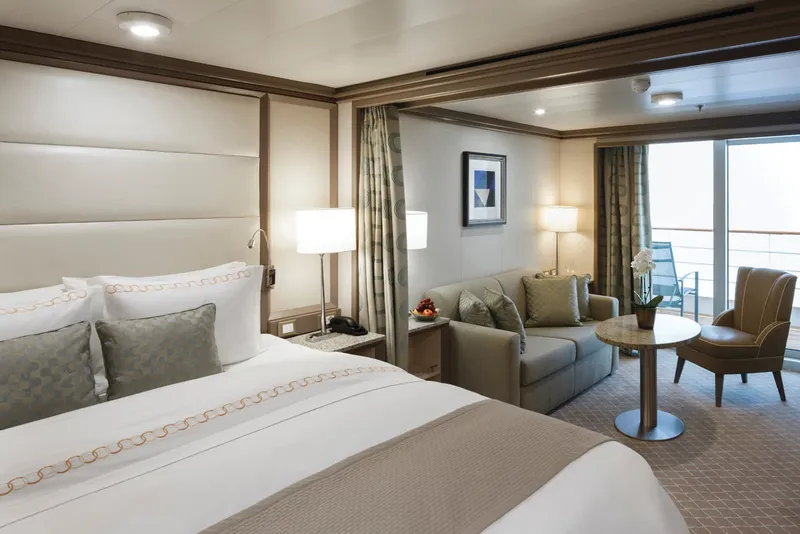
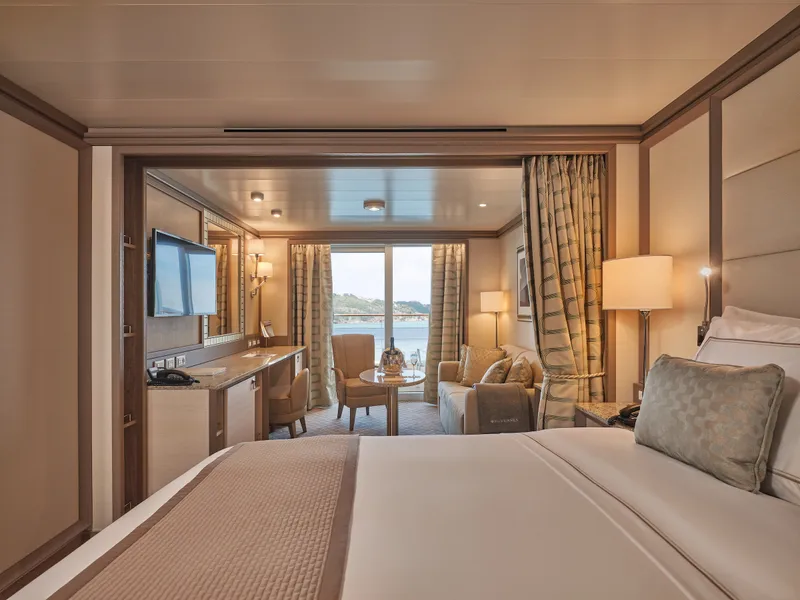
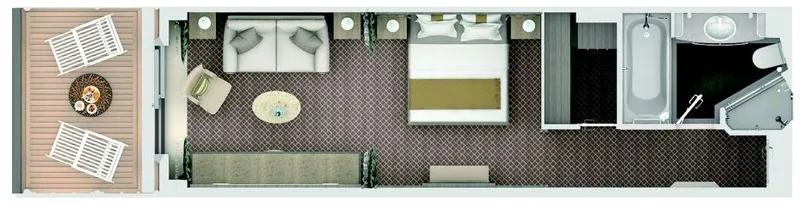

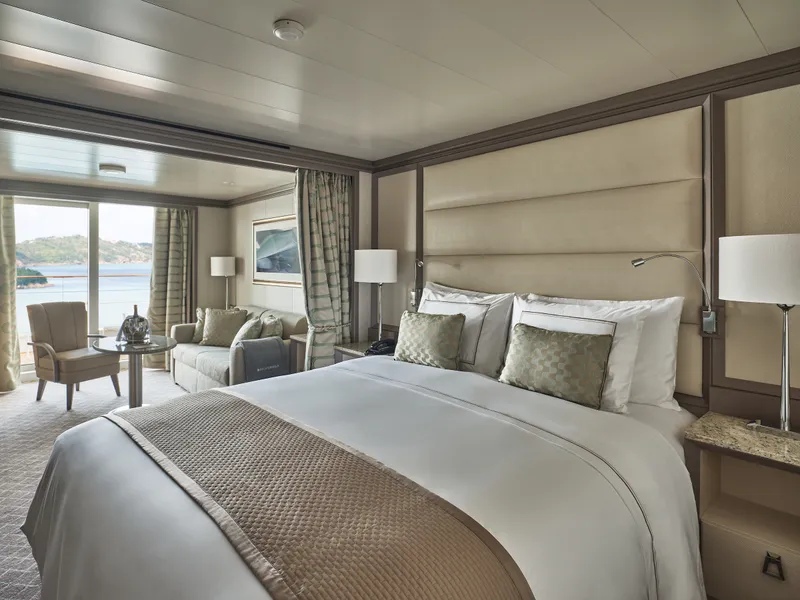
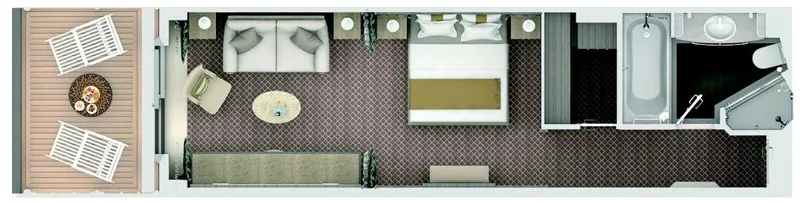

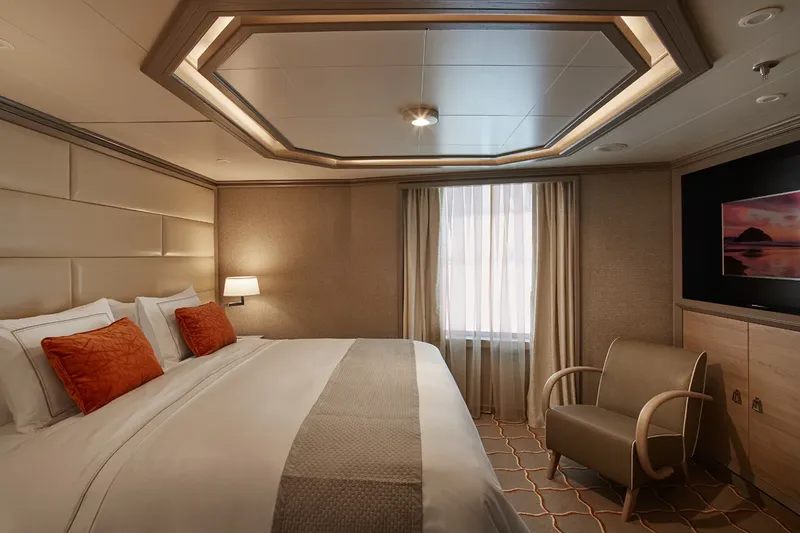
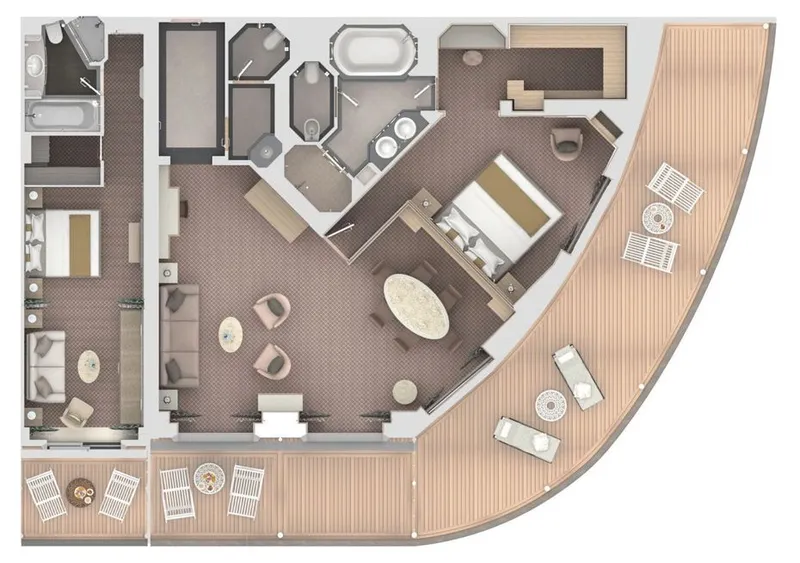






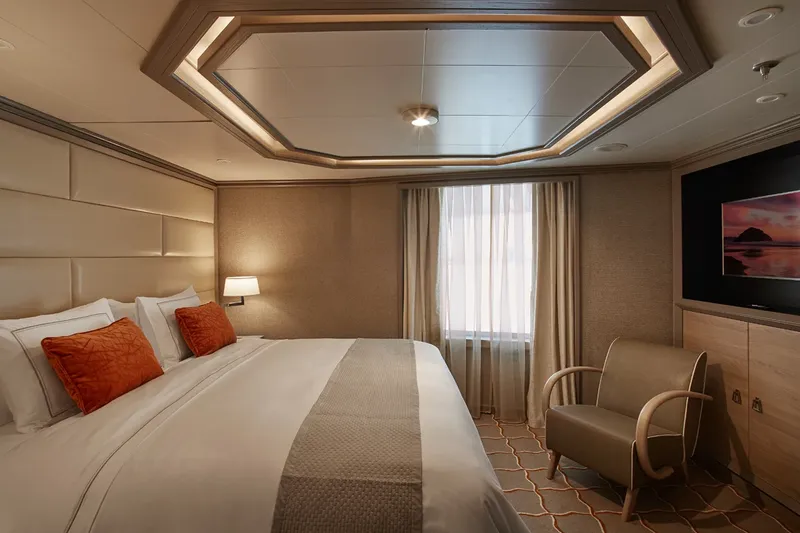


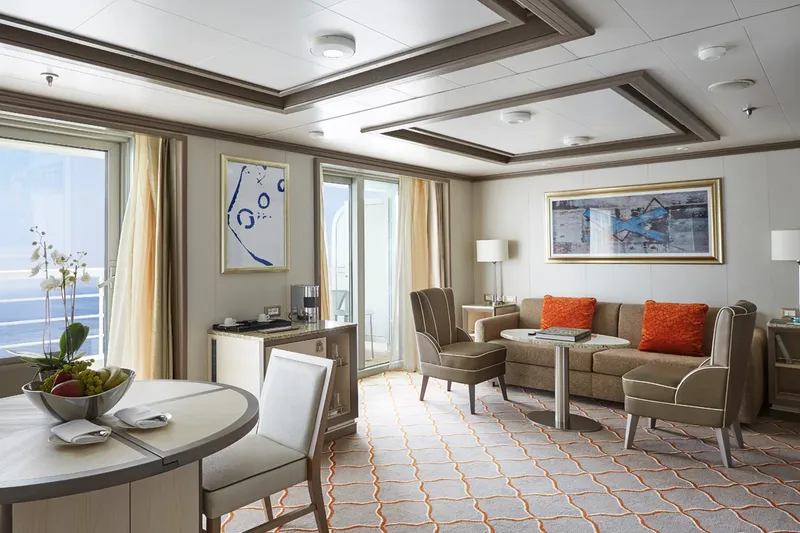

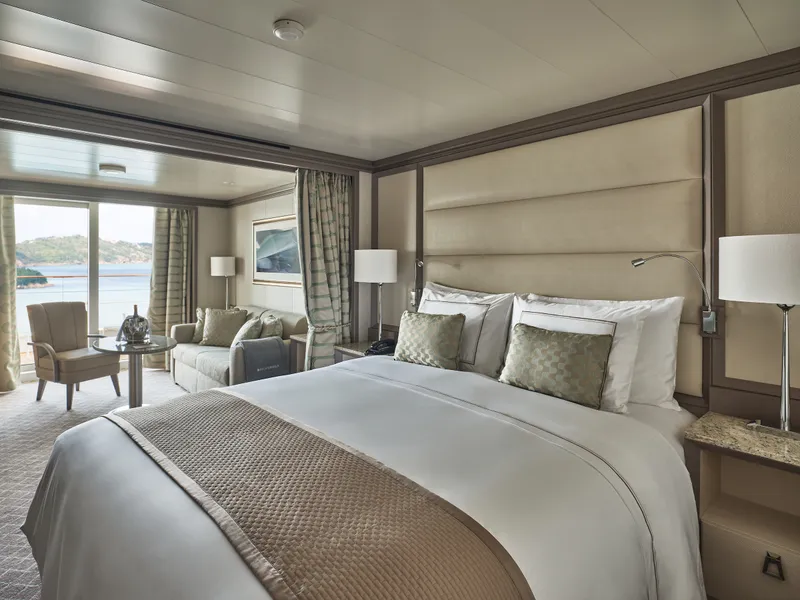
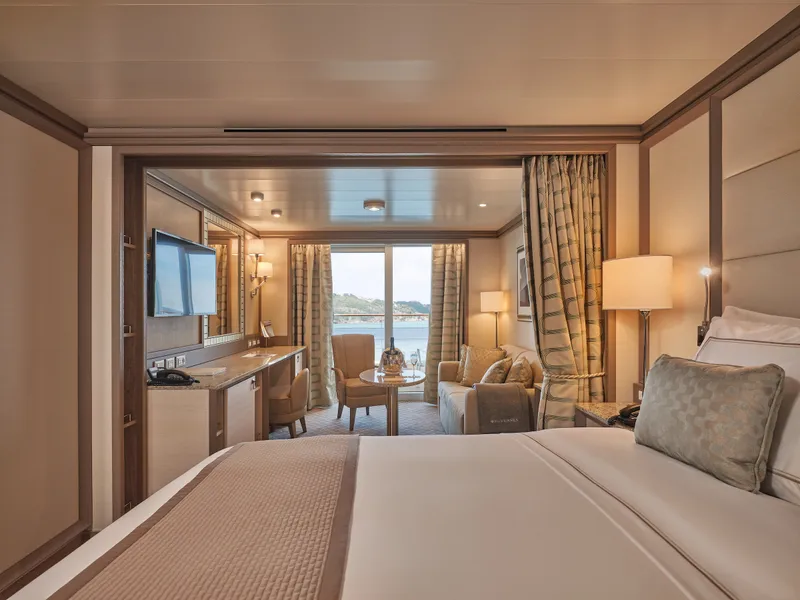
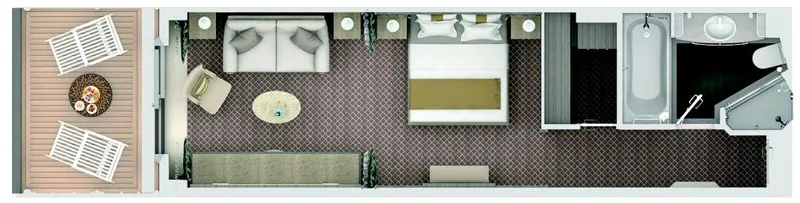
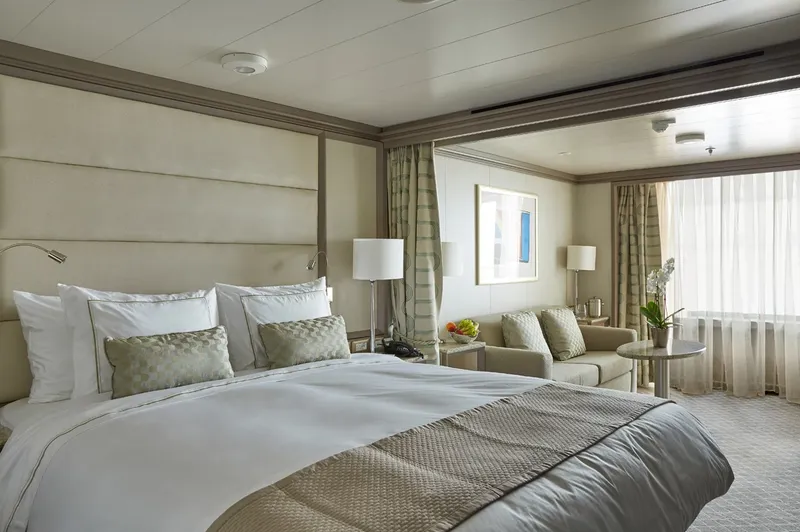

Our cruise specialists can help you find the perfect cabin and the best available pricing.
(+886) 02-2721-7300Contact Advisor