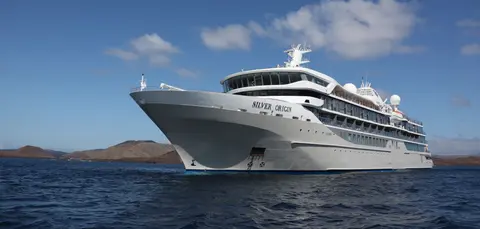
シルバーシーOR270102007
サンクリストバル、ガラパゴス周遊
Date
2027-01-02
Duration
7 nights
Departure Port
サン・クリストバル島、ガラパゴス諸島
エクアドル
Arrival Port
サン・クリストバル島、ガラパゴス諸島
エクアドル
Rating
Ultra Luxury
Theme
—
Date
2027-01-02
Duration
7 nights
Departure Port
サン・クリストバル島、ガラパゴス諸島
エクアドル
Arrival Port
サン・クリストバル島、ガラパゴス諸島
エクアドル
Rating
Ultra Luxury
Theme
—


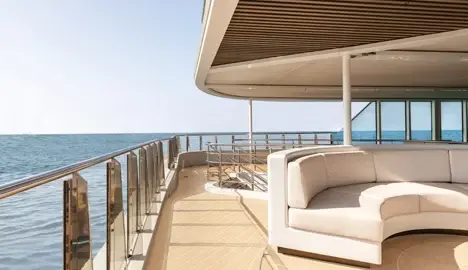

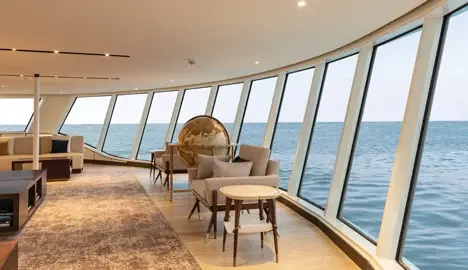
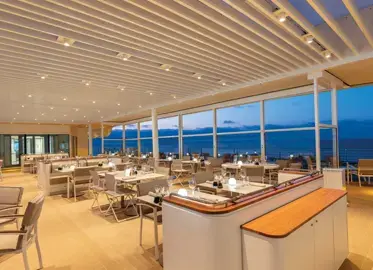
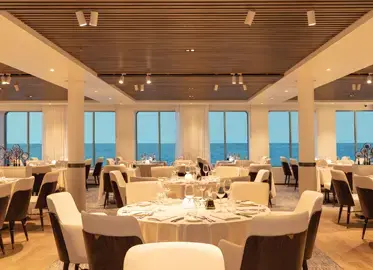
シルバーシー
2019
—
5,800 GT
100
51
90
331 m
16 m
14 knots
No
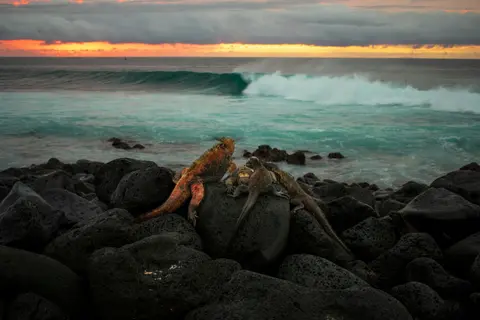
サン・クリストバル島は、ガラパゴス諸島への歴史的な入り口で、自然の美しさと豊かな文化が融合した独特の場所です。地元料理のセビーチェ・デ・メロを味わったり、素晴らしいラス・ティントレラス小島を訪れたりすることが必見の体験です。訪れるのに最適な時期は、6月から11月の乾季で、気温が涼しく、野生動物が特に活発になります。
Genovesa is one of the northernmost islands of the archipelago. Genovesa’s southern side of the shield volcano’s crater collapsed and a protected bay known as Darwin Bay was formed. The island is often referred to as the “Bird Island” as the numbers and species of land and seabirds on Genovesa are quite extraordinary. There are two visitor sites, and Prince Philip’s Steps give access to the flat plateau above the bay. Named after Prince Philip who visited the Galapagos on two occasions, the “steps” are mostly natural. View less The steep cliffs are home to Red-billed Tropicbirds, while Magnificent Frigatebirds, Nazca and Red-footed Boobies prefer the top. The plateau above Prince Philip’s Steps has a palo santo forest and an extensive lava field. This is an area where one of the Galapagos’ top predators, the Short-eared Owl, is hunting storm petrels. The Short-eared Owls are extremely well camouflaged and are not always easy to spot in between the rocks.
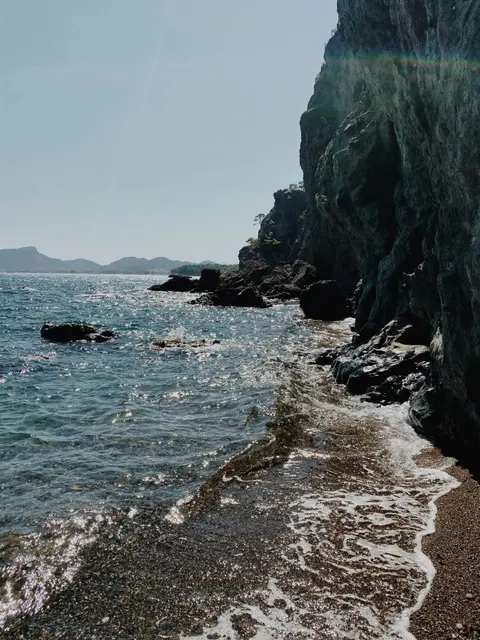
ジェノベサ島のエル・バランコ(プリンス・フィリップの階段)は、ガラパゴス諸島で最も没入感のある海鳥体験を提供します。赤足のウミバトが目の高さで巣を作り、短耳フクロウが溶岩原で嵐のペトレルを狩ります。必見のアクティビティには、火山の崖の階段を上り、数千羽の巣を作るウミバトやフリゲートバードの間を歩くことが含まれます。6月から11月は繁殖活動のピークですが、異なる種は年間を通じて巣を作ります。
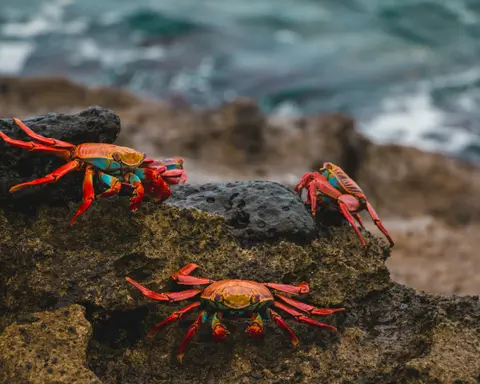
ノース・セイモア島は、ガラパゴス諸島の宝石であり、驚異的な生物多様性と美しい火山の風景で知られています。必見の体験には、島の内部をハイキングしてフリゲート鳥の巣を観察し、近くの透明度の高い水域でシュノーケリングを楽しむことが含まれます。訪れるのに最適なシーズンは6月から12月で、気候が涼しく野生動物の活動がピークに達します。
Among the impressive new lava fields of Fernandina Island hides a cove surrounded by mangroves. A rewarding place for bird-watching as the bay is the point where the land meets the sea, joining the two environments, with sea birds, shorebirds and land birds all in the same place. The different species of mangroves: Red, White and Black, have formed a root system that serves as a nursery for many species of fish, including juveniles’ sharks and green sea turtles. View less Snorkeling is as rewarding with some unique sightings as Marine Iguanas feeding on algae, or flightless cormorants diving for their prey.
Impressive Pahoehoe lava field that lies between two active volcanoes, Sierra Negra and Cerro Azul, on the south coast of Isabela Island. The rich waters of Cromwell current wash the shores, and as a result, you can see the largest marine iguanas of the archipelago basking on the rocks, flightless cormorants and Galapagos penguins diving for food. Snorkeling can be one of the coldest of the trip, but also one of the most rewarding experiences with good chances to see penguins “flying” underwater, Green Sea Turtles, and Marine Iguanas feeding. View less During the walk you will experience, as an oasis in a desert of lava, some coastal lagoons in the middle of the field, here you can find shorebirds such as White-cheeked Pintail Ducks, Black-necked Stilts and even sometimes Flamingos.
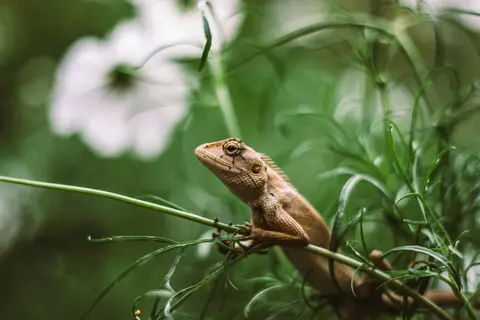
サンタクルス高地は、ガラパゴス諸島で最も人口の多い島の豊かな霧のかかった内陸部で、野生の巨大なウミガメが乾燥した海岸の上の草原やスカレシアの森を自由に歩き回っています。必見のアクティビティには、ランチョ・エル・チャトでの巨大ウミガメとの出会い、チャールズ・ダーウィン研究所の訪問、火山の溶岩トンネルの探検が含まれます。6月から12月に訪れると、最も緑豊かな風景と最も活発なウミガメを楽しむことができます。
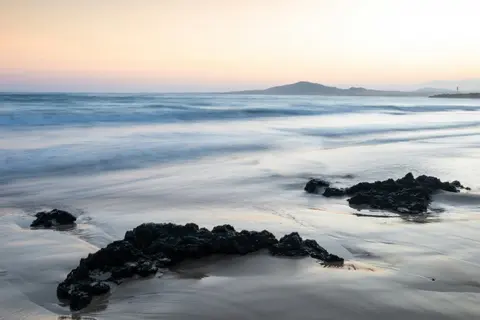
エスパニョーラ島のガードナー湾は、ガラパゴス諸島の最も壮観な野生動物ビーチの一つで、海獅子、海イグアナ、フードモッキングバードが訪問者と触れ合う美しい白い砂浜があります。必須の体験には、遊び好きな海獅子の子供たちと一緒にシュノーケリングをしたり、プンタ・スアレスで波のあるアルバトロスのコロニーを訪れたりすることが含まれます。1月から5月は温かい水でのシュノーケリングに最適で、4月から12月はアルバトロスの繁殖シーズンを迎えます。
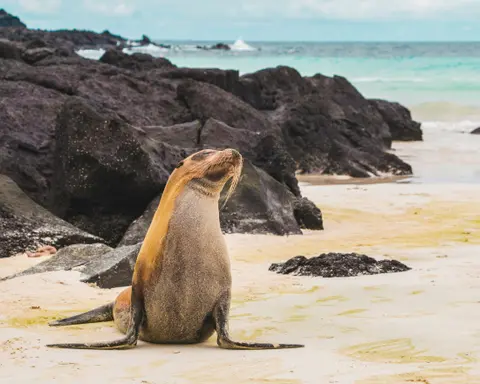
エスパニョーラ島のプンタ・スアレスは、波状アルバトロスの唯一の繁殖地であり、青足のウミバトや色とりどりのマリンイグアナ、壮大な海の吹き上げ穴を持つガラパゴス諸島で最も野生動物が豊富な上陸地点の一つです。必見のアクティビティには、アルバトロスの求愛ダンスを観察すること、ガードナー湾でのアシカとのシュノーケリング、エル・ソプロドールの吹き上げ穴へのハイキングが含まれます。アルバトロス観察の最適シーズンは4月から12月で、特に4月と5月に求愛のピークが訪れます。
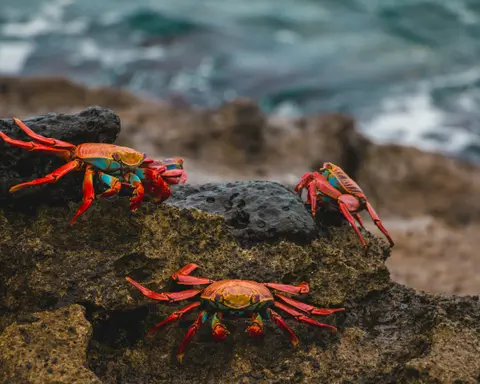
サン・クリストバル島は、ガラパゴス諸島への歴史的な入り口で、自然の美しさと豊かな文化が融合した独特の場所です。地元料理のセビーチェ・デ・メロを味わったり、素晴らしいラス・ティントレラス小島を訪れたりすることが必見の体験です。訪れるのに最適な時期は、6月から11月の乾季で、気温が涼しく、野生動物が特に活発になります。
Day 1
サン・クリストバル島は、ガラパゴス諸島への歴史的な入り口で、自然の美しさと豊かな文化が融合した独特の場所です。地元料理のセビーチェ・デ・メロを味わったり、素晴らしいラス・ティントレラス小島を訪れたりすることが必見の体験です。訪れるのに最適な時期は、6月から11月の乾季で、気温が涼しく、野生動物が特に活発になります。
Day 2
Genovesa is one of the northernmost islands of the archipelago. Genovesa’s southern side of the shield volcano’s crater collapsed and a protected bay known as Darwin Bay was formed. The island is often referred to as the “Bird Island” as the numbers and species of land and seabirds on Genovesa are quite extraordinary. There are two visitor sites, and Prince Philip’s Steps give access to the flat plateau above the bay. Named after Prince Philip who visited the Galapagos on two occasions, the “steps” are mostly natural. View less The steep cliffs are home to Red-billed Tropicbirds, while Magnificent Frigatebirds, Nazca and Red-footed Boobies prefer the top. The plateau above Prince Philip’s Steps has a palo santo forest and an extensive lava field. This is an area where one of the Galapagos’ top predators, the Short-eared Owl, is hunting storm petrels. The Short-eared Owls are extremely well camouflaged and are not always easy to spot in between the rocks.
ジェノベサ島のエル・バランコ(プリンス・フィリップの階段)は、ガラパゴス諸島で最も没入感のある海鳥体験を提供します。赤足のウミバトが目の高さで巣を作り、短耳フクロウが溶岩原で嵐のペトレルを狩ります。必見のアクティビティには、火山の崖の階段を上り、数千羽の巣を作るウミバトやフリゲートバードの間を歩くことが含まれます。6月から11月は繁殖活動のピークですが、異なる種は年間を通じて巣を作ります。
Day 3
ノース・セイモア島は、ガラパゴス諸島の宝石であり、驚異的な生物多様性と美しい火山の風景で知られています。必見の体験には、島の内部をハイキングしてフリゲート鳥の巣を観察し、近くの透明度の高い水域でシュノーケリングを楽しむことが含まれます。訪れるのに最適なシーズンは6月から12月で、気候が涼しく野生動物の活動がピークに達します。
Day 4
Among the impressive new lava fields of Fernandina Island hides a cove surrounded by mangroves. A rewarding place for bird-watching as the bay is the point where the land meets the sea, joining the two environments, with sea birds, shorebirds and land birds all in the same place. The different species of mangroves: Red, White and Black, have formed a root system that serves as a nursery for many species of fish, including juveniles’ sharks and green sea turtles. View less Snorkeling is as rewarding with some unique sightings as Marine Iguanas feeding on algae, or flightless cormorants diving for their prey.
Impressive Pahoehoe lava field that lies between two active volcanoes, Sierra Negra and Cerro Azul, on the south coast of Isabela Island. The rich waters of Cromwell current wash the shores, and as a result, you can see the largest marine iguanas of the archipelago basking on the rocks, flightless cormorants and Galapagos penguins diving for food. Snorkeling can be one of the coldest of the trip, but also one of the most rewarding experiences with good chances to see penguins “flying” underwater, Green Sea Turtles, and Marine Iguanas feeding. View less During the walk you will experience, as an oasis in a desert of lava, some coastal lagoons in the middle of the field, here you can find shorebirds such as White-cheeked Pintail Ducks, Black-necked Stilts and even sometimes Flamingos.
Day 5
サンタクルス高地は、ガラパゴス諸島で最も人口の多い島の豊かな霧のかかった内陸部で、野生の巨大なウミガメが乾燥した海岸の上の草原やスカレシアの森を自由に歩き回っています。必見のアクティビティには、ランチョ・エル・チャトでの巨大ウミガメとの出会い、チャールズ・ダーウィン研究所の訪問、火山の溶岩トンネルの探検が含まれます。6月から12月に訪れると、最も緑豊かな風景と最も活発なウミガメを楽しむことができます。
Day 6
エスパニョーラ島のガードナー湾は、ガラパゴス諸島の最も壮観な野生動物ビーチの一つで、海獅子、海イグアナ、フードモッキングバードが訪問者と触れ合う美しい白い砂浜があります。必須の体験には、遊び好きな海獅子の子供たちと一緒にシュノーケリングをしたり、プンタ・スアレスで波のあるアルバトロスのコロニーを訪れたりすることが含まれます。1月から5月は温かい水でのシュノーケリングに最適で、4月から12月はアルバトロスの繁殖シーズンを迎えます。
エスパニョーラ島のプンタ・スアレスは、波状アルバトロスの唯一の繁殖地であり、青足のウミバトや色とりどりのマリンイグアナ、壮大な海の吹き上げ穴を持つガラパゴス諸島で最も野生動物が豊富な上陸地点の一つです。必見のアクティビティには、アルバトロスの求愛ダンスを観察すること、ガードナー湾でのアシカとのシュノーケリング、エル・ソプロドールの吹き上げ穴へのハイキングが含まれます。アルバトロス観察の最適シーズンは4月から12月で、特に4月と5月に求愛のピークが訪れます。
Day 7
サン・クリストバル島は、ガラパゴス諸島への歴史的な入り口で、自然の美しさと豊かな文化が融合した独特の場所です。地元料理のセビーチェ・デ・メロを味わったり、素晴らしいラス・ティントレラス小島を訪れたりすることが必見の体験です。訪れるのに最適な時期は、6月から11月の乾季で、気温が涼しく、野生動物が特に活発になります。




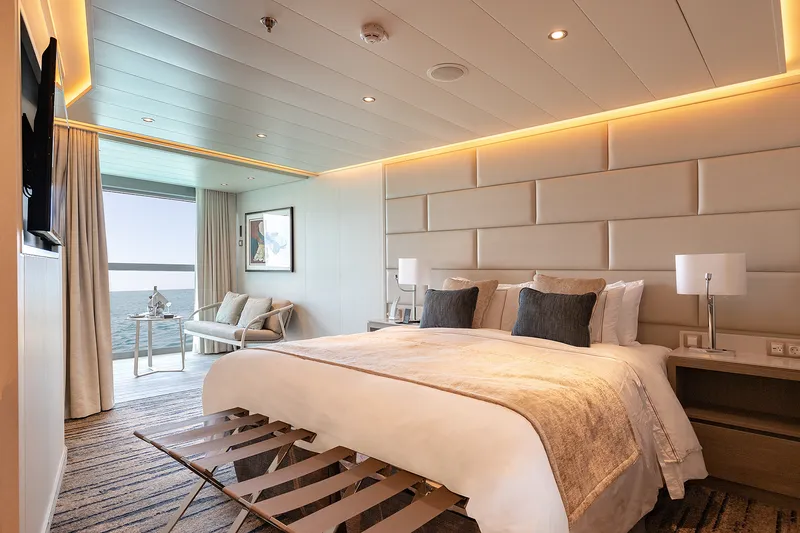

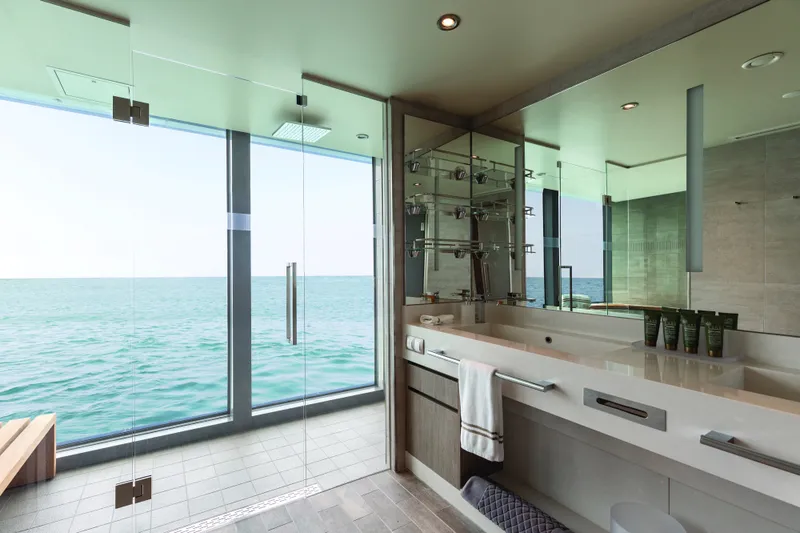
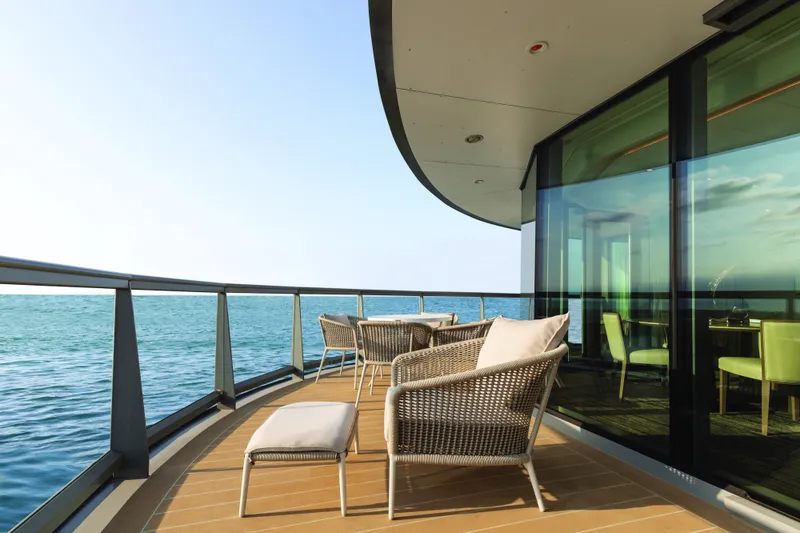
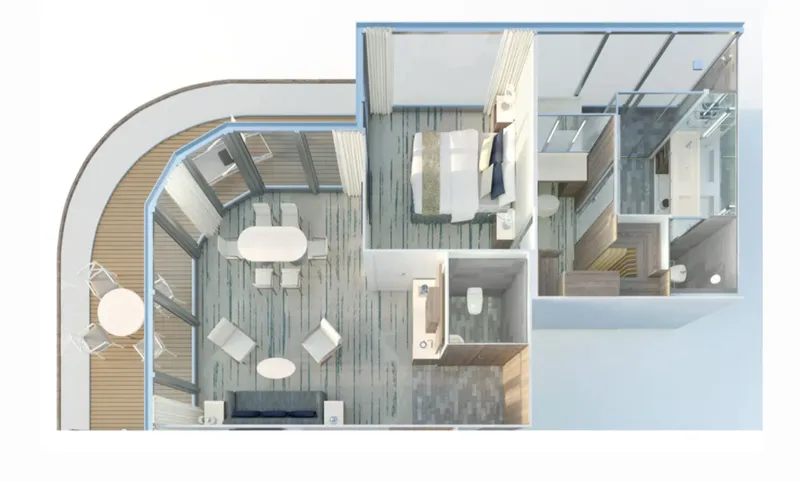
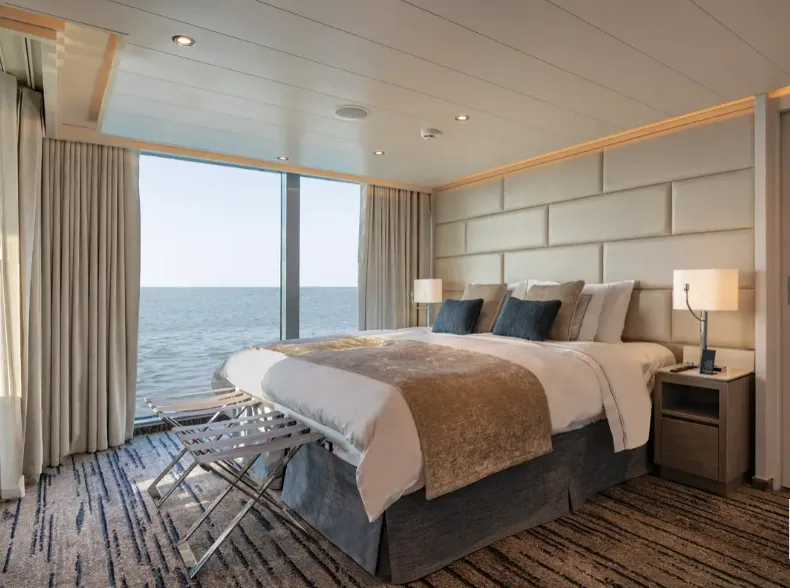
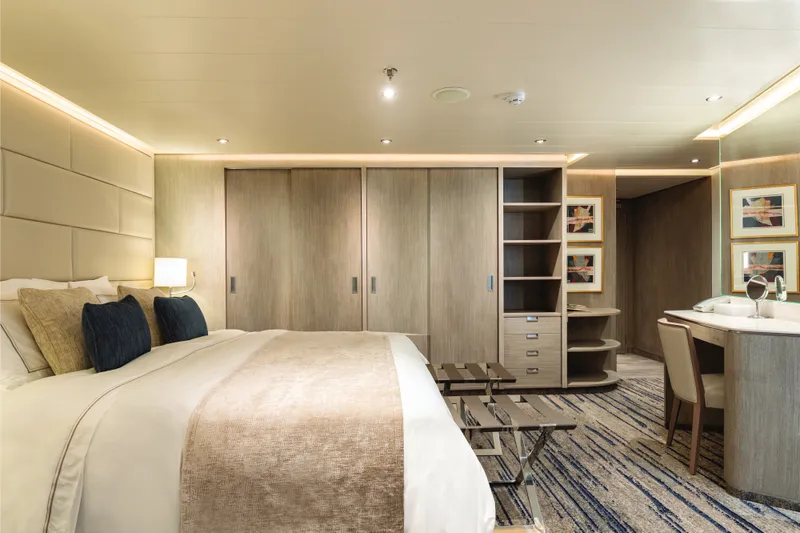
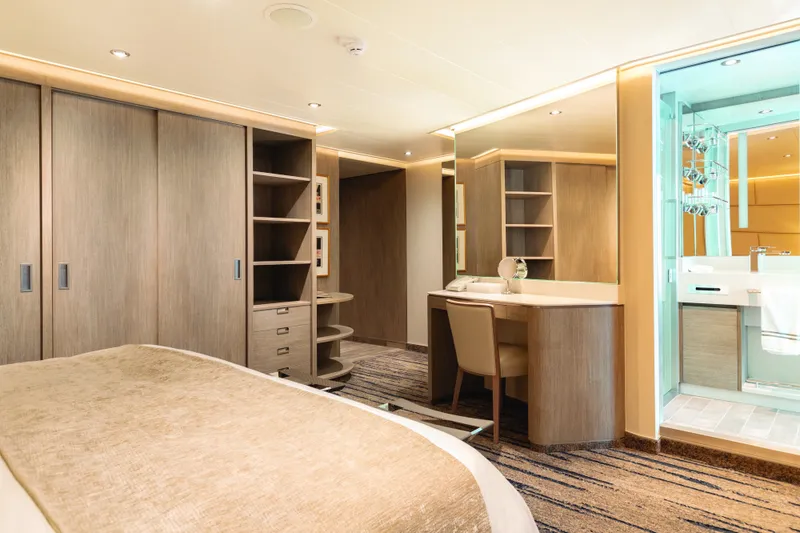

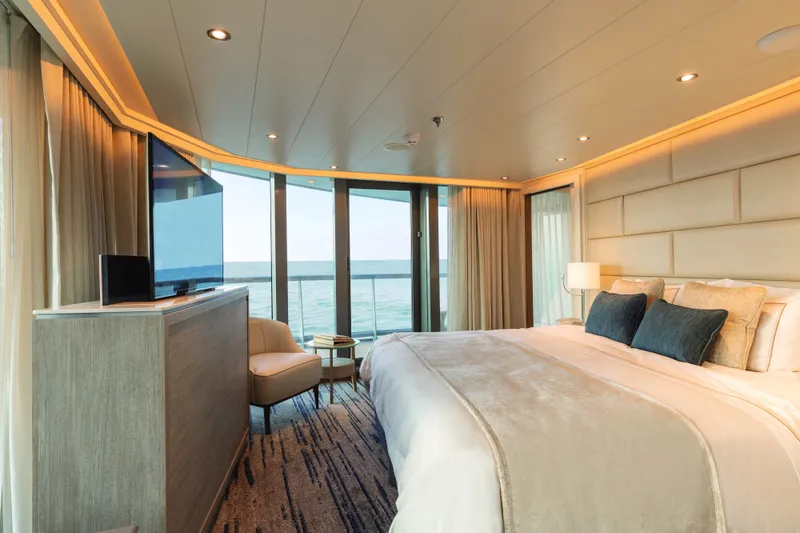
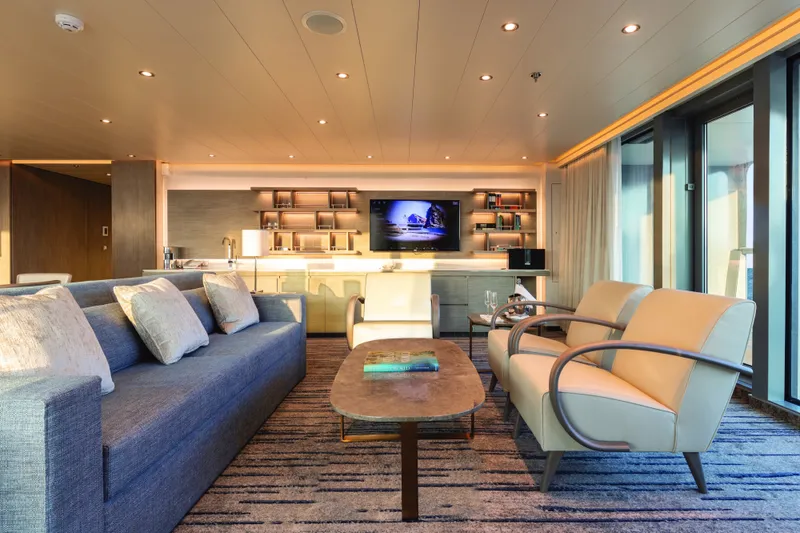
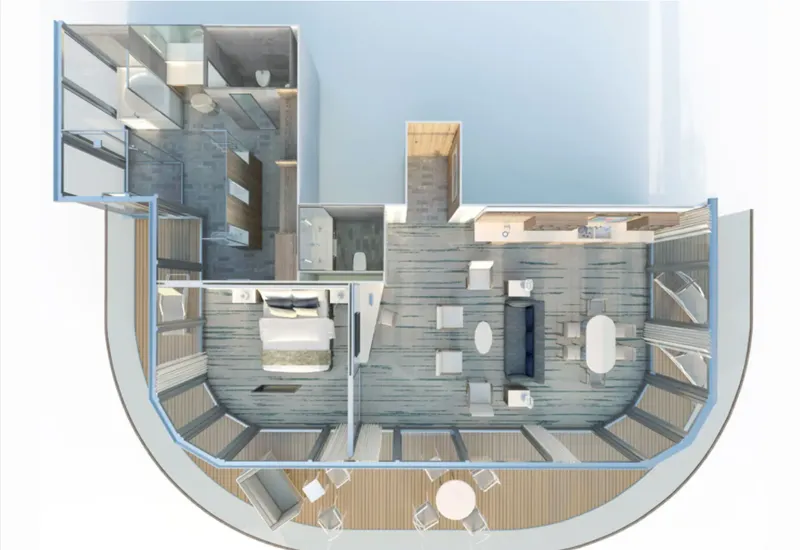
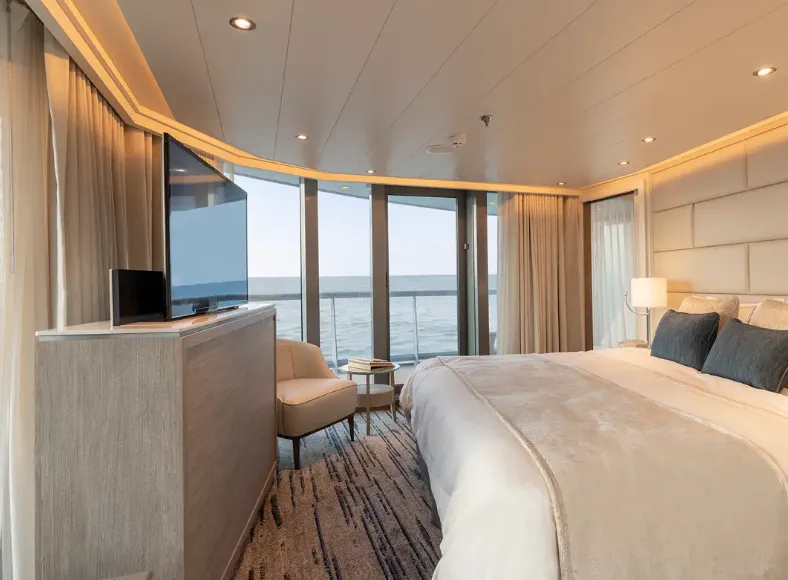
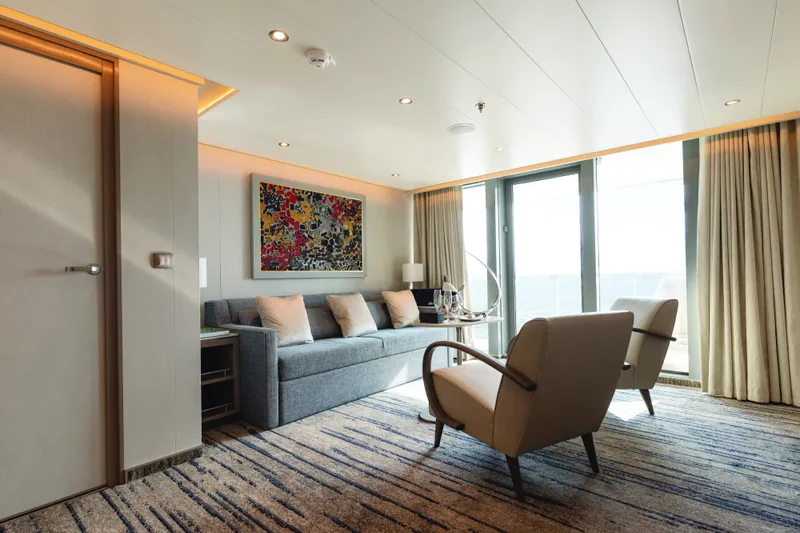
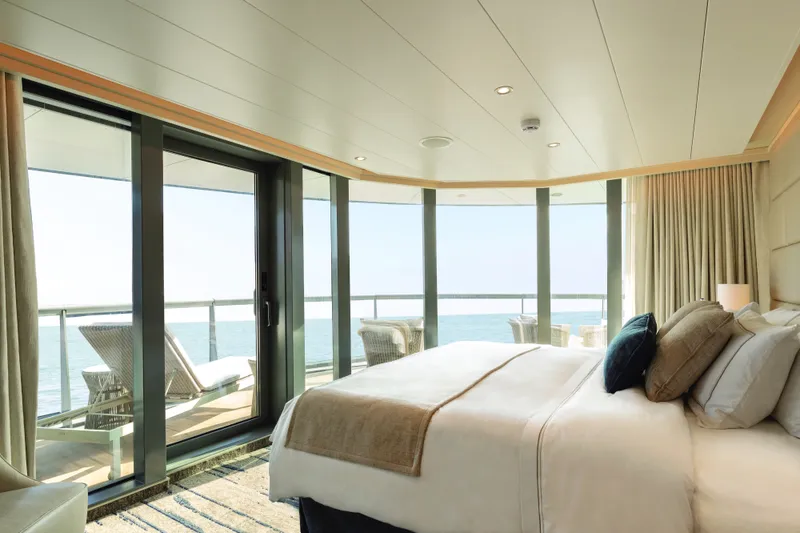
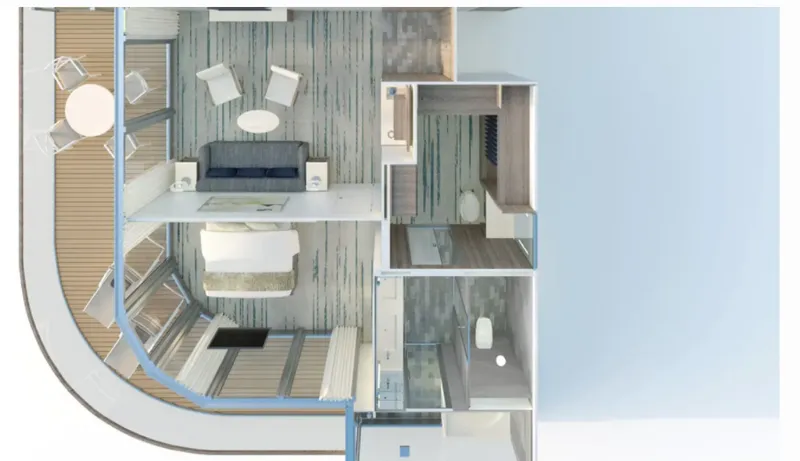
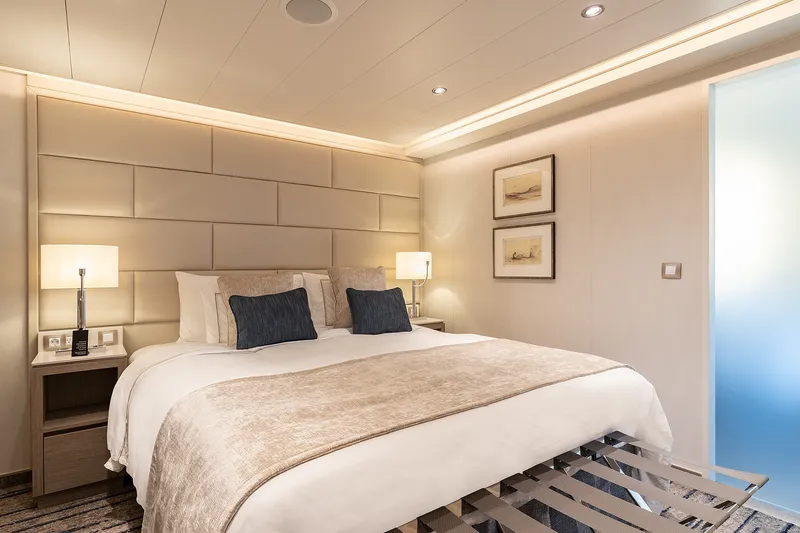
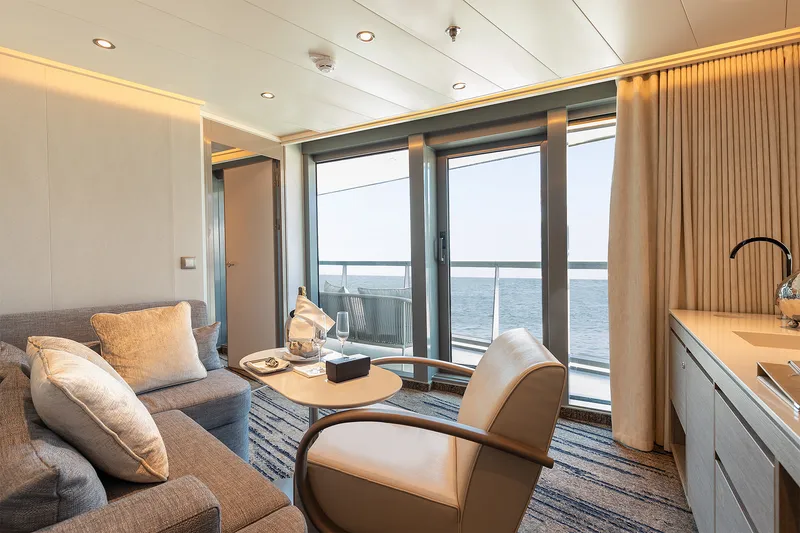

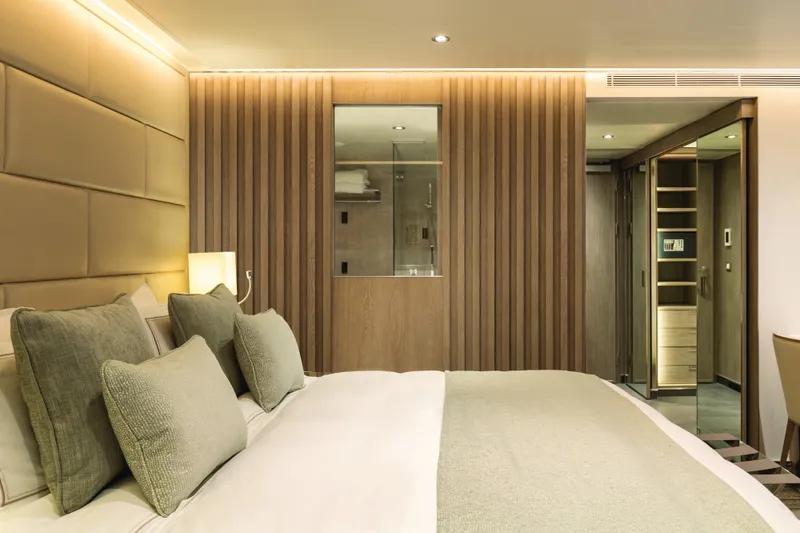
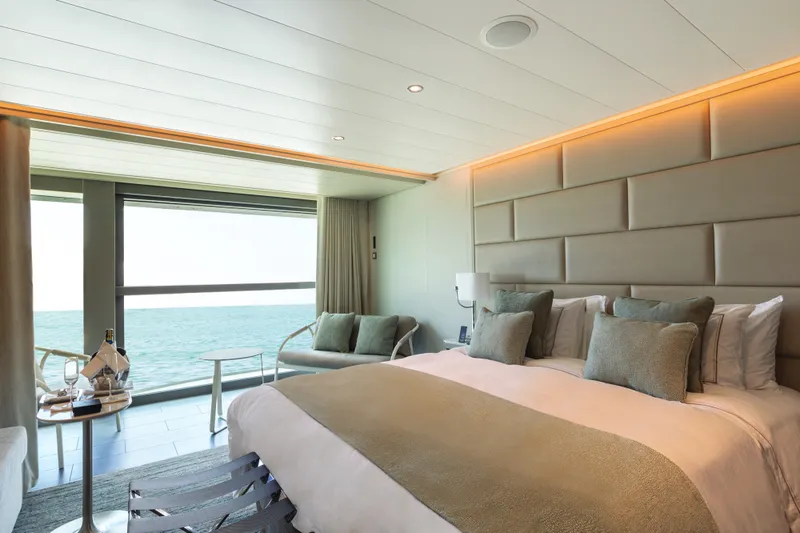

Our cruise specialists can help you find the perfect cabin and the best available pricing.
(+886) 02-2721-7300Contact Advisor