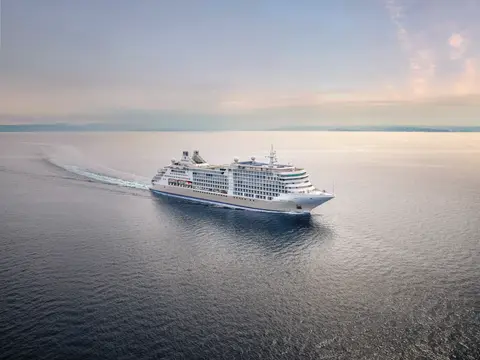
SilverseaMO260813007
Vancouver til Seward
Date
2026-08-13
Duration
7 nights
Departure Port
Vancouver
Canada
Arrival Port
Seward
De forente stater
Rating
Ultra Luxury
Theme
—
Date
2026-08-13
Duration
7 nights
Departure Port
Vancouver
Canada
Arrival Port
Seward
De forente stater
Rating
Ultra Luxury
Theme
—

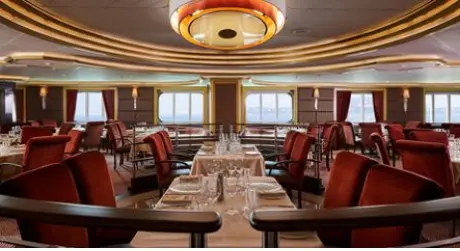




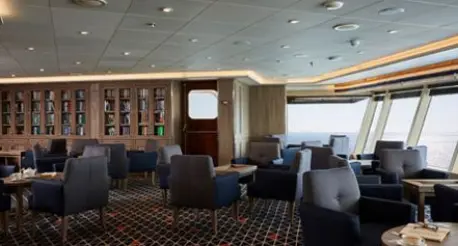
Silversea
2020
—
40,700 GT
691
288
408
699 m
26 m
20 knots
No
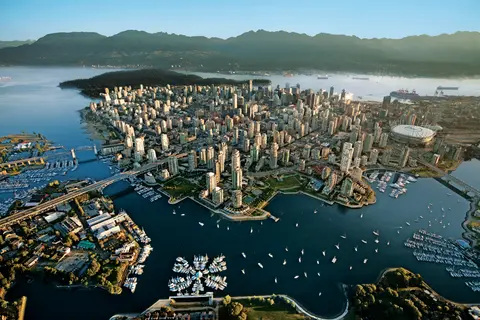
Presset mellom Stillehavet og Coast Mountains, er Vancouver den naturlige porten til Alaskas Inside Passage — en by hvor temperert regnskog møter glassbygninger og hvor Dungeness-krabbe og vill sockeye-laks definerer en Pacific Rim-kjøkken som kan konkurrere med enhver i Nord-Amerika. Gå den 22 kilometer lange Stanley Park-kystlinjen, mist deg selv i Granville Island-markedet, og ta deretter ferge over til Victorias edvardianske prakt. Alaskas cruisesesong når sitt høydepunkt fra mai til september, noe som gjør Vancouver til et ideelt utgangspunkt for en av verdens store havreiser.
Navigate through the intricate outlays of some of Alaska’s most staggering winter scenery, threading a needle between craggy, snow-dusted islands, and slipping glacial giants. To cruise this 500-mile stretch of Alaskan beauty is to sail through a living work of natural art - with perfectly sculpted mountains soaring from the shoreline, and clutches of islands scattered across the dark waters with delicate attention to detail. A common sailing route due to its calm sheltered waters, gorgeous natural set pieces constantly play out here - whether it’s killer whales accompanying you through the breathtaking icy passages, harbour seals catching a break on floating hunks of ice, or wisps of cloud clinging to distant mountain peaks. Witness Mother Nature at her most dramatic and elaborate along this Alaskan coastline, where glaciers groan and creak melodramatically, before finally releasing colossal shelves of ice, allowing them to free fall into the waters below, and explode with angry booms and thunderous splashes. While fundamental displays of nature’s power always awe and amaze, it’s the tranquil beauty of this passage - amid still waters, splitting only to reveal the smooth backs of breaching humpback whales – that is relentlessly moving. A journey of glaciers, remote hidden villages, and carved fjords - the Inside Passage is a breathtaking voyage through the intricate mesh of Alaska’s fractured, raw and spectacular coastal landscapes.
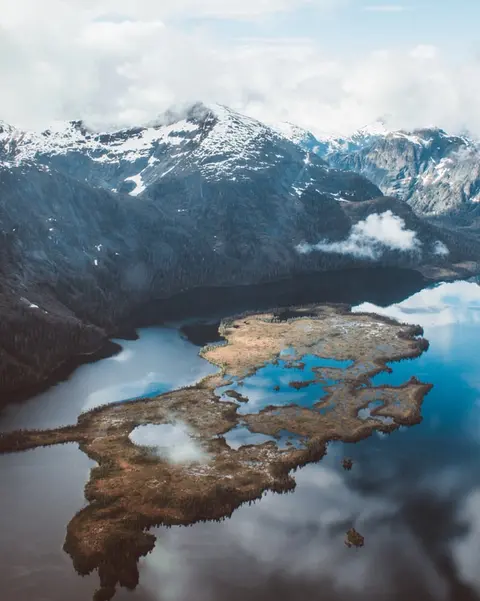
Ketchikan klamrer seg til den skogkledde kysten av Revillagigedo Island i Alaskas sørøstlige panhandle — en by så smal at lokalbefolkningen spøker med at den er tre miles lang og tre kvartaler bred. Beundret av Tlingit-folket i årtusener som et sted med rikelig med laks, feires den i dag som Totem Pole Capital of the World: samlingene ved Saxman Native Village og Totem Bight State Historical Park bevarer den mest betydningsfulle konsentrasjonen av disse monumentale kunstverkene noe sted. Creek Street, en gangvei av fargerike historiske hus bygget over Ketchikan Creek, bør ikke gås glipp av. Sommer (mai–september) gir det beste været, med laks som svømmer i elvene nedenfor.
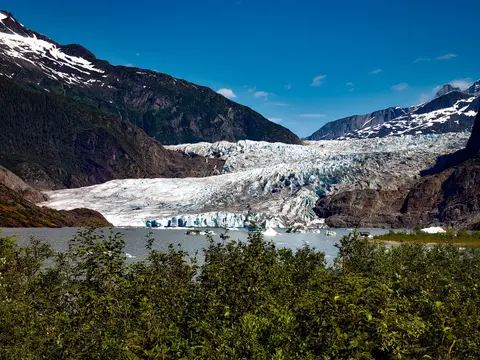
Amerikas eneste delstatshovedstad som ikke kan nås med vei, Juneau belønner reisen med en villmarksglans som få byer på jorden kan matche. Mendenhall-breen — en levende elv av gammel is — ligger bare femten minutter fra sentrum, hvor flytefly suser over en vannfront flankert av grantrær som dykker rett ned i havet. Den må-gjøre opplevelsen er en helikopterlanding på isfeltet eller en hvalsafari i Stephens Passage, hvor knølhvaler bryter overflaten i imponerende nærhet. Juneau er varmest fra juni til august, selv om selv sommerdager kan bringe den berømte regnet fra Sørøst-Alaska som holder regnskogen evig lysende.
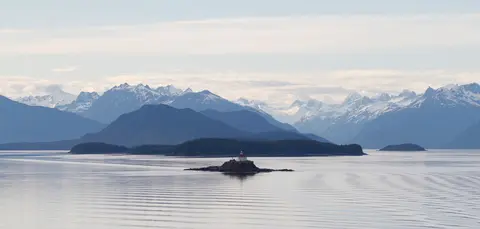
Skagway, som ligger på den nordlige spissen av Lynn Canal i Alaska, er gullrushtettstedet som tiden har bevart nesten perfekt — en grensegate med falske fasader på salooner og viktorianske butikker som nå er beskyttet som en nasjonal historisk park. Den legendariske White Pass & Yukon Route jernbanen, fullført i 1900 for å forsyne Klondike gullfeltene, klatrer fortsatt opp den bratte passet i vintage vogner, og tilbyr noe av det mest dramatiske fjellandskapet i Nord-Amerika. Gletsjervandring og helikopterturer over Juneau Icefield venter de mer eventyrlystne. Mai til september bringer lange arktiske dager og den mest pålitelige tilgangen.
Sitka began as a major Tlingit Indian village and was called “Shee Atika,” which translates roughly as “settlement on the outside of Shee.” “Shee” is the Tlingit name of Baranof Island. In 1799, Alexander Baranof, the general manager of the Russian American Company, decided to move his base of operations from Kodiak and set up camp at what is now called Old Sitka, 7.5 miles north of the present-day town. He called the settlement St. Archangel Michael. The Tlingit Indians of the area resisted the occupation and, in 1802, with Baranof away, burned the fort and massacred the Russian settlers. Two years later, Baranof returned and besieged the Indian fort. The Tlingits withdrew and the area was once again in Russian hands. This time, the Russians built the new city on a different site and called it New Archangel. For over six decades, New Archangel was the capital of the Russian empire in Alaska. By 1867, the Alaska colony had become too much of a financial burden to Russia. William Seward, U.S. Secretary of State, negotiated with the Russian Czar to purchase the Territory of Alaska for $7.2 million. The American press scoffed at Seward and the U.S. government for purchasing what they called “Seward's Folly,” “Seward's Icebox,” and “Walrussia.” On October 18, 1867, the Russian flag was lowered at New Archangel and the Stars and Stripes were raised over newly renamed Sitka. The name comes from the Tlingit word “Sheetkah,” which means “in this place.” All Russian citizens living in the former colony were given the opportunity to become American citizens. Many went home, although a few stayed or migrated to California. Sitka remained the capital of the Territory of Alaska from 1867 to 1906, when it was moved to Juneau. The move was a direct result of the gold rush. In plain terms, Sitka did not have any and Juneau did. After the Japanese attack on Pearl Harbor, Sitka became a full-scale naval base. At one time during the war, Sitka had a total population of 37,000. With the end of World War II, however, the city settled into a quieter existence. The biggest boom in modern days for Sitka came in 1959 when the Alaska Lumber and Pulp Company built a pulp mill at Silver Bay, near the city. Today, picturesque Sitka is known for its fishing and of course its many historic attractions.
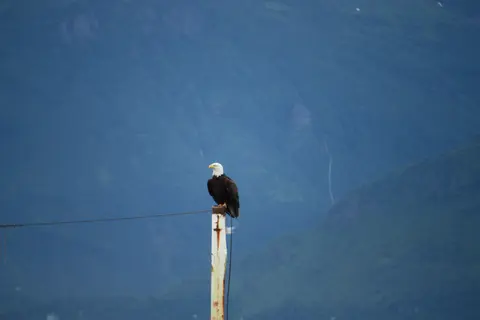
Valdez ligger ved foten av en fjord i Prince William Sound, omgitt av Chugach-fjellene og tidevannsglasere som gjør det til en av Alaskas mest scenisk dramatiske havner. Uunnværlige opplevelser inkluderer å cruise til Columbia Glacier, gå opp til Worthington Glacier, og smake ferskfanget kveite på restauranter ved havnen. Mai til september er sesongen, med juli-august som bringer laksestimer og det varmeste været.
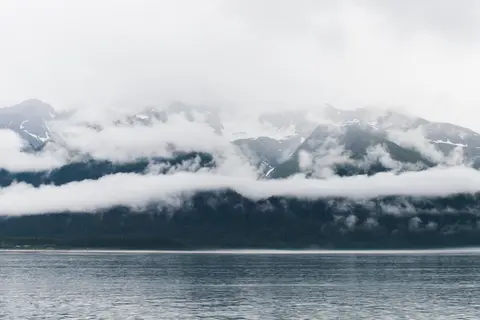
Seward, Alaska, er en fengslende havn kjent for sine fantastiske landskap og rike historie som en forsyningsby under gullrushet. Ting du må gjøre inkluderer å besøke Kenai Fjords nasjonalpark og smake på lokale delikatesser som halibut-tacos og akutaq. Den beste tiden å besøke er om sommeren når den naturlige skjønnheten er på sitt høyeste og utendørsaktiviteter blomstrer.
Day 1
Presset mellom Stillehavet og Coast Mountains, er Vancouver den naturlige porten til Alaskas Inside Passage — en by hvor temperert regnskog møter glassbygninger og hvor Dungeness-krabbe og vill sockeye-laks definerer en Pacific Rim-kjøkken som kan konkurrere med enhver i Nord-Amerika. Gå den 22 kilometer lange Stanley Park-kystlinjen, mist deg selv i Granville Island-markedet, og ta deretter ferge over til Victorias edvardianske prakt. Alaskas cruisesesong når sitt høydepunkt fra mai til september, noe som gjør Vancouver til et ideelt utgangspunkt for en av verdens store havreiser.
Day 2
Navigate through the intricate outlays of some of Alaska’s most staggering winter scenery, threading a needle between craggy, snow-dusted islands, and slipping glacial giants. To cruise this 500-mile stretch of Alaskan beauty is to sail through a living work of natural art - with perfectly sculpted mountains soaring from the shoreline, and clutches of islands scattered across the dark waters with delicate attention to detail. A common sailing route due to its calm sheltered waters, gorgeous natural set pieces constantly play out here - whether it’s killer whales accompanying you through the breathtaking icy passages, harbour seals catching a break on floating hunks of ice, or wisps of cloud clinging to distant mountain peaks. Witness Mother Nature at her most dramatic and elaborate along this Alaskan coastline, where glaciers groan and creak melodramatically, before finally releasing colossal shelves of ice, allowing them to free fall into the waters below, and explode with angry booms and thunderous splashes. While fundamental displays of nature’s power always awe and amaze, it’s the tranquil beauty of this passage - amid still waters, splitting only to reveal the smooth backs of breaching humpback whales – that is relentlessly moving. A journey of glaciers, remote hidden villages, and carved fjords - the Inside Passage is a breathtaking voyage through the intricate mesh of Alaska’s fractured, raw and spectacular coastal landscapes.
Day 3
Ketchikan klamrer seg til den skogkledde kysten av Revillagigedo Island i Alaskas sørøstlige panhandle — en by så smal at lokalbefolkningen spøker med at den er tre miles lang og tre kvartaler bred. Beundret av Tlingit-folket i årtusener som et sted med rikelig med laks, feires den i dag som Totem Pole Capital of the World: samlingene ved Saxman Native Village og Totem Bight State Historical Park bevarer den mest betydningsfulle konsentrasjonen av disse monumentale kunstverkene noe sted. Creek Street, en gangvei av fargerike historiske hus bygget over Ketchikan Creek, bør ikke gås glipp av. Sommer (mai–september) gir det beste været, med laks som svømmer i elvene nedenfor.
Day 4
Amerikas eneste delstatshovedstad som ikke kan nås med vei, Juneau belønner reisen med en villmarksglans som få byer på jorden kan matche. Mendenhall-breen — en levende elv av gammel is — ligger bare femten minutter fra sentrum, hvor flytefly suser over en vannfront flankert av grantrær som dykker rett ned i havet. Den må-gjøre opplevelsen er en helikopterlanding på isfeltet eller en hvalsafari i Stephens Passage, hvor knølhvaler bryter overflaten i imponerende nærhet. Juneau er varmest fra juni til august, selv om selv sommerdager kan bringe den berømte regnet fra Sørøst-Alaska som holder regnskogen evig lysende.
Day 5
Skagway, som ligger på den nordlige spissen av Lynn Canal i Alaska, er gullrushtettstedet som tiden har bevart nesten perfekt — en grensegate med falske fasader på salooner og viktorianske butikker som nå er beskyttet som en nasjonal historisk park. Den legendariske White Pass & Yukon Route jernbanen, fullført i 1900 for å forsyne Klondike gullfeltene, klatrer fortsatt opp den bratte passet i vintage vogner, og tilbyr noe av det mest dramatiske fjellandskapet i Nord-Amerika. Gletsjervandring og helikopterturer over Juneau Icefield venter de mer eventyrlystne. Mai til september bringer lange arktiske dager og den mest pålitelige tilgangen.
Day 6
Sitka began as a major Tlingit Indian village and was called “Shee Atika,” which translates roughly as “settlement on the outside of Shee.” “Shee” is the Tlingit name of Baranof Island. In 1799, Alexander Baranof, the general manager of the Russian American Company, decided to move his base of operations from Kodiak and set up camp at what is now called Old Sitka, 7.5 miles north of the present-day town. He called the settlement St. Archangel Michael. The Tlingit Indians of the area resisted the occupation and, in 1802, with Baranof away, burned the fort and massacred the Russian settlers. Two years later, Baranof returned and besieged the Indian fort. The Tlingits withdrew and the area was once again in Russian hands. This time, the Russians built the new city on a different site and called it New Archangel. For over six decades, New Archangel was the capital of the Russian empire in Alaska. By 1867, the Alaska colony had become too much of a financial burden to Russia. William Seward, U.S. Secretary of State, negotiated with the Russian Czar to purchase the Territory of Alaska for $7.2 million. The American press scoffed at Seward and the U.S. government for purchasing what they called “Seward's Folly,” “Seward's Icebox,” and “Walrussia.” On October 18, 1867, the Russian flag was lowered at New Archangel and the Stars and Stripes were raised over newly renamed Sitka. The name comes from the Tlingit word “Sheetkah,” which means “in this place.” All Russian citizens living in the former colony were given the opportunity to become American citizens. Many went home, although a few stayed or migrated to California. Sitka remained the capital of the Territory of Alaska from 1867 to 1906, when it was moved to Juneau. The move was a direct result of the gold rush. In plain terms, Sitka did not have any and Juneau did. After the Japanese attack on Pearl Harbor, Sitka became a full-scale naval base. At one time during the war, Sitka had a total population of 37,000. With the end of World War II, however, the city settled into a quieter existence. The biggest boom in modern days for Sitka came in 1959 when the Alaska Lumber and Pulp Company built a pulp mill at Silver Bay, near the city. Today, picturesque Sitka is known for its fishing and of course its many historic attractions.
Day 7
Valdez ligger ved foten av en fjord i Prince William Sound, omgitt av Chugach-fjellene og tidevannsglasere som gjør det til en av Alaskas mest scenisk dramatiske havner. Uunnværlige opplevelser inkluderer å cruise til Columbia Glacier, gå opp til Worthington Glacier, og smake ferskfanget kveite på restauranter ved havnen. Mai til september er sesongen, med juli-august som bringer laksestimer og det varmeste været.
Day 8
Seward, Alaska, er en fengslende havn kjent for sine fantastiske landskap og rike historie som en forsyningsby under gullrushet. Ting du må gjøre inkluderer å besøke Kenai Fjords nasjonalpark og smake på lokale delikatesser som halibut-tacos og akutaq. Den beste tiden å besøke er om sommeren når den naturlige skjønnheten er på sitt høyeste og utendørsaktiviteter blomstrer.
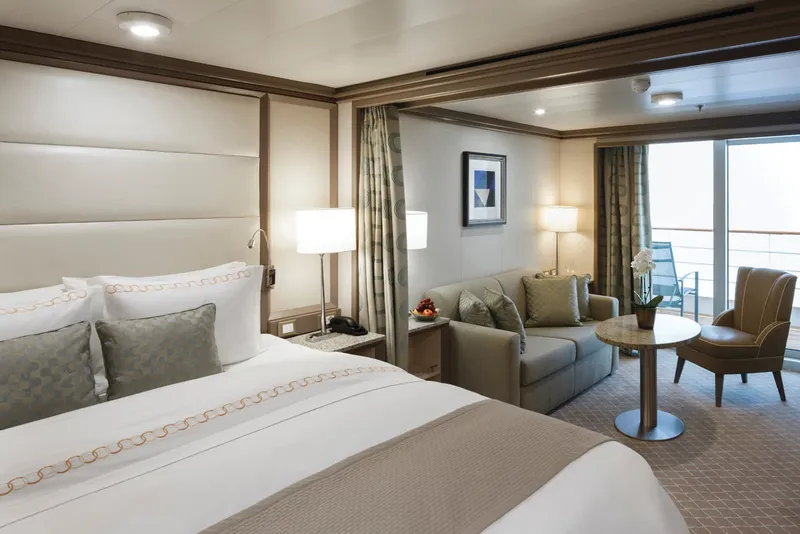
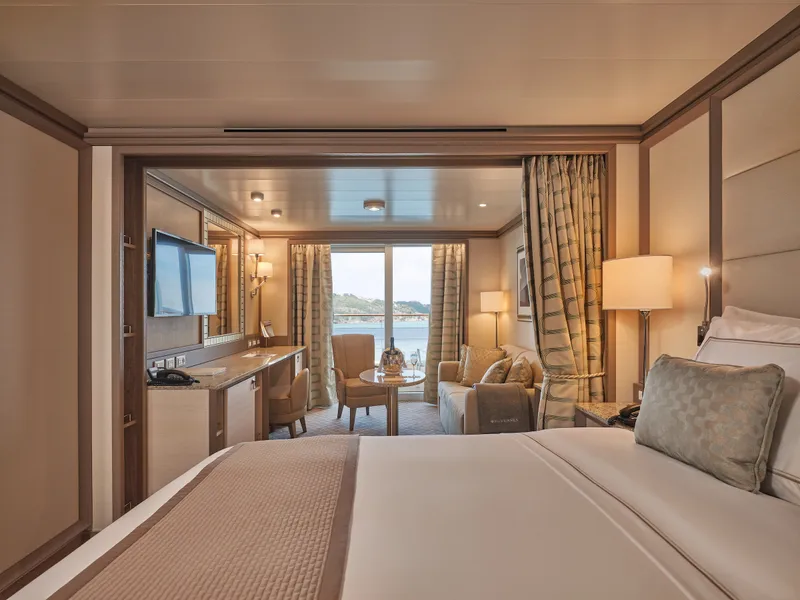
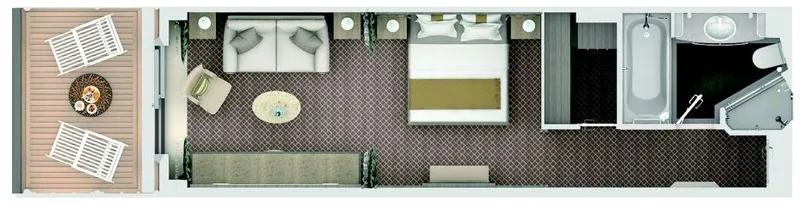
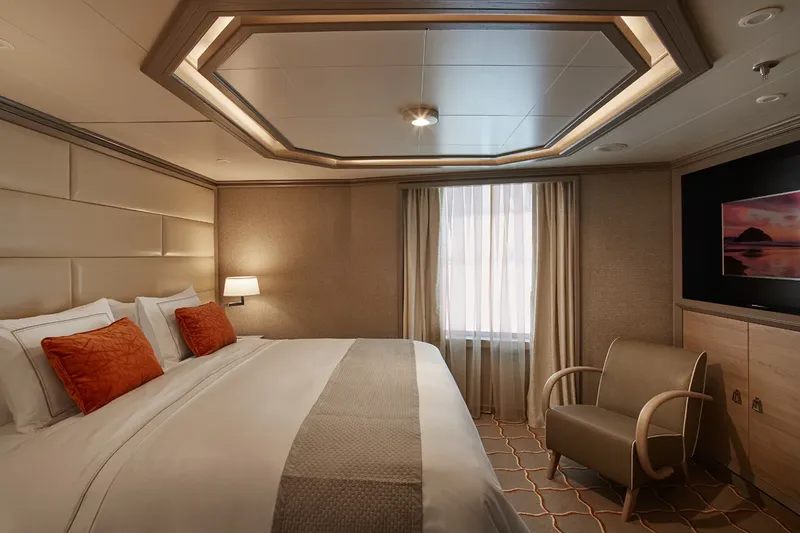
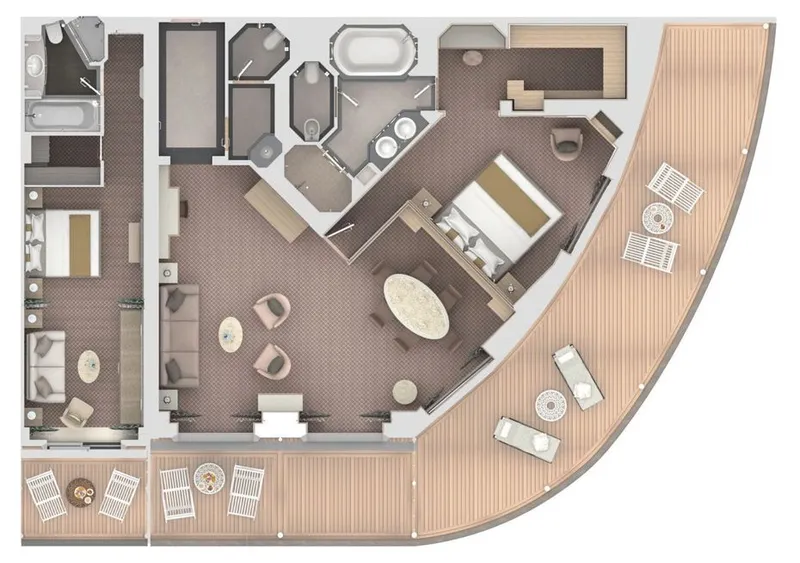
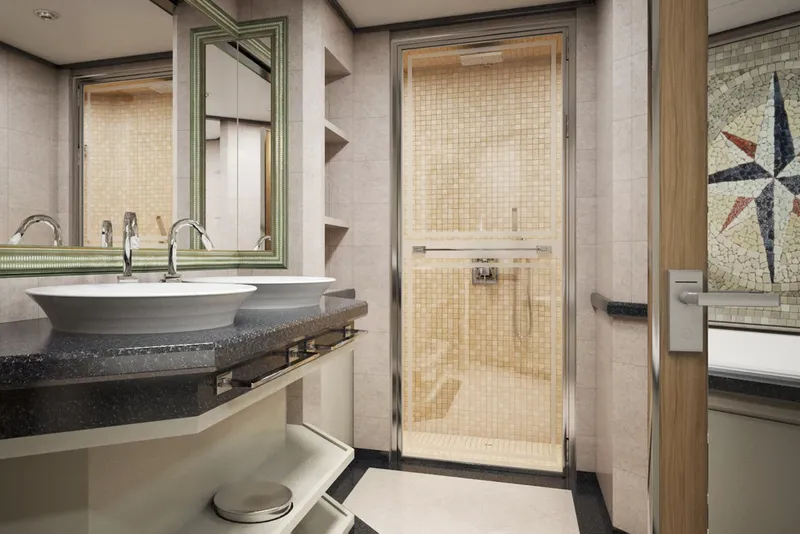
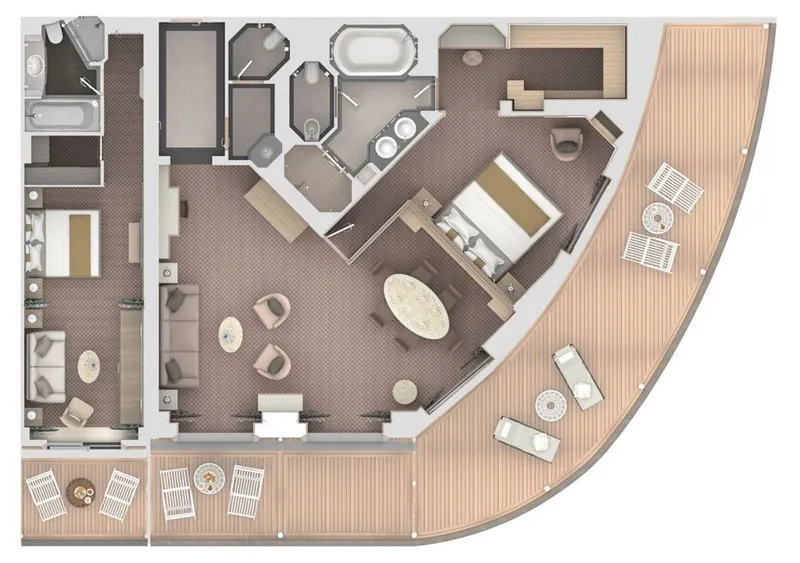
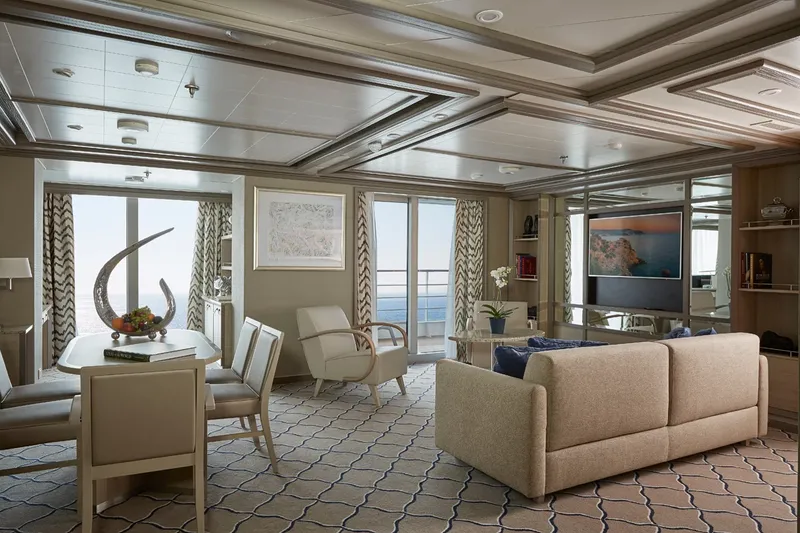
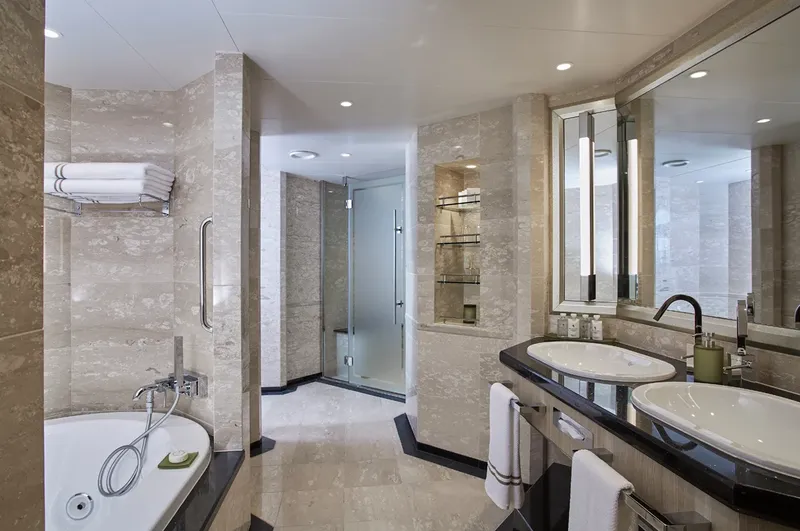
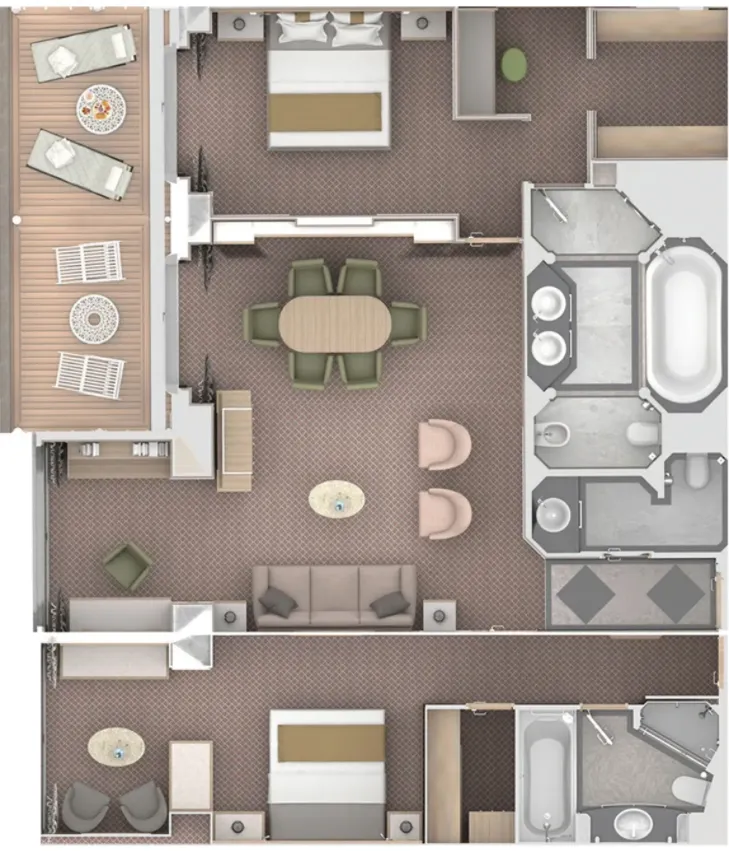

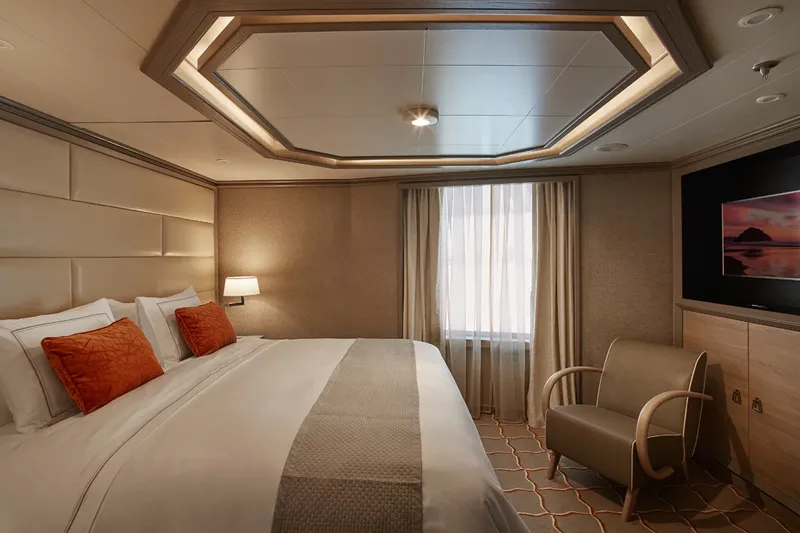
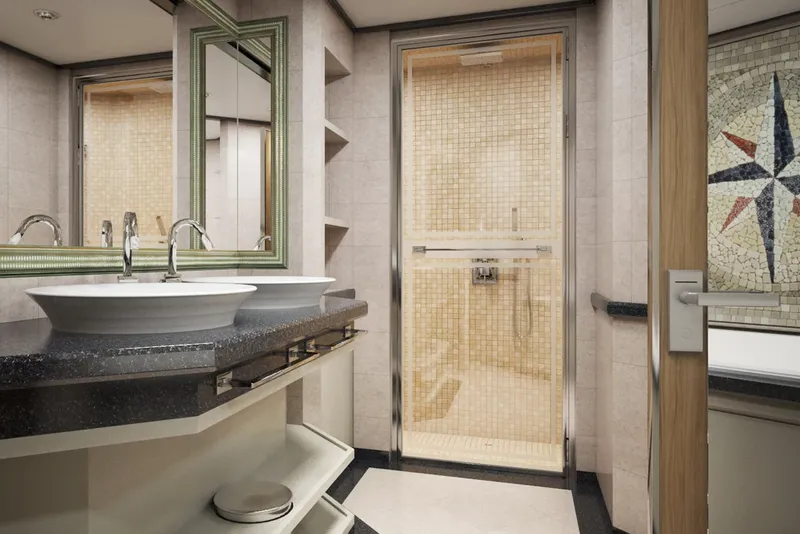

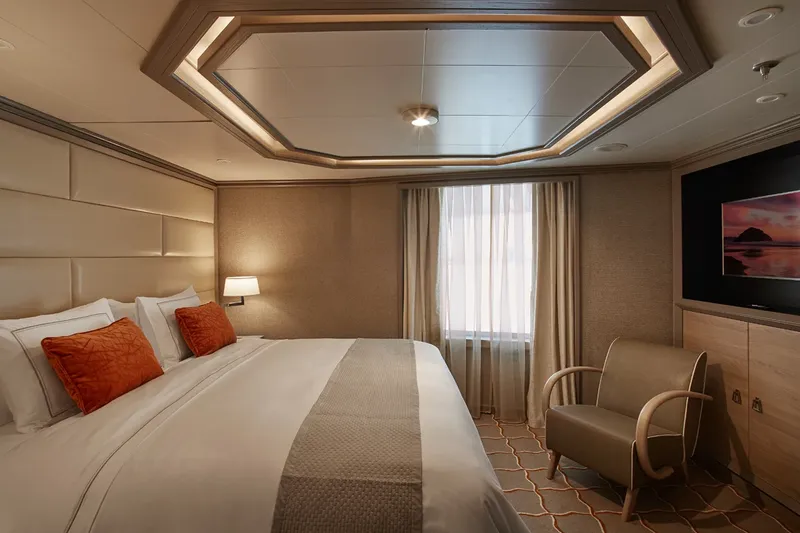
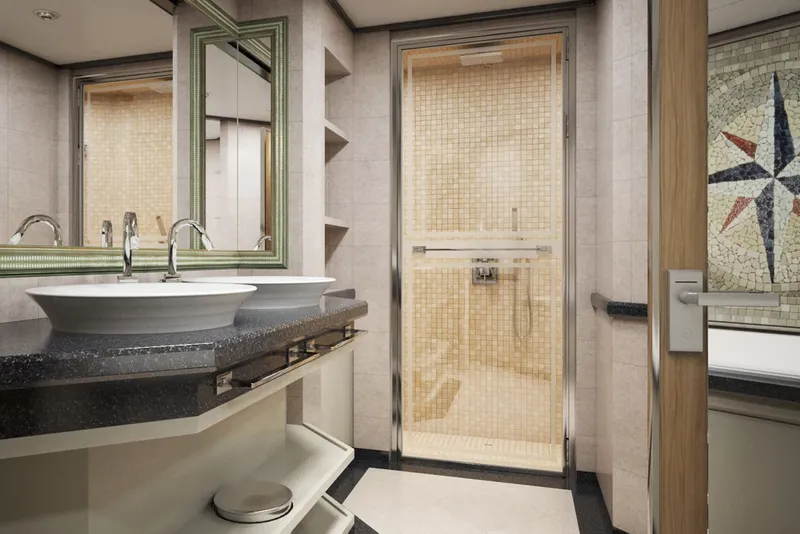

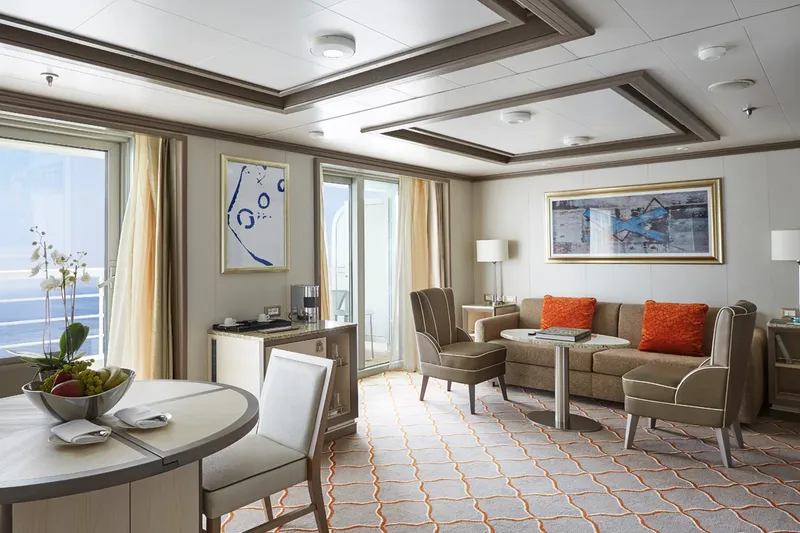

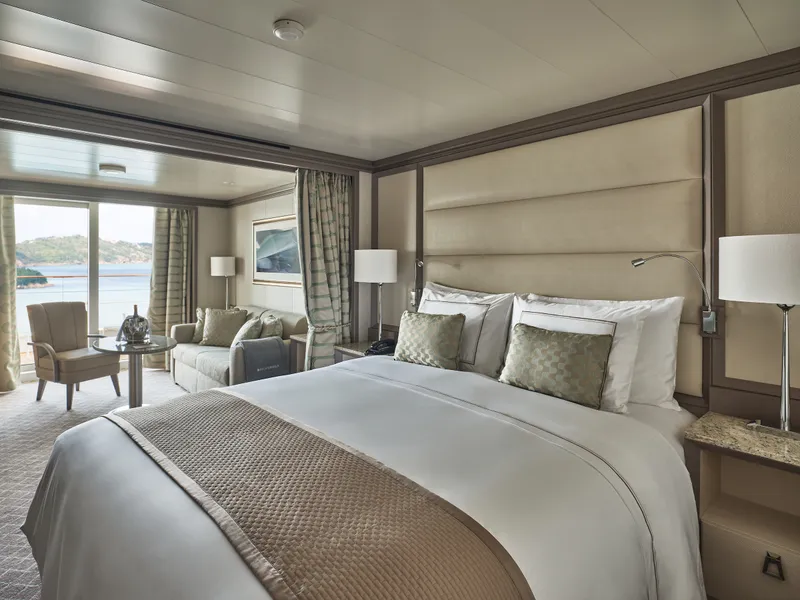
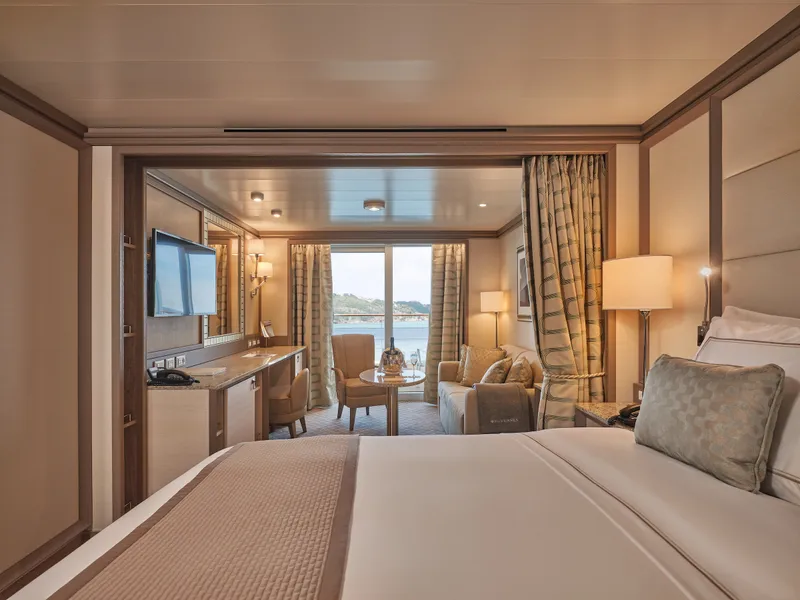
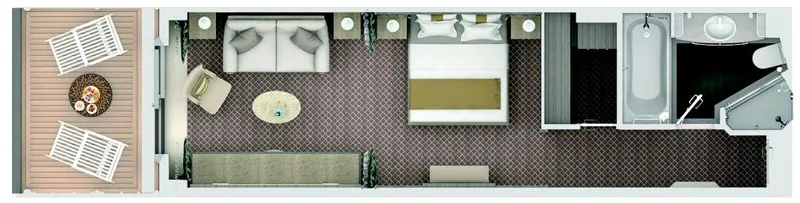
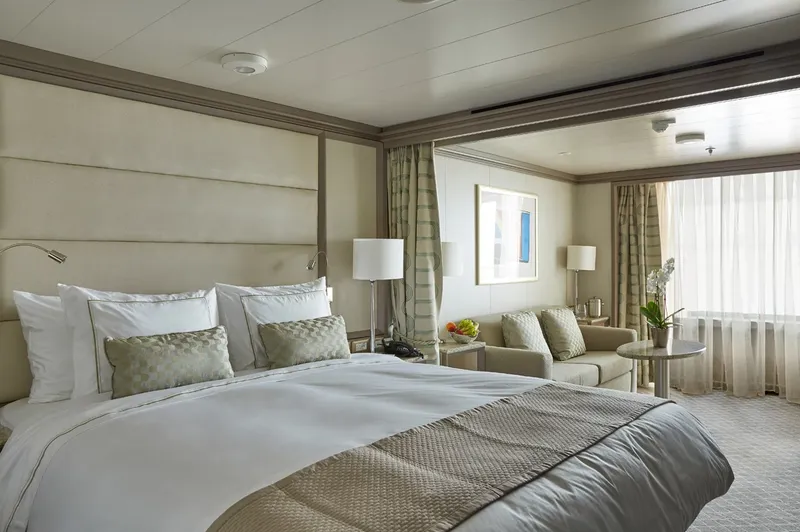
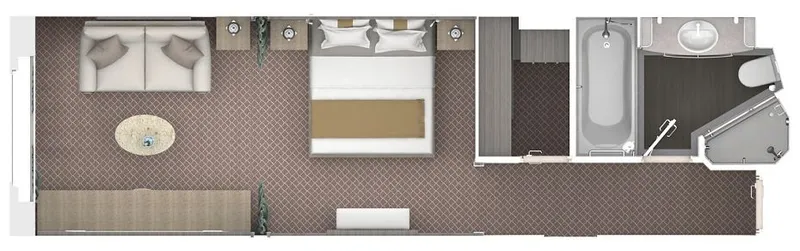
Our cruise specialists can help you find the perfect cabin and the best available pricing.
(+886) 02-2721-7300Contact Advisor