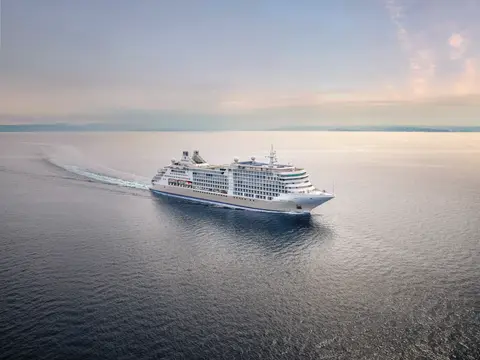
SilverseaMO260813007
De Vancouver a Seward
Date
2026-08-13
Duration
7 nights
Departure Port
Vancouver
Canadá
Arrival Port
Seward
Estados Unidos
Rating
Ultra Luxury
Theme
—
Date
2026-08-13
Duration
7 nights
Departure Port
Vancouver
Canadá
Arrival Port
Seward
Estados Unidos
Rating
Ultra Luxury
Theme
—





Silversea
2020
—
40,700 GT
691
288
408
699 m
26 m
20 knots
No
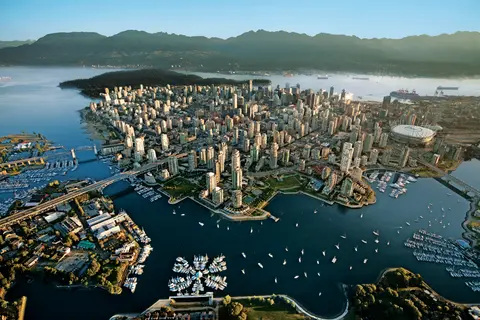
Apressada entre o Pacífico e as Montanhas Costeiras, Vancouver é a porta de entrada natural para o Inside Passage do Alasca — uma cidade onde a floresta tropical temperada encontra torres de vidro e onde o caranguejo Dungeness e o salmão sockeye selvagem definem uma culinária da Costa do Pacífico que rivaliza com qualquer uma na América do Norte. Caminhe pela muralha do mar de Stanley Park de 22 quilômetros, perca-se no mercado da Granville Island e depois pegue a balsa para a esplendor edwardiano de Victoria. A temporada de cruzeiros para o Alasca atinge seu pico de maio a setembro, tornando Vancouver um ponto de partida ideal para uma das grandes jornadas oceânicas do mundo.
Navigate through the intricate outlays of some of Alaska’s most staggering winter scenery, threading a needle between craggy, snow-dusted islands, and slipping glacial giants. To cruise this 500-mile stretch of Alaskan beauty is to sail through a living work of natural art - with perfectly sculpted mountains soaring from the shoreline, and clutches of islands scattered across the dark waters with delicate attention to detail. A common sailing route due to its calm sheltered waters, gorgeous natural set pieces constantly play out here - whether it’s killer whales accompanying you through the breathtaking icy passages, harbour seals catching a break on floating hunks of ice, or wisps of cloud clinging to distant mountain peaks. Witness Mother Nature at her most dramatic and elaborate along this Alaskan coastline, where glaciers groan and creak melodramatically, before finally releasing colossal shelves of ice, allowing them to free fall into the waters below, and explode with angry booms and thunderous splashes. While fundamental displays of nature’s power always awe and amaze, it’s the tranquil beauty of this passage - amid still waters, splitting only to reveal the smooth backs of breaching humpback whales – that is relentlessly moving. A journey of glaciers, remote hidden villages, and carved fjords - the Inside Passage is a breathtaking voyage through the intricate mesh of Alaska’s fractured, raw and spectacular coastal landscapes.
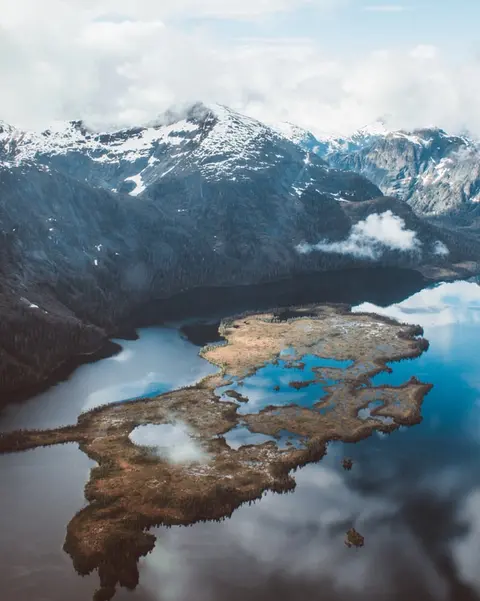
Ketchikan se agarra à costa arborizada da Ilha Revillagigedo, no panhandle sudeste do Alasca — uma cidade tão estreita que os locais brincam que tem três milhas de comprimento e três quarteirões de largura. Reverenciada pelo povo Tlingit por milênios como um lugar de abundância de salmão, hoje é celebrada como a Capital Mundial dos Totens: as coleções na Vila Nativa Saxman e no Parque Histórico Estadual Totem Bight preservam a concentração mais significativa dessas obras monumentais em qualquer lugar. Creek Street, um calçadão de casas históricas coloridas construídas sobre o Ketchikan Creek, não deve ser perdido. O verão (maio a setembro) traz o melhor clima, com salmão correndo nos riachos abaixo.
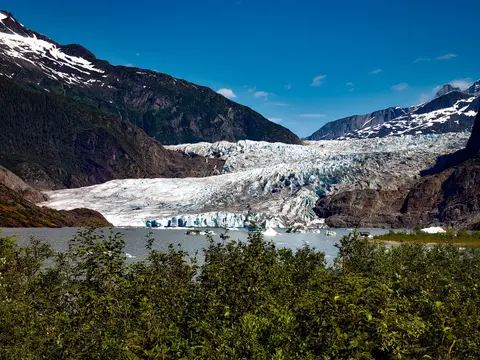
A única capital estadual da América inacessível por estrada, Juneau recompensa a jornada com uma grandeza selvagem que poucas cidades na Terra podem igualar. O Glaciar Mendenhall — um rio vivo de gelo antigo — fica a apenas quinze minutos do centro, onde hidroaviões voam acima de uma orla ladeada por montanhas cobertas de abetos que mergulham diretamente no mar. A experiência imperdível é um pouso de helicóptero no topo do campo de gelo ou uma excursão de observação de baleias no Stephens Passage, onde as jubartes saltam em proximidade impressionante. Juneau é mais quente de junho a agosto, embora até os dias de verão possam trazer a famosa chuva do sudeste do Alasca que mantém a floresta tropical perpetuamente luminosa.
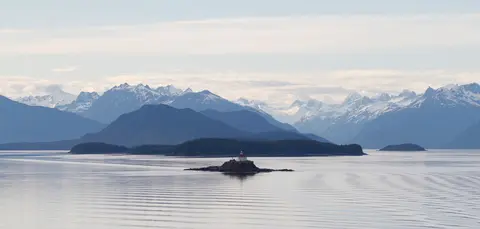
Skagway, situada na ponta norte do Canal Lynn, no Alasca, é a cidade boom da corrida do ouro que o tempo preservou quase perfeitamente — uma rua principal de fronteira com saloons de fachada falsa e vitrines vitorianas agora protegidas como um Parque Histórico Nacional. A lendária ferrovia White Pass & Yukon Route, concluída em 1900 para abastecer os campos de ouro de Klondike, ainda sobe o vertiginoso passo em carruagens vintage, oferecendo algumas das paisagens montanhosas mais dramáticas da América do Norte. Trekking em geleiras e passeios de helicóptero sobre o Campo de Gelo de Juneau aguardam os mais aventureiros. De maio a setembro, traz longos dias árticos e o acesso mais confiável.
Sitka began as a major Tlingit Indian village and was called “Shee Atika,” which translates roughly as “settlement on the outside of Shee.” “Shee” is the Tlingit name of Baranof Island. In 1799, Alexander Baranof, the general manager of the Russian American Company, decided to move his base of operations from Kodiak and set up camp at what is now called Old Sitka, 7.5 miles north of the present-day town. He called the settlement St. Archangel Michael. The Tlingit Indians of the area resisted the occupation and, in 1802, with Baranof away, burned the fort and massacred the Russian settlers. Two years later, Baranof returned and besieged the Indian fort. The Tlingits withdrew and the area was once again in Russian hands. This time, the Russians built the new city on a different site and called it New Archangel. For over six decades, New Archangel was the capital of the Russian empire in Alaska. By 1867, the Alaska colony had become too much of a financial burden to Russia. William Seward, U.S. Secretary of State, negotiated with the Russian Czar to purchase the Territory of Alaska for $7.2 million. The American press scoffed at Seward and the U.S. government for purchasing what they called “Seward's Folly,” “Seward's Icebox,” and “Walrussia.” On October 18, 1867, the Russian flag was lowered at New Archangel and the Stars and Stripes were raised over newly renamed Sitka. The name comes from the Tlingit word “Sheetkah,” which means “in this place.” All Russian citizens living in the former colony were given the opportunity to become American citizens. Many went home, although a few stayed or migrated to California. Sitka remained the capital of the Territory of Alaska from 1867 to 1906, when it was moved to Juneau. The move was a direct result of the gold rush. In plain terms, Sitka did not have any and Juneau did. After the Japanese attack on Pearl Harbor, Sitka became a full-scale naval base. At one time during the war, Sitka had a total population of 37,000. With the end of World War II, however, the city settled into a quieter existence. The biggest boom in modern days for Sitka came in 1959 when the Alaska Lumber and Pulp Company built a pulp mill at Silver Bay, near the city. Today, picturesque Sitka is known for its fishing and of course its many historic attractions.
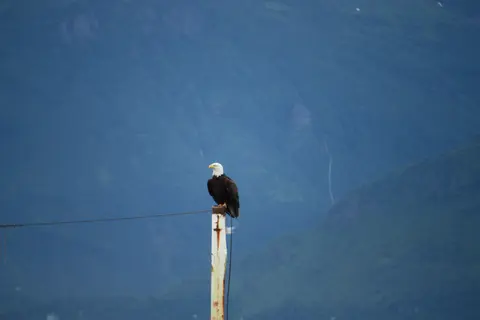
Valdez está na cabeceira de um fjord no Prince William Sound, cercada pelas Montanhas Chugach e geleiras de maré que a tornam um dos portos mais dramaticamente cênicos do Alasca. As experiências imperdíveis incluem navegar até a Geleira Columbia, caminhar até a Geleira Worthington e degustar halibute fresco em restaurantes à beira do porto. De maio a setembro é a temporada, com julho-agosto trazendo a migração de salmões e o clima mais quente.
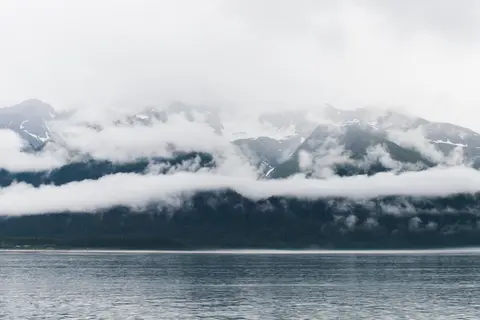
Seward, Alasca, é um porto cativante conhecido por suas deslumbrantes paisagens e rica história como uma cidade de suprimentos da corrida do ouro. As experiências imperdíveis incluem visitar o Parque Nacional Kenai Fjords e degustar iguarias locais como tacos de halibute e akutaq. A melhor época para visitar é durante os meses de verão, quando a beleza natural está em seu auge e as atividades ao ar livre abundam.
Day 1
Apressada entre o Pacífico e as Montanhas Costeiras, Vancouver é a porta de entrada natural para o Inside Passage do Alasca — uma cidade onde a floresta tropical temperada encontra torres de vidro e onde o caranguejo Dungeness e o salmão sockeye selvagem definem uma culinária da Costa do Pacífico que rivaliza com qualquer uma na América do Norte. Caminhe pela muralha do mar de Stanley Park de 22 quilômetros, perca-se no mercado da Granville Island e depois pegue a balsa para a esplendor edwardiano de Victoria. A temporada de cruzeiros para o Alasca atinge seu pico de maio a setembro, tornando Vancouver um ponto de partida ideal para uma das grandes jornadas oceânicas do mundo.
Day 2
Navigate through the intricate outlays of some of Alaska’s most staggering winter scenery, threading a needle between craggy, snow-dusted islands, and slipping glacial giants. To cruise this 500-mile stretch of Alaskan beauty is to sail through a living work of natural art - with perfectly sculpted mountains soaring from the shoreline, and clutches of islands scattered across the dark waters with delicate attention to detail. A common sailing route due to its calm sheltered waters, gorgeous natural set pieces constantly play out here - whether it’s killer whales accompanying you through the breathtaking icy passages, harbour seals catching a break on floating hunks of ice, or wisps of cloud clinging to distant mountain peaks. Witness Mother Nature at her most dramatic and elaborate along this Alaskan coastline, where glaciers groan and creak melodramatically, before finally releasing colossal shelves of ice, allowing them to free fall into the waters below, and explode with angry booms and thunderous splashes. While fundamental displays of nature’s power always awe and amaze, it’s the tranquil beauty of this passage - amid still waters, splitting only to reveal the smooth backs of breaching humpback whales – that is relentlessly moving. A journey of glaciers, remote hidden villages, and carved fjords - the Inside Passage is a breathtaking voyage through the intricate mesh of Alaska’s fractured, raw and spectacular coastal landscapes.
Day 3
Ketchikan se agarra à costa arborizada da Ilha Revillagigedo, no panhandle sudeste do Alasca — uma cidade tão estreita que os locais brincam que tem três milhas de comprimento e três quarteirões de largura. Reverenciada pelo povo Tlingit por milênios como um lugar de abundância de salmão, hoje é celebrada como a Capital Mundial dos Totens: as coleções na Vila Nativa Saxman e no Parque Histórico Estadual Totem Bight preservam a concentração mais significativa dessas obras monumentais em qualquer lugar. Creek Street, um calçadão de casas históricas coloridas construídas sobre o Ketchikan Creek, não deve ser perdido. O verão (maio a setembro) traz o melhor clima, com salmão correndo nos riachos abaixo.
Day 4
A única capital estadual da América inacessível por estrada, Juneau recompensa a jornada com uma grandeza selvagem que poucas cidades na Terra podem igualar. O Glaciar Mendenhall — um rio vivo de gelo antigo — fica a apenas quinze minutos do centro, onde hidroaviões voam acima de uma orla ladeada por montanhas cobertas de abetos que mergulham diretamente no mar. A experiência imperdível é um pouso de helicóptero no topo do campo de gelo ou uma excursão de observação de baleias no Stephens Passage, onde as jubartes saltam em proximidade impressionante. Juneau é mais quente de junho a agosto, embora até os dias de verão possam trazer a famosa chuva do sudeste do Alasca que mantém a floresta tropical perpetuamente luminosa.
Day 5
Skagway, situada na ponta norte do Canal Lynn, no Alasca, é a cidade boom da corrida do ouro que o tempo preservou quase perfeitamente — uma rua principal de fronteira com saloons de fachada falsa e vitrines vitorianas agora protegidas como um Parque Histórico Nacional. A lendária ferrovia White Pass & Yukon Route, concluída em 1900 para abastecer os campos de ouro de Klondike, ainda sobe o vertiginoso passo em carruagens vintage, oferecendo algumas das paisagens montanhosas mais dramáticas da América do Norte. Trekking em geleiras e passeios de helicóptero sobre o Campo de Gelo de Juneau aguardam os mais aventureiros. De maio a setembro, traz longos dias árticos e o acesso mais confiável.
Day 6
Sitka began as a major Tlingit Indian village and was called “Shee Atika,” which translates roughly as “settlement on the outside of Shee.” “Shee” is the Tlingit name of Baranof Island. In 1799, Alexander Baranof, the general manager of the Russian American Company, decided to move his base of operations from Kodiak and set up camp at what is now called Old Sitka, 7.5 miles north of the present-day town. He called the settlement St. Archangel Michael. The Tlingit Indians of the area resisted the occupation and, in 1802, with Baranof away, burned the fort and massacred the Russian settlers. Two years later, Baranof returned and besieged the Indian fort. The Tlingits withdrew and the area was once again in Russian hands. This time, the Russians built the new city on a different site and called it New Archangel. For over six decades, New Archangel was the capital of the Russian empire in Alaska. By 1867, the Alaska colony had become too much of a financial burden to Russia. William Seward, U.S. Secretary of State, negotiated with the Russian Czar to purchase the Territory of Alaska for $7.2 million. The American press scoffed at Seward and the U.S. government for purchasing what they called “Seward's Folly,” “Seward's Icebox,” and “Walrussia.” On October 18, 1867, the Russian flag was lowered at New Archangel and the Stars and Stripes were raised over newly renamed Sitka. The name comes from the Tlingit word “Sheetkah,” which means “in this place.” All Russian citizens living in the former colony were given the opportunity to become American citizens. Many went home, although a few stayed or migrated to California. Sitka remained the capital of the Territory of Alaska from 1867 to 1906, when it was moved to Juneau. The move was a direct result of the gold rush. In plain terms, Sitka did not have any and Juneau did. After the Japanese attack on Pearl Harbor, Sitka became a full-scale naval base. At one time during the war, Sitka had a total population of 37,000. With the end of World War II, however, the city settled into a quieter existence. The biggest boom in modern days for Sitka came in 1959 when the Alaska Lumber and Pulp Company built a pulp mill at Silver Bay, near the city. Today, picturesque Sitka is known for its fishing and of course its many historic attractions.
Day 7
Valdez está na cabeceira de um fjord no Prince William Sound, cercada pelas Montanhas Chugach e geleiras de maré que a tornam um dos portos mais dramaticamente cênicos do Alasca. As experiências imperdíveis incluem navegar até a Geleira Columbia, caminhar até a Geleira Worthington e degustar halibute fresco em restaurantes à beira do porto. De maio a setembro é a temporada, com julho-agosto trazendo a migração de salmões e o clima mais quente.
Day 8
Seward, Alasca, é um porto cativante conhecido por suas deslumbrantes paisagens e rica história como uma cidade de suprimentos da corrida do ouro. As experiências imperdíveis incluem visitar o Parque Nacional Kenai Fjords e degustar iguarias locais como tacos de halibute e akutaq. A melhor época para visitar é durante os meses de verão, quando a beleza natural está em seu auge e as atividades ao ar livre abundam.
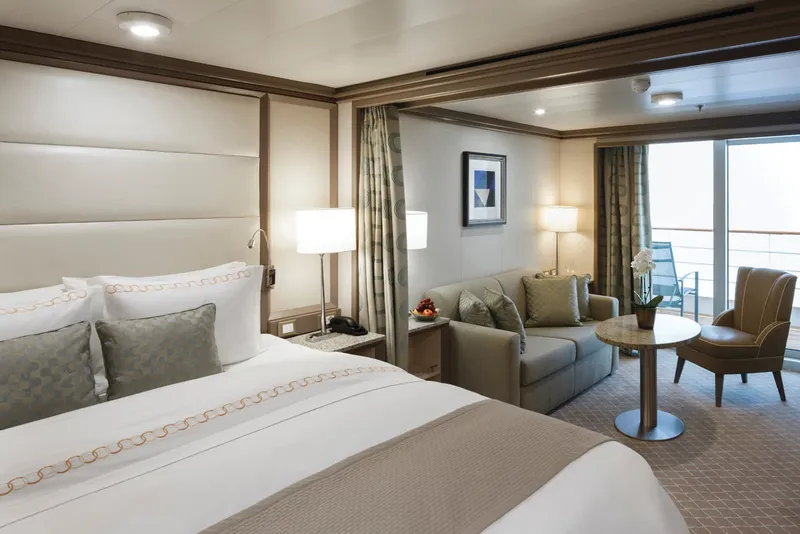
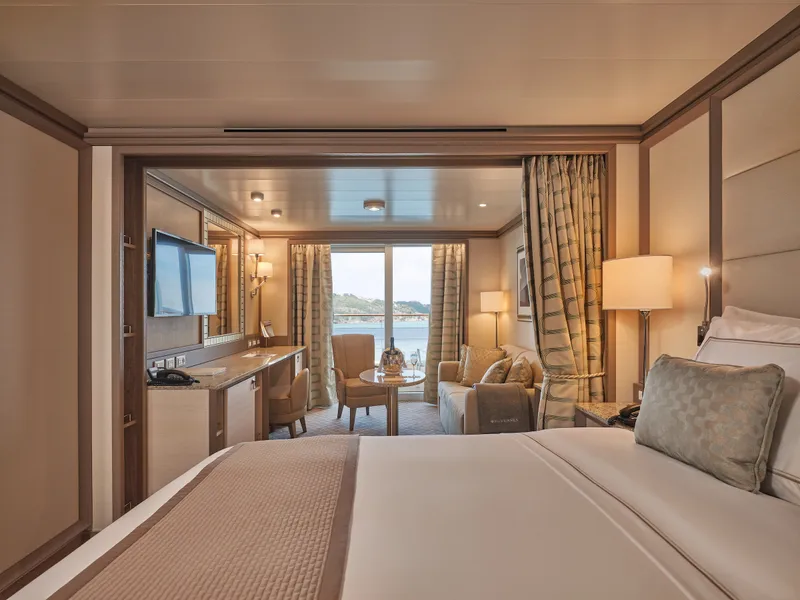
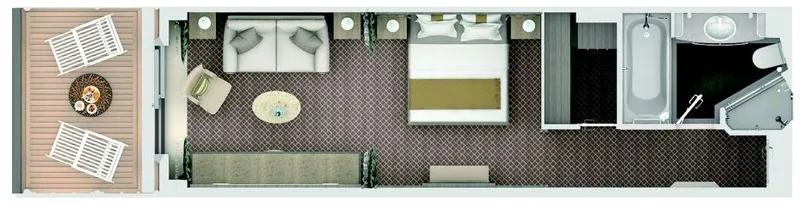
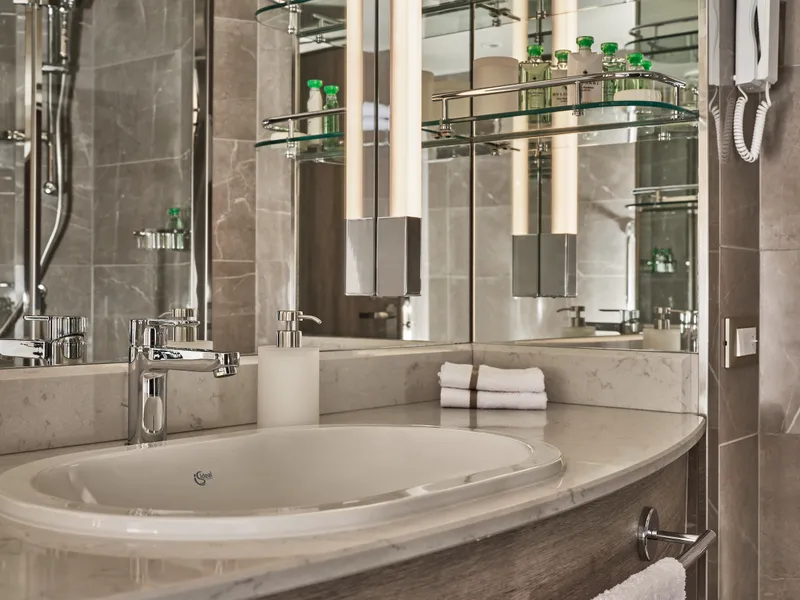
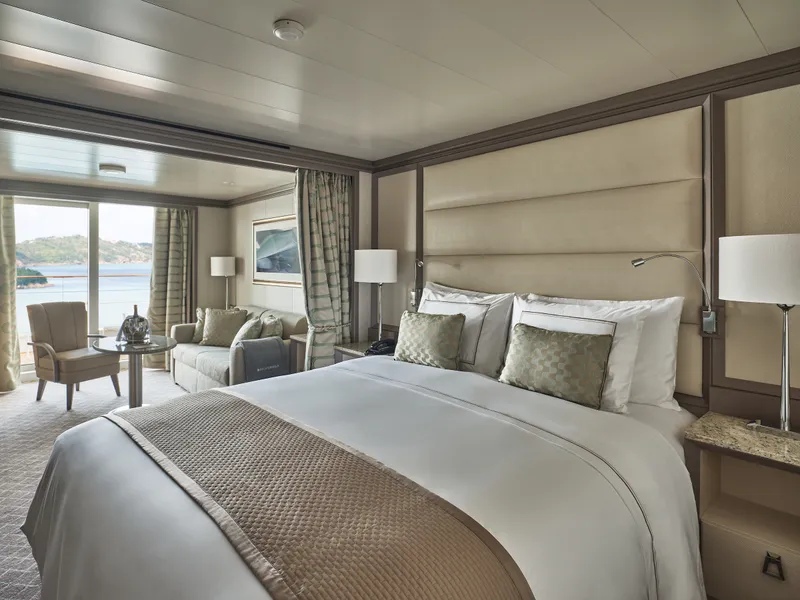
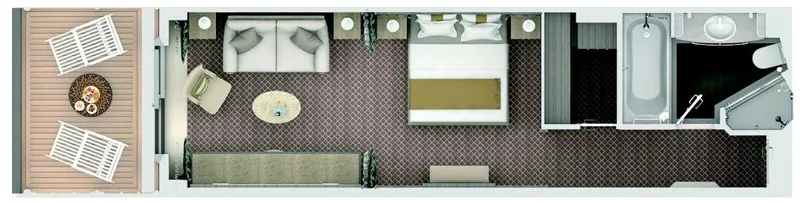
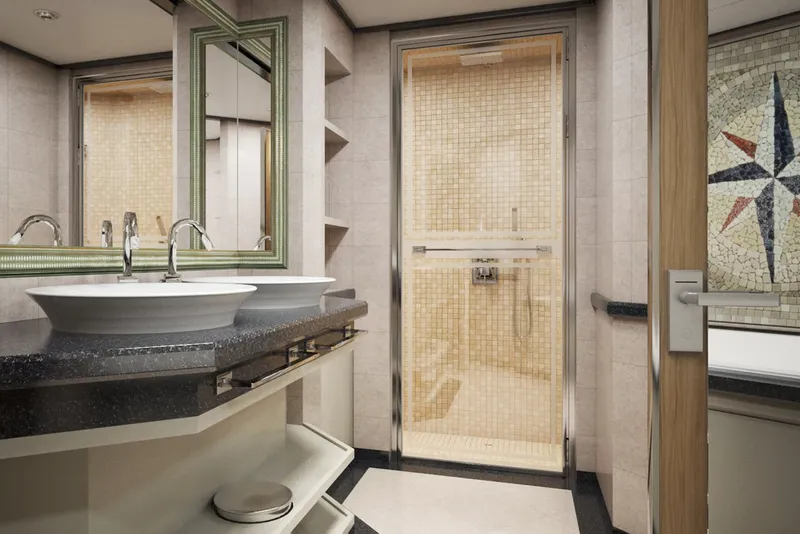
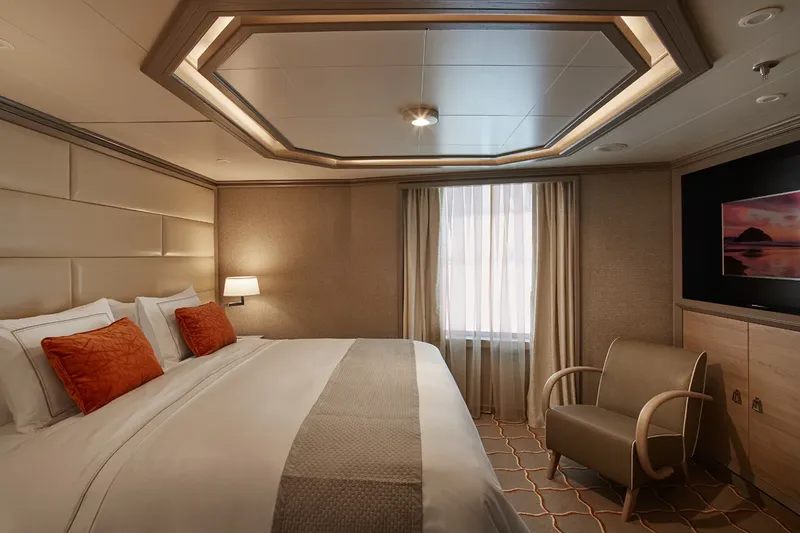
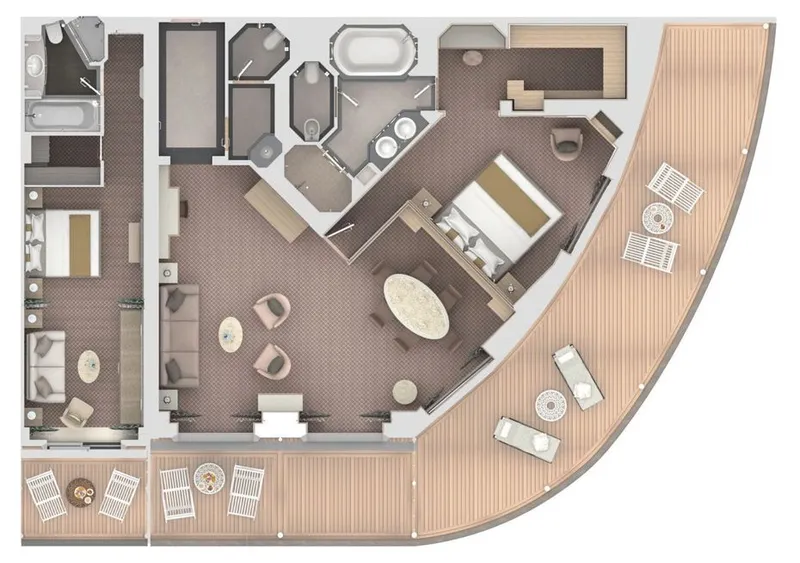
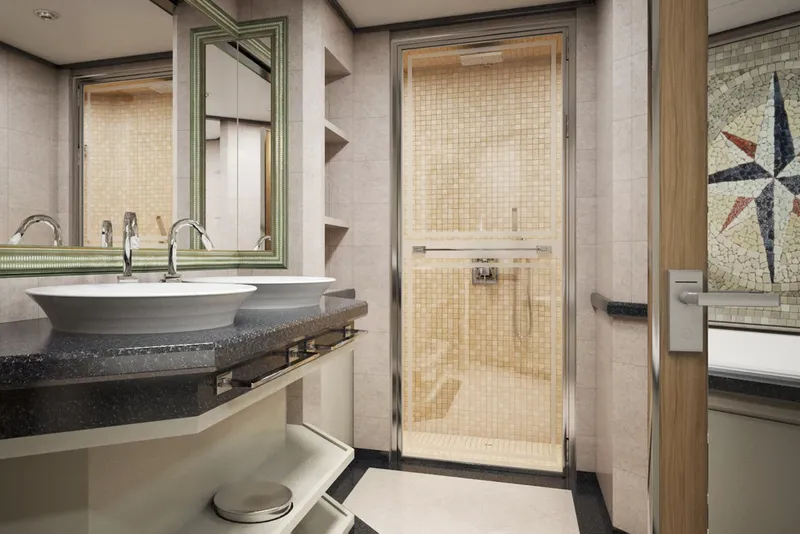
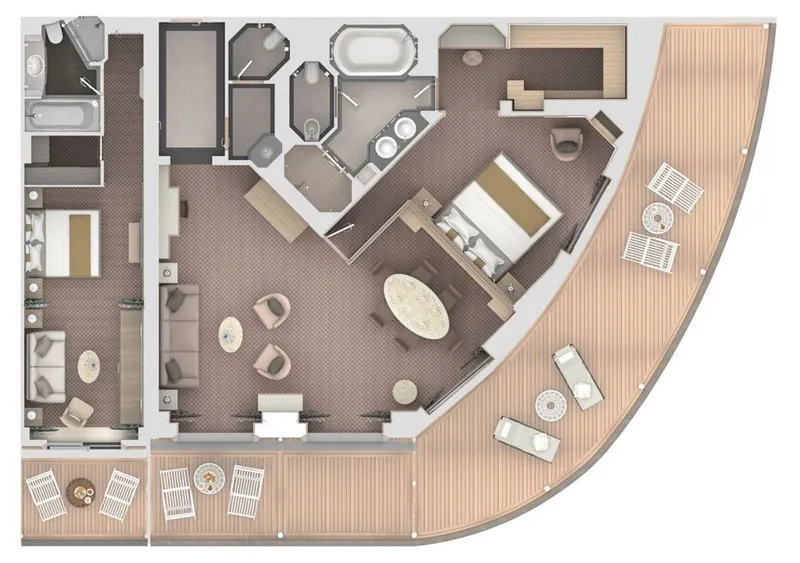
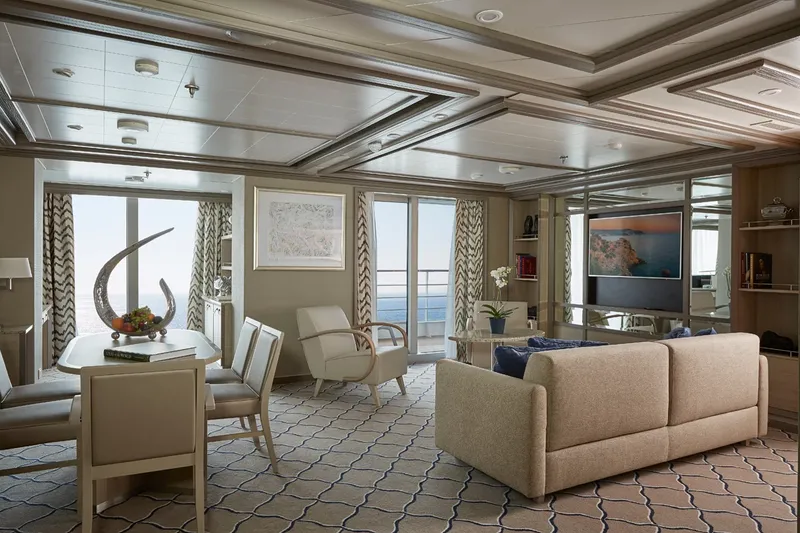
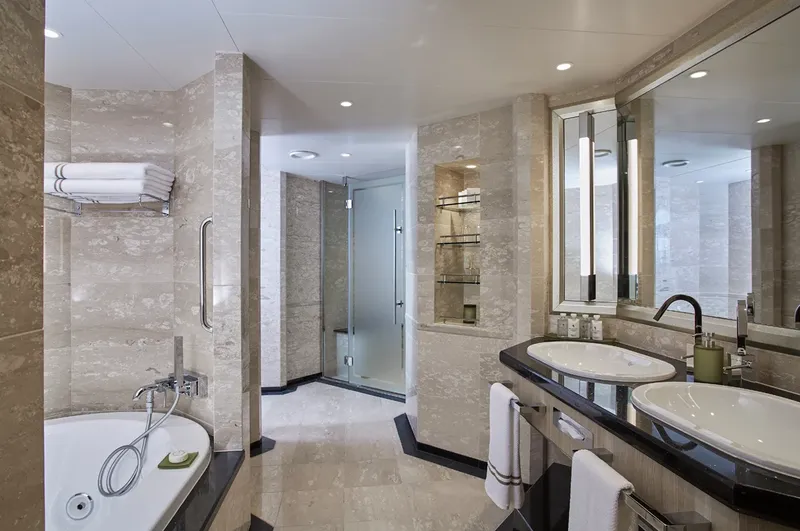
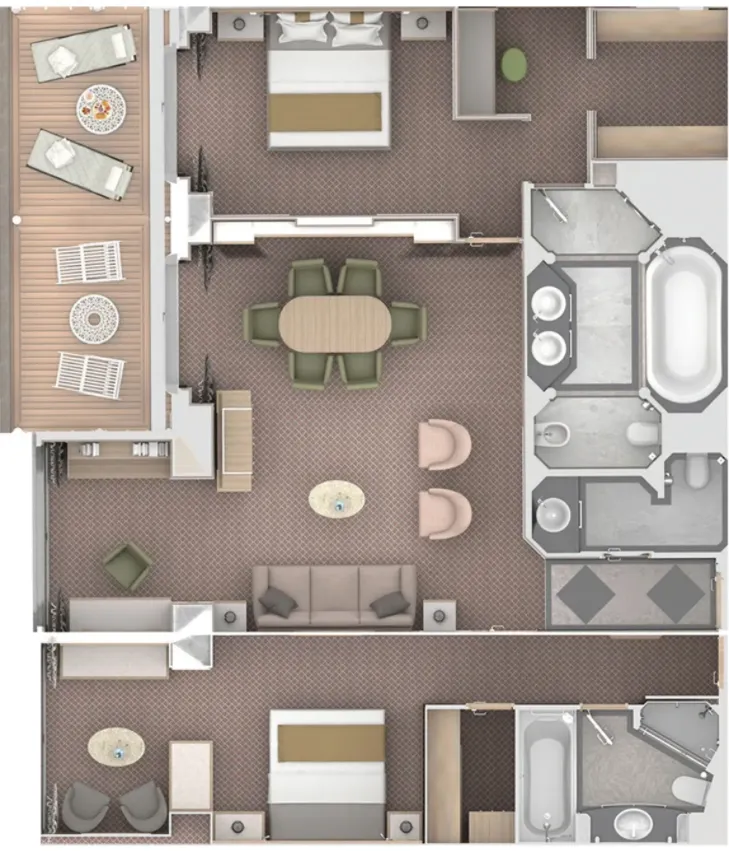
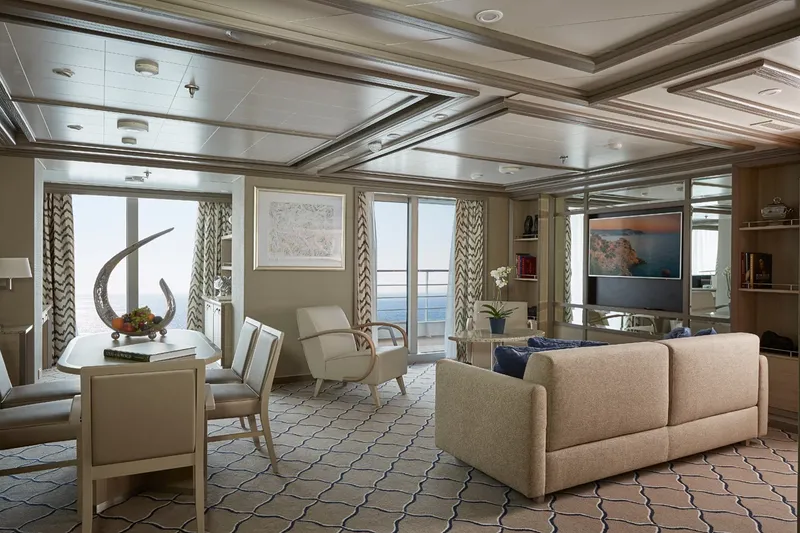
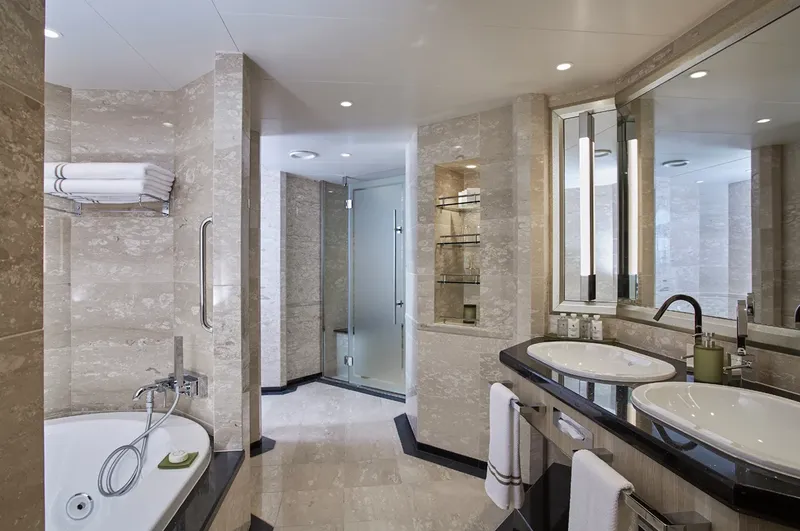
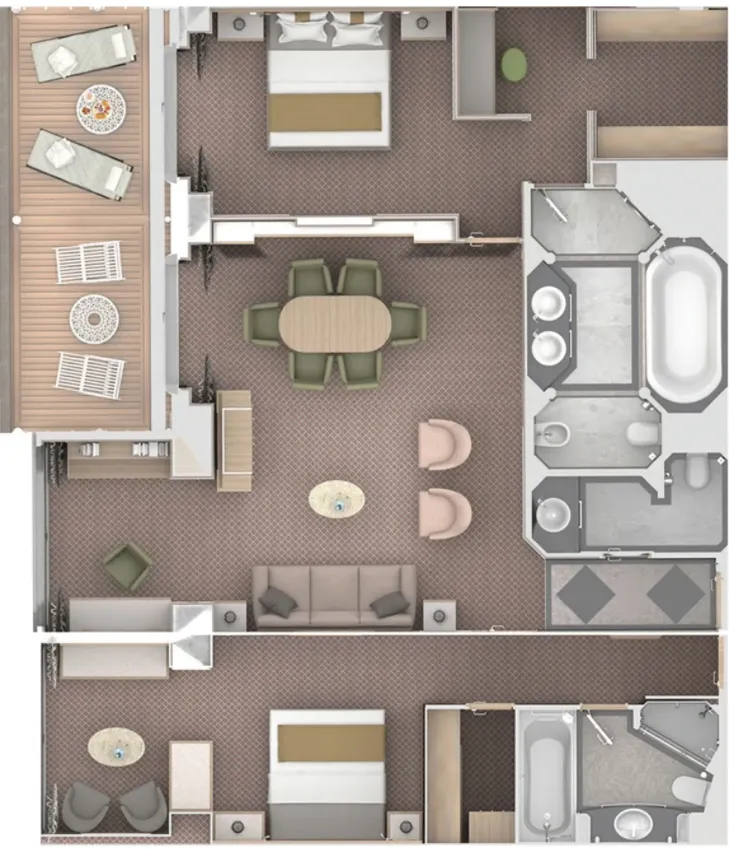
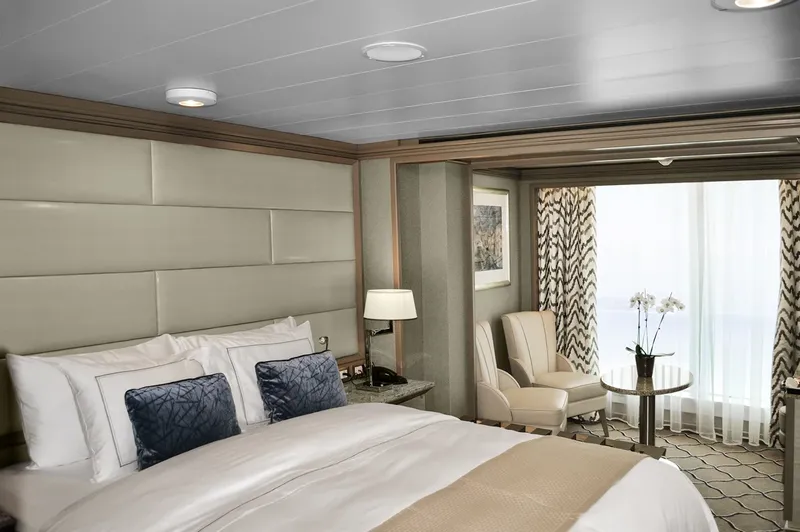

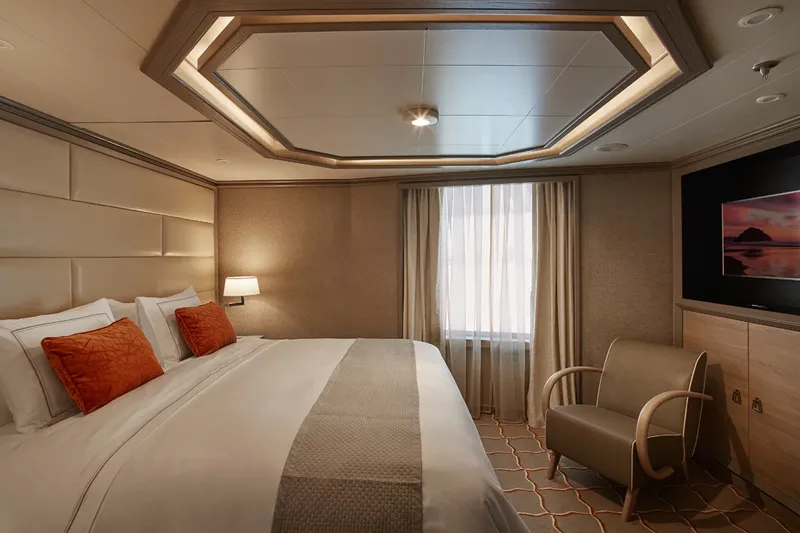
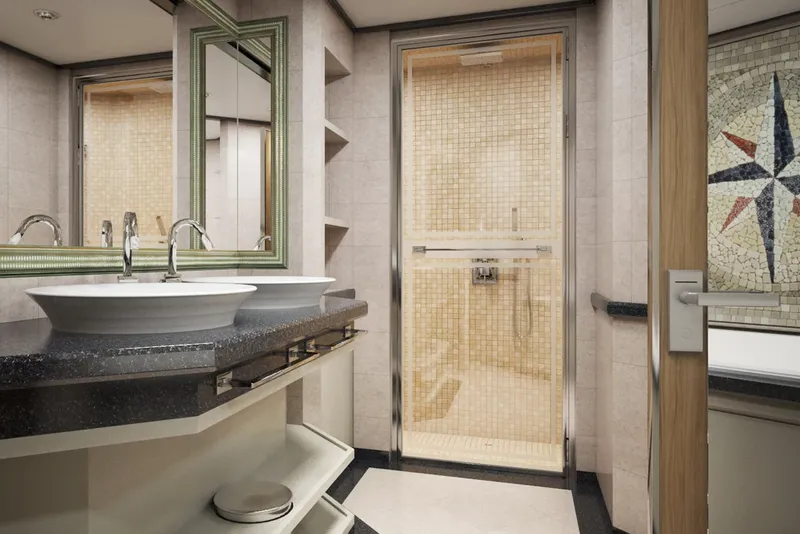

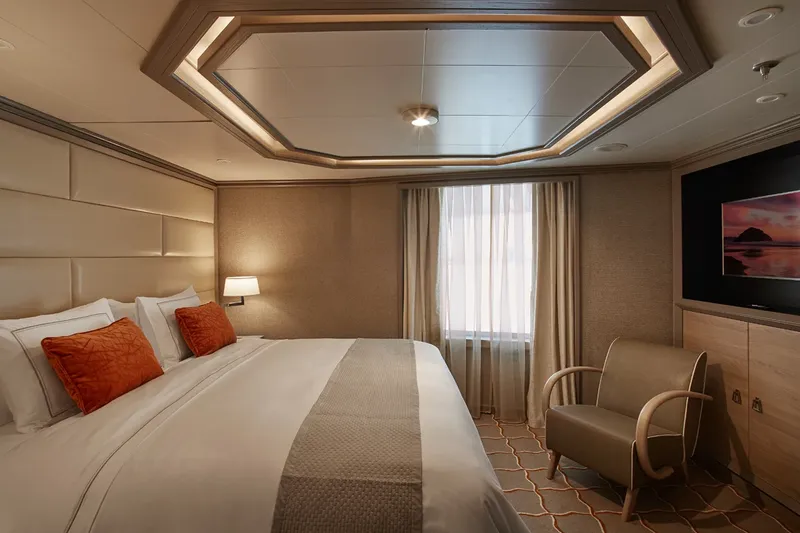
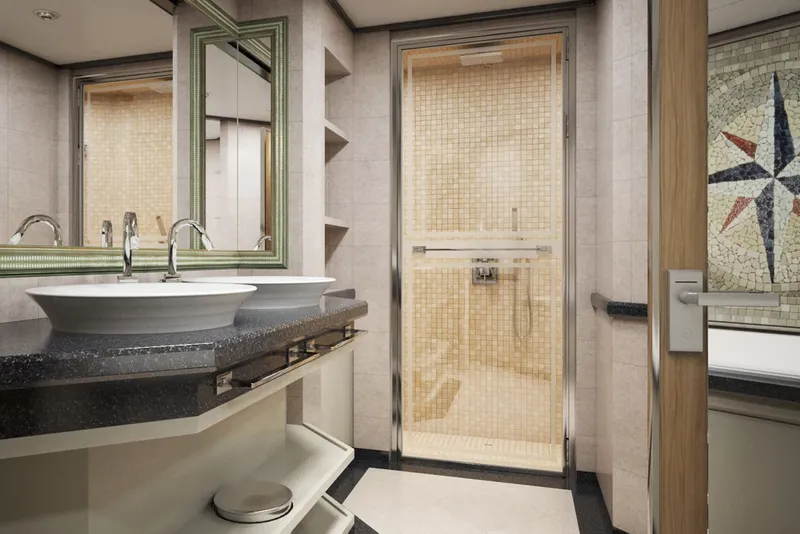

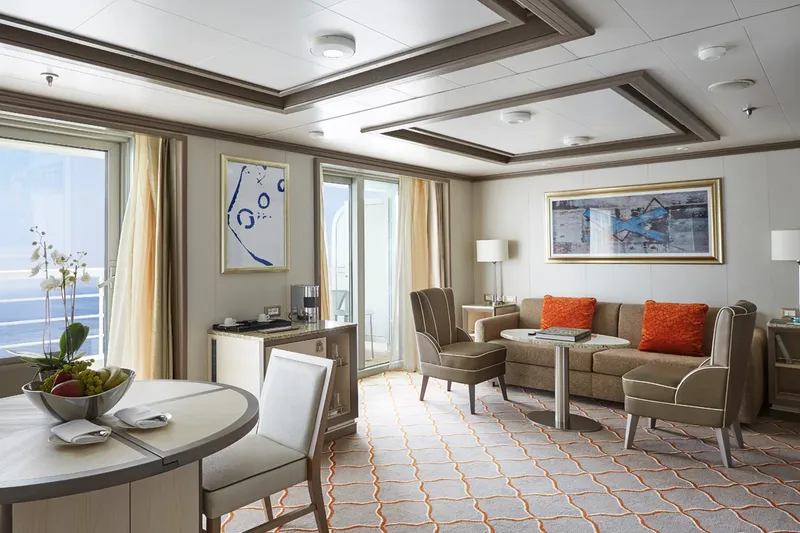

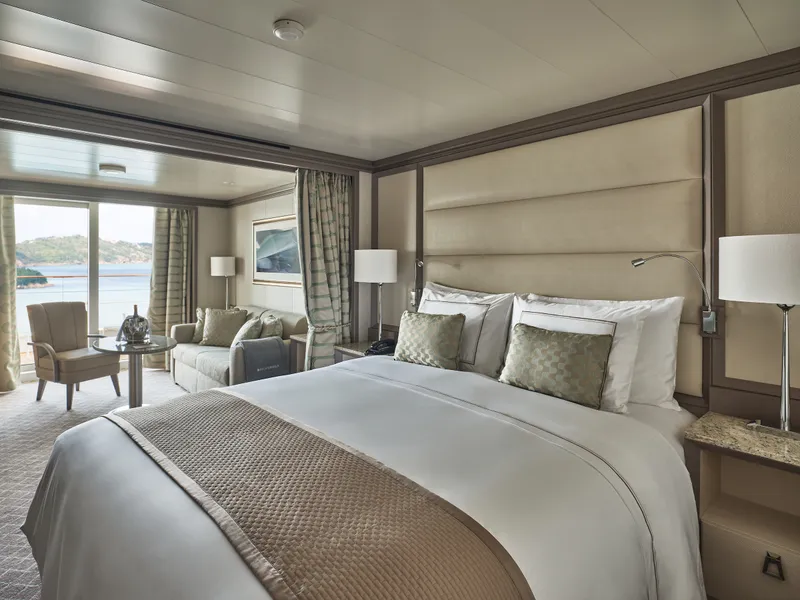
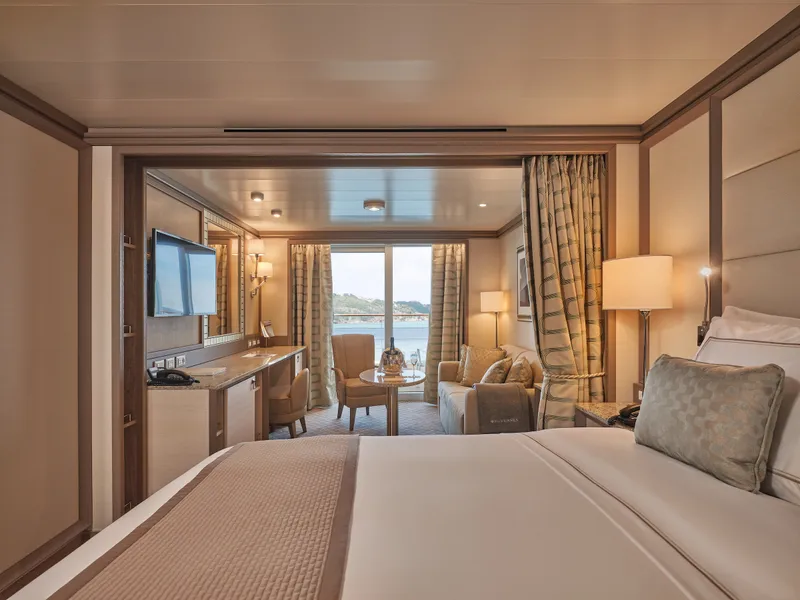
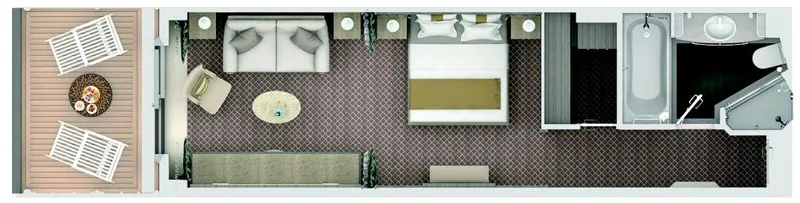
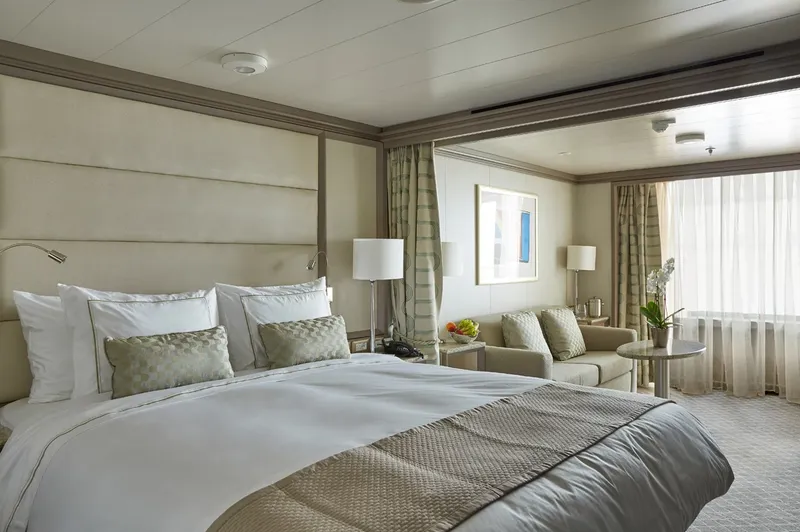
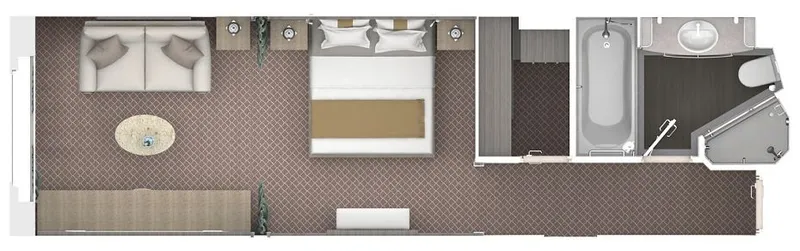
Our cruise specialists can help you find the perfect cabin and the best available pricing.
(+886) 02-2721-7300Contact Advisor