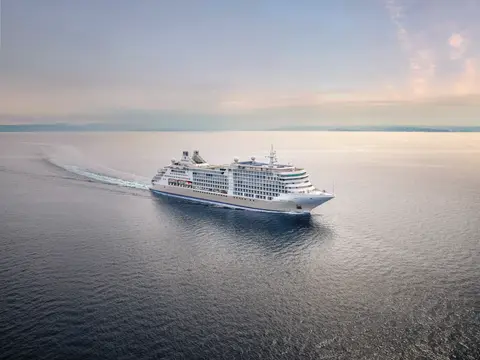
SilverseaMO260813007
Kutoka Vancouver hadi Seward
Date
2026-08-13
Duration
7 nights
Departure Port
Vancouver
Kanada
Arrival Port
Seward
Marekani
Rating
Ultra Luxury
Theme
—
Date
2026-08-13
Duration
7 nights
Departure Port
Vancouver
Kanada
Arrival Port
Seward
Marekani
Rating
Ultra Luxury
Theme
—

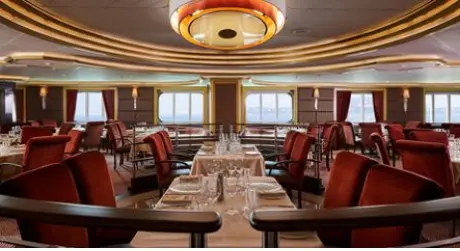




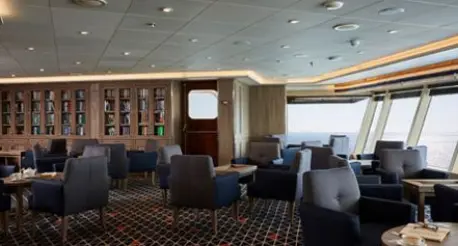
Silversea
2020
—
40,700 GT
691
288
408
699 m
26 m
20 knots
No
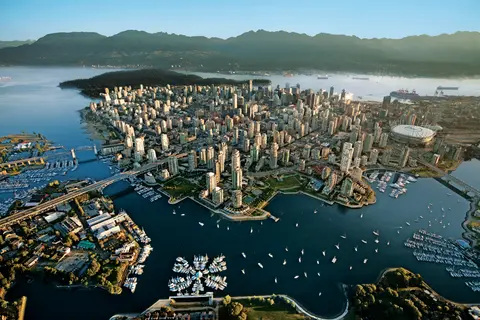
Iliyojipanga kati ya Pasifiki na Milima ya Pwani, Vancouver ni lango la asili kuelekea Inside Passage ya Alaska — jiji ambapo msitu wa mvua wa wastani unakutana na minara ya kioo na ambapo crab wa Dungeness na samaki wa sockeye wa mwituni huunda chakula cha baharini kinachoshindana na chochote nchini Amerika Kaskazini. Tembea kwenye ukuta wa baharini wa Stanley Park wenye urefu wa kilomita 22, jichanganye katika soko la Granville Island, kisha chukua feri hadi uzuri wa Edwardian wa Victoria. Msimu wa meli za Alaska unafikia kilele kutoka Mei hadi Septemba, na kufanya Vancouver kuwa mahali pazuri pa kuanzia kwa moja ya safari kubwa za baharini duniani.
Navigate through the intricate outlays of some of Alaska’s most staggering winter scenery, threading a needle between craggy, snow-dusted islands, and slipping glacial giants. To cruise this 500-mile stretch of Alaskan beauty is to sail through a living work of natural art - with perfectly sculpted mountains soaring from the shoreline, and clutches of islands scattered across the dark waters with delicate attention to detail. A common sailing route due to its calm sheltered waters, gorgeous natural set pieces constantly play out here - whether it’s killer whales accompanying you through the breathtaking icy passages, harbour seals catching a break on floating hunks of ice, or wisps of cloud clinging to distant mountain peaks. Witness Mother Nature at her most dramatic and elaborate along this Alaskan coastline, where glaciers groan and creak melodramatically, before finally releasing colossal shelves of ice, allowing them to free fall into the waters below, and explode with angry booms and thunderous splashes. While fundamental displays of nature’s power always awe and amaze, it’s the tranquil beauty of this passage - amid still waters, splitting only to reveal the smooth backs of breaching humpback whales – that is relentlessly moving. A journey of glaciers, remote hidden villages, and carved fjords - the Inside Passage is a breathtaking voyage through the intricate mesh of Alaska’s fractured, raw and spectacular coastal landscapes.
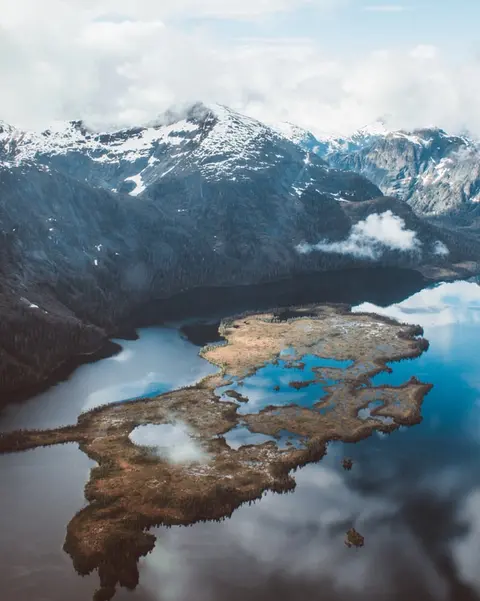
Ketchikan inashikilia pwani yenye misitu ya Kisiwa cha Revillagigedo katika panhandle ya kusini-mashariki ya Alaska — mji mdogo kiasi kwamba wenyeji wanakisia kuwa ni maili tatu ndefu na vizuizi vitatu upana. Inaheshimiwa na watu wa Tlingit kwa maelfu ya miaka kama mahali pa samaki wa mwituni, leo inasherehekewa kama Mji Mkuu wa Nguzo za Kumbukumbu za Ulimwengu: makusanyo katika Kijiji cha Asili cha Saxman na Hifadhi ya Kihistoria ya Totem Bight yanahifadhi mkusanyiko muhimu zaidi wa kazi hizi za sanaa za monumental popote. Mtaa wa Creek, ubao wa nyumba za kihistoria za rangi uliojengwa juu ya Ketchikan Creek, haupaswi kukosekana. Majira ya joto (Mei–Septemba) huleta hali bora ya hewa, huku samaki wa mwituni wakikimbia kwenye mito chini.
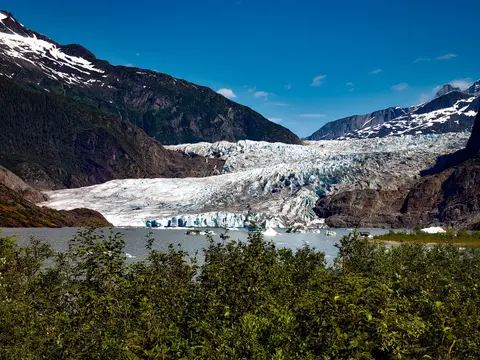
Mji mkuu pekee wa jimbo la Amerika ambao hauwezi kufikiwa kwa barabara, Juneau inarudisha safari hiyo kwa uzuri wa pori ambao miji chache duniani zinaweza kulinganisha. Barafu ya Mendenhall — mto hai wa barafu ya kale — iko dakika kumi na tano tu kutoka katikati ya jiji, ambapo ndege za maji zinapita juu ya pwani iliyo na milima ya spruce inayozama moja kwa moja baharini. Uzoefu wa lazima ni kutua kwa helikopta juu ya uwanja wa barafu au safari ya kutazama nyangumi katika Stephens Passage, ambapo nyangumi wa humpback wanaruka kwa karibu sana. Juneau ni joto zaidi kutoka Juni hadi Agosti, ingawa hata siku za majira ya joto zinaweza kuleta mvua maarufu ya Kusini Mashariki ya Alaska inayoshika msitu wa mvua kuwa na mwangaza wa kudumu.
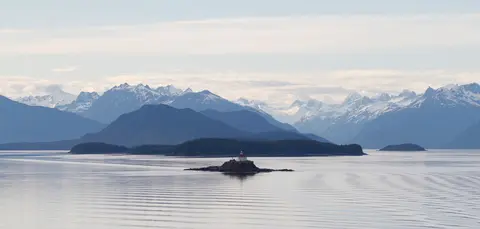
Skagway, iliyokalia ncha ya kaskazini ya Lynn Canal huko Alaska, ni mji wa dhahabu ambao muda umeuhifadhi karibu kabisa — barabara kuu ya mipakani yenye saluni zenye uso wa uwongo na maduka ya Victoria sasa yanapojulikana kama Hifadhi ya Kitaifa ya Historia. Reli maarufu ya White Pass & Yukon Route, iliyokamilishwa mwaka 1900 ili kusambaza maeneo ya dhahabu ya Klondike, bado inapaa kwenye njia yenye mwinuko katika magari ya zamani, ikitoa mandhari ya milima yenye mvuto zaidi Kaskazini mwa Amerika. Kutembea kwenye barafu na safari za helikopta juu ya Uwanja wa Barafu wa Juneau zinawangojea wale wenye ujasiri zaidi. Mei hadi Septemba huleta siku ndefu za Arctic na ufikiaji wa kuaminika zaidi.
Sitka began as a major Tlingit Indian village and was called “Shee Atika,” which translates roughly as “settlement on the outside of Shee.” “Shee” is the Tlingit name of Baranof Island. In 1799, Alexander Baranof, the general manager of the Russian American Company, decided to move his base of operations from Kodiak and set up camp at what is now called Old Sitka, 7.5 miles north of the present-day town. He called the settlement St. Archangel Michael. The Tlingit Indians of the area resisted the occupation and, in 1802, with Baranof away, burned the fort and massacred the Russian settlers. Two years later, Baranof returned and besieged the Indian fort. The Tlingits withdrew and the area was once again in Russian hands. This time, the Russians built the new city on a different site and called it New Archangel. For over six decades, New Archangel was the capital of the Russian empire in Alaska. By 1867, the Alaska colony had become too much of a financial burden to Russia. William Seward, U.S. Secretary of State, negotiated with the Russian Czar to purchase the Territory of Alaska for $7.2 million. The American press scoffed at Seward and the U.S. government for purchasing what they called “Seward's Folly,” “Seward's Icebox,” and “Walrussia.” On October 18, 1867, the Russian flag was lowered at New Archangel and the Stars and Stripes were raised over newly renamed Sitka. The name comes from the Tlingit word “Sheetkah,” which means “in this place.” All Russian citizens living in the former colony were given the opportunity to become American citizens. Many went home, although a few stayed or migrated to California. Sitka remained the capital of the Territory of Alaska from 1867 to 1906, when it was moved to Juneau. The move was a direct result of the gold rush. In plain terms, Sitka did not have any and Juneau did. After the Japanese attack on Pearl Harbor, Sitka became a full-scale naval base. At one time during the war, Sitka had a total population of 37,000. With the end of World War II, however, the city settled into a quieter existence. The biggest boom in modern days for Sitka came in 1959 when the Alaska Lumber and Pulp Company built a pulp mill at Silver Bay, near the city. Today, picturesque Sitka is known for its fishing and of course its many historic attractions.
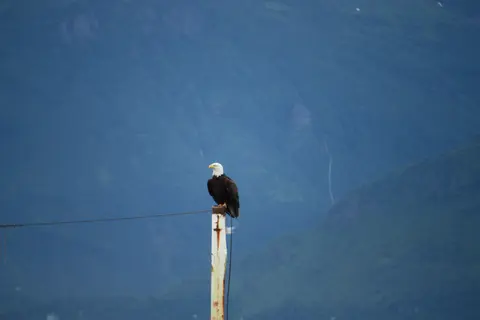
Valdez inakaa kwenye mji wa fjord katika Prince William Sound, ikizungukwa na Milima ya Chugach na barafu za baharini zinazofanya kuwa moja ya bandari zenye mandhari ya kuvutia zaidi Alaska. Mambo ya kufanya ni pamoja na kusafiri hadi Glacier ya Columbia, kutembea hadi Glacier ya Worthington, na kuonja halibut mpya katika mikahawa ya pwani. Mei hadi Septemba ni msimu, huku Julai na Agosti zikileta uhamaji wa samaki wa salmon na hali ya hewa ya joto zaidi.
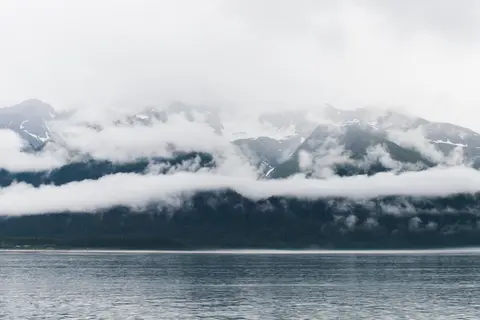
Seward, Alaska, ni bandari ya kuvutia inayojulikana kwa mandhari yake ya kupendeza na historia tajiri kama mji wa usambazaji wa dhahabu. Mambo ya kufanya ni pamoja na kutembelea Hifadhi ya Kitaifa ya Kenai Fjords na kuonja vyakula vya ndani kama tacos za halibut na akutaq. Wakati bora wa kutembelea ni katika miezi ya suku wakati uzuri wa asili uko kwenye kilele chake na shughuli za nje zinapatikana.
Day 1
Iliyojipanga kati ya Pasifiki na Milima ya Pwani, Vancouver ni lango la asili kuelekea Inside Passage ya Alaska — jiji ambapo msitu wa mvua wa wastani unakutana na minara ya kioo na ambapo crab wa Dungeness na samaki wa sockeye wa mwituni huunda chakula cha baharini kinachoshindana na chochote nchini Amerika Kaskazini. Tembea kwenye ukuta wa baharini wa Stanley Park wenye urefu wa kilomita 22, jichanganye katika soko la Granville Island, kisha chukua feri hadi uzuri wa Edwardian wa Victoria. Msimu wa meli za Alaska unafikia kilele kutoka Mei hadi Septemba, na kufanya Vancouver kuwa mahali pazuri pa kuanzia kwa moja ya safari kubwa za baharini duniani.
Day 2
Navigate through the intricate outlays of some of Alaska’s most staggering winter scenery, threading a needle between craggy, snow-dusted islands, and slipping glacial giants. To cruise this 500-mile stretch of Alaskan beauty is to sail through a living work of natural art - with perfectly sculpted mountains soaring from the shoreline, and clutches of islands scattered across the dark waters with delicate attention to detail. A common sailing route due to its calm sheltered waters, gorgeous natural set pieces constantly play out here - whether it’s killer whales accompanying you through the breathtaking icy passages, harbour seals catching a break on floating hunks of ice, or wisps of cloud clinging to distant mountain peaks. Witness Mother Nature at her most dramatic and elaborate along this Alaskan coastline, where glaciers groan and creak melodramatically, before finally releasing colossal shelves of ice, allowing them to free fall into the waters below, and explode with angry booms and thunderous splashes. While fundamental displays of nature’s power always awe and amaze, it’s the tranquil beauty of this passage - amid still waters, splitting only to reveal the smooth backs of breaching humpback whales – that is relentlessly moving. A journey of glaciers, remote hidden villages, and carved fjords - the Inside Passage is a breathtaking voyage through the intricate mesh of Alaska’s fractured, raw and spectacular coastal landscapes.
Day 3
Ketchikan inashikilia pwani yenye misitu ya Kisiwa cha Revillagigedo katika panhandle ya kusini-mashariki ya Alaska — mji mdogo kiasi kwamba wenyeji wanakisia kuwa ni maili tatu ndefu na vizuizi vitatu upana. Inaheshimiwa na watu wa Tlingit kwa maelfu ya miaka kama mahali pa samaki wa mwituni, leo inasherehekewa kama Mji Mkuu wa Nguzo za Kumbukumbu za Ulimwengu: makusanyo katika Kijiji cha Asili cha Saxman na Hifadhi ya Kihistoria ya Totem Bight yanahifadhi mkusanyiko muhimu zaidi wa kazi hizi za sanaa za monumental popote. Mtaa wa Creek, ubao wa nyumba za kihistoria za rangi uliojengwa juu ya Ketchikan Creek, haupaswi kukosekana. Majira ya joto (Mei–Septemba) huleta hali bora ya hewa, huku samaki wa mwituni wakikimbia kwenye mito chini.
Day 4
Mji mkuu pekee wa jimbo la Amerika ambao hauwezi kufikiwa kwa barabara, Juneau inarudisha safari hiyo kwa uzuri wa pori ambao miji chache duniani zinaweza kulinganisha. Barafu ya Mendenhall — mto hai wa barafu ya kale — iko dakika kumi na tano tu kutoka katikati ya jiji, ambapo ndege za maji zinapita juu ya pwani iliyo na milima ya spruce inayozama moja kwa moja baharini. Uzoefu wa lazima ni kutua kwa helikopta juu ya uwanja wa barafu au safari ya kutazama nyangumi katika Stephens Passage, ambapo nyangumi wa humpback wanaruka kwa karibu sana. Juneau ni joto zaidi kutoka Juni hadi Agosti, ingawa hata siku za majira ya joto zinaweza kuleta mvua maarufu ya Kusini Mashariki ya Alaska inayoshika msitu wa mvua kuwa na mwangaza wa kudumu.
Day 5
Skagway, iliyokalia ncha ya kaskazini ya Lynn Canal huko Alaska, ni mji wa dhahabu ambao muda umeuhifadhi karibu kabisa — barabara kuu ya mipakani yenye saluni zenye uso wa uwongo na maduka ya Victoria sasa yanapojulikana kama Hifadhi ya Kitaifa ya Historia. Reli maarufu ya White Pass & Yukon Route, iliyokamilishwa mwaka 1900 ili kusambaza maeneo ya dhahabu ya Klondike, bado inapaa kwenye njia yenye mwinuko katika magari ya zamani, ikitoa mandhari ya milima yenye mvuto zaidi Kaskazini mwa Amerika. Kutembea kwenye barafu na safari za helikopta juu ya Uwanja wa Barafu wa Juneau zinawangojea wale wenye ujasiri zaidi. Mei hadi Septemba huleta siku ndefu za Arctic na ufikiaji wa kuaminika zaidi.
Day 6
Sitka began as a major Tlingit Indian village and was called “Shee Atika,” which translates roughly as “settlement on the outside of Shee.” “Shee” is the Tlingit name of Baranof Island. In 1799, Alexander Baranof, the general manager of the Russian American Company, decided to move his base of operations from Kodiak and set up camp at what is now called Old Sitka, 7.5 miles north of the present-day town. He called the settlement St. Archangel Michael. The Tlingit Indians of the area resisted the occupation and, in 1802, with Baranof away, burned the fort and massacred the Russian settlers. Two years later, Baranof returned and besieged the Indian fort. The Tlingits withdrew and the area was once again in Russian hands. This time, the Russians built the new city on a different site and called it New Archangel. For over six decades, New Archangel was the capital of the Russian empire in Alaska. By 1867, the Alaska colony had become too much of a financial burden to Russia. William Seward, U.S. Secretary of State, negotiated with the Russian Czar to purchase the Territory of Alaska for $7.2 million. The American press scoffed at Seward and the U.S. government for purchasing what they called “Seward's Folly,” “Seward's Icebox,” and “Walrussia.” On October 18, 1867, the Russian flag was lowered at New Archangel and the Stars and Stripes were raised over newly renamed Sitka. The name comes from the Tlingit word “Sheetkah,” which means “in this place.” All Russian citizens living in the former colony were given the opportunity to become American citizens. Many went home, although a few stayed or migrated to California. Sitka remained the capital of the Territory of Alaska from 1867 to 1906, when it was moved to Juneau. The move was a direct result of the gold rush. In plain terms, Sitka did not have any and Juneau did. After the Japanese attack on Pearl Harbor, Sitka became a full-scale naval base. At one time during the war, Sitka had a total population of 37,000. With the end of World War II, however, the city settled into a quieter existence. The biggest boom in modern days for Sitka came in 1959 when the Alaska Lumber and Pulp Company built a pulp mill at Silver Bay, near the city. Today, picturesque Sitka is known for its fishing and of course its many historic attractions.
Day 7
Valdez inakaa kwenye mji wa fjord katika Prince William Sound, ikizungukwa na Milima ya Chugach na barafu za baharini zinazofanya kuwa moja ya bandari zenye mandhari ya kuvutia zaidi Alaska. Mambo ya kufanya ni pamoja na kusafiri hadi Glacier ya Columbia, kutembea hadi Glacier ya Worthington, na kuonja halibut mpya katika mikahawa ya pwani. Mei hadi Septemba ni msimu, huku Julai na Agosti zikileta uhamaji wa samaki wa salmon na hali ya hewa ya joto zaidi.
Day 8
Seward, Alaska, ni bandari ya kuvutia inayojulikana kwa mandhari yake ya kupendeza na historia tajiri kama mji wa usambazaji wa dhahabu. Mambo ya kufanya ni pamoja na kutembelea Hifadhi ya Kitaifa ya Kenai Fjords na kuonja vyakula vya ndani kama tacos za halibut na akutaq. Wakati bora wa kutembelea ni katika miezi ya suku wakati uzuri wa asili uko kwenye kilele chake na shughuli za nje zinapatikana.
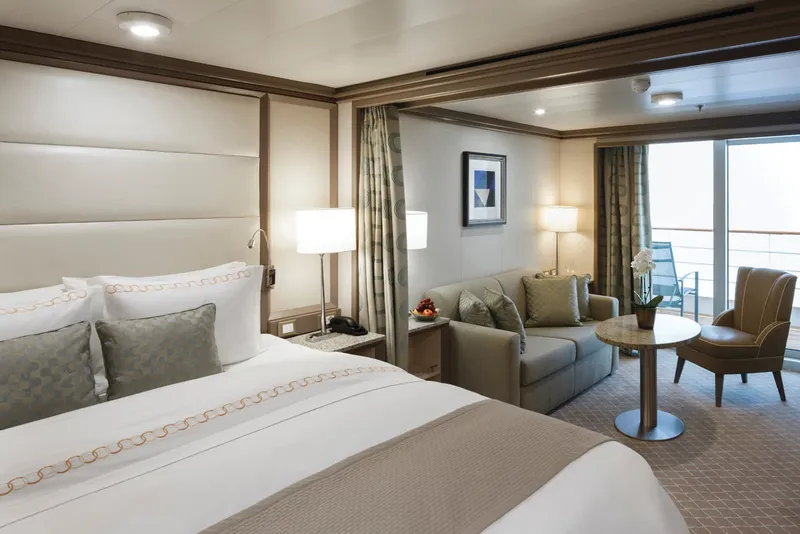
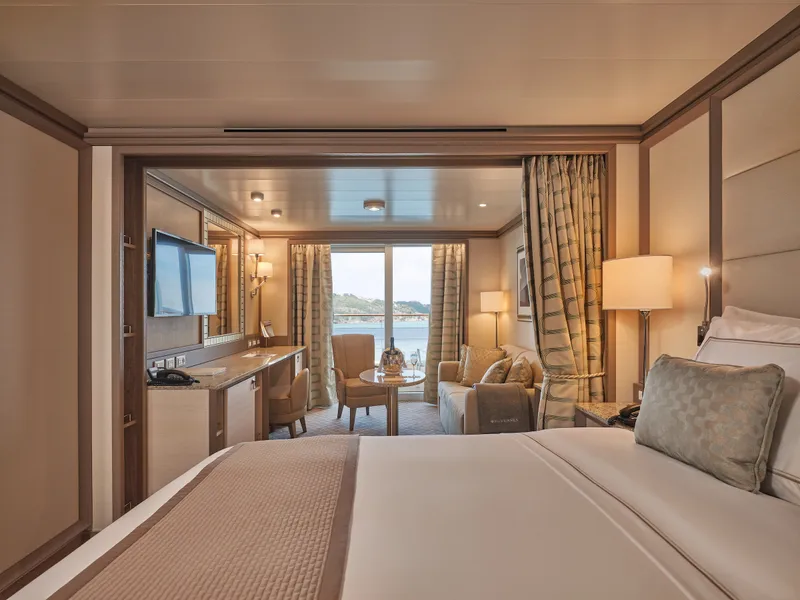
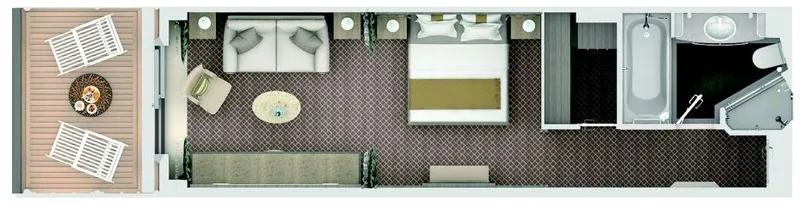
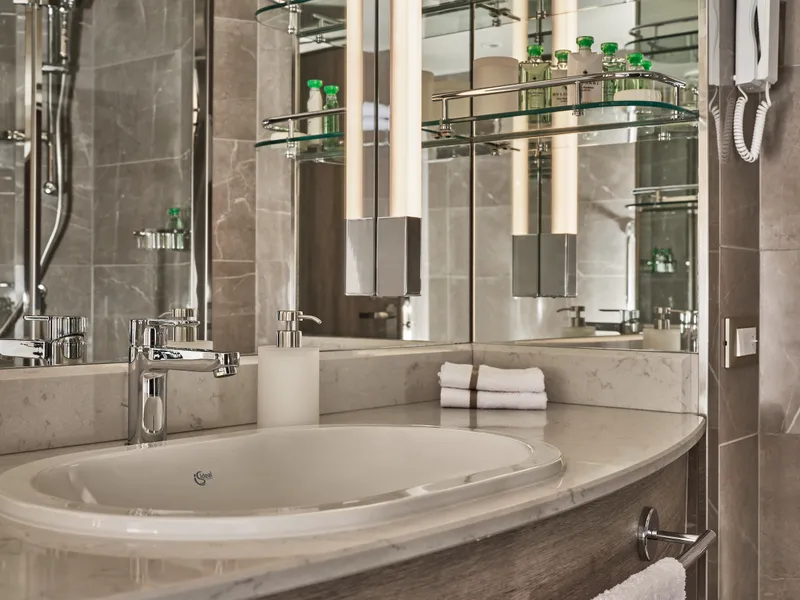
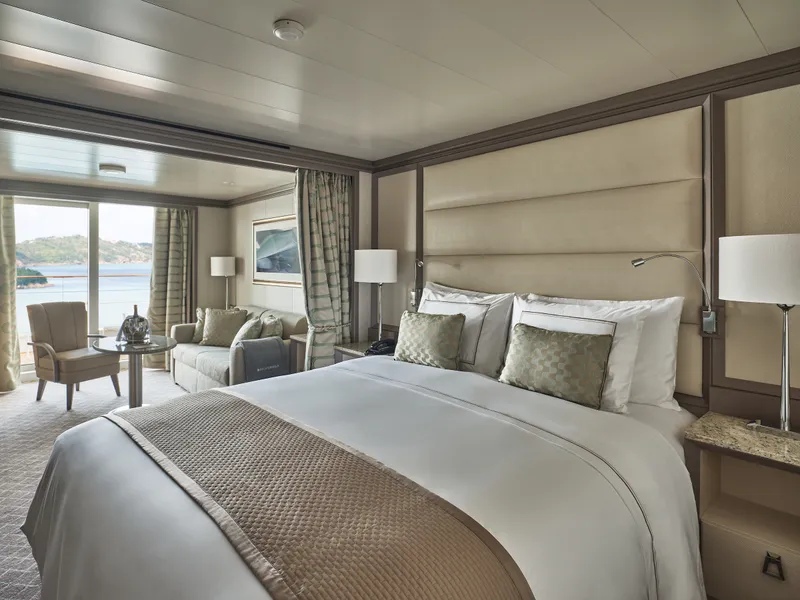
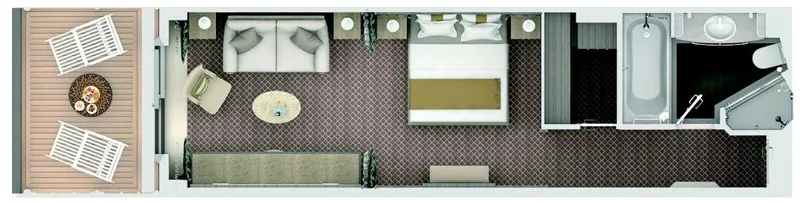
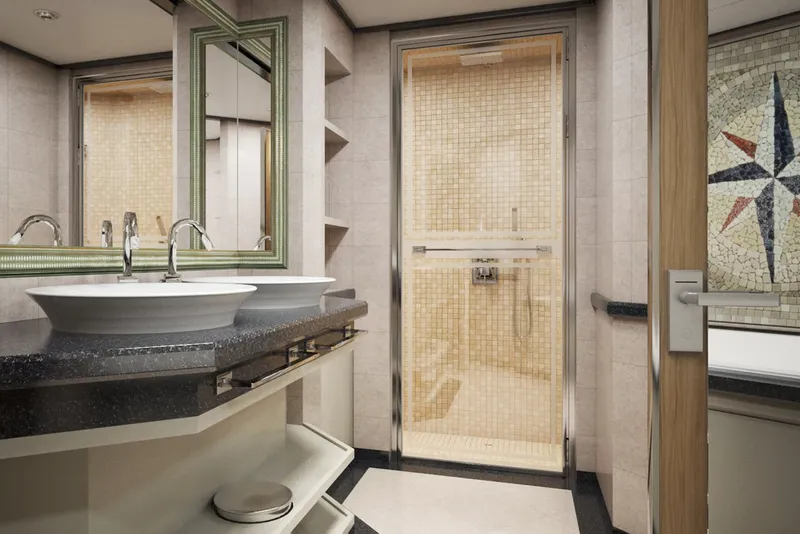
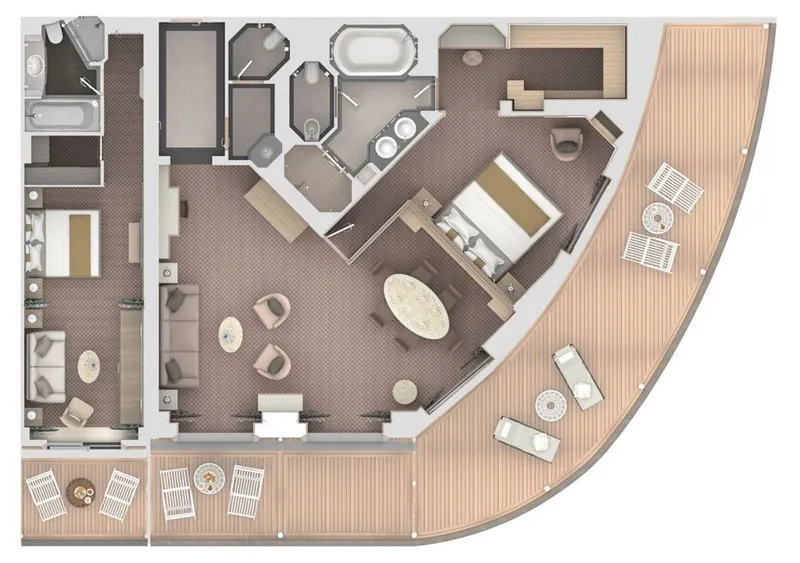
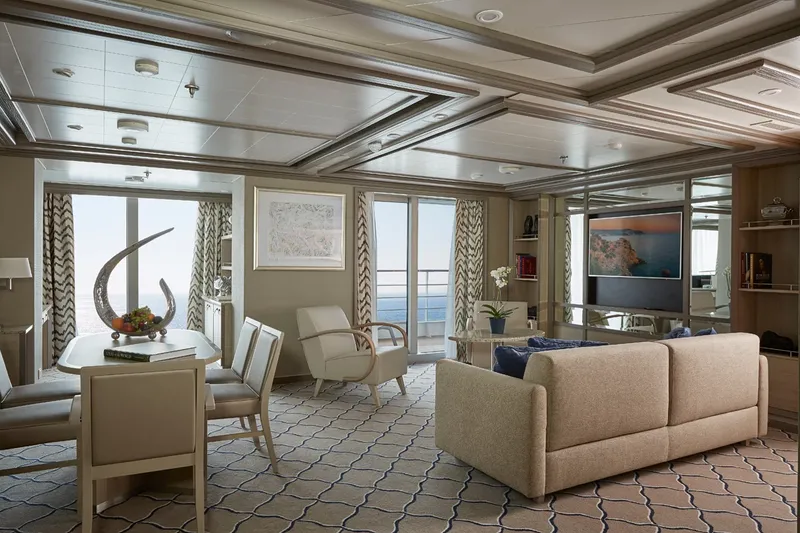
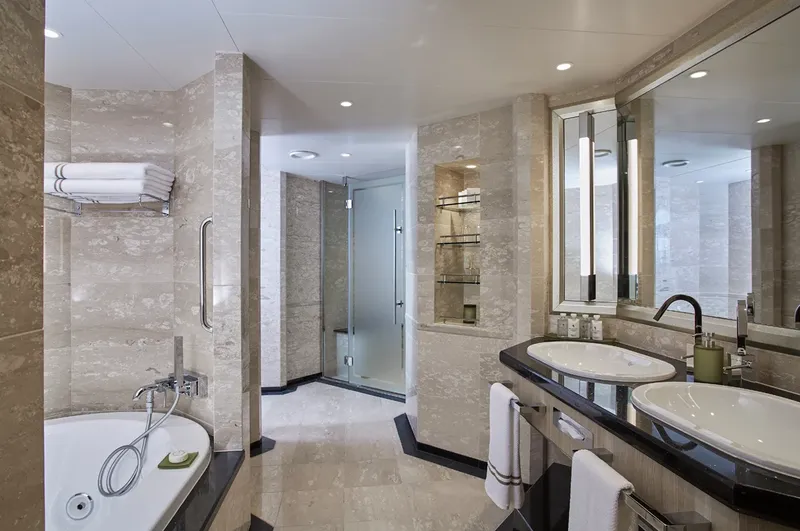
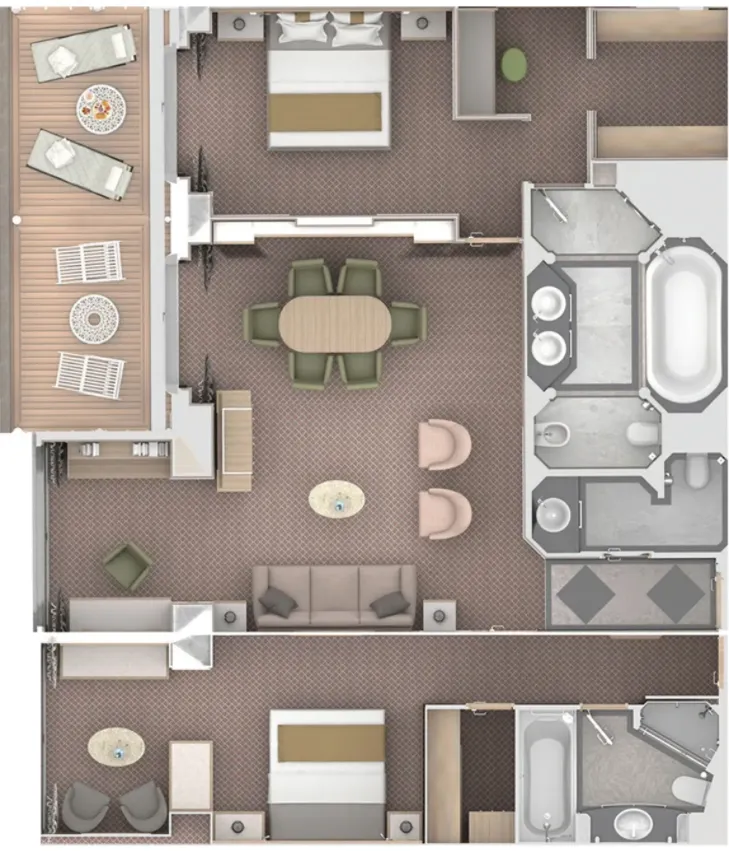
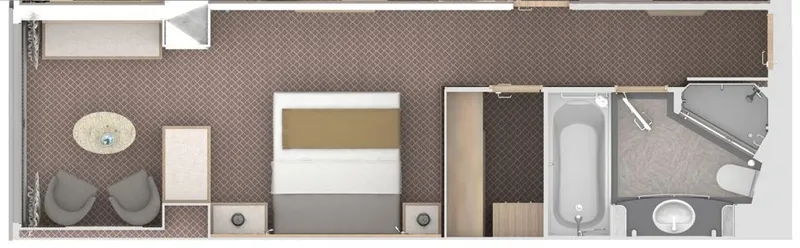
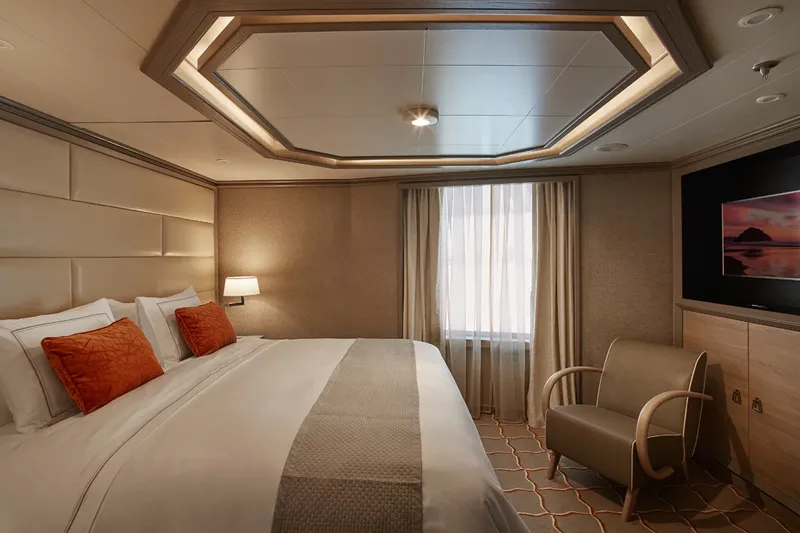
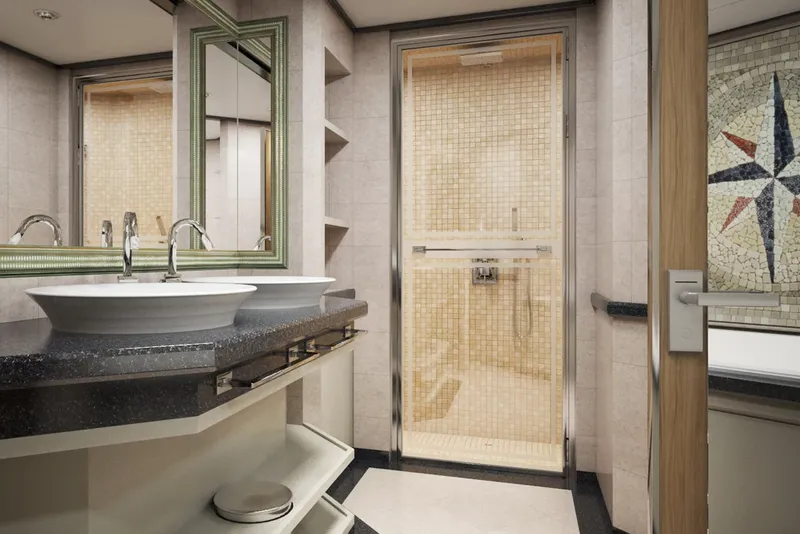


Our cruise specialists can help you find the perfect cabin and the best available pricing.
(+886) 02-2721-7300Contact Advisor