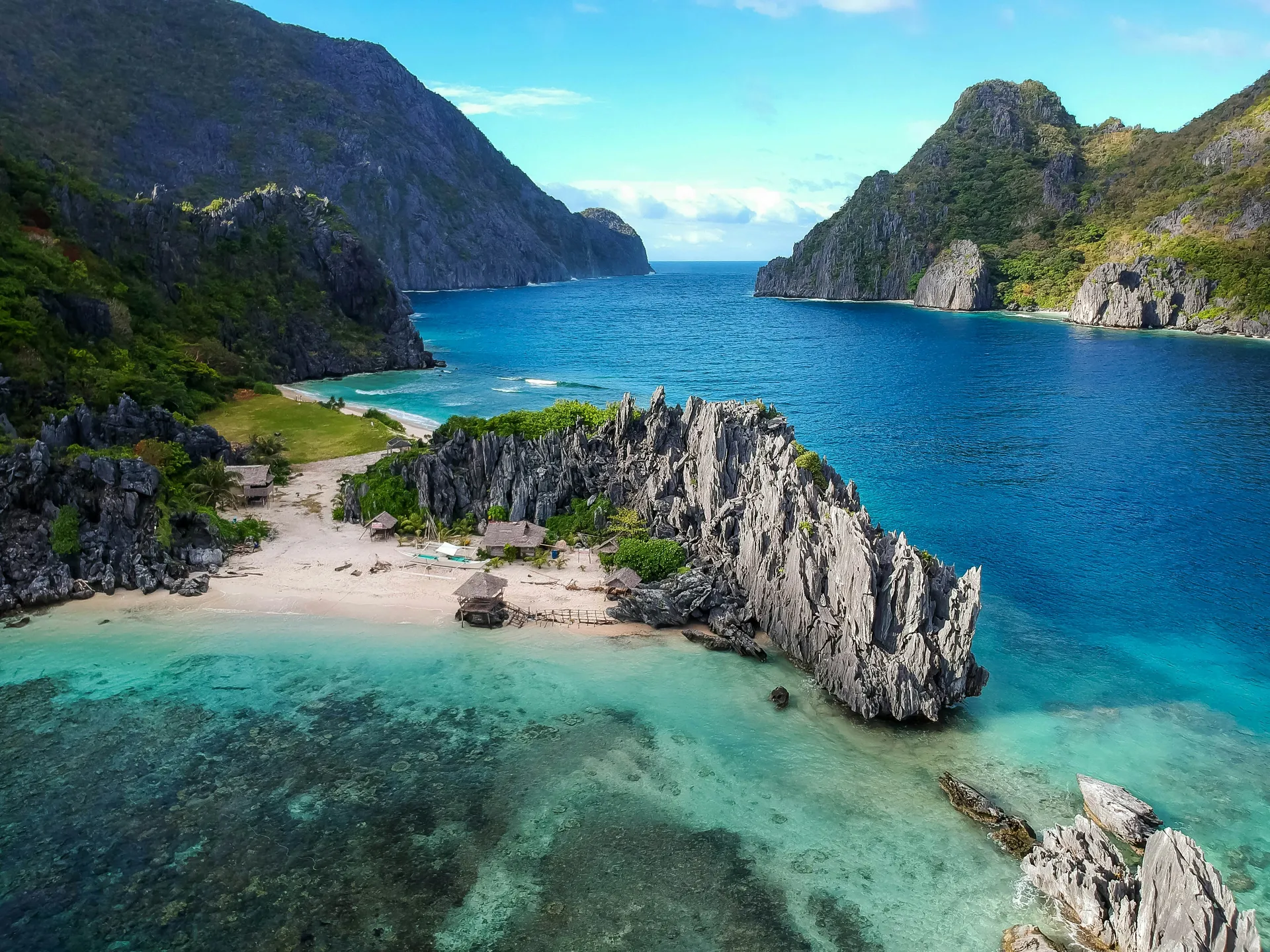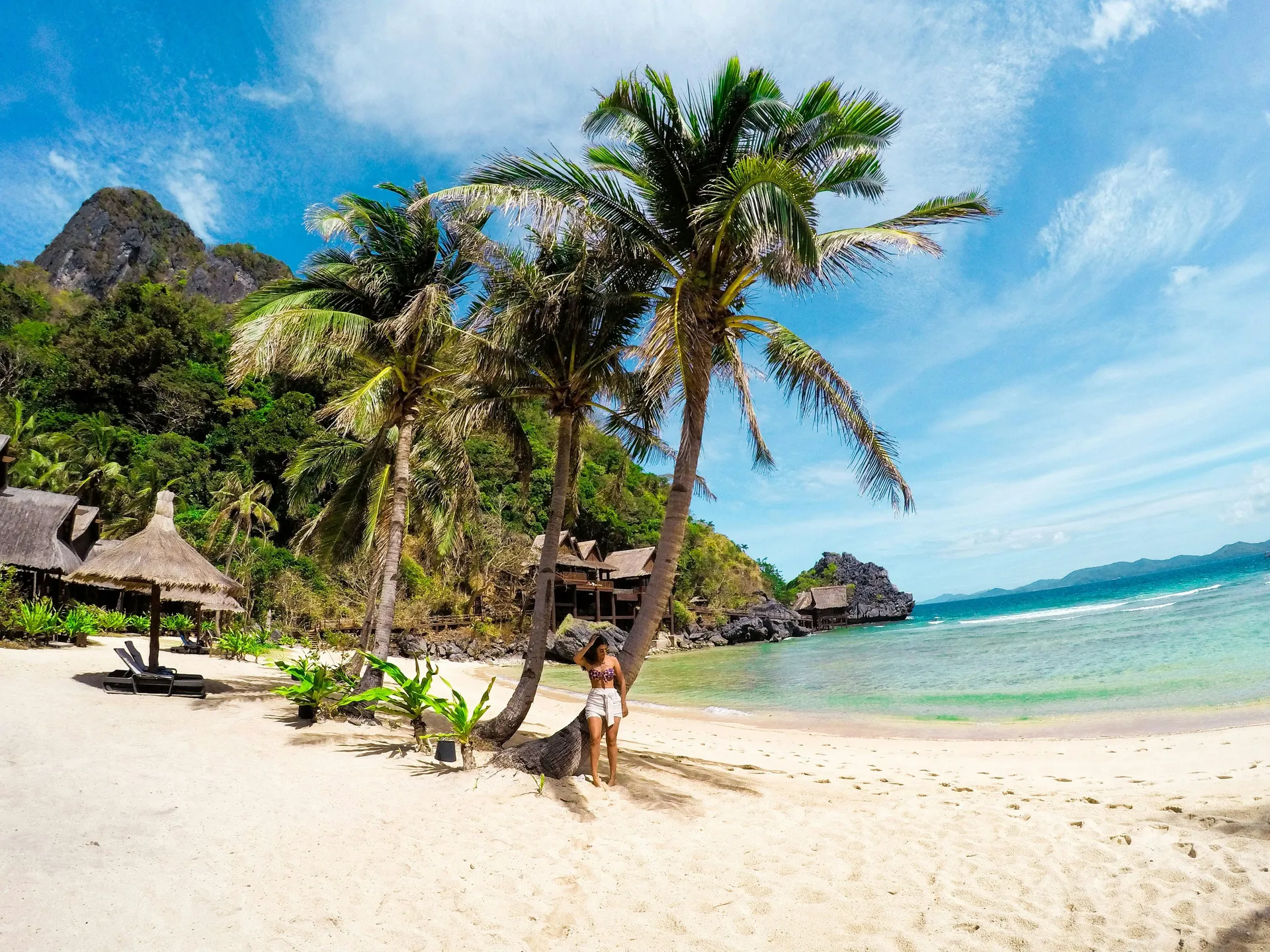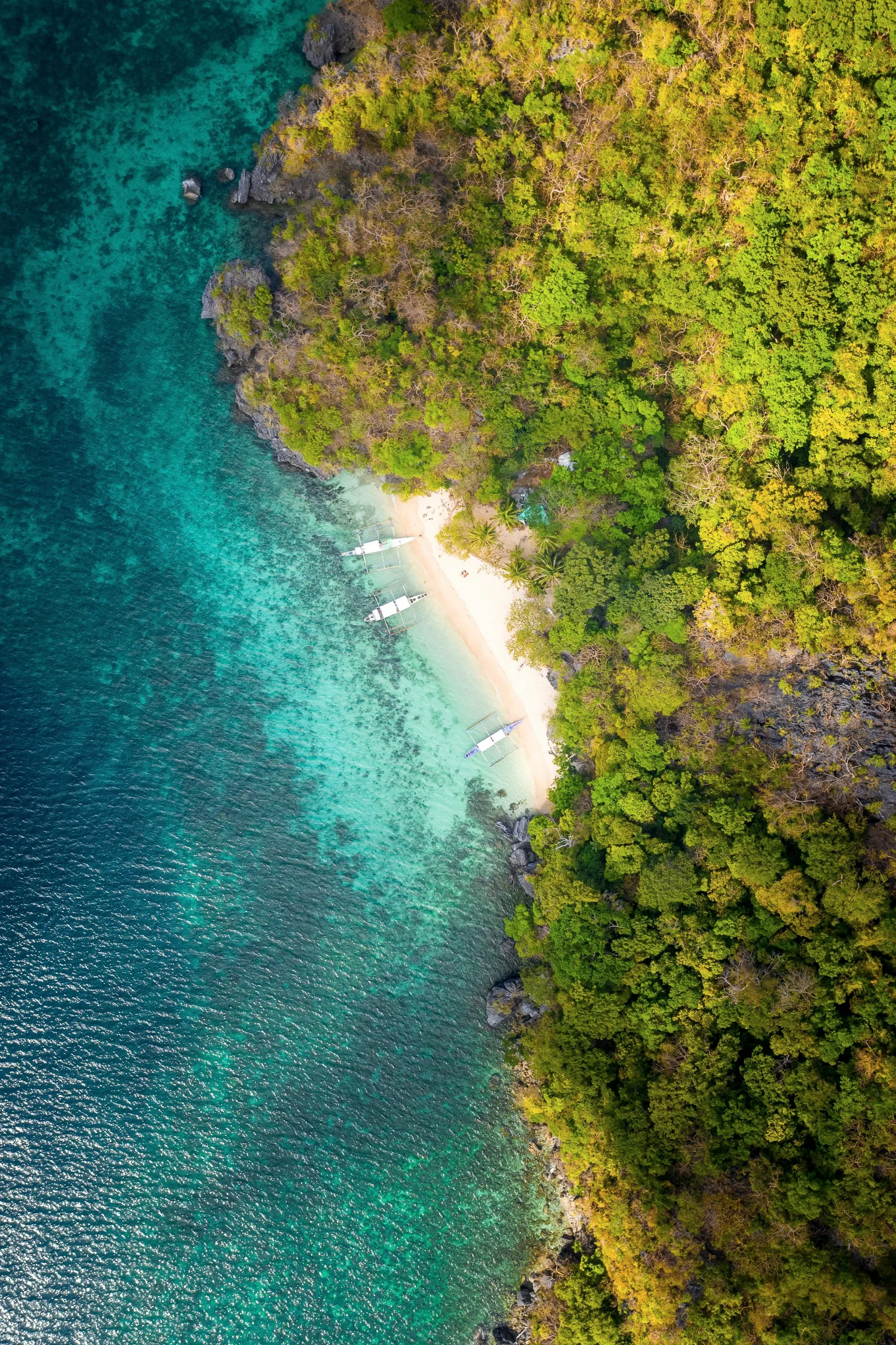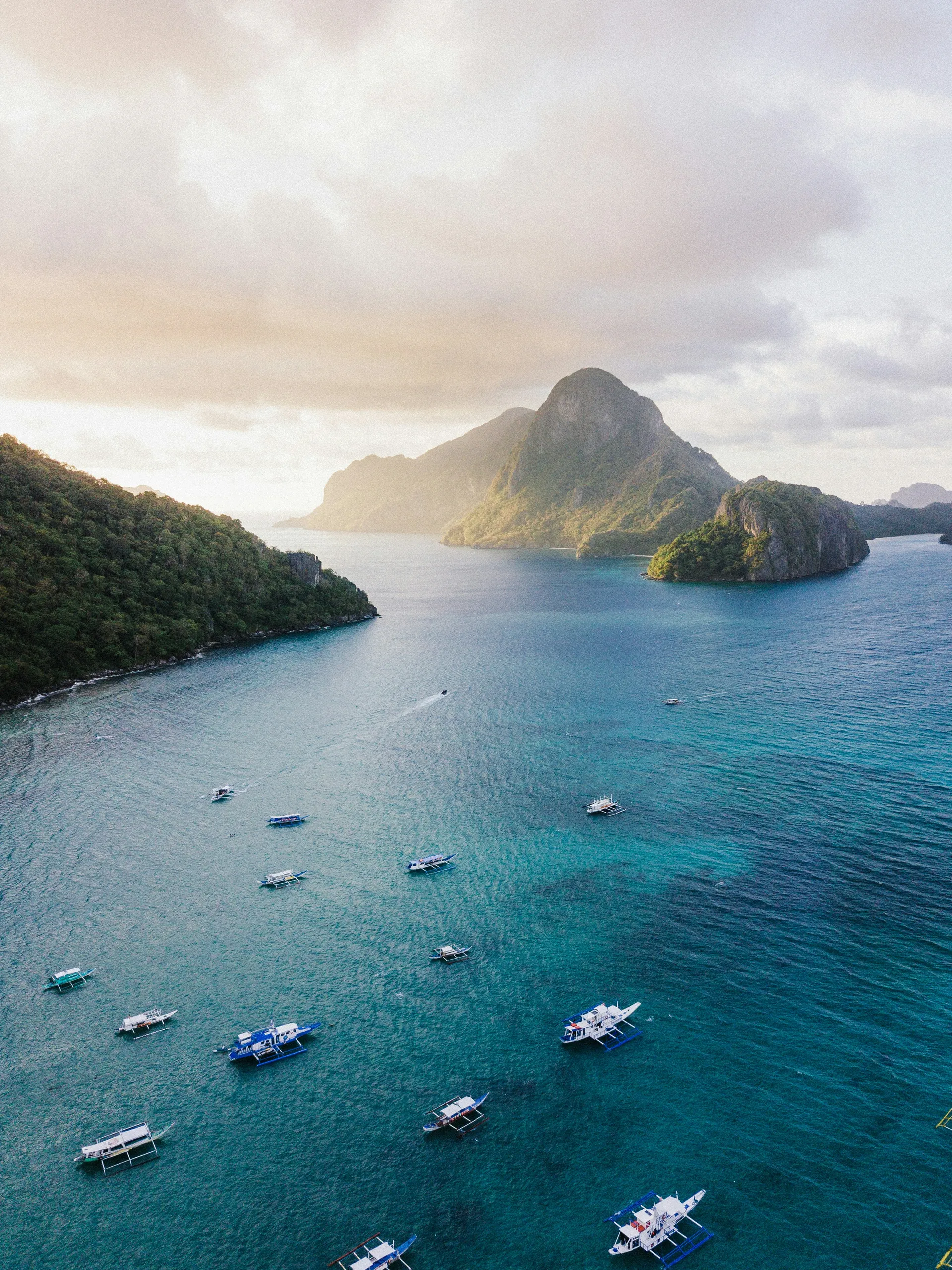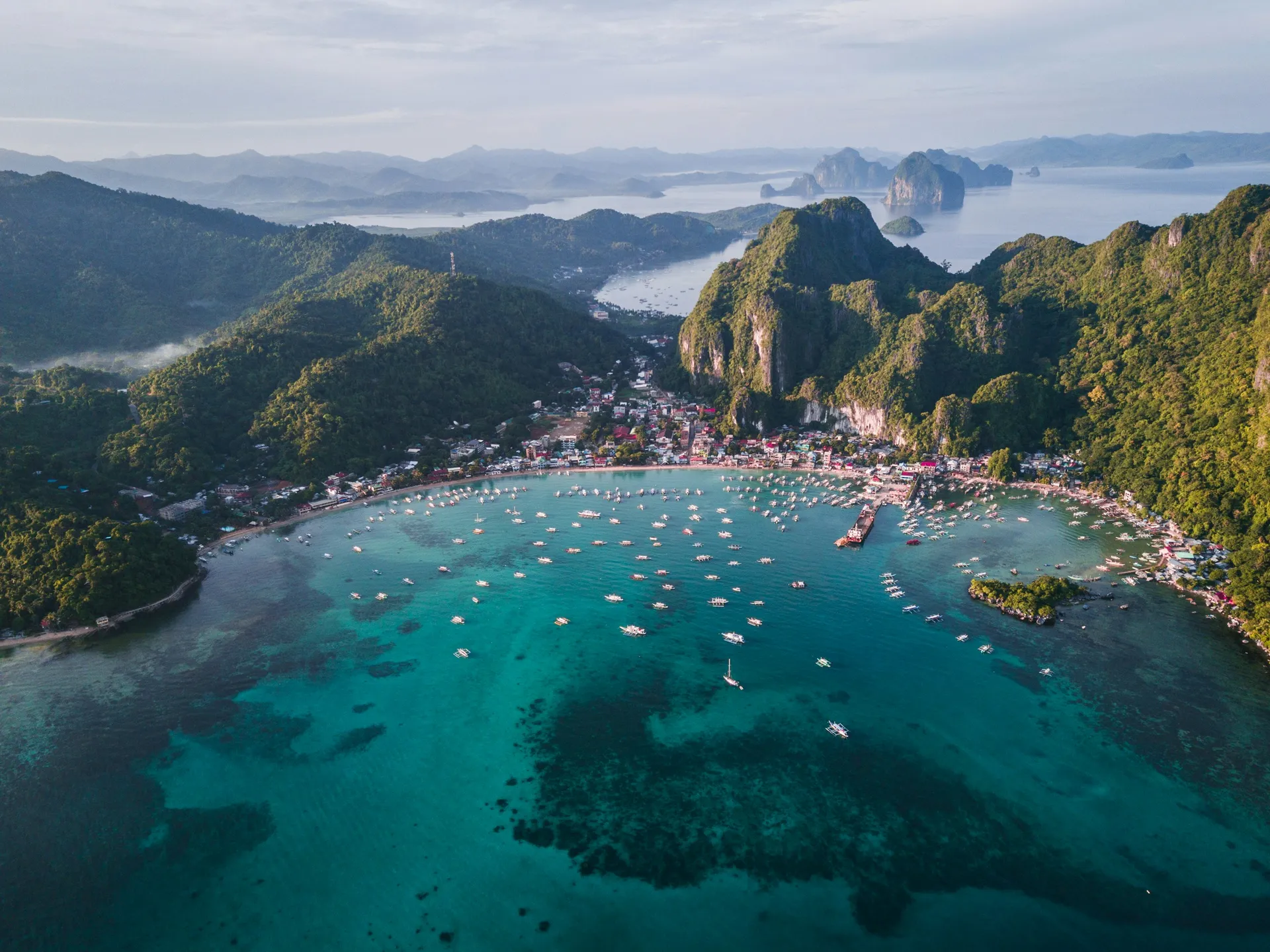
At the northern tip of Palawan — the Philippine island that travel publications consistently rank among the world's most beautiful — El Nido presides over Bacuit Bay, a seascape of limestone karst islands, hidden lagoons, and coral gardens so improbably gorgeous that photographs are routinely dismissed as digitally enhanced. This small town, population roughly 40,000, serves as the gateway to one of Southeast Asia's last great coastal wildernesses: a landscape where 45 islands rise from turquoise waters in sheer limestone towers draped in tropical vegetation, their bases undermined by the sea into caverns, tunnels, and secret lagoons accessible only by kayak.
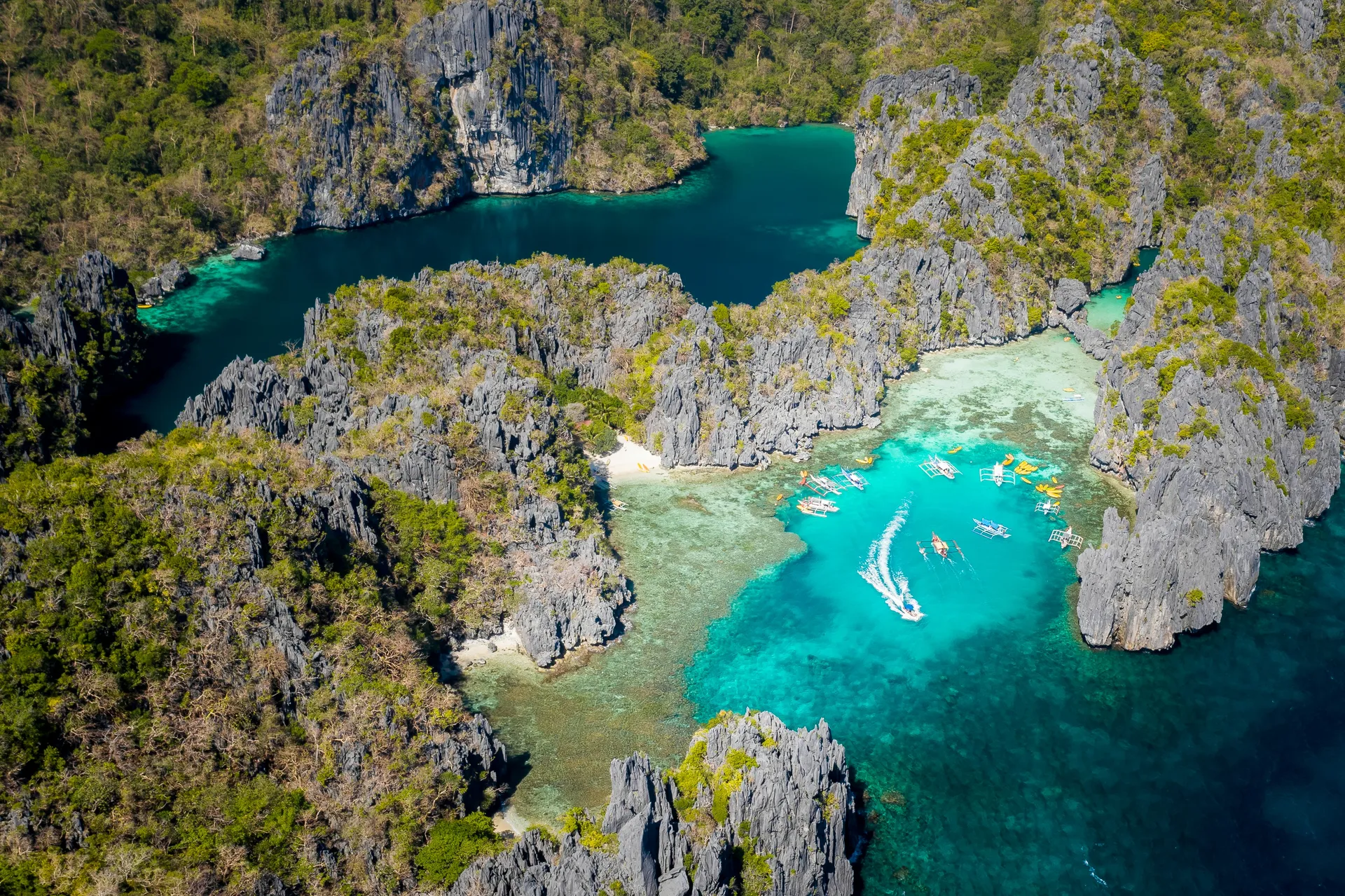
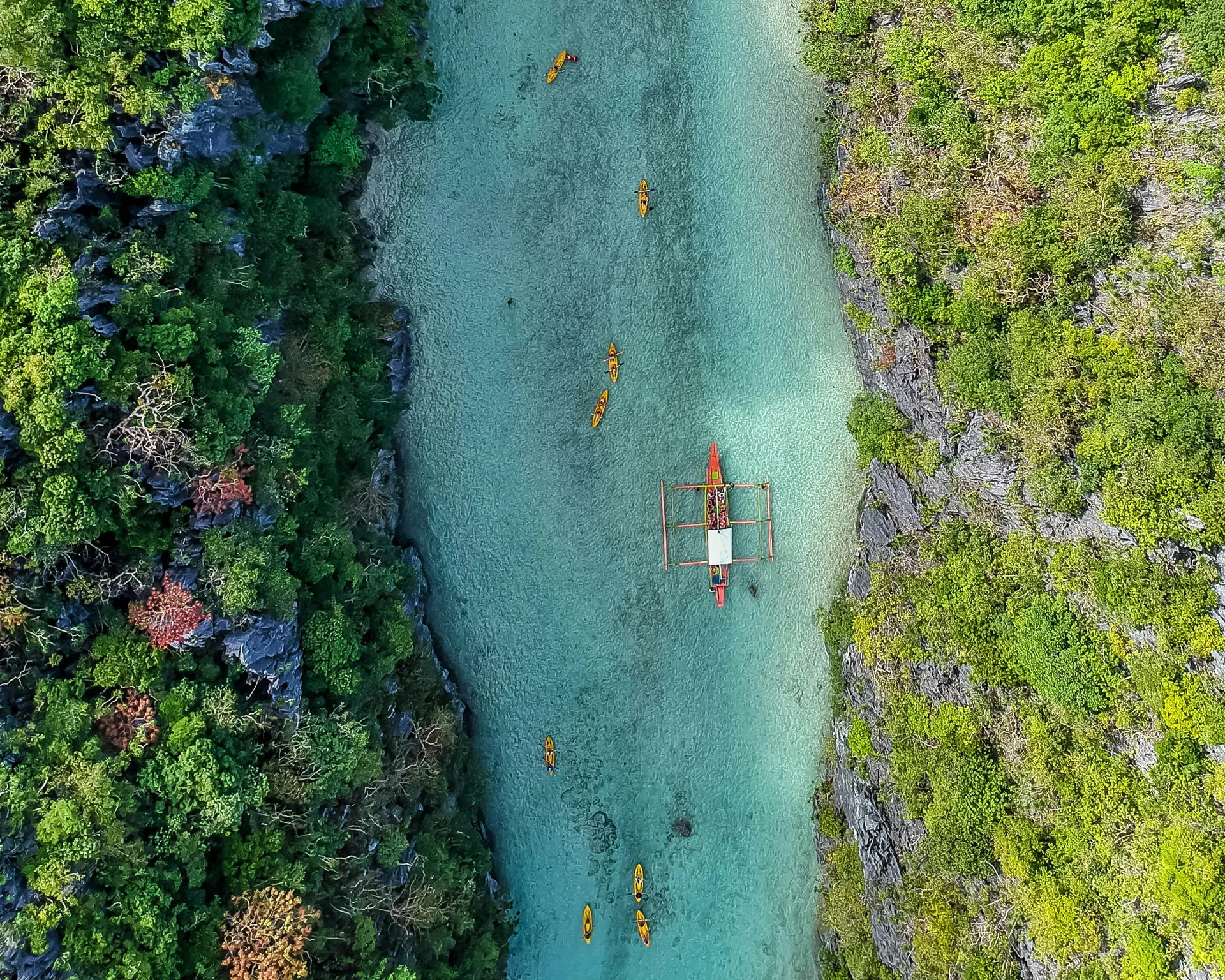
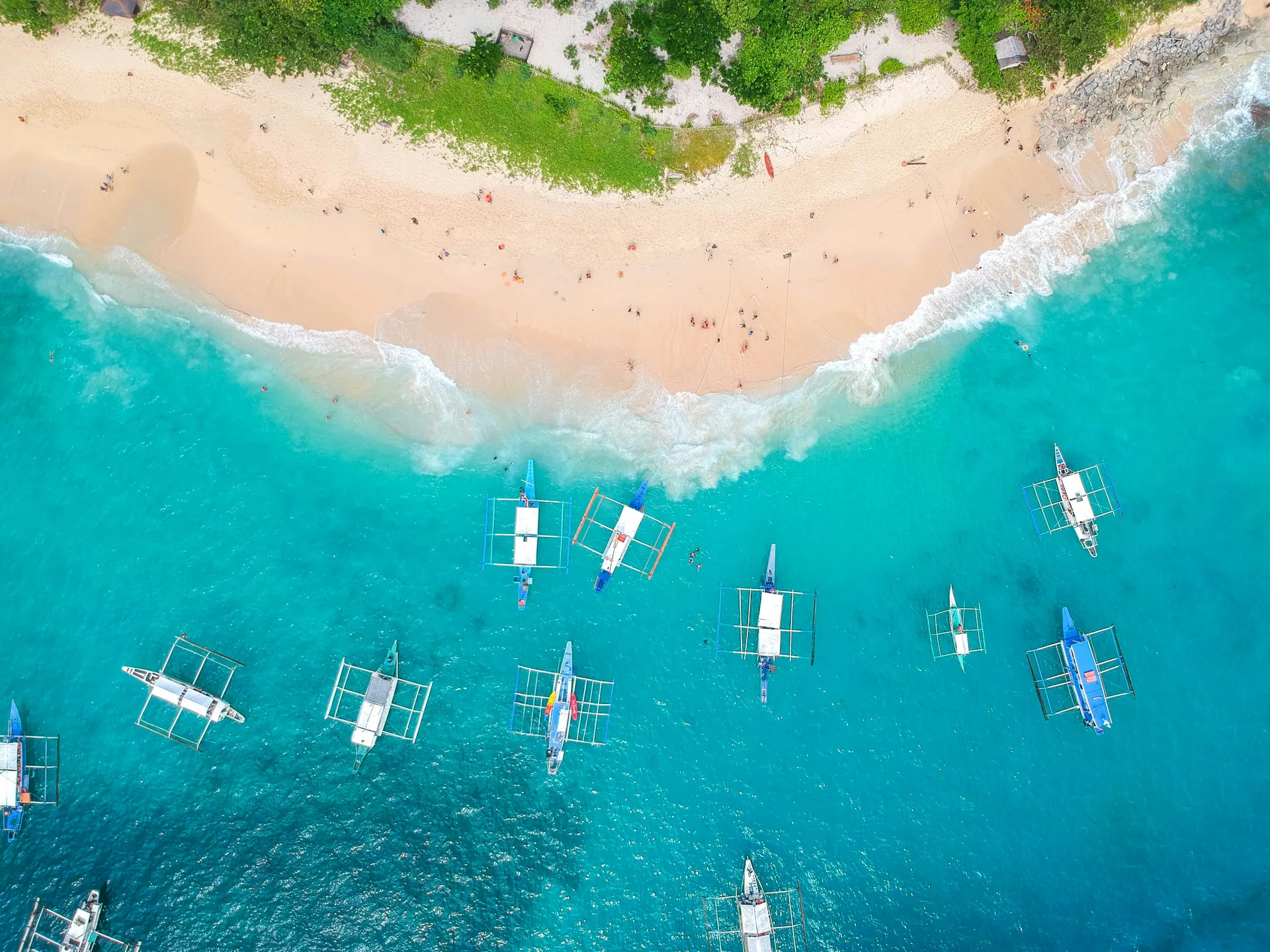
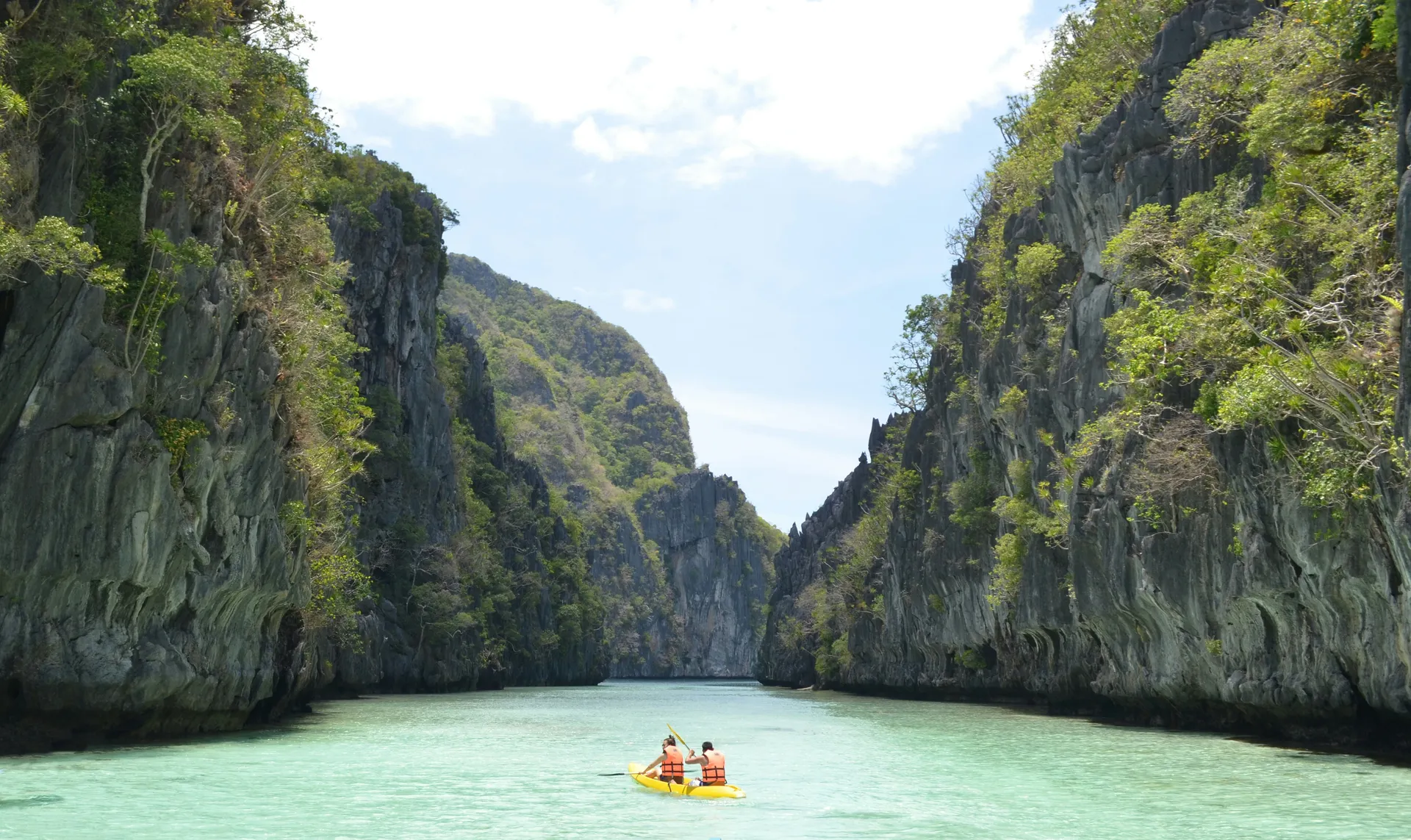
The island-hopping experience from El Nido is organized into lettered tours (A, B, C, D) that collectively reveal the bay's treasures. Tour A, the most popular, includes the Big Lagoon — a cathedral-like enclosure of limestone walls meeting in overhead arches, its jade-green waters so sheltered that they achieve a stillness approaching that of a swimming pool. The Small Lagoon, entered through a crevice barely wide enough for a kayak, opens into a hidden pool of extraordinary beauty. Shimizu Island offers snorkelling over coral gardens where clownfish, parrotfish, and sea turtles navigate a landscape of blue and gold.
The culinary landscape of El Nido has evolved from backpacker fare to a dining scene of genuine ambition. The town's beachfront restaurants serve fresh-caught seafood — grilled tuna, garlic butter shrimp, sinigang (sour soup) with lapu-lapu (grouper) — at prices that seem impossible by international standards. Kinilaw, the Philippine ceviche of raw fish cured in vinegar and citrus with ginger and chili, is exceptional when made with fish pulled from the bay that morning. The island picnic lunch — grilled fish, rice, and tropical fruit spread on a beach that you may have entirely to yourself — defines the El Nido experience.
Puerto Princesa, Palawan's capital five hours south, adds the Underground River to the region's attractions — a UNESCO World Heritage subterranean river system that flows through a cave filled with stalactites, stalagmites, and cathedral-sized chambers. The Iwahig Firefly Watching tour, on the Iwahig River at dusk, reveals thousands of fireflies illuminating the mangrove trees in synchronized displays. Honda Bay offers its own island-hopping circuit with excellent snorkelling and fewer crowds than El Nido.
El Nido is reached by flight from Manila (approximately one hour to Lio Airport) or by van from Puerto Princesa (five hours over an improving road). The best season runs from November through May, with the dry months of January through April offering the most reliable weather for island-hopping. June through October brings the southwest monsoon with afternoon rain and occasionally rough seas that can disrupt boat tours. Accommodation ranges from beachfront hostels to luxury eco-resorts on private islands in the bay.