Pháp
Le Havre
753 voyages
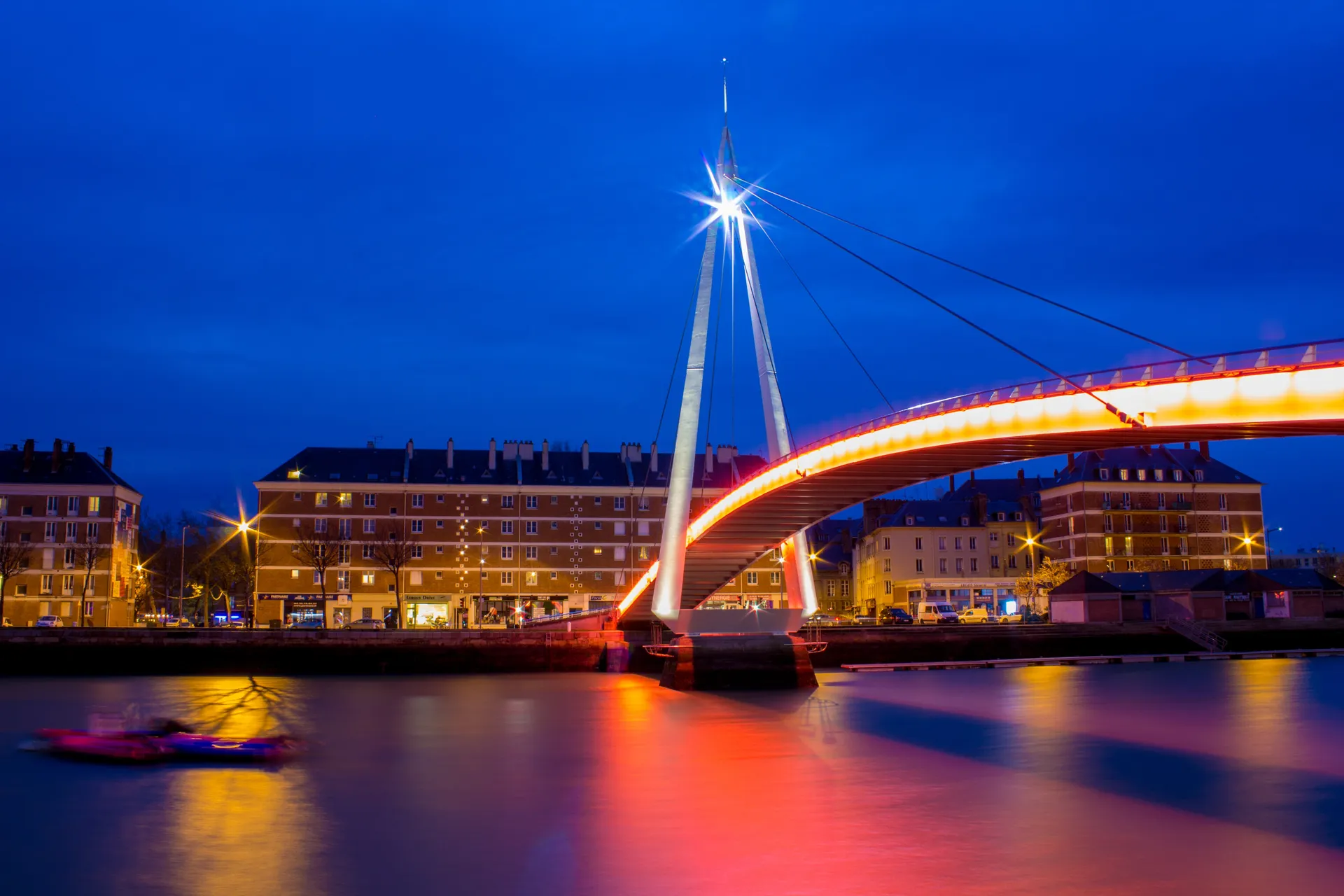
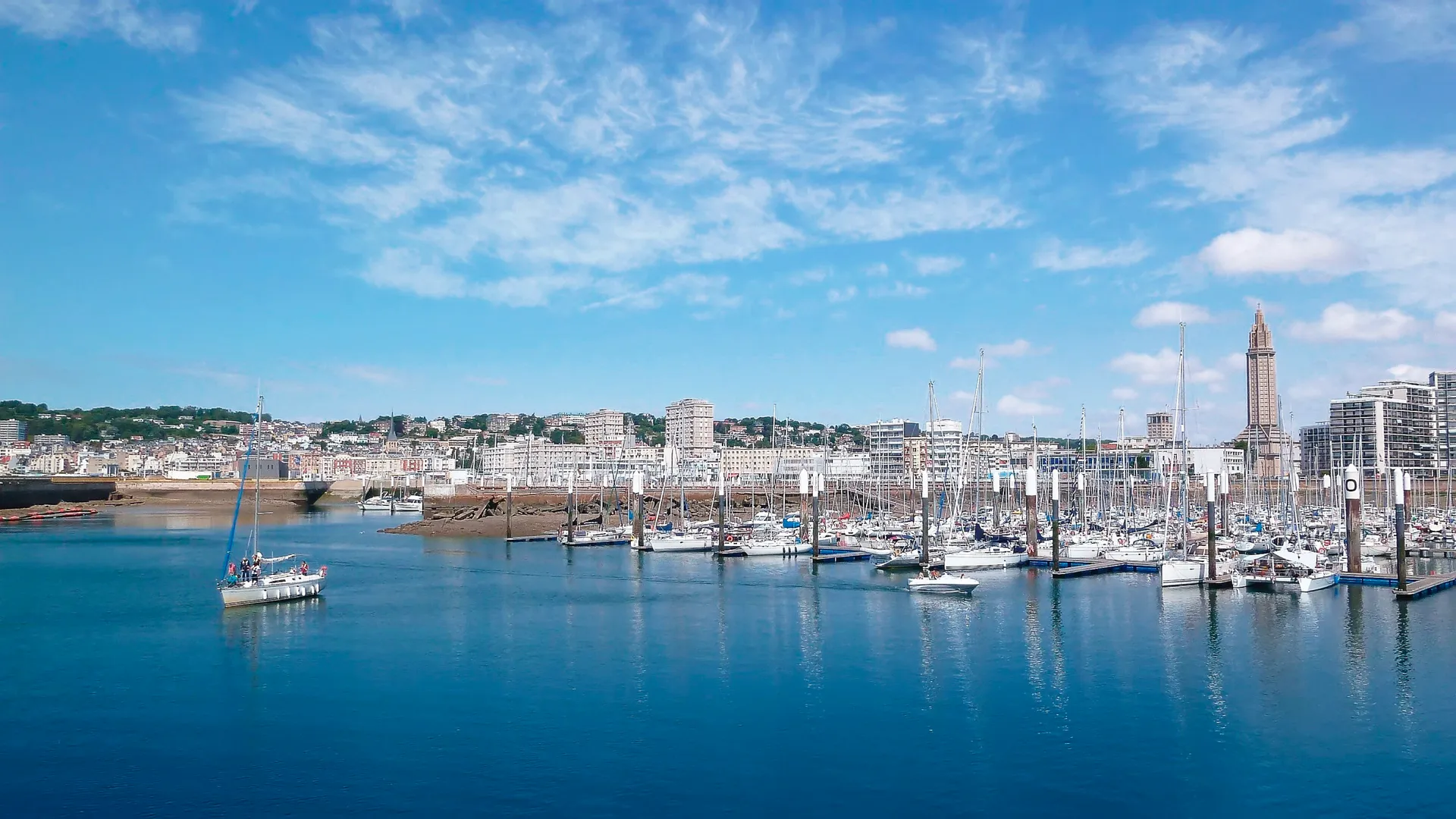
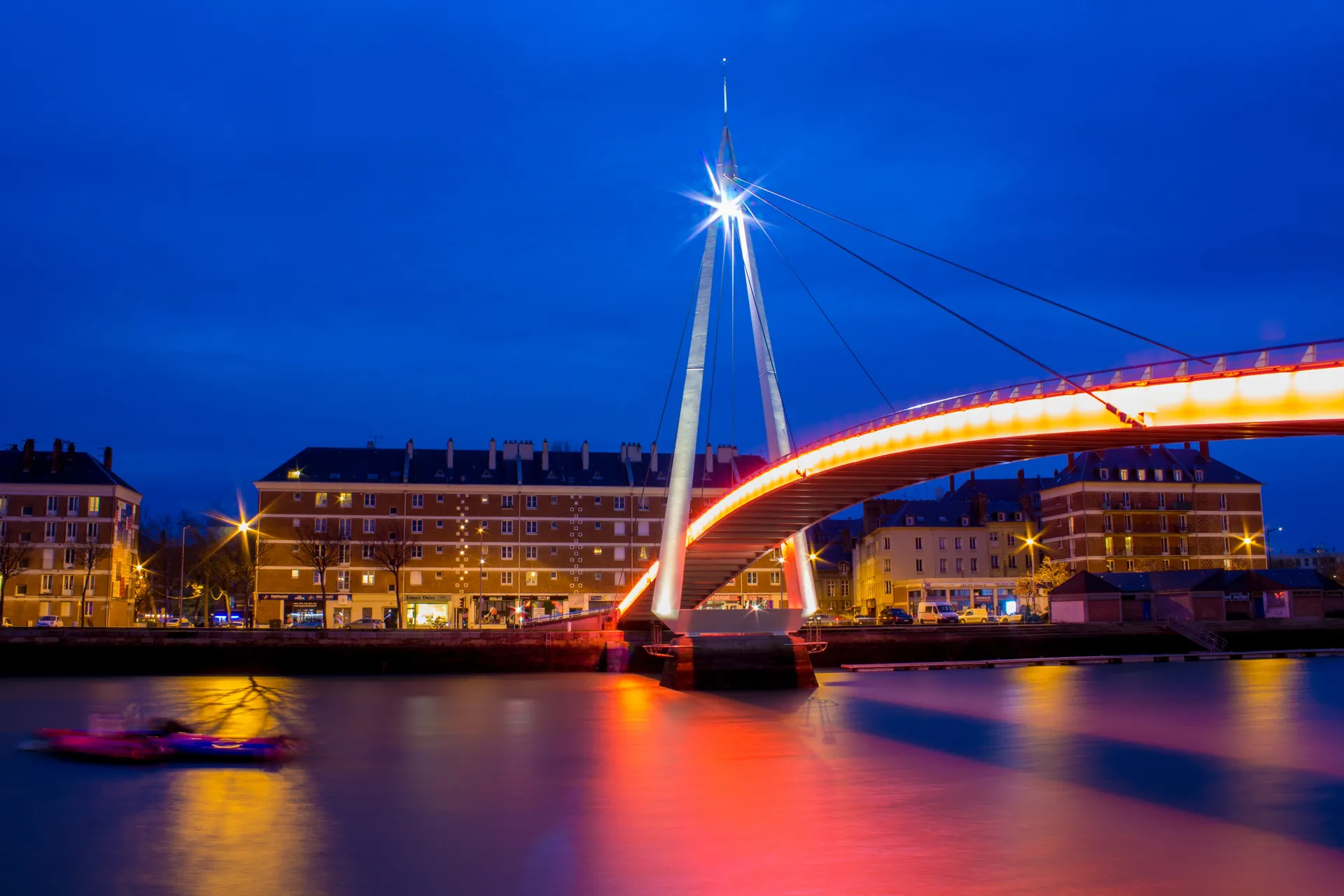
Le Havre, cảng lớn nhất của Pháp trên kênh English, được thành lập vào năm 1517 bởi Vua Francis I nhằm thay thế những cảng bị bồi lấp của Honfleur và Harfleur, và trong năm thế kỷ qua, nó đã phục vụ như một trong những cánh cửa chính của châu Âu vào thế giới Đại Tây Dương. Giống như Rotterdam, Le Havre đã bị tàn phá bởi Thế chiến II — các cuộc ném bom của Đồng minh đã phá hủy 150 hecta trung tâm thành phố — và cũng như Rotterdam, nó đã chọn cách tái thiết theo một phong cách hiện đại táo bạo. Công cuộc tái thiết sau chiến tranh, do kiến trúc sư Auguste Perret dẫn dắt, đã tạo ra một trung tâm thành phố hoàn toàn bằng bê tông cốt thép theo một phong cách Hiện đại thống nhất, điều này đã mang lại cho Le Havre danh hiệu Di sản Thế giới của UNESCO vào năm 2005, biến Le Havre trở thành tổ hợp đô thị thế kỷ XX duy nhất nhận được sự công nhận này ở châu Âu.
Le Havre của Perret sở hữu một vẻ đẹp nghiêm khắc mà ngày càng thu hút du khách. Nhà thờ Saint-Joseph, với tháp chuông bằng bê tông cao 107 mét vươn lên bầu trời như một chiếc đèn lồng, là kiệt tác — nội thất của nó, được chiếu sáng bởi hơn mười hai nghìn mảnh kính màu, tạo ra một bầu không khí ánh sáng vượt trội. MuMA (Bảo tàng Nghệ thuật Hiện đại André Malraux), nằm ở cửa cảng với những bức tường kính mở ra biển cả, lưu giữ bộ sưu tập tranh Ấn tượng tuyệt đẹp nhất của Pháp bên ngoài Paris, bao gồm các tác phẩm của Monet, Boudin và Renoir — nhiều tác phẩm mô tả chính bờ biển có thể nhìn thấy qua cửa sổ của bảo tàng. Volcan, một trung tâm văn hóa bằng bê tông cong được thiết kế bởi Oscar Niemeyer, mang đến nét quyến rũ Brazil cho cảnh quan thành phố.
Ẩm thực Norman và hải sản giao thoa tại Le Havre. Moules-frites — những con ngao được hấp trong rượu vang trắng, kem và hành tím, đi kèm với những miếng khoai tây chiên vàng giòn — là món ăn tiêu biểu của brasserie bên bến cảng. Sole meunière, loại cá bơn của Kênh Anh được chiên trong bơ nâu với chanh, thể hiện sự tinh tế trong ẩm thực Pháp ở mức độ cao nhất. Chợ có mái che của thành phố, Les Halles Centrales, mang đến những sản phẩm tốt nhất của Normandy: phô mai Camembert lâu năm, cidre bouché, hàu tươi từ Étretat gần đó, xúc xích andouille từ Vire, và bánh táo tarte aux pommes. Le Havre cũng là nơi khởi nguồn của ấn tượng trong ẩm thực — cha của Eugène Boudin đã điều hành một tiệm bánh ở đây, và truyền thống làm bánh tinh tế vẫn tiếp tục tồn tại.
Le Havre là cánh cửa dẫn vào cả Normandy và Paris. Những vách đá phấn của Étretat, với những vòm tự nhiên đã truyền cảm hứng cho Monet và Maupassant, nằm cách đó ba mươi phút về phía đông bắc dọc theo bờ biển. Honfleur, thị trấn cảng hoàn hảo như tranh vẽ được các nghệ sĩ Ấn tượng khắc họa và giờ đây tràn ngập các phòng trưng bày cùng nhà hàng hải sản, chỉ cách đó hai mươi phút qua cầu Pont de Normandie. Những bãi biển D-Day — Omaha, Utah, Juno, Gold và Sword — bắt đầu cách đó chín mươi phút về phía tây. Chính Paris có thể được tiếp cận trong hai giờ bằng tàu trực tiếp từ Le Havre, khiến thành phố trở thành một cảng du thuyền phổ biến cho hành khách mong muốn trải nghiệm thủ đô Pháp.
Le Havre là một trong những cảng du thuyền quan trọng nhất của Pháp. Crystal Cruises và Regent Seven Seas Cruises mang đến những trải nghiệm sang trọng. Azamara, Cunard, Holland America Line, Oceania Cruises và Princess Cruises cung cấp những chuyến đi cao cấp. Celebrity Cruises, Norwegian Cruise Line, Royal Caribbean, Carnival Cruise Line, MSC Cruises, Costa Cruises, P&O Cruises, TUI Cruises Mein Schiff và AIDA phục vụ thị trường đại chúng. Viking, Tauck, AmaWaterways, Avalon Waterways, Riviera Travel và VIVA Cruises kết nối từ sông ra biển. Mùa du thuyền chủ yếu diễn ra từ tháng Tư đến tháng Mười, với những tháng hè mang đến những ngày dài nhất và thời tiết đáng tin cậy nhất cho cả những chuyến tham quan ven biển và các chuyến đi trong ngày đến Paris.
Gallery