Mozambique
Đảo Bồ Đào Nha, Mozambique
Portuguese Island, Mozambique
17 voyages
Châu Phi nói lên một ngôn ngữ vượt qua trí tuệ và chạm đến điều gì đó cơ bản hơn—một lục địa nơi quy mô của cảnh quan khiến con người khiêm nhường, nơi động vật hoang dã tự do lang thang như những cảnh quan nguyên thủy, và nơi các nền văn hóa nhân loại phong phú phi thường đã phát triển từ buổi bình minh của loài người. Đảo Bồ Đào Nha, Mozambique, mở ra một cánh cửa vào câu chuyện rộng lớn này, một điểm đến mang đến Châu Phi chân thực cho những ai sẵn sàng nhìn xa hơn những kỳ vọng và chấp nhận sự phức tạp của một lục địa thường bị giản lược thành những hình ảnh sáo rỗng.
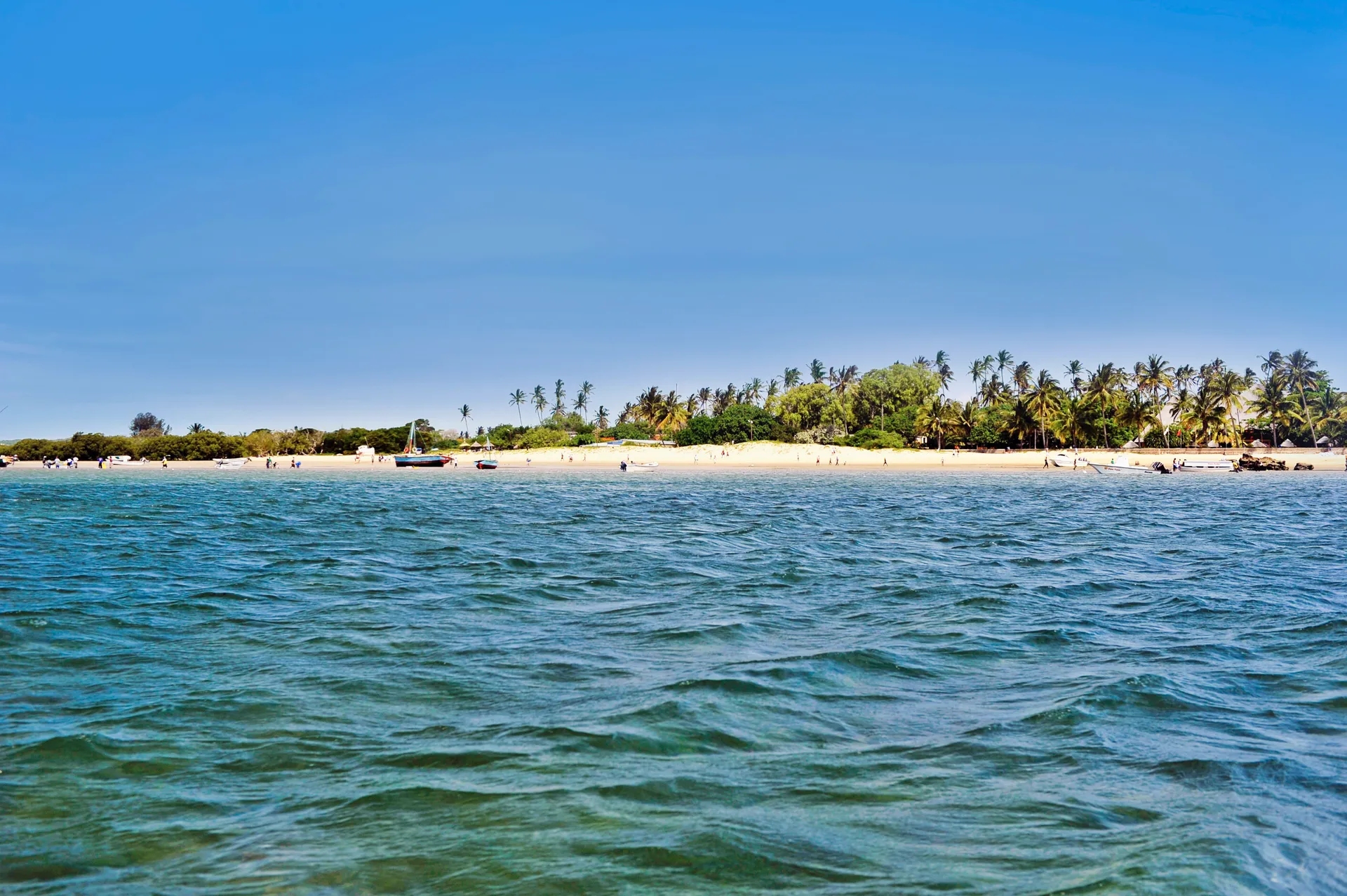
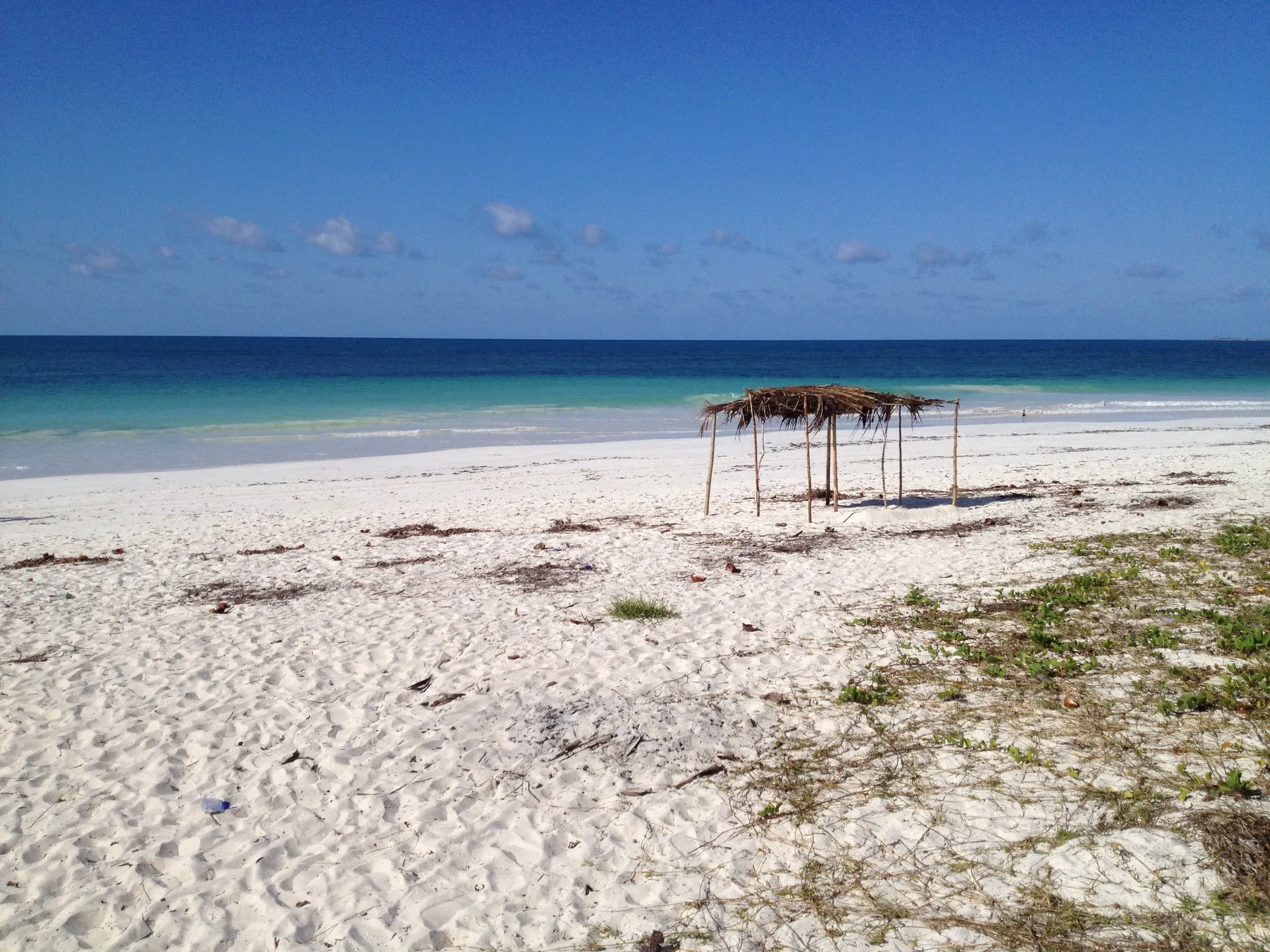
Nằm giữa bờ biển châu Phi và Ấn Độ Dương, Đảo Bồ Đào Nha là một hòn đảo nhỏ, không có người ở: một trong những điểm đến quyến rũ của chuyến du lịch MSC đến Nam Phi. Hòn đảo này tọa lạc ở rìa ngoài của Vịnh Maputo, nơi có thủ đô của Mozambique, dưới sự che chở của Đảo Inhaca, địa điểm được chọn cho một số khu nghỉ dưỡng sang trọng nhất của toàn bộ lục địa. Trong kỳ nghỉ của bạn, hãy dành chút thời gian giữa những lần ngâm mình trong làn nước ấm áp, trong vắt của đại dương để dạo quanh hòn đảo này. Nó dài sáu kilômét, khoảng một giờ đi bộ trên cát mềm mại vuốt ve lòng bàn chân bạn (trong những giờ cao điểm của ngày, tốt nhất là nên mang dép xỏ ngón vì cát trở nên rất nóng), chỉ có màu xanh của nước và màu xanh của thảm thực vật thấp làm bạn đồng hành.
Tính cách của Đảo Bồ Đào Nha, Mozambique hiện lên qua những ấn tượng cảm quan tích lũy với tốc độ đáng kinh ngạc. Ánh sáng nơi đây mang một chất lượng không nơi nào có được—vàng rực, ấm áp, và có khả năng biến những cảnh vật bình thường thành những tác phẩm như được vẽ hơn là chụp ảnh. Âm thanh của cuộc sống địa phương—nhịp điệu của âm nhạc, những cuộc trò chuyện đa ngôn ngữ diễn ra với những cử chỉ sinh động, tiếng gọi của những chú chim kỳ lạ—tạo nên một bức tranh âm thanh phong phú vô cùng. Các chợ, luôn là gương phản chiếu chân thực nhất về tính cách của một cộng đồng, tràn ngập hàng hóa thủ công, sản phẩm nhiệt đới, và năng lượng xã hội sôi động khiến mỗi giao dịch trở thành một sự trao đổi không chỉ về hàng hóa và tiền tệ.
Các truyền thống ẩm thực phản ánh cả sự phong phú của cảnh quan châu Phi và sự khéo léo của các cộng đồng đã biến những nguyên liệu địa phương thành những món ăn mang chiều sâu đáng kinh ngạc. Hải sản tươi sống dọc bờ biển, các món hầm đậm đà ở nội địa, trái cây nhiệt đới ngọt ngào mãnh liệt, và sự kết hợp gia vị nói lên hàng thế kỷ kết nối thương mại qua các đại dương Ấn Độ và Đại Tây Dương—thức ăn nơi đây kể câu chuyện về giao điểm văn hóa của châu Phi với từng miếng ăn. Bữa ăn là những dịp xã hội, và sự hào phóng của lòng hiếu khách địa phương đảm bảo rằng du khách không chỉ ăn ngon mà còn ghi nhớ mãi.
Các điểm đến lân cận như Đảo Bazaruto, Đảo Mozambique, Mozambique và Khu bảo tồn Quốc gia Pomene mang đến những trải nghiệm phong phú cho những ai có lịch trình cho phép khám phá thêm. Bên ngoài cảng, cảnh quan châu Phi hiện ra với những kịch tính ngày càng tăng. Những cuộc gặp gỡ với động vật hoang dã—dù là những chuyến safari được tổ chức hay chỉ đơn giản là phép màu của việc phát hiện các loài động vật kỳ lạ từ ban công khách sạn—đem lại cảm giác hồi hộp nguyên thủy mà không công nghệ nào có thể tái tạo. Những ngôi làng truyền thống mang đến sự trao đổi văn hóa chân thực, những cuộc đi bộ giữa thiên nhiên qua các hệ sinh thái đa dạng tiết lộ những kỳ quan thực vật và động vật, và quy mô rộng lớn của bầu trời châu Phi, đặc biệt là vào lúc hoàng hôn, tạo ra những khoảnh khắc đẹp đẽ gần như vượt lên trên mọi điều.
Điểm khác biệt của Đảo Bồ Đào Nha, Mozambique so với các cảng tương tự chính là sự đặc trưng trong sức hấp dẫn của nó. Những nỗ lực nhẹ nhàng sẽ được đền đáp bằng những quầy hàng phục vụ đồ uống tươi mát và ẩm thực địa phương. Nếu bạn yêu thích rượu rum, hãy thử Tipo Tinto, được chưng cất từ mía địa phương. Ngoài ra, không thiếu các hoạt động trên bãi biển: bên cạnh tất cả các dịch vụ dành cho những ai chỉ muốn nằm phơi nắng một cách yên tĩnh, như ô dù, ghế dài và giường tắm nắng, còn có thiết bị để chơi bóng chuyền bãi biển và quần vợt bãi biển. Những chi tiết này, thường bị bỏ qua trong các khảo sát rộng rãi về khu vực, tạo nên kết cấu chân thực của một điểm đến chỉ tiết lộ bản sắc thực sự của nó cho những ai dành thời gian để quan sát kỹ lưỡng và tương tác trực tiếp với những gì làm cho nơi này trở nên không thể thay thế.
MSC Cruises đưa điểm đến này vào những hành trình được chọn lọc kỹ lưỡng, mang đến cho những du khách tinh tế cơ hội trải nghiệm nét độc đáo của nơi đây. Thời điểm lý tưởng để thăm quan thường rơi vào khoảng từ tháng 11 đến tháng 3, trong mùa hè của bán cầu nam. Du khách nên mang theo trang phục nhẹ nhàng, màu sắc trung tính cho các chuyến tham quan ngoài trời, ống nhòm chất lượng và một chiếc máy ảnh có khả năng ghi lại cả những cảnh quan rộng lớn lẫn những bức chân dung động vật hoang dã gần gũi. Hãy đến với một trái tim rộng mở và Đảo Bồ Đào Nha, Mozambique sẽ thưởng cho bạn những trải nghiệm lưu giữ trong ký ức suốt cả cuộc đời.
Gallery