澳大利亚
Ningaloo, Western Australia
4 voyages
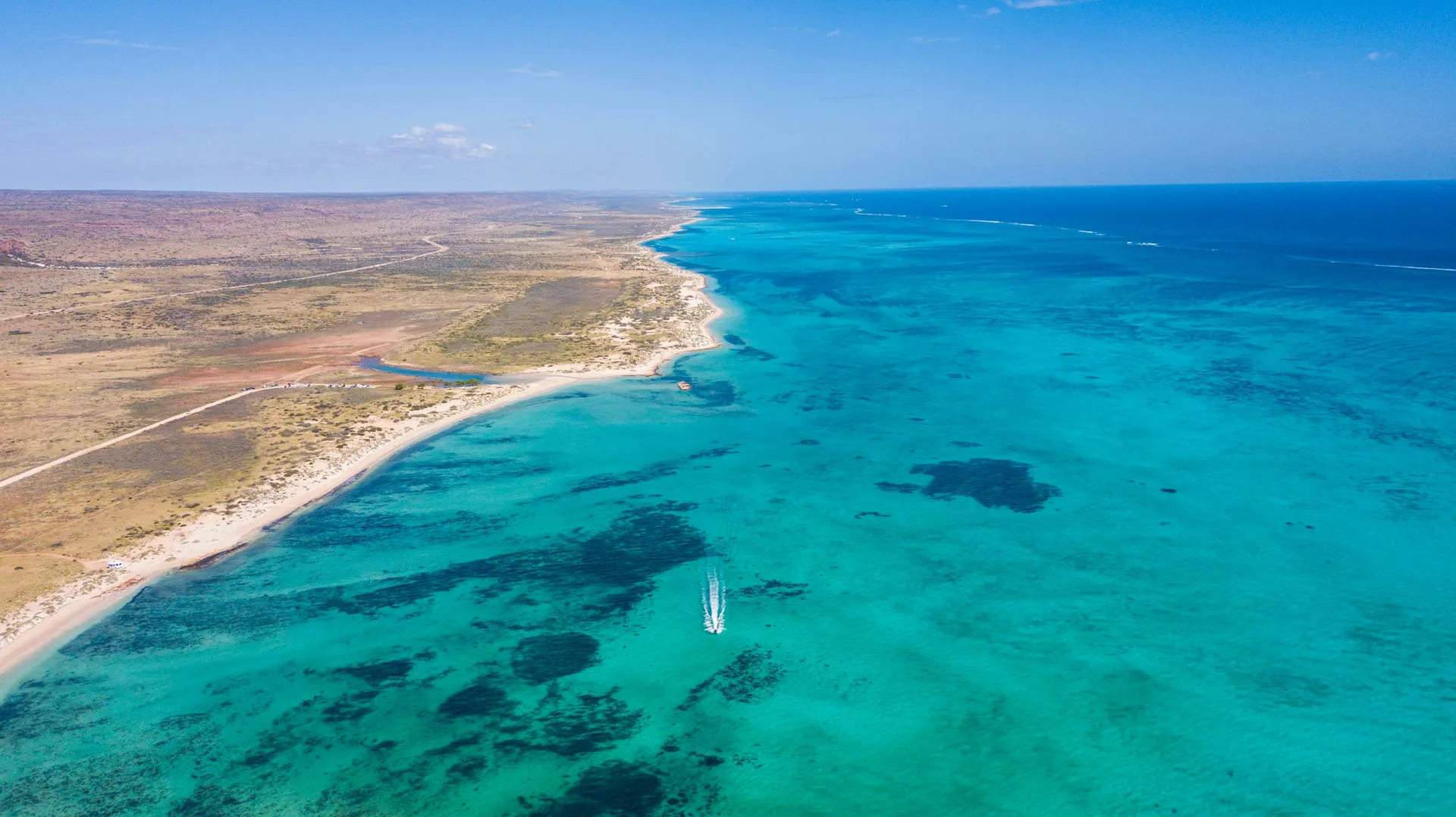
Along the remote northwestern coast of Western Australia, where the red earth of the outback meets the Indian Ocean in a collision of color that seems too vivid to be real, the Ningaloo Reef extends for 260 kilometers as the world's largest fringing coral reef—a natural wonder that remains remarkably uncrowded despite holding UNESCO World Heritage status since 2011. Unlike the Great Barrier Reef, which lies far offshore and requires boat access, Ningaloo's coral gardens begin just meters from the beach, making it the only place on earth where a major reef system can be reached by simply walking into the water from shore.
The character of Ningaloo is defined by the extraordinary accessibility of its marine encounters. Between March and July each year, whale sharks—the world's largest fish, reaching lengths of twelve meters or more—gather along the reef to feed on the coral spawn and plankton that blooms in these warm waters. Swimming alongside a whale shark—its spotted skin passing at arm's length, its cavernous mouth filtering the water with gentle efficiency—ranks among the planet's most transformative wildlife experiences, available here with a reliability and intimacy unmatched anywhere else. The encounters are managed through a strictly regulated licensing system that limits the number of swimmers and enforces respectful distances.
Beyond whale sharks, Ningaloo's waters support a concentration of marine megafauna that makes every day on the reef a potential highlight. Manta rays—aggregating in groups of twenty or more during the coral spawning season—perform their looping feeding dances over the cleaning stations where small fish rid them of parasites. Humpback whales pass through between June and November on their annual migration, and a recently permitted swim-with-humpbacks program has added another dimension to the Ningaloo experience. Dugongs graze the seagrass beds in the shallows, loggerhead and green turtles nest on the beaches between November and March, and the reef itself supports over 300 species of coral and 500 species of fish in waters of extraordinary clarity.
The terrestrial environment of the Cape Range peninsula that backs Ningaloo reef adds another layer to the experience. The Cape Range National Park protects a landscape of dramatic limestone gorges—some descending to spring-fed pools of startling blue—through red-rock terrain inhabited by wallaroos, emus, and the elusive black-footed rock wallaby. The gorges of Mandu Mandu, Yardie Creek, and Turquoise Bay offer short hikes that combine geological spectacle with guaranteed solitude. At night, the lack of light pollution produces stargazing of exceptional quality, while the coast itself glows with bioluminescence during certain seasonal conditions.
Ningaloo is reached via Learmonth Airport near Exmouth, served by flights from Perth (approximately two and a half hours). The town of Exmouth provides accommodation ranging from camping to luxury eco-resorts, while the smaller settlement of Coral Bay offers a more intimate base further south along the reef. The whale shark season runs from March through July, with April and May generally offering the best conditions. The warmest swimming weather extends from October through May, and the reef is accessible year-round. A rental car is essential for exploring the Cape Range and accessing the more remote beach entry points along the reef.