Divided by the Danube into hilly Buda on the west bank and flat Pest on the east, Budapest was forged from three separate cities in 1873 — though its story stretches back to the Roman settlement of Aquincum, whose amphitheatre ruins still dot the northern suburbs. The Ottomans left thermal baths; the Habsburgs bequeathed Baroque palaces and the grand Andrássy Avenue; and the twentieth century contributed layers of poignant history that the city wears with equal parts gravity and defiance.
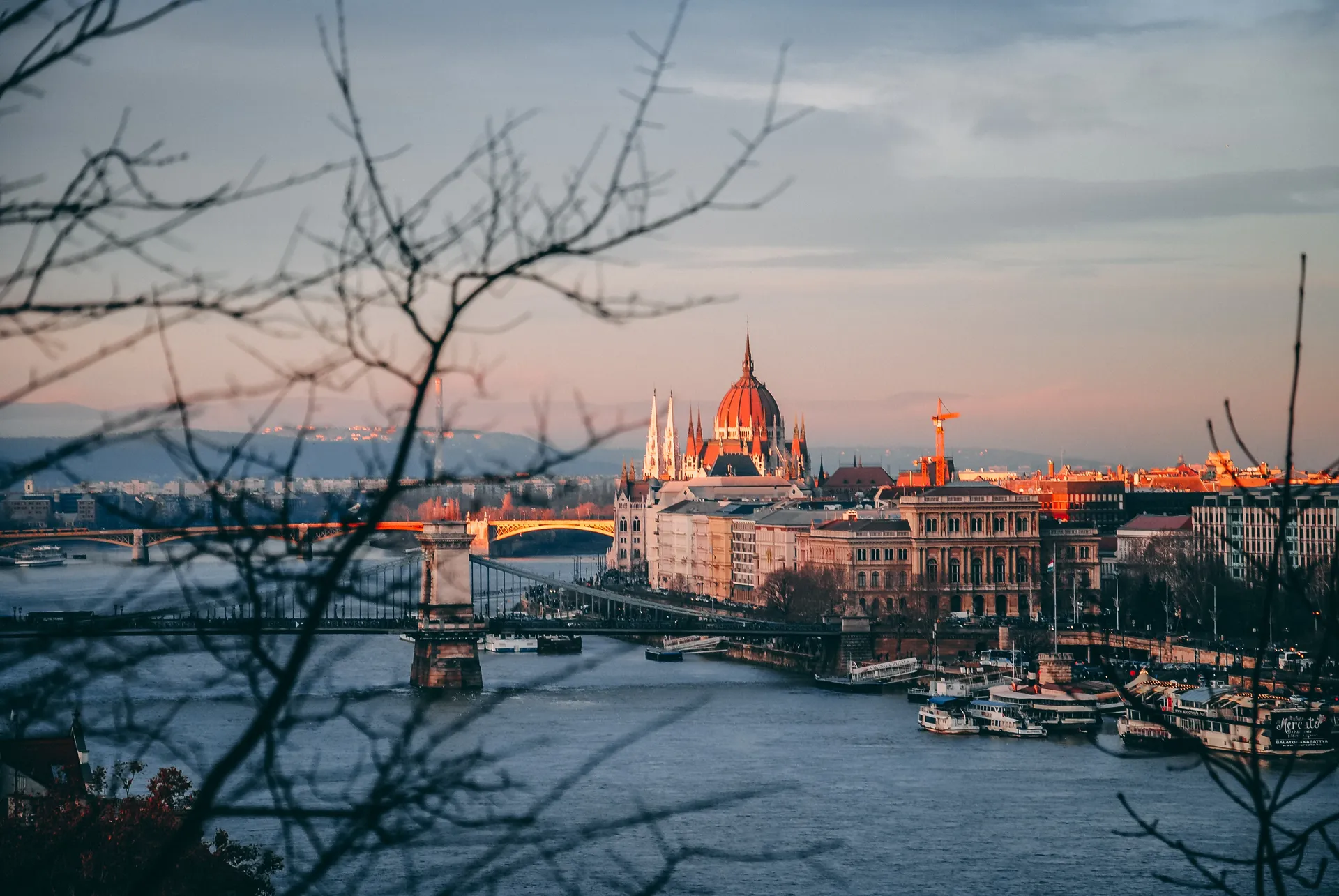
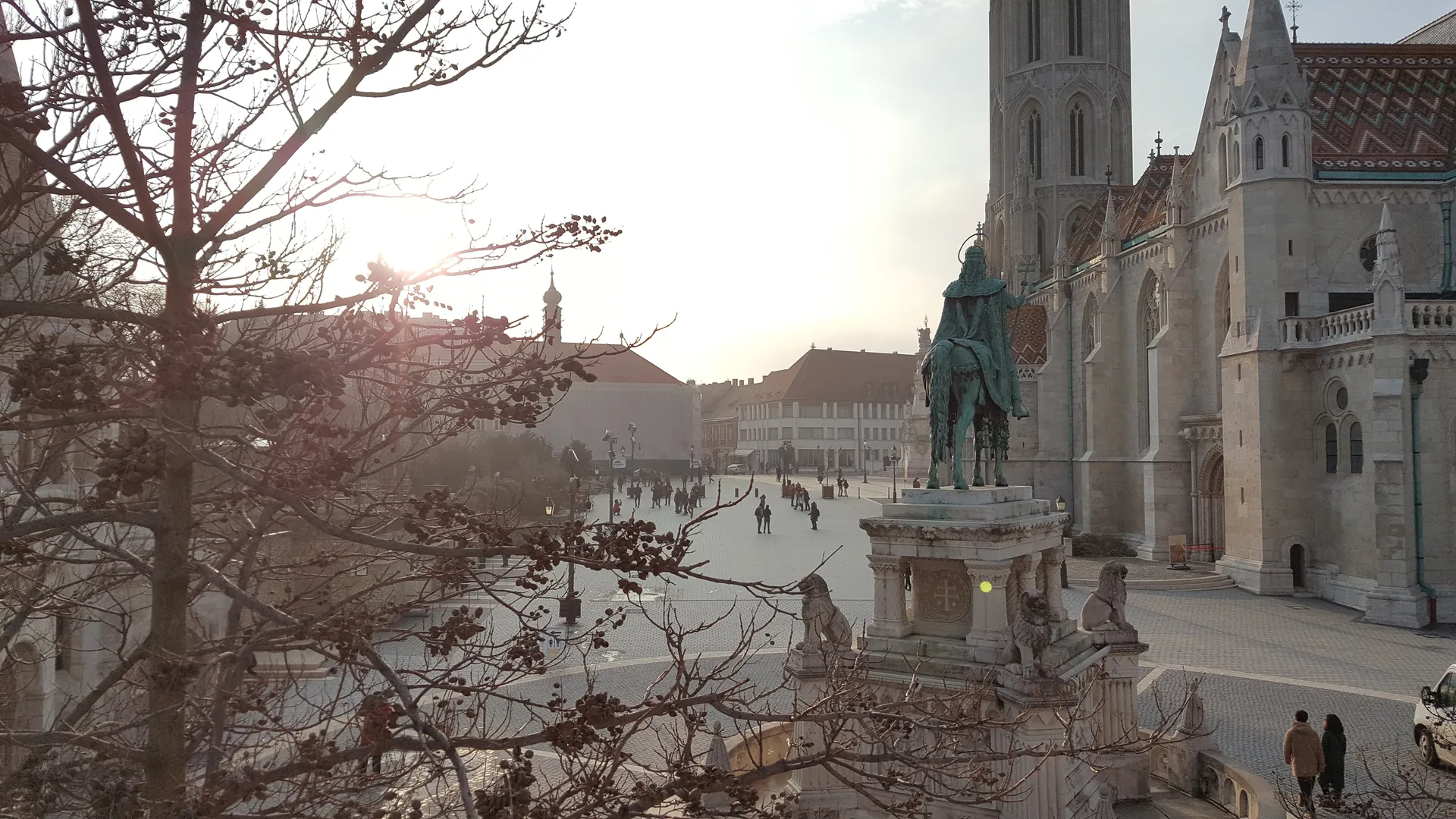
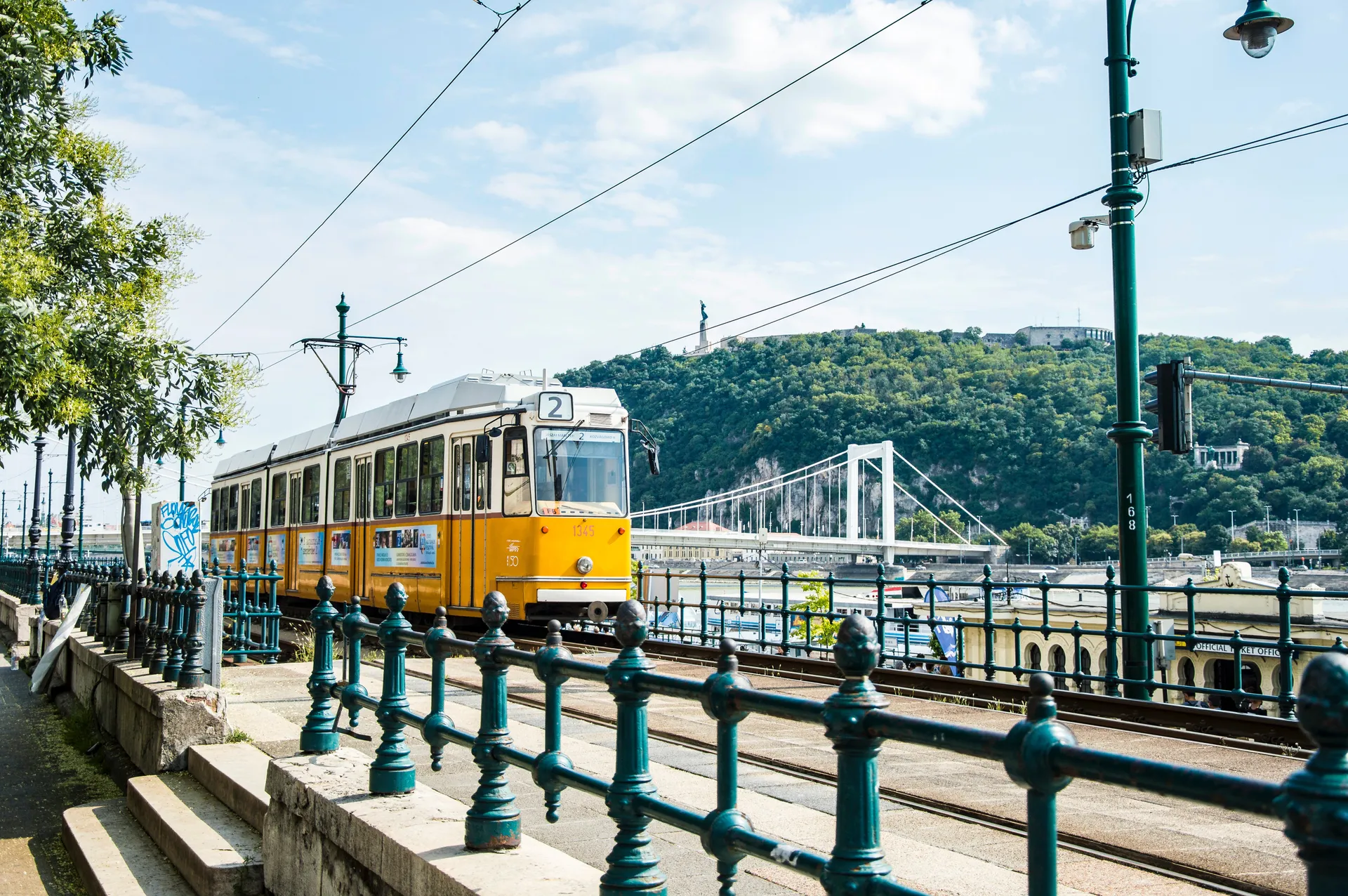
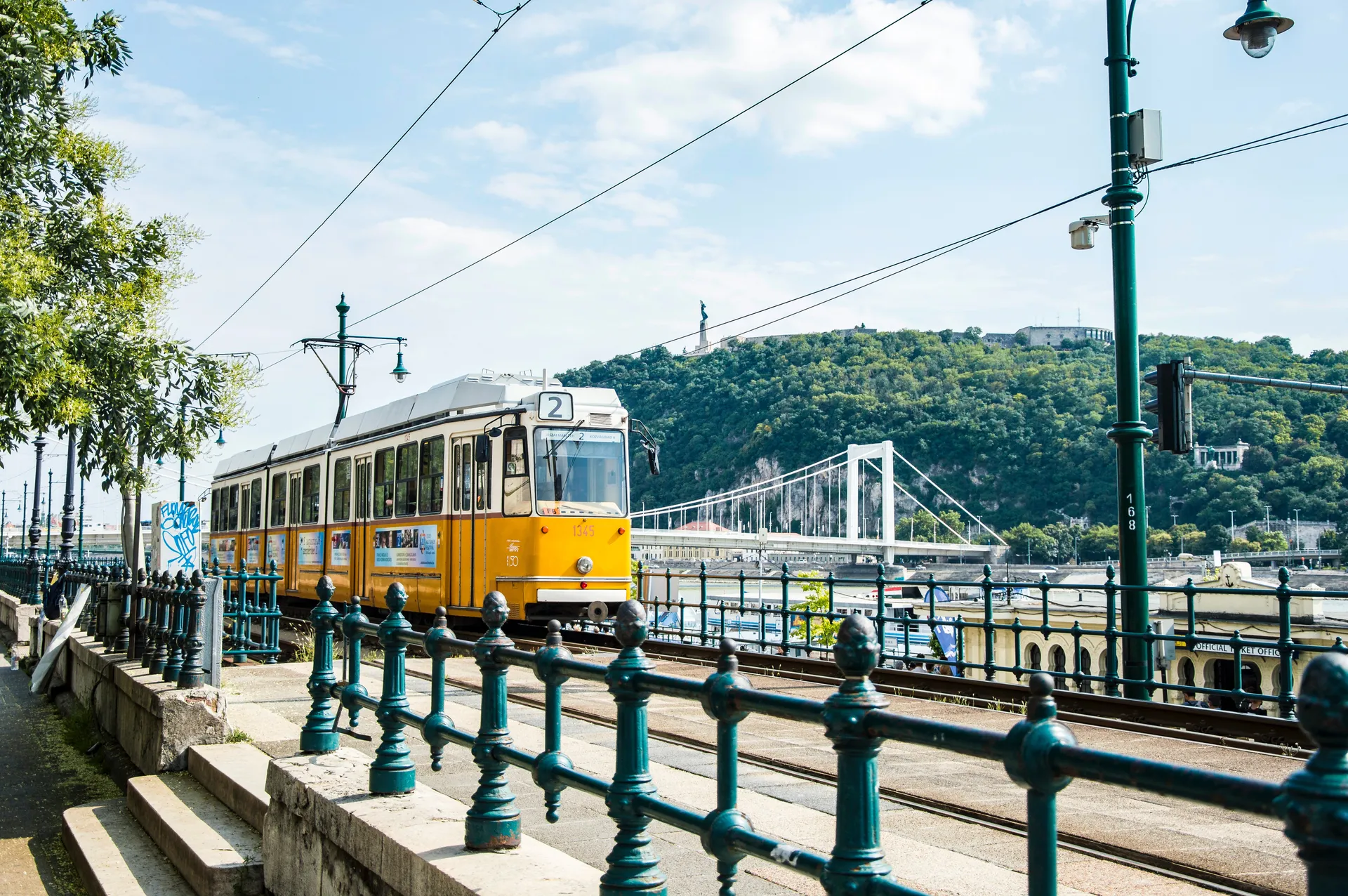
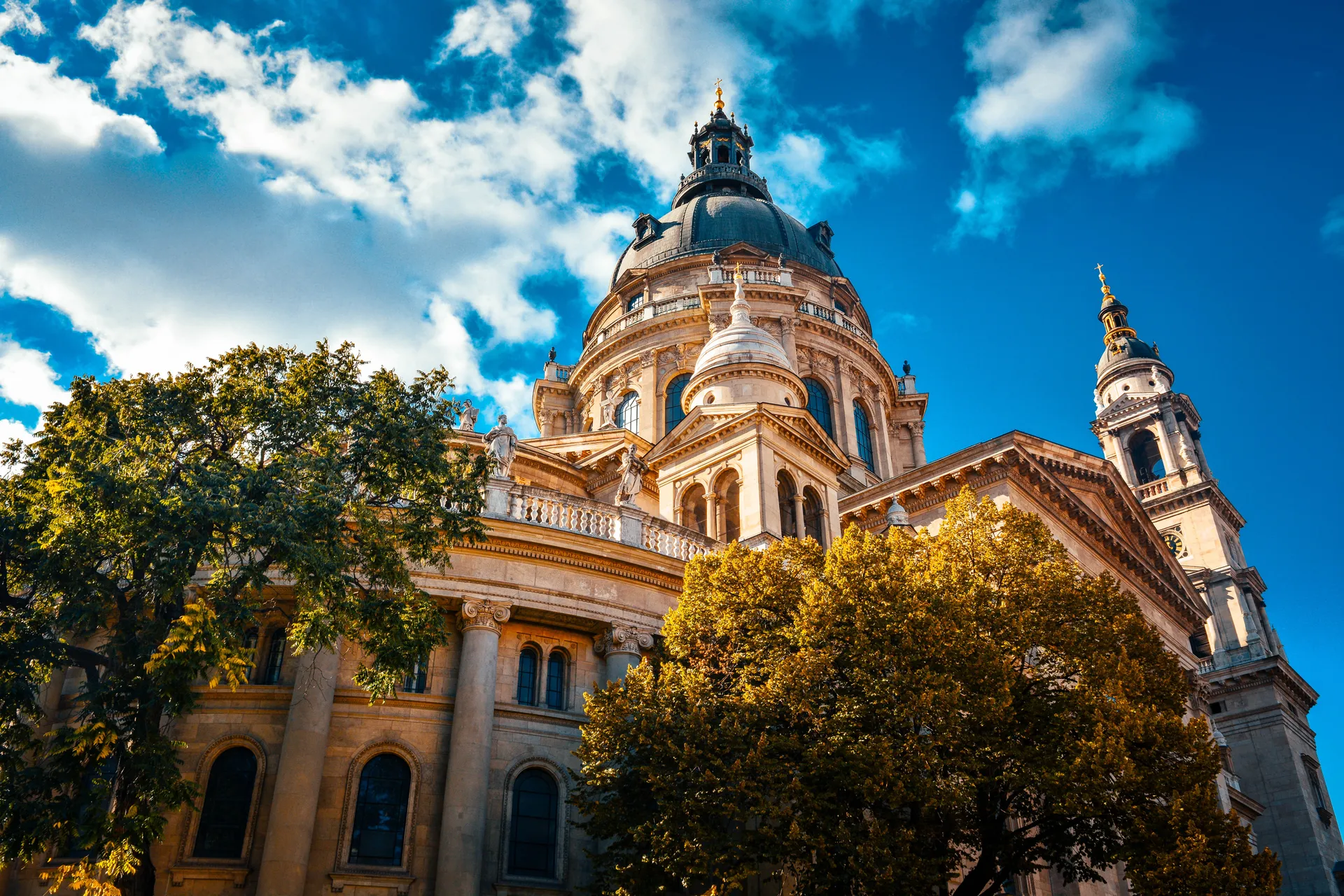
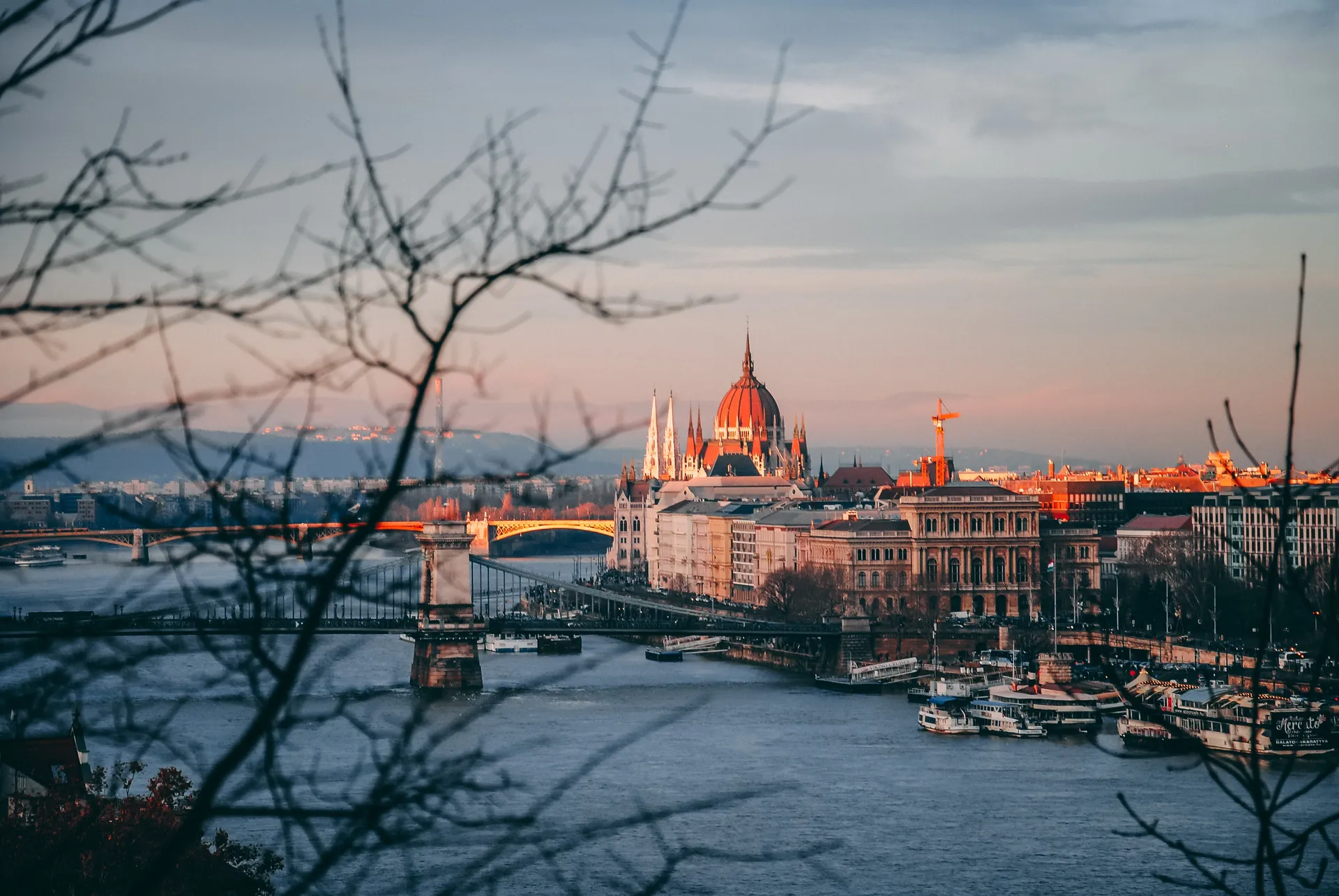
Few European capitals deliver the kind of theatrical first impression that Budapest manages from every angle. The neo-Gothic Parliament, its 691 rooms reflected in the Danube, anchors the Pest embankment, while across the river Buda Castle crowns a limestone bluff with views that sweep from the Citadella to the green dome of the basilica. The Széchenyi Chain Bridge, inaugurated in 1849, connects the two halves with an elegance that feels cinematic after dark. Below the Castle District, a network of caves and medieval cellars hints at a city built upon hidden layers.
Budapest's thermal bathing culture is not mere tourism — it is civic religion. The Széchenyi Baths, one of Europe's largest, spread across neo-Baroque halls where chess-playing regulars sit chest-deep in steaming sulphuric water. For something more intimate, the Art Nouveau Gellért Baths offer mosaic-lined pools beneath stained-glass ceilings. Beyond the baths, the Great Market Hall on Fővám tér is a cathedral of paprika, foie gras, and lángos — deep-fried dough slathered in sour cream and cheese. Goulash here is not a stew but a proper soup, best savoured in a traditional csárda alongside cold Tokaji wine.
Margaret Island, a green oasis midstream in the Danube, provides a welcome retreat for walking and cycling, just minutes from the city centre. The Danube Bend — where the river makes a dramatic turn at Visegrád — lies an hour north and rewards visitors with a hilltop citadel and the charming artist colony of Szentendre. Eger, famous for its baroque old town and the Bull's Blood red wine blend, is under two hours east by train.
Budapest is the undisputed queen of Danube river cruising, visited by A-ROSA, AmaWaterways, APT Cruising, Avalon Waterways, Celebrity Cruises, CroisiEurope, Emerald Cruises, Holland America Line, Riviera Travel, Scenic River Cruises, Tauck, Uniworld River Cruises, Viking, and VIVA Cruises. It frequently serves as either the start or end point for itineraries stretching to Passau, Vienna, or the Black Sea. Late spring and early autumn bring warm days and manageable crowds, though the Christmas markets of December transform the city into a fairytale of mulled wine and twinkling lights.