Hapag-Lloyd CruisesINS2809
St Lawrence River And Great Lakes: Where Every Lock Reveals The Soul Of North America
Date
2028-05-23
Duration
19 nights
Departure Port
Halifax
Canada
Arrival Port
Milwaukee
United States
Rating
Expedition
Theme
—
Date
2028-05-23
Duration
19 nights
Departure Port
Halifax
Canada
Arrival Port
Milwaukee
United States
Rating
Expedition
Theme
—
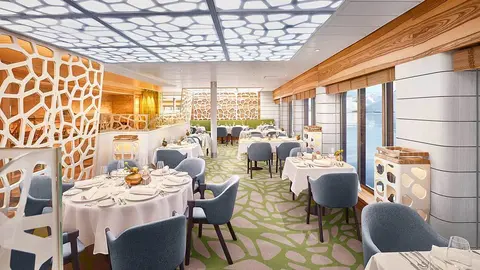
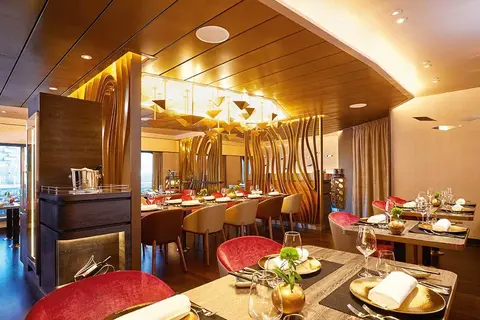
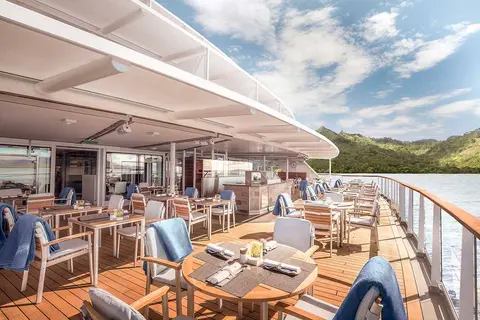
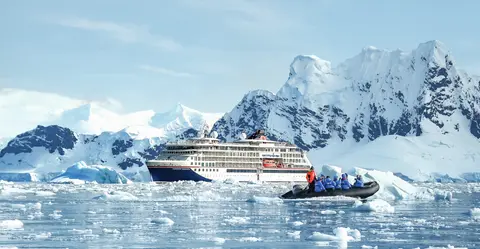
Hapag-Lloyd Cruises
Ice
2019
—
15,650 GT
—
120
175
452 m
22 m
16 knots
No
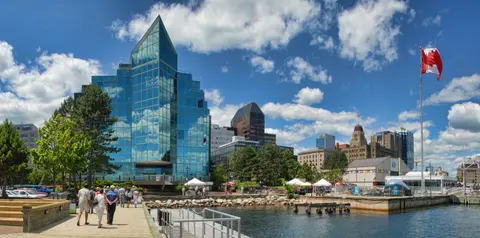
Halifax, the historic capital of Nova Scotia, is a refined Atlantic port where centuries of maritime heritage meet a flourishing culinary scene anchored by Digby scallops, donairs, and one of North America's oldest farmers' markets. Visitors should not miss the star-shaped Citadel Hill and the harbourfront boardwalk's constellation of galleries and tasting rooms. The ideal season stretches from late June through October, when autumn's blazing foliage transforms the entire province into a masterwork of colour and the cruise terminal welcomes the world's finest vessels.
Prince Edward Island is Canada's smallest province, a pastoral crescent of red-soil farmland, pristine beaches, and the birthplace of Anne of Green Gables. Must-dos include an island lobster supper, tasting Malpeque oysters, and cycling the 470-kilometer Confederation Trail through farmland and coastline. Summer (June–September) is prime season, with warm Gulf waters, lobster suppers in full swing, and the September Fall Flavours Festival celebrating the harvest.
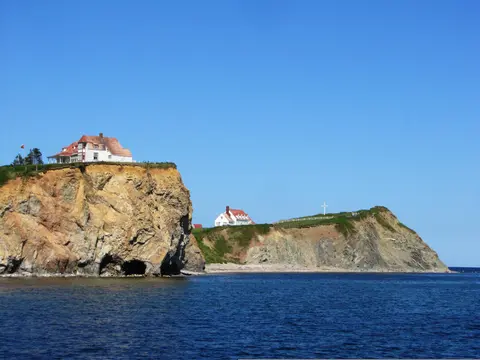
Gaspe, Canada, offers an authentic North American experience where stunning natural landscapes meet communities of genuine character. Visitors should explore the surrounding wilderness and sample the honest, locally sourced cuisine that defines the region. The ideal visiting period is May through October, when the climate is at its most welcoming for outdoor exploration. Cruise lines including Seabourn feature this port on their most compelling itineraries. Whether you have a few hours or a full day, the port rewards exploration at every pace and in every direction.
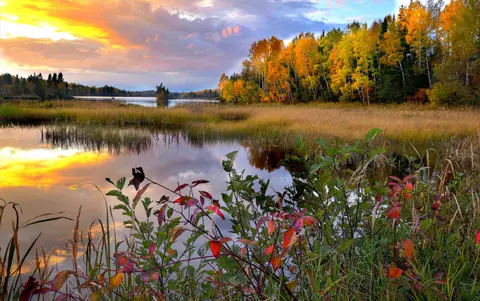
Havre-Saint-Pierre, Quebec, Canada is a distinctive port city where deep cultural heritage meets authentic local atmosphere, featured on itineraries by Silversea. Must-do experiences include walking the historic center to experience the layered architectural heritage, and seeking out the regional culinary traditions at a locally favored establishment away from the port area. The optimal time to visit is June through August, when summer months bring the warmest temperatures and longest days.
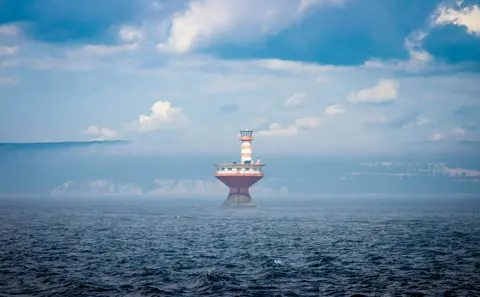
Tadoussac is a historic village at the mouth of Canada's Saguenay Fjord, where cold river waters meeting the St. Lawrence create one of the world's premier whale-watching destinations with up to 13 species including belugas, fin whales, and occasional blue whales. Must-dos include a Zodiac whale-watching excursion, kayaking the dramatic Saguenay Fjord, and visiting North America's oldest wooden church. Visit August or September for peak whale diversity and autumn foliage.
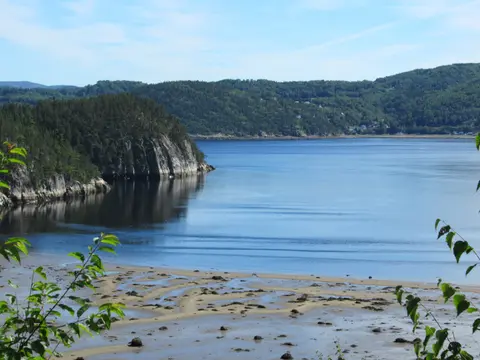
The Saguenay is a glacially carved fjord of Norwegian grandeur hidden in Quebec, where three-hundred-meter cliffs plunge into waters hosting the world's southernmost beluga whales alongside blue whales, fins, and humpbacks. Visit September through October via Cunard or Azamara for autumn-color fjord transits, world-class whale-watching at Tadoussac, and one of Canada's most spectacular and least-expected natural treasures.
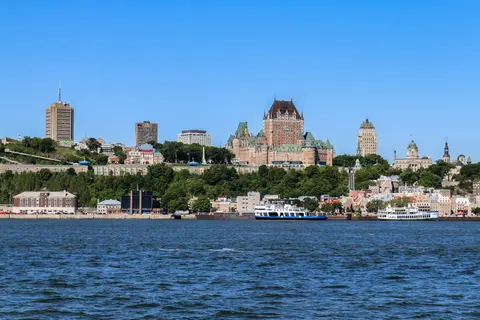
Quebec City is North America's only walled city, a UNESCO treasure where 400 years of French colonial architecture crown a St. Lawrence promontory beneath the iconic Château Frontenac. Visit September through October via Cunard or Seabourn for autumn foliage transforming stone ramparts, elevated Québécois terroir cuisine, and the singular experience of genuine Old World atmosphere on a continent that rarely provides it.
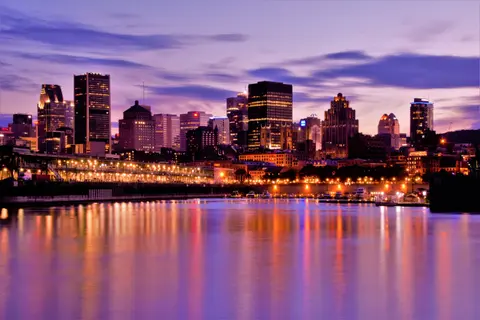
Montreal is the world's second-largest francophone city, set on an island in the St. Lawrence River where French colonial heritage meets North American energy and one of the continent's most exciting food scenes. Must-dos include visiting the stunning Basilique Notre-Dame, eating smoked meat at Schwartz's and bagels at St-Viateur, and exploring the Plateau's bohemian streets. June through September offers peak festival season, including the world's largest jazz festival.
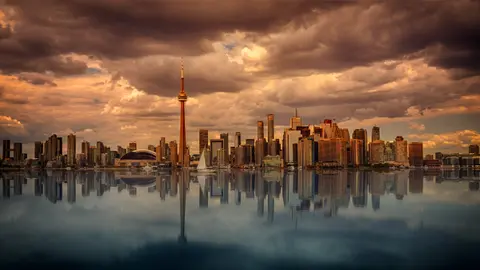
Toronto is Canada's most multicultural metropolis, where over 200 languages, the ROM's Libeskind crystal, Frank Gehry's AGO redesign, and neighborhoods spanning every cuisine on Earth create one of North America's most rewarding and underestimated cities. Visit September via Viking for the Toronto International Film Festival, waterfront island escapes, and the revelation that Canada's financial capital harbors cultural diversity rivaling any city on the continent.
Windsor, Canada, offers an authentic North American experience where stunning natural landscapes meet communities of genuine character. Visitors should explore the surrounding wilderness and sample the honest, locally sourced cuisine that defines the region. The ideal visiting period is May through October, when the climate is at its most welcoming for outdoor exploration. Cruise lines including Viking feature this port on their most compelling itineraries. Whether you have a few hours or a full day, the port rewards exploration at every pace and in every direction.
Tobermory sits at the tip of Ontario's Bruce Peninsula, where impossibly clear waters reveal shipwrecks in Fathom Five National Marine Park — Canada's first underwater preserve. Must-dos include snorkelling the Sweepstakes wreck, hiking to the Grotto's turquoise sea cave, and visiting Flowerpot Island's iconic rock formations. The best season runs from June through September, when warm weather unlocks diving, glass-bottom boat tours, and the full glory of the Bruce Trail.
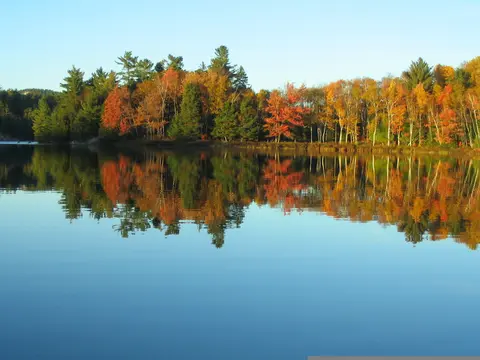
Killarney sits on Georgian Bay's northern shore where the white quartzite La Cloche Mountains inspired Group of Seven masterpieces, leading to the creation of one of Ontario's finest provincial parks. Must-dos include hiking the Crack for panoramic views, paddling turquoise backcountry lakes, and eating legendary fish and chips at Herbert Fisheries. Visit September for ideal conditions — warm days, autumn colour, and clear skies over the 50-plus crystal-clear lakes of this Canadian Shield wilderness.
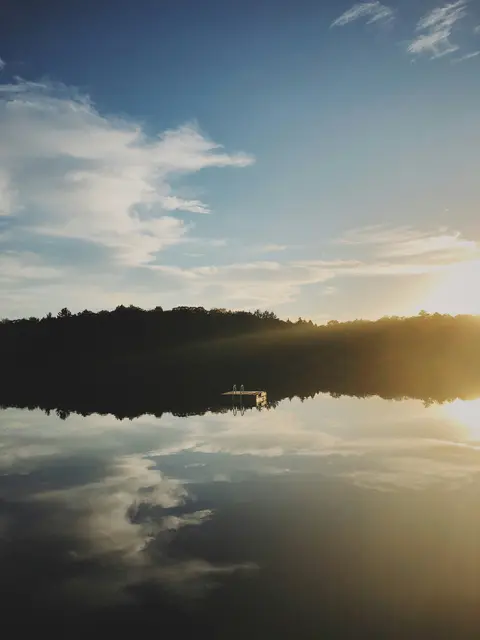
Parry Sound, Canada, offers an authentic North American experience where stunning natural landscapes meet communities of genuine character. Visitors should explore the surrounding wilderness and sample the honest, locally sourced cuisine that defines the region. The ideal visiting period is May through October, when the climate is at its most welcoming for outdoor exploration. Cruise lines including Hapag-Lloyd Cruises feature this port on their most compelling itineraries. Whether you have a few hours or a full day, the port rewards exploration at every pace and in every direction.
Sault Ste. Marie sits at the famous Soo Locks, where massive Great Lakes freighters are lifted between Lake Superior and Lake Huron—handling more tonnage annually than the Panama and Suez canals combined. Must-dos include watching the 1,000-foot ships pass through the locks, tasting a traditional Upper Peninsula pasty, and visiting Tahquamenon Falls State Park. June–September offers the busiest shipping traffic and best weather, while autumn brings spectacular northern Michigan foliage.
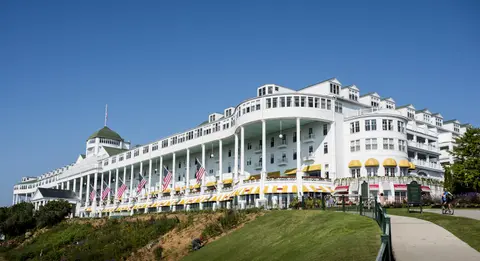
Mackinac Island is a car-free Victorian treasure in Michigan's Lake Huron, where horse-drawn carriages, the iconic Grand Hotel, and century-old fudge shops preserve an atmosphere of unhurried elegance. Visitors should not miss a carriage tour past Arch Rock and Fort Mackinac, followed by planked whitefish at a harborside tavern. The island is most enchanting from mid-June through September, when the Lilac Festival gives way to warm summer days perfect for cycling the eight-mile shoreline loop.
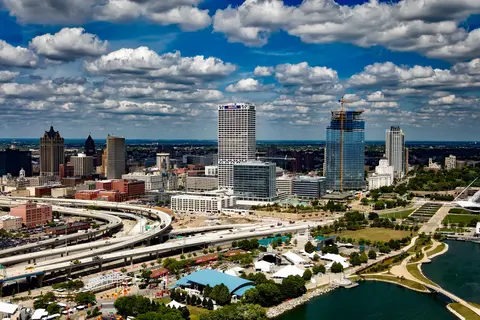
Milwaukee is America's brewing capital reinvented, where German heritage, a world-class art museum with Calatrava wings, and the world's largest music festival anchor a lakefront city of genuine warmth and surprising sophistication. Must-do experiences include the Milwaukee Art Museum, a Friday fish fry, the Harley-Davidson Museum, and craft brewery hopping. June through September is prime, with Summerfest in late June/July being the annual cultural peak.
Day 1
Halifax, the historic capital of Nova Scotia, is a refined Atlantic port where centuries of maritime heritage meet a flourishing culinary scene anchored by Digby scallops, donairs, and one of North America's oldest farmers' markets. Visitors should not miss the star-shaped Citadel Hill and the harbourfront boardwalk's constellation of galleries and tasting rooms. The ideal season stretches from late June through October, when autumn's blazing foliage transforms the entire province into a masterwork of colour and the cruise terminal welcomes the world's finest vessels.
Day 2
Day 3
Prince Edward Island is Canada's smallest province, a pastoral crescent of red-soil farmland, pristine beaches, and the birthplace of Anne of Green Gables. Must-dos include an island lobster supper, tasting Malpeque oysters, and cycling the 470-kilometer Confederation Trail through farmland and coastline. Summer (June–September) is prime season, with warm Gulf waters, lobster suppers in full swing, and the September Fall Flavours Festival celebrating the harvest.
Day 5
Gaspe, Canada, offers an authentic North American experience where stunning natural landscapes meet communities of genuine character. Visitors should explore the surrounding wilderness and sample the honest, locally sourced cuisine that defines the region. The ideal visiting period is May through October, when the climate is at its most welcoming for outdoor exploration. Cruise lines including Seabourn feature this port on their most compelling itineraries. Whether you have a few hours or a full day, the port rewards exploration at every pace and in every direction.
Day 6
Havre-Saint-Pierre, Quebec, Canada is a distinctive port city where deep cultural heritage meets authentic local atmosphere, featured on itineraries by Silversea. Must-do experiences include walking the historic center to experience the layered architectural heritage, and seeking out the regional culinary traditions at a locally favored establishment away from the port area. The optimal time to visit is June through August, when summer months bring the warmest temperatures and longest days.
Day 7
Tadoussac is a historic village at the mouth of Canada's Saguenay Fjord, where cold river waters meeting the St. Lawrence create one of the world's premier whale-watching destinations with up to 13 species including belugas, fin whales, and occasional blue whales. Must-dos include a Zodiac whale-watching excursion, kayaking the dramatic Saguenay Fjord, and visiting North America's oldest wooden church. Visit August or September for peak whale diversity and autumn foliage.
Day 8
The Saguenay is a glacially carved fjord of Norwegian grandeur hidden in Quebec, where three-hundred-meter cliffs plunge into waters hosting the world's southernmost beluga whales alongside blue whales, fins, and humpbacks. Visit September through October via Cunard or Azamara for autumn-color fjord transits, world-class whale-watching at Tadoussac, and one of Canada's most spectacular and least-expected natural treasures.
Day 9
Quebec City is North America's only walled city, a UNESCO treasure where 400 years of French colonial architecture crown a St. Lawrence promontory beneath the iconic Château Frontenac. Visit September through October via Cunard or Seabourn for autumn foliage transforming stone ramparts, elevated Québécois terroir cuisine, and the singular experience of genuine Old World atmosphere on a continent that rarely provides it.
Day 10
Montreal is the world's second-largest francophone city, set on an island in the St. Lawrence River where French colonial heritage meets North American energy and one of the continent's most exciting food scenes. Must-dos include visiting the stunning Basilique Notre-Dame, eating smoked meat at Schwartz's and bagels at St-Viateur, and exploring the Plateau's bohemian streets. June through September offers peak festival season, including the world's largest jazz festival.
Day 11
Day 12
Toronto is Canada's most multicultural metropolis, where over 200 languages, the ROM's Libeskind crystal, Frank Gehry's AGO redesign, and neighborhoods spanning every cuisine on Earth create one of North America's most rewarding and underestimated cities. Visit September via Viking for the Toronto International Film Festival, waterfront island escapes, and the revelation that Canada's financial capital harbors cultural diversity rivaling any city on the continent.
Day 13
Day 14
Windsor, Canada, offers an authentic North American experience where stunning natural landscapes meet communities of genuine character. Visitors should explore the surrounding wilderness and sample the honest, locally sourced cuisine that defines the region. The ideal visiting period is May through October, when the climate is at its most welcoming for outdoor exploration. Cruise lines including Viking feature this port on their most compelling itineraries. Whether you have a few hours or a full day, the port rewards exploration at every pace and in every direction.
Day 15
Tobermory sits at the tip of Ontario's Bruce Peninsula, where impossibly clear waters reveal shipwrecks in Fathom Five National Marine Park — Canada's first underwater preserve. Must-dos include snorkelling the Sweepstakes wreck, hiking to the Grotto's turquoise sea cave, and visiting Flowerpot Island's iconic rock formations. The best season runs from June through September, when warm weather unlocks diving, glass-bottom boat tours, and the full glory of the Bruce Trail.
Day 16
Killarney sits on Georgian Bay's northern shore where the white quartzite La Cloche Mountains inspired Group of Seven masterpieces, leading to the creation of one of Ontario's finest provincial parks. Must-dos include hiking the Crack for panoramic views, paddling turquoise backcountry lakes, and eating legendary fish and chips at Herbert Fisheries. Visit September for ideal conditions — warm days, autumn colour, and clear skies over the 50-plus crystal-clear lakes of this Canadian Shield wilderness.
Day 17
Parry Sound, Canada, offers an authentic North American experience where stunning natural landscapes meet communities of genuine character. Visitors should explore the surrounding wilderness and sample the honest, locally sourced cuisine that defines the region. The ideal visiting period is May through October, when the climate is at its most welcoming for outdoor exploration. Cruise lines including Hapag-Lloyd Cruises feature this port on their most compelling itineraries. Whether you have a few hours or a full day, the port rewards exploration at every pace and in every direction.
Day 18
Sault Ste. Marie sits at the famous Soo Locks, where massive Great Lakes freighters are lifted between Lake Superior and Lake Huron—handling more tonnage annually than the Panama and Suez canals combined. Must-dos include watching the 1,000-foot ships pass through the locks, tasting a traditional Upper Peninsula pasty, and visiting Tahquamenon Falls State Park. June–September offers the busiest shipping traffic and best weather, while autumn brings spectacular northern Michigan foliage.
Day 19
Mackinac Island is a car-free Victorian treasure in Michigan's Lake Huron, where horse-drawn carriages, the iconic Grand Hotel, and century-old fudge shops preserve an atmosphere of unhurried elegance. Visitors should not miss a carriage tour past Arch Rock and Fort Mackinac, followed by planked whitefish at a harborside tavern. The island is most enchanting from mid-June through September, when the Lilac Festival gives way to warm summer days perfect for cycling the eight-mile shoreline loop.
Day 20
Milwaukee is America's brewing capital reinvented, where German heritage, a world-class art museum with Calatrava wings, and the world's largest music festival anchor a lakefront city of genuine warmth and surprising sophistication. Must-do experiences include the Milwaukee Art Museum, a Friday fish fry, the Harley-Davidson Museum, and craft brewery hopping. June through September is prime, with Summerfest in late June/July being the annual cultural peak.
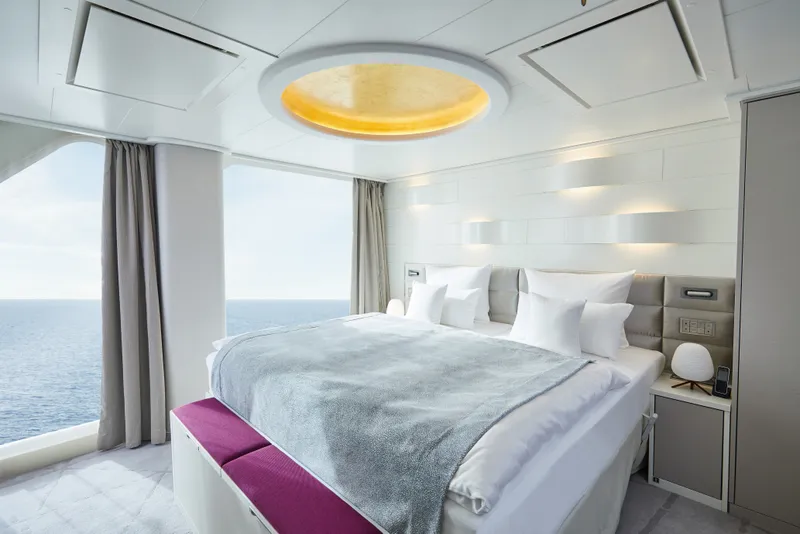
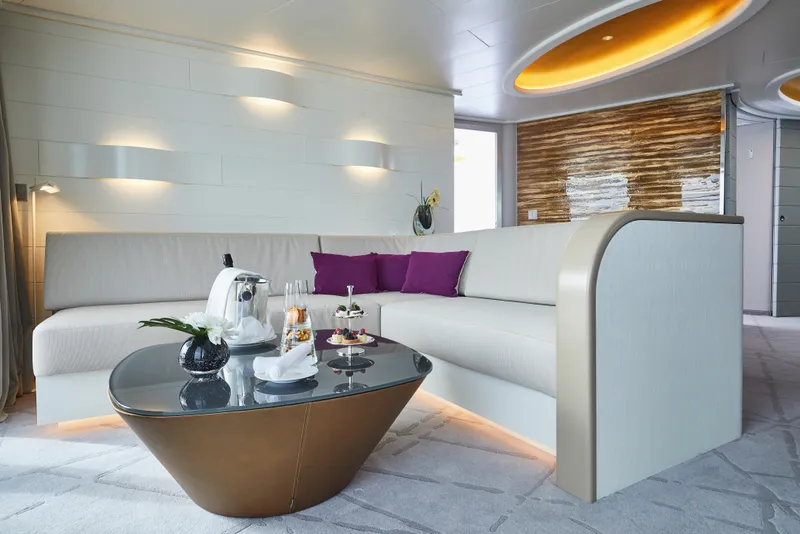
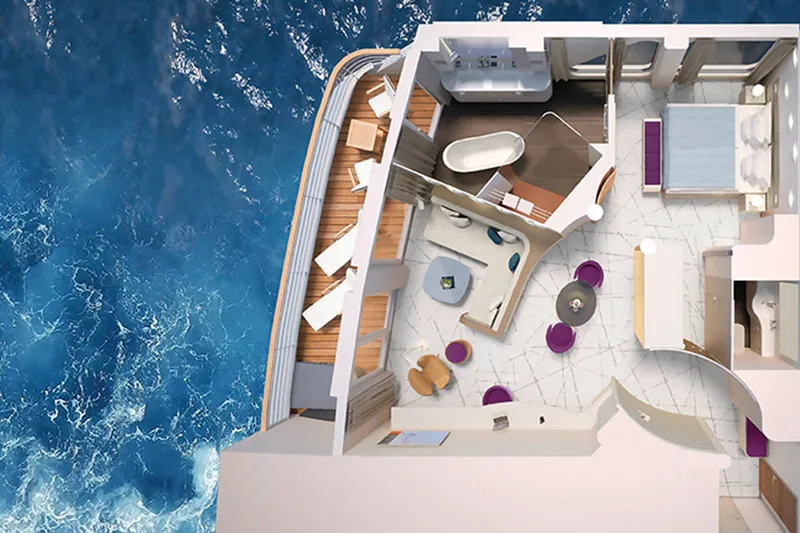
Approx. 71 m²/764 ft² Suites on Deck 6 and 7
Private veranda (approx. 16 m²/172 ft²) with space heaters
Separate living and sleeping areas
Separate dining area
Sleeping area with panoramic view
Separable beds
TV in living and sleeping areas
Daylight bathroom with two sinks, free-standing bath, rain shower and veranda access
Steam sauna in shower area
Heated wall in bathroom
Separate toilet
Free mini bar with a selection of spirits
Coffee machine
24-hour cabin service
Butler service
Fixed table reservation in the main restaurant, if desired
Free choice of Zodiac group
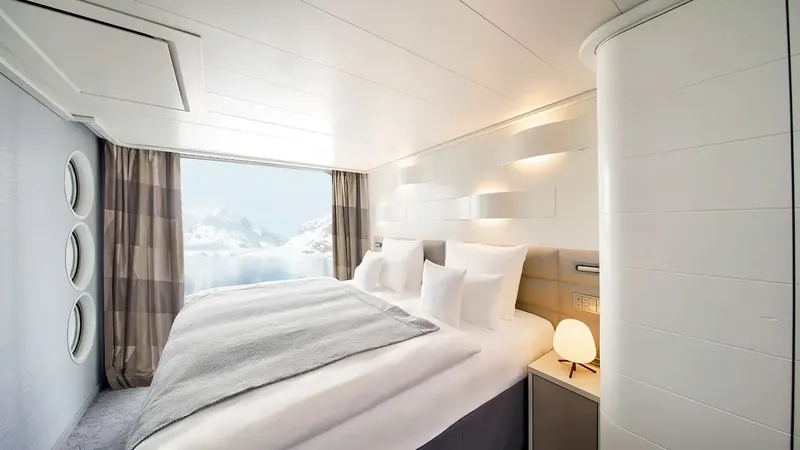
Guarantee Suite
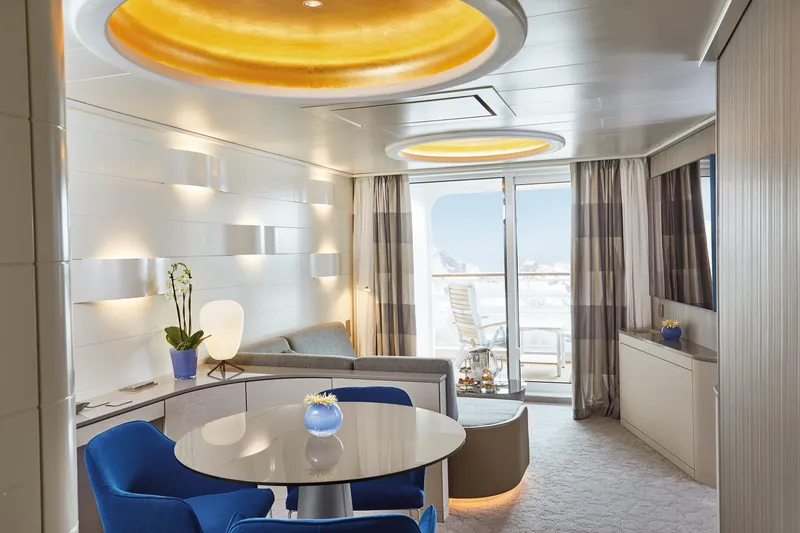
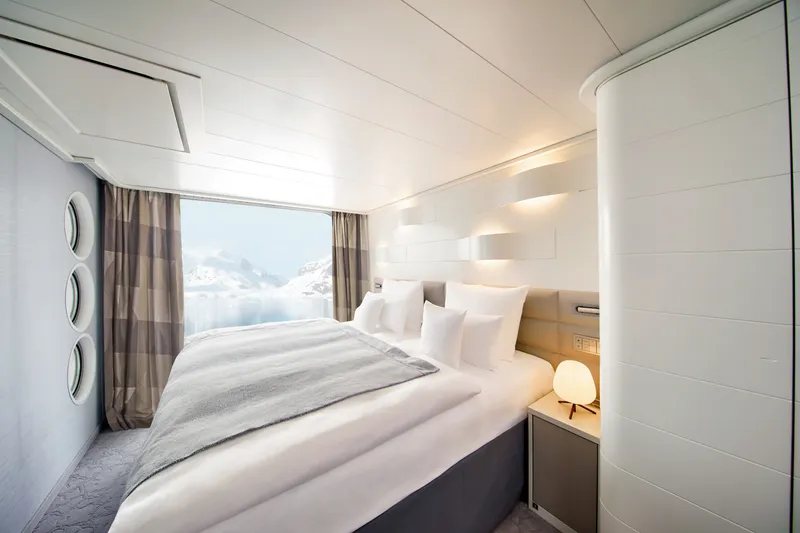
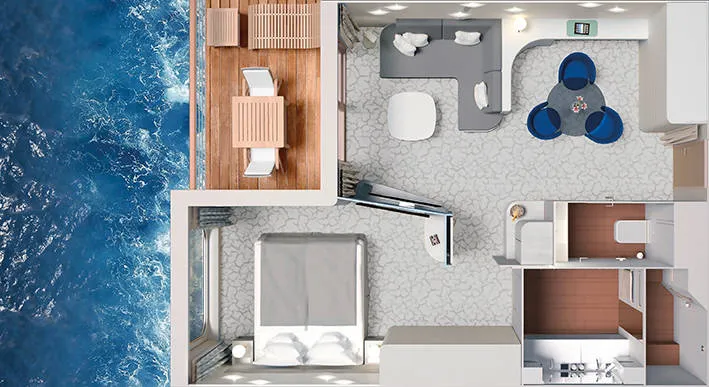
Approx. 42 m²/452 ft² Suites on Deck 6 and 7
Private balcony (approx. 6 m²/65 ft²)
Separate living and sleeping areas
Separate dining area
Sleeping area with panoramic view
Separable beds
TV in living and sleeping areas
Bathroom with two sinks and rain shower
Steam sauna in shower area
Heated wall in bathroom
Free mini bar with a selection of spirits
Coffee machine
24-hour cabin service
Butler service
Fixed table reservation in the main restaurant, if desired
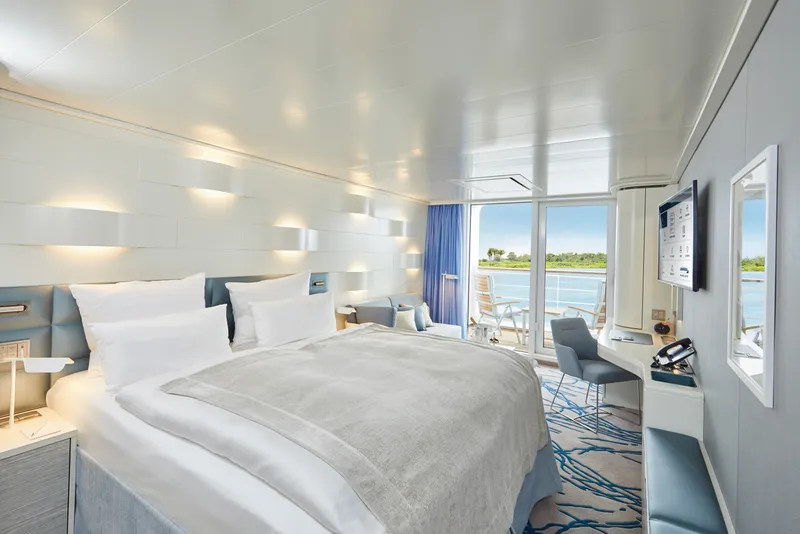
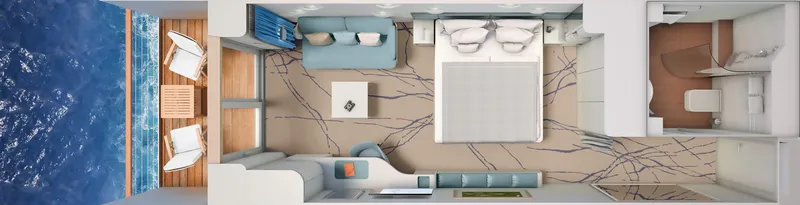
Approx. 27 m²/291 ft² Cabins incl. balcony (approx. 5 m²/54 ft²) on Deck 5, 6 and 7
Heated wall in the bathroom
Rain shower
Free mini bar (soft drinks)
Coffee machine
Separable beds
24-hour cabin service
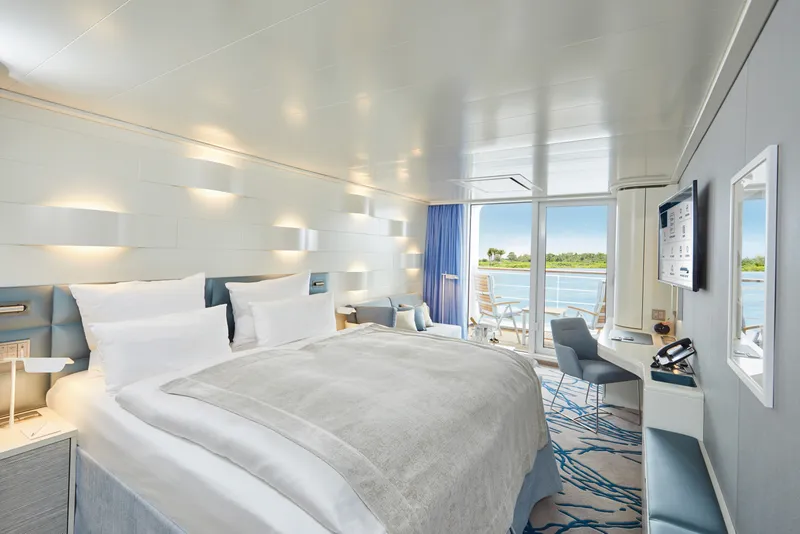
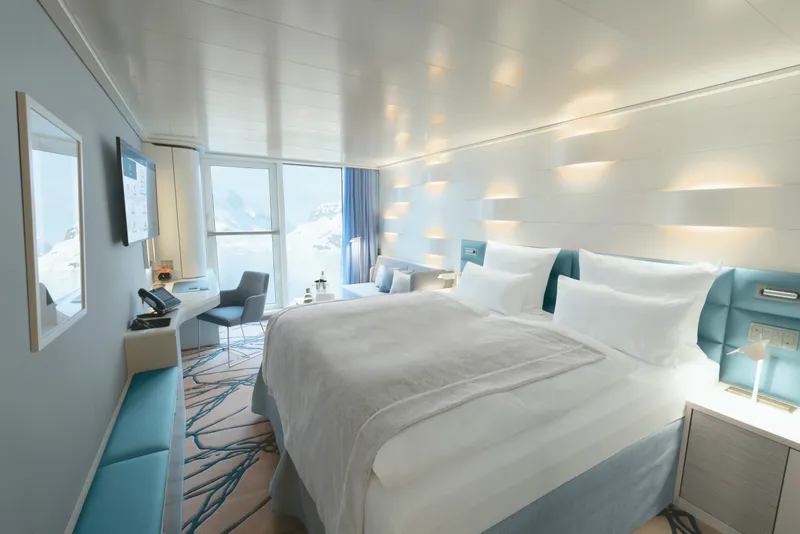
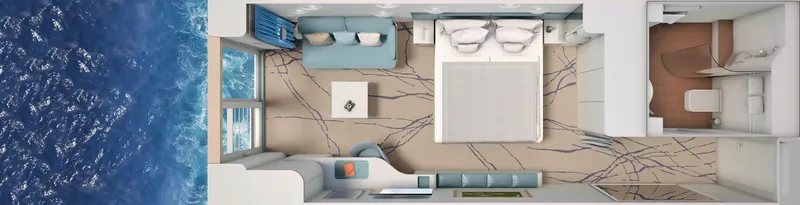
Approx. 21/23 m² (226 ft²/248 ft²) Cabins on Deck 6 and 7
Heated wall in the bathroom
Rain shower
Free mini bar (soft drinks)
Coffee machine
Separable beds
24-hour cabin service
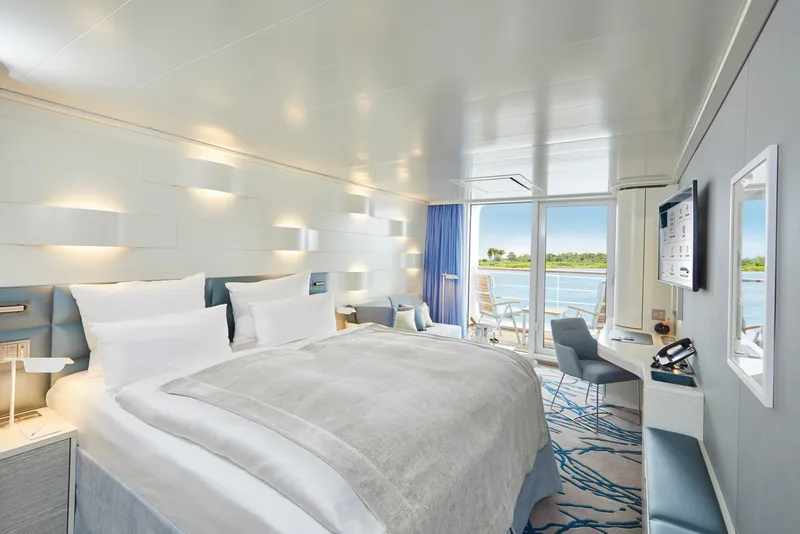
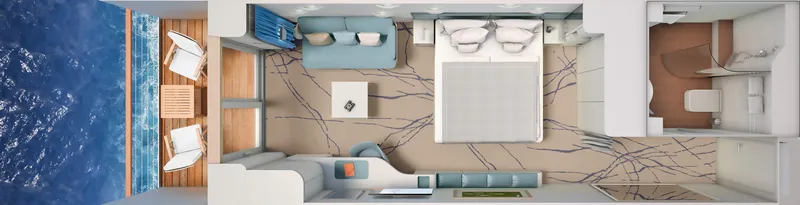
Guarantee Balcony Cabin
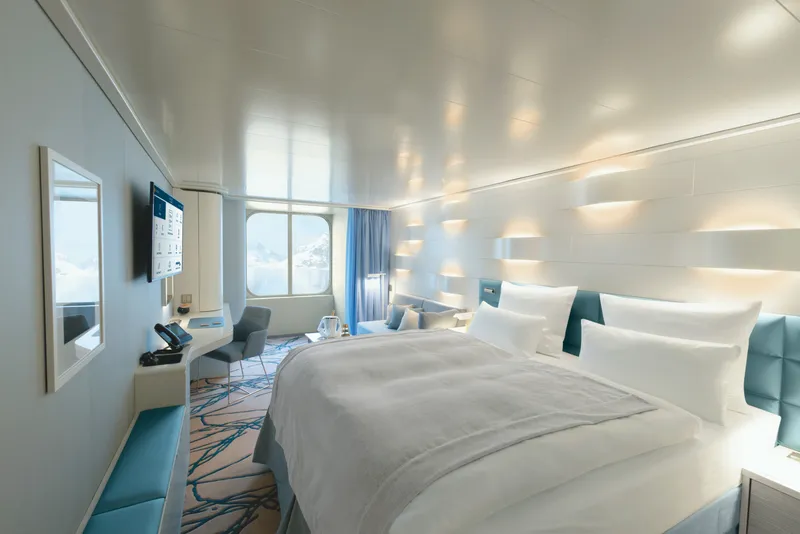
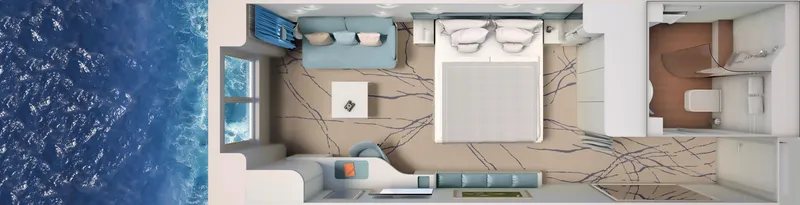
Guarantee Outside Cabin
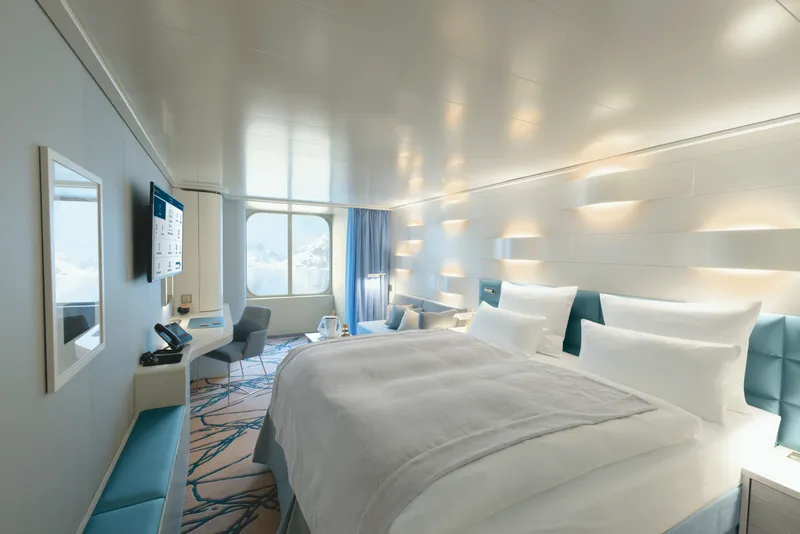
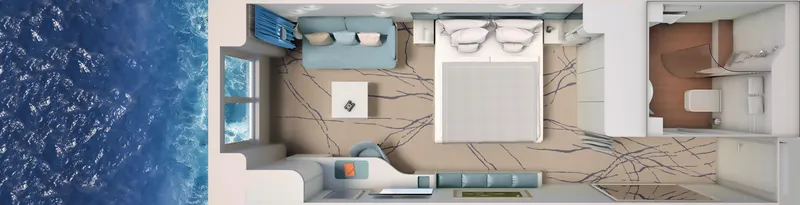
Approx. 22 m²/237 ft² cabins on Deck 4, 5 and 6
Heated wall in the bathroom
Rain shower
Free mini bar (soft drinks)
Coffee machine
Separable beds
24-hour cabin service
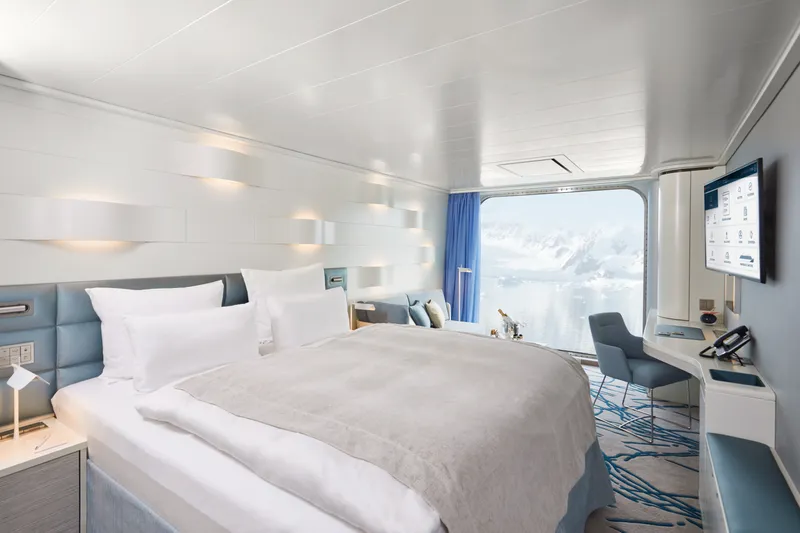
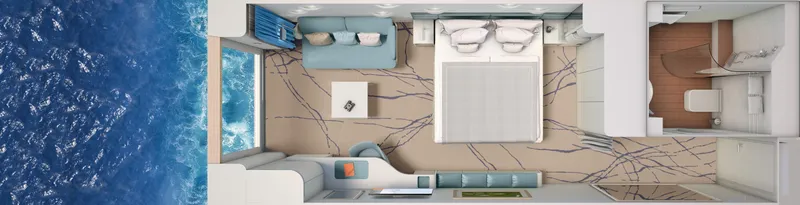
Approx. 21 m²/226 ft² Cabins on Deck 5
Heated wall in bathroom
Rain shower
Free mini bar (soft drinks)
Coffee machine
Separable beds
24-hour cabin service
There is one cabin with fully accessible layout and equipment (cabin 404)
Our cruise specialists can help you find the perfect cabin and the best available pricing.
(+886) 02-2721-7300Contact Advisor