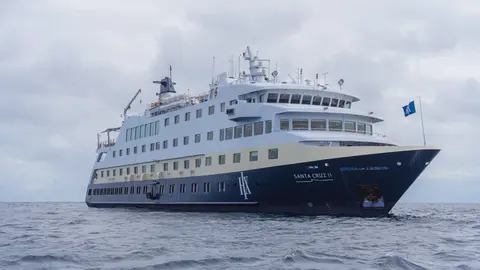
HX ExpeditionsGPS-GPS-0-SCGAL2627WNMAC
Galápagos Islands - Nine of the Best Isles plus Machu Picchu
Date
2026-07-30
Duration
15 nights
Departure Port
Lima
Peru
Arrival Port
Baltra Island
Ecuador
Rating
—
Theme
—
Date
2026-07-30
Duration
15 nights
Departure Port
Lima
Peru
Arrival Port
Baltra Island
Ecuador
Rating
—
Theme
—


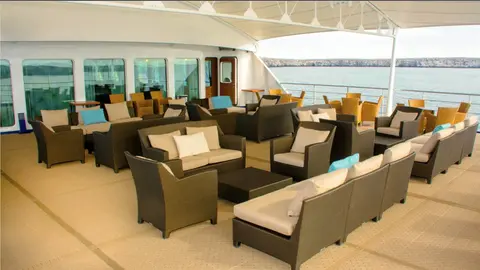

HX Expeditions
2021
2021
2,664 GT
90
—
—
232 m
13 m
10 knots
No
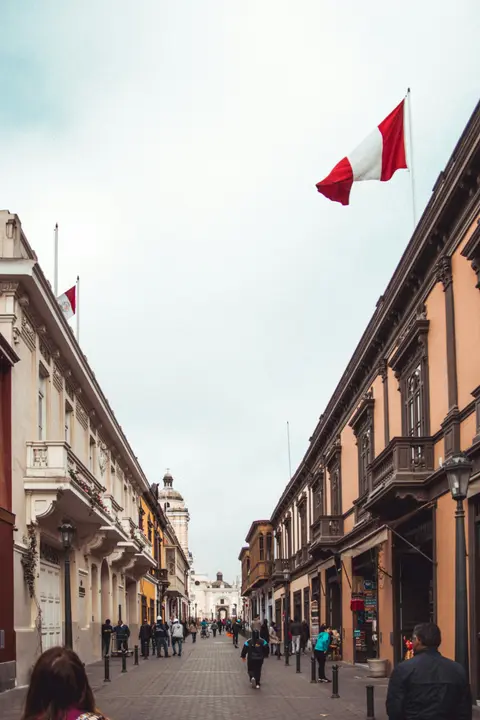
The port of Lima is a vibrant gateway to Peru's rich history and culinary excellence, making it a must-visit destination for travelers. Savor local delicacies like ceviche and explore nearby attractions such as the coastal district of Callao and the breathtaking landscapes of Puno. The best time to visit is during the dry season from May to September, when the weather is ideal for exploration.
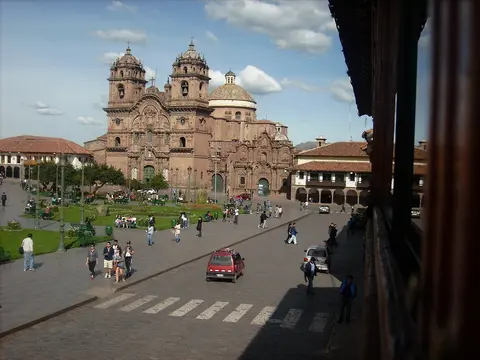
Cusco is the ancient Inca capital at 3,400 metres in the Peruvian Andes, where massive pre-Columbian stonework supports Spanish colonial churches in a UNESCO World Heritage cityscape. Must-dos include exploring the Plaza de Armas and its cathedral, tasting cuy and alpaca at the San Pedro Market, and visiting Machu Picchu in the Sacred Valley. May through October's dry season offers clear skies and the best conditions for trekking and exploration.
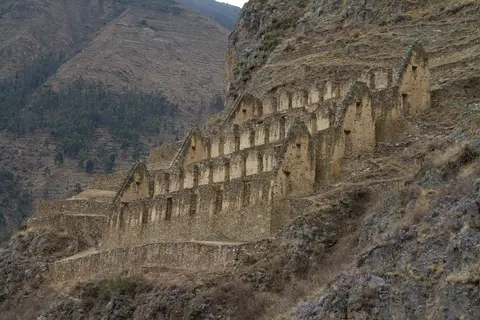
Ollantaytambo is the last living Inca town in Peru's Sacred Valley, where residents still inhabit 15th-century stone houses and water flows through original Inca channels. Must-dos include climbing the fortress terraces with their Temple of the Sun, taking the train to Machu Picchu, and visiting the ancient salt pans of Maras. Visit May through October for clear skies and comfortable temperatures in the dry season.
Cusco is the ancient Inca capital at 3,400 metres in the Peruvian Andes, where massive pre-Columbian stonework supports Spanish colonial churches in a UNESCO World Heritage cityscape. Must-dos include exploring the Plaza de Armas and its cathedral, tasting cuy and alpaca at the San Pedro Market, and visiting Machu Picchu in the Sacred Valley. May through October's dry season offers clear skies and the best conditions for trekking and exploration.
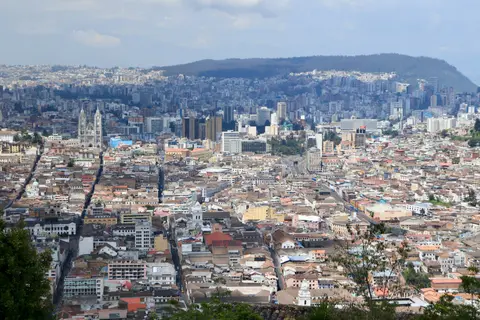
Quito, Ecuador’s capital, is a UNESCO World Heritage Site renowned for its colonial architecture and rich history. Visitors must savor local dishes like locro de papa and hornado while exploring vibrant markets. The best time to visit is during the dry season, from June to September, when the weather is ideal for discovering nearby attractions like Isabela Island and Cajas National Park.
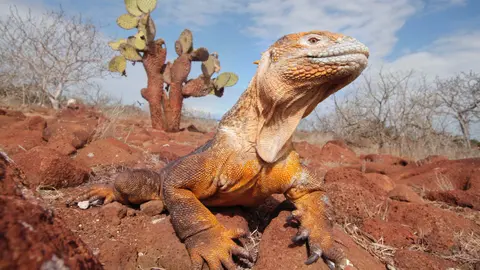
The Galápagos Islands remain the ultimate destination for those who believe travel can still deliver genuine wonder: a volcanic archipelago one thousand kilometres off the Ecuadorian coast where evolution proceeded in isolation, producing wildlife of astonishing tameness and diversity that shaped Darwin's theory of natural selection. Blue-footed boobies perform courtship dances unperturbed by observers; giant tortoises lumber through highland mist; marine iguanas bask on black lava like prehistoric sentinels. Visitor numbers are strictly controlled within the UNESCO-protected reserve. The cool, nutrient-rich Garúa season (June–November) and the warm season (December–May) each offer distinct wildlife spectacles.
Isabela Island, Ecuador, delivers South America's irresistible combination of dramatic landscapes, vibrant culture, and extraordinary biodiversity. Essential experiences include exploring local markets, tasting the distinctive regional cuisine, and venturing into the surrounding natural environments. Best visited December through April, during the dry season when skies are clearest and seas are calmest. Cruise lines including HX Expeditions feature this port on their most compelling itineraries. Whether you have a few hours or a full day, the port rewards exploration at every pace and in every direction.
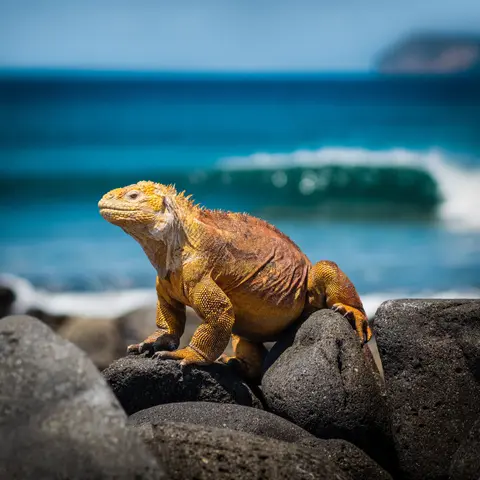
Fernandina Island is the youngest and most volcanically active island in the Galápagos archipelago, accessible only by expedition cruise, offering visitors an unparalleled encounter with marine iguanas, flightless cormorants, and pristine lava landscapes at Punta Espinoza. The essential experience is a wet landing onto the black lava shore to observe wildlife that exists nowhere else on Earth, best paired with Zodiac excursions along the Cromwell Current upwelling zone. The Galápagos enjoys relatively stable conditions year-round, though the warm season from January to June brings calmer seas and optimal snorkelling visibility in the western islands.

Santa Cruz Island, a key destination in the Galápagos archipelago, is celebrated for its rich history and vibrant port town of Puerto Ayora. Must-do experiences include savoring local dishes such as ceviche de mero and exploring nearby attractions like Isabela Island and Las Tintoreras Islet. The best time to visit is during the dry season from June to November when wildlife viewing is particularly rewarding.
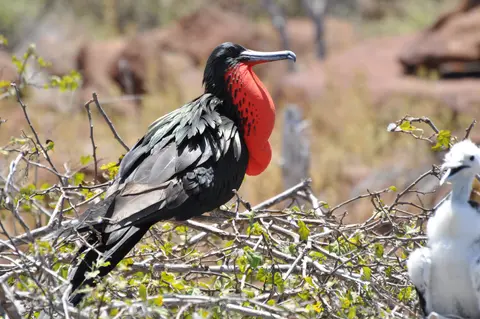
Floreana Island, part of the Galápagos archipelago, is a historically rich destination known for its intimate port and stunning landscapes. Must-do experiences include savoring local dishes like ceviche de mero and exploring nearby attractions such as Isabela Island and Cajas National Park. The best season to visit is during the dry season from June to December, offering ideal conditions for exploration and wildlife viewing.
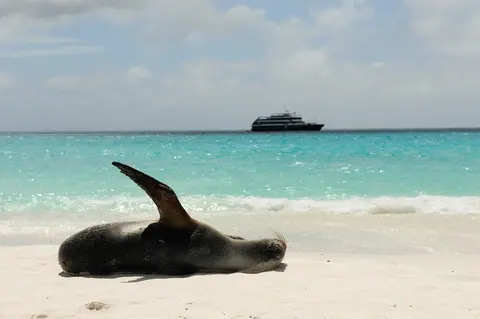
Baltra Island is a pivotal port in the Galápagos, historically rooted and now a gateway to adventure. Must-do experiences include sampling fresh ceviche de mero and exploring the nearby Isabela Island and Las Tintoreras Islet. The best season to visit is during the warmer months from December to May.
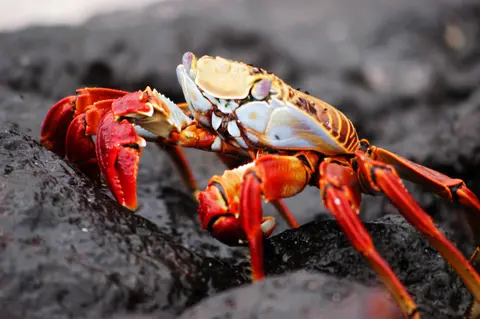
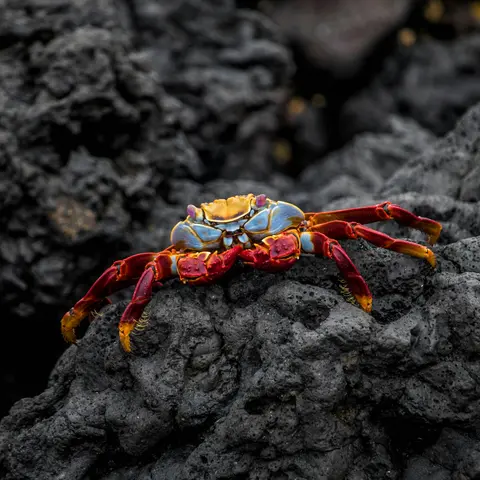
Sullivan Bay on Santiago Island is a pristine volcanic landscape in the Galápagos archipelago, where nineteenth-century pahoehoe lava flows create an otherworldly terrain of rope basalt, hornitos, and pioneer cacti framed by brilliant Sally Lightfoot crabs. The essential experience is a guided geological walk across the lava fields, complemented by Zodiac wildlife encounters along the shoreline. The Galápagos enjoys relatively stable weather year-round, though the warm season from January to May brings calmer seas and better snorkelling visibility, while the cooler garúa season from June to December offers more dynamic wildlife activity and nutrient-rich waters.
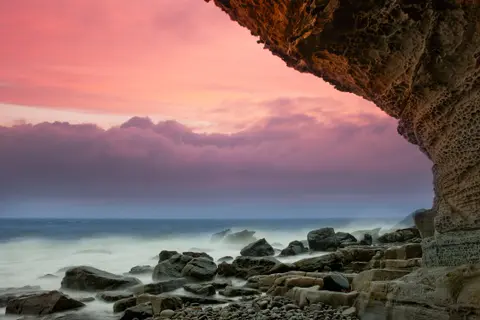
Rábida Island is the Galápagos' most colorful landing site, with a striking red-sand beach created by oxidized volcanic iron, sea lions lounging on the crimson shore, and a palo santo forest sheltering nesting pelicans and flamingos. Must-dos include walking the red beach, snorkeling with sea lions, and checking the salt lagoon for flamingos. Warm season (Jan–May) offers the best snorkeling conditions.
San Juan Capistrano is a historic mission town on Southern California's Orange County coast, founded in 1776 and celebrated for its Spanish colonial heritage, the legendary return of cliff swallows each spring, and the charm of the Los Rios Historic District — California's oldest neighborhood. Visitors should explore Mission San Juan Capistrano's atmospheric ruins and savor the refined Mexican-Californian cuisine at El Adobe de Capistrano. The mild Mediterranean climate makes it a year-round destination, though March brings the famed swallows' return and wildflower season paints the surrounding hills in gold.
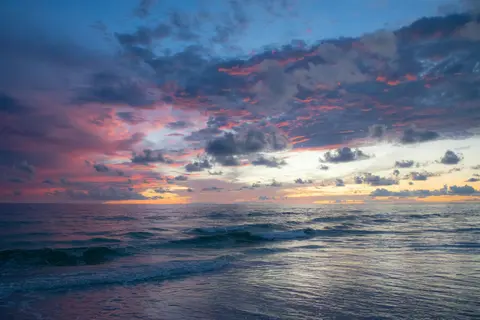
Darwin Bay on Genovesa Island is a remarkable port known for its stunning natural beauty and rich biodiversity, making it a haven for birdwatchers and nature enthusiasts. Must-do experiences include hiking the cliffs for breathtaking views and observing unique seabird colonies. The best season to visit is from June to November, when the weather is cooler and wildlife is particularly active.
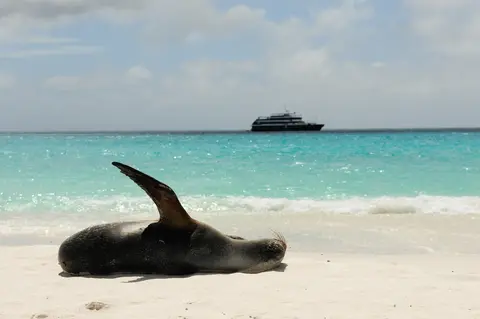
Baltra Island is a pivotal port in the Galápagos, historically rooted and now a gateway to adventure. Must-do experiences include sampling fresh ceviche de mero and exploring the nearby Isabela Island and Las Tintoreras Islet. The best season to visit is during the warmer months from December to May.
Day 1
The port of Lima is a vibrant gateway to Peru's rich history and culinary excellence, making it a must-visit destination for travelers. Savor local delicacies like ceviche and explore nearby attractions such as the coastal district of Callao and the breathtaking landscapes of Puno. The best time to visit is during the dry season from May to September, when the weather is ideal for exploration.
Day 3
Cusco is the ancient Inca capital at 3,400 metres in the Peruvian Andes, where massive pre-Columbian stonework supports Spanish colonial churches in a UNESCO World Heritage cityscape. Must-dos include exploring the Plaza de Armas and its cathedral, tasting cuy and alpaca at the San Pedro Market, and visiting Machu Picchu in the Sacred Valley. May through October's dry season offers clear skies and the best conditions for trekking and exploration.
Day 4
Ollantaytambo is the last living Inca town in Peru's Sacred Valley, where residents still inhabit 15th-century stone houses and water flows through original Inca channels. Must-dos include climbing the fortress terraces with their Temple of the Sun, taking the train to Machu Picchu, and visiting the ancient salt pans of Maras. Visit May through October for clear skies and comfortable temperatures in the dry season.
Day 5
Cusco is the ancient Inca capital at 3,400 metres in the Peruvian Andes, where massive pre-Columbian stonework supports Spanish colonial churches in a UNESCO World Heritage cityscape. Must-dos include exploring the Plaza de Armas and its cathedral, tasting cuy and alpaca at the San Pedro Market, and visiting Machu Picchu in the Sacred Valley. May through October's dry season offers clear skies and the best conditions for trekking and exploration.
Day 6
Quito, Ecuador’s capital, is a UNESCO World Heritage Site renowned for its colonial architecture and rich history. Visitors must savor local dishes like locro de papa and hornado while exploring vibrant markets. The best time to visit is during the dry season, from June to September, when the weather is ideal for discovering nearby attractions like Isabela Island and Cajas National Park.
Day 8
The Galápagos Islands remain the ultimate destination for those who believe travel can still deliver genuine wonder: a volcanic archipelago one thousand kilometres off the Ecuadorian coast where evolution proceeded in isolation, producing wildlife of astonishing tameness and diversity that shaped Darwin's theory of natural selection. Blue-footed boobies perform courtship dances unperturbed by observers; giant tortoises lumber through highland mist; marine iguanas bask on black lava like prehistoric sentinels. Visitor numbers are strictly controlled within the UNESCO-protected reserve. The cool, nutrient-rich Garúa season (June–November) and the warm season (December–May) each offer distinct wildlife spectacles.
Day 9
Isabela Island, Ecuador, delivers South America's irresistible combination of dramatic landscapes, vibrant culture, and extraordinary biodiversity. Essential experiences include exploring local markets, tasting the distinctive regional cuisine, and venturing into the surrounding natural environments. Best visited December through April, during the dry season when skies are clearest and seas are calmest. Cruise lines including HX Expeditions feature this port on their most compelling itineraries. Whether you have a few hours or a full day, the port rewards exploration at every pace and in every direction.
Fernandina Island is the youngest and most volcanically active island in the Galápagos archipelago, accessible only by expedition cruise, offering visitors an unparalleled encounter with marine iguanas, flightless cormorants, and pristine lava landscapes at Punta Espinoza. The essential experience is a wet landing onto the black lava shore to observe wildlife that exists nowhere else on Earth, best paired with Zodiac excursions along the Cromwell Current upwelling zone. The Galápagos enjoys relatively stable conditions year-round, though the warm season from January to June brings calmer seas and optimal snorkelling visibility in the western islands.
Day 10
Santa Cruz Island, a key destination in the Galápagos archipelago, is celebrated for its rich history and vibrant port town of Puerto Ayora. Must-do experiences include savoring local dishes such as ceviche de mero and exploring nearby attractions like Isabela Island and Las Tintoreras Islet. The best time to visit is during the dry season from June to November when wildlife viewing is particularly rewarding.
Day 11
Floreana Island, part of the Galápagos archipelago, is a historically rich destination known for its intimate port and stunning landscapes. Must-do experiences include savoring local dishes like ceviche de mero and exploring nearby attractions such as Isabela Island and Cajas National Park. The best season to visit is during the dry season from June to December, offering ideal conditions for exploration and wildlife viewing.
Day 12
Baltra Island is a pivotal port in the Galápagos, historically rooted and now a gateway to adventure. Must-do experiences include sampling fresh ceviche de mero and exploring the nearby Isabela Island and Las Tintoreras Islet. The best season to visit is during the warmer months from December to May.
Day 13
Sullivan Bay on Santiago Island is a pristine volcanic landscape in the Galápagos archipelago, where nineteenth-century pahoehoe lava flows create an otherworldly terrain of rope basalt, hornitos, and pioneer cacti framed by brilliant Sally Lightfoot crabs. The essential experience is a guided geological walk across the lava fields, complemented by Zodiac wildlife encounters along the shoreline. The Galápagos enjoys relatively stable weather year-round, though the warm season from January to May brings calmer seas and better snorkelling visibility, while the cooler garúa season from June to December offers more dynamic wildlife activity and nutrient-rich waters.
Day 14
Rábida Island is the Galápagos' most colorful landing site, with a striking red-sand beach created by oxidized volcanic iron, sea lions lounging on the crimson shore, and a palo santo forest sheltering nesting pelicans and flamingos. Must-dos include walking the red beach, snorkeling with sea lions, and checking the salt lagoon for flamingos. Warm season (Jan–May) offers the best snorkeling conditions.
San Juan Capistrano is a historic mission town on Southern California's Orange County coast, founded in 1776 and celebrated for its Spanish colonial heritage, the legendary return of cliff swallows each spring, and the charm of the Los Rios Historic District — California's oldest neighborhood. Visitors should explore Mission San Juan Capistrano's atmospheric ruins and savor the refined Mexican-Californian cuisine at El Adobe de Capistrano. The mild Mediterranean climate makes it a year-round destination, though March brings the famed swallows' return and wildflower season paints the surrounding hills in gold.
Day 15
Darwin Bay on Genovesa Island is a remarkable port known for its stunning natural beauty and rich biodiversity, making it a haven for birdwatchers and nature enthusiasts. Must-do experiences include hiking the cliffs for breathtaking views and observing unique seabird colonies. The best season to visit is from June to November, when the weather is cooler and wildlife is particularly active.
Day 16
Baltra Island is a pivotal port in the Galápagos, historically rooted and now a gateway to adventure. Must-do experiences include sampling fresh ceviche de mero and exploring the nearby Isabela Island and Las Tintoreras Islet. The best season to visit is during the warmer months from December to May.

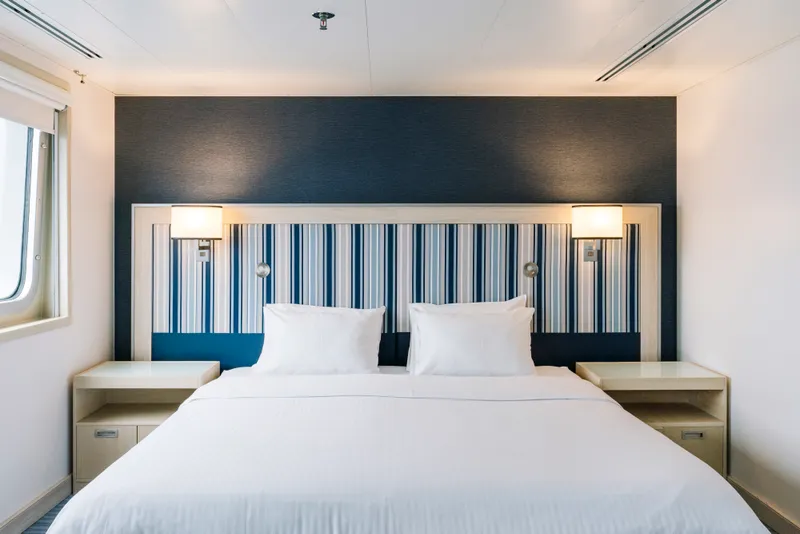
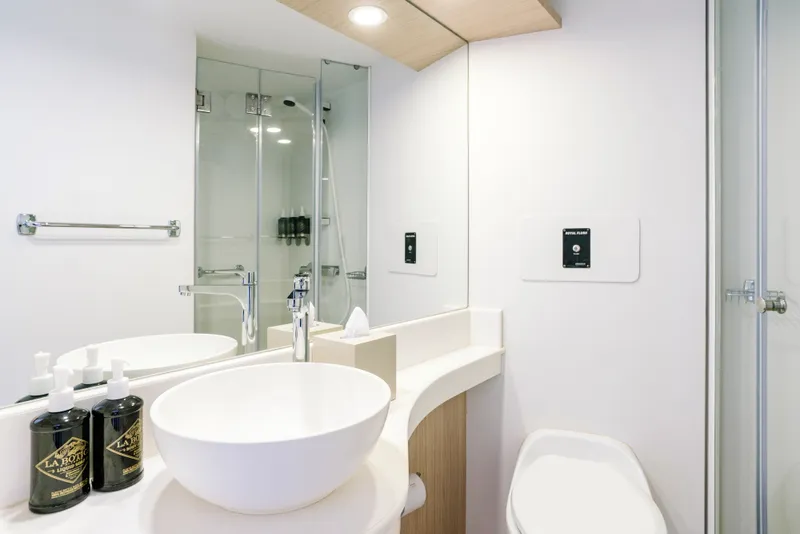
Our three Darwin suites on the Panorama deck, featuring double picture windows, will provide superb comfort and deluxe amenities for more discerning guests. Available in twin or double bed and if more space is desired, they can be interconnected with an Explorer cabin.
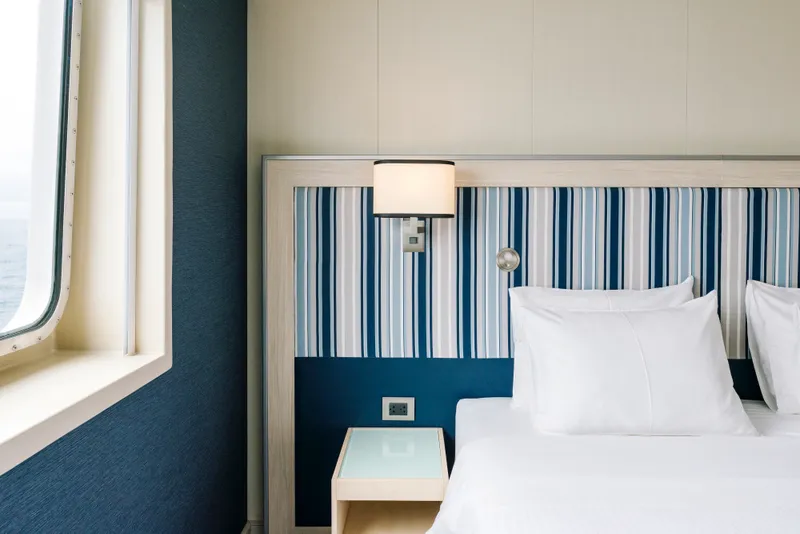
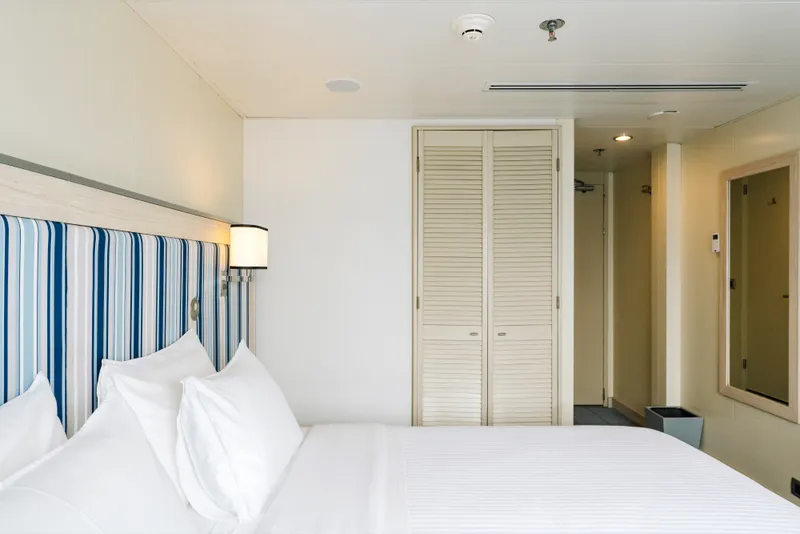
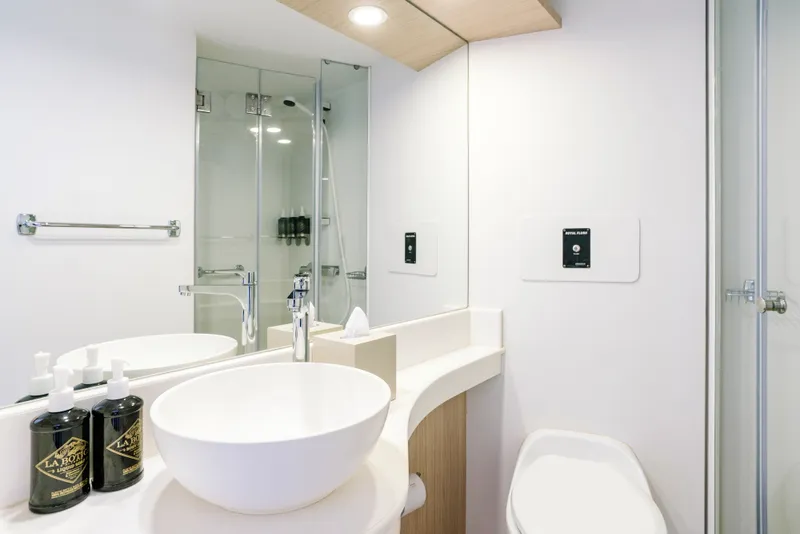
With comfortable spaces and large picture windows to illuminate the interior spaces and allow guests to take in the views, these cabins offer elegant relaxation areas after a day of active exploring. There are 23 Explorer cabins located as on the Horizon deck.
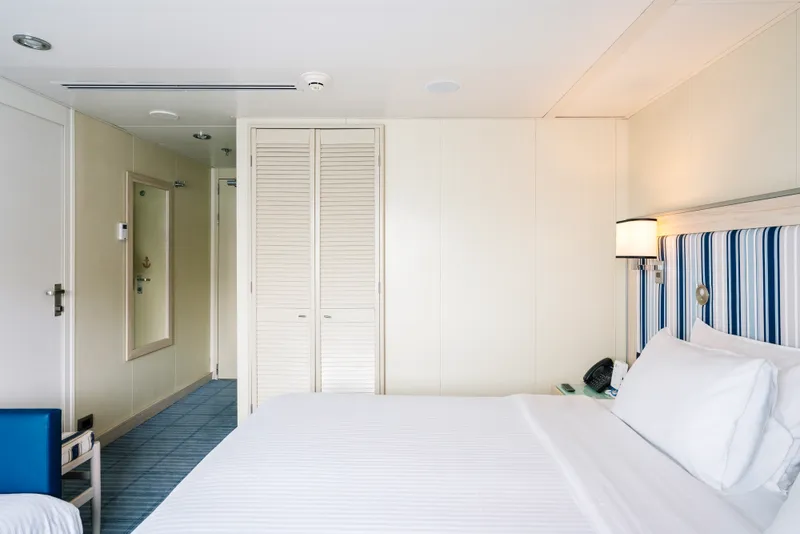
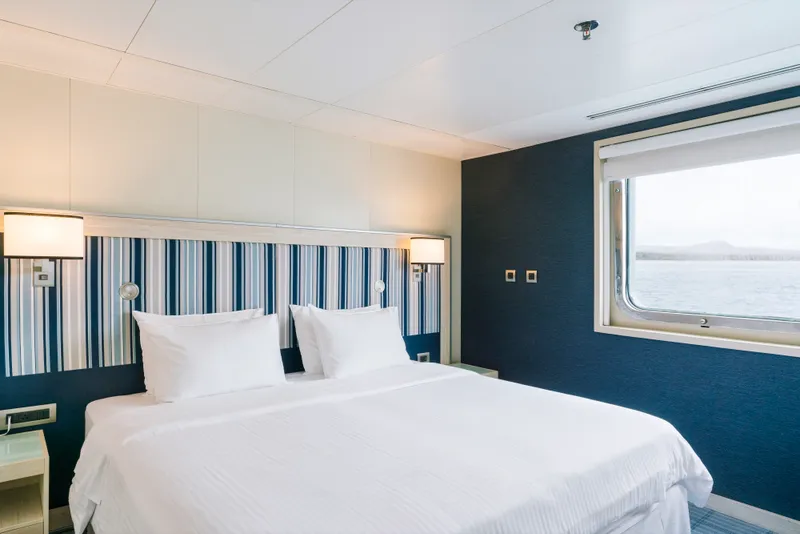
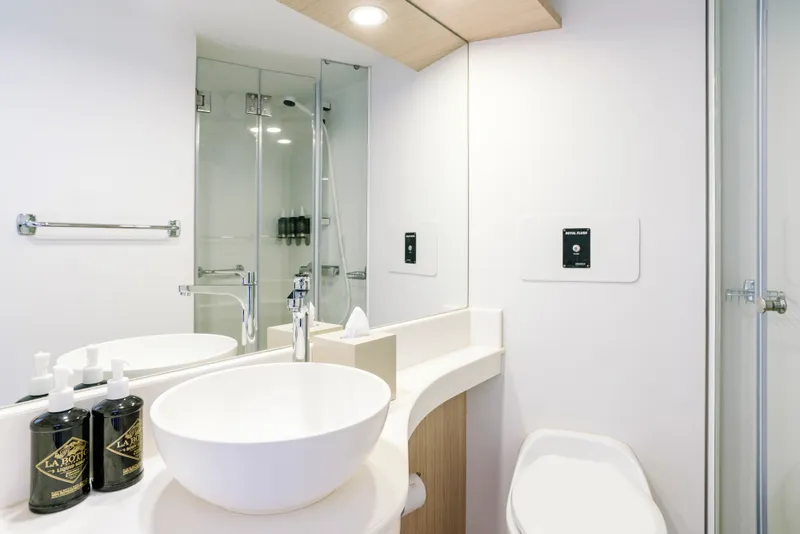
With comfortable spaces and large picture windows to illuminate the interior spaces and allow guests to take in the views, these cabins offer elegant relaxation areas after a day of active exploring. There are 2 Explorer family cabins located on the Horizon deck. Cabins are equipped with twin beds and a sofa bed (ideal for children under 12).
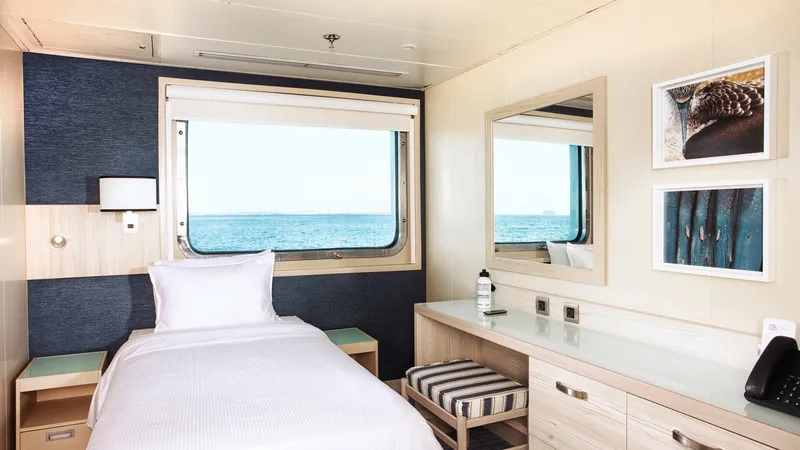
With comfortable spaces and large picture windows to illuminate the interior spaces and allow guests to take in the views, these cabins offer single bed, and plenty of space for solo travelers. There are 2 Voyager cabins located on the Horizon deck.
Our cruise specialists can help you find the perfect cabin and the best available pricing.
(+886) 02-2721-7300Contact Advisor